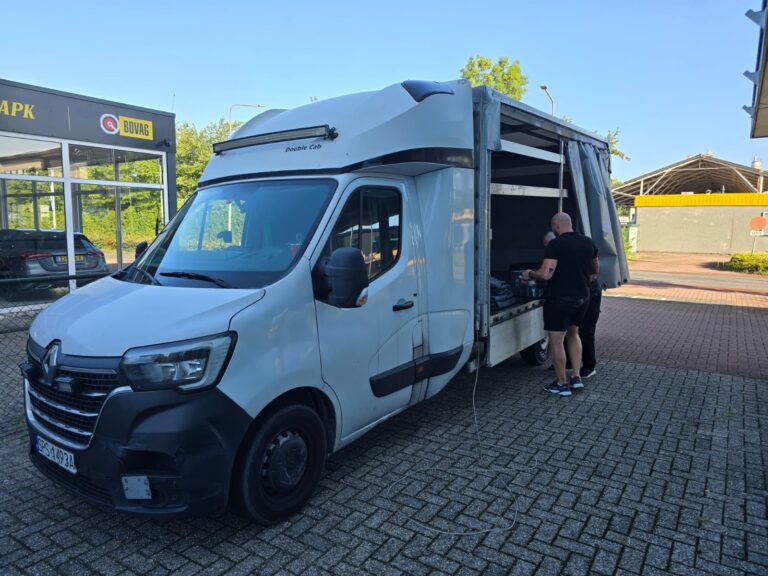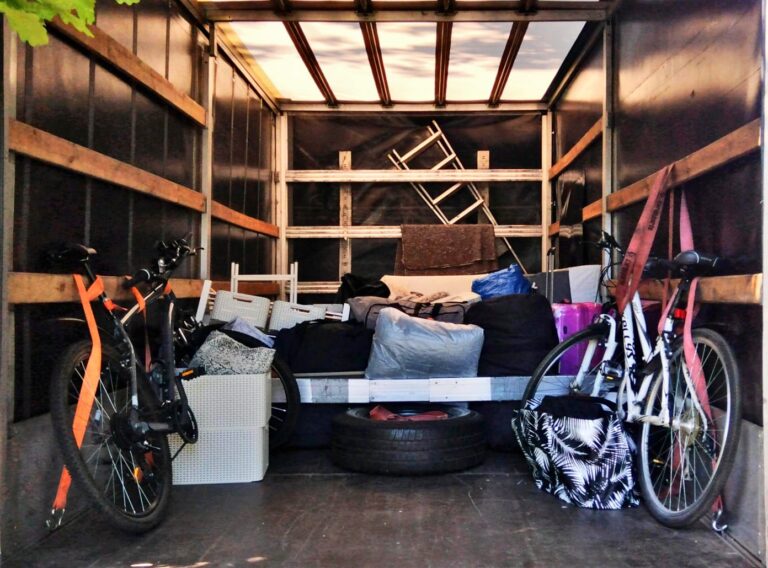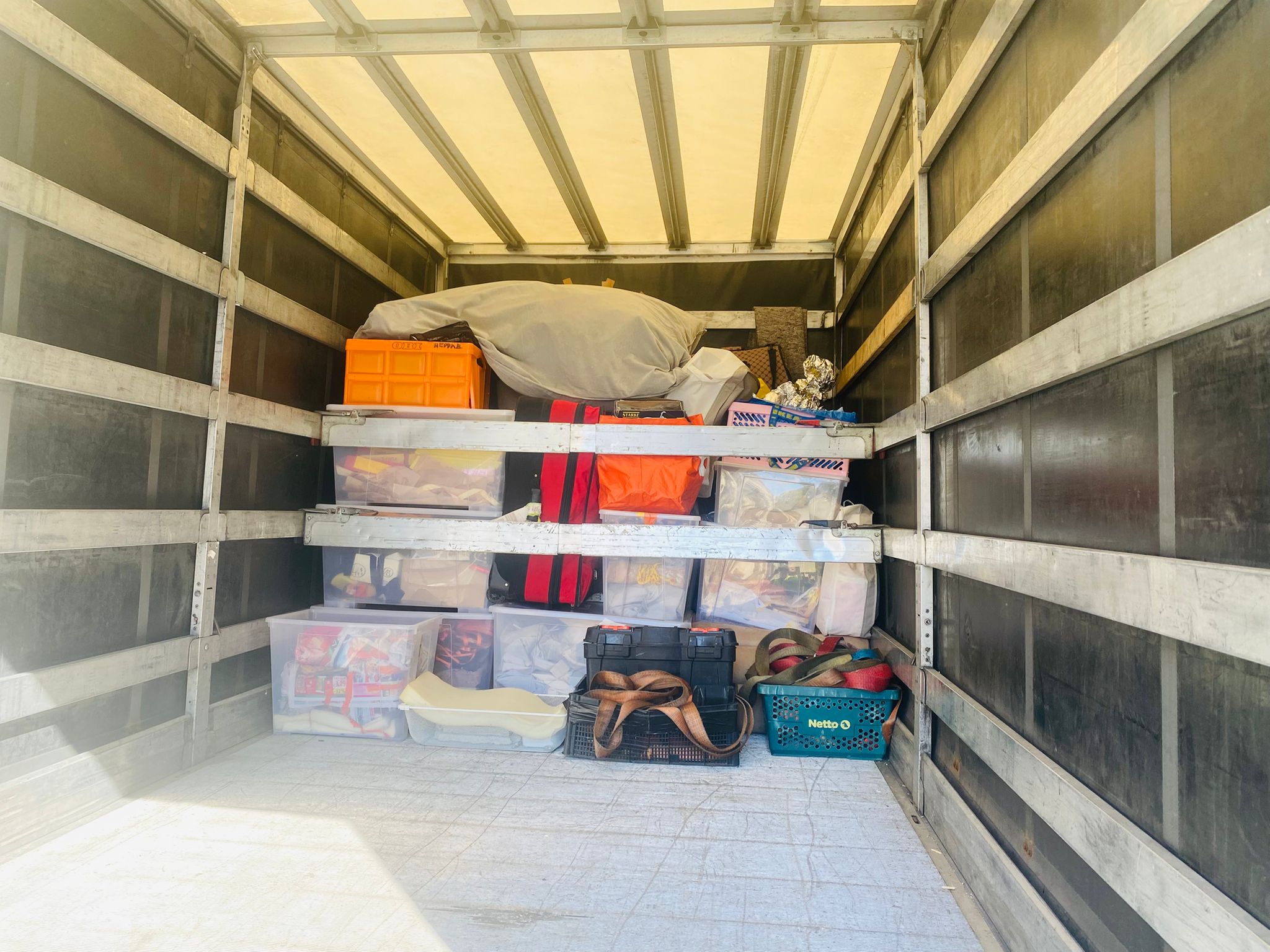

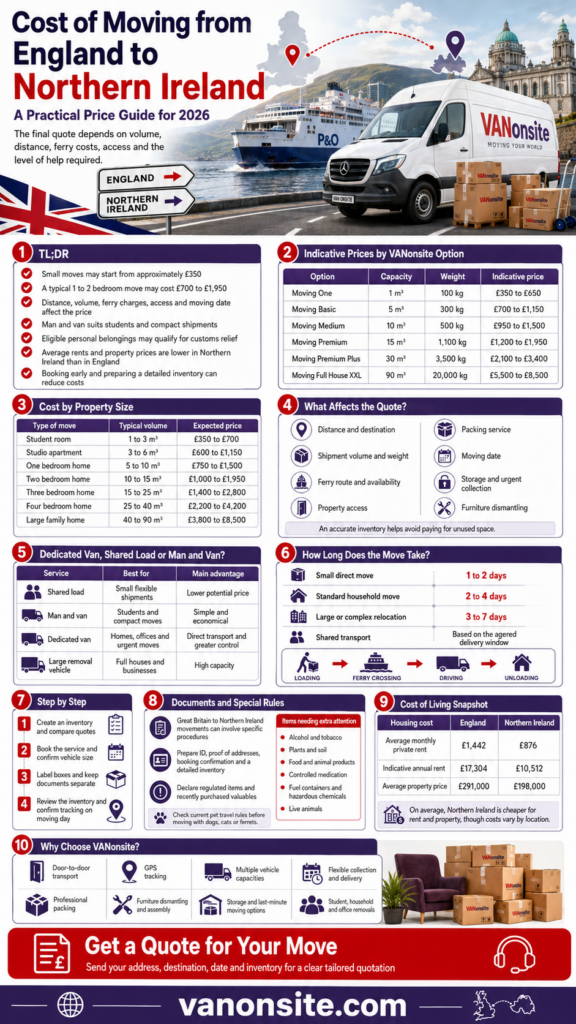
The cost of moving from England to Northern Ireland usually starts at around £350 for boxes, luggage or a compact student move. A standard household relocation may cost between £700 and £3,400, while a large family home or business move can exceed £5,500.
The final price depends on the volume and weight of your belongings, the collection point in England, the destination in Northern Ireland, ferry arrangements, property access and the level of help required. Packing, furniture dismantling, storage and urgent collection can also affect the quote.
A move from Liverpool to Belfast will normally cost less than transporting a full household from London to Derry. An accurate inventory is therefore essential. It helps the removals team select the right vehicle, calculate labour requirements and avoid charging for unused space.
TL:DR
- Small moves may start from approximately £350.
- A typical one or two bedroom relocation may cost between £700 and £1,950.
- Distance, volume, ferry charges, access and the moving date influence the final price.
- A flexible man and van service can suit students and small shipments.
- Average rents and property prices are lower in Northern Ireland than in England.
- Eligible personal belongings may qualify for customs relief when moving your main home.
- Booking early, reducing the load and preparing a detailed inventory can lower the cost.




How Much Does It Cost to Move from England to Northern Ireland?
For most customers, the cost of moving from England to Northern Ireland falls between £700 and £3,400. Smaller moves can cost less. Large properties, difficult access, premium packing and heavy furniture can raise the total.
| VANonsite option | Capacity | Weight limit | Suitable for | Indicative price |
|---|---|---|---|---|
| Moving One | 1 m³ | 100 kg | Boxes, luggage or a student room | £350 to £650 |
| Moving Basic | 5 m³ | 300 kg | Studio or light one bedroom move | £700 to £1,150 |
| Moving Medium | 10 m³ | 500 kg | One or two bedroom property | £950 to £1,500 |
| Moving Premium | 15 m³ | 1,100 kg | Two or three bedroom property | £1,200 to £1,950 |
| Moving Premium Plus | 30 m³ | 3,500 kg | Large home or small office | £2,100 to £3,400 |
| Moving Full House XXL | 90 m³ | 20,000 kg | Large house or business relocation | £5,500 to £8,500 |
These are planning estimates rather than fixed quotations. Your actual England to Northern Ireland removals cost should be calculated from exact addresses, the final inventory, the preferred date and access conditions at both properties.
A clear quote should state whether ferry transport, mileage, loading, unloading and furniture protection are included.
England to Northern Ireland Removals Cost by Property Size
Property size provides a useful starting point when you do not know the volume in cubic metres.
| Type of move | Typical volume | Expected price range |
|---|---|---|
| Student room | 1 to 3 m³ | £350 to £700 |
| Studio apartment | 3 to 6 m³ | £600 to £1,150 |
| One bedroom home | 5 to 10 m³ | £750 to £1,500 |
| Two bedroom home | 10 to 15 m³ | £1,000 to £1,950 |
| Three bedroom home | 15 to 25 m³ | £1,400 to £2,800 |
| Four bedroom home | 25 to 40 m³ | £2,200 to £4,200 |
| Large family home | 40 to 90 m³ | £3,800 to £8,500 |
Contents vary sharply between homes. Prepare a room-by-room inventory covering furniture, appliances, boxes and heavy objects. Photos or a video survey can improve accuracy.
What Affects England to Northern Ireland Removals Prices?
Several factors shape England to Northern Ireland removals prices. Understanding them will help you compare quotes fairly.
Distance and Destination
Collections far from the departure port require more fuel and driver time. The destination also matters, as rural deliveries may add several hours after the ferry.
Shipment Volume and Weight
Volume determines how much vehicle capacity you need. Weight also matters. Safes, pianos, solid wood furniture, stone tables, gym equipment and commercial machinery may require extra movers or specialist lifting equipment.
Ferry Route and Availability
Most moves use either the direct Liverpool to Belfast route or a road journey to Cairnryan followed by a shorter sea crossing. Stena Line lists the Liverpool to Belfast sailing at about eight hours and the Cairnryan to Belfast crossing from about two hours and fifteen minutes.
The shortest crossing is not always the cheapest overall route. Driving from southern England to Cairnryan adds mileage and labour time. Ferry costs can also change because of vehicle dimensions, seasonal demand, departure time and last-minute availability.
Property Access
Narrow streets, stairs, restricted parking, buildings without lifts and long carrying distances increase loading time. Share photos of access points before booking.
Packing and Moving Date
Self-packing may lower the price, while professional packing provides stronger protection and saves time. The VANonsite Packing Service can include boxes, protective blankets, mattress covers and fragile-item wrapping.
Fridays, weekends, school holidays and the end of the month are often busier. Booking two to six weeks ahead usually provides more choice. Last-minute moves remain possible, although limited vehicle and ferry availability may increase the price.
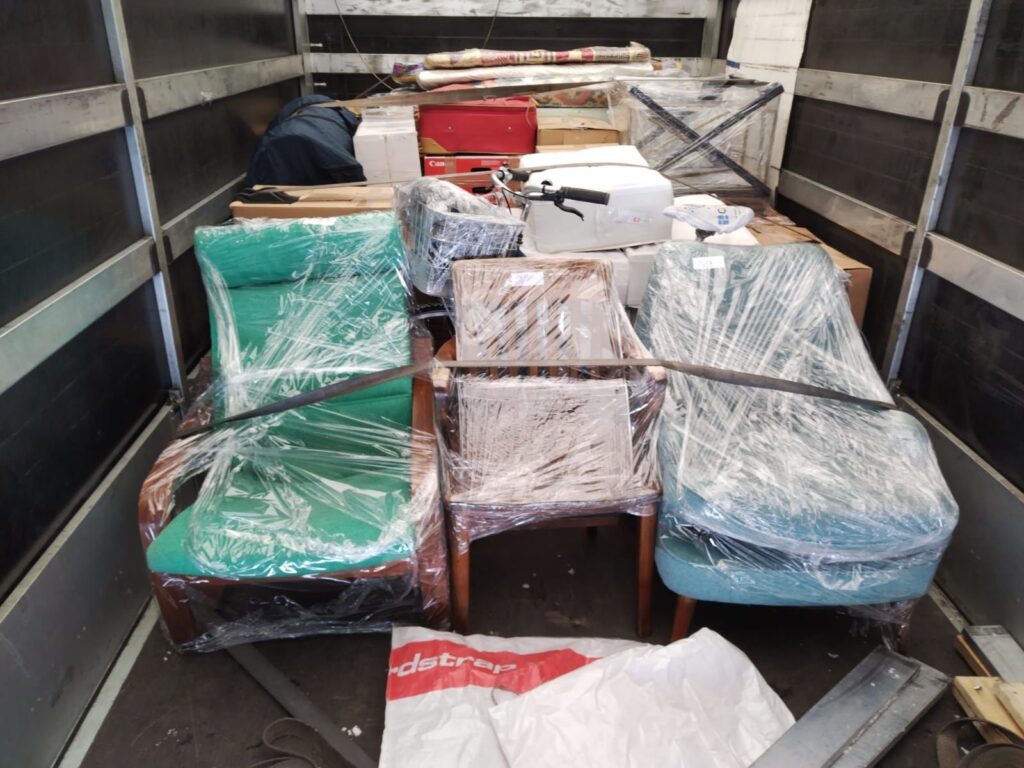
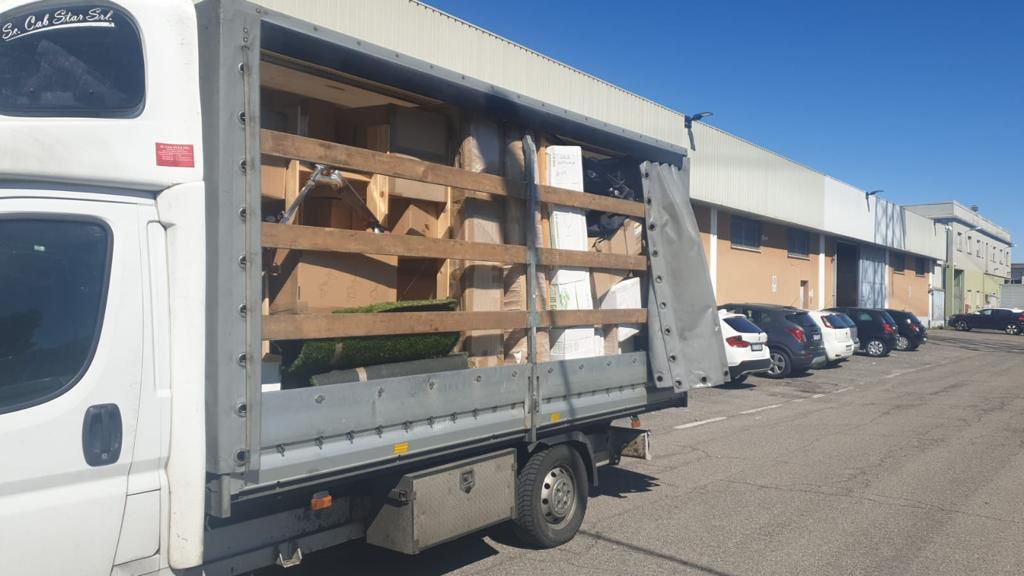
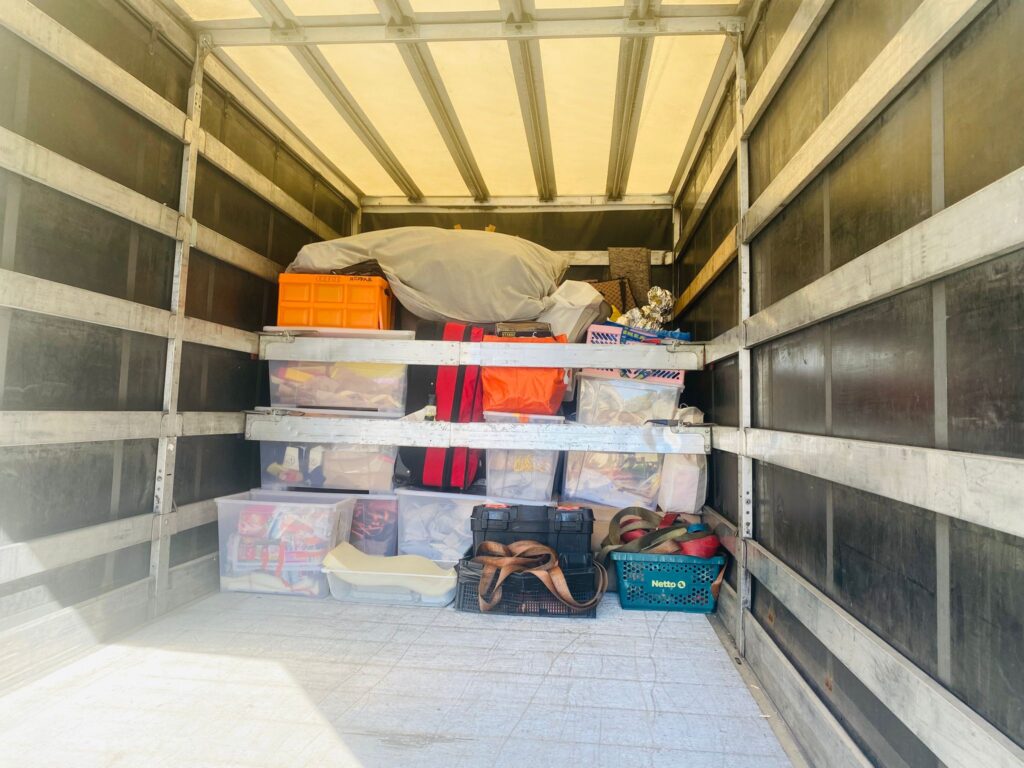

Cheap England to Northern Ireland Removals Without Cutting Corners
Finding cheap England to Northern Ireland removals should mean removing waste, not essential protection. The safest savings come from reducing volume, choosing the correct vehicle and being flexible with dates.
Reduce the Shipment
Review every room, cupboard, loft and garage before confirming the load. Divide your possessions into four groups:
- Take to Northern Ireland
- Sell before moving
- Donate or give away
- Recycle or dispose of responsibly
Match the Vehicle to the Load
A vehicle that is too large means paying for empty space. A vehicle that is too small may require a second trip. VANonsite offers capacities from Moving One at 1 m³ to Moving Full House XXL at 90 m³, making it easier to match the service to the shipment.
Consider Man and Van Transport
A man and van service may be ideal for student belongings, boxes, luggage and a few pieces of furniture. A dedicated van is usually better for complete households, fragile furniture, urgent delivery and fixed collection dates.
Dedicated Van, Shared Load or Man and Van?
| Service | Best for | Main advantage | Possible limitation |
|---|---|---|---|
| Shared load | Small, flexible shipments | Lower potential price | Wider delivery window |
| Man and van | Students and compact moves | Simple and economical | Limited capacity |
| Dedicated van | Homes, offices and urgent moves | Direct transport and greater control | Higher price |
| Large removal vehicle | Full houses and businesses | High capacity | Requires suitable access |
A shared load combines several compatible consignments. You pay for the space used, but collection and delivery windows may be broader.
A dedicated vehicle carries your belongings without combining them with unrelated shipments. VANonsite also provides GPS tracking, allowing you to follow the transport throughout the journey.
How Long Does the Move Take?
A small direct move can often be completed within one or two days. A standard household relocation may take two to four days. Large or complex moves can require three to seven days.
| Move type | Estimated transport time |
|---|---|
| Small direct move | 1 to 2 days |
| Standard household move | 2 to 4 days |
| Large or complex relocation | 3 to 7 days |
| Shared transport | Based on the agreed delivery window |
The timetable includes loading, driving to the port, ferry check-in, the crossing, road transport in Northern Ireland and unloading. Storms, congestion, road closures and difficult access may cause delays.
Keep identification, medication, chargers, clothes and essential documents with you rather than inside the removal vehicle.
Moving from England to Northern Ireland Step by Step
Four to Six Weeks Before Moving
Create an inventory, compare quotations and confirm your preferred date. Start decluttering and identify possessions that need specialist packing.
Two to Four Weeks Before Moving
Book the service, confirm the vehicle size and arrange packing or storage. Measure large furniture and confirm parking at both addresses.
During the Final Week
Label boxes by room and keep documents, medication, keys, chargers and clothes in a separate bag. Confirm addresses, contact numbers and collection time.
On Moving Day
Check cupboards, sheds, lofts and storage spaces before the vehicle leaves. Review the inventory with the team, keep keys and documents with you, and confirm how GPS tracking updates will be provided.
Do You Need Customs Documents?
England and Northern Ireland are both part of the United Kingdom. However, specific rules apply when personal belongings move from Great Britain to Northern Ireland.
HMRC states that people moving their home may qualify for relief from customs charges on eligible personal belongings. When another person or company transports the goods, additional movement procedures can apply. Check the official GOV.UK guidance for moving your home from Great Britain to Northern Ireland before collection.
Prepare photographic identification, proof of both addresses, the removal booking, a detailed inventory and relevant property or tenancy documents. Receipts may also be useful for recently purchased valuable items.
Used personal belongings may be treated differently from commercial stock, alcohol, tobacco, hazardous goods and new products. Give the removal company an accurate inventory and declare regulated items.
What Can You Take to Northern Ireland?
Most normal household possessions can be transported, including furniture, clothing, books, computers, kitchen equipment, bicycles and used appliances.
Items that may require additional checks include:
- Alcohol and tobacco
- Plants and soil
- Food and animal products
- Weapons
- Fuel containers
- Hazardous chemicals
- Controlled medication
- Commercial stock
- Live animals
Removal vehicles cannot safely carry leaking chemicals, fuel-filled equipment or unsecured pressurised containers. Check the company’s prohibited-items policy before packing.
Moving to Northern Ireland with Pets
Pet travel rules from Great Britain to Northern Ireland changed on 4 June 2025. DAERA provides the current requirements for dogs, cats, ferrets and assistance dogs. Review the official Great Britain to Northern Ireland pet travel guidance before travelling.
Check the microchip details, arrange the required document and confirm the ferry operator’s pet facilities. Carry water and familiar bedding. Pets should travel with their owner or through a suitable pet transport arrangement, not unattended inside the removal vehicle.
Northern Ireland Is Not the Republic of Ireland
Northern Ireland is part of the UK. The Republic of Ireland is a separate country and an EU member state.
Belfast, Derry, Newry, Lisburn and Bangor are in Northern Ireland, where pound sterling is used. Dublin, Cork, Galway, Limerick and Waterford are in the Republic, where the euro is used.
This distinction affects customs, pet travel and transport procedures. For a move across the border or directly to the Republic, read the VANonsite guide to removals to Ireland.
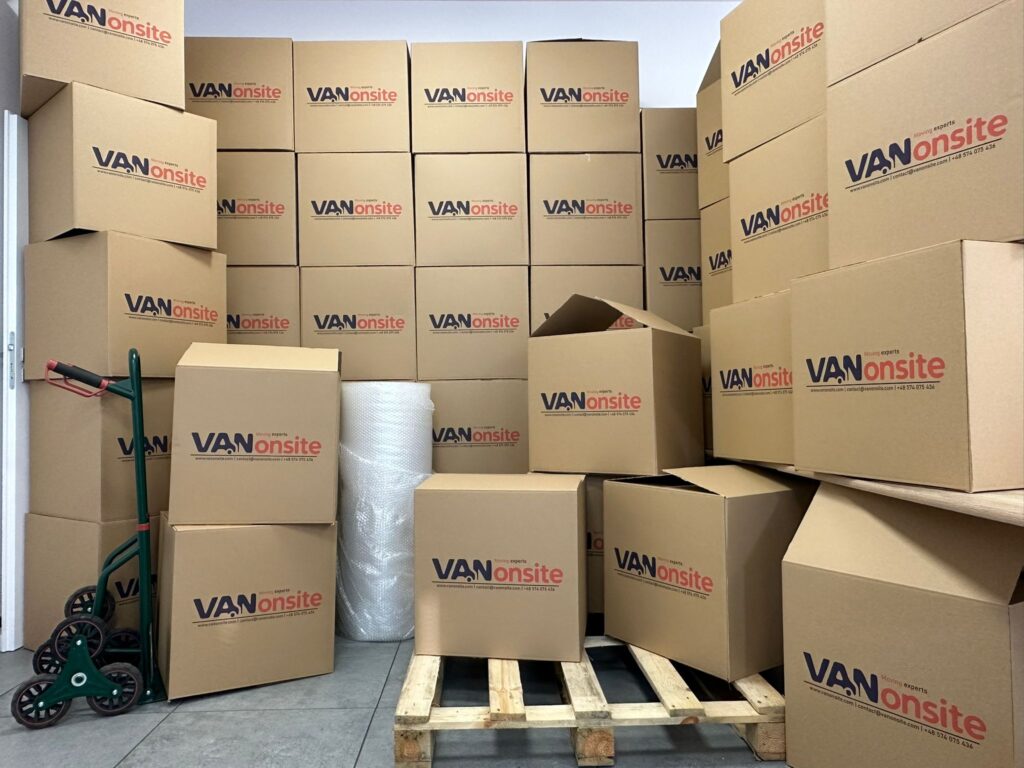

Cost of Living in Northern Ireland Compared with England
The removal quote is only one part of your budget. Rent, property prices, utilities and transport will shape your long-term costs.
ONS data published in June 2026 put the average monthly private rent at £1,442 in England in May 2026 and £876 in Northern Ireland in March 2026. Average house prices were £291,000 in England in April 2026 and £198,000 in Northern Ireland during the first quarter of 2026. The reporting periods differ, so the figures are best used as a broad comparison.
| Housing cost | England | Northern Ireland | Approximate difference |
|---|---|---|---|
| Average monthly private rent | £1,442 | £876 | £566 less |
| Indicative annual rent | £17,304 | £10,512 | £6,792 less |
| Average property price | £291,000 | £198,000 | £93,000 less |
On these averages, rent in Northern Ireland was about 39% lower and the average property price was about 32% lower. Local differences can still be substantial.
Monthly Living Cost Planning
The following ranges are practical budgeting estimates, not fixed prices.
| Expense | Single person | Couple | Family of four |
|---|---|---|---|
| Rent | £650 to £1,100 | £750 to £1,300 | £900 to £1,600 |
| Energy and water | £120 to £220 | £160 to £260 | £220 to £350 |
| Groceries | £200 to £300 | £350 to £500 | £550 to £800 |
| Local transport | £60 to £140 | £120 to £260 | £180 to £400 |
| Internet and mobile | £40 to £80 | £60 to £110 | £80 to £140 |
| Leisure and personal spending | £100 to £250 | £200 to £450 | £300 to £700 |
Rural areas may offer more space for the money, but a car can become essential. City-centre living may increase rent while reducing commuting costs.
Domestic Rates Instead of Council Tax
Northern Ireland uses domestic rates rather than the council tax system found in England. The bill is based on the property’s rateable capital valuation and the regional and district rates for the council area.
Tenants should confirm who is responsible for payment and whether rates are included in the rent.
Best Places to Live in Northern Ireland
| Location | Best for | Main advantage | Relative housing cost |
|---|---|---|---|
| Belfast | Professionals, students and families | Largest employment market | Higher |
| Derry | Families and remote workers | Culture and housing value | Lower |
| Lisburn | Belfast commuters | Strong road connections | Medium |
| Newry | Cross-border workers | Access to Belfast and Dublin | Medium |
| Bangor | Coastal living | Waterfront and rail link | Medium to higher |
| Ballymena | Families seeking space | More property for the budget | Lower |
| Enniskillen | Outdoor lifestyles | Lakes and countryside | Lower |
Compare housing, schools, work, healthcare and commuting before choosing a location.
England to Northern Ireland Removals Reviews
When reading England to Northern Ireland removals reviews, look beyond the star rating. Detailed comments show how the company handles communication, furniture protection, delays and unexpected access problems.
Useful reviews mention punctuality, careful loading, delivery speed, transparent pricing and the condition of belongings after arrival. Repeated complaints about damaged items, missed dates or unexplained charges are warning signs.
Extremely low England to Northern Ireland removals prices also deserve scrutiny. Ask whether ferry transport, mileage, loading, unloading and labour are included.
Why Choose VANonsite?
Customers benefit from:
- Door-to-door transport
- GPS tracking for every shipment
- Multiple vehicle capacities
- Flexible collection and delivery dates
- Professional packing
- Furniture dismantling and assembly
- Storage and last-minute moving options
- Student, household and office removals
Use Home Removals for complete households or Furniture Removals for smaller loads.
Fragile pieces can receive additional care through White Glove Delivery. Students can use Student Removals, while businesses can choose Office Removals and Office Furniture Installation.
Frequently Asked Questions
What is the average cost of moving from England to Northern Ireland?
Most household moves cost approximately £700 to £3,400. Small box or student moves may start near £350. Large homes and complex relocations may exceed £5,500.
How can I reduce the cost?
Reduce the volume, book early, prepare an accurate inventory and choose the correct vehicle. Flexibility with collection dates may also help.
Are ferry charges included?
This depends on the quotation. Confirm whether ferry transport, fuel, mileage, loading, unloading and labour are included.
Can I use a man and van service?
Yes. A man and van service can be ideal for boxes, student belongings and small furniture loads. Full household moves normally need a dedicated van or larger vehicle.
How long does the move take?
A direct move commonly takes one to four days. Larger moves, shared loads and difficult routes may take longer.
Do I need customs paperwork?
Specific procedures apply when goods move from Great Britain to Northern Ireland. Prepare a detailed inventory and check current GOV.UK guidance.
Is Northern Ireland cheaper than England?
Average rents and property prices are lower in Northern Ireland, although actual costs depend on the location, property, salary and transport needs.
What should I look for in reviews?
Prioritise comments about punctuality, communication, price accuracy, damage prevention and the condition of belongings after delivery.
Get a Quote for Your Move
The cost of moving from England to Northern Ireland depends mainly on shipment volume, distance, ferry arrangements, labour and optional services.
A compact move may cost a few hundred pounds. A full household relocation requires a larger budget, but careful planning can prevent unnecessary expense.
Send VANonsite your collection address, Northern Ireland destination, preferred date and inventory. The team can match the shipment to a suitable vehicle and provide a clear quotation.
With door-to-door transport, professional handling and GPS tracking, your belongings remain carefully managed from collection in England to delivery in Northern Ireland.