
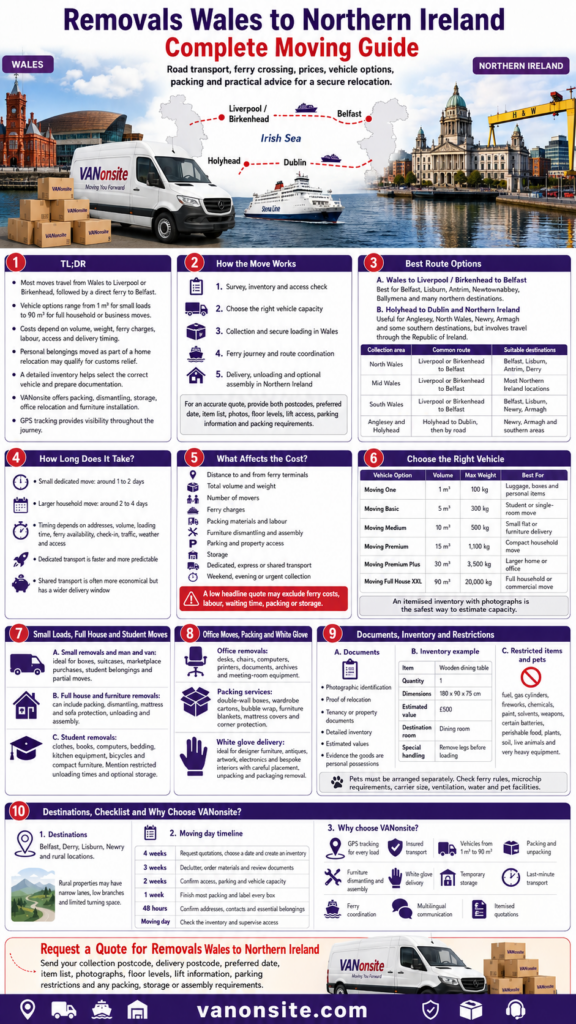
Planning removals Wales to Northern Ireland involves more than booking a van. Your belongings must travel by road, cross the Irish Sea and reach the final property within a carefully coordinated ferry schedule.
VANonsite provides organised transport for households, students, businesses and individual furniture items. Services can include packing, loading, ferry transport, unloading, furniture assembly and temporary storage. Vehicle capacity ranges from 1 m³ for luggage and boxes to 90 m³ for a large household or commercial relocation.
Every load is handled carefully and supported by GPS tracking. Whether you need a compact man and van service from Cardiff to Belfast or a full house move from North Wales to Derry, VANonsite can tailor the transport plan to your belongings, addresses and schedule.
TL:DR
- Most moves travel from Wales to Liverpool or Birkenhead, followed by a direct ferry to Belfast.
- Vehicle options range from 1 m³ for small loads to 90 m³ for full household or business moves.
- Costs depend on volume, weight, ferry charges, labour, access and delivery timing.
- Personal belongings moved as part of a home relocation may qualify for customs relief.
- A detailed inventory helps select the correct vehicle and prepare documentation.
- VANonsite offers packing, dismantling, storage, office relocation and furniture installation.
- GPS tracking provides visibility throughout the journey.




How Do Removals from Wales to Northern Ireland Work?
Professional removals Wales to Northern Ireland are usually completed in five stages.
First, the shipment is assessed using an item list, photographs, videos or a remote survey. The team estimates volume and weight, checks whether furniture needs dismantling and reviews access at both properties.
Next, a suitable vehicle is selected. A few boxes may need only 1 m³, while a family home can require 30 m³ or more. Choosing the correct capacity reduces unnecessary cost and prevents a second journey.
The team collects and loads the shipment in Wales, protects furniture and secures boxes. The vehicle then travels to the selected ferry terminal, commonly Liverpool or Birkenhead, before crossing to Belfast.
After arrival, the shipment is delivered anywhere in Northern Ireland. Depending on the service booked, the team can unload into the correct rooms, assemble furniture and remove used packing materials.
For an accurate quotation, provide both postcodes, the preferred date, an item list, photographs, floor levels, lift access, parking information and packing requirements.
Best Route from Wales to Northern Ireland
There is no direct ferry service from a Welsh port to Northern Ireland. Route planning is therefore a crucial part of removals Wales to Northern Ireland.
Wales to Liverpool and Belfast
For many household and business moves, the most practical route is:
- Collection from the property in Wales
- Road transport to Liverpool or Birkenhead
- Direct ferry crossing to Belfast
- Final delivery in Northern Ireland
This route avoids entering the Republic of Ireland and works well for Belfast, Lisburn, Antrim, Newtownabbey, Ballymena and northern destinations. It can also be used for Derry, although the final road stage is longer.
Holyhead to Dublin and Northern Ireland
The alternative is the Holyhead to Dublin ferry, followed by road transport into Northern Ireland. This can suit collections from Anglesey or North Wales, particularly when the destination is Newry, Armagh or another southern location.
However, the vehicle travels through the Republic of Ireland. Depending on the goods, this may create additional administrative requirements. Customers moving to the Republic can read the separate guide to removals to Ireland.
| Collection area | Common route | Suitable destinations |
|---|---|---|
| North Wales | Liverpool or Birkenhead to Belfast | Belfast, Lisburn, Antrim, Derry |
| Mid Wales | Liverpool or Birkenhead to Belfast | Most Northern Ireland locations |
| South Wales | Liverpool or Birkenhead to Belfast | Belfast, Lisburn, Newry, Armagh |
| Anglesey and Holyhead | Holyhead to Dublin, then by road | Newry, Armagh and southern areas |
The nearest ferry terminal is not always the most efficient choice. The best route depends on the whole journey, including road distance, ferry capacity, final access and weather.
How Long Does the Move Take?
A small dedicated move may take approximately 1 to 2 days. A larger household removal may require 2 to 4 days, especially when packing, dismantling or storage is included.
The final schedule depends on the addresses, shipment volume, loading time, ferry availability, check-in requirements, traffic, weather and access at the destination.
Dedicated transport is usually the fastest and most predictable option because the vehicle carries one customer’s belongings directly to the delivery address. Part-load transport can be more economical for smaller shipments, but the delivery window is normally wider.
Last-minute moving may be possible, although ferry capacity and vehicle availability can limit the choice of dates.
How Much Do Removals Wales to Northern Ireland Cost?
The price of removals Wales to Northern Ireland depends on the shipment size, total distance, ferry cost, labour and service level.
The main cost factors are:
- Distance to and from the ferry terminals
- Total volume and weight
- Number of movers
- Ferry charges
- Packing materials and labour
- Furniture dismantling and assembly
- Parking and property access
- Storage requirements
- Dedicated, express or shared transport
- Weekend, evening or urgent collection
A price per mile does not show the full cost of a cross-water move. Ferry transport, port waiting time, labour, vehicle size and protective equipment must also be included.
A clear quotation should explain whether it covers the vehicle, fuel, ferry crossing, loading, unloading, labour, protection, GPS tracking, insurance conditions, packing, assembly, waiting time and storage.
VANonsite prepares itemised quotations around the actual shipment, helping customers understand the service and avoid unexpected capacity problems.
Choose the Right Vehicle
Vehicle selection is one of the most important decisions when planning removals Wales to Northern Ireland. Room count gives only a rough estimate because homes of the same size can contain very different volumes.
| Moving option | Capacity | Maximum weight | Recommended use |
|---|---|---|---|
| Moving One | 1 m³ | 100 kg | Luggage, boxes and personal items |
| Moving Basic | 5 m³ | 300 kg | Student or single-room move |
| Moving Medium | 10 m³ | 500 kg | Small flat or furniture delivery |
| Moving Premium | 15 m³ | 1,100 kg | Compact household move |
| Moving Premium Plus | 30 m³ | 3,500 kg | Larger home or office |
| Moving Full House XXL | 90 m³ | 20,000 kg | Full household or commercial move |
An itemised inventory with photographs is the safest way to estimate capacity. Measurements are especially important for sofas, wardrobes, dining tables, machinery and oversized office furniture.
A vehicle that is too large can increase costs, while one that is too small may require a second journey. Accurate planning finds the right balance.
Small Removals and Man and Van Services
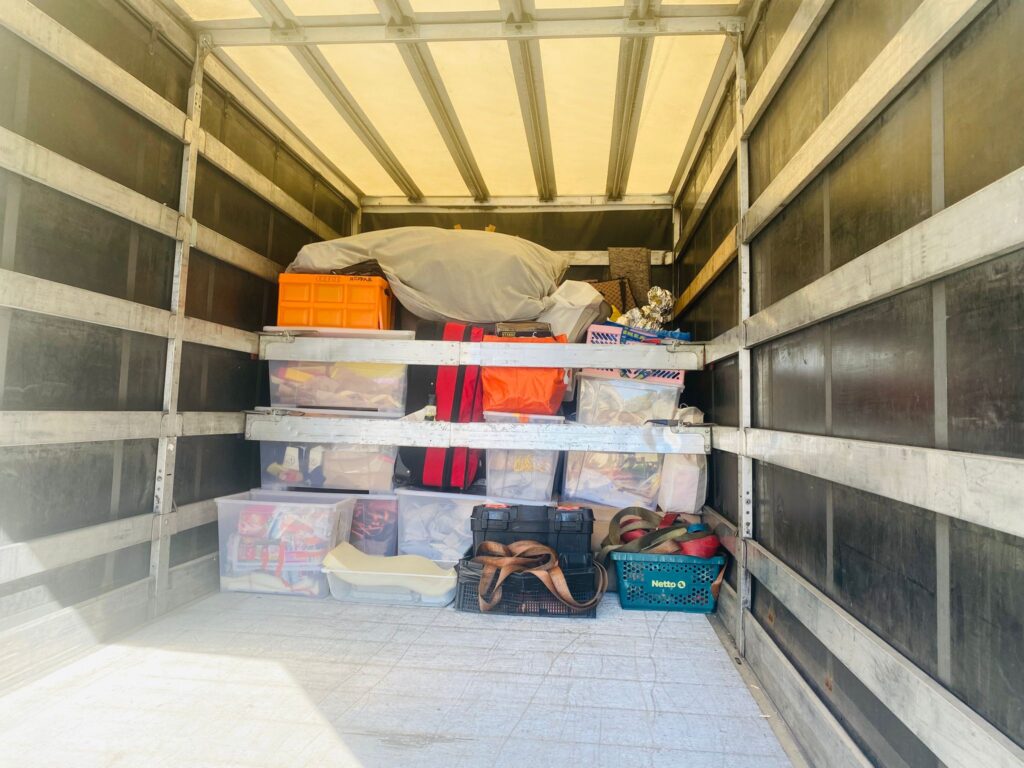
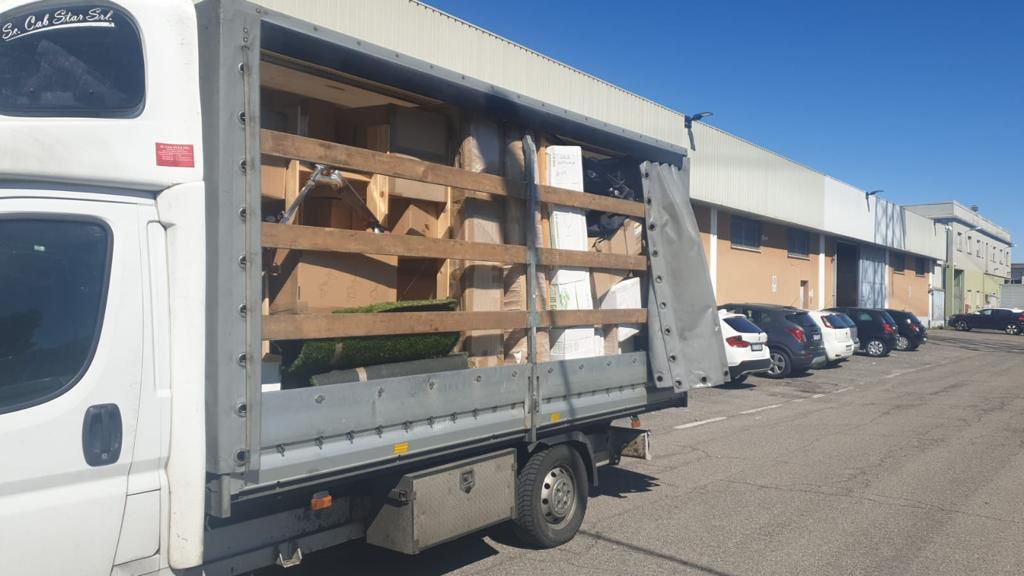
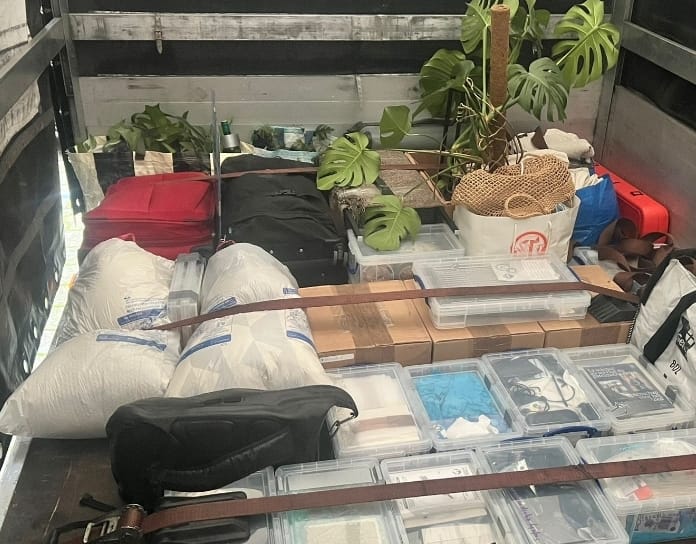
A flexible man and van service can be ideal for small removals Wales to Northern Ireland, including student belongings, boxes, suitcases, individual furniture items, marketplace purchases and partial household moves.
Moving One offers 1 m³ and up to 100 kg. Moving Basic provides 5 m³ and up to 300 kg, while Moving Medium provides 10 m³ and up to 500 kg.
Even a small shipment may contain delicate electronics, glass furniture or sentimental belongings. Items must be wrapped, secured and positioned for road travel, port handling and the ferry crossing.
Dedicated transport offers a faster schedule. Shared transport may provide better value when the delivery window is flexible.
Full House and Furniture Removals
A complete household move requires careful packing, an organised inventory and a sensible unloading plan. VANonsite can coordinate the relocation from the first assessment to final placement inside the new property.
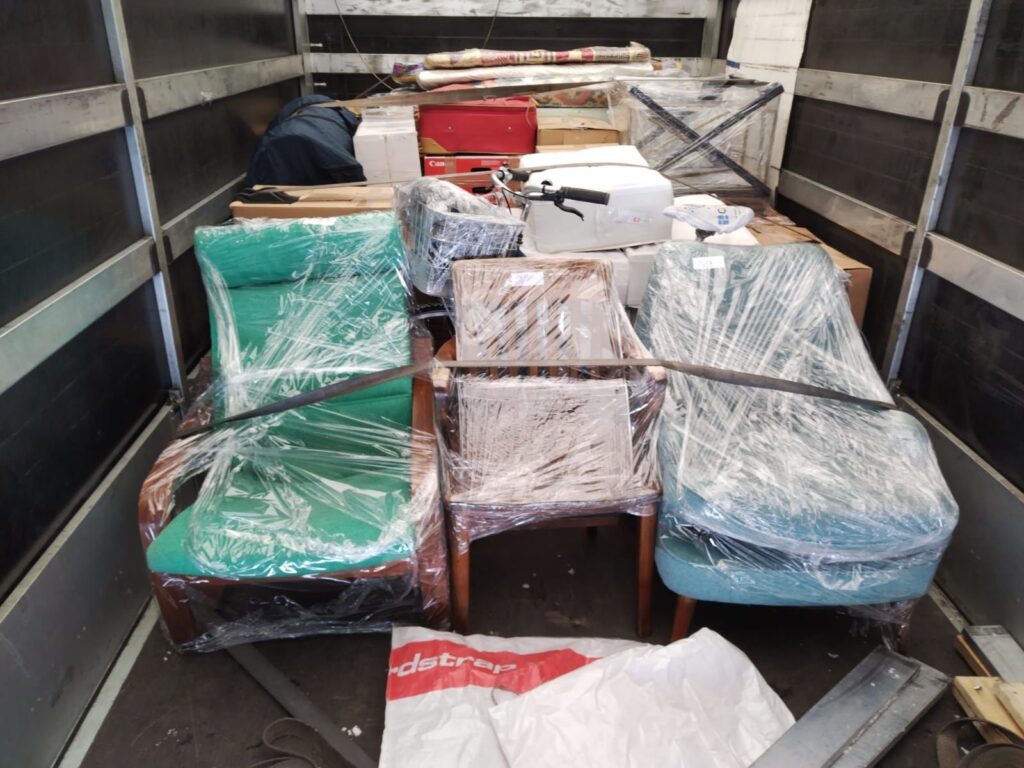
Professional Home Removals may include packing materials, furniture dismantling, mattress and sofa protection, loading, ferry transport, unloading, assembly and temporary storage.
Before collection, prepare an essentials bag containing identification, medication, chargers, keys, clothing, toiletries, documents and valuables. Label every box with the destination room.
VANonsite also provides Furniture Removals for sofas, beds, wardrobes, tables, cabinets, antiques, office desks and bespoke interiors.
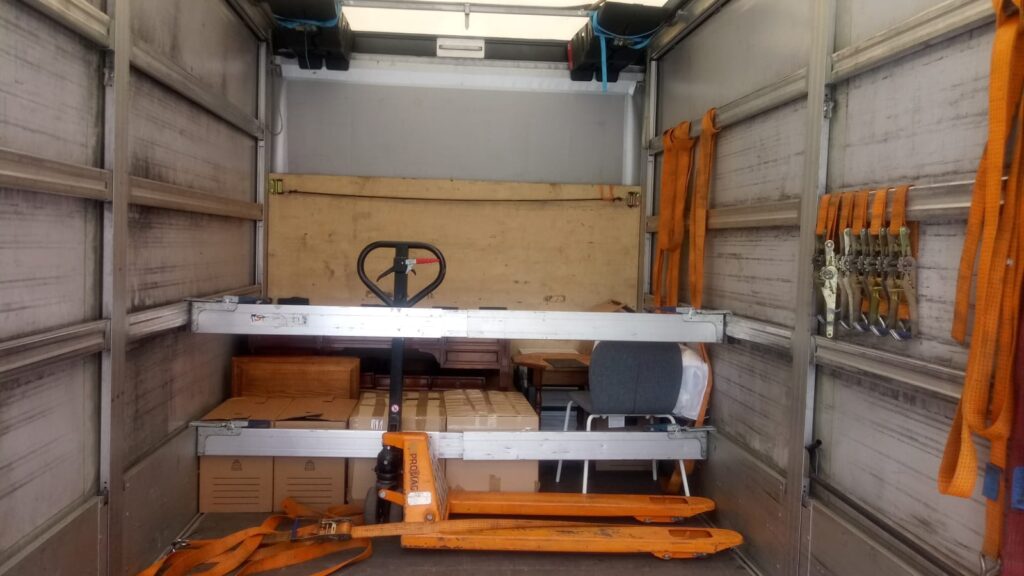
Measure furniture, doorways, staircases and lifts before moving day. Suitable items can be dismantled at collection and assembled after delivery when arranged in advance. Inside the vehicle, furniture is protected with blankets, straps, corner covers and suitable wrapping.
Student Removals to Northern Ireland
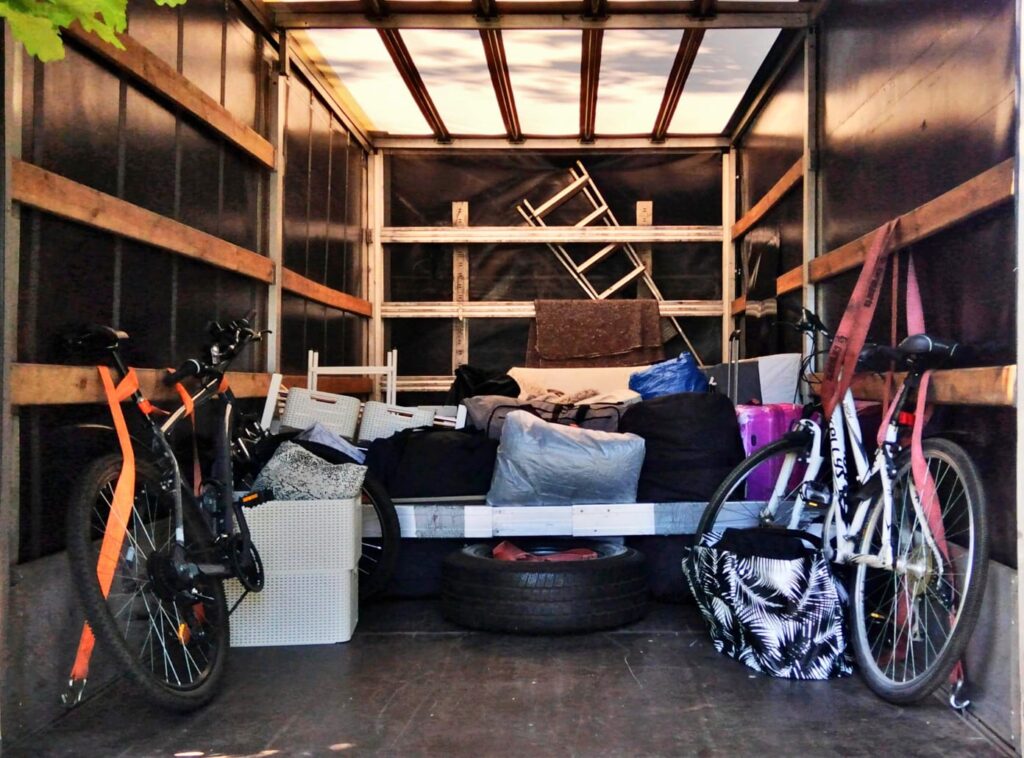
Student moves usually involve clothes, books, computers, bedding, kitchen equipment, bicycles and compact furniture. VANonsite provides Student Removals to Belfast, Derry, Coleraine and other university locations.
Moving Basic, with 5 m³ and up to 300 kg, can suit many student relocations. The final choice should still be based on the inventory.
University halls may have restricted unloading times, limited parking or reception procedures. Confirm the rules before transport is booked.
Storage can help when one tenancy ends before the next begins. GPS tracking also gives students and families greater reassurance throughout the journey.
Office Removals from Wales to Northern Ireland
Professional Office Removals can include desks, chairs, computers, printers, documents, archives, shelving, reception furniture and meeting-room equipment.
Items should be labelled by department, employee or destination room. Computers and monitors should be packed separately, while cables can be placed in marked bags.
A phased move can reduce downtime. Essential equipment may be transported first, followed by furniture and archives. Evening or weekend collection may also help the business operate during normal hours.
VANonsite can provide Office Furniture Installation after delivery, including desk assembly, storage positioning and workstation preparation.
Commercial goods may follow different procedures from personal belongings. Businesses should review current government guidance for moving goods into Northern Ireland before transport.
Packing and White Glove Delivery
Items travelling from Wales to Northern Ireland must withstand loading, road transport, port procedures, a ferry crossing and final unloading.
VANonsite offers professional Packing Services for households, fragile items, offices and individual furniture pieces. Customers can choose full packing, fragile-only packing or professional transport for items packed independently.
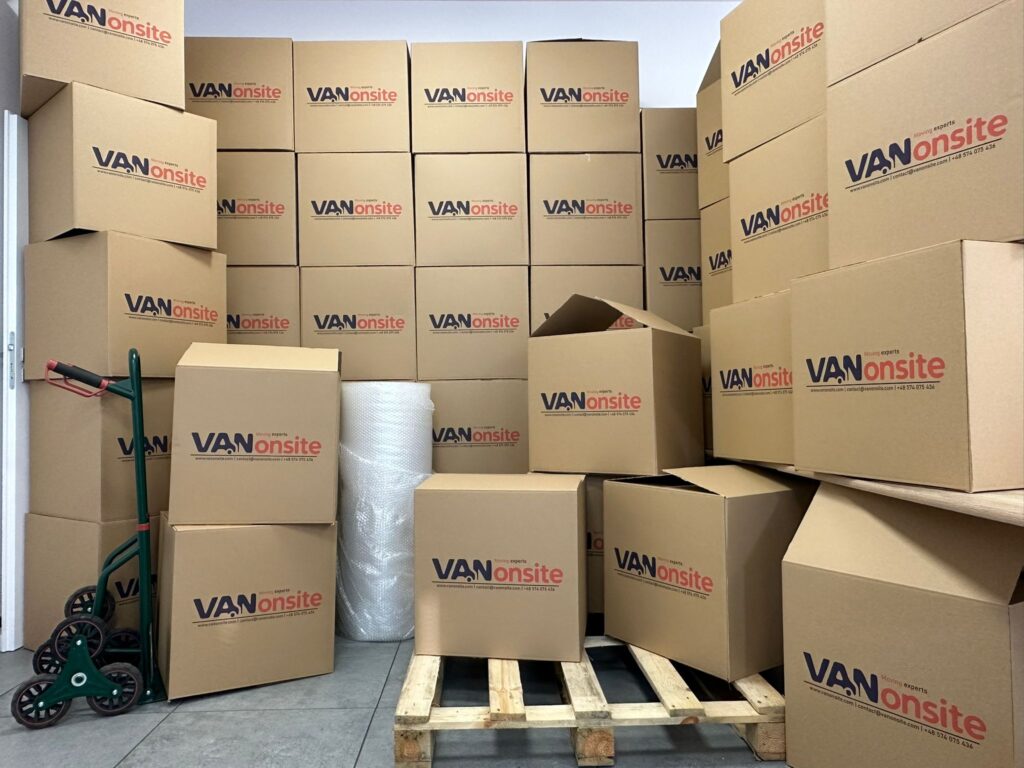
Materials may include double-wall boxes, wardrobe cartons, packing paper, bubble wrap, furniture blankets, mattress covers and corner protection. Each carton should show the destination room, general contents and handling instructions.
For designer furniture, antiques, artwork, electronics or bespoke interiors, White Glove Delivery provides enhanced protection, careful placement, unpacking, assembly and packaging removal.
Valuable items should be photographed before collection and recorded in the inventory.
Documents and Customs Guidance
Wales and Northern Ireland are both part of the United Kingdom, but Northern Ireland follows specific arrangements for some goods movements.
People transferring their home from Great Britain to Northern Ireland may qualify for relief from customs charges on eligible personal belongings.
Useful documents can include photographic identification, proof of relocation, tenancy or property documents, a detailed inventory, estimated values and evidence that the goods are personal possessions.
Review the official GOV.UK guidance on moving your home from Great Britain to Northern Ireland before collection.
Business stock, goods for sale and commercial equipment should not be declared as household belongings. Requirements can also depend on the route, especially when travelling through the Republic of Ireland.
Create an Accurate Moving Inventory
A detailed inventory supports vehicle selection, pricing, packing, loading order, documentation and delivery checks.
| Inventory field | Example |
|---|---|
| Item | Wooden dining table |
| Quantity | 1 |
| Dimensions | 180 x 90 x 75 cm |
| Estimated value | £500 |
| Destination room | Dining room |
| Special handling | Remove legs before loading |
Include boxes as well as furniture. Instead of writing “many boxes,” record an estimated number and size, such as 15 medium boxes and 6 large boxes.
Photographs help identify fragile surfaces, unusual shapes and access problems. Update the inventory whenever items are added or removed.


Restricted Items and Moving with Pets
Some items require prior approval or cannot be included in a standard removal load. Always disclose fuel, gas cylinders, fireworks, chemicals, paint, solvents, weapons, certain batteries, perishable food, plants, soil, commercial stock, live animals and extremely heavy equipment.
Fuel should be removed from lawnmowers, generators and similar machinery. Unusual items should be discussed before packing.
Pets must be arranged separately from furniture and boxes. Check ferry rules, microchip requirements, veterinary documents, carrier dimensions, ventilation, water and pet facilities.
Some crossings offer pet-friendly cabins or kennels, but availability may be limited. Rules may differ between a direct Belfast route and a journey through Dublin.
Deliveries Across Northern Ireland
The final location can affect the schedule and cost of removals Wales to Northern Ireland.
Belfast
Belfast is usually the most straightforward destination after the Liverpool to Belfast ferry. City-centre properties may have restricted loading areas, narrow entrances or limited lift access.
Derry
Derry requires a longer road journey from Belfast, so the additional driving time should be included in the delivery schedule.
Lisburn and Newry
Lisburn is convenient for vehicles arriving through Belfast. For Newry, both the Belfast route and the Holyhead to Dublin route may be considered.
Rural Locations
Rural properties may have narrow lanes, low branches or limited turning space. Photographs of the road and driveway help determine whether a large vehicle can reach the entrance safely.
Moving Day Checklist and Timeline
A delay during loading can cause the vehicle to miss its ferry check-in window. Complete packing before the agreed arrival time.
- Confirm both addresses and contact details.
- Reserve parking where required.
- Label boxes by room.
- Separate fragile items and valuables.
- Defrost the freezer and disconnect appliances.
- Keep documents, medication and keys with you.
- Check the final inventory.
- Confirm access at the destination.
- Report last-minute changes.
| Time before moving | Recommended actions |
|---|---|
| 4 weeks | Request quotations, choose a date and create an inventory |
| 3 weeks | Declutter, order materials and review documents |
| 2 weeks | Confirm access, parking and vehicle capacity |
| 1 week | Finish most packing and label every box |
| 48 hours | Confirm addresses, contacts and essential belongings |
| Moving day | Check the inventory and supervise access |
Summer, weekend and end-of-month moves should be booked early because demand may be higher.
Common Mistakes to Avoid
The lowest headline price is not always the best value. A cheap quotation may exclude ferry charges, labour, packing or waiting time.
Common mistakes include underestimating volume, choosing a vehicle that is too small, ignoring parking restrictions, packing fragile items poorly and failing to disclose heavy furniture.
Customers also sometimes assume that every move from Wales should use Holyhead. Holyhead connects with Dublin, not Belfast, so the shortest journey to the port may not create the simplest route.
Keeping documents inside the removal vehicle, leaving dismantling until moving day and adding large items after accepting the quotation can also cause delays or extra charges.
Why Choose VANonsite?
VANonsite combines flexible vehicle capacity with coordinated cross-water transport. Customers can book a compact man and van move, furniture delivery, student relocation or complete household and office removal.
The service can include:
- GPS tracking for every load
- Insured transport
- Vehicles from 1 m³ to 90 m³
- Packing and unpacking
- Furniture dismantling and assembly
- White glove delivery
- Temporary storage
- Last-minute transport
- Ferry coordination
- Multilingual communication
- Itemised quotations
Each plan considers shipment size, access, ferry route, destination and timing. This reduces uncertainty and gives customers greater control throughout the relocation.
Request a Quote for Removals Wales to Northern Ireland
To receive a personalised quotation, send VANonsite the collection postcode, delivery postcode, preferred date, item list, photographs, floor levels, lift information, parking restrictions and any packing, storage or assembly requirements.
Accurate information produces a more precise vehicle recommendation and quotation.
Request your Wales to Northern Ireland removals quote and plan the journey with secure handling, GPS tracking and professional support from collection to delivery.
Frequently Asked Questions
Is There a Direct Ferry from Wales to Belfast?
No. A common route travels from Wales to Liverpool or Birkenhead and then by ferry to Belfast. Another option is Holyhead to Dublin, followed by road transport into Northern Ireland.
How Long Does the Move Take?
A small dedicated move may take 1 to 2 days. A larger household relocation may require 2 to 4 days. Ferry availability, loading time and distance affect the schedule.
Can VANonsite Move a Small Load?
Yes. Options begin with Moving One at 1 m³ and 100 kg. Moving Basic provides 5 m³ and 300 kg, while Moving Medium provides 10 m³ and 500 kg.
Can Furniture Be Dismantled and Assembled?
Yes. Suitable furniture can be dismantled before loading and rebuilt at the destination when agreed in advance.
Can I Track My Belongings?
Yes. VANonsite provides GPS tracking for every load.
Is Packing or Storage Available?
Yes. Customers can choose full packing, fragile-only packing and temporary storage when collection and delivery dates do not match.
Summary
Successful removals Wales to Northern Ireland depend on route planning, suitable vehicle capacity and careful coordination between road transport and the ferry crossing.
Most moves travel from Wales to Liverpool or Birkenhead before taking the ferry to Belfast. The Holyhead to Dublin route may suit some southern destinations, although it involves transit through the Republic of Ireland.
VANonsite offers vehicle capacity from 1 m³ to 90 m³, together with home removals, student moves, office relocations, furniture delivery, packing, storage and installation.
Contact VANonsite to arrange secure removals Wales to Northern Ireland with GPS tracking and professional support from the first box to the final piece of furniture.