
Moving to Liechtenstein is easier when housing dates, administrative preparation and the physical delivery are planned together. This guide focuses on the relocation checklist: confirming accommodation, checking current requirements with the relevant authorities, preparing an inventory and coordinating access at the new address. When the addresses and inventory are ready, compare transport options on the Liechtenstein removals service page. For day-to-day context, continue to the separate living in Liechtenstein guide.
TL;DR
- Moving to Liechtenstein: check residence requirements and housing dates before booking a removal van to Liechtenstein. Choose dedicated transport for an agreed schedule or ask about shared-load availability if dates are flexible.
- Timelines: the collection and delivery plan depends on the origin, inventory, access and customs arrangements. Urgent transport is assessed through Last Minute Moving; its 1–3 day option is subject to route and capacity confirmation.
- Customs: Liechtenstein belongs to the Swiss customs territory. Household-effects relief is conditional; confirm eligibility and the required declaration before collection.
- Documents: prepare identity and residence evidence, a numbered inventory and the customs declaration required for your shipment. Check whether signed authority is needed for representation.
- Access matters: share street, stairway and lift photos. Confirm the carrying distance, crew and any specialist equipment before agreeing the delivery plan.
- Packing wins moves: double‑walled cartons ≤ ~20 kg, upright screens with corner protectors, bag & label hardware, pack an Essentials Box.
- Quote: request a route-specific estimate and confirm the included work before booking → Removals to Liechtenstein • Paperwork preparation: Shipping to Liechtenstein Guide.
Moving dates, housing and delivery: what to confirm first
A move to Vaduz, Schaan or a hillside address in Triesenberg starts with three dates: when you may take up residence, when you receive the keys and when your belongings can be accepted. Keep these dates separate until they are confirmed. This guide connects that preparation with the practical choice of a removal van to Liechtenstein, an inventory and a delivery plan that fits the actual property.
Who this guide helps:
- Private households and expat families
- Students and early‑career movers
- SMEs relocating equipment or small offices
- HR/mobility teams managing assignments
Have addresses and an inventory ready? Request a Liechtenstein removals estimate and explain your key-handover dates.
Quick facts table
| Topic | Snapshot |
|---|---|
| Capital & key towns | Vaduz (capital), Schaan, Triesen, Balzers, Triesenberg |
| Customs | Part of the Swiss customs territory; household-effects relief depends on the applicable conditions |
| Time to move | Confirm timing for the actual origin, load, customs arrangements and delivery access |
| Best last‑mile | Access via Sevelen–Vaduz, Buchs–Schaan, Trübbach–Balzers bridges |
| Starting address | Plan from your actual collection address; the Italy route section below applies only to departures from Northern Italy |
What this means for your move: start with the inventory and the property, rather than choosing a van from distance alone. An accessible ground-floor delivery and a walk-up apartment can need different handling plans. Confirm keys and building access before agreeing a delivery window. If you are collecting from Italy, use the route section below as context; other origins need their own schedule and customs plan.
Visas, registration & first‑week admin
Check residence eligibility before transport. This checklist does not establish a right to live or work in Liechtenstein. Consult the relevant authority for your nationality, purpose of stay and family circumstances.
Except for tourist visits of up to three months, stays require a permit, and EEA residence rights are subject to quotas. A tenancy or job offer is not a substitute for confirming your permission to reside. Start with the Migration and Passport Office’s residence guidance. British citizens can also consult GOV.UK’s Living in Liechtenstein guide. Before committing to a move, ask about your application route, required evidence and the correct order of registration. Sources checked 29 October 2026.
- Residence registration (Anmeldung): Book with your Gemeindeverwaltung (local municipal office). Bring passport/ID, lease/registration confirmation, and (if applicable) employment/assignment letter. Ask about local timelines and any required forms.
- Health insurance & healthcare: Select a provider and arrange coverage; note your policy number for later admin. Register with a local GP/clinic once you have your address.
- Banking & address updates: Open or update a bank account; switch salary payments and standing orders. Update your address with insurers, mobile provider, subscriptions.
- Driving & vehicle: If importing a vehicle, coordinate with your mover for customs formalities; plan any technical checks and local registration/insurance. Confirm parking/resident permits where required.
- Schooling & childcare (if relevant): Pre‑register with schools/Kindergarten; prepare vaccination/transfer certificates.
- Pets: Ensure microchip and rabies vaccination are in order for travel; keep documents handy for any checks.
- Tax & social security admin: Notify your employer/HR of your new address; keep your registration confirmation for onboarding and benefits.
- Waste & utilities basics: Learn local recycling rules, pick up official bags where applicable, and schedule broadband/utility activation.
For customs documents, packing rules and timelines, see our deep dive → Shipping to Liechtenstein Guide.
Your moving options (removal van to Liechtenstein)
A removal van to Liechtenstein is a practical option for furniture, boxes and mixed household belongings. Ask whether the proposed service is dedicated or shared, how collection and delivery windows work, and which loading and unloading help is included. Any transfer, specialist handling or extra crew should be agreed in the quote. The timetable must include loading, border formalities and access at the destination.
Five-column tables in this guide can be scrolled sideways on smaller screens.
| Option | Best for | Typical transit | Pros | Considerations |
|---|---|---|---|---|
| Dedicated removal van | Full flat/house; fixed dates | timing confirmed after route and capacity checks | Dedicated capacity and an agreed schedule | Higher price vs groupage |
| Shared‑load / Groupage | Partial loads; flexible dates | a flexible shared-load window confirmed before booking | Share vehicle capacity where a suitable run is available | Windowed slots |
| Express van | Time‑critical | priority timing confirmed through Last Minute Moving | Priority scheduling | Premium pricing |
| Small road consignment | A few boxes or individual items | Confirm dates against a suitable road service | Discuss a load smaller than a full household move | Provide dimensions and weight; customs requirements still apply |
Which service should you choose? Use these quick rules of thumb and remember to mention removal van to Liechtenstein when you request a quote so we match capacity and access correctly:
- Choose Dedicated when your key-handover date is fixed or you want capacity reserved for your consignment. Send the full inventory and heavy-item details so that the proposed vehicle and crew match the load.
- Choose Shared-load/Groupage if a suitable shared run is available and you can accept the collection and delivery windows stated in the offer. Give your earliest and latest acceptable dates.
- Choose Express when speed beats everything: job start, handover deadline, avoiding extra hotel/storage days, or rescuing a last‑minute plan change.
- For a few boxes, supply the count, external dimensions and weight. Ask which road option can accommodate the load and how much date flexibility would help.
Mini scenarios:
- Student set-up → list boxes and furniture first, then ask whether shared transport fits your dates.
- Family flat with fixed move-in → request dedicated transport and confirm vehicle capacity against the full inventory, including bulky furniture.
- Urgent handover → ask for Last Minute Moving availability; wait for confirmation of the route, capacity and delivery plan before making dependent bookings.
Send your inventory and access details for a route-specific estimate → Removals to Liechtenstein. Confirm the final scope and dates before booking.
Customs & documents (household goods)
Liechtenstein is part of the Swiss customs territory. When relocating from outside that territory, check the applicable household-effects procedure. The FOCBS moving procedure explains form 18.44 and the conditions for relief: personal use abroad for at least six months and continued use after import are central requirements. New purchases need separate attention. Clearance is subject to document checks and office hours; do not build a delivery promise around a guaranteed processing time.
Document checklist (keep a printed folder + a digital pack):
- Declaration and identity: check form 18.44 and the identity documents required for your household-effects clearance.
- Proof of residence in Liechtenstein (lease/tenancy, registration confirmation, or property deed)
- Itemised inventory with box numbers, contents and approximate values (for insurance)
- Power of attorney authorising your mover to lodge export/import on your behalf
- Use and ownership information: identify items used abroad for at least six months, new purchases and anything that needs separate declaration. Keep supporting evidence available.
- Serial numbers for TVs, PCs/laptops, bikes/e‑bikes or instruments (where applicable)
Clearance planning: 1) confirm the procedure for your origin and circumstances → 2) check the declaration and inventory → 3) agree who presents the goods and documents during the relevant customs office’s clearance hours → 4) continue to delivery after release. A move within the Swiss customs territory is not the same as an import from outside it.
For more preparation detail, see the Shipping to Liechtenstein Guide. To discuss the physical move, request a removals estimate and confirm which document assistance is included for your route.
Packing standards that survive mountain roads
Alpine routes are smooth but never vibration‑free. Temperature swings and altitude changes can loosen adhesives and invite condensation, so your packing needs to be tighter than a typical city move. Follow these simple, field‑tested rules and your shipment will arrive in Liechtenstein ready to unload.
Core rules
- Use double‑walled cartons and keep each box ≤ ~20 kg to protect seams and backs.
- Transport screens upright with foam/corner protectors; use original boxes when available.
- Disassemble large furniture; bag and clearly label hardware (tape the bag to the item or store in a “hardware” box).
- Void‑fill properly: bubble + packing paper so nothing rattles; heavy items at the bottom, light on top.
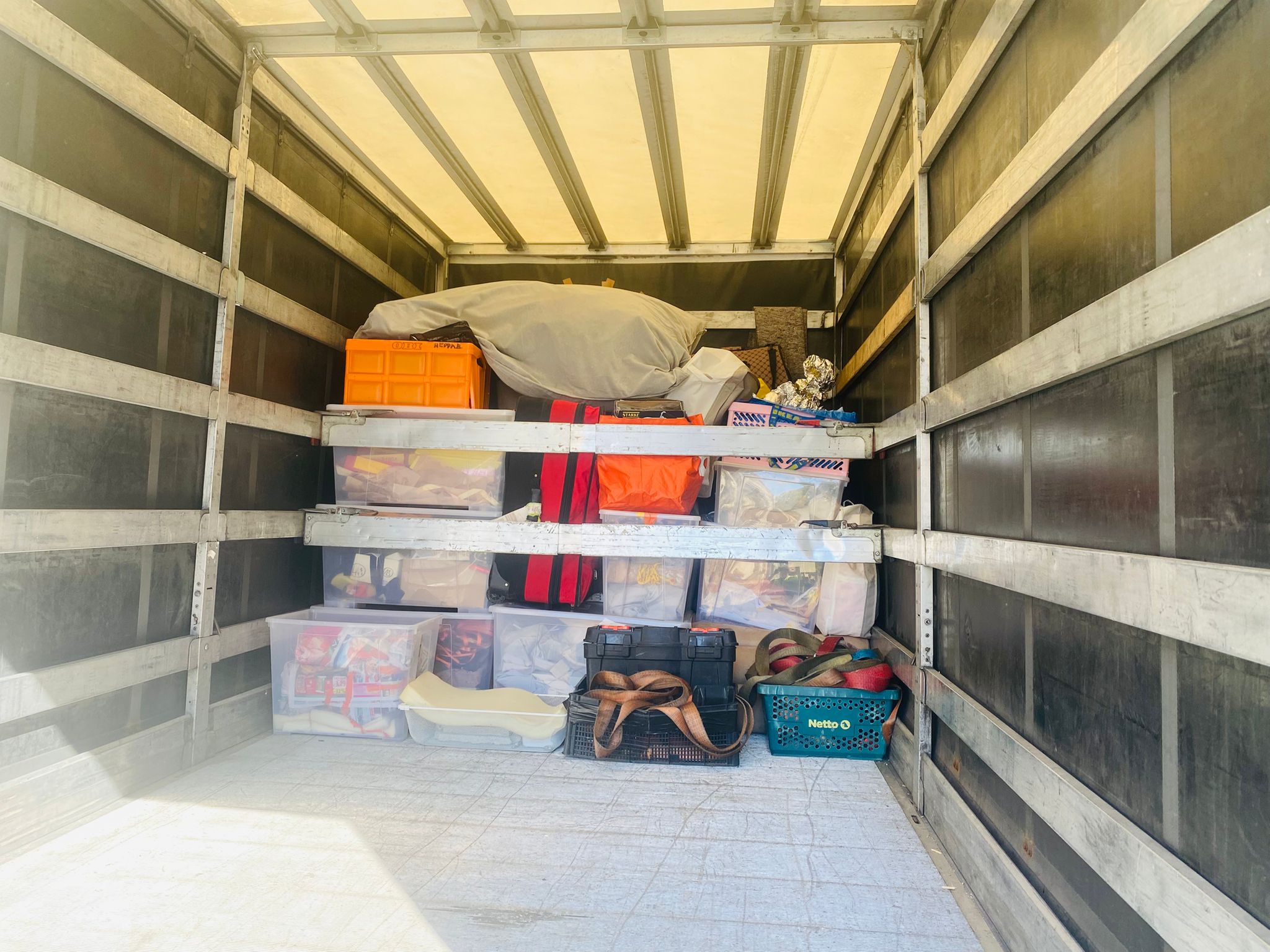
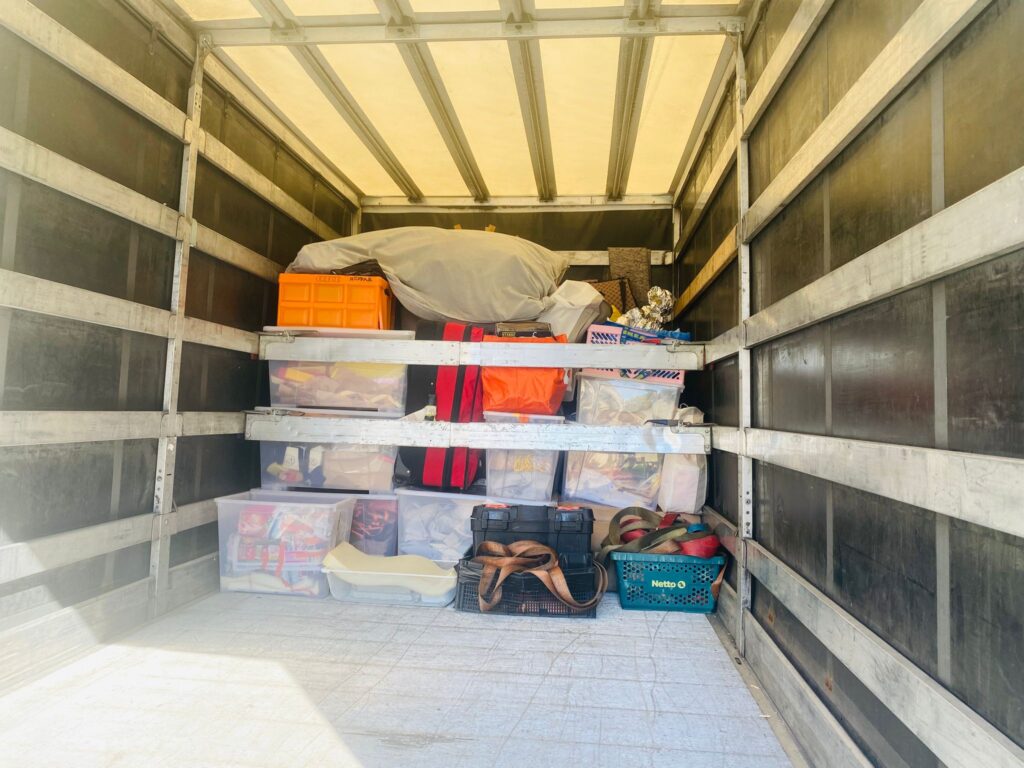
- Balance your load in the van: heaviest cartons on the floor; fragile boxes at mid‑height.
Essentials Box (last‑on, first‑off)
- Kettle, two mugs and basic cookware/cutlery
- Bedding & towels, nightwear
- Phone/laptop chargers and a small power strip
- Toiletries & regular meds
- Basic tools (screwdriver, Allen keys), tape, scissors
Build your packing-materials list from the inventory
| Item | How to estimate quantity | One‑line notes |
|---|---|---|
| Double‑walled cartons (M/L) | Count the items to pack and record carton dimensions | Avoid overfilling; ≤ ~20 kg per box |
| Tape rolls | Allow for every carton seam and reinforcement | Cross‑tape box bottoms; reinforce corners |
| Bubble wrap + packing paper | List fragile items and the protection each needs | Wrap fragile items and fill all voids |
Label & load smart. Adopt a simple code like LI‑ROOM‑BOX### and add ★ to first‑open boxes. Photograph valuable items before and after packing; matching box numbers to your inventory speeds customs and room placement.
Need pro‑packing or just fragile‑only help? Ask during your quote → Removals to Liechtenstein.
How VANonsite plans your Liechtenstein move
VANonsite plans the physical move around the information that changes the job: collection and delivery addresses, item dimensions and weight, fragile pieces, stairs, lifts and the distance from legal parking to the entrance. For a removal van to Liechtenstein, provide these details alongside your preferred dates. They help us assess capacity, handling and the delivery window before you commit.
Why choose us at a glance:
- Clear scope: check the transport, handling and any additional work listed in your offer. Confirm changes to the inventory or access before collection.
- Scheduling: discuss dedicated transport, suitable shared-load availability or an urgent Last Minute Moving request. Dates are confirmed for the specific job.
- Document preparation: identify the paperwork needed for the route and confirm the scope of any assistance or representation in advance.
- Packing and protection: flag fragile and high-value items. Confirm the packing work, applicable liability terms, cover limits and exclusions before booking.
- Storage if dates change: ask about available storage arrangements and confirm the location, duration, access and cost separately.
- Delivery access: agree a workable slot with the building manager and transport team; check customs clearance hours separately.
Ready to plan the move? Send your Liechtenstein removals enquiry. Collecting in Lombardy? See the separate Milan to Liechtenstein guide.


Access & delivery (last‑mile in Alpine towns)
Great packing still needs a smooth last mile. Streets in Vaduz, Schaan, Triesen and hillside Triesenberg can be narrow, stepped or height‑restricted. With a little planning, you’ll avoid long carries, missed slots and building‑rule headaches.
When to add a shuttle van
- Street width < 2.3 m or arch/bridge height < 3.0 m
- No turning circle within ~50 m of the entrance
- Long carry > 40–50 m from legal bay to door
- Steep gradients, cobbles or tight hairpins (common in Triesenberg/Planken)
Measurement checklist (send photos/video too)
- Narrowest street/archway width and clear height
- Entrance: door width/height and any tight corners
- Elevator: door width, cabin size, maximum load
- Stairwell: tread depth, riser height, landing lengths
- Carry distance: legal parking bay → door (metres)
Quiet hours & building rules
- Coordinate with the Hausverwaltung for loading windows, protection of common areas and, if needed, a Certificate of Insurance (COI). Reserve curb space where possible and plan for floor runners/corner guards.
Common Rhine‑Valley crossings → who they serve
| Bridge crossing | Best for | Serves principally |
|---|---|---|
| Sevelen ↔ Vaduz | Fast access to central addresses | Vaduz, lower Triesenberg |
| Buchs ↔ Schaan | Offices/industrial zones and housing estates | Schaan, Eschen, Mauren |
| Trübbach ↔ Balzers | Southern valley approach | Balzers, southern Triesen |
Unsure about access? Share a Google pin and a 30–60s video; we’ll spec the right van or shuttle plan. Start your quote → Removals to Liechtenstein.
Routes from Northern Italy: planning considerations
Choosing the right corridor can shave hours off and keeps your customs slot on time. From Northern Italy, two motorway spines dominate: A13 San Bernardino and A2 Gotthard. Here’s a quick side‑by‑side to pick the best on your dates.
| Route | Best when | Schedule to confirm* | Pros | Watch‑outs |
|---|---|---|---|---|
| A13 San Bernardino (A9 → Chiasso/Brogeda → A13/E43 → Sargans → Rhine Valley) | When current road conditions support the eastern Swiss approach | Plan from the actual addresses and road conditions | Approach towards the Rhine Valley; choose the final crossing for the delivery address | Alpine weather in winter; occasional A13 works |
| A2 Gotthard (A9 → Chiasso/Brogeda → A2 → A4/A3 → Sargans → Rhine Valley) | Overnight runs or when A13 has closures | Check the chosen route before setting a delivery window | An alternative corridor to assess against the A13 route | Gotthard tunnel queues on holidays/weekends; summer tourist traffic |
*Driving is only one part of the schedule. Add loading, customs, required breaks and delivery access.
Seasonality & traffic patterns
- Weekends/holidays: Gotthard queues likely; prefer A13 or travel off‑peak.
- Winter (Nov–Mar): expect snow/ice buffers; chains may be required on approach roads.
- Events/roadworks: local slowdowns around Bellinzona, Thusis, Sargans.
If collection and key-handover dates do not align
- Discuss storage or a revised delivery window before collection. Agree the storage location, how the goods will be handled and the conditions for the onward delivery.
Routing tips
- Aim your border arrival within customs opening hours.
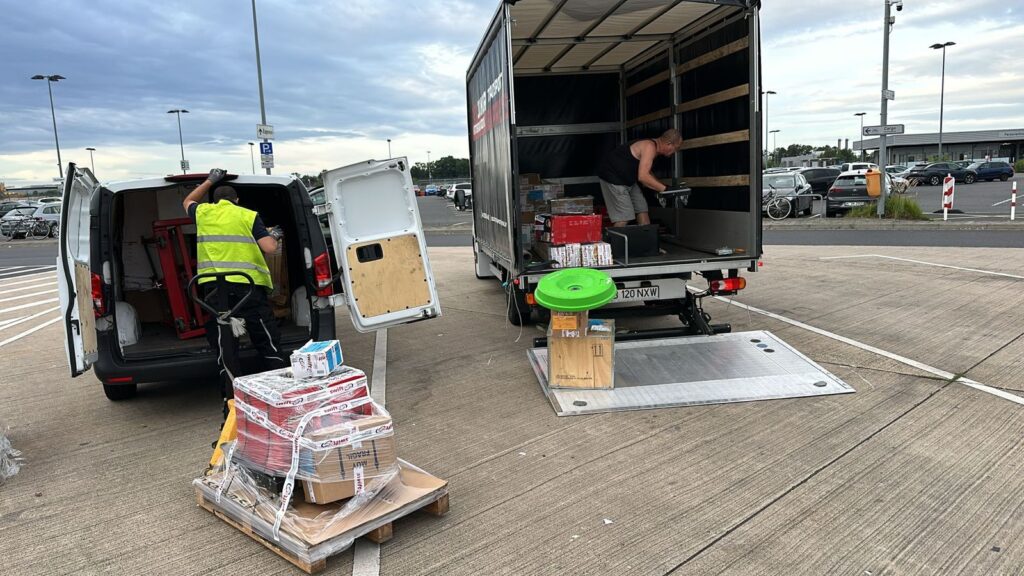
- Share a Google pin and any access videos early; we’ll choose the right van size or shuttle.
- If your delivery window is tight, explain the deadline and ask for the available dedicated or urgent service. Confirm the collection and delivery plan in writing.
For an Italy-origin move, continue to the Milan to Liechtenstein guide. For a route-specific estimate, visit Removals to Liechtenstein.
Budgeting your move (what drives the price)
Smart budgeting hinges on a few big levers: how much you’re moving (m³), how flexible your dates are, how easy the access is at both ends, the packing scope, and the protection level you choose. Tuning just one or two of these can change the quote meaningfully while keeping your timeline intact.
Core cost drivers (at a glance)
| Driver | Why it matters | How to optimise |
|---|---|---|
| Volume (m³) | Determines van size/number of trips | Declutter; accurate video survey |
| Flexibility | Cheaper on shared‑load | Give a 2–3 day window |
| Access | Long carries/stairs add time | Reserve parking; shuttle when needed |
| Packing scope | Pro‑pack reduces damage/time | Self‑pack non‑fragiles only |
| Protection level | Insurance for high‑value items | Confirm cover limits, exclusions and any declared-value requirements |
What’s included vs. optional add‑ons
| Scope to confirm in your quote | Additional work to discuss |
|---|---|
| Door‑to‑door road transport, fuel & tolls | Pro packing (full or fragile‑only) & packing materials |
| Customs-document assistance or representation, where agreed | Storage‑in‑transit / longer storage |
| Standard loading/unloading time | Shuttle van, external hoist, long‑carry time |
| Route planning & scheduling | Out‑of‑hours slots, extra crew |
| Applicable liability terms and limits | Any additional cover for declared high-value items, if available |
Illustrative scenarios (guide only)
| Scenario | Typical volume | Recommended service | Indicative transit | What can move the price |
|---|---|---|---|---|
| Boxes‑only set | 2–6 m³ | Suitable shared road transport or a dedicated service | Confirm the collection and delivery window for the actual route | Overweight boxes; remote access; peak weeks |
| 1‑bed apartment | 10–18 m³ | Groupage (flex) or Dedicated (fixed date) | a flexible shared-load window confirmed before booking / timing confirmed after route and capacity checks | Packing scope; shuttle van; building windows |
| 2‑bed home | 18–28 m³ | Dedicated van | timing confirmed after route and capacity checks | Assembly time; long carries; winter ops |
| Time‑critical move | 8–20 m³ | Express Dedicated | priority timing confirmed through Last Minute Moving | Priority routing; night work; add’l crew |
These scenarios are planning examples, not a price or capacity guarantee. Prepare the item list, dimensions, weight and access details for your Liechtenstein removals estimate.
How to lower your quote (without risking damage)
- Be flexible by ±2–3 days to unlock groupage pricing.
- Declutter before survey; avoid last‑minute additions.
- Self‑pack non‑fragiles (books/clothes), leave fragile/TVs to pros.
- Send access photos/video early; book parking bays/elevators to cut idle time.
- Consider a shuttle van for tricky streets; it’s cheaper than delaying a large vehicle.
Estimate volume from measurements: multiply each packed item’s external length × width × height in metres, then add the results. Record weight separately, especially for books, tools and dense items. The final vehicle plan also has to allow safe loading and protection; carton count alone is not a reliable capacity estimate.
Week‑by‑week timeline (from decision to delivery)
Rushing creates costs and surprises; a steady cadence keeps customs on time, access prepared and stress low. Use this checklist and adapt it to your dates.
6–8 weeks out
- Shortlist services (Dedicated / Groupage / Express); request a video survey.
- Start a simple inventory spreadsheet; flag fragile/high‑value items.
- Gather core documents: passport/ID, lease/registration, employment letter (if relevant).
- If building rules apply, pencil potential loading windows and elevator bookings.
4 weeks out
- Confirm your service, dates and the written scope of the offer.
- Order materials; begin packing non‑essentials.
- Share access photos/video for both addresses; pre‑check if a shuttle van or external hoist is needed.
- Reserve curb space/permits and elevator slots where possible.
2 weeks out
- Finalise your itemised inventory with box numbers and values (for insurance).
- Dismantle larger furniture you’re self‑packing; bag/label hardware.
- Back up computers; photograph high‑value items pre‑pack.
- Confirm customs appointment window and border arrival within opening hours.
1 week out
- Pack most rooms; mark FRAGILE and THIS SIDE UP where needed.
- Prepare a Travel Folder (IDs, keys, permits, insurance docs).
- Arrange childcare/pet care for move day if helpful.
- Reconfirm crew ETA and access details.
72–48 hours out
- Defrost fridge/freezer; drain washing machine.
- Stage boxes by rooms near the exit; protect common areas.
- Set aside medication, electronics and valuables to travel with you.
Move day (pickup)
- Walkthrough with crew; agree inventory count and room plan.
- Photograph meter readings and property condition (if renting).
- Keep the Travel Folder with you.
Delivery day (Liechtenstein)
- Meet the crew; guide room placement; assemble priority beds/wardrobes.
- Check off inventory; note any exceptions on the delivery note.
- Schedule debris removal if needed.
+24–72 hours
- Let electronics acclimatise before power‑on; test appliances.
- Follow the registration and administrative deadlines confirmed by the authorities; do not wait until after delivery to check them.
- File any insurance reports within policy windows.
Use this timeline as a planning checklist and adapt it to the deadlines confirmed for your circumstances. For the transport stage, send your addresses and inventory to VANonsite.
Life admin after arrival (first 30 days)
Your boxes are in, beds assembled; now lock in the practicalities so life in the Rhine Valley works from week one. Use this checklist and keep your registration confirmation handy; many providers will ask for it.
- Local registration & address proof: Visit your Gemeindeverwaltung promptly if not already done; collect or download your registration confirmation. Keep digital copies for banks, insurers and schools.
- Utilities & broadband: Book electricity/gas name change if applicable and arrange internet installation. Installation windows can be several days out; set up a temporary hotspot if you work remotely.
- Banking & payments: Open a local bank account for rent, utilities and salary; switch standing orders; update billing addresses on key services.
- Healthcare setup: Choose a GP/dentist; note emergency numbers; file your health insurance policy number. Transfer any repeat prescriptions and set reminders for renewals.
- Schooling & childcare: Finalise school/Kindergarten enrolment; request transfer records and vaccination certificates if not already supplied; check transport routes and start dates.
- Waste & recycling: Learn your building’s recycling rules and collection days; purchase official bags/labels if required; locate glass/paper collection points.
- Driving & vehicles: If you imported a car or motorbike, finish registration/insurance steps and check residential parking rules. Validate your driving licence requirements and plan any exchanges in good time.
- Pets: Register with a local vet; keep microchip and vaccination records accessible; stock up on familiar food/meds to avoid last‑minute changes.
- Home safety & admin: Photograph meter readings on move‑in day; test smoke/CO alarms; store important documents (IDs, lease, insurance, inventory) in a labelled folder.
Need help sequencing tasks or documents? See our paperwork deep‑dive → Shipping to Liechtenstein Guide.
FAQs
How long does a move to Liechtenstein take with a removal van?
The schedule depends on the origin, inventory, service and access. Dedicated transport has a job-specific plan; shared loads use agreed windows. Last Minute Moving can offer a 1–3 day option, subject to route and capacity confirmation. Include loading, customs and unloading when discussing the timetable.
Do I pay customs duties/VAT on used household goods?
Relief is conditional, not automatic. The FOCBS household-effects FAQ explains the six-month-use requirement and subsequent consignments. New purchases and restricted goods need separate attention. Confirm the treatment of your inventory before collection.
Can I send only boxes?
Yes. Send the number of boxes, their external dimensions, weight and both addresses. We can assess the appropriate road option and dates. A small consignment still needs the documents applicable to its contents and customs circumstances.
Are weekend or evening deliveries possible?
Ask about availability for your route before booking. Any proposed slot must fit crew availability, building rules and the customs arrangements. An agreed delivery time does not mean that a customs office can clear goods outside its merchandise-clearance hours.
What needs checking before it is packed?
Tell us about batteries, fuel-powered equipment, chemicals, plants, animal products, alcohol and other potentially restricted items. Acceptance depends on the item, packing and route. Do not assume that disclosure alone makes an item acceptable; obtain confirmation before collection.
Do I need to attend customs in person?
Check the arrangements for your shipment in advance. If representation is agreed, confirm the signed authority and supporting documents required. Keep the relocating person reachable for questions; the customs office decides whether further evidence or attendance is necessary.
What if my move-in date shifts?
Contact us as soon as the date changes. Ask about available storage or revised delivery arrangements, and confirm location, duration, handling and cost before collection. Include the earliest date you can receive the goods and any uncertainty about key handover.
Ready to organise the physical move? Send both addresses, your inventory and preferred dates through Removals to Liechtenstein. For an Italy-origin move, use the separate Milan route guide.