
Moving from Spain to Germany starts with two addresses and one complete inventory. Before choosing a vehicle or a collection date, check what must leave your Spanish home, when you can access the German property and which items will need help through the doors. This checklist brings those decisions together so you can prepare a useful moving brief.
Use the sections below to plan packing, loading access, delivery and the documents you should keep with you. For transport options and a route enquiry, see VANonsite’s removals from Spain to Germany.
A packed wardrobe may fit inside the vehicle but not through a lift door. A confirmed handover date may still leave only a short unloading window. Record these constraints before comparing quotations, because they determine the crew, handling time and delivery plan.
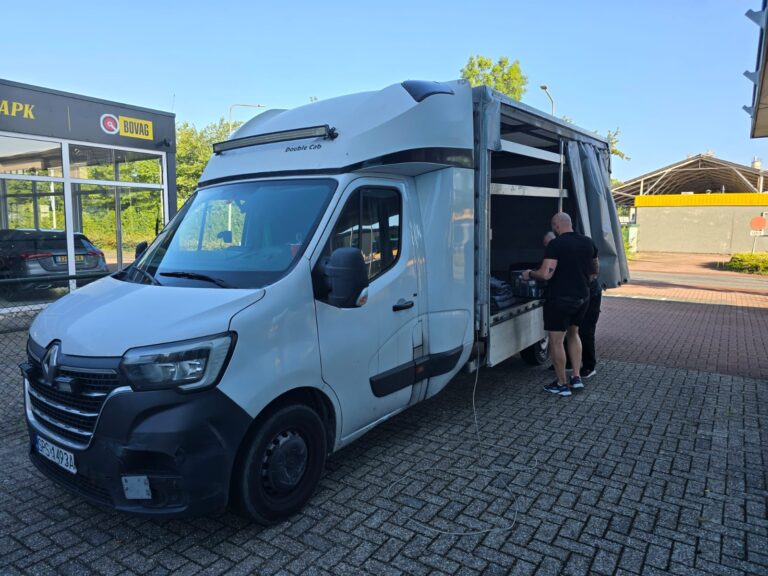
VANonsite can plan man and van transport for smaller loads, a full household move or agreed packing and furniture handling around your inventory and access. Ask the team to confirm the collection window, delivery arrangements and progress updates for your booking.
TL:DR
A Spain to Germany move stays calm when you plan access, volume, and admin before the stress gets a voice.
- Plan access first: lifts, stairs, street width, and where the van can legally stop.
- Choose the right service level: man and van for smaller or staged moves, dedicated transport for precision, full removals for full homes.
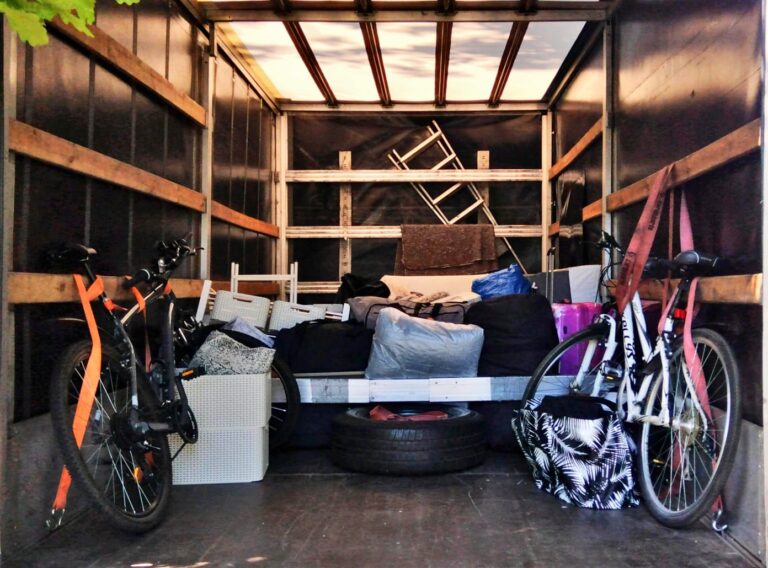
- Size the vehicle with breathing room. Tight loads invite scratches, crushed boxes, and delays.
- Pack for the road, not for the closet. Corners first, glass upright, hardware labelled.
- In most cases, moving household goods from Spain to Germany is straightforward, but you still need a tidy inventory and smart admin.
- Register your address in Germany promptly after arrival, and keep your key documents with you.
- Agree how transport updates and any available tracking will be provided before collection.


Plan the move around your new home
Start with the German property rather than a van size. Confirm the date you can receive goods, the rooms available for storage and any work that must finish before furniture arrives.
Check what is already included in the new home. A furnished short let may need only boxes and a few personal items, while an unfurnished property may need a bed, appliances or kitchen equipment immediately. Separate the essentials from items that can follow later.
Mark every inventory item as taking, selling, donating or leaving behind. Measure large pieces in their packed or dismantled condition and record the fittings that must travel with them.
Keep the pickup and delivery plans together. If your Spanish tenancy ends before the German keys are available, discuss storage and onward delivery before confirming collection.
A quick reality check before you pack
Ask yourself these three questions. They shape everything.
- Are you moving all at once, or in phases?
- Are you moving for a fixed start date in Germany?
- Are you moving premium furniture, fragile pieces, or sentimental items?
A phased move, a fixed delivery window and fragile furniture each need a different plan. Tell the mover which constraint is fixed and where you have flexibility, then ask for the agreed scope in writing.
Route planning: Spain to Germany without surprise stress
A smooth move begins with two truths.
First, Spain is not one access style. Barcelona is different from Mijas. Second, Germany is not one delivery environment either. A Berlin Altbau stairwell can be as dramatic as a coastal Spanish hill.
So plan around reality, not hope.
The access questions that decide your moving day
Before you book anything, confirm on both ends:
- Floor level and lift availability
- Lift internal dimensions and door width
- Narrow stair turns and tight corridors
- Where the van can stop legally, and how far the carry is to the door
- Any building rules: moving hours, lift reservations, concierge notice
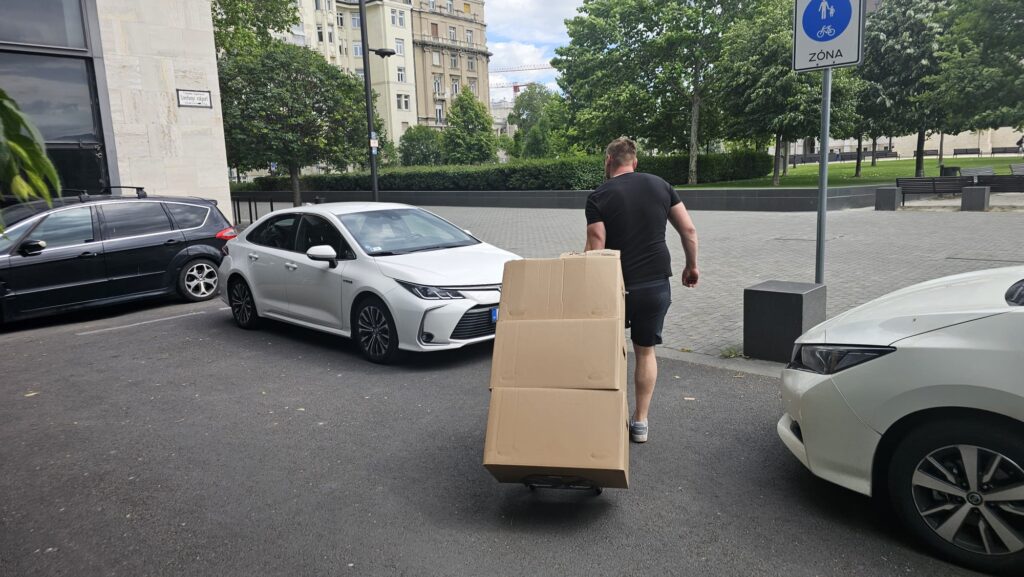
A tiny upgrade that saves hours: record a short phone video from the street to the front door. It tells the truth in seconds.
Spain pickup details that change the timeline
For the Spanish collection, check the final street and building entrance as carefully as the motorway route. Give the team photographs of tight access and confirm any restrictions with the building manager or local authority.
- Historic centres often mean narrower streets and limited stopping zones.
- Coastal towns can include hills, long carries, and seasonal congestion.
- Apartment blocks may have lifts, but the lift might be too small for a wardrobe.
- Underground parking can look ideal, yet have height limits and tight turns.
If you are leaving Barcelona, this guide helps you avoid the classic city pitfalls:
If you are leaving the Costa del Sol, this one helps you plan narrow streets and seasonal access:
Germany delivery reality: the quiet rules that matter
Germany often runs on structure. That is beautiful. It also means you should plan around rules, not around wishful timing.
Here are the details people forget, then feel on delivery day:
- Building quiet hours can limit noisy unloading in some places.
- Some properties want you to reserve lift time or protect common areas.
- Parking can be strict. Confirm the permitted unloading point before the vehicle arrives.
- Older buildings can have narrow staircases and sharper turns.
If you are moving into an Altbau style building, treat it like a puzzle. Measure stair turns. Measure lift doors. Decide early if your largest item needs an alternate plan.
Popular Spain to Germany routes
Your route can be direct, but the experience depends on your pickup and delivery context.
| Pickup area | Common Germany destinations | What to plan early |
|---|---|---|
| Barcelona and surroundings | Munich, Stuttgart, Frankfurt | City access rules, parking reality, timing windows |
| Costa del Sol towns | Berlin, Hamburg, Cologne | Hills, narrow streets, longer carries |
| Valencia region | Frankfurt, Düsseldorf | Great for larger loads, confirm building hours |
| Madrid region | Leipzig, Nuremberg | Route timing, access on delivery side |
Timing tips that protect your schedule
If your Germany start date is fixed, build a buffer. Not because you expect problems, but because you respect reality.
- Leave space for key handovers and building time slots.
- Avoid planning your first workday the morning after delivery.
- Keep essentials with you in case access delays the final unload.
A calm timeline gives you a calm arrival.
The one route habit that saves the most stress
Do not treat access details like an afterthought.
A strong plan begins with three facts, on both ends:
- Where the vehicle can stop legally.
- How far the carry is, door to vehicle.
- The narrowest turn between street and your room.
When you know these, the move becomes predictable.
Service options: what fits your move best
There is no single best service. There is the best service for your life right now.
Start with one question:
Do you need savings, speed, or certainty?
A 60 second decision guide
Pick the first statement that feels true.
- I have a full household move with multiple rooms, beds, wardrobes, and lots of boxes. Choose full removals.
- I need a specific delivery date or a tight delivery window. Choose dedicated transport.
- I am flexible on dates and want to reduce cost. Choose part load.
- I want an essentials first move, a smaller relocation, or tricky access handling. Choose man and van.
Option A: Man and van
A man and van move is small in size, not in care. It is perfect when you want a focused move, especially across tricky access points.
Best for:
- Studios, rooms, and light apartments
- Staged relocations, essentials first
- Student moves
- Key furniture plus boxes
Why it feels so good:
- Faster loading and unloading
- Easier access in tight streets
- Ideal when you want to land first and decide what you truly miss
Where it shines most is a phased move. You ship what you need now, then bring the rest later when your new home is ready.
A smart way to use this option is to build your Germany base first.
- Bed, clothes, and kitchen basics now
- The rest once your registration and routine feel stable
Option B: Part load
Part load means you share vehicle space with compatible loads. It can reduce cost, but timing is usually less exact.
Best for:
- Flexible date windows
- A few pieces and boxes
- Budget focused moves where a wider delivery window is acceptable
For a part load, provide the earliest collection date and the latest acceptable delivery date. Confirm the proposed window before committing to a key handover or booking travel around it.
If you want part load to feel smooth, do two things:
- Pack with extra protection, because loads may be handled more than once.
- Avoid ultra tight delivery commitments on your side.
Option C: Dedicated transport
Dedicated transport is for people who want control. Your items travel alone. Fewer stops. Fewer touch points.
Best for:
- Fixed keys handover dates
- Premium furniture, artwork, glass
- Tight delivery windows
If your move includes delicate finishes or high value pieces, dedicated transport plus professional packing is a strong combination.
This option is also ideal when you want the simplest emotional experience. You hand it over. You track it. You receive it.
Option D: Full removals
Full removals is the structured route. Room by room logic. Clean loading. Calmer delivery.
Best for:
- Households and families
- Furniture heavy moves
- People who want packing and white glove handling
This option is about momentum. A team plan. A clear day. Less decision fatigue.
Quick comparison
| Option | Best for | What you gain | What to plan |
|---|---|---|---|
| Man and van | Small or staged moves | Speed and flexibility | Inventory and access details |
| Part load | Lower cost | Savings | Wider delivery window |
| Dedicated transport | Fixed timing, premium items | Highest control | Higher budget, cleaner timeline |
| Full removals | Full homes | End to end structure | Packing level, access rules |
Which option feels right for you
If you want an even faster match, use this table.
| Your situation | Best match | Why it works |
|---|---|---|
| You start work on a specific date | Dedicated transport | Predictable timing and fewer touch points |
| You are moving in phases | Man and van | Flexible, essentials first, easier access |
| You want the lowest cost | Part load | Efficient when your dates are flexible |
| You are moving a full household | Full removals | Structured, room by room, calmer delivery |
| You have premium fragile items | Dedicated transport plus packing | Less handling risk and better protection |


Van sizes: choose once, not twice
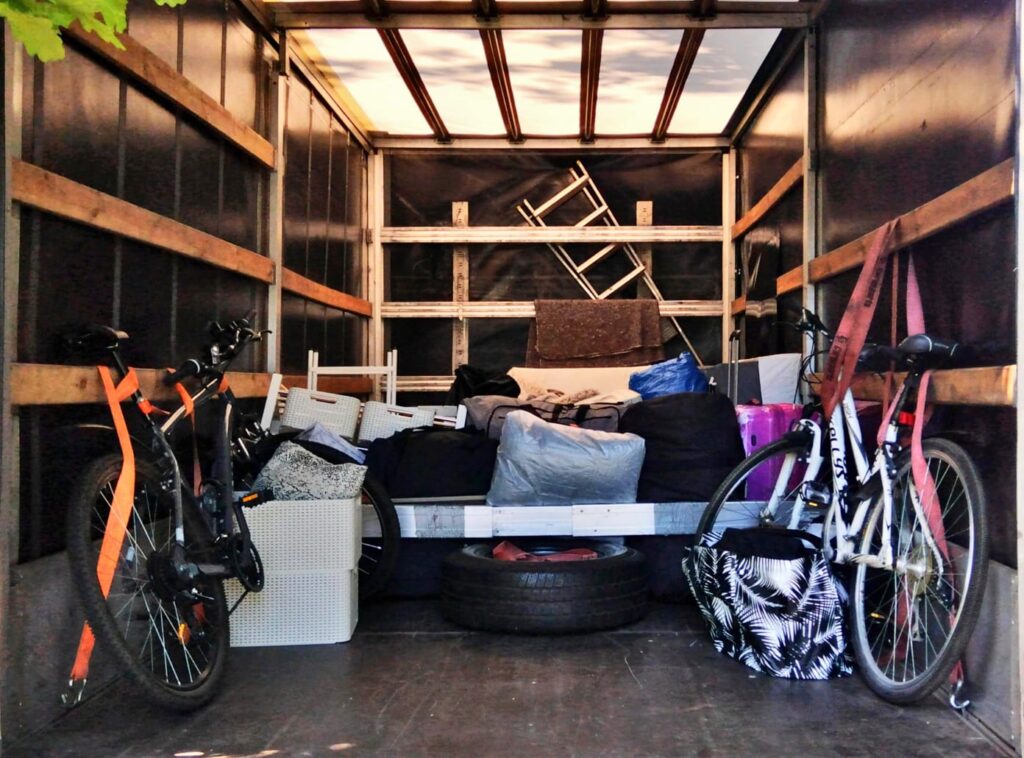
Van size is not a detail. It is the difference between calm and chaos.
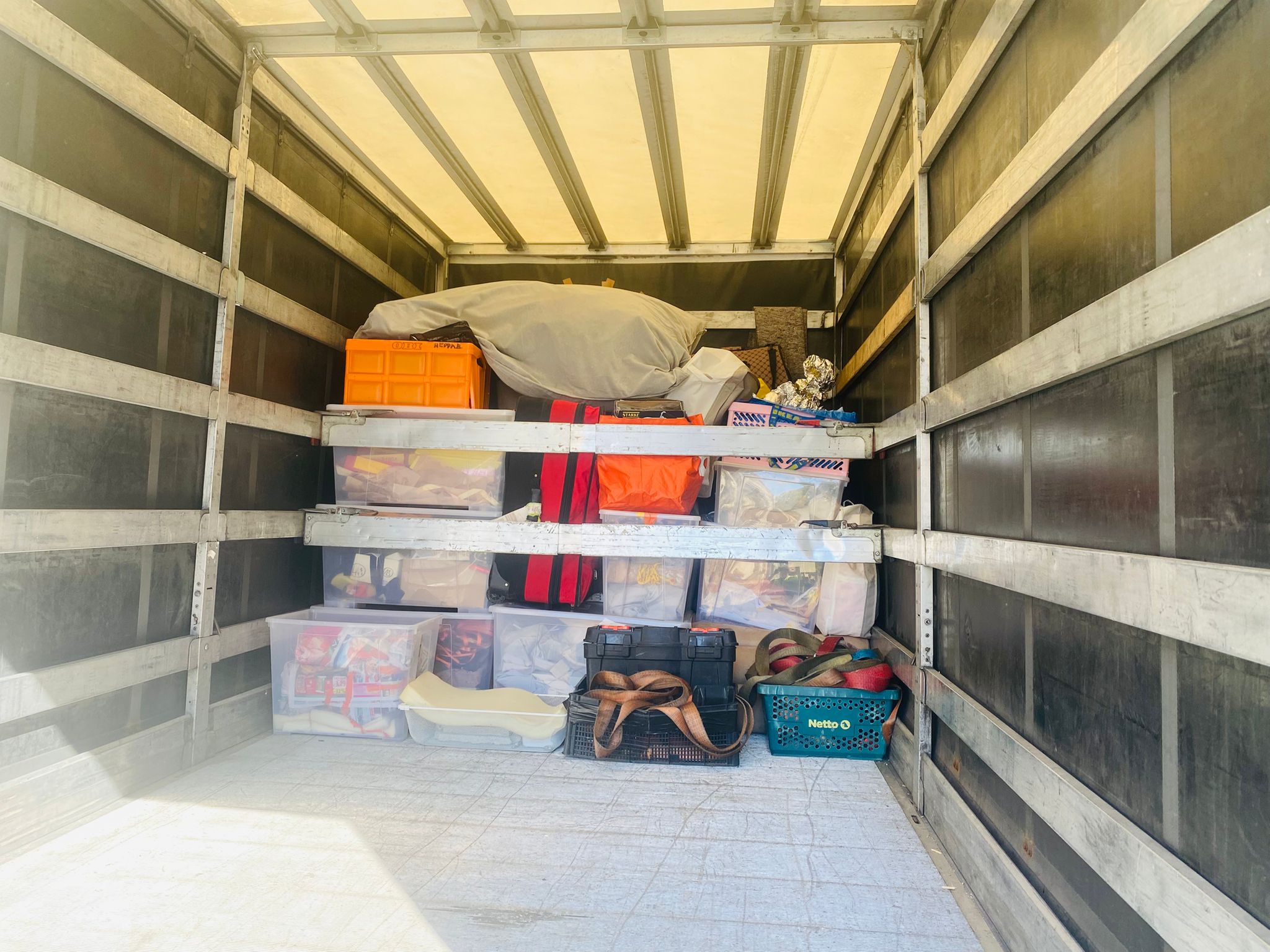
Overpacked vans create pressure. Corners scrape. Boxes crush. Unloading slows because everything is trapped behind everything.
Choose breathing room. It protects your belongings and your mood.
VANonsite vehicle options
| Vehicle option | Volume | Max load | Best for |
|---|---|---|---|
| Moving Basic | 5 m3 | 300 kg | A few boxes and small items |
| Moving Medium | 10 m3 | 500 kg | Studio moves, light furniture |
| Moving Premium | 15 m3 | 1100 kg | One bedroom core items |
| Moving Premium Plus | 30 m3 | 3500 kg | Two to three bedrooms |
| Moving Full House XXL | 90 m3 | 20000 kg | Large homes and heavy loads |
Real world sizing snapshots
Use these as anchors. They keep planning honest.
| Your load looks like | Often fits best in | Why it works |
|---|---|---|
| 10 to 15 boxes, suitcases, a couple of small items | Moving Basic | Quick handling, minimal stacking |
| Studio furniture plus 15 to 25 boxes | Moving Medium | Enough space to avoid squeezing corners |
| Bed, sofa, wardrobe, plus 25 to 40 boxes | Moving Premium | Better protection and safer loading |
| Two bedroom furniture plus 45 to 80 boxes | Moving Premium Plus | Breathing room reduces damage |
| Full household, heavy items, lots of furniture | Moving Full House XXL | Built for scale and weight |
A fast sizing rule
If the inventory is close to a package limit, ask the team to review both volume and weight. More space does not automatically mean more payload, and an awkward item may need additional handling even when its volume is small.
Two quick checks that instantly improve accuracy:
- Count boxes honestly, then add 20 percent.
- List your biggest items and flag awkward shapes: L shaped sofa, tall wardrobe, stone table.
Packing and protection: shipping furniture the safe way
Most damage happens before the van even moves. Packing is where moves are won or lost.
If you want fewer breakages and a faster setup in Germany, consider professional packing:
If you have premium furniture, glass, artwork, stone surfaces, or delicate interiors, upgrade handling:
Packing rules that actually work
- Wrap corners first. Corners take the hits.
- Keep glass and mirrors upright, never flat under pressure.
- Bag screws and fittings, label them, tape them to the item.
- Do not overfill boxes. Heavy boxes cause accidents.
- Pack by room, not by category. It makes unpacking faster.
Furniture packing by type
| Item | What usually goes wrong | What works best |
|---|---|---|
| Sofa | Scrapes, crushed corners | Wrap corners, remove legs, blanket wrap |
| Wardrobe | Doors crack, joints loosen | Remove doors if needed, wrap edges, secure inside |
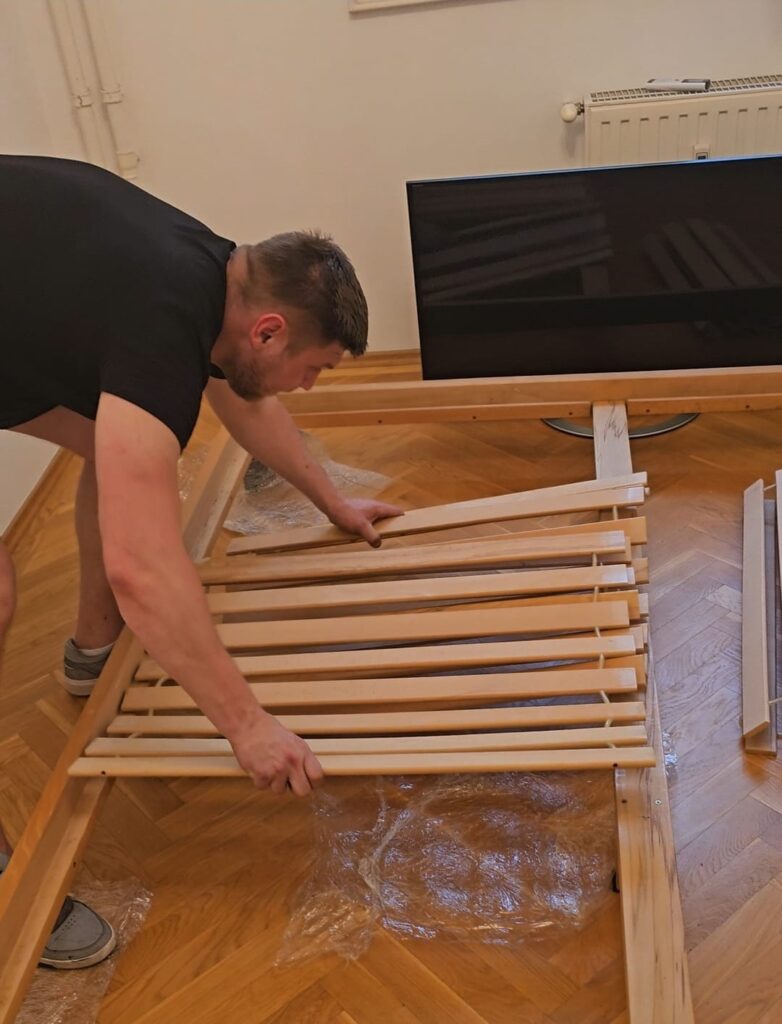
| Bed frame | Missing fittings, bent pieces | Bag hardware, label parts, keep pieces together |
| Dining table | Corner chips, surface scratches | Corner protectors, blankets, protect top |
| Mirrors and glass | Cracks from flex and pressure | Edge protection, upright placement, no stacking |
If your relocation is mainly furniture, this service is built for it:
If you are moving a full household, start here:
The first night kit
This keeps your first evening in Germany soft, even if boxes are everywhere.
Pack one bag or one clearly labelled box that stays with you.
- Two sets of clothes
- Chargers and adapters
- Toiletries and medication
- Bedding essentials
- Kettle or coffee kit
- Snacks and water
- Copies of key documents
Documents and admin: what to prepare
Paperwork is invisible until it blocks your day. So treat it like a priority, not an afterthought.
Think of admin like a second move that happens in your head. The faster you settle it, the faster your home starts feeling like home.
Germany: register your address after arrival
If you are moving into a residence in Germany, check the local registration procedure before arrival. The usual registration period is within two weeks of moving in; the responsible registration office can confirm the requirements for your circumstances. Official guidance and services:
- Residence registration information: Federal Act on Registration (BMG)
- Digital residence registration portal (where available): Online residence registration
Anmeldung in plain English, step by step
This is the smooth path many newcomers follow:
- Secure your address and get written confirmation from the landlord. This is often called a housing confirmation.
- Book your registration appointment or use the digital portal where available.
- Bring the correct documents and keep originals with you.
- Register, then keep your confirmation safe. It becomes a key for everything else.
What you will usually be asked for
Exact requirements vary by city, but these items come up often:
- Passport or ID
- Housing-provider confirmation (Wohnungsgeberbestätigung)
- Completed registration form
- In some situations, additional civil documents for family members
Keep your originals with you, not inside the shipment:
- Passport or ID
- Housing-provider confirmation (Wohnungsgeberbestätigung)
- Any appointment confirmations
- Work documents and contracts
- Medical prescriptions and essentials
Your first month admin timeline
This is not about doing everything at once. It is about doing the right things in order.
| When | Focus | Why it matters |
|---|---|---|
| First 48 hours | Make the home functional | Sleep, shower, eat, reset |
| First week | Address registration, essentials setup | Unlocks many services and reduces stress |
| First month | Bank, insurance, routines | Turns the move into a life |
If you want a reliable overview of living and working steps, this official portal is a strong starting point:
If you are an EU citizen
In many cases, the admin is lighter, but registration still matters. For official orientation on living and residence topics, start here:
- Federal Interior Ministry overview pages: Integration information from the German Interior Ministry
A practical tip that saves time: keep a printed copy of your registration confirmation and a digital scan. It is asked for more often than you expect.
If you are a non EU national
Requirements vary by nationality and purpose of stay, so always follow official guidance:
- Federal Interior Ministry information on residence law: Residence law: German Interior Ministry
- Official government portal for working and living in Germany: Make it in Germany: official relocation guidance
If your residence status requires appointments, treat it like a critical booking. Do not leave it to the last minute. A calm move includes a calm calendar.
Spain: tidy up your exit tasks
Leaving Spain smoothly is a gift you give your future self.
A clean exit reduces loose ends, lost deposits, and awkward surprises months later.
If you have been living in Spain, keep your admin clean before you go:
- Close or transfer utilities and contracts
- Gather school or medical records if relevant
- Keep proof of address and key documents in one folder
- Check subscriptions, insurance renewals, and service cancellations
- Take final meter photos and keep them with your move folder
If you lived in Mijas, the local appointment portal can help with municipal admin:
- Mijas town hall appointments: Mijas town hall appointment service
Your moving folder
Make one simple folder, digital and printed.
- Inventory
- Key addresses and contact numbers
- Building rules on both ends
- Copies of passports and contracts
- Official links for registration and residence
When stress hits, this folder is your calm.

Customs: when it is simple, and when it is not
For most people, moving household goods from mainland Spain to Germany is an intra EU move, so customs formalities are usually not the big drama.
Still, this is where people make a mistake. They assume all of Spain is the same customs story.
When it is simple
If your pickup is in mainland Spain and your delivery is in Germany, your move is usually straightforward. You still want:
- A tidy inventory
- Clear addresses and contact numbers
- Proof of residence, if requested by any office or building management
When it is not
The Canary Islands are within the EU customs territory but outside its VAT and excise territory. Ceuta and Melilla are outside the EU customs, VAT and excise territories. Do not assume a collection from any of these locations follows the same process as mainland Spain; confirm the applicable formalities for the actual goods and route before booking.
Common examples people overlook:
- The Canary Islands
- Ceuta
- Melilla
Official references:
- EU overview of special territories and customs VAT exceptions: EU customs and VAT territorial scope
- German customs information (Zoll) on customs territory topics: German Customs (Zoll)
A quick customs sense check
If any of these are true, flag it early so planning stays clean:
- Your pickup is in a special territory.
- You recently imported items into Spain from outside the EU and they have unclear paperwork.
- You are shipping brand new goods with invoices that might trigger questions.
If you are unsure, flag your exact pickup location early. It is easier to plan calmly than to fix paperwork under pressure.
What affects cost, and how to get an accurate quote
A good quote is built on details, not hope.
Think of your move price like a recipe. The ingredients are volume, access, and timing. When those three are clear, the quote becomes crisp and accurate. When they are vague, you get guesswork. And guesswork is where stress hides.
Main cost drivers
- Distance and route complexity
- Volume and weight
- Stairs, lifts, long carries
- Packing level and fragile items
- Timing, season, and how tight your window is
- Storage if keys do not align
The cost drivers people underestimate
These small details shape the day, and they often decide the final time on site.
- Long carry from street to door
- No lift, or a lift too small for furniture
- Narrow stair turns that force extra handling
- Overpacked loads that slow unloading
One honest truth: a short move with brutal access can cost more than a longer move with easy access. That is why photos and access info are priceless.
Typical move profiles and what they mean for price
This table helps you spot what usually influences the quote.
| Move profile | What it usually includes | What often drives cost |
|---|---|---|
| Essentials first | Boxes, suitcases, a few key pieces | Timing and access, not distance |
| Furniture focused | Sofa, bed, wardrobe, table | Protection level and careful handling |
| Full household | Multiple rooms, lots of boxes | Volume plus loading and unloading time |
| Premium fragile | Artwork, glass, designer finishes | Packing, fewer touch points, safer placement |
A man and van move can be an excellent value when your load is smaller or staged. The vehicle is right sized, the access is easier, and the day stays fast.
How to lower cost without lowering safety
Saving money should not mean gambling with damage.
- Be flexible with dates when you can. Flexibility opens better route planning.
- Give accurate access info. It prevents delays and surprise handling time.
- Choose the right van size. Squeezing is where scratches are born.
- Group small items in sturdy boxes. Loose items slow everything down.
- Flag fragile pieces early. The right protection is cheaper than replacement.
Quote ready checklist
Send this once and your quote becomes sharper and faster:
- Pickup and delivery postcodes
- Floor levels and lift or stairs details
- A rough box count plus your biggest items
- Photos of bulky or fragile pieces
- Your preferred date window
Add these if you want an even cleaner, faster plan:
- Where the van can stop legally on both ends
- Any building rules, lift booking, or restricted hours
- Whether you want packing, white glove placement, or both
- Whether storage is needed because keys do not align
If you need storage because dates do not line up, mention it early. It changes planning in a good way.
VANonsite services for Spain to Germany relocations
Removals are not only transport. They are trust, timing, and care.
VANonsite can help plan collection in Spain, road transport and delivery in Germany, with packing, furniture handling or storage discussed as part of the booking. State which tasks you need at each address so the written quotation reflects the work rather than only the distance.
- Last Minute Moving: when the timeline is tight and you need fast, decisive action.
- Furniture Removals: ideal for sofa, bed, wardrobe, and fragile pieces that deserve protection.
- Home Removals: structured moves for full households, with a calmer room by room approach.
- Packing Service: professional packing that reduces breakage and speeds up unpacking.
- White Glove Delivery: careful placement and premium handling for delicate homes and high value items.
- Office Removals: smart planning that reduces downtime and protects equipment.
- Storage: a clean solution when keys, contracts, or timelines do not match perfectly.
- Student Removals: staged, essentials first moves that feel light and flexible.
If you are relocating a business unit, office removals can keep downtime low and timelines sharper.
If you are relocating for studies, student removals are ideal for staged, essentials first moves. Pair it with a man and van option and the move can feel surprisingly simple.
Before collection, agree on the delivery contact and who will handle any changes to access or timing. Ask how transport updates and any available tracking will be shared with you.
FAQ
Is a man and van enough for removals to Germany from Spain?
Yes, when you are moving light or moving in phases. A man and van is ideal for essentials, a studio setup, or a soft landing in Germany while you sort admin.
It is also a strong choice when access is difficult. Tight streets, strict parking, narrow stairs. A smaller setup often moves faster and safer.
What is the difference between part load and dedicated transport?
Part load can reduce cost when your dates are flexible, because you share vehicle space. Dedicated transport is about precision and calm. Your items travel alone with fewer stops and fewer touch points.
If you have a fixed delivery date or high value furniture, dedicated transport usually feels like the safer choice.
How long does a Spain to Germany move usually take?
It depends on distance, service type, access, and your delivery window. Dedicated moves are more predictable. Part load can be cheaper, but timing is usually less exact.
If you have a hard start date in Germany, plan with a buffer and choose a service that supports it.
How do I protect furniture on a long road move?
Protect corners first, keep glass upright, and avoid squeezing.
If you want the safest route, add professional packing and careful placement:
Can you move furniture only, not a full home?
Absolutely. Furniture only relocations are common when people move in phases.
Can I track my belongings during transport?
Ask the team to confirm the transport updates and tracking available for your specific booking. Keep the agreed contact details with your moving documents so you can check collection or delivery arrangements when needed.
Confirm the expected delivery window separately from tracking. A location update does not replace a confirmed unloading appointment or someone being available to receive the goods.
What is the biggest reason Spain to Germany moves get stressful?
Access and timing, not distance. Tight stairwells, tricky parking, and an overpacked vehicle create most problems.
If you want to remove the stress early, share access details and a short video walk through. It turns guesswork into a plan.
Do you offer storage if my dates do not align?
Yes. Storage is perfect when keys and timelines are not lining up cleanly. It gives you breathing room without losing momentum.
I am moving for studies. Can you keep it light and fast?
Yes. Staged, essentials first moves are exactly what Student Removals is built for. Pair it with a man and van approach and your arrival can feel surprisingly effortless.
What should I do first when I arrive in Germany?
Make the home functional, then do admin.
- Bed and bathroom first
- Basic kitchen corner next
- Address registration as soon as you can
When you can sleep properly, everything else becomes easier.
Final checklist: Spain to Germany removals
Use this as your last look before moving day. It is designed to prevent last minute panic.
- Access confirmed on both ends, including parking and carry distance
- Lift and stair measurements checked for the biggest items
- Inventory complete and readable, with fragile items clearly flagged
- Van size chosen with breathing room
- Packing decided: self pack, professional packing, or full service
- Glass and mirrors protected and planned for upright transport
- Hardware bagged and labelled, taped to the correct furniture
- Essentials kept with you: documents, medication, chargers, keys
- First night kit ready and clearly separated
- Building rules and moving hours confirmed on both ends
- Delivery contact person confirmed, including gate codes and phone number
- Final photo walkthrough saved, street to door, both addresses
Ready to move from Spain to Germany with confidence?
A move should feel like a beginning, not a breakdown.
If you want your quote to be fast and accurate, send this in one message:
- Pickup and delivery postcodes
- Floor level and lift or stairs info on both ends
- A rough box count plus your biggest items
- Photos of anything bulky or fragile
- A flexible date window
If you can add one extra thing, send a short video from street to front door. It is the fastest way to remove surprises.
Use the completed checklist to request a written moving plan: inventory, access, packing, collection and delivery window. The Spain to Germany removals page is the next step for discussing transport with VANonsite.
Explore service options here: