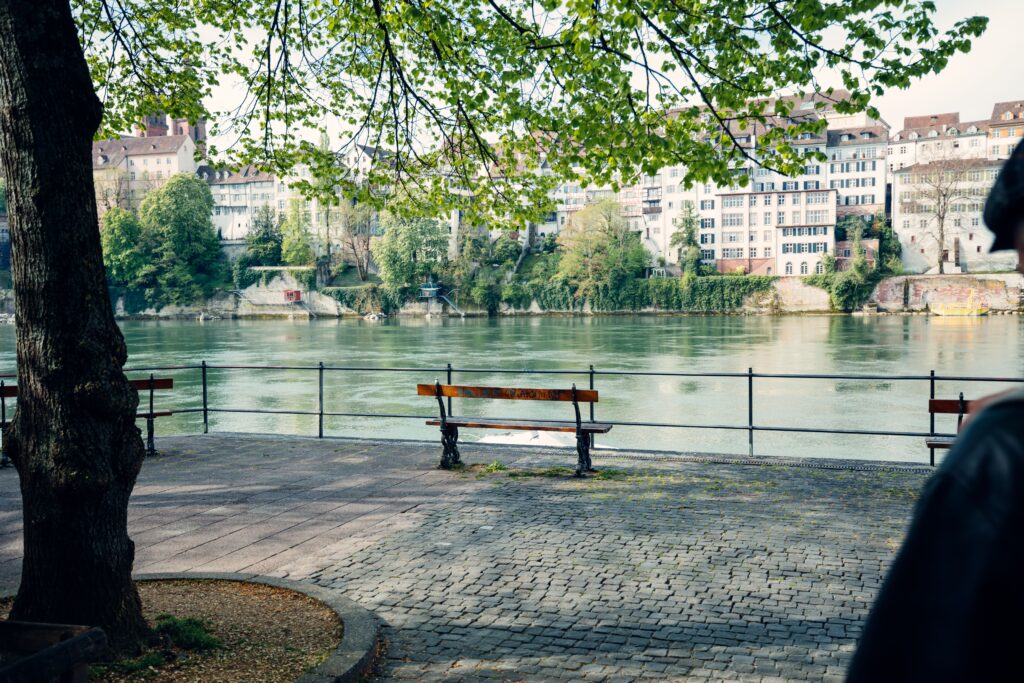
Basel has a rare kind of magnetism. It feels polished, creative and quietly powerful. One street can lead you to a world class museum, another to the Rhine, and a short tram ride can place you near Germany or France. For many expats, professionals and families, Basel is not just another Swiss city. It is a gateway to a safer, sharper and more international life.
Still, Basel demands serious financial planning. The cost of living in Basel Switzerland is high, especially when rent, health insurance, taxes, groceries and moving costs arrive at the same time. A single person may need around CHF 3,000 to CHF 4,500 per month for a realistic lifestyle, while families often need much more. The city rewards good salaries, but it also punishes poor preparation.
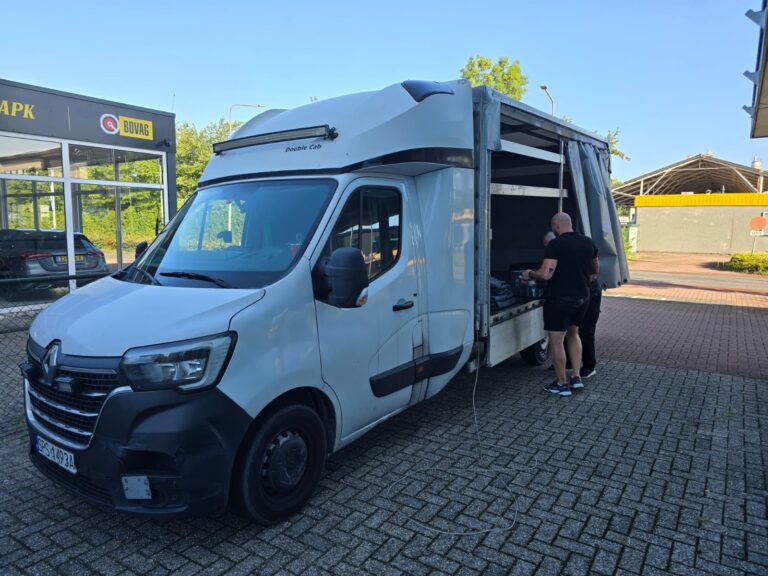
That is why the move itself should be organised with precision. VANonsite helps people relocate across Europe to Switzerland with secure loading, GPS tracked transport, flexible van sizes and practical man and van options for smaller moves. Whether you are moving a student room, a one bedroom apartment, office equipment or a full family home, the right transport plan can protect your budget before you even arrive.
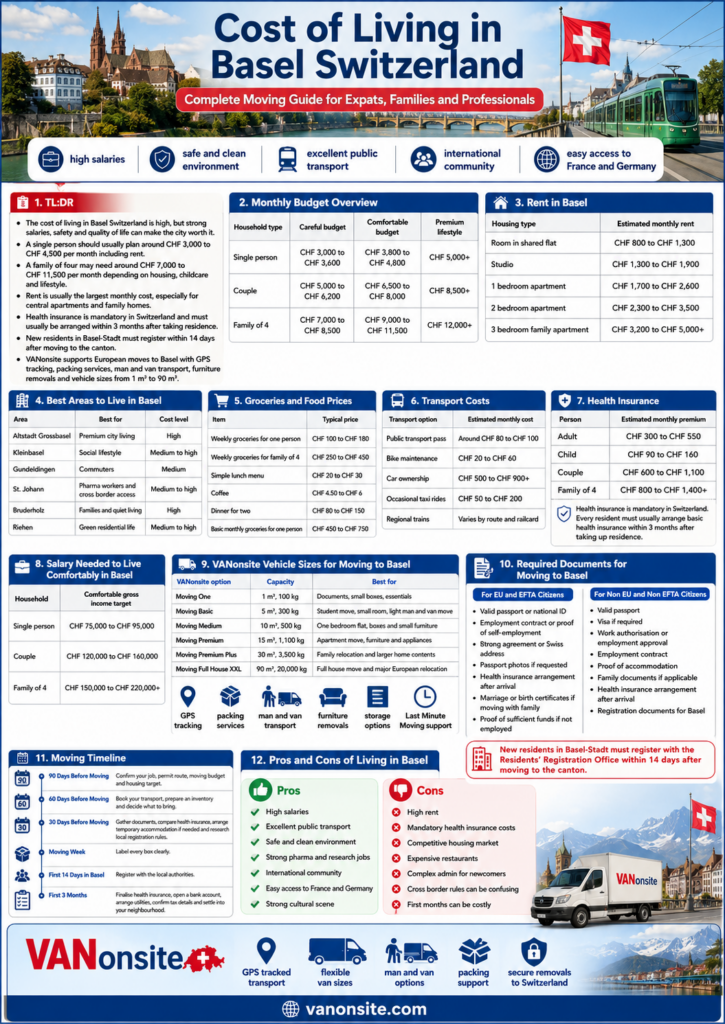
TL:DR
- The cost of living in Basel Switzerland is high, but strong salaries, safety and quality of life can make the city worth it.
- A single person should usually plan around CHF 3,000 to CHF 4,500 per month including rent.
- A family of four may need around CHF 7,000 to CHF 11,500 per month depending on housing, childcare and lifestyle.
- Rent is usually the largest monthly cost, especially for central apartments and family homes.
- Health insurance is mandatory in Switzerland and must usually be arranged within 3 months after taking residence.
- New residents in Basel-Stadt must register within 14 days after moving to the canton.
- VANonsite supports European moves to Basel with GPS tracking, packing services, man and van transport, furniture removals and vehicle sizes from 1 m³ to 90 m³.




Is Basel Expensive to Live In?
Yes, Basel is expensive. There is no elegant way to hide it. The cost of living in Basel Switzerland sits firmly in the premium category because the city combines Swiss wages, Swiss housing demand, Swiss healthcare prices and a strong international job market.
However, Basel is not expensive in a random or chaotic way. You are paying for structure. The city is safe, clean, walkable and superbly connected. Public transport is efficient. Healthcare is excellent. The job market is powerful, especially in pharma, biotech, research, logistics, finance, education and healthcare.
Basel is home to global employers and a large international workforce. This creates demand for apartments, relocation services, international schools, childcare and English speaking support. As a result, newcomers often feel the strongest financial pressure during the first 3 months. That is when the apartment deposit, first rent, moving transport, insurance, temporary accommodation and furniture costs can all land at once.
For this reason, the smartest approach is simple. Do not only ask how much Basel costs monthly. Ask how much cash you need before your first salary arrives.
Cost of Living in Basel Switzerland: Monthly Budget Overview
The cost of living in Basel Switzerland depends on your housing choice, insurance model, lifestyle, family size and whether you live in Basel city, Basel-Landschaft or across the border in France or Germany.
Use the table below as a practical planning guide.
| Household type | Careful budget | Comfortable budget | Premium lifestyle |
|---|---|---|---|
| Single person | CHF 3,000 to CHF 3,600 | CHF 3,800 to CHF 4,800 | CHF 5,000+ |
| Couple | CHF 5,000 to CHF 6,200 | CHF 6,500 to CHF 8,000 | CHF 8,500+ |
| Family of 4 | CHF 7,000 to CHF 8,500 | CHF 9,000 to CHF 11,500 | CHF 12,000+ |
These numbers include rent, groceries, transport, basic insurance, utilities and normal daily expenses. They do not include luxury travel, private schooling, heavy restaurant use or major furniture purchases.
The cost of living in Basel Switzerland becomes easier to control when you separate fixed costs from flexible costs. Rent, insurance and taxes are harder to reduce quickly. Groceries, restaurants, transport habits and furniture choices are easier to adjust.
Rent in Basel: The Biggest Monthly Cost
Rent is the main budget breaker in Basel. It is also the expense that can decide whether your relocation feels comfortable or stressful. Basel-Stadt has a very rental focused housing market, and good apartments can attract strong competition.
A tidy one bedroom flat near the centre, the Rhine or major employers can disappear quickly. Families looking for three or four room apartments should prepare documents early and move fast when a good place appears.
| Housing type | Estimated monthly rent |
|---|---|
| Room in shared flat | CHF 800 to CHF 1,300 |
| Studio | CHF 1,300 to CHF 1,900 |
| 1 bedroom apartment | CHF 1,700 to CHF 2,600 |
| 2 bedroom apartment | CHF 2,300 to CHF 3,500 |
| 3 bedroom family apartment | CHF 3,200 to CHF 5,000+ |
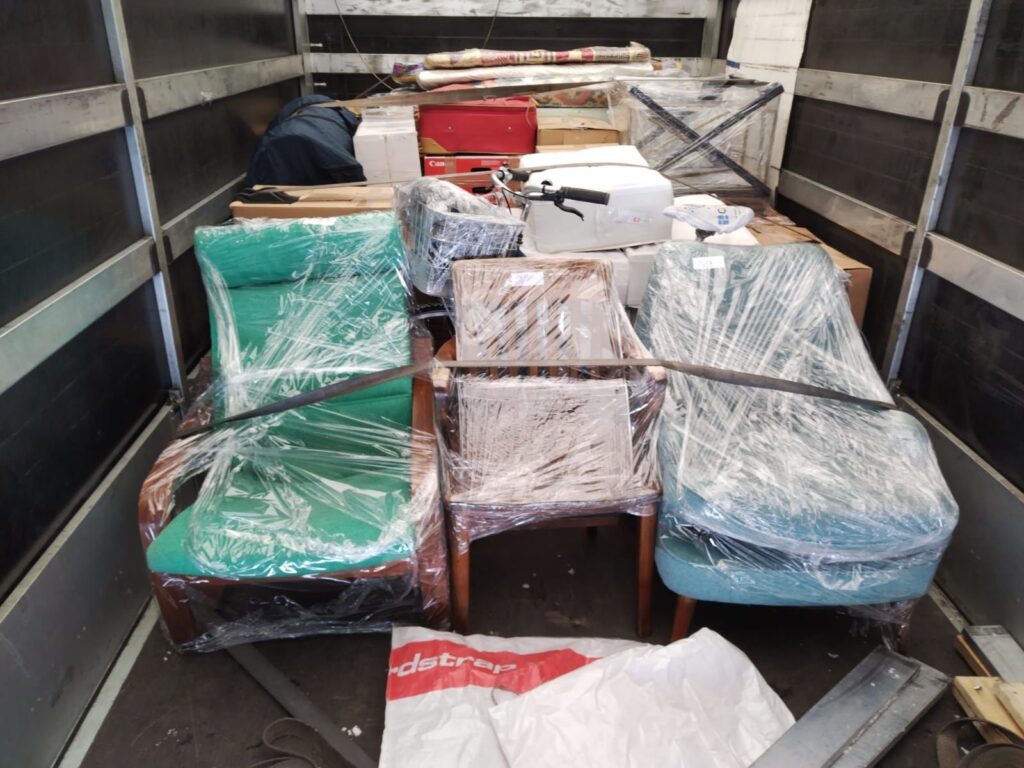
Many apartments are unfurnished, so newcomers should also budget for beds, wardrobes, lighting, kitchen equipment and small appliances. This is where moving existing furniture can be more economical than buying everything again in Switzerland.
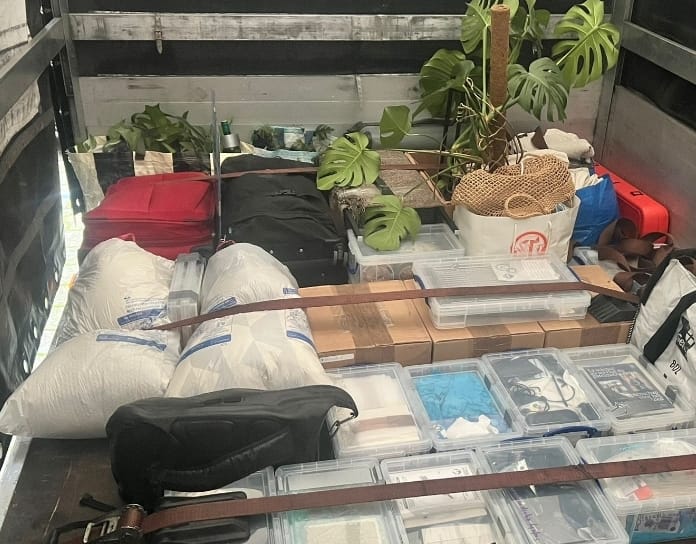
If you are moving only essentials, a man and van option may be enough. If you are bringing a full apartment, furniture removals or a larger dedicated van can save time, stress and repeated purchases after arrival.
Best Areas to Live in Basel
Choosing the right neighbourhood can change the cost of living in Basel Switzerland dramatically. Central areas feel elegant and convenient, but they often come with higher rent. Outer districts can offer more space, quieter streets and better value.
Altstadt Grossbasel
Altstadt Grossbasel is atmospheric, historic and refined. It is ideal for people who want culture, restaurants, old town streets and quick access to the Rhine. It is also one of the more expensive choices.
Kleinbasel
Kleinbasel is energetic, multicultural and social. It suits younger professionals, creatives and people who enjoy cafés, nightlife and a more vibrant rhythm. Prices vary street by street, so careful apartment hunting matters.
Gundeldingen
Gundeldingen is practical, connected and popular with commuters. It has strong transport access and can be a sensible choice for professionals who want value without feeling isolated.
St. Johann
St. Johann is attractive for people working in pharma and international business. It offers access to the city, the French border and major employers. Demand can be strong, but the location is very convenient.
Bruderholz
Bruderholz is greener, quieter and more residential. Families often like it because it feels calm and spacious. Prices can be high, but the quality of life is excellent.
Riehen
Riehen is peaceful, elegant and close to nature. It suits families and people who want a softer pace while staying connected to Basel.
| Area | Best for | Cost level |
|---|---|---|
| Altstadt Grossbasel | Premium city living | High |
| Kleinbasel | Social lifestyle | Medium to high |
| Gundeldingen | Commuters | Medium |
| St. Johann | Pharma workers and cross border access | Medium to high |
| Bruderholz | Families and quiet living | High |
| Riehen | Green residential life | Medium to high |
Groceries and Food Prices in Basel
Food prices are one of the first shocks for many newcomers. The cost of living in Basel Switzerland feels especially sharp when you compare a simple supermarket basket with prices in Poland, Germany, Spain or the United Kingdom.
Migros and Coop are the everyday giants. Aldi and Lidl can reduce costs. Local markets offer beautiful produce, but they are not always the cheapest option. Many residents also shop selectively across the border in Germany or France, especially for household products, meat, toiletries and bulk items.
| Item | Typical price |
|---|---|
| Weekly groceries for one person | CHF 100 to CHF 180 |
| Weekly groceries for family of 4 | CHF 250 to CHF 450 |
| Simple lunch menu | CHF 20 to CHF 30 |
| Coffee | CHF 4.50 to CHF 6 |
| Dinner for two | CHF 80 to CHF 150 |
| Basic monthly groceries for one person | CHF 450 to CHF 750 |
Cooking at home is the easiest way to soften the cost of living in Basel Switzerland. A household that plans meals, uses discount supermarkets and limits restaurant meals can often reduce food spending by 10 to 25 percent.
Still, Basel rewards occasional indulgence. A riverside drink, a Saturday market visit or dinner after work can feel like part of the city’s charm. The key is not to remove pleasure. The key is to budget for it deliberately.
Transport Costs in Basel
Basel is a city where you can live comfortably without a car. This matters because car ownership in Switzerland can become expensive once parking, insurance, fuel, maintenance and permits are included.
The public transport network is excellent. Basel is served by trams, buses and trains, and the wider regional network makes daily travel smooth. Cycling is also popular. Basel is compact enough for many daily trips by bike, especially if you live close to work or university.
| Transport option | Estimated monthly cost |
|---|---|
| Public transport pass | Around CHF 80 to CHF 100 |
| Bike maintenance | CHF 20 to CHF 60 |
| Car ownership | CHF 500 to CHF 900+ |
| Occasional taxi rides | CHF 50 to CHF 200 |
| Regional trains | Varies by route and railcard |
For many expats, the best transport strategy is a public transport pass, a bicycle and occasional car rental when needed. This keeps monthly costs controlled while still giving you freedom to explore Switzerland, Germany and France.
Health Insurance in Basel
Health insurance is mandatory in Switzerland. Every resident must usually arrange basic health insurance within 3 months after taking up residence, and each family member must be insured individually. You can check the official Swiss health insurance information at bag.admin.ch.
This is one of the biggest differences between Switzerland and many other European countries. Health insurance is not automatically included in your taxes. You choose a provider, a deductible and a model. Your monthly premium then becomes one of your fixed living costs.
| Person | Estimated monthly premium |
|---|---|
| Adult | CHF 300 to CHF 550 |
| Child | CHF 90 to CHF 160 |
| Couple | CHF 600 to CHF 1,100 |
| Family of 4 | CHF 800 to CHF 1,400+ |
The cost of living in Basel Switzerland can rise quickly if you choose a low deductible or a flexible insurance model. On the other hand, choosing the cheapest plan without understanding the restrictions can be risky. Compare options carefully and check whether accident cover is included through your employer.
Taxes in Basel
Taxes in Switzerland are paid at federal, cantonal and municipal levels. In Basel, many foreign employees who have recently moved to Switzerland pay tax at source, which means tax is deducted directly from income. New residents can check practical local tax guidance through the official Basel-Stadt newcomer portal at hallo-baselstadt.ch.
Tax can significantly affect your real budget. A strong gross salary can look impressive, but your disposable income depends on tax, pension contributions, health insurance, rent and family costs.
When comparing job offers, calculate net income instead of focusing only on gross salary. Also remember that bonuses, marital status, children, religion related tax rules and permit type can influence the final picture.
Salary Needed to Live Comfortably in Basel
The cost of living in Basel Switzerland should always be compared with Swiss salary levels. Basel is expensive, but many jobs also pay well by European standards.
As a planning guide, these income ranges are realistic for a comfortable lifestyle.
| Household | Comfortable gross income target |
|---|---|
| Single person | CHF 75,000 to CHF 95,000 |
| Couple | CHF 120,000 to CHF 160,000 |
| Family of 4 | CHF 150,000 to CHF 220,000+ |
A single person earning under CHF 70,000 can still live in Basel, but careful housing choices become crucial. A family with one income, private childcare and a large apartment may feel pressure even with a salary that looks strong from outside Switzerland.
The safest formula is simple. Before accepting a job, calculate rent, health insurance, food, commuting, childcare and taxes. Then add at least 10 percent for unexpected costs.
Moving to Basel: One Time Relocation Costs
The first month in Basel can feel expensive because several costs arrive before life becomes stable. The deposit alone can be painful. In many cases, tenants need to prepare up to 3 months of rent as a rental deposit.
| One time cost | Estimated amount |
|---|---|
| Apartment deposit | 1 to 3 months of rent |
| First month’s rent | CHF 1,700 to CHF 5,000+ |
| Temporary accommodation | CHF 120 to CHF 250 per night |
| Basic furniture setup | CHF 2,000 to CHF 10,000+ |
| Moving transport | Depends on route and volume |
| Registration and admin costs | Varies by situation |
| First insurance payments | Depends on policy |
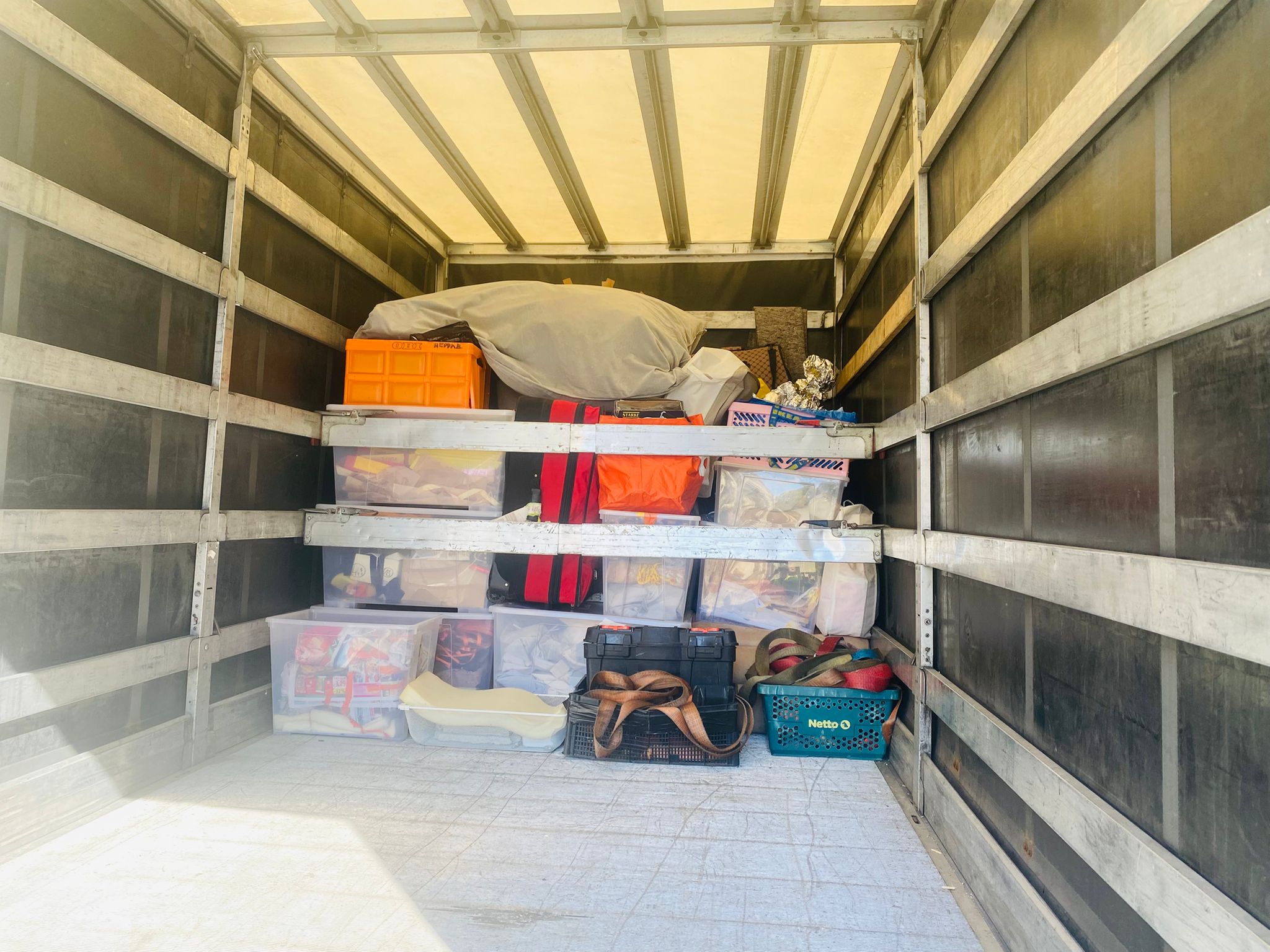
This is where organised transport matters. If you underestimate your moving volume, you may need extra trips or last minute storage. If you overestimate, you may pay for unused space. VANonsite offers flexible vehicle sizes, which helps match your shipment to your real needs.
VANonsite Vehicle Sizes for Moving to Basel
Not every move to Basel needs a giant truck. Some people arrive with a few boxes and a desk. Others bring a family home, bikes, wardrobes, office equipment and fragile furniture. VANonsite offers several transport sizes, so the move can be shaped around your actual load.
| VANonsite option | Capacity | Best for |
|---|---|---|
| Moving One | 1 m³, 100 kg | Documents, small boxes, essentials |
| Moving Basic | 5 m³, 300 kg | Student move, small room, light man and van move |
| Moving Medium | 10 m³, 500 kg | One bedroom flat, boxes and small furniture |
| Moving Premium | 15 m³, 1,100 kg | Apartment move, furniture and appliances |
| Moving Premium Plus | 30 m³, 3,500 kg | Family relocation and larger home contents |
| Moving Full House XXL | 90 m³, 20,000 kg | Full house move and major European relocation |
For small relocations, a man and van service can be fast, lean and cost efficient. For families, a larger dedicated vehicle gives more control and reduces the risk of damage caused by cramped loading.
For secure European transport to Switzerland, VANonsite’s removals to Switzerland service is designed for organised, GPS tracked relocation from pickup to delivery.
Required Documents for Moving to Basel
Documents matter in Switzerland. Good preparation can make the difference between a smooth arrival and a stressful week of missing forms.
For EU and EFTA Citizens
EU and EFTA citizens usually benefit from easier mobility rules, but they still need to follow Swiss residence procedures. Official Swiss migration information about EU and EFTA permits is available at sem.admin.ch.
Prepare these documents before moving:
- Valid passport or national ID
- Employment contract or proof of self employment
- Rental agreement or Swiss address
- Passport photos if requested
- Health insurance arrangement after arrival
- Marriage or birth certificates if moving with family
- Proof of sufficient funds if not employed
For Non EU and Non EFTA Citizens
Non EU and non EFTA citizens usually need stronger preparation before arrival. Work authorisation is normally more restrictive, and employers often play a central role in the process.
Prepare:
- Valid passport
- Visa if required
- Work authorisation or employment approval
- Employment contract
- Proof of accommodation
- Family documents if applicable
- Health insurance arrangement after arrival
- Registration documents for Basel
Basel Registration
New residents in Basel-Stadt must register with the Residents’ Registration Office within 14 days after moving to the canton. Official registration information is available at bs.ch.
Do not leave registration until the last moment. It can affect health insurance, banking, employment admin, schools and other practical steps.
Customs Rules When Moving Household Goods to Switzerland
Switzerland has clear rules for importing household goods during relocation. The Swiss Federal Office for Customs and Border Security explains rules for moving household effects into Switzerland at bazg.admin.ch.
Prepare a clear inventory before the move. It should list your boxes, furniture, appliances, electronics and other household goods. The more organised your list is, the easier the customs process becomes.
Useful customs documents may include:
- Passport or ID copy
- Swiss residence permit or permit application evidence
- Employment contract
- Rental agreement or proof of address in Basel
- Detailed inventory of household goods
- Vehicle documents if importing a car
- Pet documents if moving with animals
A chaotic inventory can slow down a border crossing. A clean loading plan and accurate paperwork can save valuable time. VANonsite’s experience with Switzerland routes helps clients avoid avoidable friction during relocation.
Cost of Living in Basel Switzerland for Students
Basel can be a brilliant student city, especially because of its academic culture, international atmosphere and strong public transport. Yet students must budget carefully. The cost of living in Basel Switzerland is higher than in most European university cities.
| Student cost | Monthly estimate |
|---|---|
| Shared room | CHF 700 to CHF 1,200 |
| Food | CHF 350 to CHF 600 |
| Health insurance | CHF 100 to CHF 300 |
| Transport | CHF 50 to CHF 100 |
| Phone and internet | CHF 40 to CHF 90 |
| Total | CHF 1,700 to CHF 2,800 |
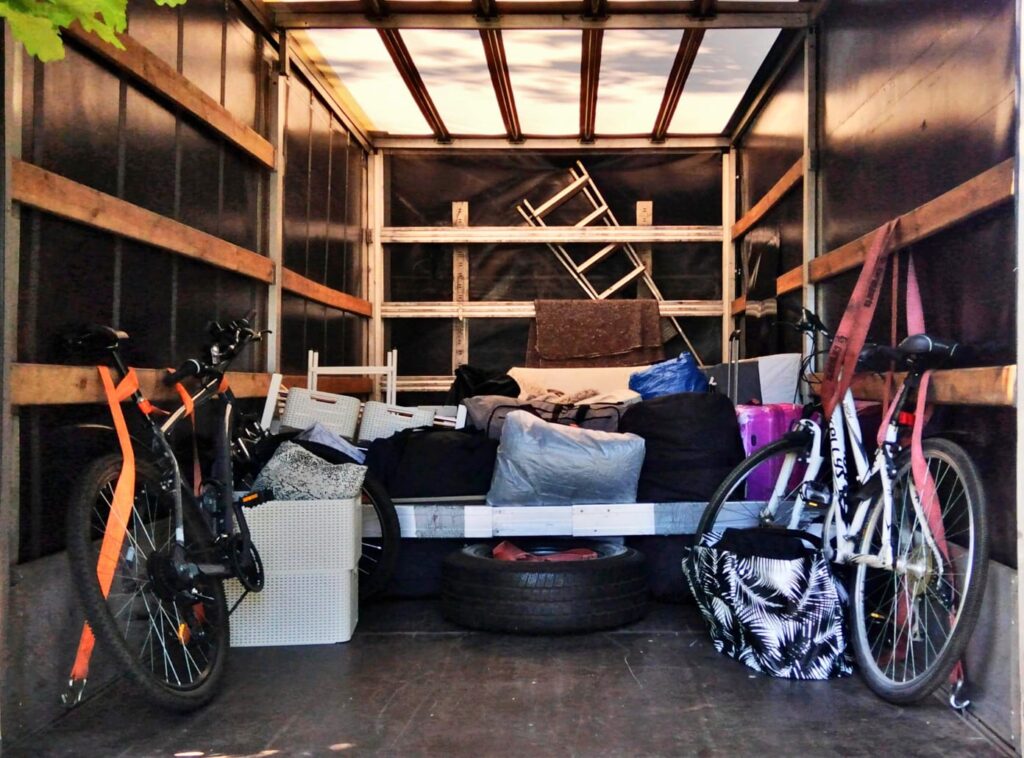
Students can reduce costs by living in shared accommodation, cooking at home, buying second hand furniture and using a compact man and van move instead of paying for a larger transport service.
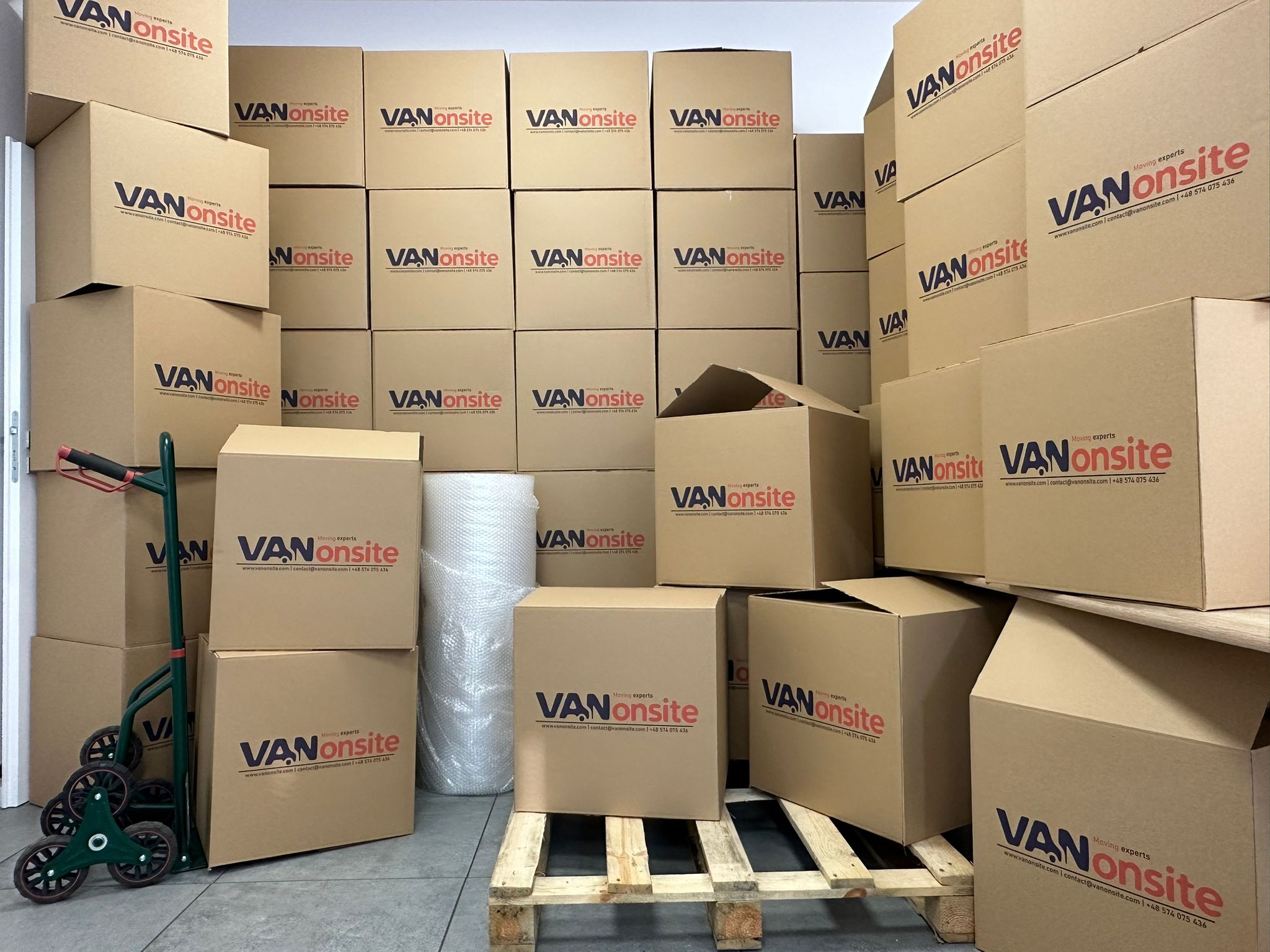
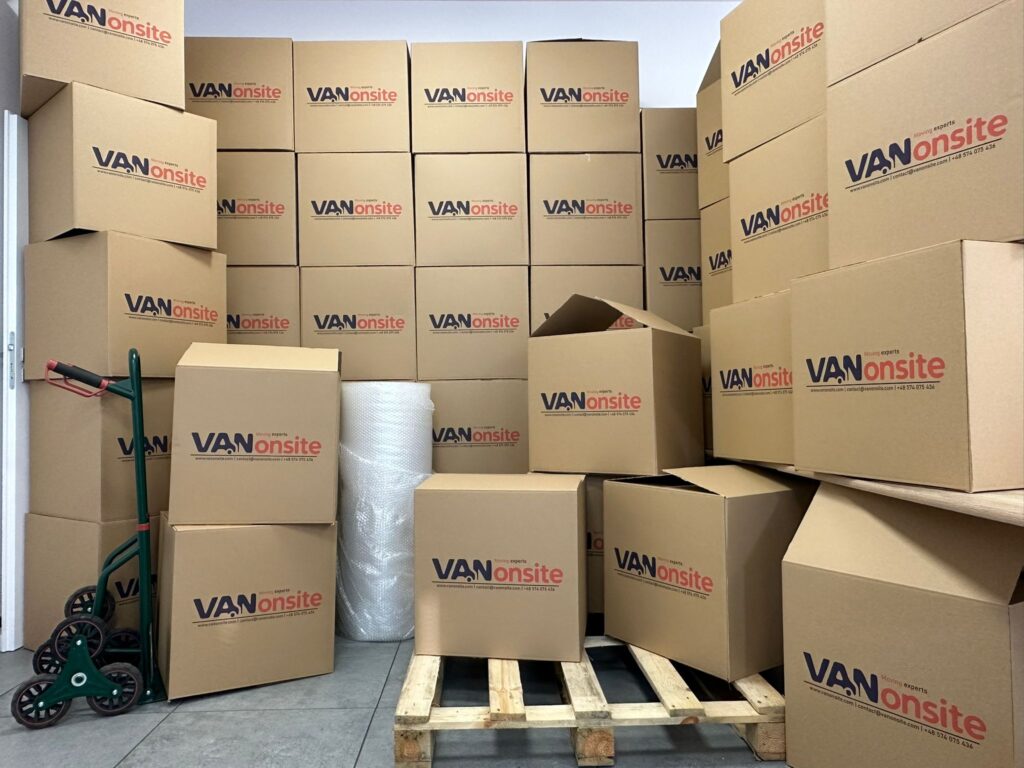
VANonsite’s Moving One and Moving Basic options are especially useful for student removals because they are built for smaller loads, essentials, boxes, books and compact furniture.


Cost of Living in Basel Switzerland for Families
For families, Basel can be exceptional. It is safe, clean and education focused. Public schools are widely used, but families should still plan carefully for childcare, after school care, insurance and larger housing.
| Family cost | Monthly estimate |
|---|---|
| 3 bedroom apartment | CHF 3,200 to CHF 5,000+ |
| Groceries | CHF 1,000 to CHF 1,800 |
| Health insurance | CHF 800 to CHF 1,400+ |
| Public transport | CHF 160 to CHF 250 |
| Childcare | Varies widely |
| Total family budget | CHF 7,000 to CHF 11,500+ |
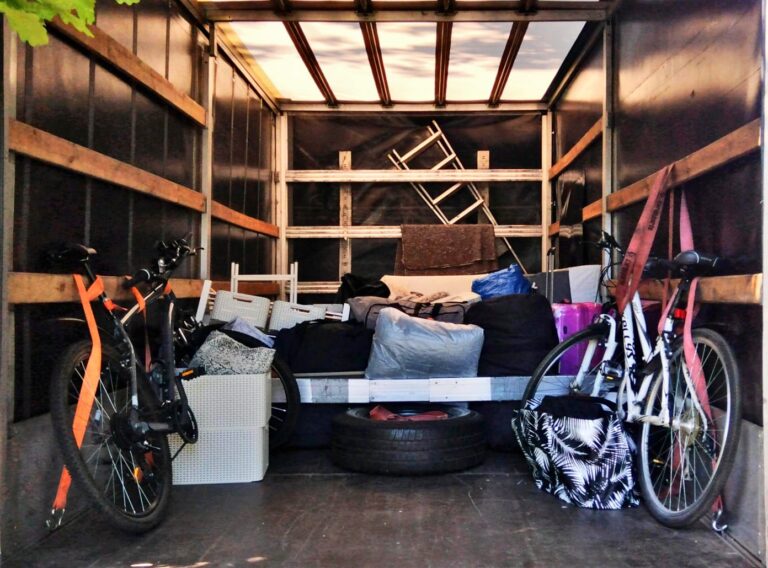
Moving with children also means bringing more belongings. Beds, desks, toys, bikes, wardrobes and kitchen equipment can quickly fill a van. For this reason, families often benefit from Moving Premium Plus or Moving Full House XXL, depending on property size.
Cost of Living in Basel vs Zurich, Geneva and Lausanne
The cost of living in Basel Switzerland is high, but it may feel slightly more manageable than Zurich or Geneva for some households. Zurich often has more intense housing pressure in premium areas. Geneva can be very expensive because of its international organisations, private sector salaries and limited housing supply. Lausanne is also costly, especially near the lake and university areas.
| City | Cost level | Main difference |
|---|---|---|
| Basel | High | Strong salaries, international jobs, slightly calmer pace |
| Zurich | Very high | Finance, tech and premium housing demand |
| Geneva | Very high | International organisations and expensive housing |
| Lausanne | High | Student energy, lake lifestyle and strong demand |
Basel’s advantage is balance. It offers excellent jobs, cultural depth, strong transport and cross border flexibility. The challenge is that you still need Swiss level budgeting. A beautiful city does not soften a poorly planned relocation.
Should You Live in Basel, France or Germany?
Basel sits at a powerful tri border point. This gives residents an unusual choice. You can live in Basel city, nearby Basel-Landschaft, across the border in France or across the border in Germany.
Living in France or Germany can reduce rent and grocery costs. Places such as Saint Louis, Weil am Rhein and Lörrach attract many cross border workers. However, lower rent is not the whole story. You must also consider tax, health insurance, commuting, school systems, permits and daily convenience.
Before choosing cross border life, ask yourself:
- How often will I commute to Basel?
- Where will my children go to school?
- Which healthcare system will apply?
- How much time will I lose each week?
- Will lower rent outweigh extra admin?
- Do I want Swiss city life or cheaper regional living?
For some people, cross border living is a brilliant financial move. For others, it creates invisible stress. The best choice depends on your job, family and tolerance for admin.
Moving Timeline: 90 Days Before Arrival to First Month in Basel
A move to Basel becomes far easier when you follow a clean timeline. Switzerland rewards preparation.
90 Days Before Moving
Confirm your job, permit route, moving budget and housing target. Start estimating the cost of living in Basel Switzerland based on your salary, family size and preferred district.
60 Days Before Moving
Book your transport, prepare an inventory and decide what to bring. If you are using VANonsite, choose the right vehicle size early. Smaller man and van moves may be simple, but larger relocations need more planning.
30 Days Before Moving
Gather documents, compare health insurance, arrange temporary accommodation if needed and research local registration rules. Families should also contact schools or childcare providers.
Moving Week
Label every box clearly. Keep passports, employment contracts, rental documents, insurance papers and customs forms separate from the main load. Pack essentials for the first 3 to 5 days.
First 14 Days in Basel
Register with the local authorities. Basel-Stadt requires new residents to register within 14 days of moving to the canton.
First 3 Months
Finalise health insurance, open a bank account, arrange utilities, confirm tax details and settle into your neighbourhood. Use this period to adjust your budget based on real spending.
How VANonsite Makes Moving to Basel Easier
Relocation is not only about moving boxes. It is about removing pressure from a major life change. When you move to a high cost country, every delay and mistake can become expensive.
VANonsite supports moves to Basel and Switzerland with:
- GPS tracking for every load
- Flexible vehicle sizes from 1 m³ to 90 m³
- Man and van options for compact moves
- Furniture removals for apartments and family homes
- Packing services for fragile, valuable and bulky items
- White Glove Delivery for delicate or premium belongings
- Office removals for business relocations
- Office furniture installation support
- Student removals for smaller budgets
- Storage options when move in dates do not match
- Last Minute Moving support when plans change suddenly
The best relocation feels calm. Your belongings leave on time, stay trackable and arrive safely. That calm has real value, especially when you are starting a new chapter in a city as demanding and rewarding as Basel.
Pros and Cons of Living in Basel
Basel is not perfect, but it is powerful. It gives a lot, and it asks a lot in return.
| Pros | Cons |
|---|---|
| High salaries | High rent |
| Excellent public transport | Mandatory health insurance costs |
| Safe and clean environment | Competitive housing market |
| Strong pharma and research jobs | Expensive restaurants |
| International community | Complex admin for newcomers |
| Easy access to France and Germany | Cross border rules can be confusing |
| Strong cultural scene | First months can be costly |
The cost of living in Basel Switzerland should not scare serious movers away. It should encourage smarter planning. Basel is a premium city, and premium cities reward people who arrive prepared.
Final Answer: Is Basel Worth the Cost?
Yes, Basel can be worth the cost if your salary, housing choice and lifestyle match Swiss prices. The city offers safety, career strength, cultural richness, clean streets, efficient transport and rare access to three countries in one daily rhythm.
The cost of living in Basel Switzerland is high, but it is not impossible to manage. The key is preparation. Calculate your monthly budget before arrival. Understand rent and insurance. Register on time. Prepare your customs documents. Choose the right neighbourhood. And make sure your move is handled by a transport team that understands European relocation.
VANonsite helps make that first step smoother with GPS tracked transport, flexible van sizes, man and van options, packing support and secure removals to Switzerland. When your move is organised properly, Basel does not feel overwhelming. It feels like a bold new beginning.
FAQ
How much does it cost to live in Basel Switzerland per month?
A single person should usually plan around CHF 3,000 to CHF 4,500 per month including rent. A family of four may need around CHF 7,000 to CHF 11,500 depending on housing, childcare, insurance and lifestyle.
Is Basel more expensive than Zurich?
Basel is expensive, but Zurich is often more expensive for premium housing and high end lifestyle costs. Basel can feel more manageable if you choose a practical district or live outside the centre.
What salary do you need to live comfortably in Basel?
A single person may live comfortably from around CHF 75,000 to CHF 95,000 gross per year. Couples may need CHF 120,000 to CHF 160,000 combined, while families often need CHF 150,000 to CHF 220,000+.
Is Basel good for expats?
Yes. Basel is excellent for expats because it has international employers, strong public transport, high safety, cultural diversity and easy access to Germany and France.
Do I need health insurance in Basel?
Yes. Health insurance is mandatory in Switzerland, and residents must usually obtain it within 3 months after taking up residence.
How soon must I register after moving to Basel?
New residents in Basel-Stadt must register within 14 days after moving to the canton.
Can VANonsite help with a small move to Basel?
Yes. VANonsite offers compact man and van options such as Moving One, Moving Basic and Moving Medium, as well as larger vehicles for full home removals and family relocations.