
Switzerland has a rare kind of pull. It is not only the mountains, the clean streets, the punctual trains or the quiet confidence of daily life. It is the feeling that everything has its place. For many people, that order becomes irresistible. A short visit turns into a plan. A job offer becomes a new chapter. A rented flat in Zurich, Geneva, Basel, Lausanne or Bern starts to feel like the beginning of something bigger.
Still, how to become Swiss is not a one step question. It can mean moving to Switzerland. It can mean becoming a Swiss resident. It can also mean becoming a Swiss citizen after years of lawful residence, integration and local commitment.
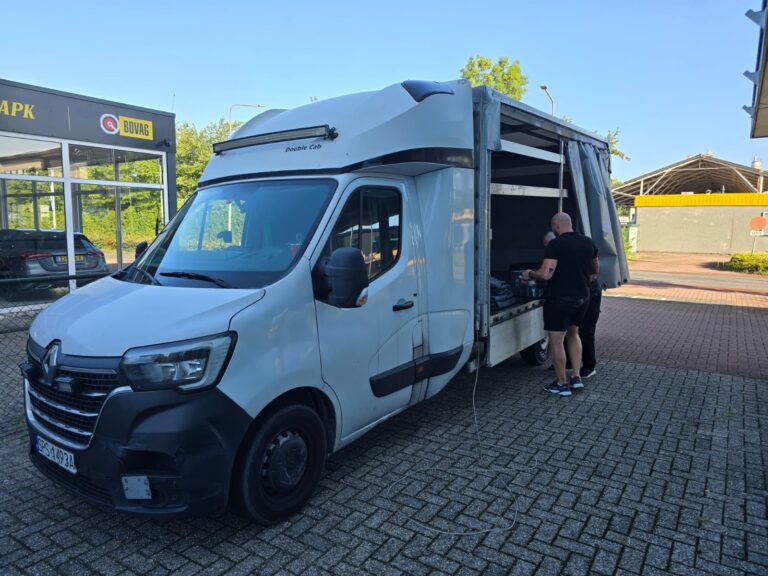
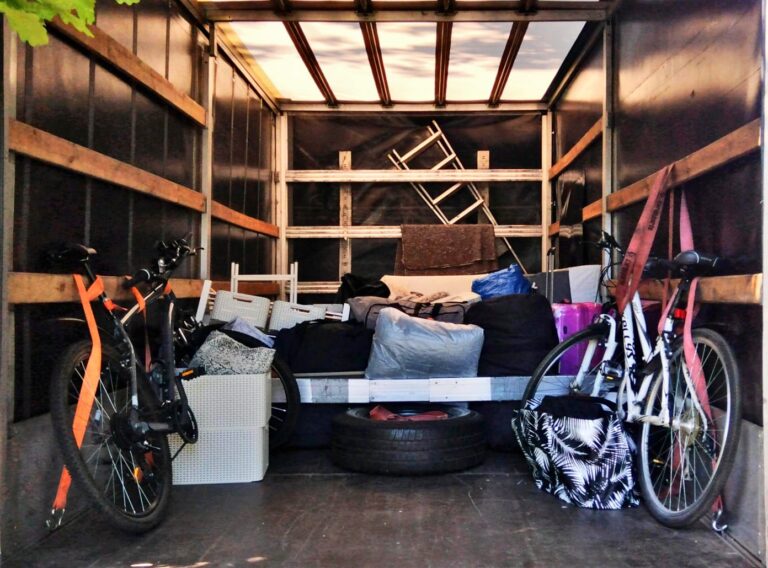
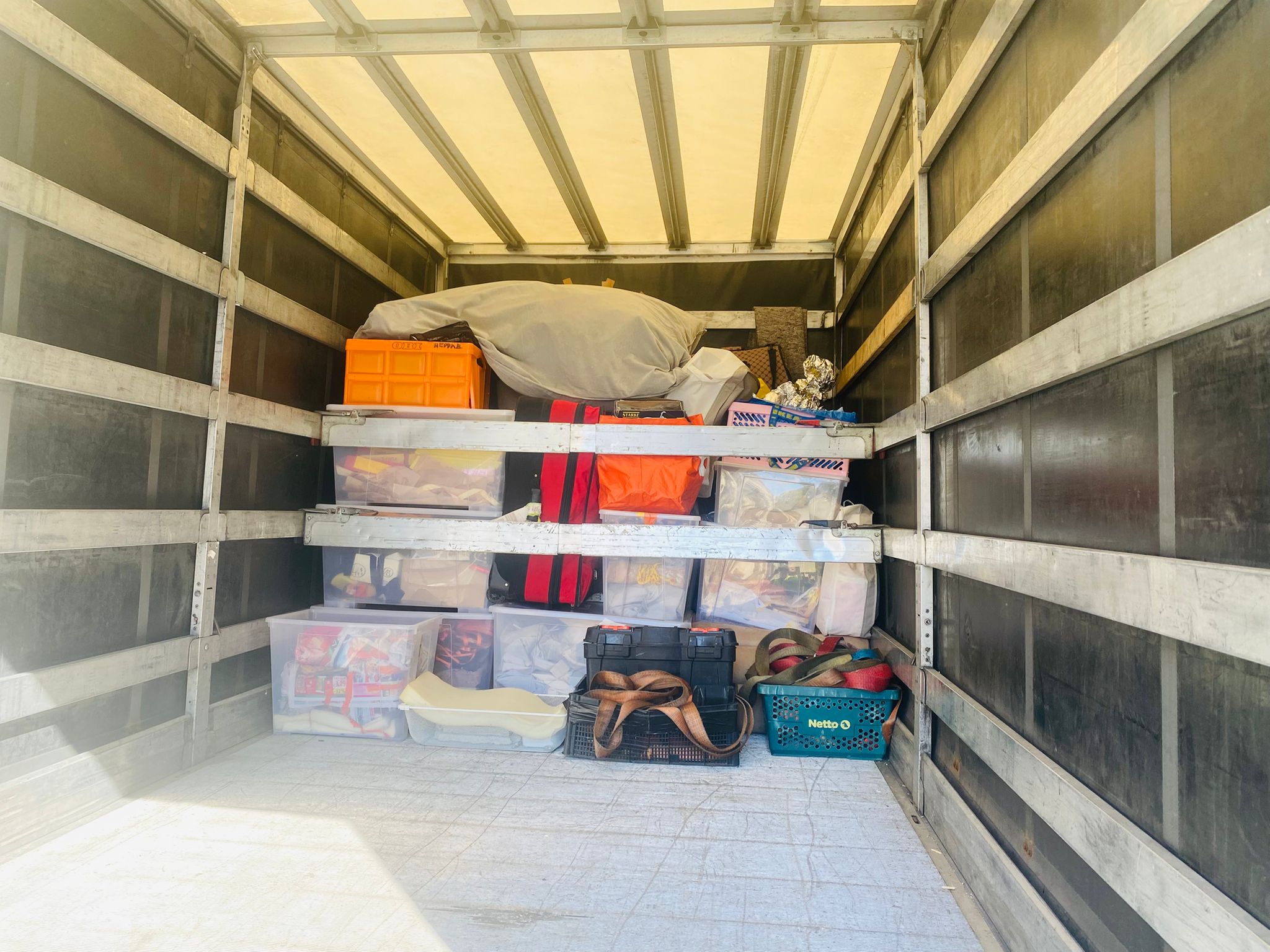
The path is realistic, but it rewards precision. You need the right documents, the right permit route, a smart moving plan and enough patience to build a real life there. If you are relocating from Europe, VANonsite can support the practical side of that journey with secure removals to Switzerland, GPS tracking for every load, flexible vehicle sizes and man and van options for smaller moves.
Citizenship may be the long term goal. Arrival is the first victory.
TL:DR
- How to become Swiss usually means three different things: moving to Switzerland, becoming a Swiss resident and later applying for Swiss citizenship.
- To become a Swiss resident, you need a valid reason to stay, such as work, study, family reunification or sufficient financial means.
- Ordinary naturalisation usually requires 10 years of residence in Switzerland and a permanent residence permit, known as a C permit.
- After moving, you are generally expected to register with your new commune within 14 days.
- Anyone settling in Switzerland must usually take out health insurance within 3 months of taking up residence.
- Household goods may be imported under Swiss customs rules if key conditions are met, including personal use before import and continued use after arrival.
- VANonsite helps make the move calmer with GPS tracked transport, packing support, secure handling, man and van options and vehicle sizes from 1 m3 to 90 m3.




Fast Answer: How to Become Swiss
To become Swiss, you usually need to move to Switzerland legally, register your residence, live there for several years, integrate into Swiss society and meet the requirements for naturalisation. For ordinary naturalisation, many foreign nationals need 10 years of residence in Switzerland and a C permit before they can apply.
That is the citizenship answer. The moving answer starts earlier.
If you are searching how to become Swiss because you want to relocate, your first steps are practical: check visa and permit rules, secure accommodation, prepare documents, plan customs and move your belongings safely. Switzerland is organised, but it is not casual. Missing paperwork or a chaotic moving day can create expensive pressure before your new life has even begun.
If your question is how to become Swiss resident, the answer depends on your nationality and reason for staying. EU and EFTA citizens, UK nationals and non EU or EFTA nationals may face different rules. Work, study, family reunification, retirement and private financial means can all lead to different residence procedures.
If your question is how do you become a Swiss citizen, think in years, not weeks. Citizenship is the result of residence, stability and integration. It is not automatic after arrival.
Becoming Swiss vs Becoming a Swiss Resident
People often use “becoming Swiss” to describe several different goals. Legally and practically, it helps to separate them.
| Goal | What it means | Typical first step | Why it matters |
|---|---|---|---|
| Moving to Switzerland | You relocate your home and belongings | Plan housing, permits, customs and transport | This creates your foundation |
| Becoming a Swiss resident | You have legal permission to live in Switzerland | Apply for or receive the correct permit | This allows you to live, work, study or settle legally |
| Becoming a Swiss citizen | You obtain Swiss nationality | Meet naturalisation rules after years of residence | This may lead to full civic rights and a Swiss passport |
This distinction matters because how to become Swiss is often searched by people who are still at the packing stage. They may be thinking about citizenship, but their immediate problem is simpler and more urgent: how to move without chaos.
A strong relocation plan gives you space to handle everything else. You can focus on registration, work, school, health insurance and local life instead of worrying about where your furniture is or whether the van can reach your building.
This is where VANonsite fits naturally. With European removals, GPS tracking, careful handling and flexible man and van support, the company helps turn a border crossing into a controlled, confident move.
How to Become Swiss Resident
If you want to know how to become Swiss resident, start with your reason for living in Switzerland. The country treats different situations differently. Your route may depend on whether you are moving for a job, study, family reunification, retirement, business or private financial means.
Before booking your transport date, prepare the essentials:
- Check whether you need a visa or entry clearance.
- Confirm which residence or work permit applies to your situation.
- Secure a job contract, study confirmation, family documents or proof of funds.
- Arrange accommodation before arrival where possible.
- Prepare identity documents and civil status documents.
- Review health insurance requirements.
- Create an inventory of the belongings you plan to import.
- Book reliable transport for your furniture, boxes and personal items.
For official guidance, use the Swiss authorities’ pages on moving to Switzerland, residence permits and working in Switzerland as a foreign national.
The earlier you start, the calmer the move becomes. If your apartment keys are available on Friday and your job starts on Monday, there is little room for mistakes. A reliable moving partner can protect that tight window. VANonsite offers options for small, medium and large relocations, including man and van moves for compact loads and larger vehicles for full home removals.
Step by Step Timeline for Moving to Switzerland
The journey behind how to become Swiss can feel overwhelming because it stretches across several stages. The key is to treat it as a sequence, not one giant leap.
| Stage | When it happens | What to do | Key number |
|---|---|---|---|
| Research | 3 to 6 months before moving | Check visa, permit, work, study and housing rules | 90 days is an important short stay reference point |
| Pre move planning | 1 to 3 months before moving | Book transport, prepare documents and create a customs inventory | Form 18.44 may be relevant for household effects |
| Arrival | First days in Switzerland | Register locally and complete residence formalities | Registration is generally expected within 14 days |
| Settling in | First 3 months | Arrange health insurance, banking, utilities, school and local services | Health insurance is usually required within 3 months |
| Long term residence | Several years | Maintain lawful residence and build integration | Permit rules vary by case |
| Naturalisation route | Often after 10 years | Apply if you meet federal, cantonal and communal rules | 10 years and a C permit are central for ordinary naturalisation |
This timeline shows why how to become Swiss is not just a legal question. It is also a moving question, a housing question, a customs question and a life admin question.
Before you can integrate into a commune, you need to arrive. Before you can apply for long term residence, you need to settle. Before you can think about citizenship, you need to make Switzerland your real home.
Documents You May Need When Moving to Switzerland
Documents are the quiet engine of a Swiss move. Without them, even a beautiful plan can stall.
The exact list depends on your nationality, canton, employer, family situation and reason for moving. Still, most people should prepare a clean document folder before relocation.
You may need:
- Valid passport or national identity card.
- Employment contract, university confirmation or proof of sufficient funds.
- Rental agreement or proof of accommodation.
- Marriage certificate or partnership documents, if relevant.
- Birth certificates for children, if moving as a family.
- Health insurance documents or proof of planned coverage.
- Inventory list of household goods.
- Customs form for personal belongings, where required.
- Vehicle documents, if importing a car.
- Pet documents, if moving with animals.
For official information, check Swiss government guidance on entry and residence in Switzerland, living in Switzerland without gainful employment and family reunification.
If you are moving household goods, Swiss Customs information on moving household effects is essential. It explains how personal belongings, furniture, vehicles and other effects may be handled when you transfer residence to Switzerland.
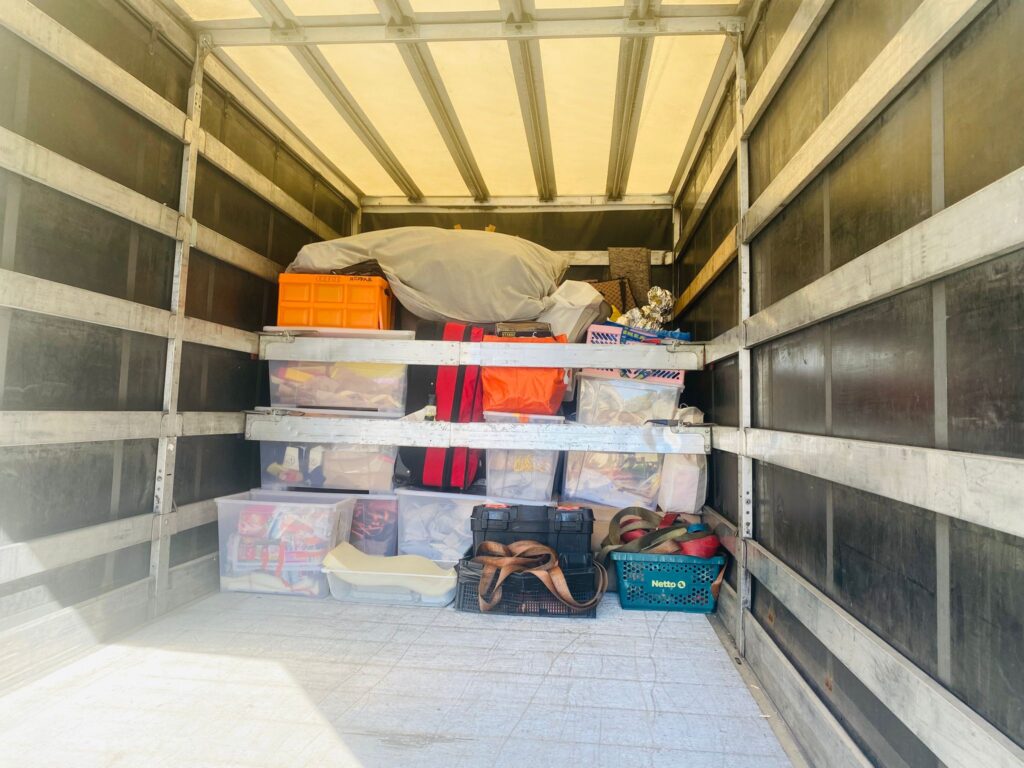
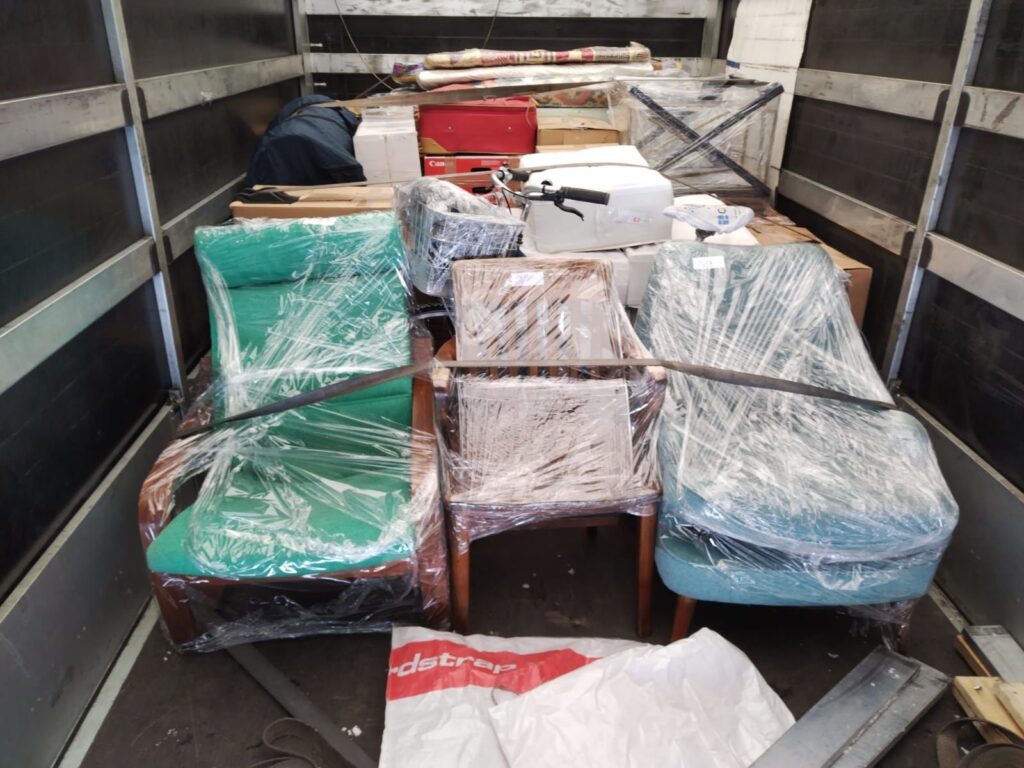
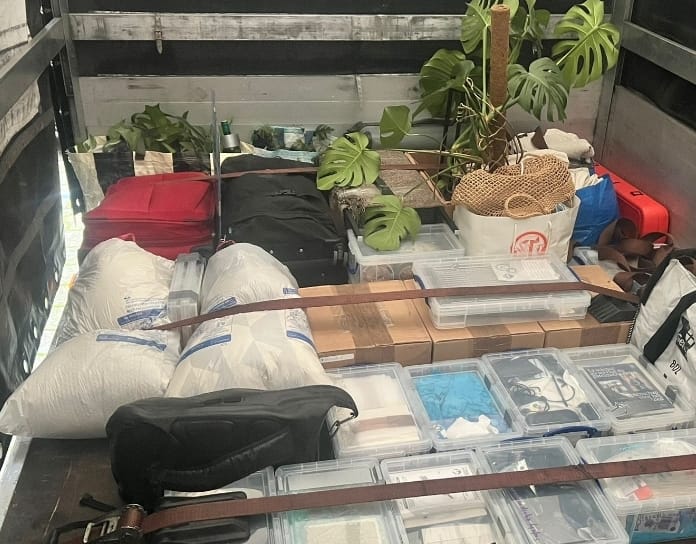
A serious mover does more than carry boxes. It helps make the move readable. Careful packing, clear loading and a usable inventory can reduce confusion at exactly the moment when you need control.
Customs Rules for Household Goods
Swiss customs rules are not something to guess. If you are transferring your residence to Switzerland, your household goods may be imported under special rules, provided the conditions are met.
In many cases, the key idea is simple: your personal belongings should genuinely be part of your move. Imported goods often need to have been used personally before import and must continue to be used after arrival. Swiss customs also refers to Form 18.44 for household effects in the moving process.
Before loading day, prepare:
- A clear inventory of your belongings.
- A separation between used personal items and new purchases.
- Proof connected with your move, such as a lease or employment contract.
- Vehicle documents if importing a car.
- Pet papers if animals are moving with you.
- Receipts or details for high value items, where useful.
- Delivery addresses and contact information.
Use the official Swiss Customs pages on moving household effects and the procedure for importing household effects before you travel.
This is where planning becomes powerful. A rushed inventory can create stress. A poorly packed van can slow unloading. A missed document can turn a crisp moving day into a long, expensive headache.
VANonsite helps customers think through the practical side of the move, including load size, access, packing and timing. That matters when your life is packed into boxes and crossing a border.
Moving Your Belongings to Switzerland Without Chaos
A move to Switzerland has a different texture from a local move. Borders matter. Customs matter. Access rules matter. Apartment buildings may have narrow staircases, strict lift times and limited parking. In Swiss cities, 20 minutes can make the difference between a smooth delivery and a painful delay.
That is why the physical move deserves the same attention as your permit plan.
VANonsite supports European relocations with secure transport, GPS tracking and flexible service options. The idea is simple: your belongings should not vanish into a blind spot for hundreds of kilometres. You should know where they are, when they are moving and how they are being handled.
For people researching how to become Swiss, this can be the first real relief. You may not control every permit office, canton rule or housing deadline, but you can control how your belongings travel.
VANonsite can support different relocation needs, including:
- Last Minute Moving for urgent changes and tight deadlines.
- Furniture Removals for sofas, beds, wardrobes, tables and single item moves.
- Home Removals for flats, apartments and family houses.
- Packing Service for fragile items, glassware, electronics and valuable possessions.
- White Glove Delivery for delicate, premium or high value items.
- Office Removals for business relocations into Switzerland.
- Storage when moving dates do not match perfectly.
- Student Removals for smaller, cost sensitive moves.
- Office Furniture Installation for workplace setup after delivery.
For a dedicated service, explore VANonsite’s removals to Switzerland.
Choose the Right Vehicle Size
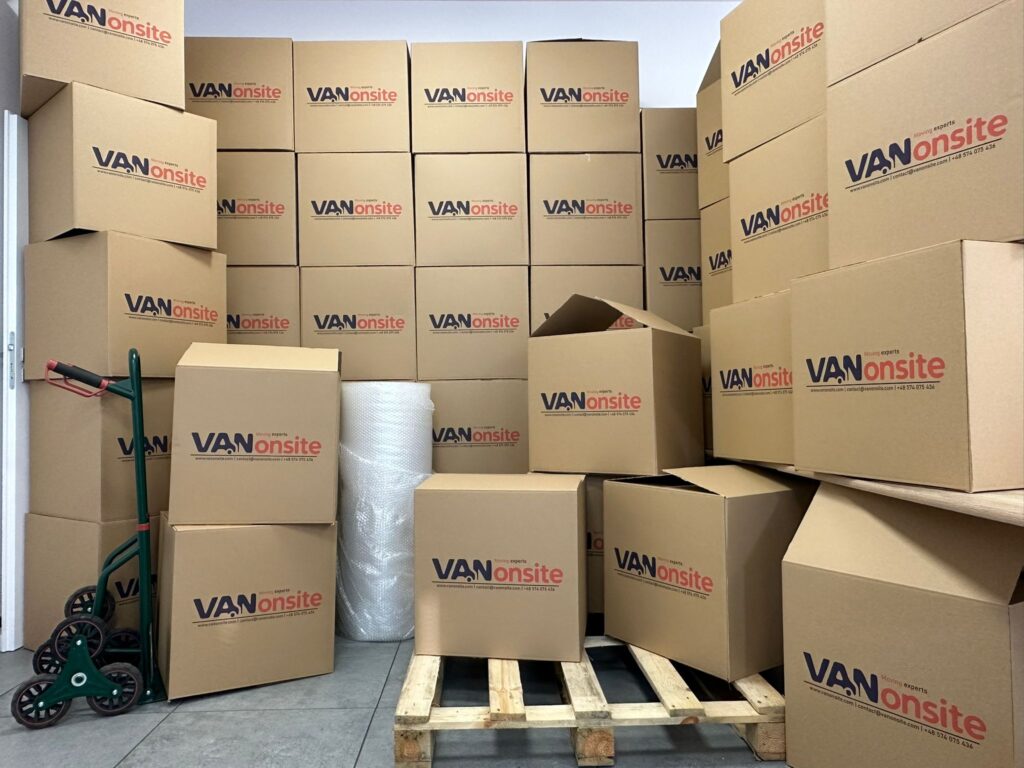
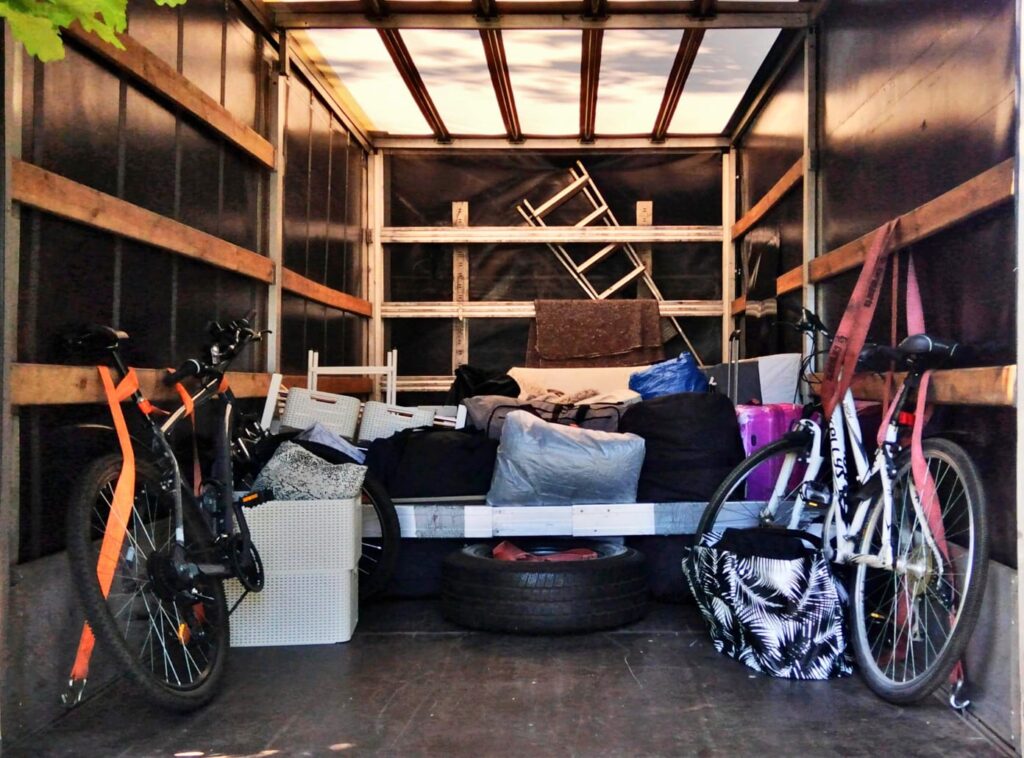
Not every Swiss move needs a huge truck. Some people bring only boxes, a desk and a mattress. Others bring a full apartment, business equipment or heavy furniture. Choosing the wrong vehicle can increase costs, waste time or create loading problems.
VANonsite offers several vehicle sizes, so the move can match the real volume of your life.
| VANonsite option | Capacity | Weight limit | Best for |
|---|---|---|---|
| Moving One | 1 m3 | 100 kg | Documents, small boxes and essential items |
| Moving Basic | 5 m3 | 300 kg | Compact man and van moves, light furniture and student items |
| Moving Medium | 10 m3 | 500 kg | Studio flats, partial moves and small apartments |
| Moving Premium | 15 m3 | 1,100 kg | One bedroom flats, furniture removals and larger personal loads |
| Moving Premium Plus | 30 m3 | 3,500 kg | Larger apartments, office removals and mixed furniture loads |
| Moving Full House XXL | 90 m3 | 20,000 kg | Large homes, major relocations and high volume European moves |
This is where how to become Swiss becomes practical. Before citizenship, before long term integration, before naturalisation, there is a simpler question: how many cubic metres are coming with you?
A student moving to Lausanne may only need 5 m3. A couple relocating to Zurich may need 15 m3. A family moving from Germany, France, Poland or the Netherlands may need 30 m3 or more. A complete home move can require 90 m3 and careful coordination.
The right size protects your budget, your belongings and your moving day.

How Do You Become a Swiss Citizen?
So, how do you become a Swiss citizen after moving there?
For many foreign residents, the standard route is ordinary naturalisation. In general, this route is open to foreign nationals who have lived in Switzerland for 10 years and hold a permanent residence permit, known as a C permit. There are also requirements connected with residence in the years before the application.
Citizenship is not just about time. Switzerland also looks at integration.
You may need to show that you:
- Respect public security and order.
- Participate in economic life or education.
- Can communicate in a Swiss national language.
- Understand Swiss geography, history, politics and society.
- Are integrated into local life.
- Respect Swiss values and the legal order.
- Meet the requirements of your canton and commune.
That local layer matters. Switzerland is federal, and cantonal or communal requirements can affect the process. Two applicants in different places may not experience the same procedure.
For official details, check the State Secretariat for Migration page on ordinary naturalisation and the Swiss government guide to naturalisation.
The honest citizenship answer is this: live there legally, integrate seriously, follow the rules, build stability and apply only when you meet the conditions.
Switzerland: How to Become a Citizen
People searching “Switzerland how to become a citizen” often discover that there is more than one route. The two main routes most people hear about are ordinary naturalisation and simplified naturalisation.
| Route | Who it may suit | Main idea | Important note |
|---|---|---|---|
| Ordinary naturalisation | Long term foreign residents | Based on residence, C permit, integration and local requirements | Often connected with 10 years of residence |
| Simplified naturalisation | Some spouses of Swiss citizens and certain eligible groups | Based on specific personal or family circumstances | Marriage to a Swiss citizen does not automatically grant citizenship |
Simplified naturalisation may apply in specific cases, including some spouses of Swiss citizens or certain third generation foreign nationals. It is not automatic, and eligibility must be checked carefully through official Swiss sources.
The bigger lesson is simple: citizenship is not only administrative. It is relational. Switzerland wants to see that you are not just standing in the country, but participating in it.
That starts early. Learn the local language. Understand local rules. Respect quiet hours. Pay attention to your commune. Build a life that feels rooted, not temporary.
A good move will not make you a citizen. But a chaotic arrival can make your first months harder than they need to be. VANonsite helps with the part you can organise from day one: getting your belongings to Switzerland safely.
Common Mistakes When Moving to Switzerland
Switzerland is generous to people who prepare and unforgiving to people who improvise badly. When planning how to become Swiss, avoid these common mistakes.
| Mistake | Why it hurts | Better move |
|---|---|---|
| Waiting too long to check permit rules | You may delay work, housing or registration | Check official Swiss guidance early |
| Assuming citizenship starts immediately | Naturalisation is usually a long term process | Focus first on lawful residence |
| Ignoring canton specific rules | Local requirements can vary | Check your canton and commune |
| Packing without an inventory | Customs can become stressful | Prepare a clear list before loading |
| Choosing the wrong vehicle size | You may overpay or run out of space | Match volume and weight to the right option |
| Forgetting health insurance | Settlement can become expensive and stressful | Arrange cover within the required deadline |
| Underestimating building access | Narrow streets and strict parking can delay unloading | Plan access, lifts and delivery windows |
| Treating Switzerland like a local move | Border rules add complexity | Use a mover experienced in European removals |
Preparation is not glamorous, but it is powerful. It gives you the rare luxury of arriving tired, but not terrified.
Practical Moving Checklist for Switzerland
Use this checklist before you move. It keeps the process clean and reduces last minute panic.
- Confirm your visa or residence route.
- Check whether your nationality affects permit rules.
- Secure a job, study place, family basis or financial proof.
- Arrange accommodation in Switzerland.
- Prepare identity documents and civil status records.
- Review official Swiss residence guidance.
- Create a full inventory of household goods.
- Separate used personal items from new purchases.
- Check Swiss customs rules for removal goods.
- Decide what to move, sell, donate or store.
- Choose the right VANonsite vehicle size.
- Book packing, furniture removal or man and van support.
- Keep essential documents with you, not inside the van.
- Track your VANonsite load during transport.
- Register with your new commune after arrival.
- Arrange health insurance within the required deadline.
- Start integration early through language, work, school and community life.
This checklist turns how to become Swiss into something you can act on today. You cannot fast forward 10 years of residence, but you can pack properly, register on time and begin with confidence.
FAQ
How to become Swiss if I am moving from Europe?
If you are moving from Europe, how to become Swiss starts with checking your residence rights, work or study basis, housing and customs requirements. EU and EFTA nationals may face different rules than non EU or EFTA nationals, so always verify your situation through official Swiss sources. Then plan the physical move with a reliable European mover, especially if you are bringing furniture, work equipment or a full household.
How to become Swiss resident?
How to become Swiss resident depends on your nationality and reason for staying. You may need a job contract, study confirmation, family documents or proof of sufficient funds. You should also check permit requirements, arrange accommodation and register with the local commune after arrival. The safest route is to follow official Swiss guidance and prepare documents before moving.
How do you become a Swiss citizen after moving there?
How do you become a Swiss citizen? In many ordinary cases, you need 10 years of residence in Switzerland, a C permit and proof of integration. You may also need to meet language, conduct, economic and local canton or commune requirements. Citizenship is usually the result of long term residence, not an automatic result of moving.
Can I become Swiss by marrying a Swiss citizen?
Marriage to a Swiss citizen does not automatically make you Swiss. It may open a simplified naturalisation route for eligible people, but the requirements still matter. Always check official Swiss naturalisation rules before making personal, legal or relocation decisions.
Can I move to Switzerland with a man and van service?
Yes. A man and van service can be a smart choice for smaller Swiss moves, especially student relocations, compact apartments, urgent deliveries, single room moves or partial furniture transport. For larger homes, VANonsite offers bigger options up to 90 m3 and 20,000 kg.
Do I need a professional mover for Switzerland?
You can move yourself, but Switzerland adds border, customs, access and timing challenges. A professional mover can reduce risk, especially when transporting furniture, fragile goods or a full household. VANonsite adds GPS tracking, secure handling and flexible vehicle sizes, which makes the process clearer and calmer.
Ready to Start Your Move to Switzerland?
Becoming Swiss may take years. Moving to Switzerland can start with one clear decision.
When your paperwork is taking shape and your new life is calling, VANonsite can help move the physical pieces with care. From a small man and van relocation to a full house move, VANonsite offers secure European transport, GPS tracked loads, careful packing options and vehicle sizes for almost every type of relocation.
Switzerland rewards people who plan well. Start with the move you can control.
Plan your relocation with VANonsite’s removals to Switzerland and arrive with confidence.