The cost of living in Fribourg Switzerland is high compared with most European cities, but it is often more manageable than Zurich, Geneva or Zug. Fribourg gives you Swiss safety, clean streets, reliable transport, bilingual culture and a beautiful medieval centre without the same brutal housing pressure found in Switzerland’s biggest business hubs.
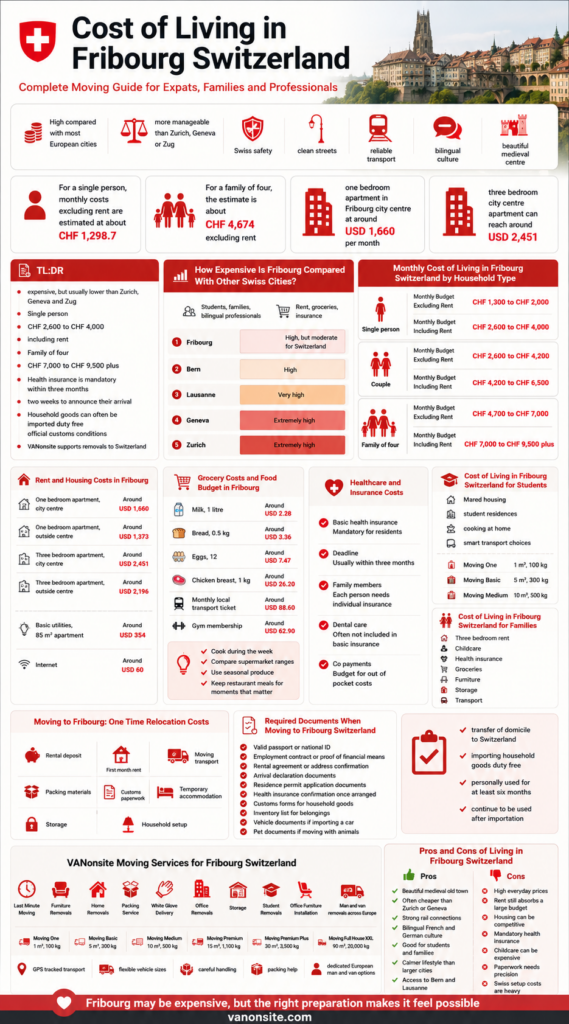
For a single person, monthly costs excluding rent are estimated at about CHF 1,298.7. For a family of four, the estimate is about CHF 4,674 excluding rent. Rent changes the picture quickly, especially if you want a central apartment, extra space or a family friendly location. Current estimates show a one bedroom apartment in Fribourg city centre at around USD 1,660 per month, while a three bedroom city centre apartment can reach around USD 2,451.
Still, Fribourg has a powerful advantage. It offers a calmer rhythm than larger Swiss cities while keeping you connected to Bern, Lausanne and wider Swiss job markets. For expats, students, families and professionals, that balance can feel like the sweet spot.
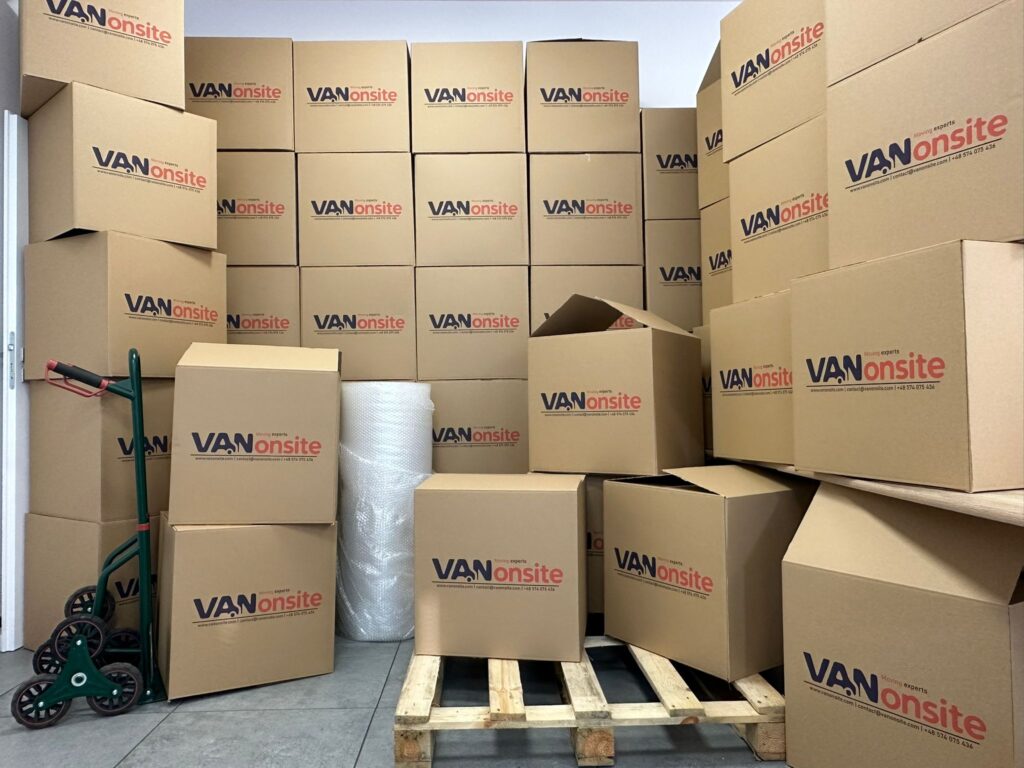
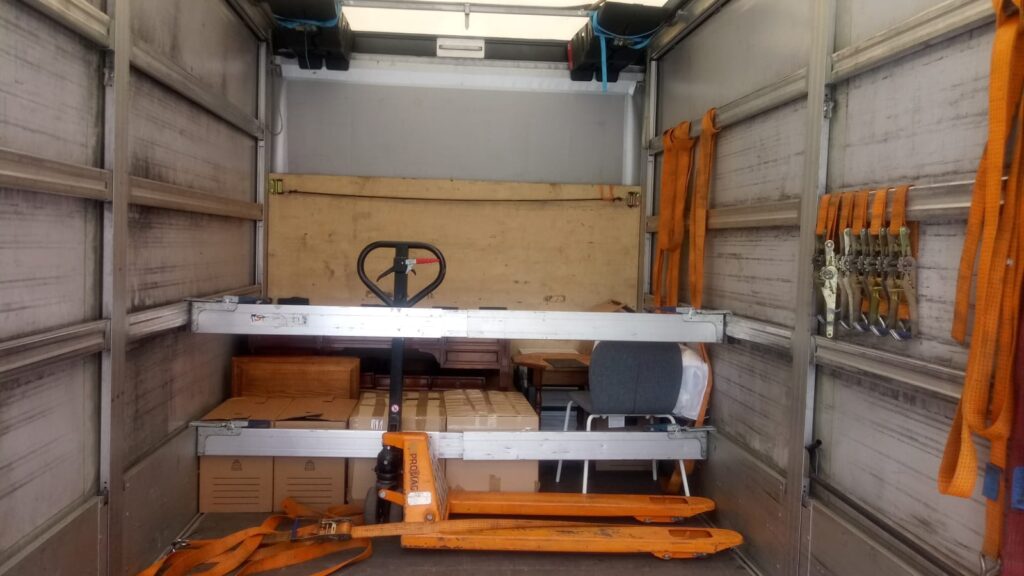
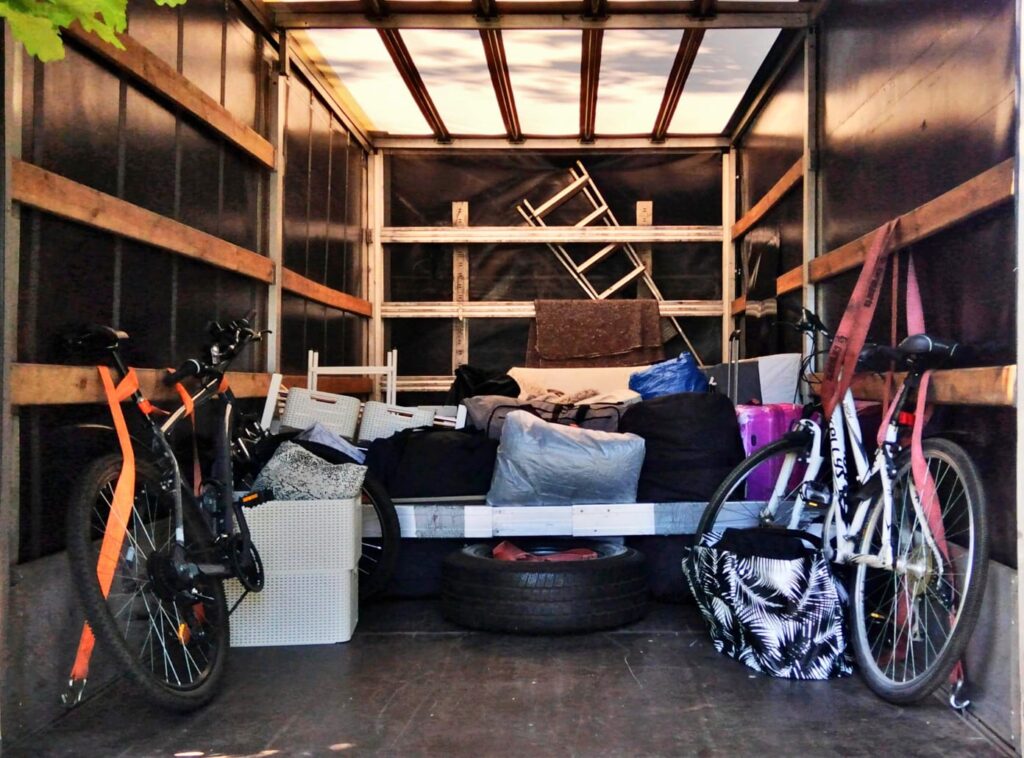
If you are moving from another European country, the cost of living in Fribourg Switzerland should not be planned separately from your relocation costs. Rent deposits, health insurance, customs paperwork, packing, transport and temporary storage can all land at once. VANonsite helps make that first step easier with GPS tracked European removals, flexible vehicle sizes, packing support, storage options and dedicated man and van services for moves to Switzerland.
TL:DR
- The cost of living in Fribourg Switzerland is expensive, but usually lower than Zurich, Geneva and Zug.
- A single person should often budget from CHF 2,600 to CHF 4,000 per month including rent, depending on housing, insurance and lifestyle.
- A family of four may need CHF 7,000 to CHF 9,500 plus per month when rent, food, healthcare and childcare are included.
- Health insurance is mandatory in Switzerland, and residents must usually arrange it within three months of taking up residence.
- New arrivals in a Fribourg commune who plan to stay more than three months have two weeks to announce their arrival.
- Household goods can often be imported duty free when transferring domicile to Switzerland, if official customs conditions are met.
- VANonsite supports removals to Switzerland with packing, furniture removals, storage, student removals, office moves, White Glove Delivery and GPS tracked man and van transport.
How Expensive Is Fribourg Compared With Other Swiss Cities?
The cost of living in Fribourg Switzerland is high, but it is not the harshest version of Swiss pricing. Zurich and Geneva usually bring stronger rent pressure, higher service costs and a faster financial rhythm. Fribourg feels more balanced. It is still unmistakably Swiss, but it can be less overwhelming for people moving with a realistic budget.
Fribourg is especially attractive because of its location. You can live in a smaller, historic city and still reach larger employment areas by rail. That makes it popular with students, bilingual professionals, families and people who want Switzerland’s quality of life without the full intensity of the biggest cities.
| City | Cost Level | Best For | Main Budget Pressure |
|---|---|---|---|
| Fribourg | High, but moderate for Switzerland | Students, families, bilingual professionals | Rent, groceries, insurance |
| Bern | High | Public sector, stable careers, commuting | Rent and taxes |
| Lausanne | Very high | Lake lifestyle, international careers | Rent and dining |
| Geneva | Extremely high | Global organisations, finance, diplomacy | Housing and childcare |
| Zurich | Extremely high | Tech, banking, corporate roles | Rent and daily services |
Livingcost places Fribourg in the top 3% of the most expensive cities worldwide, with an average cost of living around USD 2,891. At the same time, it reports a median after tax salary of about USD 7,190, which explains why the city can still work well for professionals earning Swiss level income.
Monthly Cost of Living in Fribourg Switzerland by Household Type
The easiest way to understand the cost of living in Fribourg Switzerland is to split your budget into two layers. The first layer is predictable: rent, health insurance, food, transport and bills. The second layer is personal: restaurants, furniture, weekend trips, hobbies, childcare choices and how often you pay for convenience.
A cautious monthly budget may look like this:
| Household Type | Monthly Budget Excluding Rent | Monthly Budget Including Rent | Practical Note |
|---|---|---|---|
| Single person | CHF 1,300 to CHF 2,000 | CHF 2,600 to CHF 4,000 | Rent and insurance decide comfort |
| Couple | CHF 2,600 to CHF 4,200 | CHF 4,200 to CHF 6,500 | Shared rent improves the numbers |
| Family of four | CHF 4,700 to CHF 7,000 | CHF 7,000 to CHF 9,500 plus | Childcare can push costs much higher |
The first three months are usually the most expensive. You may need to pay a rental deposit, first month’s rent, insurance, permit fees, temporary accommodation, transport costs and basic household setup almost at the same time. That is why moving to Fribourg works best with a clear plan rather than a hopeful estimate.
Rent and Housing Costs in Fribourg
Rent is the heavyweight expense in the cost of living in Fribourg Switzerland. Groceries matter. Insurance matters. Transport matters. Yet housing is usually the cost that shapes everything else.
A one bedroom apartment in Fribourg city centre is estimated at around USD 1,660 per month, compared with around USD 1,373 outside the centre. For a three bedroom apartment, estimates rise to about USD 2,451 in the centre and USD 2,196 outside central areas. Basic utilities for an 85 m² apartment are estimated at around USD 354 per month, with internet around USD 60.
| Housing Type | Estimated Monthly Rent |
|---|---|
| One bedroom apartment, city centre | Around USD 1,660 |
| One bedroom apartment, outside centre | Around USD 1,373 |
| Three bedroom apartment, city centre | Around USD 2,451 |
| Three bedroom apartment, outside centre | Around USD 2,196 |
| Basic utilities, 85 m² apartment | Around USD 354 |
| Internet | Around USD 60 |
Fribourg’s rental market can be competitive, especially for clean, well located apartments near public transport. Landlords often prefer organised applicants with stable income and complete documents. Arriving prepared can make the difference between a smooth viewing and a frustrating queue.
Good areas to consider include the city centre for walkability, Pérolles for students and university access, Schoenberg for residential living, Villars sur Glâne for families and nearby communes for more space. Before applying, prepare your passport or ID, employment contract, salary confirmation, residence permit documents, rental application and deposit funds.
A smart housing choice can soften the cost of living in Fribourg Switzerland for years. A rushed lease can do the opposite.
Grocery Costs and Food Budget in Fribourg
Groceries in Switzerland can surprise new arrivals. The quality is usually excellent, but prices are firm, especially for meat, fresh produce, cheese, convenience food and imported brands.
Livingcost data for Fribourg lists milk at around USD 2.28 per litre, bread at around USD 3.36 for 0.5 kg, eggs at around USD 7.47 for 12 and chicken breast at around USD 26.20 per kg. It also lists a local monthly transport ticket at around USD 88.60 and a gym membership at around USD 62.90.
| Item | Typical Estimate |
|---|---|
| Milk, 1 litre | Around USD 2.28 |
| Bread, 0.5 kg | Around USD 3.36 |
| Eggs, 12 | Around USD 7.47 |
| Chicken breast, 1 kg | Around USD 26.20 |
| Monthly local transport ticket | Around USD 88.60 |
| Gym membership | Around USD 62.90 |
A single person who cooks at home may keep groceries around CHF 400 to CHF 700 per month. A couple may spend CHF 800 to CHF 1,200. A family can easily move above CHF 1,500 depending on children’s ages, food preferences and how often they buy prepared meals.
The best way to control the cost of living in Fribourg Switzerland is not extreme frugality. It is rhythm. Cook during the week. Compare supermarket ranges. Use seasonal produce. Keep restaurant meals for moments that matter. Small choices repeated 30 times a month create serious savings.
Eating Out, Cafes and Daily Lifestyle Costs
Fribourg is charming, social and full of lovely places to pause. A coffee near the old town, lunch with colleagues, dinner after a long day or a quiet glass of wine at the weekend can become part of the city’s appeal. These moments are valuable, but they are not cheap.
Eating out regularly can add several hundred francs to your monthly budget. For professionals with strong Swiss salaries, that may be fine. For students, new arrivals or families adjusting to deposit payments, it can become dangerous.
| Lifestyle Type | Monthly Eating Out Budget |
|---|---|
| Frugal | CHF 80 to CHF 150 |
| Balanced | CHF 200 to CHF 400 |
| Social and convenience driven | CHF 500 plus |
The cost of living in Fribourg Switzerland rewards people who live beautifully but deliberately. You can enjoy the city without bleeding money. Choose restaurants intentionally, cook at home often and let Fribourg’s public spaces, river views and old streets do some of the entertaining for free.
Transport Costs in Fribourg
Fribourg is well connected by Swiss standards. For many residents, public transport is enough for daily life. The city links into the national rail network, making Bern and Lausanne realistic commuting options for some workers.
Owning a car brings freedom, but it also brings quiet expenses: parking, fuel, servicing, tyres, registration and insurance. If you live centrally, you may not need a car straight away. If you live outside the city, have children or need regular rural access, a car can become useful.
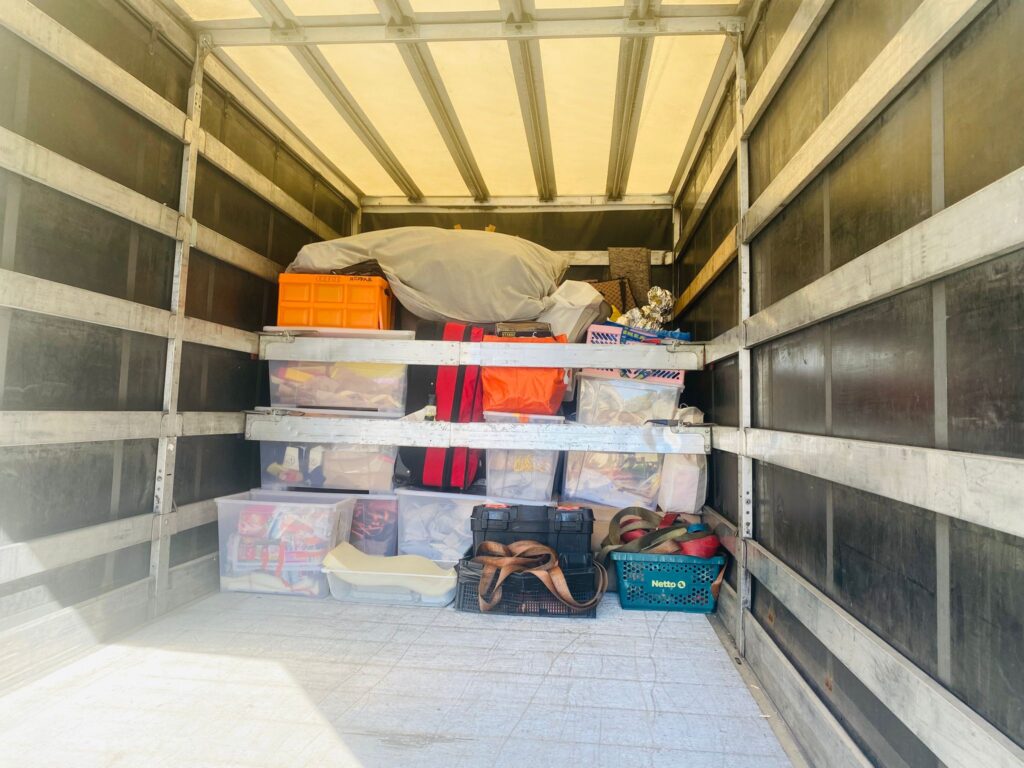
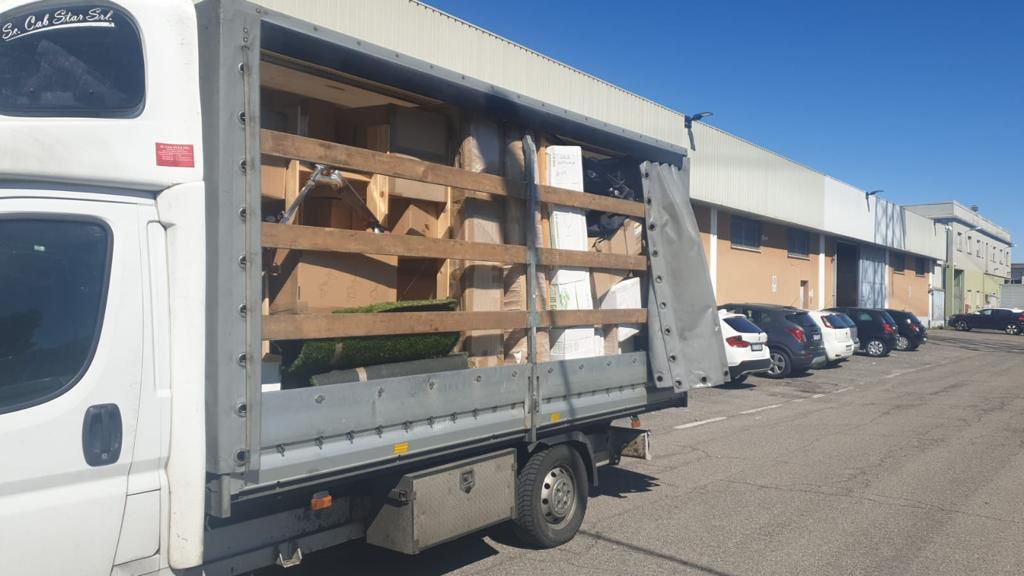
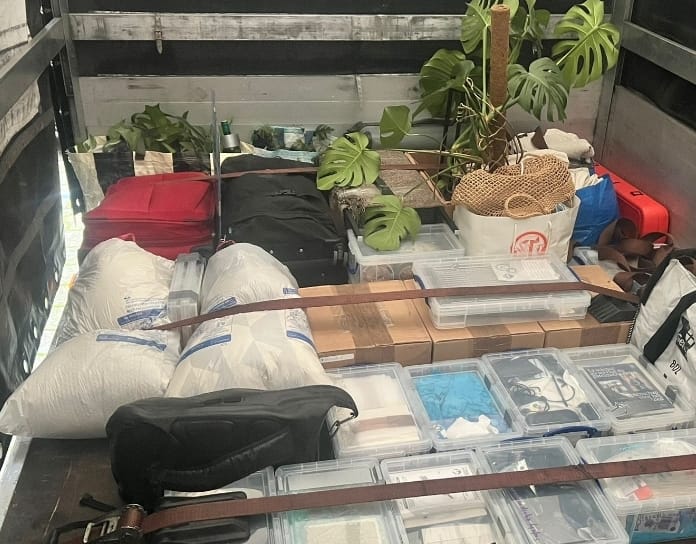
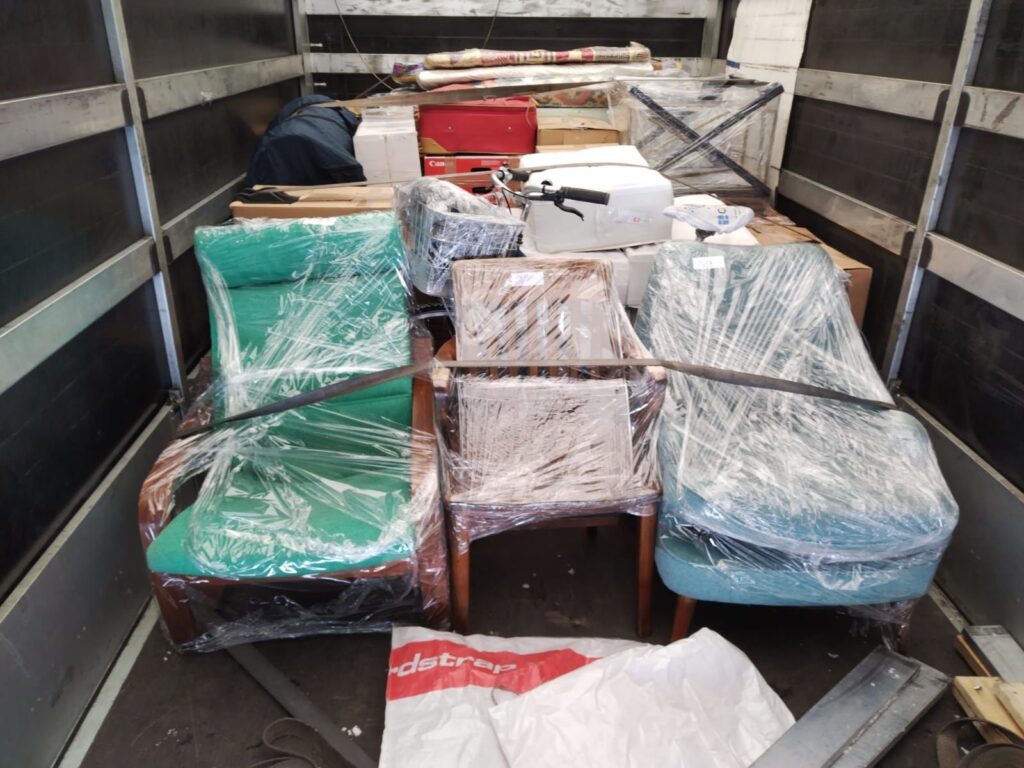
For the move itself, though, a professional man and van service is often far more practical than trying to handle everything with private vehicles. VANonsite offers flexible vehicle sizes for small loads, furniture, apartments, family homes and offices, so you can match transport to the real volume of your move.
Healthcare and Insurance Costs
Healthcare is one of the most important things to understand before moving. Switzerland does not operate like a free at point of use system. Every resident must arrange compulsory health insurance.
The Swiss Federal Office of Public Health states that anyone resident in Switzerland must obtain health insurance within three months after taking up residence. Each family member, adult or child, must be individually insured. If arranged within the required period, coverage applies from the beginning of residence.
| Healthcare Item | What to Know |
|---|---|
| Basic health insurance | Mandatory for residents |
| Deadline | Usually within three months |
| Family members | Each person needs individual insurance |
| Deductible | Higher deductible can reduce monthly premium |
| Dental care | Often not included in basic insurance |
| Co payments | Budget for out of pocket costs |
Health insurance can put real pressure on the cost of living in Fribourg Switzerland, especially for families. Premiums vary by age, deductible, insurer and model of care. Before choosing a plan, compare options carefully and keep enough savings for deductibles and co payments.
Taxes, Salaries and Real Net Income
Fribourg can feel expensive, but salaries in Switzerland can be powerful. That is why the question is not only, “How much does Fribourg cost?” The better question is, “How much remains after rent, tax, insurance, transport and daily life?”
A high salary can still feel tight if rent is too ambitious. A moderate salary can feel surprisingly comfortable if housing is sensible and spending habits are controlled.
| Income Situation | Budget Reality |
|---|---|
| Single person with stable Swiss salary | Often manageable with controlled rent |
| Couple with two incomes | Stronger position due to shared housing |
| Family with one income | Requires careful planning |
| Family with childcare | Can become expensive quickly |
| Student budget | Housing choice is critical |
Fribourg’s job advantages include its bilingual culture, public administration, education, food industry, healthcare, technical roles and access to larger labour markets. Many residents also benefit from commuting links to Bern and Lausanne.
Before moving, estimate your net salary, not just your gross income. Then stress test your budget with higher rent, higher insurance and unexpected setup costs.
Cost of Living in Fribourg Switzerland for Students
Fribourg is a strong student city. It has energy without chaos, culture without constant noise and a manageable size that helps newcomers settle quickly. Still, student life in Switzerland requires discipline. The city may feel gentle, but prices are not.
Students should focus on shared housing, student residences, cooking at home and smart transport choices. A small overspend repeated weekly can become brutal by the end of the semester.
| Student Cost Area | Budget Advice |
|---|---|
| Accommodation | Shared rooms or student residences are key |
| Food | Cook often and plan weekly shops |
| Transport | Use student discounts where available |
| Health insurance | Check eligibility and legal requirements |
| Furniture | Move only what you truly need |
| Storage | Useful during term gaps or housing delays |
For student moves, VANonsite can be especially useful because not every relocation needs a giant truck. Many students need something between a suitcase and a full removal service. That is where compact man and van transport works beautifully.
| VANonsite Option | Capacity | Best For |
|---|---|---|
| Moving One | 1 m³, 100 kg | Boxes, bags, documents, small student move |
| Moving Basic | 5 m³, 300 kg | Room move or compact furniture |
| Moving Medium | 10 m³, 500 kg | Studio move or larger student relocation |
A precise small move can save money, protect belongings and remove the exhaustion of dragging your life across borders one bag at a time.
Cost of Living in Fribourg Switzerland for Families
For families, the cost of living in Fribourg Switzerland is not just about rent and food. It is about stability. Schools, childcare, healthcare, commute times, space, safety and emotional comfort all matter.
Fribourg can be a beautiful place for family life. It is calmer than larger cities, culturally rich and well placed for weekend travel. But the financial side needs careful planning. A family may face a rental deposit, first rent payment, insurance for every person, childcare costs, furniture needs, school materials and moving costs within a short period.
| Family Expense | Why It Matters |
|---|---|
| Three bedroom rent | Usually the biggest monthly cost |
| Childcare | Can be one of the sharpest expenses |
| Health insurance | Required for every family member |
| Groceries | High quality, high prices |
| Furniture | Larger homes need more setup |
| Storage | Useful if housing dates do not align |
| Transport | Car may be useful outside the centre |
Families should arrive with a stronger cash buffer than single professionals. A realistic buffer can reduce stress during the first 60 to 90 days, when administrative tasks, school arrangements and housing setup can feel relentless.
VANonsite helps family moves by offering packing services, furniture removals, home removals and storage. That matters because a family relocation is not only about boxes. It is about keeping routines intact while everything around you changes.
Moving to Fribourg: One Time Relocation Costs
The first month after moving can distort your budget. It is not a normal month. It is a financial thunderclap. You may pay for transport, customs documents, packing materials, deposit, rent, temporary accommodation, health insurance and furniture before your new rhythm begins.
| One Time Cost | Why It Matters |
|---|---|
| Rental deposit | Can equal several months of rent |
| First month rent | Often paid before or at move in |
| Moving transport | Depends on route, volume and timing |
| Packing materials | Protects fragile and valuable goods |
| Customs paperwork | Essential for Swiss border clearance |
| Temporary accommodation | Useful if lease dates do not align |
| Storage | Helpful during delayed handovers |
| Household setup | Furniture, kitchen items and basics add up |
This is where planning your relocation and the cost of living in Fribourg Switzerland together is crucial. A cheap move that damages furniture, misses customs details or causes delays can become expensive fast.
VANonsite supports removals to Switzerland with GPS tracked transport, flexible vehicle sizes, careful handling, packing help and dedicated European man and van options. Whether you are moving one room, a flat, a family home or an office, the goal is the same: a controlled move with fewer nasty surprises.
Required Documents When Moving to Fribourg Switzerland
Administrative precision matters in Switzerland. Fribourg is welcoming, but paperwork still needs to be handled properly.
Swiss guidance states that when you move, you should notify your old commune and register with your new commune. In general, people are expected to register with the new commune within 14 days of moving. In the Canton of Fribourg, people arriving in a commune and staying for more than three months have two weeks to announce their arrival.
For EU and EFTA citizens arriving in the Canton of Fribourg for more than three months, the canton explains that arrivals should provide the requested attachments, including a passport photo, a copy of a valid passport or identity card and documents showing the purpose of the stay, such as work, study or stay without activity.
You should normally prepare:
- Valid passport or national ID
- Employment contract or proof of financial means
- Rental agreement or address confirmation
- Arrival declaration documents
- Residence permit application documents
- Birth certificates for children, where relevant
- Marriage certificate, where relevant
- Health insurance confirmation once arranged
- Customs forms for household goods
- Inventory list for belongings
- Vehicle documents if importing a car
- Pet documents if moving with animals
Use official Swiss and Fribourg government pages before making decisions about registration, residence permits, health insurance or customs. These steps affect your legal and financial position, so accuracy matters.

Customs Rules for Bringing Household Goods to Switzerland
When moving household goods to Switzerland, customs rules matter. The Federal Office for Customs and Border Security states that transfer of domicile to Switzerland is the most important requirement for importing household goods, collections, animals or a car duty free.
Official Swiss customs guidance also states that imported articles must generally have been personally used for at least six months and continue to be used after importation.
That means your inventory should be accurate. Do not treat it as a vague packing list. It is a serious document that can affect border handling.
Good customs preparation includes:
- Clear inventory of household goods.
- Separation of personal goods from commercial stock.
- Correct documents for vehicles, pets and special items.
- Careful timing around your actual transfer of domicile.
- Professional packing and labelling for easier inspection.
VANonsite can help reduce the stress here. Proper labelling, organised loading, GPS tracking and experienced European transport make a Swiss relocation feel less like a gamble and more like a planned operation.
VANonsite Moving Services for Fribourg Switzerland
A move to Fribourg is not just transport. It is the bridge between your current life and your Swiss routine. If that bridge is shaky, everything feels harder. If it is strong, the whole relocation becomes calmer.
VANonsite offers a wide range of services for people moving to Switzerland:
- Last Minute Moving
- Furniture Removals
- Home Removals
- Packing Service
- White Glove Delivery
- Office Removals
- Storage
- Student Removals
- Office Furniture Installation
- Man and van removals across Europe
The biggest advantage is flexibility. Not every customer needs the same vehicle, the same schedule or the same level of support.
| VANonsite Option | Capacity | Best For |
|---|---|---|
| Moving One | 1 m³, 100 kg | Boxes, small student move, documents |
| Moving Basic | 5 m³, 300 kg | Small room, compact furniture |
| Moving Medium | 10 m³, 500 kg | Studio or small flat |
| Moving Premium | 15 m³, 1,100 kg | One bedroom flat, larger furniture |
| Moving Premium Plus | 30 m³, 3,500 kg | Family move or larger apartment |
| Moving Full House XXL | 90 m³, 20,000 kg | Full house, major relocation or office move |
Every load can be tracked with GPS, which is especially valuable during international moves. You know where your belongings are. You know your move is progressing. That visibility brings peace of mind, particularly when your whole life is packed inside a van.
How to Reduce the Cost of Living in Fribourg Switzerland
You cannot make Switzerland cheap, but you can make it controlled. The cost of living in Fribourg Switzerland becomes easier when you attack the biggest costs first and avoid emotional spending during the first months.
Here are practical ways to reduce pressure:
- Compare nearby communes before choosing an apartment.
- Avoid renting more space than you need in year one.
- Choose health insurance carefully and compare deductibles.
- Cook at home during the first 90 days.
- Use public transport before buying a car.
- Sell low value bulky furniture before moving.
- Choose the right VANonsite vehicle size instead of overpaying for unused space.
- Use storage only when it solves a real timing problem.
- Keep your customs inventory clean and accurate.
- Build a cash buffer before arrival.
Small choices compound. A slightly cheaper apartment, fewer restaurant meals and a properly sized move can save thousands over the first year.
Sample First Month Budget After Moving to Fribourg
Your first month will not look like your normal monthly budget. It will be heavier, sharper and more demanding. That is normal. The danger is pretending it will be ordinary.
| Expense | Single Person Estimate | Family Estimate |
|---|---|---|
| Rent and deposit | High upfront | Very high upfront |
| Groceries | CHF 400 to CHF 700 | CHF 1,000 plus |
| Health insurance | Depends on policy | Per person |
| Public transport | CHF 80 to CHF 120 | CHF 200 plus |
| Internet and phone | CHF 70 to CHF 150 | CHF 100 to CHF 200 |
| Furniture and household setup | CHF 300 to CHF 2,000 | CHF 1,000 to CHF 5,000 |
| Moving transport | Route and volume dependent | Route and volume dependent |
This is why relocation planning is part of the cost of living in Fribourg Switzerland. Your first month can either be organised, visible and manageable, or chaotic and painfully expensive.
Pros and Cons of Living in Fribourg Switzerland
Fribourg has charm, safety and an excellent location. It also has Swiss prices. Both things are true.
| Pros | Cons |
|---|---|
| Beautiful medieval old town | High everyday prices |
| Often cheaper than Zurich or Geneva | Rent still absorbs a large budget |
| Strong rail connections | Housing can be competitive |
| Bilingual French and German culture | Mandatory health insurance |
| Good for students and families | Childcare can be expensive |
| Calmer lifestyle than larger cities | Paperwork needs precision |
| Access to Bern and Lausanne | Swiss setup costs are heavy |
For many people, Fribourg is worth the price because it offers something rare: quality without the same noise and pressure as larger cities. Yet it only works well when your income, housing choice and lifestyle are aligned.
Is Fribourg Worth the Cost?
Yes, Fribourg can be worth it if you want Swiss safety, excellent transport, education, culture and a calmer base between major cities. It is especially appealing for people who value beauty and balance. The old town feels cinematic. The streets feel safe. The city has enough life to be interesting without becoming exhausting.
However, Fribourg is not ideal for everyone. If your income is uncertain, your savings are thin or you expect low everyday prices, the cost of living in Fribourg Switzerland may feel heavy. Switzerland rewards preparation. It punishes guesswork.
Before moving, calculate your rent, health insurance, food, transport, first month costs and relocation budget. Then add a safety margin. If the numbers still work, Fribourg can offer a deeply rewarding Swiss life.
FAQ
What is the average cost of living in Fribourg Switzerland?
The average cost of living in Fribourg Switzerland depends heavily on rent and lifestyle. Monthly costs excluding rent are estimated at around CHF 1,298.7 for a single person and CHF 4,674 for a family of four.
Is Fribourg cheaper than Zurich?
Yes, Fribourg is generally cheaper than Zurich, especially for housing and some daily costs. It is still expensive by European standards, but it can be a more manageable Swiss option for students, families and professionals.
How much rent should I budget in Fribourg?
A one bedroom apartment in Fribourg city centre is estimated at around USD 1,660 per month, while a three bedroom city centre apartment is estimated at around USD 2,451. Outside the centre, estimated rents are lower.
Do I need health insurance after moving to Fribourg?
Yes. Switzerland requires residents to obtain health insurance within three months after taking up residence. Every family member must be individually insured.
How soon do I need to register after moving?
In general, people moving in Switzerland are expected to register with their new commune within 14 days of moving. In the Canton of Fribourg, people arriving in a commune and staying longer than three months have two weeks to announce their arrival.
Can I bring household goods to Switzerland duty free?
Often yes, if you are transferring domicile to Switzerland and meet the customs requirements for household effects. Transfer of domicile is one of the key conditions for importing household goods duty free.
Does VANonsite offer man and van removals to Fribourg?
Yes. VANonsite supports small moves, student removals, furniture removals, home removals, office removals, storage, packing and dedicated man and van transport to Fribourg and other Swiss destinations.
Plan Your Move to Fribourg With Confidence
The cost of living in Fribourg Switzerland is easier to handle when your move is calm, visible and professionally organised. VANonsite helps customers relocate across Europe with GPS tracked transport, flexible vehicle sizes, careful packing options and support from pickup to delivery.
Whether you are moving one room, a student load, a family apartment, office furniture or delicate items that need White Glove care, VANonsite gives your relocation structure. Instead of guessing, rushing or hoping everything fits, you can move with a clear plan.
Fribourg may be expensive, but the right preparation makes it feel possible. And when the first box arrives safely at your new Swiss address, the whole journey starts to feel real.