Switzerland can feel like four countries woven into one breathtaking Alpine landscape. Take a train from Zurich to Lausanne and the signs, sounds and everyday rhythm begin to change. Walk into a bakery in Bern and you may hear Swiss German. Arrive in Geneva and French takes over. Head south to Lugano and Italian softens the atmosphere. In parts of Graubünden, Romansh still carries the old mountain soul of the country.
That is why understanding the languages of Switzerland matters before you move. Language is not only a cultural detail. It can shape your job search, school choice, rental application, healthcare experience, permit process and confidence in daily life. Switzerland has four national languages: German, French, Italian and Romansh. German is the most widely spoken, while French, Italian and Romansh define strong regional identities across the country. According to official Swiss information, multilingualism is a core part of Swiss society, and many residents use more than one language regularly. Official Swiss language information
If you are planning a relocation, your language region should sit next to your budget, work plan and housing search. A move to Zurich is not the same as a move to Geneva. Lugano has a different rhythm from Basel. A family settling near Lausanne may need different school preparation than a student moving to Bern.
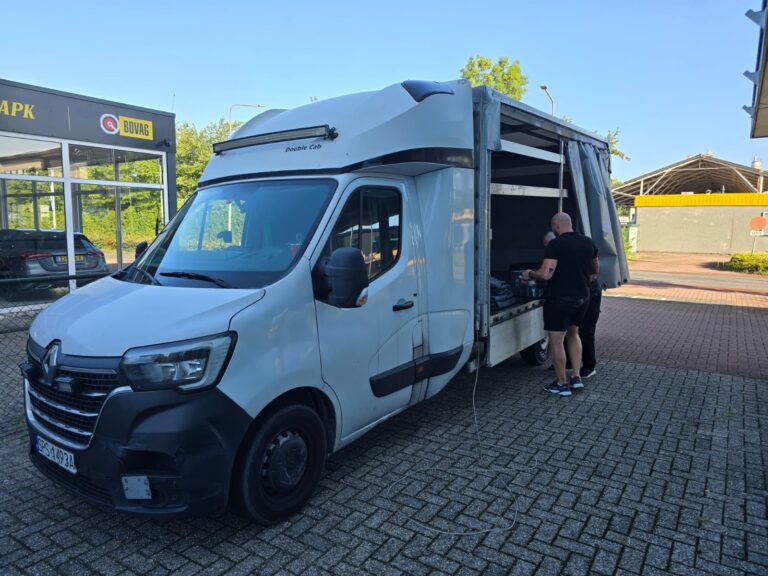
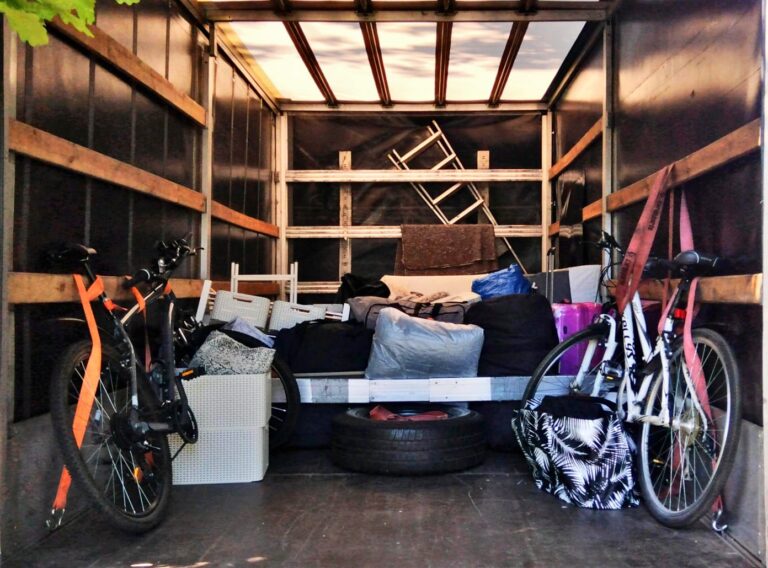
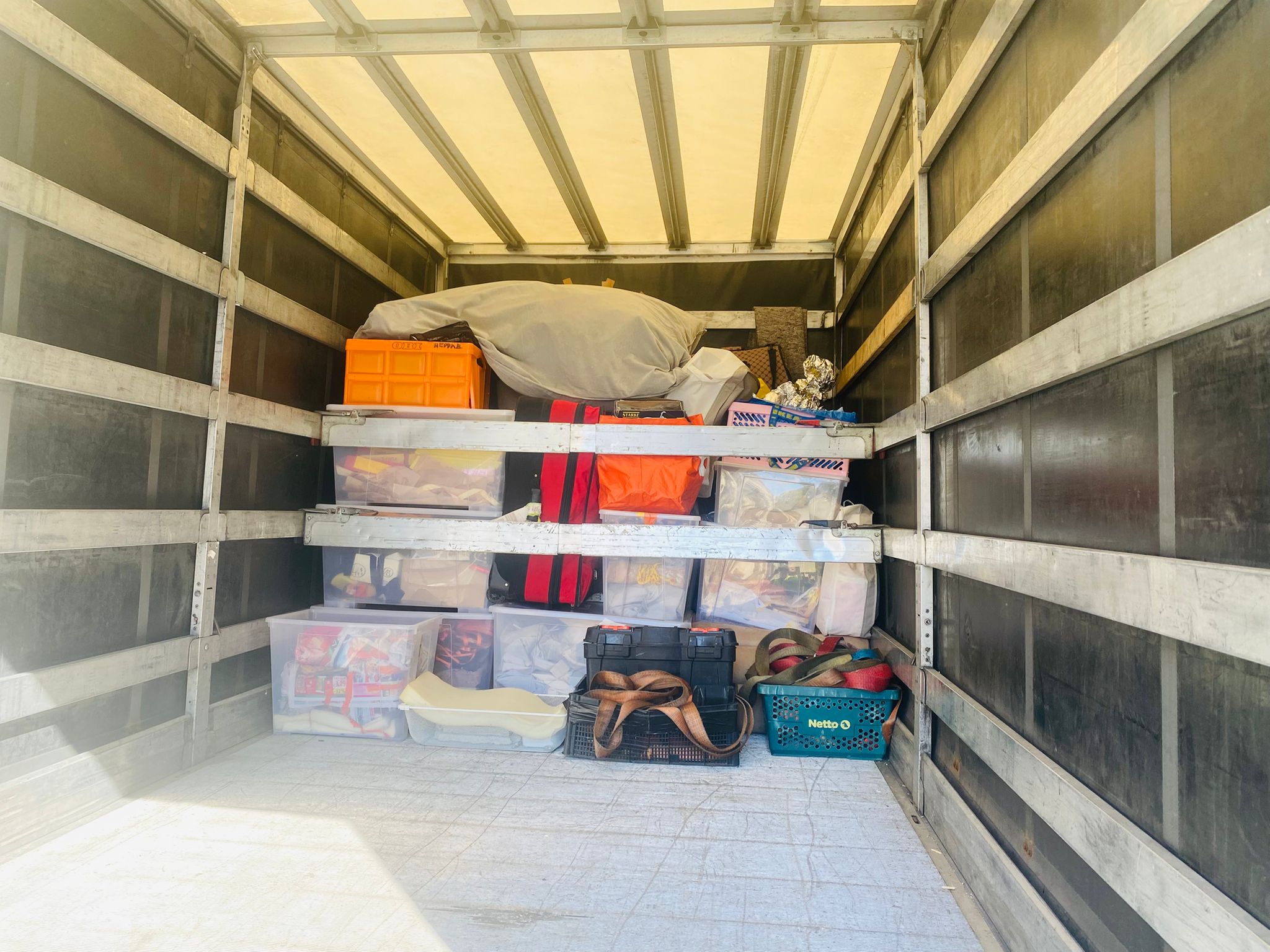
While you prepare documents, learn local phrases and choose the right canton, VANonsite removals to Switzerland can support the physical move with GPS tracked transport, flexible vehicle sizes and man and van options for small, medium and full household relocations.
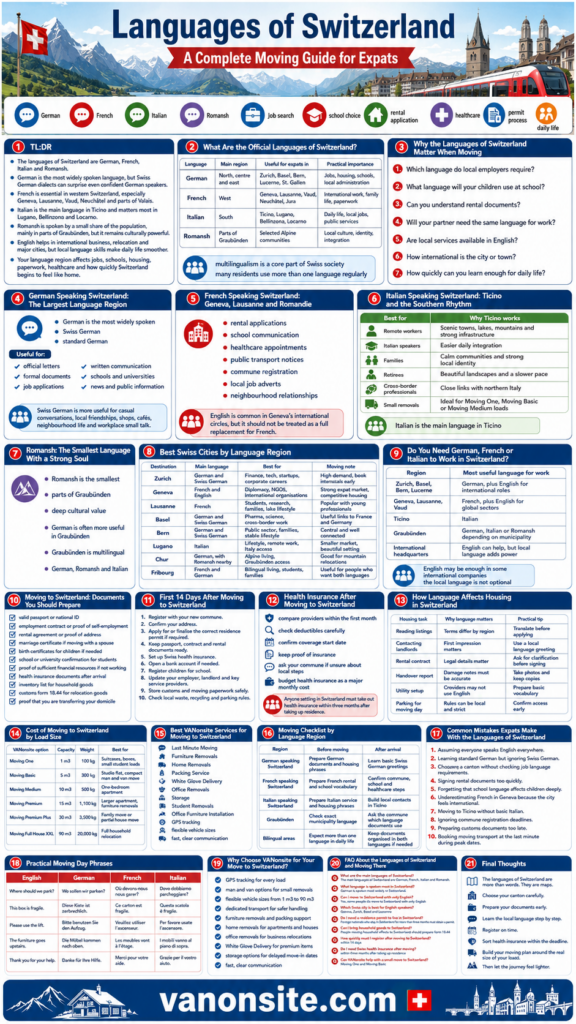
TL:DR
- The languages of Switzerland are German, French, Italian and Romansh.
- German is the most widely spoken language, but Swiss German dialects can surprise even confident German speakers.
- French is essential in western Switzerland, especially Geneva, Lausanne, Vaud, Neuchâtel and parts of Valais.
- Italian is the main language in Ticino and matters most in Lugano, Bellinzona and Locarno.
- Romansh is spoken by a small share of the population, mainly in parts of Graubünden, but it remains culturally powerful.
- English helps in international business, relocation and major cities, but local language skills make daily life smoother.
- Your language region affects jobs, schools, housing, paperwork, healthcare and how quickly Switzerland begins to feel like home.




What Are the Official Languages of Switzerland?
The official languages of Switzerland are German, French, Italian and Romansh. This is one of the country’s defining features. Switzerland is not built around one national tongue. Instead, it protects multilingualism as part of national identity, public administration and everyday life.
For expats, this matters from the first week. The language you meet at the town hall, in rental contracts, at school meetings and in local shops depends heavily on the canton.
| Language | Main region | Useful for expats in | Practical importance |
|---|---|---|---|
| German | North, centre and east | Zurich, Basel, Bern, Lucerne, St. Gallen | Jobs, housing, schools, local administration |
| French | West | Geneva, Lausanne, Vaud, Neuchâtel, Jura | International work, family life, paperwork |
| Italian | South | Ticino, Lugano, Bellinzona, Locarno | Daily life, local jobs, public services |
| Romansh | Parts of Graubünden | Selected Alpine communities | Local culture, identity, integration |
The languages of Switzerland also appear in transport, media, packaging, government services and education. A train announcement may switch language depending on the route. A food label may include German, French and Italian. A local form may be available in only one regional language. This is not disorder. It is Swiss precision expressed through diversity.
Why the Languages of Switzerland Matter When Moving
Choosing where to live in Switzerland is not only about mountains, salaries and rent. It is also about communication. The local language can affect how easily you find an apartment, speak with a doctor, understand tax letters or join the community.
Before choosing a canton, ask yourself:
- Which language do local employers require?
- What language will your children use at school?
- Can you understand rental documents?
- Will your partner need the same language for work?
- Are local services available in English?
- How international is the city or town?
- How quickly can you learn enough for daily life?
This is where the languages of Switzerland become practical. A finance professional may feel comfortable in English-speaking corporate Zurich, but still need German for daily life. A family moving to Geneva may use English at work, French at school and both languages in local services. In Ticino, Italian can open doors that English alone will not.
Your moving logistics should be calmer than your paperwork. VANonsite helps reduce pressure with dedicated European removals, man and van services, GPS tracking and vehicle sizes from 1 m3 to 90 m3. That means you can focus on your new language region while your belongings move safely across borders.
German Speaking Switzerland: The Largest Language Region
German is the most widely spoken of the languages of Switzerland. It dominates much of the north, centre and east of the country, including Zurich, Basel, Bern, Lucerne and St. Gallen.
There is one vital detail. Everyday spoken German in Switzerland is often Swiss German. It includes a rich group of dialects that can sound very different from standard German. Official Swiss sources explain that Swiss dialects can differ significantly from written forms. Swiss languages and dialects
For newcomers, this can be fascinating and frustrating. You may spend months learning standard German, arrive in Zurich and suddenly feel as if the language has climbed into another valley.
Still, standard German remains useful for:
- official letters
- formal documents
- job applications
- written communication
- schools and universities
- news and public information
Swiss German is more useful for casual conversations, local friendships, shops, cafés, neighbourhood life and workplace small talk. If you are moving to German speaking Switzerland, start with standard German. Then learn simple Swiss German greetings and local expressions. Even a small effort can create warmth. In Switzerland, respect often begins with preparation.
French Speaking Switzerland: Geneva, Lausanne and Romandie
French speaking Switzerland, often called Romandie, covers the western part of the country. It includes Geneva, Lausanne, Vaud, Neuchâtel, Jura and parts of Valais and Fribourg.
For many international expats, this is one of the most accessible regions. Geneva is home to global organisations, NGOs, diplomatic missions and international companies. Lausanne offers universities, research centres, lakefront living and strong quality of life. Vaud combines career opportunities with vineyards, villages and views over Lake Geneva.
French matters here because it enters almost every part of daily life:
- rental applications
- school communication
- healthcare appointments
- public transport notices
- commune registration
- local job adverts
- neighbourhood relationships
English is common in Geneva’s international circles, but it should not be treated as a full replacement for French. If you want to feel settled, not just stationed, learn French early.
For moving logistics, Geneva and Lausanne can be demanding. Access roads, apartment buildings, parking rules and end-of-month moving pressure can make timing crucial. A planned move with VANonsite can help you avoid expensive chaos. Whether you need a small man and van delivery, furniture removals or a full home relocation, GPS tracked transport gives you visibility from pickup to arrival.
Italian Speaking Switzerland: Ticino and the Southern Rhythm
Italian is the main language in Ticino, the sunny southern canton that includes Lugano, Bellinzona and Locarno. It is also spoken in parts of Graubünden. Among the languages of Switzerland, Italian carries a warmer rhythm. Life in Ticino often feels more Mediterranean, while still keeping Swiss structure and reliability.
Ticino can be attractive for people who want a quieter lifestyle, strong scenery and close links with northern Italy.
| Best for | Why Ticino works |
|---|---|
| Remote workers | Scenic towns, lakes, mountains and strong infrastructure |
| Italian speakers | Easier daily integration |
| Families | Calm communities and strong local identity |
| Retirees | Beautiful landscapes and a slower pace |
| Cross-border professionals | Close links with northern Italy |
| Small removals | Ideal for Moving One, Moving Basic or Moving Medium loads |
Ticino has a smaller job market than Zurich, Basel or Geneva. If you want to work locally, Italian can be essential. If you work remotely, the region can be a wonderful choice, but you should still learn enough Italian for appointments, contracts and everyday life.
VANonsite can support moves to Ticino with flexible vehicle options. A compact man and van move may be enough for a remote worker with boxes, monitors and personal items. A family moving into a larger home may need Moving Premium Plus or Full House XXL capacity.
Romansh: The Smallest Language With a Strong Soul
Romansh is the smallest of the languages of Switzerland. It is spoken mainly in parts of Graubünden and carries deep cultural value. For most expats, Romansh will not be the main practical language they need. German is often more useful in Graubünden, while Italian matters in certain southern areas.
Yet Romansh should not be ignored. It tells you something important about Switzerland. This country protects small identities. It respects local roots. It allows a mountain village to preserve a voice that does not need to be large to be precious.
If you move to Graubünden, check the language of your exact municipality. Do not assume the whole canton works the same way. Graubünden is multilingual, with German, Romansh and Italian all present in different areas.
Best Swiss Cities by Language Region
The right Swiss city depends on your job, budget, family needs and language comfort. The languages of Switzerland can help you narrow your options quickly.
| Destination | Main language | Best for | Moving note |
|---|---|---|---|
| Zurich | German and Swiss German | Finance, tech, startups, corporate careers | High demand, book removals early |
| Geneva | French and English | Diplomacy, NGOs, international organisations | Strong expat market, competitive housing |
| Lausanne | French | Students, research, families, lake lifestyle | Popular with young professionals |
| Basel | German and Swiss German | Pharma, science, cross-border work | Useful links to France and Germany |
| Bern | German and Swiss German | Public sector, families, stable lifestyle | Central and well connected |
| Lugano | Italian | Lifestyle, remote work, Italy access | Smaller market, beautiful setting |
| Chur | German, with Romansh nearby | Alpine living, Graubünden access | Good for mountain relocations |
| Fribourg | French and German | Bilingual living, students, families | Useful for people who want both languages |
For families, the school language may be decisive. For professionals, the job market may matter more. For retirees, healthcare access, climate and community can guide the move. For students, university language and rent often lead the decision.
Do You Need German, French or Italian to Work in Switzerland?
The honest answer is simple: it depends on your sector. English may be enough in some international companies, especially in technology, finance, research, pharmaceuticals and diplomacy. However, local language skills usually improve your options, salary confidence and long-term stability.
In many sectors, the local language is not optional. It can be required in healthcare, education, retail, public administration, construction, logistics, hospitality, local sales, customer service and skilled trades.
| Region | Most useful language for work |
|---|---|
| Zurich, Basel, Bern, Lucerne | German, plus English for international roles |
| Geneva, Lausanne, Vaud | French, plus English for global sectors |
| Ticino | Italian |
| Graubünden | German, Italian or Romansh depending on municipality |
| International headquarters | English can help, but local language adds power |
Foreign nationals usually need a permit to work in Switzerland, and the process depends on nationality and employment type. EU and EFTA citizens benefit from freedom of movement, while non-EU and non-EFTA citizens face stricter procedures. Working in Switzerland official guidance
Language will not replace permit rules, but it can strengthen your practical position. A candidate who can speak with clients, landlords and local authorities usually feels less dependent and more confident.
Moving to Switzerland: Documents You Should Prepare
Relocation to Switzerland rewards organised people. Before booking transport, prepare your documents carefully. All foreign nationals who stay in Switzerland for more than three months must obtain a permit, and official guidance recommends checking the relevant cantonal procedure. Swiss residence permit information
Prepare these documents before your move:
- valid passport or national ID
- employment contract or proof of self-employment
- rental agreement or proof of address
- marriage certificate if moving with a spouse
- birth certificates for children if needed
- school or university confirmation for students
- proof of sufficient financial resources if not working
- health insurance documents after arrival
- inventory list for household goods
- customs form 18.44 for relocation goods
- proof that you are transferring your domicile
For household goods, Swiss customs rules are important. The Federal Office for Customs and Border Security explains that people moving household effects to Switzerland must prepare form 18.44 and supporting documents for customs clearance. Swiss customs relocation procedure
If you use a professional moving provider, your inventory list becomes even more important. VANonsite can help structure the move around the real volume of your goods, from a 1 m3 shipment to a 90 m3 full house move. Clear lists also reduce customs friction and make delivery day cleaner.
First 14 Days After Moving to Switzerland
Once you arrive, the clock starts. In general, people moving to a Swiss commune are expected to register with their new commune within 14 days. Swiss registration guidance
Your first two weeks should include:
- Register with your new commune.
- Confirm your address.
- Apply for or finalise the correct residence permit if required.
- Keep passport, contract and rental documents ready.
- Set up Swiss health insurance.
- Open a bank account if needed.
- Register children for school.
- Update your employer, landlord and key service providers.
- Store customs and moving paperwork safely.
- Check local waste, recycling and parking rules.
The languages of Switzerland matter here because the commune may operate mainly in German, French or Italian. In smaller towns, English may be limited. Translate key documents in advance and learn basic phrases for registration. That small preparation can turn a tense appointment into a simple one.
Health Insurance After Moving to Switzerland
Health insurance is one of the most important deadlines after arrival. Anyone settling in Switzerland must take out health insurance within three months after taking up residence. Each family member must be insured individually. Swiss health insurance information
Do not leave this until the last moment. Premiums vary by insurer, canton, insurance model and deductible. Basic insurance is mandatory, while supplementary insurance is optional. If you are moving with children, remember that each child needs individual cover.
A practical plan:
- compare providers within the first month
- check deductibles carefully
- confirm coverage start date
- keep proof of insurance
- ask your commune if unsure about local steps
- budget health insurance as a major monthly cost
Switzerland is efficient, but it expects personal responsibility. The best relocation strategy is simple: handle healthcare early, then focus on work, school and settling in.
How Language Affects Housing in Switzerland
Housing is one of the toughest parts of moving to Switzerland. Zurich, Geneva, Basel and Lausanne can be fiercely competitive. A strong application file matters, and language can make it stronger.
Rental ads are often written in the local language. Contracts, handover reports and building rules may also be in German, French or Italian. If you do not understand a phrase, do not guess. Ask. Translate. Clarify.
| Housing task | Why language matters | Practical tip |
|---|---|---|
| Reading listings | Terms differ by region | Translate before applying |
| Contacting landlords | First impression matters | Use a local language greeting |
| Rental contract | Legal details matter | Ask for clarification before signing |
| Handover report | Damage notes must be accurate | Take photos and keep copies |
| Utility setup | Providers may not use English | Prepare basic vocabulary |
| Parking for moving day | Rules can be local and strict | Confirm access early |
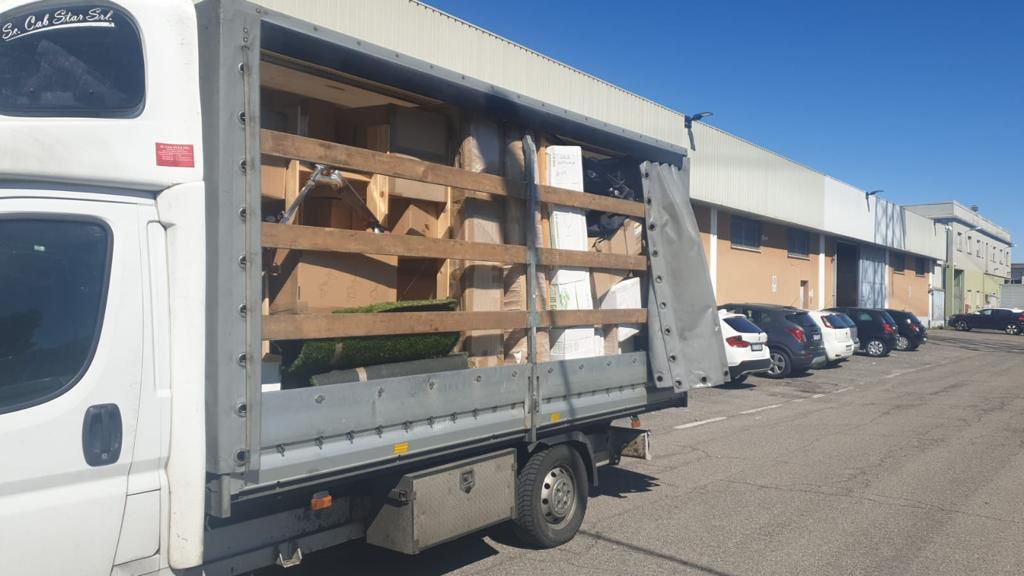
This is especially important for moving day. A narrow street in Geneva, a strict building manager in Zurich or a parking restriction in Lausanne can create delays. VANonsite helps by planning routes, vehicle size and delivery timing. With GPS tracking, customers know where their load is, which gives peace of mind during a demanding move.
Cost of Moving to Switzerland by Load Size
Moving costs depend on distance, volume, access, timing, services and customs requirements. A student moving five boxes will not need the same vehicle as a family relocating a four-bedroom house.
VANonsite offers several vehicle and load options:
| VANonsite option | Capacity | Weight | Best for |
|---|---|---|---|
| Moving One | 1 m3 | 100 kg | Suitcases, boxes, small student loads |
| Moving Basic | 5 m3 | 300 kg | Studio flat, compact man and van move |
| Moving Medium | 10 m3 | 500 kg | One-bedroom apartment |
| Moving Premium | 15 m3 | 1,100 kg | Larger apartment, furniture removals |
| Moving Premium Plus | 30 m3 | 3,500 kg | Family move or partial house move |
| Moving Full House XXL | 90 m3 | 20,000 kg | Full household relocation |
This flexible structure helps avoid wasted space. If you only need 5 m3, you should not pay for a giant truck. If you need a serious family relocation, you should not squeeze your life into an undersized van.
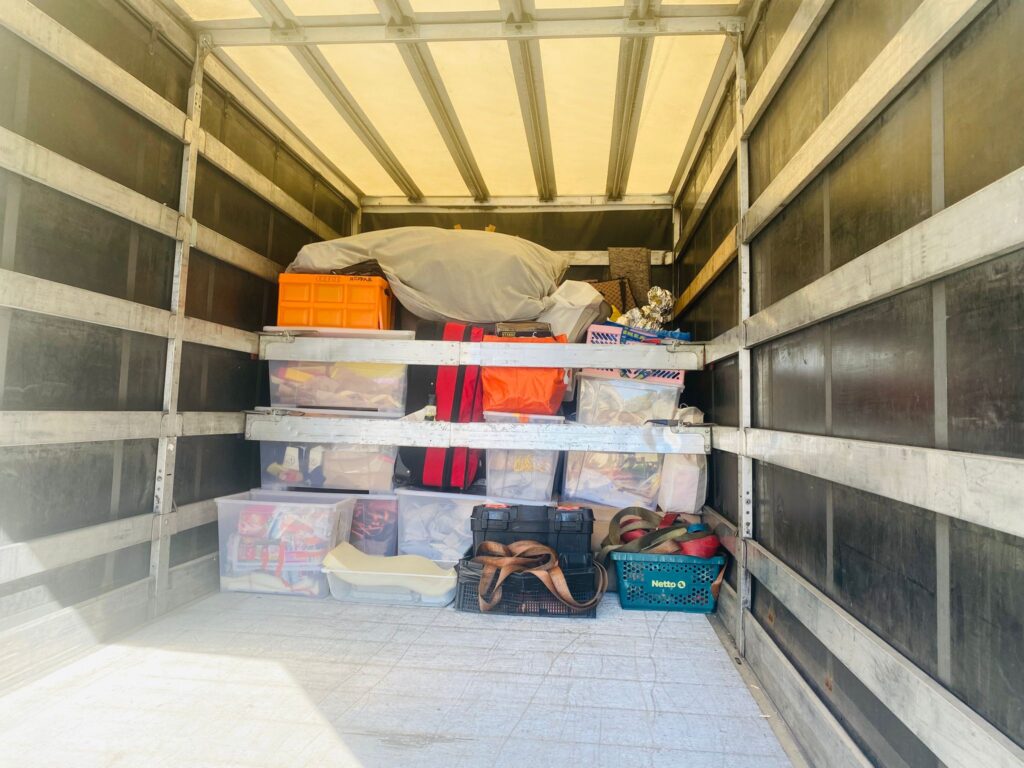
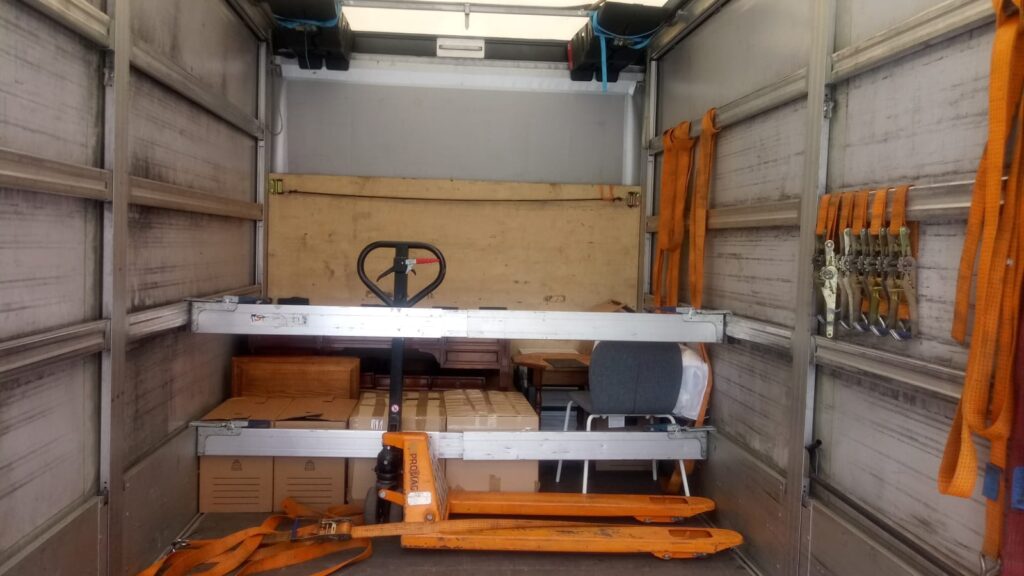
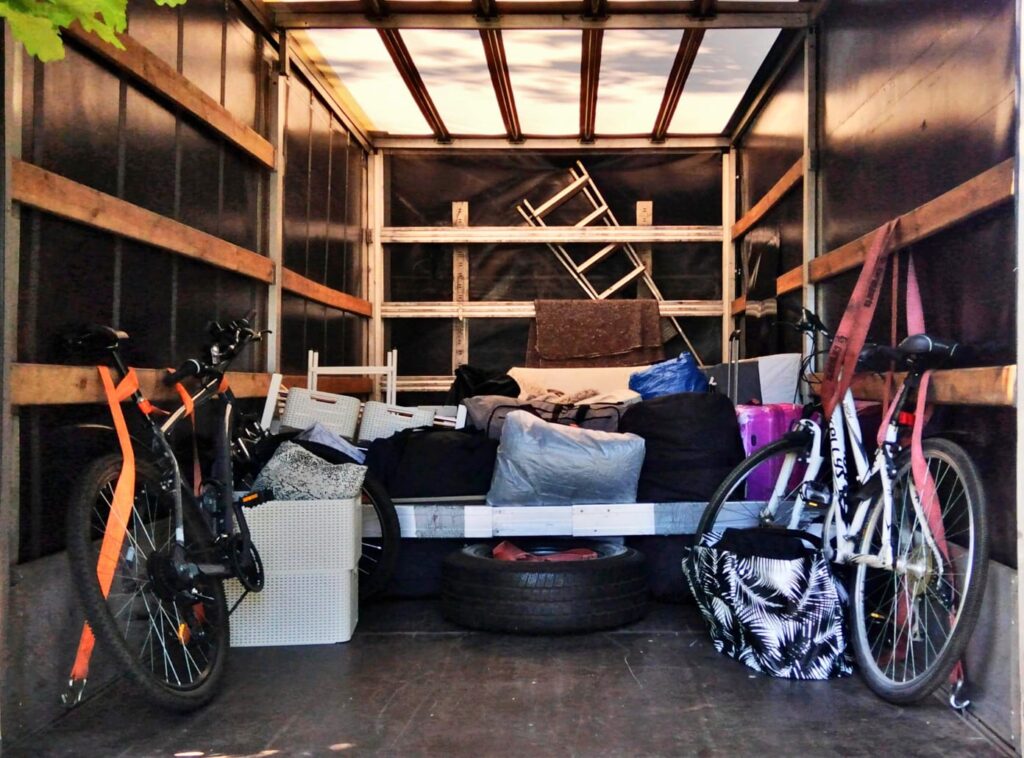
A man and van service is especially useful for students, professionals with limited belongings, remote workers and people moving into furnished Swiss apartments. For larger homes, a dedicated removals plan gives better protection, stronger loading control and a safer delivery experience.

Best VANonsite Services for Moving to Switzerland
A move to Switzerland can be simple, urgent, delicate or complex. The right service depends on what you are moving and how much support you need.
Last Minute Moving is useful when a job start, tenancy date or sudden life change leaves little time. Speed matters, but so does control.
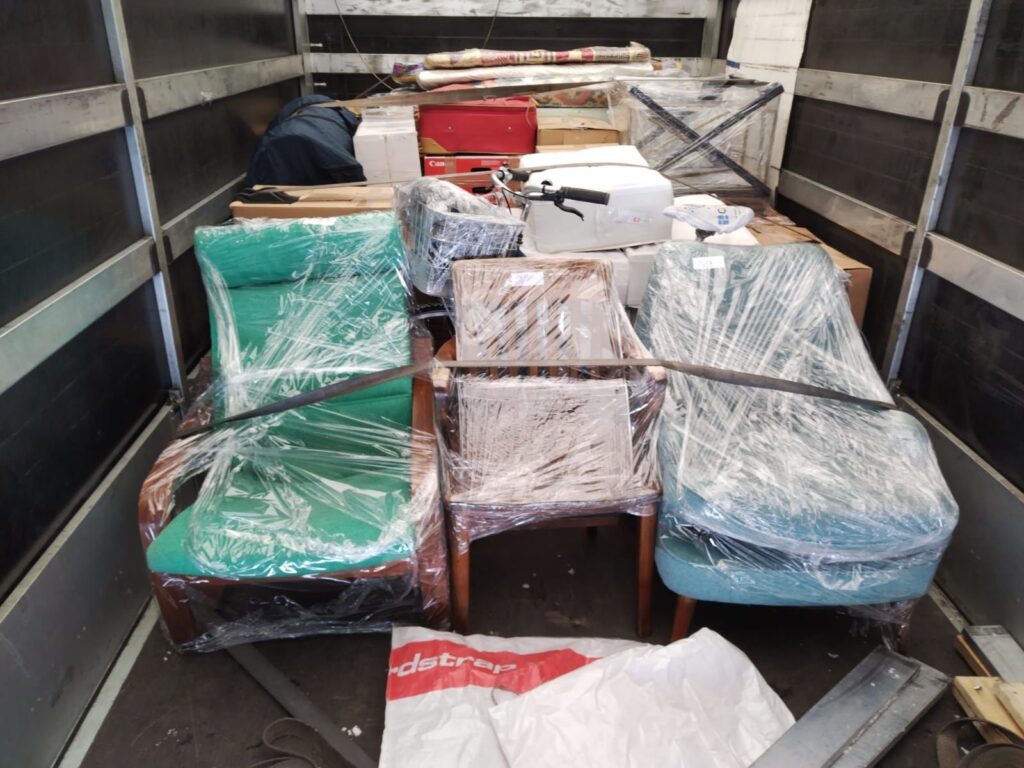
Furniture Removals help with sofas, beds, wardrobes, tables, antiques and larger household pieces. Switzerland has many apartment buildings with narrow access, so careful handling matters.
Home Removals are designed for full apartment and house moves, especially when you need a structured plan from pickup to delivery.
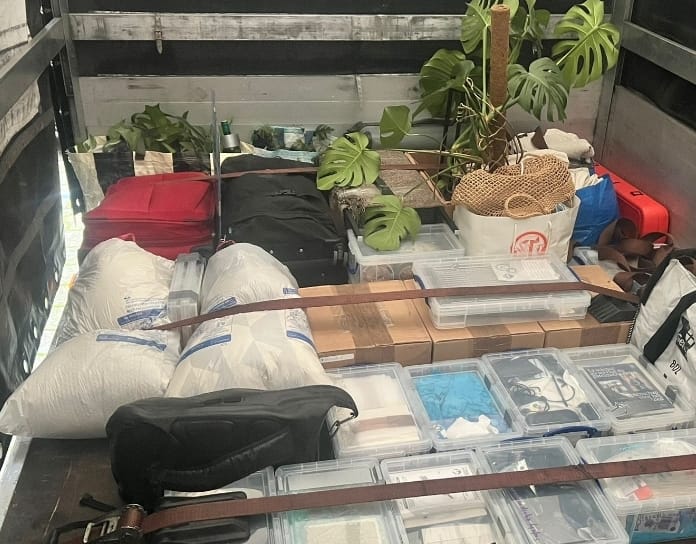
Packing Service protects fragile goods, electronics, kitchenware, artwork and sentimental items. Good packing can prevent expensive heartbreak.
White Glove Delivery is the premium choice for delicate, valuable or high-end items that need exceptional care.
Office Removals support companies moving equipment, desks, files and workplace furniture to Swiss business hubs like Zurich, Geneva, Basel or Lausanne.
Storage is helpful when your Swiss tenancy date does not match your pickup date. This is common in competitive housing markets.
Student Removals are ideal for small, affordable moves to Swiss universities and international schools.
Office Furniture Installation helps businesses set up quickly after delivery, reducing downtime and confusion.
The benefit is choice. VANonsite can handle a 1 m3 shipment, a man and van delivery or a 90 m3 full home relocation. Every load can be GPS tracked, which adds reassurance during a cross-border journey.
Moving Checklist by Language Region
The languages of Switzerland should shape your relocation checklist. Do not use one generic plan for every canton.
| Region | Before moving | After arrival |
|---|---|---|
| German speaking Switzerland | Prepare German documents and housing phrases | Learn basic Swiss German greetings |
| French speaking Switzerland | Prepare French rental and school vocabulary | Confirm commune, school and healthcare steps |
| Italian speaking Switzerland | Prepare Italian service and housing phrases | Build local contacts in Ticino |
| Graubünden | Check exact municipality language | Ask the commune which language documents use |
| Bilingual areas | Expect more than one language in daily life | Keep documents organised in both languages if needed |
A language-aware move is smoother. You know what to expect. You avoid awkward surprises. You can speak to the right people with more confidence.
Common Mistakes Expats Make With the Languages of Switzerland
Many newcomers underestimate the practical impact of multilingual life. The mistakes are usually small, but they can become expensive or stressful.
- Assuming everyone speaks English everywhere.
- Learning standard German but ignoring Swiss German.
- Choosing a canton without checking job language requirements.
- Signing rental documents too quickly.
- Forgetting that school language affects children deeply.
- Underestimating French in Geneva because the city feels international.
- Moving to Ticino without basic Italian.
- Ignoring commune registration deadlines.
- Preparing customs documents too late.
- Booking moving transport at the last minute during peak dates.
The strongest moves are prepared moves. Language, paperwork and logistics should work together.
Practical Moving Day Phrases
Even a few phrases can make moving day easier. Keep them printed or saved on your phone.
| English | German | French | Italian |
|---|---|---|---|
| Where should we park? | Wo sollen wir parken? | Où devons-nous nous garer? | Dove dobbiamo parcheggiare? |
| This box is fragile. | Diese Kiste ist zerbrechlich. | Ce carton est fragile. | Questa scatola è fragile. |
| Please use the lift. | Bitte benutzen Sie den Aufzug. | Veuillez utiliser l’ascenseur. | Per favore usate l’ascensore. |
| The furniture goes upstairs. | Die Möbel kommen nach oben. | Les meubles vont à l’étage. | I mobili vanno al piano di sopra. |
| Thank you for your help. | Danke für Ihre Hilfe. | Merci pour votre aide. | Grazie per il vostro aiuto. |
These phrases are simple, but they reduce friction. They help with drivers, neighbours, concierges and building managers. In a country that values order, clarity is powerful.
Why Choose VANonsite for Your Move to Switzerland?
Moving to Switzerland should feel controlled, not chaotic. Between permits, health insurance, housing, language choices and customs paperwork, there is already enough to handle. Your transport should not add panic.
VANonsite supports European relocations with:
- GPS tracking for every load
- man and van options for small removals
- flexible vehicle sizes from 1 m3 to 90 m3
- dedicated transport for safer handling
- furniture removals and packing support
- home removals for apartments and houses
- office removals for business relocations
- White Glove Delivery for premium items
- storage options for delayed move-in dates
- fast, clear communication
The company’s strength is practical confidence. You choose the vehicle size. Your belongings are handled with care. Your route is planned. Your load is trackable. For a move to Switzerland, that kind of structure matters.
Whether you are moving to German speaking Zurich, French speaking Geneva, Italian speaking Lugano or a quiet village in Graubünden, VANonsite helps your relocation arrive with less stress and more certainty.
FAQ About the Languages of Switzerland and Moving There
What are the main languages of Switzerland?
The main languages of Switzerland are German, French, Italian and Romansh. German is the most widely spoken, while French dominates the west, Italian is strongest in Ticino and Romansh is mainly linked to parts of Graubünden.
What language is spoken most in Switzerland?
German is spoken most widely in Switzerland. However, in everyday conversation, many German speaking Swiss people use Swiss German dialects, which can sound very different from standard German.
Can I move to Switzerland with only English?
Yes, some people do move to Switzerland with only English, especially for international jobs in Geneva, Zurich, Basel or Lausanne. However, learning the local language makes housing, healthcare, paperwork and daily life much easier.
Which Swiss city is best for English speakers?
Geneva, Zurich, Basel and Lausanne are usually among the easiest cities for English speakers because they have international companies, universities and expat communities. Still, French or German will help you integrate faster.
Do I need a residence permit to live in Switzerland?
Foreign nationals who stay in Switzerland for more than three months must obtain a permit. The process depends on nationality, work status and reason for moving.
Can I bring household goods to Switzerland?
Yes, but you need the correct customs procedure. People moving household effects to Switzerland should prepare form 18.44 and supporting documents for customs clearance.
How quickly must I register after moving to Switzerland?
In general, you are expected to register with your new commune within 14 days of your move.
Do I need Swiss health insurance after moving?
Yes. Anyone settling in Switzerland must take out health insurance within three months after taking up residence. Each family member needs individual insurance.
Can VANonsite help with a small move to Switzerland?
Yes. VANonsite offers small man and van options such as Moving One and Moving Basic, as well as larger packages for apartments, furniture, offices and full house removals.
Final Thoughts
The languages of Switzerland are more than words. They are maps. They show you where work may be easier, where your children may settle faster, where rental documents will make sense and where daily life may feel natural.
German, French, Italian and Romansh give Switzerland its rare texture. They make the country layered, precise and sometimes challenging. Yet with the right preparation, that challenge becomes part of the adventure.
Choose your canton carefully. Prepare your documents early. Learn the local language step by step. Register on time. Sort health insurance within the deadline. Build your moving plan around the real size of your load.
Then let the journey feel lighter.
With GPS tracked transport, flexible vehicle sizes and experienced European removals, VANonsite removals to Switzerland helps you arrive ready for your next chapter, whether that chapter begins in Zurich, Geneva, Lausanne, Lugano, Basel, Bern or a quiet Swiss mountain town.