
Moving home to Switzerland is exciting, but it rewards precision. Switzerland may feel close to the rest of Europe, yet it has its own customs rules, residence requirements and practical expectations. The country is organised, safe and efficient, so your relocation should be planned with the same level of care.
Whether you are starting a new role in Zurich, joining family in Geneva, studying in Lausanne or settling into a quiet Alpine town, the foundations are the same. You need clear documents, a detailed inventory, safe packing and a moving partner that understands cross-border European transport.
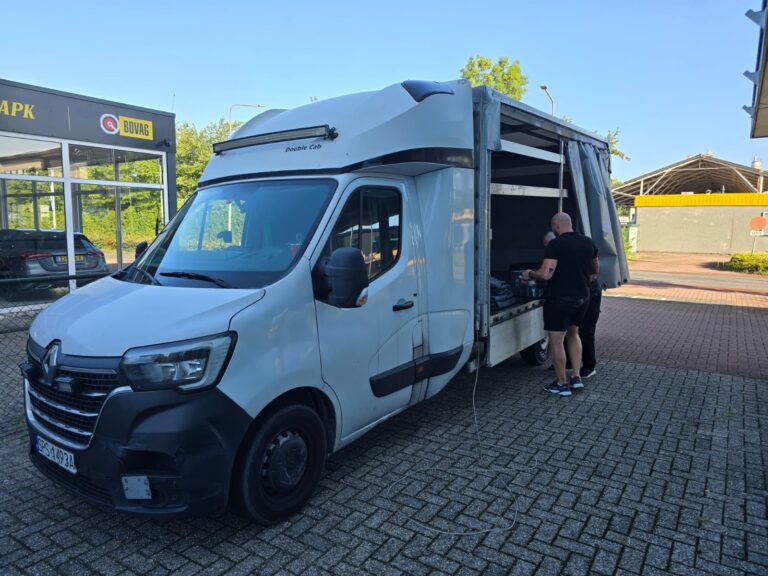
VANonsite helps make moving home to Switzerland calmer and more controlled. With dedicated European removals, GPS tracking for every load, flexible vehicle sizes and practical man and van options, your belongings can travel safely from door to door. For route planning and tailored support, explore VANonsite’s removals to Switzerland service.
TL:DR: Moving Home to Switzerland in 7 Key Points
- Switzerland is not part of the EU customs union, so customs planning is essential.
- Used household goods can often be imported duty-free if they meet Swiss relocation conditions.
- Your belongings usually need to be personally used before the move and kept for personal use after arrival.
- Swiss customs commonly requires Form 18.44 for household effects.
- If you work in Switzerland or stay longer than 3 months, you generally need a residence permit.
- A detailed inventory reduces delays, confusion and unnecessary stress at the border.
- VANonsite offers man and van removals, GPS tracking, packing help and vehicle options from 1 m³ to 90 m³.




Is Moving Home to Switzerland Worth It?
Moving home to Switzerland often means better safety, strong salaries, superb public transport and a high standard of living. The country attracts professionals, families, students and entrepreneurs who want stability, clean cities and a powerful job market in finance, pharmaceuticals, engineering, IT, logistics, research and healthcare.
There is a trade-off. Zurich, Geneva, Zug and Lausanne can be expensive, especially for rent, childcare, restaurants and insurance. Housing applications are competitive, and many landlords expect organised documents, deposits and quick decisions.
| Factor | What to Expect When Moving Home to Switzerland |
|---|---|
| Quality of life | Very high, especially for safety, cleanliness and infrastructure |
| Cost of living | Premium, particularly in Zurich, Geneva, Zug and Lausanne |
| Housing | Competitive rental market with deposits and strict applications |
| Work | Strong opportunities in finance, pharma, IT, engineering and healthcare |
| Transport | Excellent rail, road and urban networks |
| Customs | More formal than many EU-only relocations |
| Planning time | Ideally 4 to 8 weeks, or 8 to 12 weeks for larger family moves |
The move is worth it when the opportunity fits your life. Still, the smoother the logistics, the faster you can enjoy Switzerland instead of dealing with broken furniture, missing documents or border delays.
What to Know Before Booking Your Move
Before you book a van, understand what makes moving home to Switzerland different from a local move or a simple EU relocation. This is not just distance. You need to think about customs, residence status, route timing, loading access, delivery parking and the right vehicle size.
A smart plan starts with these steps:
- Confirm your legal right to live, work or study in Switzerland.
- Check whether you need a visa, permit or registration.
- Prepare a detailed inventory of household goods.
- Separate restricted or sensitive items before packing.
- Choose the correct vehicle size for your volume and weight.
- Keep essential documents with you, not inside the van.
- Book early during summer, school holidays and month-end dates.
Swiss official guidance explains that anyone who works in Switzerland or stays longer than 3 months generally needs a permit issued by the cantonal migration office. You can check current residence information on the official Swiss State Secretariat for Migration website: sem.admin.ch.
Documents Required When Moving Home to Switzerland
Documents are the quiet engine of a successful relocation. When they are ready, everything feels lighter. When one crucial paper is missing, even a perfectly packed van can be delayed.
When moving home to Switzerland, prepare printed and digital copies of your key documents. Keep them in a folder that travels with you.
| Document | Why It Matters |
|---|---|
| Passport or national ID | Confirms your identity |
| Visa or residence permit paperwork | Needed depending on nationality and length of stay |
| Employment contract, study confirmation or proof of purpose | Supports your reason for relocating |
| Rental contract or property confirmation | Helps prove your transfer of residence |
| Detailed inventory list | Supports customs processing |
| Swiss customs Form 18.44 | Commonly used for household effects |
| Vehicle papers | Needed if importing a car or motorbike |
| Pet documents | Required when moving with animals |
| Insurance documents | Useful for valuable or fragile items |
For customs rules on household goods, use the official Federal Office for Customs and Border Security page: Moving household effects. For the import procedure and Form 18.44, check: Relocation to Switzerland import procedure.
Your inventory should be clear and practical. Instead of writing “miscellaneous boxes”, write “10 kitchen boxes”, “6 boxes of clothes”, “1 desk”, “2 bookshelves” and “1 framed mirror”. Precision can reduce questions and protect your delivery schedule.
Swiss Customs Rules for Household Goods
Swiss customs keeps the process transparent. If your goods match your relocation purpose and your paperwork is clear, moving home to Switzerland can be calmer than many people expect.
Relocation goods may include furniture, clothing, kitchen items, personal belongings, collections, animals and vehicles. The key condition is that you are transferring your domicile to Switzerland. Used household goods can often be imported without duties if they have been personally used before the move and will continue to be used after arrival.
Some goods need more attention. These include alcohol, tobacco, large amounts of food, plants, soil, weapons, new goods bought shortly before the move, high-value collections, pets, cars and trailers. For sensitive goods, check the Swiss government customs guidance before you travel: ch.ch customs information.
A mover cannot change customs law, but the right moving company can help you avoid avoidable chaos. VANonsite supports customers with careful transport planning, secure loading and clear communication before the van leaves.
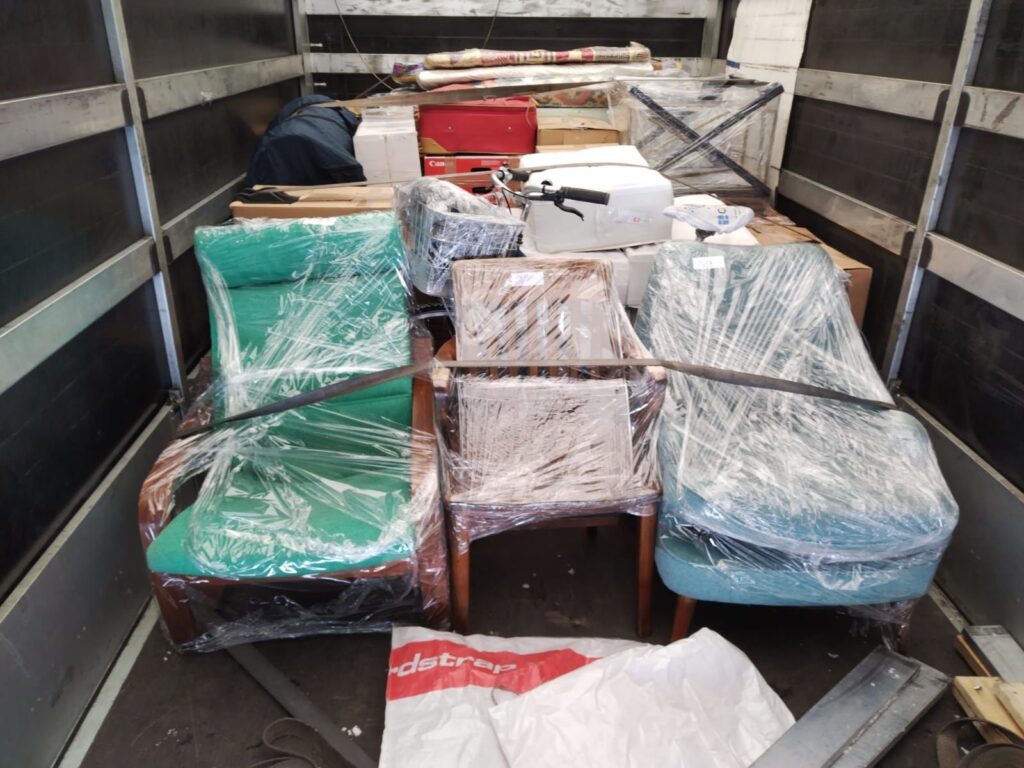
Choosing the Right VANonsite Vehicle
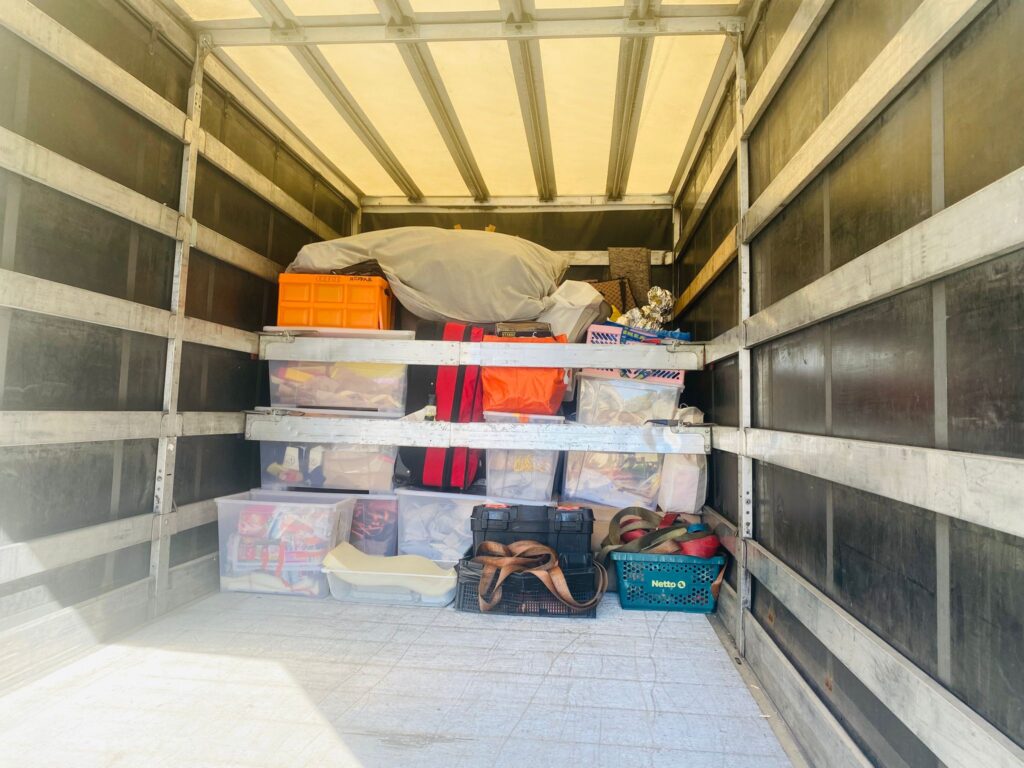
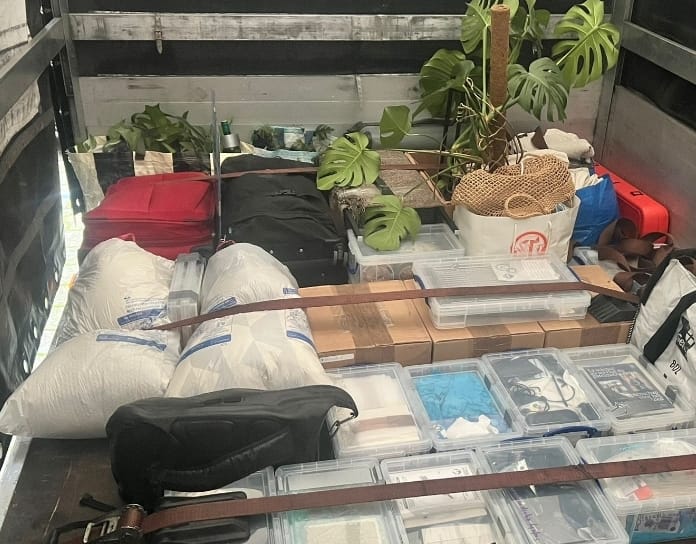
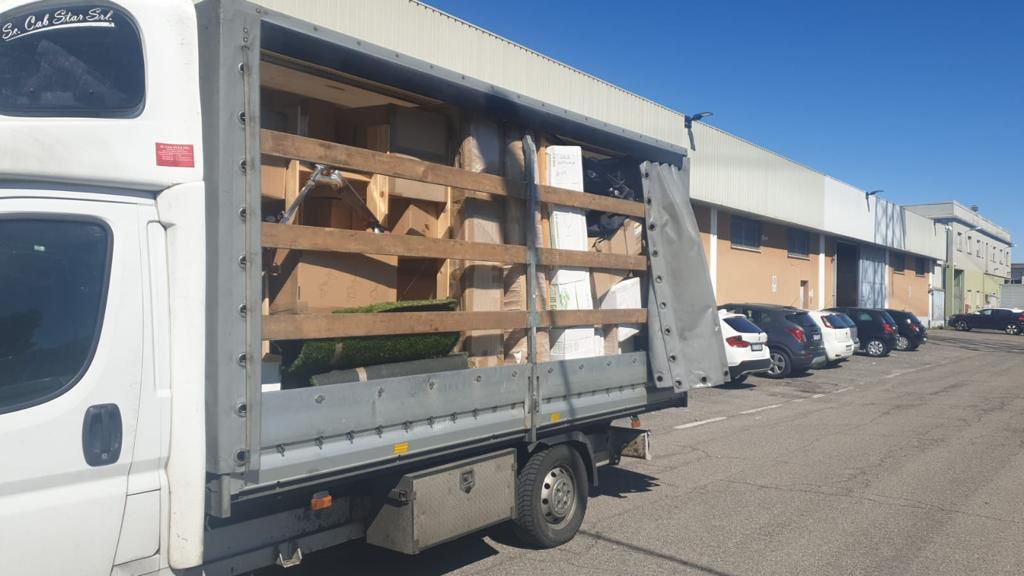
One common mistake when moving home to Switzerland is choosing the wrong vehicle size. Too small, and you risk extra costs, delays or a second trip. Too large, and you may pay for space you do not need.
| VANonsite Option | Capacity | Best For |
|---|---|---|
| Moving One | 1 m³, up to 100 kg | A few boxes, bags or small student items |
| Moving Basic | 5 m³, up to 300 kg | Studio move or compact man and van relocation |
| Moving Medium | 10 m³, up to 500 kg | Small flat, boxes and selected furniture |
| Moving Premium | 15 m³, up to 1,100 kg | One-bedroom apartment or larger personal move |
| Moving Premium Plus | 30 m³, up to 3,500 kg | Family move, bulky furniture and larger homes |
| Moving Full House XXL | 90 m³, up to 20,000 kg | Full house relocation or complex high-volume move |
A useful rule is to allow 10% to 20% extra space for awkward furniture, protective packing and items that do not stack neatly. For smaller relocations, a man and van service is often ideal. For families and larger apartments, the 30 m³ or 90 m³ options provide more comfort and less pressure on moving day.
Step-by-Step Process with VANonsite
The best removals feel calm because the hard thinking happened before moving day. With VANonsite, moving home to Switzerland follows a clear process.
- Request a quote. Share your pickup address, Swiss delivery address, preferred date, estimated volume and access details.
- Choose the right vehicle. VANonsite helps match your load to the right van, from a compact man and van move to a full house relocation.
- Prepare your inventory. List boxes, furniture and fragile goods so vehicle space, loading order and customs paperwork are easier to plan.
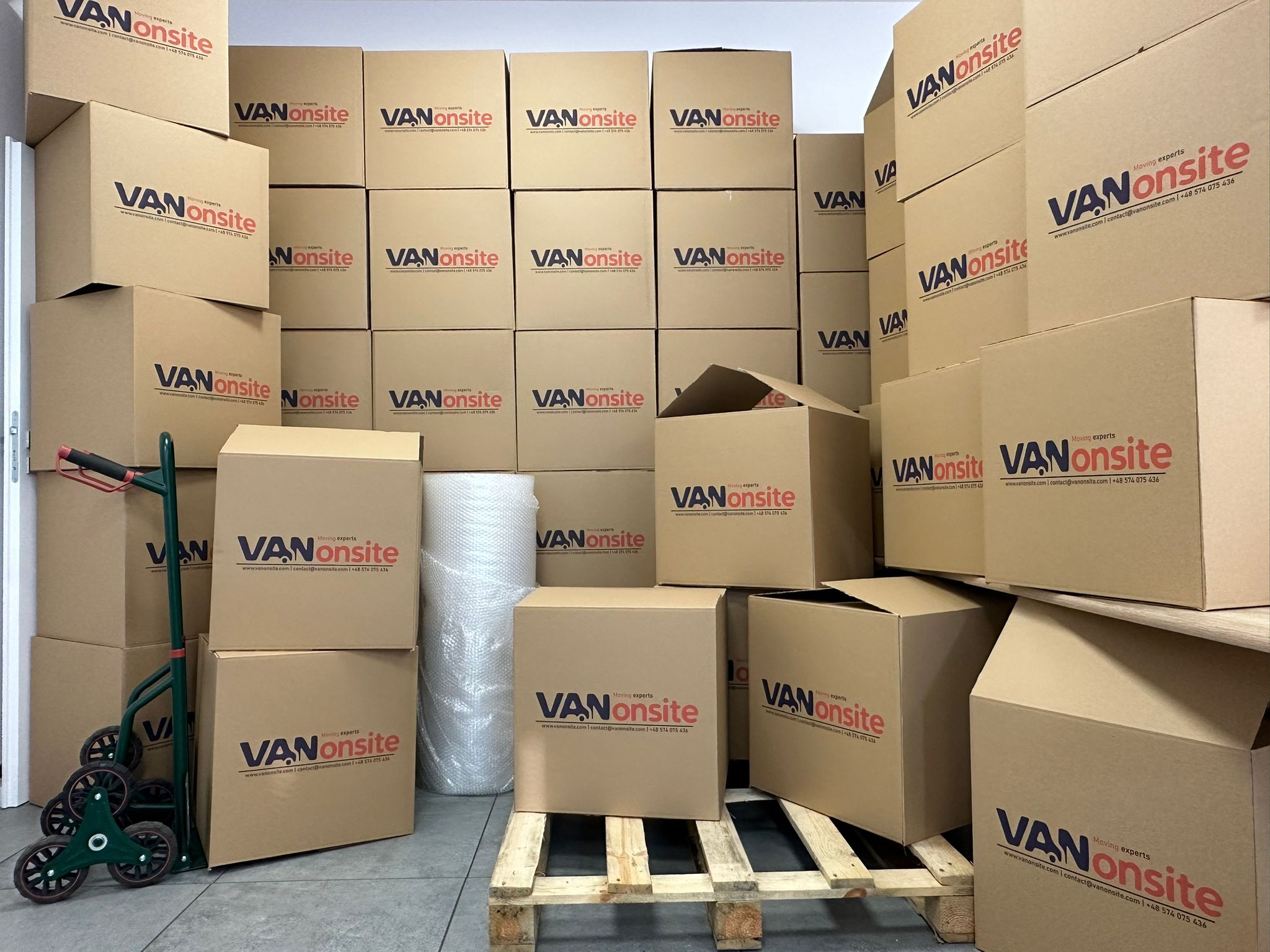
- Add packing support. Professional packing is valuable for glassware, electronics, artwork, mirrors, antiques and delicate furniture.
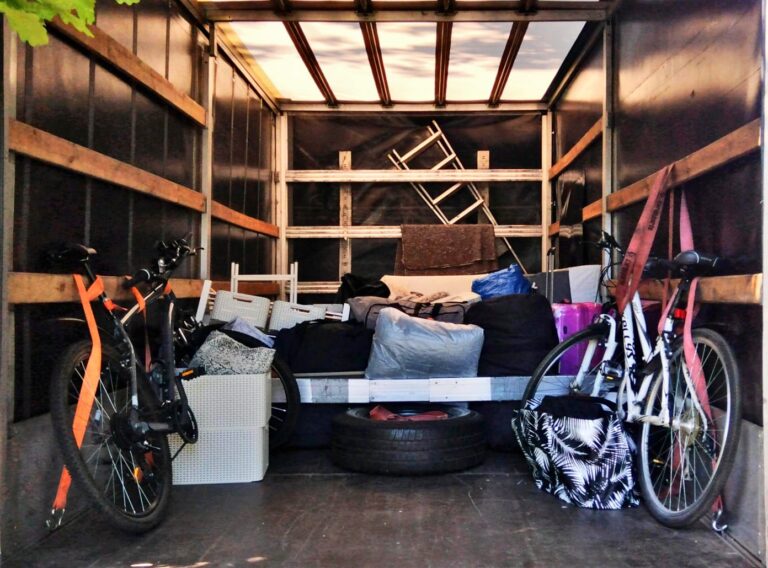
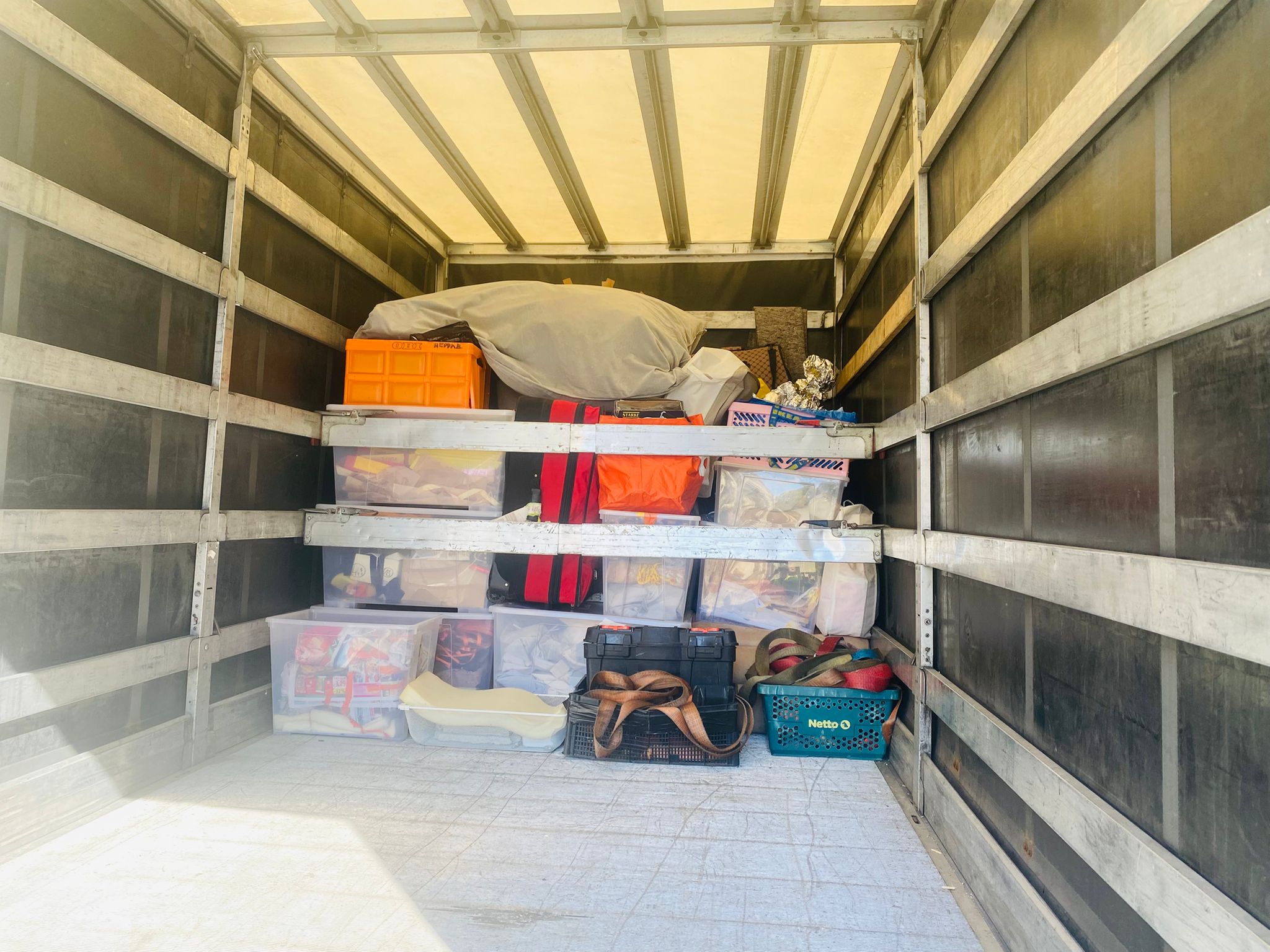
- Load safely. Heavy items should be placed correctly, fragile boxes should be protected and furniture should be secured against movement.
- Track the journey. VANonsite provides GPS tracking for every load while your belongings travel across Europe.
- Receive door-to-door delivery. Your items are delivered to your Swiss address, with optional unloading and placement support depending on the service.
Packing Tips for a Safer Move
Packing is where many rushed moves begin to fall apart. Weak boxes, loose cables and unlabelled bags can turn arrival day into a headache. When moving home to Switzerland, pack as if your belongings will travel hundreds or thousands of kilometres.
Use these practical tips:
- Use double-wall boxes for heavy or fragile items.
- Keep boxes at a sensible lifting weight, ideally 15 kg to 20 kg.
- Pack books in small boxes.
- Wrap plates vertically with padding between each item.
- Protect furniture corners with blankets or edge guards.
- Label every box by room and priority.
- Mark fragile boxes on at least 2 sides.
- Keep passports, permits, medicine, chargers and keys with you.
- Photograph valuable furniture before loading.
- Use wardrobe boxes for suits, coats and delicate clothing.
For premium pieces, professional packing can save money and heartbreak. A cracked mirror, scratched designer table or damaged antique cabinet can cost far more than proper protection. VANonsite’s packing support is especially useful for home removals, furniture removals and White Glove Delivery.
How Much Does Moving Home to Switzerland Cost?
The cost of moving home to Switzerland depends on route, volume, weight, access, timing and service level. A compact man and van move with 5 m³ of belongings will cost differently from a 30 m³ family relocation.
| Cost Factor | How It Affects the Price |
|---|---|
| Distance | Longer routes increase driver time, fuel and planning |
| Volume | Larger loads need bigger vans or more capacity |
| Weight | Heavy goods may require extra handling |
| Access | Stairs, narrow streets or no lift can increase labour |
| Packing | Materials and labour add cost but reduce damage risk |
| Customs preparation | Switzerland requires stronger document discipline |
| Urgency | Last Minute Moving can cost more due to limited availability |
| Delivery timing | Fixed dates may require tighter route planning |
For budget planning, separate your move into 3 areas: transport, handling and protection. Transport covers the vehicle, route and driver. Handling covers loading, unloading, stairs and bulky items. Protection covers packing materials, specialist wrapping and insurance-related preparation.
The cheapest quote is not always the safest. Poor communication, weak packing or unclear tracking can create expensive problems. When moving home to Switzerland, reliability protects your belongings and your peace of mind.

Moving Home to Switzerland from the UK or EU
Moving home to Switzerland from Europe is common, but every route has its own challenges. Distance, border planning, ferry crossings, tolls, mountain roads and delivery access can all affect the final plan.
If you are moving from Germany, France, Italy, Spain, Poland, the Netherlands or another EU country, Switzerland may look close on the map. Still, customs procedures matter. You should prepare your inventory, relocation proof and Form 18.44 before moving day.
A UK to Switzerland move needs extra care because both the UK and Switzerland sit outside the EU customs union. You should organise a detailed inventory, customs forms, proof of relocation purpose, pickup access, Swiss delivery access and a realistic transit schedule.
VANonsite supports European removals across major routes into Switzerland. Whether you are leaving an apartment in Berlin, a family home in Dublin or a flat in Barcelona, the goal is the same: protect the load, plan the route and deliver with clarity.
Best Swiss Cities to Move To
Choosing where to live is as important as choosing how to move. Each Swiss city has its own personality, price level and rhythm.
| City | Best For | Moving Note |
|---|---|---|
| Zurich | Finance, tech, international careers | High rental demand, book your move early |
| Geneva | NGOs, diplomacy, luxury services | Busy access points and premium housing |
| Basel | Pharma, research, cross-border work | Strong links with France and Germany |
| Lausanne | Students, families, lake lifestyle | Popular for education and quality of life |
| Bern | Government, families, calmer living | More relaxed than Zurich or Geneva |
| Zug | Business, tax appeal, premium lifestyle | Expensive and highly competitive |
| Lucerne | Scenic living, tourism, families | Older streets may need access planning |
Before delivery, check parking and building access. Swiss streets can be narrow, apartment buildings may have strict rules and some city centres require careful timing.
Moving with Family, Pets or Fragile Furniture
Some relocations carry extra emotional weight. Moving home to Switzerland with children, pets, antiques or a full family household requires extra planning.
Families should start early, ideally 8 to 12 weeks before the target date. School registration, healthcare, childcare, housing and local commune registration can all take time. If family members are joining someone already living in Switzerland, check official guidance: ch.ch family reunification.
Pets also need preparation. Check entry rules, vaccinations and animal transport conditions before departure. Keep pet food, bedding, leads, medication and documents with you.
Fragile furniture deserves stronger protection. Glass cabinets, artwork, antiques, designer chairs and musical instruments should be wrapped, secured and loaded with extra care. VANonsite’s packing, furniture removals and White Glove Delivery options are designed for belongings that need more than standard handling.
Common Mistakes to Avoid
Most moving problems are preventable. They happen because people underestimate paperwork, time, packing or volume.
Avoid these mistakes when moving home to Switzerland:
- Leaving customs documents until the final week.
- Creating a vague inventory.
- Assuming Switzerland works like an EU-to-EU move.
- Forgetting to prepare Form 18.44.
- Choosing a van that is too small.
- Packing fragile items in weak boxes.
- Not checking parking or lift access.
- Putting passports or permits inside the moving load.
- Booking too late during summer or month-end periods.
- Forgetting to check restricted goods.
- Choosing the cheapest mover without checking service quality.
The strongest relocation is not rushed. It is planned, packed and executed with care.
Why Choose VANonsite for Moving Home to Switzerland?
When moving home to Switzerland, you need more than transport. You need a team that understands cross-border removals, protects your goods and communicates clearly.
VANonsite offers dedicated European removals to Switzerland, man and van options for small and medium moves, larger vehicles for full house relocations, GPS tracking for every load and professional packing support. The company also supports furniture removals, home removals, student removals, office removals, office furniture installation, White Glove Delivery, storage and Last Minute Moving.
The real value is confidence. You know where your load is, your van matches your belongings and your furniture is handled with care rather than treated like anonymous cargo.
Moving Home to Switzerland Checklist
Use this checklist to stay in control before moving day.
| Time Before Move | What to Do |
|---|---|
| 8 to 12 weeks before | Confirm work, housing, school or residence plans |
| 6 to 8 weeks before | Request removals quotes and choose vehicle size |
| 4 to 6 weeks before | Prepare inventory and check customs requirements |
| 3 to 4 weeks before | Start packing low-priority items |
| 2 weeks before | Confirm access, parking and delivery details |
| 1 week before | Pack essentials, documents and valuables separately |
| Moving day | Keep documents with you and check every room |
| Arrival week | Unpack essentials first and handle local registration tasks |
A checklist turns pressure into progress. That is exactly what you need when crossing borders with everything you own.
FAQ: Moving Home to Switzerland
Can I move household goods to Switzerland duty-free?
Yes, many used household goods can be imported duty-free if they meet Swiss relocation conditions and are intended for continued personal use.
Do I need Form 18.44?
Yes, Form 18.44 is commonly used for customs clearance of household effects when moving home to Switzerland. Check the official Swiss customs procedure before your move.
Do I need a residence permit?
If you work in Switzerland or stay longer than 3 months, you generally need a permit issued by the relevant cantonal migration office.
Is Switzerland in the EU customs area?
No. Switzerland has close links with the EU, but it has its own customs procedures. That is why inventory and paperwork matter.
Can VANonsite help with a small man and van move?
Yes. VANonsite offers 1 m³, 5 m³, 10 m³ and 15 m³ options for compact removals, student moves, selected furniture and small apartment relocations.
What is the best vehicle size?
It depends on your volume and weight. A small move may fit into 5 m³ or 10 m³, while a family home may need 30 m³ or 90 m³.
How early should I book?
For most moves, book 4 to 8 weeks ahead. For larger family relocations, summer moves or fixed delivery dates, 8 to 12 weeks is safer.
Ready to Start Moving Home to Switzerland?
Moving home to Switzerland can feel complex, but the right moving team turns pressure into progress. With VANonsite, your belongings are packed, loaded, tracked and delivered with care across Europe.
Whether you need a compact man and van service, full home removals, furniture removals, packing support, storage or White Glove Delivery, VANonsite gives you a safer way to relocate.
Start your Swiss move with confidence. Request a tailored quote through VANonsite’s removals to Switzerland service and make your next chapter feel organised from the first box to the final delivery.