
Moving to Switzerland as an EU citizen involves two separate plans: your right to live there and the journey of your household goods. The EU/EFTA residence framework can simplify the first. It does not remove the Swiss customs border or replace a transport booking. Start with your reason for staying: employment, study, family reunification or residence without work.
Put your work start date, accommodation handover and delivery window on the same calendar. Keep identity and residence documents with you rather than in the removal load. If keys are available only after a fixed appointment, tell the moving team before agreeing collection: a truck arriving early does not solve an access problem.
VANonsite can quote for transport to Switzerland and discuss packing, storage or additional handling where needed. The useful starting point is an inventory, not just a room count: give the team item dimensions, estimated volume and weight, stairs or lift details, and parking access at both addresses. Confirm the booked service scope, delivery arrangements and available tracking before collection.
TL:DR
- EU citizens can move to Switzerland, but Switzerland is not an EU member state, so Swiss residence and registration rules still apply.
- For longer stays, you usually need to register with your local commune and apply for the correct residence permit.
- Where residence registration is required, register within 14 days of arrival and before starting work; check the procedure for your situation.
- Residents generally have 3 months to arrange compulsory health insurance; confirm any exemption with the competent authority.
- Household goods can often be imported duty free when transferring domicile, but you need customs paperwork and a clear inventory.
- Choose transport using both volume and weight, then check furniture dimensions, handling needs and access.
- VANonsite offers load options from 1m3 to 90m3; confirm packing, storage, handling and tracking arrangements in your quote.


Can an EU Citizen Move to Switzerland?
Yes, an EU citizen can move to Switzerland, but the conditions depend on the reason for the move and the planned length of stay. Switzerland has agreements with the EU that make relocation easier for EU and EFTA citizens, especially for work, study, family reunification or long term residence. Still, moving to Switzerland as an EU citizen is not the same as moving from one EU country to another.
Nationality and departure country are different questions. An EU citizen moving from the UK may use the EU/EFTA framework, while a British citizen without EU/EFTA nationality generally follows a different route. Short employment can also involve a notification procedure rather than a residence permit. Check the SEM EU/EFTA questions and answers for your nationality, purpose and duration of stay.
| Question | Fast answer |
|---|---|
| Can EU citizens move to Switzerland? | Yes, but residence and registration rules still apply. |
| Is a visa usually needed? | Usually not for entry, but longer residence requires formal steps. |
| Do you need a job first? | Not always. Residence without work generally requires sufficient resources and adequate insurance. |
| Do you need health insurance? | Generally within 3 months of residence, unless an exemption applies. |
| Do household goods need customs paperwork? | Yes, especially when importing furniture, boxes and personal effects. |
| Can VANonsite help with the move? | Request a transport quote and confirm any packing, storage, handling or tracking options. |
This guide separates official residence requirements from the information a removal team needs. The commune, canton, customs office and insurer decide the relevant formalities; a transport quote does not approve residence, grant a permit or guarantee customs clearance.
Moving to Switzerland as an EU Citizen: What Changes After Arrival?
Before choosing a collection date, identify the commune where you will live and check its registration instructions. Separately, confirm when you can enter the property, where the vehicle may stop and whether large furniture will fit through doors and lifts. These details determine the delivery plan, not the appearance of the address on a map.
The border crossing is only one moment. The real move happens in the first days and weeks after arrival.
Your relocation plan should cover five core areas:
- Your legal reason for staying in Switzerland.
- Your Swiss address and local registration.
- Your health insurance.
- Your customs paperwork for household goods.
- Your transport plan from your current home to Switzerland.
Many people focus on permits and forget logistics. That is risky. Your belongings are not just cargo. They are your daily life: your desk, bed, clothes, screens, kitchen items, books, bikes, family memories and the objects that make a new place feel like home.
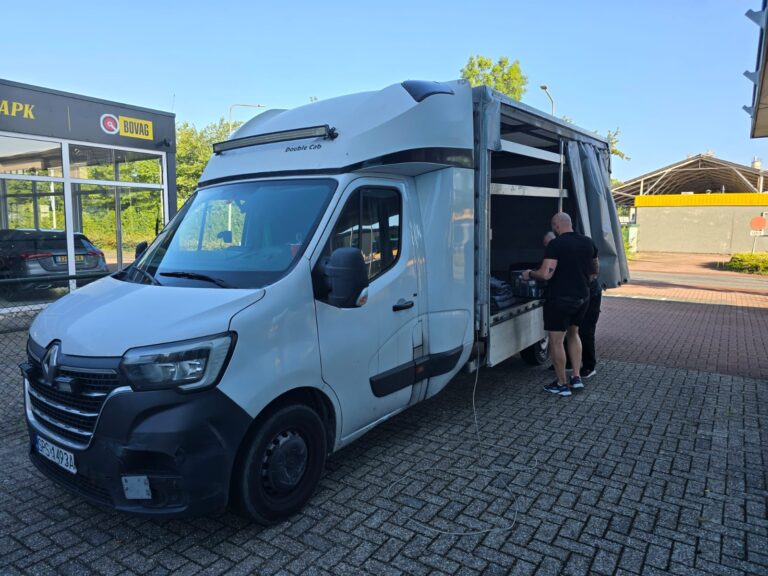
For a smaller load, a man and van option may avoid arranging a self-drive return journey. Ask what loading help, protection and delivery window the quote includes. Agree how updates will be provided rather than assuming every transport option has the same tracking.
For dedicated cross border support, explore VANonsite removals to Switzerland.
Documents for an EU Citizen Moving to Switzerland
Keep two document sets: one for residence and registration, the other for importing your belongings. The required evidence depends on your circumstances. Confirm the residence list with the commune or canton and the goods declaration with Swiss customs; neither file automatically replaces the other.
Useful official resources include:
- SEM guidance for EU and EFTA citizens
- Swiss residence permits on ch.ch
- Registration and moving guidance on ch.ch
- Swiss Customs guidance for household effects
- Swiss health insurance information
Prepare the following documents before moving day:
| Document | Why it matters |
|---|---|
| Valid passport or national ID card | Needed for entry, registration and residence procedures |
| Rental agreement or accommodation proof | Shows where you will live in Switzerland |
| Employment contract | Important if you are moving for work |
| Proof of self employment | Needed if you plan to work independently |
| Proof of financial means | Useful if you are moving without a job |
| Student enrolment confirmation | Needed if you are moving to study |
| Civil status documents | Relevant for family moves |
| Inventory list | Essential for customs and moving control |
| Form 18.44 and supporting documents | For declaring qualifying removal goods to Swiss customs |
| Vehicle or pet documents | Required for special imports |
Keep these papers with you during the journey. Do not pack them at the bottom of a sealed box. When you arrive in Switzerland, documents should be as easy to reach as your wallet or phone.
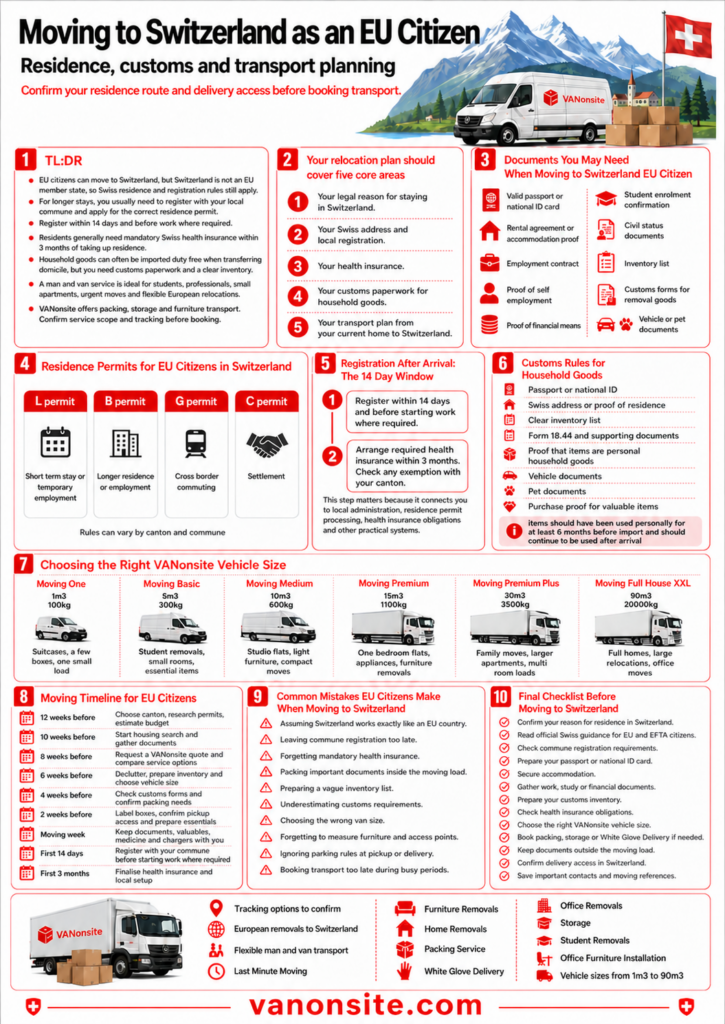
Residence Permits for EU Citizens in Switzerland
Do not use a short-visit rule as permission to start a job. EU/EFTA employment lasting up to 3 months can fall under a notification procedure; longer employment normally requires registration and a residence permit. The SEM overview of working in Switzerland explains the distinction. Check self-employment separately.
Common permit types include:
| Permit | Typical use | Practical meaning |
|---|---|---|
| L permit | Short term stay or temporary employment | For employment contracts shorter than 12 months, usually matching the contract duration |
| B permit | Longer residence or employment | For employment lasting at least 12 months or indefinitely; other qualifying residence routes also exist |
| G permit | Cross border commuting | For qualifying cross-border workers who retain their main residence abroad |
| C permit | Settlement | A later settlement status subject to conditions, not the standard first-arrival permit |
If you plan to live without employment, check the ch.ch requirements for residence without gainful employment: sufficient financial resources and adequate health and accident insurance are central conditions. Students also need evidence of admission. Do not assume that booking transport or renting a flat establishes eligibility.
The canton handles the permit process and the commune provides local registration instructions. Ask about appointments, required originals and translations before travelling. Use their current instructions rather than treating this general guide as an individual immigration decision.
Registration: Within 14 Days and Before Work Where Required
For EU/EFTA employment requiring a residence permit, register with the commune within 14 days of arrival and before starting work. These are two conditions, not a 14-day grace period to work unregistered. See the SEM employment and registration guidance. Confirm the process for study, family or non-working residence with the local authority.
You may need to bring:
- Passport or national ID card.
- Rental agreement or proof of accommodation.
- Employment contract, if applicable.
- Student confirmation, if applicable.
- Proof of financial means, if not employed.
- Civil status documents, depending on your situation.
- Passport photo, if requested locally.
Arrange the required appointment early. If your employment starts soon after arrival, work backwards from that date rather than waiting until the end of the registration window.
Keep appointment papers, medicines, chargers and a first-night bag outside the removal load. Agree a delivery contact who can be present at the property, and confirm with VANonsite how transport updates or tracking will work for the booked service.
Health Insurance After Taking Up Residence
Residents generally have 3 months to arrange compulsory Swiss health insurance, with each family member insured individually. When enrolment is timely, coverage and premiums normally run from the start of residence, not from the day you finish applying. Check the FOPH guidance on insurance obligations and exceptions and confirm any exemption with the competent authority.
Budget for premiums from the start of residence. International coordination rules can affect some situations, including students, posted workers or pensioners, so check the applicable obligation before choosing a policy. This moving guide does not determine your insurance status or recommend an individual policy.
A simple health insurance checklist:
- Confirm your Swiss address.
- Compare approved health insurers.
- Choose a deductible that fits your risk and budget.
- Decide whether a standard, family doctor or HMO model suits you.
- Register before the deadline.
- Keep proof of coverage.
- Add premiums to your monthly budget immediately.
Do not treat health insurance as a minor detail. It is a core part of becoming properly settled in Switzerland.
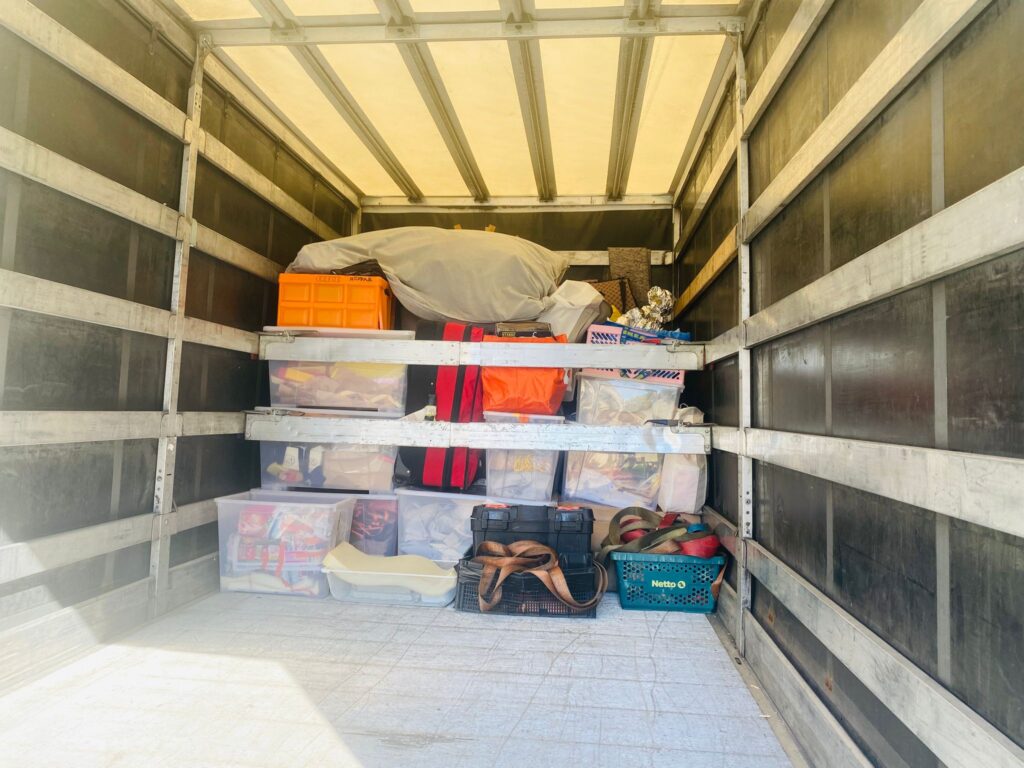
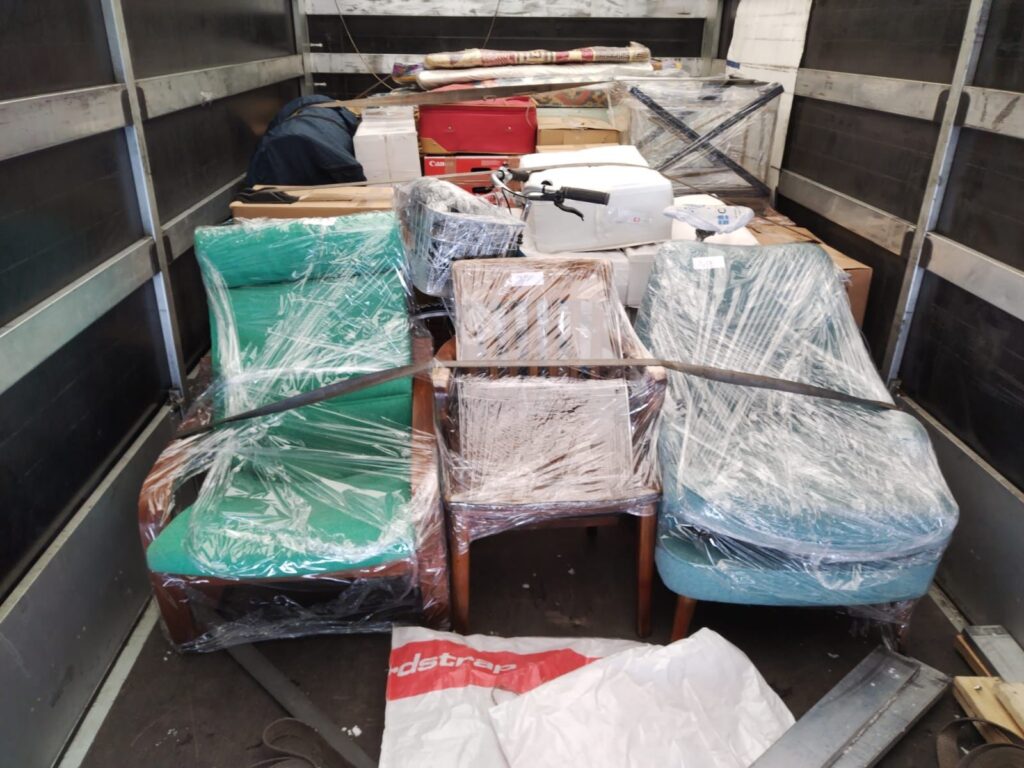
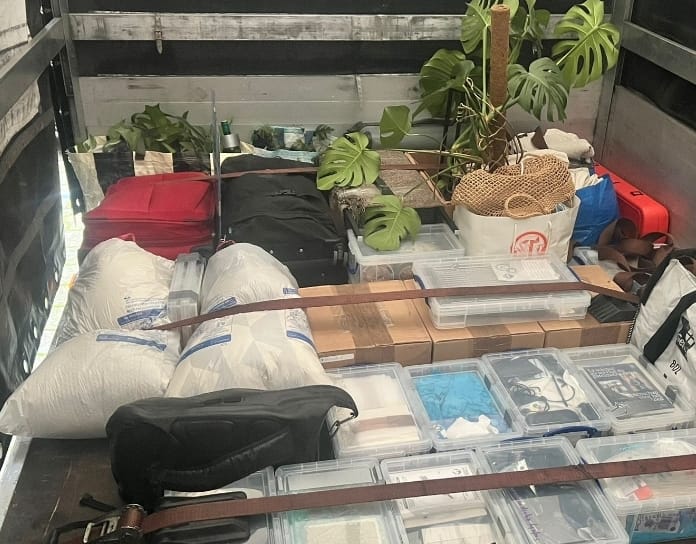
Customs Rules for Household Goods
EU citizenship does not remove the requirement to declare household goods at the Swiss border. Duty-free treatment depends on transferring your domicile and meeting the removal-goods conditions. Consult the FOCBS removal-goods import procedure and prepare Form 18.44 with its supporting evidence before collection.
Qualifying goods must generally have been used personally for at least 6 months and remain for your use after import. Newer goods do not automatically qualify: list them separately with their value and check the applicable charges. For EU/EFTA movers, evidence of the domicile transfer can include an employment contract or lease; a residence permit is not always required in hand at import.
Prepare these customs basics:
- Passport or national ID.
- Swiss address or proof of residence.
- Clear inventory list.
- Completed Form 18.44 and the supporting evidence required for your removal goods.
- Proof that items are personal household goods.
- Vehicle documents, if importing a car.
- Pet documents, if moving with animals.
- Purchase proof for valuable items, if useful.
Use clear categories for ordinary boxed contents and identify bulky, valuable or regulated items separately. If the move will arrive in several consignments, declare the later loads at the first import. Check the FOCBS removal-goods FAQ and agree a suitable customs office and its commercial-clearance hours with the transporter.
For a fuller preparation list, use the Swiss household-goods customs guide. Share the inventory and planned crossing with VANonsite before booking. Confirm who prepares and presents the declaration and what clearance-related work or charges the quote includes; customs decides whether the import qualifies.
Choosing the Right VANonsite Vehicle Size
Vehicle size can change the price, speed and comfort of your move. Too small, and you may need a second trip. Too large, and you pay for unused space. The smartest choice starts with a realistic inventory.
VANonsite offers flexible vehicle sizes for different relocation needs:
| VANonsite option | Capacity | Max weight | Best for |
|---|---|---|---|
| Moving One | 1m3 | 100kg | Suitcases, a few boxes, one small load |
| Moving Basic | 5m3 | 300kg | Student removals, small rooms, essential items |
| Moving Medium | 10m3 | 600kg | Studio flats, light furniture, compact moves |
| Moving Premium | 15m3 | 1100kg | One bedroom flats, appliances, furniture removals |
| Moving Premium Plus | 30m3 | 3500kg | Family moves, larger apartments, multi room loads |
| Moving Full House XXL | 90m3 | 20000kg | Full homes, large relocations, office moves |
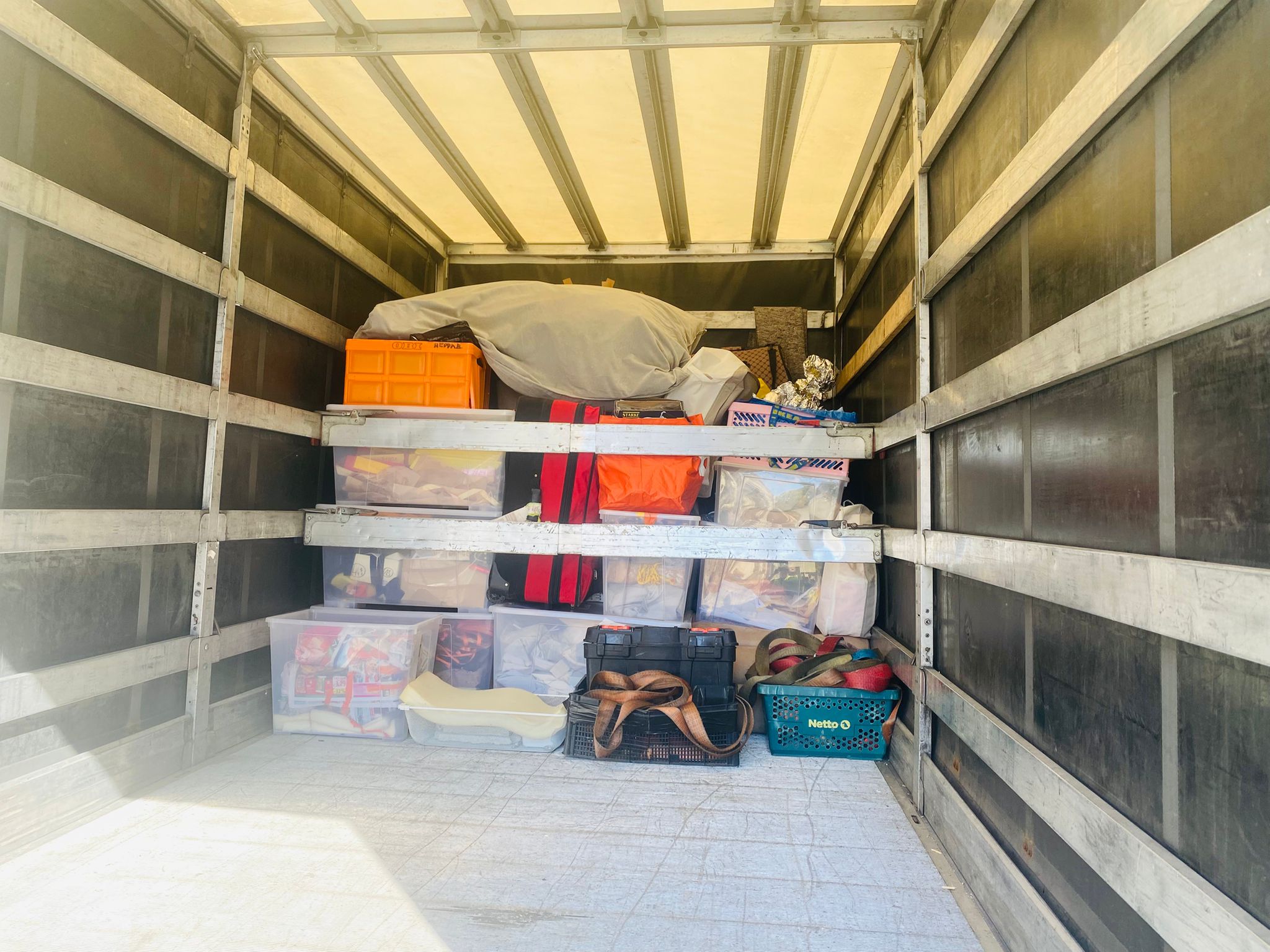
Room labels in the table are examples, not a guarantee that a load will fit. Both the volume and maximum weight apply. A compact collection of books can reach a weight limit before filling the space, while a large sofa can create a dimensions or access problem. Choose the option against an itemised inventory.
When in doubt, send VANonsite a detailed inventory. A few minutes of planning can save hours of stress on moving day.
Why a Man and Van Service Works Well for Switzerland
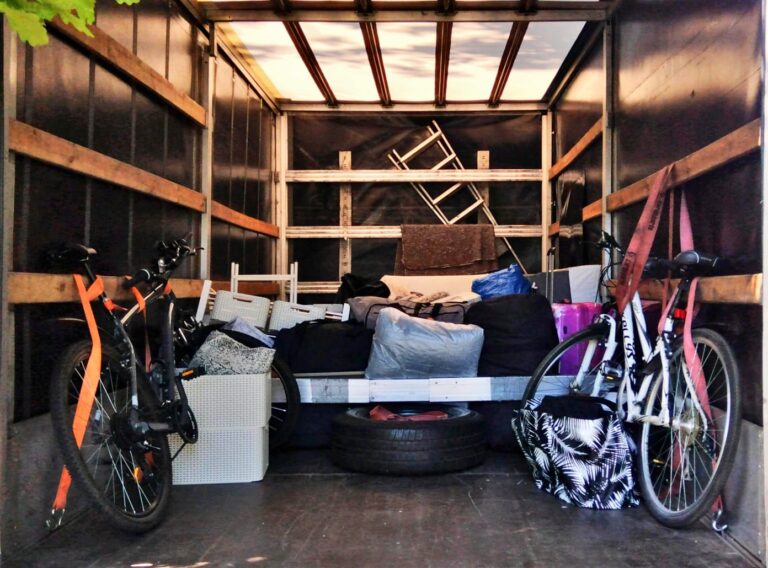
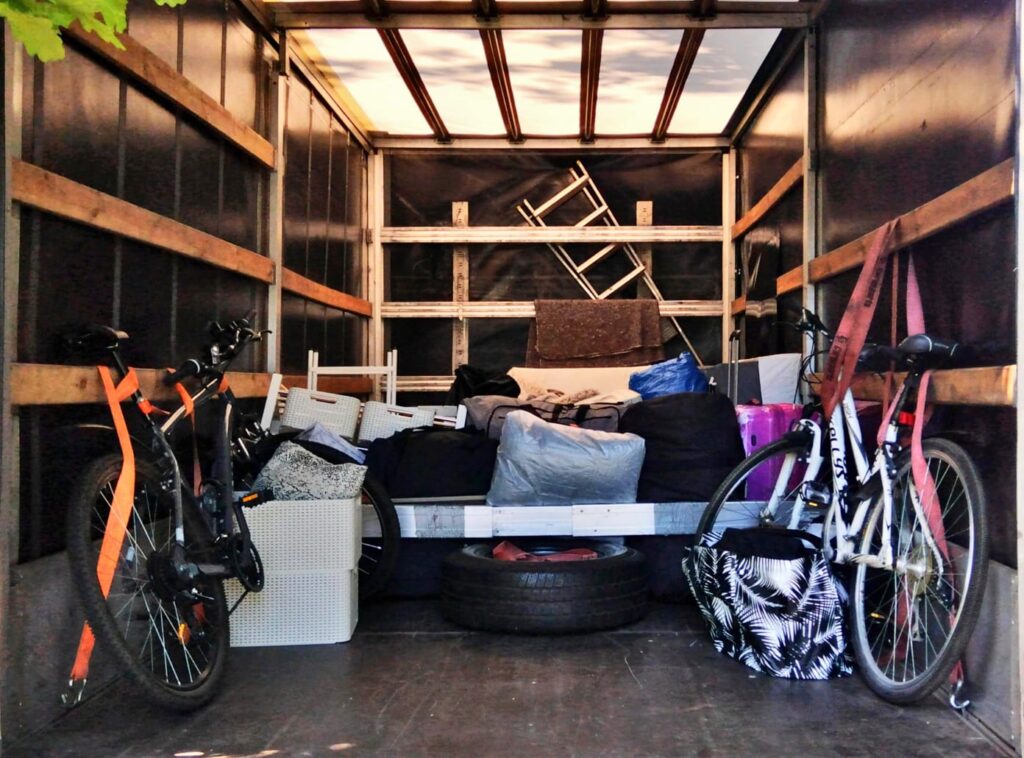
A man and van service works because real moves are rarely neat. You may have boxes, a mattress, an office chair, kitchen items, two screens, a bicycle and one fragile lamp that somehow matters more than anything else. A rigid freight option may not fit that kind of life. A flexible man and van solution often does.
It is especially useful if you:
- Are moving from a room, studio or small flat.
- Need last minute moving support.
- Want direct European transport.
- Have a mixed load of boxes and furniture.
- Need a practical balance between price and service.
- Prefer a more personal moving setup.
- Want to agree a clear delivery-update or tracking arrangement before booking.
For students, a man and van move can keep costs controlled. For professionals, it can protect work equipment and save time. For families, it can handle extra items, urgent loads or partial moves before the main relocation.
Before accepting a quote, confirm whether the vehicle is dedicated to your load, who helps with loading and unloading, and what happens if the delivery address is inaccessible at the agreed time.
VANonsite Services for Moving to Switzerland as an EU Citizen
Different people move to Switzerland for different reasons. A student going to Lausanne, a professional starting work in Zurich, a family relocating to Geneva and a company setting up an office in Basel all need different levels of service.
Ask VANonsite which of the following options can be included in your particular booking. Additional services and their availability should be agreed in the quote rather than assumed from a service name.
Student Removals
Student moves are often compact, urgent and budget sensitive. Moving One or Moving Basic can fit suitcases, bedding, books, electronics and small furniture. This is ideal when you need reliable transport without paying for unnecessary capacity.
Home Removals
Home moves need careful planning. Furniture, appliances, clothing, toys, kitchenware and personal items all need to arrive safely. VANonsite Home Removals help make the process more orderly, especially when combined with packing support.
Furniture Removals
Large furniture is easy to underestimate. Sofas, wardrobes, tables and beds need proper loading, protection and space. Furniture Removals are useful when you want to reduce damage risk and avoid struggling with heavy items alone.
Packing Service
Good packing reduces handling risks but cannot eliminate them. Identify fragile items, tell the team what is already packed and ask which materials, packing labour and unpacking tasks are included. Keep heavier contents in manageable boxes and agree special protection for delicate pieces.
White Glove Delivery
For delicate furniture or valuable pieces, discuss a White Glove Delivery scope before booking. Specify the item, dimensions, handling restrictions and intended room. Confirm the agreed crew, protection, placement and any assembly tasks; the label alone does not establish what is included or the insurance terms.
Office Removals and Installation
Business moves require speed and accuracy. Desks, chairs, screens, documents and office furniture need to be moved with minimal disruption. VANonsite can also support office furniture installation, helping teams settle faster.
Storage
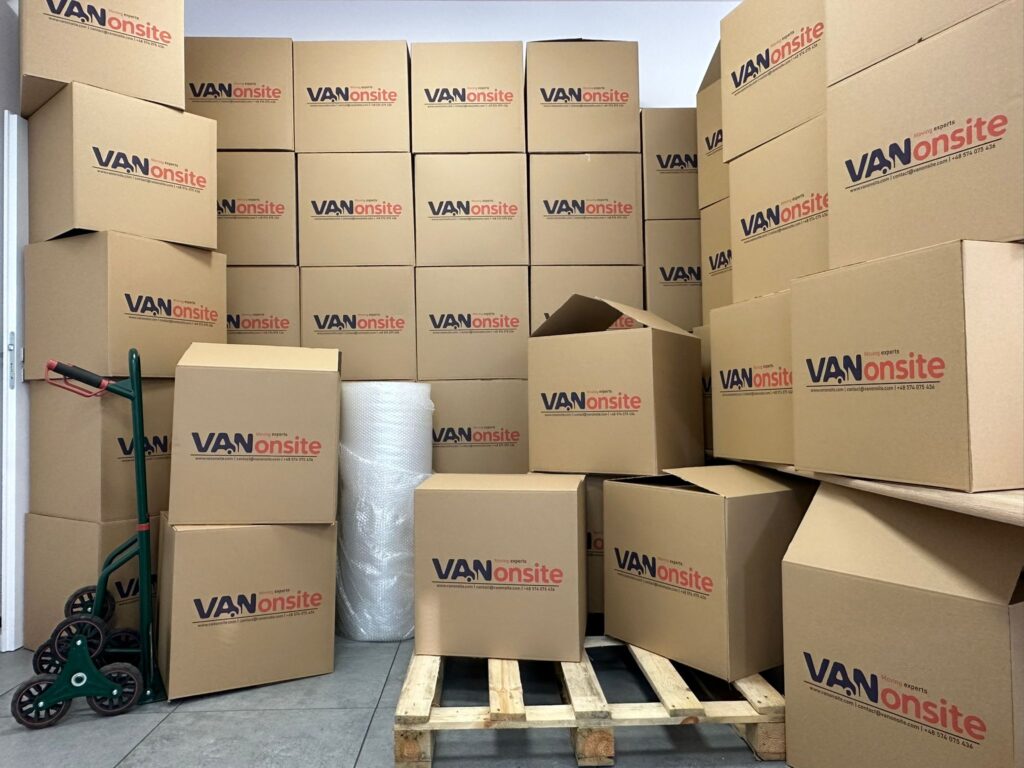
If collection and key handover do not align, ask about storage before the transport is booked. Confirm where the goods will be stored, the dates, access arrangements and the additional collection or redelivery charges. Keep essential documents and first-night items with you.

Budgeting for the First Months in Switzerland
Build the budget around actual commitments: your lease, required deposit, insurance obligation and a written transport quote. A national average will not tell you whether temporary accommodation or a second delivery is needed for your dates.
The first months can be expensive because several costs arrive at once: rental deposit, first rent, health insurance, moving costs, customs expenses, temporary accommodation and basic home setup.
| Cost area | What to expect |
|---|---|
| Rent | Often the biggest monthly expense, especially in Zurich, Geneva and Lausanne |
| Deposit | Commonly several months of rent |
| Health insurance | Mandatory and paid monthly |
| Food | Often higher than in many EU countries |
| Public transport | Excellent, but passes should be included in your budget |
| Moving costs | Depend on distance, volume, urgency and service level |
| Storage | Useful if your property is not ready or you need extra time |
Create a realistic first 90 day budget before moving. Include essentials, emergencies and a buffer. Switzerland rewards precision, and financial preparation makes your first weeks calmer.
Moving Timeline for EU Citizens
A good timeline can turn a stressful relocation into a controlled project.
| Time before move | What to do |
|---|---|
| 12 weeks before | Choose canton, research permits, estimate budget |
| 10 weeks before | Start housing search and gather documents |
| 8 weeks before | Request a VANonsite quote and compare service options |
| 6 weeks before | Declutter, prepare inventory and choose vehicle size |
| 4 weeks before | Check customs forms and confirm packing needs |
| 2 weeks before | Label boxes, confirm pickup access and prepare essentials |
| Moving week | Keep documents, valuables, medicine and chargers with you |
| After arrival, before work where required | Complete registration within 14 days; do not wait if your job starts earlier |
| Within 3 months of residence | Arrange compulsory insurance unless exempt; budget for cover from the start of residence |
Treat this as a planning sequence, not a minimum booking period or a promised lead time. For school, childcare and first-week routines, use the separate family move to Switzerland guide. Pets, vehicles and specialist items also need their own checks before collection.
Common Mistakes EU Citizens Make When Moving to Switzerland
Most relocation problems are avoidable. They usually come from assumptions, rushed packing or missing paperwork.
Avoid these mistakes:
- Assuming Switzerland works exactly like an EU country.
- Leaving commune registration too late.
- Forgetting mandatory health insurance.
- Packing important documents inside the moving load.
- Preparing a vague inventory list.
- Underestimating customs requirements.
- Choosing the wrong van size.
- Forgetting to measure furniture and access points.
- Ignoring parking rules at pickup or delivery.
- Booking transport too late during busy periods.
Resolve discrepancies before the collection day: a lift too small for the sofa, a street with restricted access or goods arriving outside customs hours can change the plan. Send those details with the inventory so they can be considered in the quote.
Why Choose VANonsite for Your Move to Switzerland?
When your life is packed into boxes, trust becomes practical. You want to know who is handling your belongings, where the load is and when it will arrive. VANonsite is built around that confidence.
Depending on the agreed booking, discuss these VANonsite transport and support options:
- Delivery updates and available tracking arrangements to confirm.
- European removals to Switzerland.
- Flexible man and van transport.
- Last Minute Moving.
- Furniture Removals.
- Home Removals.
- Packing Service.
- White Glove Delivery.
- Office Removals.
- Storage.
- Student Removals.
- Office Furniture Installation.
- Vehicle sizes from 1m3 to 90m3.
A useful quote makes the assumptions visible: inventory, maximum load, collection and delivery access, handling help, timing and any additional services. Ask the team to resolve missing details before accepting the booking.
Final Checklist Before Moving to Switzerland
Before moving day, make sure you have covered the essentials:
- Confirm your reason for residence in Switzerland.
- Read official Swiss guidance for EU and EFTA citizens.
- Check commune registration requirements.
- Prepare your passport or national ID card.
- Secure accommodation.
- Gather work, study or financial documents.
- Prepare your customs inventory.
- Check health insurance obligations.
- Choose the right VANonsite vehicle size.
- Book packing, storage or White Glove Delivery if needed.
- Keep documents outside the moving load.
- Confirm delivery access in Switzerland.
- Save important contacts and moving references.
Before confirming collection, check that the residence timetable, customs preparation and property access are compatible. If one is unresolved, raise it with the relevant authority or the moving team rather than relying on the transport date to settle it.
FAQ: Moving to Switzerland as an EU Citizen
Can an EU citizen move to Switzerland?
Yes. EU citizens can move to Switzerland, but the rules depend on the purpose and length of stay. Work, study, family reunification and living without employment can involve different requirements.
Is moving to Switzerland as an EU citizen easy?
The EU/EFTA framework can simplify residence, but eligibility depends on nationality and the reason for staying, not simply whether the journey starts in Europe. Registration, insurance and household-goods customs remain separate tasks.
How quickly do I need to register after moving?
Where residence registration is required, the usual deadline is within 14 days of arrival and before starting work. Short employment can use a notification procedure instead. Check the route that applies to you with the commune or canton.
Do I need Swiss health insurance?
Generally yes, within 3 months of taking up residence, unless an exemption applies. Timely enrolment normally means coverage and premiums from the start of residence. Confirm the obligation or exemption with the competent authority.
Can I bring my furniture to Switzerland duty free?
Qualifying removal goods can receive duty-free treatment when you transfer domicile. They generally need at least 6 months of prior personal use and continued use after import. Prepare Form 18.44 and supporting evidence; customs confirms eligibility.
Is a man and van service good for moving to Switzerland?
It can suit a smaller load if its volume, weight, dimensions and handling needs fit the agreed option. Confirm collection and delivery arrangements, border preparation and loading help rather than choosing on a room count alone.
What is the best VANonsite vehicle size for a small move?
Choose against your inventory and both load limits. Moving Medium is 10m3 up to 600kg; Moving Premium is 15m3 up to 1100kg. Dimensions and access can still affect suitability, so ask VANonsite to check the full item list.
Can VANonsite move belongings to Zurich, Geneva, Basel or Lausanne?
Yes. VANonsite supports removals to Switzerland and offers different service levels for small moves, home removals, furniture transport, office moves and full household relocations.
Ready to Move to Switzerland?
Have the collection and delivery locations, preferred dates and an item list ready. Include estimated volume and weight, large-item dimensions, stairs or lift details and parking restrictions. Mention packing, storage or additional handling needs in the notes.
Use the VANonsite instant service quote to start planning your transport to Switzerland. Treat the estimate as a starting point, not confirmation of a booking or customs approval. Have the team confirm availability, load suitability, access, additional services and any separately charged border or ferry costs before you commit.