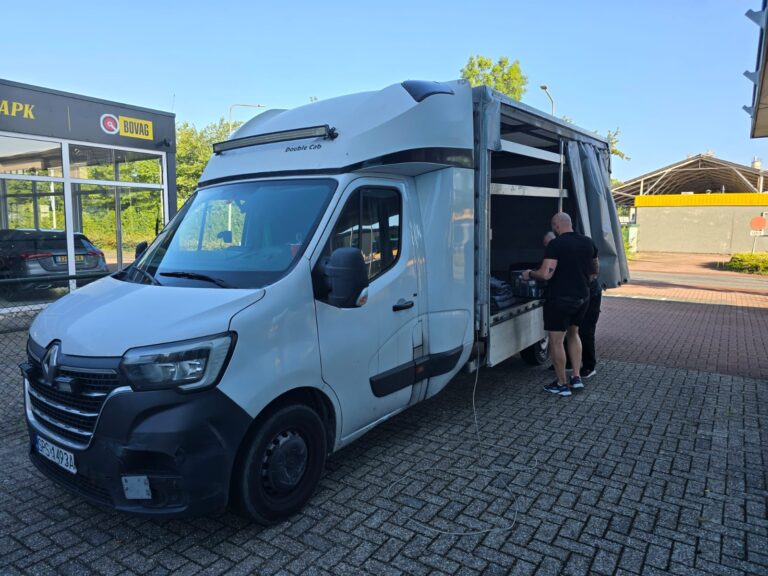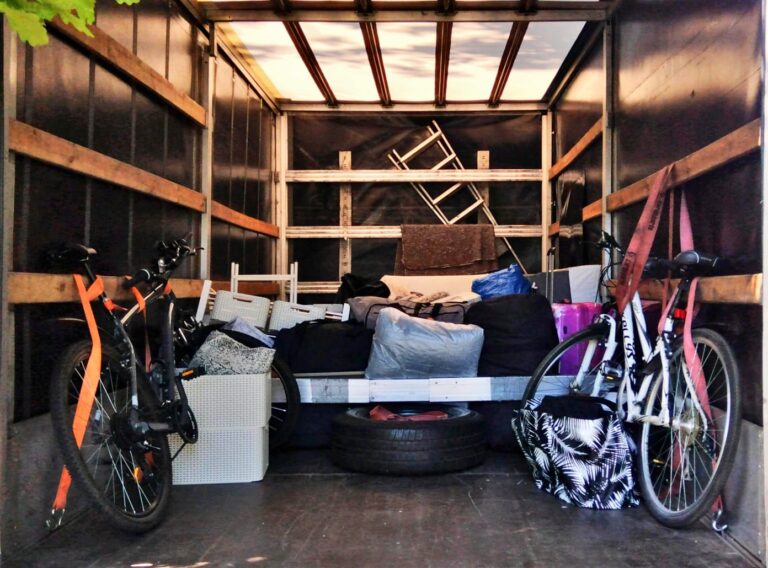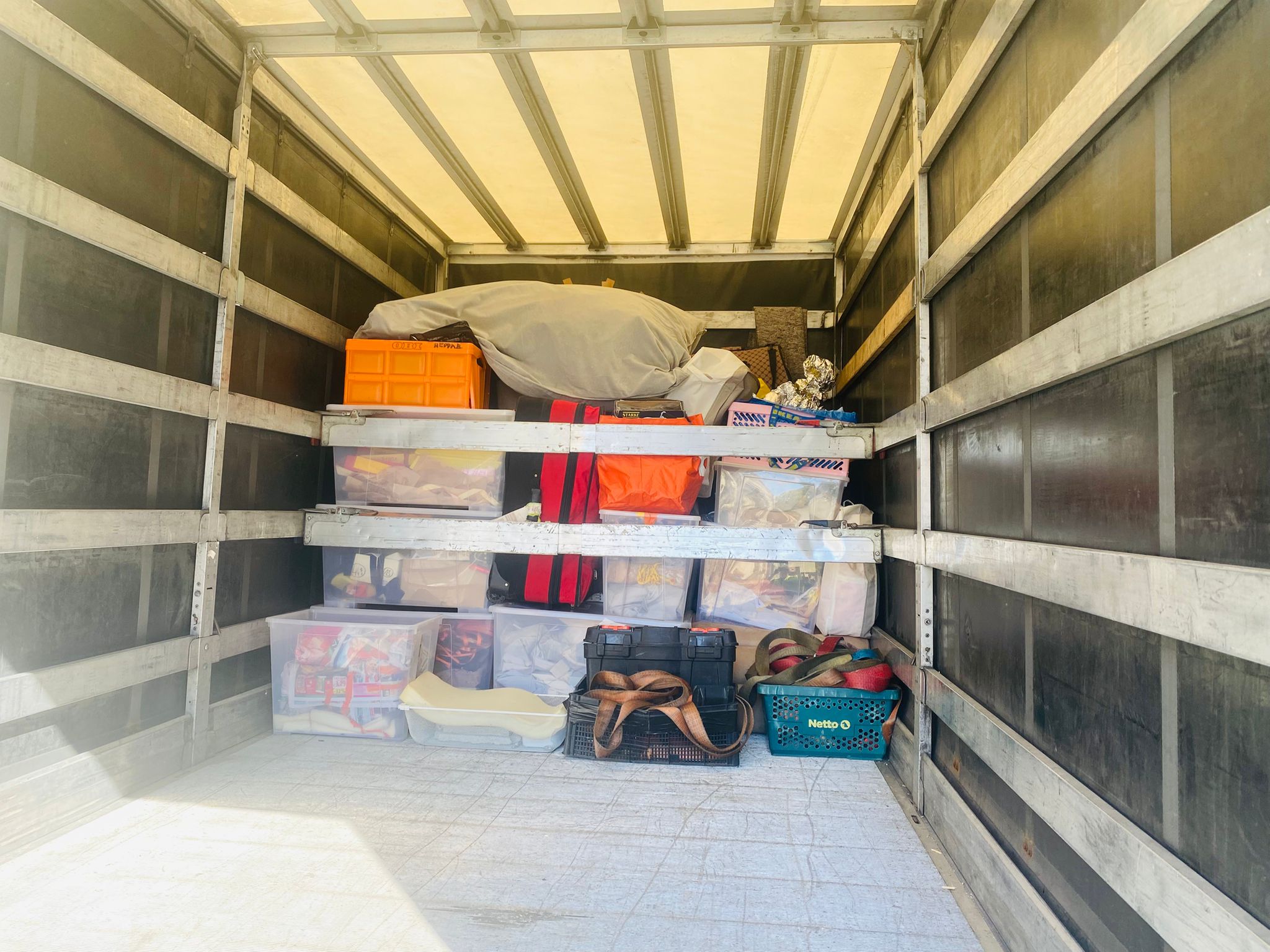

Planning removals to Switzerland from the UK? The decisive work happens before the van leaves: confirming what is moving, matching the load to the right service, preparing the household-goods file and checking access at both addresses. VANonsite coordinates UK collections and Swiss deliveries for anything from a few essential items to a complete household, with part-load and dedicated transport options.
Use the form below to request an initial transport estimate by email. Enter your collection and delivery addresses, contact details and pickup date. In Notes, list the furniture and boxes, bulky-item dimensions, stairs or lifts, parking and any packing help you need. The team can then review the inventory, access, customs readiness and available dates before confirming the scope.

UK to Switzerland removals: what makes this route different?
Switzerland is outside the EU customs union, so a move from the UK is not simply a long domestic collection and delivery. The transport plan and the customs plan need to agree. If the inventory changes at the last minute, the vehicle may no longer suit the load and the paperwork may no longer describe what is on board.
A well-prepared move starts with five facts: collection postcode, Swiss destination, preferred dates, realistic cubic volume and a room-by-room inventory. Add floor levels, lift dimensions, walking distance to the vehicle, parking restrictions and any items that require two-person handling. These details influence the service far more than a generic promise of a “cheap move”.
| Decision | Why it matters | What to prepare |
|---|---|---|
| Part-load or dedicated vehicle | Changes scheduling, flexibility and how vehicle space is used | Inventory, volume and date flexibility |
| Customs route | Switzerland requires a household-goods import file | Identity, residence evidence and itemised list |
| Access | Stairs, narrow streets and long carries affect labour and timing | Photos, floor numbers, lift and parking details |
| Packing level | Long-distance handling exposes weak boxes and unprotected edges | Fragile-item list and furniture dimensions |
| Delivery priority | Urgent essentials may need a different service from a flexible full load | Required arrival window and must-have items |
Part-load or dedicated transport?
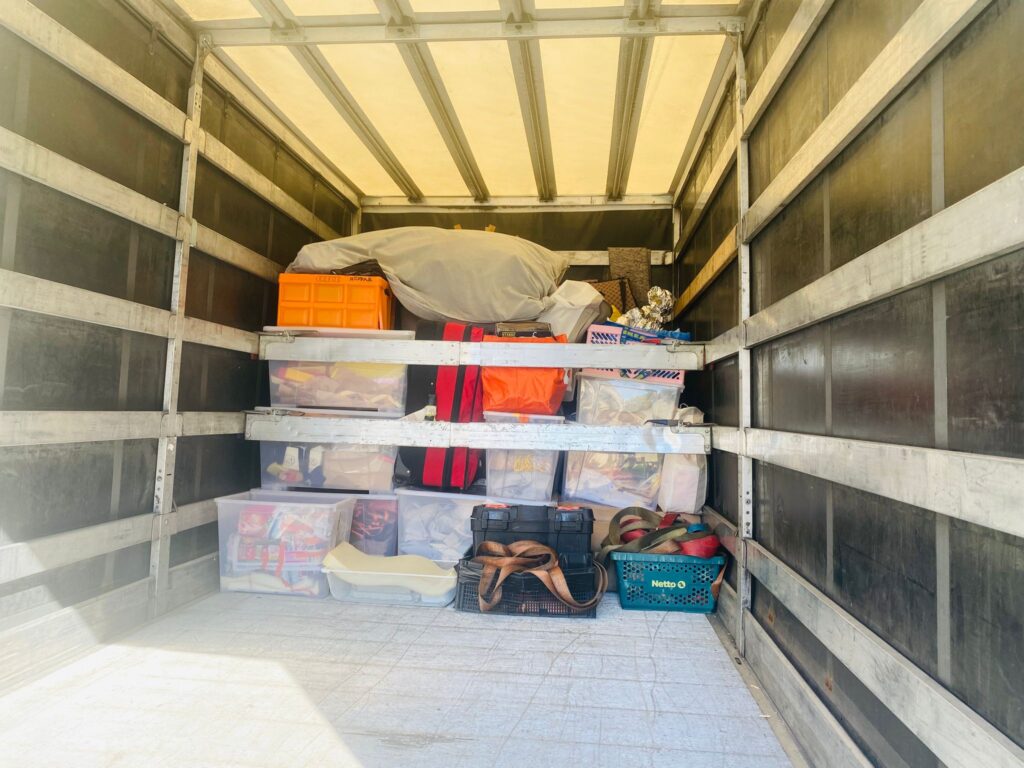
Part-load removals to Switzerland suit customers who can be flexible and do not need the whole vehicle. Your goods use only the space they require while route planning combines compatible loads. This is often the sensible choice for boxes, selected furniture, student belongings and smaller flats.
A dedicated vehicle is reserved around one move. It is the stronger option when collection or delivery dates are tight, the load is large, access requires close coordination or the customer wants the most direct plan possible. VANonsite’s last-minute moving service can sometimes deliver in 1–3 days, but only when vehicle availability, the route and crossing, property access, documents and the agreed collection slot all align. It is a genuine expedited option, not a blanket transit-time guarantee.
How much do removals to Switzerland from the UK cost?
There is no responsible route price without an inventory. The largest cost drivers are usable vehicle space, weight, collection and delivery distance, access, service type, date flexibility, packing and special handling. A compact load from London to Basel with flexible dates is a different job from a full house in northern England delivered to a mountain property.
For a useful quote, list furniture separately from boxes and add dimensions for bulky pieces. Books, tools, gym equipment and stone furniture can make a small-looking load unusually heavy. Photographs help reveal shapes that are difficult to express in a form: an L-shaped sofa, glass cabinet, upright piano or wardrobe that must be dismantled.
- Volume: the actual space occupied after sensible dismantling and protection.
- Access: floors, lifts, door widths, loading distance and legal parking.
- Timing: fixed dates and urgent delivery reduce route flexibility.
- Packing: owner-packed boxes and a full professional packing service require different labour.
- Handling: fragile, high-value, oversized or very heavy items need a specific plan.
- Customs readiness: missing or inconsistent documents can disrupt an otherwise workable transport schedule.
For a deeper explanation, see removals to Switzerland cost factors. The fastest way to improve quote accuracy is to remove items you will not use, then submit one stable inventory rather than several rough versions.
Swiss customs for household goods
The Swiss Federal Office for Customs and Border Security explains that household effects may qualify for duty-free import when a person transfers domicile to Switzerland, has personally used the goods abroad for at least six months and intends to continue using them after import. Eligibility depends on the customer’s circumstances and supporting documents, so check the current official Swiss guidance on moving household effects before collection.
Your file commonly needs an itemised inventory plus evidence connected with identity, the old and new residence and the reason for relocation. A vehicle, alcohol, commercial stock, recently purchased goods, restricted items and professional equipment can involve separate rules or declarations. VANonsite can coordinate the transport information, but only the customs authority or a qualified adviser can confirm how the law applies to a particular case.
| Prepare before collection | Practical detail |
|---|---|
| Itemised inventory | Use understandable groups and identify unusual or high-value items |
| Residence evidence | Keep documents showing the transfer of domicile and Swiss destination available |
| Identity and status documents | Do not pack originals in the moving load |
| Restricted or exceptional goods | Declare them early instead of assuming household treatment |
| Consistent information | The quote, packing list and customs inventory should describe the same load |
For residence, work, healthcare and driving matters after Brexit, use the current GOV.UK living in Switzerland guidance. Those personal requirements are separate from the physical removal, but they can determine when the move should take place.
A route plan built around the real addresses
“UK to Switzerland” covers very different journeys. A London collection from a controlled-parking zone needs another loading plan from a detached house outside Manchester. In Switzerland, a ground-floor delivery near Basel differs from a central Zurich apartment, a Geneva building with booked lift access or a property on a narrow alpine road.
Before the quote is finalised, send the team the collection and delivery postcodes, floor levels, lift dimensions, approximate carrying distance and parking information. If possible, photograph the entrance, staircase and largest item. For managed buildings, confirm permitted delivery hours and whether a lift or loading bay must be reserved.
What to decide before you book
Choose a service around the constraint that matters most. If cost is the priority and dates are flexible, ask whether part-load capacity fits the route. If a tenancy handover, job start or school date controls the move, discuss a dedicated vehicle and a realistic collection window. If the Swiss address is not yet available, decide whether short-term storage is needed instead of forcing an uncertain delivery plan.
Also agree what “delivery” means. Kerbside handover, carrying into rooms, furniture assembly and removal of packing materials are different scopes. Write down the agreed scope for both addresses, including who is responsible for dismantling and reassembly. If a third party will receive the load, give them the inventory and make sure they can authorise placement.
Finally, decide which possessions should travel with you. Passports, customs originals, medication, keys, laptops needed immediately and irreplaceable personal records should not be buried in the main load. Keep a small arrival kit for the first night, especially when the delivery window and your own travel itinerary are not identical.
House, furniture and small removals need different plans
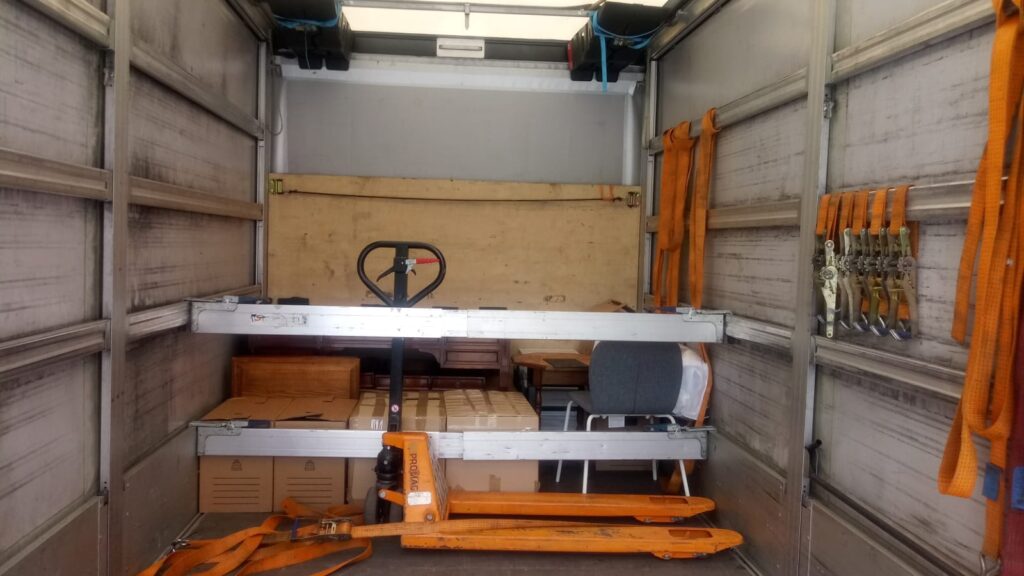
A complete house removal to Switzerland is usually organised room by room. It may combine furniture dismantling, a large box inventory, appliances, children’s belongings and first-night essentials. Keeping the room labels consistent from inventory to delivery makes unloading faster and reduces avoidable handling.
Furniture removals to Switzerland are driven by dimensions, surfaces and access. Measure sofas, tables, wardrobes and bed frames as well as the narrowest doorway, stair turn and lift. Photograph fragile finishes before wrapping, keep fittings in labelled bags and tell the team when an item must remain assembled.
For boxes, a student room, several suitcases or one-off pieces, see small removals to Switzerland. A small load is not automatically simple: dense boxes, time-critical documents or a single valuable item may need more planning than their volume suggests.
Packing that survives an international road move
International packing must protect against repeated handling, vibration and changes in stacking pressure. Use strong, consistently sized boxes; keep books in smaller cartons; fill voids; and protect furniture edges before stretch wrap is applied. Stretch film alone does not cushion an impact.
- Number every box and match it to the inventory.
- Label the destination room on two visible sides.
- Pack glass, ceramics, lamps and artwork individually.
- Use mattress and sofa covers rather than placing fabric directly against the vehicle floor.
- Back up computers and label cables before disconnecting them.
- Keep passports, medication, keys, customs papers and essential chargers with you.
- Prepare one arrival box with bedding, toiletries, basic tools and children’s or pet essentials.
Tell VANonsite about pianos, safes, marble, glass, antiques, designer furniture and equipment that cannot be tilted. The team can then confirm labour, protection and vehicle requirements before collection rather than solving a predictable problem at the door.
From enquiry to Swiss delivery
| Stage | What happens | Your best input |
|---|---|---|
| 1. Initial estimate | Your details are submitted for an emailed estimate | Addresses, contact details, pickup date and inventory in Notes |
| 2. Inventory review | Vehicle space and handling needs are checked | Room list, photos and dimensions |
| 3. Service choice | Part-load or dedicated transport is matched to priorities | Flexibility, deadline and delivery expectations |
| 4. Customs preparation | The transport file is aligned with the household-goods inventory | Complete, consistent documents |
| 5. Collection | Goods are checked, protected and loaded according to the plan | Clear access and a final inventory |
| 6. Delivery | The load is handed over at the agreed Swiss address | Available access, contact person and room labels |
If the inventory, date or address changes, report it immediately. A new wardrobe, twenty extra boxes or a different floor can change space, labour and access requirements. Early notice gives the operations team options; discovering the change at collection removes them.
Why use VANonsite for removals to Switzerland from the UK?
VANonsite treats this as a route-and-load problem, not a generic parcel shipment. The team works from the customer’s inventory, access and timing to recommend part-load or dedicated transport, suitable vehicle capacity and the right level of packing and handling. The same conversation connects the emailed estimate with operational details, so the customer knows which information still needs confirming.
The practical advantage is choice without losing structure: a small flexible load can use shared capacity, a household can be planned as a dedicated move, and an urgent job can be assessed for the 1–3 day last-minute option under the real route conditions. For an overview of country coverage and supporting services, visit removals to Switzerland.
Frequently asked questions
What documents are needed for removals to Switzerland from the UK?
The exact file depends on your circumstances, but it commonly includes an itemised household-goods inventory plus documents supporting identity, residence and transfer of domicile. Check the current Swiss customs guidance and tell VANonsite about vehicles, alcohol, new goods, professional equipment or restricted items before collection.
Can my move arrive in 1–3 days?
It can be possible through VANonsite’s dedicated or last-minute service. Availability depends on the route and crossing, vehicle availability, access, documents and the collection slot agreed with the team. Ask for this option early and provide a final inventory.
Is part-load suitable for a move to Switzerland?
Yes, especially for smaller loads and customers with flexible dates. A dedicated vehicle is usually better when the timetable, access or load requires tighter control. The right answer follows from cubic volume, dates and delivery priorities.
How do I get an accurate removal quote?
Enter the UK collection address, Swiss delivery address, contact details and pickup date in the form. Use Notes for a room-by-room inventory, bulky-item dimensions and access at both properties, including floors, lifts, parking and long carries. Mention dismantling, packing and anything heavy, fragile or high value. Have photographs of bulky items and entrances ready for a follow-up with the team.
Get your UK to Switzerland removal estimate
Send the details through the form above to request an emailed estimate, then agree the inventory, access, customs documents, service and dates with VANonsite before booking. A stable item list and clear access information help the team turn a UK to Switzerland enquiry into a workable collection and delivery plan.