Switzerland quality of life is one of the strongest reasons people decide to move there. The country blends safety, high salaries, clean cities, reliable transport, mountain air and everyday order. Trains arrive with precision, streets feel calm, tap water is excellent and even small towns often look beautifully maintained.
Still, moving to Switzerland is also a serious financial and logistical decision. Rent is high. Health insurance is mandatory. Housing can be competitive. Customs paperwork matters, especially when you bring furniture, personal belongings, business equipment or a full family home across the border.
VANonsite provides professional removals to Switzerland with GPS tracking, flexible vehicle sizes, packing support, storage, furniture removals and trusted man and van options for smaller moves.
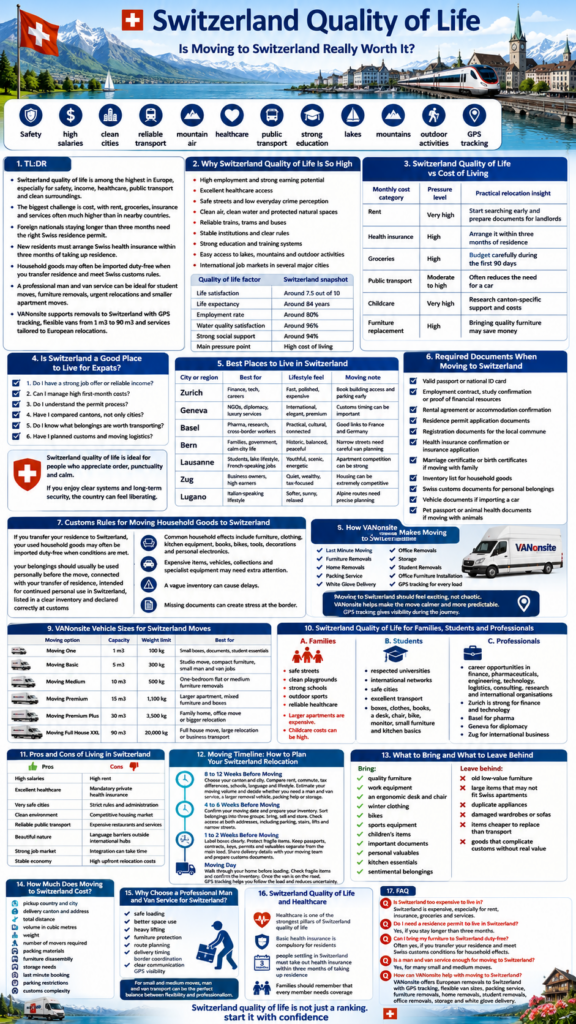
TL:DR
- Switzerland quality of life is among the highest in Europe, especially for safety, income, healthcare, public transport and clean surroundings.
- The biggest challenge is cost, with rent, groceries, insurance and services often much higher than in nearby countries.
- Foreign nationals staying longer than three months need the right Swiss residence permit.
- New residents must arrange Swiss health insurance within three months of taking up residence.
- Household goods may often be imported duty-free when you transfer residence and meet Swiss customs rules.
- A professional man and van service can be ideal for student moves, furniture removals, urgent relocations and smaller apartment moves.
- VANonsite supports removals to Switzerland with GPS tracking, flexible vans from 1 m3 to 90 m3 and services tailored to European relocations.




Why Switzerland Quality of Life Is So High
Switzerland quality of life is not built on one advantage. It comes from many details working together. People are attracted by strong wages, but they stay because daily life feels secure, clean and efficient. Public transport is reliable. Cities are well organised. Healthcare is advanced. Nature is close. Public spaces are respected.
Key quality of life strengths include:
- High employment and strong earning potential
- Excellent healthcare access
- Safe streets and low everyday crime perception
- Clean air, clean water and protected natural spaces
- Reliable trains, trams and buses
- Stable institutions and clear rules
- Strong education and training systems
- Easy access to lakes, mountains and outdoor activities
- International job markets in several major cities
OECD Better Life data regularly places Switzerland above the OECD average in areas such as income, jobs, health, environmental quality, safety and life satisfaction. Life expectancy is around 84 years, and reported life satisfaction is high compared with many developed economies.
| Quality of life factor | Switzerland snapshot |
|---|---|
| Life satisfaction | Around 7.5 out of 10 |
| Life expectancy | Around 84 years |
| Employment rate | Around 80% |
| Water quality satisfaction | Around 96% |
| Strong social support | Around 94% |
| Main pressure point | High cost of living |
Switzerland Quality of Life vs Cost of Living
The honest answer is simple: Switzerland quality of life is excellent, but it is expensive. Rent can be intense in Zurich, Geneva, Zug, Lausanne and other desirable areas. Food prices are high. Restaurants can shock newcomers. Childcare can be very costly. Health insurance is compulsory and premiums vary by canton, age, provider and coverage model.
However, cost should not be judged in isolation. Switzerland also offers some of Europe’s strongest salaries. For skilled professionals, the income level can help balance higher expenses.
| Monthly cost category | Pressure level | Practical relocation insight |
|---|---|---|
| Rent | Very high | Start searching early and prepare documents for landlords |
| Health insurance | High | Arrange it within three months of residence |
| Groceries | High | Budget carefully during the first 90 days |
| Public transport | Moderate to high | Often reduces the need for a car |
| Childcare | Very high | Research canton-specific support and costs |
| Furniture replacement | High | Bringing quality furniture may save money |
A useful rule is to compare total lifestyle value, not only supermarket prices. In Switzerland, you may pay more for daily life, but you also gain safety, income potential, clean infrastructure and access to exceptional public services.
Is Switzerland a Good Place to Live for Expats?
Yes, Switzerland is one of the strongest European countries for expats, especially professionals, families, students and people who value structure. It is also a country that rewards preparation. Moving without a plan can become expensive quickly.
Expats usually enjoy Switzerland quality of life when they have a stable income, realistic housing expectations and a clear understanding of permits, insurance and local rules. English is useful in international workplaces, especially in Zurich, Geneva, Basel and Zug. Still, daily life becomes much easier when you learn the local language. German, French or Italian will help with renting, school communication, registration, neighbours and everyday errands.
Before moving, ask yourself:
- Do I have a strong job offer or reliable income?
- Can I manage high first-month costs?
- Do I understand the permit process?
- Have I compared cantons, not only cities?
- Do I know what belongings are worth transporting?
- Have I planned customs and moving logistics?
Switzerland quality of life is ideal for people who appreciate order, punctuality and calm. If you enjoy clear systems and long-term security, the country can feel liberating.
Best Places to Live in Switzerland
Switzerland is compact, but lifestyle differs strongly between cantons and cities. Choosing the right place is one of the most important decisions in your move.
| City or region | Best for | Lifestyle feel | Moving note |
|---|---|---|---|
| Zurich | Finance, tech, careers | Fast, polished, expensive | Book building access and parking early |
| Geneva | NGOs, diplomacy, luxury services | International, elegant, premium | Customs timing can be important |
| Basel | Pharma, research, cross-border workers | Practical, cultural, connected | Good links to France and Germany |
| Bern | Families, government, calm city life | Historic, balanced, peaceful | Narrow streets need careful van planning |
| Lausanne | Students, lake lifestyle, French-speaking jobs | Youthful, scenic, energetic | Apartment competition can be strong |
| Zug | Business owners, high earners | Quiet, wealthy, tax-focused | Housing can be extremely competitive |
| Lugano | Italian-speaking lifestyle | Softer, sunny, relaxed | Alpine routes need precise planning |
The best Switzerland quality of life may not be in the most famous city. A family may prefer Bern or Winterthur. A finance professional may choose Zurich or Zug. A student may love Lausanne. A remote worker may prefer a smaller town with lower rent pressure and better access to nature.
Required Documents When Moving to Switzerland
Paperwork is a serious part of moving to Switzerland. Foreign nationals staying in the country for more than three months generally need a residence permit. EU and EFTA citizens benefit from easier entry and residence rules, while third-country nationals face stricter conditions. The official Swiss government portal explains permit requirements here: ch.ch residence permits.
A practical document checklist includes:
- Valid passport or national ID card
- Employment contract, study confirmation or proof of financial resources
- Rental agreement or accommodation confirmation
- Residence permit application documents
- Registration documents for the local commune
- Health insurance confirmation or insurance application
- Marriage certificate or birth certificates if moving with family
- Inventory list for household goods
- Swiss customs documents for personal belongings
- Vehicle documents if importing a car
- Pet passport or animal health documents if moving with animals
Swiss government guidance also explains practical steps for moving personal belongings to Switzerland: moving to Switzerland guidance. If you use a moving company, customs documents should be ready before the border crossing.
Customs Rules for Moving Household Goods to Switzerland
Swiss customs rules are precise, but they are not mysterious. If you transfer your residence to Switzerland, your used household goods may often be imported duty-free when conditions are met. The Swiss Federal Office for Customs and Border Security explains the rules here: moving household effects to Switzerland.
In practice, your belongings should usually be used personally before the move, connected with your transfer of residence, intended for continued personal use in Switzerland, listed in a clear inventory and declared correctly at customs.
Common household effects include furniture, clothing, kitchen equipment, books, bikes, tools, decorations and personal electronics. Expensive items, vehicles, collections and specialist equipment may need extra attention.
A vague inventory can cause delays. Missing documents can create stress at the border. Switzerland quality of life starts before you arrive. It starts with careful preparation, clean paperwork and a moving plan that does not rely on luck.
How VANonsite Makes Moving to Switzerland Easier
Moving to Switzerland should feel exciting, not chaotic. Yet international relocation can become heavy fast. You need packing, lifting, route planning, border timing, access checks and safe delivery.
VANonsite helps make the move calmer and more predictable. The company offers European removals with GPS tracking for every load, flexible vehicle sizes and services such as Last Minute Moving, Furniture Removals, Home Removals, Packing Service, White Glove Delivery, Office Removals, Storage, Student Removals and Office Furniture Installation.
Instead of wondering where your belongings are, GPS tracking gives visibility during the journey. That matters when your bed, desk, wardrobe, artwork, business equipment or family possessions are crossing Europe.
For a safer relocation, explore VANonsite’s dedicated removals to Switzerland service.
VANonsite Vehicle Sizes for Switzerland Moves
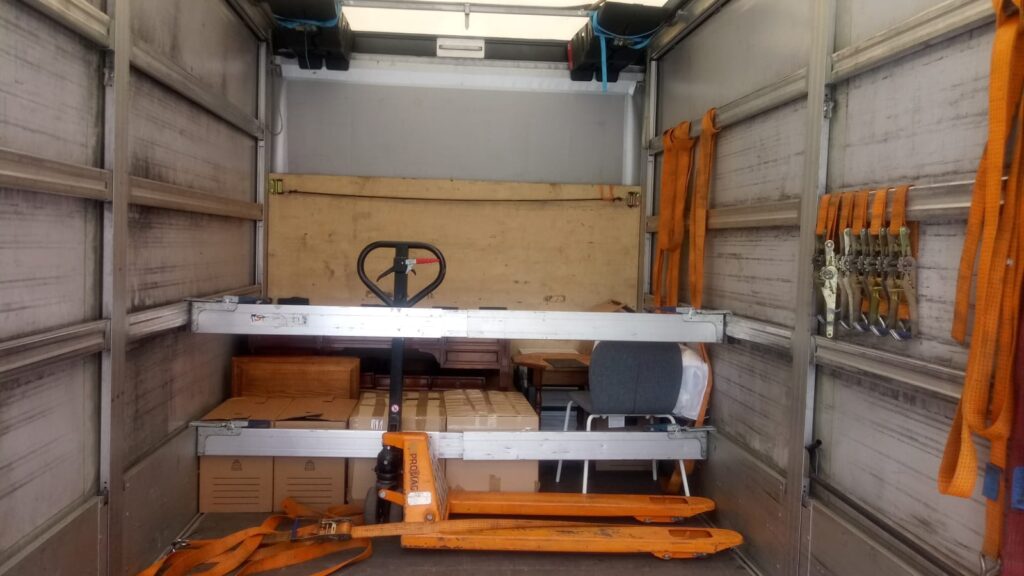
Choosing the right van size protects your budget and your belongings. Too small, and you risk extra trips. Too large, and you may pay for unused space. VANonsite offers several vehicle options for different relocation sizes.
| Moving option | Capacity | Weight limit | Best for |
|---|---|---|---|
| Moving One | 1 m3 | 100 kg | Small boxes, documents, student essentials |
| Moving Basic | 5 m3 | 300 kg | Studio move, compact furniture, small man and van jobs |
| Moving Medium | 10 m3 | 500 kg | One-bedroom flat or medium furniture removals |
| Moving Premium | 15 m3 | 1,100 kg | Larger apartment, mixed furniture and boxes |
| Moving Premium Plus | 30 m3 | 3,500 kg | Family home, office move or bigger relocation |
| Moving Full House XXL | 90 m3 | 20,000 kg | Full house move, large relocation or business transport |
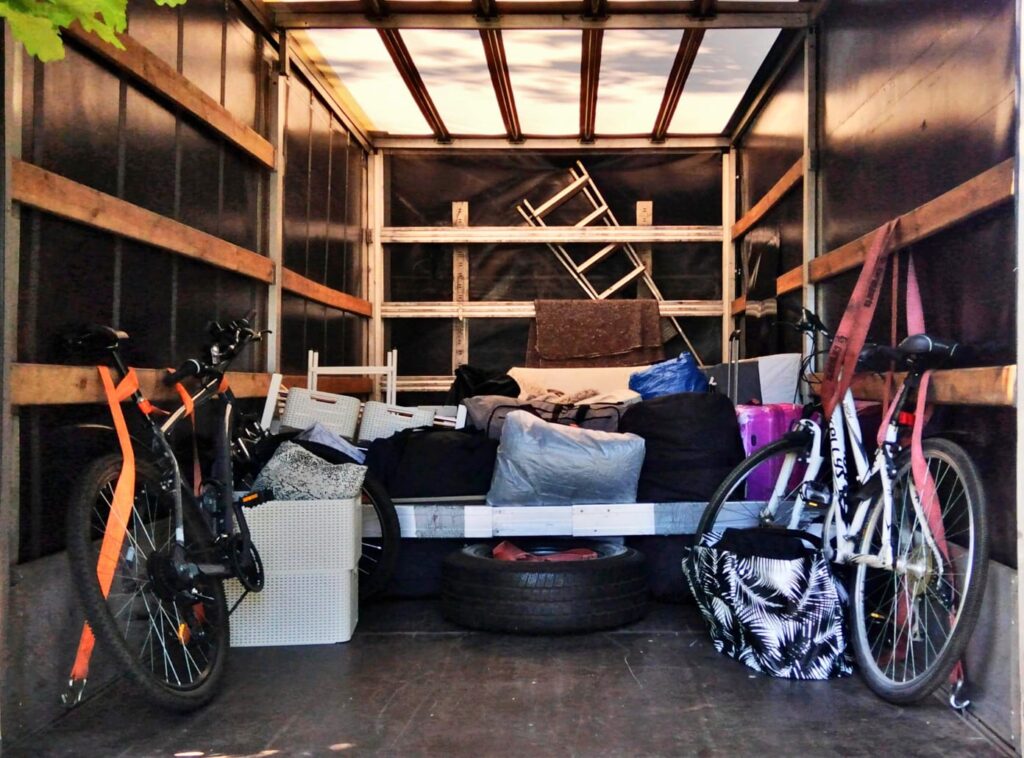
A student may only need a compact man and van move. A family moving beds, wardrobes, sofas, kitchen items and children’s belongings may need a larger vehicle. VANonsite helps match the van to the real inventory, not to guesswork.
Switzerland Quality of Life for Families, Students and Professionals
For families, Switzerland quality of life can be exceptional. Parents value safe streets, clean playgrounds, strong schools, outdoor sports and reliable healthcare. The challenge is budget. Larger apartments are expensive. Childcare costs can be high. School systems vary by canton. Health insurance must be arranged for every family member.
Students often choose Switzerland for respected universities, international networks, safe cities and excellent transport. Zurich, Lausanne, Geneva, Basel and Bern are all attractive, depending on course, language and budget. A compact man and van service is often ideal for students who need to move boxes, clothes, books, a desk, chair, bike, monitor, small furniture and kitchen basics.
Professionals often experience the strongest version of Switzerland quality of life. The country offers career opportunities in finance, pharmaceuticals, engineering, technology, logistics, consulting, research and international organisations. Zurich is strong for finance and technology, Basel for pharma, Geneva for diplomacy and Zug for international business.

Pros and Cons of Living in Switzerland
Switzerland quality of life is impressive, but it is not perfect. The country is wealthy, safe and efficient, yet also expensive, rule-focused and sometimes socially reserved.
| Pros | Cons |
|---|---|
| High salaries | High rent |
| Excellent healthcare | Mandatory private health insurance |
| Very safe cities | Strict rules and administration |
| Clean environment | Competitive housing market |
| Reliable public transport | Expensive restaurants and services |
| Beautiful nature | Language barriers outside international hubs |
| Strong job market | Integration can take time |
| Stable economy | High upfront relocation costs |
The right approach is not to romanticise Switzerland. Respect it. Budget for it. Prepare properly. Then enjoy the benefits.
Moving Timeline: How to Plan Your Switzerland Relocation
A successful move to Switzerland is rarely accidental. The earlier you plan, the more control you have over cost, documents and stress.
8 to 12 Weeks Before Moving
Choose your canton and city. Compare rent, commute, tax differences, schools, language and lifestyle. Estimate your moving volume and decide whether you need a man and van service, a larger removal vehicle, packing help or storage.
4 to 6 Weeks Before Moving
Confirm your moving date and prepare your inventory. Sort belongings into three groups: bring, sell and store. Check access at both addresses, including parking, stairs, lifts and narrow streets.
1 to 2 Weeks Before Moving
Label boxes clearly. Protect fragile items. Keep passports, contracts, keys, permits and valuables separate from the main load. Share delivery details with your moving team and prepare customs documents.
Moving Day
Walk through your home before loading. Check fragile items and confirm the inventory. Once the van is on the road, GPS tracking helps you follow the load and reduces uncertainty.
What to Bring and What to Leave Behind
Because Switzerland is expensive, bringing good-quality belongings can be financially sensible. But apartments may be smaller than expected, especially in central locations. The smart move is selective.
Bring quality furniture, work equipment, an ergonomic desk and chair, winter clothing, bikes, sports equipment, children’s items, important documents, personal valuables, kitchen essentials and sentimental belongings.
Consider leaving behind old low-value furniture, large items that may not fit Swiss apartments, duplicate appliances, damaged wardrobes or sofas, items cheaper to replace than transport and goods that complicate customs without real value.
If in doubt, compare transport cost with replacement cost in Switzerland. A cheap sofa may not be worth moving. A good bed, office chair, dining table or wardrobe often is.
How Much Does Moving to Switzerland Cost?
The cost of moving to Switzerland depends on distance, volume, weight, access and service level. A 1 m3 student move is completely different from a 90 m3 full house relocation. A simple box delivery is not the same as white glove delivery with fragile furniture and careful placement.
Main cost drivers include pickup country and city, delivery canton and address, total distance, volume in cubic metres, weight, number of movers required, packing materials, furniture disassembly, storage needs, last minute booking, parking restrictions and customs complexity.
This is why VANonsite uses flexible moving options. The aim is to match the service to the real load, not force every customer into the same relocation package.
Why Choose a Professional Man and Van Service for Switzerland?
A professional man and van service is not just transport. It is risk reduction. When moving to a country with high costs, strict rules and premium expectations, mistakes become expensive.
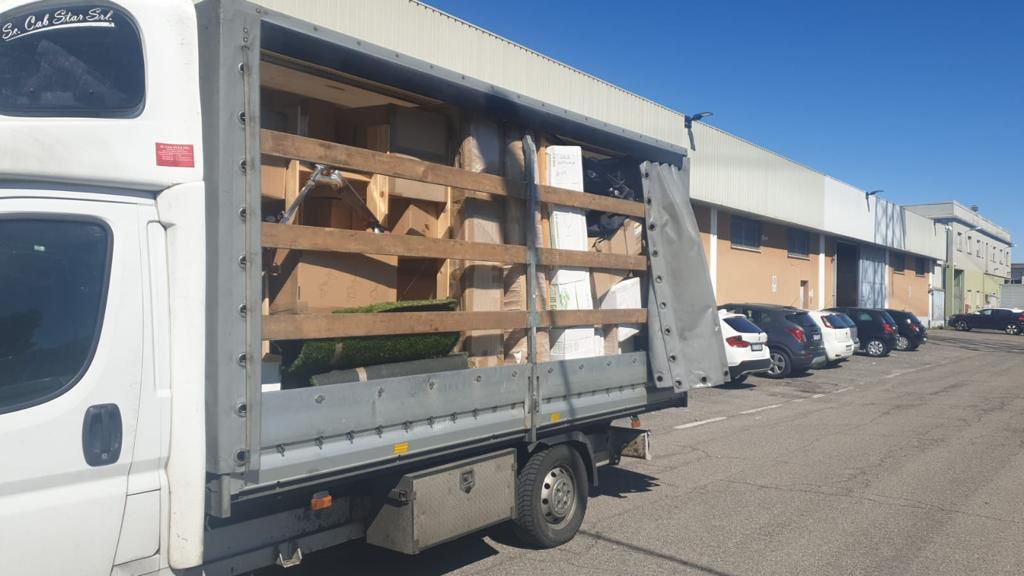
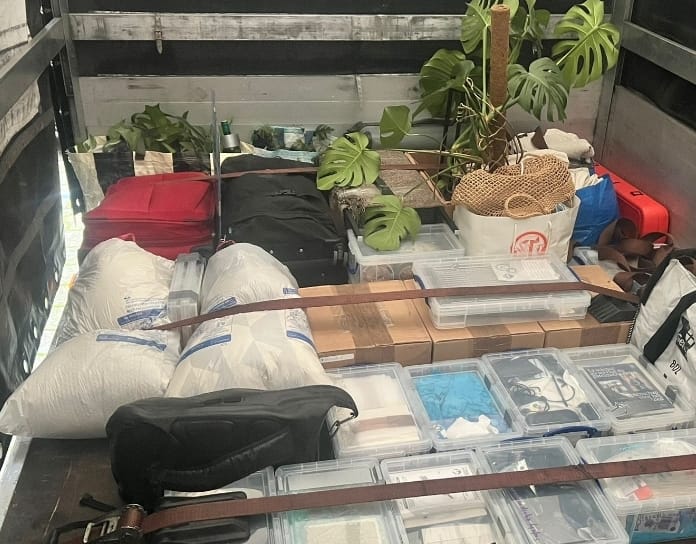
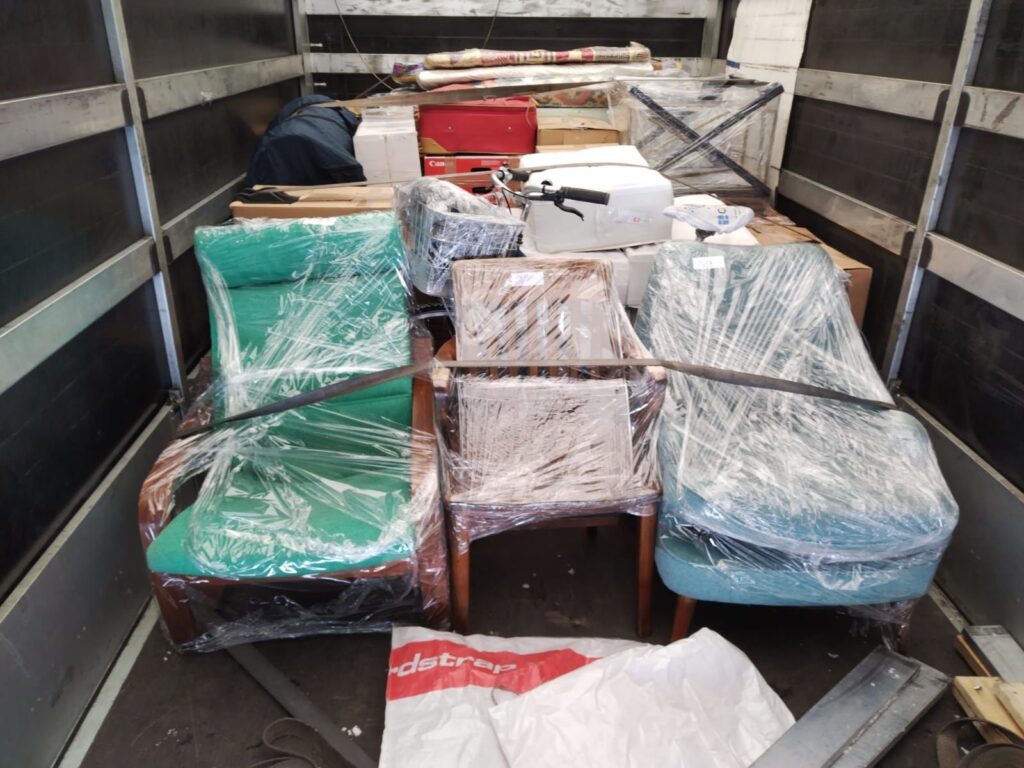
A reliable man and van team helps with safe loading, better space use, heavy lifting, furniture protection, route planning, delivery timing, border coordination, clear communication and GPS visibility.
For small and medium moves, man and van transport can be the perfect balance between flexibility and professionalism. It is especially useful for students, young professionals, partial home moves, furniture removals, urgent moves and European relocations where a full truck would be excessive.
Switzerland Quality of Life and Healthcare
Healthcare is one of the strongest pillars of Switzerland quality of life, but the system works differently from many countries. Basic health insurance is compulsory for residents. The Federal Office of Public Health explains that people settling in Switzerland must take out health insurance within three months of taking up residence: health insurance for residents.
This gives residents access to strong medical care, but premiums vary by canton, age, insurer and model. Families should remember that every member needs coverage.
FAQ About Switzerland Quality of Life and Moving
Is Switzerland quality of life really better than in most European countries?
Yes. Switzerland performs strongly in income, employment, healthcare, safety, environmental quality, public services and life satisfaction. The exact experience depends on income, canton, housing and personal expectations.
Is Switzerland too expensive to live in?
Switzerland is expensive, especially for rent, insurance, groceries and services. However, high salaries, strong infrastructure and safe surroundings can balance the cost for many professionals and families.
Do I need a residence permit to live in Switzerland?
Yes, if you stay longer than three months. Permit rules depend on nationality, purpose of stay and duration. Always check official Swiss guidance before moving.
Can I bring my furniture to Switzerland duty-free?
Often yes, if you transfer your residence and meet Swiss customs conditions for household effects. You should prepare a clear inventory and the correct customs documents.
Is a man and van service enough for moving to Switzerland?
Yes, for many small and medium moves. A man and van service is ideal for students, apartment moves, furniture removals and urgent relocations. Larger homes or offices may require bigger vehicles and extra services.
How can VANonsite help with moving to Switzerland?
VANonsite offers European removals to Switzerland with GPS tracking, flexible van sizes, packing service, furniture removals, home removals, student removals, office removals, storage and white glove delivery.
Ready to Turn Switzerland Quality of Life Into Your Everyday Life?
Switzerland quality of life is not just a ranking. It is the morning train that arrives on time, the safe street after dark, the clean lake after work, the strong salary and the weekend in the mountains.
But first, you need to get there properly.
VANonsite helps make your move to Switzerland safer, faster and calmer. Whether you need a compact man and van service, full home removals, furniture transport, office relocation, storage or careful white glove delivery, the right team can turn a stressful international move into a precise, well-managed journey.
If Switzerland is your next chapter, start it with confidence. Choose a professional European removals partner that treats your belongings with the care your new life deserves.