
Moving from Germany to UK should start with four practical questions: how much you are moving, what customs documents you may need after Brexit, how easy pickup and delivery access will be, and how much protection your belongings deserve on a long cross border journey.
A small man and van move may fit into 5m3 to 10m3. A larger apartment may need 15m3. A full family home often needs 30m3. High volume home moves, office removals, or complex relocations may need up to 90m3. The right vehicle size affects cost, loading safety, travel efficiency, and how well your items arrive at your UK address.
VANonsite supports moving Germany to UK with GPS tracking for every load, flexible vehicle sizes from 1m3 to 90m3, man and van options, Packing Service, Storage, Last Minute Moving, White Glove Delivery, Home Removals, Furniture Removals, Student Removals, and Office Removals. The service can be shaped around the move itself, whether you are sending 15 boxes from Berlin, moving a student room from Leipzig, relocating a family home from Munich, or transporting office equipment from Frankfurt.
| Moving need | VANonsite option | Capacity | Best for |
|---|---|---|---|
| Single item or tiny load | Moving One | 1m3, 100kg | A few boxes or one compact item |
| Student room or small move | Moving Basic | 5m3, 300kg | Boxes, mattress, desk, light furniture |
| Studio or compact flat | Moving Medium | 10m3, 500kg | Boxes, bed, small sofa, desk, wardrobe |
| Larger flat or part house | Moving Premium | 15m3, 1100kg | Furniture, appliances, multiple rooms |
| Family home | Moving Premium Plus | 30m3, 3500kg | Full household contents and bulky items |
| Large house or complex relocation | Moving Full House XXL | 90m3, 20000kg | Large property, full house, office relocation |
For a tailored quote, send VANonsite your German pickup city and postcode, UK delivery postcode, inventory, box count, photos of bulky or fragile items, access details, preferred dates, and any packing, storage, white glove, or last minute moving requirements. Clear details help turn moving from Germany to UK into a measured plan, not a hopeful guess.




Moving from Germany to UK After Brexit: What Changed?
Moving to UK from Germany after Brexit is still completely manageable, but it is more document sensitive than a simple move between two EU countries. The biggest change is customs. The UK is outside the EU customs territory, so personal belongings may need clearer preparation before they enter Britain.
That does not mean every move becomes complicated. It means the move needs structure. A detailed inventory, proof of residence, transport details, address information, and customs related paperwork can make the process smoother. If you prepare these details early, the move feels controlled. If you leave them until the night before collection, the whole process can become tense.
Start by checking official guidance. GOV.UK has information on moving personal belongings to the UK, Transfer of Residence relief, and the application for Transfer of Residence relief. You can also use the GOV.UK customs declaration checker to understand whether a declaration may be needed. If you are leaving Germany with personal goods, check German Customs guidance on leaving Germany.
A detailed inventory is especially important when moving to UK from Germany after Brexit. It should show what you are moving in practical categories: furniture, clothing, kitchenware, books, bedding, electronics, office equipment, tools, bikes, appliances, children’s items, artwork, mirrors, and fragile goods. If you are sending boxes only, list the box count and what they broadly contain.
Transfer of Residence relief may apply in some relocation situations, but it depends on personal circumstances and official requirements. New items, restricted goods, high value goods, commercial stock, several identical items, alcohol, plants, food, animal products, and specialist equipment may need extra checks.
Keep passports, IDs, customs paperwork, transport details, address proof, receipts, tenancy documents, work documents, study documents, and keys with you. If a document might be needed during the journey, it should not be sealed inside a box under a sofa.
Professional removals support can reduce uncertainty because the move is planned around real details: inventory, volume, pickup access, delivery access, documents, route timing, and service level. Moving to UK from Germany after Brexit is not about fear. It is about preparation.
Moving Germany to UK Cost: What Affects the Price?
Moving Germany to UK cost depends on the real shape of your move, not just the distance between two postcodes. A small student move from Leipzig to London may only need a compact man and van option. A family move from Munich to Manchester can involve furniture, appliances, bikes, children’s belongings, fragile items, and 80 to 150+ boxes. An office move from Frankfurt to Birmingham may need larger capacity, careful labelling, and tighter timing.
The biggest cost factor is usually volume in cubic metres. Volume decides which vehicle is suitable, how the load can be stacked, and how much space is needed to avoid pressure damage. A few cartons may fit into 1m3 or 5m3. A compact flat may need 10m3. A larger flat or part house may need 15m3. A full family home may need 30m3 or more.
Weight also matters. Books, files, tools, kitchenware, appliances, office equipment, and dense storage boxes can be heavier than they look. Twenty boxes of bedding are not the same as twenty boxes of books.
Route and access affect the quote too. A collection from Berlin, Hamburg, Munich, Frankfurt, Cologne, Düsseldorf, Stuttgart, Leipzig, Dresden, or Hanover will create different route distances and timings. The UK delivery postcode matters just as much. London, Manchester, Birmingham, Bristol, Leeds, Liverpool, Edinburgh, Glasgow, Cardiff, Oxford, and Cambridge can all bring different access conditions.
Ferry or Eurotunnel timing, border stages, traffic, weather, and delivery access may influence planning. A ground floor pickup with parking outside is very different from a fourth floor apartment with no lift, a long carry, and narrow stairs. UK delivery can involve parking permits, loading restrictions, tight streets, stair-only buildings, small lifts, courtyards, or timed building access.
Packing support can also change the service level. Some customers pack everything themselves. Others choose VANonsite Packing Service to protect fragile kitchenware, mirrors, glass, artwork, electronics, antiques, office equipment, or full household contents. White Glove Delivery adds another layer of care for premium, delicate, awkward, or emotionally important items.
Storage may be needed if your German pickup date and UK delivery date do not match. Last Minute Moving can help when plans change quickly, but urgent availability may be different during busy periods such as month end, summer, student move dates, school holidays, or job relocation windows. Customs readiness also matters after Brexit because missing paperwork can cause delays, inspections, storage issues, or missed delivery windows.
| Cost factor | Why it matters | Impact |
|---|---|---|
| Volume in m3 | Determines vehicle size and loading plan | High |
| Weight | Affects handling, loading safety, and suitability | Medium to high |
| German pickup city | Shapes route distance and collection timing | High |
| UK delivery postcode | Affects route planning, access, and unloading conditions | High |
| Ferry or Eurotunnel timing | Influences schedule and delivery windows | Medium to high |
| Box count | Adds volume, weight, and loading time | Medium |
| Furniture size | Bulky items need careful positioning and protection | Medium to high |
| Access | Stairs, lifts, parking, and long carries affect labour | Medium |
| Packing Service | Adds preparation time but lowers damage risk | Medium |
| Storage | Useful when pickup and delivery dates do not match | Medium |
| Last Minute Moving | Can affect availability and scheduling | Medium to high |
| White Glove Delivery | Adds premium care for delicate or valuable items | Medium to high |
| Customs documents | Missing paperwork can cause delays | Medium |
To get a more accurate quote, prepare your German pickup city and postcode, UK delivery city and postcode, preferred dates, full inventory, estimated box count, photos of bulky or fragile items, floor levels, lift details, parking notes, and packing, storage, white glove, or urgent moving requirements.
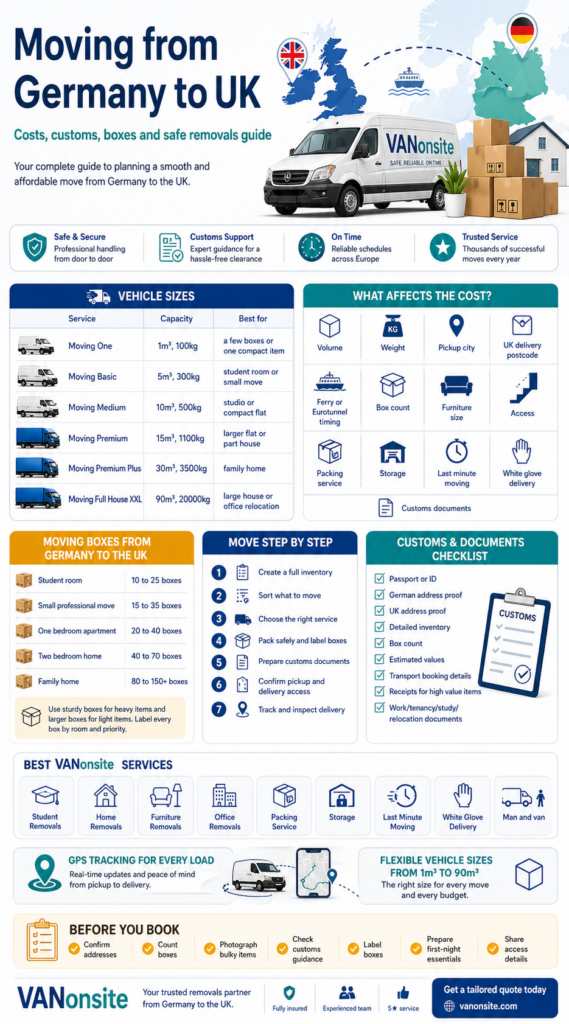
Best Vehicle Size When Moving from Germany to UK
Choosing the best vehicle size when moving from Germany to UK is one of the most important cost and safety decisions. The vehicle should match the real volume, weight, furniture shape, box count, and access at both addresses. If the van is too small, the load can become squeezed, unsafe, or delayed. If the van is too large, you may pay for space you do not need.
Underbooking can create pressure damage, awkward stacking, delays, or extra transport. Overbooking can waste money. Photos, a box count, and a rough inventory help VANonsite recommend a practical size instead of relying on guesswork.
| VANonsite size | Capacity | Best for | Example load |
|---|---|---|---|
| Moving One | 1m3, 100kg | Tiny moves | A few cartons, one compact item, small personal load |
| Moving Basic | 5m3, 300kg | Students and small box moves | 10 to 25 boxes, small desk, chair, light furniture |
| Moving Medium | 10m3, 500kg | Studios and compact flats | Bed, desk, boxes, small sofa, light household items |
| Moving Premium | 15m3, 1100kg | Larger flats or part homes | Furniture, appliances, multiple rooms, larger box count |
| Moving Premium Plus | 30m3, 3500kg | Family homes | Household furniture, appliances, bikes, and 80 to 150+ boxes |
| Moving Full House XXL | 90m3, 20000kg | Large homes or offices | Large house, office relocation, high volume move |
For students, a man and van option with Moving Basic may be enough if the load includes clothes, bedding, books, electronics, a mattress, and a few small furniture pieces. For a studio or compact apartment, Moving Medium often gives more breathing room. For a larger apartment or part house, Moving Premium can help keep furniture and boxes safer during the journey.
For full family homes, Moving Premium Plus is often more suitable because the move may include beds, wardrobes, sofas, dining furniture, appliances, office equipment, bikes, garden tools, and dozens of boxes. For large homes, office removals, or complex relocations, Moving Full House XXL gives the capacity needed for high volume loads.
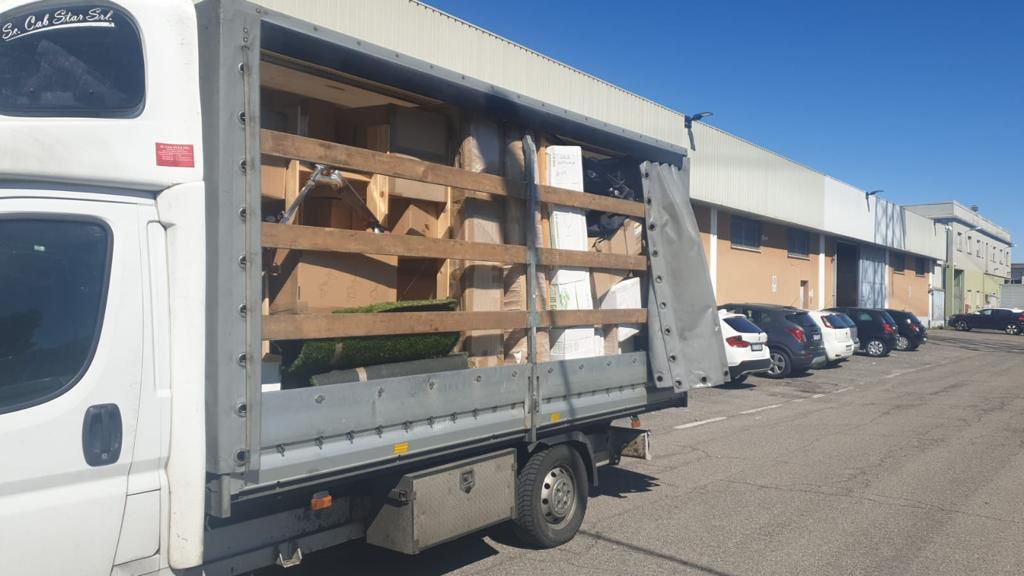
Access can influence vehicle choice too. A narrow German street, limited parking, courtyard access, a UK loading bay, or a long carry may affect what is practical. Sometimes the right decision is not only about cubic metres. It is about what can be loaded and delivered safely at both addresses.
Moving Boxes from Germany to the UK
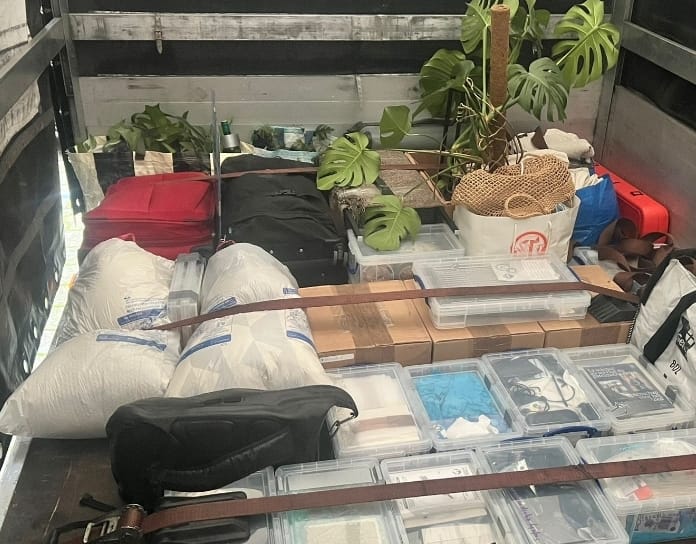
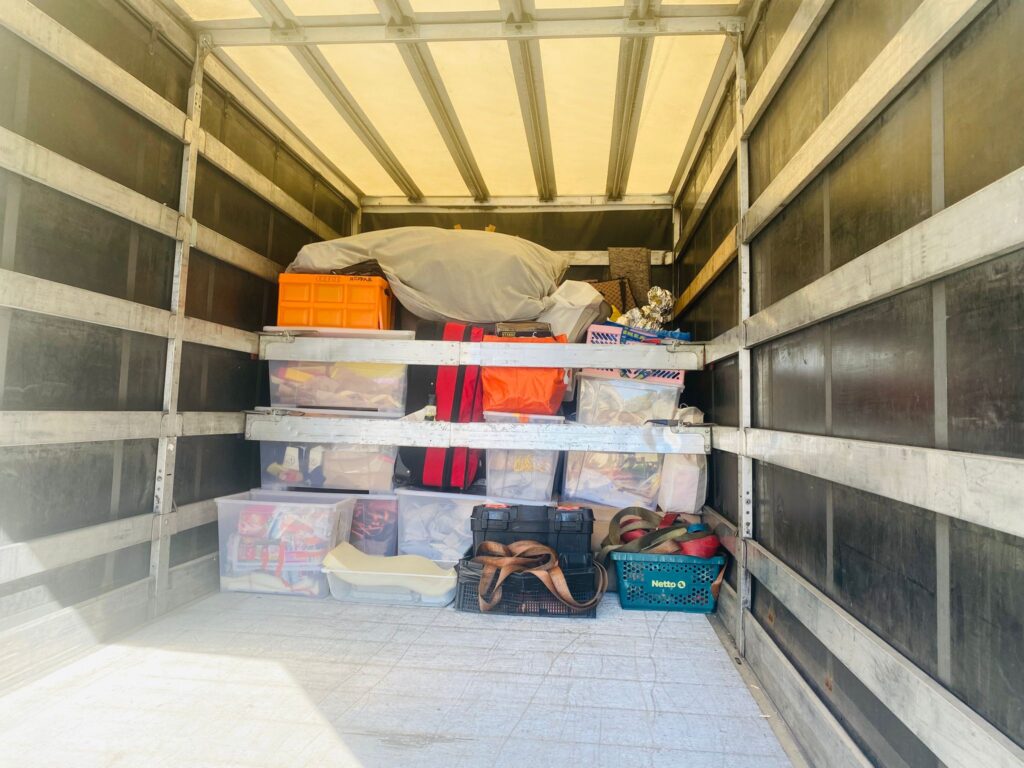
Moving boxes from Germany to the UK can look like a small job, but it still deserves a proper plan. Boxes only moves can involve customs preparation, inventory checks, careful packing, weight limits, access details, and delivery timing. A small shipment may contain the items that matter most: documents, laptops, work equipment, books, clothes, kitchenware, sentimental objects, or fragile glass.
This type of move is common for students, young professionals, remote workers, temporary relocations, part loads, first stage moves, and people who want to move essentials before sending furniture later. A man and van option is often a smart fit because it gives flexibility without paying for a full household removals package.
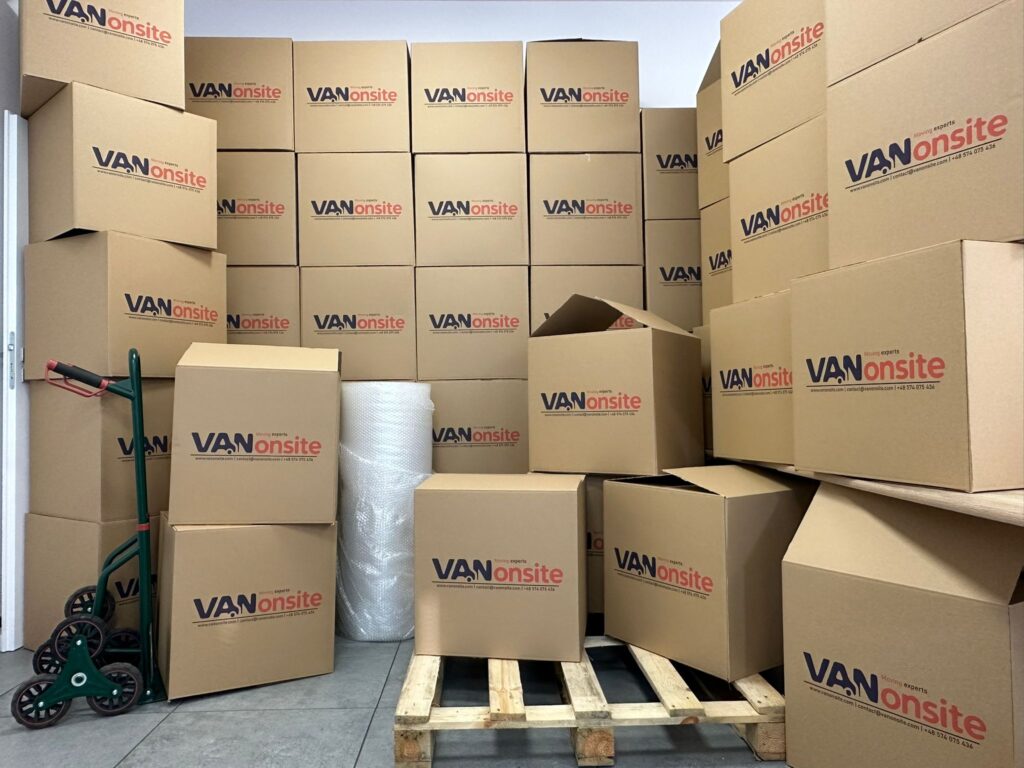
Box count is often underestimated. Ten boxes may sound small until five contain books, files, kitchenware, tools, or electronics. Heavy boxes should be kept small so they can be lifted safely and stacked properly. Large boxes should be saved for lighter bulky items such as bedding, towels, cushions, pillows, soft toys, and folded clothes.
Fragile boxes need more than a quick wrap. Plates, glasses, framed photos, lamps, electronics, small mirrors, ornaments, and delicate kitchen items should be cushioned inside the carton. Empty space should be filled so items cannot move during the journey. Labels should show room and priority on at least two sides.
| Move type | Estimated box count | Suggested VANonsite fit |
|---|---|---|
| Student room | 10 to 25 boxes | Moving Basic, man and van |
| Small professional move | 15 to 35 boxes | Moving Basic or Moving Medium |
| One bedroom apartment | 20 to 40 boxes | Moving Medium |
| Two bedroom home | 40 to 70 boxes | Moving Medium or Moving Premium |
| Family home | 80 to 150+ boxes | Moving Premium Plus or larger |
Even if you are only moving boxes, do not skip inventory, customs preparation, access notes, and labelling. Share your box count, approximate box sizes, estimated weight if known, German pickup postcode, UK delivery postcode, floor levels, lift details, parking notes, and photos of the packed load.
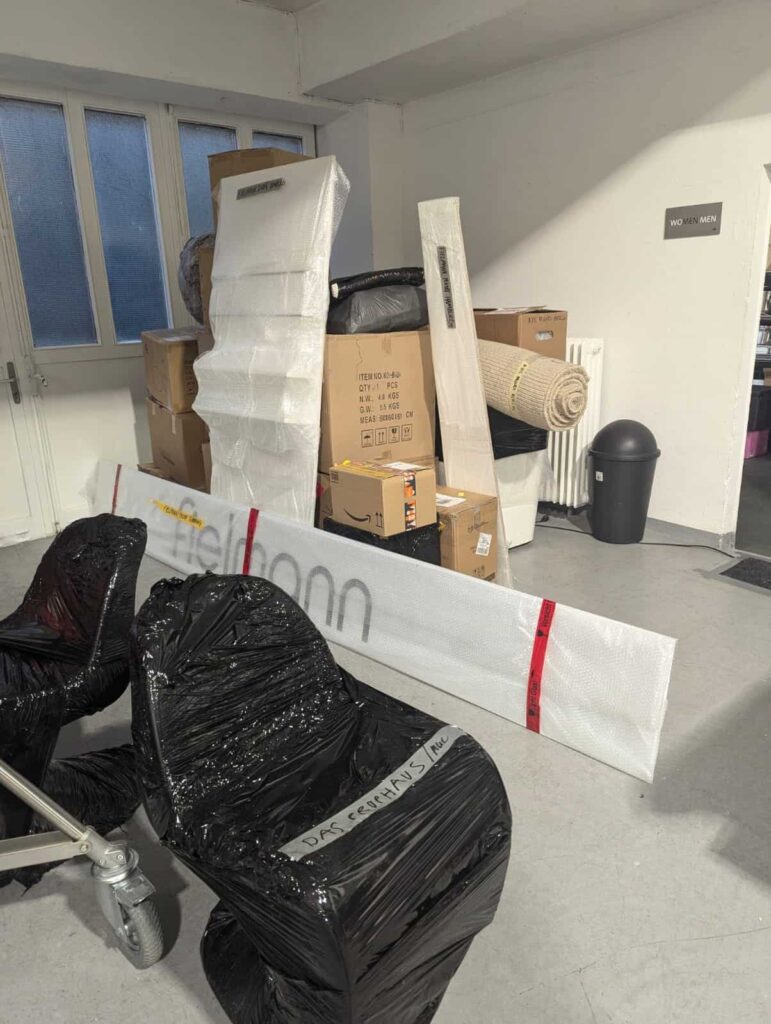
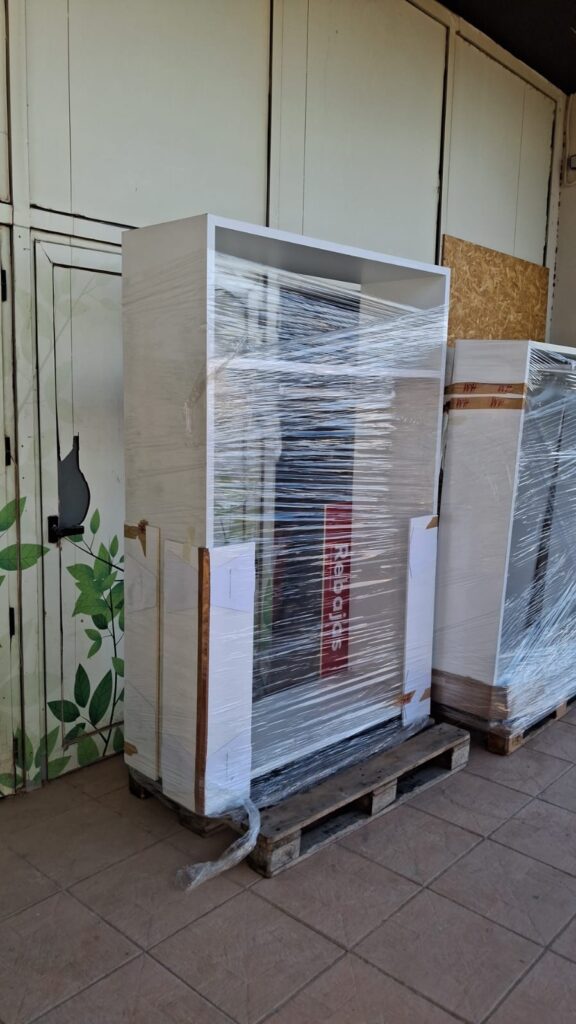
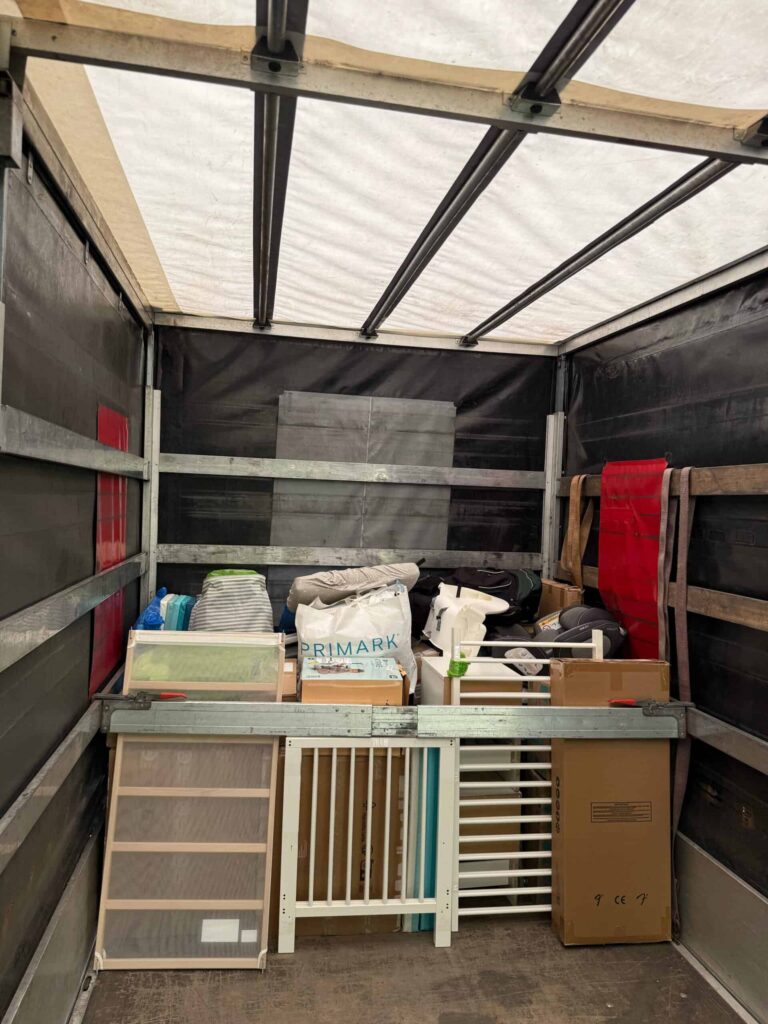
Step by Step Guide to Moving from Germany to UK
Moving from Germany to UK becomes easier when the process is broken into clear stages: inventory, sorting, service choice, packing, documents, access, transport, and delivery inspection.
Step 1: Build a Full Inventory
A full inventory helps VANonsite estimate volume, recommend the right vehicle, plan loading, and identify fragile or high value items before collection day. List boxes by room, furniture, appliances, electronics, mattresses, office equipment, bikes, garden items, storage contents, fragile items, and high value belongings.
Useful box count ranges:
- Student room: 10 to 25 boxes.
- One bedroom apartment: 20 to 40 boxes.
- Two bedroom home: 40 to 70 boxes.
- Family home: 80 to 150+ boxes.
Add a 10% to 20% buffer if you still have basements, garages, storage rooms, tools, books, hobby gear, children’s belongings, office files, kitchen cupboards, or wardrobes to pack.
Step 2: Decide What to Move, Store, Sell, Donate or Leave Behind
Before paying to move everything across borders, decide what truly deserves space in the van. Reducing your load by 10% to 20% can improve quote accuracy, vehicle choice, packing time, loading speed, and delivery comfort.
| Move | Store | Sell or donate | Leave behind |
|---|---|---|---|
| Valuable furniture | Seasonal items | Duplicate furniture | Broken flat pack pieces |
| Essential beds and desks | Items needed later | Low value bulky items | Damaged appliances |
| Sentimental items | Archive boxes | Unused decor | Furniture that will not fit |
| Work equipment | Spare household goods | Extra kitchenware | Items with mould or pests |
Move what you need, love, use often, or cannot easily replace. Store what you may need later but not immediately. Sell or donate useful items that no longer justify transport. Leave behind anything broken, unsafe, mouldy, unsuitable, or not worth the space.
Step 3: Choose the Right VANonsite Service
The right service depends on your move type. VANonsite can match the move to the right support:
- Student Removals for student rooms, boxes, bedding, books, small furniture, and compact loads.
- Home Removals for apartment, house, and family relocations.
- Furniture Removals for sofas, wardrobes, beds, tables, cabinets, mirrors, and bulky pieces.
- Office Removals for desks, chairs, monitors, printers, files, IT equipment, and business assets.
- Packing Service for fragile, high volume, or time sensitive moves.
- Storage when pickup and delivery dates do not align.
- Last Minute Moving when plans change quickly.
- White Glove Delivery for premium, delicate, heavy, awkward, or emotionally important items.
- Man and van options for smaller moves, boxes only loads, student moves, and part loads.
Step 4: Prepare Packing and Protection
Packing for a Germany to UK move means packing for distance, handling, stacking, road movement, border stages, unloading, and UK access. Use small boxes for heavy items such as books, tools, files, plates, tins, and paperwork. Use large boxes for light bulky items such as bedding, towels, pillows, cushions, lampshades, soft toys, and folded clothes.
Mark fragile boxes on at least two sides. Wrap mirrors, artwork, glassware, plates, lamps, electronics, and ornaments carefully. Fill empty space inside boxes so items cannot rattle. Take photos of cable setups before unplugging routers, monitors, speakers, printers, computers, televisions, gaming consoles, or office equipment.
Prepare a first night box with bedding, toiletries, medication, chargers, snacks, coffee or kettle basics, basic tools, cleaning wipes, important documents, and clothes for 24 to 48 hours. Keep this box easy to reach after delivery.
Step 5: Prepare Documents and Customs Details
Moving from Germany to UK after Brexit can involve customs preparation. Documents may depend on your residence status, what you are moving, how long you have owned the goods, and whether anything is new, restricted, high value, or commercial.
Before moving day, check official guidance, including UK guidance on moving personal belongings to the UK, UK Transfer of Residence relief, the application for Transfer of Residence relief, the GOV.UK customs declaration checker, and German Customs guidance on leaving Germany.
Prepare passport or national ID, German address proof, UK address proof, detailed inventory, box count, estimated values, transport booking details, and supporting work, tenancy, study, family, or relocation documents where relevant. Keep these documents with you, not packed inside the main load.
Step 6: Confirm German Pickup and UK Delivery Access
Access can change the whole moving day. For German pickup, confirm parking, stairs, lifts, courtyards, loading bays, building time windows, long carries, narrow streets, and any local restrictions. For UK delivery, check parking restrictions, floor level, lift size, stair width, loading zones, long carries, access gates, building rules, and timed delivery slots.
Share access details with VANonsite early. Photos of entrances, staircases, parking spots, and awkward access points can help the team plan properly.
Step 7: Track the Move and Inspect Delivery
Every VANonsite load is GPS tracked, which gives visibility while your belongings travel from Germany to the UK. After delivery, inspect fragile and high value items before unpacking becomes messy. Check mirrors, glassware, electronics, furniture corners, appliances, artwork, mattresses, office equipment, and boxes marked fragile.
Documents and Customs Checklist for Moving to UK from Germany After Brexit
Documents can decide whether moving from Germany to UK feels smooth or stressful. Since Brexit, the UK has been outside the EU customs territory, so moving personal belongings from Germany to Britain may require clearer preparation than an EU to EU move. The goal is simple: show what is being moved, who owns it, where it is coming from, where it is going, and why it is being transported.
Before collection day, check official guidance instead of relying on old forum posts or casual advice. GOV.UK provides information on moving personal belongings to the UK, UK Transfer of Residence relief, the application for Transfer of Residence relief, and the GOV.UK customs declaration checker. You can also review guidance on declaring personal goods you bring into or take out of the UK. For the German side of the move, check German Customs information for private individuals and German Customs guidance on leaving Germany.
A detailed inventory is the heart of the customs file. Group items in practical categories such as clothes, books, kitchenware, bedding, electronics, furniture, tools, office equipment, bikes, children’s items, artwork, mirrors, and fragile goods. If you are moving boxes only, include the number of boxes and their broad contents.
| Document or information | Why it may be needed |
|---|---|
| Passport or national ID | Confirms identity |
| German address proof | Shows previous residence or collection context |
| UK address proof | Shows destination and relocation address |
| Detailed inventory | Shows what is being moved |
| Box count | Helps match the shipment to the inventory |
| Estimated values | Helps describe personal goods clearly |
| Proof goods are personal belongings | Helps separate household goods from commercial stock |
| Transport booking details | Connects the belongings to the move |
| Receipts for high value or newer items | Useful if ownership, value, or age is questioned |
| Work, tenancy, study, family, or relocation documents | May support the reason for moving |
Useful paperwork may include passport or national ID, German address proof, UK address proof, inventory, box count, estimated values, transport booking details, tenancy agreement, employment letter, university confirmation, property documents, relocation letter, and receipts for high value or newer items.
Keep passports, IDs, customs paperwork, transport details, address proof, receipts, tenancy documents, work papers, study documents, medication information, insurance details, and keys with you, not inside the main load.
Packing Tips for Moving Germany to UK
Packing for moving Germany to UK is not just about filling boxes. It is about protecting your belongings through lifting, stacking, road movement, border stages, unloading, and final delivery into a UK property.
Start with rarely used items such as seasonal clothing, spare bedding, books, decorations, hobby gear, archive documents, garage contents, basement storage, tools, and spare kitchenware. Pack by room so boxes can go directly to the right rooms in the UK.
Use small boxes for heavy items such as books, tools, files, plates, tins, paperwork, and dense kitchen items. Use large boxes for bedding, towels, pillows, cushions, lampshades, soft goods, and folded clothes. Label every box by room and priority on at least two sides.
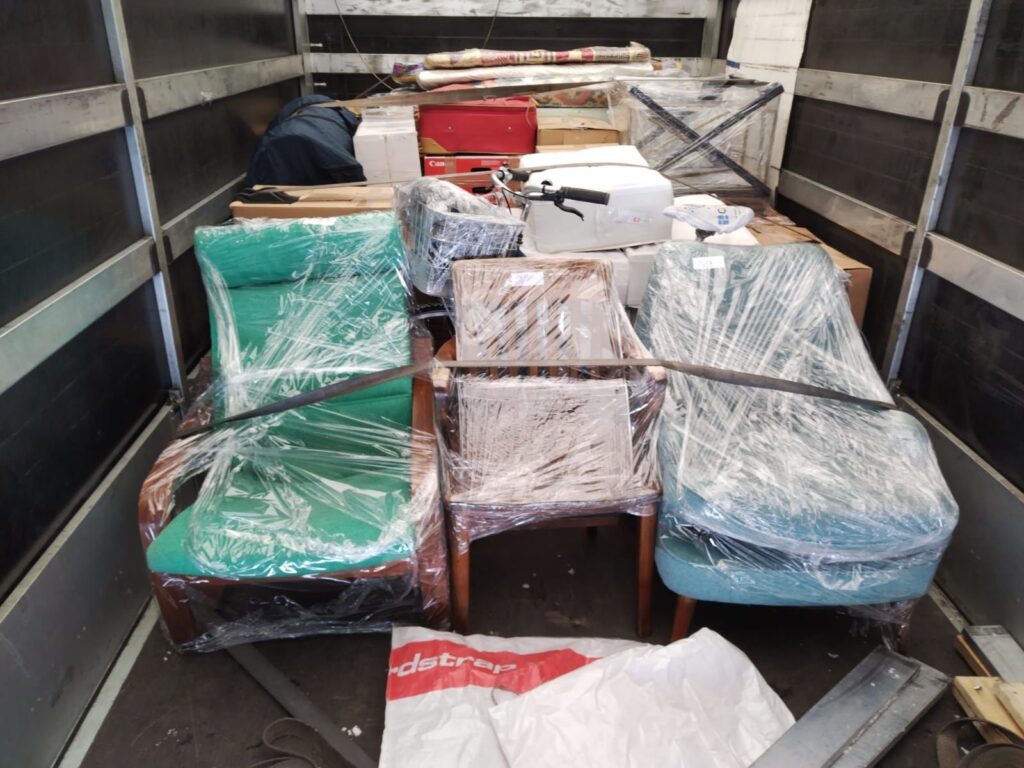
Fragile items need real protection. Mirrors, glass, artwork, plates, electronics, lamps, framed photos, ornaments, and premium furniture should be wrapped and cushioned properly. Fill empty spaces inside boxes so items cannot move.
Electronics need a simple system. Take photos of cable setups before unplugging routers, monitors, speakers, printers, computers, televisions, gaming consoles, or office equipment. Pack cables in labelled bags and keep them with the correct device.
Prepare appliances early. Fridges and freezers should be emptied, defrosted, cleaned, and dried before collection. Keep passports, IDs, customs paperwork, transport details, tenancy documents, work papers, university documents, insurance information, medical paperwork, and keys separate from the main load.
Prepare a first night box and keep it easy to reach. Include bedding, toiletries, medication, chargers, snacks, coffee or kettle basics, basic tools, cleaning wipes, important documents, and clothes for 24 to 48 hours.
VANonsite Packing Service is a smart choice if you are short on time or moving fragile, valuable, awkward, or high volume belongings. White Glove Delivery adds extra care for delicate, heavy, valuable, awkward, or emotionally important items.


Popular Routes for Moving from Germany to UK
Popular routes for moving from Germany to UK vary by distance, access, timing, ferry or Eurotunnel planning, and the type of property on both sides. The route is never just a line on a map. It is a chain of details: parking, loading, road distance, customs preparation, UK delivery access, unloading time, and final room placement.
VANonsite supports moving Germany to UK from major German cities including Berlin, Hamburg, Munich, Frankfurt, Cologne, Düsseldorf, Stuttgart, Leipzig, Dresden, and Hanover. UK deliveries can be planned to London, Manchester, Birmingham, Bristol, Leeds, Liverpool, Edinburgh, Glasgow, Cardiff, Oxford, Cambridge, and other cities across Britain.
| Route type | What to consider |
|---|---|
| Berlin to London | Long distance, apartment access, parking permits, timed delivery |
| Hamburg to Manchester | Route timing, motorway distance, weather, UK unloading access |
| Munich to London | Longer road journey, fragile goods, careful loading |
| Frankfurt to Birmingham | Office moves, work relocations, family moves |
| Cologne to London | Efficient route, but London access needs planning |
| Düsseldorf to Manchester | Business moves, apartment deliveries, boxes and furniture |
| Stuttgart to Bristol | Longer route, access checks, careful scheduling |
| Leipzig to UK university cities | Student moves, man and van loads, boxes and compact furniture |
Berlin to London is popular for students, professionals, and families, but both cities can be demanding for access. Hamburg to Manchester often works well for professionals, students, and families moving north in the UK. Munich to London is a longer journey, so packing quality matters. Frankfurt to Birmingham is strong for work relocations, office moves, and family moves.
Cologne to London and Düsseldorf to Manchester can be efficient routes for boxes only moves, apartment deliveries, furniture removals, and man and van loads. Stuttgart to Bristol, Dresden to Cardiff, Hanover to Leeds, and Leipzig to UK university cities can also be planned safely with the right information.
Best VANonsite Services for Moving Germany to UK
The best VANonsite service for moving Germany to UK depends on your move type, not just your route. VANonsite can shape the move around your real situation: a compact man and van load, a boxes only move, a full home relocation, a furniture removal, a student move, a last minute change, a storage gap, or a premium delivery requiring extra care.
| Moving situation | Best VANonsite fit |
|---|---|
| Student move | Student Removals, Moving Basic, man and van |
| Boxes only move | Moving Basic or Moving Medium |
| Small apartment | Moving Medium or Moving Premium |
| Full family home | Moving Premium Plus or Moving Full House XXL |
| Furniture only | Furniture Removals |
| Office relocation | Office Removals and larger vehicle options |
| Delicate or premium items | White Glove Delivery |
| Urgent move | Last Minute Moving |
| Date gap before UK delivery | Storage |
| Fragile home contents | Packing Service |
For students, Student Removals with a man and van option can work well for clothes, bedding, books, electronics, a mattress, a desk, a chair, and 10 to 25 boxes. For boxes only moves, Moving Basic or Moving Medium can offer enough space for cartons, small furniture, work equipment, and essentials.
For small apartments, Moving Medium or Moving Premium gives more breathing room for beds, sofas, wardrobes, kitchenware, clothes, books, electronics, and everyday furniture. For full family homes, Moving Premium Plus or Moving Full House XXL can support beds, wardrobes, sofas, dining furniture, appliances, children’s items, garden tools, bikes, office equipment, and 80 to 150+ boxes.
For furniture only moves, Furniture Removals are built around bulky, valuable, or awkward pieces such as sofas, beds, cabinets, wardrobes, tables, mirrors, antiques, and glass furniture. For office relocations, Office Removals help protect productivity with clear labelling and organised delivery.
For delicate or premium items, White Glove Delivery adds an elevated level of care. For urgent moves, Last Minute Moving can help when tenancy dates, job starts, family needs, property handovers, or study deadlines shift suddenly. For date gaps, Storage can keep belongings safe when the German pickup date and UK delivery date do not match.
How to Choose a Moving Company from Germany to UK
Choosing a moving company from Germany to UK is not only about finding a van. It is about trusting someone with your home, documents, fragile pieces, timing, and the first few days of your new life in Britain.
Start with the quote process. A reliable company should ask what you are moving, how many boxes you have, whether furniture can be dismantled, whether anything is fragile or high value, and whether you have photos of bulky items. Inventory based quoting reduces price surprises because the move is calculated from real information.
GPS tracking is another key point. Once your belongings leave Germany, visibility matters. Moving from Germany to UK can involve long road distances, ferry or Eurotunnel timing, customs stages, traffic, weather, and delivery windows.
Flexible vehicle sizes are also important. A student move, boxes only move, small apartment, furniture removal, full family home, and office relocation should not be forced into one solution. VANonsite offers vehicle options from 1m3 to 90m3.
| Comparison point | Why it matters | What to look for |
|---|---|---|
| Inventory based quote | Reduces price surprises | Box count, furniture list, photos, volume and weight details |
| GPS tracking | Gives visibility during transit | Tracking for every load, not just vague updates |
| Flexible vehicles | Matches the move size | Options from small man and van loads to full house moves |
| Post Brexit awareness | Reduces document stress | Clear inventory, address details, transport info, customs preparation |
| Packing support | Protects fragile items | Packing Service for glass, mirrors, artwork, electronics and antiques |
| Storage | Solves date gaps | Safe support when pickup and delivery dates do not align |
| White glove care | Protects premium goods | Extra handling for delicate, valuable, heavy or awkward pieces |
| Last minute support | Helps urgent moves | Practical help when tenancy, work, study or family plans change |
| Strong communication | Keeps the move calm | Clear updates before pickup, during transit and before delivery |
Reviews can help, but read them properly. Look for specific comments about punctuality, careful handling, quote accuracy, GPS tracking, communication, customs awareness, fragile items, and delivery access. VANonsite fits the needs of Germany to UK removals because it combines GPS tracking, flexible vehicle sizes, man and van options, Packing Service, Storage, White Glove Delivery, Last Minute Moving, Student Removals, Home Removals, Furniture Removals, and Office Removals.
Common Mistakes When Moving from Germany to UK
Moving from Germany to UK can go smoothly, but a few avoidable mistakes can make the process harder, slower, and more expensive. Most problems begin before moving day, when the quote is vague, the box count is guessed, the wrong van is booked, or documents are packed away instead of kept close.
Common mistakes include choosing only the cheapest quote, guessing box count, booking the wrong van size, forgetting documents after Brexit, underestimating UK delivery access, packing heavy items in large boxes, skipping a first night box, leaving booking too late, not asking about GPS tracking, and packing critical documents into the main load.
A low price can look attractive, but if it is not based on a real inventory, access details, route planning, and service level, it may not reflect the true move. A home can also hide more volume than expected. Wardrobes, kitchen cupboards, bookshelves, toy boxes, garage shelves, storage rooms, office drawers, and hobby spaces can quickly turn into 30, 60, or 100+ boxes.
Moving to UK from Germany after Brexit may involve customs preparation, so passports, IDs, address proof, inventory, box count, transport details, receipts, and supporting relocation documents should be ready before collection. UK delivery access can also be tricky in London, Manchester, Birmingham, Bristol, Edinburgh, Glasgow, Oxford, Cambridge, and other busy areas.
Avoiding these mistakes makes the move calmer, cleaner, and easier to control. Moving Germany to UK is much smoother when the quote is detailed, the van size is right, documents are ready, boxes are packed sensibly, and delivery access is planned before the vehicle reaches the UK.
Moving from Germany to UK Checklist
Use this checklist before requesting a quote, again while packing, and one final time during the last 48 hours before collection.
- Confirm your German pickup and UK delivery addresses. Include full postcodes, property type, floor level, lift access, parking rules, and preferred moving dates.
- Create a full inventory. List boxes, furniture, appliances, electronics, mattresses, bikes, office equipment, fragile goods, garden items, storage contents, and high value belongings.
- Count boxes by room. Add a 10% to 20% buffer if you are still packing.
- Photograph bulky and fragile items. Send photos of sofas, wardrobes, beds, mirrors, artwork, antiques, electronics, appliances, glass furniture, and awkward pieces.
- Decide what to move, store, sell, donate or leave behind. Reducing your load by 10% to 20% can improve van size, cost control, loading time, and delivery comfort.
- Choose the right VANonsite vehicle size. Match the load to the real volume, from Moving One at 1m3 to Moving Full House XXL at 90m3.
- Compare service levels, not only price. Check GPS tracking, Packing Service, Storage, White Glove Delivery, Last Minute Moving, man and van options, and communication.
- Check official UK and German customs guidance. Moving to UK from Germany after Brexit can be document sensitive.
- Prepare ID, address proof, inventory, box count and transport details. Keep passports, IDs, tenancy documents, work papers, study documents, receipts, and relocation paperwork ready.
- Book Packing Service if needed. Professional packing can help protect mirrors, artwork, glassware, electronics, antiques, premium furniture, office equipment, and large household contents.
- Label boxes by room and priority. Use clear labels such as “Kitchen, fragile, open first” or “Office, cables, priority.”
- Prepare first night essentials. Pack bedding, toiletries, medication, chargers, snacks, kettle basics, cleaning wipes, basic tools, clothes for 24 to 48 hours, and important documents.
- Confirm parking, stairs, lifts, long carries and building access. Check both the German pickup address and the UK delivery address before moving day.
- Keep documents with you. Do not pack passports, customs paperwork, keys, transport details, tenancy documents, medical information, or insurance paperwork into the main load.
- Track the load with GPS. Every VANonsite load is GPS tracked.
- Inspect fragile and high value items after delivery. Check mirrors, glassware, electronics, furniture corners, appliances, artwork, mattresses, office equipment, and boxes marked fragile.
Frequently Asked Questions About Moving from Germany to UK
How do I start moving from Germany to UK?
Start moving from Germany to UK by creating a clear inventory. List your boxes, furniture, appliances, electronics, mattresses, bikes, office equipment, fragile items, and high value belongings. Then count boxes by room and photograph bulky or delicate items.
After that, send VANonsite your German pickup postcode, UK delivery postcode, preferred dates, inventory, access details, and any packing, storage, white glove, or last minute moving needs. VANonsite can then recommend the right vehicle size, prepare the quote, plan collection, support packing if needed, move the load with GPS tracking, and deliver to your UK address.
What changed when moving to UK from Germany after Brexit?
Moving to UK from Germany after Brexit became more document sensitive because the UK is outside the EU customs territory. Personal belongings may require clearer customs preparation, including a detailed inventory, address information, transport details, and supporting documents.
Transfer of Residence relief may apply in some relocation situations, depending on your circumstances and official requirements. Before moving day, check GOV.UK guidance on moving personal belongings to the UK, Transfer of Residence relief, and customs declarations. Also check German Customs guidance if you are leaving Germany with personal goods.
How much does moving Germany to UK cost?
Moving Germany to UK cost depends on volume, weight, route, van size, access, packing support, urgency, storage, customs readiness, and service level. A small student move or boxes only shipment may need a compact man and van option, while a full family home may need 30m3 or more.
The most accurate quote comes from clear details: pickup and delivery postcodes, preferred dates, inventory, box count, photos of bulky or fragile items, floor levels, lift details, parking notes, and service needs.
Can I book a man and van from Germany to UK?
Yes. A man and van service can be a smart choice for smaller Germany to UK moves. It often works well for students, boxes only moves, compact flats, part loads, work equipment, and urgent smaller relocations.
What documents do I need when moving from Germany to UK?
Documents can depend on your situation, but useful paperwork may include passport or national ID, German address proof, UK address proof, detailed inventory, box count, estimated values, transport booking details, receipts for high value or newer items, and work, tenancy, study, family, or relocation documents.
Check official guidance before moving day, including UK guidance on moving personal belongings to the UK, UK Transfer of Residence relief, the application for Transfer of Residence relief, the GOV.UK customs declaration checker, and German Customs guidance on leaving Germany. Keep key documents with you, not inside the main load.
Can VANonsite help with packing and storage?
Yes. VANonsite can help with Packing Service and Storage when moving from Germany to UK. Packing Service is useful for fragile kitchenware, mirrors, artwork, electronics, antiques, premium furniture, office equipment, and large home contents. Storage can help when your German pickup date and UK delivery date do not align.
Does VANonsite offer GPS tracking?
Yes. Every VANonsite load is GPS tracked. This gives customers visibility while belongings travel from Germany to the UK and helps reduce uncertainty during the long cross border journey.
What is the best vehicle size for moving from Germany to UK?
The best vehicle size depends on volume, weight, furniture shape, box count, and access. VANonsite offers options from Moving One at 1m3 and 100kg to Moving Full House XXL at 90m3 and 20000kg.
A student or small boxes only move may fit into Moving Basic. A studio or compact flat may need Moving Medium. A larger flat may need Moving Premium. A family home may need Moving Premium Plus, while a large house or office relocation may need Moving Full House XXL.
Ready to Start Moving from Germany to UK?
Moving from Germany to UK can feel complex after Brexit, but the right removals partner turns the process into a clear, trackable, well protected plan. VANonsite helps customers choose the right vehicle, prepare the move, protect belongings, track every load with GPS, and access support such as Packing Service, Storage, Last Minute Moving, Home Removals, Furniture Removals, Student Removals, Office Removals, and White Glove Delivery.
If you are planning your move into Britain, explore VANonsite’s guide to removals to UK for more support.
If you are comparing moves in both directions, VANonsite also supports removals to Germany.
To get a tailored quote, send VANonsite your German pickup city and postcode, UK delivery city and postcode, preferred dates, inventory, box count, photos of bulky or fragile items, access details, and any packing, storage, white glove, or last minute moving requirements.
A smooth Germany to UK move is not built on luck. It is built on clear details, the right vehicle, strong packing, good documents, honest communication, GPS tracking, and careful delivery. Share the facts early, choose the right support, and let VANonsite make your move feel calm, visible, and ready for the next chapter.