
Moving to Switzerland can feel like the beginning of a sharper, cleaner and more intentional life. The trains arrive with enviable precision. The lakes look almost unreal in the morning light. The cities are calm, efficient and beautifully organised. Yet behind that polished first impression sits a very practical truth: moving to Switzerland is much easier when every detail is prepared before the van arrives.
This is not a relocation where vague plans help. Switzerland rewards order. Documents, customs forms, insurance, registration, housing, transport and packing all matter. When these steps are handled early, the move can feel calm and controlled. When they are ignored, even a simple apartment relocation can turn into a costly knot of delays, missing papers and stress.
Whether you are moving to Switzerland for work, university, family life, retirement, business or a new personal chapter, the core process is clear. You need to understand the rules, estimate the cost, prepare your inventory and choose a moving service that protects your belongings across borders.
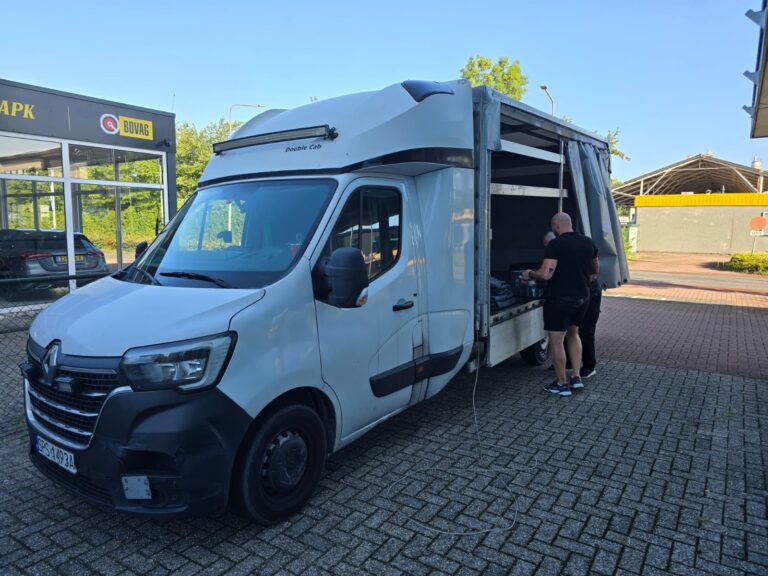
VANonsite supports European relocations with secure man and van transport, multiple vehicle sizes, fast scheduling and GPS tracking for every load. For people who want their belongings handled with care and visibility, VANonsite’s removals to Switzerland service offers a practical, professional route into the country.
TL:DR
- Moving to Switzerland is smoother when you plan documents, customs, transport, housing and registration before your moving date.
- If you work in Switzerland or stay longer than 3 months, you usually need the correct residence permit.
- In many cases, you should register with your new Swiss commune within 14 days of arrival.
- Used household goods may qualify for duty-free import if they meet Swiss customs rules, including prior personal use.
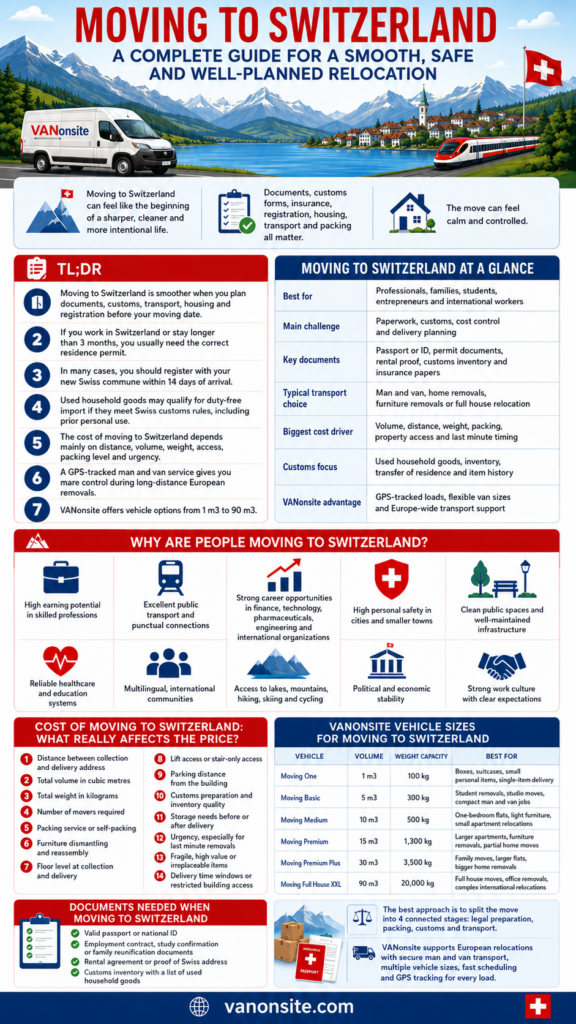
- The cost of moving to Switzerland depends mainly on distance, volume, weight, access, packing level and urgency.
- A GPS-tracked man and van service gives you more control during long-distance European removals.
- VANonsite offers vehicle options from 1 m3 to 90 m3, covering student moves, apartment relocations, family homes, furniture removals and office moves.
Moving to Switzerland at a Glance
| Topic | Quick Answer |
|---|---|
| Best for | Professionals, families, students, entrepreneurs and international workers |
| Main challenge | Paperwork, customs, cost control and delivery planning |
| Key documents | Passport or ID, permit documents, rental proof, customs inventory and insurance papers |
| Typical transport choice | Man and van, home removals, furniture removals or full house relocation |
| Biggest cost drivers | Volume, distance, weight, packing, property access and last minute timing |
| Customs focus | Used household goods, inventory, transfer of residence and item history |
| VANonsite advantage | GPS-tracked loads, flexible van sizes and Europe-wide transport support |
Moving to Switzerland is not impossible. It is simply structured. Once you understand the steps, the process becomes less intimidating. Instead of a foggy mountain road, it starts to look like a clear route with signs at every turn.
The best approach is to split the move into 4 connected stages: legal preparation, packing, customs and transport. Each stage protects the next one. Strong documents help at registration. A clean inventory helps at customs. Good packing protects the load. The right vehicle keeps the move efficient and cost-aware.
Why Are People Moving to Switzerland?
The benefits of moving to Switzerland are easy to understand before you even set foot in the country. Switzerland offers high salaries, a strong economy, reliable public services, clean cities and extraordinary access to nature. For many people, it represents stability without stagnation: a place where career ambition, family life and outdoor living can exist side by side.
Switzerland has 26 cantons and 4 national languages: German, French, Italian and Romansh. This gives the country a rare mix of local identity and international energy. Zurich feels different from Geneva. Lugano feels different from Basel. Lausanne has a different rhythm from Zug. Yet across the country, the same qualities stand out: precision, safety, cleanliness and a high standard of living.
Many people choose moving to Switzerland because they want more than a new address. They want a stronger career, better infrastructure, safer surroundings or a quieter daily rhythm. Others are drawn by universities, international organisations, cross-border business or the simple emotional pull of the Alps.
The strongest benefits of moving to Switzerland often include:
- High earning potential in skilled professions
- Excellent public transport and punctual connections
- Strong career opportunities in finance, technology, pharmaceuticals, engineering and international organisations
- High personal safety in cities and smaller towns
- Clean public spaces and well-maintained infrastructure
- Reliable healthcare and education systems
- Multilingual, international communities
- Access to lakes, mountains, hiking, skiing and cycling
- Political and economic stability
- Strong work culture with clear expectations
Still, moving to Switzerland is not only about opportunity. It is also about adjustment. Rent can be high. Health insurance is mandatory. Rules may vary by canton. Local registration can feel formal, especially if you are used to more relaxed systems. For this reason, the smartest relocation plan is not only emotional. It is practical.
This is where professional transport becomes important. When your personal life is packed inside a vehicle, you do not want vague updates or uncertainty. VANonsite gives customers GPS tracking for every load, so the journey across Europe becomes visible. That visibility is powerful. It lowers anxiety and gives you a clearer sense of control while you prepare for arrival.
Cost of Moving to Switzerland: What Really Affects the Price?
The cost of moving to Switzerland depends on the size of the move, the distance, the service level and the complexity of collection and delivery. A student moving 8 boxes and a monitor to Lausanne will not need the same vehicle as a family moving a 3-bedroom home to Zurich. A single white glove delivery is different from a full house relocation. A planned move is different from a last minute moving request.
There is no honest single price that fits every relocation. However, the main cost factors are predictable.
The cost of moving to Switzerland is usually shaped by:
- Distance between collection and delivery address
- Total volume in cubic metres
- Total weight in kilograms
- Number of movers required
- Packing service or self-packing
- Furniture dismantling and reassembly
- Floor level at collection and delivery
- Lift access or stair-only access
- Parking distance from the building
- Customs preparation and inventory quality
- Storage needs before or after delivery
- Urgency, especially for last minute moving
- Fragile, premium or high-value items
- Delivery time windows or restricted building access
The most effective way to control the cost of moving to Switzerland is to match the load to the right vehicle. Too small, and you risk delays or additional transport. Too large, and you may pay for space you do not need. The right vehicle creates balance: enough capacity for safety, but not excessive space that inflates the quote.
Volume matters because every cubic metre affects the vehicle type, loading time and route planning. Weight matters too. Books, tools, gym equipment, files, kitchenware and office equipment can become surprisingly heavy, even when they do not look bulky.
VANonsite Vehicle Sizes for Moving to Switzerland
| VANonsite Option | Volume | Weight Capacity | Best For |
|---|---|---|---|
| Moving One | 1 m3 | 100 kg | Boxes, suitcases, small personal items, single-item delivery |
| Moving Basic | 5 m3 | 300 kg | Student removals, studio moves, compact man and van jobs |
| Moving Medium | 10 m3 | 500 kg | One-bedroom flats, light furniture, small apartment relocations |
| Moving Premium | 15 m3 | 1,100 kg | Larger apartments, furniture removals, partial home moves |
| Moving Premium Plus | 30 m3 | 3,500 kg | Family moves, larger flats, bigger home removals |
| Moving Full House XXL | 90 m3 | 20,000 kg | Full house moves, office removals, complex international relocations |
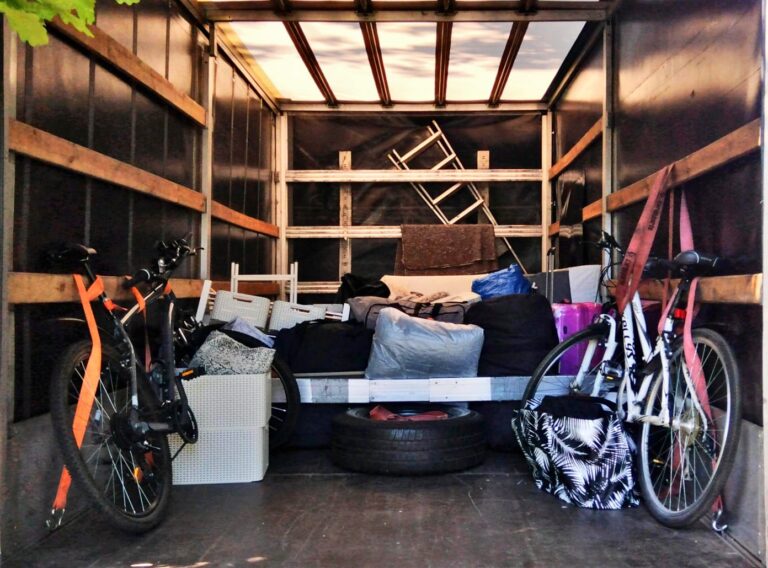
A properly chosen man and van service can make the difference between a sharp relocation and a chaotic one. If your move is compact, 5 m3 may be enough. If you are moving to Switzerland with a full family home, 30 m3 or even 90 m3 may be more realistic.
Before requesting a quote, make a simple room-by-room list. Count boxes. Measure large furniture. Separate fragile items. Note anything heavy, awkward or valuable. This gives the moving team a more accurate picture and helps avoid surprises on moving day.
Documents Needed When Moving to Switzerland
Documents are the backbone of moving to Switzerland. Before setting a collection date, check your nationality, reason for stay and expected length of residence. Requirements can vary for EU/EFTA citizens and non-EU/EFTA citizens, and some procedures are handled through cantonal authorities.
Start with official Swiss sources:
- ch.ch guide to moving to Switzerland
- Swiss residence permits on ch.ch
- State Secretariat for Migration, entry, residence and working
- FDFA entry and stay in Switzerland
- Swiss customs information for moving household effects
For many people, moving to Switzerland means preparing these documents:
- Valid passport or national ID
- Employment contract, study confirmation or family reunification documents
- Rental agreement or proof of Swiss address
- Residence permit documents, where required
- Health insurance documents
- Customs inventory for household goods
- Vehicle documents, if importing a car
- Pet documents, if moving with animals
- Birth or marriage certificates, if relocating as a family
- Copies of moving company booking details and delivery address
If you plan to work in Switzerland or stay for more than 3 months, check permit requirements before arrival. Do not leave this for moving week. A missing document can turn a smooth relocation into a frustrating chain of calls, appointments and delays.
Keep both printed and digital copies. A simple folder with labelled sections can save real tension at the commune office, border, customs point or property handover. It should include ID, permit papers, employment or study proof, rental agreement, customs inventory and moving documents.
Residence Permits and Local Registration
Residence rules are one of the most important parts of moving to Switzerland. In general, people who work in Switzerland or stay longer than 3 months need the correct permit. The exact route depends on your nationality, employment status and reason for moving.
EU/EFTA citizens and non-EU/EFTA citizens may follow different procedures. Students, pensioners, employees, self-employed people and family members may also need different supporting documents. Because Switzerland uses cantonal systems for many administrative steps, you should always check the rules for your destination canton.
After arriving, local registration is usually one of the first tasks. In many cases, you are expected to register with your new commune of residence within 14 days of moving. You may need your passport or ID, rental agreement, employment documents, permit papers and sometimes passport photos or civil status documents.
Before booking transport, confirm practical address details:
- Full Swiss delivery address
- Correct name on the door or mailbox
- Floor level
- Lift size and availability
- Building access rules
- Parking options
- Delivery time restrictions
- Contact person on site
- Whether the building manager needs advance notice
Swiss buildings can be beautifully managed, but that often means rules. A narrow delivery window, lift reservation or parking restriction can affect the whole moving day. Good planning prevents your moving van from sitting outside while the clock runs.
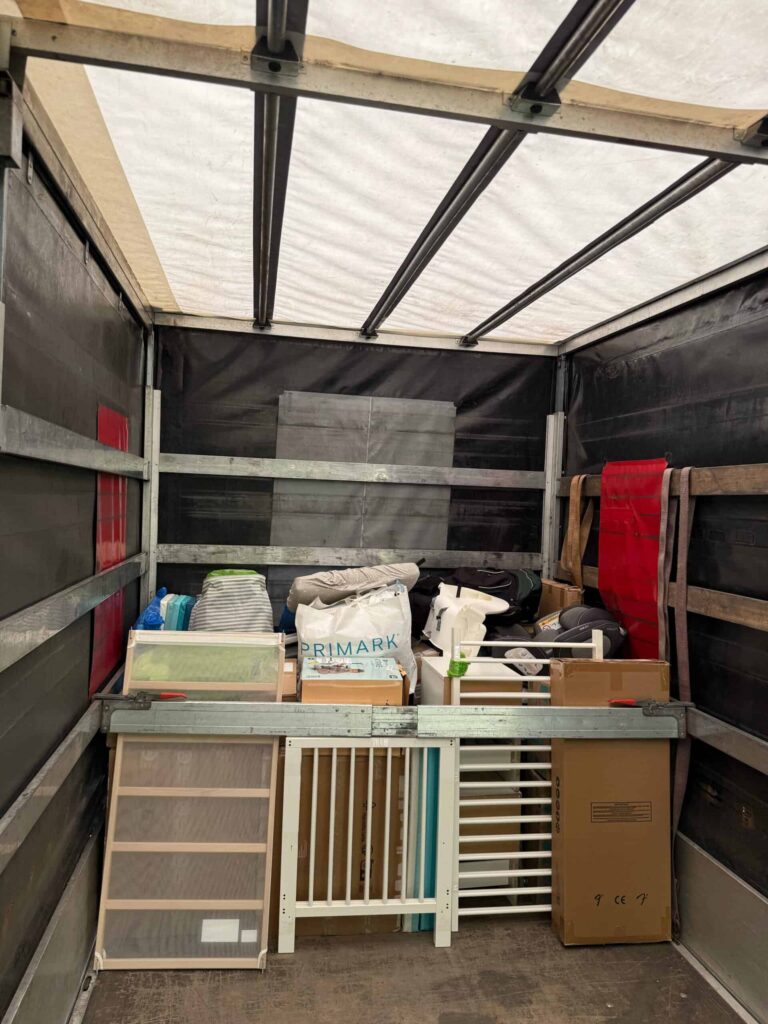
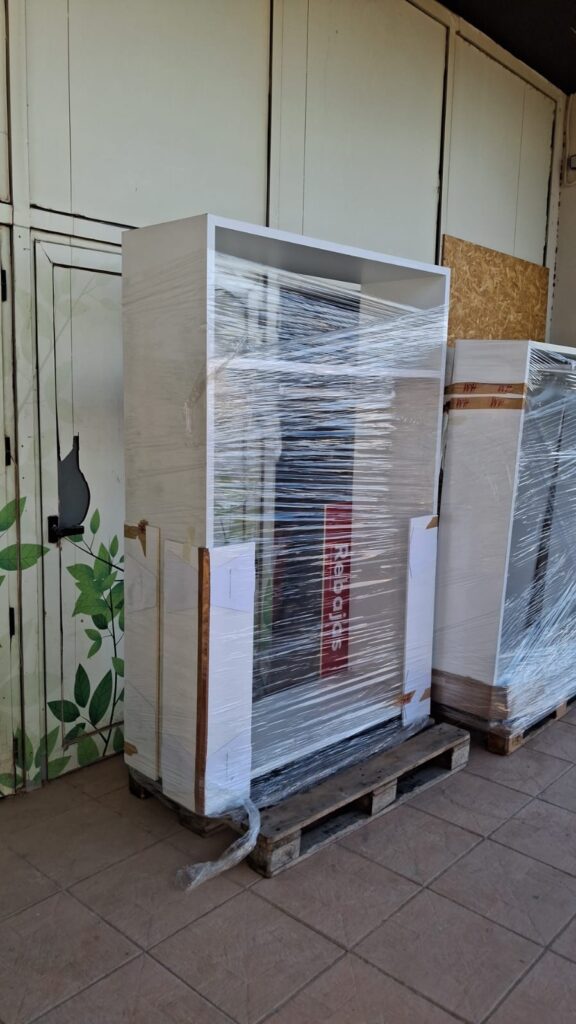
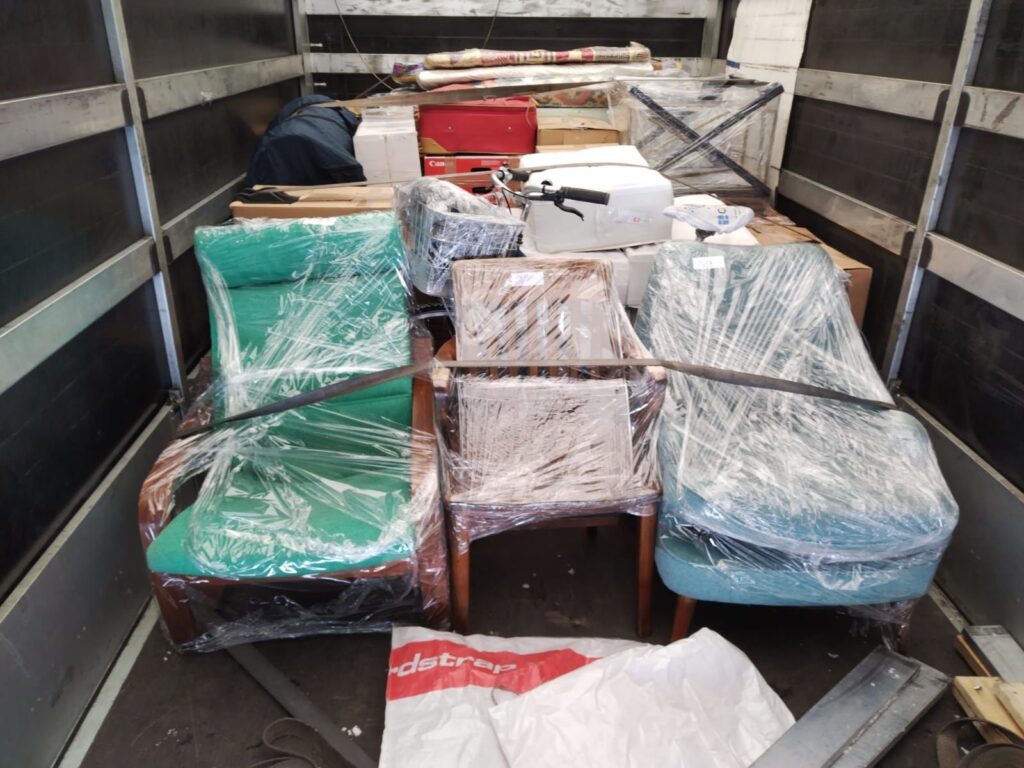
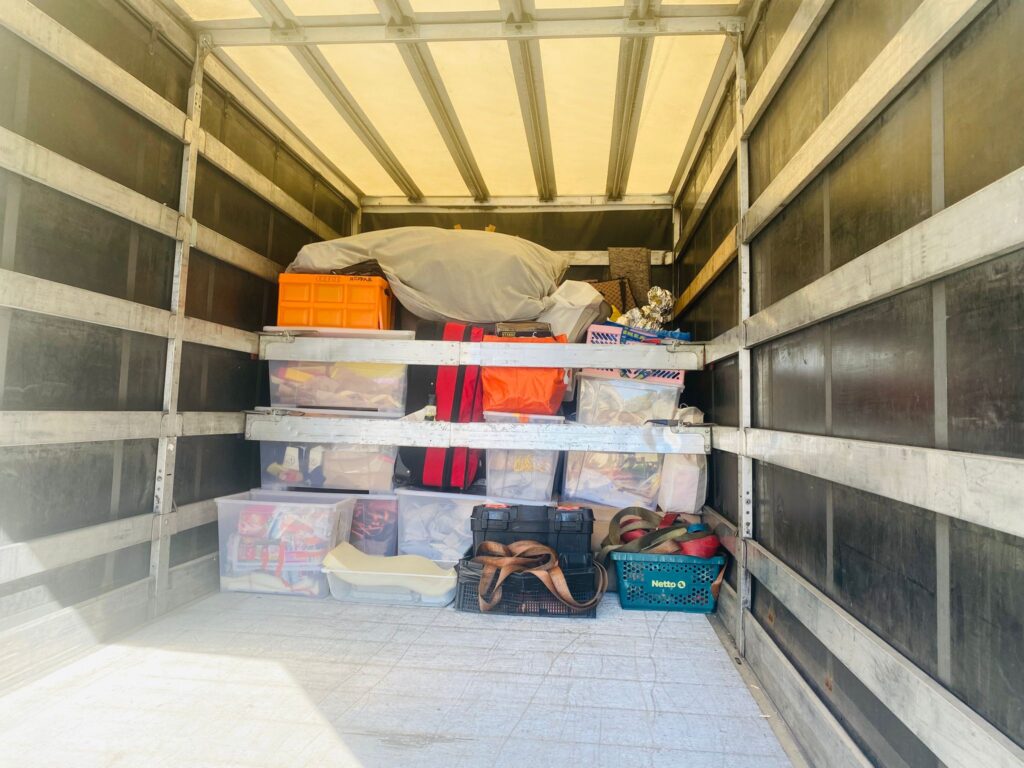
Customs Rules When Moving to Switzerland
Customs is one of the most important stages of moving to Switzerland. If you are bringing used household goods, they may qualify for duty-free import if they meet Swiss customs rules. In many cases, imported household effects need to have been used personally for at least 6 months before import and continue to be used after arrival.
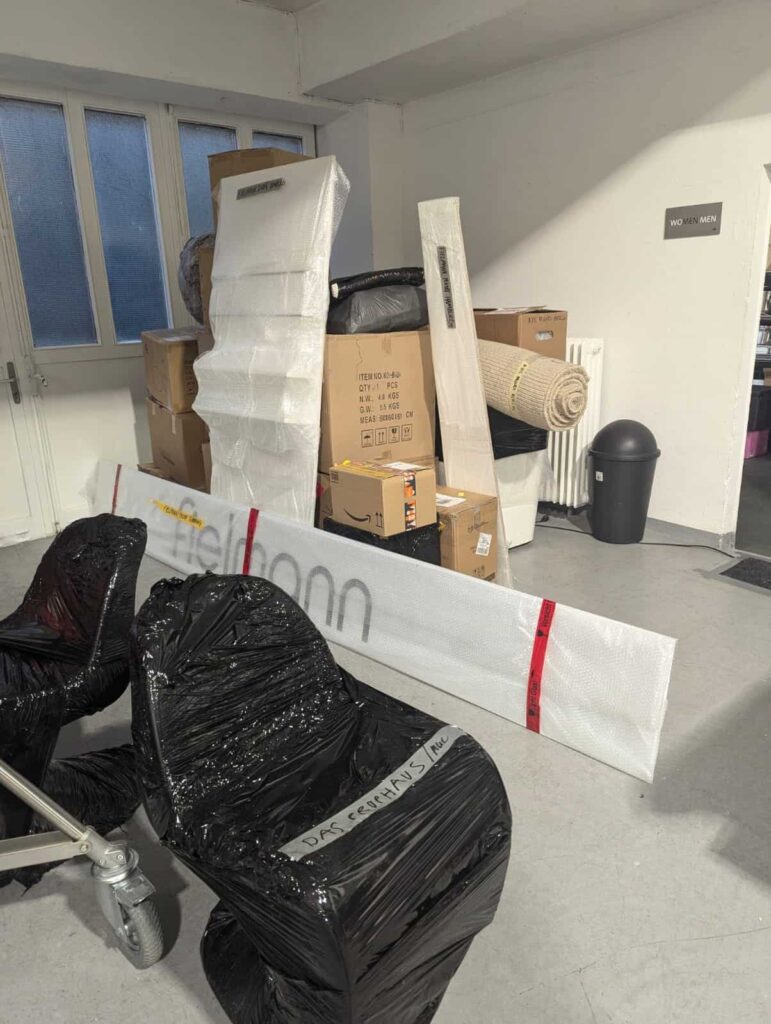
This is why your inventory matters. Vague packing creates risk. Clear packing creates control.
Your customs inventory should include:
- Box numbers
- Short contents descriptions
- Room category
- Furniture list
- Electronics list
- Fragile items
- Approximate values where needed
- Any special items, such as bicycles, musical instruments or tools
A simple customs inventory can look like this:
| Box Number | Room | Contents |
|---|---|---|
| Box 1 | Kitchen | Plates, cups, cutlery |
| Box 2 | Bedroom | Clothes, bedding |
| Box 3 | Office | Books, files, monitor cables |
| Box 4 | Living room | Decorations, framed pictures |
| Box 5 | Bathroom | Towels, toiletries, small bathroom accessories |
Do not pack new purchases, business stock, alcohol, tobacco or restricted goods casually among household items. Check official customs rules before import. If you are moving with a car, pets, valuable collections or commercial equipment, review the relevant Swiss customs guidance separately.
A professional man and van team cannot replace official customs checks, but it can help keep your load organised and aligned with your inventory. That makes the border stage cleaner and less stressful.
What to Pack Separately for the Journey
Some items should never disappear into the main moving load. They should stay with you, especially during an international relocation.
Keep these items separate:
- Passport or national ID
- Residence and work documents
- Rental contract
- Customs inventory
- Moving company contact details
- Medication
- Basic toiletries
- Phone charger and power bank
- Laptop and work essentials
- Jewellery and small valuables
- One or two changes of clothes
- Snacks and water for the journey
- Important documents for children or pets
This small personal kit can save the first 24 hours after moving to Switzerland. Even if the van arrives exactly as planned, you may not want to open 20 boxes just to find medication, a charger or a clean shirt.
Best Timeline for Moving to Switzerland
Moving to Switzerland becomes much easier when you give yourself enough time. For many relocations, 8 to 12 weeks is a sensible planning window. Larger home removals, family moves and office relocations may need more preparation.
| Time Before Move | What To Do |
|---|---|
| 8 to 12 weeks | Research permits, housing, schools, job documents and moving costs |
| 6 to 8 weeks | Request quotes, estimate volume and choose the right van size |
| 4 weeks | Start packing non-essential items and prepare your customs inventory |
| 2 weeks | Confirm access, parking, delivery date and document folder |
| 1 week | Pack essentials, label boxes and photograph valuable items |
| Moving day | Keep documents close, track the van and stay reachable |
| First 14 days | Register locally, arrange health insurance and complete urgent admin |
Last minute moving to Switzerland is possible, but it demands ruthless clarity. You need fewer loose items, faster decisions and a moving provider that can react quickly.
VANonsite offers last minute moving support across Europe, which is useful when a job start date changes, a rental contract begins suddenly or a previous mover cancels. In urgent moves, GPS tracking becomes even more valuable because you can follow the load instead of guessing.
Choosing the Right Moving Service for Switzerland
Not every move needs a giant truck. Some people only need a compact man and van solution. Others need packing, furniture removals, storage or a full house relocation. The right service depends on volume, fragility, access and timing.
Before choosing a service for moving to Switzerland, ask yourself:
- How much volume do I really have?
- Do I need packing help?
- Is any furniture heavy, fragile or expensive?
- Is there difficult access at collection or delivery?
- Do I need storage before the Swiss property is ready?
- Are there fixed delivery windows?
- Do I need dismantling or reassembly?
- Is this a private, student, family or office move?
VANonsite offers several service options that fit different relocation needs:
- Last Minute Moving for urgent relocation dates
- Furniture Removals for sofas, beds, wardrobes, tables and cabinets
- Home Removals for apartments and houses
- Packing Service for delicate, mixed or high-value belongings
- White Glove Delivery for premium furniture and fragile items
- Office Removals for business relocations
- Storage when dates do not match perfectly
- Student Removals for compact and budget-aware moves
- Office Furniture Installation for commercial setups
The real value is not only transport. It is judgement. A good mover knows how to wrap polished surfaces, secure heavy items, stack boxes safely and protect fragile pieces during hundreds of kilometres on the road.
Where Are People Moving in Switzerland?
Switzerland is compact, but each city has its own mood, language rhythm and cost profile. Before moving to Switzerland, think carefully about where your daily life will actually happen. A city may look perfect online, but your commute, rent, school access and language environment will shape your experience.
Zurich
Zurich is a powerful choice for finance, technology, startups and international careers. It is polished, efficient and expensive, but it offers strong salaries, lake-side living and excellent transport. If you are moving to Switzerland for career growth, Zurich will often appear near the top of your list.
Access planning matters in Zurich. Central streets can be busy, buildings may have strict delivery rules and parking close to the entrance is not always simple.
Geneva
Geneva attracts diplomats, finance professionals, NGO workers and international families. It feels global, multilingual and closely connected to France. Many people who choose Geneva value its international atmosphere and strong professional network.
When planning removals to Geneva, check whether your delivery address has limited access or specific building rules. A precise delivery window can make the move easier.
Basel
Basel is strong for pharmaceuticals, life sciences and cross-border work. Its position near Germany and France makes it practical for international families and professionals. It has a creative cultural scene, strong employment opportunities and excellent connections.
Because Basel sits close to national borders, route planning and customs preparation should be handled carefully.
Bern
Bern has a calmer rhythm. It is the Swiss capital, with beautiful historic streets, good public services and a more grounded pace than Zurich or Geneva. Families often appreciate its balance between city life and softer daily movement.
Historic streets can create access challenges, so check loading rules in advance.
Lausanne
Lausanne suits students, professionals and families who want French-speaking Switzerland, lake views and access to education and culture. The city has hills, charm and a lively student atmosphere.
For student removals, a smaller man and van option may be enough, especially if accommodation is furnished.
Zug
Zug is known for business, tax appeal and a high-income international population. Housing can be competitive, so plan early. If your delivery address is in a premium apartment block, check concierge rules, lift booking and delivery hours.
Lucerne
Lucerne offers dramatic scenery, a charming old town and strong quality of life. It is attractive for people who want beauty without losing connectivity. Narrow streets and older buildings may require careful unloading planning.
Lugano
Lugano brings Italian-speaking Switzerland into focus. It offers lakes, warmer character and a lifestyle that feels softer around the edges. For people searching “Switzerland moving to Lugano”, language and route planning should both be considered.
Searches like “Switzerland moving to Zurich”, “Switzerland moving to Geneva” or “Switzerland moving to Basel” usually point to a practical need: city-specific moving advice. The most important details are parking, access, building rules, lift dimensions and delivery timing.
Moving to Switzerland With Furniture
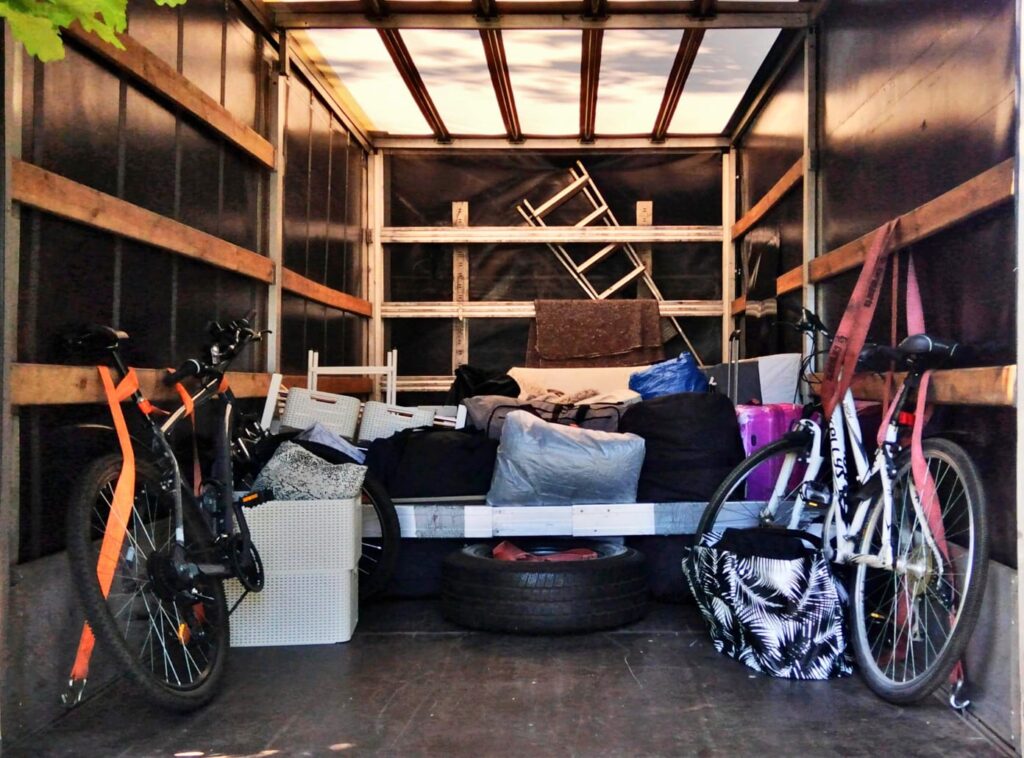
Furniture removals are one of the most sensitive parts of moving to Switzerland. A sofa is not just a sofa when it meets a narrow stairwell. A wardrobe is not just a wardrobe when it needs to be dismantled, carried, loaded, protected and reassembled without scratches.
Before moving furniture to Switzerland, check:
- Width and height of doorways
- Staircase turns
- Lift dimensions
- Parking distance from entrance
- Building delivery rules
- Need for dismantling
- Fragile surfaces, glass, mirrors or marble
- Original assembly instructions, if available
Large items should be measured before the quote. Valuable items should be photographed before packing. Screws and fittings should be sealed in labelled bags.
VANonsite supports furniture removals for Switzerland moves, including careful loading and transport. For premium pieces, white glove delivery can add another level of care, especially for designer furniture, delicate finishes or sentimental items.


Moving to Switzerland as a Student
Student removals are usually smaller, faster and more budget-conscious. A typical student move might include 6 to 15 boxes, clothes, bedding, books, a monitor, a small desk chair, kitchen items and personal electronics.
For many students moving to Switzerland, a compact man and van option is more sensible than a large removal truck. VANonsite’s Moving Basic at 5 m3 or Moving Medium at 10 m3 may suit student loads, depending on furniture and distance.
Before moving, students should check:
- University accommodation rules
- Move-in date and delivery window
- Whether furniture is already provided
- Access to the building
- Local registration requirements
- Health insurance obligations
- Study documents and ID papers
Keep university documents, passport, rental confirmation and valuables in hand luggage. Do not load them into the van by accident. The box with your kettle can wait. Your documents cannot.
Moving to Switzerland With Family
Moving to Switzerland with family is more emotional than a simple transport job. You are not just moving furniture. You are moving bedtime routines, school papers, toys, photo frames, favourite mugs and the small domestic rituals that make a new place feel safe.
Family moves often need more structure. Larger households may require Moving Premium Plus at 30 m3 or Moving Full House XXL at 90 m3, depending on property size, furniture and total volume.
A family relocation checklist should include:
- School or nursery registration
- Family documents
- Housing contract
- Health insurance research
- Medical records
- Pet documents, if relevant
- Separate essentials boxes for children
- Clear labelling by room
- Storage plan if move-in dates do not match
Try to pack one first-night box for each family member. Include bedding, toiletries, chargers, snacks, basic clothes and comfort items for children. The first evening in a new country should not begin with 19 sealed boxes and a missing toothbrush.
Moving an Office to Switzerland
Office removals to Switzerland need precision because downtime can become expensive fast. For a business, the hidden cost is not always transport. It is lost work, lost focus and delayed reopening.
An office move may include:
- Desks
- Chairs
- Cabinets
- Archive boxes
- IT equipment
- Screens
- Meeting room furniture
- Reception furniture
- Printer and server equipment
- Office furniture installation
Before the move, create a labelled floor plan for the new office. Mark each desk, chair, cabinet and box by department or room. If possible, use colour labels for teams.
VANonsite supports office removals and office furniture installation, helping businesses reduce chaos after delivery. A well-planned office move lets the team restart faster instead of spending days hunting for cables and chair parts.
Packing Tips Before Moving to Switzerland
Packing is where a move is won or lost. It sounds ordinary, but it has quiet power. Good packing protects your belongings, speeds up loading and makes customs easier.
Use this packing strategy:
- Pack by room, not randomly.
- Label every box on 2 sides.
- Number each box.
- Keep a matching inventory.
- Use strong cartons for books.
- Do not overload boxes.
- Wrap fragile items individually.
- Photograph valuable items.
- Keep documents separate.
- Prepare an essentials bag.
For moving to Switzerland, your packing should also support customs clarity. Avoid vague labels like “miscellaneous”. Use direct descriptions such as “kitchen plates”, “winter coats”, “children’s books” or “office cables”.
If you are short on time, a professional packing service can prevent the grim moving-night scene: open boxes, torn tape, tired hands and panic rising at midnight.
What Not to Pack in the Main Moving Load
Some items should be checked carefully before transport. International removals involve rules, and Switzerland has clear expectations around customs and restricted goods.
Before packing, review official guidance if you plan to bring:
- Alcohol
- Tobacco
- New goods
- Commercial stock
- Plants
- Food products
- Weapons or controlled items
- Medicines in larger quantities
- High-value collections
- Pets
- Vehicles
This does not mean every item is forbidden. It means you should not treat everything like ordinary household clutter. If something has special customs rules, document it clearly and check the official requirements.
Storage When Moving to Switzerland
Sometimes the timing is imperfect. Your old lease ends on Friday, but your Swiss apartment is ready 10 days later. Your employer wants you in Zurich quickly, but your family will follow later. Your furniture arrives before the final property handover. These gaps are common, and storage can make the move less painful.
Storage may help when:
- Your Swiss property is not ready yet
- You are staying in temporary accommodation
- You are downsizing
- You need time to choose what to keep
- Your office move is happening in phases
- You want to send part of the load later
Storage is not a failure of planning. Often, it is the thing that makes the plan work. Instead of forcing every item into the wrong place at the wrong time, you create breathing space.
VANonsite can support moves that involve storage needs, helping you build a relocation plan around real dates rather than wishful thinking.
Last Minute Moving to Switzerland
Sometimes life moves faster than the calendar. A job offer arrives. A tenancy changes. A family decision becomes urgent. A previous moving company fails. In those moments, last minute moving to Switzerland can feel intense, but it can still be managed.
The key is to reduce complexity immediately.
For last minute moving, focus on:
- Confirming the exact delivery address
- Choosing the right vehicle quickly
- Packing essentials first
- Creating a basic customs inventory
- Separating documents
- Labelling boxes clearly
- Avoiding unnecessary items
- Sharing access details with the mover
Urgent does not have to mean reckless. A responsive man and van service can make a sudden move feel controlled. GPS tracking also becomes especially useful because you have less time to plan and more need for visibility.
Common Mistakes When Moving to Switzerland
Most moving problems are not dramatic at first. They begin as small oversights. Then they multiply.
Avoid these common mistakes:
- Booking transport before checking permit rules
- Underestimating the cost of moving to Switzerland
- Choosing the wrong van size
- Forgetting the customs inventory
- Packing new goods together with used household items without clarity
- Ignoring parking access
- Leaving furniture dismantling until moving day
- Forgetting to reserve a lift or loading area
- Moving valuable items without proper protection
- Choosing transport without GPS tracking
- Waiting too long to request a quote
- Forgetting to check building delivery rules
- Keeping important documents inside packed boxes
- Not measuring large furniture before moving day
Moving to Switzerland should not feel like damage control. With a clear plan, a labelled inventory and a reliable man and van provider, the whole process feels lighter.
Why Choose VANonsite for Moving to Switzerland?
VANonsite is built for people who want speed, safety and clarity during European relocations. When your belongings cross borders, you need more than a vehicle. You need trust.
VANonsite offers:
- Man and van moving options across Europe
- Vehicle sizes from 1 m3 to 90 m3
- GPS tracking for every load
- Home removals and furniture removals
- Packing service for fragile or complex loads
- White glove delivery for premium items
- Office removals and office furniture installation
- Student removals
- Storage solutions
- Last minute moving support
The GPS tracking matters. It turns uncertainty into visibility. Instead of wondering where your belongings are, you can follow the journey and feel the move happening in real time.
For customers moving to Switzerland, that level of control is powerful. It protects trust. It lowers stress. It makes a long-distance move feel less distant.
If you are planning a move soon, get a tailored quote for removals to Switzerland and choose the transport setup that fits your load, deadline and budget.
Moving to Switzerland Checklist
Use this checklist to keep the process clean.
Before Booking
- Confirm your destination city
- Check permit and entry rules
- Estimate your volume in m3
- Choose the right vehicle size
- Decide if you need packing help
- Review customs requirements
- Check if storage is needed
- Request a quote early
Before Collection
- Prepare a customs inventory
- Label boxes clearly
- Photograph fragile or valuable items
- Reserve parking
- Confirm lift access
- Pack documents separately
- Keep essentials out of the van
- Share full delivery details with the mover
After Arrival
- Register with the local commune where required
- Arrange health insurance
- Check delivered items
- Set up utilities
- Update address details
- Keep customs paperwork
- Store moving documents safely
FAQ About Moving to Switzerland
How much does moving to Switzerland cost?
The cost of moving to Switzerland depends on distance, load size, weight, access, packing needs and urgency. A small student move may fit into a 5 m3 man and van option, while a family relocation may need 30 m3 or more. The best approach is to request a tailored quote based on your real inventory.
Is moving to Switzerland difficult?
Moving to Switzerland is manageable if you prepare early. The biggest challenges are documents, customs, registration, housing and cost control. With a clear checklist and professional transport, the process becomes much smoother.
What are the benefits of moving to Switzerland?
The benefits of moving to Switzerland include high salaries, safety, clean cities, excellent public transport, strong healthcare, beautiful landscapes and a stable economy. Many people also value the country’s order, privacy and high quality of life.
Do I need a residence permit for Switzerland?
If you work in Switzerland or stay longer than 3 months, you usually need the correct permit. Requirements depend on nationality and purpose of stay, so always check official Swiss government guidance before moving.
Can I bring my furniture when moving to Switzerland?
Yes, many people bring furniture and household goods when moving to Switzerland. Used personal belongings may qualify for duty-free import if they meet Swiss customs rules. Prepare a clear inventory and check official customs information before transport.
Is a man and van service enough for moving to Switzerland?
A man and van service can be enough for small and medium moves, especially student removals, apartment relocations and selected furniture removals. Larger family homes or office moves may need bigger vehicle options.
Does VANonsite offer GPS tracking?
Yes. VANonsite offers GPS tracking for every load, which helps customers monitor their belongings during the journey across Europe.
What is the best time to book removals to Switzerland?
For a planned move, 4 to 8 weeks before moving day is a sensible window. Larger moves may need more time. For urgent relocations, VANonsite also supports last minute moving when availability allows.
What does “Switzerland moving to” mean in relocation searches?
Many users type phrases like “Switzerland moving to Zurich”, “Switzerland moving to Geneva” or “Switzerland moving to Basel” when comparing destinations. The most important thing is to plan the city-specific details: parking, access, building rules and delivery timing.
Can VANonsite help with packing?
Yes. VANonsite offers packing service for customers who want delicate, mixed, bulky or high-value belongings prepared more safely for transport.
What vehicle size do I need for moving to Switzerland?
It depends on your volume and weight. A small student move may need 5 m3, while a family home may need 30 m3 or more. VANonsite offers options from 1 m3 to 90 m3, so the service can be matched to the real size of your move.
Ready for a Safer Move to Switzerland?
Moving to Switzerland is a major step, but it does not need to feel overwhelming. With the right documents, a clear inventory, a realistic cost plan and a professional moving team, the journey can feel sharp, calm and controlled.
VANonsite helps individuals, students, families and businesses move across Europe with secure transport, flexible vehicle sizes and GPS-tracked loads. Whether you are moving a few boxes, a full apartment, premium furniture or an entire office, the right plan starts with one simple step.
Get your tailored quote for removals to Switzerland and move with speed, care and confidence.