
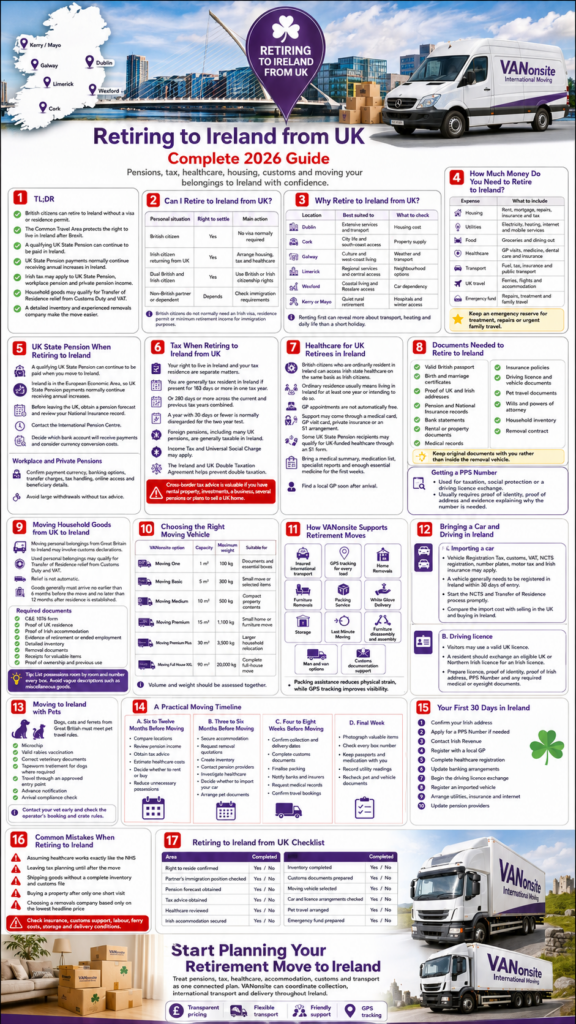
Retiring to Ireland from UK is legally simpler than moving to many other European countries. British citizens can live in Ireland without applying for a visa or residence permit because both countries remain part of the Common Travel Area. This arrangement gives British and Irish citizens the right to move freely, settle, work and access important public services in either country.
The immigration side of retiring to Ireland is therefore relatively straightforward. However, the move still requires careful planning. You need to organise pension payments, understand Irish tax residence, arrange healthcare, secure suitable accommodation and prepare customs documents for your belongings.
For many retirees, the move is also deeply personal. Furniture, photographs, books and family possessions may have been collected over several decades. A structured relocation plan reduces the risk of delays, damage and unexpected costs.
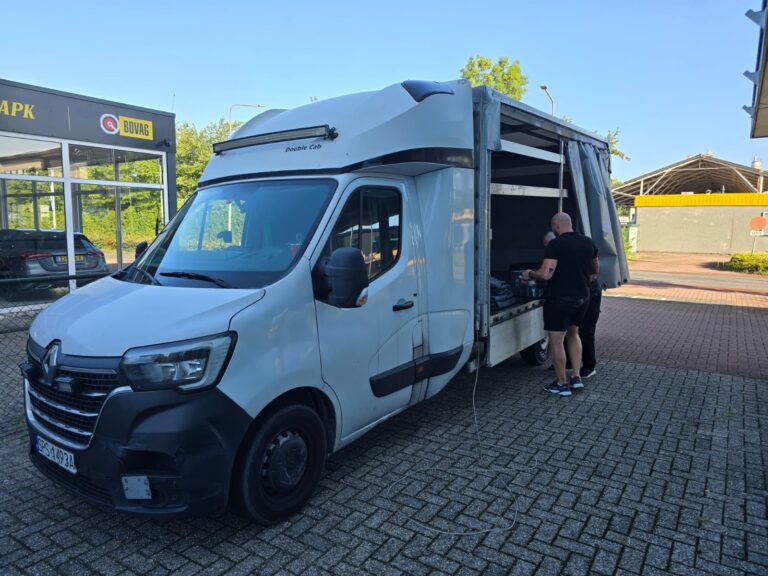
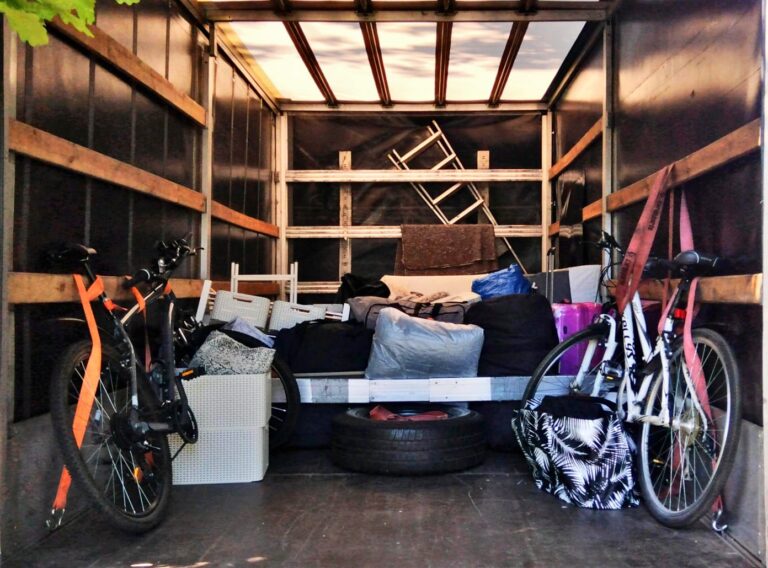
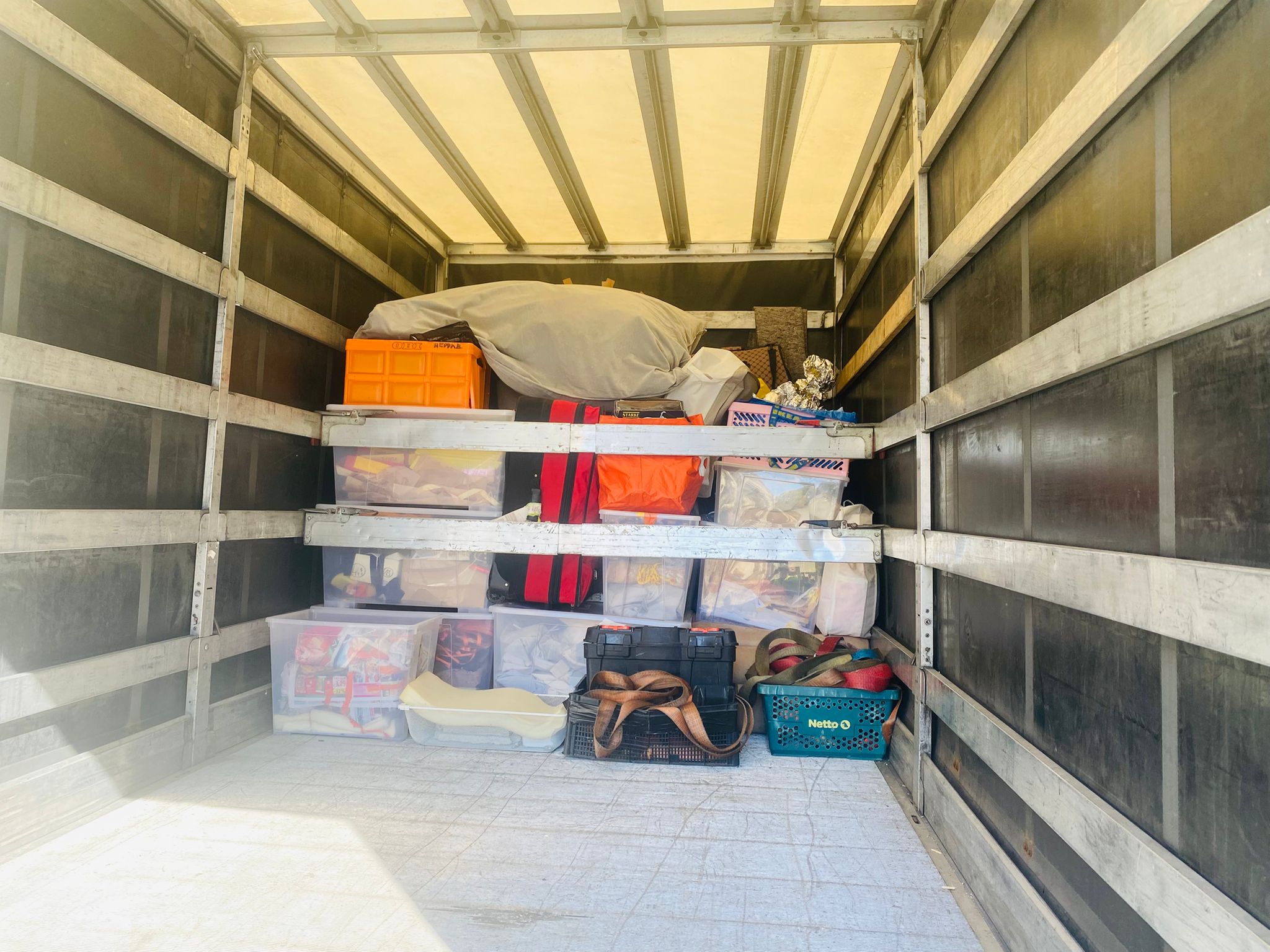
VANonsite supports retirement moves with insured transport, flexible vehicle sizes, packing services and GPS tracking for every load. Whether you need a compact man and van service or a full household relocation, the move can be matched to your schedule, property and volume of belongings.
TL:DR: Retiring to Ireland from UK
- British citizens can retire to Ireland without applying for a visa or residence permit.
- The Common Travel Area protects the right of British citizens to live in Ireland after Brexit.
- A qualifying UK State Pension can continue to be paid after you move to Ireland.
- UK State Pension payments normally continue receiving annual increases in Ireland.
- Irish tax may apply to UK State Pension, workplace pension and private pension income.
- Household goods may qualify for Transfer of Residence relief from Customs Duty and VAT.
- A detailed inventory and experienced removals company can make retiring to Ireland far easier.




Can I Retire to Ireland from UK?
Yes. A British citizen can retire to Ireland from UK without applying for a dedicated retirement visa. Under the Common Travel Area, British citizens can enter Ireland, live there and access related rights and services.
The Common Travel Area existed before the UK and Ireland joined the European Union, so it is separate from EU freedom of movement. It continues to apply after Brexit.
British citizens do not normally need an Irish entry visa, residence permit, employment permit or proof of a minimum retirement income for immigration purposes. You should still travel with a valid British passport because it remains the clearest way to prove your identity and citizenship.
Different rules may apply to a spouse, partner or dependent who is not British or Irish. Their right to live in Ireland may depend on nationality and family circumstances. Check the requirements with the Irish Immigration Service before arranging the move.
| Personal situation | Right to settle | Main action |
|---|---|---|
| British citizen | Yes | No visa normally required |
| Irish citizen returning from UK | Yes | Arrange housing, tax and healthcare |
| Dual British and Irish citizen | Yes | Use British or Irish citizenship rights |
| Non-British partner or dependent | Depends | Check immigration requirements |
Why Retire to Ireland from UK?
Retiring to Ireland offers familiarity and change. English is widely spoken, travel to the UK is relatively easy, and cities such as Dublin, Cork, Galway and Limerick provide strong regional services. Smaller counties can offer space and tranquillity, although rural living may require a car.
Before choosing a property, check the nearest GP, pharmacy, hospital, supermarket and transport connection. A location should work in winter as well as summer.
| Location | Best suited to | What to check |
|---|---|---|
| Dublin | Extensive services and transport | Housing cost |
| Cork | City life and south-coast access | Property supply |
| Galway | Culture and west-coast living | Weather and transport |
| Limerick | Regional services and central access | Neighbourhood options |
| Wexford | Coastal living and Rosslare access | Car dependency |
| Kerry or Mayo | Quiet rural retirement | Hospitals and winter access |
Renting first can reveal more about transport, heating and daily life than a short holiday.
How Much Money Do You Need to Retire to Ireland?
There is no single figure that guarantees a comfortable retirement. Costs depend on housing, location, transport, healthcare and lifestyle. Prepare an essential budget, a comfortable budget and a separate emergency reserve.
| Expense | What to include |
|---|---|
| Housing | Rent, mortgage, repairs, insurance and tax |
| Utilities | Electricity, heating, internet and mobile services |
| Food | Groceries and dining out |
| Healthcare | GP visits, medicine, dental care and insurance |
| Transport | Fuel, tax, insurance and public transport |
| UK travel | Ferries, flights and accommodation |
| Emergency fund | Repairs, treatment and family travel |
Keep an emergency reserve for treatment, repairs or urgent family travel.
UK State Pension When Retiring to Ireland
A qualifying UK State Pension can continue to be paid when you retire to Ireland. Ireland is in the European Economic Area, so UK State Pension payments normally continue receiving annual increases.
Before leaving the UK, obtain a pension forecast, review your National Insurance record and contact the International Pension Centre. Decide which bank account will receive payments and account for conversion costs if your income arrives in pounds.
Workplace and Private Pensions
Each provider may follow a different process. Confirm payment currency, banking options, transfer charges, tax handling, online access and beneficiary details.
Avoid making a large pension withdrawal immediately before or after moving without tax advice. The date of the payment and your residence status can affect how the money is treated.
If you worked in both countries, UK and Irish contribution periods may be relevant to certain pension rights. Contact the Irish Department of Social Protection and the UK International Pension Centre for an individual assessment.
Tax When Retiring to Ireland from UK
Your right to live in Ireland and your tax residence are separate matters. You may have an unrestricted right to settle while becoming liable for Irish tax because of the number of days you spend in the country.
You are generally tax resident in Ireland if you are present for:
- 183 days or more in one tax year
- 280 days or more across the current and previous tax years combined
A year in which you spend 30 days or fewer in Ireland is normally disregarded for the two-year test. Full details are available from Irish Revenue.
Foreign pensions, including many UK pensions, are generally taxable in Ireland. They may be liable to Income Tax and Universal Social Charge, although the final treatment depends on the pension type, your residence and domicile, and whether UK tax has already been deducted.
The Ireland and UK Double Taxation Agreement is designed to prevent the same income from being taxed twice. However, it does not make every pension automatically tax-free.
Cross-border tax advice is particularly valuable if you have rental property, investments, a business, several pensions or plans to sell a UK home.
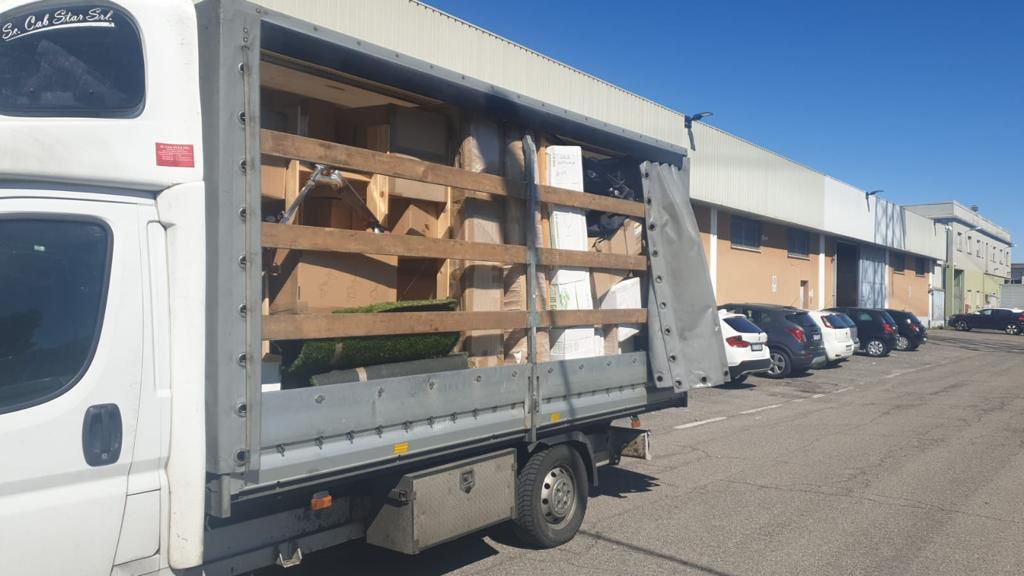
Healthcare for UK Retirees in Ireland
British citizens who are ordinarily resident in Ireland can access Irish state healthcare on the same basis as Irish citizens. Ordinary residence generally means that you have lived in Ireland for at least one year or intend to do so.
The Irish system is not identical to the NHS. GP appointments are not automatically free, and some services involve charges. Depending on your circumstances, support may come through a medical card, GP visit card, private insurance or an S1 arrangement.
Some UK State Pension recipients may qualify for UK-funded healthcare through an S1 form. Confirm eligibility with the relevant UK authority before relying on this arrangement.
Bring a medical summary, medication list, specialist reports and enough essential medicine for the first weeks. Find a local GP soon after arrival.
Documents Needed to Retire to Ireland
A well-organised document folder will simplify banking, taxation, healthcare, customs and property procedures.
Prepare copies of:
- Valid British passport
- Birth and marriage certificates
- Proof of UK and Irish addresses
- Pension and National Insurance records
- Bank statements
- Rental or property documents
- Medical records
- Insurance policies
- Driving licence and vehicle documents
- Pet travel documents
- Wills and powers of attorney
- Household inventory
- Removal contract
Keep original documents with you rather than inside the removal vehicle.
Getting a PPS Number
A Personal Public Service Number is used when dealing with Irish public services. You may need it for taxation, social protection or a driving licence exchange.
Applications generally require proof of identity, proof of address and evidence explaining why the number is needed. Official instructions are available on the Irish government PPS Number page.
Moving Household Goods from UK to Ireland
Moving personal belongings from Great Britain to Ireland may involve customs declarations because Great Britain is outside the EU customs territory.
If you are transferring your normal residence, used personal belongings may qualify for Transfer of Residence relief from Customs Duty and VAT. Eligible goods can include furniture, clothing, books, bicycles, kitchen equipment and personal electronics.
Relief is not automatic. You must show that the move is genuine and the items are for personal use. Goods must generally arrive no earlier than six months before the move and no later than 12 months after you establish residence.
You may need:
- A completed C&E 1076 form
- Proof of UK residence
- Proof of Irish accommodation
- Evidence of retirement or ended employment
- A detailed inventory
- Removal documents
- Receipts for valuable items
- Proof of ownership and previous use
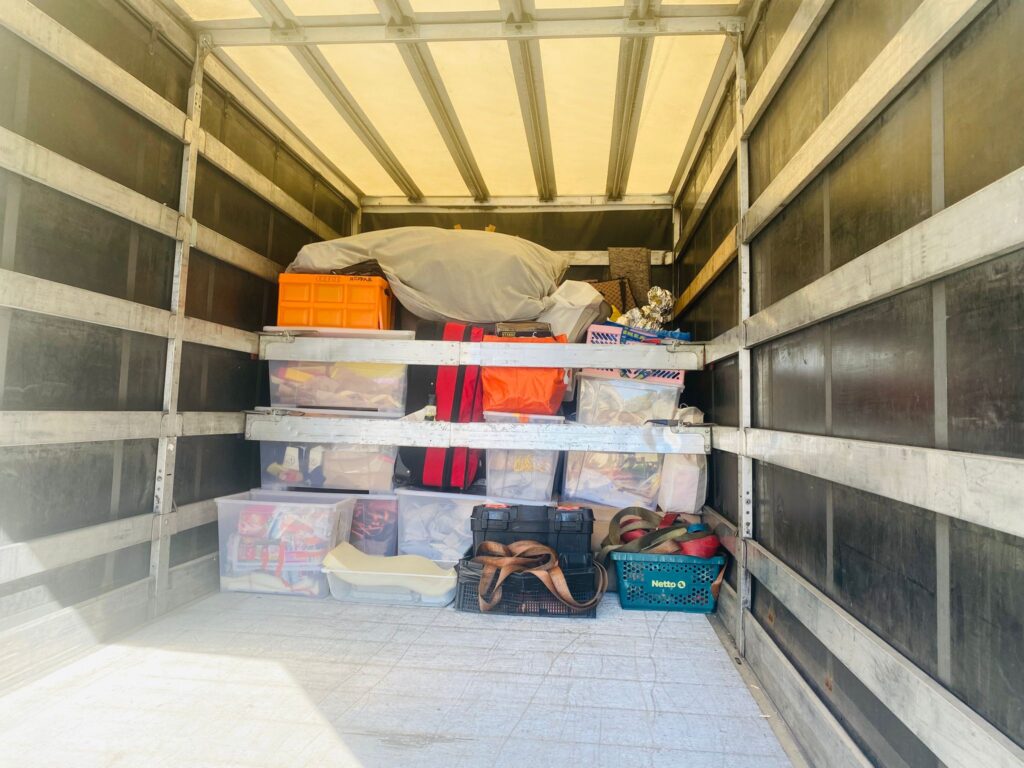
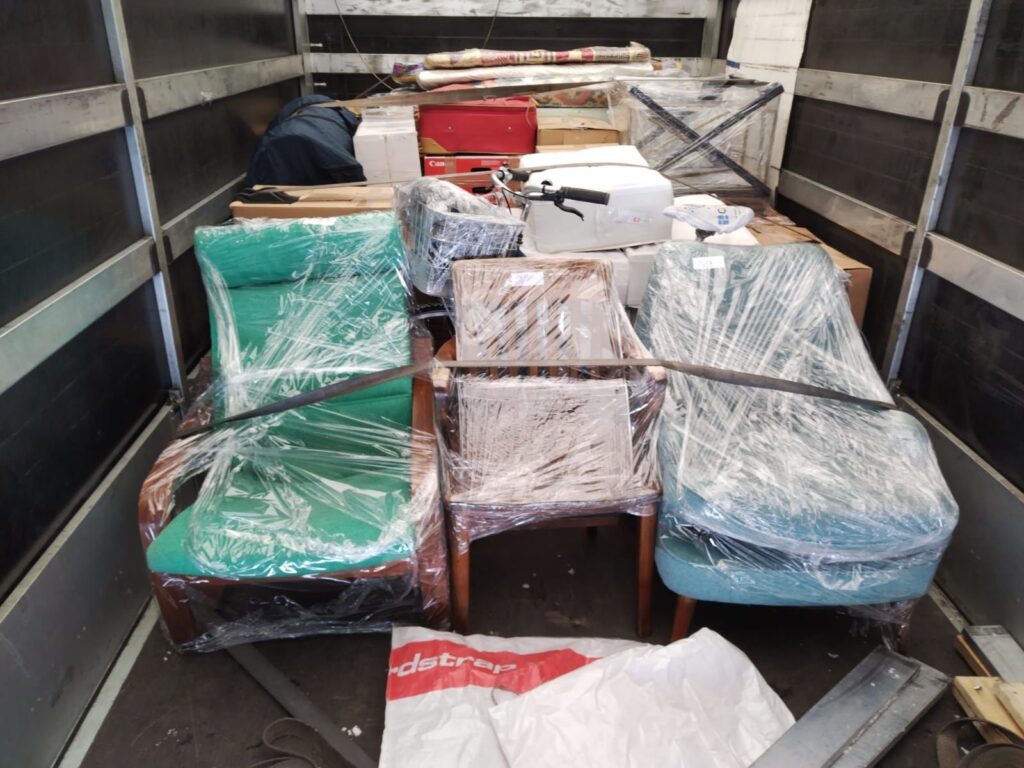
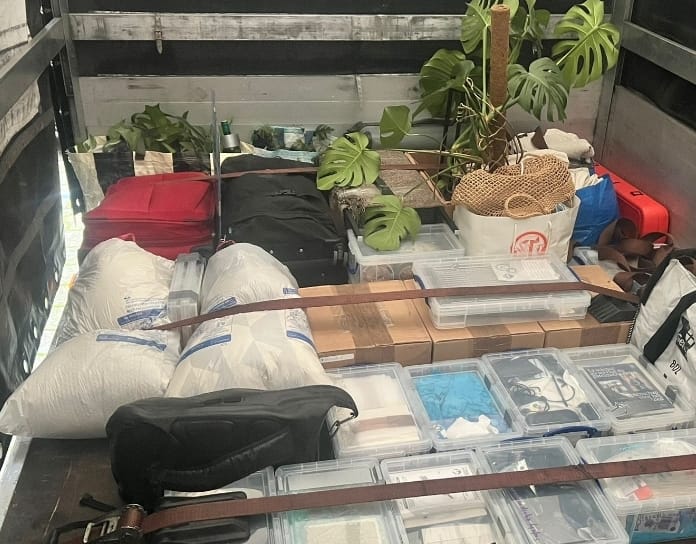
List possessions room by room and number every box. Avoid vague descriptions such as “miscellaneous goods.” A clearer entry would be “used plates, cups, pans and kitchen utensils.”
A specialist provider of removals to Ireland can coordinate collection, inventory preparation, customs documents and delivery.
Choosing the Right Moving Vehicle
Retirement moves vary greatly. Some people take boxes and selected furniture. Others relocate the contents of an entire family home.
| VANonsite option | Capacity | Maximum weight | Suitable for |
|---|---|---|---|
| Moving One | 1 m³ | 100 kg | Documents and essential boxes |
| Moving Basic | 5 m³ | 300 kg | Small move or selected items |
| Moving Medium | 10 m³ | 500 kg | Compact property contents |
| Moving Premium | 15 m³ | 1,100 kg | Small home or furniture move |
| Moving Premium Plus | 30 m³ | 3,500 kg | Larger household relocation |
| Moving Full House XXL | 90 m³ | 20,000 kg | Complete full-house move |
Volume and weight should be assessed together. Books, tools and solid furniture can reach the weight limit before the vehicle is physically full.
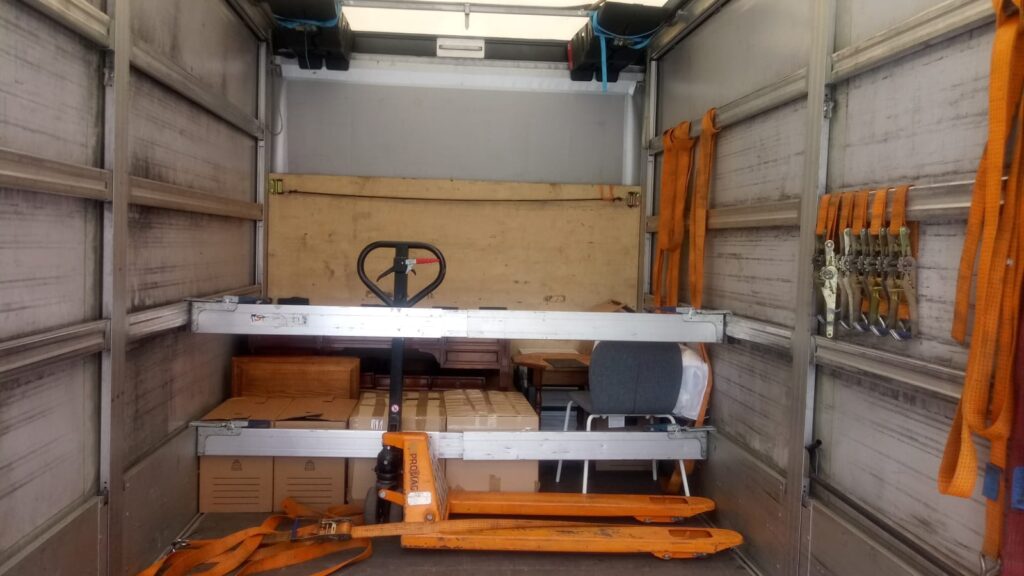
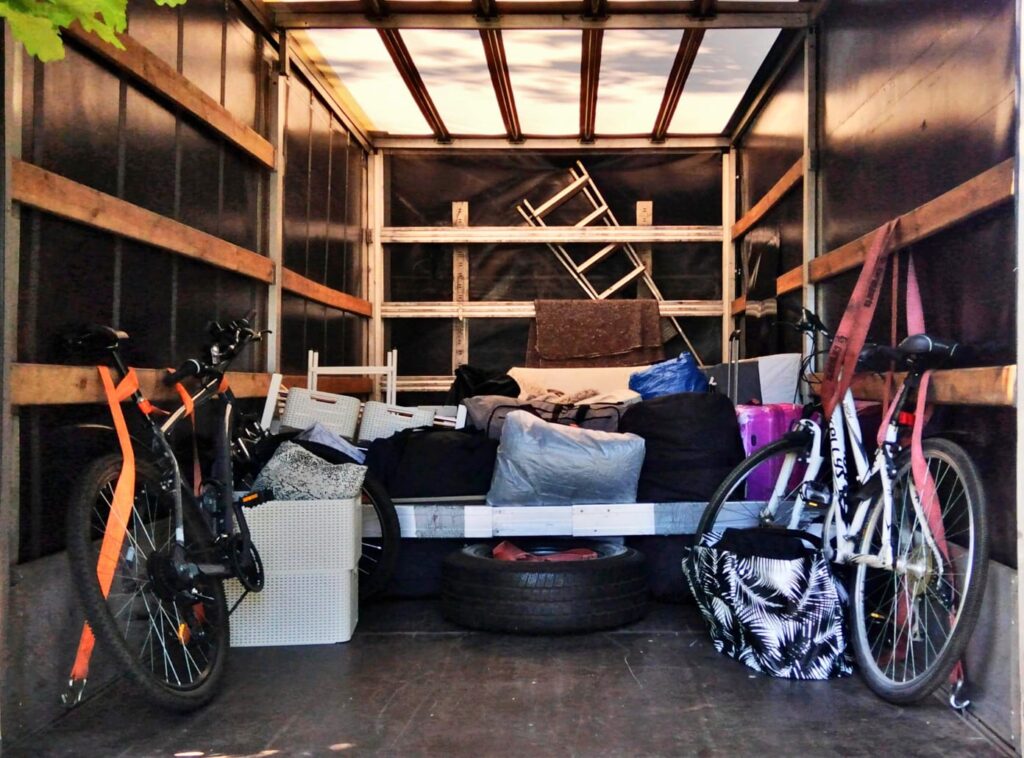
A man and van service can suit boxes, selected furniture or a small flat. A full removal service is more appropriate for heavy furniture, multiple floors, packing, customs support, fragile items or storage.
How VANonsite Supports Retirement Moves
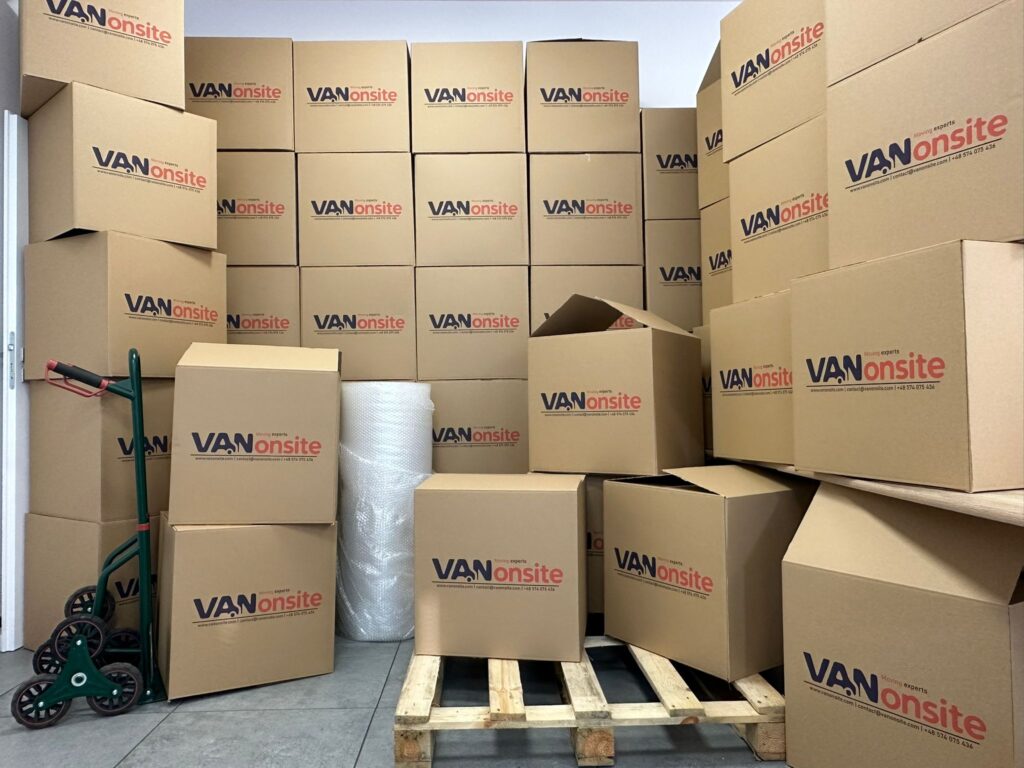
Retirement moves often include possessions with strong emotional value. VANonsite can provide:
- Insured international transport
- GPS tracking for every load
- Home Removals
- Furniture Removals
- Packing Service
- White Glove Delivery
- Storage
- Last Minute Moving
- Furniture disassembly and assembly
- Man and van options
- Customs documentation support
GPS tracking improves visibility, while packing assistance reduces the physical strain of preparing a home.


Bringing a Car and Driving in Ireland
Importing a vehicle is separate from transporting household goods. You may need to deal with Vehicle Registration Tax, customs, VAT, NCTS registration, number plates, motor tax and Irish insurance.
A vehicle generally needs to be registered in Ireland within 30 days of entry. Start the NCTS and Transfer of Residence process promptly after arrival.
Compare the total import cost with selling the vehicle in the UK and buying another in Ireland.
Visitors may use a valid UK licence, but a person who becomes resident should exchange an eligible UK or Northern Irish licence for an Irish licence. Prepare your licence, proof of identity, proof of Irish address, PPS Number and any required medical or eyesight documents.
Moving to Ireland with Pets
Dogs, cats and ferrets moving from Great Britain to Ireland must meet pet travel requirements. These may include:
- A microchip
- Valid rabies vaccination
- Correct veterinary documents
- Tapeworm treatment for dogs where required
- Travel through an approved entry point
- Advance notification
- An arrival compliance check
Contact your vet early and check the operator’s booking and crate rules.
A Practical Moving Timeline
Six to Twelve Months Before Moving
Compare locations, review pension income, obtain tax advice, estimate healthcare costs and decide whether to rent or buy. Begin reducing unnecessary possessions and visit preferred areas outside peak season.
Three to Six Months Before Moving
Secure accommodation, request removal quotations, create an inventory, contact pension providers and investigate healthcare. Decide whether to import your car and begin arranging pet documents.
Four to Eight Weeks Before Moving
Confirm collection and delivery dates, complete customs documents, finalise packing, notify banks and insurers, request medical records and confirm travel bookings.
Final Week
Photograph valuable items, check every box number, keep passports and medication with you, record utility readings and recheck pet and vehicle documents.
Your First 30 Days in Ireland
- Confirm your Irish address.
- Apply for a PPS Number if needed.
- Contact Irish Revenue.
- Register with a local GP.
- Complete healthcare registration.
- Update banking arrangements.
- Begin the driving licence exchange.
- Register an imported vehicle.
- Arrange utilities, insurance and internet.
- Update pension providers.
Common Mistakes When Retiring to Ireland
Do not assume healthcare works exactly like the NHS. Access to public services does not mean every appointment or treatment is free.
Avoid leaving tax planning until after the move. Pension withdrawals, investment income and property sales can have cross-border consequences.
Do not ship goods without a complete inventory and customs file. Missing evidence can delay delivery.
Be cautious about buying a property after one short visit. A location that feels perfect in summer may feel isolated during winter.
Finally, do not choose a removals company based only on the lowest headline price. Check insurance, customs support, labour, ferry costs, storage and delivery conditions.
Retiring to Ireland from UK Checklist
| Area | Completed |
|---|---|
| Right to reside confirmed | Yes / No |
| Partner’s immigration position checked | Yes / No |
| Pension forecast obtained | Yes / No |
| Tax advice obtained | Yes / No |
| Healthcare reviewed | Yes / No |
| Irish accommodation secured | Yes / No |
| Inventory completed | Yes / No |
| Customs documents prepared | Yes / No |
| Moving vehicle selected | Yes / No |
| Car and licence arrangements checked | Yes / No |
| Pet travel arranged | Yes / No |
| Emergency fund prepared | Yes / No |
Frequently Asked Questions
Can I retire to Ireland from UK after Brexit?
Yes. British citizens can continue living in Ireland under the Common Travel Area, which is separate from EU freedom of movement.
Do I need a visa to retire to Ireland?
British citizens do not normally need a visa or residence permit. Different rules may apply to non-British family members.
Can I receive my UK State Pension in Ireland?
Yes. A qualifying UK State Pension can continue to be paid after you move to Ireland.
Will my UK State Pension increase each year?
UK State Pension payments normally continue receiving annual increases while you live in Ireland.
Is my UK pension taxable in Ireland?
Foreign pension income is generally taxable in Ireland. The final treatment depends on the pension type, your tax status and the Double Taxation Agreement.
Is healthcare free for British retirees?
British residents can access public healthcare on the same basis as Irish citizens, but some services require payment.
Can I move furniture without paying Customs Duty?
Used household goods may qualify for Transfer of Residence relief if you meet the conditions and provide the required evidence.
Can I drive with a UK licence?
Visitors and residents are treated differently. A person who becomes resident should exchange an eligible UK or Northern Irish licence.
Should I use a man and van service?
A man and van service can suit a small move. A full removal service is better for larger homes, packing, storage, fragile items or complex access.
Start Planning Your Retirement Move to Ireland
Retiring to Ireland from UK is legally straightforward for most British citizens, but the practical move still requires disciplined preparation.
Treat your pension, tax position, healthcare, accommodation, customs documents and transport as one connected plan. Confirm your income and healthcare first. Then choose where you want to live, decide whether renting first would reduce risk and create a detailed moving inventory.
VANonsite can coordinate collection, international transport and delivery throughout Ireland. Every load can be tracked by GPS, giving you greater visibility from collection to arrival.
From a compact man and van service to a complete household relocation, VANonsite offers vehicle options from 1 m³ and 100 kg to 90 m³ and 20,000 kg.
Explore professional removals to Ireland and request a personalised quotation based on your property, belongings and preferred moving date.