Switzerland has a rare kind of magnetism. It looks calm from the outside. Clean trains slide through mountain valleys. Lakes shine like polished glass. Streets feel safe. Salaries often look impressive. For many people across Europe, Switzerland seems like the country where life finally becomes organised, secure, and beautifully predictable.
And sometimes, it does.
But moving to Switzerland is not the same as booking a scenic weekend in Zurich, Geneva, Basel, Lausanne, or Lucerne. A relocation is bigger, heavier, and more personal. It follows you into your bank account, your paperwork folder, your social life, your housing search, your daily routine, and even the way you pack your kitchen plates.
That is why the real reasons not to move to Switzerland deserve a clear, honest conversation.
Switzerland can be a magnificent place to live, but it is not forgiving if you arrive unprepared. The cost of living is high. Housing can be fiercely competitive. Customs rules require care. Residence formalities depend on your situation. Local culture can feel reserved. Language can become a daily obstacle. Even the moving process itself needs more structure than a standard relocation inside the European Union, because Switzerland has its own customs procedures.
This does not mean you should abandon the idea. It means you should respect the size of the decision.
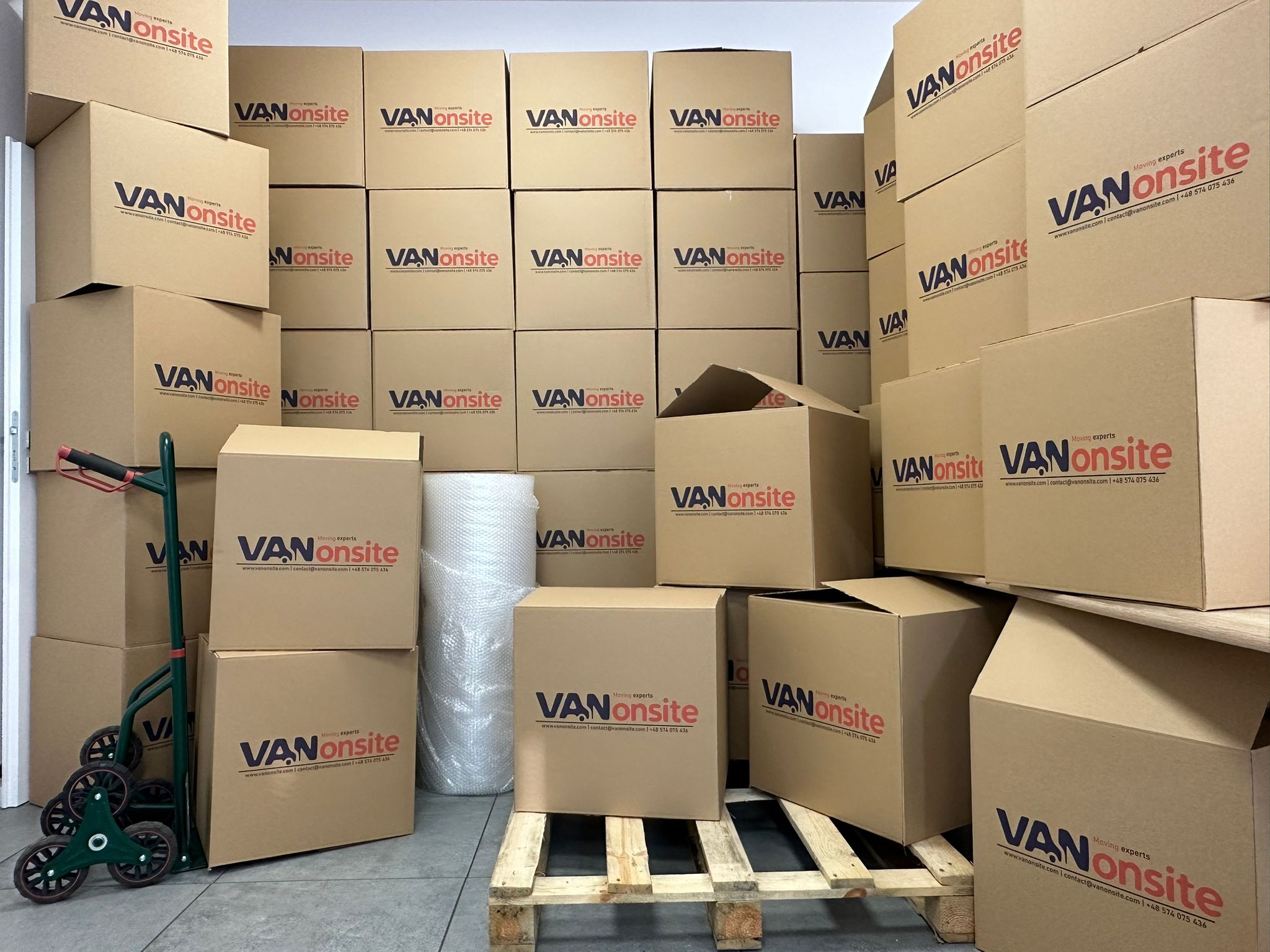
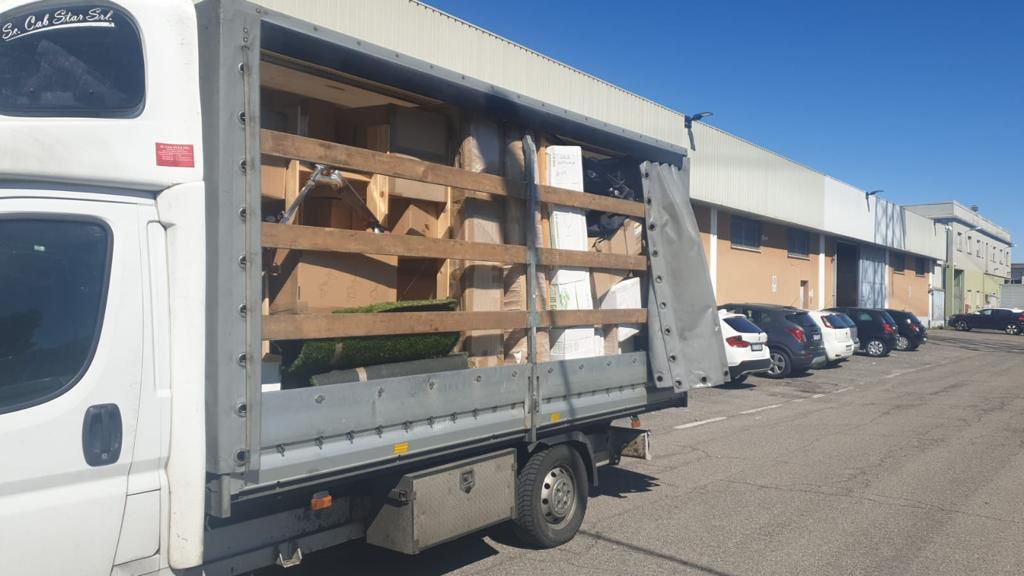
If you are already planning the logistics, VANonsite supports professional removals to Switzerland, including man and van transport, GPS tracked loads, packing service, furniture removals, home removals, office removals, student removals, storage, white glove delivery, and office furniture installation across Europe. For a country where precision matters, that kind of organised transport can make the difference between a controlled move and a stressful scramble.
TL:DR
- The biggest reasons not to move to Switzerland are high living costs, competitive housing, strict paperwork, customs requirements, language barriers, and a culture that may feel too structured for some lifestyles.
- Switzerland can be excellent for people with a strong salary, a clear permit route, realistic expectations, and a serious relocation plan.
- You should not move blindly if your budget does not cover rent, deposit, insurance, transport, customs preparation, temporary accommodation, and a safety buffer.
- If you plan to stay longer than 3 months, you need to understand the right residence rules before arrival, not after.
- Household goods need proper customs preparation, including a detailed inventory and, in many cases, official household effects documentation.
- A man and van service can be ideal for students, small flats, compact furniture moves, and fast European relocations, while larger homes may need a bigger vehicle and packing support.
- VANonsite helps make removals to Switzerland safer and more predictable with flexible vehicle sizes, GPS tracking for every load, packing options, storage, and specialist moving services.




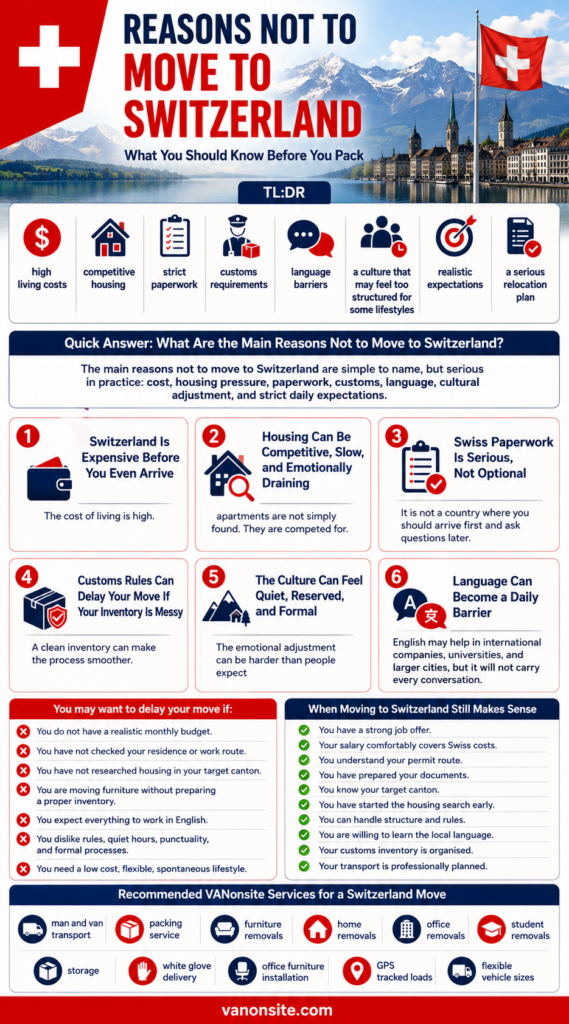
Quick Answer: What Are the Main Reasons Not to Move to Switzerland?
The main reasons not to move to Switzerland are simple to name, but serious in practice: cost, housing pressure, paperwork, customs, language, cultural adjustment, and strict daily expectations.
If your plan depends on hope, vague budgeting, or “we will figure it out when we get there,” Switzerland may not be the right country to move to yet. It rewards people who prepare carefully. It punishes rushed decisions with expensive lessons.
You may want to delay your move if:
- You do not have a realistic monthly budget.
- You have not checked your residence or work route.
- You have not researched housing in your target canton.
- You are moving furniture without preparing a proper inventory.
- You expect everything to work in English.
- You dislike rules, quiet hours, punctuality, and formal processes.
- You need a low cost, flexible, spontaneous lifestyle.
Still, the reasons not to move to Switzerland are not a final verdict. They are a filter. They help you understand whether the move is wrong for you, wrong for now, or simply wrong without better planning.
For many people, Switzerland becomes an extraordinary home. The difference is preparation.
Switzerland Is Expensive Before You Even Arrive
The cost of living is one of the strongest reasons not to move to Switzerland without a serious financial plan. The country is famous for high salaries, but those salaries exist inside a high cost environment. Rent, deposits, food, insurance, childcare, repairs, public transport, eating out, and everyday services can all feel sharper than expected.
The problem is not only monthly living costs. It is the cost of getting started.
Before your first normal week in Switzerland, you may already need to pay for:
- International transport
- First month rent
- Rental deposit
- Temporary accommodation
- Health insurance
- Local registration costs
- Customs preparation
- New household basics
- Public transport passes
- Emergency expenses
That first stage can feel like standing under a waterfall with your wallet open.
A common mistake is comparing only salaries. A job offer may look powerful from abroad, but the real question is different: what remains after Swiss costs? If a higher salary disappears into rent, insurance, deposits, commuting, and food, the move may not improve your life as much as you hoped.
This is one of the practical reasons not to move to Switzerland too quickly. You need a realistic budget, not a fantasy spreadsheet.
A sensible relocation budget should include several layers:
| Budget layer | What it covers | Why it matters |
|---|---|---|
| Arrival costs | Transport, deposit, first rent, temporary stay | These costs hit before life stabilises |
| Monthly costs | Rent, insurance, food, transport, bills | These decide whether life feels comfortable |
| Safety buffer | Emergency repairs, delays, extra accommodation | This protects you when plans shift |
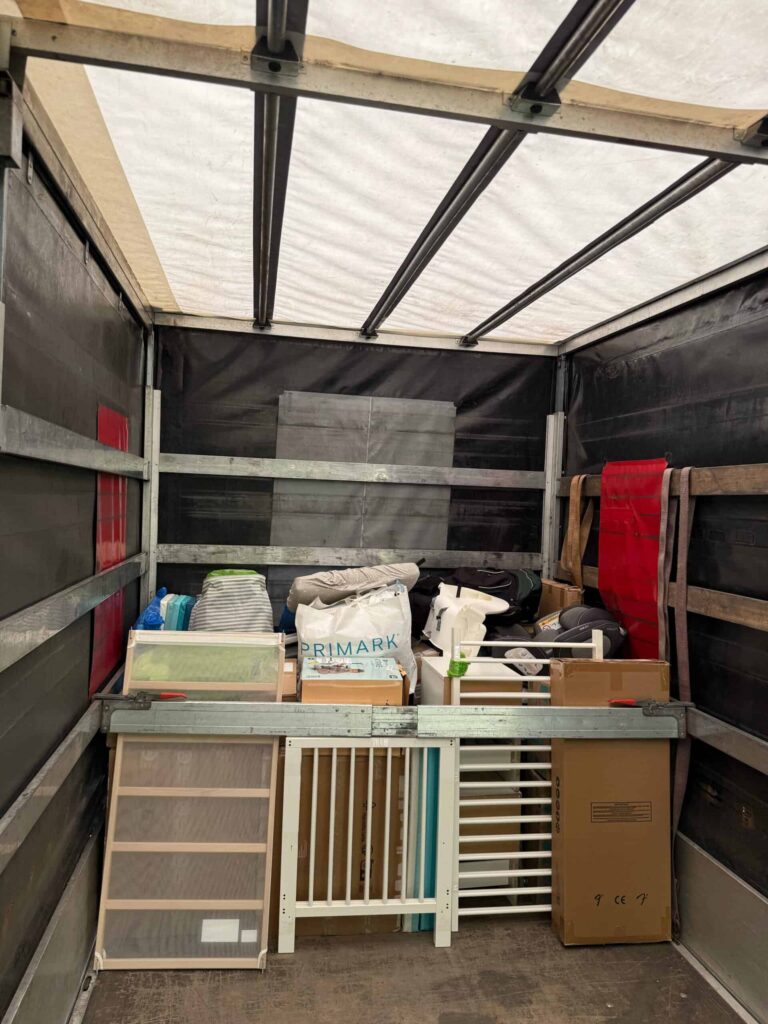
Moving costs should also be calculated properly. Paying for a vehicle that is too large wastes money. Choosing one that is too small can damage items, delay delivery, or force a second trip. That is why planning the load matters.
VANonsite offers several vehicle sizes, from compact man and van moves to large house removals. This helps customers avoid paying for unnecessary space while still keeping furniture, boxes, and fragile items protected. In a high cost move, precision is not a luxury. It is a saving strategy.
Housing Can Be Competitive, Slow, and Emotionally Draining
Housing is another major reason not to move to Switzerland without preparation. In many attractive areas, apartments are not simply found. They are competed for.
Zurich, Geneva, Basel, Lausanne, Bern, Zug, and popular commuter towns can be difficult for newcomers. Even smaller towns may require patience if you need a specific size, budget, school area, pet friendly property, parking space, or public transport connection.
You may need documents such as proof of income, employment contract, references, ID, residence information, and application forms. Some landlords move quickly. Others take time. Some properties attract many applicants. The emotional effect can be exhausting, especially when you are trying to coordinate a move from another country.
This is one of the quieter reasons not to move to Switzerland: the housing search can make you feel like your new life is stuck behind a locked door.
Before committing to a moving date, ask practical questions:
- Do you already have confirmed accommodation?
- Is it temporary or long term?
- Can the building accept deliveries on your planned date?
- Can a van park close to the entrance?
- Is there a lift?
- Are stairs narrow, steep, or curved?
- Are there quiet hours or moving restrictions?
- Do you need approval from the landlord or building manager?
- Can large furniture fit through the doors?
- Is there enough room to unload safely?
These details can change the entire moving day. A beautiful apartment on the fourth floor may become a logistical battle if there is no lift, no parking, and a strict delivery window.
For city apartments and smaller moves, a man and van service can be the smartest choice. It is usually more flexible than a huge truck, easier to manage in narrow streets, and better suited to student rooms, compact flats, or partial furniture removals. For larger homes, VANonsite can provide bigger capacity and wider support, including packing service, storage, and full home removals.
The lesson is simple: in Switzerland, housing and transport should be planned together. Do not treat them as separate problems.
Swiss Paperwork Is Serious, Not Optional
Paperwork is one of the clearest reasons not to move to Switzerland on impulse. It is not a country where you should arrive first and ask questions later.
If you are staying longer than 3 months, you need to understand the residence rules that apply to your nationality and situation. Your route may depend on whether you are moving for work, study, family reunification, self employment, retirement, or another purpose. Rules may also vary in practice by canton, because local authorities are part of the process.
Before moving, check official Swiss information about residence permits and working in Switzerland as a foreign national. If you are moving personal belongings, review the official guide to moving to Switzerland and the customs procedure from the Federal Office for Customs and Border Security.
For EU and EFTA citizens, the process may be more accessible than for many other nationals, but it is still not something to ignore. The B EU/EFTA residence permit is generally connected with a longer stay and, for employed people, is linked to an employment contract of at least 12 months or unlimited duration. The permit is usually valid for 5 years when conditions are met.
If you are moving without paid work, studying, joining family, or relocating as a retiree, your requirements may differ. You may need proof of financial means, insurance, admission to studies, or other documents depending on your situation.
A basic pre move document folder should include:
- Passport or identity card
- Employment contract, if applicable
- Lease agreement or accommodation confirmation
- Proof of financial means, if required
- Health insurance information
- Marriage or family documents, if relevant
- University admission, if studying
- Vehicle documents, if importing a car
- Inventory of household goods
- Customs form for household effects, where needed
- Copies of key documents in digital and printed form
Do not pack this folder inside a moving box. Keep it with you. The most organised move can turn sour if your essential papers are buried under bedding, pans, and winter coats.
This is also where professional relocation transport helps. A clear inventory, labelled boxes, and coordinated collection reduce the feeling that your life has been thrown into anonymous cartons. With VANonsite, customers can use packing support and GPS tracked transport, which helps keep the move visible and controlled.
Customs Rules Can Delay Your Move If Your Inventory Is Messy
Customs are one of the most underestimated reasons not to move to Switzerland casually. Switzerland is not in the European Union, so moving household goods across the border is not the same as moving from one EU country to another.
This does not mean the process has to be frightening. It means it has to be organised.
In many relocation cases, household goods can be imported without duties if the conditions are met. Swiss customs guidance explains that personal household effects should generally have been used personally for at least 6 months before import and should continue to be used after arrival. At the time of import, you may need to present the relevant household effects form, often referred to as form 18.44, along with supporting documents.
Your inventory matters. It should be clear enough for someone else to understand quickly.
Avoid vague labels like:
- Miscellaneous
- Random stuff
- Bedroom things
- Kitchen bits
- Office pile
- Fragile items
Use useful labels instead:
| Weak label | Better label |
|---|---|
| Kitchen stuff | Box 1: plates, mugs, cutlery, pans |
| Bedroom things | Box 7: bedding, pillows, winter clothes |
| Office | Box 11: books, monitor, printer, cables |
| Fragile | Box 15: glassware, framed pictures, ceramic lamp |
| Clothes | Box 21: coats, shoes, folded clothes |
A strong customs ready inventory should include:
- Numbered boxes
- General content descriptions
- Furniture list
- Approximate quantities
- Fragile items
- High value items
- New items, if any
- Items arriving later
- Vehicle details, if relevant
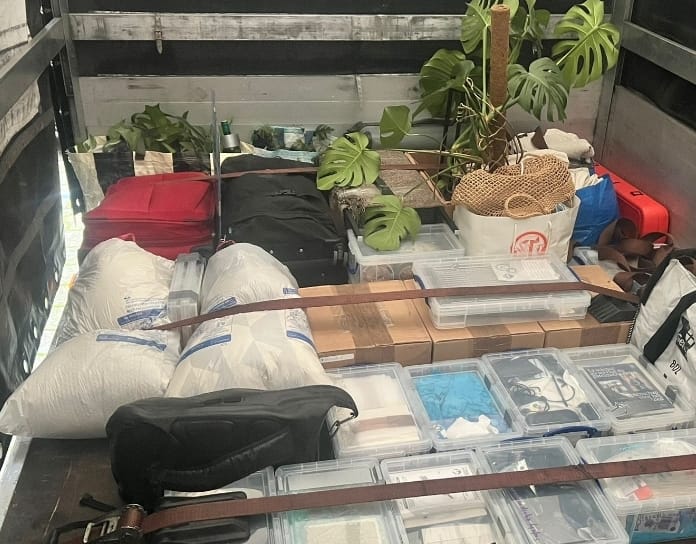
Customs preparation is one of those tasks that seems boring until it saves the day. A chaotic load can create delays. A clean inventory can make the process smoother.
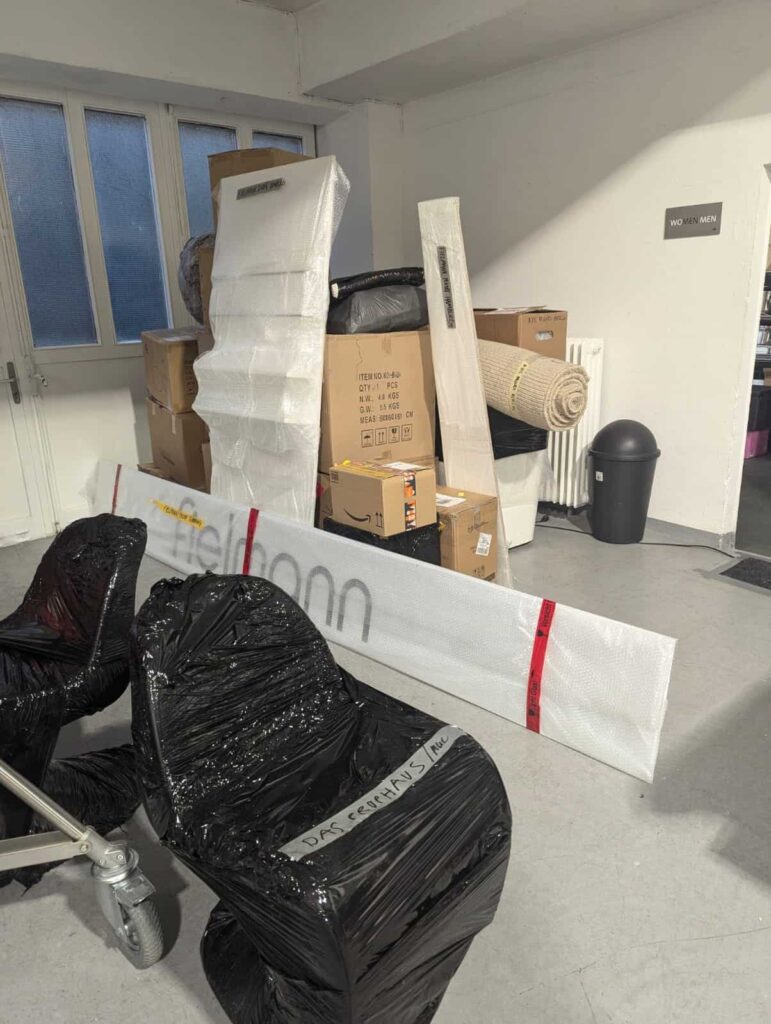
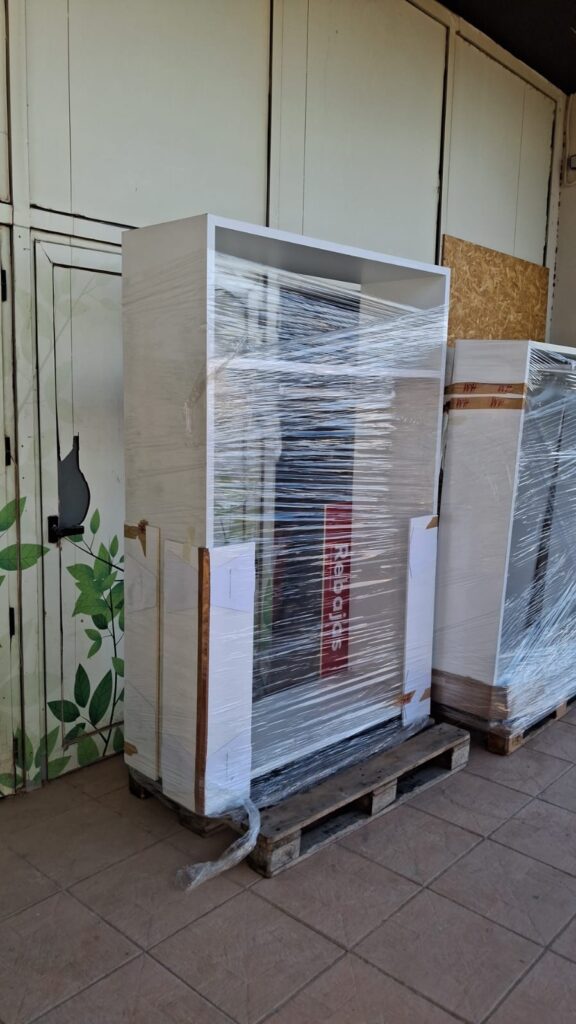
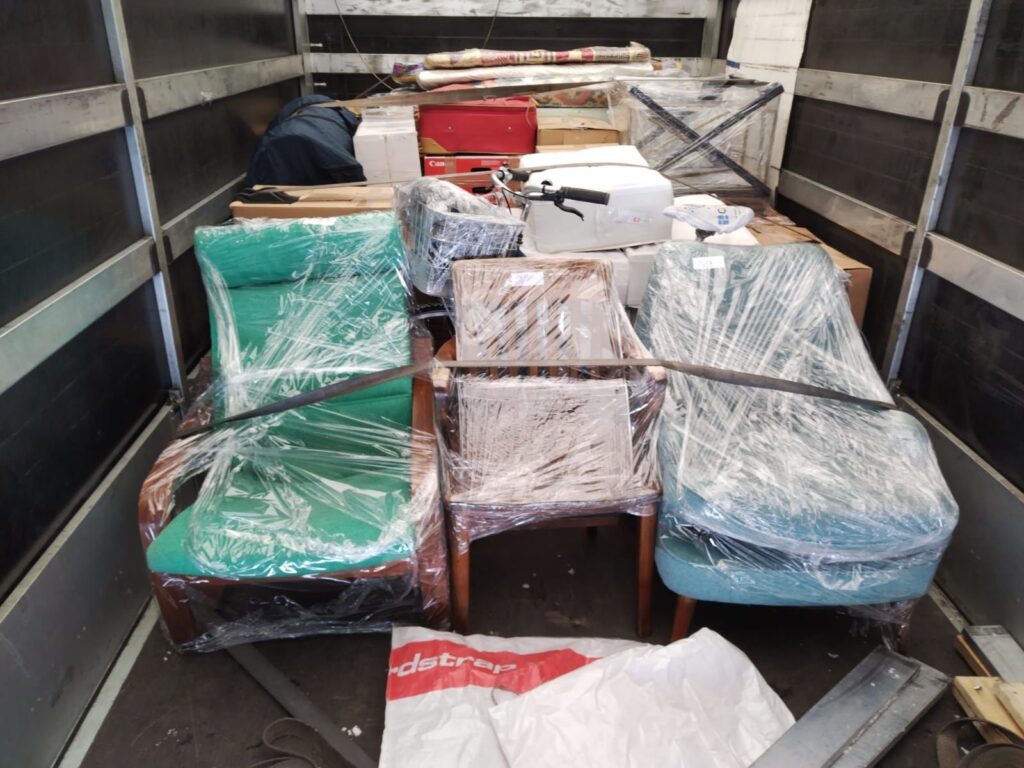
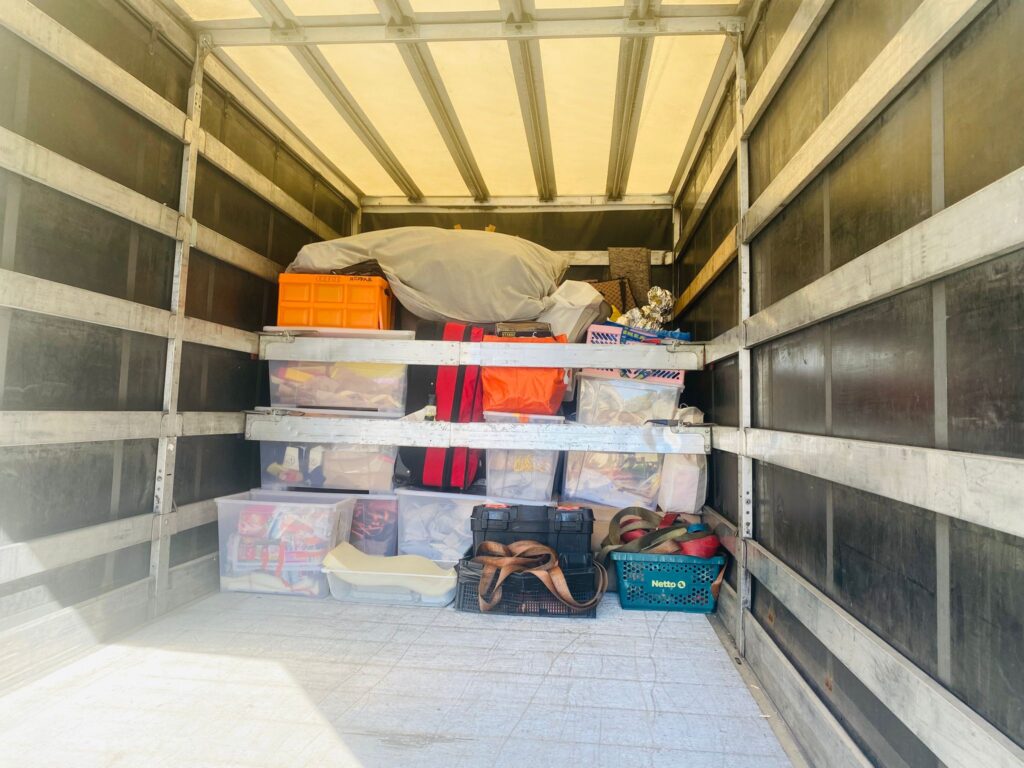
VANonsite’s packing service can help customers organise boxes in a way that makes sense for transport and arrival. This is especially valuable when moving delicate furniture, office equipment, expensive household items, or mixed loads that need careful handling.
GPS tracking adds another layer of confidence. When your belongings are crossing borders, visibility matters. Knowing where your load is can calm the most stressful part of the journey.
The Culture Can Feel Quiet, Reserved, and Formal
Not every reason not to move to Switzerland is about money or paperwork. Some are emotional.
Switzerland can feel calm, safe, private, precise, and beautifully ordered. For some people, that is exactly the dream. For others, it can feel distant or overly controlled.
Many newcomers notice that social life can take time. People may be polite but reserved. Neighbours may value privacy. Sunday can feel quieter than expected. Local customs may be subtle. Rules around noise, recycling, laundry rooms, shared spaces, or building behaviour can feel intense if you come from a more relaxed environment.
This does not mean Switzerland is unfriendly. It means trust and closeness may build slowly.
The emotional adjustment can be harder than people expect because the outside image of Switzerland is so polished. You may arrive thinking only about salary, mountain views, and safety. Then, 6 weeks later, you might miss loud family dinners, easy small talk, warm chaos, or the comfort of a culture where everything feels familiar.
Ask yourself before moving:
- Do I enjoy privacy and quiet?
- Can I build friendships slowly?
- Do I respect local rules even when they feel strict?
- Can I handle formal communication?
- Will I feel safe in structure or trapped by it?
- Do I need a lively social atmosphere every day?
These questions matter. A move is not only a physical transfer. It is an emotional climate change.
This is one of the deeper reasons not to move to Switzerland without self knowledge. The country may offer stability, but stability is not the same as belonging. Belonging takes time, effort, language, patience, and humility.
Language Can Become a Daily Barrier
Language is another practical reason not to move to Switzerland unprepared. Switzerland has several national languages, and the language you need depends on where you live.
German speaking Switzerland is different from French speaking Switzerland. Ticino has its own Italian speaking rhythm. Romansh exists in specific areas. English may help in international companies, universities, and larger cities, but it will not carry every conversation.
You may need local language skills for:
- Apartment applications
- Local registration
- Insurance documents
- School communication
- Medical appointments
- Utility contracts
- Neighbour relationships
- Official letters
- Job interviews
- Customer service calls
This can become tiring. Even simple errands may feel heavier when every letter, email, or form requires translation.
Language can also affect your career. Some international roles operate mostly in English, but many jobs still require German, French, or Italian. Even when language is not mandatory, it can influence promotion, networking, customer contact, and long term integration.
Families should pay special attention. Children may adapt fast, but school communication, parent meetings, after school activities, and local friendships may still require effort from adults.
Before choosing your destination, research the canton carefully. Learn the basic administrative words for that region. Prepare translated copies of important documents if needed. Save useful phrases. Do not wait until you are standing at a counter feeling lost.
One of the most realistic reasons not to move to Switzerland is not that the language situation is impossible. It is that many people underestimate how often language appears in daily life.
You May Be Moving Too Much Stuff
Moving the wrong load is another reason not to move to Switzerland without a plan. Because the country is expensive, many people assume they should bring everything. Sometimes that is smart. Sometimes it is a trap.
Not every item deserves international transport.
A high quality bed, ergonomic office chair, premium sofa, antique cabinet, specialist work equipment, musical instrument, or sentimental piece may be worth moving. A cheap, damaged table that barely survived the last apartment may not be.
Before packing, divide your belongings into useful groups:
- Must move
- Nice to move
- Better to sell
- Better to store
This exercise can save money and space. It also makes customs paperwork cleaner.
Here is a simple decision table:
| Item type | Move it? | Why |
|---|---|---|
| High value furniture | Usually yes | Replacement in Switzerland may be expensive |
| Cheap flat pack furniture | Maybe not | Transport may cost more than the item is worth |
| Sentimental items | Usually yes | Emotional value cannot be replaced |
| Old appliances | Depends | Check condition, plug type, space, and value |
| Books | Selectively | They are heavy and can increase load weight |
| Clothes | Yes, but edit first | Reduce volume before packing |
| Office equipment | Usually yes | Protect productivity from day one |
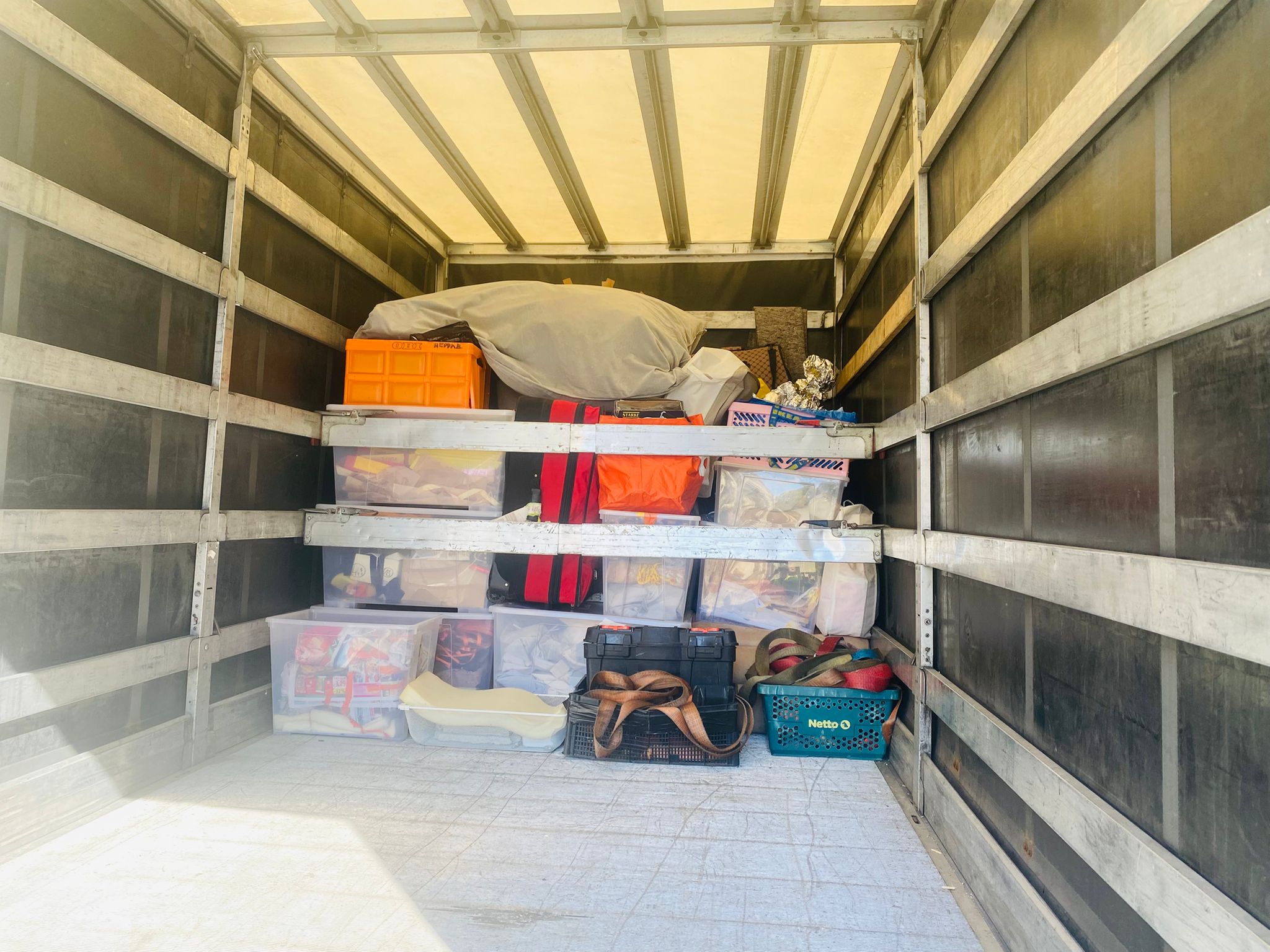
The right vehicle size matters because volume and weight are not the same thing. A van can fill up before it reaches its weight limit, or hit the weight limit before it looks full. Heavy books, tools, archives, or office equipment need special attention.
VANonsite offers several vehicle sizes:
| VANonsite option | Capacity | Weight limit | Best for |
|---|---|---|---|
| Moving One | 1 m3 | 100 kg | Documents, small boxes, essentials |
| Moving Basic | 5 m3 | 300 kg | Student removals, light man and van moves |
| Moving Medium | 10 m3 | 500 kg | Small flats, partial furniture removals |
| Moving Premium | 15 m3 | 1100 kg | One bedroom flats, compact home removals |
| Moving Premium Plus | 30 m3 | 3500 kg | Larger apartments, bigger home moves, office removals |
| Moving Full House XXL | 90 m3 | 20000 kg | Full house removals, large office relocation, complex moves |
This range matters because a Switzerland move should fit the real size of your life, not a rough guess.
For smaller moves, a man and van option can be agile and cost controlled. For larger homes, a premium or full house solution may protect time, furniture, and nerves. For delicate or high value items, white glove delivery can be a smart choice. For delayed housing, storage can prevent panic.
Healthcare and Insurance Need Early Planning
Switzerland’s healthcare system is highly regarded, but insurance planning can surprise newcomers. This is one of the practical reasons not to move to Switzerland without researching monthly costs.
Healthcare is not something to leave until the first problem appears. You should understand your obligations, deadlines, family needs, and canton specific details before arrival. Premiums can be a serious recurring expense, and each family member may need to be considered.
Prepare a health folder before moving. It should include:
- Current prescriptions
- Medical records
- Dental records, if useful
- Vaccination documents
- Insurance documents
- Emergency contacts
- Copies of passports or IDs
- Important medical translations, if needed
Keep this folder with you during the move. Do not place it inside the main load. The first week in a new country is not the time to dig through 40 boxes looking for medication paperwork.
If you are moving with children, elderly family members, pets, or specialist medication, plan even more carefully. Check how you will continue prescriptions, where your nearest doctor may be, and what documents you need for registration.
This section connects directly to packing. A chaotic move can create practical risks. A labelled essentials box, a personal document folder, and a clear arrival plan make the first days calmer.
VANonsite’s packing support can help separate fragile household goods from essentials, documents, electronics, and immediate use items. Good packing is not only about avoiding broken plates. It is about protecting your first week.
Everyday Rules May Feel Restrictive
Some people thrive in Switzerland because the country is orderly. Others struggle for the same reason.
Everyday rules can become one of the hidden reasons not to move to Switzerland. There may be expectations around noise, recycling, shared laundry spaces, building access, waste disposal, parking, and quiet hours. These rules often exist for good reasons, but they can feel restrictive if you are used to a looser lifestyle.
You may need to adjust to:
- More formal communication
- Strong respect for punctuality
- Careful recycling systems
- Quiet Sundays in some places
- Strict building rules
- Organised appointments
- Less tolerance for last minute chaos
- Clear separation between public and private life
If you love structure, this can feel peaceful. If you love improvisation, it may feel suffocating.
The question is not whether Swiss rules are good or bad. The question is whether you can live comfortably inside them.
A move to Switzerland often asks people to become more precise. More punctual. More prepared. More careful with shared space. That can be a gift. It can also be a burden.
This is one of the reasons not to move to Switzerland if your personality depends on constant flexibility. The country may change you, but you should decide whether that change feels welcome.
Students Should Not Assume a Small Move Is Simple
Student relocations are often smaller, but they still need planning. A student may only move clothes, books, laptop, bedding, kitchen basics, and a few personal items. That sounds easy. Yet international student moves can become messy if timing, documents, access, and customs are ignored.
Student accommodation may have strict arrival windows. Shared flats may have limited storage. University housing may not allow large deliveries at certain times. Some buildings have narrow stairs or no lift. New students may arrive without local contacts, which makes every practical problem feel larger.
A student move to Switzerland may include:
- Clothes
- Study materials
- Laptop and monitor
- Books
- Bedding
- Kitchen basics
- Bicycle
- Small furniture
- Personal documents
- First week essentials
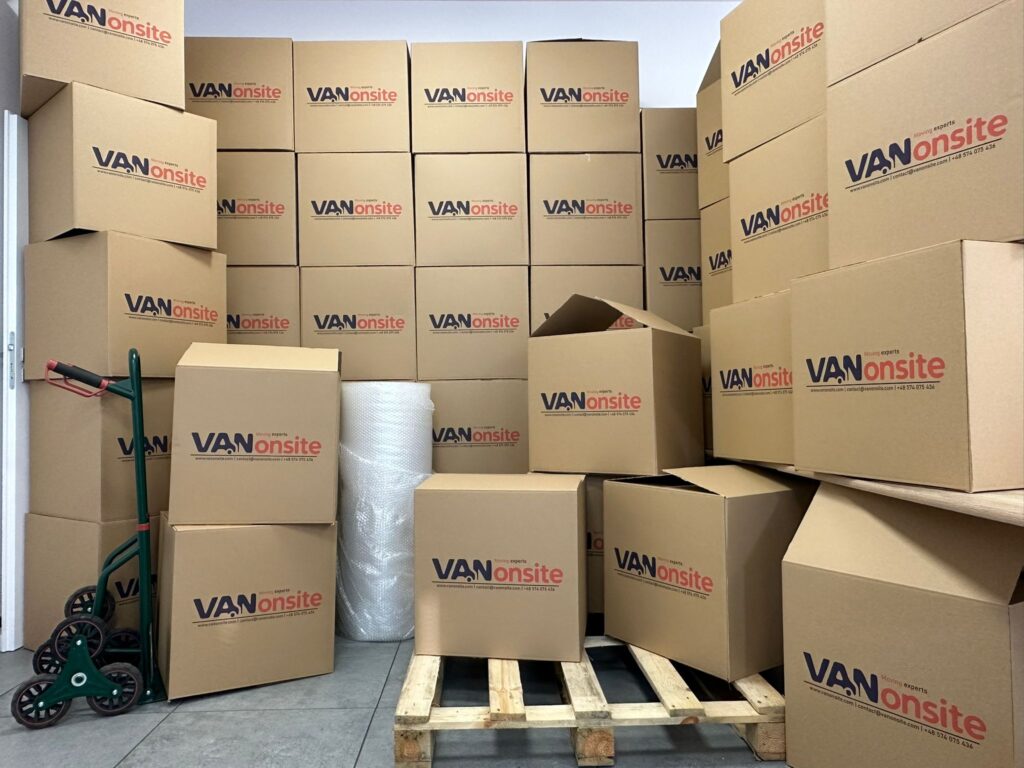
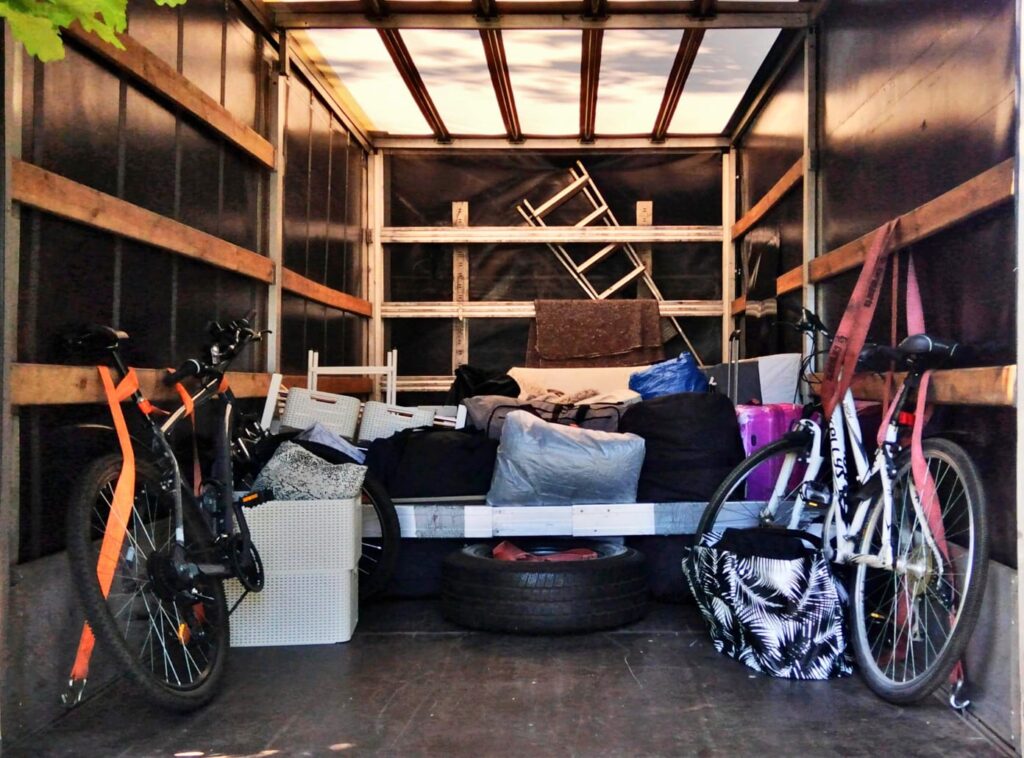
A man and van service is often a strong fit for this type of move. It keeps the load compact and manageable. VANonsite’s Moving One, Moving Basic, or Moving Medium options may suit student removals depending on the volume and weight.
The key is not to overpack. A student room in Switzerland may be smaller than expected, and storage can be limited. Bring what supports your life and study. Leave behind what only fills space.
This is one of the gentler reasons not to move to Switzerland without editing your belongings. Space is valuable. Use it wisely.


Families Need a Deeper Plan Than Singles
For families, the reasons not to move to Switzerland become more layered. A single person can adapt quickly, rent a smaller place, and recover from mistakes faster. A family move affects schools, childcare, healthcare, commuting, language, furniture volume, emotional stability, and monthly costs.
Families should consider:
- School language and integration
- Childcare availability and cost
- Larger housing needs
- Medical records
- Family insurance
- Transport to work and school
- Child friendly neighbourhoods
- Space for furniture and storage
- Emotional adjustment for children
- Timing around school terms
Children may adapt beautifully, but the transition still needs care. A child who was excited about mountains and chocolate may feel lost when they cannot understand classmates. Parents may feel guilty, tired, or overwhelmed while also managing paperwork, work, and unpacking.
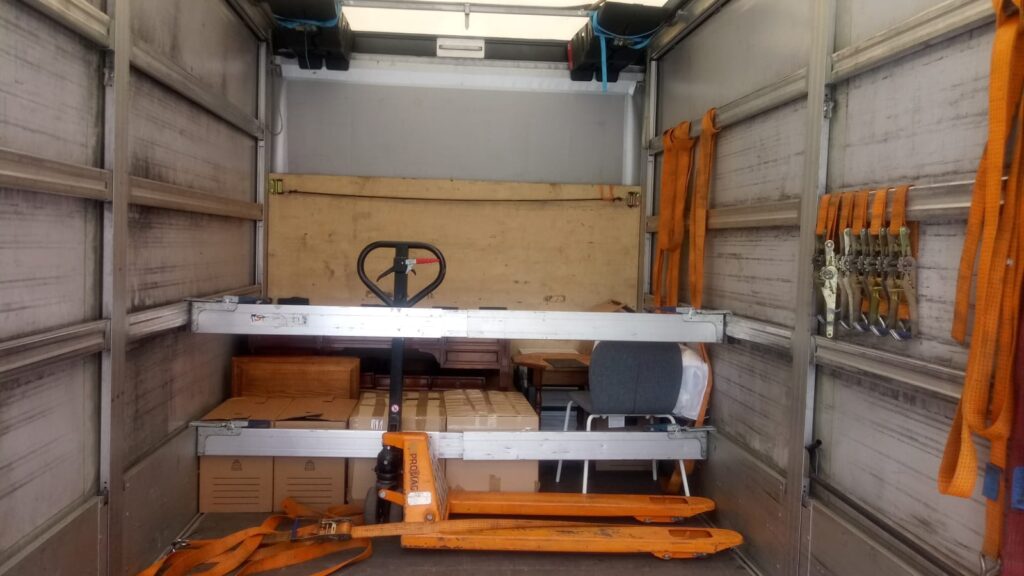
For families, a professional home removals service can be more valuable than a basic transport solution. The fewer moving problems you carry into the first week, the more energy you have for your children.
VANonsite can support larger moves with vehicle options such as Moving Premium, Moving Premium Plus, and Moving Full House XXL. Packing service, storage, and GPS tracking can also reduce pressure when the move involves many boxes, fragile items, and multiple family priorities.
A family move is not only about getting belongings across the border. It is about keeping daily life from falling apart while everything changes.
Office Moves to Switzerland Need Precision
Business relocation creates a different kind of stress. Office moves are not only about desks and chairs. They are about continuity, productivity, brand reputation, IT equipment, employee comfort, and downtime.
One of the reasons not to move to Switzerland without professional support is the cost of disruption. A delayed office move can affect meetings, client delivery, staff morale, and operations. Even a small office needs careful sequencing.
Office removals may include:
- Desks
- Chairs
- Meeting room furniture
- Monitors
- IT equipment
- Filing cabinets
- Archive boxes
- Reception furniture
- Branded materials
- Specialist equipment
- Office furniture installation
Unlike home items, office equipment often needs to be usable quickly after arrival. The first day in a new office should not begin with missing cables, damaged desks, or boxes stacked in the wrong room.
VANonsite supports office removals and office furniture installation, which can be especially useful for companies moving teams, departments, or equipment to Switzerland. GPS tracking gives business customers better visibility over valuable assets in transit.
For businesses, the goal is not just transport. The goal is operational calm.
White Glove Delivery May Be Worth It for Premium Items
Switzerland attracts people who value quality, and many moves include items that deserve extra care. Designer furniture, antiques, artwork, delicate lighting, marble tables, high end office pieces, instruments, and fragile decor should not be treated like ordinary boxes.
This is another reason not to move to Switzerland with the cheapest possible option. Cheap transport can become expensive if one valuable item is damaged.
White glove delivery is suitable when items require:
- Careful handling
- Protective packing
- Planned loading
- Delicate placement
- Attention to access
- Extra caution with fragile surfaces
- More controlled delivery
VANonsite’s white glove delivery service can support customers who need a premium approach. This is useful for private clients, interior designers, offices, landlords, and anyone moving valuable furniture into a Swiss property where damage to floors, walls, lifts, or shared spaces could be costly.
The more valuable the item, the less room there is for improvisation.
Last Minute Moving Can Be Risky, But Sometimes Necessary
Last minute moving is one of the most stressful relocation scenarios. It may happen because of a sudden job offer, housing approval, university start date, family emergency, lease deadline, or business need.
This is one of the reasons not to move to Switzerland without a backup plan. When time is short, mistakes multiply.
Last minute moves often create problems such as:
- Poor inventory
- Missing documents
- Wrong vehicle size
- Bad packing
- No parking arrangement
- Temporary accommodation gaps
- Customs confusion
- Forgotten essentials
Still, urgent moves can be managed if the transport partner is organised. VANonsite offers Last Minute Moving for customers who need fast action without turning the move into chaos.
If time is limited, prioritise these steps:
- Prepare documents first.
- Create a quick but clear inventory.
- Separate essentials.
- Choose the correct vehicle size.
- Confirm access at collection and delivery addresses.
Speed should not mean recklessness. A good last minute move is fast, but still structured.
Storage Can Save You When Housing Is Not Ready
Storage is often overlooked until the problem appears. You may arrive in Switzerland before your permanent apartment is ready. Your lease may start later. Your temporary accommodation may not have space. Your new home may be smaller than expected. Renovation or furniture delivery may be delayed.
In those moments, storage becomes a relief valve.
One of the reasons not to move to Switzerland with all your belongings at once is that housing timelines can shift. If your goods arrive before your home is ready, you need a safe plan.
Storage may help if:
- You are staying in temporary accommodation.
- Your apartment is not ready.
- You are waiting for a lease start date.
- You are downsizing.
- You need time to decide what to keep.
- You are moving in stages.
- Your office relocation is phased.
VANonsite offers storage support, which can make a complex move more flexible. Instead of forcing every item into the wrong place at the wrong time, you can control the arrival rhythm.
That control matters. A move feels less frightening when you are not trapped by timing.
A Car Move Can Add Complexity
Some people moving to Switzerland want to bring a car. This can be useful, especially for families, rural areas, or people with specific commuting needs. But it can also add paperwork, customs questions, registration steps, insurance issues, and technical requirements.
This is another reason not to move to Switzerland without checking official rules first. Vehicle import is not the same as putting suitcases in the boot and driving across the border.
Before bringing a car, research:
- Whether the vehicle qualifies under relocation rules
- Required customs documents
- Registration requirements
- Insurance
- Technical inspection
- Time limits
- Parking at your new address
- Whether public transport may be enough
In Swiss cities, a car can be more burden than benefit. Public transport is often excellent, and parking can be expensive or limited. In rural areas, a car may make life easier.
The decision should be practical, not emotional. Do not import a vehicle simply because you already own it. Calculate the total cost and effort.
Your First 30 Days May Be More Stressful Than Expected
Many relocation guides focus on arrival day. In reality, the first 30 days matter more.
The first month in Switzerland may include registration, insurance setup, banking, phone contracts, transport passes, unpacking, school contact, work onboarding, utility details, permit steps, furniture placement, local shopping, and emotional adjustment.
This is one of the human reasons not to move to Switzerland without support. The pressure does not end when the van doors close. It continues into every small task that makes life functional.
A good first month plan should include:
| Timeframe | Priority |
|---|---|
| First 24 hours | Essentials, documents, sleeping setup, basic food |
| First week | Registration, transport, phone, insurance research, unpacking priority boxes |
| First 2 weeks | Banking, work or school routine, healthcare setup |
| First 30 days | Local systems, language rhythm, neighbourhood routines, storage decisions |
Pack your first week essentials separately:
- Passport and documents
- Medication
- Chargers
- Laptop
- Toiletries
- Basic clothes
- Bedding
- Towels
- Simple kitchen items
- Cleaning basics
- Snacks and water
- Keys
- Insurance documents
- Customs copies
This may sound basic, but it can save your sanity. The first week should not begin with panic.
When Moving to Switzerland Still Makes Sense
After all these warnings, it is important to be fair. Switzerland can be an exceptional place to live. The reasons not to move to Switzerland are real, but they do not apply equally to everyone.
Moving may make sense if:
- You have a strong job offer.
- Your salary comfortably covers Swiss costs.
- You understand your permit route.
- You have prepared your documents.
- You know your target canton.
- You have started the housing search early.
- You can handle structure and rules.
- You are willing to learn the local language.
- Your customs inventory is organised.
- Your transport is professionally planned.
Switzerland can offer safety, career opportunities, high quality infrastructure, clean cities, impressive nature, reliable public services, and a strong sense of order. For the right person, that can feel like relief.
The point is not to fear Switzerland. The point is to enter it honestly.
A successful move is built from practical decisions. The right documents. The right budget. The right timing. The right vehicle. The right removals partner.
VANonsite fits this kind of move because it offers structured European removals with GPS tracking, flexible capacity, packing service, storage, and specialist options. Whether you need man and van transport for a small apartment or a full home removals solution, the move can be shaped around your real needs.
Moving Checklist Before You Decide
Use this checklist before booking your relocation to Switzerland:
- Confirm your reason for moving.
- Check your residence or permit route.
- Read official Swiss guidance for your nationality.
- Confirm your work, study, family, or financial documents.
- Research your target canton.
- Build a realistic 3 month financial buffer.
- Start the housing search early.
- Check temporary accommodation options.
- Prepare a household goods inventory.
- Check customs requirements.
- Complete form 18.44 if required.
- Separate important documents from the main load.
- Decide what to move, sell, store, or donate.
- Choose the correct vehicle size.
- Book packing help for fragile or premium items.
- Confirm parking at both addresses.
- Check building access and delivery rules.
- Prepare a first week essentials box.
- Research health insurance.
- Plan phone, banking, transport, and registration steps.
- Track your shipment from collection to delivery.
This checklist turns the phrase reasons not to move to Switzerland into a practical decision tool. It helps you see whether your move is ready or whether it needs more work.
Recommended VANonsite Services for a Switzerland Move
A Switzerland move can be small, urgent, premium, student focused, family sized, or business critical. The right service depends on your load, budget, timing, building access, and risk level.
VANonsite can support:
- Last Minute Moving for urgent relocation dates
- Furniture Removals for sofas, wardrobes, beds, tables, and fragile items
- Home Removals for apartments, houses, and full household moves
- Packing Service for safer, clearer, customs ready organisation
- White Glove Delivery for premium furniture, delicate items, and high value pieces
- Office Removals for companies moving equipment, furniture, and teams
- Storage for delayed housing, temporary accommodation, or staged relocation
- Student Removals for compact, cost controlled moves
- Office Furniture Installation for workplace setup after delivery
For many customers, a man and van service is the perfect middle ground. It is flexible, efficient, and less overwhelming than a large truck. It works especially well for student removals, small flats, partial furniture moves, essentials only moves, and fast European relocations.
For larger homes, a bigger vehicle and packing support may be wiser. For delicate items, white glove delivery may protect both the item and the property. For uncertain housing dates, storage can prevent a rushed decision.
The goal is not simply to move everything. The goal is to move the right things, in the right way, at the right time.
Final Verdict: Should You Move to Switzerland?
You should not move to Switzerland if your plan is built on guesswork. You should not move if you have not checked your permit route, budget, housing options, customs documents, health insurance, language needs, and moving logistics.
The biggest reasons not to move to Switzerland are high costs, strict paperwork, competitive housing, customs complexity, language barriers, and a lifestyle that may feel too quiet or structured for some people.
But these are not reasons to give up if the move truly fits your life. They are reasons to prepare properly.
Switzerland rewards people who plan. It suits people who value order, safety, stability, punctuality, and clean systems. It can be a superb place to build a career, raise a family, study, start a new chapter, or enjoy a more predictable life.
If you decide to go, make the move deliberate. Build the budget. Prepare the documents. Edit your belongings. Choose the correct vehicle size. Protect your fragile items. Keep your essentials close. Track your load. Give yourself time to adjust.
VANonsite can help make removals to Switzerland safer, clearer, and less stressful. With GPS tracked loads, flexible vehicle sizes, man and van transport, professional packing, storage, furniture removals, home removals, office removals, student removals, white glove delivery, and office furniture installation, your relocation can feel less like a gamble and more like a confident crossing into a new life.
FAQ
What are the biggest reasons not to move to Switzerland?
The biggest reasons not to move to Switzerland are high living costs, competitive housing, strict paperwork, customs requirements, language barriers, and a culture that can feel quiet, formal, and rule focused.
Is Switzerland hard to move to?
Switzerland can be hard to move to if you arrive unprepared. Residence rules, customs documents, housing, insurance, transport planning, and language all require attention before arrival.
Do I need customs documents when moving household goods to Switzerland?
Yes. If you are importing household goods, you should prepare a clear inventory, ID documents, proof of transfer of residence, and the relevant household effects form where required. Always check official Swiss customs guidance before moving.
Is a man and van service enough for moving to Switzerland?
A man and van service can be enough for students, small apartments, partial furniture moves, essentials only loads, and compact relocations. Larger homes, offices, or high value moves may need a bigger vehicle, packing help, storage, or white glove delivery.
Should I sell furniture before moving to Switzerland?
You should sell furniture that is low value, bulky, damaged, or easy to replace. Keep furniture that is high quality, expensive to replace, sentimental, specialist, or important for your first weeks in Switzerland.
How much money should I prepare before moving to Switzerland?
The exact amount depends on your city, housing, family size, salary, and lifestyle. As a practical rule, prepare enough for transport, deposit, first rent, temporary accommodation, insurance, food, registration costs, and a safety buffer for the first 3 months.
What should I pack separately when moving to Switzerland?
Pack passports, permits, contracts, medical records, prescriptions, insurance documents, customs paperwork, chargers, keys, basic clothes, toiletries, bedding, and first week essentials separately. Do not place these items deep inside the main moving load.
Is Switzerland a good country for families?
Switzerland can be excellent for families that are financially prepared and ready for language, school, housing, and childcare planning. It may be difficult for families that arrive without stable accommodation, realistic costs, or a clear integration plan.
Is Switzerland a good country for students?
Switzerland can be a strong choice for students, especially those with a clear study plan, accommodation, funding, and realistic expectations. Student removals are often compact, so a man and van service may be enough for many student moves.
How can VANonsite help with removals to Switzerland?
VANonsite supports removals to Switzerland with GPS tracked loads, flexible vehicle sizes, man and van transport, packing service, furniture removals, home removals, office removals, storage, student removals, white glove delivery, and office furniture installation.