If you are asking, “should I move to Switzerland?”, the honest answer is yes, if you want safety, high salaries, clean cities, serious public infrastructure and a lifestyle that feels calm, polished and beautifully organised.
But Switzerland is not a casual move.
It is not the kind of place where you can simply arrive, improvise and expect every detail to fall softly into place. Switzerland rewards preparation. It rewards clean documents, realistic budgets, careful housing research and reliable moving logistics. It also punishes vague planning. Rent can be fierce. Health insurance is compulsory. Registration deadlines matter. Customs paperwork for household goods is not something to leave until the night before your van arrives.
So, should I move to Switzerland? You should, if your income, documents, expectations and relocation plan are ready. With the right preparation, moving to Switzerland can feel less like a gamble and more like stepping into a sharper, safer, more intentional life.
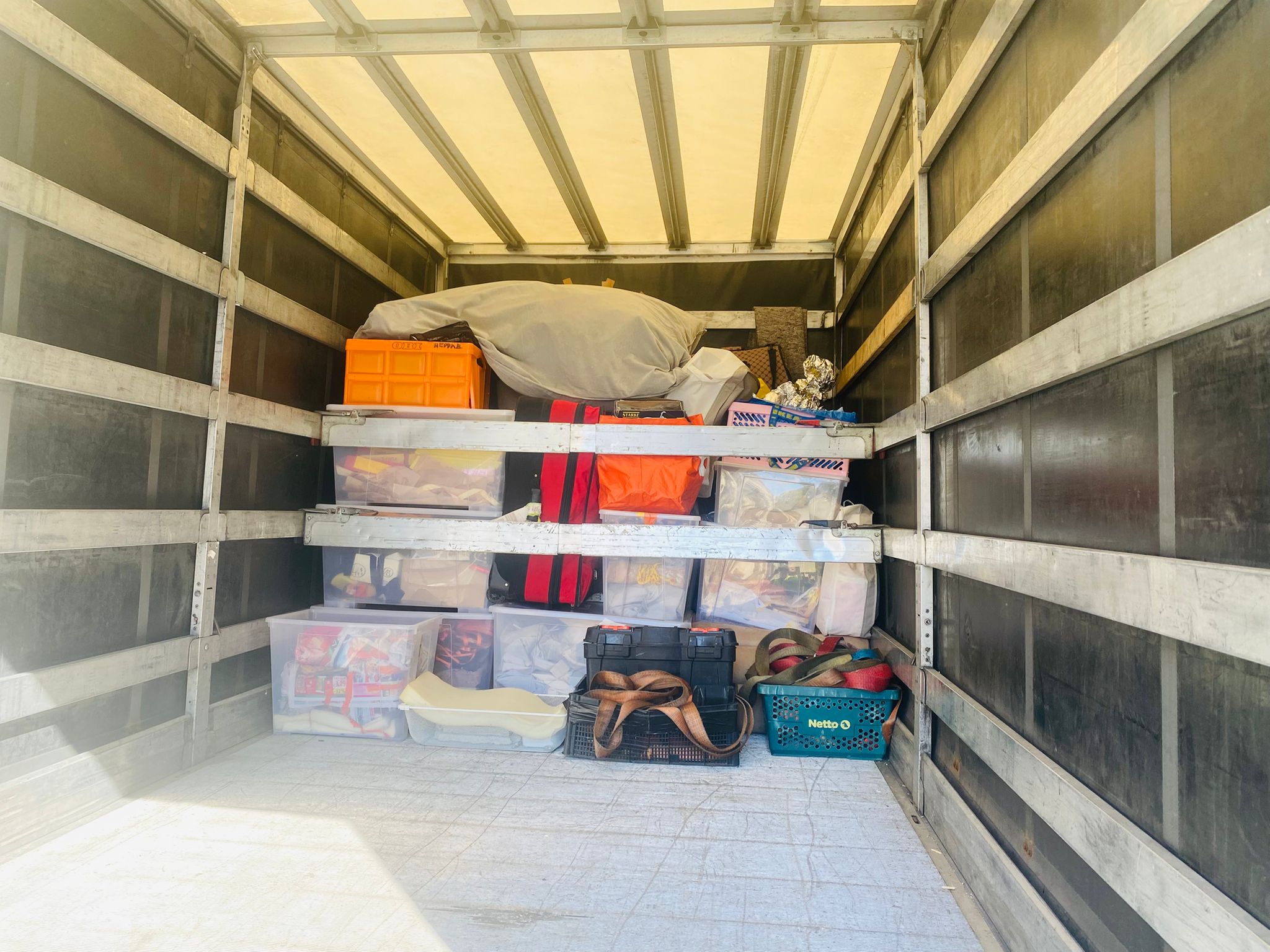
For many people, the physical move is where the stress becomes real. Furniture has to be packed. Boxes must be labelled. Access rules need checking. Customs documents have to match the shipment. Timing matters. That is where a professional man and van service can make the difference between a chaotic move and a clean, controlled relocation.
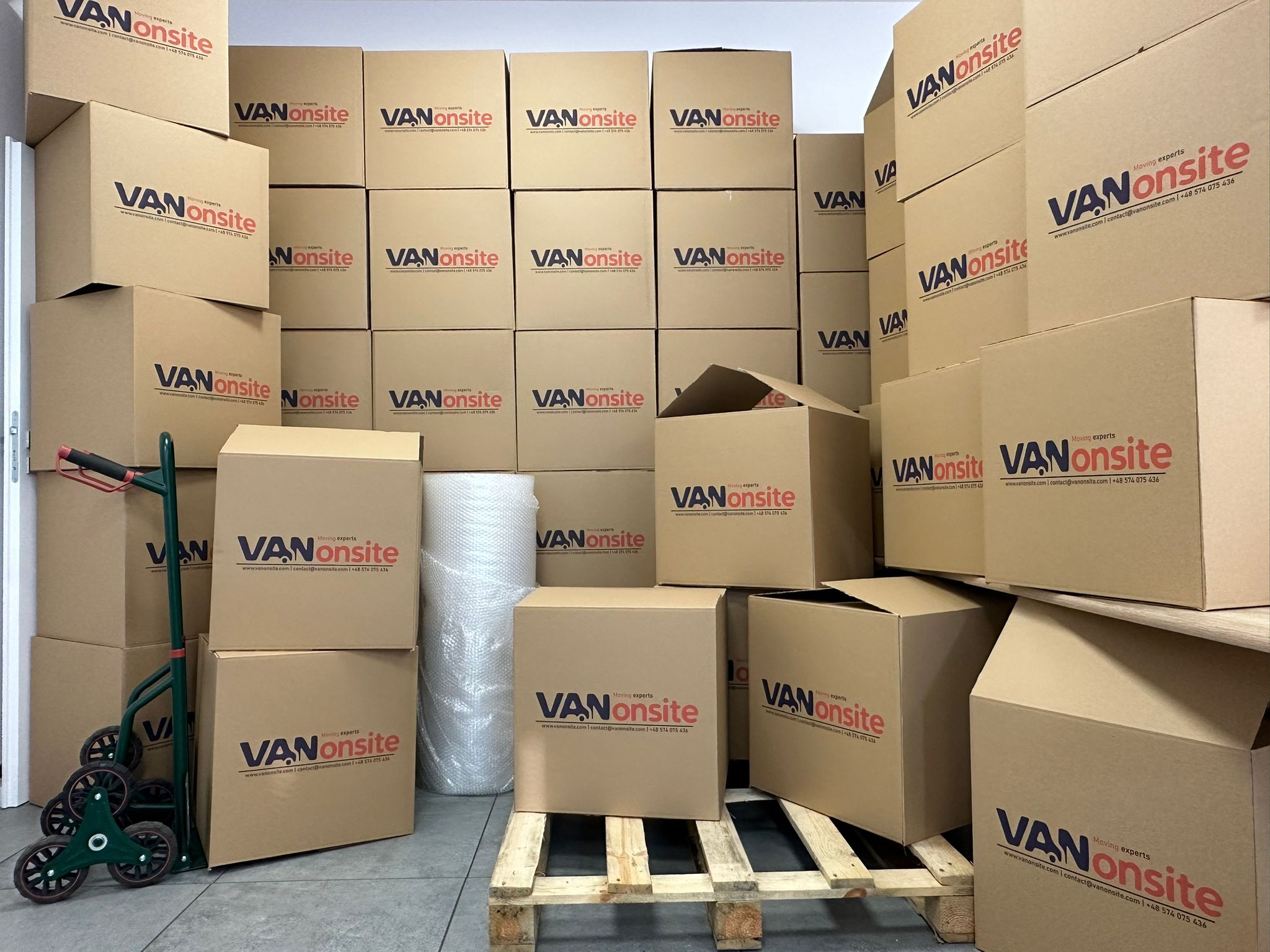
VANonsite supports European removals to Switzerland with GPS tracked transport, flexible vehicle sizes from 1 m3 to 90 m3, packing options, storage support and specialist moving services for homes, students, offices, furniture and high value deliveries. When your move is planned properly, your belongings can travel with the same precision Switzerland is famous for.
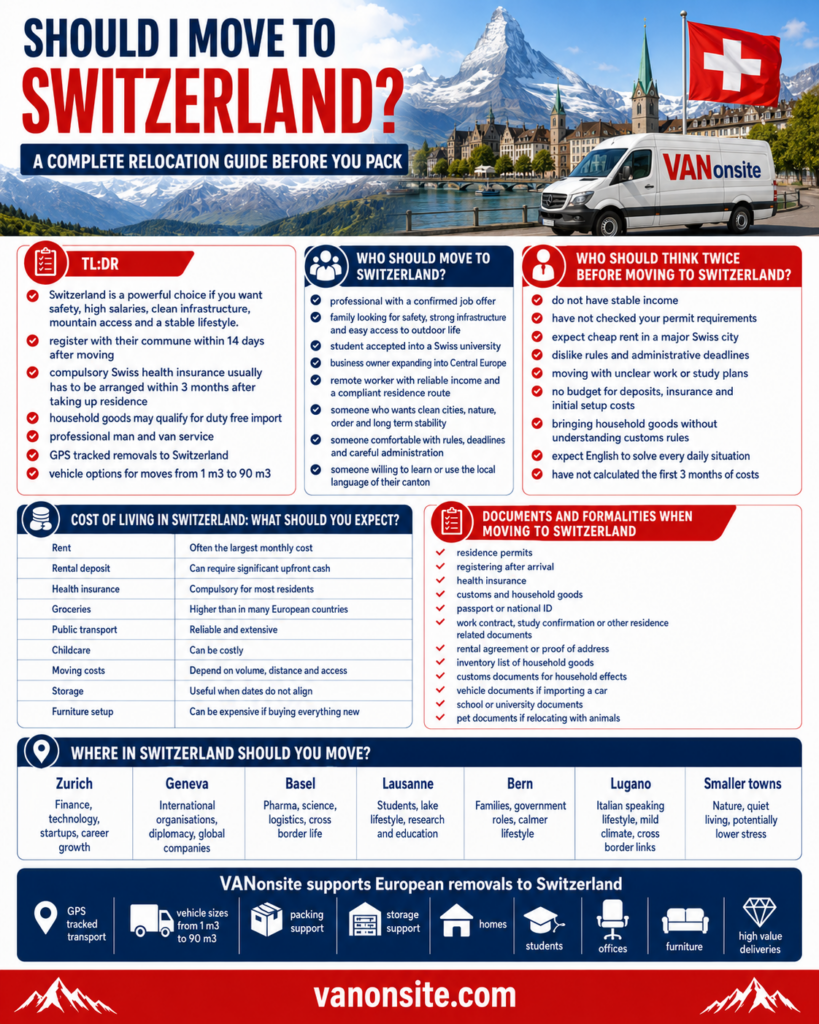
TL:DR
- Switzerland is a powerful choice if you want safety, high salaries, clean infrastructure, mountain access and a stable lifestyle.
- You should think carefully before moving if you do not have stable income, confirmed housing plans or a clear permit route.
- New residents generally need to register with their commune within 14 days after moving.
- Compulsory Swiss health insurance usually has to be arranged within 3 months after taking up residence.
- Household goods may qualify for duty free import if they meet Swiss customs conditions, including prior personal use for at least 6 months.
- A professional man and van service can make a Switzerland move safer, faster and easier to control, especially when customs, timing and access rules matter.
- VANonsite offers GPS tracked removals to Switzerland, packing support, storage, furniture removals, student removals, office removals and vehicle options for moves from 1 m3 to 90 m3.




Should I Move to Switzerland? The Short Answer
Should I move to Switzerland? Yes, if you are looking for a country where daily life feels precise, secure and quietly luxurious.
Switzerland is not loud about its quality of life. It does not need to be. You notice it in the train that arrives when it says it will. You notice it in streets that feel safe late at night. You notice it in clean stations, tidy lakesides, efficient public offices, strong salaries and the almost cinematic beauty of the mountains.
Yet the question “should I move to Switzerland?” deserves more than a romantic answer. Switzerland is expensive. Major cities such as Zurich, Geneva, Basel and Lausanne can drain a weak budget quickly. Housing can be competitive. Rules are taken seriously. Documents need to be right. A poorly planned move can become painfully costly.
A better question is not only “should I move to Switzerland?” but also “am I ready to move properly?”
If the answer is yes, Switzerland can be extraordinary. It can offer a rare blend of professional opportunity, personal safety, natural beauty and daily order. If the answer is no, the same country can feel cold, expensive and unforgiving. Switzerland is not hostile, but it is exacting. It expects you to arrive prepared.
That preparation starts before you book your transport. It starts with understanding your permit route, choosing the right canton, calculating your real living costs, checking your housing options, planning your first 90 days and deciding what is worth bringing with you.
What Makes Switzerland So Attractive?
People do not dream about Switzerland for one reason. They dream about it because it seems to offer several rare things at once.
There is the practical appeal: strong salaries, efficient transport, high quality healthcare, well maintained cities and a reputation for stability. There is also the emotional pull: snow brushed peaks, quiet lakes, clean streets, safe neighbourhoods and weekends that can feel like a postcard without becoming artificial.
For professionals, Switzerland can be a serious career accelerator. Zurich, Geneva, Basel and Lausanne attract talent from across Europe and beyond. Finance, technology, pharmaceuticals, engineering, research, logistics, education and international organisations all play a visible role in the Swiss economy.
For families, Switzerland can feel reassuring. The country offers safety, structure, outdoor space and a rhythm of life that often feels calmer than larger, louder European destinations. Children can grow up with access to nature, reliable public services and strong educational pathways.
For students, Switzerland has respected universities and international academic networks. The cost of living can be high, but the quality of education and the global reputation of Swiss institutions make the move attractive.
For business owners, Switzerland can offer stability, cross border access and a polished professional environment. For remote workers, the country may be appealing too, but residence rules and tax implications need careful checking.
So, should I move to Switzerland if I want a better lifestyle? Yes, if you are prepared to pay for it, plan for it and adapt to local expectations. Switzerland is not a low cost escape. It is a high standard move.
Who Should Move to Switzerland?
Switzerland is a brilliant match for people who want a stable, high quality life and are willing to plan carefully for it. It suits people who prefer structure over chaos and calm efficiency over noisy improvisation.
You should seriously consider Switzerland if you are:
- A professional with a confirmed job offer in finance, technology, pharmaceuticals, logistics, engineering, healthcare, education or international business
- A family looking for safety, strong infrastructure and easy access to outdoor life
- A student accepted into a Swiss university
- A business owner expanding into Central Europe
- A remote worker with reliable income and a compliant residence route
- A person relocating valuable furniture, equipment or personal belongings
- Someone who wants clean cities, nature, order and long term stability
- Someone comfortable with rules, deadlines and careful administration
- Someone willing to learn or use the local language of their canton
If you keep asking “should I move to Switzerland?”, look at your lifestyle preferences first. Switzerland is ideal if you love nature, respect rules and enjoy places where things simply work. It is less ideal if you need low living costs, loose schedules and a soft landing without paperwork.
The right person can thrive in Switzerland. The wrong expectations can make the move feel heavy. You do not need to be perfect before relocating, but you do need to be organised.
For many people, the move itself becomes the first major test. A trusted man and van service helps by turning a complicated physical relocation into a structured process. VANonsite supports different relocation needs, including student removals, home removals, furniture removals, office removals, packing services, storage and white glove delivery for valuable items.
Who Should Think Twice Before Moving to Switzerland?
Switzerland is beautiful, but it is not soft. It is polished, exacting and expensive. That can feel thrilling when you are prepared. It can feel cold when you are not.
You may want to pause before moving if:
- You do not have stable income
- You have not checked your permit requirements
- You expect cheap rent in a major Swiss city
- You dislike rules and administrative deadlines
- You are moving with unclear work or study plans
- You have no budget for deposits, insurance and initial setup costs
- You are bringing household goods without understanding customs rules
- You expect English to solve every daily situation
- You are not ready for a multilingual environment
- You have not calculated the first 3 months of costs
The decision “should I move to Switzerland?” should not be based only on mountain photos and salary averages. It should be based on your real monthly budget, your documents, your family situation and your plan for the first 90 days.
It is easy to underestimate the early costs of relocation. Rent deposit, temporary accommodation, health insurance, transport, furniture, registration tasks, school needs and moving fees can all arrive at once. Even if your future salary is strong, the first weeks can feel financially intense.
Still, if the biggest uncertainty is the physical move, that part can be solved. A professional man and van relocation with VANonsite can help reduce stress, protect your belongings and keep your shipment visible through GPS tracking.
Cost of Living in Switzerland: What Should You Expect?
Switzerland is expensive. There is no elegant way to hide that. But the real picture is more balanced. Salaries are often high, public services are strong and daily life can feel exceptionally efficient.
The shock depends on where you move from, where in Switzerland you settle and whether your income rises with the move. A salary that looks impressive on paper must be tested against rent, insurance, tax, transport, childcare, groceries and savings goals.
| Cost area | What to expect | Why it matters before moving |
|---|---|---|
| Rent | Often the largest monthly cost | Zurich, Geneva and Lausanne can be especially competitive |
| Rental deposit | Can require significant upfront cash | You need savings before arrival, not after |
| Health insurance | Compulsory for most residents | Usually must be arranged within 3 months |
| Groceries | Higher than in many European countries | Daily spending can surprise newcomers |
| Public transport | Reliable and extensive | It may reduce your need for a car |
| Childcare | Can be costly | Families should budget early |
| Moving costs | Depend on volume, distance and access | Choosing the right vehicle size helps control cost |
| Storage | Useful when dates do not align | Prevents rushed decisions and unsafe deliveries |
| Furniture setup | Can be expensive if buying everything new | Moving quality furniture may save money |
So, should I move to Switzerland if I am worried about money? Yes, if your income is strong enough after rent, insurance, tax, commuting and food. No, if your budget only works in theory.
A realistic moving budget should include more than the transport price. Think about the first month in detail. You may need temporary accommodation before your long term rental starts. You may need to pay deposits. You may need new winter clothing, local transport passes, household items, school supplies or work equipment.
Moving costs also deserve attention. A small student relocation is not the same as a full family home move. VANonsite helps match the vehicle to your real load, so you do not overpay for unnecessary space or overload a van that is too small.
| VANonsite vehicle option | Volume | Max weight | Best for |
|---|---|---|---|
| Moving One | 1 m3 | 100 kg | Boxes, essentials, student items or urgent light moves |
| Moving Basic | 5 m3 | 300 kg | Studio items, small furniture and compact relocations |
| Moving Medium | 10 m3 | 500 kg | One bedroom apartment moves |
| Moving Premium | 15 m3 | 1,100 kg | Larger apartment moves and mixed furniture loads |
| Moving Premium Plus | 30 m3 | 3,500 kg | Family apartment moves or partial house relocations |
| Moving Full House XXL | 90 m3 | 20,000 kg | Full household removals or large office moves |
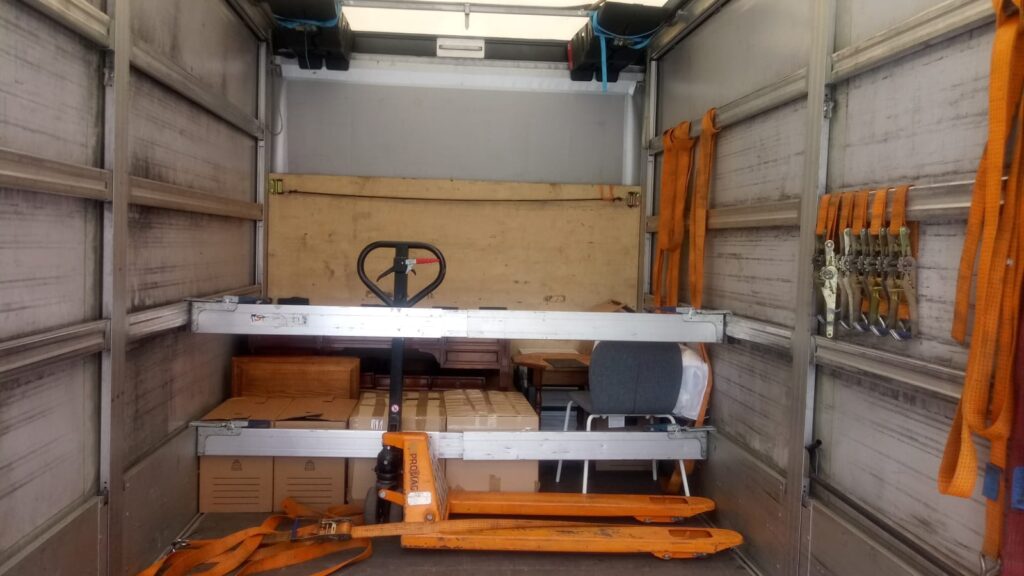
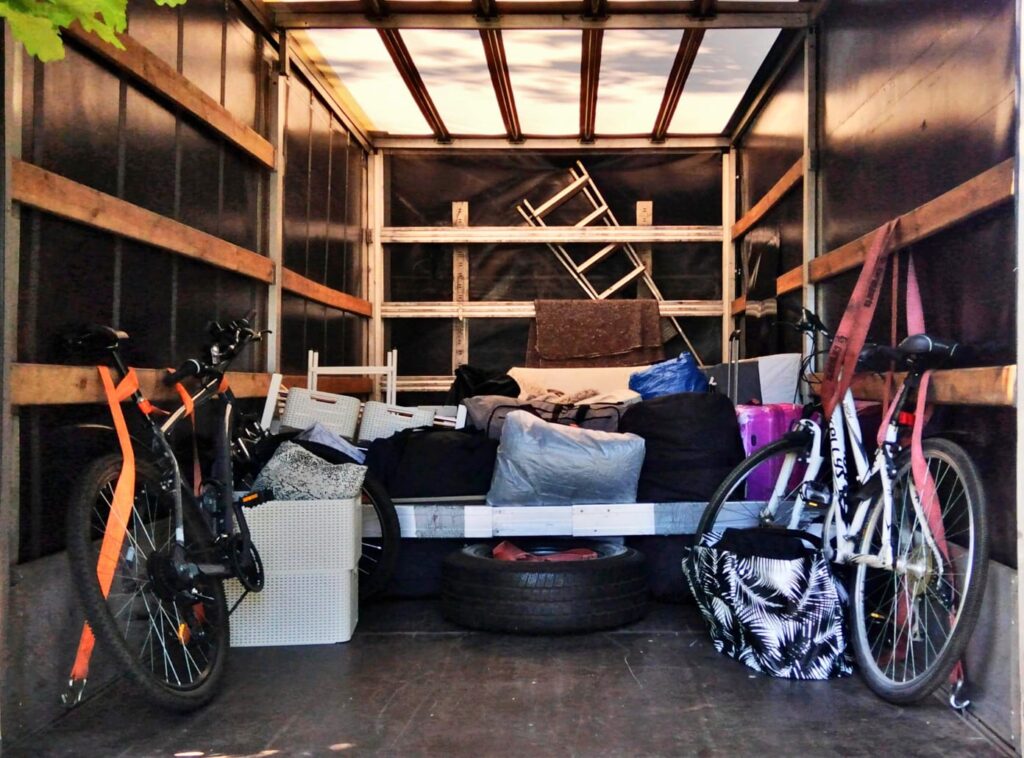
A 1 m3 load and a 90 m3 relocation are different worlds. One may hold carefully packed essentials. The other can carry a full life. Choosing correctly is one of the simplest ways to make a Switzerland move feel controlled.


Documents and Formalities When Moving to Switzerland
The paperwork is one of the biggest reasons people hesitate and ask, “should I move to Switzerland?” The answer often depends on nationality, work status, family situation and planned length of stay.
Before moving, always check official Swiss government guidance. Rules can vary depending on whether you are an EU or EFTA citizen, a non EU or non EFTA national, a student, an employee, a family member or a business owner.
For an official overview, use the Swiss government page about moving to Switzerland.
Residence permits
If you plan to live in Switzerland for more than a short stay, you may need a residence permit. The type of permit depends on your nationality, your employment situation and your reason for staying.
Start with the official Swiss guidance on residence permits. EU and EFTA citizens should also check the official SEM page on living and working in Switzerland.
This matters before you book a moving date. A signed work contract, university acceptance letter or family reunification path can change what you need to prepare.
If you are moving for work, check whether your employer supports the process. Some employers offer relocation guidance, but many practical tasks still sit with you. Housing, moving your belongings, arranging your arrival and preparing customs documents are often personal responsibilities.
Registering after arrival
After moving, new residents generally need to register with the commune of residence within 14 days. This is a key step, not an afterthought. You can check the official information on registration and notification of departure.
For anyone asking “should I move to Switzerland?”, this is one of the first practical realities to understand. Switzerland expects administrative discipline. Registration may be required before other parts of your life fully click into place.
Prepare documents before arrival where possible. You may need identification, proof of address, employment or study documents and other paperwork depending on your canton and personal situation.
Health insurance
Swiss health insurance is not optional for most residents. Anyone settling in Switzerland usually has to take out compulsory health insurance within 3 months after taking up residence. You can confirm the official requirement through the Swiss Federal Office of Public Health page on health insurance for people resident in Switzerland.
This is one of the most important budget lines for newcomers. Do not treat it as a minor detail. Premiums can vary, and the choice of insurer and model may affect your monthly costs. If you arrive with a family, each family member needs attention in the planning.
Customs and household goods
If you are moving furniture, clothes, personal belongings or equipment into Switzerland, customs rules matter. Household effects may qualify for duty free import if the conditions are met. A key rule is that imported items should generally have been used personally for at least 6 months before the transfer of domicile and continue to be used after import.
Check the official Swiss customs guidance on moving household effects.
Before your moving day, prepare:
- Passport or national ID
- Work contract, study confirmation or other residence related documents
- Rental agreement or proof of address
- Residence permit application documents where required
- Inventory list of household goods
- Customs documents for household effects
- Health insurance plan or application
- Vehicle documents if importing a car
- School or university documents if moving with children or studying
- Pet documents if relocating with animals
When people ask “should I move to Switzerland?”, they often focus on lifestyle first. Yet documents are what turn a dream into a legal, stable move.
Where in Switzerland Should You Move?
The question “should I move to Switzerland?” changes depending on the canton. Switzerland is compact, but it is not uniform. Language, taxes, rent, job markets and lifestyle can vary sharply.
Switzerland has 26 cantons and 4 national languages. German, French, Italian and Romansh all shape different parts of the country. This means your experience in Zurich will not be the same as your experience in Geneva, Basel, Lausanne, Lugano or a smaller Alpine town.
Zurich feels ambitious and sharp. Geneva feels international and diplomatic. Basel is practical, well connected and strong in pharmaceuticals. Lausanne is elegant, youthful and close to the lake. Bern feels calmer and more traditional. Smaller towns can offer peace, space and easier access to nature.
| Location | Best for | Watch out for |
|---|---|---|
| Zurich | Finance, technology, startups, career growth | High rent and strong housing competition |
| Geneva | International organisations, diplomacy, global companies | Expensive housing and high demand |
| Basel | Pharma, science, logistics, cross border life | Language and commuting choices |
| Lausanne | Students, lake lifestyle, research and education | Competitive rental market |
| Bern | Families, government roles, calmer lifestyle | Slower pace than Zurich or Geneva |
| Lugano | Italian speaking lifestyle, mild climate, cross border links | Smaller job market than Zurich or Geneva |
| Smaller towns | Nature, quiet living, potentially lower stress | Fewer international job options |
Should I move to Switzerland for city life? Yes, if your salary supports it. Should I move to Switzerland for peace and nature? Also yes, but choose the canton carefully.
The canton you choose can influence language, school environment, commute, rent, taxes and daily rhythm. For example, a role in Zurich may offer strong career growth, but a family may prefer a quieter town with excellent train links. A student in Lausanne may value university access and lake life. A professional in Basel may benefit from proximity to France and Germany.
For the physical move, your final destination matters. Narrow streets, mountain routes, delivery time slots, parking rules and apartment access can all affect the plan. VANonsite can organise your European relocation around the real address, not just the country border.
Housing in Switzerland: What to Know Before You Move
Housing is often the hardest emotional and financial part of moving to Switzerland. Demand can be high, especially in major cities. Good apartments may attract many applicants. Landlords may expect strong documentation, stable income and a clean rental profile.
Before moving, think carefully about whether you need permanent housing immediately or whether temporary accommodation makes more sense for the first weeks. Rushing into the wrong rental can be expensive. At the same time, arriving without any accommodation plan can create unnecessary pressure.
A practical housing checklist should include:
- Target canton and city
- Maximum rent
- Commute time
- Public transport access
- School or childcare needs
- Parking requirements
- Storage space
- Elevator access
- Delivery restrictions for moving day
- Distance from work, university or family support
Delivery access matters more than many people expect. A beautiful apartment on a narrow street may require careful planning for unloading. A building with no elevator can change the moving time. A strict delivery window can affect scheduling. If you are bringing furniture, measure staircases, doors and lift dimensions before your move.
This is one reason a professional man and van service is valuable. VANonsite can plan around access details, vehicle size and timing. That keeps the move realistic, not hopeful.
Moving Your Belongings to Switzerland Without Chaos
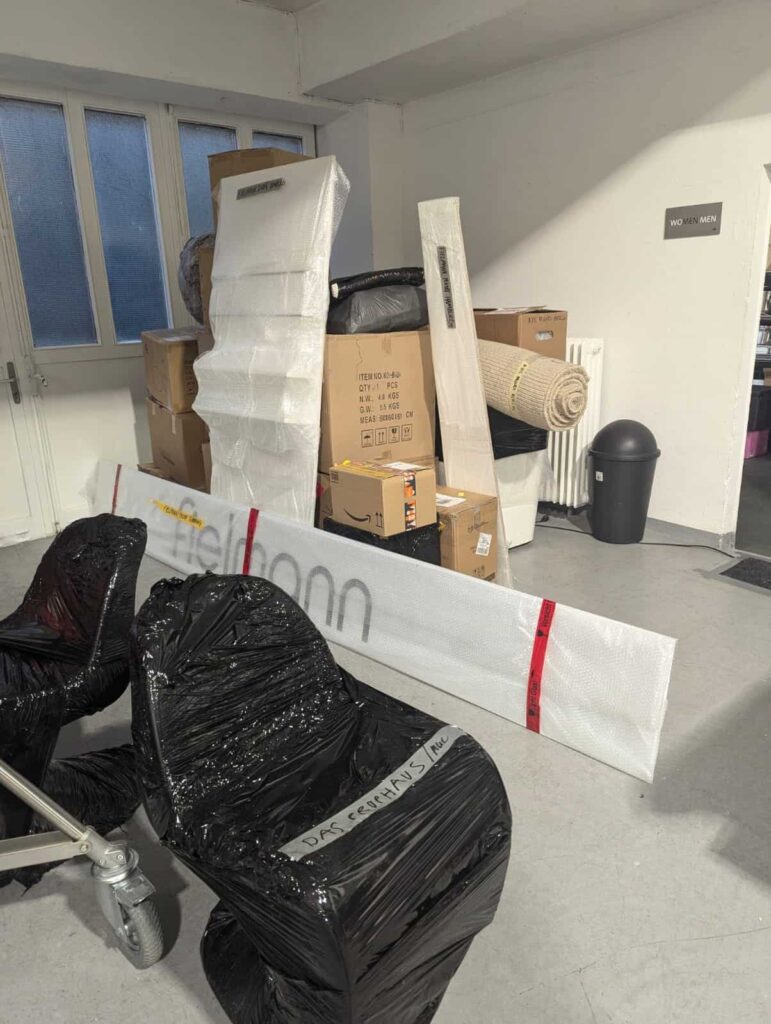
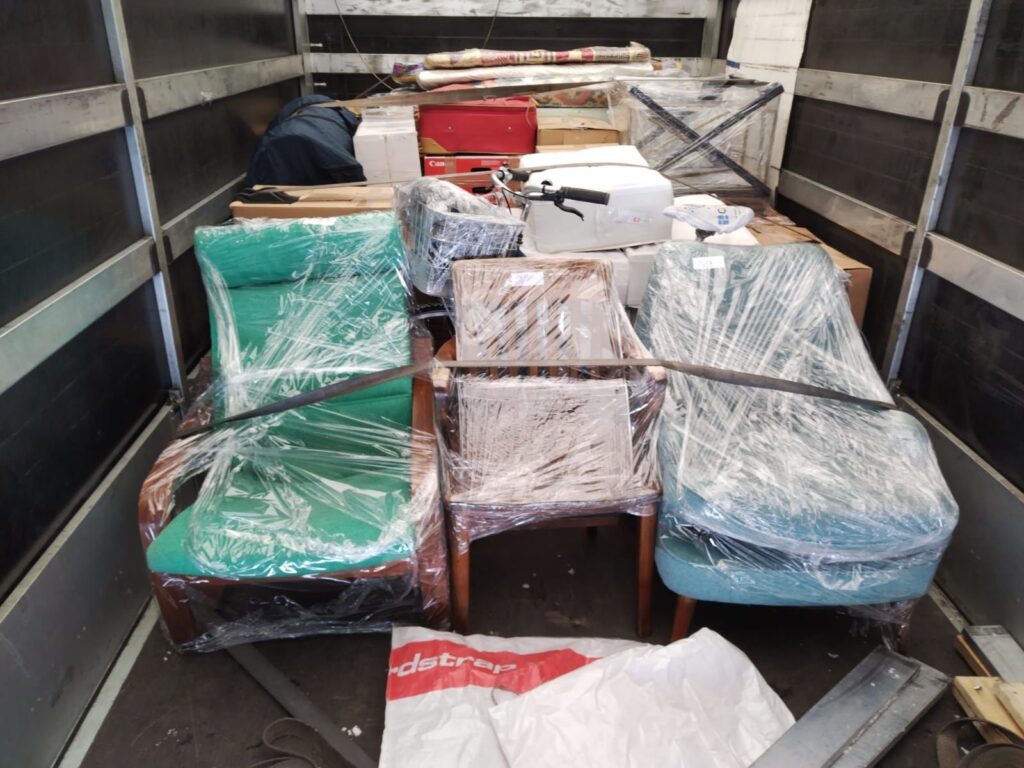
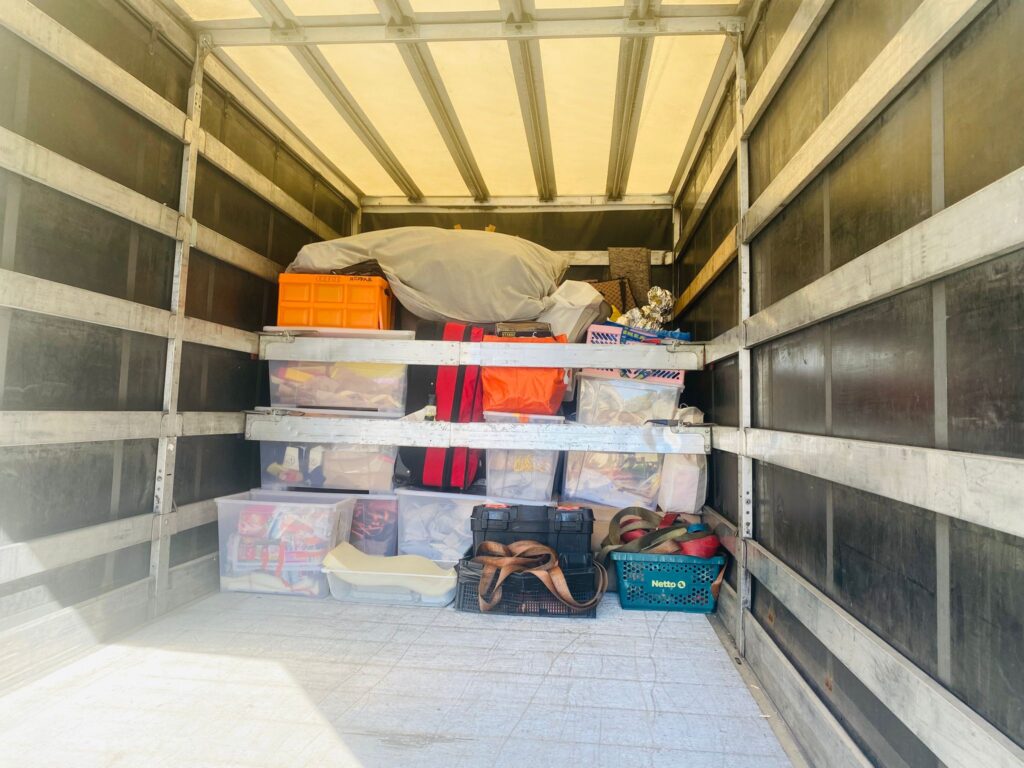
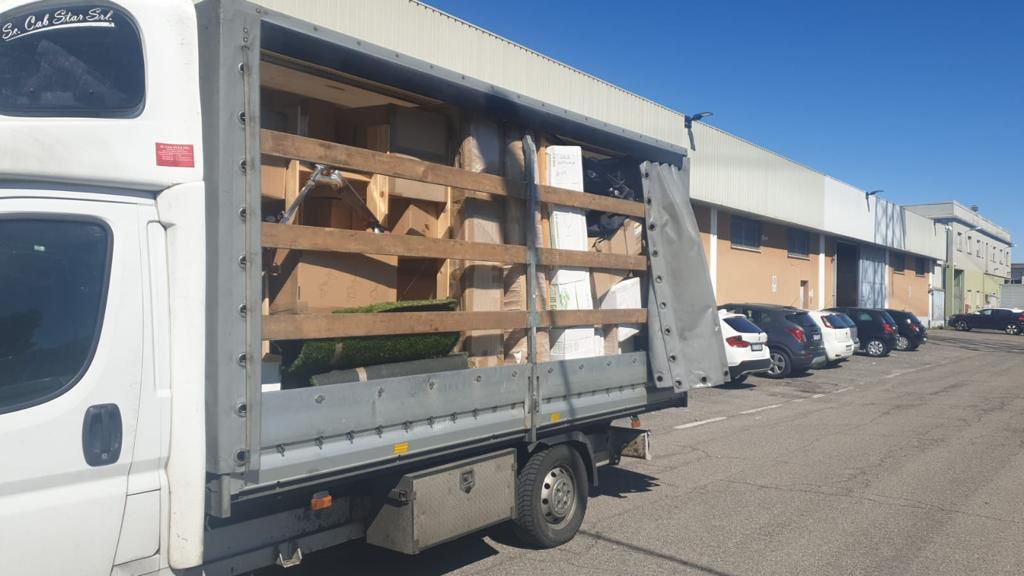
A move to Switzerland is not just a scenic drive through Alpine roads. It is a chain of decisions: what to take, how to pack it, which vehicle size to choose, which customs documents to prepare, how to time delivery and how to protect valuable items.
A professional man and van service can turn that pressure into a clear, trackable process.
VANonsite offers removals to Switzerland built around safety, speed and visibility. Every load can be GPS tracked, giving you a calmer sense of control while your belongings are in transit.
Depending on your situation, you may need:
- Last Minute Moving for urgent relocation
- Furniture Removals for heavy or awkward household items
- Home Removals for full household moves
- Packing Service for fragile, valuable or time sensitive belongings
- White Glove Delivery for designer furniture, art, antiques or premium items
- Office removals for company relocation
- Storage when keys, leases or delivery dates do not align
- Student Removals for compact university moves
- Office Furniture Installation for business setup after delivery
If you are still asking “should I move to Switzerland?”, the logistics may feel intimidating. But the move becomes far less stressful when your transport partner understands volume, timing, customs and care.
A strong moving plan should answer 5 questions before collection day:
- What exactly is being moved?
- What is the estimated volume in m3?
- Which items need special protection?
- Which customs documents are required?
- What access rules apply at collection and delivery?
Once these details are clear, the move becomes manageable. Without them, even a short relocation can feel like a storm of boxes, emails and last minute decisions.
Should I Move to Switzerland With Furniture or Buy New?
This is a smart question because Switzerland is not a cheap place to start again from zero.
In many cases, moving good quality furniture makes sense. Replacement costs can be high, and familiar items can make the first weeks feel warmer. A known mattress, a favourite desk or a solid dining table can turn an empty apartment into a home on day one.
However, not everything deserves space in the van.
| Item type | Move it? | Why |
|---|---|---|
| High quality furniture | Usually yes | Replacement costs in Switzerland can be high |
| Cheap flat pack furniture | Maybe not | Transport may cost more than the item is worth |
| Mattress and bed | Often yes | Comfort matters during the first weeks |
| Office equipment | Yes, if valuable | Useful for remote work or business setup |
| Antiques or designer pieces | Yes, with extra care | White glove delivery may be the safest option |
| Student essentials | Yes, if compact | A small man and van load can be efficient |
| Old bulky items | Usually no | Volume can increase cost quickly |
Should I move to Switzerland with all my belongings? Not always. Move what has real value, daily usefulness or emotional weight. Sell, donate or recycle what will only make the relocation heavier.
Think about the cost of replacement. A cheap bookshelf may not be worth moving. A high quality sofa, ergonomic office chair, solid wood dining table or premium mattress may absolutely be worth taking. The decision should be based on value, condition, size and usefulness in your new home.
VANonsite can help you choose the right vehicle size, from Moving One at 1 m3 to Moving Full House XXL at 90 m3. This is especially useful when your belongings sit between categories. You may not need a huge truck, but you may need more than a small van.
Moving to Switzerland for Work
Switzerland can be a powerful career move. Salaries are often one of the strongest reasons people ask, “should I move to Switzerland?”
The country has major opportunities in finance, pharmaceuticals, technology, research, engineering, logistics, healthcare, luxury goods and international organisations. For skilled professionals, the move can be career defining.
But look beyond the salary headline.
Ask yourself:
- Is the job offer confirmed in writing?
- Does the salary still feel strong after rent and insurance?
- What canton will I live in?
- What is my commute?
- Does my employer support permits or relocation?
- Will I need to move office equipment or professional furniture?
- Do I understand my tax and social security situation?
- How much cash do I need before my first Swiss salary arrives?
Should I move to Switzerland for work without a signed job offer? Usually, that is risky. Switzerland can be generous once you are established, but expensive while you are waiting.
A work relocation often comes with a tight timeline. You may have a start date, a temporary apartment, a lease ending in your current country and a narrow delivery window. That is exactly when a reliable man and van service becomes valuable.
For work related moves, VANonsite can support both personal belongings and office relocation needs. That includes office removals, storage and office furniture installation, which can be useful when setting up a new workspace quickly.
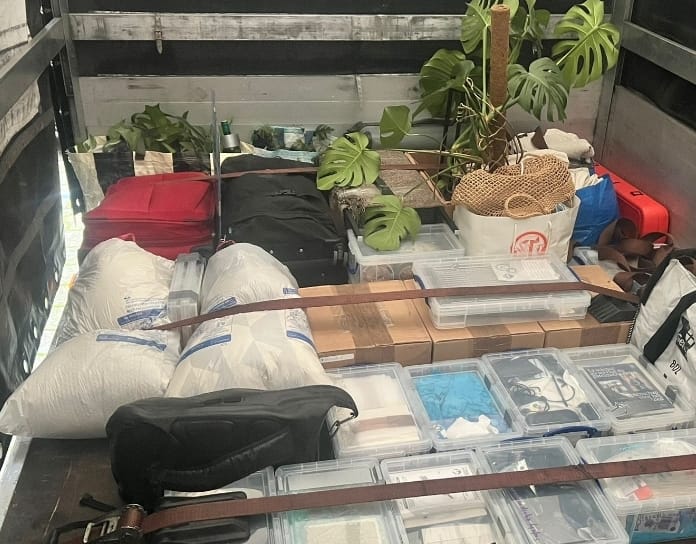
Moving to Switzerland With Family
A family move is not only about boxes. It is about routines, school bags, children’s bikes, favourite mugs, winter coats, bedtime rituals and the emotional architecture of home.
So, should I move to Switzerland with family? Yes, if you can budget carefully and prepare early.
Switzerland offers strong safety, excellent public transport, clean outdoor spaces and good access to nature. For many families, weekends become more active. Lakes, forests, ski slopes and mountain trails are not fantasy backdrops. They become part of normal life.
But family relocation also has heavier planning needs.
Think about:
- Schooling and language
- Childcare costs
- Rental size and location
- Health insurance for every family member
- Delivery access at the new home
- Storage if your property is not ready
- Packing help to reduce stress
- The first 72 hours after arrival
- Furniture needs for children’s rooms
- Bikes, sports equipment and seasonal clothing
- Medical documents and school records
For children, the emotional side of relocation matters. A familiar bed, favourite toys, books and small household rituals can soften the transition. That does not mean moving everything. It means moving the items that help your new Swiss home feel like yours faster.
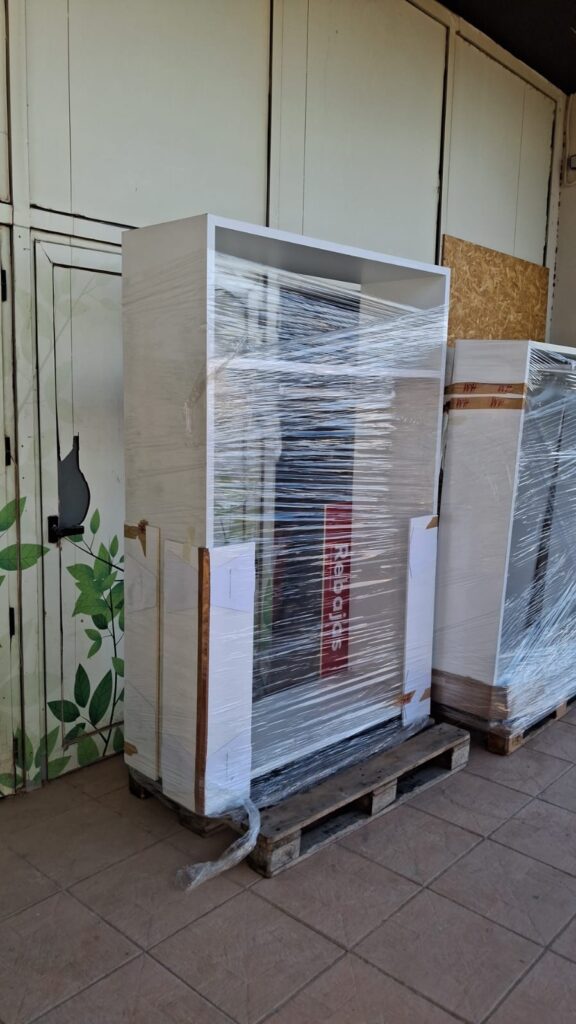
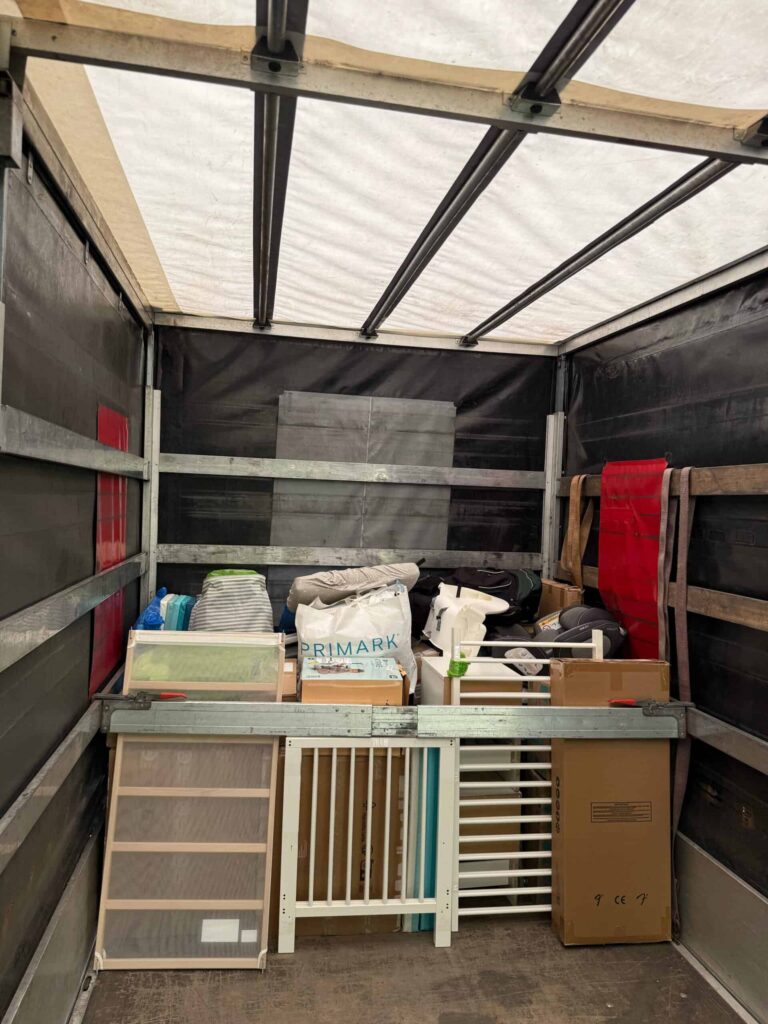
A family move may need a larger VANonsite vehicle such as Moving Premium, Moving Premium Plus or Moving Full House XXL. With GPS tracking and careful planning, the move feels less like a storm of cardboard and more like a controlled handover from one chapter to the next.
Moving to Switzerland as a Student
Should I move to Switzerland as a student? Yes, if you have been accepted into a Swiss university and you understand your budget.
Switzerland has respected universities, international academic networks and a high quality of life. However, student life can still be expensive. Shared housing, transport, insurance and food need careful planning.
For students, the smartest relocation is often compact. You may not need a full house move. You may need a clean, efficient man and van service for essentials.
A typical student load may include:
- Clothes
- Bedding
- Books
- Study equipment
- Small furniture
- Kitchen basics
- Bicycle
- Personal items
- Electronics
- Winter clothing
- Important documents
VANonsite Moving One at 1 m3 or Moving Basic at 5 m3 can be enough for many student removals. It keeps the move practical, focused and easier to afford.
Students should be especially careful not to overpack. Switzerland has shops, second hand options and local services. The goal is not to move your entire past. The goal is to arrive with enough to start well.
Moving to Switzerland for Business or Office Relocation
Switzerland is not only a personal relocation destination. It is also a serious business hub. Companies move teams, equipment, archives, desks, chairs, monitors, meeting room furniture and specialist tools into Switzerland for many reasons.
Office moves require a different mindset from home moves. Downtime costs money. Equipment needs protection. Delivery may need to happen outside working hours. Furniture may need installation. Teams may need to continue working with minimal disruption.
If your company is asking “should I move to Switzerland?” from a business perspective, the answer depends on market goals, tax planning, talent access, client proximity and operational structure. But once the decision is made, the move itself must be clean.
VANonsite supports Office removals and Office Furniture Installation, making it easier to transport and set up workplace assets. For sensitive, premium or fragile items, White Glove Delivery can add another layer of care.
A business relocation checklist should include:
- Office inventory
- IT equipment list
- Furniture plan
- Floor plan for the new location
- Delivery access rules
- Lift and loading bay details
- Time sensitive items
- Packing requirements
- Storage needs
- Installation requirements
A well planned office move protects productivity. A rushed one can create delays, confusion and unnecessary cost.
Switzerland Compared With Other Western European Countries
If you are still asking “should I move to Switzerland?”, it helps to compare Switzerland with other Western European countries, not in a dreamy travel way, but in a practical relocation way. Switzerland often looks expensive at first glance, and it is. Official international price comparisons place the Swiss price level well above the EU average. At the same time, Swiss wages, safety, infrastructure and purchasing power can make the higher costs feel more balanced for people with strong income.
The real difference is this: Germany, France, Austria, Belgium and the Netherlands may feel easier for some newcomers because they are inside the EU and often have lower day to day costs. Luxembourg, Ireland and Denmark can compete with Switzerland on salary or career appeal, but each has its own pressure points, from housing shortages to high taxes or competitive job markets. Switzerland stands out when you want stability, polished infrastructure, strong salaries, low tolerance for chaos and a lifestyle built around precision.
So, should I move to Switzerland instead of another Western European country? Yes, if you value safety, order, high earning potential and premium quality of life more than low living costs. If your main priority is cheaper rent, easier EU mobility or a softer landing, another Western European country may feel more forgiving.
| Country | Cost pressure | Income potential | Housing situation | Bureaucracy and documents | Lifestyle feel | Best for | Relocation difficulty | Moving insight |
|---|---|---|---|---|---|---|---|---|
| Switzerland | Very high. Swiss prices are far above the EU average, especially for food, services, rent and insurance. | Very high, especially in finance, pharma, technology, engineering, healthcare and international business. | Competitive in Zurich, Geneva, Basel and Lausanne. Deposits and documentation matter. | Strict, structured and canton dependent. Registration, permits, customs and health insurance must be planned carefully. | Clean, safe, calm, efficient and nature focused. | Professionals, families, high income earners, organised movers and people seeking long term stability. | High if you move without preparation, moderate with the right plan. | A GPS tracked man and van service is valuable because timing, customs, access and documentation all matter. |
| Germany | Moderate to high, but usually lower than Switzerland. Large cities can still be expensive. | Strong in engineering, automotive, IT, logistics, science and manufacturing. | Difficult in Berlin, Munich, Hamburg and Frankfurt. Smaller cities may be easier. | Structured, but often more familiar for EU movers. Registration is still important. | Practical, organised, urban and varied by region. | Professionals who want a large job market and strong infrastructure. | Moderate. | Moving furniture can be worthwhile, especially for long term stays. |
| France | Moderate to high. Paris is expensive, but regional France can be more affordable. | Strong in luxury, aerospace, energy, tech, tourism, finance and public institutions. | Paris is highly competitive. Smaller cities offer more space and charm. | Can feel paperwork heavy, especially for non French speakers. | Cultural, social, slower in some regions and more expressive than Switzerland. | Families, culture lovers, remote workers and people who value food, lifestyle and space. | Moderate. | A planned man and van move helps if you are relocating between city apartments with limited access. |
| Netherlands | High, especially in Amsterdam, Utrecht, Rotterdam and The Hague. | Strong in tech, logistics, finance, design, startups and international business. | Very tight in major cities. Housing can be the biggest obstacle. | Efficient, often digital and relatively international friendly. | Open, direct, bike focused, urban and international. | English speaking professionals, students and startup workers. | Moderate to high because of housing pressure. | Compact moves work well, especially when apartments have narrow stairs or strict access windows. |
| Austria | Moderate to high, often calmer than Switzerland in cost and rhythm. | Solid in engineering, tourism, public sector, logistics, culture and services. | Vienna can be more manageable than many Western capitals, though demand exists. | Structured and rule based. German language helps a lot. | Elegant, calm, cultural and mountain friendly. | Families, professionals, students and people who want Alpine access with softer costs. | Moderate. | Moving quality furniture can make sense because housing is often more spacious than in Swiss city centres. |
| Belgium | Moderate to high. Brussels can be costly, but often less intense than Zurich or Geneva. | Strong in EU institutions, diplomacy, logistics, pharma, law and international organisations. | Brussels has demand, but options can be broader than in Switzerland’s hottest cities. | Multilingual and sometimes complex, depending on region. | International, practical, politically central and culturally mixed. | EU professionals, diplomats, families and cross border workers. | Moderate. | Office removals and document ready moving plans are useful for diplomatic or corporate relocations. |
| Luxembourg | Very high. Housing can be extremely expensive because of limited space and strong demand. | Very high in finance, legal services, EU institutions and corporate roles. | One of the toughest housing markets in Europe relative to country size. | Structured and international, but documentation still matters. | Wealthy, compact, multilingual and career focused. | Finance professionals, EU workers and high income households. | High, mostly because of housing and availability. | Storage can be useful if your housing dates do not align with your arrival. |
| Ireland | High, especially in Dublin, where housing pressure is severe. | Strong in tech, pharma, finance, aviation, customer operations and global companies. | Very competitive in Dublin and other job hubs. | English makes daily life easier for many movers, but housing paperwork can still be stressful. | Friendly, lively, international and career driven. | English speaking professionals and tech workers. | Moderate to high because of housing shortages. | Smaller man and van moves are often practical if you are moving into temporary accommodation first. |
| Denmark | High. Consumer prices and services can feel expensive, though public services are strong. | Strong in life sciences, shipping, energy, design, technology and sustainability. | Copenhagen is competitive, but planning early helps. | Efficient, digital and structured. | Calm, design led, safe and family friendly. | Families, sustainability professionals, designers and people who value work life balance. | Moderate. | Bring essentials and high value items, but avoid overloading with things you can replace locally. |
| United Kingdom | Moderate to high, with London much more expensive than many other regions. | Strong in finance, tech, media, education, healthcare, legal services and creative industries. | London is very competitive. Regional cities vary widely. | Visa rules matter for many movers. Since Brexit, mobility is less simple for EU citizens. | Fast, diverse, flexible and less rule heavy in daily life than Switzerland. | English speaking movers, finance professionals, creatives and students. | Moderate to high depending on visa status and destination. | A professional man and van service helps when moving between Europe and the UK because routes, timing and customs planning matter. |
Switzerland is not automatically “better” than every Western European country. It is more exacting. It asks for more planning, more money upfront and more respect for rules. Yet it gives a great deal back: strong wages, personal safety, clean public spaces, reliable transport, high trust and a rare sense that life has been engineered with care.
If your move is mainly about affordability, Germany, Austria or regional France may feel easier. If your move is about international career energy, the Netherlands, Ireland, Luxembourg or the UK may also compete strongly. But if you want high income potential, mountain access, safety, precision and a quieter premium lifestyle, Switzerland remains one of Europe’s most compelling choices.
For the physical move, this comparison matters too. A relocation to Switzerland usually needs more attention to paperwork, timing, delivery access and customs than a move within the EU. That is why VANonsite’s GPS tracked removals to Switzerland, flexible vehicle sizes and professional man and van options can be especially useful. When the country expects precision, your move should be precise too.
Packing for Switzerland: What to Take and What to Leave
Packing is where the move becomes emotional. Every drawer turns into a decision. Every object asks a quiet question: do I still belong in your life?
For Switzerland, practical packing matters. Space is expensive. Transport volume affects cost. Customs paperwork needs accuracy. Fragile items need proper protection. Seasonal clothing matters because winters can be serious, especially if you plan to spend time in mountain areas.
Take items that are:
- Valuable
- Useful
- Hard to replace
- Emotionally meaningful
- Needed immediately after arrival
- Suitable for your new home size
- Already owned and used personally
Leave behind items that are:
- Broken
- Cheap to replace
- Too large for the new property
- Unsuitable for Swiss housing
- Rarely used
- Expensive to move but low in value
- Difficult to justify on the inventory
A packing service can be a wise investment when you are moving fragile furniture, glassware, artwork, electronics or premium items. VANonsite offers Packing Service to help protect belongings before they enter the van.
For the first 72 hours, pack a separate essentials bag. It should travel with you, not deep inside the shipment. Include documents, medication, chargers, toiletries, basic clothes, keys, rental papers, snacks and anything you cannot afford to search for after a long journey.
What to Do 8 Weeks Before Moving to Switzerland
A good move starts before the van arrives. Ideally, start planning at least 8 weeks before relocation.
- Confirm your permit route.
- Check employment, study or family documents.
- Research cantons, languages and housing costs.
- Create a full inventory of household goods.
- Decide what to move, sell, donate, store or recycle.
- Estimate your total volume in cubic metres.
- Choose the right VANonsite vehicle size.
- Book packing support if you have fragile or valuable items.
- Prepare customs documents for household effects.
- Check delivery access at your Swiss address.
- Keep essential documents in a separate folder.
- Plan your first 72 hours after arrival.
- Review health insurance requirements.
- Check school or childcare options if moving with children.
- Confirm whether you need storage between properties.
Should I move to Switzerland without this level of planning? You can, but it will likely feel more stressful and more expensive than it needs to.
Eight weeks gives you enough time to reduce the move instead of simply packing everything. It allows you to sell bulky items, measure furniture, compare housing options, check paperwork and choose the right transport size.
What to Do 2 Weeks Before Moving
Two weeks before moving, the plan should become sharper. This is when small details can save you from large problems.
- Confirm collection and delivery addresses.
- Check parking rules at both properties.
- Confirm building access, elevators and staircases.
- Label boxes by room and priority.
- Photograph valuable or fragile items.
- Keep passports, permits and customs documents separate.
- Pack a first week essentials bag.
- Share access restrictions with the moving team.
- Confirm loading times and contact numbers.
- Check GPS tracking arrangements for the load.
- Defrost and clean appliances if they are being moved.
- Confirm storage arrangements if needed.
- Prepare keys, access codes and contact details.
- Review your household goods inventory.
- Keep fragile items clearly marked.
The goal is simple: no panic on moving day.
A reliable man and van service does more than carry boxes. It protects timing, reduces confusion and gives structure to a day that can otherwise feel emotionally chaotic.
What to Do During the First 72 Hours in Switzerland
The first 72 hours after arrival can shape how the move feels. You may be tired, excited, overwhelmed and surrounded by boxes. A simple plan helps.
Focus on essentials first:
- Check that all important items arrived
- Inspect fragile or high value belongings
- Set up beds before anything else
- Keep documents in one safe place
- Confirm registration steps with your commune
- Buy basic groceries
- Set up internet or mobile access
- Locate nearest pharmacy, supermarket and transport stop
- Start health insurance arrangements if not already completed
- Unpack by priority, not emotion
Do not try to build your whole new life in one weekend. Make the home functional first. Comfort can come in layers.
If you used storage because your permanent accommodation was not ready, schedule delivery when access is calm and clear. Rushed unloading into the wrong space can create more work later.
Common Mistakes When Moving to Switzerland
Many Switzerland moves become stressful because people underestimate the details. The country is efficient, but it expects you to be efficient too.
Avoid these common mistakes:
- Booking transport before checking permit requirements
- Underestimating your load volume
- Forgetting customs paperwork
- Not preparing an inventory
- Waiting too long to arrange health insurance
- Missing the commune registration deadline
- Choosing the cheapest mover without GPS tracking
- Ignoring parking restrictions or building access
- Moving low value bulky items that are not worth the cost
- Packing fragile items without enough protection
- Assuming all cantons work exactly the same way
- Forgetting temporary accommodation costs
- Arriving without enough cash for deposits and setup
- Not measuring large furniture before moving it
- Leaving packing until the final days
Should I move to Switzerland if I hate paperwork? Only if you are ready to respect the process. The move can still be smooth, but it needs a practical system.
VANonsite helps by handling the transport side with clear vehicle options, safe loading, flexible services and GPS visibility. That gives you more headspace for documents, housing and settling in.
Is Switzerland Worth It?
Switzerland is worth it if you want life to feel cleaner, safer and more deliberate.
It is worth it if you want weekends that can include mountain air, lake walks, punctual trains and cities that feel calm instead of frantic. It is worth it if you enjoy high standards and can accept that high standards come with high costs.
But Switzerland is not magic. It will not fix unclear plans. It will not make weak budgets strong. It will not remove the need for documents, deadlines and decisions.
So, should I move to Switzerland? Yes, if you are prepared for the price of precision. No, if you want an easy, cheap restart without structure.
For the right person, Switzerland can feel like a magnificent upgrade. Not loud. Not flashy. Just quietly excellent.
The people who settle best are often not the people who arrive with the biggest dreams. They are the people who arrive with the clearest plans. They know why they are moving, where they are going, what they can afford and how their belongings will arrive.
Final Decision Checklist
Use this checklist before you make the move.
| Question | Ready? |
|---|---|
| Do I know which canton I want to live in? | Yes or no |
| Do I understand my permit route? | Yes or no |
| Can I afford rent, deposit and insurance? | Yes or no |
| Have I checked commune registration rules? | Yes or no |
| Have I planned health insurance within 3 months? | Yes or no |
| Have I created an inventory of household goods? | Yes or no |
| Do I know my estimated moving volume? | Yes or no |
| Have I chosen a trusted man and van or removals provider? | Yes or no |
| Do I need packing, storage or white glove delivery? | Yes or no |
| Do I have a plan for the first 72 hours after arrival? | Yes or no |
| Have I checked customs rules for household effects? | Yes or no |
| Have I confirmed delivery access at the Swiss address? | Yes or no |
| Have I separated documents from the moving load? | Yes or no |
If most answers are yes, the question “should I move to Switzerland?” becomes much easier. You are not guessing anymore. You are planning.
If several answers are no, slow down. A delayed move is often better than a rushed one. Switzerland will still be there. Your move will be stronger when the foundation is ready.
Why Move to Switzerland With VANonsite?
When the emotional decision is made, the practical work begins. Your belongings need to be packed, protected, loaded, tracked and delivered safely. That is where VANonsite becomes a valuable part of the relocation.
VANonsite offers premium European transport services designed around safety, speed and trust. Every move can be matched to the right vehicle size, from a 1 m3 essentials move to a 90 m3 full house relocation.
Key advantages include:
- GPS tracking for every load
- Vehicle sizes from 1 m3 to 90 m3
- Last Minute Moving for urgent relocation
- Furniture Removals for heavy or awkward items
- Home Removals for complete household moves
- Packing Service for careful protection
- White Glove Delivery for delicate or premium belongings
- Office removals for business transitions
- Storage options when dates do not align
- Student Removals for compact, budget conscious moves
- Office Furniture Installation after delivery
A move to Switzerland should feel precise, not panicked. With VANonsite, your relocation can be organised around your real life, your real belongings and your real timeline.
Plan your removals to Switzerland with VANonsite and move with clarity, control and calm.
FAQs About Moving to Switzerland
Should I move to Switzerland if I do not speak German, French or Italian?
Yes, but your experience will depend on the canton and your job. English is useful in many international workplaces, especially in Zurich, Geneva, Basel and Lausanne. Still, learning the local language makes housing, paperwork, friendships and daily life much easier.
Should I move to Switzerland without a job?
Usually, no. Switzerland is expensive, so moving without stable income can become stressful quickly. If you have strong savings, a clear permit route and realistic housing options, it may be possible, but it needs careful planning.
Should I move to Switzerland with all my furniture?
Not always. Move high quality, useful or emotionally important items. Sell or donate low value bulky furniture if the transport cost is higher than replacement value. VANonsite can help match your load to the right vehicle size.
Can I import household goods into Switzerland?
Yes, but customs rules apply. Household effects may qualify for duty free import if they meet official conditions, including prior personal use and continued use after import. Always check Swiss customs guidance before moving.
Is a man and van service enough for moving to Switzerland?
Yes, for many small and medium moves. A man and van option can be ideal for students, apartment moves, essential loads and urgent relocations. Larger homes or business moves may need bigger vehicles, packing support or storage.
How soon do I need to register after moving to Switzerland?
New residents are generally expected to register with their commune of residence within 14 days after moving. Check local requirements before arrival because administrative details can vary.
Do I need health insurance in Switzerland?
In most cases, yes. Anyone settling in Switzerland usually has to take out compulsory health insurance within 3 months after taking up residence.
Should I move to Switzerland for a better lifestyle?
Yes, if your budget and expectations are realistic. Switzerland offers safety, nature, clean infrastructure and high standards. The lifestyle can be exceptional, but it is not cheap.
What is the best city to move to in Switzerland?
There is no single best city for everyone. Zurich is strong for finance and technology. Geneva is powerful for international organisations. Basel is excellent for pharma and cross border life. Lausanne is attractive for students and lake living. Bern suits people who prefer a calmer rhythm.
How much should I move to Switzerland?
Move the items that have real value, practical use or emotional importance. Avoid paying to transport low value bulky furniture that you may replace easily. Estimate your volume early, because moving 5 m3 is very different from moving 30 m3.
Can VANonsite help with last minute removals to Switzerland?
Yes. VANonsite offers Last Minute Moving for urgent relocations, subject to availability and route planning. This can be useful when job dates, housing contracts or family situations change quickly.
Conclusion: Should I Move to Switzerland?
So, should I move to Switzerland?
Yes, if you want a country that feels safe, efficient and beautifully controlled. Yes, if you are ready for high standards, higher costs and a more structured way of living. Yes, if you have the documents, income and patience to build your life properly.
But do not move blindly. Switzerland is too expensive for guesswork and too organised for chaos. Check your permit route. Understand your canton. Budget for rent and health insurance. Prepare your customs documents. Choose the right moving vehicle. Plan the first 90 days, not just the first weekend.
Once that foundation is in place, Switzerland can be a remarkable new chapter.
And when it is time to move, choose precision over panic. VANonsite offers GPS tracked European removals, flexible vehicle sizes, packing support, storage and specialist services for homes, students, furniture, offices and valuable deliveries.
Start your removals to Switzerland with VANonsite and make the move feel secure from the first box to the final delivery.