
Moving to Switzerland looks simple from a distance. Pack your life into boxes, cross the border, open the door, breathe in the mountain air and begin again. The country has a rare kind of polish. Trains move with quiet confidence. Streets feel safe after dark. Lakes shine like glass. Everything seems calm, precise and beautifully controlled.
Then the real questions arrive.
Is moving to Switzerland hard? Yes, it can be hard if you arrive without a plan. Switzerland is efficient, but it expects newcomers to be efficient too. The difficulty usually comes from paperwork, customs rules, high living costs, compulsory health insurance, competitive housing, language differences and the practical challenge of moving belongings across borders.
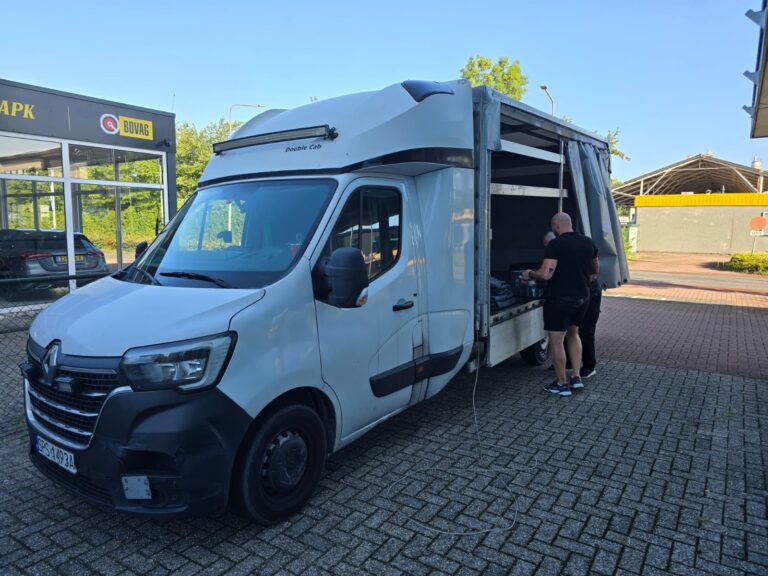
Still, hard does not mean impossible. It means the move needs structure. With the right documents, a clear inventory, a realistic budget and a reliable removals partner, moving to Switzerland becomes far more manageable. VANonsite helps customers relocate across Europe with secure transport, flexible vehicle sizes, professional man and van options and GPS tracking for every load. If you want the physical move to feel safer, faster and less chaotic, trusted removals to Switzerland can take a major weight off your shoulders.
TL:DR
- Moving to Switzerland can be hard because the country has strict paperwork, customs rules, high living costs, compulsory health insurance and competitive housing.
- The hardest part is usually not the distance. It is the combination of permits, local registration, customs documents, insurance and budget planning.
- Switzerland is not in the EU, so moving household goods requires careful customs preparation, supporting documents and a detailed inventory.
- New residents generally need to register with the new commune soon after arrival, so important documents should travel with you, not inside the moving load.
- Health insurance must be arranged after taking up residence, which makes the first 3 months especially important for planning.
- A GPS tracked man and van service can make the physical move easier by giving visibility, speed and safer transport for your belongings.
- Moving to Switzerland becomes much easier when you prepare documents early, choose the right vehicle size and use an experienced removals company like VANonsite.




Quick Answer: Is Moving to Switzerland Hard?
Yes, moving to Switzerland can be hard if you are unprepared. It becomes much easier when you know what to expect and organise the relocation step by step. Switzerland is safe, clean and highly efficient, but it is also strict, expensive and administratively demanding. Newcomers often struggle with residence rules, customs paperwork, rental applications, health insurance and first month costs.
The real answer to “is moving to Switzerland hard” is this: it is hard without preparation, but very achievable with structure.
| Moving to Switzerland feels hard when… | It becomes easier when… |
|---|---|
| You do not understand permit rules | You check official requirements early |
| You pack without a customs inventory | You prepare a clear household goods list |
| You underestimate rent and deposits | You budget for the first 60 days |
| You book the wrong van size | You match the vehicle to the real load |
| You ignore building access | You confirm parking, stairs and lift details |
| You move fragile items without protection | You use professional packing support |
| You have no visibility during transport | You choose GPS tracked removals |
A move to Switzerland rewards calm planning. The country itself runs on order, so your relocation should do the same. If you prepare the right documents, choose the right transport and keep essentials close, the process becomes far less intimidating.
Why Does Moving to Switzerland Feel Difficult?
Moving to Switzerland feels difficult because several important tasks happen at once. You are not only changing your address. You may also be entering a new legal system, a new rental market, a new insurance system and a new customs environment.
Switzerland is not in the European Union. This matters when you bring household goods across the border. Customs rules apply, and your belongings may need to be declared correctly. You may need forms, proof of residence transfer and a detailed inventory.
At the same time, residence rules depend on your nationality and reason for staying. A person moving for work may have different requirements from a student, a family member or a non EU citizen. Local registration also matters after arrival.
Then come the everyday pressures. Rent can be high. Housing can be competitive. Health insurance must be arranged. Local language expectations can change by canton. Even the final delivery may need careful planning because Swiss buildings can have strict access rules, quiet hours and limited parking.
In other words, is moving to Switzerland hard? It can be, because the country asks you to respect its systems from day one.
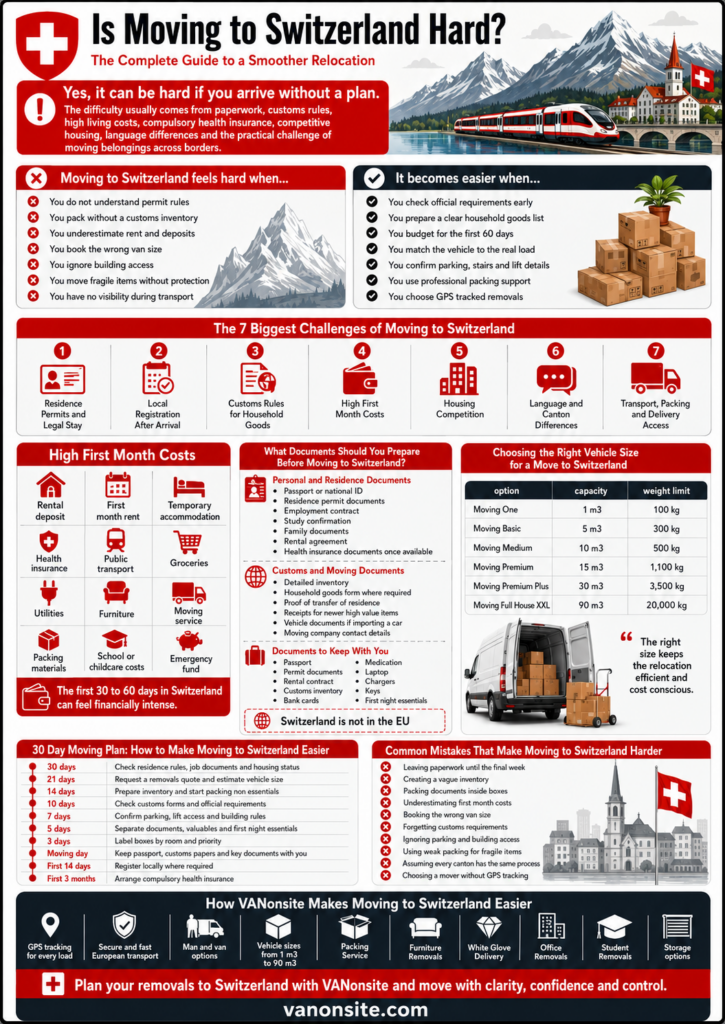
The 7 Biggest Challenges of Moving to Switzerland
The hard parts of moving to Switzerland usually fall into 7 areas. Each one can be managed, but ignoring any of them can create stress, delays or extra costs.
1. Residence Permits and Legal Stay
Residence rules are one of the first things to check. If you plan to stay in Switzerland for more than a short visit, you need to understand what applies to your situation. Rules depend on nationality, employment, study, family status and length of stay.
Official Swiss guidance on residence permits explains that foreign nationals who remain in Switzerland for more than 3 months must obtain a permit. EU and EFTA citizens should also review the State Secretariat for Migration guidance on living and working in Switzerland, because the conditions depend on the reason for the stay.
Before moving, prepare:
- Passport or national ID
- Employment contract if moving for work
- Study confirmation if moving for education
- Rental agreement or proof of address
- Family documents if moving with a spouse or children
- Financial proof where relevant
- Passport photos if requested
- Copies of important records
This is not the part to leave until the final week. A beautiful move needs legal footing. Without it, every other part of the relocation becomes fragile.
2. Local Registration After Arrival
Local registration is another reason people ask, “is moving to Switzerland hard?” Switzerland is organised at local level, and communes play an important role. When you move, you usually need to notify the commune of departure and register with the new commune.
Official guidance on notification of departure and registration explains that, in general, you are expected to register with your new commune within 14 days of the move.
Documents may include:
- Passport or ID
- Rental agreement
- Employment contract
- Residence permit documents
- Family documents where relevant
- Health insurance documents when available
- Previous address details
The practical lesson is simple: keep your key papers with you. Do not pack them in the van. A smooth registration can become a long, frustrating day if your documents are buried under kitchen boxes and furniture.
3. Customs Rules for Household Goods
Customs is one of the most practical reasons moving to Switzerland can feel hard. Switzerland has its own customs rules, and household goods need proper preparation.
The Swiss Federal Office for Customs and Border Security provides guidance on moving household effects to Switzerland. It explains that the transfer of domicile to Switzerland is the key condition for importing household goods, collections, animals or a car duty free. The official moving to Switzerland procedure also explains that form 18.44 may be required when importing personal effects as removal goods.
A strong customs file may include:
- Detailed inventory of household goods
- Passport or ID
- Proof of transfer of residence
- Rental agreement or Swiss address confirmation
- Employment or study documents
- Household goods form where required
- Receipts for newer high value items
- Vehicle papers if importing a car
- Pet documents if relevant
Your inventory should be clear and practical. Instead of writing “boxes”, divide items into categories: clothing, books, kitchenware, electronics, furniture, office equipment, bedding and personal effects.
A clean inventory turns a nervous border moment into a controlled process. It also helps your moving company understand the load more clearly.
4. High First Month Costs
The first 30 to 60 days in Switzerland can feel financially intense. Even if you have a strong salary, the setup phase can be expensive. Costs often arrive together, which makes the landing period feel heavier than expected.
Common early costs include:
- Rental deposit
- First month rent
- Temporary accommodation
- Health insurance
- Public transport
- Groceries
- Utilities
- Furniture
- Moving service
- Packing materials
- School or childcare costs
- Emergency fund
| Cost | Why it can surprise newcomers |
|---|---|
| Rental deposit | Several months of rent may be needed upfront |
| Health insurance | Residents must arrange compulsory cover |
| Moving costs | Distance, load size and access affect price |
| Furniture | Some homes need extra setup after arrival |
| Emergency fund | Delays and extra documents can create hidden costs |
This is why a 60 day relocation budget matters. Do not only calculate moving day. Calculate the first two months of real life. Add a buffer for deposits, unexpected appointments, temporary storage, extra packing or delayed housing.
VANonsite can help control one important part of the budget by matching the vehicle size to the actual load. Too small can mean stress and possible second trips. Too large can mean wasted space and unnecessary cost.
5. Housing Competition
Housing can be one of the hardest emotional parts of moving to Switzerland. Popular cities such as Zurich, Geneva, Basel, Lausanne, Bern and Zug can be highly competitive. Good apartments may attract many applicants, and landlords often expect organised paperwork.
A housing search can affect your move in practical ways. You may need temporary accommodation. You may move into a smaller space than planned. You may need storage. You may discover that your new building has limited access for larger vehicles.
Before signing a lease, check:
- Lift access
- Stair width
- Parking availability
- Loading bay
- Floor number
- Weekend move rules
- Quiet hours
- Furniture access
- Storage space
- Building protection rules
A beautiful apartment can become a moving day problem if the van cannot stop nearby or the wardrobe cannot fit through the stairs. Good access planning protects your time, your belongings and your mood.
For larger or awkward items, VANonsite Furniture Removals can help reduce the risk of scratches, damage and failed delivery.
6. Language and Canton Differences
Switzerland has German, French, Italian and Romansh language regions. That makes the country culturally rich, but it can also make relocation confusing. Forms, rental documents, local websites and commune instructions may not always be in English.
Canton and commune differences can also affect procedures. One place may offer online registration. Another may require an in person visit. Rental expectations, parking rules and delivery access can vary locally.
To reduce stress, prepare written information before the move:
- Pickup address
- Delivery address
- Contact names and phone numbers
- Floor number
- Lift details
- Parking instructions
- Building access codes
- Delivery time preferences
- Local restrictions
- Emergency contact
Send these details to your removals provider before collection. Clear information prevents rushed decisions on delivery day.
7. Transport, Packing and Delivery Access
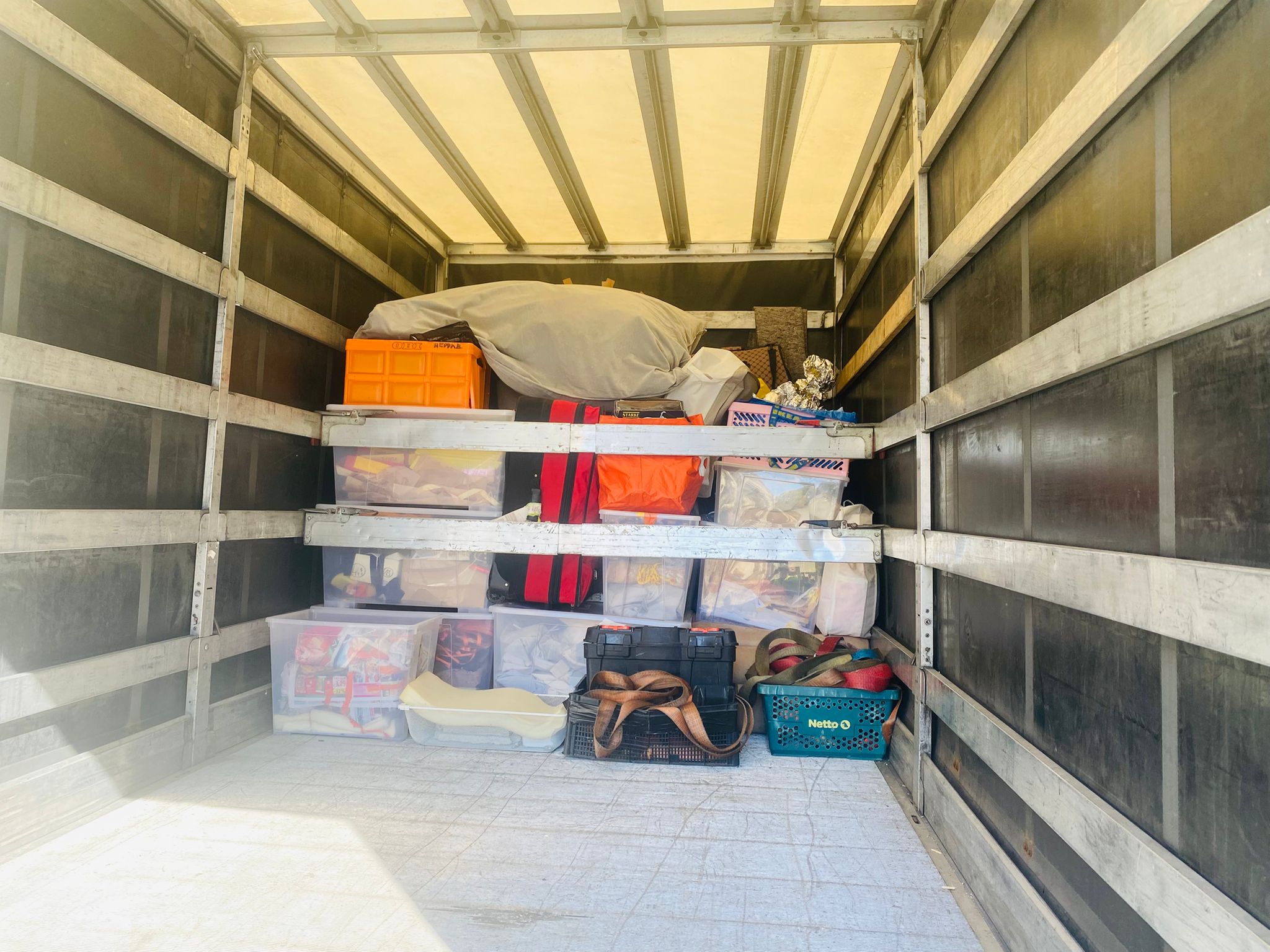
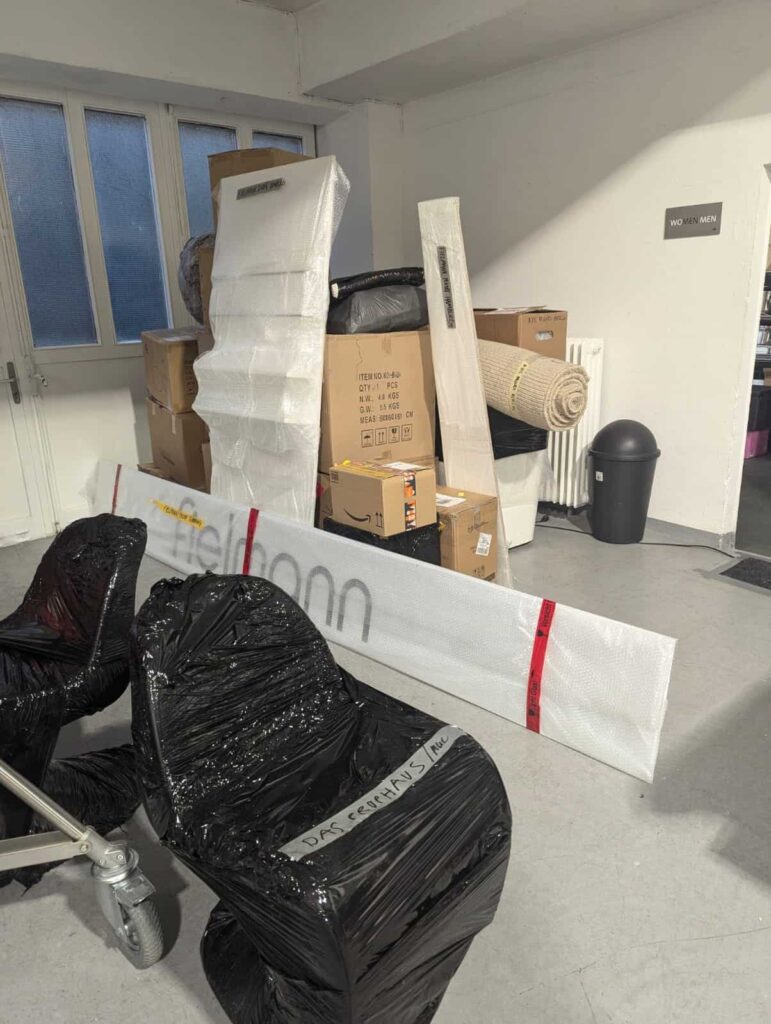
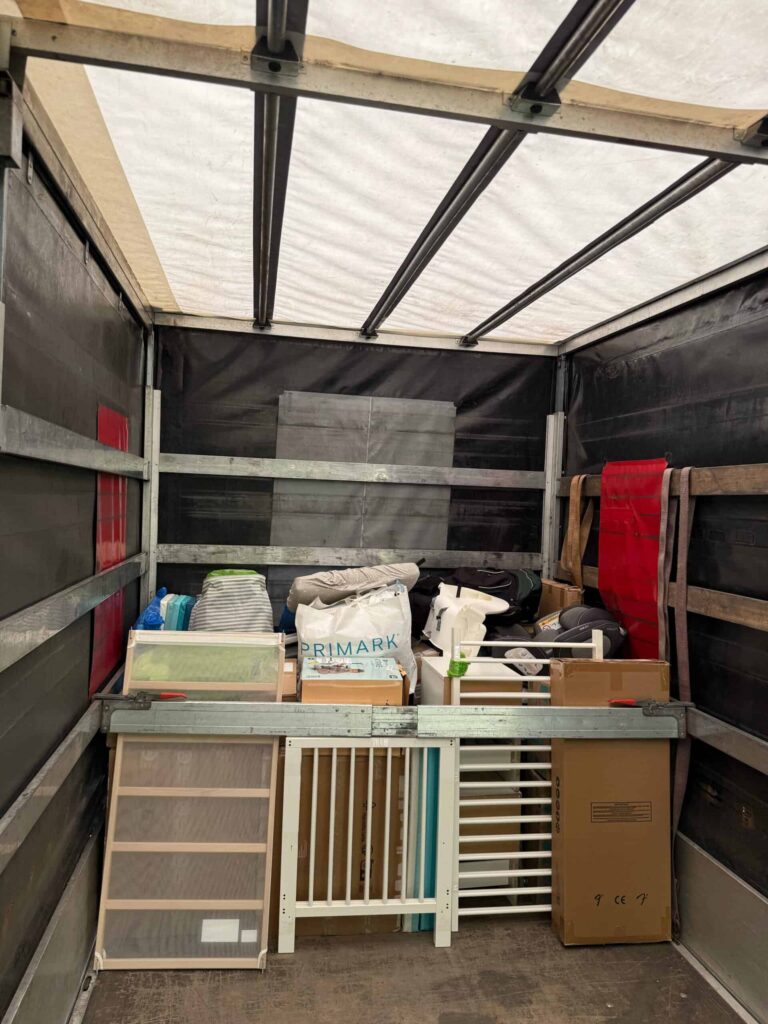
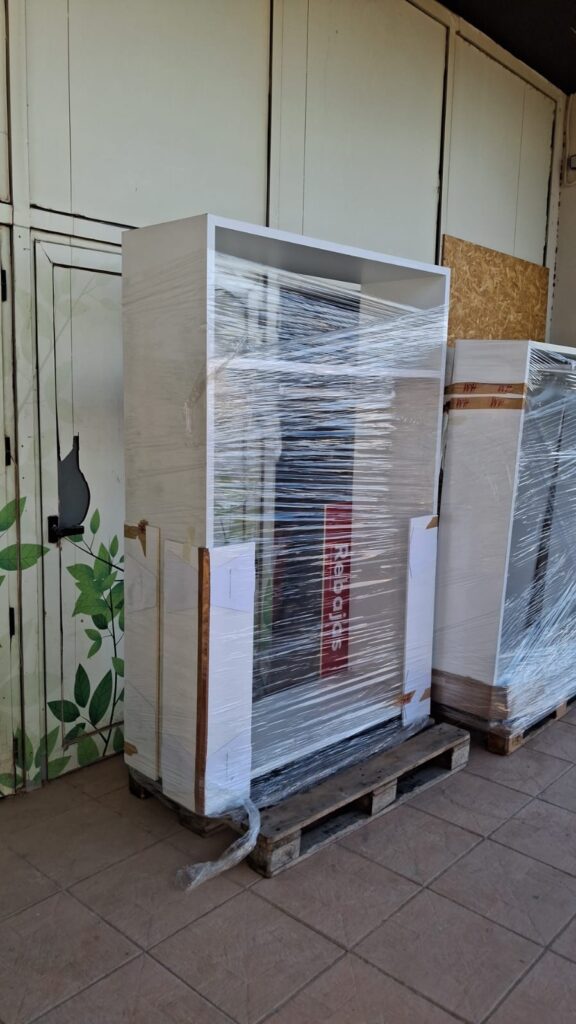
The physical move can be simple or stressful depending on how it is planned. International removals are more demanding than local moves. Belongings travel longer distances, pass through borders, face road vibration and may need careful stacking.
Fragile items need stronger packing. Furniture may need dismantling. Office equipment may need special protection. Building access needs to be checked.
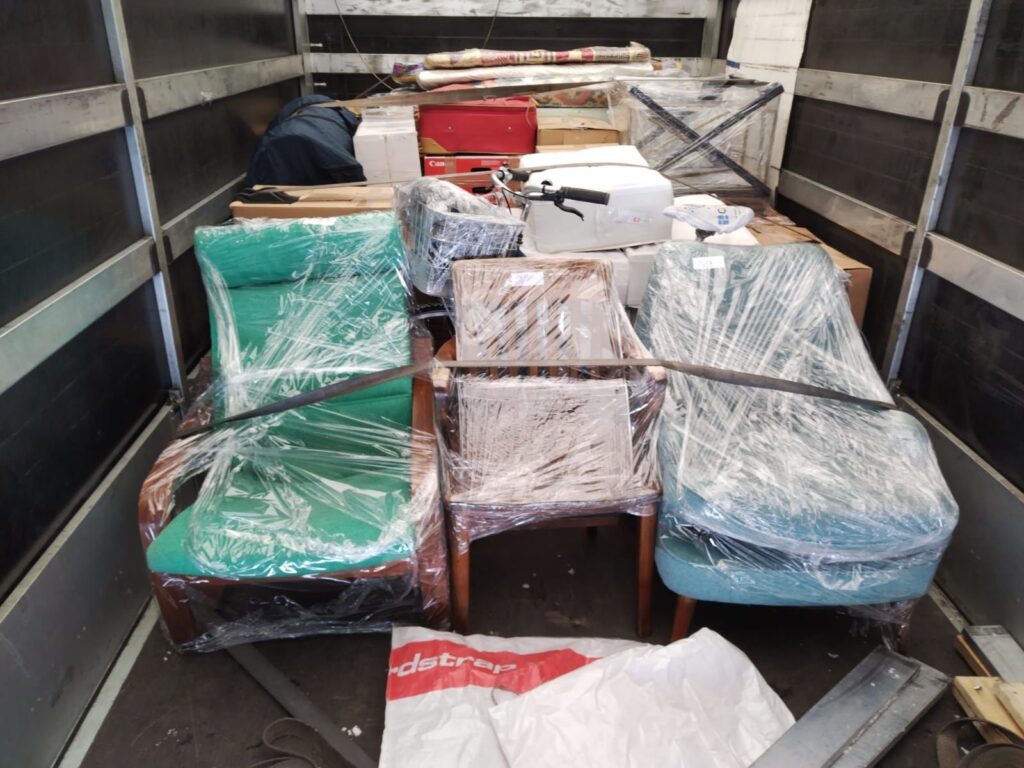
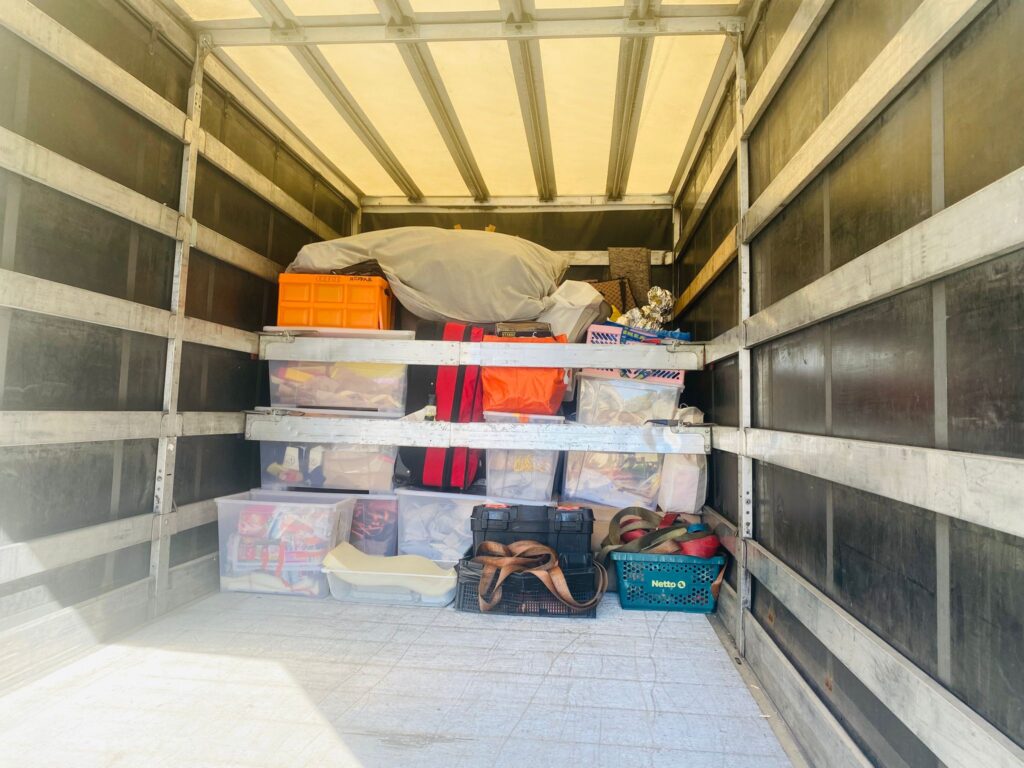
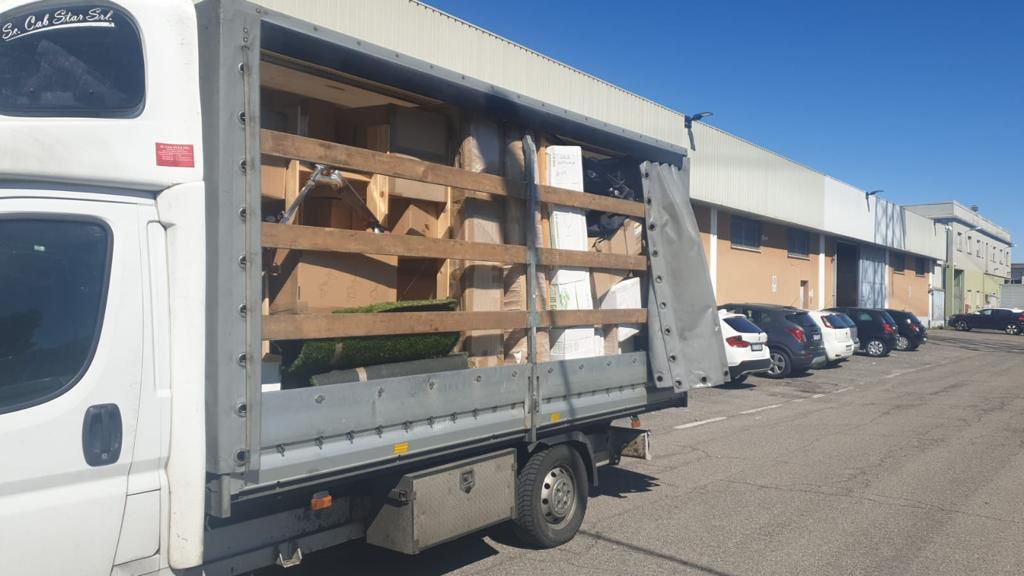
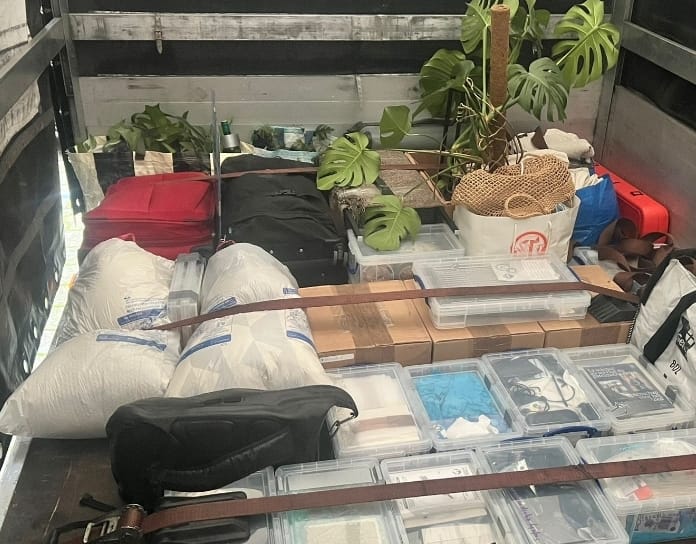
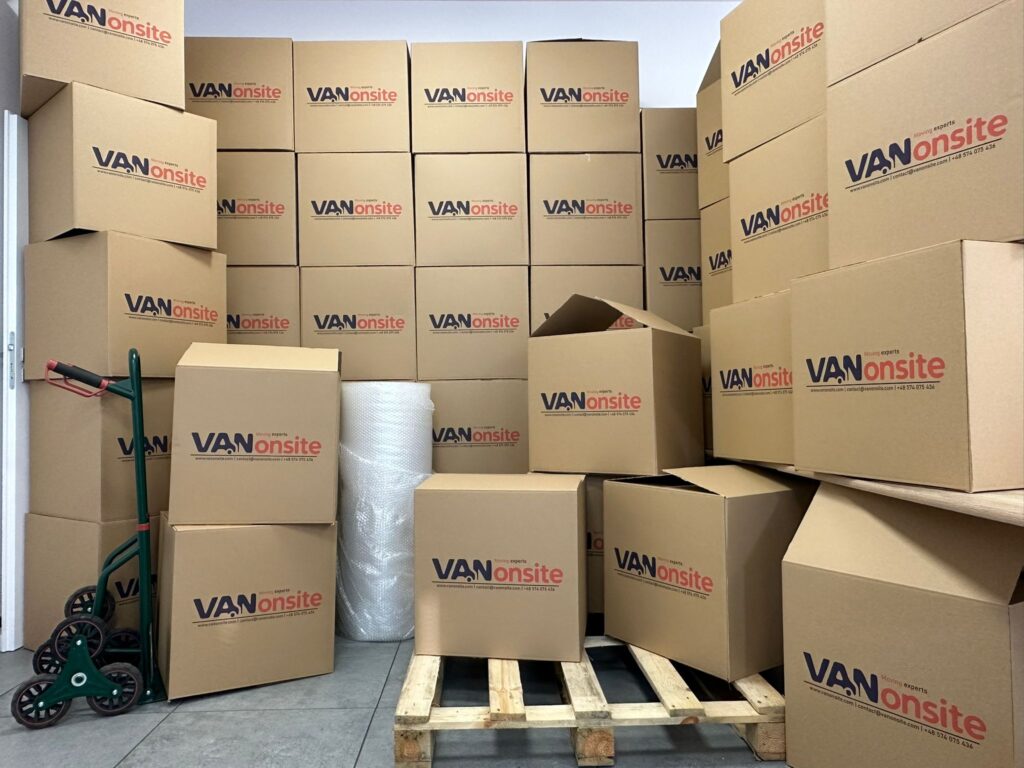
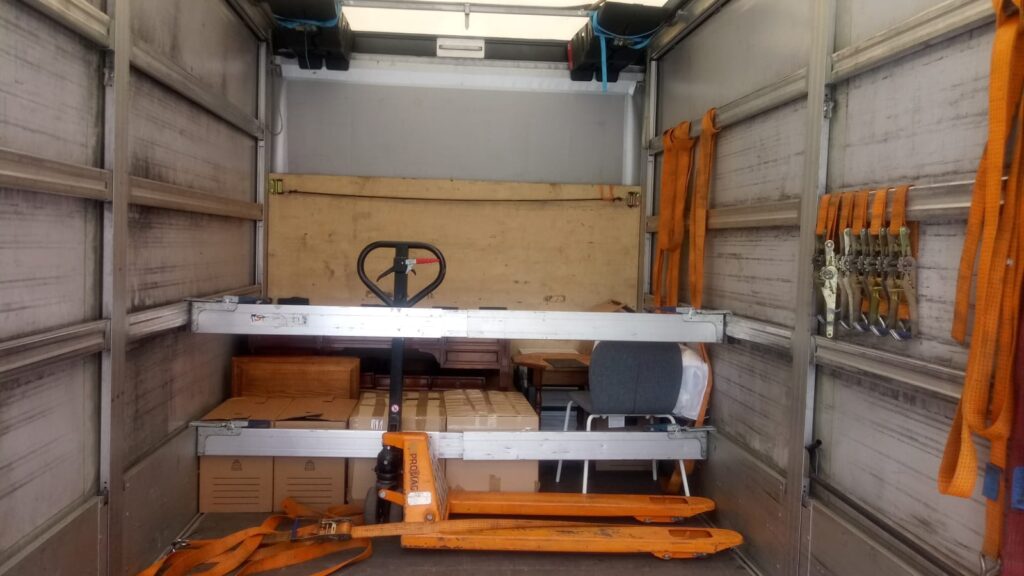
VANonsite helps make this stage easier with secure European transport, man and van options, GPS tracking for every load and flexible vehicle sizes. Customers can also use Packing Service for fragile items, White Glove Delivery for premium pieces and furniture support for bulky or delicate items.
When your life is packed into a van, trust becomes priceless. GPS tracking gives visibility. Careful loading gives protection. The right vehicle size gives control.
Is Moving to Switzerland Hard for EU and EFTA Citizens?
For EU and EFTA citizens, moving to Switzerland can be more straightforward than for many non EU citizens, but it is still not effortless. Rules still depend on the reason for your stay. Work, study, family reunification and long term residence can involve different conditions.
The State Secretariat for Migration explains that conditions for EU and EFTA citizens depend on whether they plan to work, study or join family in Switzerland. If you intend to work, official guidance on working in Switzerland explains that most foreign nationals require a permit to work in Switzerland, and the procedure depends on nationality and type of employment.
EU and EFTA citizens should still plan:
- Residence documents
- Employment or study proof
- Commune registration
- Health insurance
- Rental paperwork
- Customs documents for household goods
- Moving inventory
So, is moving to Switzerland hard for EU and EFTA citizens? It can be easier legally, but the practical work remains. Customs, housing, insurance and transport still need careful attention.
Is Moving to Switzerland Hard for Non EU Citizens?
For non EU citizens, moving to Switzerland can be more complex. Work authorisation may be stricter, documentation may take longer and employer involvement may be required. Housing, banking and registration can also depend on legal status.
Non EU citizens should check official Swiss migration guidance before making major financial commitments. This is especially important before signing contracts, booking large removals or making irreversible plans.
The main challenges may include:
- Work authorisation
- Employer support
- Longer document timelines
- Proof of qualifications
- Family relocation documents
- Housing applications
- Banking setup
- Health insurance planning
The move can still be successful, but the legal foundation needs to be clear. A strong transport plan cannot fix missing immigration documents.


Is Moving to Switzerland Hard for Families?
Moving to Switzerland can be wonderful for families, but the move itself can be demanding. More people means more documents, more belongings and more emotional pressure. Children need comfort. Parents need control. The household needs to arrive safely.
Families may need to plan:
- School or childcare documents
- Health insurance for each family member
- Birth or marriage certificates
- Larger housing
- Furniture volume
- First night essentials
- Toys and comfort items
- Medicines
- Storage needs
- Delivery access
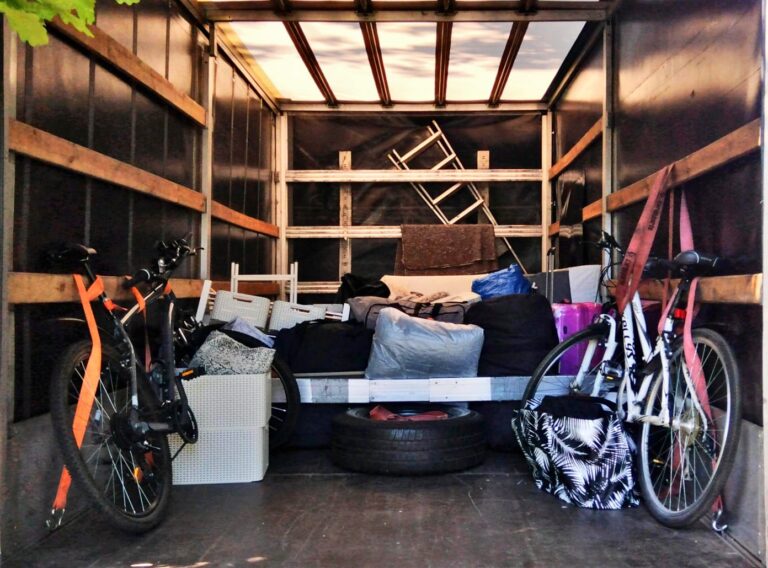
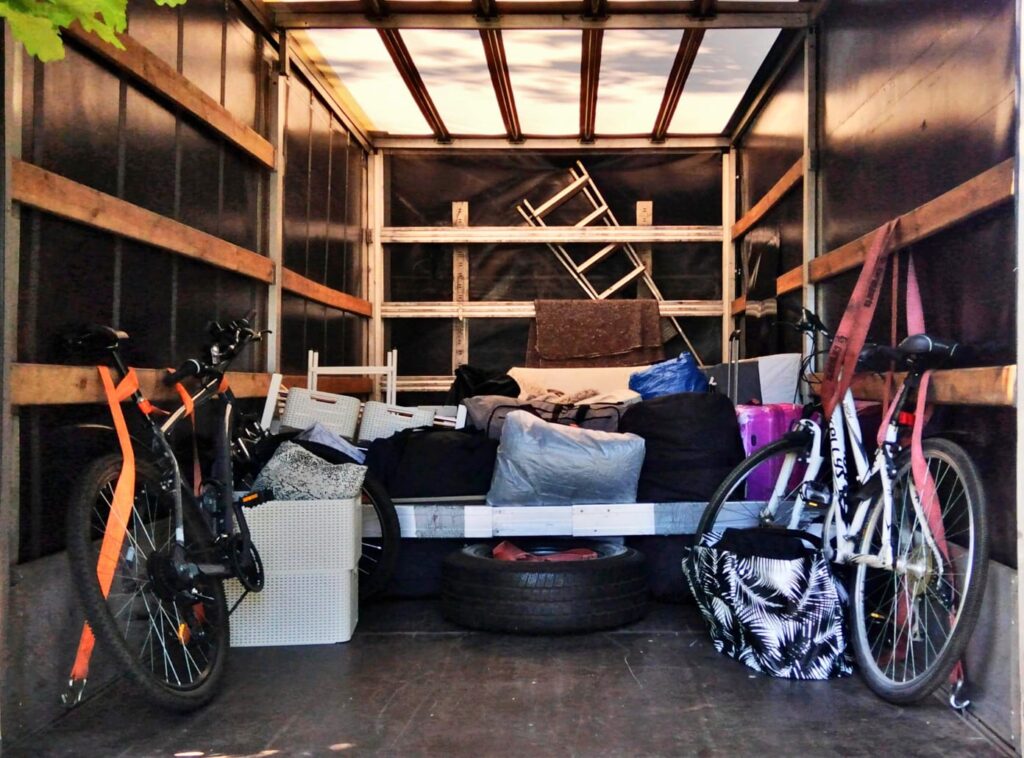
A family move may involve beds, wardrobes, desks, kitchen items, bicycles, books, toys and delicate personal belongings. That can quickly exceed a small vehicle.
VANonsite Home Removals can help families organise a larger relocation with more structure. The goal is not only to move boxes. It is to help the new home feel usable as quickly as possible.
Is Moving to Switzerland Hard for Students?
For students, moving to Switzerland can be hard because costs are high and housing can be competitive. However, the physical move is often smaller than a family relocation. Students usually move with boxes, clothes, bedding, books, electronics and a few compact items.
The most important student priorities are:
- University documents
- Accommodation confirmation
- Budget
- Health insurance
- Laptop and chargers
- Bank cards
- Study materials
- Small load transport
A compact man and van service can be ideal for student relocations. VANonsite Student Removals gives students a practical way to move essentials without booking a vehicle that is far too large.
Students should keep passports, admission papers, laptop, medication and chargers close during travel. These items should never disappear into the main moving load.
Is Moving to Switzerland Hard for Businesses?
Business moves need precision. If a company is moving to Switzerland, the question is not only “can we transport everything?” The real question is “can we avoid downtime?”
An office relocation may include:
- Desks and chairs
- Monitors and computers
- Filing cabinets
- Meeting room furniture
- Printers
- IT accessories
- Sensitive documents
- Reception items
- Storage units
- Installation requirements
Every missing monitor or delayed desk can disturb work. A business move needs sequencing, protection and clear delivery planning.
VANonsite Office Removals can support companies that need structured transport. If workstations, desks or furniture systems need setup, Office Furniture Installation can help reduce disruption after delivery.
For businesses, a smooth move means the team can start working sooner.
How Hard Is It to Move Your Belongings to Switzerland?
Moving belongings to Switzerland can feel hard because it combines customs, packing, transport and delivery access. Yet this is also one of the parts you can control most.
A strong belongings plan includes:
- Decluttering before packing
- Measuring larger furniture
- Preparing a detailed inventory
- Using strong packing materials
- Choosing the right vehicle size
- Keeping documents outside the load
- Confirming delivery access
- Tracking the load during transport
VANonsite supports secure, GPS tracked removals to Switzerland, helping customers move with more confidence. Whether you need a small man and van move, a full house relocation, furniture removals or office transport, the right plan makes the physical move far less stressful.
Choosing the Right Vehicle Size for a Move to Switzerland
The wrong vehicle size can make moving to Switzerland harder than it needs to be. Too small, and the move becomes tense. Too large, and you pay for empty space. The right size keeps the relocation efficient and cost conscious.
VANonsite offers several vehicle sizes:
| VANonsite option | Capacity | Weight limit | Best for |
|---|---|---|---|
| Moving One | 1 m3 | 100 kg | Essentials, documents, boxes, student items |
| Moving Basic | 5 m3 | 300 kg | Studio moves and compact man and van relocations |
| Moving Medium | 10 m3 | 500 kg | Small apartments and partial household moves |
| Moving Premium | 15 m3 | 1,100 kg | Larger apartments and furniture removals |
| Moving Premium Plus | 30 m3 | 3,500 kg | Family moves and bulky furniture |
| Moving Full House XXL | 90 m3 | 20,000 kg | Full house, office or complex relocation |
A student may only need Moving One or Moving Basic. A family may need Moving Premium Plus. A large household or office may require Full House XXL. Choosing correctly helps reduce cost, pressure and delays.
What Documents Should You Prepare Before Moving to Switzerland?
Documents are the backbone of a Swiss relocation. If they are organised, the move feels sharper. If they are missing, small problems can grow quickly.
Personal and Residence Documents
Prepare:
- Passport or national ID
- Residence permit documents
- Employment contract
- Study confirmation
- Family documents
- Passport photos if required
- Rental agreement
- Proof of financial means if relevant
- Health insurance documents once available
Customs and Moving Documents
Prepare:
- Detailed inventory
- Household goods form where required
- Proof of transfer of residence
- Receipts for newer high value items
- Vehicle documents if importing a car
- Pet documents if relevant
- Insurance documents
- Moving company contact details
Documents to Keep With You
Keep these outside the moving load:
- Passport
- Permit documents
- Rental contract
- Customs inventory
- Bank cards
- Medication
- Laptop
- Chargers
- Keys
- First night essentials
One missing document can turn a smooth relocation into a long day of calls and delays. Keep your arrival folder close.
30 Day Moving Plan: How to Make Moving to Switzerland Easier
A timeline helps turn a difficult relocation into a sequence of manageable decisions.
| Time before move | What to do |
|---|---|
| 30 days | Check residence rules, job documents and housing status |
| 21 days | Request a removals quote and estimate vehicle size |
| 14 days | Prepare inventory and start packing non essentials |
| 10 days | Check customs forms and official requirements |
| 7 days | Confirm parking, lift access and building rules |
| 5 days | Separate documents, valuables and first night essentials |
| 3 days | Label boxes by room and priority |
| Moving day | Keep passport, customs papers and key documents with you |
| First 14 days | Register locally where required |
| First 3 months | Arrange compulsory health insurance |
This plan does not remove every challenge, but it removes panic. Once each task has a place, the move becomes clearer.
How VANonsite Makes Moving to Switzerland Easier
VANonsite helps reduce the hard parts of moving by focusing on security, speed, flexibility and visibility. The company supports European relocations with practical services for different moving situations.
VANonsite offers:
- GPS tracking for every load
- Secure and fast European transport
- Man and van options
- Vehicle sizes from 1 m3 to 90 m3
- Packing Service
- Furniture Removals
- White Glove Delivery
- Office Removals
- Student Removals
- Office Furniture Installation
- Last Minute Moving
- Storage options
This flexibility matters because no two moves are the same. A student does not need the same vehicle as a family. A business does not need the same service as a compact apartment move. A fragile designer table does not need the same handling as a box of towels.
When customers can choose the right service and track the load during transport, the move feels less uncertain. That sense of control is powerful.
Common Mistakes That Make Moving to Switzerland Harder
Most relocation problems are predictable. That means many of them can be avoided.
Common mistakes include:
- Leaving paperwork until the final week
- Creating a vague inventory
- Packing documents inside boxes
- Underestimating first month costs
- Booking the wrong van size
- Forgetting customs requirements
- Ignoring parking and building access
- Using weak packing for fragile items
- Assuming every canton has the same process
- Choosing a mover without GPS tracking
- Moving too many items without checking volume
- Not preparing health insurance after arrival
A move to Switzerland deserves more than improvisation. It deserves clear documents, careful packing, the right vehicle and a transport partner you can trust.
How to Make Moving to Switzerland Less Stressful
The best way to make moving to Switzerland easier is to take control early. Do not wait until the final week. Start with the legal and financial basics, then move to logistics.
A calmer move usually follows these steps:
- Confirm your legal status first.
- Build a 60 day budget.
- Prepare a customs inventory.
- Keep documents with you.
- Declutter before packing.
- Choose the right vehicle size.
- Use professional packing for fragile items.
- Confirm building access before delivery.
- Track your load during transport.
- Register locally after arrival.
Each step removes one layer of uncertainty. The result is not only a smoother move. It is a stronger first month in Switzerland.
Is Moving to Switzerland Worth the Effort?
For many people, yes. Switzerland can offer safety, strong salaries, clean public spaces, reliable systems and breathtaking nature. The long term reward can be powerful.
The hard part is usually the setup phase. Once housing, documents, insurance and daily routines are in place, life can become steadier. The move may feel heavy at first, but the result can be deeply rewarding.
| Rewards of moving to Switzerland | What makes it hard |
|---|---|
| High quality of life | High cost of living |
| Safe cities | Competitive housing |
| Strong salaries | Strict paperwork |
| Clean public spaces | Customs rules |
| Excellent public transport | Insurance requirements |
| Beautiful nature | Language differences |
| Stable economy | First month pressure |
So, is moving to Switzerland hard? Yes, it can be. Is it worth it? Often, yes, if the plan is strong and the move is handled properly.
Final Checklist Before Moving to Switzerland
Before moving day, check the essentials:
- Check residence requirements.
- Confirm job, study or family basis.
- Prepare rental documents.
- Create an inventory.
- Check customs rules.
- Choose the right VANonsite vehicle size.
- Book your man and van or full removals service.
- Pack fragile items properly.
- Keep documents with you.
- Confirm delivery access.
- Track your load.
- Register locally after arrival.
- Arrange health insurance within the required period.
- Set up banking, utilities and phone services.
This checklist will not remove every challenge, but it can prevent the most painful surprises.
FAQ: Is Moving to Switzerland Hard?
Is moving to Switzerland hard for foreigners?
Yes, it can be hard because foreigners need to understand residence rules, registration, housing, customs and insurance. The process becomes much easier with early preparation and reliable transport.
What is the hardest part of moving to Switzerland?
The hardest part is usually the combination of paperwork, customs, high costs and housing competition. The physical move can also be stressful without the right vehicle, packing and tracking.
Is it hard to move household goods to Switzerland?
It can be hard if you do not prepare a customs inventory and the right documents. Switzerland is outside the EU, so household goods should be planned carefully before transport.
Can I move to Switzerland with a man and van service?
Yes, a man and van service can be ideal for smaller moves, student relocations, urgent transport and compact apartments. VANonsite offers several vehicle sizes for different loads.
Do I need health insurance after moving to Switzerland?
Yes. People settling in Switzerland must arrange compulsory health insurance within the required period after taking up residence.
How can I make moving to Switzerland easier?
Prepare documents early, budget for the first 60 days, create a detailed inventory, choose the right vehicle size, use proper packing and book GPS tracked removals with an experienced European moving company.
Is moving to Switzerland worth it?
For many people, yes. Switzerland can offer safety, strong salaries, clean cities, reliable public systems and beautiful nature. The move is worth it when the practical plan is strong.
Move to Switzerland Without Feeling Overwhelmed
Moving to Switzerland can be hard, but it does not have to feel chaotic. The country asks for preparation, but preparation gives you power. With the right documents, a clear inventory, careful packing and GPS tracked transport, the move becomes sharper, calmer and far more manageable.
VANonsite helps customers relocate across Europe with secure, fast and flexible removals. From compact man and van moves to full house and office relocations, every load is handled with care and tracked during the journey.
Plan your removals to Switzerland with VANonsite and move with clarity, confidence and control.