
Moving to Switzerland can feel like stepping into a postcard. Clean streets. Alpine mornings. Reliable trains. Safe cities. Salaries that seem to promise a calmer life.
Then the real move begins.
The rent is higher than expected. The deposit drains your savings faster than planned. Health insurance becomes another monthly bill. The housing market is competitive, paperwork is precise, and the first quiet Sunday can feel strangely lonely. That is when the phrase regret moving to Switzerland stops sounding dramatic and starts sounding possible.
Still, regret is not failure. Many people who regret moving to Switzerland are not disappointed with the country itself. They are disappointed with the gap between the dream and the reality. They arrived with hope, but without enough structure.
Switzerland rewards preparation. It can be magnificent, wealthy, secure, and beautifully organised, yet it is not a country that welcomes improvisation. If you want the move to feel exciting rather than brutal, you need the right budget, the right documents, the right location, and the right moving plan.
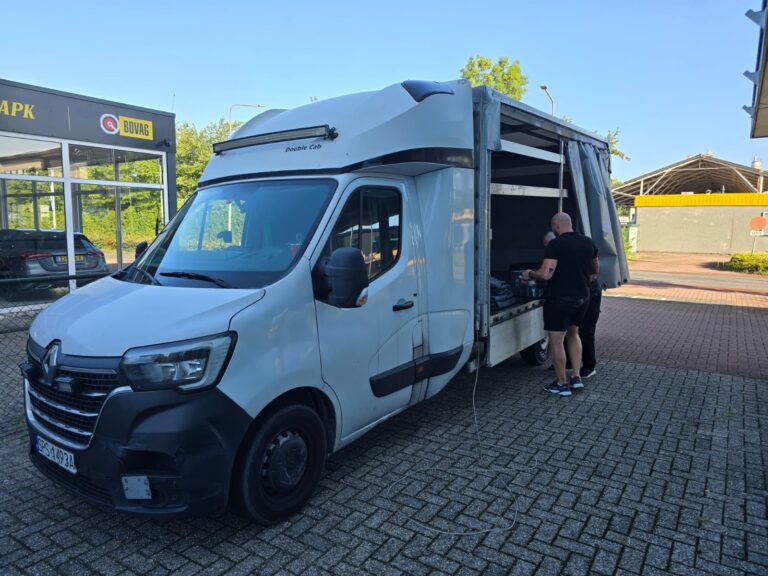
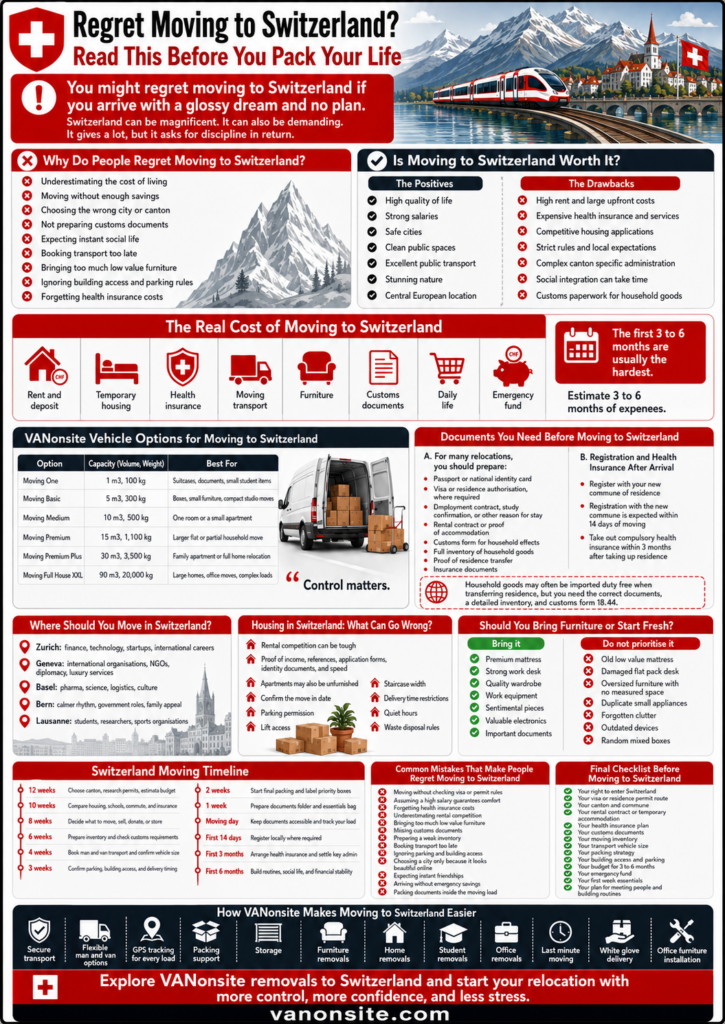
VANonsite supports European relocations with secure transport, flexible man and van options, GPS tracking for every load, packing support, storage, furniture removals, home removals, student removals, office removals, last minute moving, and white glove delivery. It protects your belongings, timing, and peace of mind.
TL;DR
- Some people regret moving to Switzerland because they underestimate rent, health insurance, customs paperwork, language differences, and the emotional weight of starting again.
- The first 3 to 6 months are usually the hardest, so you need savings for rent, deposit, insurance, transport, temporary housing, and daily costs.
- For longer stays, permits and local registration matter. Check your situation before moving, because rules depend on nationality, canton, and purpose of stay.
- Household goods may often be imported duty free when transferring residence, but you need the correct documents, a detailed inventory, and customs form 18.44.
- Health insurance is mandatory for residents and must usually be arranged within 3 months of taking up residence.
- Choosing the right canton, city, apartment, and moving volume can prevent the most common relocation regrets.
- VANonsite offers secure man and van removals to Switzerland with flexible vehicle sizes, GPS tracking, packing support, furniture removals, storage, and careful delivery options.




Why Do People Regret Moving to Switzerland?
People usually regret moving to Switzerland for practical reasons first, then emotional ones. The practical pressure arrives quickly. Rent can be fierce. Groceries and services may feel premium priced. Health insurance is compulsory. Rental applications can feel like auditions. Customs documents require attention. Even a simple delivery can become complicated if parking, stairs, lift access, or building rules are ignored.
Then comes the emotional part. Swiss life can be calm, reserved, and structured. For some people, that feels peaceful. For others, it feels cold at first. Friendships may take longer to grow. Local languages matter more than expected. Sundays can feel unusually still. If you arrive tired, financially stretched, and socially disconnected, the thought “I regret moving to Switzerland” can appear faster than expected.
The most common causes are:
- Underestimating the cost of living.
- Moving without enough savings.
- Choosing the wrong city or canton.
- Not preparing customs documents.
- Expecting instant social life.
- Booking transport too late.
- Bringing too much low value furniture.
- Ignoring building access and parking rules.
- Forgetting health insurance costs.
- Treating the move like a short trip instead of a major life transition.
The good news is clear. Most regret can be reduced before moving day. A strong plan gives you control before stress starts multiplying.
Is Moving to Switzerland Worth It?
Yes, moving to Switzerland can be worth it, but not for everyone and not at any price. Switzerland is a country of high standards. That is its magic and its challenge.
For many people, it offers safer streets, efficient systems, strong salaries, excellent public transport, beautiful landscapes, stable infrastructure, and a central position in Europe. You can finish work and be near a lake, mountain trail, or historic town within a short journey.
Yet every advantage has a practical cost. Higher salaries exist alongside higher living expenses. Clean, quiet buildings come with strict rules. Efficient administration still requires the right forms. Beautiful cities can have tight housing markets. The Swiss rhythm can feel refreshing if you like order, but stiff if you crave spontaneity.
| What people love about Switzerland | What can cause regret |
|---|---|
| High quality of life | High rent and large upfront costs |
| Strong salaries | Expensive health insurance and services |
| Safe cities | Competitive housing applications |
| Clean public spaces | Strict rules and local expectations |
| Excellent public transport | Complex canton specific administration |
| Stunning nature | Social integration can take time |
| Central European location | Customs paperwork for household goods |
The question is not simply, “Will I regret moving to Switzerland?” A better question is, “Am I prepared for the version of Switzerland that exists after the postcard ends?”
The Real Cost of Moving to Switzerland
Cost is one of the strongest reasons people search for regret moving to Switzerland. The problem is rarely one single bill. It is the pile up.
You may need money for the first rent payment, a deposit, temporary accommodation, compulsory health insurance, transport, customs paperwork, furniture, public transport passes, school items, pet costs, phone setup, internet, household basics, and emergency expenses. A move that looked manageable in a spreadsheet can feel very different when several payments land in 14 days.
| Cost area | Why it matters | Practical move |
|---|---|---|
| Rent and deposit | Often the largest upfront burden | Save before applying, not after signing |
| Temporary housing | Permanent rentals can take time | Budget for several weeks if needed |
| Health insurance | Mandatory for residents | Compare providers before arrival |
| Moving transport | Volume affects price | Match the van size to your real load |
| Furniture | Replacing everything can be expensive | Move valuable items and sell weak ones |
| Customs documents | Missing paperwork can delay goods | Prepare inventory before loading |
| Daily life | Groceries and services can feel costly | Estimate 3 to 6 months of expenses |
| Emergency fund | Delays and surprises cost money | Keep a separate safety buffer |
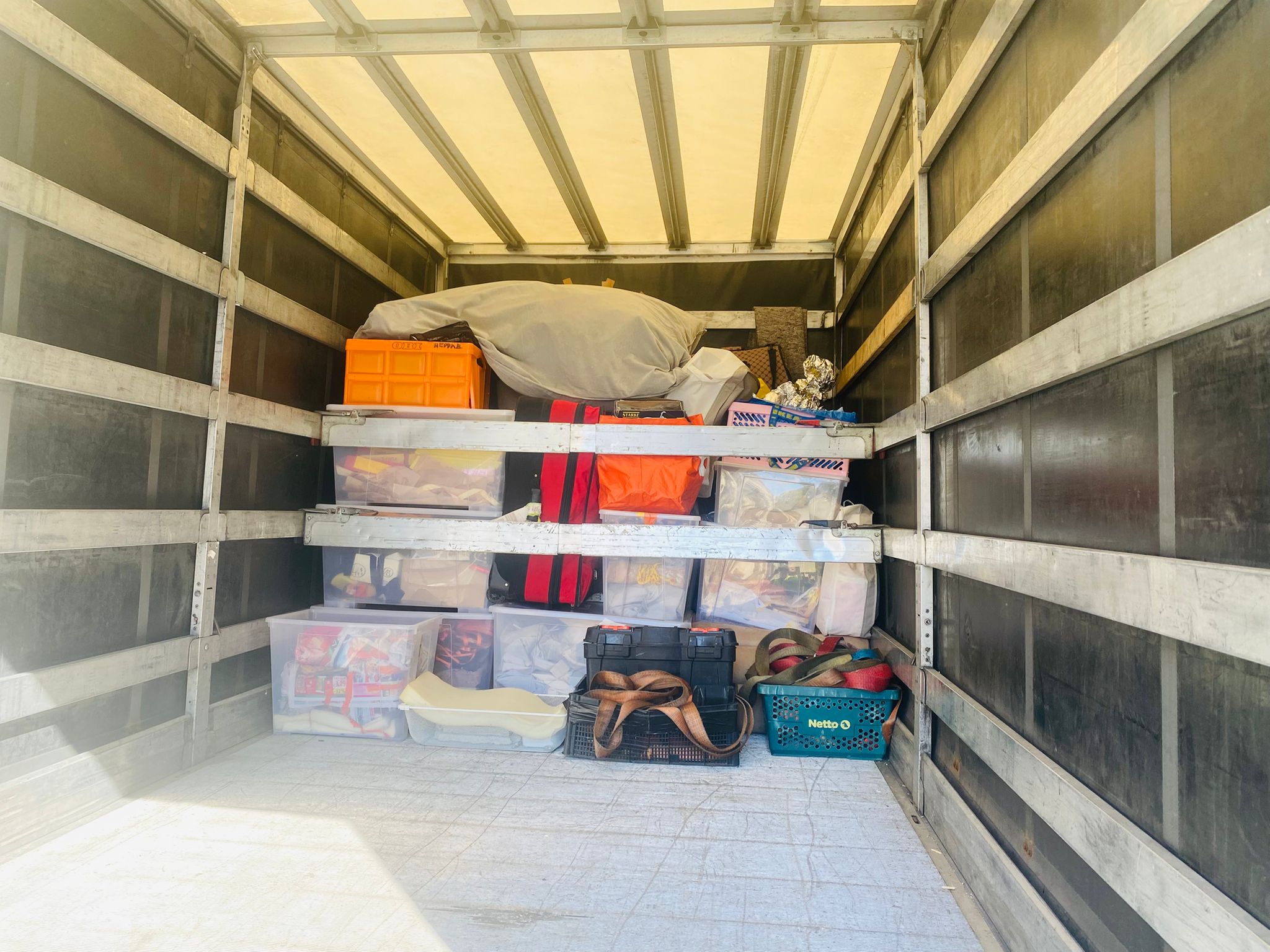
A smart relocation is not about moving everything. It is about moving the right things with the right service. VANonsite offers several vehicle sizes, from 1 m3 for very small loads to 90 m3 for complex household or office moves. Too small, and you need a second trip. Too large, and you pay for empty space.
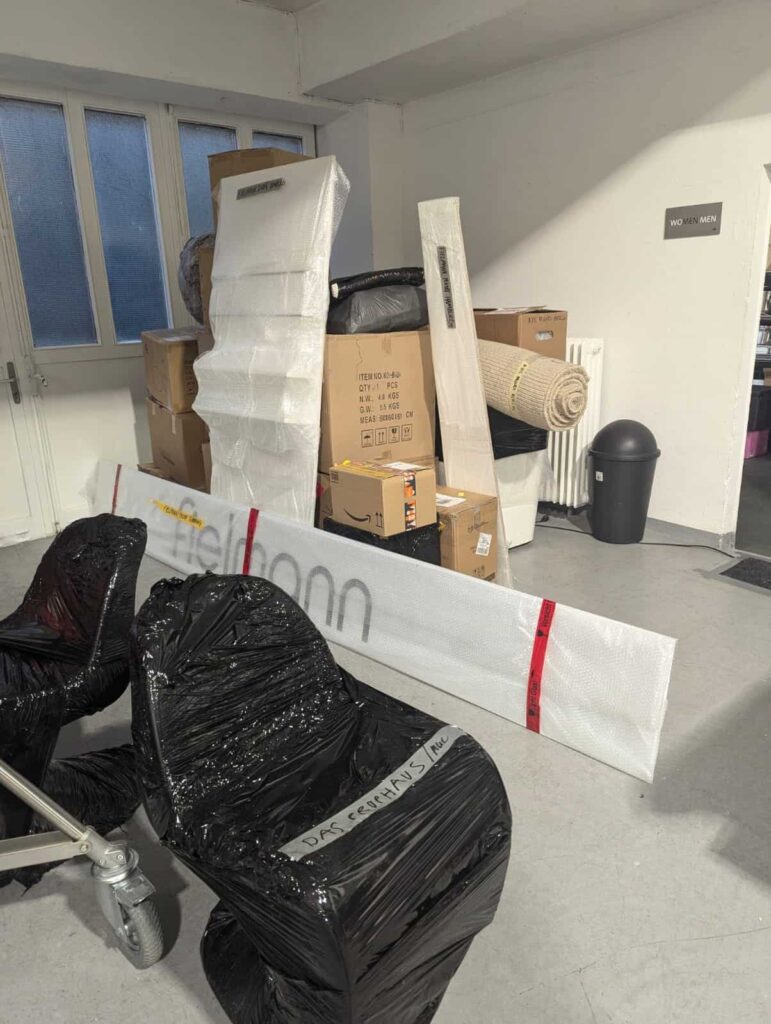
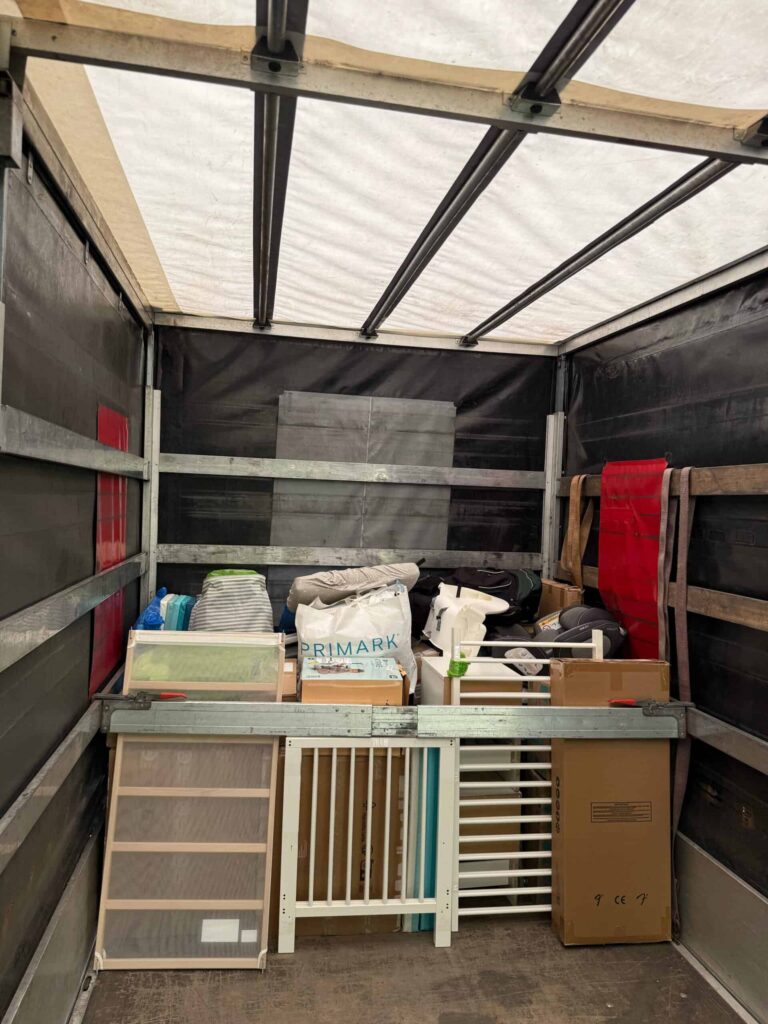
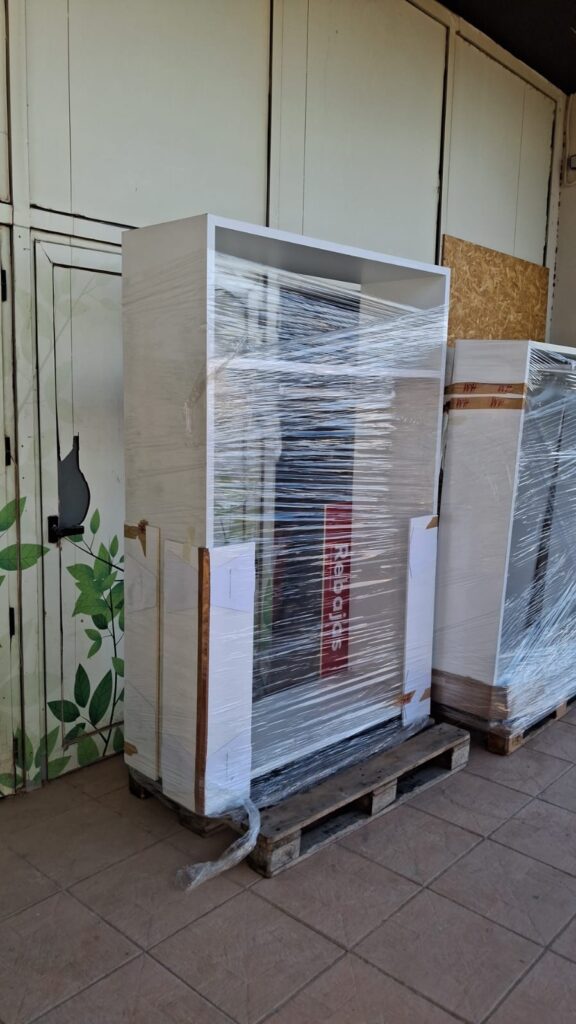
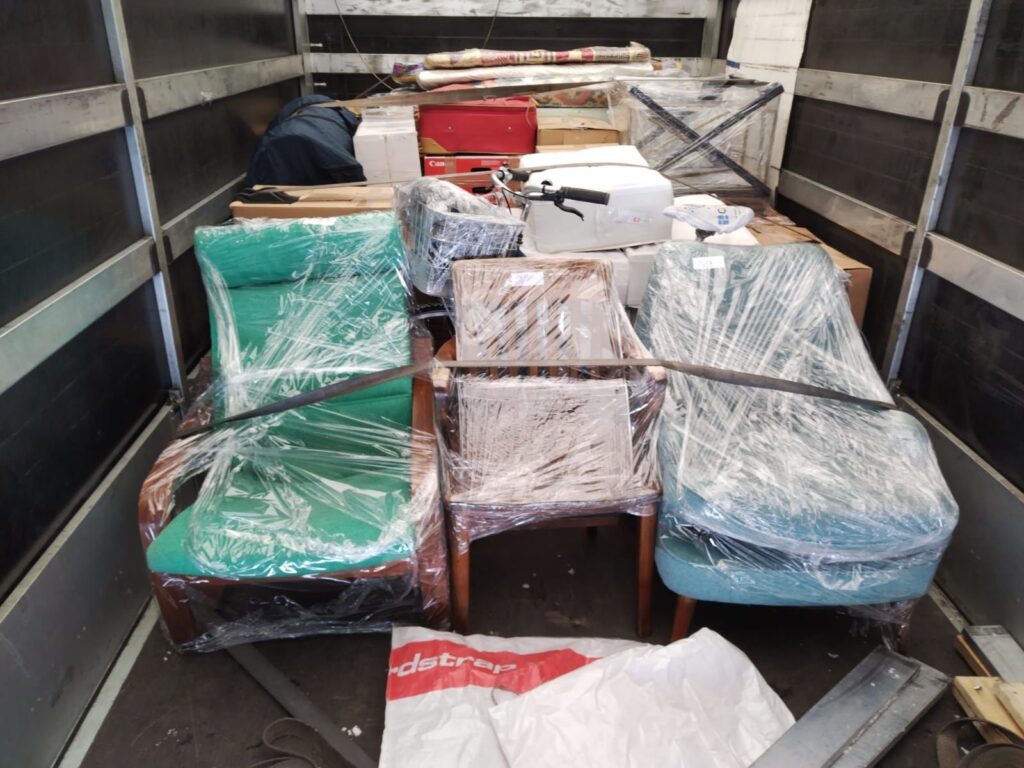
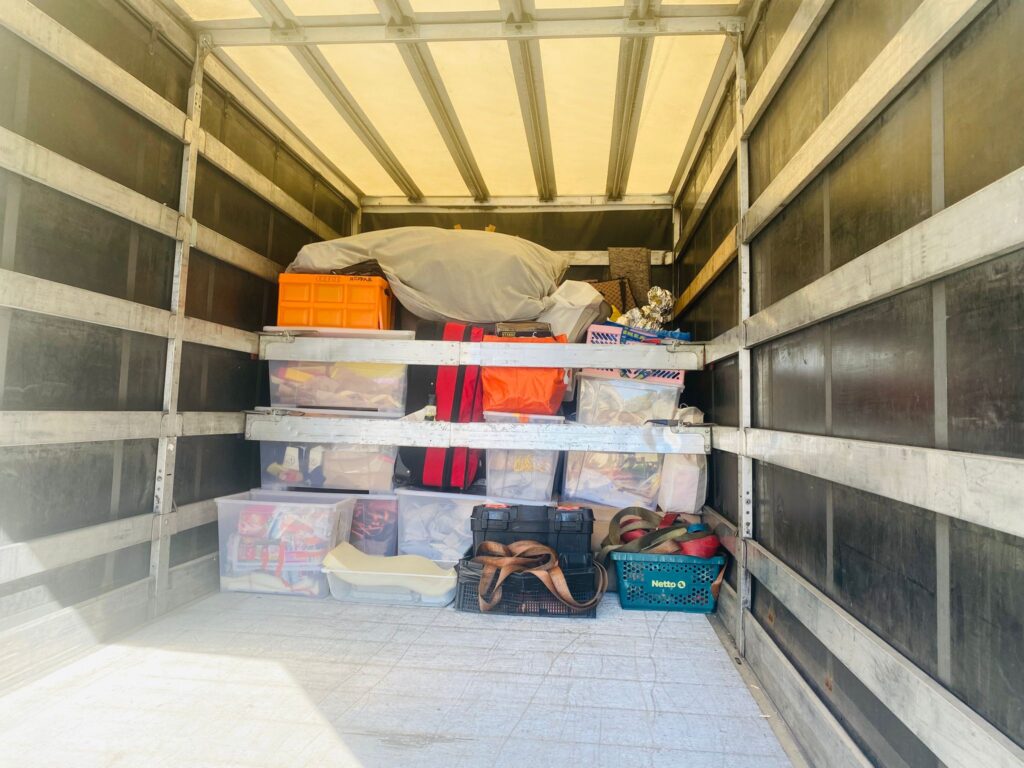
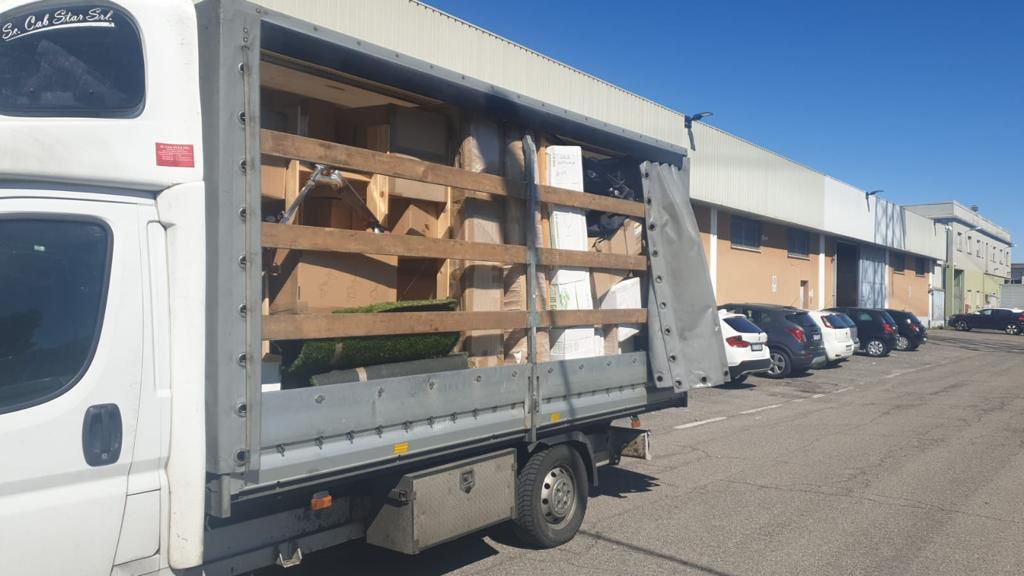
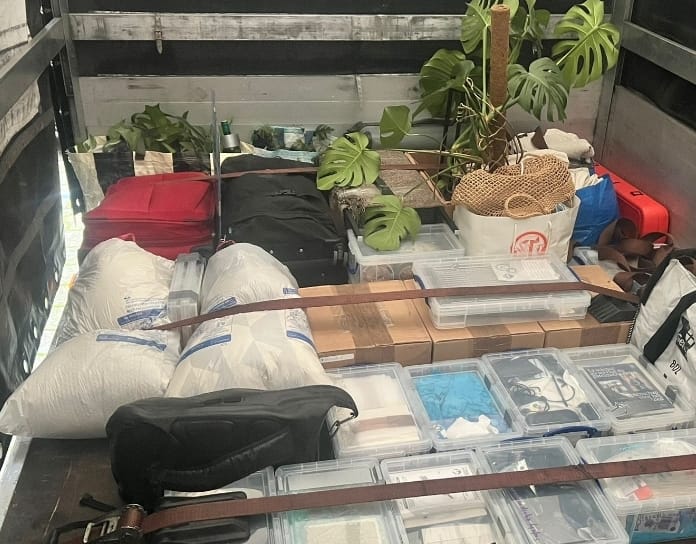
VANonsite Vehicle Options for Moving to Switzerland
One overlooked question before relocation is simple: how much space do you really need? People often guess. Guessing can be costly.
| VANonsite option | Capacity | Best for |
|---|---|---|
| Moving One | 1 m3, 100 kg | Suitcases, documents, small student items |
| Moving Basic | 5 m3, 300 kg | Boxes, small furniture, compact studio moves |
| Moving Medium | 10 m3, 500 kg | One room or a small apartment |
| Moving Premium | 15 m3, 1,100 kg | Larger flat or partial household move |
| Moving Premium Plus | 30 m3, 3,500 kg | Family apartment or full home relocation |
| Moving Full House XXL | 90 m3, 20,000 kg | Large homes, office moves, complex loads |
The value is not only capacity. It is clarity. If you know what fits, you can decide what to take, what to sell, what to store, and what to replace after arrival.
Every VANonsite load is GPS tracked. During an international move, that detail is more than convenient. Your furniture, documents, clothes, tools, books, and memories are not somewhere in the unknown. You can follow the journey.
For anyone afraid they may regret moving to Switzerland, control matters. It helps transform the move from a gamble into a process.
Documents You Need Before Moving to Switzerland
Paperwork is not the romantic part of relocation, but it is one of the most important. Switzerland is organised, and that organisation depends on correct documents.
Depending on your nationality, length of stay, work status, family situation, and canton, you may need different documents. Always check your own case using official Swiss sources before moving.
For many relocations, you should prepare:
- Passport or national identity card.
- Visa or residence authorisation, where required.
- Employment contract, study confirmation, or other reason for stay.
- Rental contract or proof of accommodation.
- Customs form for household effects.
- Full inventory of imported goods.
- Proof that you are transferring residence.
- Vehicle documents, if importing a car.
- Pet documents, if bringing animals.
- Receipts or evidence for selected high value items.
Official Swiss information on moving to Switzerland is available here: Moving to Switzerland.
For residence permits, check: Permits for living in Switzerland.
For entry and visa information, use: Entry and stay in Switzerland.
Visa rules depend on nationality and length of stay. A Schengen type C visa is used for stays up to 90 days within a 180 day period, while a national type D visa is for longer stays over 90 days. For a long term move, check the requirements early and avoid relying on assumptions.
Many people who regret moving to Switzerland made one painful mistake: they treated documents as a final detail. They are not. Documents are the hinge that lets the whole relocation open smoothly.
Customs Rules for Household Goods
If you transfer your residence to Switzerland, household goods can often be imported without paying duties, provided the conditions are met. That can include furniture, personal belongings, collections, household items, and sometimes vehicles, although special rules may apply.
The important point is that the goods should generally have been used personally before import and continue to be used after arrival. Swiss customs guidance refers to personal belongings that have been used for at least 6 months.
For household effects, you should usually prepare:
- Form 18.44 for household effects.
- A clear inventory of goods.
- Proof of transfer of residence.
- Passport or identity document.
- Lease, employment contract, or departure confirmation where relevant.
- Vehicle documents if importing a vehicle.
- Pet documents if moving with animals.
Official customs information is available here: Moving household effects.
The import procedure and form information can be checked here: Moving to Switzerland: procedure.
Do not build your inventory while the driver is waiting. Prepare it before loading. Divide goods by category, room, and approximate value where useful. Keep copies accessible, not buried inside a box marked “miscellaneous.”
This is where a professional man and van service becomes more than transport. The right team understands timing, access, loading order, paperwork awareness, and safe handling. VANonsite helps bring structure to the physical side of the move so you can focus on the legal and administrative steps.
Registration and Health Insurance After Arrival
After arrival, admin continues. You generally need to register with your new commune of residence. Official Swiss guidance says that, in general, registration with the new commune is expected within 14 days of moving.
This matters because local registration can connect to residence permits, local records, schooling, banking, and other daily life basics. Requirements can vary, so check the commune where you will live.
Prepare a local registration folder with passport or ID, rental contract, employment or study confirmation, visa or permit documents, civil status documents if requested, passport photos if needed, and health insurance information if already arranged.
Health insurance is another major step. Anyone settling in Switzerland must generally take out compulsory health insurance within 3 months after taking up residence. This cost should be in your budget before the move, not discovered after arrival.
If you forget insurance, registration, or permit deadlines, your move can quickly become more stressful than necessary. These are exactly the kinds of problems that make people say they regret moving to Switzerland, even when the country itself is not the problem.
Where Should You Move in Switzerland?
Switzerland is small, but it is not uniform. The canton and city you choose can shape your daily life more than you expect.
Zurich suits people who want finance, technology, startups, international careers, strong public transport, and a fast professional network. It is polished and powerful, but expensive. Geneva is strong for international organisations, NGOs, diplomacy, luxury services, and French speaking life. It feels global, but housing pressure can be intense.
Basel works well for pharma, science, logistics, culture, and cross border connections with France and Germany. Bern offers a calmer rhythm, government roles, historic streets, and family appeal. Lausanne is popular with students, researchers, sports organisations, and people who want French speaking lakeside life.
Smaller towns and villages can offer more space, quieter routines, and easier access to nature. However, social integration may be slower and language skills may matter more.
A person may regret moving to Switzerland because they chose the wrong place, not because they chose the wrong country. Visit before committing. Test the commute. Check rental listings. Walk around after dark. Listen to the language around you. Imagine an ordinary Tuesday, not only a summer weekend.


Housing in Switzerland: What Can Go Wrong?
Housing is where many dreams meet reality. Rental competition can be tough, especially in popular cities. You may need proof of income, references, application forms, identity documents, and speed.
Apartments may also be unfurnished. That means you might need beds, wardrobes, lighting, kitchen items, curtains, and storage sooner than expected. Replacing everything after arrival can become expensive, especially if you need quality furniture quickly.
Before moving into a Swiss property, confirm the move in date, parking permission, lift access, staircase width, distance from parking to entrance, delivery time restrictions, quiet hours, need for furniture disassembly, floor protection rules, and waste disposal rules.
These details sound small until they cause delay. A sofa that does not fit the staircase is not a small problem when the van is outside and the building manager is impatient.
For delicate items, premium furniture, or difficult access buildings, VANonsite’s white glove delivery can help reduce risk. Careful handling matters when you are moving across borders and into a property with strict rules.
Should You Bring Furniture or Start Fresh?
This is one of the most practical relocation decisions. Bringing everything may be expensive. Buying everything again in Switzerland may be even more expensive. The right answer depends on value.
| Bring it | Do not prioritise it |
|---|---|
| Premium mattress | Old low value mattress |
| Strong work desk | Damaged flat pack desk |
| Quality wardrobe | Oversized furniture with no measured space |
| Work equipment | Duplicate small appliances |
| Sentimental pieces | Forgotten clutter |
| Valuable electronics | Outdated devices |
| Important documents | Random mixed boxes |
Bring items that are high quality, expensive to replace, essential for work, sentimental, in excellent condition, suitable for the new home, or hard to buy quickly. Sell, donate, or store items that are cheap and bulky, damaged, too large, easy to replace, unused for 12 months, or not worth the transport space.
For a direct relocation option, explore VANonsite removals to Switzerland. A reliable man and van service can help you move the items that genuinely deserve to come with you.
Moving to Switzerland With Family, as a Student, or for Business
A family move has more moving parts and more emotion. Children need routines. Parents need documents. Everyone needs beds, clothes, medicine, food, school items, and the feeling that life is not collapsing into cardboard. Before moving with family, plan school or childcare registration, health insurance for each family member, medical records, prescriptions, rental size, first week essentials, comfort items for children, temporary accommodation, furniture placement, and setup costs.
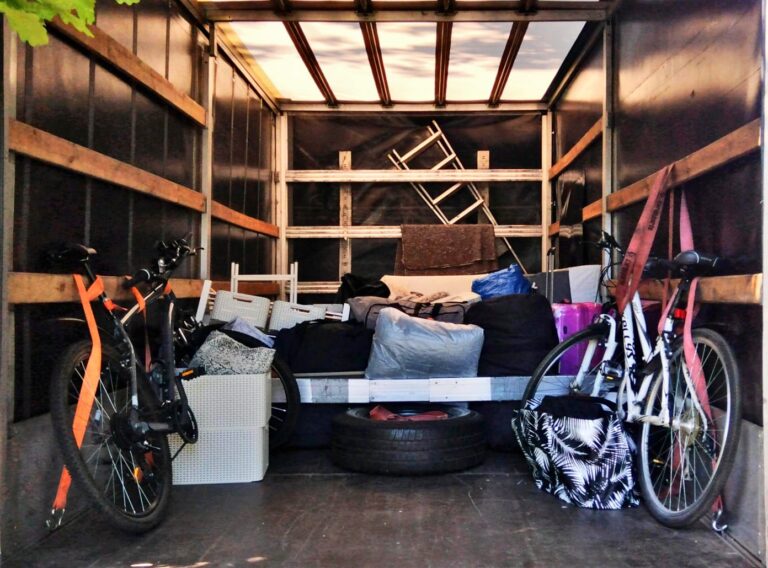
Student moves are often smaller, but the pressure can be sharp. A term starts on a fixed date. Budgets are tighter. Accommodation can be temporary. A compact man and van option can work well for suitcases, books, bedding, clothes, desk setup, small appliances, study equipment, a bicycle, sports gear, and boxes from a dorm or shared flat.
Business relocation has one brutal truth: downtime costs money. An office move may involve desks, chairs, IT equipment, monitors, filing systems, meeting room furniture, secure documents, product samples, specialist tools, storage, timed delivery, and office furniture installation. VANonsite supports office removals and office furniture installation, which helps teams return to work faster and with less disruption.
Last Minute Moving to Switzerland
Sometimes relocation does not wait for the perfect calendar. You may need last minute moving because a job starts quickly, a rental contract begins sooner than planned, a previous mover fails, storage ends, a student term begins, or a family situation changes.
Last minute does not have to mean reckless. It means priorities must be sharper. Focus on documents, essential furniture, work equipment, clothing, medication, customs inventory, delivery access, and correct vehicle size.
A flexible man and van service can be especially useful for urgent moves because it can adapt faster than a rigid relocation plan. VANonsite’s last minute moving support is designed for situations where speed matters, but safety still matters too.
Packing for Switzerland
Packing is where order either begins or dies.
Start with a personal essentials folder. Keep it with you, not in the van. It should include your passport or ID, visa or permit documents, rental contract, employment contract, customs inventory, insurance documents, prescriptions, pet documents, chargers, bank information, and first week paperwork.
Then pack by priority, not only by room. “Kitchen urgent” is better than “kitchen.” “Bedroom first night” is better than “miscellaneous.” In the first 48 hours, you will not want to dig through 12 identical boxes looking for a kettle, towel, or phone charger.
Professional packing can reduce breakage risk and save hours of exhausting work. VANonsite’s packing service is especially useful for long distance moves, delicate furniture, large homes, and office equipment.
Switzerland Moving Timeline
A timeline turns panic into movement. The earlier you start, the fewer expensive surprises you meet.
| Time before move | What to do |
|---|---|
| 12 weeks | Choose canton, research permits, estimate budget |
| 10 weeks | Compare housing, schools, commute, and insurance |
| 8 weeks | Decide what to move, sell, donate, or store |
| 6 weeks | Prepare inventory and check customs requirements |
| 4 weeks | Book man and van transport and confirm vehicle size |
| 3 weeks | Confirm parking, building access, and delivery timing |
| 2 weeks | Start final packing and label priority boxes |
| 1 week | Prepare documents folder and essentials bag |
| Moving day | Keep documents accessible and track your load |
| First 14 days | Register locally where required |
| First 3 months | Arrange health insurance and settle key admin |
| First 6 months | Build routines, social life, and financial stability |
This timeline reduces the chance that you will regret moving to Switzerland because of avoidable chaos. Moving may still be tiring. It does not need to feel like freefall.
Common Mistakes That Make People Regret Moving to Switzerland
Most relocation regret is predictable. That means much of it can be prevented.
Avoid these mistakes:
- Moving without checking visa or permit rules.
- Assuming a high salary guarantees comfort.
- Forgetting health insurance costs.
- Underestimating rental competition.
- Bringing too much low value furniture.
- Missing customs documents.
- Preparing a weak inventory.
- Booking transport too late.
- Ignoring parking and building access.
- Choosing a city only because it looks beautiful online.
- Expecting instant friendships.
- Refusing to learn basic local phrases.
- Arriving without emergency savings.
- Packing documents inside the moving load.
- Thinking Switzerland works the same in every canton.
People who regret moving to Switzerland often describe the same pattern. The country felt more formal, more expensive, and slower socially than expected. That does not mean the move was wrong. It means the preparation was not strong enough.
How VANonsite Makes Moving to Switzerland Easier
VANonsite cannot change Swiss law, rental prices, or insurance rules. What it can do is remove a huge layer of uncertainty from the physical move.
With VANonsite, customers can benefit from secure European transport, flexible man and van services, GPS tracking for every load, multiple vehicle sizes, furniture removals, home removals, packing service, white glove delivery, office removals, storage, student removals, office furniture installation, and last minute moving support.
This matters because moving to Switzerland is rarely just one delivery. It can involve border timing, inventory, fragile furniture, lift restrictions, parking rules, temporary storage, and exact arrival windows.
A professional removals partner helps turn pressure into sequence. First you prepare. Then you pack. Then the load is collected. Then it is tracked. Then it arrives safely. That feeling of order can be priceless when everything else is new.
Final Checklist Before Moving to Switzerland
Before you move, confirm:
- Your right to enter Switzerland.
- Your visa or residence permit route.
- Your canton and commune.
- Your rental contract or temporary accommodation.
- Your health insurance plan.
- Your customs documents.
- Your moving inventory.
- Your transport vehicle size.
- Your packing strategy.
- Your building access and parking.
- Your budget for 3 to 6 months.
- Your emergency fund.
- Your school or childcare plan, if relevant.
- Your pet documents, if relevant.
- Your first week essentials.
- Your plan for meeting people and building routines.
This checklist is not decoration. It is the spine of the move.
So, Will You Regret Moving to Switzerland?
You might regret moving to Switzerland if you arrive with a glossy dream and no plan. You are far less likely to regret moving to Switzerland if you understand the costs, respect the paperwork, choose the right location, prepare emotionally, and use a reliable man and van partner for the transport.
Switzerland can be magnificent. It can also be demanding. It gives a lot, but it asks for discipline in return.
If you plan well, the first months may still feel intense, but they will not feel impossible. You will know where your belongings are. You will know what documents matter. You will know what bills are coming. You will understand that adjustment takes time.
The search for regret moving to Switzerland is really a search for certainty. No relocation can be risk free. But a prepared relocation can feel calmer, sharper, and far more empowering.
Ready to Move to Switzerland With Less Stress?
Planning a move to Switzerland? VANonsite can help transport your belongings safely across Europe with GPS tracking, flexible van sizes, packing support, furniture removals, home removals, student removals, office removals, storage, white glove delivery, last minute moving, and office furniture installation.
Whether you are moving one room, a family home, student essentials, premium furniture, or an office setup, the right plan makes the journey lighter from the first box.
Explore VANonsite removals to Switzerland and start your relocation with more control, more confidence, and less stress.
FAQ
Do people regret moving to Switzerland?
Yes, some people regret moving to Switzerland, especially when they underestimate costs, paperwork, housing pressure, language barriers, or social adjustment. Many regrets can be avoided with realistic planning and reliable relocation support.
Why do people regret moving to Switzerland?
The most common reasons are high living costs, difficult housing searches, compulsory health insurance, strict admin, cultural differences, and poor moving preparation.
What documents do I need to move household goods to Switzerland?
You may need identification, customs form 18.44, a detailed inventory, proof of residence transfer, and supporting documents such as a lease, employment contract, or departure confirmation.
Is a man and van service good for moving to Switzerland?
Yes. A man and van service can be a smart choice for flexible, direct, and efficient removals to Switzerland, especially for student moves, apartment moves, furniture transport, urgent moves, and smaller home relocations.
How can VANonsite help with moving to Switzerland?
VANonsite offers secure European transport, GPS tracking, packing service, furniture removals, home removals, student removals, office removals, storage, white glove delivery, office furniture installation, and multiple vehicle sizes for different relocation needs.