
Moving to Switzerland customs can feel like standing in front of a heavy locked gate with your whole life packed behind you. There are boxes in the hallway, furniture wrapped in blankets, emails from landlords, new work dates, school deadlines, insurance questions and one sharp thought that keeps returning: will everything cross the Swiss border without trouble?
The reassuring answer is that moving to Switzerland customs is usually manageable when your relocation is real, your belongings are used household effects and your paperwork is ready before the van reaches the border. Switzerland allows many personal belongings to be imported as removal goods, often without duties, when they meet the right conditions. Yet Swiss customs is not a place for vague explanations, missing forms or mystery boxes.
This guide gives you a clear, practical and data-rich overview of moving to Switzerland customs. You will learn which documents you need, what can usually be brought as household effects, what may require extra attention, how to prepare your inventory and how to avoid the mistakes that turn moving day into a stressful border drama.
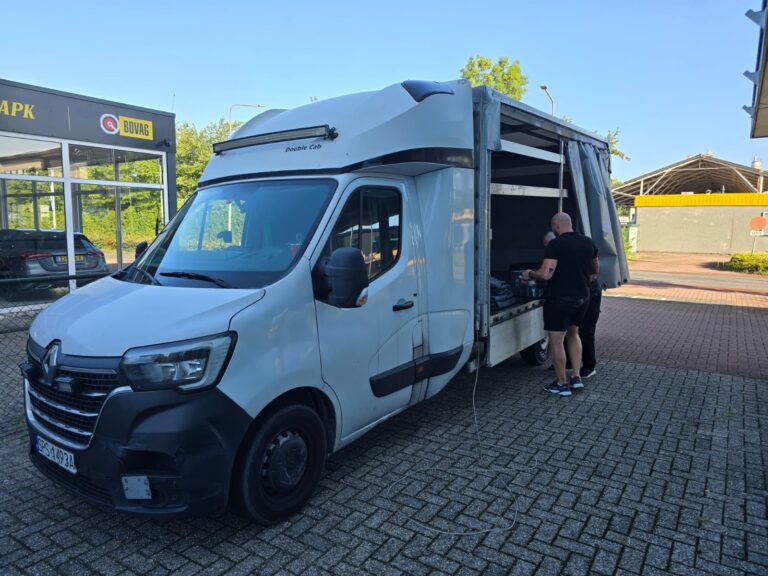
VANonsite helps customers move across Europe with secure transport, flexible vehicle sizes, GPS tracking on every load and practical man and van options for smaller moves. Whether you are relocating a few essential boxes, a student room, an apartment, a family home or office equipment, a planned move feels dramatically different from a rushed one.
For tailored European relocation support, explore VANonsite’s removals to Switzerland service.
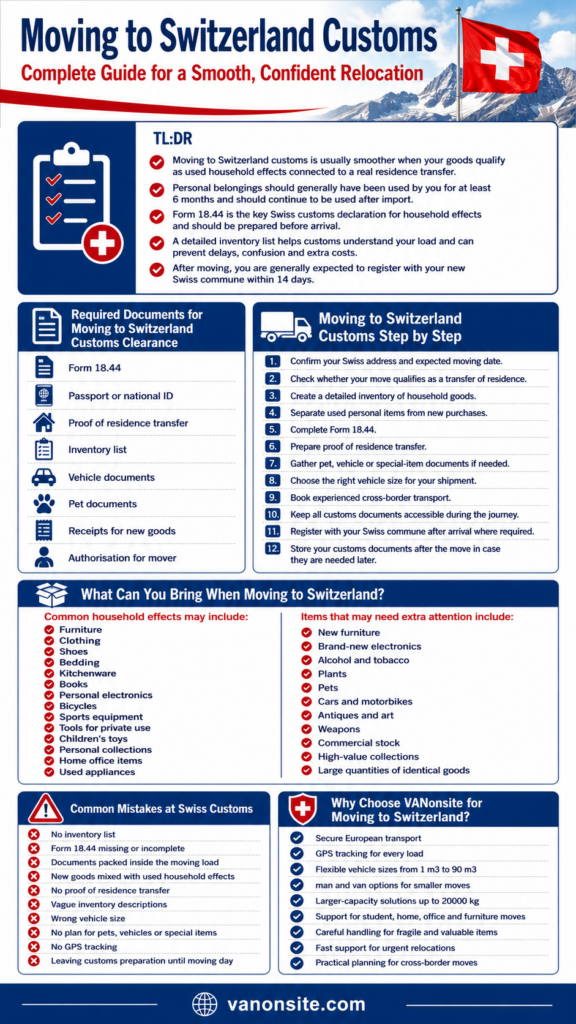
TL:DR
- Moving to Switzerland customs is usually smoother when your goods qualify as used household effects connected to a real residence transfer.
- Personal belongings should generally have been used by you for at least 6 months and should continue to be used after import.
- Form 18.44 is the key Swiss customs declaration for household effects and should be prepared before arrival.
- A detailed inventory list helps customs understand your load and can prevent delays, confusion and extra costs.
- New items, vehicles, pets, plants, alcohol, tobacco, antiques and business goods may need extra documents or checks.
- After moving, you are generally expected to register with your new Swiss commune within 14 days.
- VANonsite offers secure European transport, GPS tracking and flexible man and van solutions for moves to Switzerland.




What Does Moving to Switzerland Customs Actually Mean?
Moving to Switzerland customs means declaring your household goods when you bring them into Switzerland as part of a relocation. It is not the same as taking a weekend bag across the border. You are moving personal belongings, often in a van or larger vehicle, and Swiss customs may need to confirm that the load is connected to your move rather than a commercial import.
In practical terms, customs wants to understand three things. First, are you genuinely transferring your residence to Switzerland? Second, are the items your personal household effects? Third, have the goods already been used by you before the move?
If the answer is yes, the process can often be straightforward. If the load contains brand-new furniture, sealed electronics, undeclared goods, large quantities of identical items or unclear commercial stock, moving to Switzerland customs can become more complicated.
The best approach is to build a simple story with your documents. Your identity documents, proof of residence, inventory and customs declaration should all point in one direction: this is a real move, and these are personal belongings from your previous home.
That clarity matters. A border crossing should not feel like an interrogation scene. It should feel like the next step in a well-prepared journey.
Who Can Import Household Goods to Switzerland Duty-Free?
The most important condition for duty-free treatment is the transfer of your domicile to Switzerland. In everyday language, you are not just sending things to Switzerland for storage, resale or convenience. You are moving your main home there.
The Swiss Federal Office for Customs and Border Security explains that household effects can include personal belongings, furniture, collections, animals and vehicles connected with a move. The goods should generally have been personally used for at least 6 months before import and should continue to be used after import. You can check the official Swiss customs guidance on moving household effects.
This 6-month rule is one of the most important points in moving to Switzerland customs. A dining table you have owned for 4 years looks like a normal household effect. A new boxed table bought 4 days before the move may be treated differently. The same logic can apply to electronics, designer furniture, appliances and high-value items.
To strengthen your position, keep your paperwork consistent. Your inventory should describe used household goods clearly. Your proof of residence should show that you are moving to Switzerland. Any receipts for new goods should be kept separate, not buried among old furniture and clothing.
Required Documents for Moving to Switzerland Customs Clearance
Documents are not exciting, but they are powerful. For moving to Switzerland customs, they are the difference between a calm process and a delay that drains your day, your budget and your patience.
The key document is Form 18.44, the Swiss application and customs declaration for clearance of household effects. The official Swiss customs procedure states that the completed application form must be presented to the customs office of importation. You can review the official procedure for relocation import into Switzerland and download the official Form 18.44.
| Document | Why it matters | Practical tip |
|---|---|---|
| Form 18.44 | Main customs declaration for household effects | Complete it before arrival and keep signed copies ready |
| Passport or national ID | Confirms your identity | Make sure names match across all documents |
| Proof of residence transfer | Shows that you are moving to Switzerland | Use a lease, employment contract, residence confirmation or departure confirmation |
| Inventory list | Explains what is inside the shipment | Use categories, quantities and estimated values |
| Vehicle documents | Needed if importing a car, van or motorbike | Prepare registration, ownership and insurance details |
| Pet documents | Needed when moving with animals | Check official Swiss veterinary requirements early |
| Receipts for new goods | Helps customs assess recent purchases | Keep new-item receipts separate from used household goods |
| Authorisation for mover | Useful if you are not present at import | Provide signed documents to the person handling clearance |
Do not pack these documents in the back of the van. Keep them in a folder inside the cab or with the person responsible for customs clearance. A perfect document set is useless if it is sealed inside a box behind a wardrobe.
Moving to Switzerland customs becomes far less stressful when the paperwork is ready, printed, signed and easy to reach.
How to Prepare Your Inventory List
Your inventory list should be clear, honest and easy to scan. It does not need to describe every spoon, sock or paperback novel, but it should give customs a realistic picture of the load.
Avoid vague descriptions. “Miscellaneous boxes” is weak. “12 boxes of clothes, books and kitchenware” is better. “Furniture” is acceptable as a broad category, but “1 sofa, 1 dining table, 6 chairs, 2 wardrobes and 1 bed frame” is stronger.
| Weak description | Better description |
|---|---|
| Boxes | 10 boxes of clothes, books and kitchenware |
| Furniture | 1 sofa, 1 desk, 1 dining table, 4 chairs |
| Electronics | 1 used TV, 1 laptop, 2 speakers |
| Bedroom items | 1 mattress, 1 bed frame, 2 bedside tables |
| Office items | 1 desk, 1 office chair, 1 monitor |
| Personal items | 5 boxes of clothing, shoes and bedding |
Number your boxes if possible. Box 1: kitchenware. Box 2: winter clothes. Box 3: books. Box 4: bedding. This makes moving to Switzerland customs more transparent and makes unpacking easier when you arrive tired, hungry and surrounded by cardboard.
The inventory also helps your mover protect the load. Heavy items can be placed properly. Fragile items can be treated with care. High-value pieces can be tracked and checked at delivery.
Moving to Switzerland Customs Step by Step
A smooth customs process rarely happens by luck. It usually happens because someone prepared early and followed a sensible order.
Use this step-by-step structure for moving to Switzerland customs:
- Confirm your Swiss address and expected moving date.
- Check whether your move qualifies as a transfer of residence.
- Create a detailed inventory of household goods.
- Separate used personal items from new purchases.
- Complete Form 18.44.
- Prepare proof of residence transfer.
- Gather pet, vehicle or special-item documents if needed.
- Choose the right vehicle size for your shipment.
- Book experienced cross-border transport.
- Keep all customs documents accessible during the journey.
- Register with your Swiss commune after arrival where required.
- Store your customs documents after the move in case they are needed later.
This is where the right man and van service can make a visible difference. VANonsite does more than move boxes from one address to another. It helps give the journey structure. With GPS tracking on every load, you do not have to wonder where your belongings are while you are trying to manage keys, flights, family logistics and the first day in a new country.
Moving to Switzerland customs feels better when you can see the process, not just hope it is going well.
What Can You Bring When Moving to Switzerland?
Most used household goods are usually suitable for a personal relocation when they are declared properly and connected to your move. Still, not every item is equally simple. The more unusual, restricted, valuable or new something is, the more attention it may need.
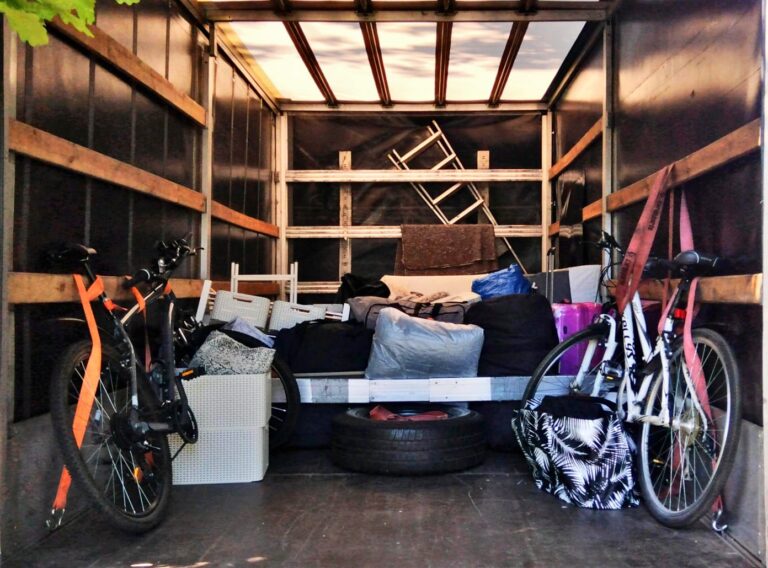
Common household effects may include:
- Furniture
- Clothing
- Shoes
- Bedding
- Kitchenware
- Books
- Personal electronics
- Bicycles
- Sports equipment
- Tools for private use
- Children’s toys
- Personal collections
- Home office items
- Used appliances
Items that may need extra attention include:
- New furniture
- Brand-new electronics
- Alcohol and tobacco
- Plants
- Pets
- Cars and motorbikes
- Antiques and art
- Weapons
- Commercial stock
- High-value collections
- Large quantities of identical goods
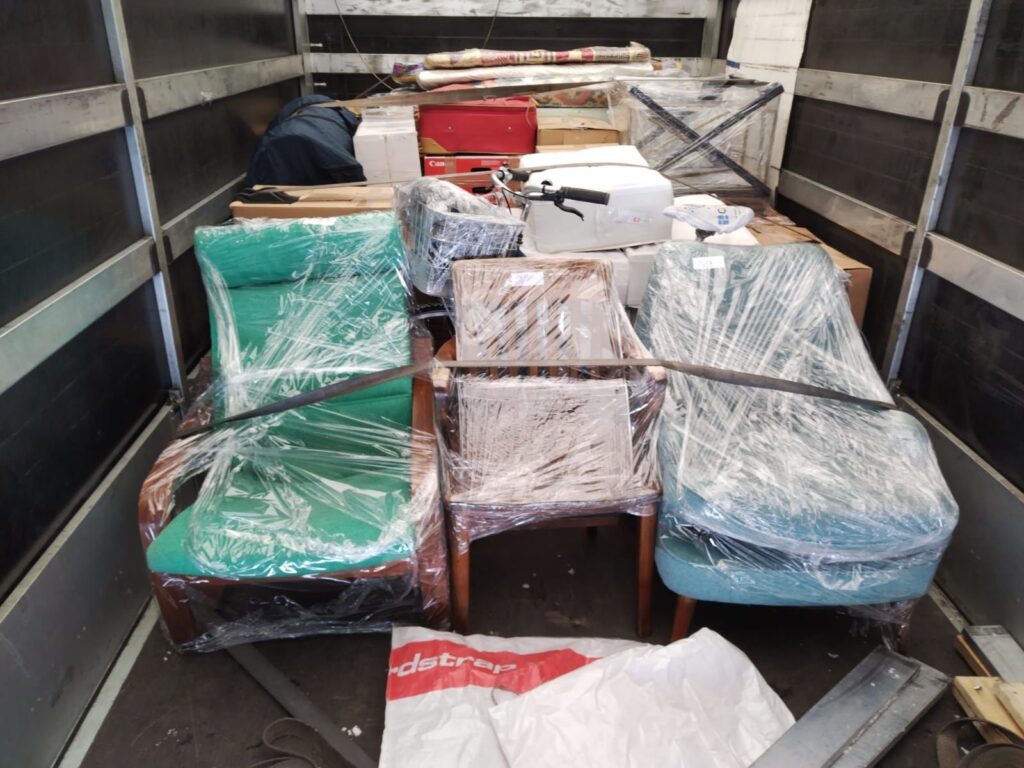
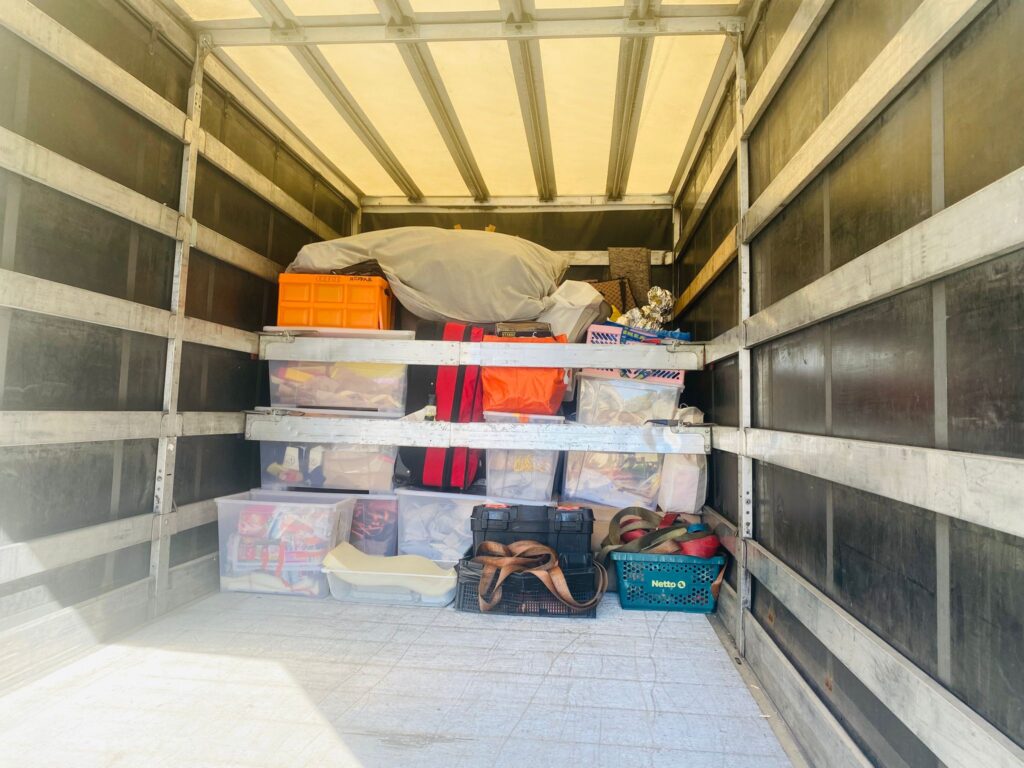
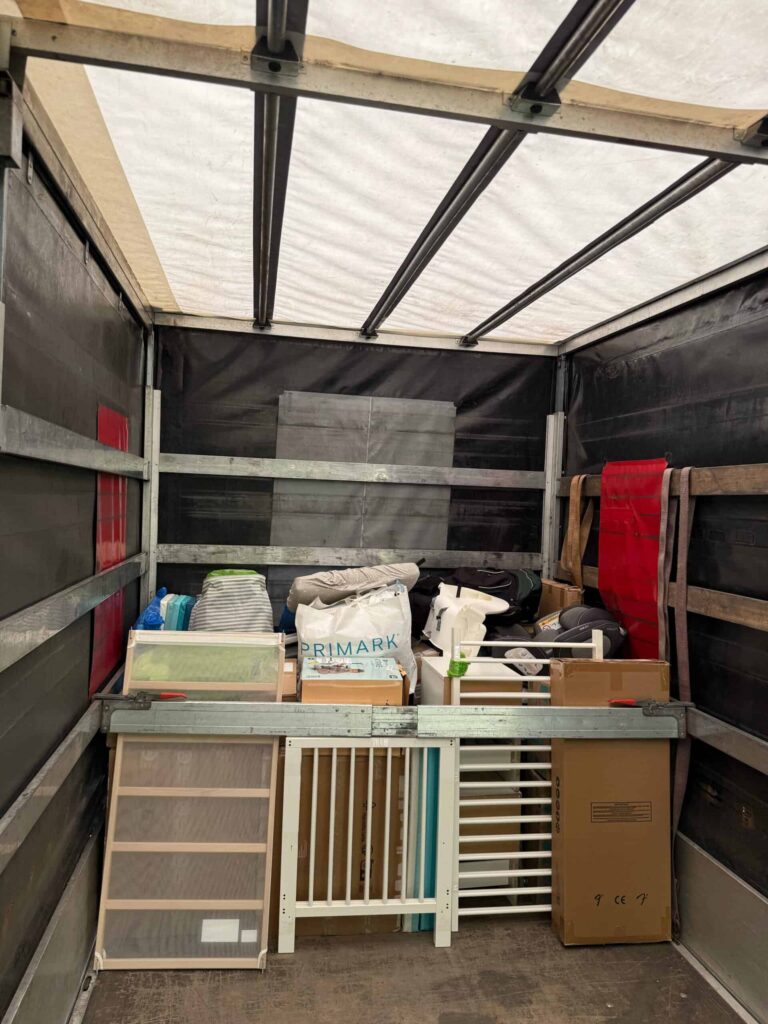
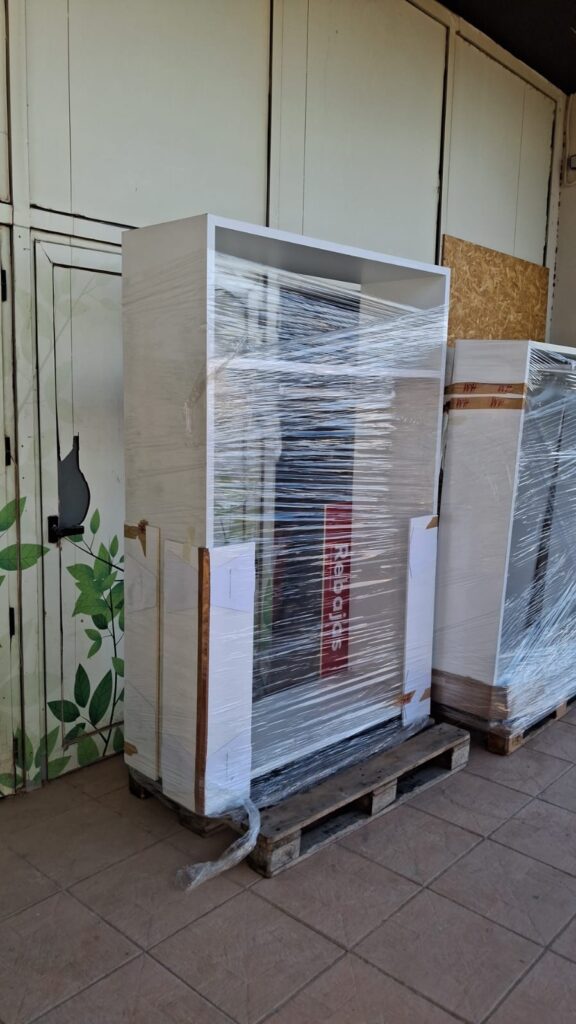
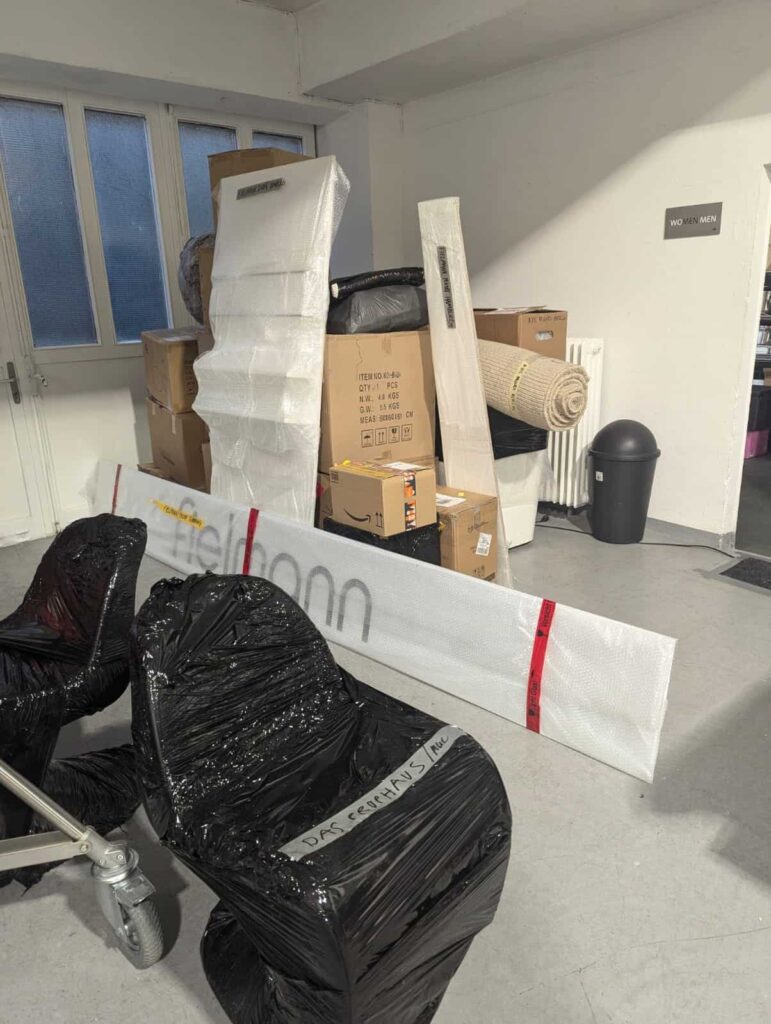
The main question is whether your load looks like a normal life in transit. A sofa, books, cookware and clothes tell a simple relocation story. Twenty identical boxed monitors or a van full of sealed goods may tell a different story.
Moving to Switzerland customs is easiest when you separate categories clearly. Used household goods in one section of the inventory. New purchases in another. Special items listed with supporting documents. No mystery, no drama.

Customs Costs, Duties and VAT: What Could You Pay?
Many people searching for moving to Switzerland customs want a blunt answer: will I pay duties or taxes?
The answer depends on the goods and the circumstances. Used household effects connected to a genuine relocation can often be imported duty-free when the conditions are met. However, new goods, commercial items, unclear high-value purchases or restricted items may be treated differently.
| Item type | Customs risk | Why it matters |
|---|---|---|
| Used sofa owned for 3 years | Low | Typical household effect |
| Clothes, books and kitchenware | Low | Normal private relocation goods |
| Laptop used personally | Usually low | Personal item, if not commercial stock |
| New TV bought 2 weeks before moving | Higher | May be treated as a recent purchase |
| 20 identical office chairs | Higher | Could look commercial |
| Alcohol collection | Higher | Quantity and type may trigger restrictions |
| Company equipment | Higher | Business goods may need separate treatment |
| Art or antiques | Medium to higher | Value and documentation may matter |
The hidden cost of poor preparation is often not just customs duty. It can be waiting time, extra handling, storage, re-routing, missed delivery slots and emotional exhaustion. A move that looked cheaper on paper can become expensive when paperwork fails at the border.
That is why preparation has real financial value. A clear inventory, correct form, suitable vehicle and professional mover can protect both your belongings and your budget.
New Goods, Recent Purchases and High-Value Items
New goods deserve special attention in moving to Switzerland customs. If you bought furniture, electronics or luxury items shortly before moving, do not pretend they are old household effects. Keep the receipts and list them separately.
This does not mean you cannot bring new items. It means customs may treat them differently from used removal goods. The risk rises when goods are boxed, unused, high value or present in large quantities.
Good practice includes:
- Keeping invoices for new purchases
- Listing new goods separately on the inventory
- Avoiding vague descriptions for expensive items
- Photographing valuable furniture or electronics
- Declaring high-value items clearly
- Asking customs or your moving partner if unsure
Transparency is your friend. Moving to Switzerland customs should not rely on hope, silence or clever wording. It should rely on clear facts that match your documents.
Choosing the Right VANonsite Vehicle for a Switzerland Move
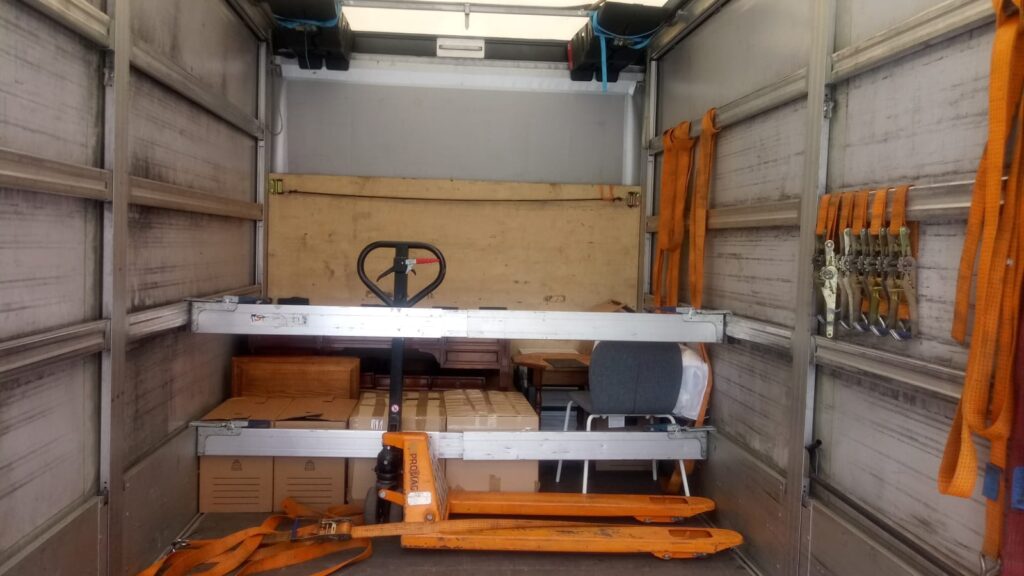
Vehicle size affects cost, safety, loading time and the overall flow of the move. Too small, and your belongings are squeezed into a tense puzzle. Too large, and you may pay for empty air. Too poorly planned, and the load may become harder to inspect, unload and protect.
VANonsite offers flexible vehicle sizes for different relocation needs.
| VANonsite option | Capacity | Max weight | Best for |
|---|---|---|---|
| Moving One | 1 m3 | 100 kg | A few boxes, documents or essential items |
| Moving Basic | 5 m3 | 300 kg | Studio move, compact student load or small man and van relocation |
| Moving Medium | 10 m3 | 500 kg | Small apartment or partial home move |
| Moving Premium | 15 m3 | 1100 kg | One-bedroom move or larger furniture load |
| Moving Premium Plus | 30 m3 | 3500 kg | Family move, bulky furniture or bigger apartment |
| Moving Full House XXL | 90 m3 | 20000 kg | Full household, complex relocation or large-scale move |
For moving to Switzerland customs, vehicle choice is not only about space. It also affects how well your load can be organised. A properly planned vehicle makes it easier to keep fragile goods protected, documents separate, categories clear and unloading efficient.
A compact man and van move may be perfect for a student or young professional. A 30 m3 or 90 m3 solution may be better for a family home, office relocation or large household move. VANonsite helps match your load to the right vehicle so that the move feels controlled rather than improvised.
Packing Tips for Customs and Safer Transport
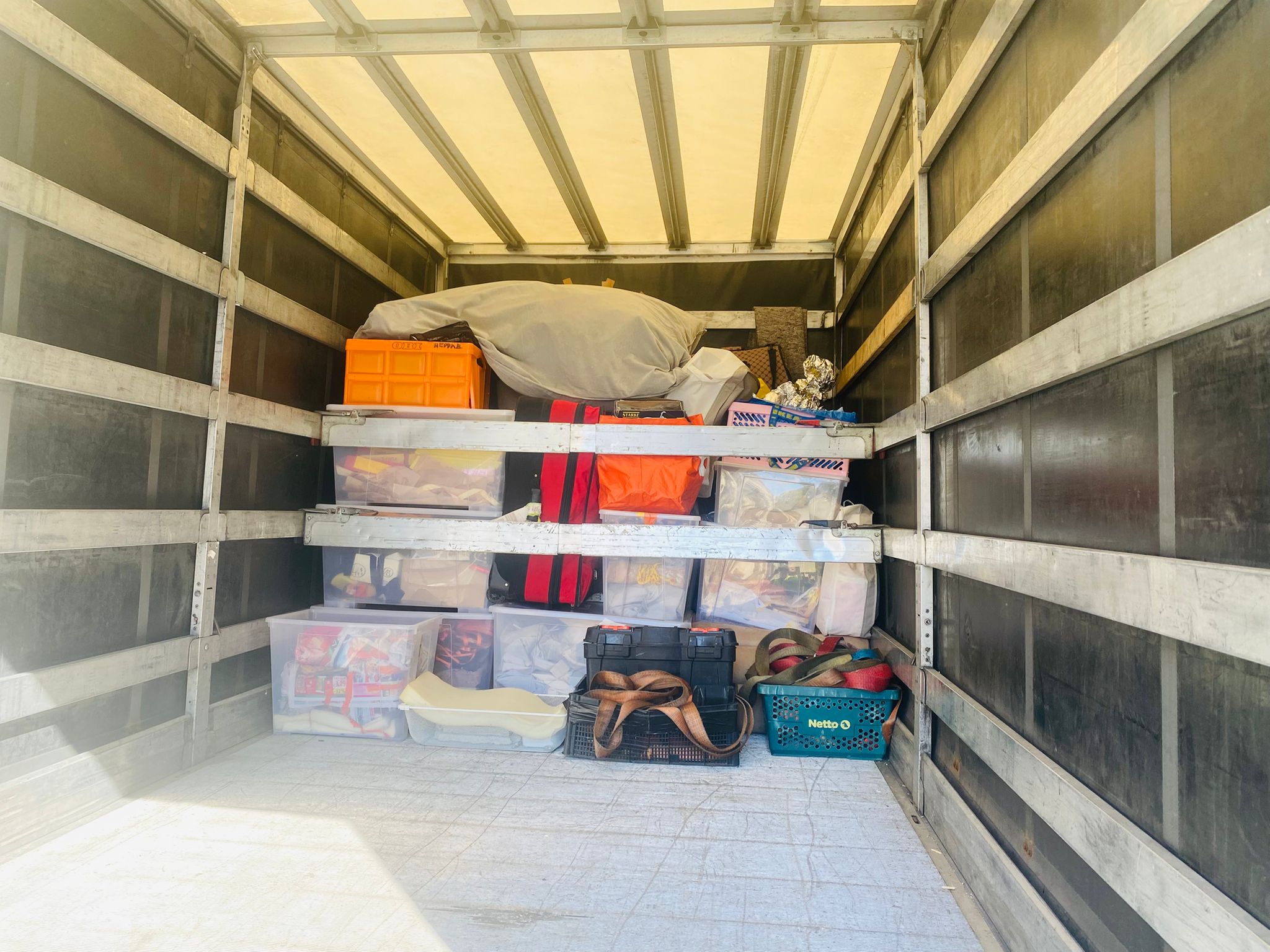
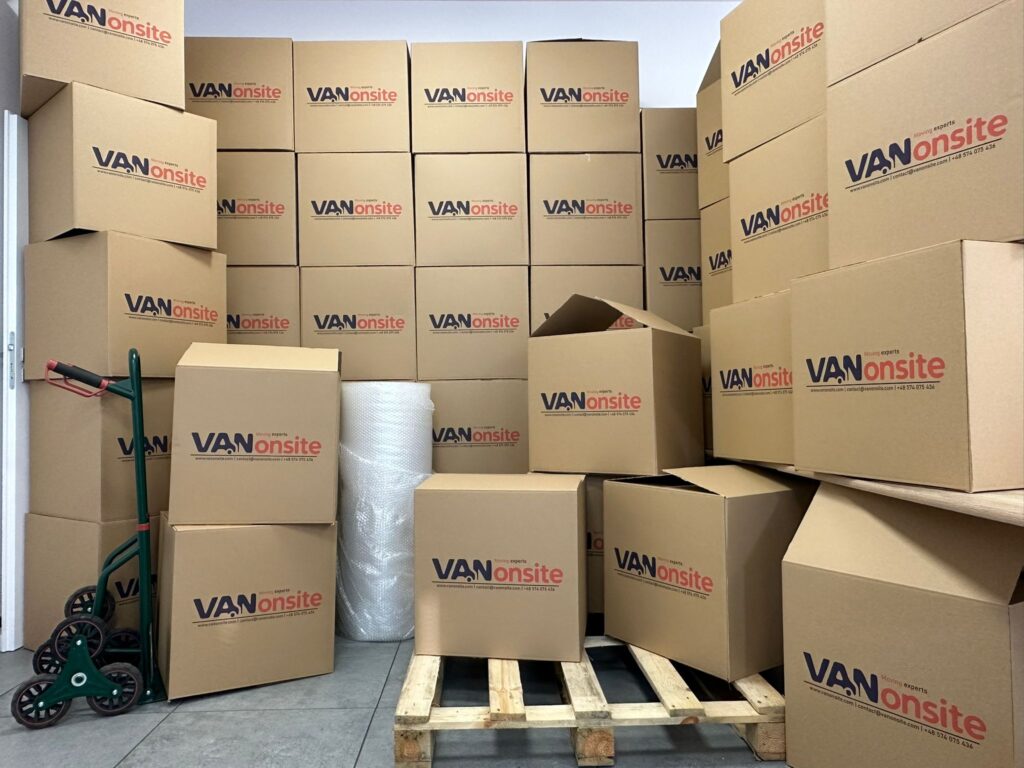
Packing is not only about avoiding scratches. It also shapes the customs process. A neat, labelled, well-documented load creates confidence. A chaotic pile of unmarked boxes creates questions.
Use these packing rules before moving to Switzerland customs:
- Label every box by room and content type.
- Number boxes and match them to the inventory.
- Keep customs documents outside the load.
- Separate fragile goods from heavy items.
- Photograph valuable items before collection.
- Avoid mixing private and commercial goods.
- Keep receipts for new items in a separate folder.
- Pack a first-night box with chargers, bedding, basic toiletries and important medication.
- Mark glass, mirrors, ceramics and electronics clearly.
Good packing gives your first week in Switzerland a softer landing. Instead of opening 15 boxes to find a kettle, you can make coffee. Instead of hunting for bedding at midnight, you can sleep. Instead of explaining a vague inventory at the border, you can show exactly what is inside.
VANonsite can support careful transport planning for fragile, bulky and valuable goods, helping turn a stressful move into a calmer transition.
Moving Furniture to Switzerland
Furniture often carries emotional weight. It is not just a table. It is where you had dinner with friends. It is not just a chair. It is where you worked late, read books or watched your children build forts from cushions.
Furniture also creates practical challenges. Large items can be heavy, fragile, awkward and difficult to fit through Swiss apartment entrances. Before moving furniture to Switzerland, measure your largest pieces and check access at both addresses.
Prepare for:
- Doorway width
- Lift size
- Staircase turns
- Parking access
- Building rules
- Floor protection
- Dismantling needs
- Reassembly time
- Fragile surfaces such as glass, marble or polished wood
For moving to Switzerland customs, used furniture is often a natural part of household effects when it belongs to you and has been used personally. Still, the inventory should describe it clearly. “Furniture” is acceptable as a category, but “1 sofa, 1 bed frame, 2 wardrobes, 1 dining table and 6 chairs” is stronger.
VANonsite can transport furniture across Europe with suitable protection, careful loading and vehicle planning. This matters because one careless corner can turn a beautiful cabinet into a painful repair bill.
Home Removals to Switzerland
A home removal is not just logistics. It is a life being transferred from one set of walls to another. There are routines hidden inside every box: morning coffee, school bags, books, blankets, tools, toys, plates, photographs and small objects that make a place feel yours.
For full home removals, moving to Switzerland customs requires more preparation because the load is larger and more varied. You may be bringing furniture, clothing, electronics, bikes, kitchenware, children’s items, garden tools and personal documents in one shipment.
A strong home removals plan should include:
- Early inventory preparation
- Room-by-room packing
- Clear separation of new and used goods
- Customs form preparation
- Furniture dismantling
- Fragile item protection
- Vehicle capacity planning
- Delivery access checks
- Registration planning after arrival
VANonsite supports home removals to Switzerland with scalable vehicle sizes and GPS tracking. That tracking is not a small detail. When your household is moving across borders, visibility brings relief. You know your belongings are not lost in a black hole between countries. You can focus on the human side of relocation: family, work, schools, keys and settling in.


Student Removals to Switzerland
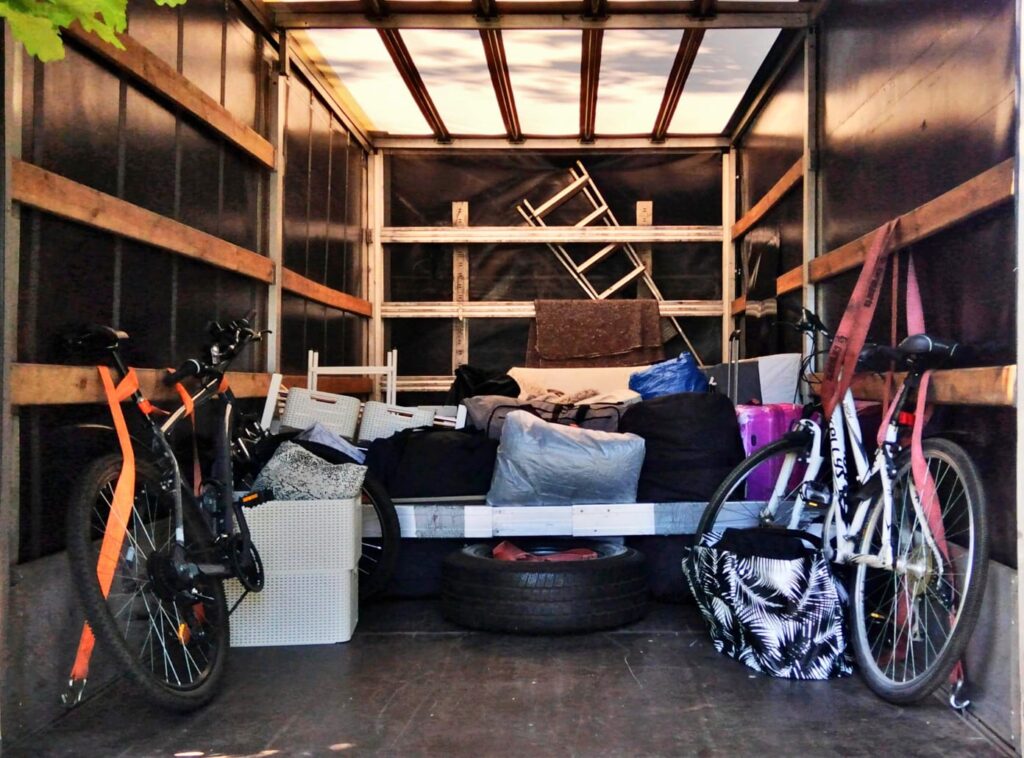
Student moves are often smaller, quicker and more budget-sensitive. Yet they still deserve proper customs preparation. A student moving to Switzerland may only bring clothes, books, bedding, a laptop, a monitor, a bicycle and a few kitchen items, but the load still crosses a border.
A man and van service can be ideal for student removals because it is flexible and practical. Depending on the volume, VANonsite’s Moving One at 1 m3 and 100 kg or Moving Basic at 5 m3 and 300 kg may be enough for a compact student relocation.
Typical student loads include:
- Clothes and shoes
- Study books
- Laptop and monitor
- Bedding
- Kitchen basics
- Small desk
- Office chair
- Bike
- Sports equipment
- Boxes of personal items
For moving to Switzerland customs, students should still prepare a simple inventory, ID, residence or university-related proof where relevant and any documents required for special items. A small move can still become stressful if nothing is written down.
Office Moves and Business Equipment
Office moves require extra care because business goods may be treated differently from private household effects. If you are moving desks, chairs, monitors, filing cabinets, IT equipment or archive boxes, make the ownership and purpose clear.
A business relocation should include:
- Detailed office inventory
- Clear separation of personal and company goods
- Serial numbers for valuable electronics where useful
- Packing protection for monitors and IT equipment
- Timed delivery to reduce downtime
- Furniture dismantling and reassembly planning
- Access checks at the new Swiss office
Moving to Switzerland customs for office equipment can involve different questions than a private household move. Customs may need to understand whether the goods are company assets, commercial stock, samples, resale items or personal work tools.
VANonsite can support office relocations with secure transport, careful handling and vehicle options for small office moves as well as larger business loads. For companies, time matters. A lost day can cost more than a premium moving service.
White Glove Delivery for Valuable Items
Some belongings should never be treated as ordinary cargo. Designer furniture, art, antiques, delicate lighting, premium electronics, luxury interiors and fragile statement pieces need more care.
White glove delivery is useful when the item is:
- High value
- Fragile
- Heavy and delicate
- Difficult to replace
- Emotionally important
- Going into a premium home, showroom or office
- Requiring careful placement at delivery
For moving to Switzerland customs, valuable items should be described clearly. If you have invoices, appraisals, ownership proof or photographs, keep them available. Do not rely on memory or vague labels when an item may raise questions.
The emotional truth is simple: some things cannot be replaced easily. Moving them with care is not indulgence. It is common sense.
Last Minute Moving to Switzerland
Life does not always respect a perfect timeline. A job start date can move forward. A lease can begin earlier than expected. A previous mover can cancel. A family situation can change overnight.
Last minute moving to Switzerland customs preparation should focus on the essentials:
- Confirm the Swiss delivery address.
- Prepare ID and proof of residence transfer.
- Complete Form 18.44.
- Create a clear inventory.
- Separate new goods from used household effects.
- Gather pet or vehicle documents if needed.
- Choose the correct vehicle size.
- Keep all papers accessible during transport.
Last minute does not have to mean careless. With a responsive man and van service, GPS-tracked transport and disciplined paperwork, a tight move can still feel organised.
VANonsite is especially valuable when speed and control must work together. Fast is helpful. Fast, safe and visible is far better.
Storage Before or After Moving to Switzerland
Storage can solve the awkward gaps that often appear during international relocations. Maybe your Swiss apartment is not ready. Maybe your keys are delayed. Maybe you are downsizing from a larger home. Maybe you want to move in phases.
Storage may help when:
- There is a gap between collection and delivery.
- Your new property is not ready.
- You need time to decide what to keep.
- Your Swiss home is smaller than expected.
- Office relocation is happening in stages.
- You want to avoid rushed unloading.
- You need temporary space before final delivery.
For moving to Switzerland customs, storage should be handled carefully. If goods arrive in separate shipments, make sure later consignments are documented properly. The official Form 18.44 guidance notes that subsequent consignments should be declared in connection with the first import, so do not treat phased shipments casually.
A good storage plan can make relocation feel less brutal. It gives you breathing room.
Moving to Switzerland with Pets
Pets are not furniture. They are family members with paws, passports and very specific rules.
If you are moving with a dog, cat or ferret, check official Swiss veterinary guidance from the Federal Food Safety and Veterinary Office. Requirements can depend on the animal, country of departure and travel route.
Common requirements may include:
- Microchip
- Pet passport or official documentation
- Valid rabies vaccination
- Compliance with Swiss entry rules
- Additional checks depending on the country of origin
- Limits or special rules for some third-country imports
Start early. Pet travel paperwork can be unforgiving. A missing vaccination date or incorrect document can create stress at the worst possible moment.
Moving to Switzerland customs with pets is much easier when animal documents are handled as carefully as the household goods inventory.
Moving to Switzerland with a Vehicle
Vehicles can be part of a relocation, but they need more attention than ordinary household boxes. If you plan to bring a car, motorbike, trailer, boat or other vehicle, check official Swiss customs rules before moving day.
Prepare:
- Registration documents
- Proof of ownership
- Insurance details
- Purchase documents if relevant
- Residence transfer proof
- Customs declaration documents
- Technical or registration documents needed after arrival
A vehicle that you have owned and used before the move may be treated differently from one purchased shortly before import. Timing, ownership and documentation matter.
Do not assume that vehicle import works like moving a sofa. It has its own administrative trail. If you are moving a full household and a vehicle, create separate document folders so nothing gets mixed up.
Registration After Moving to Switzerland
Customs is not the final administrative step. After arrival, you normally need to register with your new Swiss commune. The official ch.ch guidance states that, in general, you are expected to register with your new commune of residence within 14 days of your move. You can read the official guidance on notifying a change of address.
This step matters because Swiss local registration connects to daily life: residence records, local administration, permits, health insurance and other formalities. The exact process can vary by canton and commune, so check your destination in advance.
A strong relocation plan does not end when the van doors open. It includes the first days after delivery too.
Moving Timeline for Switzerland Customs Preparation
A calm move starts weeks before collection. Use this timeline to organise your preparation.
| Time before move | What to do |
|---|---|
| 8 to 6 weeks | Confirm your Swiss address, start your inventory and compare moving options |
| 5 to 4 weeks | Sort items, sell or donate what you do not need |
| 3 weeks | Prepare Form 18.44 and proof of residence transfer |
| 2 weeks | Finalise packing plan, special-item documents and vehicle size |
| 1 week | Print documents, label boxes and confirm access details |
| Moving day | Keep ID, inventory and customs forms accessible |
| First 14 days | Register with your Swiss commune where required |
Moving to Switzerland customs becomes stressful when it is left until the final week. The earlier you prepare, the more control you have.
Common Mistakes at Swiss Customs
Most customs problems do not begin at the border. They begin in the living room, weeks earlier, when boxes are packed without labels and documents are scattered across inboxes.
Avoid these mistakes:
- No inventory list
- Form 18.44 missing or incomplete
- Documents packed inside the moving load
- New goods mixed with used household effects
- No proof of residence transfer
- Vague inventory descriptions
- Wrong vehicle size
- No plan for pets, vehicles or special items
- Ignoring parking and building access
- Choosing transport without cross-border experience
- No GPS tracking
- Leaving customs preparation until moving day
Preparation gives you leverage. It helps customs understand your move, helps your mover protect your belongings and helps you arrive with more energy for the life waiting on the other side.
Why Choose VANonsite for Moving to Switzerland?
VANonsite is built for European moves where speed, safety and trust matter. Moving to Switzerland customs is easier when your transport partner understands that relocation is not just delivery. It is your home, your work tools, your memories and your next chapter.
VANonsite offers:
- Secure European transport
- GPS tracking for every load
- Flexible vehicle sizes from 1 m3 to 90 m3
- man and van options for smaller moves
- Larger-capacity solutions up to 20000 kg
- Support for student, home, office and furniture moves
- Careful handling for fragile and valuable items
- Fast support for urgent relocations
- Practical planning for cross-border moves
This is not about throwing boxes into a van and hoping for the best. It is about moving with structure, visibility and care. When your belongings are travelling to Switzerland, knowing where they are is not a luxury. It is peace of mind.
Moving to Switzerland Customs Checklist
Before collection, make sure you have:
- Completed Form 18.44
- Passport or national ID
- Proof of residence transfer
- Detailed inventory list
- Receipts for new purchases
- Vehicle documents if relevant
- Pet documents if relevant
- Copies of important paperwork
- Clearly labelled boxes
- Confirmed Swiss delivery address
- Confirmed parking and access details
- Correct VANonsite vehicle size selected
- Essential first-night items packed separately
This checklist may look long, but that is the point. It is better to solve 13 small tasks before the move than face one expensive problem at the border.
FAQ: Moving to Switzerland Customs
What documents do I need for moving to Switzerland customs?
You usually need Form 18.44, passport or ID, proof of residence transfer, a detailed inventory and supporting documents for vehicles, pets, new purchases or special goods. Always check the official Swiss customs procedure before moving.
Can I bring household goods to Switzerland duty-free?
Used household effects may often be imported duty-free when you are transferring your residence to Switzerland and the goods meet customs conditions. Items should generally have been used personally for at least 6 months and should continue to be used after import.
Do I need Form 18.44?
Yes. Form 18.44 is the key Swiss application and customs declaration for household effects. It should be completed, signed and ready when the goods are imported.
Can I bring new furniture to Switzerland?
Yes, but new furniture may not be treated the same as used household effects. Keep receipts, list new goods separately and be prepared for possible duties, VAT or extra checks.
How detailed should my inventory be?
Your inventory should be clear enough to explain the load. Use categories, quantities and estimated values. Numbered boxes are strongly recommended.
Can VANonsite help with a man and van move to Switzerland?
Yes. VANonsite offers flexible man and van options for smaller moves and larger vehicles for full household, student, furniture and office relocations. GPS tracking is available for every load.
What vehicle size do I need for moving to Switzerland?
It depends on the volume and weight of your goods. A few boxes may fit Moving One at 1 m3 and 100 kg, while a larger home may require Moving Premium Plus at 30 m3 or Moving Full House XXL at 90 m3.
Do I need to register after moving to Switzerland?
In general, you are expected to register with your new Swiss commune within 14 days of moving. Check the rules for your specific canton and commune.
What is the biggest mistake people make with moving to Switzerland customs?
The biggest mistake is poor preparation. Missing forms, unclear inventory lists, new goods mixed with used household effects and documents packed inside the van can all create avoidable problems.
Final Thoughts: Move to Switzerland with More Control
Moving to Switzerland customs does not have to feel like a wall of cold rules. With the right documents, a clear inventory, smart packing and a professional moving partner, the process becomes manageable.
Your belongings deserve more than rushed loading and wishful thinking. They deserve careful handling, secure transport and visible progress from collection to delivery.
VANonsite helps make that possible. From compact man and van moves to full-house European relocations, every load is planned with speed, safety and control in mind. If you are preparing for Switzerland, start with the paperwork, choose the right vehicle and move with a team that treats your belongings like they matter.
Because they do.