
Moving to Switzerland with children can feel like opening the door to a cleaner, calmer, sharper version of life. The trains arrive on time. The streets feel safe. The schools are respected. The mountains are close enough to become part of your weekends.
Then the first rent estimate appears, and the dream suddenly gets a price tag.
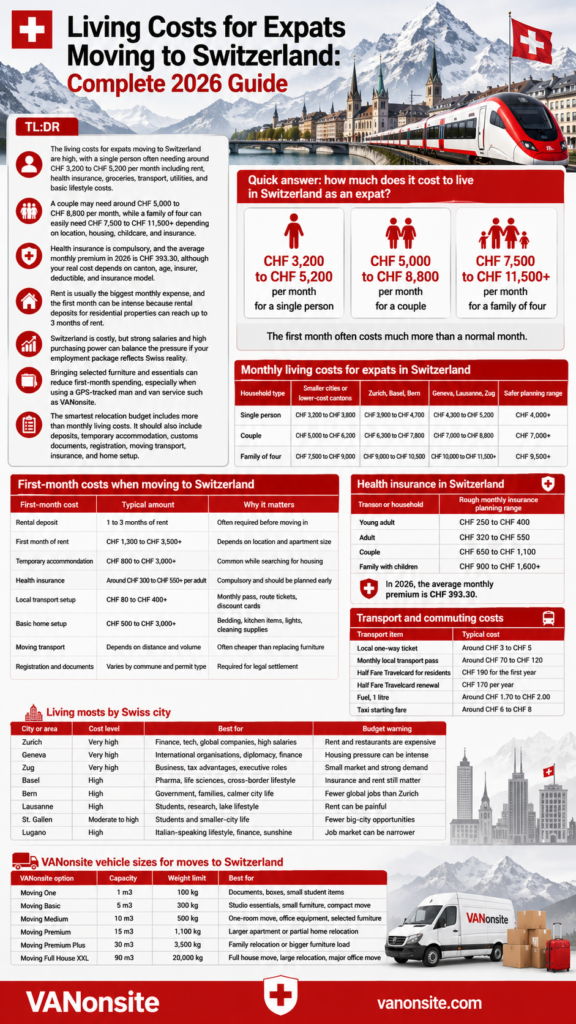
So, what is the cost of living in Switzerland for family of 4? A realistic monthly budget usually sits between CHF 8,000 and CHF 12,500 before private school fees. In Zurich, Geneva or Zug, the figure can climb above CHF 14,000 if you rent a larger apartment, need regular childcare or own a car. In Bern, Basel, Lucerne or smaller towns, a family can often live well with a more controlled budget.
Switzerland is expensive, but it is not unpredictable. The country rewards planning. Families who understand rent, health insurance, childcare, transport and customs rules before arrival usually settle faster and spend less in the first 90 days.
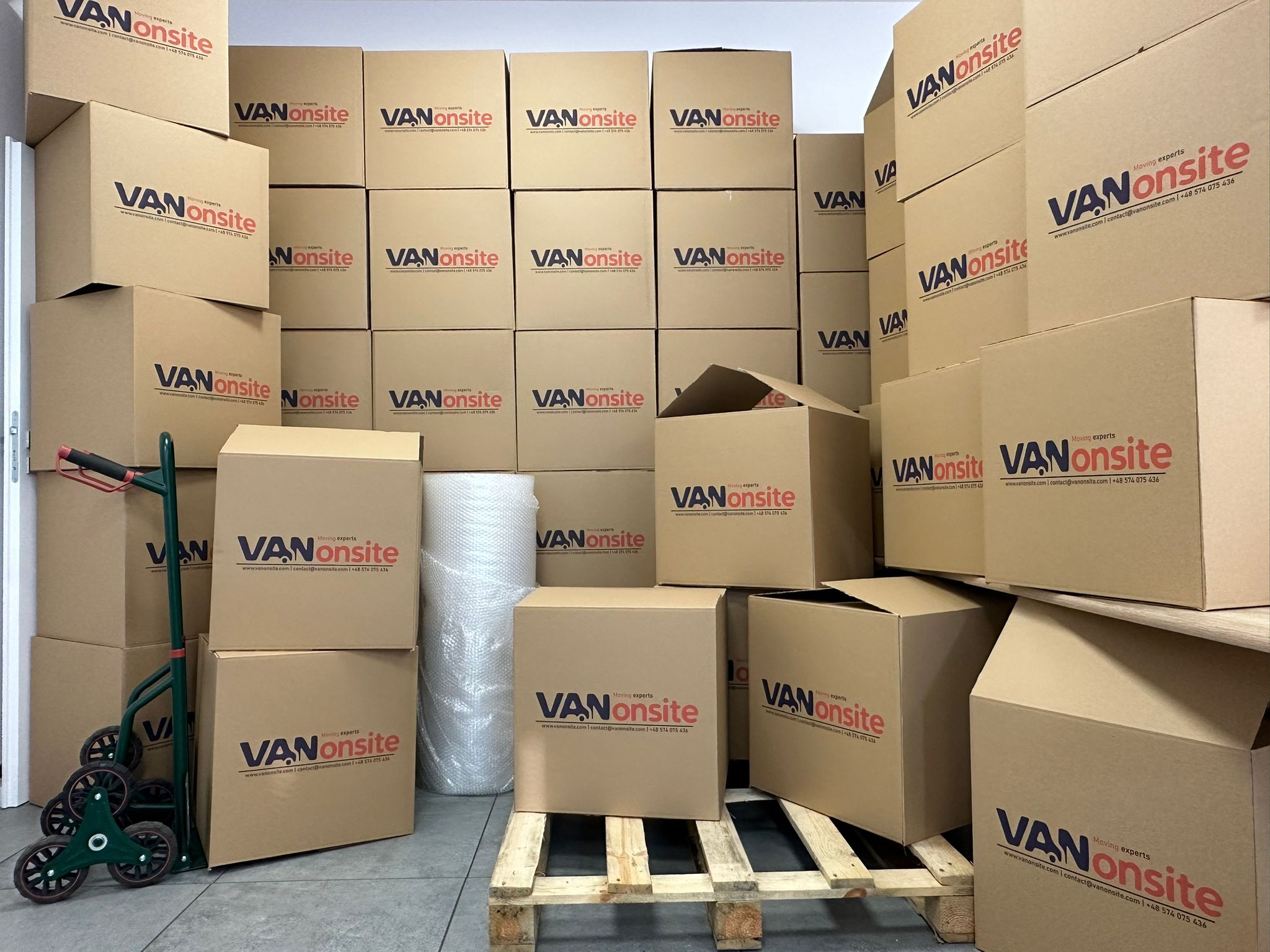
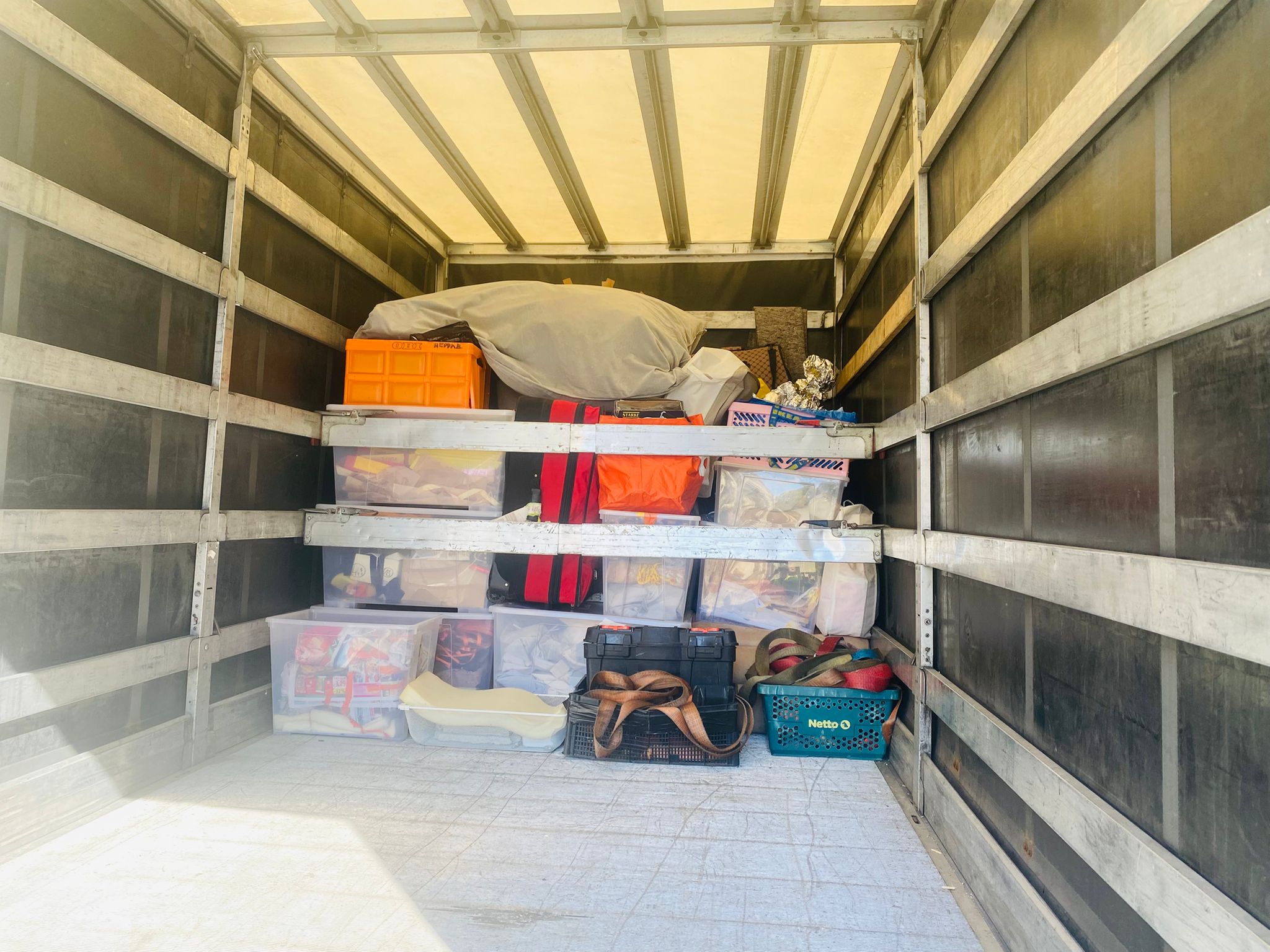
For families relocating from another European country, the move itself also matters. VANonsite provides secure man and van transport across Europe, with GPS tracking for every load and flexible vehicle sizes for different family moves. If Switzerland is your next chapter, explore removals to Switzerland and plan the journey with confidence.
TL:DR
- A family of four in Switzerland usually needs CHF 8,000 to CHF 12,500 per month, excluding private school fees.
- Rent is often the largest cost, with family apartments commonly ranging from CHF 2,800 to CHF 5,500 per month.
- Health insurance is compulsory, and every family member needs individual cover.
- Public schools are usually free, while international schools can cost CHF 25,000 to CHF 45,000 per child per year.
- Childcare can change the whole budget, especially for children below school age.
- Public transport can save thousands each year if your family avoids a second car.
- A planned man and van move with VANonsite can reduce stress, protect belongings and keep relocation under control.




Quick Answer: Monthly Cost for a Family of Four
The cost of living in Switzerland for family of 4 depends on where you live and how your family spends. Housing, childcare and health insurance shape the budget more than anything else.
| Monthly expense | Typical family cost in CHF | What affects the price |
|---|---|---|
| Rent | 2,800 to 5,500 | City, canton, apartment size, school area |
| Utilities, internet and phones | 250 to 500 | Building costs, heating, mobile plans |
| Health insurance | 900 to 1,500 | Canton, insurer, deductible, family ages |
| Groceries and household basics | 1,200 to 1,800 | Diet, supermarket choice, cross border shopping |
| Public transport | 250 to 700 | Commute, zones, family discounts |
| Car costs, if needed | 600 to 1,200 | Parking, fuel, insurance, tyres, leasing |
| Childcare or after school care | 200 to 3,000 | Child age, canton subsidies, number of days |
| Insurance and administration | 150 to 350 | Household cover, liability, documents |
| Clothing, leisure and sport | 500 to 1,500 | Hobbies, skiing, clubs, weekend trips |
| Eating out | 250 to 900 | Restaurant habits, city, family lifestyle |
| Realistic monthly total | 8,000 to 12,500 | Before private school fees |
A family can live beautifully in Switzerland, but the budget needs discipline. The country is polished, safe and efficient, yet it does not forgive vague financial planning.
Cost of Living in Switzerland for Family of 4 by City
Switzerland is small on the map, but costs vary sharply between cantons and cities. Zurich, Geneva and Zug are usually the most expensive for family life. Basel, Bern and Lucerne can feel more balanced. Smaller towns may offer more space, lower rent and a slower rhythm.
| Location | Practical monthly family budget | Best for |
|---|---|---|
| Zurich | CHF 10,500 to 15,500 | High salaries, tech, finance, international networks |
| Geneva | CHF 10,500 to 16,000 | Diplomacy, NGOs, French speaking families |
| Zug | CHF 11,000 to 16,500 | Low tax appeal, premium housing, executive roles |
| Basel | CHF 8,500 to 12,500 | Pharma, cross border shopping, good transport |
| Bern | CHF 8,000 to 11,500 | Calmer lifestyle, stable costs, family comfort |
| Lucerne | CHF 8,500 to 12,500 | Nature, central location, strong quality of life |
| Smaller towns | CHF 7,500 to 10,500 | More space, lower rent, quieter life |
If your work allows hybrid or remote days, living 20 to 40 minutes outside a major city can be a powerful choice. Saving CHF 1,000 per month on rent means CHF 12,000 per year left for childcare, travel, savings or the unexpected bills that always arrive after an international move.
Housing: The Biggest Monthly Cost
Rent usually sets the tone for the whole family budget. A family paying CHF 2,900 per month will experience Switzerland very differently from a family paying CHF 5,700.
Swiss apartment descriptions can also confuse newcomers. A 4.5 room apartment does not mean four bedrooms. The living room counts as a room, so always check the floor plan, square metres, storage and balcony space before applying.
| Housing type | Monthly rent estimate in CHF |
|---|---|
| 3.5 room apartment in a smaller town | 1,800 to 2,800 |
| 4.5 room apartment outside a major centre | 2,600 to 4,000 |
| 4.5 room apartment in Zurich or Geneva | 3,800 to 5,800 |
| Larger family apartment or house | 4,500 to 7,500 plus |
| Temporary furnished family apartment | 4,000 to 8,000 plus |
When choosing a home, look beyond the rent. A cheaper apartment can become expensive if it forces you to buy a second car, pay for long commutes or travel across town for school.
Before signing a lease, check:
- distance to school or kindergarten
- public transport connections
- supermarket access
- parking costs
- heating and service charges
- storage for bikes, prams and sports gear
- laundry rules in the building
- deposit requirements, often up to 3 months of rent
The Federal Statistical Office notes that rented housing is especially common in Switzerland, and average rents vary widely by canton and dwelling type. For a relocating family, that means the first housing decision is not just practical. It is financial strategy.
Health Insurance: Compulsory and Easy to Underestimate
Health insurance is mandatory in Switzerland. Every resident must have basic health insurance, and each member of the family needs an individual policy. In many cases, new residents must arrange insurance within 3 months of taking up residence.
Official guidance is available from the Federal Office of Public Health: Health insurance for people resident in Switzerland
A family of four should often budget:
| Family member | Monthly estimate in CHF |
|---|---|
| Adult 1 | 300 to 550 |
| Adult 2 | 300 to 550 |
| Child 1 | 80 to 200 |
| Child 2 | 80 to 200 |
| Family total | 900 to 1,500 |
The final premium depends on canton, insurer, deductible and insurance model. A higher deductible can lower monthly premiums, but it also increases what you pay yourself before insurance starts covering more costs.
For families with young children, ongoing treatment or regular doctor visits, the cheapest monthly premium is not always the wisest choice. Switzerland is built around responsibility. You need cover that fits real family life, not just a spreadsheet.
Groceries and Daily Shopping
Groceries in Switzerland are high quality, but the first supermarket trip can feel brutal. A family weekly shop can easily reach CHF 280 to CHF 450, especially if you buy meat, fresh fruit, branded products and convenience food.
| Grocery item | Typical price in CHF |
|---|---|
| Milk, 1 litre | 1.60 to 2.20 |
| Bread | 2.80 to 5.00 |
| Eggs, 12 | 5.50 to 8.00 |
| Chicken, 1 kg | 18 to 28 |
| Apples, 1 kg | 3.00 to 5.00 |
| Cheese, 1 kg | 16 to 30 |
| Weekly family groceries | 280 to 450 |
| Monthly family groceries | 1,200 to 1,800 |
Families can reduce grocery costs by cooking at home, planning meals and using discount supermarkets. In border regions near Germany, France or Italy, some families also shop across the border. That can help, but it requires time, transport and awareness of customs allowances.
The cost of living in Switzerland for family of 4 becomes easier to control when daily shopping becomes intentional. Switzerland rewards planning and punishes impulse buying.
Eating Out and Leisure
Eating out in Switzerland is pleasant, polished and expensive. A simple family lunch can cost CHF 80 to CHF 130. A relaxed dinner for four may reach CHF 150 to CHF 250, especially with drinks and dessert.
| Item | Typical price in CHF |
|---|---|
| Coffee | 4.50 to 6.00 |
| Bakery lunch | 8 to 15 |
| Restaurant main course | 22 to 38 |
| Children’s meal | 12 to 20 |
| Pizza | 18 to 28 |
| Family dinner out | 120 to 250 |
Many families change their lifestyle after moving. Restaurants become occasional treats. Picnics by the lake, home cooked dinners, public playgrounds and mountain walks become the new luxury.
That is one of Switzerland’s quiet surprises. Some of the best family experiences cost very little once you are there.
Childcare: The Budget Wild Card
Childcare can reshape the entire family budget. Public school is usually free, but children below school age or children needing after school care can create a major monthly expense.
| Childcare option | Typical cost in CHF |
|---|---|
| Full day daycare | 100 to 180 per day |
| Full time daycare, 5 days per week | 1,500 to 3,000 per month |
| After school care | 200 to 900 per month |
| Nanny | 25 to 40 per hour |
| Babysitter | 20 to 35 per hour |
Some cantons and communes offer subsidies based on income, but rules vary. Availability also matters. In popular family districts, daycare places may have waiting lists.
This is why two families with the same salary can feel completely different. One family with two school aged children in public school may feel comfortable. Another family with one toddler in full time daycare may feel squeezed.
Schools in Switzerland
Public education is one of Switzerland’s strongest advantages for families. Compulsory education is usually 11 years and is managed through the cantons. Most children attend government run schools.
Official information is available here: Switzerland’s education system
For many families, local public school is the best choice. Children learn the local language, integrate faster and build real roots. However, international schools may suit families planning another move within 2 to 4 years.
| School option | Cost guide |
|---|---|
| Public school | Usually free |
| Lunch and after school care | CHF 200 to 900 per month |
| Private bilingual school | CHF 15,000 to 30,000 per child per year |
| International school | CHF 25,000 to 45,000 per child per year |
Language is important. Zurich and Basel are mainly German speaking. Geneva and Lausanne are French speaking. Ticino is Italian speaking. A child’s age, confidence and personality should shape the school decision as much as the family budget.
Transport: Public System or Family Car?
Swiss public transport is exceptional. It is clean, reliable and deeply connected. Many families can live well with one car, or no car, if they choose the right location.
SBB offers family travel options, including discounted travelcards for children and young people. Official information is available here: Tickets and travelcards for children and young people
| Transport setup | Monthly family estimate in CHF |
|---|---|
| Public transport only | 250 to 700 |
| One adult commuter pass plus local tickets | 180 to 500 |
| One family car | 600 to 1,200 |
| Two cars | 1,200 to 2,200 plus |
A car brings comfort, but also layered costs: parking, fuel, insurance, tyres, repairs, motorway vignette and possible leasing. In city areas, parking alone can feel painful.
Before choosing a home, ask one clear question: can we live here with one car or none? If the answer is yes, the savings can be enormous.
Utilities, Internet and Household Bills
Household bills are not usually the biggest shock, but they add another fixed layer to the monthly budget. Some rental contracts include heating and shared building costs as additional charges, while others require more direct payment.
| Bill | Monthly estimate in CHF |
|---|---|
| Electricity | 60 to 150 |
| Heating and building charges | 150 to 350 |
| Internet | 50 to 90 |
| Mobile plans for 2 adults | 60 to 160 |
| TV and radio fee | around 30 |
| Total | 250 to 500 |
Switzerland is full of small recurring costs. Each one looks manageable. Together, they build the real monthly number.
Taxes and Salary Expectations
Swiss salaries are high, but families should compare net income, not only gross salary. Taxes depend on canton, commune, income, marital status and family structure. Social contributions, pension payments and mandatory insurance also affect disposable income.
As a rough planning guide:
| Gross household income | Family comfort level |
|---|---|
| CHF 100,000 to 120,000 | Tight in major cities, possible in lower cost areas |
| CHF 120,000 to 150,000 | Workable with controlled rent and public school |
| CHF 150,000 to 190,000 | Comfortable for many families outside premium districts |
| CHF 190,000 plus | Strong comfort, unless private school or luxury housing is involved |
A CHF 150,000 salary may sound generous. In Zurich or Geneva, it can still feel tight with high rent and childcare. In a smaller town with public school and no second car, it can support a strong family lifestyle.
Required Documents When Moving to Switzerland
A family relocation needs a clean document folder. Switzerland values order, and good paperwork can save days of stress.
For official guidance, check Moving to Switzerland on ch.ch and Swiss residence permits.
Families usually need:
- valid passports or national ID cards
- employment contract or proof of financial resources
- rental agreement or Swiss address confirmation
- birth certificates for children
- marriage certificate, if applicable
- school records
- vaccination records
- health insurance documents
- inventory of household goods
- vehicle documents, if importing a car
- customs forms for household effects
EU and EFTA citizens usually have easier residence conditions than third country nationals, but the exact process depends on nationality, work status, length of stay and canton.
Customs Rules for Household Goods
When moving furniture and personal belongings to Switzerland, customs rules matter. The Swiss Federal Office for Customs and Border Security explains that household effects can often be imported duty free when the transfer of domicile requirements are met.
Official guidance is available here: Moving household effects to Switzerland
In general, items should have been used personally for at least 6 months and should continue to be used after import. Families should prepare a clear inventory and keep documents accessible during the move.
For customs planning, prepare:
- A full inventory list
- Passport or ID details
- Proof of relocation
- Swiss address or rental agreement
- Vehicle documents if moving a car
- Required customs forms
- Notes for valuable or delicate items
A rushed border process can create unnecessary tension. A structured move creates calm.
Moving to Switzerland with VANonsite
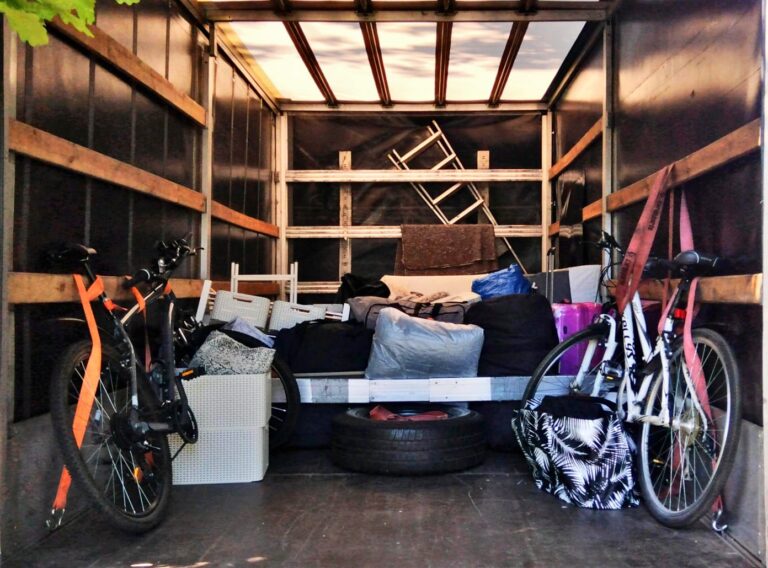
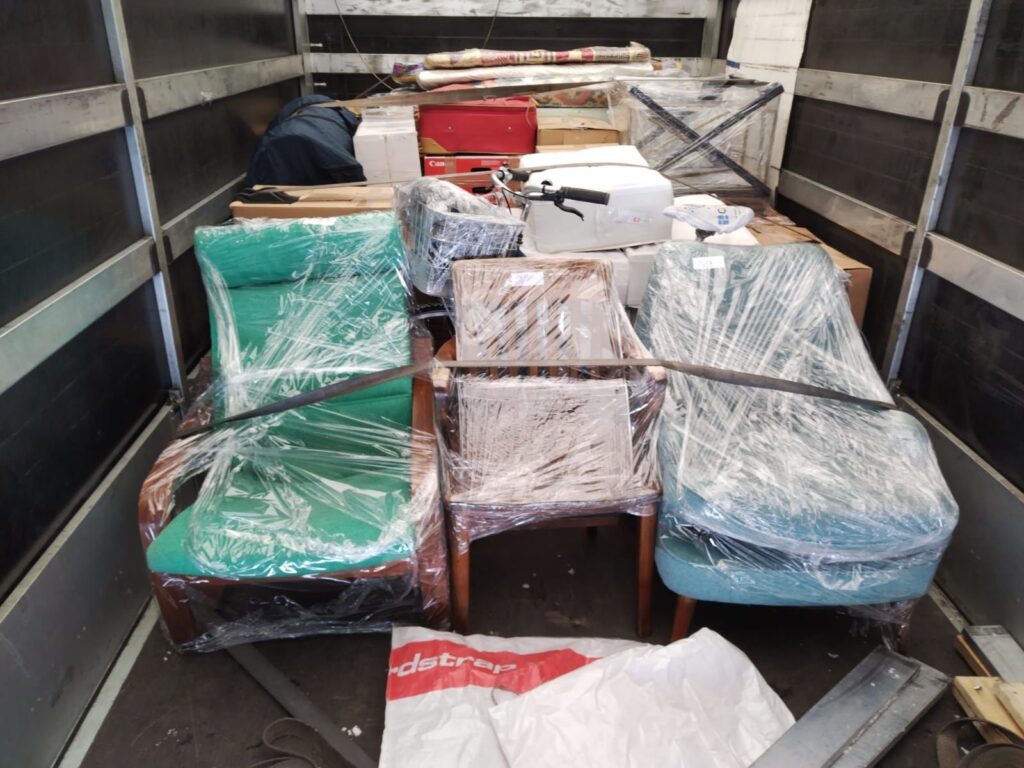
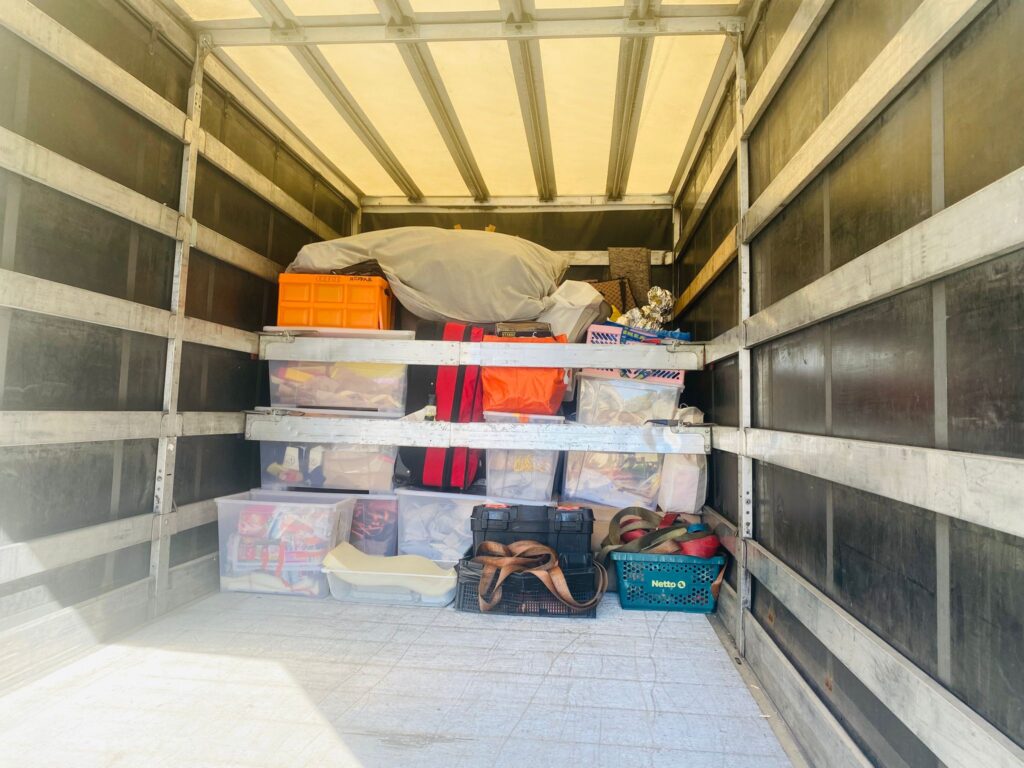
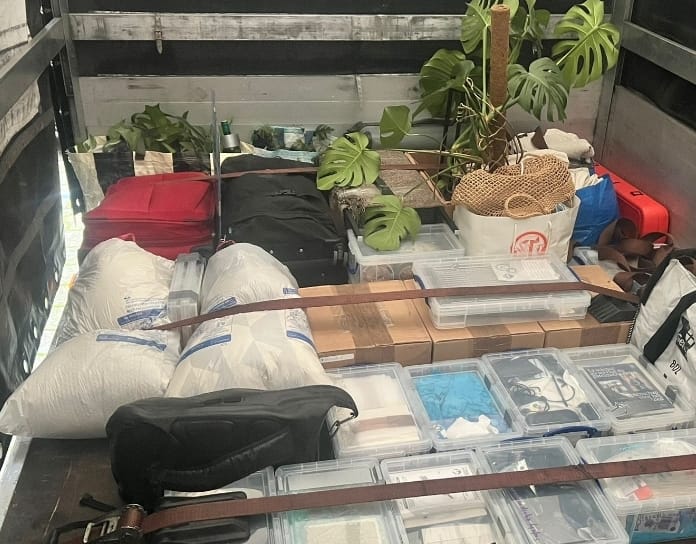
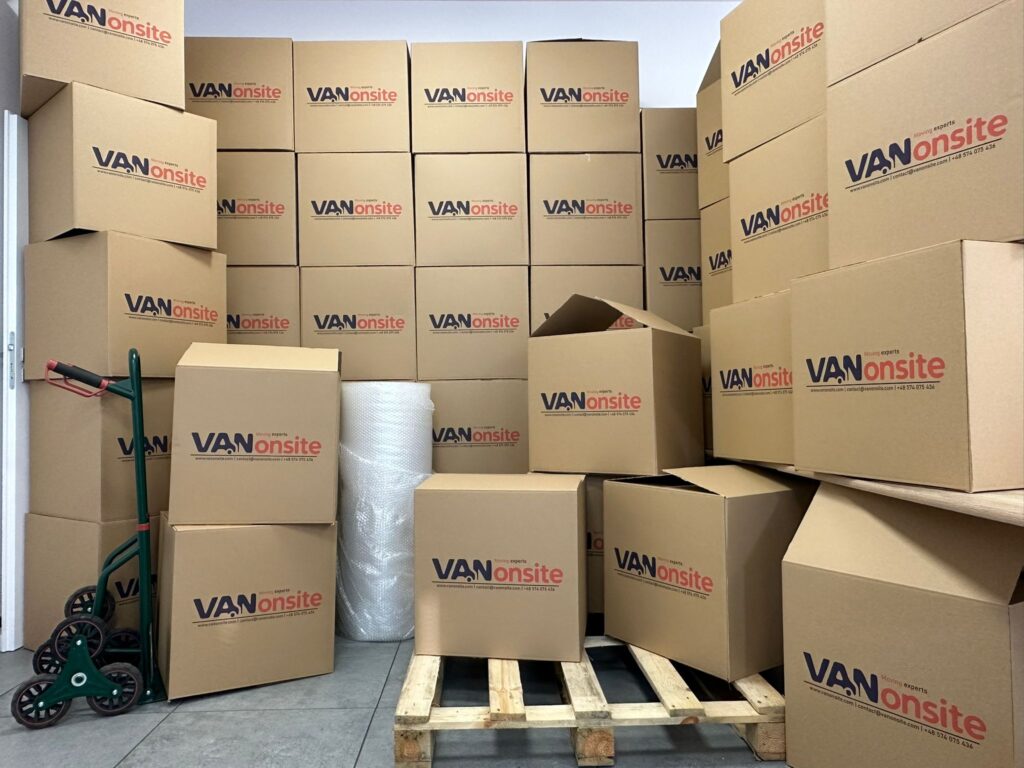
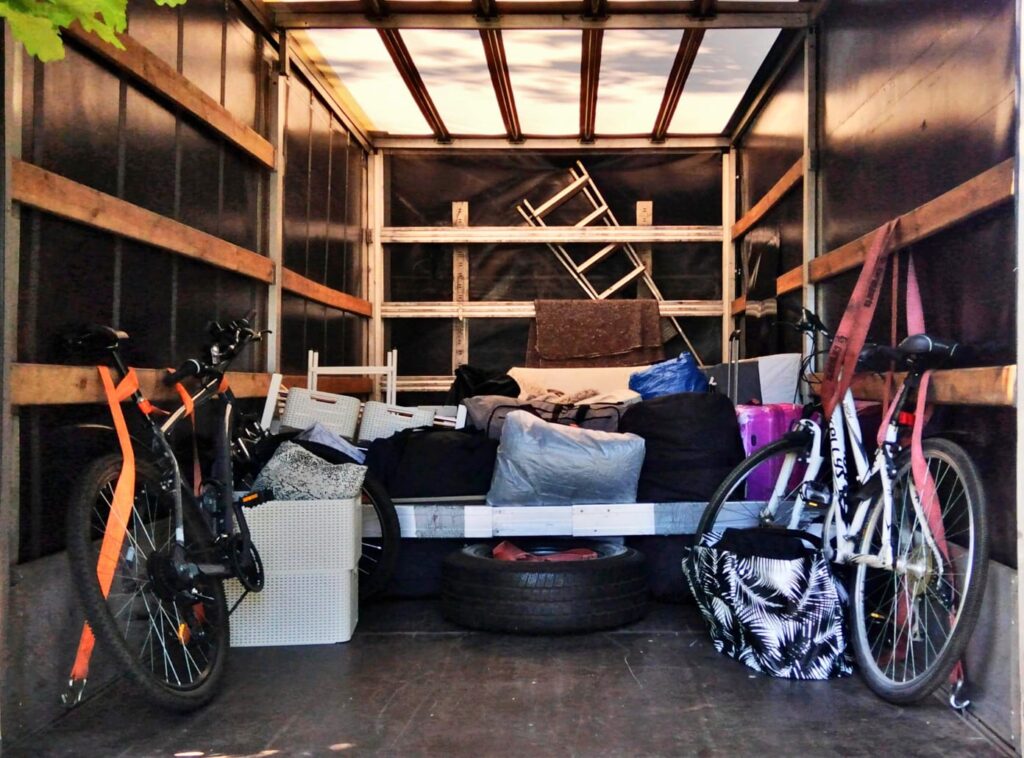
A family move is not just boxes and furniture. It is children’s beds, work equipment, winter coats, bikes, family photos, favourite toys and the small domestic treasures that make a new country feel less foreign.
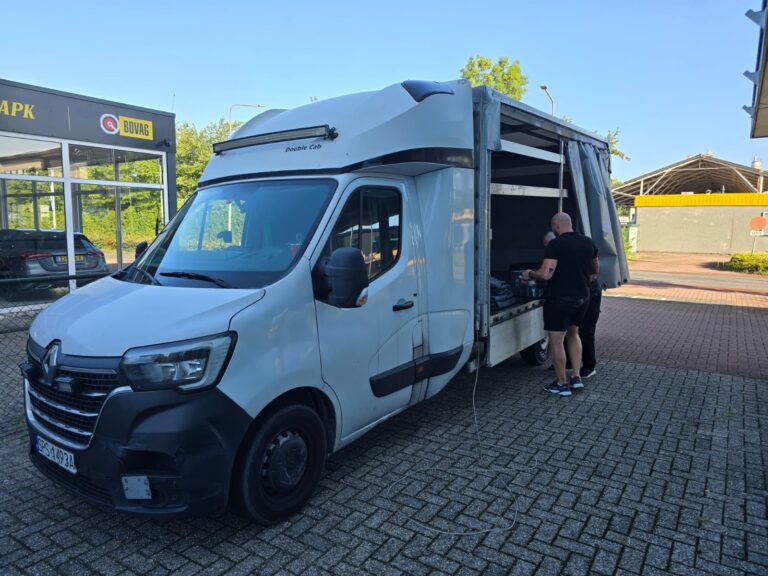
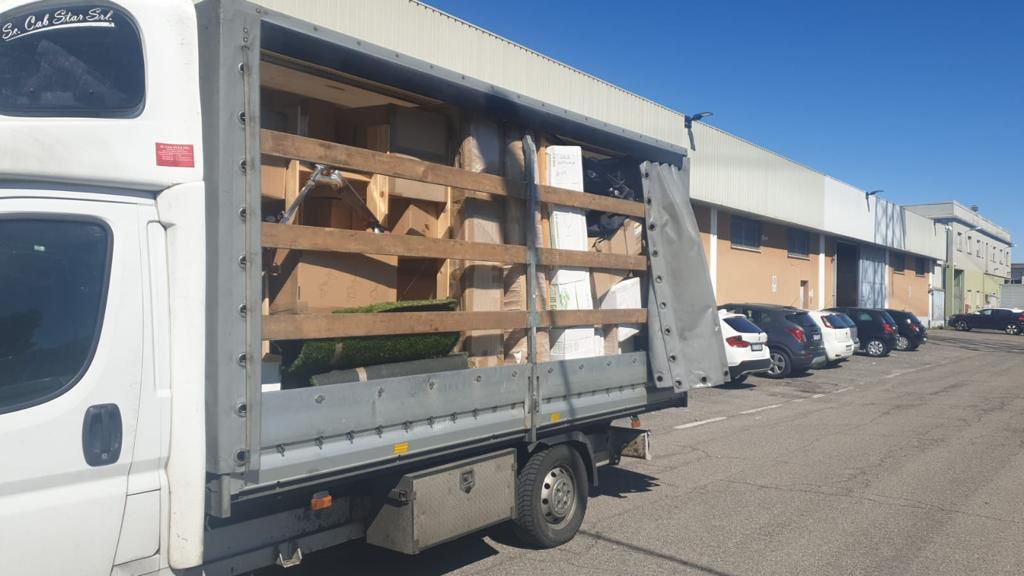
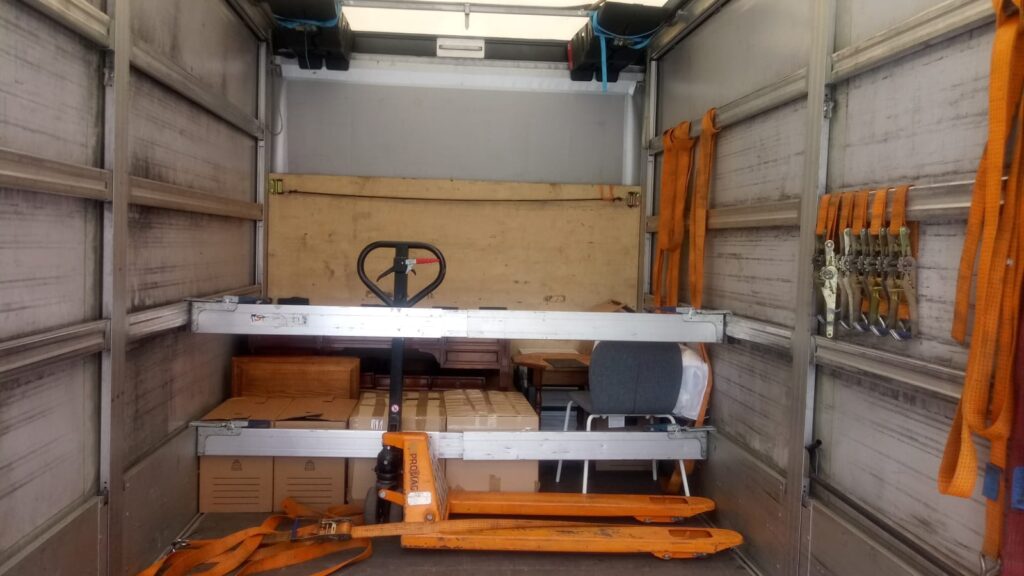
VANonsite supports European relocations with reliable man and van transport, GPS tracking and flexible vehicle sizes. That matters when you are not moving an abstract shipment, but the practical core of family life.
| VANonsite option | Capacity | Best for |
|---|---|---|
| Moving One | 1 m3, 100 kg | Essentials, documents, bags, small shipment |
| Moving Basic | 5 m3, 300 kg | Small room or compact move |
| Moving Medium | 10 m3, 500 kg | Partial home move |
| Moving Premium | 15 m3, 1,100 kg | Apartment essentials and furniture |
| Moving Premium Plus | 30 m3, 3,500 kg | Larger apartment or family move |
| Moving Full House XXL | 90 m3, 20,000 kg | Full house relocation |
For a family of four, Moving Premium Plus or Moving Full House XXL is often the strongest fit. The right choice depends on how much furniture you bring, whether you need packing help and whether you are moving from a flat or a full house.
VANonsite also offers practical relocation services such as last minute moving, furniture removals, home removals, packing support, white glove delivery, office removals, storage, student removals and office furniture installation.
The GPS tracking adds peace of mind. During an international move, knowing where your load is can turn anxiety into control.
Should You Move Furniture or Buy New in Switzerland?
Switzerland is expensive, so replacing furniture after arrival can be costly. Still, not everything deserves the journey.
| Item type | Move or replace? | Reason |
|---|---|---|
| Quality beds and mattresses | Usually move | Expensive to replace quickly |
| Solid wood furniture | Usually move | High replacement value |
| Cheap flat pack furniture | Compare first | Transport volume may exceed value |
| Children’s favourite items | Move | Emotional comfort matters |
| Appliances | Check first | Rentals may already include some |
| Bikes and sports gear | Often move | Swiss replacement costs can be high |
| Old sofas | Case by case | Large volume and possible wear |
A smart relocation is not about taking everything. It is about taking what will make life easier, warmer and more stable from day one.
First Month Costs in Switzerland
The first month is rarely normal. Families often spend more because they are setting up a new life from scratch.
| One time or early cost | Typical range in CHF |
|---|---|
| Rental deposit | 2 to 3 months of rent |
| Temporary accommodation | 2,000 to 8,000 plus |
| Furniture gaps | 500 to 3,000 |
| Health insurance setup | May be backdated |
| School and childcare registration | varies |
| Public transport passes | 100 to 700 |
| Household supplies | 300 to 900 |
| Winter clothing or equipment | 400 to 1,500 |
A family should ideally keep a landing fund of CHF 10,000 to CHF 25,000, separate from normal monthly income. That buffer can protect the first 60 to 90 days, when deposits, registrations, transport passes and missing household items arrive together.


Example Family Budgets
Careful Family in a Smaller Town
| Expense | CHF per month |
|---|---|
| Rent | 2,400 |
| Utilities and internet | 350 |
| Health insurance | 1,050 |
| Groceries | 1,300 |
| Public transport | 350 |
| Childcare and school extras | 300 |
| Insurance and admin | 200 |
| Leisure and clothing | 600 |
| Eating out | 250 |
| Total | 6,800 |
In real life, this family should still plan closer to CHF 7,500 to CHF 8,500 per month once irregular costs are included.
Comfortable Family Near Basel or Bern
| Expense | CHF per month |
|---|---|
| Rent | 3,400 |
| Utilities and internet | 420 |
| Health insurance | 1,200 |
| Groceries | 1,500 |
| Transport | 550 |
| Childcare and after school care | 800 |
| Insurance and admin | 250 |
| Leisure and clothing | 900 |
| Eating out | 450 |
| Total | 9,470 |
This is a balanced family budget. It allows comfort without luxury spending.
Zurich Family with Childcare and Car
| Expense | CHF per month |
|---|---|
| Rent | 5,200 |
| Utilities and internet | 500 |
| Health insurance | 1,450 |
| Groceries | 1,800 |
| Car and transport | 1,200 |
| Childcare | 2,400 |
| Insurance and admin | 350 |
| Leisure and clothing | 1,200 |
| Eating out | 700 |
| Total | 14,800 |
This is where the cost of living in Switzerland for family of 4 becomes intense. The family can still live well, but income must be strong and predictable.
How to Reduce Family Living Costs in Switzerland
You do not need to live small to control your budget. You need sharp choices.
Choose location carefully
Do not choose a city only because the office is there. Compare commute times, rent, childcare, school access and tax. A 30 minute train ride can save more than CHF 1,000 per month.
Keep housing below your comfort ceiling
A beautiful apartment can become a golden cage if rent absorbs too much income. Where possible, keep rent below 30% to 35% of net household income.
Use public schools if staying long term
Public school can be both financially smart and socially powerful. It helps children integrate and protects the family budget.
Compare health insurance early
Premiums vary by canton, insurer and deductible. Start comparing before arrival, not after the first invoice appears.
Avoid a second car
A second car can quietly drain CHF 8,000 to CHF 15,000 per year. In many Swiss towns, public transport is cleaner, calmer and cheaper.
Move the right volume
The cheapest move is not always the smallest move. It is the move that avoids damage, delays, repeat trips and poor packing decisions.
Moving Timeline for a Family
8 to 12 Weeks Before Moving
- compare cantons and towns
- estimate the full family budget
- research schools and childcare
- check residence requirements
- request a man and van moving quote
- decide what to sell, donate or transport
- collect passports, certificates and school documents
4 to 8 Weeks Before Moving
- confirm housing or temporary accommodation
- book your VANonsite move
- prepare a customs inventory
- organise packing materials
- check health insurance options
- notify schools and employers
- plan travel for children and pets
1 to 3 Weeks Before Moving
- pack non essential items
- label boxes by room
- photograph valuable items
- prepare documents for the border
- confirm access and parking
- keep children’s essentials separate
- prepare first night bags
First 30 Days in Switzerland
- register locally where required
- finalise health insurance
- complete school or childcare registration
- set up bank and mobile contracts
- learn recycling rules
- buy local transport passes
- update official address records
Final Answer: Is Switzerland Affordable for a Family of 4?
Switzerland is not cheap, and pretending otherwise helps nobody. The cost of living in Switzerland for family of 4 is high, especially in Zurich, Geneva and Zug. A realistic family budget usually starts around CHF 8,000 per month and can rise above CHF 12,500 quickly.
Yet Switzerland can give families something rare: safety, order, clean cities, reliable schools, strong salaries and weekends that feel almost cinematic. The country is expensive because it is built around quality.
The families who thrive are the ones who plan early. They choose housing carefully. They understand health insurance. They avoid unnecessary car costs. They prepare documents. They move only what matters.
When it is time to cross borders, VANonsite can help make the move smoother with secure, GPS tracked man and van transport built for European relocations.
If Switzerland is the next page in your family story, make it a confident one. Plan the budget. Pack with purpose. Move with care.
FAQ
What is the cost of living in Switzerland for family of 4?
The cost of living in Switzerland for family of 4 is usually CHF 8,000 to CHF 12,500 per month before private school fees. In Zurich, Geneva or Zug, it can rise above CHF 14,000 if rent, childcare and transport costs are high.
Is CHF 150,000 enough for a family of 4 in Switzerland?
CHF 150,000 gross can be enough in many Swiss areas, especially with public school and controlled rent. In Zurich or Geneva, it may feel tighter if the family needs full time childcare, a large apartment or a car.
What salary does a family of 4 need in Switzerland?
Many families should aim for CHF 140,000 to CHF 190,000 gross household income for a comfortable life, depending on canton, rent and childcare. Families using private international schools may need much more.
Is public school free in Switzerland?
Public school is usually free and widely used. However, school lunches, after school care, trips and activities can add monthly costs.
How much is rent for a family in Switzerland?
A family apartment often costs CHF 2,800 to CHF 5,500 per month. Zurich, Geneva and Zug are usually more expensive, while smaller towns and some cantons offer better value.
Is healthcare free in Switzerland?
No. Health insurance is compulsory, and every family member needs individual cover. A family of four should often budget CHF 900 to CHF 1,500 per month for basic health insurance.
Is it better to move furniture to Switzerland or buy new?
For quality furniture, beds, bikes and sentimental children’s items, moving can be smarter than replacing. For cheap or bulky low value furniture, compare transport volume against replacement cost.
Can VANonsite help with removals to Switzerland?
Yes. VANonsite supports European removals to Switzerland with man and van transport, GPS tracking, flexible vehicle sizes, furniture removals, home removals, packing support and secure delivery.