
Moving to Switzerland sounds like a dream until the first budget spreadsheet opens. Clean cities, alpine views, punctual trains and strong salaries are all part of the promise. So are high rent, mandatory health insurance, expensive groceries and serious upfront costs.
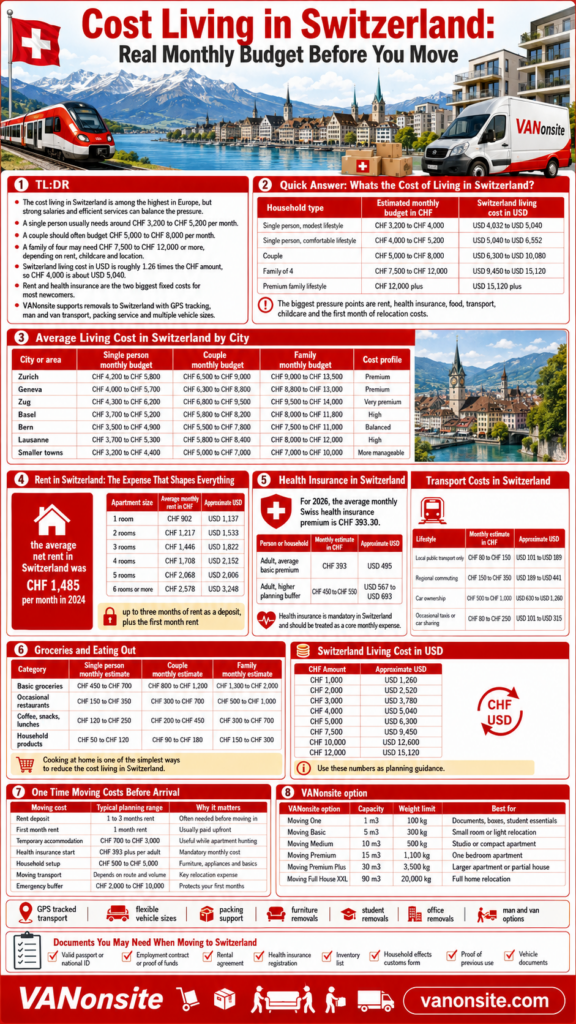
The cost living in Switzerland is high, but it is not impossible to plan. Most single people should prepare around CHF 3,200 to CHF 5,200 per month. Couples often need CHF 5,000 to CHF 8,000. Families may need CHF 7,500 to CHF 12,000 or more, especially in Zurich, Geneva, Zug or Lausanne.
The real challenge is not only the monthly cost. It is the first stage of relocation. Rent deposits, temporary housing, insurance, customs documents, furniture decisions and moving transport can arrive before your first Swiss salary. That is why a clear budget matters.
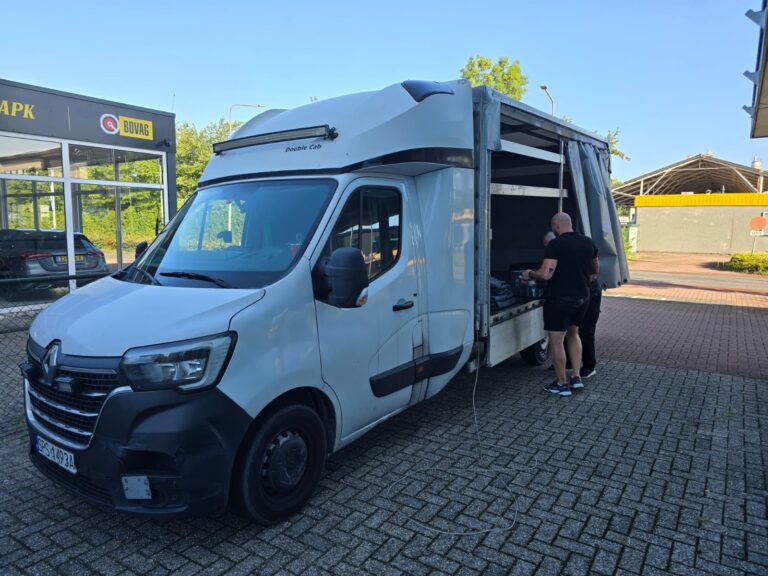
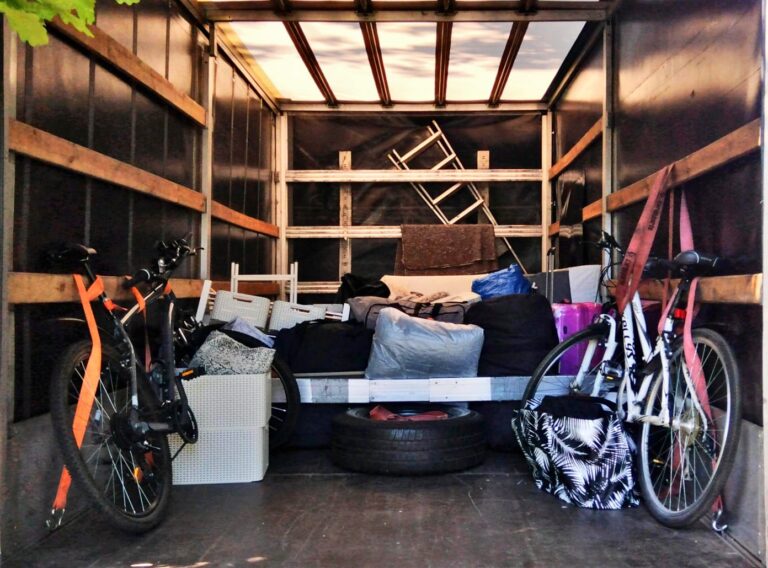
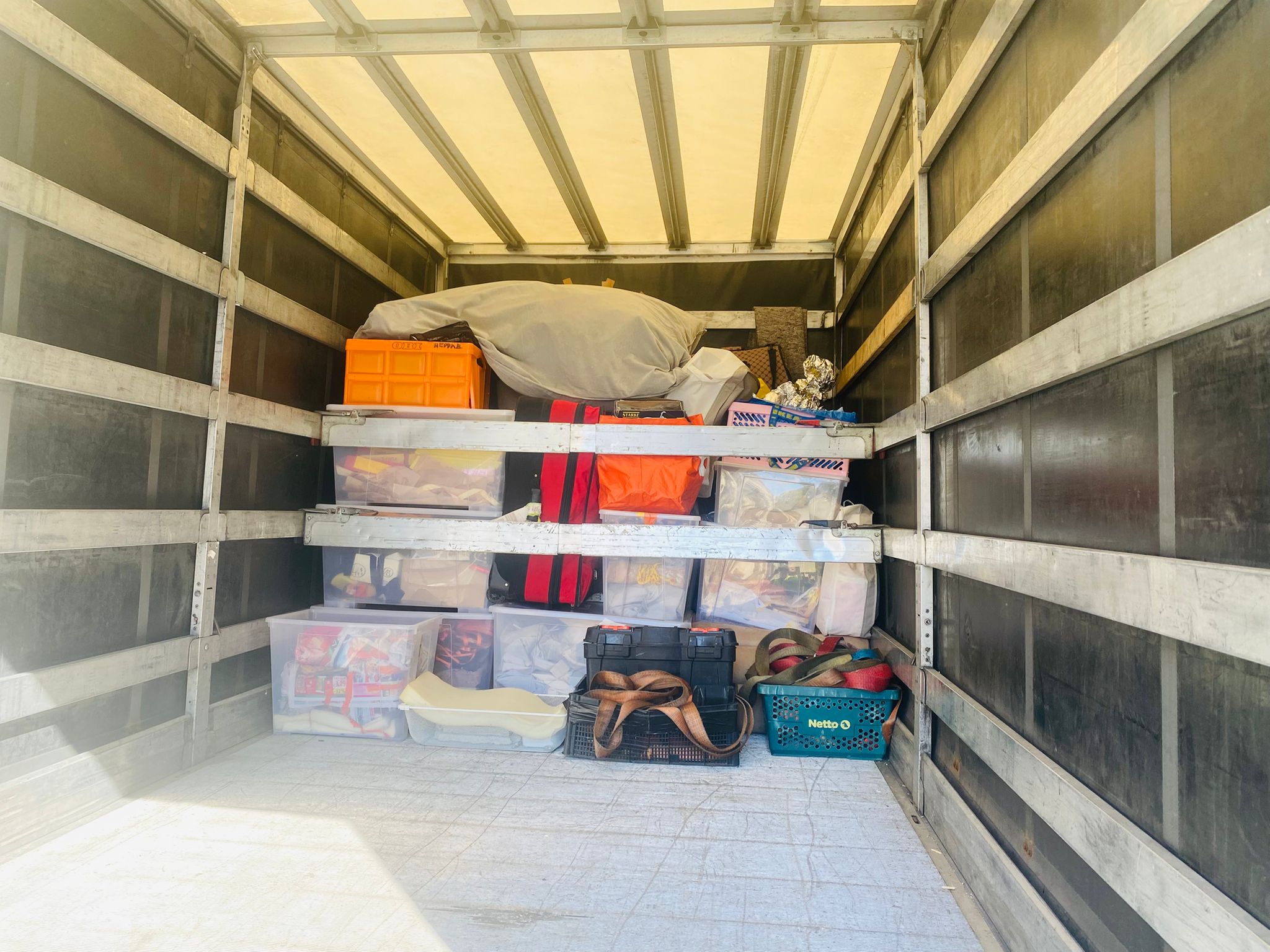
A smooth move also matters. VANonsite helps people relocate across Europe with GPS tracked transport, flexible vehicle sizes, packing support, furniture removals, student removals, office removals and man and van options. When the numbers are already serious, the move itself should feel controlled, safe and precise.
TL:DR
- The cost living in Switzerland is among the highest in Europe, but strong salaries and efficient services can balance the pressure.
- A single person usually needs around CHF 3,200 to CHF 5,200 per month.
- A couple should often budget CHF 5,000 to CHF 8,000 per month.
- A family of four may need CHF 7,500 to CHF 12,000 or more, depending on rent, childcare and location.
- Switzerland living cost in USD is roughly 1.26 times the CHF amount, so CHF 4,000 is about USD 5,040.
- Rent and health insurance are the two biggest fixed costs for most newcomers.
- VANonsite supports removals to Switzerland with GPS tracking, man and van transport, packing service and multiple vehicle sizes.




Quick Answer: Whats the Cost of Living in Switzerland?
The short answer is clear: Switzerland is expensive, but predictable. The average living cost in Switzerland depends mainly on your city, rent, insurance model, lifestyle and household size.
| Household type | Estimated monthly budget in CHF | Switzerland living cost in USD | Best for |
|---|---|---|---|
| Single person, modest lifestyle | CHF 3,200 to CHF 4,000 | USD 4,032 to USD 5,040 | Students, young professionals, careful spenders |
| Single person, comfortable lifestyle | CHF 4,000 to CHF 5,200 | USD 5,040 to USD 6,552 | Skilled workers, expats, professionals |
| Couple | CHF 5,000 to CHF 8,000 | USD 6,300 to USD 10,080 | Two income households or settled couples |
| Family of 4 | CHF 7,500 to CHF 12,000 | USD 9,450 to USD 15,120 | Families moving with children |
| Premium family lifestyle | CHF 12,000 plus | USD 15,120 plus | Zurich, Geneva, Zug, private childcare |
For a fast estimate, convert CHF to USD by multiplying by about 1.26. Exchange rates move, so check the current rate before transferring savings, paying rent deposits or booking relocation services.
The cost living in Switzerland can look intimidating at first. However, once you split the budget into clear categories, it becomes easier to manage. The biggest pressure points are rent, health insurance, food, transport, childcare and the first month of relocation costs.
Why Is the Cost Living in Switzerland So High?
Switzerland works with the precision of a luxury watch. It is beautiful, reliable and expensive to maintain. You pay for stability, clean infrastructure, efficient services, safety, strong public transport and a high standard of daily life.
The main cost drivers are:
- Housing in high demand areas.
- Mandatory health insurance.
- Expensive groceries and restaurants.
- High wages across service sectors.
- Childcare costs for families.
- Canton based tax differences.
- Initial relocation and setup expenses.
| Cost category | Why it matters | Budget impact |
|---|---|---|
| Rent | Usually the largest monthly bill | Very high |
| Health insurance | Mandatory for residents | High |
| Groceries | Food prices are high by European standards | Medium to high |
| Transport | Excellent quality, but not always cheap | Medium |
| Childcare | One of the largest family expenses | Very high |
| Moving costs | Important before arrival | Medium |
| Deposits | Can require several months of rent | High |
The cost living in Switzerland feels lighter when you plan before arrival. Choosing the right canton, comparing rent levels and moving only what you truly need can save thousands of francs in the first year.
This is also where a professional move helps. Broken items, rushed furniture purchases, poor packing and border delays create avoidable costs. A carefully planned man and van relocation with VANonsite can make the journey safer and more predictable.
Average Living Cost in Switzerland by City
The average living cost in Switzerland changes quickly from one place to another. Zurich, Geneva and Zug are premium locations with premium price tags. Bern, Basel and Lausanne are still expensive, but often more balanced. Smaller towns can be more manageable, especially if rent is lower.
| City or area | Single person monthly budget | Couple monthly budget | Family monthly budget | Cost profile |
|---|---|---|---|---|
| Zurich | CHF 4,200 to CHF 5,800 | CHF 6,500 to CHF 9,000 | CHF 9,000 to CHF 13,500 | Premium |
| Geneva | CHF 4,000 to CHF 5,700 | CHF 6,300 to CHF 8,800 | CHF 8,800 to CHF 13,000 | Premium |
| Zug | CHF 4,300 to CHF 6,200 | CHF 6,800 to CHF 9,500 | CHF 9,500 to CHF 14,000 | Very premium |
| Basel | CHF 3,700 to CHF 5,200 | CHF 5,800 to CHF 8,200 | CHF 8,000 to CHF 11,800 | High |
| Bern | CHF 3,500 to CHF 4,900 | CHF 5,500 to CHF 7,800 | CHF 7,500 to CHF 11,000 | Balanced |
| Lausanne | CHF 3,700 to CHF 5,300 | CHF 5,800 to CHF 8,400 | CHF 8,000 to CHF 12,000 | High |
| Smaller towns | CHF 3,200 to CHF 4,400 | CHF 5,000 to CHF 7,000 | CHF 7,000 to CHF 10,000 | More manageable |
If you are asking whats the cost of living in Switzerland outside the biggest cities, the answer is more hopeful. Lower rent can reduce monthly pressure. However, you should check commuting costs, public transport passes, childcare access and local taxes before choosing a cheaper area.
A lower rent is only a real saving if it does not steal your time, transport budget or quality of life.
Rent in Switzerland: The Expense That Shapes Everything
Rent is usually the biggest part of the cost living in Switzerland. One apartment decision can change your entire monthly budget.
According to the Swiss Federal Statistical Office, the average net rent in Switzerland was CHF 1,485 per month in 2024. Actual prices vary strongly by canton, city, apartment size and location.
| Apartment size | Average monthly rent in CHF | Approximate USD |
|---|---|---|
| 1 room | CHF 902 | USD 1,137 |
| 2 rooms | CHF 1,217 | USD 1,533 |
| 3 rooms | CHF 1,446 | USD 1,822 |
| 4 rooms | CHF 1,708 | USD 2,152 |
| 5 rooms | CHF 2,068 | USD 2,606 |
| 6 rooms or more | CHF 2,578 | USD 3,248 |
Major cities can be far above the national average. Zurich, Geneva and Zug are especially demanding. More affordable options are often found in smaller towns or less central cantons.
You also need to prepare for a rental deposit. In many cases, tenants should be ready for up to three months of rent as a deposit, plus the first month rent. For someone renting a CHF 2,000 apartment, this can mean several thousand francs before moving in.
Before signing a lease, check:
- Whether the apartment is furnished or unfurnished.
- The expected deposit.
- Utility costs.
- Internet and building fees.
- Parking availability.
- Access for moving vehicles.
- Lift size and stair access.
If your new apartment is unfurnished, bringing quality furniture can save money. Buying beds, wardrobes, desks, chairs, lights and kitchen equipment in Switzerland can become expensive very quickly.
Health Insurance in Switzerland
Health insurance is mandatory in Switzerland and should be treated as a core monthly expense. It is not a small detail hidden inside rent or taxes. It is a separate bill.
For 2026, the average monthly Swiss health insurance premium is CHF 393.30. Costs vary by canton, insurer, deductible and insurance model.
| Person or household | Monthly estimate in CHF | Approximate USD |
|---|---|---|
| Adult, average basic premium | CHF 393 | USD 495 |
| Adult, higher planning buffer | CHF 450 to CHF 550 | USD 567 to USD 693 |
| Couple, two adults | CHF 786 to CHF 1,100 | USD 990 to USD 1,386 |
| Family planning estimate | CHF 900 to CHF 1,400 | USD 1,134 to USD 1,764 |
This is one reason the average living cost in Switzerland surprises newcomers. A salary may look generous until rent, health insurance, food and commuting are added together.
Compare providers early and check what applies in your canton. You should also keep documents ready after arrival, because health insurance is part of settling properly in Switzerland.
Groceries and Eating Out
Food costs in Switzerland can feel sharp during the first month. A basic grocery basket may cost much more than in many other European countries. Meat, cheese, cleaning products, toiletries, coffee and convenience food can push the bill up quickly.
| Category | Single person monthly estimate | Couple monthly estimate | Family monthly estimate |
|---|---|---|---|
| Basic groceries | CHF 450 to CHF 700 | CHF 800 to CHF 1,200 | CHF 1,300 to CHF 2,000 |
| Occasional restaurants | CHF 150 to CHF 350 | CHF 300 to CHF 700 | CHF 500 to CHF 1,000 |
| Coffee, snacks, lunches | CHF 120 to CHF 250 | CHF 200 to CHF 450 | CHF 300 to CHF 700 |
| Household products | CHF 50 to CHF 120 | CHF 90 to CHF 180 | CHF 150 to CHF 300 |
Cooking at home is one of the simplest ways to reduce the cost living in Switzerland. A planned weekly shop, fewer impulse lunches and smart supermarket choices can cut food spending by 10% to 20%.
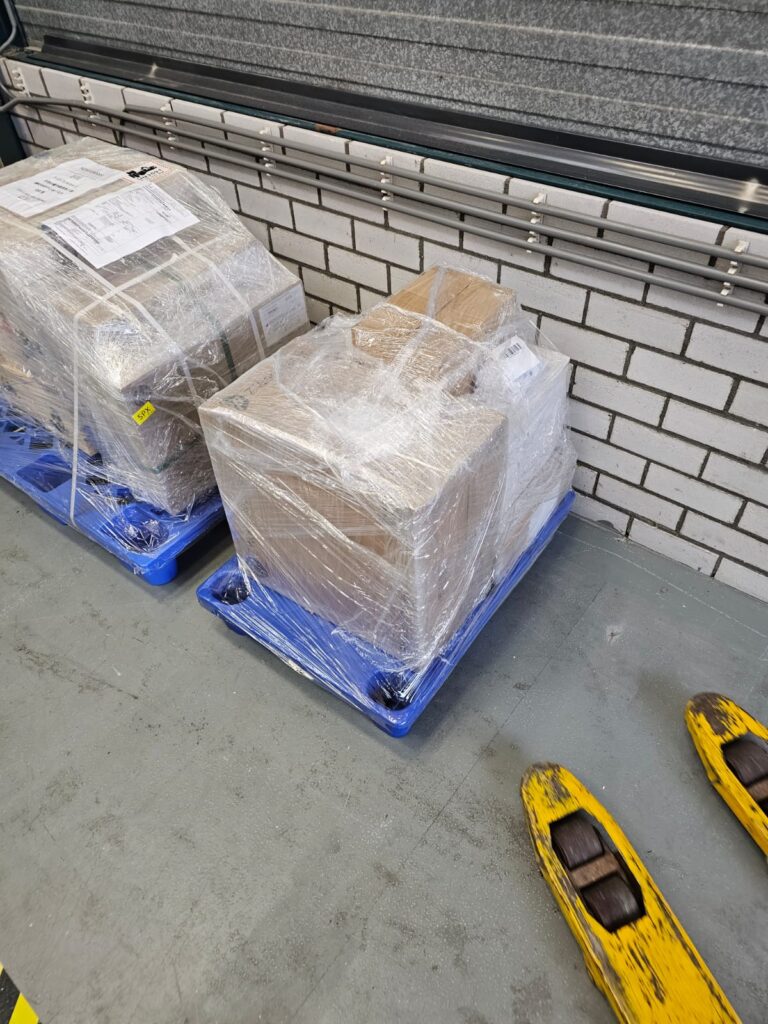
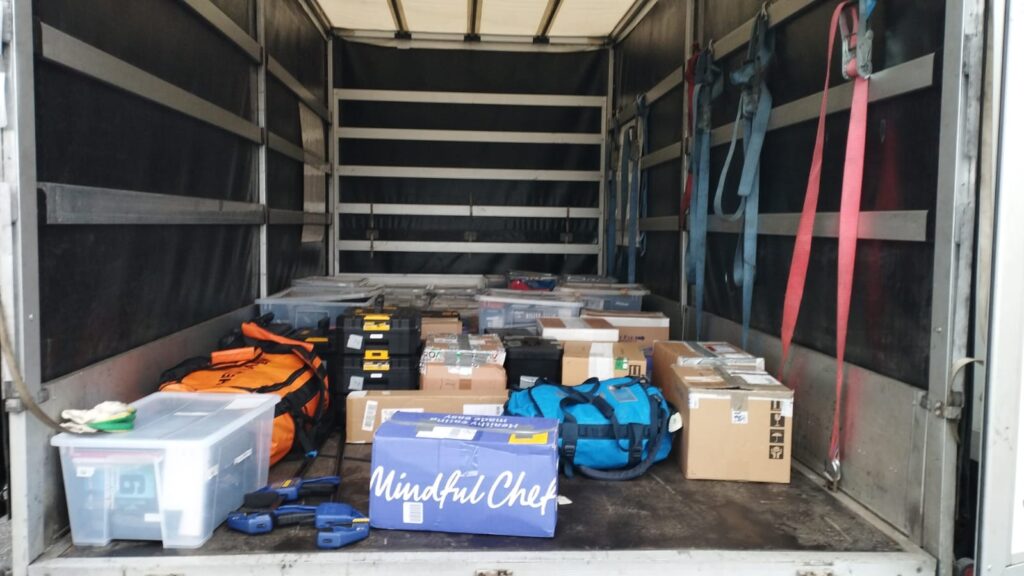
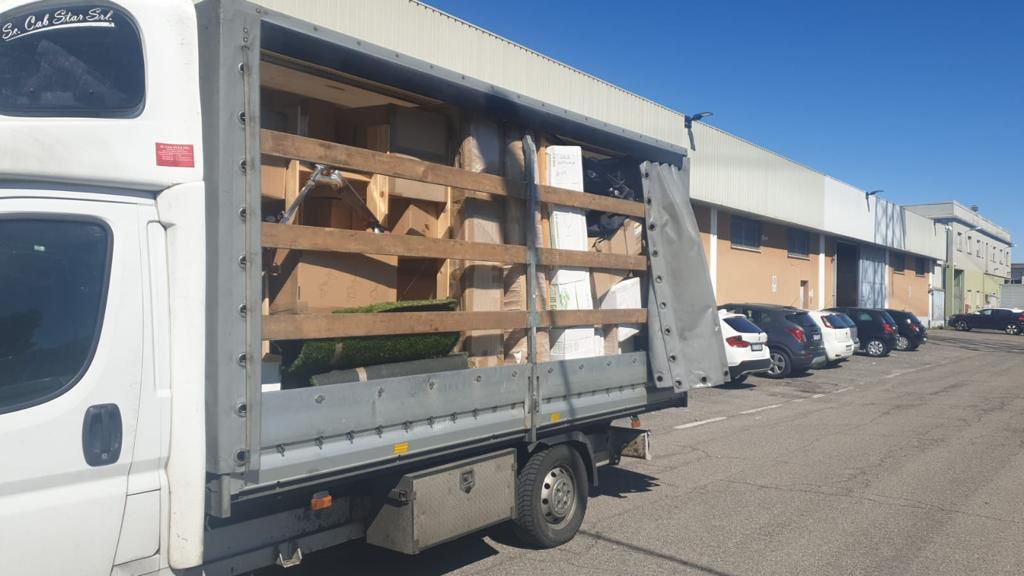
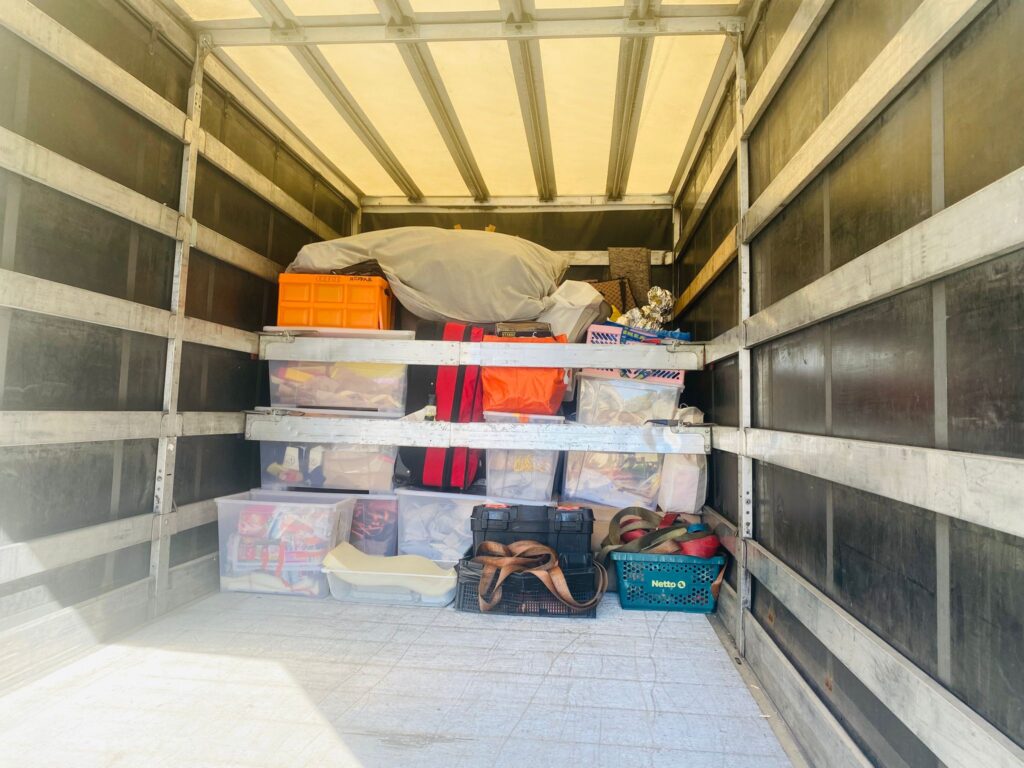
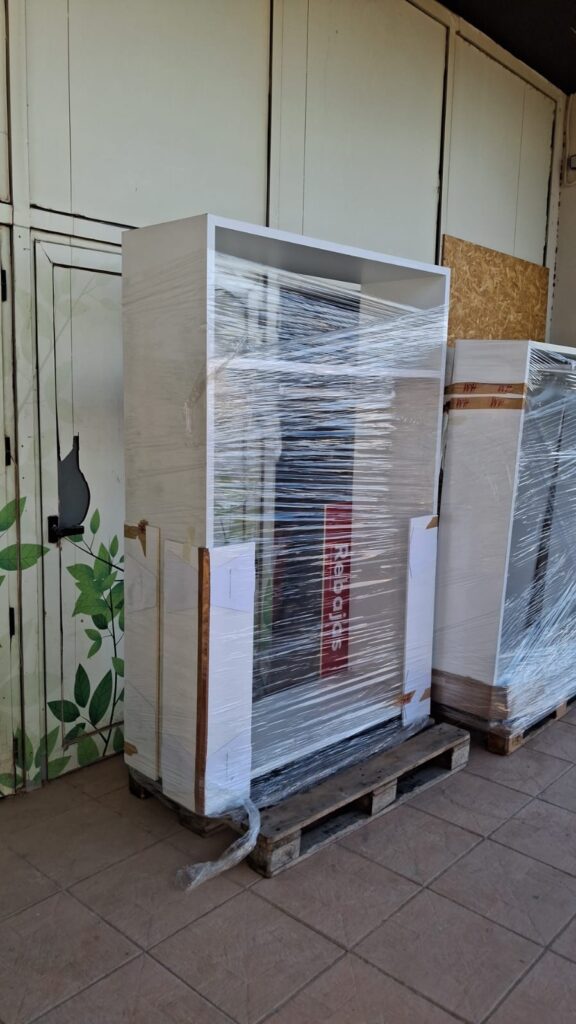
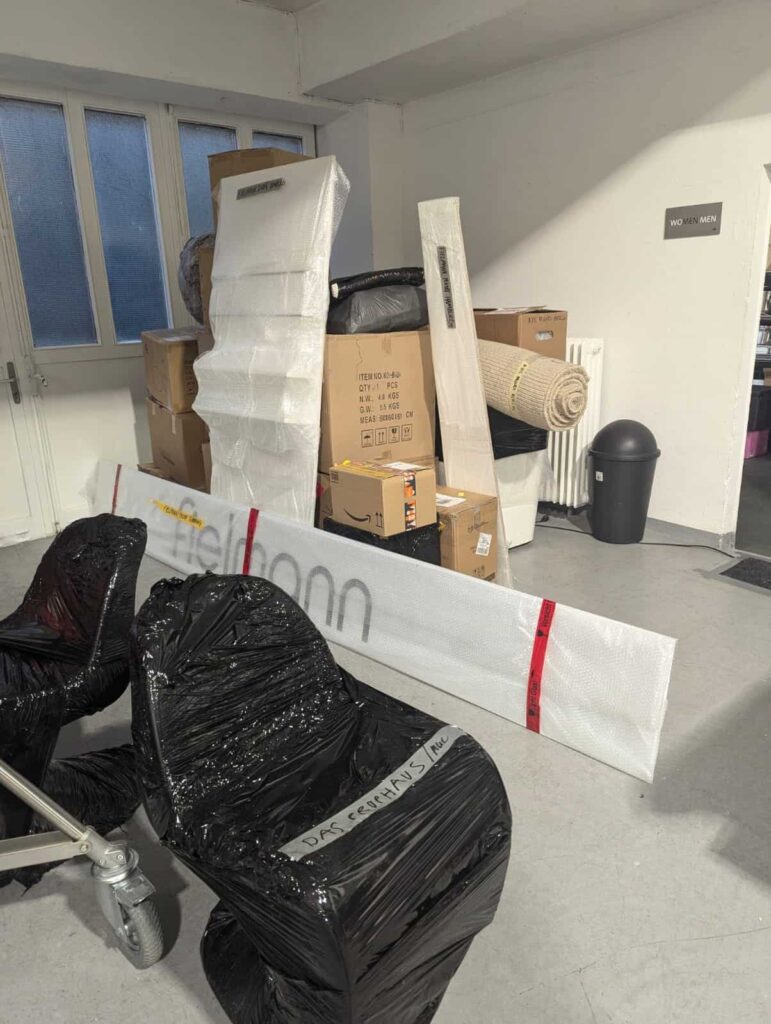
Bring practical household items if they are worth moving. Good kitchen equipment, durable cookware and small appliances can save money after arrival. VANonsite packing service can help protect fragile items, especially glassware, ceramics, lamps and electronics.
Transport Costs in Switzerland
Switzerland is famous for excellent public transport. Trains, trams and buses are clean, frequent and reliable. Still, transport should have its own place in your budget.
| Lifestyle | Monthly estimate in CHF | Approximate USD |
|---|---|---|
| Local public transport only | CHF 80 to CHF 150 | USD 101 to USD 189 |
| Regional commuting | CHF 150 to CHF 350 | USD 189 to USD 441 |
| Car ownership | CHF 500 to CHF 1,000 | USD 630 to USD 1,260 |
| Occasional taxis or car sharing | CHF 80 to CHF 250 | USD 101 to USD 315 |
A cheaper apartment outside the city can be a smart choice, but only if the commute still makes sense. Saving CHF 400 on rent is less attractive if you spend CHF 250 more on transport and lose hours every week.
Car ownership gives flexibility, especially for families or rural areas. However, insurance, parking, fuel, servicing and registration can make it one of the heavier lifestyle costs.
Switzerland Living Cost in USD
Many people search for Switzerland living cost in USD because they want a fast comparison with US salaries, savings or remote income. Using an approximate rate of 1 CHF to USD 1.26, the conversion looks like this:
| Swiss budget in CHF | Approximate USD |
|---|---|
| CHF 1,000 | USD 1,260 |
| CHF 2,000 | USD 2,520 |
| CHF 3,000 | USD 3,780 |
| CHF 4,000 | USD 5,040 |
| CHF 5,000 | USD 6,300 |
| CHF 7,500 | USD 9,450 |
| CHF 10,000 | USD 12,600 |
| CHF 12,000 | USD 15,120 |
A single person spending CHF 4,500 per month is spending about USD 5,670. A family budget of CHF 9,000 equals about USD 11,340.
Use these numbers as planning guidance. Before sending money internationally, paying a deposit or booking services, check the current exchange rate.
One Time Moving Costs Before Arrival
The cost living in Switzerland starts before you unpack. The first phase of relocation can be the most expensive because many costs arrive together.
| Moving cost | Typical planning range | Why it matters |
|---|---|---|
| Rent deposit | 1 to 3 months rent | Often needed before moving in |
| First month rent | 1 month rent | Usually paid upfront |
| Temporary accommodation | CHF 700 to CHF 3,000 | Useful while apartment hunting |
| Health insurance start | CHF 393 plus per adult | Mandatory monthly cost |
| Household setup | CHF 500 to CHF 5,000 | Furniture, appliances and basics |
| Moving transport | Depends on route and volume | Key relocation expense |
| Emergency buffer | CHF 2,000 to CHF 10,000 | Protects your first months |
The strongest relocation plan starts with deciding what to bring. Moving too much creates unnecessary transport volume. Moving too little can force expensive purchases in Switzerland.
VANonsite offers different vehicle sizes, so your move can match your real needs.
| VANonsite option | Capacity | Weight limit | Best for |
|---|---|---|---|
| Moving One | 1 m3 | 100 kg | Documents, boxes, student essentials |
| Moving Basic | 5 m3 | 300 kg | Small room or light relocation |
| Moving Medium | 10 m3 | 500 kg | Studio or compact apartment |
| Moving Premium | 15 m3 | 1,100 kg | One bedroom apartment |
| Moving Premium Plus | 30 m3 | 3,500 kg | Larger apartment or partial house |
| Moving Full House XXL | 90 m3 | 20,000 kg | Full home relocation |
A man and van service is often the best option for smaller or medium sized moves. It keeps the process focused, flexible and cost aware. For larger homes, VANonsite offers bigger vehicle options and support for furniture, packing and careful handling.
Documents You May Need When Moving to Switzerland
Documents are not exciting, but they protect your move from delays. Switzerland has clear rules for entry, residence and household goods.
For official information, check the Swiss government page on entry and residence in Switzerland. EU and EFTA citizens can also check the Swiss State Secretariat for Migration page on living and working in Switzerland. For household goods, use the official Swiss customs guidance on moving household effects.
| Document or step | Who needs it | Why it matters |
|---|---|---|
| Valid passport or national ID | Most movers | Entry and identification |
| Employment contract or proof of funds | Workers and residents | Residence process and housing applications |
| Rental agreement | New residents | Address proof and registration |
| Health insurance registration | Residents | Mandatory coverage |
| Inventory list | People importing household goods | Customs clearance |
| Household effects customs form | People moving belongings | Importing used personal effects |
| Proof of previous use | Household goods import | Supports used goods conditions |
| Vehicle documents | People importing a car | Customs and registration |
Switzerland is not in the EU customs union, so household goods need proper preparation. Used personal belongings can often be imported as removal goods if conditions are met, but an organised inventory is essential.
Prepare a clear moving folder with ID copies, address details, work or residence documents, inventory lists, customs forms and high value item details. Keep this folder with you, not inside the moving van.
Customs and Household Goods
Customs planning is easy to overlook, but it can affect the cost living in Switzerland indirectly. Delays can create hotel costs, extra storage, missed work and stress.
Before moving day, prepare:
- A numbered inventory list.
- Box labels by room.
- A separate list for valuable items.
- Copies of identity documents.
- Swiss address details, if available.
- Residence or work related documents.
- Customs forms for household effects.
- Information about new items, pets, alcohol, vehicles or special goods.
| Customs preparation item | Why it helps |
|---|---|
| Inventory list | Shows what is being imported |
| Box labels | Makes checks faster |
| Proof of residence | Supports relocation status |
| Used goods evidence | Helps show goods meet conditions |
| Valuable item list | Reduces confusion |
| Customs form | Supports formal clearance |
This is where an organised removal partner becomes valuable. VANonsite provides controlled European transport with GPS tracking, clear vehicle options and services designed for safe cross border moves.
Sample Monthly Budget for a Single Person
A single person can live well in Switzerland, but rent will decide how comfortable the budget feels.
| Category | Modest budget | Comfortable budget |
|---|---|---|
| Rent | CHF 1,200 | CHF 1,900 |
| Utilities and internet | CHF 180 | CHF 280 |
| Health insurance | CHF 393 | CHF 500 |
| Groceries | CHF 500 | CHF 750 |
| Transport | CHF 120 | CHF 250 |
| Phone | CHF 30 | CHF 70 |
| Eating out and leisure | CHF 250 | CHF 600 |
| Clothing and personal items | CHF 150 | CHF 300 |
| Buffer | CHF 300 | CHF 550 |
| Total | CHF 3,123 | CHF 5,200 |
A modest budget may work with shared housing, careful grocery habits and limited eating out. A comfortable budget gives more freedom for restaurants, weekend trips, hobbies and unexpected bills.
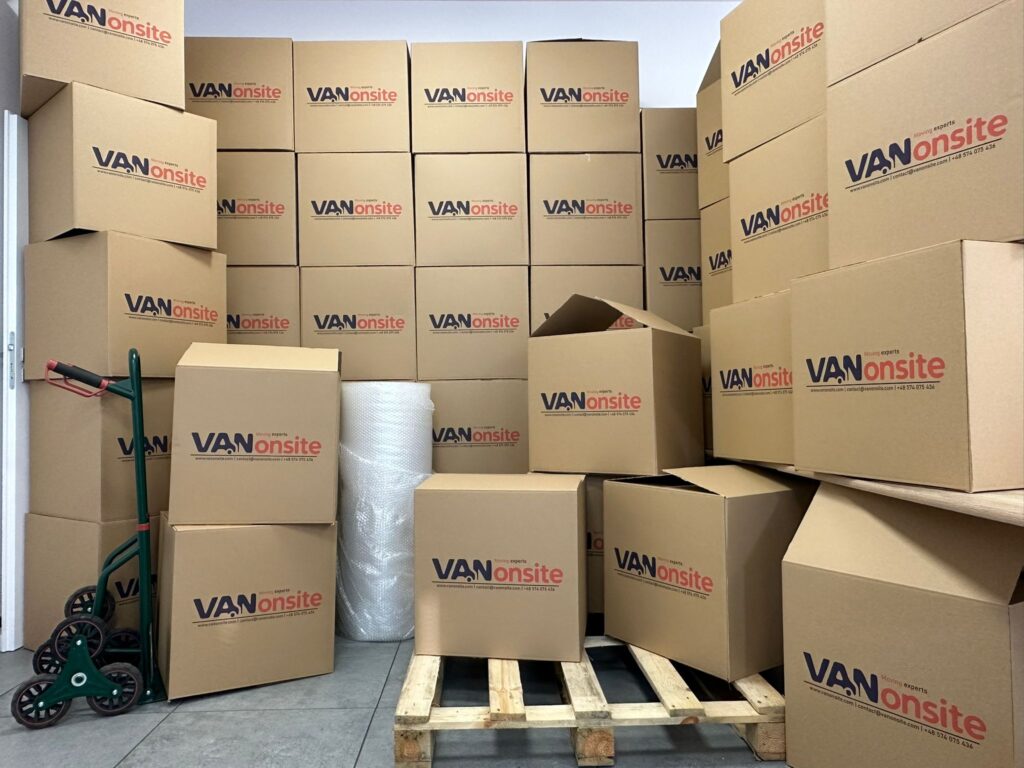
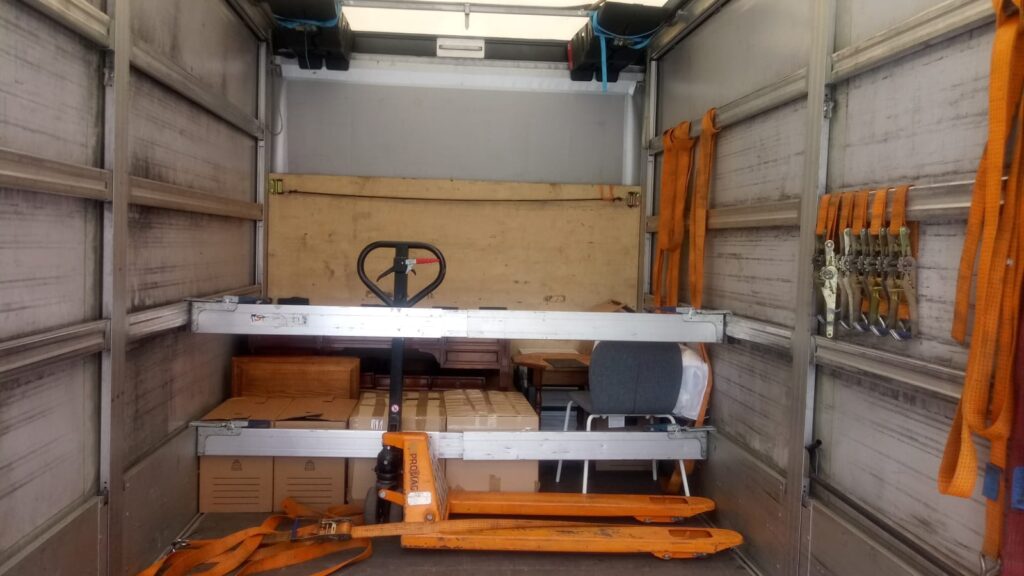
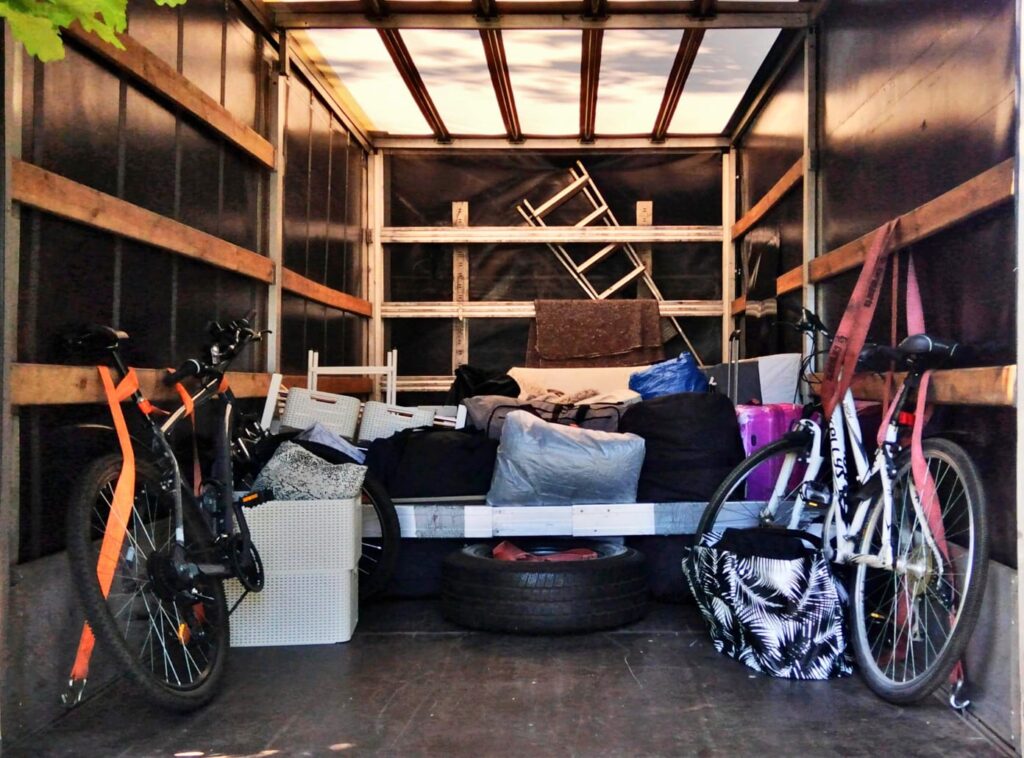
For smaller relocations, a man and van move is often ideal. You bring essentials, protect valuable items and avoid paying for unnecessary space.


Sample Monthly Budget for a Couple
Couples can share rent, utilities and some household costs. Still, two health insurance premiums and a larger apartment can push the budget upward.
| Category | Modest budget | Comfortable budget |
|---|---|---|
| Rent | CHF 1,700 | CHF 2,800 |
| Utilities and internet | CHF 250 | CHF 400 |
| Health insurance | CHF 786 | CHF 1,000 |
| Groceries | CHF 900 | CHF 1,300 |
| Transport | CHF 250 | CHF 600 |
| Phones | CHF 60 | CHF 140 |
| Eating out and leisure | CHF 500 | CHF 1,100 |
| Buffer | CHF 600 | CHF 900 |
| Total | CHF 5,046 | CHF 8,240 |
Couples should decide early whether to bring furniture. If you already own a good bed, desk, chairs or kitchen equipment, moving them may be cheaper than replacing them in Switzerland.
Sample Monthly Budget for a Family of 4
Families need the largest financial cushion. The cost living in Switzerland rises quickly with extra bedrooms, health insurance, childcare, school costs and food.
| Category | Modest budget | Comfortable budget |
|---|---|---|
| Rent | CHF 2,300 | CHF 4,000 |
| Utilities and internet | CHF 350 | CHF 600 |
| Health insurance | CHF 900 | CHF 1,400 |
| Groceries | CHF 1,500 | CHF 2,200 |
| Transport | CHF 500 | CHF 1,200 |
| Childcare or school extras | CHF 800 | CHF 2,500 |
| Phones | CHF 100 | CHF 220 |
| Leisure and eating out | CHF 700 | CHF 1,500 |
| Buffer | CHF 900 | CHF 1,500 |
| Total | CHF 8,050 | CHF 15,120 |
Families should be careful before selling most household items. Replacing beds, wardrobes, desks, toys, lamps, kitchenware and home office equipment after arrival can become a heavy expense.
VANonsite Moving Premium Plus or Moving Full House XXL can support larger family relocations, while packing service protects fragile and sentimental items.
How Much Money Should You Save Before Moving to Switzerland?
The first months in Switzerland are easier when you arrive with breathing room. Without savings, the first invoices can feel like a wave.
| Household | Minimum recommended savings | Safer savings target |
|---|---|---|
| Single person | CHF 8,000 to CHF 12,000 | CHF 15,000 to CHF 20,000 |
| Couple | CHF 12,000 to CHF 20,000 | CHF 25,000 to CHF 35,000 |
| Family | CHF 20,000 to CHF 35,000 | CHF 40,000 to CHF 60,000 |
Your savings may need to cover rent deposit, first rent, temporary accommodation, health insurance, moving transport, customs documents, furniture, food and emergencies.
The cost living in Switzerland does not wait until you feel settled. It begins with deposits, contracts and practical decisions. A 2 to 3 month financial buffer can turn relocation from a panic into a plan.
Should You Bring Furniture or Buy in Switzerland?
This decision affects both moving cost and setup cost. Switzerland can be expensive when you need to furnish a home quickly.
| Option | Pros | Cons | Best for |
|---|---|---|---|
| Bring furniture | Saves replacement costs and keeps familiar items | Increases moving volume | Families and long term movers |
| Buy in Switzerland | Lighter move and fresh start | High setup costs | Minimalists and short stays |
| Mix both | Balanced cost and flexibility | Requires planning | Most relocations |
Bring furniture if it is valuable, comfortable, ergonomic or expensive to replace. Sell or donate bulky low value items that will not fit your new space.
VANonsite furniture removals and white glove delivery can be useful when you are moving delicate, expensive or meaningful items. For smaller curated moves, man and van transport may be the most practical solution.
Moving to Switzerland as a Student
Students can reduce the average living cost in Switzerland through shared housing, simple routines and smaller moves. However, Switzerland still requires careful budgeting.
| Category | Monthly estimate |
|---|---|
| Shared rent | CHF 700 to CHF 1,300 |
| Health insurance | CHF 250 to CHF 450 |
| Food | CHF 350 to CHF 600 |
| Transport | CHF 80 to CHF 150 |
| Phone and internet share | CHF 30 to CHF 80 |
| Study costs and leisure | CHF 200 to CHF 500 |
| Total | CHF 1,610 to CHF 3,080 |
Students should pack lean. Bring documents, laptop, clothing, bedding, study essentials and personal items. Avoid heavy furniture unless it has clear value.
VANonsite Student Removals, Moving One and Moving Basic can work well for compact student relocations across Europe.
Moving an Office or Business to Switzerland
For businesses, relocation is not only about the cost living in Switzerland. Office rent, equipment, furniture, employee time and downtime also matter.
| Priority | Why it matters | VANonsite service fit |
|---|---|---|
| Speed | Reduces downtime | Office removals |
| Safe handling | Protects equipment and furniture | White glove delivery |
| Setup | Helps teams restart faster | Office furniture installation |
| Storage | Gives flexibility during transition | Storage |
| Tracking | Improves control | GPS tracked transport |
Office moves need order. Desks, chairs, meeting room furniture, screens, files and equipment must arrive safely and logically. VANonsite supports office removals and office furniture installation, helping companies restart faster after relocation.
How VANonsite Helps Make the Move Easier
A move to Switzerland needs precision. VANonsite brings that precision to transport.
The company supports European relocations with:
- GPS tracking for every load.
- Man and van moving options.
- Vehicle sizes from 1 m3 to 90 m3.
- Furniture removals.
- Home removals.
- Packing service.
- White glove delivery.
- Office removals.
- Storage.
- Student removals.
- Office furniture installation.
The value is control. GPS tracking gives visibility. Packing support reduces damage risk. Proper vehicle selection helps avoid wasted space. A clear relocation plan protects your time, budget and peace of mind.
The cost living in Switzerland is already high. Your move should not add avoidable stress.
Cost Living in Switzerland Checklist Before You Move
Before relocating, check every major category:
- Choose your canton based on salary, rent, taxes and lifestyle.
- Build your monthly budget in CHF.
- Convert key costs into USD if needed.
- Check rent before accepting a job offer.
- Compare health insurance options.
- Prepare passport or national ID.
- Check residence requirements.
- Prepare rental documents.
- Build a household goods inventory.
- Decide what to bring, sell, store or donate.
- Choose the right VANonsite vehicle size.
- Book packing help for fragile or valuable items.
- Prepare customs documents.
- Label boxes clearly.
- Keep important documents with you during travel.
This checklist turns the cost living in Switzerland from a vague worry into a practical relocation plan.
FAQ About the Cost Living in Switzerland
Whats the cost of living in Switzerland for one person?
A single person should usually plan around CHF 3,200 to CHF 5,200 per month. Shared housing, careful grocery shopping and limited eating out can keep costs closer to the lower end.
What is the average living cost in Switzerland for a couple?
The average living cost in Switzerland for a couple is often around CHF 5,000 to CHF 8,000 per month. Zurich, Geneva and Zug usually require a higher budget.
What is Switzerland living cost in USD?
Switzerland living cost in USD is roughly 1.26 times the CHF amount. CHF 4,000 is about USD 5,040, while CHF 8,000 is about USD 10,080.
Is Switzerland expensive to move to?
Yes, Switzerland is expensive to move to because deposits, insurance, temporary accommodation, customs preparation and transport costs arrive early. A planned man and van move can help reduce waste and unnecessary replacement costs.
Should I bring furniture to Switzerland?
Bring furniture if it is high quality, valuable or expensive to replace. For short stays or small apartments, bring essentials only. VANonsite can support both compact moves and larger furniture removals.
What documents do I need to move household goods to Switzerland?
You may need ID, residence or work related documents, a rental address, an inventory list and Swiss customs documents for household effects. Check official Swiss government and customs guidance before moving.
Does VANonsite offer removals to Switzerland?
Yes. VANonsite offers removals to Switzerland, including home removals, furniture removals, packing service, student removals, office removals, storage, white glove delivery and GPS tracked European transport.
Conclusion: Plan the Numbers, Then Move With Confidence
The cost living in Switzerland is high, but it becomes manageable when every number has a place. Rent shapes the budget. Health insurance adds a firm monthly obligation. Groceries, transport, deposits and moving costs complete the picture.
A single person should usually prepare CHF 3,200 to CHF 5,200 per month. Couples often need CHF 5,000 to CHF 8,000. Families may need CHF 7,500 to CHF 12,000 or more. In USD, multiply CHF by about 1.26 for a quick estimate.
Once the budget is clear, the move itself should be controlled. VANonsite helps with flexible vehicle sizes, GPS tracked loads, packing support, man and van options and reliable removals across Europe.
If Switzerland is your next chapter, start with a strong budget and a relocation plan that feels steady from the first box.
Plan your move with VANonsite removals to Switzerland.