Moving to Switzerland can feel like stepping into a postcard: spotless trains, alpine air, safe streets, strong salaries and a rhythm of life that feels calm, precise and beautifully organised. Yet behind that polished surface sits one practical question every newcomer must answer early: how much does it really cost to live in Switzerland?
The living costs in Switzerland are among the highest in Europe. Rent, health insurance, groceries and transport can surprise even people moving from expensive cities such as London, Paris, Amsterdam or Munich. Still, Switzerland is not simply “expensive”. It is a country where high costs often come with high salaries, excellent public services, strong infrastructure and exceptional quality of life.
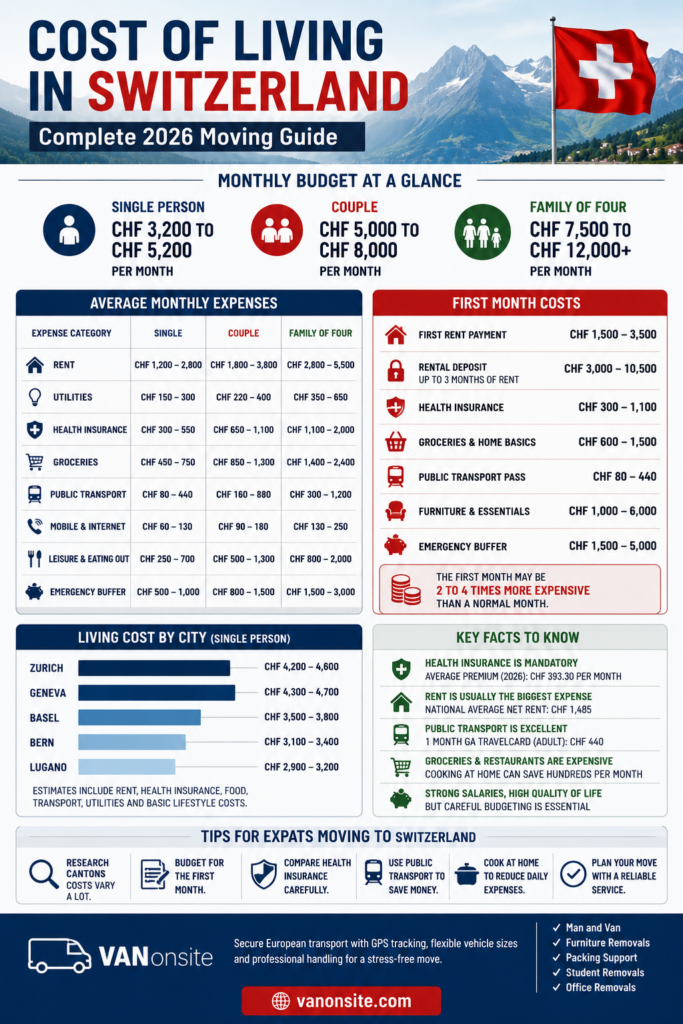
For one person, a realistic monthly budget usually starts from CHF 2,500 to CHF 4,500, depending on the canton, rent and lifestyle. A couple should often plan for CHF 4,500 to CHF 7,000 per month. A family of four may need CHF 7,000 to CHF 11,000 plus, especially in Zurich, Geneva, Zug, Basel or Lausanne.
This guide gives you a clear, practical look at living costs in Switzerland before moving. You will find monthly budget examples, rent estimates, grocery costs, insurance information, transport prices, document tips and relocation advice. If you are planning a European move, VANonsite can also support your journey with secure transport, flexible vehicle sizes, professional handling and GPS tracking for every load. For dedicated relocation support, see removals to Switzerland.
TL:DR
- Living costs in Switzerland are high, but strong salaries can balance the pressure if your budget is realistic.
- A single person should usually plan for CHF 2,500 to CHF 4,500 per month.
- Couples often need CHF 4,500 to CHF 7,000 per month, while families may need CHF 7,000 to CHF 11,000 plus.
- Rent is usually the largest monthly expense, especially in Zurich, Geneva, Zug and Basel.
- Mandatory health insurance often costs around CHF 300 to CHF 550 per adult per month.
- Groceries, childcare, restaurants and first month setup costs are the biggest surprises for newcomers.
- A professional man and van service can make your move safer, faster and easier to control, especially when crossing Europe with furniture and personal belongings.




Average Living Costs in Switzerland at a Glance
The average living costs in Switzerland depend heavily on location. Zurich and Geneva can feel brutally expensive, while smaller towns and commuter areas may offer better value. Your lifestyle also matters. A modest home cooked routine looks very different from a central apartment, frequent restaurants and weekend travel.
Use the table below as a practical planning guide.
| Monthly expense | Single person | Couple | Family of four |
|---|---|---|---|
| Rent | CHF 1,200 to CHF 2,800 | CHF 1,800 to CHF 3,800 | CHF 2,800 to CHF 5,500 |
| Utilities | CHF 150 to CHF 300 | CHF 220 to CHF 400 | CHF 350 to CHF 650 |
| Health insurance | CHF 300 to CHF 550 | CHF 650 to CHF 1,100 | CHF 1,100 to CHF 2,000 |
| Groceries | CHF 450 to CHF 750 | CHF 850 to CHF 1,300 | CHF 1,400 to CHF 2,400 |
| Public transport | CHF 80 to CHF 440 | CHF 160 to CHF 880 | CHF 300 to CHF 1,200 |
| Mobile and internet | CHF 60 to CHF 130 | CHF 90 to CHF 180 | CHF 130 to CHF 250 |
| Leisure and eating out | CHF 250 to CHF 700 | CHF 500 to CHF 1,300 | CHF 800 to CHF 2,000 |
| Emergency buffer | CHF 500 to CHF 1,000 | CHF 800 to CHF 1,500 | CHF 1,500 to CHF 3,000 |
The most important thing is to separate fixed costs from flexible costs. Rent, insurance and transport are difficult to avoid. Restaurants, premium groceries, weekend trips and furniture shopping are easier to control. If you manage those flexible categories well during the first 90 days, living costs in Switzerland become far less intimidating.
Why Switzerland Feels So Expensive at the Start
The first month in Switzerland can feel like a financial shock because several large expenses arrive almost at once. You may need to pay the first month’s rent, a rental deposit, health insurance, transport passes, furniture, basic household items and relocation costs before your new routine has even settled.
A rental deposit can reach up to three months of rent. In an expensive city, that alone can mean several thousand francs locked away before you move in. Then come the practical things people often forget: lights, bedding, kitchenware, cleaning products, internet setup, public transport and food during the busy moving week.
That is why planning only for “average monthly costs” is not enough. You need a first month budget and a normal month budget.
| First month cost | Estimated amount |
|---|---|
| First rent payment | CHF 1,500 to CHF 3,500 |
| Rental deposit | CHF 3,000 to CHF 10,500 |
| Health insurance | CHF 300 to CHF 1,100 |
| Groceries and home basics | CHF 600 to CHF 1,500 |
| Public transport pass | CHF 80 to CHF 440 |
| Furniture and essentials | CHF 1,000 to CHF 6,000 |
| Emergency buffer | CHF 1,500 to CHF 5,000 |
The first month may be two to four times more expensive than a normal month. After that, costs become easier to predict.
Rent in Switzerland: The Biggest Monthly Cost
Rent is usually the largest part of living costs in Switzerland. It decides how much money you have left for food, transport, savings and leisure. Zurich, Geneva and Zug are at the premium end of the market. Basel, Lausanne and Lucerne are also expensive, though often slightly more manageable depending on the neighbourhood. Bern, St Gallen, Winterthur and smaller commuter towns can offer better value.
| Location type | Rent pressure | Best for |
|---|---|---|
| Zurich city centre | Very high | Finance, tech, senior professionals |
| Geneva city centre | Very high | International workers, NGOs, corporate roles |
| Zug | Very high | Executives, entrepreneurs, high earners |
| Basel | High | Pharma, research, cross border professionals |
| Lausanne | High | Students, professionals, families |
| Bern | Medium to high | Stable careers, families, balanced lifestyle |
| St Gallen and Winterthur | Medium | Better value, students, commuters |
| Smaller towns | Lower to medium | Budget focused movers and families |
A practical rule is to keep rent below 30% to 35% of net income. If rent takes more than that, the rest of your Swiss budget may feel tight. A flat that saves CHF 400 per month gives you CHF 4,800 per year for savings, travel, furniture or family needs.
Before signing a lease, ask about utilities, parking, cellar storage, laundry rules and move in access. Swiss buildings are often well maintained, but narrow staircases, small lifts and strict parking rules can make moving day stressful. A professional man and van service can help you avoid delays, damage and exhausting last minute improvisation.
Health Insurance: A Mandatory Cost
Health insurance is compulsory in Switzerland. This is one of the biggest differences between Switzerland and many other European countries. Every adult normally needs their own basic policy, and premiums vary by canton, insurer, deductible and insurance model.
Most adults should budget around CHF 300 to CHF 550 per month for basic health insurance. Couples may pay CHF 650 to CHF 1,100 combined. Families need a larger allowance because each person requires cover.
When comparing health insurance, look at:
- Monthly premium
- Annual deductible
- Canton based price differences
- Standard, HMO or family doctor model
- Accident cover
- Supplementary insurance options
A cheaper premium may come with a higher deductible. That can work if you rarely need medical care, but it may be risky if you expect regular treatment. Because health insurance is a fixed monthly cost, include it from the beginning when calculating living costs in Switzerland.
Groceries and Food Costs
Food prices are one of the first everyday shocks for newcomers. A small supermarket basket can cost more than expected, especially if you buy meat, dairy, ready meals, branded products or imported goods. A single person should usually budget CHF 450 to CHF 750 per month for groceries. A couple may spend CHF 850 to CHF 1,300, while a family of four may need CHF 1,400 to CHF 2,400.
The fastest way to overspend is eating out too often. A simple weekday lunch can cost CHF 15 to CHF 25. Do that 20 times a month and lunch alone may reach CHF 300 to CHF 500.
| Food habit | Monthly impact |
|---|---|
| Cooking most meals at home | Lowest cost |
| Buying premium brands | Adds around 15% to 30% |
| Lunch out on workdays | Adds CHF 300 to CHF 500 |
| Frequent restaurant dinners | Adds CHF 500 to CHF 1,500 plus |
| Careful discount shopping | Can reduce selected costs |
To reduce food costs, compare shops such as Migros, Coop, Aldi and Lidl. Buy seasonal products, plan meals before shopping and use discount stickers where available. Cooking at home during the working week can save hundreds of francs each month without making life feel miserable.
Transport Costs in Switzerland
Swiss public transport is clean, reliable and beautifully connected. Many people can live comfortably without a car, especially in Zurich, Basel, Bern, Geneva and Lausanne. However, transport is still a meaningful part of living costs in Switzerland.
A local monthly pass may cost around CHF 80 to CHF 120, depending on zones. Frequent national travel can make a Half Fare Travelcard or GA Travelcard useful. Car ownership is usually far more expensive because it includes insurance, parking, fuel, servicing, taxes and possible import costs.
| Transport option | Estimated cost | Best for |
|---|---|---|
| Local monthly pass | CHF 80 to CHF 120 | City commuters |
| Half Fare Travelcard | Annual fee plus reduced fares | Occasional intercity travel |
| GA Travelcard | Around CHF 3,995 per year | Frequent national travel |
| Bike plus public transport | Low to medium | Urban residents |
| Car ownership | CHF 600 to CHF 1,200 plus per month | Rural areas and families |
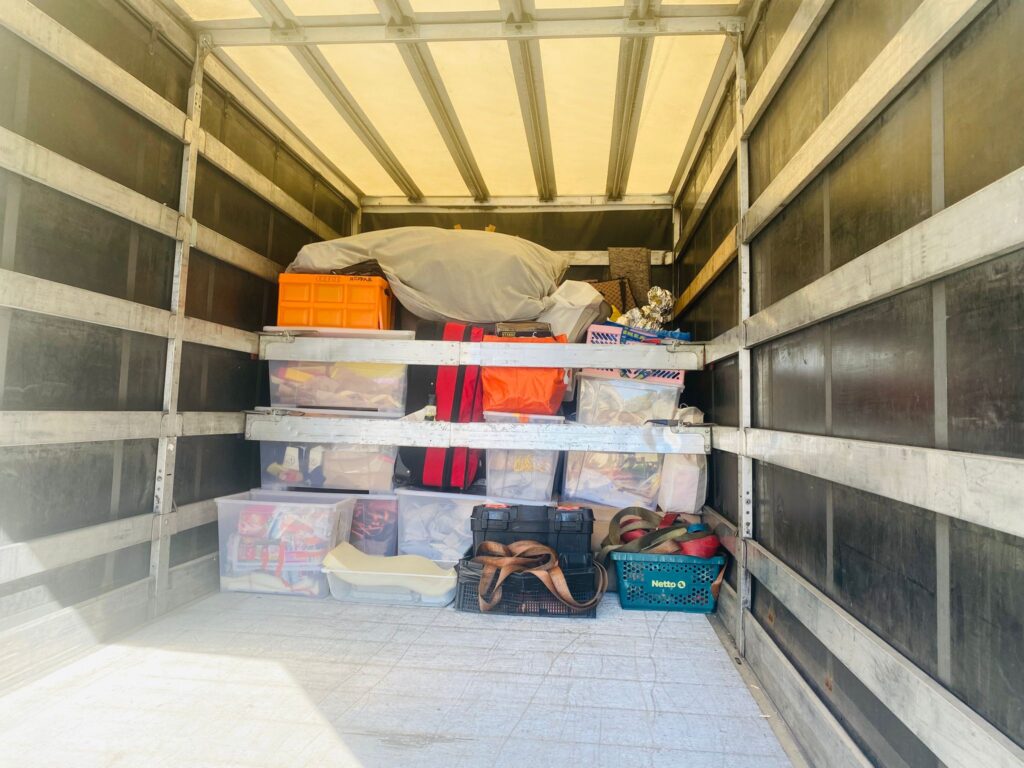
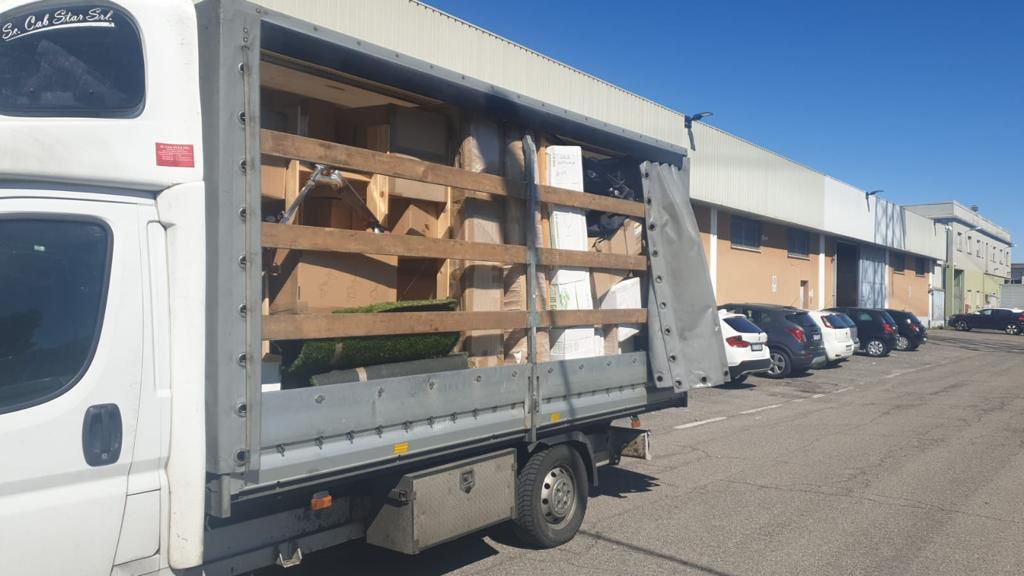
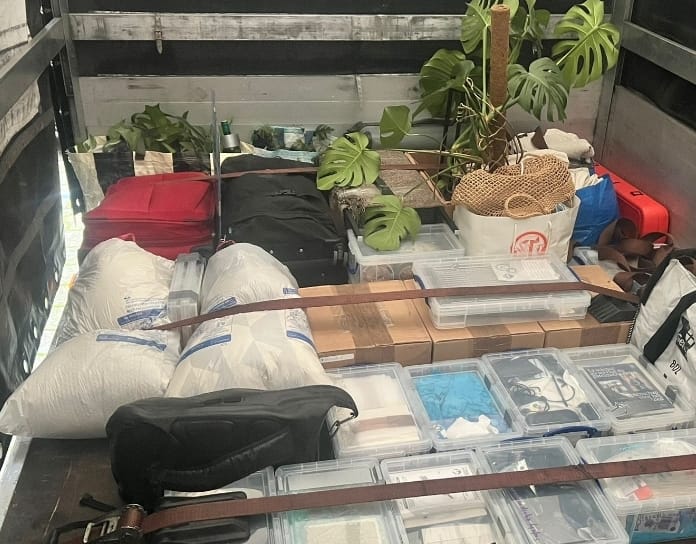
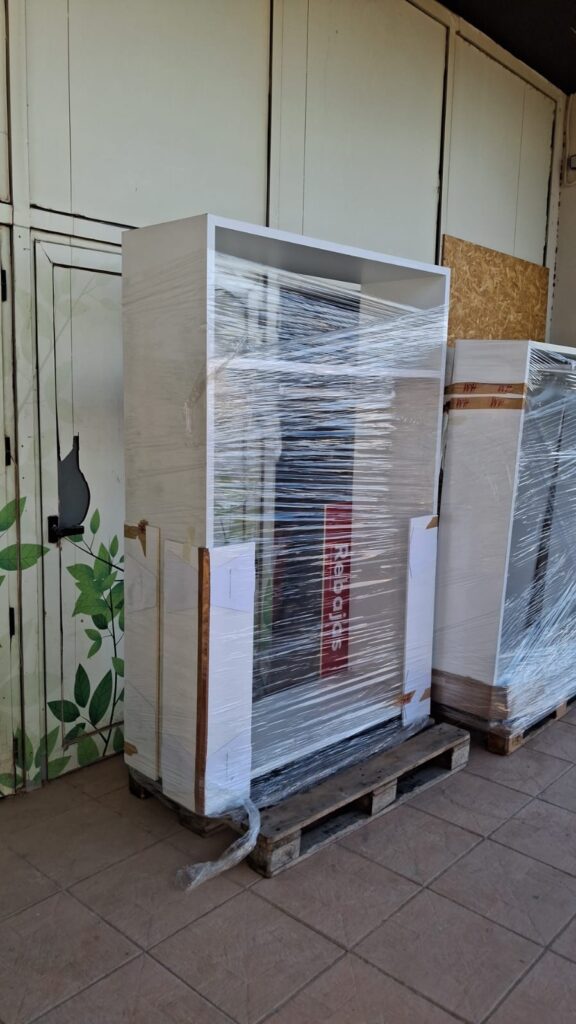
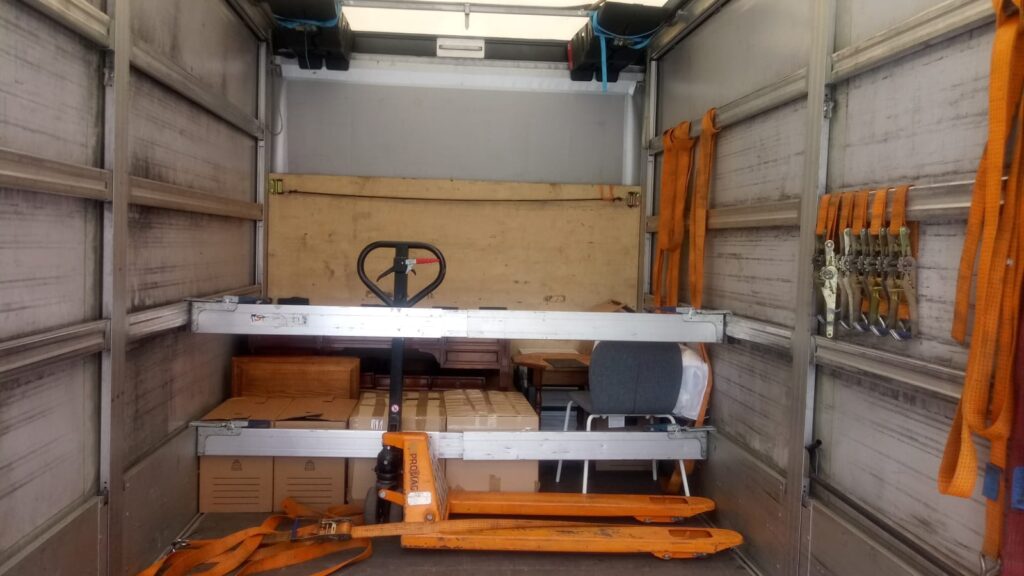
For everyday life, public transport may be enough. For the relocation itself, you need a different solution. Boxes, furniture, office chairs, mattresses and fragile belongings need safe handling. A professional man and van service is often more efficient than renting a vehicle, dealing with unfamiliar roads and carrying heavy items through tight staircases alone.
Moving Costs to Switzerland
Moving costs depend on distance, volume, weight, urgency, access and service level. A student moving boxes and a bicycle needs a different plan than a family relocating a full home. That is why vehicle size matters.
VANonsite offers flexible transport options for different move types.
| VANonsite option | Volume | Weight capacity | Best for |
|---|---|---|---|
| Moving One | 1 m3 | 100 kg | Suitcases, documents, small urgent loads |
| Moving Basic | 5 m3 | 300 kg | Studio move, boxes, compact furniture |
| Moving Medium | 10 m3 | 500 kg | Partial apartment move |
| Moving Premium | 15 m3 | 1,100 kg | One bedroom or medium apartment |
| Moving Premium Plus | 30 m3 | 3,500 kg | Larger home or office move |
| Moving Full House XXL | 90 m3 | 20,000 kg | Full household or complex relocation |
Choosing the right size helps control the total cost. Too small, and you may need extra trips. Too large, and you pay for unused space. VANonsite also offers GPS tracking for every load, which makes a real emotional difference when your furniture, documents, clothes, electronics and personal memories are crossing Europe.
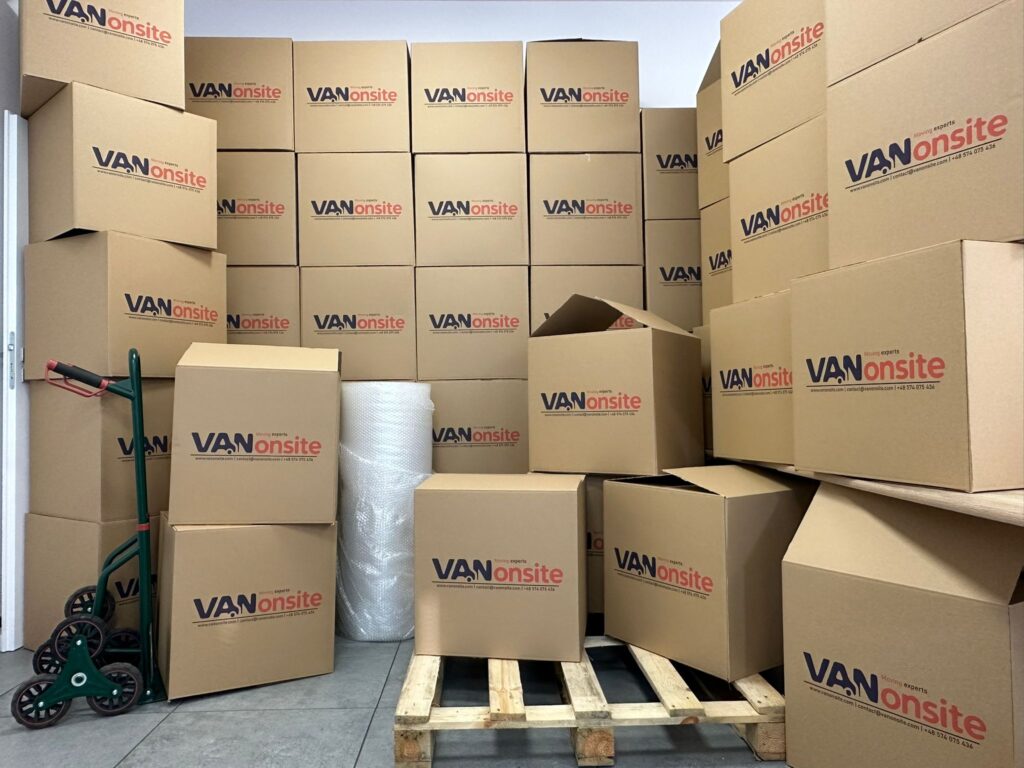
For different relocation needs, VANonsite also provides Furniture Removals, Home Removals, Packing Service, White Glove Delivery, Office Removals, Storage, Student Removals and Office Furniture Installation.
Documents Needed When Moving to Switzerland
Paperwork can decide whether your move feels smooth or stressful. The documents you need depend on your nationality, job status and reason for moving. EU and EFTA citizens usually follow different procedures from non EU and non EFTA citizens.
Official Swiss guidance for EU and EFTA citizens is available from the State Secretariat for Migration: living and working in Switzerland. General residence permit information is available through ch.ch. Customs guidance for household goods is published by the Federal Office for Customs and Border Security: moving household effects.
Prepare these documents before moving:
- Valid passport or national ID
- Employment contract, university confirmation or proof of funds
- Rental agreement or temporary Swiss address
- Birth and marriage certificates if relevant
- Health insurance documents
- Inventory list of household goods
- Customs forms for relocation goods
- Vehicle documents if importing a car
- Pet documents if moving with animals
- School or childcare documents for children
A clear inventory is especially useful when transporting household goods. Label boxes, separate valuable documents and keep essential items with you during the journey.
Student Living Costs in Switzerland
Students should plan carefully because living costs in Switzerland can drain savings fast. Zurich, Geneva, Basel and Lausanne are popular academic cities, but rent and daily expenses are high. A realistic student budget often sits between CHF 1,800 and CHF 2,800 per month.
| Student expense | Monthly estimate |
|---|---|
| Shared room or student housing | CHF 700 to CHF 1,500 |
| Food | CHF 350 to CHF 600 |
| Health insurance | CHF 100 to CHF 350 |
| Transport | CHF 50 to CHF 150 |
| Study materials | CHF 50 to CHF 150 |
| Personal costs | CHF 200 to CHF 500 |
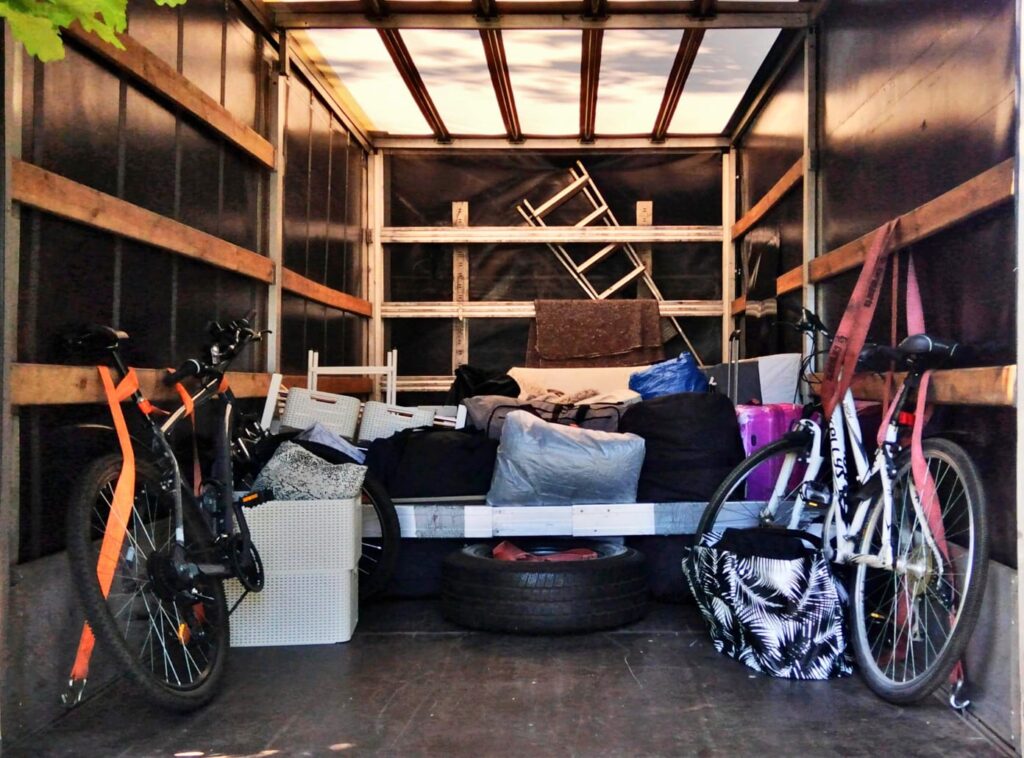
Students can reduce costs by choosing shared housing, cooking at home, buying second hand furniture and moving only essentials. For many students, a compact man and van move is ideal because it can carry boxes, clothes, a desk, a bicycle and essential furniture without the cost of a full household relocation.
VANonsite’s Student Removals can support small European moves with practical, efficient transport.
Family Living Costs in Switzerland
Families need a larger budget because they require more space, more insurance cover, bigger grocery budgets and sometimes childcare. A family of four should often prepare for CHF 7,000 to CHF 11,000 plus per month, depending on location, rent and childcare needs.
Main family costs include:
- Larger apartment or house
- Higher utility bills
- Health insurance for each family member
- Groceries and school related costs
- Childcare or after school care
- Furniture and household setup
- Transport passes
- Temporary storage if permanent housing is not ready
Families also need emotional stability during a move. Children may be changing schools, languages and routines. Parents may be starting new jobs. In that situation, a reliable relocation partner is not a luxury. It is a shield against chaos.
VANonsite’s Home Removals and Packing Service can make a family relocation cleaner, safer and easier to manage.
Should You Move Furniture to Switzerland or Buy New?
This question can save or waste thousands. Not every item deserves a place in the van. Some pieces are worth moving because they are valuable, comfortable or emotionally important. Others may cost more to transport than to replace.
Move your furniture if:
- It is high quality or expensive to replace
- It has sentimental value
- It fits your future Swiss home
- It helps you avoid buying everything in the first month
- It is fragile and needs professional care
Sell, donate or leave furniture behind if:
- It is bulky but low value
- It is worn out
- Your Swiss flat will be smaller
- It may not fit stairs, lifts or doorways
- You can replace it easily after arrival
A good relocation plan is honest. Keep what matters. Let go of what only adds weight. For valuable furniture, fragile items or designer pieces, White Glove Delivery can provide a higher level of care.


How to Reduce Living Costs in Switzerland
Living costs in Switzerland are high, but they are not untouchable. Small decisions can produce large annual savings.
The most effective ways to reduce costs are:
- Choose a commuter town instead of a central postcode.
- Compare health insurance before choosing a policy.
- Cook at home during the working week.
- Use public transport instead of owning a car.
- Buy selected furniture second hand.
- Move only belongings that are worth transporting.
- Track spending during the first 60 days.
- Share housing during the first phase if moving alone.
- Use storage if your long term flat is not ready.
- Book your move carefully to avoid urgent last minute decisions.
A simple example shows the power of small changes. Saving CHF 400 per month on rent gives you CHF 4,800 per year. Saving CHF 250 per month on lunches gives you CHF 3,000 per year. Together, that is CHF 7,800 back in your budget.
Sample Monthly Budgets
These examples show how different lifestyles can affect living costs in Switzerland.
Single Professional in Zurich
| Expense | Monthly estimate |
|---|---|
| Rent | CHF 2,200 |
| Utilities | CHF 250 |
| Health insurance | CHF 420 |
| Groceries | CHF 650 |
| Transport | CHF 120 |
| Mobile and internet | CHF 100 |
| Leisure | CHF 600 |
| Buffer and savings | CHF 800 |
| Total | CHF 5,140 |
This is a comfortable lifestyle with a private flat and some social spending, but it is not extravagant.
Couple in Bern
| Expense | Monthly estimate |
|---|---|
| Rent | CHF 2,300 |
| Utilities | CHF 320 |
| Health insurance | CHF 850 |
| Groceries | CHF 1,050 |
| Transport | CHF 240 |
| Mobile and internet | CHF 150 |
| Leisure | CHF 850 |
| Buffer and savings | CHF 1,200 |
| Total | CHF 6,960 |
This budget gives a couple room for stability, regular comfort and some saving capacity.
Family of Four Near Basel
| Expense | Monthly estimate |
|---|---|
| Rent | CHF 3,400 |
| Utilities | CHF 520 |
| Health insurance | CHF 1,500 |
| Groceries | CHF 1,900 |
| Transport | CHF 600 |
| Childcare and school related costs | CHF 1,200 |
| Mobile and internet | CHF 220 |
| Leisure | CHF 900 |
| Buffer and savings | CHF 1,500 |
| Total | CHF 11,740 |
Family budgets vary widely, especially because childcare can change the entire picture. Always calculate your own situation before making a final decision.
Moving Timeline Before Relocating to Switzerland
A clear timeline can turn a stressful move into a controlled project.
8 to 12 Weeks Before Moving
Confirm your job, study place or reason for relocation. Research cantons, rental markets and commute options. Build your first budget around rent, health insurance, transport and moving volume.
This is also the right moment to request a relocation quote and decide which vehicle size fits your move.
4 to 8 Weeks Before Moving
Prepare documents, begin the housing search and create an inventory of household goods. Decide what to move, sell, donate or store. If you have fragile furniture, art, IT equipment or premium items, consider packing support or white glove delivery.
2 to 4 Weeks Before Moving
Confirm transport dates, parking access and building restrictions. Label boxes by room. Keep passports, contracts, insurance papers and customs documents separate from the main load.
Prepare a first week essentials box with clothes, toiletries, chargers, medication, bedding, documents and basic kitchen items.
Moving Week
Check the inventory, protect fragile items and make sure access is clear at both addresses. With VANonsite GPS tracking, you can follow your load and reduce uncertainty while your belongings travel across Europe.
First 30 Days in Switzerland
Register where required, arrange health insurance, set up banking, check transport passes and track your spending. The first month is the best time to understand your real budget, because Swiss prices quickly reveal which habits are expensive.
Is Switzerland Worth the Cost?
Yes, Switzerland can be worth the cost if your income, expectations and lifestyle match the country. It is not cheap, casual or forgiving to vague budgets. It is precise, structured and expensive. In return, it offers safety, strong income potential, clean cities, reliable transport, outstanding scenery and a level of order many people find deeply reassuring.
The living costs in Switzerland may look intimidating at first, but they become easier to manage when you understand the main categories: rent, health insurance, groceries, transport and first month setup costs. The danger is not moving to an expensive country. The danger is moving without a realistic plan.
A successful relocation is not only about money. It is about confidence. It is knowing where your belongings are, when they will arrive and who is responsible for them. VANonsite gives that confidence through flexible European removals, careful handling, fast transport and GPS tracking for every load.
If Switzerland is your next chapter, make the first page clean. Plan your budget, prepare your documents and choose a reliable man and van service that treats your belongings with care. For a tailored relocation plan, start with VANonsite removals to Switzerland.
FAQ: Living Costs in Switzerland
What are the average living costs in Switzerland?
The average living costs in Switzerland depend on rent, canton and lifestyle. A single person often needs CHF 2,500 to CHF 4,500 per month. A couple may need CHF 4,500 to CHF 7,000. A family of four may need CHF 7,000 to CHF 11,000 plus.
Is Switzerland expensive to live in?
Yes, Switzerland is expensive compared with many European countries. Rent, health insurance, groceries and restaurants are especially costly. However, Swiss salaries are also high, which can balance the budget for well prepared movers.
How much rent should I budget in Switzerland?
A single person should often budget CHF 1,200 to CHF 2,800 per month for rent, depending on location and housing type. Families in popular cities may need CHF 2,800 to CHF 5,500 or more.
How much is health insurance in Switzerland?
Many adults should budget around CHF 300 to CHF 550 per month for basic health insurance. The final amount depends on canton, age, insurer, deductible and insurance model.
Can I reduce living costs in Switzerland?
Yes. Choose a commuter town, compare health insurance, cook at home, use public transport, avoid unnecessary car ownership and move only belongings that are worth transporting.
Should I move my furniture to Switzerland?
Move furniture if it is valuable, high quality, sentimental or expensive to replace. Sell or donate bulky low value items if they would cost more to move than to replace.
Can VANonsite help with a move to Switzerland?
Yes. VANonsite offers European removals to Switzerland, man and van support, flexible vehicle sizes, packing services, furniture removals, student removals, office removals, white glove delivery, storage and GPS tracking for every load.