
Switzerland looks effortless from the outside: alpine mornings, spotless trains, safe streets and salaries that make relocation feel possible. Then the first rent estimate appears, the health insurance numbers follow and the dream suddenly needs a serious spreadsheet.
Living expenses in Switzerland are high, but they are not mysterious. Once you understand rent, mandatory health insurance, groceries, transport and first month relocation costs, the move becomes much easier to plan.
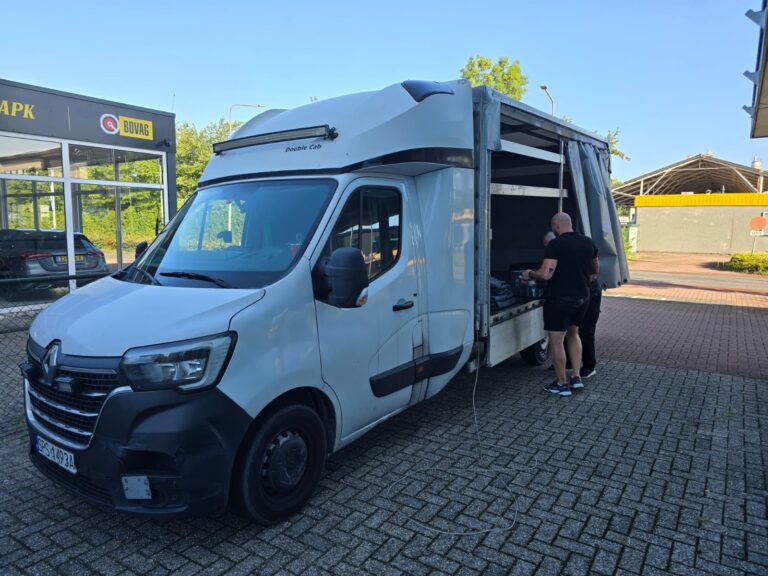
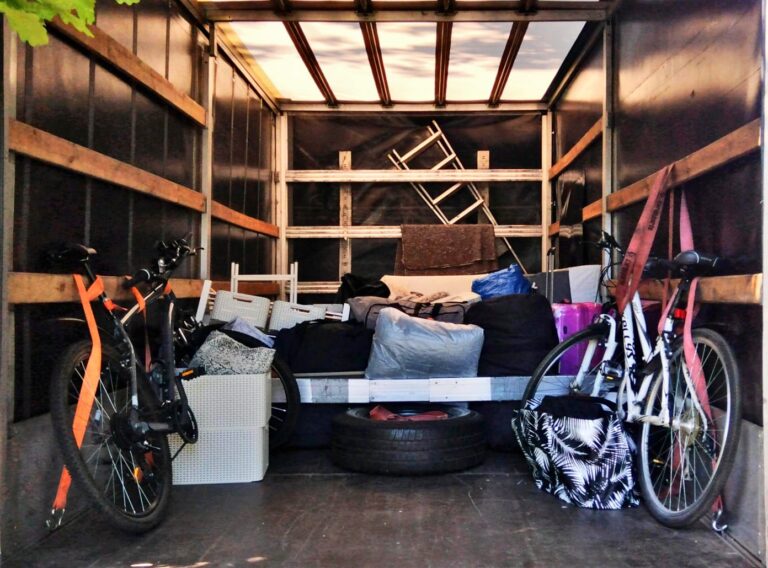
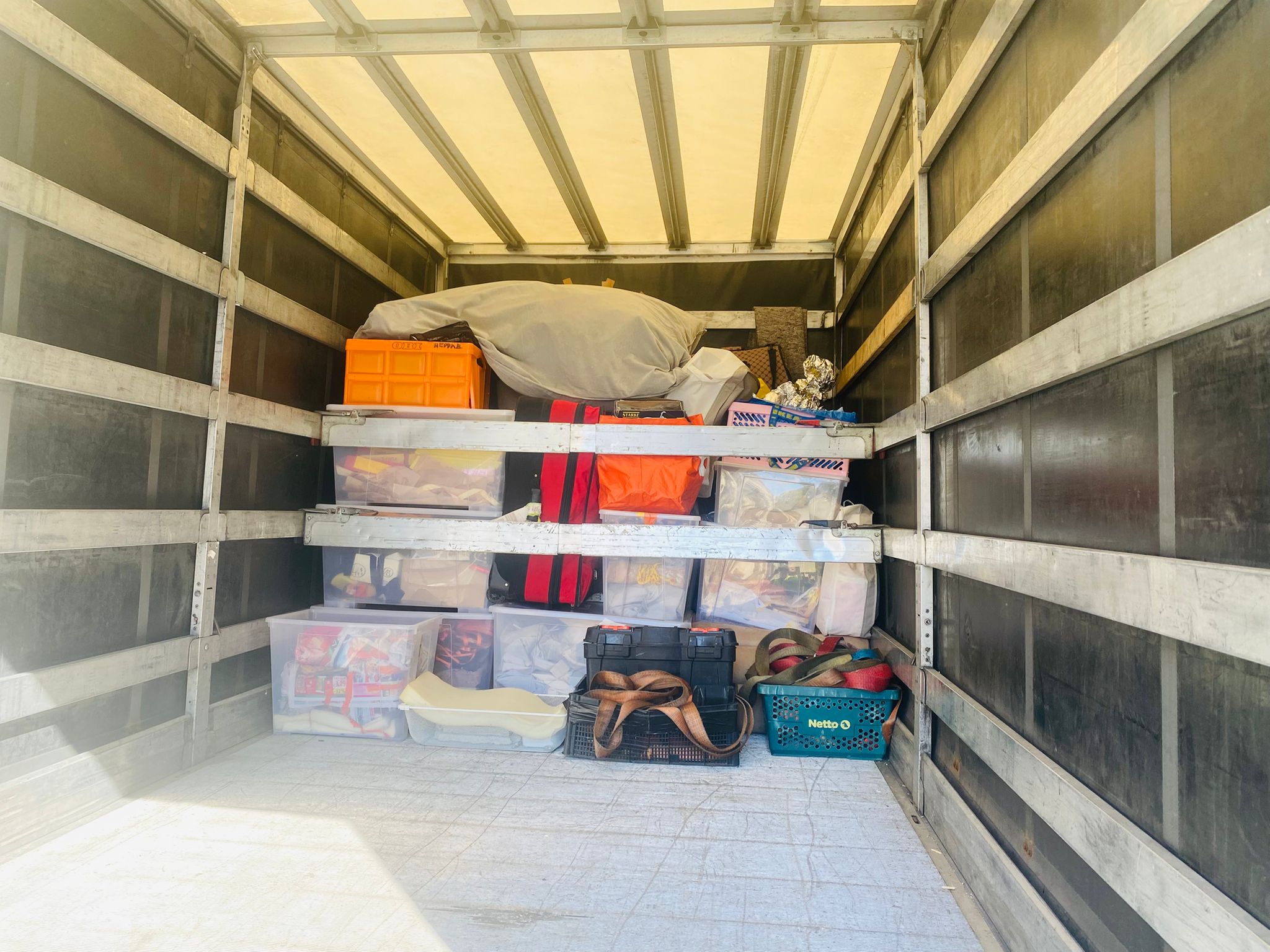
For most newcomers, the biggest shock is the stack of costs that arrives together: apartment deposit, first rent, insurance, household items, transport passes, customs paperwork and moving services. VANonsite supports European relocations with secure transport, flexible man and van options, GPS tracking for every load and vehicle sizes for everything from student boxes to full house moves. If you are preparing your move, VANonsite removals to Switzerland can help you control one of the most stressful parts of the journey before Swiss prices start testing your budget.
TL:DR
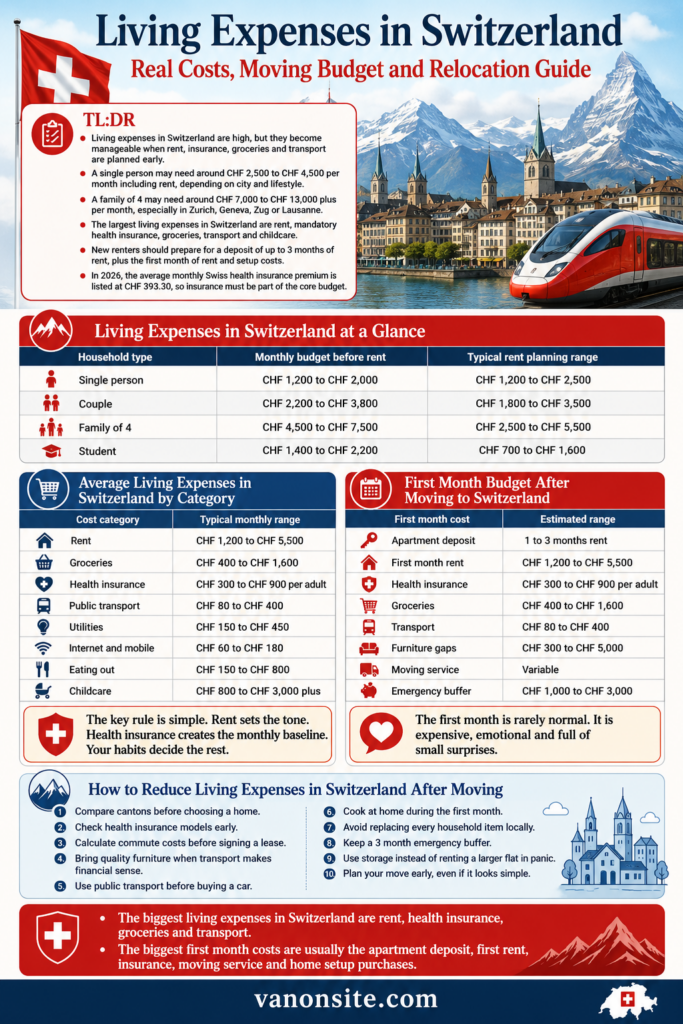
- Living expenses in Switzerland are high, but they become manageable when rent, insurance, groceries and transport are planned early.
- A single person may need around CHF 2,500 to CHF 4,500 per month including rent, depending on city and lifestyle.
- A family of 4 may need around CHF 7,000 to CHF 13,000 plus per month, especially in Zurich, Geneva, Zug or Lausanne.
- The largest living expenses in Switzerland are rent, mandatory health insurance, groceries, transport and childcare.
- New renters should prepare for a deposit of up to 3 months of rent, plus the first month of rent and setup costs.
- In 2026, the average monthly Swiss health insurance premium is listed at CHF 393.30, so insurance must be part of the core budget.
- Moving quality furniture with a GPS tracked man and van service can reduce the cost of replacing expensive items after arrival.




Living Expenses in Switzerland at a Glance
Living expenses in Switzerland vary by canton, city, household size and lifestyle. Zurich, Geneva and Zug usually demand the strongest budgets, while smaller towns may offer more breathing room.
The key rule is simple. Rent sets the tone. Health insurance creates the monthly baseline. Your habits decide the rest.
| Household type | Monthly budget before rent | Typical rent planning range | Practical note |
|---|---|---|---|
| Single person | CHF 1,200 to CHF 2,000 | CHF 1,200 to CHF 2,500 | Big cities sit at the higher end |
| Couple | CHF 2,200 to CHF 3,800 | CHF 1,800 to CHF 3,500 | Shared rent helps, but insurance costs still double |
| Family of 4 | CHF 4,500 to CHF 7,500 | CHF 2,500 to CHF 5,500 | Childcare and apartment size change the budget fast |
| Student | CHF 1,400 to CHF 2,200 | CHF 700 to CHF 1,600 | Shared housing can cut costs dramatically |
These ranges are useful for early planning, but they are not fixed promises. Costs shift quickly if you choose a premium apartment, commute long distances, eat out often or need private childcare. Still, with the right city choice and a realistic relocation plan, you can avoid the most painful surprises.
Why Are Living Expenses in Switzerland So High?
Switzerland is expensive because quality has a price. Wages are high, services are precise, housing demand is strong and everyday infrastructure is exceptional.
Housing supply is tight in popular cities, salaries raise service costs, health insurance is mandatory, imports can be expensive, public transport is a monthly cost and taxes vary by canton. Switzerland is not impossible to afford, but casual planning becomes expensive. A well matched man and van move helps protect your budget before you cross the border.
Average Living Expenses in Switzerland by Category
The easiest way to understand average living expenses in Switzerland is to split the budget into categories. Some expenses are predictable every month. Others are heavier during the first 30 to 90 days.
| Cost category | Typical monthly range | What affects the cost most |
|---|---|---|
| Rent | CHF 1,200 to CHF 5,500 | City, canton, apartment size and location |
| Groceries | CHF 400 to CHF 1,600 | Household size, diet and supermarket choice |
| Health insurance | CHF 300 to CHF 900 per adult | Canton, insurer, deductible and insurance model |
| Public transport | CHF 80 to CHF 400 | Commute, pass type and travel frequency |
| Utilities | CHF 150 to CHF 450 | Heating, electricity and building type |
| Internet and mobile | CHF 60 to CHF 180 | Provider, speed and contract bundle |
| Eating out | CHF 150 to CHF 800 | Lifestyle, city and frequency |
| Childcare | CHF 800 to CHF 3,000 plus | Canton, subsidies and number of days |
Living expenses in Switzerland become easier to manage when you separate essential costs from lifestyle costs. Rent, insurance, groceries and transport come first.
The first 90 days need special attention. New arrivals often buy curtains, bedding, cleaning supplies, adapters, kitchen tools and basic furniture. These purchases can quietly reach CHF 500 to CHF 2,000. If you already own durable household items, moving them may be cheaper than replacing everything locally.
Rent and Housing Costs in Switzerland
Rent is usually the largest part of living expenses in Switzerland. In Zurich, Geneva, Zug, Basel and Lausanne, demand is strong and attractive apartments can disappear quickly. A well located flat near a station, lake, school or business district usually comes at a premium.
Before signing a lease, prepare for more than the monthly rent. New tenants often need a rental deposit of up to 3 months of rent, first rent payment, proof of income, rental application documents, building access arrangements, lift booking and loading space near the property.
A person renting an apartment for CHF 2,000 per month may need up to CHF 6,000 for the deposit, plus the first rent payment, before buying groceries or insurance.
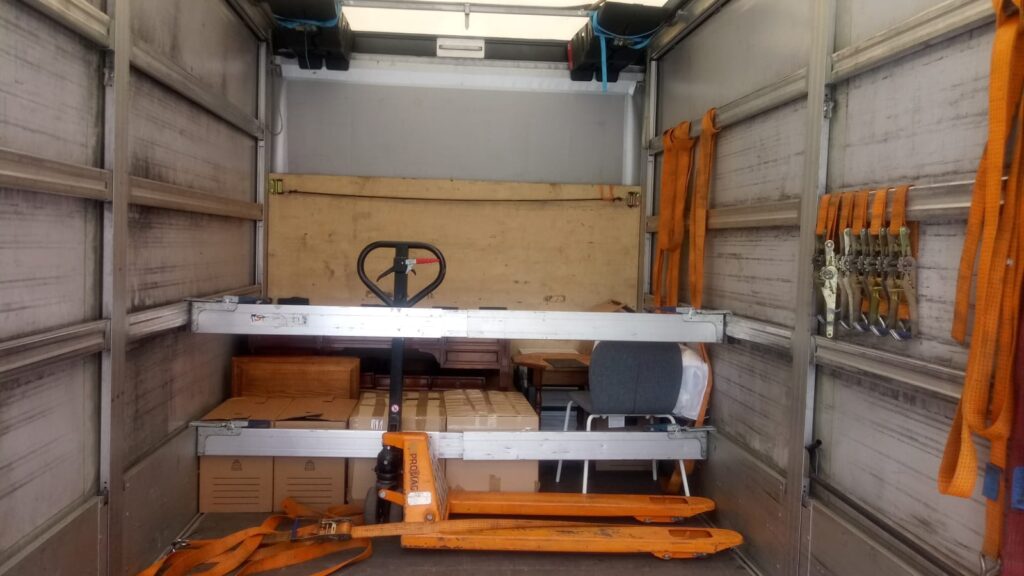
For the move itself, Swiss buildings can require careful planning. Staircases may be narrow, lift use may need approval and loading space can be limited. VANonsite offers vehicle sizes that match different relocation needs, from Moving One at 1m3 and 100kg to Moving Full House XXL at 90m3 and 20,000kg.
Groceries, Food and Eating Out
Groceries are one of the most visible living expenses in Switzerland because you feel them every week. Bread, meat, cheese, coffee, fruit and household products can seem expensive if you are arriving from a lower cost European country.
During the first month, compare supermarkets, cook at home, buy seasonal products, avoid replacing every kitchen item locally and track your first 4 grocery shops. A single person may spend around CHF 400 to CHF 700 per month on groceries. A couple may spend CHF 800 to CHF 1,200. Families can reach CHF 1,200 to CHF 1,600 or more.
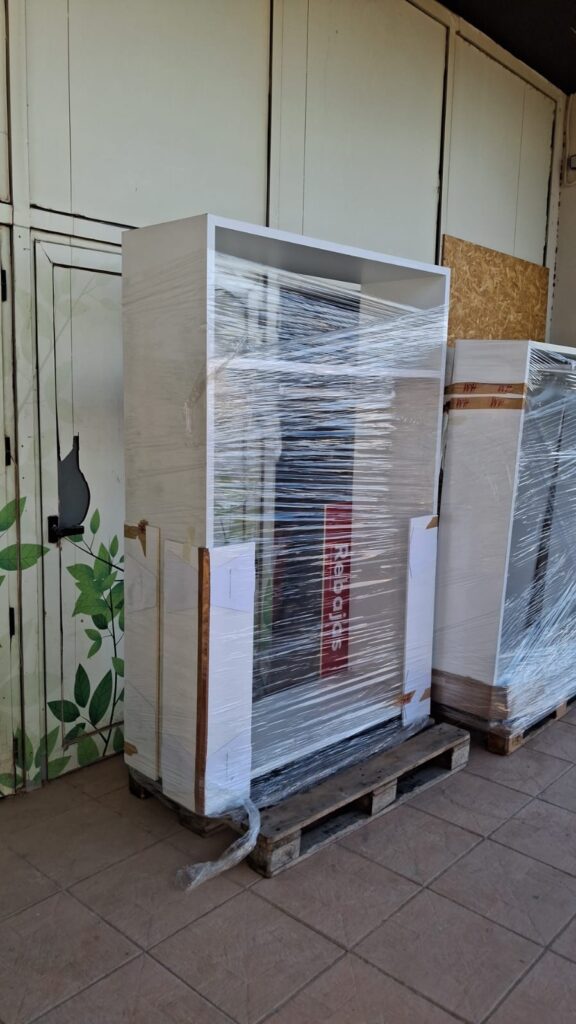
Eating out changes the numbers quickly. A casual lunch, a coffee and a simple dinner can make an ordinary week feel expensive. Moving good pans, tableware, small appliances and storage containers can reduce setup costs, while VANonsite Packing Service can help protect these everyday essentials.
Health Insurance and Medical Costs
Mandatory health insurance is one of the most important living expenses in Switzerland. Residents usually pay premiums directly to approved insurers. Prices vary by canton, insurer, deductible, age and insurance model.
In 2026, the average monthly health insurance premium is listed at CHF 393.30. This is a useful benchmark, but your personal premium may be lower or higher. Families need to calculate carefully because premiums apply per person.
Health insurance should never be treated as an optional extra. It belongs in your core budget from the start. New residents should compare options early and check official guidance from the Swiss Federal Office of Public Health: health insurance information.
When estimating living expenses in Switzerland, use a conservative range. For adults, CHF 300 to CHF 900 per month is a practical planning bracket depending on canton and policy choices. Families should check whether premium reductions or cantonal support may apply.
Public Transport, Cars and Commuting
Public transport in Switzerland is clean, reliable and beautifully connected. Trains, trams, buses and boats can make daily life smooth, especially in cities. Yet transport is still part of living expenses in Switzerland, and it should be calculated before choosing where to live.
| Transport option | Best for | Budget impact |
|---|---|---|
| Local public transport | City workers and students | Predictable monthly cost |
| Rail discount cards | Frequent travellers | Can reduce ticket costs |
| Car | Rural homes and families | Higher insurance, fuel, parking and maintenance |
| Professional man and van | Cross border relocation | Safer and faster for full moves |
A cheaper apartment is not always cheaper if the commute is long. Calculate the full map around your life: workplace, school, shops, public transport, childcare and weekend routines.
Moving Costs to Switzerland: What to Budget Before Arrival
Living expenses in Switzerland begin before you receive the keys. The relocation itself can create several costs, especially if you transport furniture, office equipment, fragile goods or a full household.
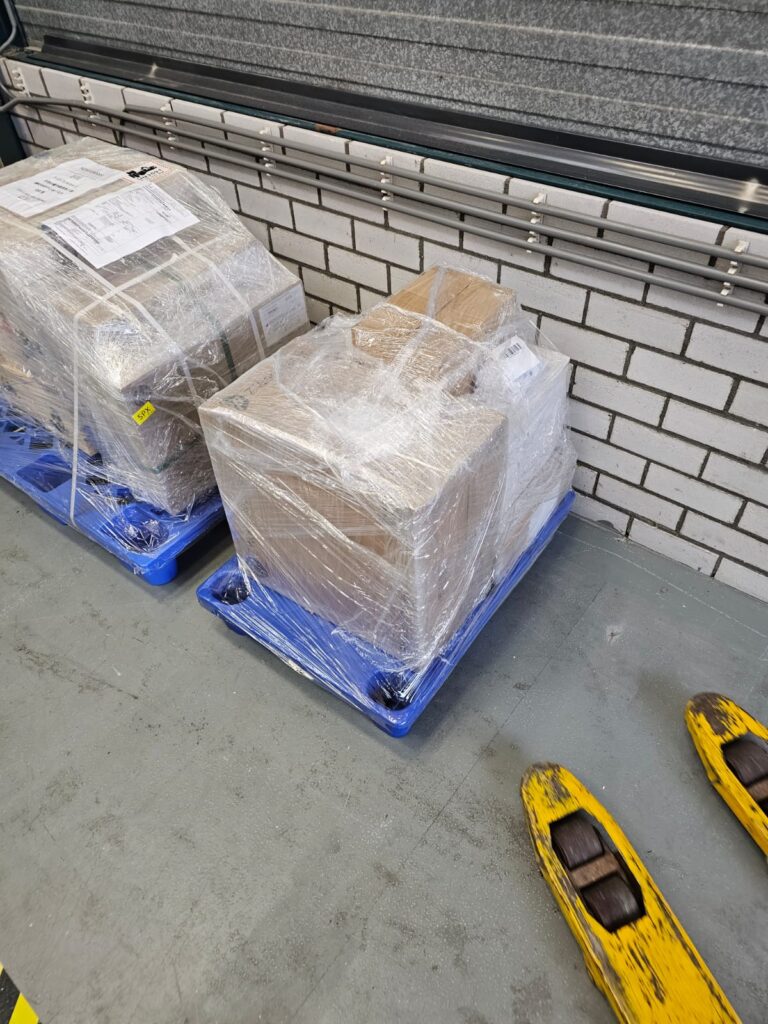
Budget for professional removals, packing materials, household inventory preparation, customs documents, temporary storage, transport insurance, apartment deposit, first month rent, emergency accommodation, furniture replacement gaps and pet relocation costs if relevant.
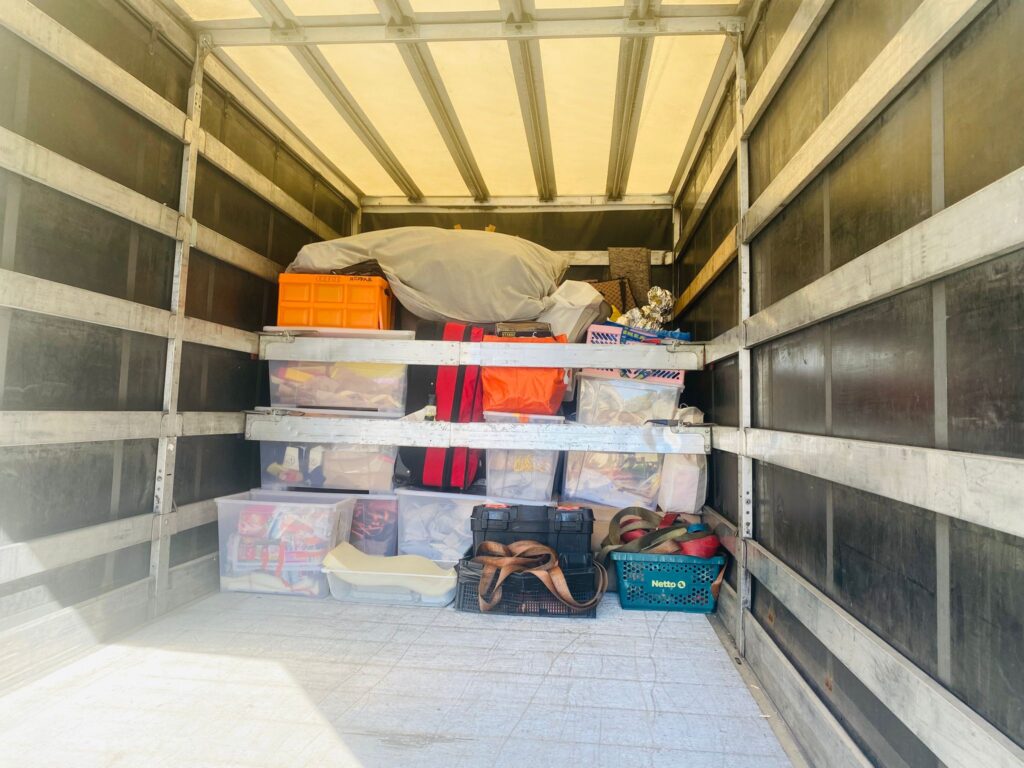
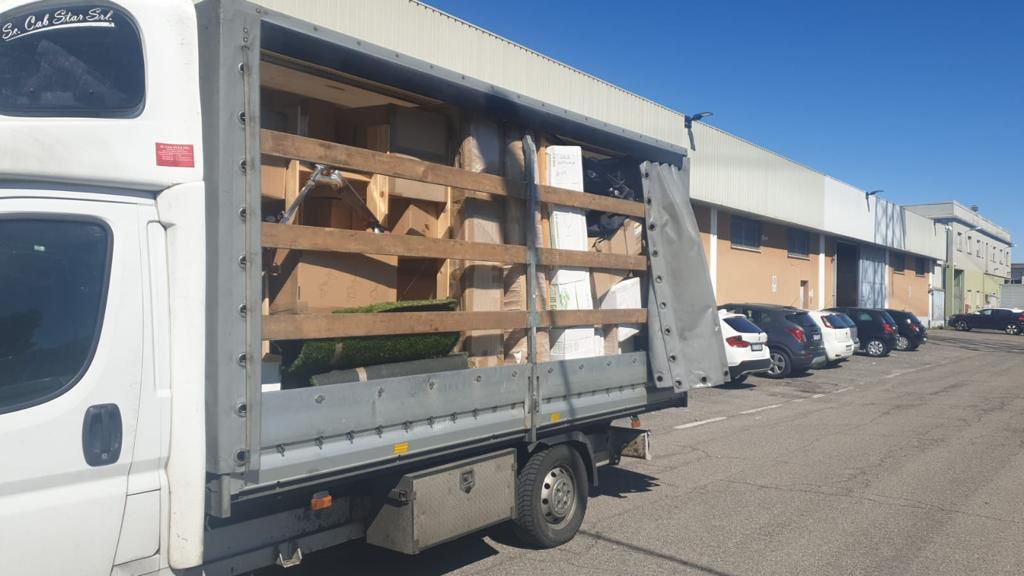
This is where VANonsite becomes valuable. The company offers Last Minute Moving, Furniture Removals, Home Removals, Packing Service, White Glove Delivery, Office Removals, Storage, Student Removals and Office Furniture Installation. This range matters because a student move, a family relocation and an office transfer are completely different projects.
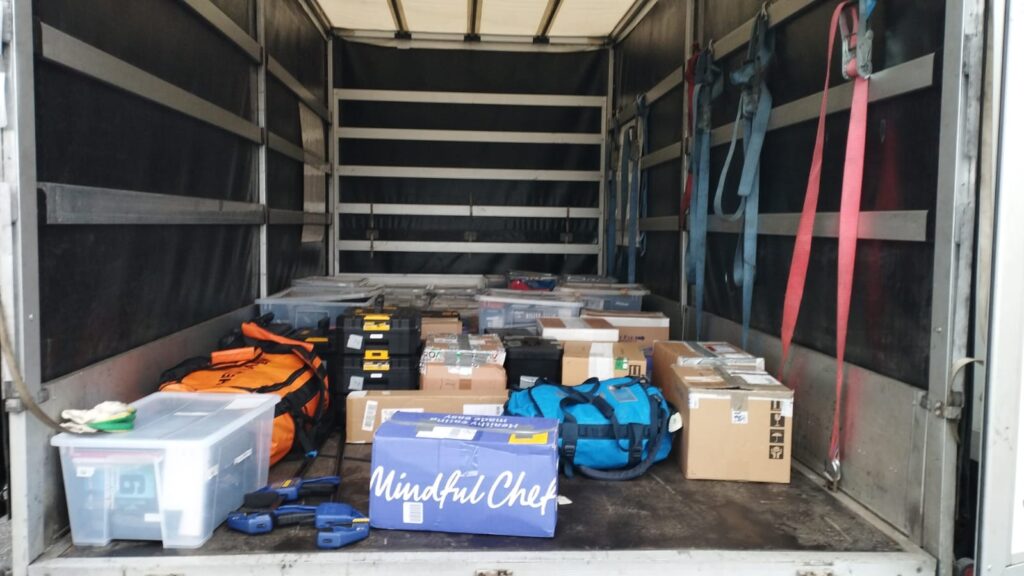
Every VANonsite load can be GPS tracked. That feature brings real peace of mind when your furniture, work equipment, documents and personal belongings are travelling across Europe. In a country where setup costs are high, knowing where your load is can make the whole process feel calmer and more controlled.
Which VANonsite Vehicle Size Fits Your Move to Switzerland?
Choosing the right vehicle size can reduce living expenses in Switzerland indirectly. If the van is too small, you may need a second trip. If it is too large, you may pay for space you do not use. The right size gives you efficiency without waste.
| VANonsite option | Capacity | Weight limit | Best for |
|---|---|---|---|
| Moving One | 1m3 | 100kg | Boxes, suitcases and student essentials |
| Moving Basic | 5m3 | 300kg | Studio items or a small man and van move |
| Moving Medium | 10m3 | 500kg | Small apartment relocation |
| Moving Premium | 15m3 | 1,100kg | One bedroom move or selected furniture |
| Moving Premium Plus | 30m3 | 3,500kg | Larger apartment or compact household |
| Moving Full House XXL | 90m3 | 20,000kg | Full house, office or major family move |
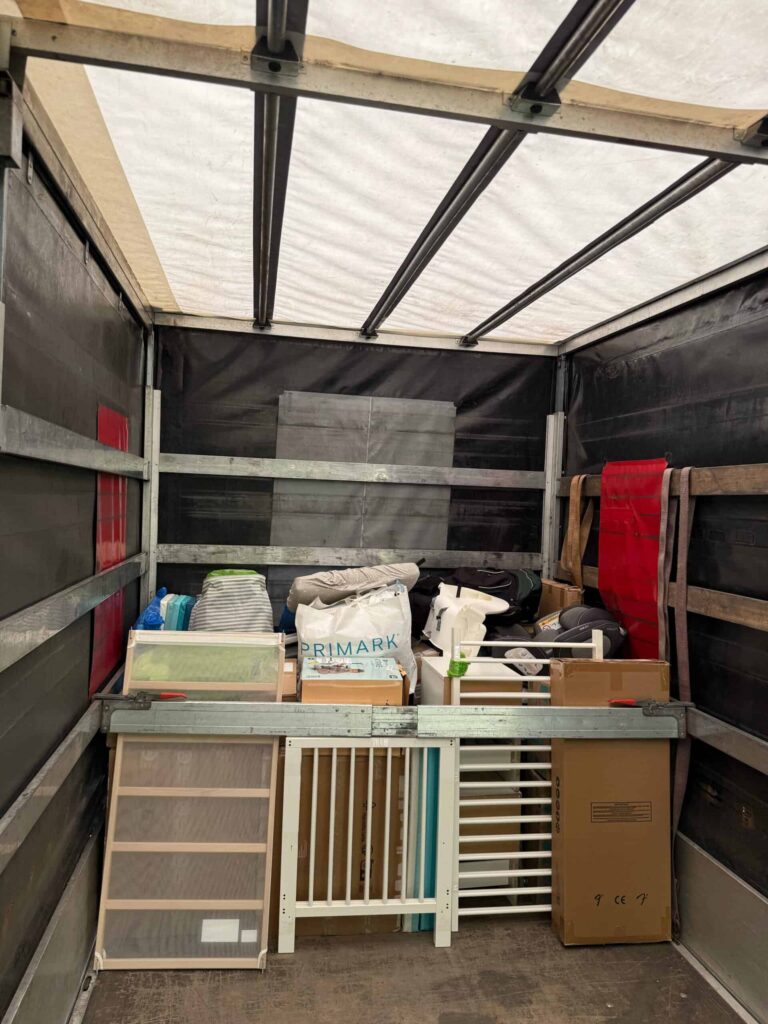
A smart rule is to compare transport cost with replacement cost. A quality bed, ergonomic office chair, solid table, baby equipment or premium monitor may cost far more to replace in Switzerland than to move. For smaller relocations, a man and van service gives flexibility. For larger moves, VANonsite offers the capacity and structure needed to move a home safely.
Required Documents When Moving to Switzerland
Documents are not glamorous, but they can protect you from expensive delays. Missing paperwork can lead to extra hotel nights, storage fees, failed delivery windows and unnecessary stress.
If you plan to stay in Switzerland for more than 3 months, you usually need a residence permit. Requirements depend on nationality, canton, employment status and reason for moving. EU and EFTA citizens follow different procedures from many non EU citizens.
Use official Swiss sources before you move: Swiss residence permits on ch.ch, working in Switzerland, living in Switzerland without gainful employment and importing household effects.
Your document checklist may include a valid passport or national ID, employment contract or proof of funds, rental agreement, residence permit documents, household goods inventory, customs forms, vehicle documents, pet documents, family certificates and health insurance documents.
Keep these documents with you, not inside the main load. A beautifully packed box is useless if your permit papers are buried at the bottom of it.
Customs Rules for Household Goods
Customs can be smooth when the paperwork is prepared properly. For many relocations, household effects may qualify for duty free import if the official conditions are met. The goods should generally be personal items used before import and intended for continued use after arrival.
A detailed inventory helps with customs, packing, delivery and insurance. Before moving day, label boxes clearly, mark fragile items, keep customs documents accessible, separate personal goods from commercial goods, photograph valuable items and confirm delivery access.
VANonsite Packing Service and White Glove Delivery are useful for delicate furniture, artwork, electronics, office equipment and sentimental items. Living expenses in Switzerland are high enough without replacing damaged belongings after a rushed move.
Living Expenses in Switzerland by City
The city you choose can change your budget dramatically. Average living expenses in Switzerland look different in Zurich than in St. Gallen. Geneva feels different from Bern. Zug can be attractive for business, but housing pressure is real.
| City | Cost level | Best for | Budget warning |
|---|---|---|---|
| Zurich | Very high | Finance, tech and international careers | Rent and competition are intense |
| Geneva | Very high | NGOs, diplomacy and luxury services | Housing and dining are expensive |
| Zug | Very high | Business and international work | Small market and high housing pressure |
| Basel | High | Pharma, culture and cross border access | Still needs serious planning |
| Bern | High | Government, families and calmer living | Less frantic, not cheap |
| Lausanne | High | Students, research and lake lifestyle | Student housing can be tight |
| Lucerne | High | Tourism, beauty and central access | Popular areas cost more |
| Lugano | Medium to high | Italian speaking lifestyle | Car costs may matter more |
| St. Gallen | Medium | Students and smaller city life | More budget breathing room |
Do not choose a city by rent alone. Lower rent can disappear if you need a car, pay more for commuting or lose hours each week in transit. Living expenses in Switzerland should always be calculated as a full system: rent, salary, tax, commute, insurance, childcare and lifestyle.


Student Living Expenses in Switzerland
Student living expenses in Switzerland depend heavily on housing. A room in a shared flat can make the country feel realistic. A private studio in Zurich or Geneva can drain savings quickly.
Students should budget for shared accommodation, health insurance, public transport, food, study materials, phone, internet, residence documents, deposit, first month rent and basic household items.
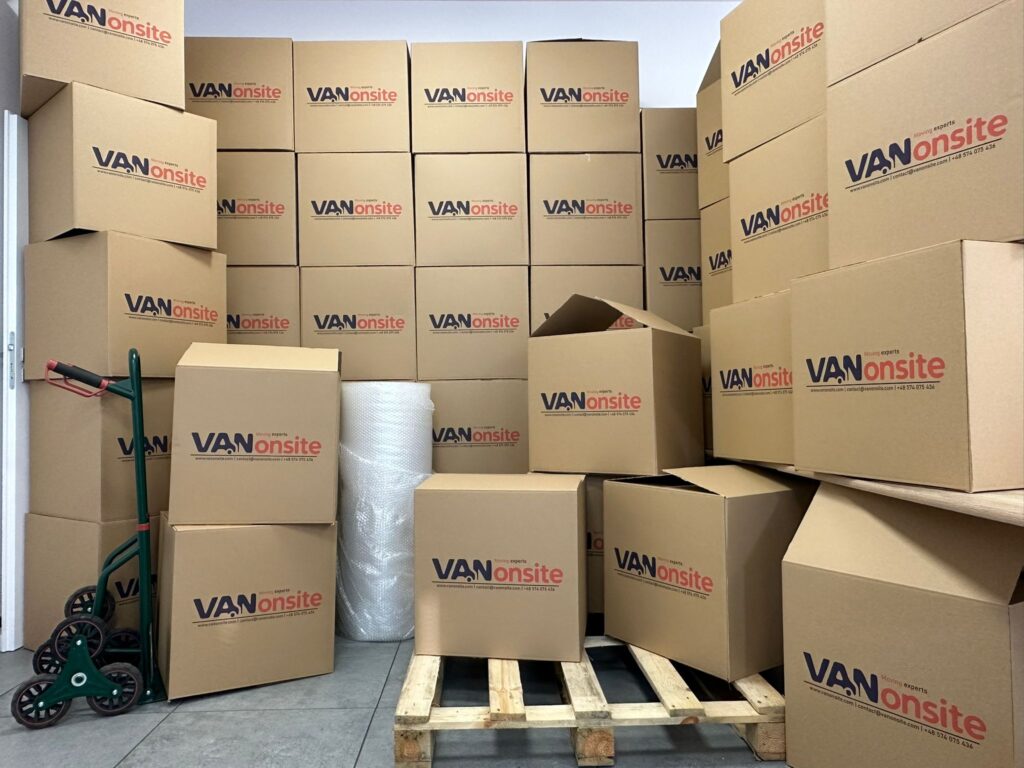
A student may spend CHF 1,400 to CHF 2,200 per month, depending on city and housing. The first month can be higher because of deposit, bedding, kitchen basics and transport passes. VANonsite Student Removals can be a practical choice for people moving with boxes, books, clothes, a monitor, a small desk, a chair and personal essentials. Moving One or Moving Basic may be enough for a compact load.
Family Living Expenses in Switzerland
For families, living expenses in Switzerland rise quickly. Larger apartments, childcare, health insurance, school logistics and transport can all add pressure. At the same time, many families value Switzerland for safety, outdoor life, clean cities and strong public services.
A family of 4 may need around CHF 7,000 to CHF 13,000 plus per month, depending on housing, childcare and location. Family relocation also means more belongings: beds, wardrobes, desks, bikes, toys, kitchen equipment and outdoor gear.
VANonsite Moving Premium Plus and Moving Full House XXL help families move the life they already own instead of rebuilding everything from zero. If lease dates do not match, Storage can prevent rushed decisions.
Office and Business Relocation Costs in Switzerland
Business relocations have a different cost structure. The issue is not only transport. It is downtime. If desks, monitors, chairs, documents and IT equipment arrive late, work stops and the real cost grows.
A Swiss office relocation may include office furniture transport, IT equipment handling, building access coordination, weekend or evening moving windows, temporary storage, furniture installation and white glove delivery for premium equipment.
VANonsite offers Office Removals and Office Furniture Installation for companies moving teams, workstations and equipment. A business move should feel like a controlled switch, not a breakdown. The goal is to close the old space, open the new one and keep people working.
How to Reduce Living Expenses in Switzerland After Moving
You cannot make Switzerland cheap, but you can make it smarter. Many newcomers overspend during the first 90 days because they are tired, rushed and unfamiliar with local prices.
Use these tactics to control living expenses in Switzerland:
- Compare cantons before choosing a home.
- Check health insurance models early.
- Calculate commute costs before signing a lease.
- Bring quality furniture when transport makes financial sense.
- Use public transport before buying a car.
- Cook at home during the first month.
- Avoid replacing every household item locally.
- Keep a 3 month emergency buffer.
- Use storage instead of renting a larger flat in panic.
- Plan your move early, even if it looks simple.
Preparation is the most underrated saving. A clear inventory, the correct vehicle size and proper packing can prevent broken items, duplicate purchases and last minute fees.
First Month Budget After Moving to Switzerland
The first month is rarely normal. It is expensive, emotional and full of small surprises. Living expenses in Switzerland may feel 20% to 50% higher at the beginning because setup costs arrive together.
| First month cost | Estimated range | Why it matters |
|---|---|---|
| Apartment deposit | 1 to 3 months rent | Major cash requirement before move in |
| First month rent | CHF 1,200 to CHF 5,500 | Depends on city and household size |
| Health insurance | CHF 300 to CHF 900 per adult | Mandatory monthly cost |
| Groceries | CHF 400 to CHF 1,600 | Higher during setup month |
| Transport | CHF 80 to CHF 400 | Commute and local travel |
| Furniture gaps | CHF 300 to CHF 5,000 | Lower if you move existing furniture |
| Moving service | Variable | Depends on distance, volume and access |
| Emergency buffer | CHF 1,000 to CHF 3,000 | Protects against delays and surprises |
A single person moving to Zurich with a CHF 2,200 apartment may need more than CHF 9,000 before feeling stable. That could include deposit, first rent, health insurance, groceries, transport, moving costs and basic home setup. This is why average living expenses in Switzerland are only part of the story. You also need a landing budget.
Is It Better to Move Furniture or Buy New in Switzerland?
Sometimes buying new is sensible. Sometimes it is an expensive shortcut. Move furniture if it is solid, ergonomic, valuable, sentimental, recently bought, hard to find locally or important for work and family life. Replace furniture if it is worn, damaged, very bulky but low value, easy to buy locally or not worth the transport volume.
Living expenses in Switzerland can rise fast when you buy beds, mattresses, desks, chairs, shelves and kitchen equipment at the same time. A GPS tracked man and van service can help you keep what matters and avoid rushed Swiss retail purchases.
Moving Timeline for Switzerland
A smooth relocation is built before moving day. Use this timeline to protect your budget and reduce stress.
| Timing | What to do |
|---|---|
| 8 to 12 weeks before | Research living expenses in Switzerland by canton, compare rent and commute, check permits, decide what to move and request a VANonsite quote. |
| 4 to 8 weeks before | Confirm housing, prepare the inventory, choose the vehicle size, check customs rules and arrange Packing Service if needed. |
| 2 to 4 weeks before | Label boxes, keep documents separate, photograph valuable items, confirm access and review your first 30 day budget. |
| Moving week | Keep passports and contracts with you, track your load through GPS, confirm delivery time and check fragile items on arrival. |
| First 30 days | Register locally where required, finalise health insurance, set up utilities, track spending and adjust your budget. |
Common Mistakes That Make Living Expenses in Switzerland Higher
Most expensive relocation mistakes are small leaks, not disasters. One extra hotel night. One emergency storage fee. One missing document. One second van trip. One overpriced furniture order because the bed did not arrive.
Avoid renting too quickly, forgetting the deposit, underestimating health insurance, ignoring childcare, replacing furniture unnecessarily, booking transport too late, choosing a vehicle that is too small, skipping customs paperwork, packing documents inside the shipment and moving without an emergency buffer.
Living expenses in Switzerland are already serious. Poor planning should not make them harsher.
Why Move to Switzerland with VANonsite?
Moving to Switzerland is not just transport. It is the moment your plan becomes real. Your belongings leave one life and arrive in another. That deserves care, speed and control.
VANonsite offers secure European removals, GPS tracking for every load, flexible man and van transport, Last Minute Moving, Furniture Removals, Home Removals, Packing Service, White Glove Delivery, Office Removals, Storage, Student Removals and Office Furniture Installation.
The best relocation partner does not simply move boxes. It reduces uncertainty, protects fragile items and helps you avoid costly surprises. When living expenses in Switzerland are already high, your move should feel calm, organised and controlled.
Quick Summary: How Much Are Living Expenses in Switzerland?
Living expenses in Switzerland are high, but manageable with a clear plan. A single person may need around CHF 2,500 to CHF 4,500 per month including rent. A couple may need around CHF 4,000 to CHF 7,000. A family of 4 may need around CHF 7,000 to CHF 13,000 plus, depending on rent, childcare, city and lifestyle.
The biggest living expenses in Switzerland are rent, health insurance, groceries and transport. The biggest first month costs are usually the apartment deposit, first rent, insurance, moving service and home setup purchases.
The smartest approach is to budget early, move valuable furniture when it makes sense and choose a reliable removals partner. VANonsite removals to Switzerland gives you GPS tracked transport, flexible vehicle sizes and man and van options designed for real European relocations.
FAQ About Living Expenses in Switzerland
What are the average living expenses in Switzerland for one person?
Average living expenses in Switzerland for one person are often around CHF 2,500 to CHF 4,500 per month including rent. The final number depends on city, apartment type, insurance premium, transport habits and lifestyle.
Are living expenses in Switzerland higher than in other European countries?
Yes. Rent, health insurance, eating out and services can feel especially expensive, although salaries are often higher too.
How much money should I save before moving to Switzerland?
A single person should often prepare at least 3 to 6 months of core expenses, plus moving costs. Include deposit, first rent, insurance, groceries, transport, furniture gaps and an emergency buffer.
Can moving furniture reduce living expenses in Switzerland?
Yes. Quality furniture, mattresses, desks, chairs, kitchen items and baby equipment can be expensive to buy after arrival, so moving them may protect your first months of budget.
Does VANonsite offer man and van removals to Switzerland?
Yes. VANonsite offers flexible man and van removals to Switzerland, including student moves, home removals, furniture removals, office removals, packing, storage and white glove delivery. Every load can be GPS tracked.
What is the cheapest safe way to move to Switzerland?
It depends on load size, distance, timing and access. For small moves, a compact man and van option may be enough. For full homes, the right vehicle size can prevent second trips and storage costs.
Should I use storage when moving to Switzerland?
Storage can help if your apartment is not ready, lease dates do not match or you are downsizing.