
Switzerland has a rare pull. It offers mountain views, clean cities, precise trains, high salaries and a sense of order that many countries can only envy. Yet anyone planning a move quickly meets the same practical question: where can you find the lowest cost of living in Switzerland without giving up comfort, safety or access to work?
The honest answer is that the lowest cost of living in Switzerland is usually not in Zurich, Geneva or Zug. It is more often found in smaller cities, quieter cantons and smart commuter locations where rent is softer, insurance can be easier to manage and everyday spending feels less punishing.
This guide answers what is cost of living in Switzerland, how much is living cost in Switzerland and what the cost of living in Switzerland in euros can look like. You will also find city comparisons, realistic monthly budgets, moving documents and practical relocation tips for a smoother start.
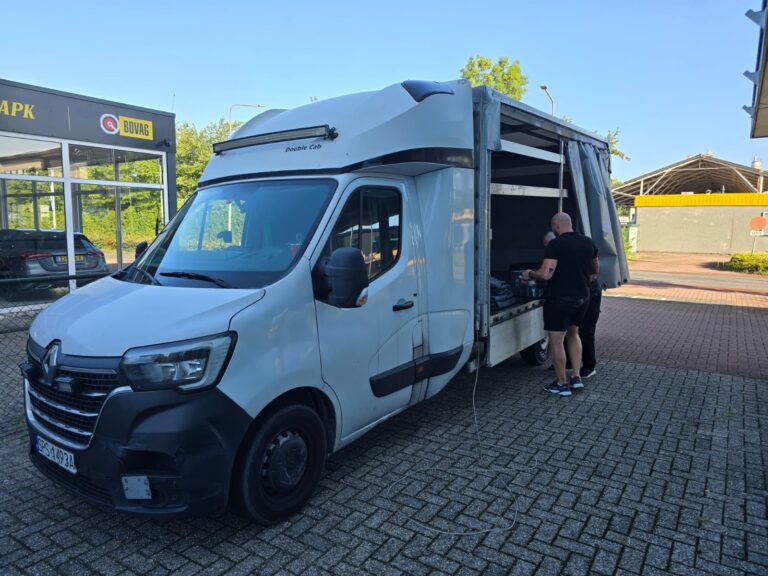
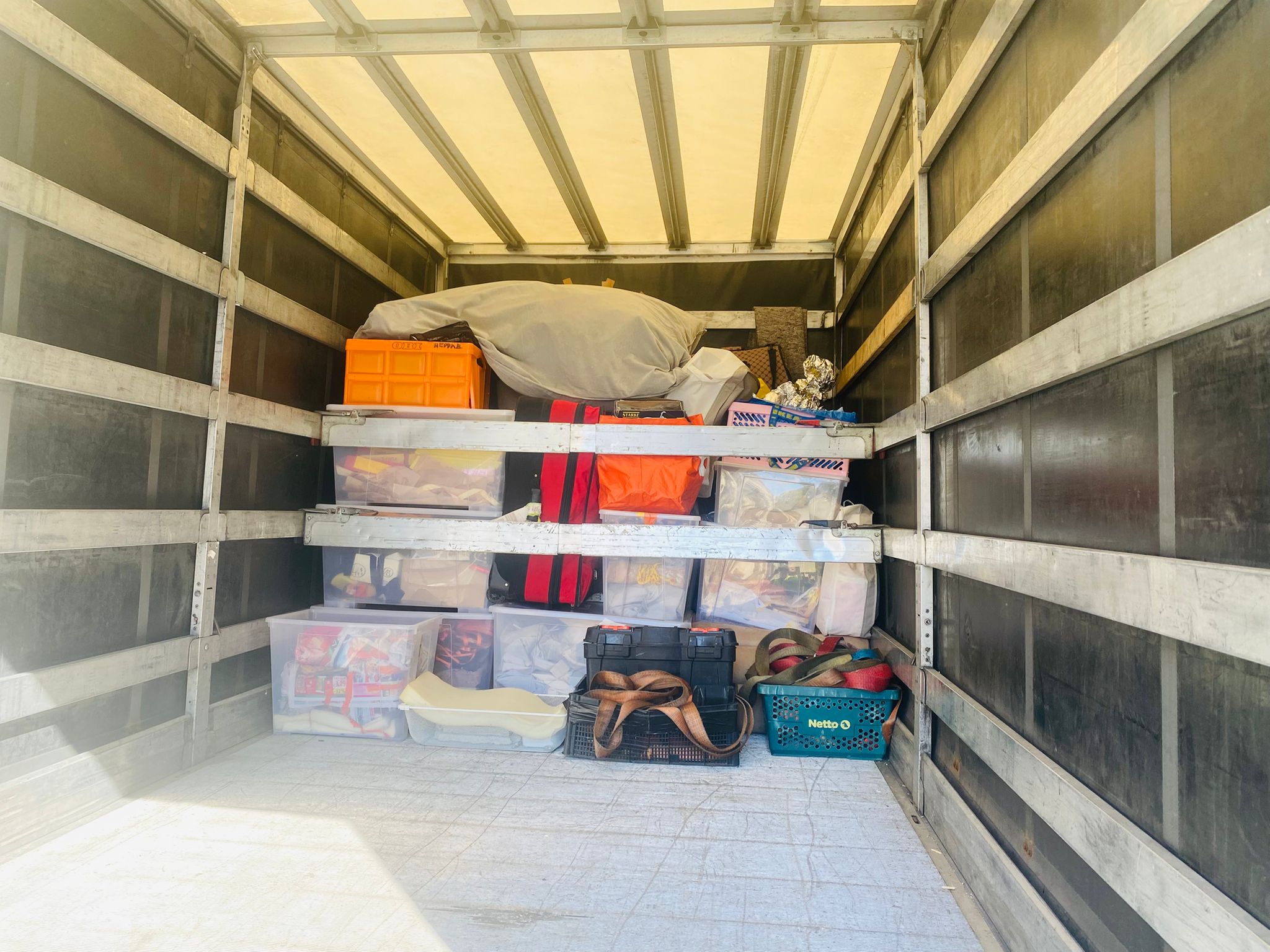
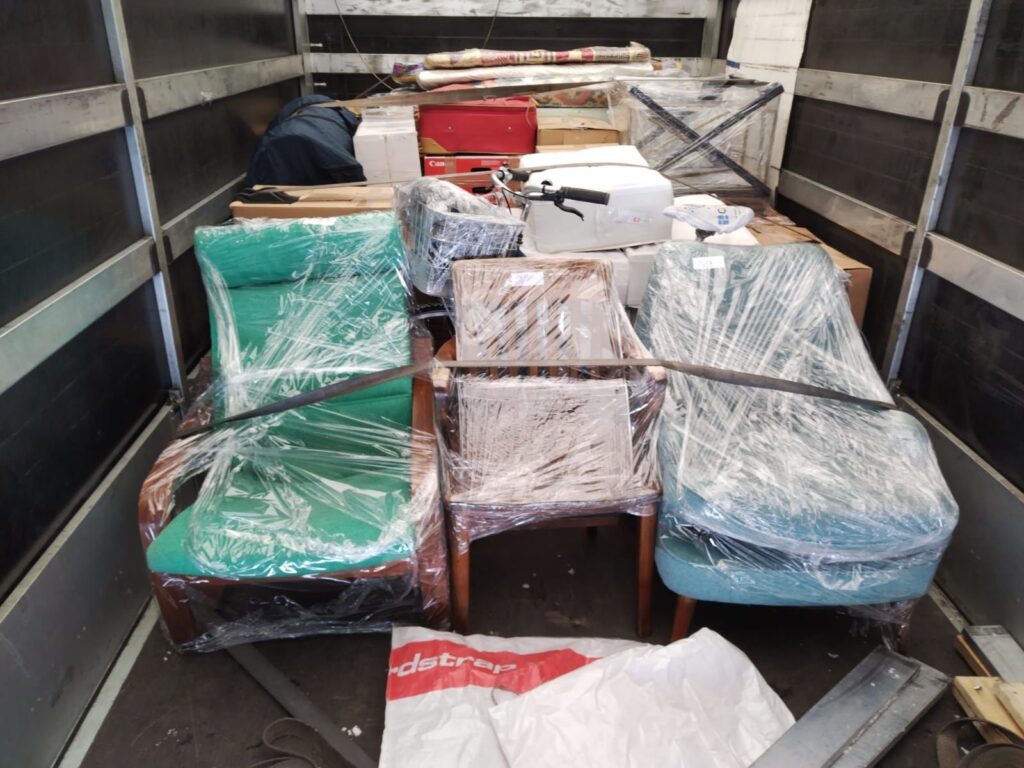
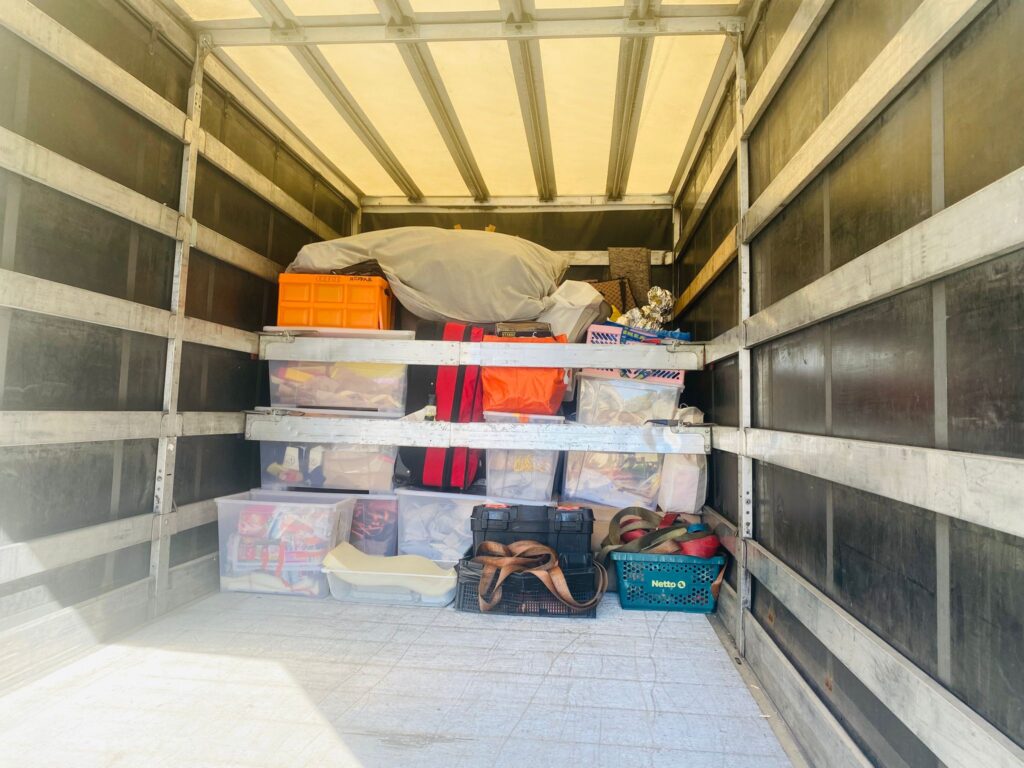
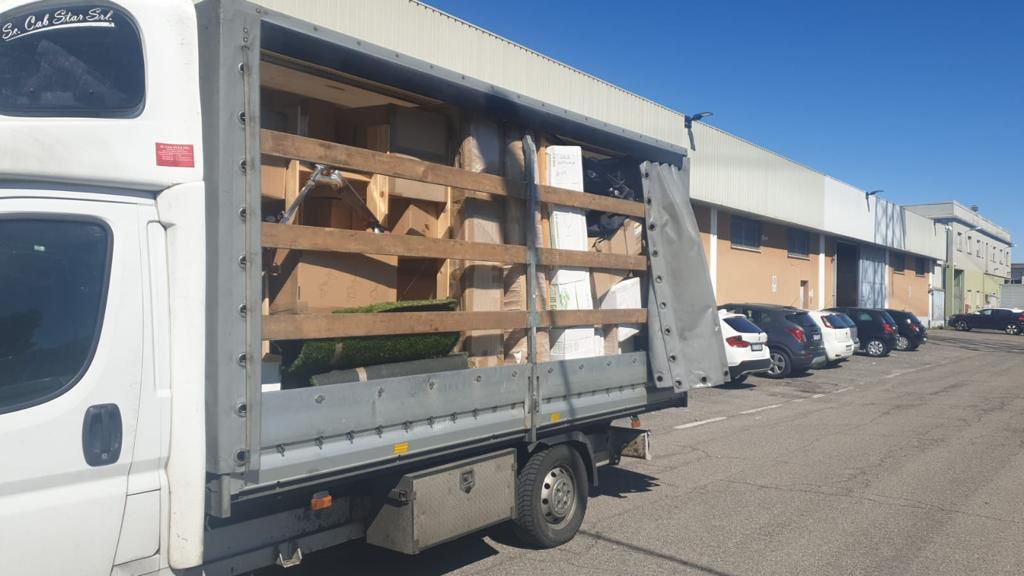
VANonsite helps people move to Switzerland from across Europe with secure removals, GPS tracked transport and flexible man and van options. Whether you are moving a few boxes, a student room, a family apartment or a full house, the right moving setup can protect your budget before your Swiss life even begins.
TL;DR: Lowest Cost of Living in Switzerland in 7 Points
- The lowest cost of living in Switzerland is usually found in smaller cities and cantons such as Jura, Neuchatel, Valais, St. Gallen, Fribourg, Uri and parts of Ticino.
- A single person should often budget around CHF 2,600 to CHF 4,300 per month, mainly depending on rent, health insurance and lifestyle.
- The cost of living in Switzerland in euros is roughly EUR 2,820 to EUR 4,670 per month for a single person, using an approximate planning rate of 1 CHF = EUR 1.09.
- Zurich, Geneva and Zug are usually the most expensive choices because housing demand, salaries and premium services push prices higher.
- Rent is the biggest budget lever. Choosing a lower cost city can save 20% to 40% compared with living in Zurich or Geneva.
- Anyone moving to Switzerland should prepare residence, registration and customs documents before arrival, especially when importing household goods.
- VANonsite supports European removals to Switzerland with GPS tracking, flexible van sizes and professional man and van options from 1m3 to 90m3.




What Is Cost of Living in Switzerland?
The cost of living in Switzerland includes everything you need for a stable life: rent, health insurance, groceries, transport, utilities, internet, phone, taxes, childcare, leisure and relocation costs. For newcomers, the shock rarely comes from one bill. It comes from the stack.
Rent is high. Health insurance is mandatory. Deposits can bite hard. A casual lunch can cost more than a full grocery basket in some other European countries. Even the first supermarket trip can feel strangely dramatic.
For a single person, a realistic monthly budget usually starts at around CHF 2,600 in a lower cost city and can climb above CHF 5,000 in Zurich or Geneva. A couple may need CHF 4,500 to CHF 7,500. A family can easily need CHF 6,500 to CHF 12,000 or more, especially if childcare, a larger apartment or car ownership are involved.
The lowest cost of living in Switzerland is possible when you control the three biggest expenses: housing, health insurance and transport. Food, leisure and furniture matter too, but rent usually decides whether your budget breathes or breaks.
Cost of Living in Switzerland in Euros
Switzerland uses the Swiss franc, not the euro. Still, many people moving from Germany, France, Italy, Spain, Poland, the Netherlands or another European country prefer to compare the cost of living in Switzerland in euros.
For simple planning, use around 1 CHF = EUR 1.09. Exchange rates change, so check the live rate before signing contracts, accepting a salary or moving large sums of money.
| Monthly budget in CHF | Approximate budget in euros | Who it may suit |
|---|---|---|
| CHF 2,500 | EUR 2,725 | Very careful single person in a cheaper city |
| CHF 3,000 | EUR 3,270 | Single person with controlled rent |
| CHF 3,800 | EUR 4,140 | Comfortable single person outside premium cities |
| CHF 5,000 | EUR 5,450 | Couple in a lower or mid cost city |
| CHF 6,500 | EUR 7,085 | Couple or small family with careful planning |
| CHF 8,500 | EUR 9,265 | Family in a larger city |
| CHF 11,000 | EUR 11,990 | Family in Zurich, Geneva or premium areas |
The cost of living in Switzerland in euros can look severe at first. However, salaries are often higher too. The real question is not only how much you spend. It is how much remains after rent, insurance, tax, transport and essential bills.
Cheapest Places to Live in Switzerland
The lowest cost of living in Switzerland is usually easier to reach in places where rental pressure is lower. Smaller cities may not have the same global shine as Zurich, but they often offer safety, clean streets, solid transport and a calmer rhythm.
| City or area | Cost level | Estimated single person monthly budget | Estimated couple monthly budget | Why it can work |
|---|---|---|---|---|
| La Chaux de Fonds | Low | CHF 2,500 to 3,400 | CHF 4,200 to 5,700 | Often cheaper housing and a quieter lifestyle |
| Neuchatel | Lower mid | CHF 2,800 to 3,700 | CHF 4,700 to 6,100 | Lakeside living with lower rent pressure |
| Sion | Lower mid | CHF 2,700 to 3,600 | CHF 4,600 to 6,000 | Valais lifestyle, mountains and calmer prices |
| St. Gallen | Lower mid | CHF 2,900 to 3,800 | CHF 4,800 to 6,300 | Practical, student friendly and well connected |
| Fribourg | Mid value | CHF 2,900 to 3,900 | CHF 4,900 to 6,500 | Good location between Bern and Lausanne |
| Bern | Mid | CHF 3,200 to 4,400 | CHF 5,300 to 7,100 | Stable, elegant and often better value than Zurich |
| Geneva | Very high | CHF 3,900 to 5,500 | CHF 6,700 to 9,000 | International salaries, fierce housing costs |
| Zurich | Very high | CHF 4,000 to 5,800 | CHF 6,800 to 9,500 | Excellent jobs, premium prices |
These ranges are planning estimates, not fixed promises. Your real budget depends on apartment size, health insurance model, tax status, commuting pattern, family size and personal habits.
Rent: The Biggest Budget Factor
Rent is the heavyweight expense in Swiss life. You can cook at home and compare mobile plans, but if your rent is too high, the rest of the budget limps behind it.
As a planning rule, lower cost cities may offer studios from about CHF 800 to CHF 1,500, while Zurich or Geneva can push similar homes toward CHF 1,700 to CHF 2,700. Family apartments can range from around CHF 1,600 in cheaper areas to CHF 5,000 plus in premium cities. A move from Zurich to a lower cost city can save CHF 600, CHF 900 or even more per month on housing. Over 12 months, that can become CHF 7,200 to CHF 10,800.
How Much Is Living Cost in Switzerland?
The question how much is living cost in Switzerland needs a direct answer. Most households should plan within these monthly ranges.
| Household type | Frugal city budget | Mid range city budget | Premium city budget |
|---|---|---|---|
| Single person | CHF 2,600 to 3,300 | CHF 3,400 to 4,300 | CHF 4,500 to 5,800 |
| Couple | CHF 4,500 to 5,500 | CHF 5,600 to 7,200 | CHF 7,300 to 9,500 |
| Family with one child | CHF 6,200 to 7,900 | CHF 8,000 to 10,200 | CHF 10,500 to 13,500 |
| Family with two children | CHF 7,200 to 9,400 | CHF 9,500 to 12,500 | CHF 12,500 to 16,000 plus |
These numbers include typical essentials such as rent, utilities, food, local transport, health insurance and basic personal spending. They do not include private school, luxury shopping, heavy travel, expensive hobbies or a large car.
Everyday Prices in Switzerland
Switzerland can feel expensive because small costs gather quickly. A coffee is manageable. A coffee, lunch, transport pass, insurance premium and grocery trip in the same week can feel much sharper.
| Item | Typical price range |
|---|---|
| Coffee | CHF 4.50 to 6 |
| Basic lunch menu | CHF 20 to 30 |
| Weekly groceries for one person | CHF 90 to 160 |
| Monthly public transport pass | CHF 70 to 120 |
| Internet at home | CHF 45 to 80 |
| Mobile plan | CHF 20 to 60 |
| Basic utilities for an apartment | CHF 150 to 300 |
| Health insurance for one adult | CHF 300 to 600 plus |
| Rental deposit | Often up to 3 months of rent |
The easiest way to reduce pressure in the first months is to separate fixed costs from flexible costs. Rent, health insurance and transport are stubborn. Restaurants, subscriptions, premium groceries and impulse furniture are easier to control.
Best Low Cost Swiss Cities by Lifestyle
The cheapest place on paper is not always the best place to live. The right choice depends on how you earn, how you move around and what kind of daily life keeps you steady.
| Lifestyle | Strong options | Why they work |
|---|---|---|
| Students | St. Gallen, Fribourg, Neuchatel | Affordable rooms, public transport and lively university culture |
| Families | Fribourg, Valais, St. Gallen, Bern suburbs | More space, safer budgets and calmer residential areas |
| Remote workers | Ticino, Valais, Neuchatel | Better lifestyle value, scenic locations and lower rent pressure |
| Zurich workers on a budget | Winterthur, Baden, Uster, Schaffhausen | Lower housing costs with realistic commute options |
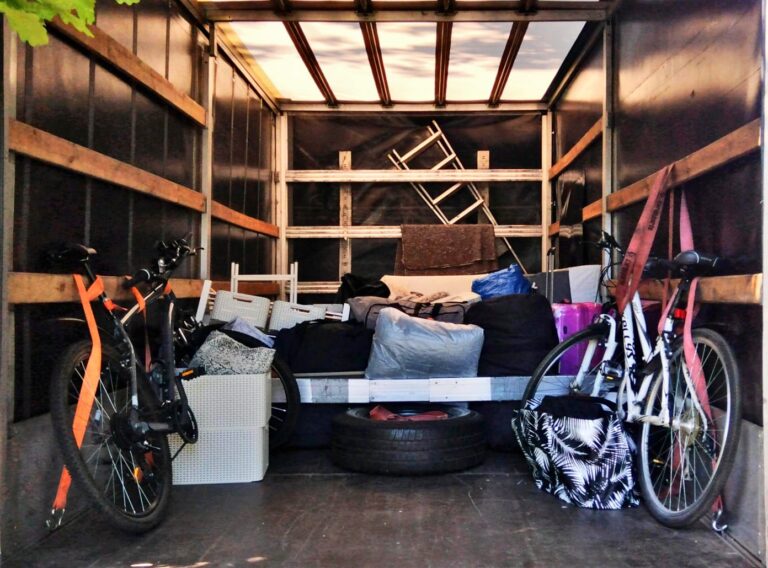
A compact man and van service can be enough for students, remote workers and small apartment moves. For families, larger vehicles and packing support can prevent damage, delays and expensive replacements.
Documents You May Need When Moving to Switzerland
A smooth move starts before the van arrives. Missing documents can turn a careful relocation into an expensive, stressful tangle. Requirements differ for EU/EFTA citizens and non EU/EFTA citizens, so always check official Swiss rules for your nationality and situation.
Residence and Registration
If you plan to stay in Switzerland for more than 90 days, you may need residence authorisation or a permit. EU/EFTA citizens generally have a simpler path than non EU/EFTA citizens, but they still need to follow registration rules.
Useful official pages:
In many cases, EU/EFTA citizens must register with the municipality within 14 days after arrival and before starting work. This can affect your employment start, banking, insurance and housing setup.
Customs Documents for Household Goods
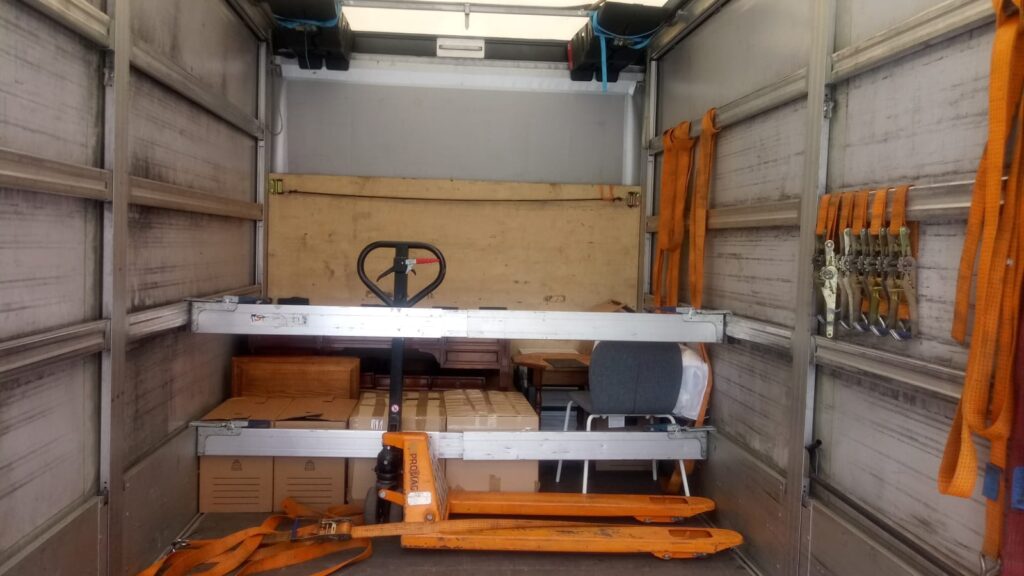
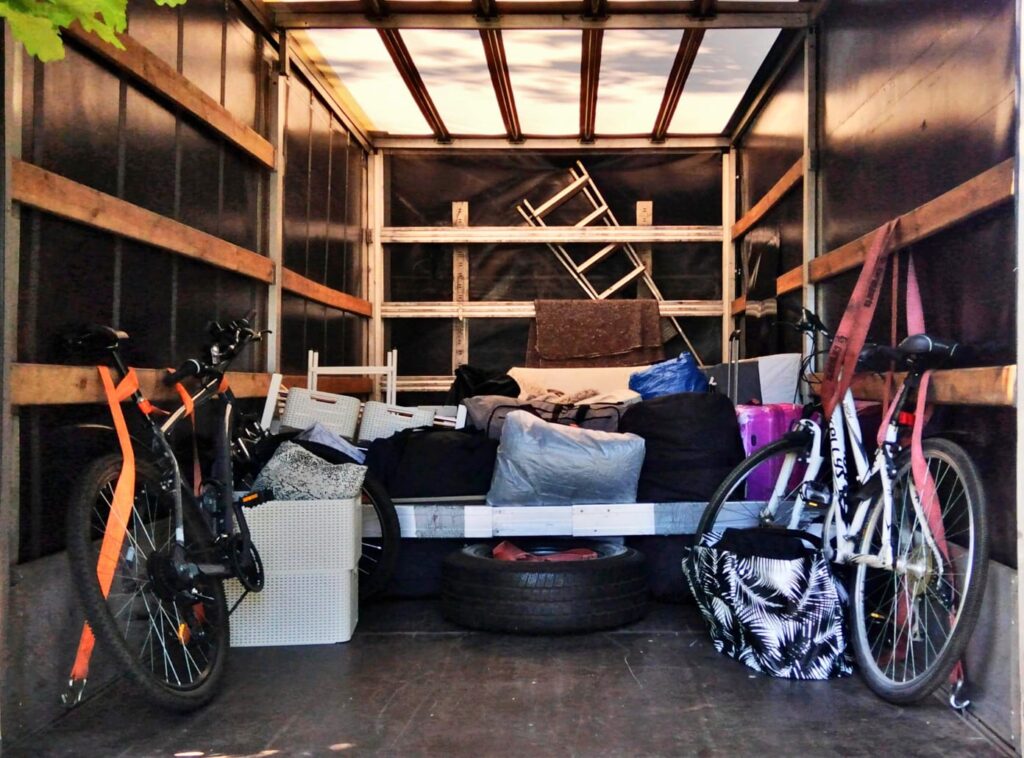
If you are moving furniture, personal belongings, tools, bicycles or household items, check Swiss customs rules before transport.
Useful official page:
Household effects may often be imported duty free when you transfer your place of residence to Switzerland, but conditions apply. You may need a detailed inventory and customs form 18.44. Goods should generally be personal household effects that you used before the move and will continue to use in Switzerland.


How to Reduce Moving Costs When Moving to Switzerland
The cheapest Swiss city will not feel cheap if the move becomes chaotic. Relocation costs rise when the vehicle is wrong, packing is rushed or timing is left too late.
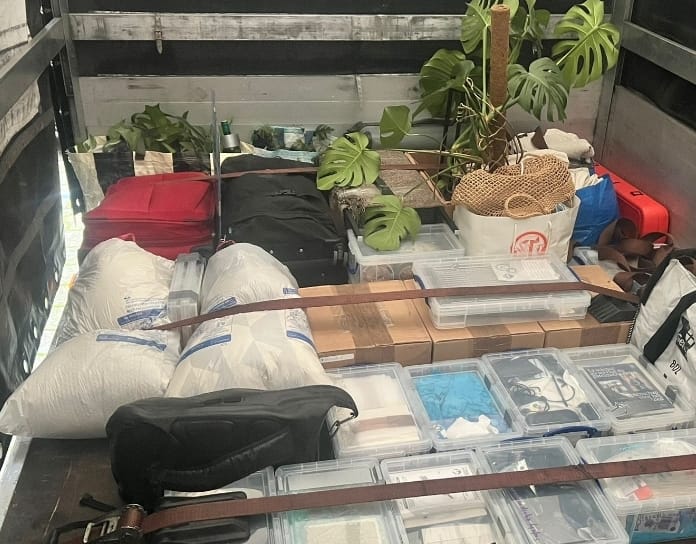
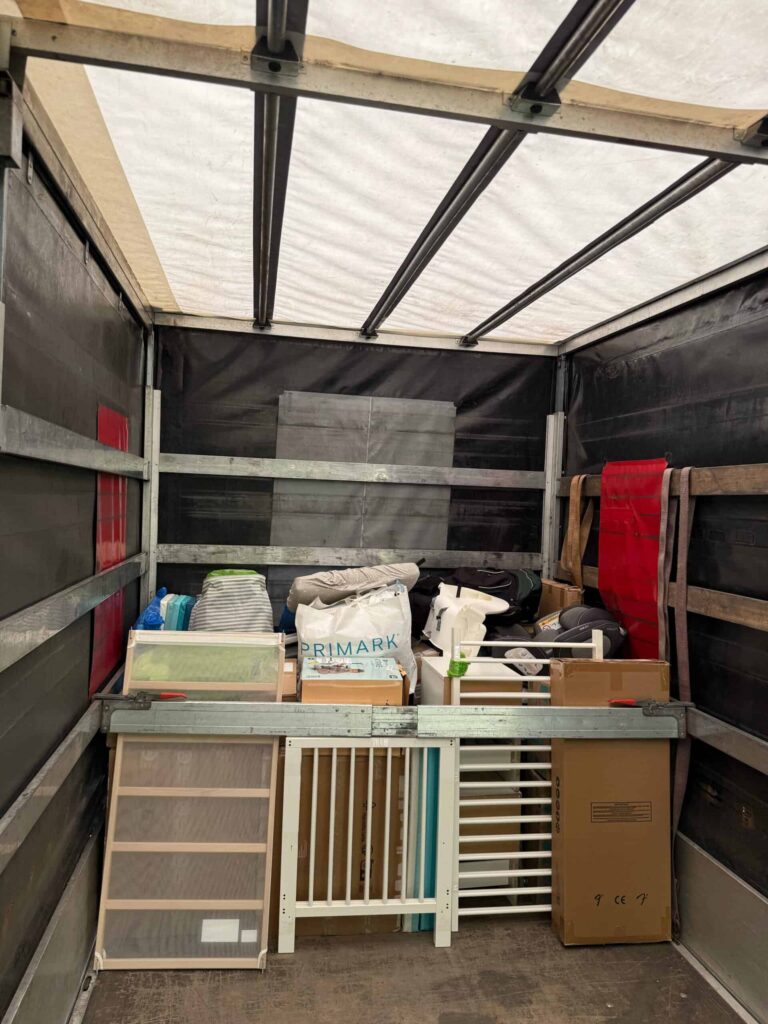
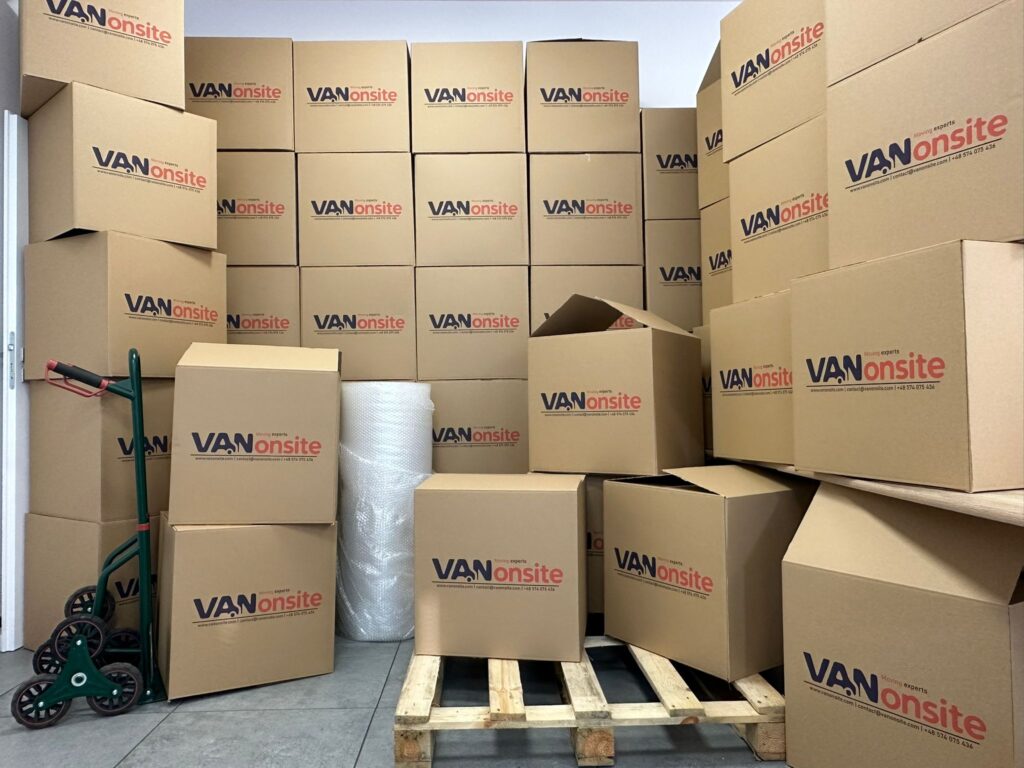
A smart man and van move helps reduce waste. You do not need to pay for a giant vehicle if you are moving a studio. You also do not want to squeeze a family home into a van that is too small. The right fit protects your belongings, your timeline and your nerves.
VANonsite offers flexible European removals to Switzerland with GPS tracking for each load, fast communication and vehicle options for different move sizes. Plan your secure removals to Switzerland with VANonsite if you want a controlled, professional move from Europe to your new Swiss home.
| VANonsite option | Capacity | Best for |
|---|---|---|
| Moving One | 1m3, 100kg | Suitcases, boxes, small student move |
| Moving Basic | 5m3, 300kg | Studio essentials or compact man and van move |
| Moving Medium | 10m3, 500kg | One room, small apartment or partial load |
| Moving Premium | 15m3, 1100kg | Larger apartment or furniture removals |
| Moving Premium Plus | 30m3, 3500kg | Full flat or small house |
| Moving Full House XXL | 90m3, 20000kg | Full house, large family move or office relocation |
VANonsite also supports Last Minute Moving, Furniture Removals, Home Removals, Packing Service, White Glove Delivery, Office Removals, Storage, Student Removals and Office Furniture Installation.
The lowest cost of living in Switzerland begins with smart choices before arrival. Sell what you do not need. Pack what is costly to replace. Use a vehicle that fits. Protect fragile items. Track the load. Avoid last minute panic.
First Month Budget in Switzerland
Your first month in Switzerland will probably not look like a normal month. Deposit, first rent, health insurance, temporary accommodation, furniture, transport, registration and food can all arrive at once.
| First month cost | Typical amount |
|---|---|
| First month rent | CHF 1,200 to 4,000 plus |
| Rental deposit | Up to 3 months of rent |
| Health insurance setup | CHF 300 to 600 plus per adult |
| Local registration and admin | CHF 20 to 150 |
| Temporary accommodation | CHF 100 to 250 per night |
| Moving transport | Depends on route, volume and timing |
| Basic furniture and household setup | CHF 500 to 3,000 plus |
| Emergency buffer | CHF 1,500 to 5,000 |
A cautious relocation budget should include a 10% to 20% contingency. If you move with children, pets, fragile furniture or a tight work deadline, increase that buffer.
How to Find Your Personal Lowest Cost of Living in Switzerland
The lowest cost of living in Switzerland is personal. A student, a remote worker, a nurse, a software engineer, a family of four and a retired couple all need different answers.
Use this practical method:
- Choose your job location or income source first.
- Shortlist 3 to 5 realistic cities or towns.
- Compare rent before comparing restaurants.
- Check health insurance premiums by canton.
- Calculate transport costs and commute time.
- Estimate taxes with local rules.
- Decide what to move, sell or buy after arrival.
- Match your belongings with the right VANonsite vehicle size.
- Keep a cash buffer for the first 30 to 90 days.
- Avoid luxury spending until your real monthly costs become clear.
The goal is not to suffer in the cheapest possible place. The goal is to build a Swiss life that feels strong, stable and sustainable.
Common Mistakes That Make Switzerland More Expensive
Even people with good salaries can feel squeezed in Switzerland if they make rushed choices. Avoid these costly mistakes:
- Renting the first apartment you find because you are afraid of missing out
- Ignoring health insurance differences between cantons
- Moving too much low value furniture
- Moving too little and rebuying expensive basics after arrival
- Choosing a cheaper town without checking commute costs
- Forgetting the rental deposit
- Eating out too often in the first month
- Underestimating customs paperwork for household goods
- Booking removals too late
- Moving valuable items without GPS tracked transport
Replacing furniture in Switzerland can be expensive. Moving the right items from your current home may save hundreds or even thousands of francs, especially if your belongings are high quality and already fit your lifestyle.
FAQ: Lowest Cost of Living in Switzerland
What is cost of living in Switzerland for a single person?
For a single person, the cost of living in Switzerland is usually around CHF 2,600 to CHF 4,300 per month in a lower or mid cost city. In Zurich or Geneva, it can rise to CHF 4,500 to CHF 5,800 or more, depending on rent and lifestyle.
How much is living cost in Switzerland for a family?
A family should often budget from CHF 6,500 to CHF 12,000 plus per month. Rent, childcare, health insurance and transport are the biggest factors.
What is the cost of living in Switzerland in euros?
Using an approximate rate of 1 CHF = EUR 1.09, CHF 3,000 is about EUR 3,270, CHF 5,000 is about EUR 5,450 and CHF 8,000 is about EUR 8,720.
Which city has the lowest cost of living in Switzerland?
The lowest cost of living in Switzerland is often found in smaller cities and lower rent cantons such as Jura, Neuchatel, Valais, St. Gallen, Fribourg and parts of Ticino.
Can a man and van service reduce moving costs?
Yes. A man and van service can reduce moving costs when it matches the size of your load. VANonsite offers flexible van sizes, GPS tracked transport and services for students, homes, offices, furniture and last minute moves to Switzerland.
Final Thoughts: Move Smart, Not Stressed
The lowest cost of living in Switzerland is not a secret postcode. It is a strategy. Choose the right city. Respect the numbers. Compare costs in CHF and euros. Prepare your residence and customs documents. Avoid rushed housing decisions. Build a first month buffer.
VANonsite helps make European removals to Switzerland safer, faster and calmer with flexible man and van options, GPS tracked loads and vehicle sizes for everything from a few boxes to a full house.
If you are ready to begin your Swiss chapter with less chaos and more confidence, plan your removals to Switzerland with VANonsite.