
Switzerland looks effortless from a distance. Trains slice through Alpine valleys with clockwork precision. Cities feel clean, calm and safe. Salaries can look generous. Lakes glitter beside offices and quiet residential streets. Then the practical questions begin.
The downside of living in Switzerland is not that the country disappoints. It is that Switzerland expects you to be prepared. Costs are high. Housing is competitive. Health insurance is compulsory. Rules are exact. Paperwork has deadlines. Even a simple relocation can become stressful if you arrive without a plan.
So, what is the downside of living in Switzerland? The clearest answer is this: Switzerland rewards people who plan carefully and punishes improvisation. It can be an exceptional place to live, work and raise a family, but the first months can feel expensive, formal and emotionally demanding.
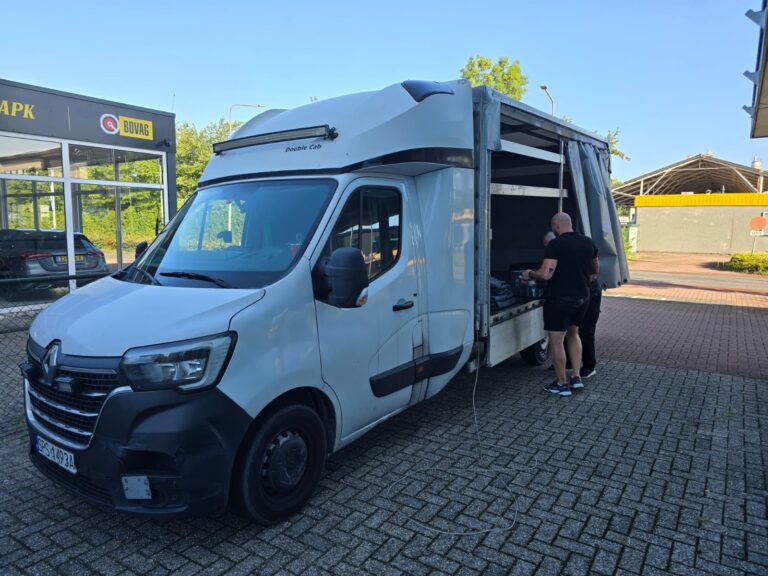
If you are already planning the move, professional support can make the difference between chaos and control. VANonsite provides secure European transport, GPS tracking for every load and flexible vehicle sizes for small man and van moves, full home removals and larger relocations. You can start with dedicated removals to Switzerland when your plan begins to take shape.
TL:DR
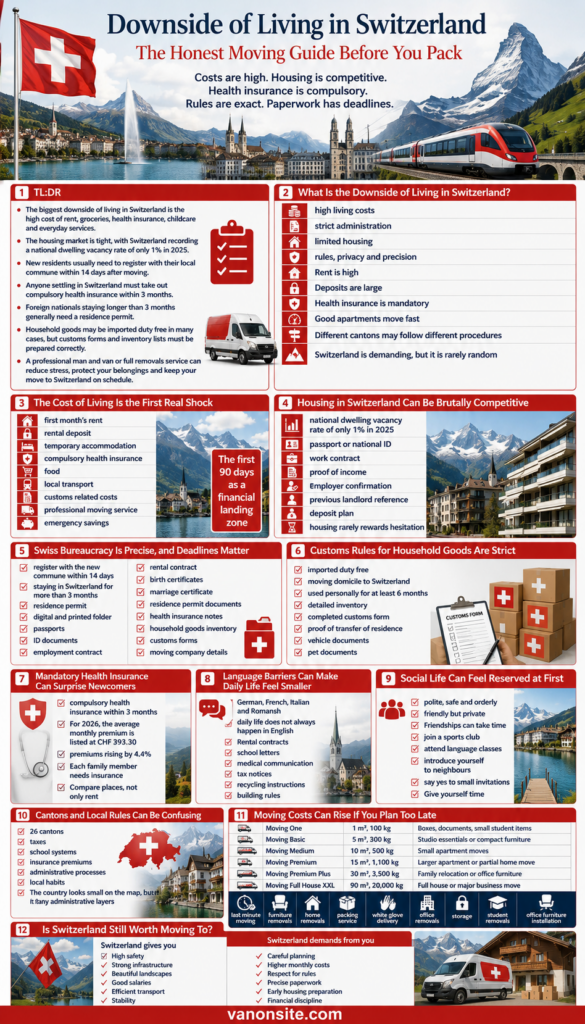
- The biggest downside of living in Switzerland is the high cost of rent, groceries, health insurance, childcare and everyday services.
- The housing market is tight, with Switzerland recording a national dwelling vacancy rate of only 1% in 2025.
- New residents usually need to register with their local commune within 14 days after moving.
- Anyone settling in Switzerland must take out compulsory health insurance within 3 months.
- Foreign nationals staying longer than 3 months generally need a residence permit.
- Household goods may be imported duty free in many cases, but customs forms and inventory lists must be prepared correctly.
- A professional man and van or full removals service can reduce stress, protect your belongings and keep your move to Switzerland on schedule.




What Is the Downside of Living in Switzerland?
The downside of living in Switzerland is the pressure created by high living costs, strict administration, limited housing and a culture that values rules, privacy and precision. None of these issues makes Switzerland a bad place to live. In fact, many of them are connected to the same qualities that make the country so attractive.
Switzerland works well because it is organised. It is safe because rules are respected. Public services feel reliable because procedures matter. The challenge is that newcomers meet this system before they fully understand it.
Most people are not overwhelmed by one single problem. They are overwhelmed by the stack. Rent is high. Deposits are large. Health insurance is mandatory. Good apartments move fast. Official documents must be kept close. Customs requirements need attention. Different cantons may follow different procedures.
Switzerland is demanding, but it is rarely random. That is why preparation works.
The Cost of Living Is the First Real Shock
For many newcomers, the main downside of living in Switzerland is cost. It appears early, often before the first Swiss salary arrives. Rent, deposits, temporary accommodation, health insurance, groceries and moving expenses can all land in the same short window.
Zurich, Geneva, Basel, Lausanne and Zug are especially expensive. Smaller towns may be calmer, but Switzerland is still a premium country.
Higher salaries help, but they do not remove the pressure. A strong gross salary can shrink quickly once rent, insurance, taxes, commuting and family expenses are included. The smart approach is to calculate life in Switzerland from the bottom up, not from the salary headline.
A realistic first budget should include first month’s rent, rental deposit, temporary accommodation, compulsory health insurance, food, local transport, customs related costs, professional moving service and emergency savings.
The downside of living in Switzerland becomes easier to handle when you treat the first 90 days as a financial landing zone. You need breathing room. Without it, even a good opportunity can feel tight.
Housing in Switzerland Can Be Brutally Competitive
Housing is one of the most stressful parts of moving to Switzerland. The national dwelling vacancy rate was only 1% in 2025, which shows how tight the market can be. In popular cities, a good apartment can attract many applicants within days.
This is where the dream of Switzerland meets reality. You may have a job offer and a clear moving plan, but still struggle to secure a permanent address.
Landlords may ask for a detailed application file. Useful documents can include a passport or national ID, work contract, proof of income, residence permit or permit application details, employer confirmation, previous landlord reference, debt register extract if already resident in Switzerland, personal introduction letter and deposit plan.
The downside of living in Switzerland is that housing rarely rewards hesitation. If you find a suitable apartment, you need to act fast and look organised.
Flexible removals can also reduce pressure. Move in dates may shift. Keys can be delayed. Your furniture may need to arrive on one exact day rather than within a vague window. VANonsite’s GPS tracked transport helps keep this part of the move visible and controlled, whether you need a compact man and van service or a larger home removals option.
Swiss Bureaucracy Is Precise, and Deadlines Matter
Swiss administration is efficient, but it is not casual. When you move, you need to think in documents, dates and local rules.
Official Swiss guidance explains that residents moving within or to Switzerland should notify their previous commune and register with the new commune. In general, registration with the new commune is expected within 14 days. You can check the official information here: Notification of departure and registration.
Foreign nationals who plan to stay in Switzerland for more than 3 months generally need a residence permit. Official information is available here: Swiss residence permits. If you are moving for employment, it is also worth reading the official guidance here: Working in Switzerland.
This administrative precision is a major downside of living in Switzerland for people who prefer flexible systems. A missing document or late registration can create unnecessary stress.
Before arrival, prepare a digital and printed folder with passports, ID documents, employment contract, rental contract or temporary address proof, birth certificates if moving with children, marriage certificate if relevant, residence permit documents, health insurance notes, household goods inventory, customs forms and moving company details.
Keep this folder separate from your packed boxes. Switzerland is not the place to discover that your most important papers are sealed inside a carton under a dining table.
Customs Rules for Household Goods Are Strict
When you cross into Switzerland with your belongings, your furniture becomes part of a formal import process. A sofa is no longer just a sofa. It is an item on an inventory list, connected to a person, a residence and a customs declaration.
Swiss customs guidance explains that household effects can often be imported duty free when moving domicile to Switzerland, provided the conditions are met. You can review the official information here: Moving household effects. The import procedure also explains that goods should generally have been used personally for at least 6 months and continue to be used after importation. See: Moving to Switzerland procedure.
This is an important part of the downside of living in Switzerland because poor organisation can slow the move. A vague list of items is not enough. Clear documentation matters.
For customs, prepare a detailed inventory, completed customs form where required, passport or ID copy, proof of transfer of residence, rental contract or address confirmation, work contract if relevant, vehicle documents if importing a car and pet documents if moving with animals.
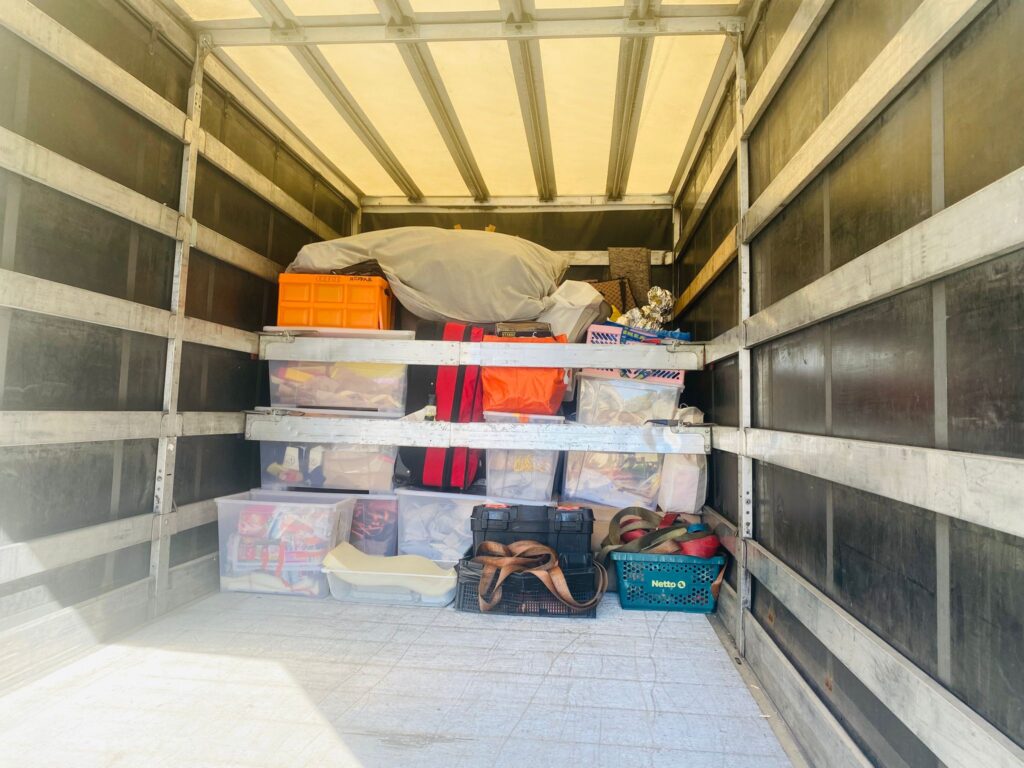
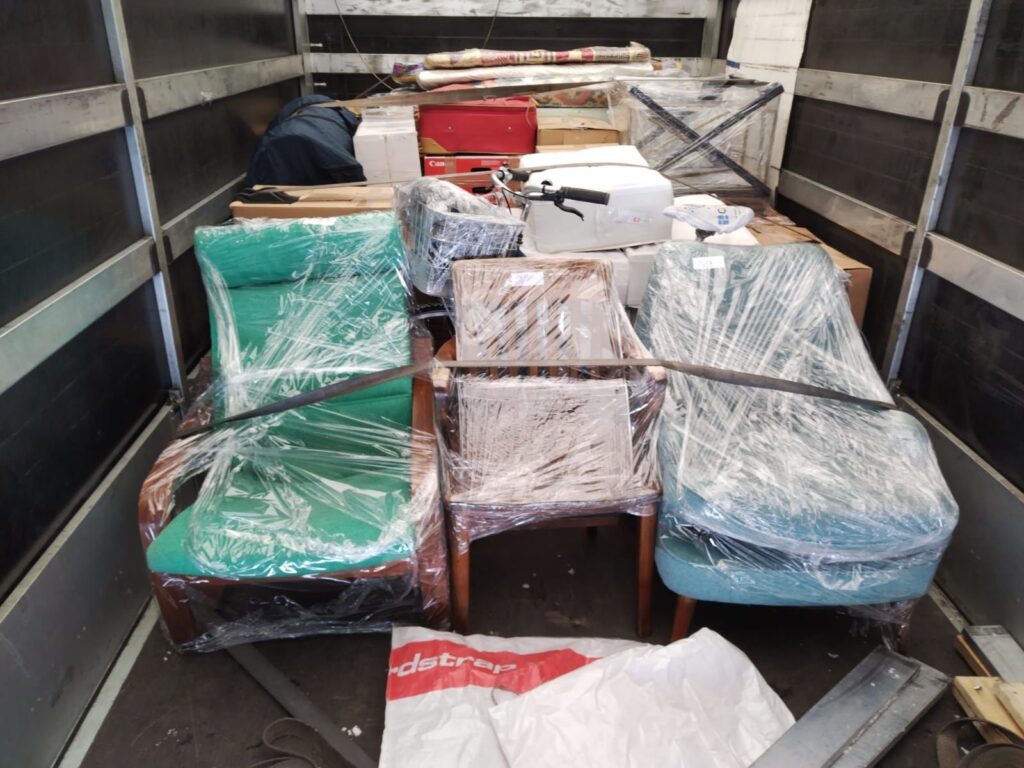
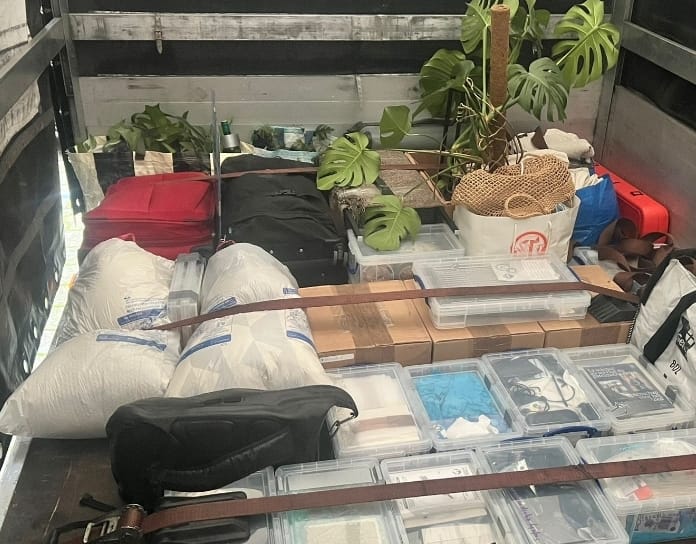
A professional man and van service can make this process easier because the load, schedule and paperwork are planned together. VANonsite supports international moves with secure transport and GPS tracking, giving you visibility from collection to delivery.
Mandatory Health Insurance Can Surprise Newcomers
Healthcare in Switzerland is high quality, but it must be budgeted from the beginning. People settling in Switzerland must take out compulsory health insurance within 3 months after taking up residence. Official information from the Federal Office of Public Health is available here: Health insurance requirement.
For 2026, the average monthly premium is listed at CHF 393.30, with premiums rising by 4.4%. For a family, this can become one of the largest fixed expenses after rent.
This is another practical downside of living in Switzerland. Even healthy newcomers must pay attention to premiums, deductibles and canton based differences. The cheapest apartment is not always the cheapest life if health insurance and commuting costs are higher.
| Health insurance issue | Why it matters | Practical tip |
|---|---|---|
| Monthly premium | It is a fixed cost | Compare options before arrival |
| Deductible | You may pay costs before coverage helps | Keep emergency savings |
| Canton differences | Premiums vary by location | Compare places, not only rent |
| Family coverage | Each family member needs insurance | Budget per person |
| 3 month deadline | New residents must act quickly | Start research before moving |
The downside of living in Switzerland is not only that some costs are high. It is that many of them are mandatory and difficult to avoid.
Language Barriers Can Make Daily Life Feel Smaller
Switzerland has 4 national languages: German, French, Italian and Romansh. English is common in international workplaces, but daily life does not always happen in English.
Rental contracts, school letters, medical communication, tax notices, recycling instructions and building rules may appear in the local language. You may feel confident at work and still feel helpless at the doctor’s desk, the commune office or a rental viewing.
This quiet frustration is a real downside of living in Switzerland. Language affects confidence. It changes how quickly you can solve problems. It can also influence how easily you build friendships.
Before moving, learn practical phrases linked to appointments, dates, rent, utilities, health insurance, deliveries, waste rules, schools and medical visits. You do not need perfect grammar to feel less lost. Even basic language effort can change the way people respond to you.
Social Life Can Feel Reserved at First
Switzerland can be polite, safe and orderly, yet emotionally quiet for newcomers. People may be friendly but private. Social plans may be made well in advance. Friendships can take time.
For some people, this becomes one of the most personal parts of the downside of living in Switzerland. You can have a good job, a tidy apartment and a breathtaking mountain view, yet still feel lonely on a Sunday afternoon.
This does not mean Swiss people are cold. Often, trust develops slowly. Once relationships form, they can be loyal, sincere and long lasting.
To settle faster, join a sports club, attend language classes, introduce yourself to neighbours, respect quiet hours, learn recycling rules and say yes to small invitations. The first 90 days can feel awkward. Give yourself time.
Cantons and Local Rules Can Be Confusing
Switzerland has 26 cantons, and this matters. Taxes, school systems, insurance premiums, administrative processes and local habits can vary depending on where you live.
A move to Zurich is not the same as a move to Vaud. Basel feels different from Ticino. Zug has a different rhythm than Geneva. Even neighbouring communes can create different experiences.
This is a hidden downside of living in Switzerland. The country looks small on the map, but it has many administrative layers.
Before choosing where to live, compare rent levels, tax situation, health insurance premiums, public transport links, school access, childcare access, language region, distance from work and registration procedures. Once you understand the right canton and commune, Switzerland becomes easier to navigate. The system is detailed, but it is not random.
Moving Costs Can Rise If You Plan Too Late
Last minute moving can be expensive anywhere. In Switzerland, it can be especially stressful because housing dates, customs documents, parking rules and delivery timing all matter.
The downside of living in Switzerland can begin before you arrive if the move is rushed. You may pay more for temporary accommodation, choose the wrong vehicle size, forget customs documents or lose time at the border.
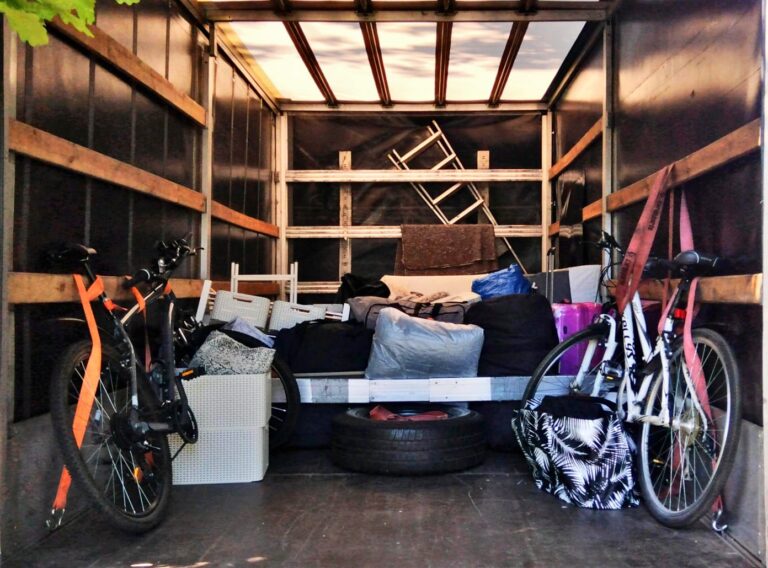
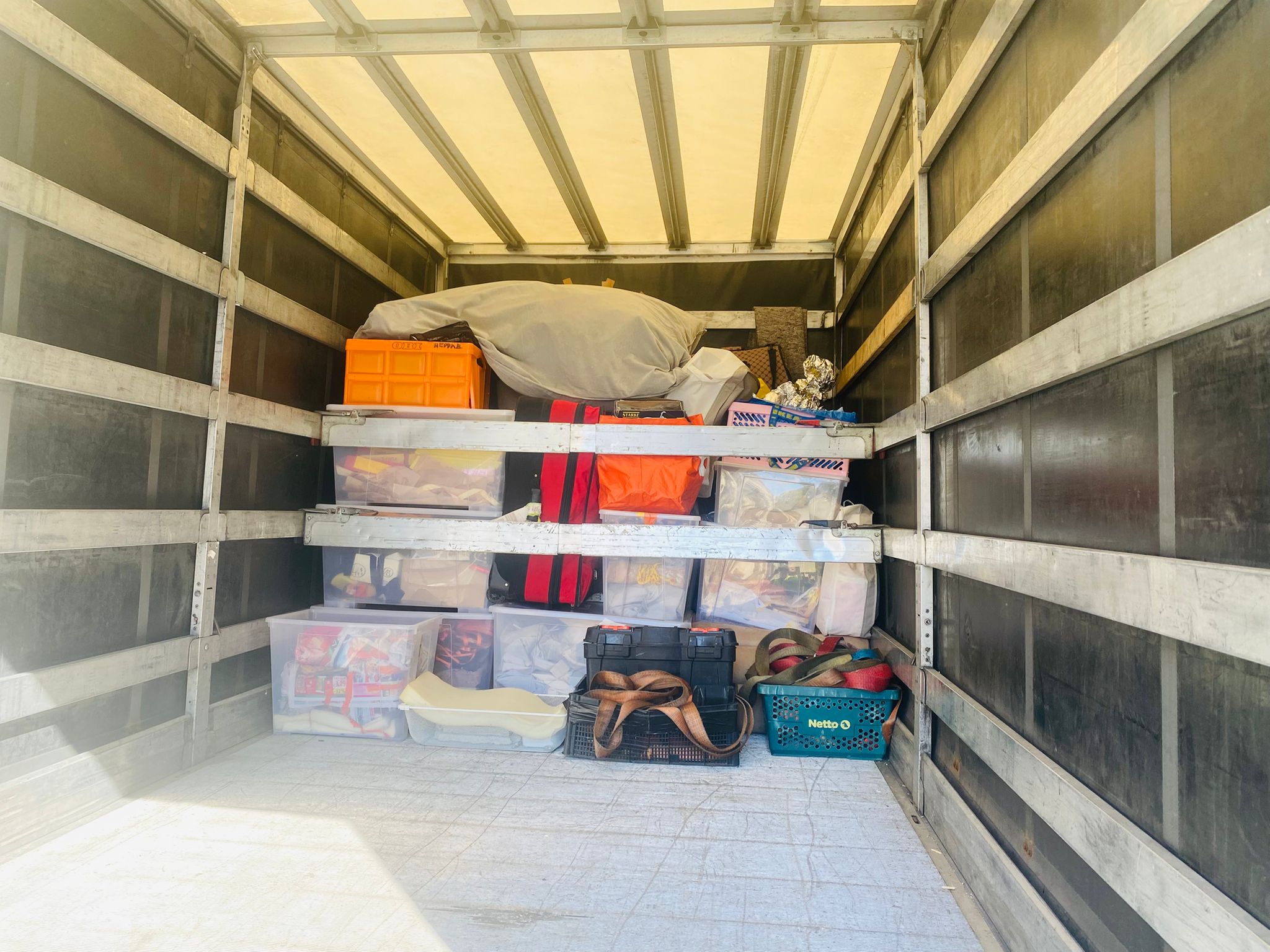
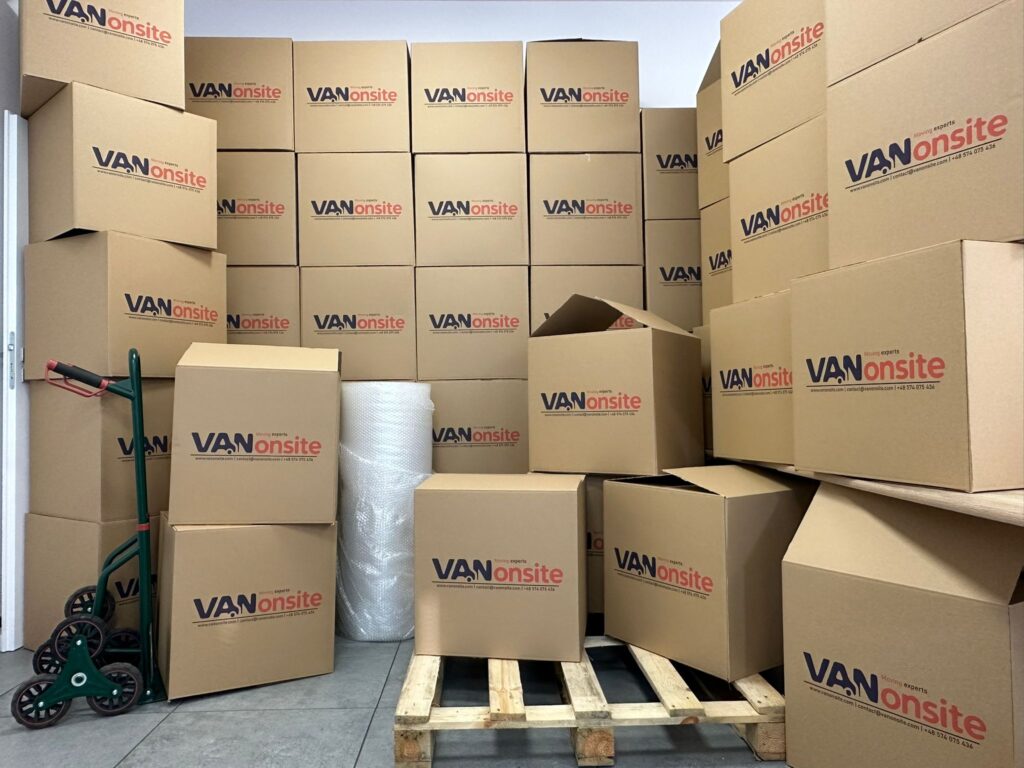
VANonsite helps reduce that pressure with secure European transport, GPS tracking and flexible vehicle sizes. The service is suitable for last minute moving, furniture removals, home removals, packing service, white glove delivery, office removals, storage, student removals and office furniture installation.
| VANonsite option | Capacity | Best for |
|---|---|---|
| Moving One | 1 m³, 100 kg | Boxes, documents, small student items |
| Moving Basic | 5 m³, 300 kg | Studio essentials or compact furniture |
| Moving Medium | 10 m³, 500 kg | Small apartment moves |
| Moving Premium | 15 m³, 1,100 kg | Larger apartment or partial home move |
| Moving Premium Plus | 30 m³, 3,500 kg | Family relocation or office furniture |
| Moving Full House XXL | 90 m³, 20,000 kg | Full house or major business move |
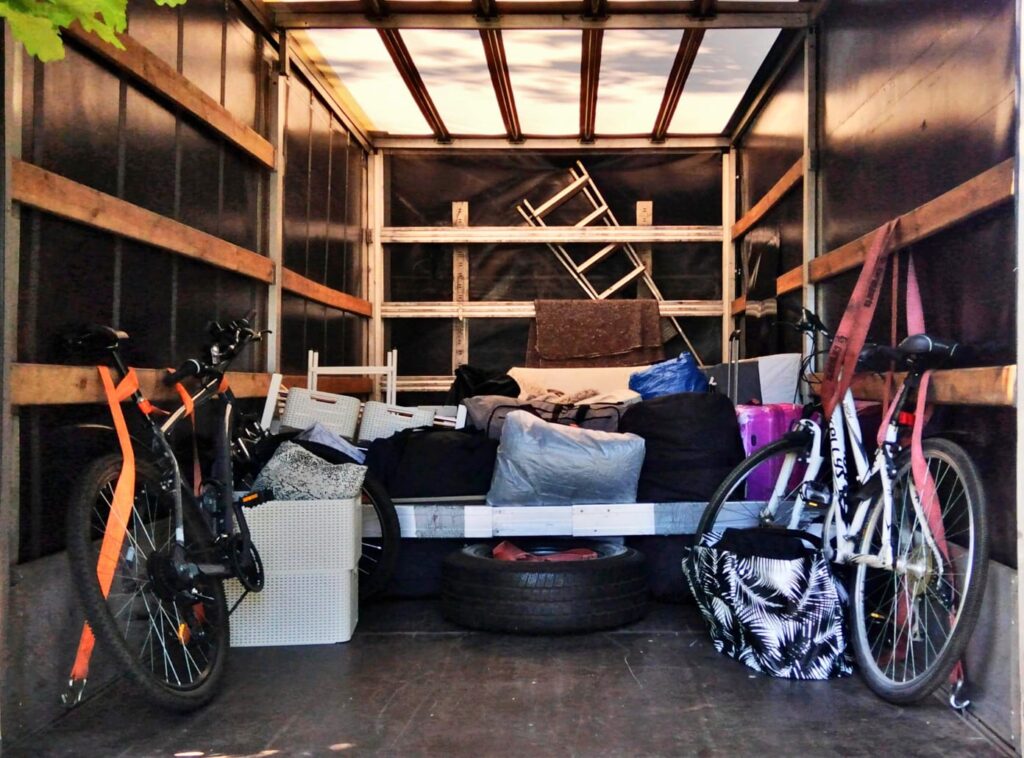
A man and van service can be ideal for a small move, student relocation or compact apartment transfer. A larger household, office relocation or valuable furniture delivery may need a bigger vehicle and more careful handling.
The best moving option is not always the cheapest on paper. It is the one that fits the load, protects your belongings and respects the Swiss timeline.

Is Switzerland Still Worth Moving To?
Yes, Switzerland can still be worth moving to. The downside of living in Switzerland is real, but so are the rewards.
The country offers safety, reliable public transport, strong salaries, clean cities, outstanding nature and stability. For many newcomers, these advantages can be life changing.
The key is expectation. If you expect Switzerland to be effortless, the first months may feel harsh. If you expect it to be structured, expensive and serious, you can prepare for it and enjoy what the country does best.
| Switzerland gives you | Switzerland demands from you |
|---|---|
| High safety | Careful planning |
| Strong infrastructure | Higher monthly costs |
| Beautiful landscapes | Respect for rules |
| Good salaries | Precise paperwork |
| Efficient transport | Early housing preparation |
| Stability | Financial discipline |
The downside of living in Switzerland becomes manageable when you treat relocation as a project, not a single moving day.
Moving to Switzerland Checklist
Use this checklist before you book transport, sign a lease or pack the first box.
- Research your exact canton and commune.
- Compare rent, tax and health insurance costs.
- Confirm your right to live and work in Switzerland.
- Check whether you need a residence permit.
- Prepare your rental application file.
- Build a realistic first 3 month budget.
- Check Swiss customs rules for household goods.
- Prepare a detailed inventory.
- Keep official documents in one folder.
- Choose the right man and van or larger removals option.
- Book professional European transport early.
- Arrange packing for fragile or high value items.
- Register with the commune after arrival.
- Take out compulsory health insurance within the required period.
- Update banks, employers, subscriptions and official records.
- Save VANonsite GPS tracking details for peace of mind.
Moving to Switzerland rewards the prepared. A long checklist is still cheaper than panic.
FAQ
What is the downside of living in Switzerland?
The downside of living in Switzerland is the combination of high living costs, tight housing, mandatory health insurance, strict bureaucracy, language barriers and slower social integration. These challenges are manageable, but they require planning.
Is Switzerland too expensive to live in?
Switzerland can be expensive, especially in Zurich, Geneva, Basel, Lausanne and Zug. Higher salaries can help, but only if your budget is realistic.
Is it hard to rent an apartment in Switzerland?
Yes. The national dwelling vacancy rate was only 1% in 2025, so good apartments can attract strong competition. A complete rental file improves your chances.
Do I need health insurance after moving to Switzerland?
Yes. People settling in Switzerland must take out compulsory health insurance within 3 months after taking up residence. Premiums vary by canton, age, insurer and insurance model.
Can I move my furniture to Switzerland duty free?
Often yes, if your household goods meet Swiss customs conditions. Used personal household effects can often be imported duty free when you transfer domicile and provide the required documents.
Is a man and van service enough for moving to Switzerland?
A man and van service can be enough for a small move, student relocation or compact apartment transfer. Larger homes, offices or valuable furniture may need a bigger vehicle or specialist handling.
How can VANonsite help with moving to Switzerland?
VANonsite offers secure European transport, GPS tracking for every load, flexible vehicle sizes and services such as packing, furniture removals, home removals, storage, student removals, office removals and white glove delivery.
Move to Switzerland Without Letting the Downsides Take Over
The downside of living in Switzerland is not a secret. It is expensive. It is strict. It is detailed. It asks you to be organised before you feel ready.
Yet that same precision is also what makes Switzerland so desirable. The trains run. The streets feel safe. The mountains wait at the edge of ordinary life. The system can feel demanding, but it can also give you stability, comfort and confidence.
If Switzerland is calling, do not let the move become the reason you hesitate. Plan the costs. Prepare the documents. Respect the deadlines. Choose transport that protects your belongings and your peace of mind.
With GPS tracked European removals, flexible vehicle sizes and careful handling, VANonsite helps you move with confidence rather than chaos. Start with removals to Switzerland and turn a complicated relocation into a smart, steady next chapter.