
Switzerland has a rare kind of magnetism. It looks calm from the outside, almost impossibly polished, with lake cities, alpine railways, clean streets and a work culture built on precision. Then you start planning the move and the numbers arrive. Rent. Health insurance. Deposits. Groceries. Transport. Customs forms. Suddenly, the dream needs a spreadsheet.
This guide to living in Switzerland gives you the practical version of the story. Not just postcard beauty and salary talk, but the real moving questions: how much does it cost, what documents do you need, where should you live, what should you bring, and how can you make the move smoother?
If you are moving from another European country, Switzerland can feel familiar and foreign at the same time. It sits in the heart of Europe, but it is not an EU member. It is efficient, safe and prosperous, yet it has its own rules, systems and rhythms. That is why planning matters. A well organised relocation can save you time, money and nerves.
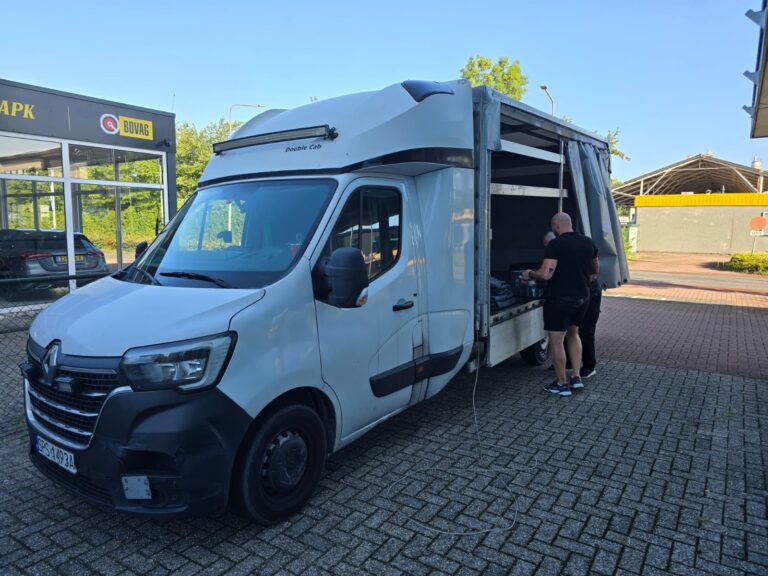
For transport, timing and peace of mind, VANonsite removals to Switzerland can support European relocations with flexible vehicle sizes, GPS tracking for every load, and careful man and van options for small, medium and full household moves.
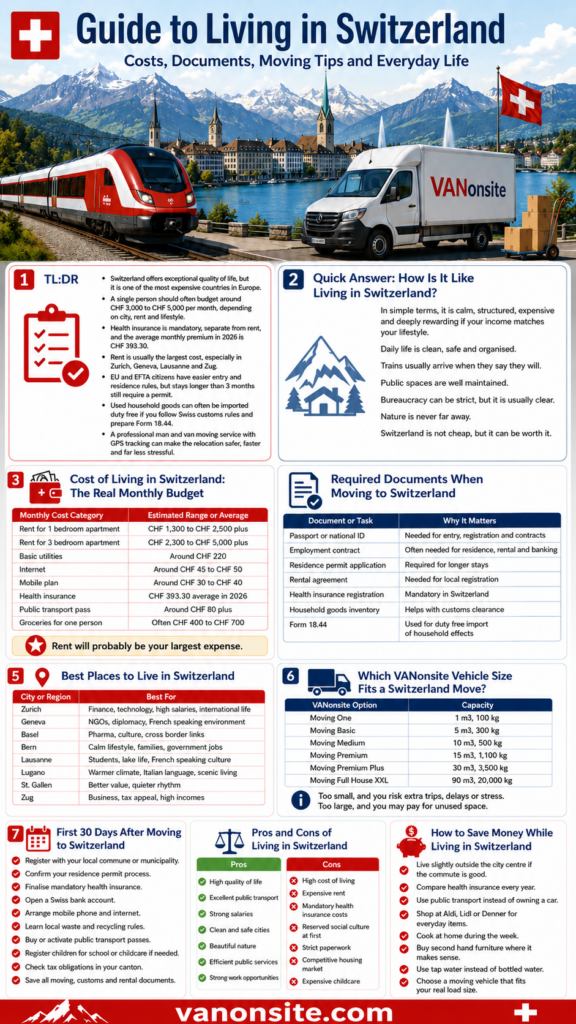
TL:DR
- Switzerland offers exceptional quality of life, but it is one of the most expensive countries in Europe.
- A single person should often budget around CHF 3,000 to CHF 5,000 per month, depending on city, rent and lifestyle.
- Health insurance is mandatory, separate from rent, and the average monthly premium in 2026 is CHF 393.30.
- Rent is usually the largest cost, especially in Zurich, Geneva, Lausanne and Zug.
- EU and EFTA citizens have easier entry and residence rules, but stays longer than 3 months still require a permit.
- Used household goods can often be imported duty free if you follow Swiss customs rules and prepare Form 18.44.
- A professional man and van moving service with GPS tracking can make the relocation safer, faster and far less stressful.




Quick Answer: How Is It Like Living in Switzerland?
How is it like living in Switzerland? In simple terms, it is calm, structured, expensive and deeply rewarding if your income matches your lifestyle. Daily life is clean, safe and organised. Trains usually arrive when they say they will. Public spaces are well maintained. Bureaucracy can be strict, but it is usually clear. Nature is never far away.
Still, Switzerland does not forgive vague budgeting. A meal out, a larger apartment, private childcare or the wrong health insurance choice can quickly add hundreds of francs to your monthly costs. For newcomers, the first 3 to 6 months can feel intense because deposits, registration fees, insurance, furniture and moving costs often arrive close together.
A realistic guide to living in Switzerland must say this clearly: Switzerland is not cheap, but it can be worth it. People who thrive here usually plan carefully, respect local rules, compare costs by canton, and avoid turning the move into a chaotic last minute scramble.
Moving to Switzerland From Europe: What You Need to Know First
Moving to Switzerland is not like moving from one EU country to another. Switzerland is closely connected to the EU, but it has its own immigration, customs and administrative systems. That means your relocation needs to be more precise than a casual cross border move.
Before booking transport, think about four essentials:
- Your right to live and work in Switzerland.
- Your housing plan and rental budget.
- Your household goods and customs paperwork.
- Your first month costs, including insurance and deposits.
This guide to living in Switzerland focuses on practical relocation, because the move itself shapes your first impression of the country. A smooth move gives you time to handle registration, banking, health insurance and work. A messy move can make the first weeks feel exhausting.
VANonsite can help with that fragile middle stage, when your belongings are between two homes and every delay feels personal. With GPS tracking for every load and a wide range of vehicle sizes, the company gives you visibility and control during one of the most stressful parts of relocation.
Required Documents When Moving to Switzerland
Documents are the backbone of a Swiss move. The exact requirements depend on your nationality, reason for moving and length of stay, but most new residents should prepare early.
If you are an EU or EFTA citizen, entry and residence rules are generally easier than for third country nationals. However, anyone staying in Switzerland for more than 3 months must usually obtain a residence permit. You can find official information on Swiss residence permits at ch.ch and on the State Secretariat for Migration website for EU and EFTA residence permits.
For a longer employment based stay, the B EU/EFTA permit may apply if you have an employment contract of at least 12 months or an unlimited contract.
If you are importing household goods, Swiss customs rules are crucial. Used household effects may often be imported duty free if they have been personally used for at least 6 months and will continue to be used after import. For the official procedure, check the Swiss customs page on moving household effects and the page explaining the relocation import procedure and Form 18.44.
| Document or Task | Why It Matters | Source |
|---|---|---|
| Passport or national ID | Needed for entry, registration and contracts | Your national authority |
| Employment contract | Often needed for residence, rental and banking | Employer |
| Residence permit application | Required for longer stays | ch.ch and SEM |
| Rental agreement | Needed for local registration | Landlord or agency |
| Health insurance registration | Mandatory in Switzerland | Swiss insurer |
| Household goods inventory | Helps with customs clearance | Swiss customs |
| Form 18.44 | Used for duty free import of household effects | Swiss customs |
Do not pack your key documents inside the moving load. Keep passports, contracts, customs paperwork, insurance records and rental documents with you. It sounds obvious, but during a rushed move, obvious things are often the first to disappear into a sealed box.
Cost of Living in Switzerland: The Real Monthly Budget
The cost of living is the biggest question in any guide to living in Switzerland. Salaries are often higher than in other European countries, but expenses rise with them. A good Swiss budget is not built around one number. It is built around rent, health insurance, utilities, food, transport, taxes and lifestyle.
A single person living modestly outside the most expensive areas may manage with around CHF 3,000 to CHF 4,000 per month. In Zurich, Geneva or Zug, the same person may need closer to CHF 4,500 or CHF 5,000, especially with a central apartment. A couple can share rent, which helps, but health insurance and daily costs remain significant. Families need a much wider buffer because childcare and larger housing can be fierce.
| Monthly Cost Category | Estimated Range or Average | Notes |
|---|---|---|
| Rent for 1 bedroom apartment | CHF 1,300 to CHF 2,500 plus | Depends heavily on city and location |
| Rent for 3 bedroom apartment | CHF 2,300 to CHF 5,000 plus | Zurich and Geneva can sit at the high end |
| Basic utilities | Around CHF 220 | For a medium apartment |
| Internet | Around CHF 45 to CHF 50 | Usually reliable |
| Mobile plan | Around CHF 30 to CHF 40 | Depends on data and provider |
| Health insurance | CHF 393.30 average in 2026 | Mandatory |
| Public transport pass | Around CHF 80 plus | Higher in some zones |
| Groceries for one person | Often CHF 400 to CHF 700 | Lifestyle matters |
These numbers are not meant to scare you. They are meant to protect you. Switzerland feels much easier when the first invoice does not come as a shock.
Rent in Switzerland: The Biggest Monthly Cost
Rent will probably be your largest expense. In major cities, apartments move quickly and competition can be sharp. Zurich, Geneva, Lausanne and Zug are beautiful, wealthy and well connected, but they can punish weak budgets.
A one bedroom apartment in a city centre can cost around CHF 1,600 on average across Switzerland, with Zurich often far higher. A 3 bedroom apartment in a premium city location can easily move beyond CHF 4,000 or CHF 5,000. Outside city centres, costs may soften, but commuting time becomes part of the calculation.
| Housing Type | Switzerland Average Estimate | Zurich Example Estimate |
|---|---|---|
| 1 bedroom apartment in city centre | Around CHF 1,650 | Around CHF 2,400 plus |
| 1 bedroom apartment outside centre | Around CHF 1,300 | Around CHF 2,000 |
| 3 bedroom apartment in city centre | Around CHF 2,900 | Around CHF 5,000 plus |
| 3 bedroom apartment outside centre | Around CHF 2,300 | Around CHF 3,100 plus |
When choosing where to live, ask yourself a blunt question: would you rather pay more for a short commute or less for more space? There is no universal answer. A young professional in Zurich may value location above everything. A family may prefer a quieter town with stronger value and better storage.
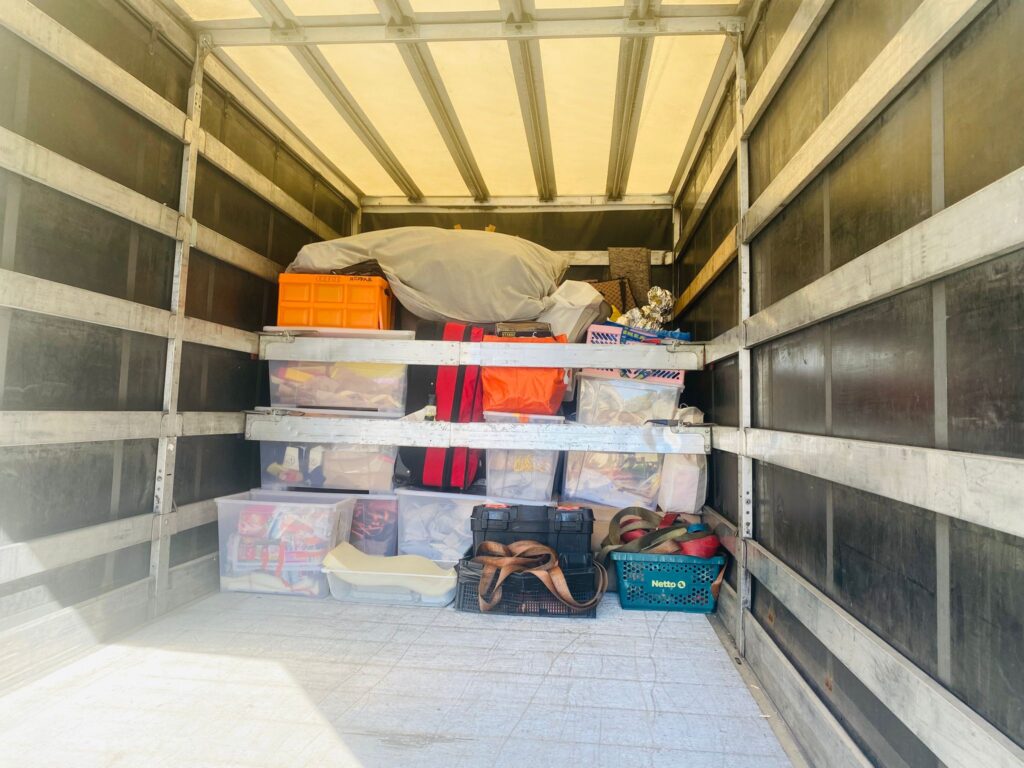
Your moving plan should match your housing reality. If you are moving into a compact city apartment, a huge truck may be impractical. If you are moving a full family home, a small van may create delays. VANonsite offers vehicle sizes from Moving One at 1 m3 to Moving Full House XXL at 90 m3, which makes it easier to match the move to the property.
Utilities, Internet and Phone Bills
Utilities in Switzerland are not usually the largest cost, but they still deserve a place in your budget. For a medium apartment, basic utilities may sit around CHF 220 per month. This can include electricity, heating, cooling, water and waste. Internet may cost around CHF 47 per month, while a mobile plan with calls and data may sit around CHF 32.
In some rentals, certain charges are included as part of service costs. In others, you may pay more directly. Always check the rental agreement carefully before signing. A cheaper apartment with high additional charges may not be as cheap as it looks.
| Bill Type | Typical Monthly Cost | Budget Tip |
|---|---|---|
| Basic utilities | Around CHF 220 | Check what is included in rent |
| Internet | Around CHF 47 | Compare bundle offers |
| Mobile plan | Around CHF 32 | Avoid paying for unused data |
| Waste disposal | Varies by canton or commune | Learn local rubbish bag rules |
Switzerland has strict waste rules in many municipalities. In some places, you must buy official rubbish bags or stickers. Recycling is also taken seriously. It may feel fussy at first, but once you learn the system, it becomes second nature.
Groceries and Everyday Products
Swiss groceries are high quality, but prices can feel brutal when you first arrive. A simple basket of bread, eggs, chicken, cheese, fruit and vegetables may cost far more than in Poland, Spain, Portugal or Germany.
The smart approach is not to stop buying good food. It is to shop with intention. Migros and Coop dominate many areas, but Aldi, Lidl and Denner can help reduce costs. Seasonal produce, own brand products and weekly promotions can make a visible difference.
| Everyday Item | Typical Price Estimate |
|---|---|
| Milk, 1 litre | Around CHF 1.80 |
| Fresh white bread, 500 g | Around CHF 3.00 |
| Rice, 1 kg | Around CHF 3.00 |
| Eggs, 12 | Around CHF 6.20 |
| Local cheese, 1 kg | Around CHF 21.60 |
| Chicken fillets, 1 kg | Around CHF 23.00 |
| Beef, 1 kg | Around CHF 36.00 |
| Apples, 1 kg | Around CHF 3.00 |
| Tomatoes, 1 kg | Around CHF 4.20 |
| Water, 1.5 litre bottle | Around CHF 1.15 |
A practical guide to living in Switzerland should mention one underrated advantage: tap water is excellent in many places. Buying bottled water every week is often unnecessary. Small decisions like this can save money quietly, month after month.
Eating Out, Coffee and Social Life
Restaurants in Switzerland can be a shock. A simple meal in an inexpensive restaurant may cost around CHF 25. A 3 course meal for 2 people in a mid range restaurant can easily reach CHF 100 or more. Coffee is also expensive compared with much of Europe.
This does not mean you should never eat out. It means eating out becomes more intentional. Many locals cook at home during the week, bring lunch to work, and save restaurants for weekends or special evenings.
| Social Cost | Typical Price Estimate |
|---|---|
| Inexpensive restaurant meal | Around CHF 25 |
| Meal for 2 in a mid range restaurant | Around CHF 100 |
| Cappuccino | Around CHF 5 |
| Domestic beer in a restaurant | Around CHF 7 |
The emotional side matters too. New arrivals sometimes feel lonely in Switzerland because social life can be more reserved. Join local clubs, hiking groups, language classes or professional networks early. In Switzerland, friendships may start slowly, but they often become steady and sincere.
Health Insurance in Switzerland
Health insurance is mandatory in Switzerland. It is not a small side cost. In 2026, the average monthly health insurance premium is CHF 393.30, after an average increase of 4.4%. Premiums vary by canton, age, insurer, deductible and model.
This is one of the most important numbers in this guide to living in Switzerland. Many newcomers compare salary and rent, then forget health insurance until it becomes urgent. Add insurance to your budget before you move.
Basic health insurance covers essential medical care, but you still need to understand deductibles and co payments. A higher deductible can reduce your monthly premium, but it increases what you pay yourself when you need care. If you have a family, calculate everyone separately.
Useful steps:
- Compare insurance offers before arrival or shortly after.
- Check canton based prices, not just national averages.
- Decide your deductible carefully.
- Understand whether your plan limits your first point of medical contact.
- Keep proof of insurance for administrative tasks.
Switzerland has excellent healthcare, but excellence comes with paperwork and cost. Treat insurance as a core relocation task, not an afterthought.
Transport: Trains, Trams, Cars and Commuting
Swiss public transport is one of the country’s greatest daily pleasures. Trains are frequent, clean and wonderfully connected. Trams and buses work well in cities. For many people, life without a car is not just possible. It is easier.
A monthly local transport pass may cost around CHF 80 or more, depending on location and zones. A one way local ticket may cost around CHF 3.50. For regular rail travel, many residents consider discount passes or half fare options.
Cars are useful in rural areas or for families, but they bring extra costs: parking, insurance, fuel, servicing and sometimes winter equipment. In cities, parking can be scarce and expensive.
| Transport Option | Best For | Watch Out For |
|---|---|---|
| Train | Intercity travel and commuting | Peak hour crowds |
| Tram or bus | City life | Zone based pricing |
| Bicycle | Short commutes in many towns | Hills and winter weather |
| Car | Rural areas and families | Parking and insurance costs |
| Car sharing | Occasional driving | Availability by area |
If your Swiss home has limited parking or narrow access, tell your moving company early. Good logistics prevent awkward delivery problems. A careful man and van team can often handle tighter locations better than an oversized vehicle.
Best Places to Live in Switzerland
There is no single best place to live in Switzerland. The right choice depends on your language, job, budget, lifestyle and family situation. Switzerland has German, French, Italian and Romansh speaking regions, and the atmosphere changes from canton to canton.
| City or Region | Best For | Possible Drawback |
|---|---|---|
| Zurich | Finance, technology, high salaries, international life | Very high rent |
| Geneva | NGOs, diplomacy, French speaking environment | Expensive housing |
| Basel | Pharma, culture, cross border links | Competitive rentals |
| Bern | Calm lifestyle, families, government jobs | Slower pace |
| Lausanne | Students, lake life, French speaking culture | High demand for housing |
| Lugano | Warmer climate, Italian language, scenic living | Smaller job market |
| St. Gallen | Better value, quieter rhythm | Fewer big city roles |
| Zug | Business, tax appeal, high incomes | Extremely expensive housing |
Zurich feels powerful and polished. Geneva feels global. Basel is clever and cultural. Bern is gentle and dignified. Lausanne has energy, water and hills. Lugano feels sunlit and softer. In this guide to living in Switzerland, the best advice is simple: choose your canton as carefully as your job.
Taxes also differ by canton and commune. A higher salary in one city may not stretch as far as a lower salary somewhere more affordable. Before signing a rental contract, compare rent, commute, insurance premiums, taxes and school or childcare needs.
Moving Your Belongings to Switzerland With VANonsite
A move is never just boxes. It is your bed, your desk, your children’s toys, your favourite chair, your records, your kitchen tools, your work equipment and the small objects that make a new country feel less lonely.
VANonsite supports European moves with secure transport, flexible options and GPS tracking for every load. That matters because visibility reduces anxiety. When your belongings are crossing borders, knowing where they are is not a luxury. It is comfort.
Depending on your situation, VANonsite can support:
- Last Minute Moving for urgent relocations.
- Furniture Removals for sofas, wardrobes, beds and bulky items.
- Home Removals for apartments, houses and family relocations.
- Packing Service for safer, faster preparation.
- White Glove Delivery for delicate, valuable or premium items.
- Office Removals for company relocations.
- Storage when your Swiss property is not ready yet.
- Student Removals for smaller, cost aware moves.
- Office Furniture Installation for workplace setup after delivery.
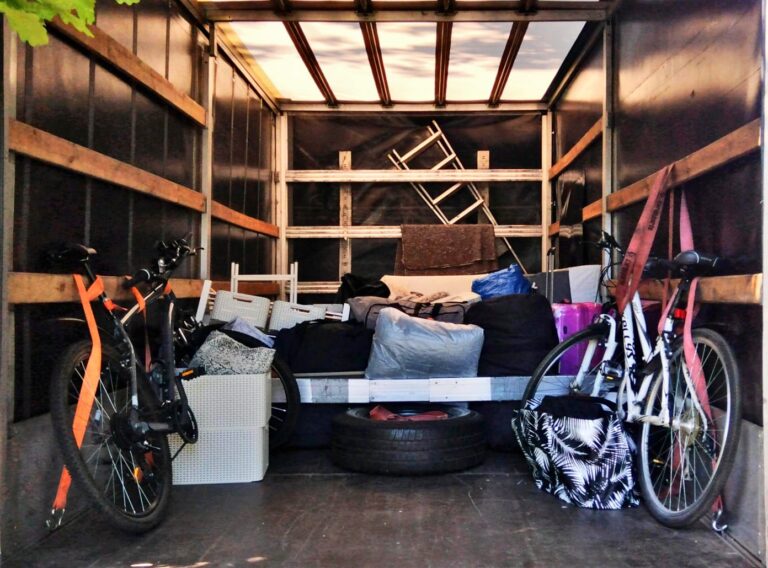
A man and van service can be ideal for smaller moves, student moves, partial apartment relocations or urgent deliveries. For larger homes, VANonsite can scale up to bigger vehicles and more structured planning.
Which VANonsite Vehicle Size Fits a Switzerland Move?
Choosing the right vehicle is more important than many people think. Too small, and you risk extra trips, delays or stress. Too large, and you may pay for unused space. Switzerland also has narrow streets, mountain roads, tight city access and strict delivery windows in some areas.
| VANonsite Option | Capacity | Best For |
|---|---|---|
| Moving One | 1 m3, 100 kg | A few boxes, documents, small urgent delivery |
| Moving Basic | 5 m3, 300 kg | Studio essentials, small furniture, compact man and van move |
| Moving Medium | 10 m3, 500 kg | One room, student move, partial apartment |
| Moving Premium | 15 m3, 1,100 kg | Small flat or selected household furniture |
| Moving Premium Plus | 30 m3, 3,500 kg | Larger apartment or small family move |
| Moving Full House XXL | 90 m3, 20,000 kg | Full household relocation or large family move |
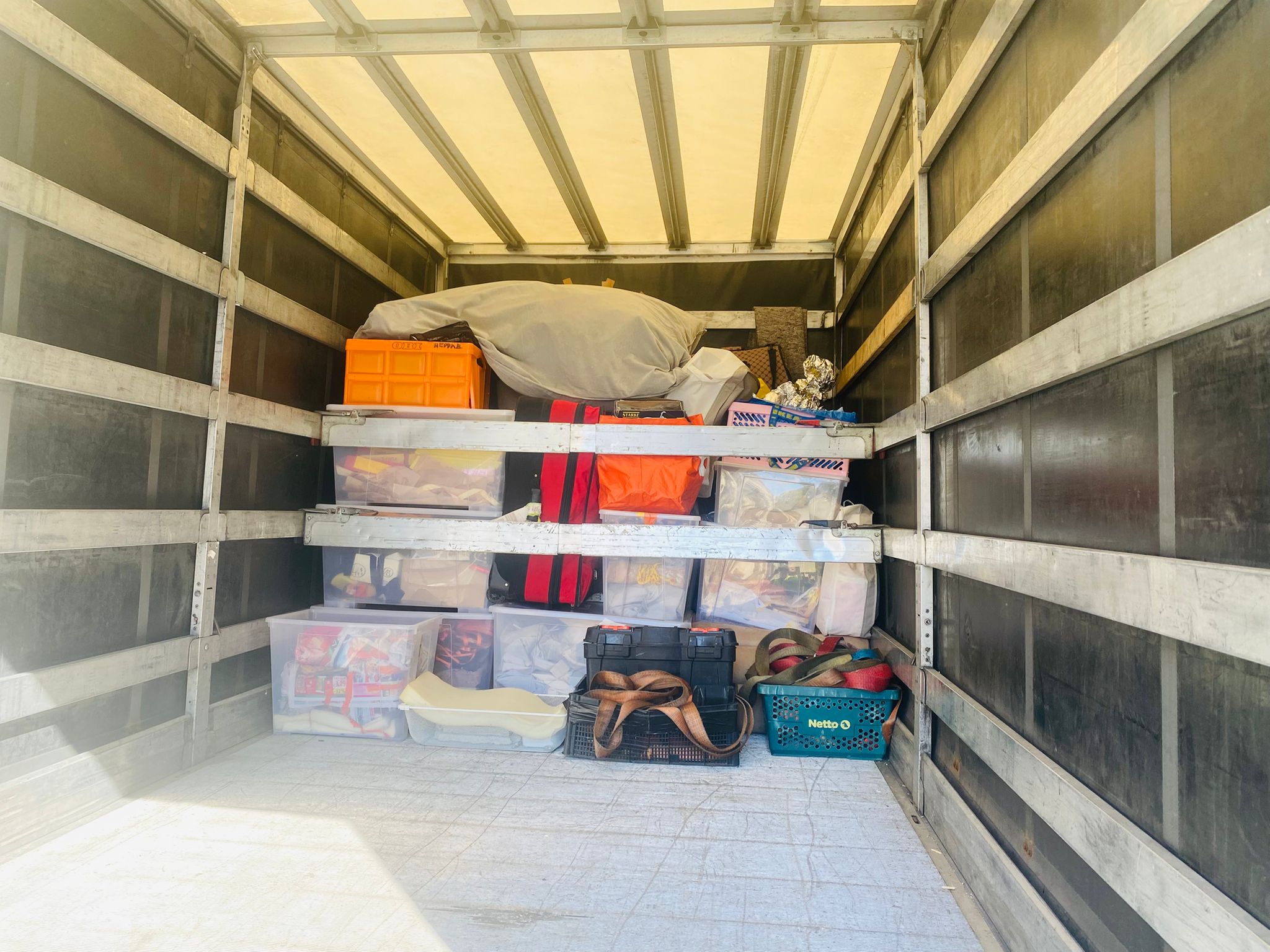
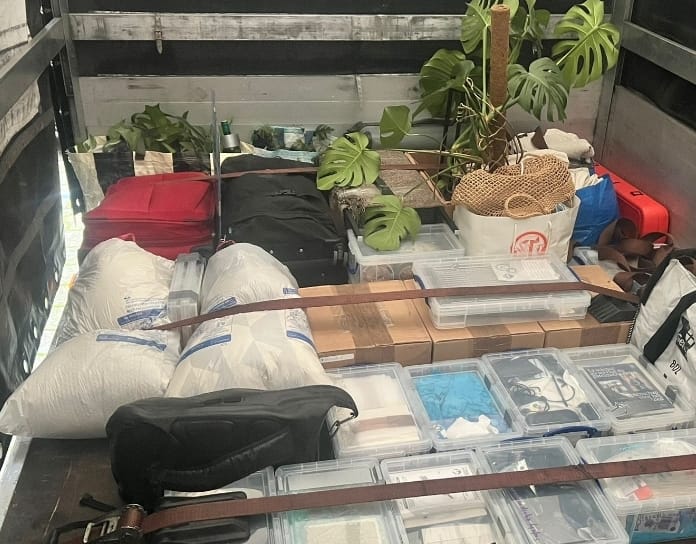
If you are unsure, make a quick inventory. Count boxes, list furniture, measure large pieces and note fragile items. A detailed list helps choose the right van and can also support customs paperwork.
What to Pack Before Moving to Switzerland
Switzerland rewards clean planning. Many apartments have limited storage, and some buildings have strict rules for moving times, lifts and parking. Pack only what deserves the journey.
Start with a simple system:
- Essentials for the first 7 days.
- Documents and valuables.
- Furniture and large household items.
- Seasonal clothing.
- Work equipment.
- Kitchen items.
- Items to sell, donate or store.
Keep your first week box separate. Add toiletries, chargers, basic clothes, medicine, snacks, paperwork, bedding and a few kitchen basics. After a long journey, you do not want to open 12 boxes just to find a toothbrush.
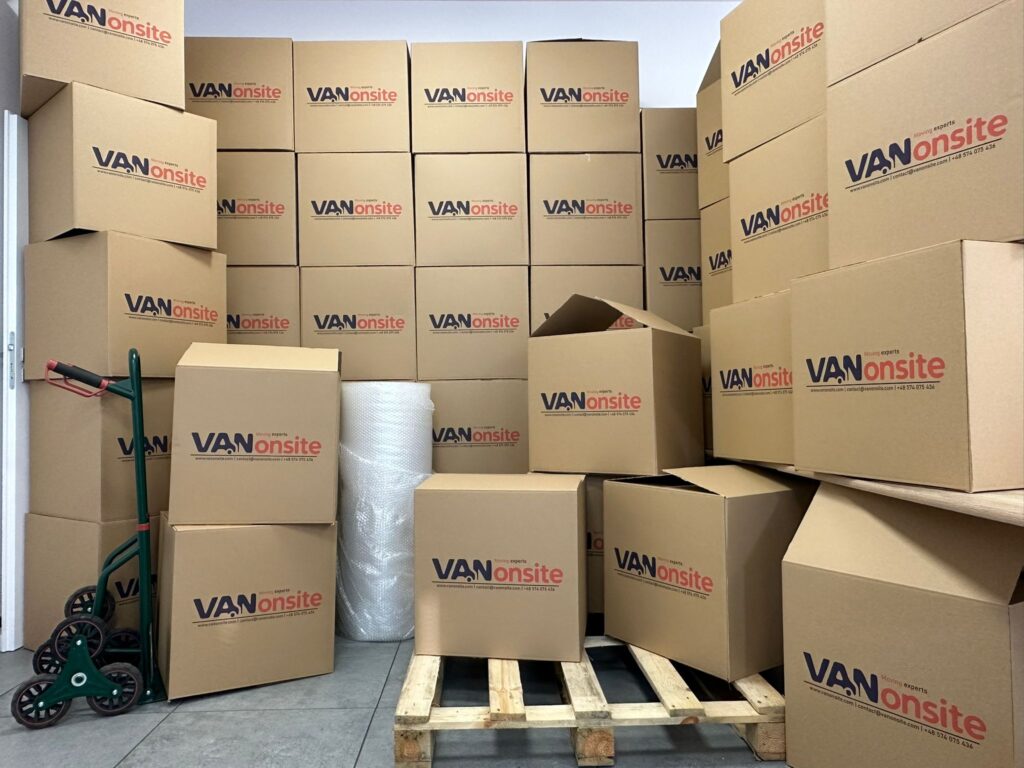
For fragile items, professional packing is often worth it. Swiss replacements can be expensive, and sentimental pieces cannot truly be replaced at all. VANonsite’s packing support can help protect delicate furniture, glassware, electronics and premium items before the journey begins.
Customs Rules for Household Goods
When moving household goods to Switzerland, customs rules can work in your favour if you prepare correctly. Used household effects, personal belongings and student educational materials can often be imported duty free under Swiss rules. However, the goods must meet the required conditions, and the paperwork must be ready at the time of import.
Form 18.44 is especially important. You may also need:
- A copy of your passport or ID.
- Proof of transfer of residence.
- Rental agreement or work contract.
- Inventory list of household goods.
- Vehicle or transport information.
- Documents for pets, if relevant.
Do not treat customs as a vague border formality. Treat it like a key stage of the move. A well prepared inventory can save time and confusion. A poor inventory can create delays.
This is another reason to use a relocation partner that understands European transport. A professional moving process helps you think about documents before the van reaches the border.

First 30 Days After Moving to Switzerland
The first month in Switzerland can feel like a beautiful avalanche of tasks. Everything works, but everything has a process. The faster you organise the basics, the sooner life begins to feel normal.
Use this checklist:
- Register with your local commune or municipality.
- Confirm your residence permit process.
- Finalise mandatory health insurance.
- Open a Swiss bank account.
- Arrange mobile phone and internet.
- Learn local waste and recycling rules.
- Buy or activate public transport passes.
- Register children for school or childcare if needed.
- Check tax obligations in your canton.
- Save all moving, customs and rental documents.
Try not to solve everything in one day. Switzerland rewards steady progress. Handle the legal and financial basics first. Then build your routines: supermarket, commute, doctor, gym, walking route, favourite bakery, local lake spot.
Pros and Cons of Living in Switzerland
Every country has a shadow behind the shine. Switzerland is stunning, but it is not perfect. A balanced guide to living in Switzerland should help readers see both sides.
| Pros | Cons |
|---|---|
| High quality of life | High cost of living |
| Excellent public transport | Expensive rent |
| Strong salaries | Mandatory health insurance costs |
| Clean and safe cities | Reserved social culture at first |
| Beautiful nature | Strict paperwork |
| Efficient public services | Competitive housing market |
| Strong work opportunities | Expensive childcare |
For many people, the pros win. Safety, stability, nature and career opportunity create a powerful mix. But if you move without a budget or expect low cost living, Switzerland can feel harsh very quickly.
How to Save Money While Living in Switzerland
Saving money in Switzerland is not about being joyless. It is about being deliberate. The country is expensive, but it also offers ways to live well without burning through your salary.
Practical ideas:
- Live slightly outside the city centre if the commute is good.
- Compare health insurance every year.
- Use public transport instead of owning a car.
- Shop at Aldi, Lidl or Denner for everyday items.
- Cook at home during the week.
- Buy second hand furniture where it makes sense.
- Use tap water instead of bottled water.
- Choose a moving vehicle that fits your real load size.
- Avoid emergency relocation decisions when possible.
Moving costs also deserve attention. A smaller man and van relocation can be perfect for students, solo professionals or partial moves. A larger vehicle makes sense when you are bringing furniture, appliances or a full home. Paying for the right size is better than paying twice for poor planning.
Is Moving Furniture to Switzerland Worth It?
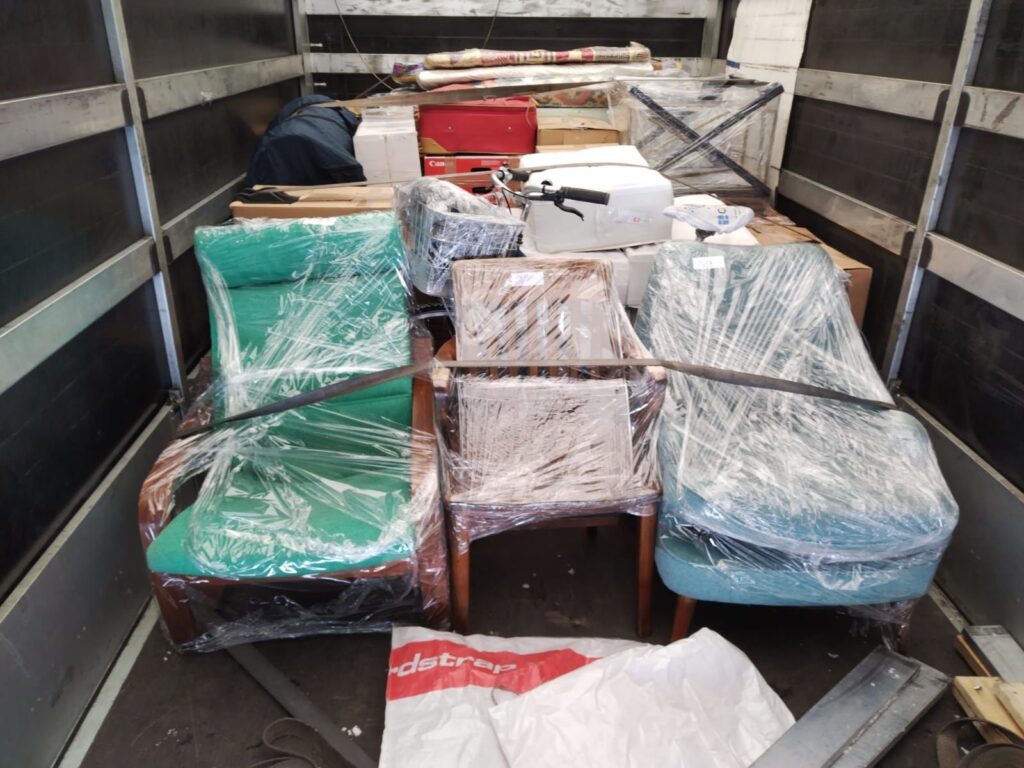
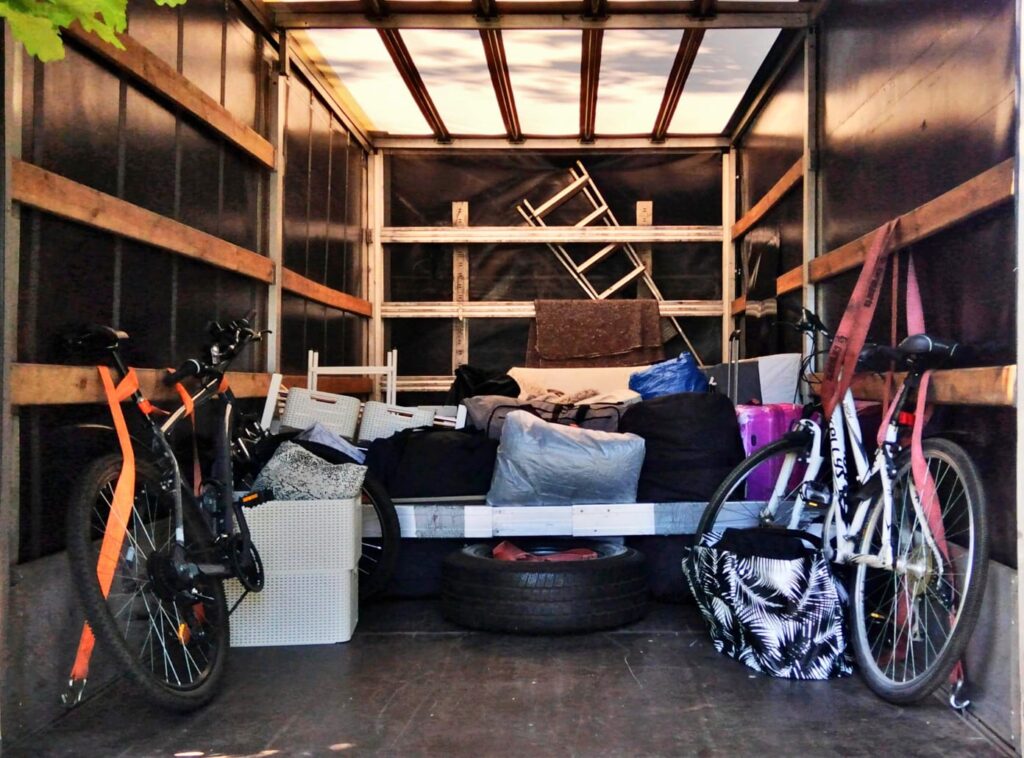
The answer depends on quality, distance and emotional value. Switzerland is expensive, so moving good furniture can make financial sense. Beds, ergonomic chairs, wardrobes, desks, sofas, bicycles and quality kitchen items may cost much more to replace after arrival.
However, not everything deserves the journey. Cheap flat pack furniture, old mattresses or items that will not fit your new apartment may be better sold or donated before moving.
| Item Type | Move It? | Why |
|---|---|---|
| Quality bed | Usually yes | Replacing can be expensive |
| Designer or solid wood furniture | Yes | High replacement value |
| Cheap worn furniture | Usually no | May cost more to move than replace |
| Office chair or desk | Often yes | Useful immediately after arrival |
| Bikes | Often yes | Great for Swiss towns |
| Large appliances | Depends | Check property fittings first |
| Sentimental items | Yes | Emotional value matters |
A good moving company helps you avoid emotional guessing. With the right inventory and vehicle size, the decision becomes clearer.
Living in Switzerland With Family
For families, Switzerland can be a wonderful place to live. It is safe, clean and rich in outdoor activities. Schools are strong, public spaces are well cared for, and children often grow up with easy access to lakes, forests and mountains.
The challenge is cost. Larger apartments are expensive, childcare can be very high, and health insurance applies to each family member. Families should budget with extra caution, especially in Zurich, Geneva, Zug and Lausanne.
Before choosing a location, check:
- School options.
- Childcare availability.
- Commute times.
- Apartment size.
- Local health insurance premiums.
- Public transport links.
- Nearby parks and activities.
For a family relocation, VANonsite’s larger vehicle options can make the move simpler. Moving Full House XXL offers capacity for major household moves, while Moving Premium Plus can suit many apartment or small house relocations.
Living in Switzerland as a Student
Students often ask a different version of the same question: how is it like living in Switzerland if you do not have a large salary yet? The answer is: exciting, expensive and manageable only with discipline.
Student rooms, shared flats and university housing can reduce costs, but demand may be high. Public transport, groceries and insurance still need careful planning. A small man and van move may be enough if you are bringing boxes, clothes, books, a chair, a bicycle and a few personal items.
Student moving tips:
- Look for housing early.
- Bring only essentials.
- Check university guidance for permits and insurance.
- Use shared accommodation if possible.
- Keep a strict monthly food budget.
- Consider second hand furniture.
- Choose a compact moving service to avoid overspending.
VANonsite Student Removals can support smaller relocations where speed, cost awareness and reliability matter.
Office and Business Moves to Switzerland
Switzerland is a strong destination for companies, entrepreneurs and professionals. Zurich, Zug, Geneva and Basel attract finance, technology, life sciences, trading, consulting and international organisations. Yet an office move requires sharper coordination than a personal move.
You may need to move desks, chairs, monitors, filing systems, display equipment, meeting room furniture or specialist items. Delivery windows, access rules and installation timing can affect business continuity.
VANonsite can help with Office Removals and Office Furniture Installation, making it easier to move equipment and set up the workspace after arrival. For delicate, premium or client facing items, White Glove Delivery can add another level of care.
Common Mistakes When Moving to Switzerland
Many relocation problems are avoidable. The mistakes are usually not dramatic. They are small, ordinary and expensive.
Avoid these:
- Underestimating rent deposits.
- Forgetting mandatory health insurance.
- Packing documents inside the moving van.
- Choosing the wrong vehicle size.
- Ignoring customs paperwork.
- Bringing furniture that will not fit.
- Booking housing too late.
- Assuming Switzerland works like an EU country.
- Forgetting parking or access restrictions.
- Moving without an inventory list.
The most painful mistake is rushing. A last minute move can still work, especially with the right support, but it needs decisive planning. VANonsite’s Last Minute Moving service can help when time is tight, yet even then, documents and inventory should be handled carefully.
Final Thoughts: Is Switzerland the Right Move?
Switzerland is not a casual choice. It asks for preparation, discipline and a realistic budget. In return, it offers rare rewards: safety, beauty, strong infrastructure, career opportunity and a daily rhythm that can feel wonderfully stable.
This guide to living in Switzerland gives you the foundation. Check your documents. Build a careful budget. Compare cities. Decide what to bring. Choose a moving service that protects your belongings and your peace of mind.
If you are planning a move from Europe, VANonsite removals to Switzerland can help you move with speed, safety and control. With GPS tracking, flexible vehicle sizes and man and van options for different relocation needs, your Swiss move can feel less like a leap into the unknown and more like a well planned new beginning.
FAQ: Guide to Living in Switzerland
Is Switzerland expensive to live in?
Yes. Switzerland is one of the most expensive countries in Europe. Rent, health insurance, restaurants, groceries and childcare can be especially costly. However, salaries are often higher too, so the real question is whether your income fits your canton and lifestyle.
How is it like living in Switzerland?
Living in Switzerland is organised, safe, clean and expensive. Public transport is excellent, nature is close, and public services are reliable. At the same time, paperwork, housing competition and high monthly costs can be challenging for newcomers.
How much money do I need per month in Switzerland?
A single person may need around CHF 3,000 to CHF 5,000 per month, depending on city, rent, insurance and lifestyle. In Zurich or Geneva, the higher end is more realistic. Families need a much larger budget, especially with childcare or a 3 bedroom apartment.
Can I bring my furniture to Switzerland?
Yes, in many cases. Used household goods can often be imported duty free if they meet Swiss customs conditions and you prepare the correct documents, including Form 18.44. Always check the official Swiss customs rules before moving.
Is a man and van service enough for moving to Switzerland?
A man and van service can be enough for students, solo professionals, small apartments and partial moves. Larger homes usually need a bigger vehicle. VANonsite offers several vehicle sizes, so you can match the move to your actual load.
Should I move my furniture or buy new in Switzerland?
Move quality furniture, office equipment, bicycles and sentimental items if they fit your new home. Switzerland is expensive, so replacing everything after arrival may cost more than expected. Sell or donate low value items that are bulky, worn or unlikely to fit.
Why choose VANonsite for removals to Switzerland?
VANonsite offers European moving services with GPS tracking, flexible vehicle sizes and support for home removals, furniture removals, student removals, office removals, packing and white glove delivery. It is a strong option if you want a safer, clearer and more controlled relocation.