
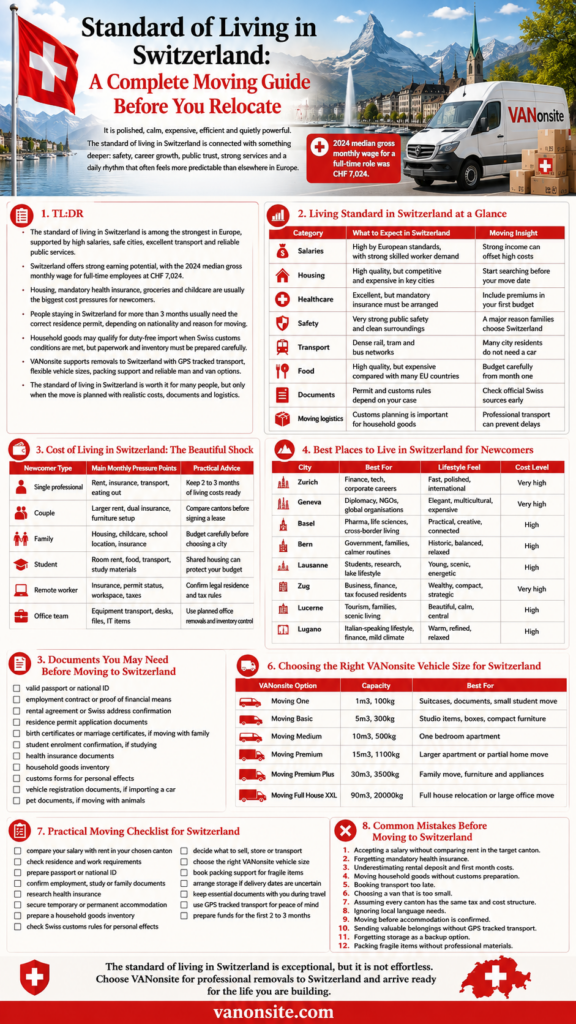
Switzerland has a rare kind of magnetism. It is polished, calm, expensive, efficient and quietly powerful. People do not move there only for alpine views, clean streets or excellent chocolate. They move because the standard of living in Switzerland is connected with something deeper: safety, career growth, public trust, strong services and a daily rhythm that often feels more predictable than elsewhere in Europe.
Still, Switzerland is not a soft landing for everyone. It rewards preparation. Rent can be fierce, health insurance is mandatory, groceries can feel painfully premium and paperwork matters more than many newcomers expect. Even the way you move your furniture can affect your first weeks, especially when customs rules, delivery dates and housing timelines collide.
So, what is the standard of living in Switzerland really like? In simple terms, it is very high, but it comes with high expectations. If your salary, housing, insurance and relocation plan are aligned, Switzerland can feel like a genuine life upgrade. If you arrive without a budget or clear moving strategy, even a beautiful Swiss city can feel overwhelming.
This guide explains the living standard in Switzerland from the practical side: money, housing, healthcare, documents, lifestyle, removals and how a professional man and van service can help you start smoothly.
TL:DR
- The standard of living in Switzerland is among the strongest in Europe, supported by high salaries, safe cities, excellent transport and reliable public services.
- Switzerland offers strong earning potential, with the 2024 median gross monthly wage for full-time employees at CHF 7,024.
- Housing, mandatory health insurance, groceries and childcare are usually the biggest cost pressures for newcomers.
- People staying in Switzerland for more than 3 months usually need the correct residence permit, depending on nationality and reason for moving.
- Household goods may qualify for duty-free import when Swiss customs conditions are met, but paperwork and inventory must be prepared carefully.
- VANonsite supports removals to Switzerland with GPS tracked transport, flexible vehicle sizes, packing support and reliable man and van options.
- The standard of living in Switzerland is worth it for many people, but only when the move is planned with realistic costs, documents and logistics.




What Is the Standard of Living in Switzerland?
The standard of living in Switzerland describes how comfortable, secure and stable everyday life can be. It is not just about salary. It is about what happens after payday. Can you rent a safe home? Can your children reach a good school? Can you rely on healthcare, public transport and clean public spaces? Can you build a routine without constant friction?
In Switzerland, the answer is often yes.
The country offers a powerful blend of high wages, political stability, low everyday risk, excellent infrastructure and strong healthcare. Streets are clean. Trains are famously punctual. Cities are organised without feeling lifeless. Even smaller towns often have impressive services, tidy public spaces and quick access to nature.
However, the standard of living in Switzerland comes with a premium price. Life is comfortable, but rarely cheap. Rent in Zurich, Geneva, Basel or Lausanne can absorb a serious part of your income. Health insurance premiums must be paid privately. Food prices can surprise newcomers from many EU countries.
That is why Switzerland is best understood as a high-value country, not a low-cost country. It can give you calm, safety and opportunity, but it asks for planning in return.
Living Standard in Switzerland at a Glance
The living standard in Switzerland is easiest to understand through daily essentials. A professional moving for work may focus on salary and rent. A family will also care about schools, childcare and healthcare. A student may think about room rent, transport and part-time work. Each situation is different, but the foundations are similar.
| Category | What to Expect in Switzerland | Moving Insight |
|---|---|---|
| Salaries | High by European standards, with strong skilled worker demand | Strong income can offset high costs |
| Housing | High quality, but competitive and expensive in key cities | Start searching before your move date |
| Healthcare | Excellent, but mandatory insurance must be arranged | Include premiums in your first budget |
| Safety | Very strong public safety and clean surroundings | A major reason families choose Switzerland |
| Transport | Dense rail, tram and bus networks | Many city residents do not need a car |
| Food | High quality, but expensive compared with many EU countries | Budget carefully from month one |
| Documents | Permit and customs rules depend on your case | Check official Swiss sources early |
| Moving logistics | Customs planning is important for household goods | Professional transport can prevent delays |
This is why the standard of living in Switzerland feels so attractive. It is not one advantage. It is the stack of benefits: better pay, cleaner surroundings, safer streets, faster transport, good hospitals and easy access to lakes, forests and mountains.
Yet none of this removes the need for careful preparation. Newcomers need documents, savings, housing plans and reliable relocation support. A well-planned move can make the first month feel calm instead of chaotic.
Why Switzerland Offers Such a High Standard of Living
The standard of living in Switzerland is built on structure. The country is wealthy, but also disciplined. It invests in transport, education, public services, healthcare and infrastructure. The result is a lifestyle that often feels smooth, secure and beautifully engineered.
Strong Economy and High Wages
Switzerland has one of Europe’s most resilient economies. Finance, pharmaceuticals, engineering, research, technology, logistics, hospitality and international organisations all contribute to a strong employment market.
In 2024, the Swiss median gross monthly wage for a full-time role was CHF 7,024. That figure helps explain why many people accept the high cost of living. Switzerland is expensive, but wages are often built for that environment.
Still, salary must be judged locally. CHF 7,000 in one canton can feel very different from CHF 7,000 in central Zurich or Geneva. Before moving, compare your expected net income with rent, health insurance, taxes, transport and family costs.
Safe, Clean and Well Managed Cities
The standard of living in Switzerland is strongly connected to safety. Zurich, Bern, Basel, Lausanne, Geneva and Zug all offer a sense of public order that many newcomers notice quickly.
The difference is often felt in small details. Public spaces are maintained. Streets are clean. Transport hubs are organised. Many people feel comfortable walking home in the evening. Families often value this sense of security more than any single salary figure.
Switzerland is not perfect, of course. No country is. But the baseline of everyday safety is high, and that lowers stress in a powerful way.
Reliable Public Transport
Swiss transport is part of the country’s identity. Trains, trams, buses and boats are woven into everyday life with remarkable efficiency. In many urban areas, a car is useful but not essential.
For newcomers, this changes the texture of daily life. You can live outside a major city and still commute comfortably. You can spend Saturday in the mountains and return home the same evening. You can plan appointments with less fear of delays.
That reliability is one reason the standard of living in Switzerland feels refined rather than merely wealthy.
Multilingual and International Culture
Switzerland has four national languages: German, French, Italian and Romansh. English is also widely used in many professional environments, especially in international companies, finance, technology, academia and research.
However, local language still matters. German helps in Zurich and much of central Switzerland. French matters in Geneva, Lausanne and western Switzerland. Italian is important in Ticino. Learning the local language improves integration, helps with paperwork and makes everyday life warmer.
The living standard in Switzerland is high, but social comfort often grows with language confidence.
Cost of Living in Switzerland: The Beautiful Shock
The standard of living in Switzerland is expensive because quality is expensive. Housing is well maintained. Healthcare is strong. Public transport is efficient. Food standards are high. Wages are competitive. All of that creates a premium environment. If you are comparing a UK move, read our Switzerland versus London cost-of-living breakdown separately from the one-off transport quote.
The shock often arrives in the first 90 days.
You may need to cover a rental deposit, first month’s rent, health insurance, furniture, transport, administrative costs and moving expenses almost at once. A relocation that looked manageable on paper can suddenly feel intense.
The biggest cost categories are usually:
- Rent and rental deposit
- Mandatory health insurance
- Groceries and household goods
- Public transport or car costs
- Childcare, if relevant
- Taxes and social contributions
- Leisure and eating out
- Moving, customs and storage costs
| Newcomer Type | Main Monthly Pressure Points | Practical Advice |
|---|---|---|
| Single professional | Rent, insurance, transport, eating out | Keep 2 to 3 months of living costs ready |
| Couple | Larger rent, dual insurance, furniture setup | Compare cantons before signing a lease |
| Family | Housing, childcare, school location, insurance | Budget carefully before choosing a city |
| Student | Room rent, food, transport, study materials | Shared housing can protect your budget |
| Remote worker | Insurance, permit status, workspace, taxes | Confirm legal residence and tax rules |
| Office team | Equipment transport, desks, files, IT items | Use planned office removals and inventory control |
The standard of living in Switzerland can absolutely be worth the cost. But the numbers must work. A high salary loses its shine if rent, insurance and daily costs leave no breathing room.
Salaries vs Expenses: Is Switzerland Worth It?
Yes, Switzerland can be worth it. For many people, it is deeply worth it. But the answer depends on the gap between income and fixed costs.
A strong salary in Switzerland can unlock a superb lifestyle. You may enjoy better savings potential, safer streets, cleaner surroundings, efficient services and weekend access to lakes and mountains. For families, the stability can feel priceless. For ambitious professionals, the career ecosystem can be thrilling.
But the standard of living in Switzerland is not automatic. You need a realistic monthly plan.
Switzerland may be a smart move if:
- your salary offer matches the canton you plan to live in
- your employer supports relocation or paperwork
- you understand health insurance costs
- you have savings for deposits and first month expenses
- your household goods are moved safely and legally
- you value safety, order, punctuality and long-term stability
- you are ready to respect local rules and routines
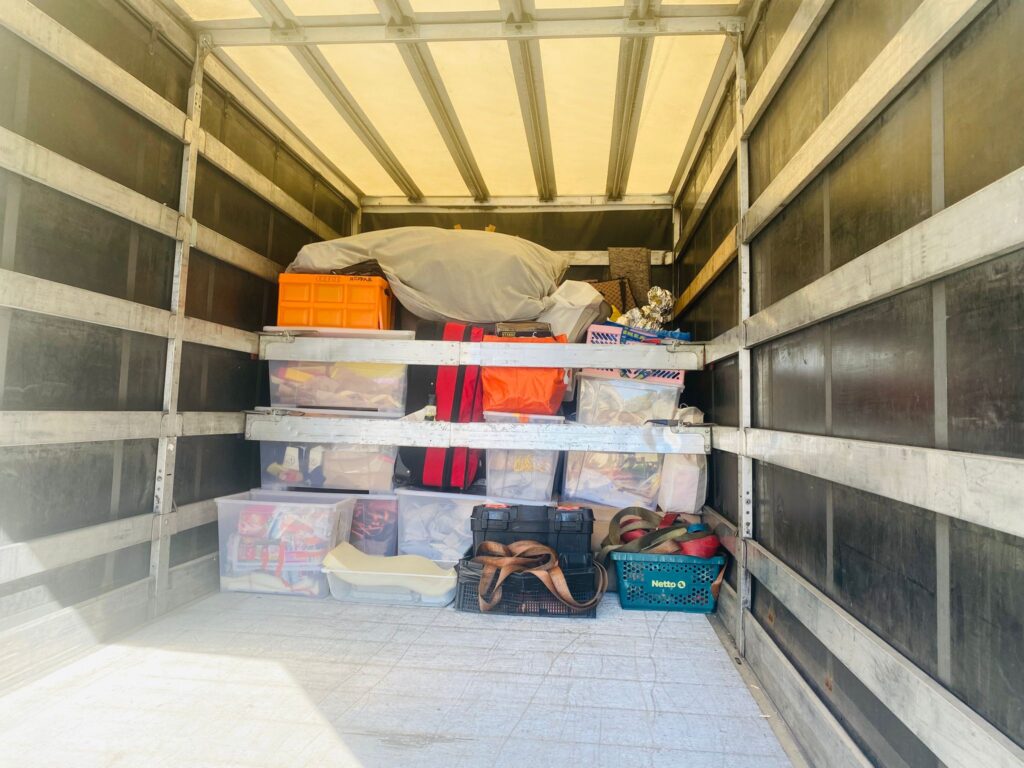
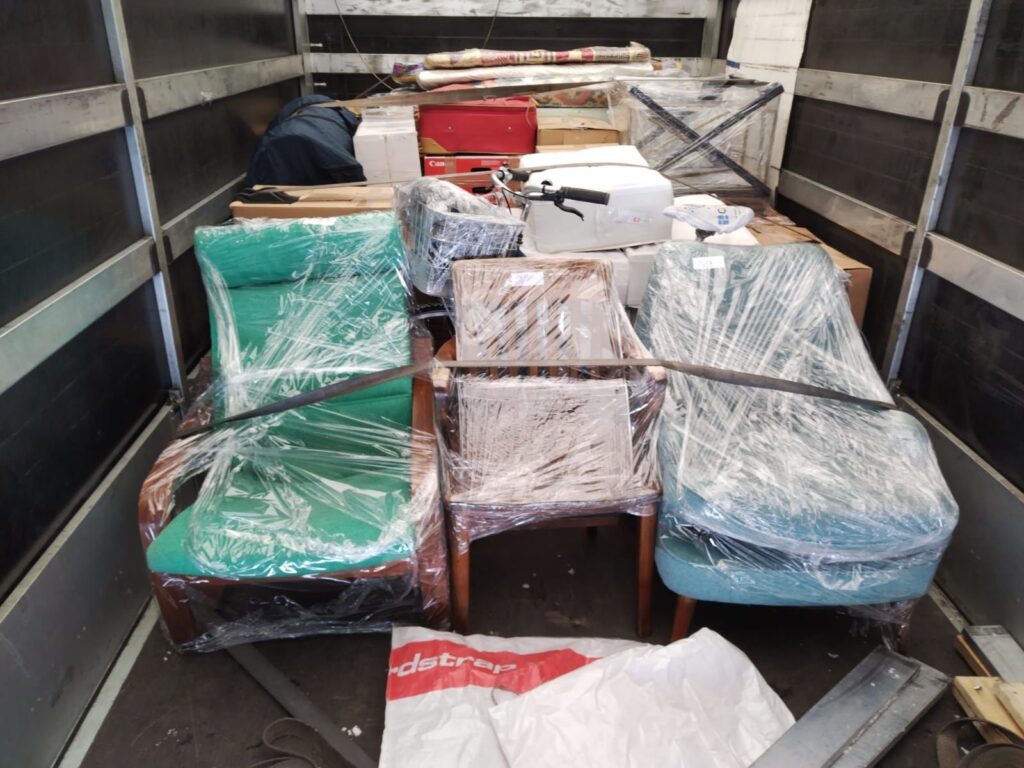
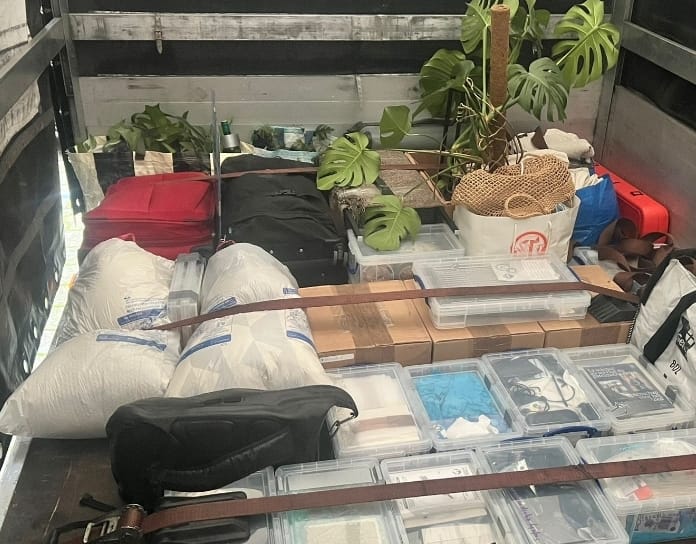
This is where professional relocation logistics matter. A rushed move can create expensive problems: damaged furniture, missed delivery dates, customs delays or emergency storage. A precise man and van service can make the relocation cleaner, safer and more controlled.
VANonsite supports European removals to Switzerland with flexible vehicle sizes, careful handling and GPS tracking for every load. That means you know where your belongings are instead of refreshing your inbox and hoping for good news.
Best Places to Live in Switzerland for Newcomers
The standard of living in Switzerland changes by canton, city and even neighbourhood. Zurich and Geneva attract global attention, but they are not the only strong choices. The best place depends on work, salary, language, family needs and lifestyle. If a smaller community appeals to you, our Albinen application guide explains what to check before relying on any relocation incentive; confirm current eligibility with the municipality.
| City | Best For | Lifestyle Feel | Cost Level |
|---|---|---|---|
| Zurich | Finance, tech, corporate careers | Fast, polished, international | Very high |
| Geneva | Diplomacy, NGOs, global organisations | Elegant, multicultural, expensive | Very high |
| Basel | Pharma, life sciences, cross-border living | Practical, creative, connected | High |
| Bern | Government, families, calmer routines | Historic, balanced, relaxed | High |
| Lausanne | Students, research, lake lifestyle | Young, scenic, energetic | High |
| Zug | Business, finance, tax focused residents | Wealthy, compact, strategic | Very high |
| Lucerne | Tourism, families, scenic living | Beautiful, calm, central | High |
| Lugano | Italian-speaking lifestyle, finance, mild climate | Warm, refined, relaxed | High |
Zurich is often the first choice for career-focused professionals. Geneva attracts international organisations, diplomats and global families. Basel is powerful for pharma and research. Bern offers calm charm and strong public services. Lausanne has energy, education and lake views. Zug is compact, wealthy and strategic.
The smartest choice is not always the most famous city. It is the place where your salary, rent, language and lifestyle fit together.
Documents You May Need Before Moving to Switzerland
Paperwork is one of the most important parts of protecting the standard of living in Switzerland before you arrive. Switzerland is organised, but it expects newcomers to be organised too.
Requirements vary depending on nationality, purpose of stay, canton and whether you are moving for work, study, family or private reasons. Always check official sources before making decisions.
Useful official pages include:
- Swiss government moving guidance: Moving to Switzerland
- Residence permits: Swiss residence permits
- EU and EFTA citizens: Living and working in Switzerland
- Working in Switzerland: Work permits and procedures
- Household goods customs: Moving household effects
- Import procedure: Relocation import procedure
You may need:
- valid passport or national ID
- employment contract or proof of financial means
- rental agreement or Swiss address confirmation
- residence permit application documents
- birth certificates or marriage certificates, if moving with family
- student enrolment confirmation, if studying
- health insurance documents
- household goods inventory
- customs forms for personal effects
- vehicle registration documents, if importing a car
- pet documents, if moving with animals
If you plan to stay in Switzerland for more than 3 months, permit rules become especially important. EU and EFTA citizens have different procedures from non-EU and non-EFTA nationals. Because requirements can vary, official Swiss government pages should be your first checkpoint.
Moving Household Goods to Switzerland
A high standard of living in Switzerland starts before you unpack. It starts with the move itself.
Household goods may qualify for duty-free import if Swiss customs conditions are met. Official customs guidance explains that personal effects generally need to have been used personally for at least 6 months and must continue to be used after import. This is why a proper inventory matters.
A move to Switzerland may involve:
- sorting items before transport
- preparing a detailed household inventory
- packing fragile belongings
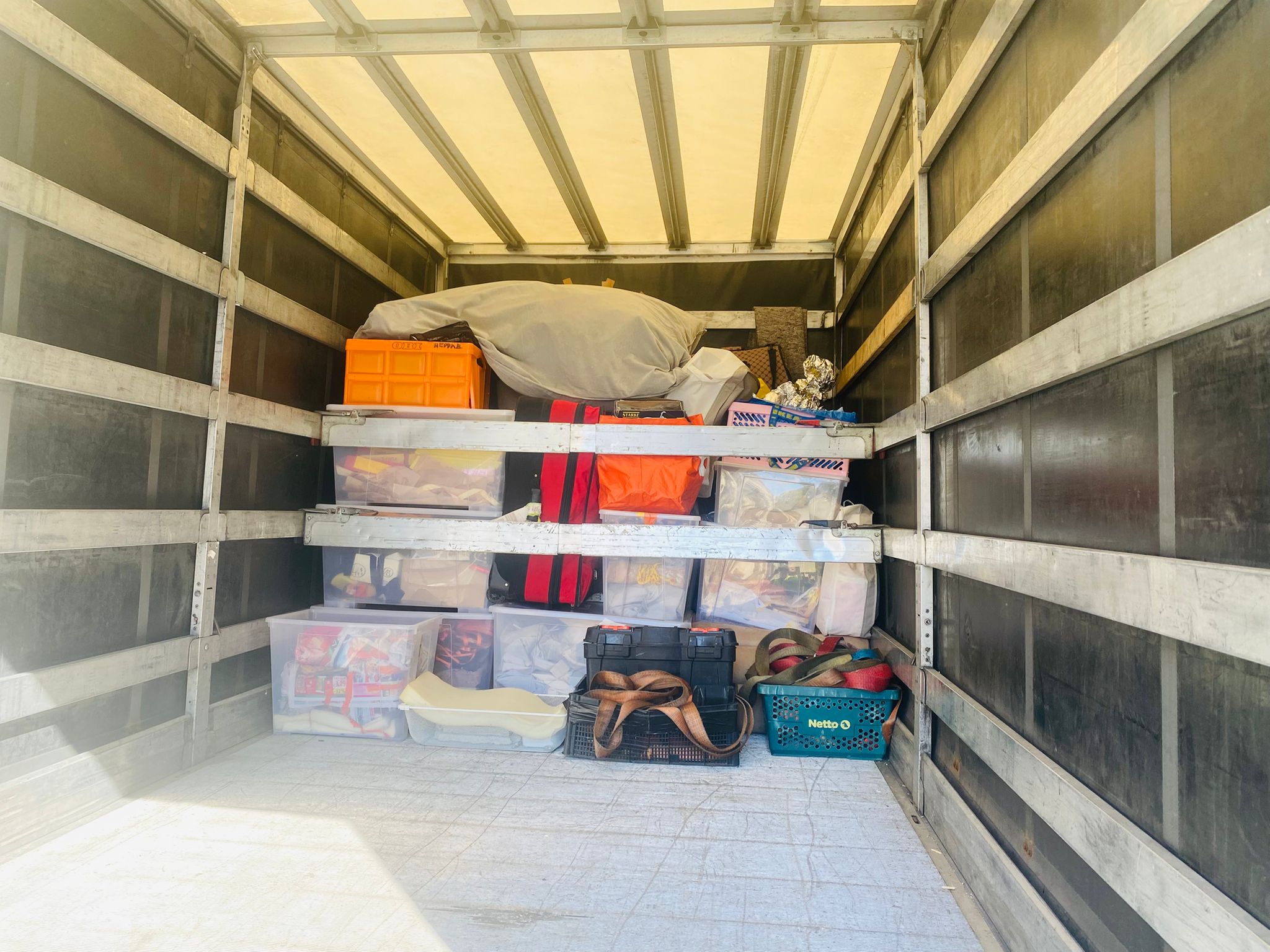
- protecting furniture for long-distance road travel
- choosing the correct van size
- coordinating collection and delivery dates
- preparing customs documents
- arranging storage if your new home is not ready
- tracking your load during transit
For a dedicated moving plan, explore VANonsite removals to Switzerland.
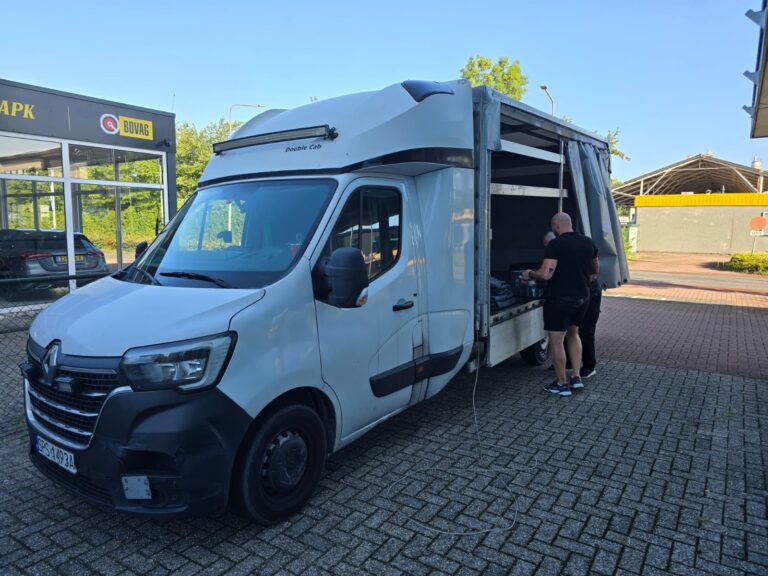
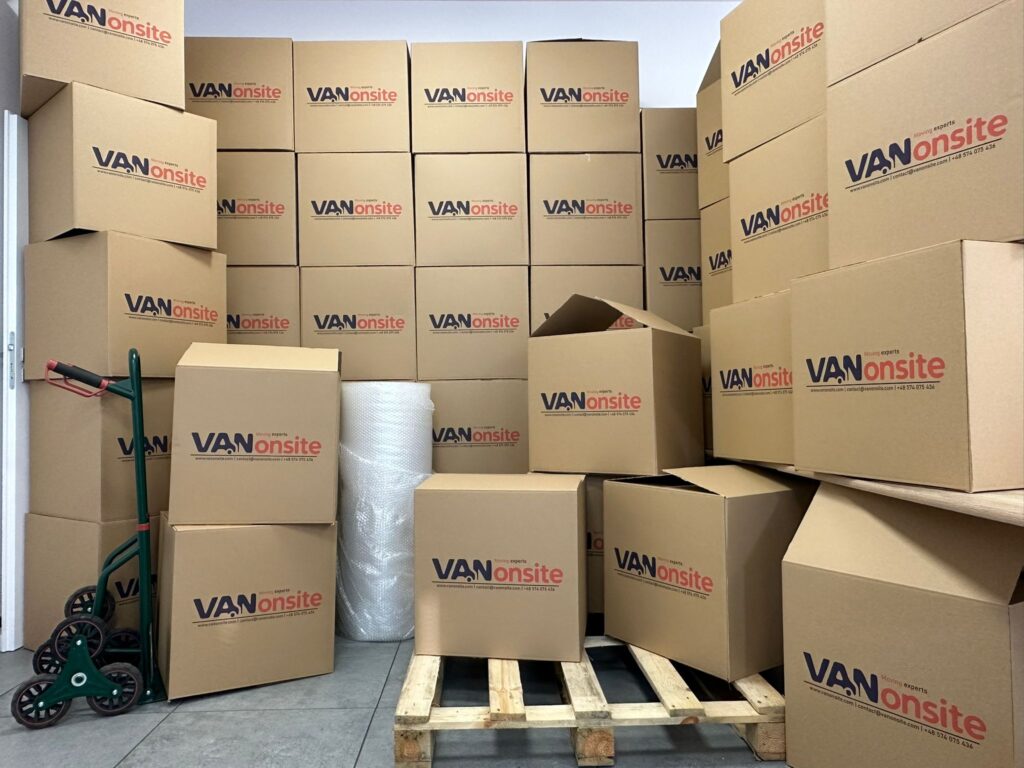
VANonsite is built for this kind of European relocation. The company offers professional transport, careful loading, GPS tracking and flexible man and van support. Whether you are moving a few boxes to a studio or a full household to a Swiss family home, the right vehicle and planning can save time, money and stress.
Choosing the Right VANonsite Vehicle Size for Switzerland
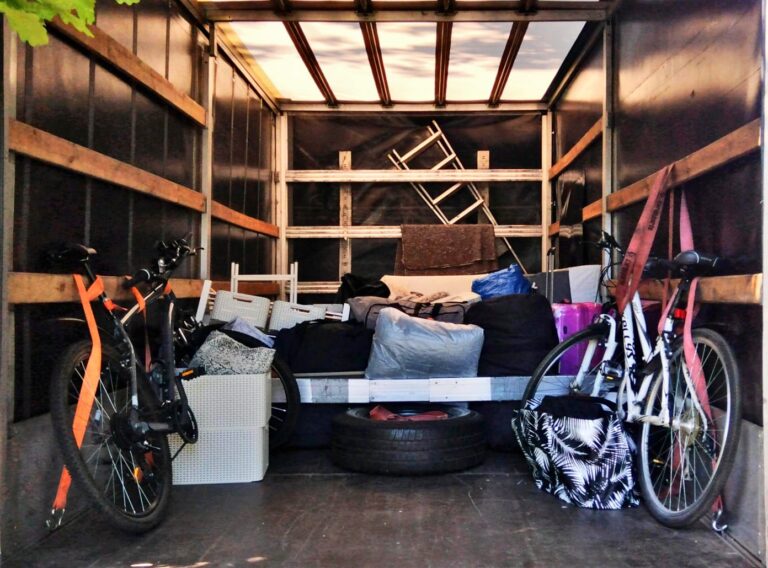
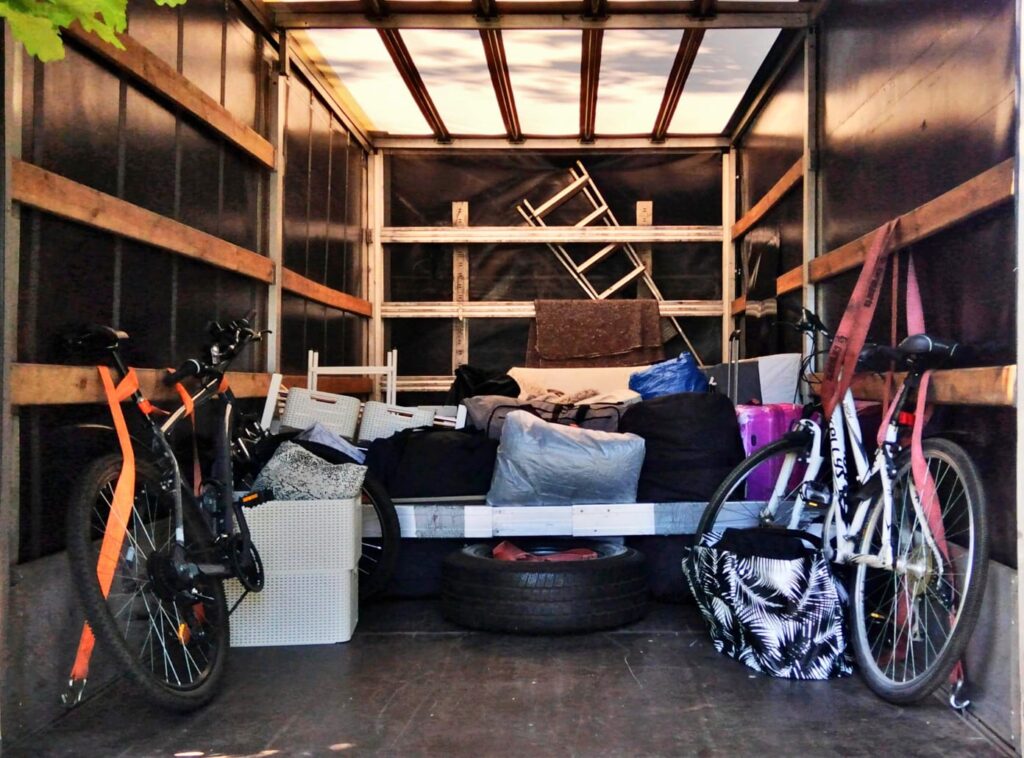
Not every relocation needs a huge truck. Some people arrive with luggage, books and a desk. Others bring sofas, wardrobes, appliances, bikes, office furniture and sentimental pieces that cannot be replaced.
The right vehicle protects your budget and your belongings.
| VANonsite Option | Capacity | Best For |
|---|---|---|
| Moving One | 1m3, 100kg | Suitcases, documents, small student move |
| Moving Basic | 5m3, 300kg | Studio items, boxes, compact furniture |
| Moving Medium | 10m3, 500kg | One bedroom apartment |
| Moving Premium | 15m3, 1100kg | Larger apartment or partial home move |
| Moving Premium Plus | 30m3, 3500kg | Family move, furniture and appliances |
| Moving Full House XXL | 90m3, 20000kg | Full house relocation or large office move |
A compact man and van option may be perfect for a student or single professional. A family moving to Zurich, Basel or Geneva may need a larger vehicle with more capacity and careful planning. A company relocating office equipment may need something more robust.
The standard of living in Switzerland is high, and your move should match that level of care. Scratched furniture, broken glass and missing boxes are not the way to begin a new chapter.
VANonsite Services That Help When Moving to Switzerland
VANonsite offers several services that fit different relocation situations. This matters because no two Swiss moves look the same.
Last Minute Moving helps when timing is tight. A job offer, lease change or urgent family situation can create pressure, but speed should not mean chaos.
Furniture Removals are useful for sofas, beds, wardrobes, tables, chairs and bulky items that require careful lifting and protection.
Home Removals support larger personal relocations, from apartments to full houses. For families, this can include boxes, furniture, appliances, personal items and fragile possessions.
Packing Service helps protect glassware, electronics, artwork, mirrors and delicate items with suitable materials and careful handling.
White Glove Delivery is ideal for premium pieces, designer furniture and delicate items that deserve extra attention.
Office Removals can include desks, chairs, files, meeting room furniture, IT equipment and storage items. A planned office move reduces downtime and keeps business momentum alive.
Storage can be a lifesaver when the Swiss rental timeline does not match your delivery date. If your belongings arrive before your keys, storage gives you breathing space.
Student Removals are designed for smaller, faster and more affordable moves. Moving One or Moving Basic can suit luggage, books, bedding, small furniture and personal items.
Office Furniture Installation helps teams settle into a workspace faster. Desks, chairs, workstations and meeting areas can be set up with less disruption.

Healthcare, Insurance and Daily Security
Healthcare is one of the reasons the standard of living in Switzerland feels so secure. Medical standards are high, facilities are modern and access to care is strong.
However, the system must be budgeted correctly. Health insurance is mandatory in Switzerland, and newcomers need to understand their obligations soon after arrival. Basic insurance is private, and premiums vary depending on canton, insurer, model and deductible.
This can surprise people from countries where healthcare is funded differently. In Switzerland, your monthly budget should include health insurance from the beginning. For families, the total can become significant.
Still, the comfort is real. Knowing that healthcare is reliable supports the wider living standard in Switzerland. It gives people confidence that daily life is protected by strong systems.
Housing in Switzerland: Comfort Comes at a Price
Housing is often the hardest part of moving to Switzerland. Good apartments exist, but competition can be intense in major cities. Zurich, Geneva, Lausanne and Basel can move fast, especially for well located rentals.
For residential rentals, Swiss official guidance states that a rental deposit can be up to 3 months’ rent if required in the agreement. That alone can create a major upfront cost.
Newcomers may need:
- proof of income
- employment contract
- identity documents
- residence status or permit information
- references, depending on the landlord
- deposit funds
- patience
The standard of living in Switzerland often shines once you are settled. The apartment may be quiet, efficient, warm and well located. But getting there can be competitive.
This is also where moving logistics become important. If your lease starts later than expected, you may need storage. If your building has limited access, delivery must be timed. If your apartment is smaller than expected, you may need to reduce volume before transport.
Moving is not only about distance. It is about coordination.
Work Life Balance and Everyday Culture
Switzerland has a specific rhythm. It is calm, punctual and rule-conscious. At first, some newcomers find it strict. Later, many begin to appreciate the peace that structure creates.
Punctuality matters. Quiet hours matter. Recycling matters. Sundays are generally calmer than in many other countries. Neighbours may expect respect for shared spaces and building rules. This can feel formal, but it also helps create cleaner, quieter and safer communities.
Nature is woven into daily life. A normal weekend can include a lake walk, a mountain train, a forest route or a quiet village lunch. The standard of living in Switzerland is not only measured in money. It is measured in breathing room.
Integration can take time. Swiss social life may feel reserved at first. Joining clubs, learning the local language and building routines can help. The country opens slowly, but often with lasting sincerity.
Is the Standard of Living in Switzerland Better Than in Other European Countries?
In many ways, yes. The standard of living in Switzerland is often higher than in many European countries when measured by wages, safety, infrastructure, healthcare, cleanliness and economic stability. If Sweden is your alternative, our Sweden versus Switzerland comparison looks at the destination choice before you price either move.
But there is a catch. A high standard does not mean every person automatically feels wealthy. If rent is too high, childcare is too expensive or your salary is below local expectations, life can feel tight.
| Factor | Switzerland | Many Other European Countries |
|---|---|---|
| Salaries | Usually higher | Often lower |
| Rent | Very high in major cities | Often lower |
| Safety | Very strong | Varies widely |
| Healthcare | Excellent, insurance based | System depends on country |
| Transport | Highly reliable | Mixed reliability |
| Food costs | High | Often lower |
| Career potential | Strong in selected sectors | Depends on market |
| Moving complexity | Customs and permit planning needed | Often simpler inside the EU |
| Nature access | Exceptional lakes, mountains and trails | Varies by region |
So, what is the standard of living in Switzerland compared with elsewhere? It is premium, stable and highly attractive, but only if your personal numbers support it.
Common Mistakes Before Moving to Switzerland
The biggest relocation mistakes are often small at first. Then they become expensive.
Avoid these errors:
- Accepting a salary without comparing rent in the target canton.
- Forgetting mandatory health insurance.
- Underestimating rental deposit and first month costs.
- Moving household goods without customs preparation.
- Booking transport too late.
- Choosing a van that is too small.
- Assuming every canton has the same tax and cost structure.
- Ignoring local language needs.
- Moving before accommodation is confirmed.
- Sending valuable belongings without GPS tracked transport.
- Forgetting storage as a backup option.
- Packing fragile items without professional materials.
A move to Switzerland should feel exciting, not frantic. With VANonsite, your belongings can travel with structure, care and GPS visibility. That removes a heavy layer of stress from the relocation process.
Practical Moving Checklist for Switzerland
Use this checklist before relocating:
- compare your salary with rent in your chosen canton
- check residence and work requirements
- prepare passport or national ID
- confirm employment, study or family documents
- research health insurance
- secure temporary or permanent accommodation
- prepare a household goods inventory
- check Swiss customs rules for personal effects
- decide what to sell, store or transport
- choose the right VANonsite vehicle size
- book packing support for fragile items
- arrange storage if delivery dates are uncertain
- keep essential documents with you during travel
- use GPS tracked transport for peace of mind
- prepare funds for the first 2 to 3 months
A checklist turns pressure into progress. Switzerland rewards preparation. The better your plan, the faster the country starts to feel like home.
FAQ: Standard of Living in Switzerland
What is the standard of living in Switzerland?
The standard of living in Switzerland is very high. Residents benefit from strong salaries, safe cities, excellent healthcare, reliable public transport, clean surroundings and impressive access to nature. The main challenge is cost, especially housing, insurance and everyday shopping.
Is the living standard in Switzerland worth the cost?
For many people, yes. The living standard in Switzerland can be worth the cost if your salary, rent, insurance and lifestyle expectations are balanced. It works best for people who plan carefully before moving.
How much money do I need before moving to Switzerland?
A practical starting point is 2 to 3 months of living costs, plus rental deposit, first month’s rent, health insurance setup, moving costs and emergency funds. The exact amount depends on canton, household size and housing choice.
Can I move furniture to Switzerland duty-free?
Household goods may qualify for duty-free import when Swiss customs conditions are met. You should check official customs guidance, prepare an inventory and confirm requirements before moving.
Is Switzerland good for families?
Yes, Switzerland is attractive for families because of safety, education, healthcare and outdoor lifestyle. However, family housing, childcare and insurance can be expensive, so budgeting is essential.
Do I need a permit to live in Switzerland?
If you stay in Switzerland for more than 3 months, you generally need the correct residence permit. The rules depend on your nationality and reason for moving, such as work, study or family reunification.
Can VANonsite help with removals to Switzerland?
Yes. VANonsite supports removals to Switzerland with flexible vehicle sizes, packing support, furniture removals, home removals, office removals, storage, GPS tracking and man and van options for small and large relocations.
Final Verdict: Is Moving to Switzerland a Smart Choice?
The standard of living in Switzerland is exceptional, but it is not effortless. The country offers safety, strong salaries, reliable transport, clean cities, high quality healthcare and a lifestyle that can feel calm, elegant and deeply secure.
But Switzerland asks for preparation in return. You need the right documents, a realistic budget, a housing plan and a moving service that understands cross-border logistics. Without that, the first weeks can become unnecessarily stressful.
For people who prepare well, Switzerland can become more than a destination. It can become a stronger chapter. A cleaner routine. A safer base. A place where work, family and everyday life feel more stable.
VANonsite helps protect that beginning. With GPS tracked transport, flexible vehicle sizes, careful packing and professional man and van solutions, your relocation can feel controlled from collection to delivery.
Plan your move with confidence. Choose VANonsite for professional removals to Switzerland and arrive ready for the life you are building.