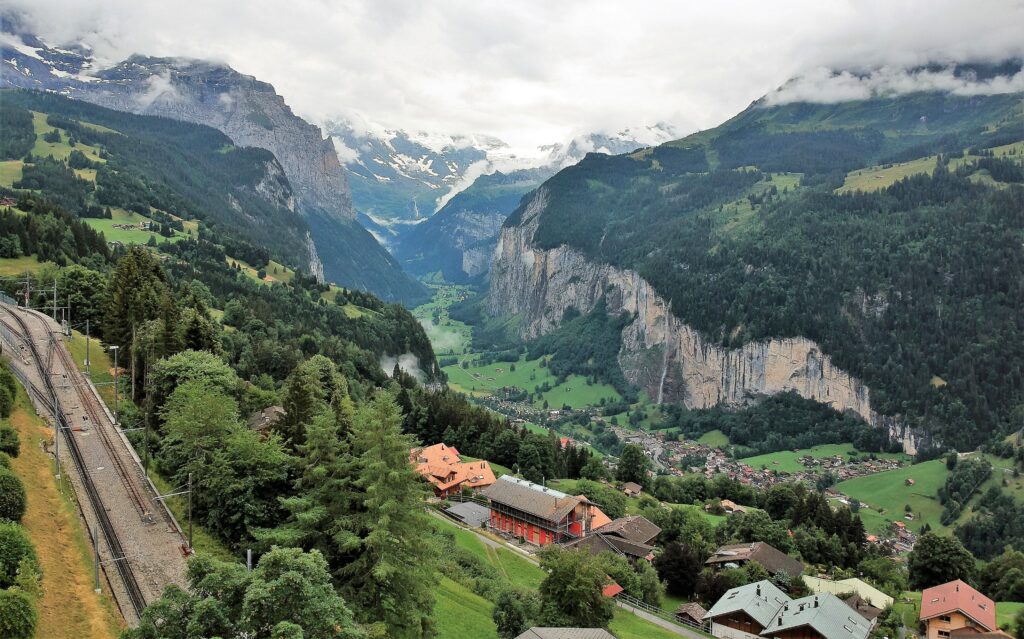
Moving to Switzerland can feel like stepping into a sharper, calmer version of life. The salaries are strong, the cities are clean and the systems are disciplined. Yet Switzerland is also exacting. If you want to build a long term future there, you need to understand Switzerland PR requirements, residence permits, customs rules and moving logistics.
In everyday expat language, PR in Switzerland usually means the Swiss C permit, also called the settlement permit. It is the closest equivalent to permanent residence, although it is not the same as Swiss citizenship. Most Switzerland PR requirements depend on lawful residence, permit history, nationality, integration, financial stability and canton specific rules.
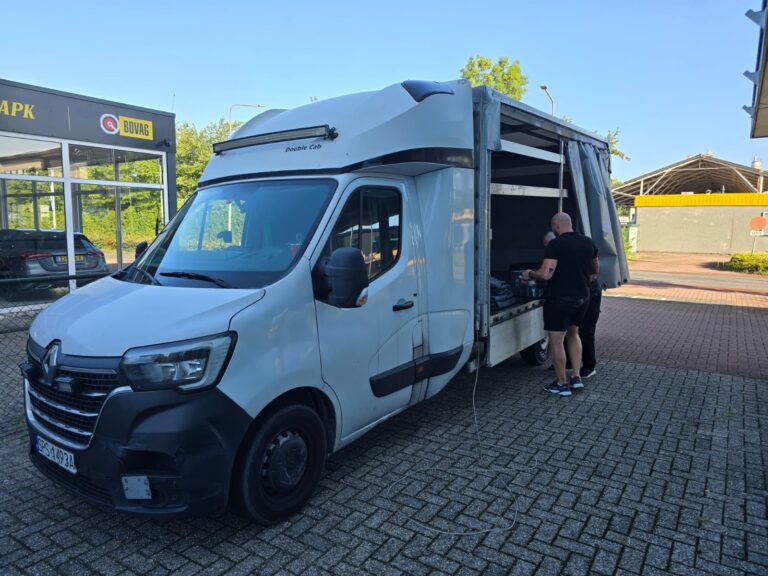
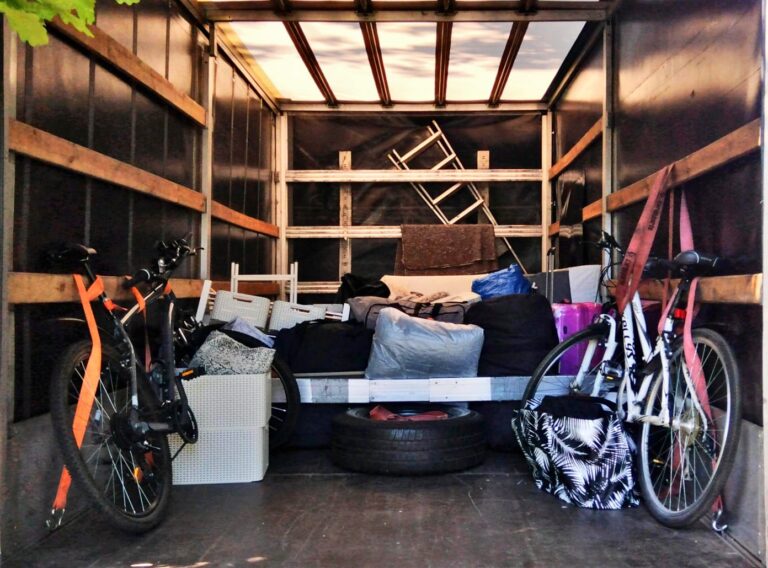
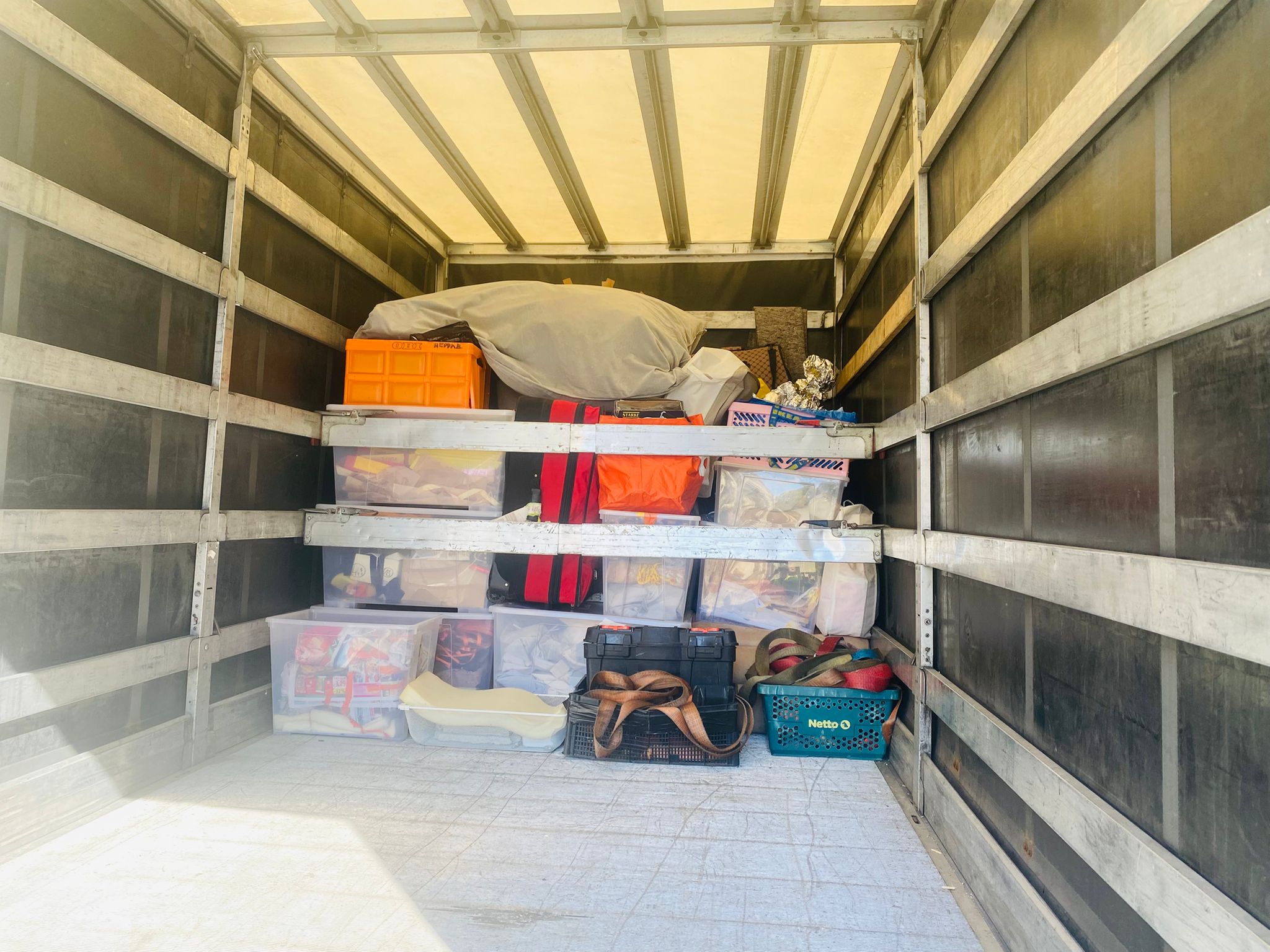
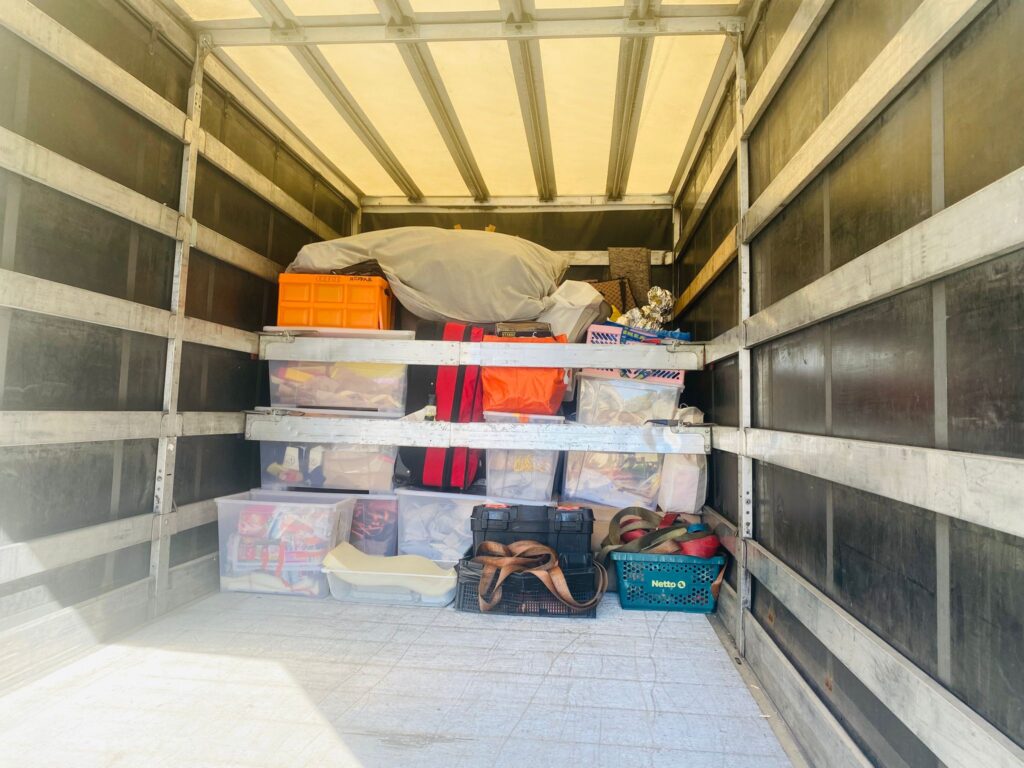
A successful relocation also needs a physical plan. Your permit may open the door, but your furniture and boxes still need to arrive safely. VANonsite supports removals to Switzerland with secure European transport, GPS tracking for every load and flexible man and van solutions.
TL:DR
- Switzerland PR requirements usually refer to the C permit, the Swiss settlement permit and the closest equivalent to permanent residence.
- Many foreign nationals may become eligible after 5 or 10 years of lawful residence, depending on nationality, permit history, integration and canton rules.
- Staying in Switzerland for more than 3 months usually requires a valid residence permit.
- If you want to know how to get PR in Switzerland, start by building a clean record of permits, rental contracts, tax documents, insurance proof and employment history.
- PR documents and moving documents are different. Household goods usually need customs paperwork, including Form 18.44 and a detailed inventory.
- VANonsite offers GPS tracked man and van removals to Switzerland, with vehicle options from 1m3 and 100kg to 90m3 and 20000kg.
- A planned move protects your schedule, belongings and peace of mind, especially when border paperwork, delivery timing and fragile furniture matter.




What Are Switzerland PR Requirements?
Switzerland PR requirements are the conditions a foreign national usually needs to meet to receive long term settlement status. In Switzerland, that status is normally connected with the C permit. The C permit is granted after several years of legal residence and gives the holder a stronger position than short term or ordinary residence permits.
The Swiss State Secretariat for Migration explains that settled foreign nationals may be granted a settlement permit after 5 or 10 years of residence in Switzerland, and that the right to settle is not subject to time restrictions or conditions. In practical terms, Switzerland PR requirements usually involve:
- A qualifying period of legal residence
- A valid and traceable permit history
- Proof of identity
- Financial stability
- Local registration
- Health insurance compliance
- Tax compliance
- Good conduct
- Integration evidence, including language where required
- Canton specific forms and checks
The key point is simple: Swiss PR is about proving that your life in Switzerland is legal, stable, responsible and documented.
PR, C Permit and Citizenship: What Is the Difference?
Many people search for Switzerland PR requirements because they are familiar with permanent residence systems in countries such as Canada or Australia. Switzerland uses different language. The main long term residence status is the C permit.
| Common term | Swiss status | What it means |
|---|---|---|
| PR in Switzerland | C permit | Settlement permit and long term residence status |
| Temporary residence | L permit or B permit | Short stay or residence for work, study, family or other reasons |
| Work authorisation | Work related permit | Permission linked to employment or self employment |
| Citizenship | Naturalisation | Separate route that may lead to a Swiss passport |
The C permit is not citizenship. It does not make you Swiss. However, it can offer a calmer foundation for work, family life and long term planning. If your goal is to understand how to get PR in Switzerland, focus first on the C permit route, not the passport route.
Who Can Apply for PR in Switzerland?
Eligibility depends on nationality, residence history, permit type and canton. Switzerland has federal rules, but cantonal authorities are often involved in the practical application process.
EU and EFTA Citizens
EU and EFTA nationals often have more flexible residence and work conditions because of the Agreement on the Free Movement of Persons. Still, they must follow Swiss registration and permit rules. If they stay longer than 3 months, they usually need a residence permit.
For EU and EFTA citizens, Switzerland PR requirements may include continuous residence, a valid permit record, financial independence or lawful employment, health insurance and local integration. Some eligible nationals may receive a C permit after 5 years, while others may need a longer qualifying period.
Non-EU and Non-EFTA Citizens
For non-EU and non-EFTA citizens, the route is usually stricter. Work based residence may depend on qualifications, employer sponsorship, quotas and labour market conditions. Most foreign nationals need a permit to work in Switzerland, and the procedure depends on nationality and type of employment.
For this group, Switzerland PR requirements often begin years before the actual C permit application. If you are asking how to get PR in Switzerland as a non-EU national, build a strong record from day one: permits, renewals, employment contracts, payslips, tax records, insurance confirmations and rental agreements.
Students, Retirees and People Without Employment
Students, pensioners and people of private means may live in Switzerland without gainful employment if they meet the relevant conditions. These depend on nationality and personal circumstances. Students should not assume that study years automatically create a simple PR path. After graduation, the route may depend on work eligibility, nationality and future permit type.
How Long Does PR in Switzerland Take?
For many applicants, the common timelines are 5 or 10 years. The exact answer depends on nationality, treaty rights, residence history, integration and canton specific practice.
| Typical period | Who it may apply to | What matters most |
|---|---|---|
| 5 years | Certain eligible nationals or special cases | Legal residence, integration, valid permits and local approval |
| 10 years | Many other foreign nationals | Long term residence, clean record, stable life and complete documentation |
| Case specific | Family, early settlement or canton based situations | Individual assessment by the competent authority |
Switzerland PR requirements should not be treated like a countdown clock. Years matter, but the quality of your record matters too.
How to Get PR in Switzerland Step by Step
The strongest route to PR starts with legal entry and ends with a complete application.
Step 1: Move on the Right Legal Basis
Your first permit shapes everything that follows. You may move for work, study, family reunification, self employment or residence without work. Each path has its own rules. Choose the route that matches your real situation and keep proof from the beginning.
Step 2: Register Correctly
After arrival, follow local registration rules. Switzerland expects residents to be visible to the system. Keep copies of commune registrations, residence confirmations, permits, renewal notices and address records.
Step 3: Protect Your Paper Trail
Create one digital folder and one physical folder for your Swiss life. Include residence permits, passport copies, employment contracts, payslips, tax records, rental agreements, health insurance documents, school records and civil status documents where relevant.
When the time comes to meet Switzerland PR requirements, a clean paper trail prevents chaos.
Step 4: Build Integration Evidence
Integration can include language ability, financial independence, respect for public order, stable work, tax compliance and community ties. Swiss authorities want to see that you are not merely present, but genuinely settled.
Step 5: Apply Through the Correct Authority
Applications are usually handled through the relevant local or cantonal migration authority. Before applying, check your canton’s requirements, forms, fees, language rules and document format. Switzerland values precision, so small details can matter.
Required Documents for Switzerland PR
Exact document lists vary by canton and personal situation. Still, most applicants should expect to prove identity, residence, income, stability and integration.
| Document | Why it matters |
|---|---|
| Valid passport or national ID | Confirms identity |
| Current residence permit | Shows present legal status |
| Previous permits | Proves residence history |
| Commune residence certificate | Confirms registered address |
| Rental agreement | Supports housing stability |
| Employment contract | Shows work and income |
| Payslips or income records | Supports financial independence |
| Tax documents | Shows compliance |
| Health insurance proof | Confirms required coverage |
| Language certificate if required | Supports integration |
| Criminal record extract if requested | Supports good conduct |
| Civil status documents | Needed for family applications |
Use official Swiss government pages when checking documents. Your cantonal migration authority should confirm local requirements.
Moving to Switzerland: Documents for Household Goods
Immigration documents and moving documents are not the same. You may have the correct residence permit and still face delays at the border if your household goods paperwork is incomplete.
When moving household effects to Switzerland, official customs guidance from the Federal Office for Customs and Border Security is essential. For relocation imports, you usually need to present the completed Form 18.44 at the customs office of importation. Household goods, personal effects and students’ educational materials may be imported duty free if the conditions are met.
Prepare the following before moving:
- Completed Form 18.44
- Detailed inventory of household goods
- Passport or national ID
- Residence permit or proof of transfer of domicile
- Employment contract, lease or other relocation proof where relevant
- Deregistration confirmation from the country of departure if available
- Vehicle documents if importing a car
- Pet documents if moving with animals
- Proof of accommodation in Switzerland
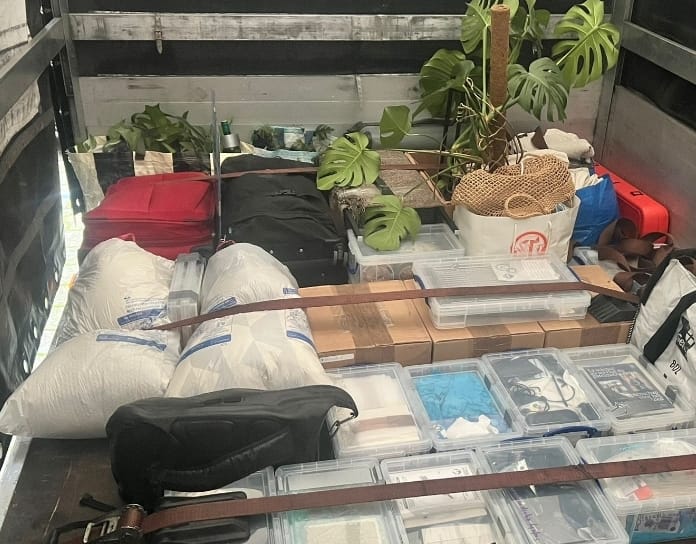
One missing form can turn a smooth move into a painful delay. A clean inventory, labelled boxes and a reliable man and van service can save hours at the moment when stress is already high.
Duty Free Import of Personal Belongings
People transferring their domicile to Switzerland may often import household effects duty free. In many cases, goods should have been used personally for at least 6 months before import and should continue to be used after arrival.
This rule helps customs distinguish a real relocation from a commercial import. For students, official customs guidance also allows educational materials and personal effects to be imported duty free in certain situations. Proper paperwork matters even for smaller moves.

How VANonsite Helps With Removals to Switzerland
A Switzerland move rewards calm planning. It punishes improvisation. Border paperwork, tight delivery windows, strict apartment access rules and fragile furniture can quickly become overwhelming.
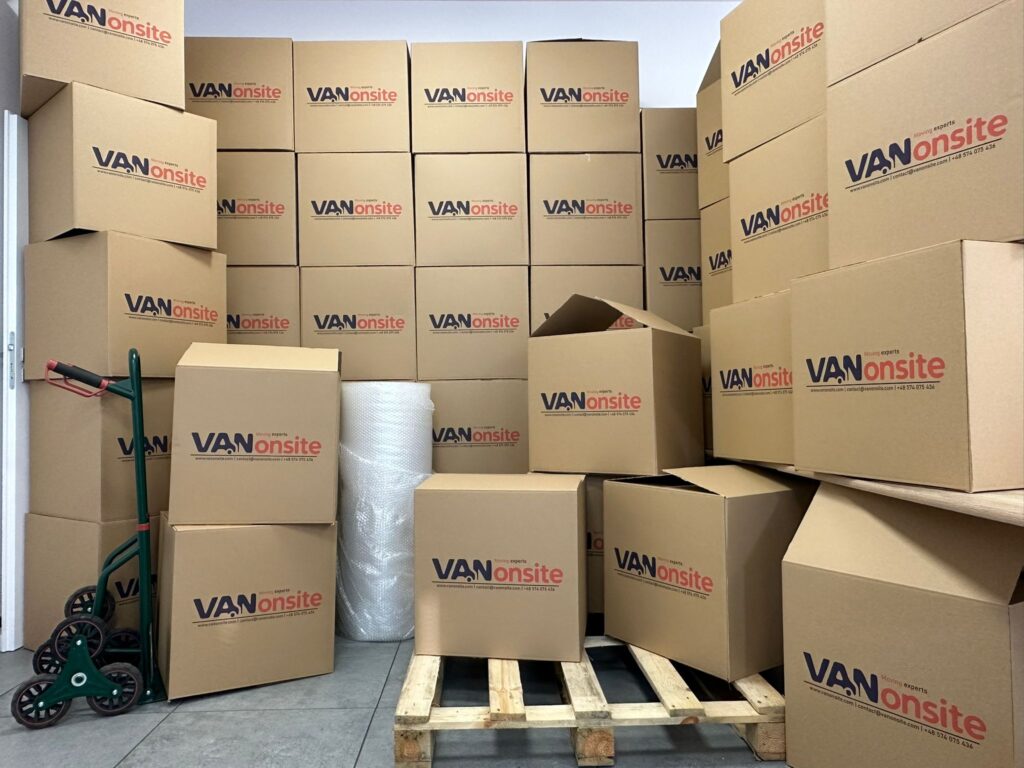
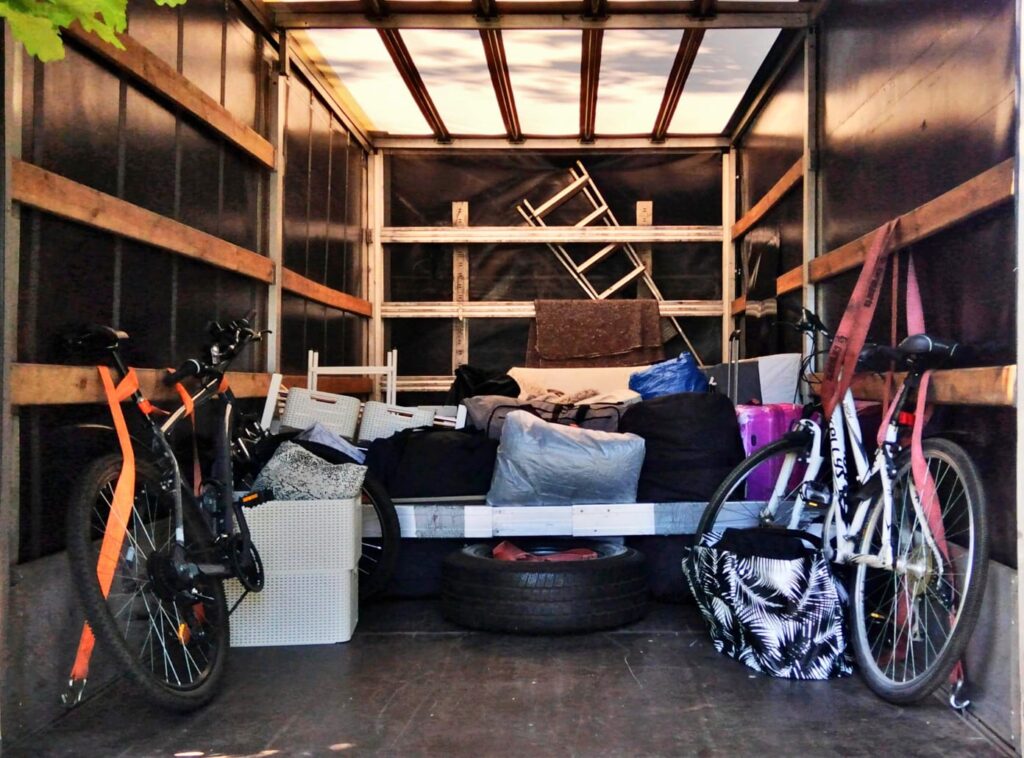
VANonsite gives the physical move structure through secure European transport, GPS tracking for every load and flexible man and van solutions for different relocation sizes. Customers can choose support for Last Minute Moving, Furniture Removals, Home Removals, Packing Service, White Glove Delivery, Office Removals, Storage, Student Removals and Office Furniture Installation.
For a dedicated route, visit Removals to Switzerland. The advantage is control: GPS tracking gives reassurance from loading to delivery.
Choosing the Right VANonsite Vehicle
The right vehicle size protects your budget and your nerves. Too small means extra trips. Too large means wasted space. VANonsite offers options from compact loads to full house removals.
| VANonsite option | Capacity | Best for |
|---|---|---|
| Moving One | 1m3, 100kg | Documents, suitcases, small boxes and essentials |
| Moving Basic | 5m3, 300kg | Studio move, student move or light furniture |
| Moving Medium | 10m3, 500kg | Small flat or partial home move |
| Moving Premium | 15m3, 1100kg | One bedroom move or larger furniture |
| Moving Premium Plus | 30m3, 3500kg | Family apartment or office relocation |
| Moving Full House XXL | 90m3, 20000kg | Full house move or large commercial relocation |
For a student moving to Lausanne, 5m3 may be enough. For a family moving to Zurich, 30m3 may be more realistic. For a full household relocation, 90m3 can reduce complexity.
Best VANonsite Services for a Switzerland Move
A move to Switzerland is rarely just transport. It is a chain of decisions: what to pack, what to declare, what to protect and what to deliver first.
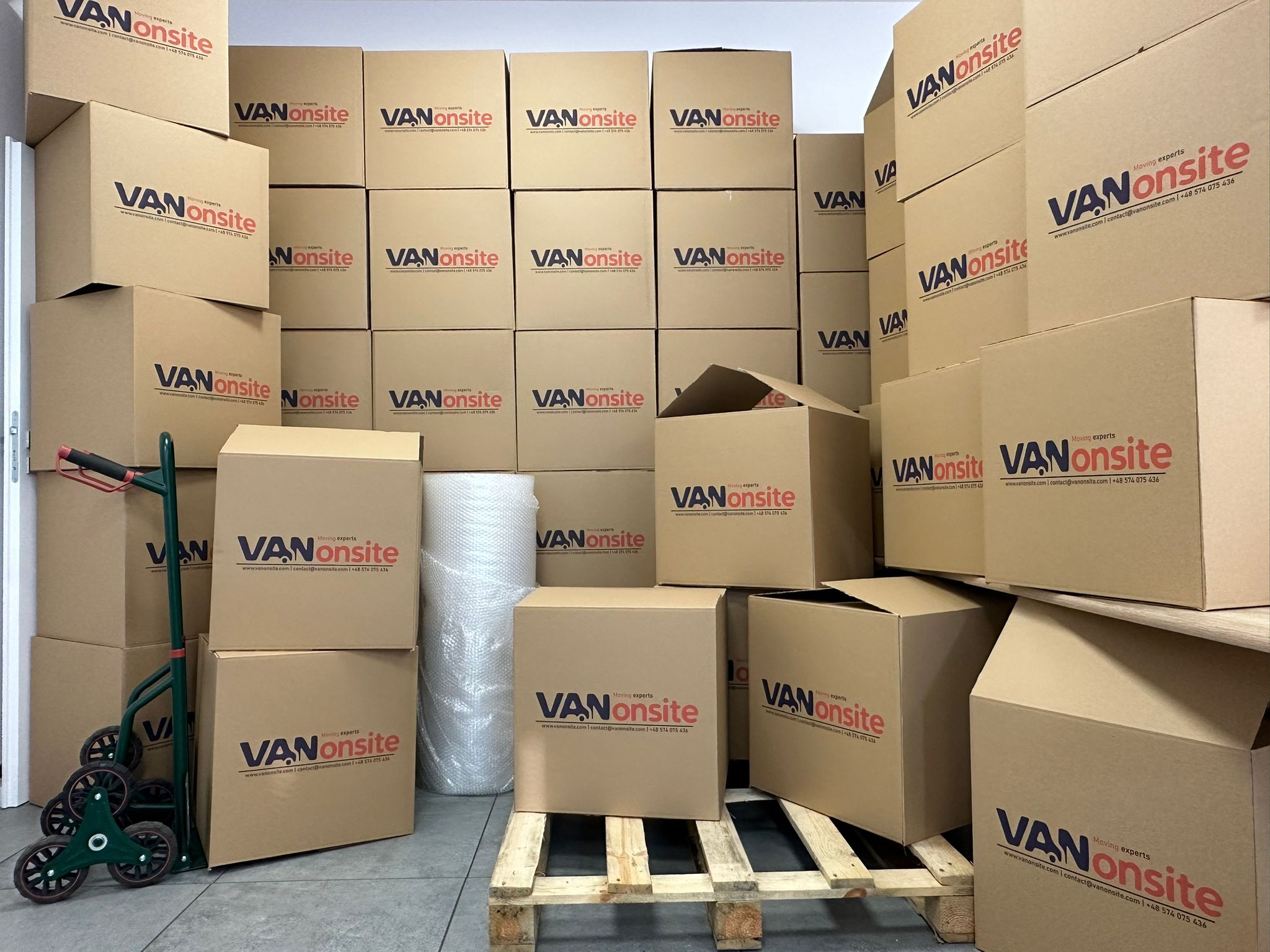
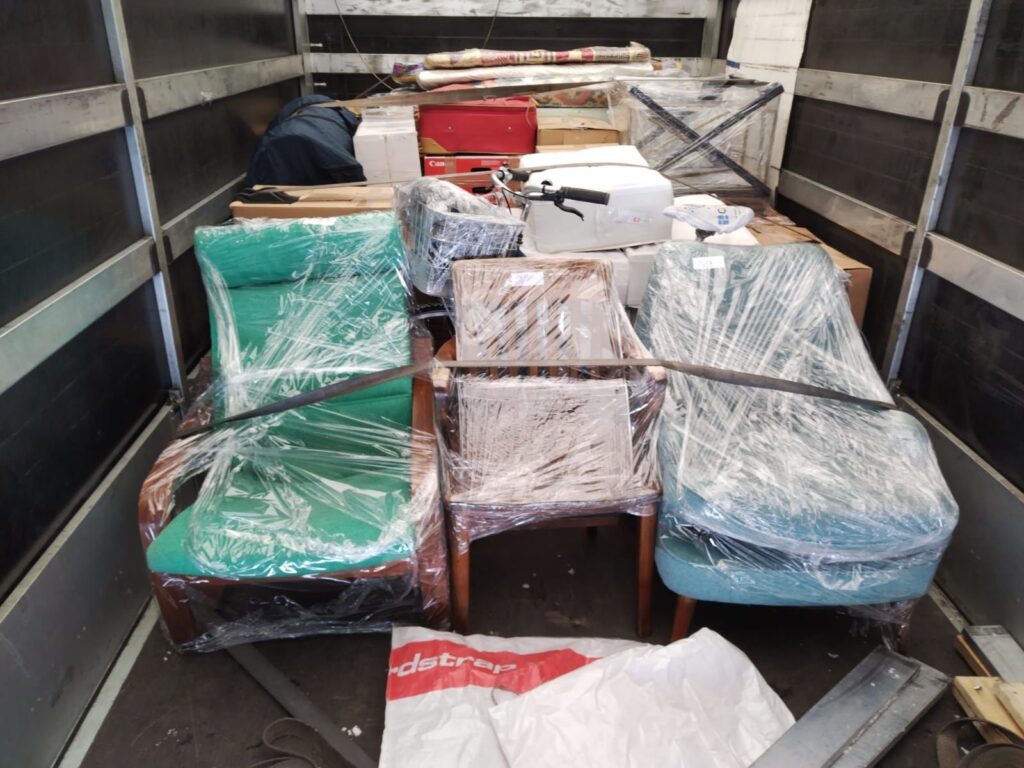
Home Removals are ideal for families and long term movers. Furniture Removals protect bulky or delicate pieces. Packing Service helps protect fragile items and makes the customs inventory easier to manage.
For high value items, White Glove Delivery offers premium care. For business moves, Office Removals and Office Furniture Installation help reduce downtime. For academic moves, Student Removals are practical for cities such as Zurich, Geneva, Basel, Bern and Lausanne.
Switzerland PR Requirements for Families, Students and Workers
Families should prepare more than one document set. Marriage certificates, birth certificates, school records, rental agreements, insurance documents and income proof may all matter. Family relocation also carries emotional pressure, so packing support and GPS tracked transport can make the first week in Switzerland feel less chaotic.
Students should keep university admission letters, permit documents, rental agreements, health insurance proof and financial support records. A small man and van move can be ideal when the load is limited but timing is tight.
Workers should preserve employment contracts, payslips, tax statements, social insurance records, employer letters and permit renewals. For many applicants, employment is the strongest bridge between temporary residence and long term settlement.
Across all groups, the principle is the same. Switzerland PR requirements reward stability, clarity and proof.
Common Mistakes to Avoid
The most common mistake is confusing PR with citizenship. The C permit is settlement status, not a Swiss passport. Another mistake is assuming every canton asks for the same documents. Switzerland has a local administrative rhythm, and cantonal rules matter.
People also lose old permits, rental agreements and tax papers because they look unimportant at the time. Years later, those ordinary documents may become crucial.
On the moving side, customs needs its own paperwork. A residence permit does not replace Form 18.44. A signed lease does not replace an inventory. A rushed packing day does not create a clear declaration.
The final mistake is underestimating volume. A 1m3 load and a 30m3 move are completely different operations. Choosing the right man and van option early helps protect time, money and fragile belongings.
90 Day Moving Checklist for Switzerland
| Timeline | What to do |
|---|---|
| 90 days before moving | Confirm your residence route, check Switzerland PR requirements for your nationality, review canton rules, collect identity, work, rental and insurance documents, estimate your moving volume. |
| 60 days before moving | Confirm your Swiss address if possible, start your household inventory, decide what to sell or move, book packing support and choose the right VANonsite vehicle size. |
| 30 days before moving | Prepare Form 18.44, finalise your inventory, label boxes, keep passports and permits outside packed goods, confirm access and photograph valuable items. |
| 7 days before moving | Pack essentials, recheck customs documents, confirm addresses, keep permit papers accessible and share access details with the moving team. |
| Moving day | Keep ID and customs forms with you, confirm the inventory, track your load through GPS and store moving documents safely. |
Cost Planning for PR and Moving
Switzerland can be expensive, so planning is not optional. It is protective.
| Cost category | What to budget for |
|---|---|
| Permit fees | Canton dependent |
| Translations | Needed for some official documents |
| Language certificates | Required in some routes or cantons |
| Health insurance | Mandatory for residents |
| Rental deposit | Often a major upfront cost |
| Moving transport | Based on distance, volume and vehicle size |
| Packing materials | Boxes, wrap, tape and protective covers |
| Storage | Useful when dates do not align |
The cheapest move is not always the safest move. The best move arrives complete, protected and on time. With GPS tracking, flexible vehicle sizes and European removals support, VANonsite helps reduce hidden costs such as delays, damage and last minute panic.
FAQ: Switzerland PR Requirements
What are the basic Switzerland PR requirements?
The basic Switzerland PR requirements usually include legal residence, a valid permit history, stable finances, health insurance, tax compliance, good conduct, integration and canton specific documents.
Is Swiss PR the same as the C permit?
In everyday expat language, yes. Swiss PR usually refers to the C permit, also known as the settlement permit. It is different from citizenship.
How long does it take to get PR in Switzerland?
Many applicants may become eligible after 5 or 10 years of legal residence. The exact timeline depends on nationality, permit history, integration and canton rules.
How to get PR in Switzerland as an EU citizen?
EU and EFTA citizens often have more flexible residence and work rules, but they still need a valid residence history, correct documents and approval from the competent authority.
How to get PR in Switzerland as a non-EU citizen?
Non-EU and non-EFTA citizens usually need a valid long term residence route, often connected to skilled work, family status or another approved basis. Strong records are essential.
What documents are needed when moving household goods to Switzerland?
You usually need Form 18.44, an inventory list, ID, proof of transfer of domicile and supporting documents such as a lease, employment contract or residence permit where relevant.
Is a man and van service useful for Switzerland?
Yes. A professional man and van service can make a Switzerland move faster, safer and easier to control, especially when customs documents, building access and fragile belongings are involved.
Ready to Move to Switzerland With Less Stress?
Understanding Switzerland PR requirements is the first step. Moving your life safely is the next one. Switzerland rewards people who prepare, and the same is true of relocation.
VANonsite helps customers move to Switzerland with secure European transport, GPS tracking, flexible vehicle sizes and practical support for homes, students, offices, furniture and urgent relocations.
Whether you are moving 1m3 of essentials or 90m3 of a full household, your move deserves precision, protection and a strong beginning.
Start your move with VANonsite Removals to Switzerland.