
Switzerland has a quiet kind of magnetism. It does not need to shout for attention. It wins people over with clean cities, mountain air, excellent transport, strong wages, safe streets and a sense that life can be planned with precision rather than panic.
Yet if you are searching for how to gain citizenship in switzerland, you need more than admiration for alpine views. Swiss citizenship is not a quick reward after crossing the border. It is the outcome of legal residence, consistent paperwork, language skills, financial stability, local integration and patience.
For many people, the road begins with a move. You arrive for work, study, family, business or a better long term future. Then you register, organise insurance, renew permits, learn the local language and slowly become part of your commune. The passport comes later, after the foundations are strong.
That first move matters. A calm relocation gives you a stronger start, especially when your furniture, documents and personal life are crossing borders. VANonsite supports moves across Europe to Switzerland with secure transport, fast coordination and GPS tracking for every load. Whether you need a compact man and van service or a full household relocation, a well planned move can make the whole journey feel less overwhelming.
TL:DR
- To understand how to gain citizenship in switzerland, start with legal residence, not the passport application.
- Ordinary naturalisation usually requires 10 years of residence in Switzerland and a permanent C permit.
- Swiss citizenship depends on integration, language ability, clean records, financial reliability and local approval.
- Requirements can vary by canton and commune, so your exact Swiss address matters.
- Used household goods may be imported under relocation rules if Swiss customs conditions are met.
- Keep permits, rental contracts, tax records, insurance documents and customs papers organised from day 1.
- VANonsite offers secure removals to Switzerland with vehicle sizes from 1m3 to 90m3 and GPS tracked delivery.




Who Can Apply for Swiss Citizenship?
Swiss citizenship can be obtained in several ways. Some people acquire it through Swiss parents. Others may qualify through marriage or specific family circumstances. However, for most people moving to Switzerland from another country, the most relevant path is ordinary naturalisation.
Ordinary naturalisation is designed for foreign nationals who have built a genuine life in Switzerland. It is not only about staying long enough. Switzerland also looks at how well you are integrated, whether you respect Swiss law, whether you can communicate in the relevant local language and whether your life in the country is stable.
If you want to get citizenship in switzerland, you should think of the process as a long road with several checkpoints. First comes lawful entry and residence. Then comes registration, employment or study, insurance, permits, tax records and community life. Only after years of steady residence does the naturalisation stage become realistic.
Ordinary Naturalisation in Switzerland
Ordinary naturalisation is the main route for many foreign nationals. According to official Swiss guidance, applicants generally need 10 years of residence in Switzerland and a permanent residence permit, known as a C permit. Applications are usually submitted through the commune or canton of residence.
This process has federal, cantonal and communal layers. That means Switzerland does not treat citizenship as a simple central form. Your local life matters. Your canton matters. Your commune matters.
Typical factors may include:
- Legal residence in Switzerland
- A valid permanent C permit
- Respect for Swiss public order
- No serious criminal record
- Financial stability
- Integration into Swiss society
- Knowledge of Swiss customs and civic life
- Language ability in the relevant national language
- Compliance with cantonal and communal rules
This is why how to gain citizenship in switzerland is really a question about building credibility over time. The authorities want to see that you are not only living in Switzerland, but also becoming part of it.
Official guidance is available through the State Secretariat for Migration.
Simplified Naturalisation
Simplified naturalisation may apply to specific groups, including some spouses of Swiss citizens and eligible third generation foreign nationals. It is a different route from ordinary naturalisation, but it is not automatic.
For example, marrying a Swiss citizen does not instantly make a person Swiss. Conditions still apply, and the applicant must meet official requirements. The exact route depends on personal circumstances, residence history and legal status.
If your situation involves marriage, family links or Swiss ancestry, check the official naturalisation guidance before making plans. The rules are precise, and small details can change the best route for your application.
You can review the official overview on the SEM naturalisation page.
How Long Does It Take to Get Citizenship in Switzerland?
For ordinary naturalisation, the realistic answer is years, not months. The formal citizenship application comes after a long period of lawful residence and integration.
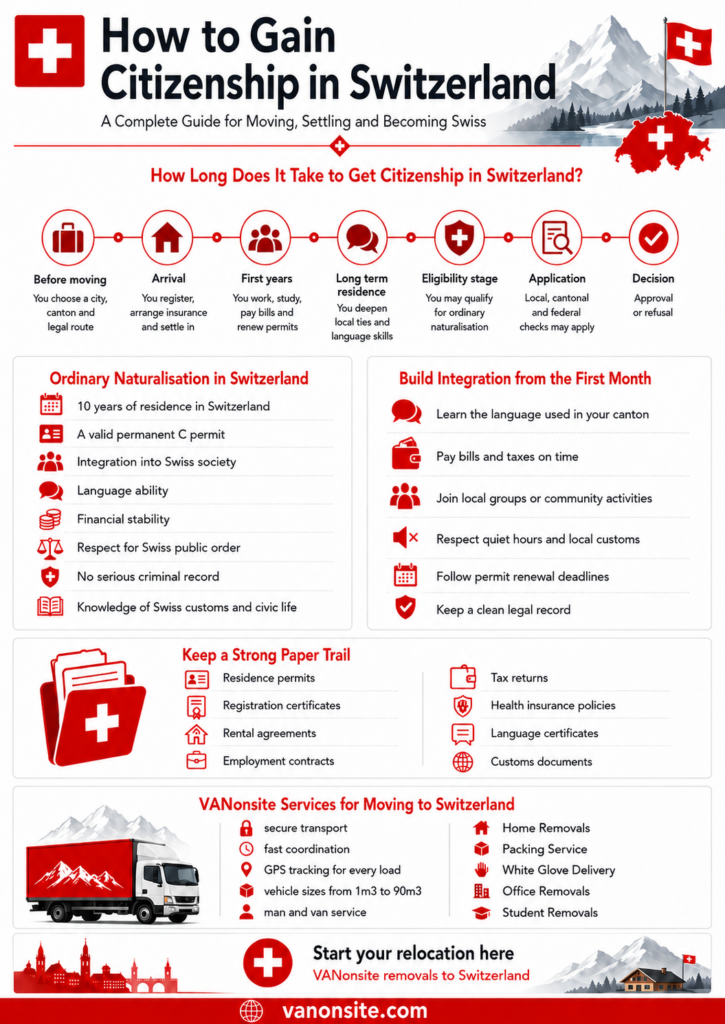
If you are asking how do you get citizenship in switzerland, the process usually looks like this:
| Stage | What Happens | Why It Matters |
|---|---|---|
| Before moving | You choose a city, canton and legal route | Your location and status shape the process |
| Arrival | You register, arrange insurance and settle in | Early compliance creates a clean record |
| First years | You work, study, pay bills and renew permits | Stability becomes part of your file |
| Long term residence | You deepen local ties and language skills | Integration becomes visible |
| Eligibility stage | You may qualify for ordinary naturalisation | A C permit and residence history are crucial |
| Application | Local, cantonal and federal checks may apply | Switzerland reviews the full picture |
| Decision | Approval or refusal | A strong, consistent file can reduce friction |
Some years may count differently depending on age, residence type or personal situation. Local requirements can also vary. Because of this, anyone who wants to know how to get a citizenship in switzerland should check official federal guidance and the rules in their canton as early as possible.
Choosing Where to Live in Switzerland
Switzerland may look compact, but it is full of local differences. Zurich feels different from Geneva. Basel has another rhythm than Lugano. Lausanne, Bern, Zug, Lucerne and smaller communes each have their own character, language context and administrative expectations.
This matters because naturalisation is not only a federal process. Cantons and communes can influence language requirements, residence expectations, interviews and local knowledge checks.
Before moving, consider:
- The main language of the canton
- Job opportunities in your profession
- Rental costs
- Tax differences
- Schooling for children
- Transport connections
- Healthcare access
- Local naturalisation expectations
- The size and complexity of your move
A person moving 5m3 of belongings into a studio in Geneva has very different needs from a family moving 30m3 of furniture to the Zurich area. Both moves can be managed smoothly, but they require different planning.
For European relocations, VANonsite provides removals to Switzerland with flexible vehicle sizes, secure handling and GPS tracking for every load.
Secure the Right Residence Basis
Before focusing on how to gain citizenship in switzerland, make sure you have the right legal basis to live there. Citizenship cannot be built on uncertain residence.
The rules depend on your nationality and purpose of stay. EU and EFTA citizens usually follow different conditions from non EU citizens. UK nationals may also face specific requirements.
Common residence routes include:
- Employment in Switzerland
- Study at a Swiss university or school
- Family reunification
- Residence without gainful employment
- Business or specialist work routes
- Long term private means residence, where eligible
Your permit status is one of the most important parts of your long term plan. Keep every permit decision, renewal notice and registration certificate safely stored. If you eventually apply for citizenship, these documents can help prove continuity.
Official information about permits is available on ch.ch residence permit guidance.
Plan the Physical Move to Switzerland
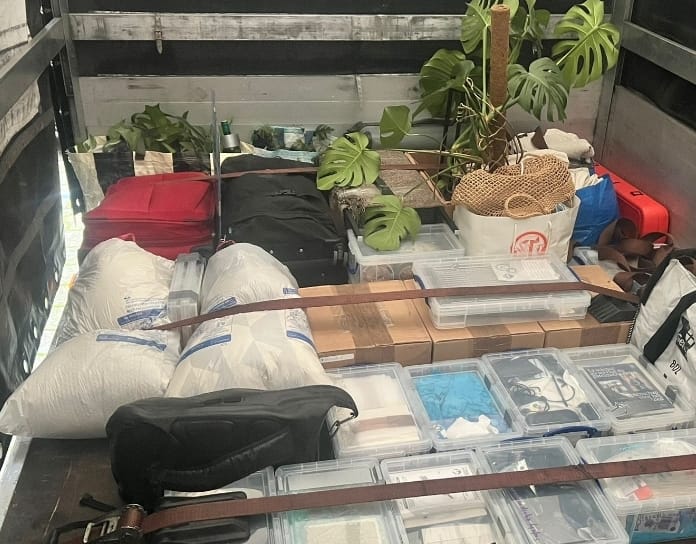
The legal process may start with forms, but the move becomes real in boxes, furniture, keys, invoices and nerves. A poor relocation can turn your first week into confusion. A strong relocation can help you arrive clear headed and ready.
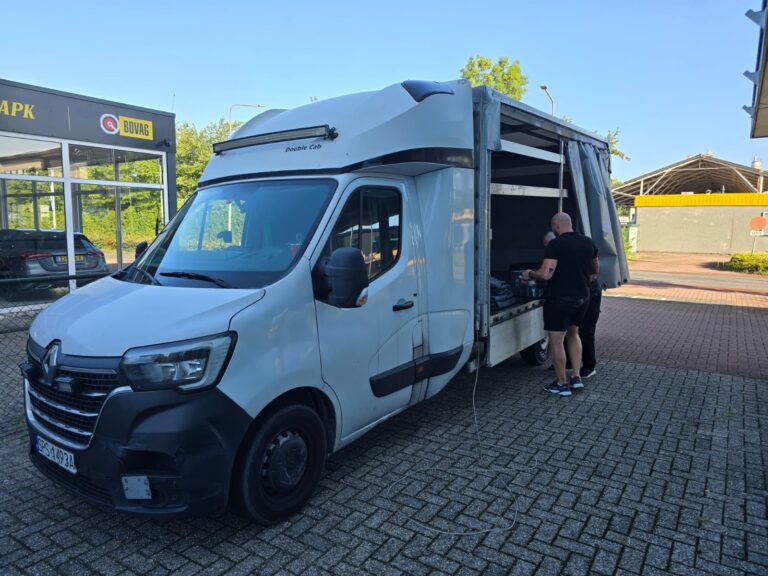
A professional man and van service can be ideal for small and medium moves. It is especially useful for students, professionals, couples and people moving selected furniture rather than a full house. Larger households may need more capacity, careful packing and detailed inventory planning.
VANonsite offers several vehicle options for Switzerland removals:
| VANonsite Option | Capacity | Weight Limit | Best For |
|---|---|---|---|
| Moving One | 1m3 | 100kg | Documents, boxes, small student move |
| Moving Basic | 5m3 | 300kg | Studio essentials or compact relocation |
| Moving Medium | 10m3 | 500kg | Small flat with furniture |
| Moving Premium | 15m3 | 1,100kg | Apartment move with larger items |
| Moving Premium Plus | 30m3 | 3,500kg | Family move or larger household |
| Moving Full House XXL | 90m3 | 20,000kg | Full house, large relocation or office move |
A 10m3 move may be enough for a lean apartment relocation. A 15m3 option gives more space for furniture and boxes. A 30m3 vehicle suits larger households. A 90m3 option is designed for substantial full house or office moves.
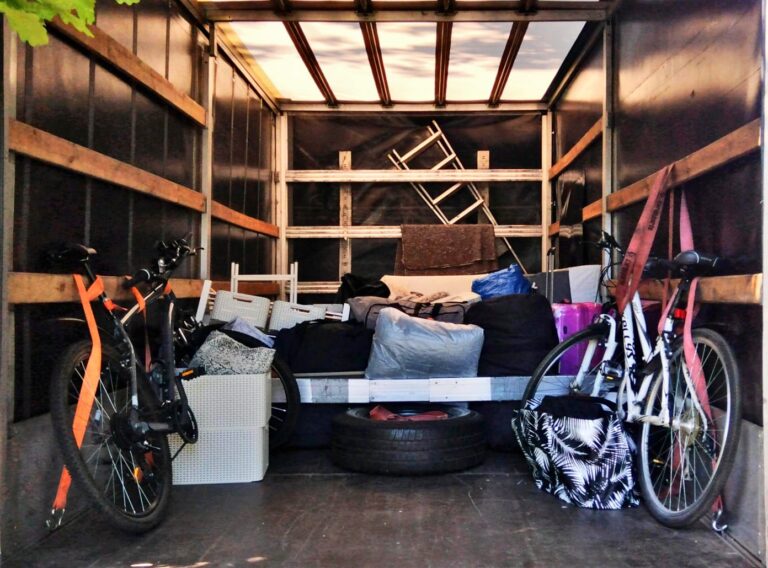
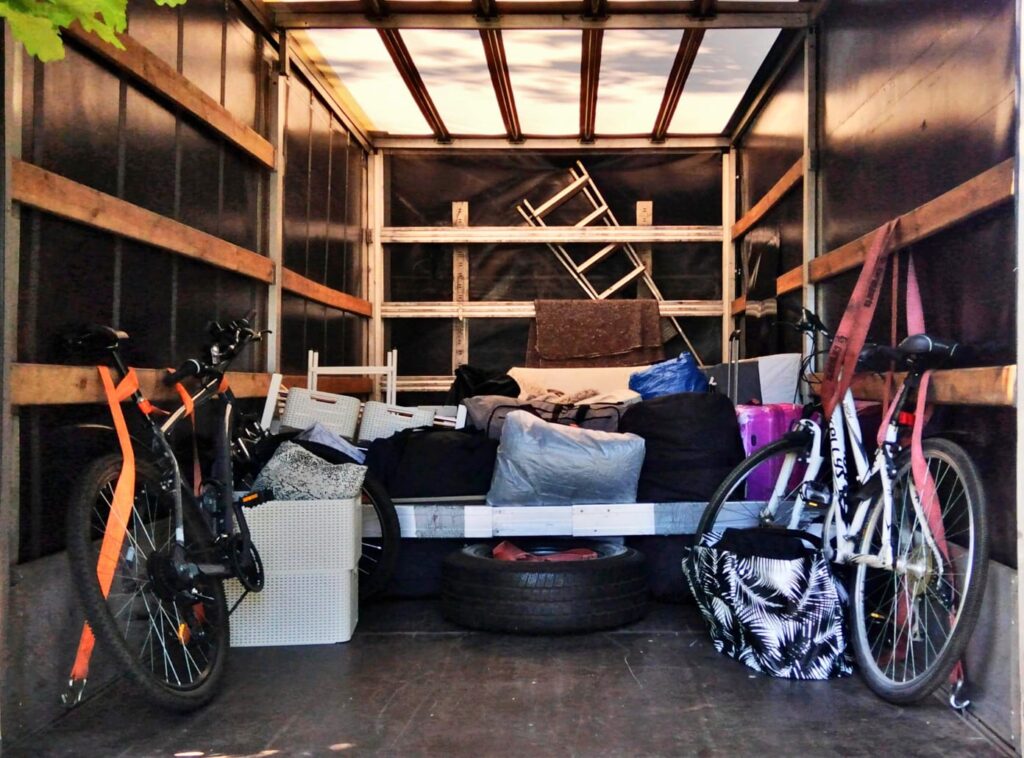
Many people underestimate volume by 15% to 25%. Chairs, lamps, winter clothing, bikes, office equipment and kitchen goods take more space than expected. Choosing the right vehicle protects your budget, your schedule and your peace of mind.
Customs Rules for Household Goods
If you are moving your home to Switzerland, your used household goods may qualify for import under relocation rules. Swiss customs guidance explains that household effects can often be imported as removal goods if official conditions are met. In general, the goods should have been used personally for at least 6 months and should continue to be used after importation.
Typical relocation goods may include:
- Beds and mattresses
- Sofas and armchairs
- Tables and chairs
- Wardrobes and shelves
- Kitchenware
- Clothing
- Books
- Personal electronics
- Home office equipment
- Student materials
- Sports equipment
- Decorative household items
Prepare a clear inventory before moving. Customs does not need poetry. It needs accuracy.
Useful documents may include:
- Passport or national ID
- Residence permit or proof of Swiss residence process
- Rental contract or proof of Swiss address
- Inventory of goods
- Customs form for household effects
- Proof that the goods are used personal belongings
- Vehicle papers if importing a car
- Marriage, study or inheritance documents where relevant
Official information is available through Swiss customs household effects guidance.
VANonsite can support the logistics side of this process with structured transport, careful handling and GPS tracking. That tracking matters because international moves can feel unsettling when your personal belongings disappear onto the road. Visibility gives confidence.
Register After Arrival
After arriving in Switzerland, registration is one of the first major administrative steps. In general, people moving to a Swiss commune are expected to register within 14 days. This step connects you to local administration and can affect permits, taxes, insurance and your official record.
You may need:
- Valid passport or ID
- Rental agreement
- Employment contract or study documents
- Passport photos if requested
- Civil status documents
- Health insurance information
- Permit documents
- Proof of financial means where relevant
Official guidance is available at ch.ch notification of departure and registration.
Keep your essential documents with you during the move. Do not pack passports, contracts, permits or insurance papers inside the shipment. Carry printed copies and digital copies. A simple folder can save hours of stress.
Organise Health Insurance and Local Administration
Health insurance is central to life in Switzerland. New residents usually need to arrange suitable coverage after arrival, and this should be handled quickly.
Your first relocation folder should include:
- Passport or ID
- Residence documents
- Employment or study documents
- Rental contract
- Health insurance documents
- Bank documents
- Customs inventory
- Moving documents
- Tax records
- Important correspondence from authorities
This folder is not just useful for the first month. It can become the beginning of your long term paper trail. If you want to get citizenship in switzerland, your records should show continuity, reliability and order.
Build Integration from the First Month
Swiss citizenship is not only about being physically present. It is about belonging in a way that can be recognised. Integration may include language skills, respect for local rules, financial reliability, civic knowledge and participation in everyday community life.
Practical ways to build integration include:
- Learn the language used in your canton
- Pay bills and taxes on time
- Keep employment and rental records
- Join local groups or community activities
- Understand recycling and housing rules
- Respect quiet hours and local customs
- Follow permit renewal deadlines
- Avoid gaps in official records
- Keep a clean legal record
- Learn about Swiss politics and civic structure
Small habits matter. In Switzerland, reliability is not decoration. It is cultural currency.
This is one of the most important answers to how do you get citizenship in switzerland. You do not become integrated in the final month before applying. You build integration through years of ordinary, responsible life.
Learn the Language of Your Canton
Switzerland has 4 national languages: German, French, Italian and Romansh. The language you need depends on where you live.
| Region | Common Language |
|---|---|
| Zurich, Bern, Basel, Lucerne | German |
| Geneva, Lausanne, Vaud, Neuchatel | French |
| Ticino | Italian |
| Parts of Graubunden | Romansh and German |
Language helps with more than naturalisation. It affects housing, work, school meetings, medical appointments, official letters and neighbourly trust.
Even 20 minutes of daily learning can make a difference. Over 1 year, that becomes more than 120 hours of practice. Over 5 years, it becomes a serious foundation. If you are serious about how to gain citizenship in switzerland, language learning should start early, not at the application stage.
Keep a Strong Paper Trail
A clean file can protect you from panic later. From the moment you arrive, store evidence of your life in Switzerland.
Keep copies of:
- Residence permits
- Registration certificates
- Rental agreements
- Employment contracts
- Salary slips
- Tax returns
- Health insurance policies
- School records for children
- Language certificates
- Customs documents
- Moving invoices
- Community membership documents
- Official letters
These records may not all be required for naturalisation, but they can help demonstrate stability. They also make daily administration easier.
For people wondering how to get a citizenship in switzerland, this is one of the least glamorous but most powerful habits: document your life properly.
Apply for Naturalisation When Eligible
When you meet the relevant requirements, you can apply through the competent authority in your commune or canton. The exact process depends on where you live and your personal situation.
An ordinary naturalisation application may involve:
- Completed application forms
- Proof of residence
- C permit
- Civil status documents
- Tax records
- Criminal record checks
- Debt register extracts where requested
- Language evidence
- Integration evidence
- Local knowledge checks
- Interviews or assessments
- Fees
This stage is the visible part of the process, but it is not the whole story. The deeper work has already happened in the years before: residence, registration, integration, language learning and financial responsibility.

Common Mistakes That Can Delay Your Plan
Avoiding mistakes is often cheaper than repairing them. Moving to Switzerland with poor planning can create avoidable stress, especially when your long term goal is citizenship.
Common problems include:
- Moving without checking canton specific rules
- Missing registration deadlines
- Keeping poor document records
- Failing to renew permits on time
- Ignoring language learning until late
- Underestimating Swiss customs paperwork
- Bringing goods without a proper inventory
- Choosing a mover without international experience
- Treating integration as a formality
- Assuming marriage gives automatic citizenship
- Moving too much without checking vehicle capacity
- Packing key documents inside the shipment
A rushed relocation can feel like dragging a suitcase through fog. The smarter approach is calmer: permit, address, customs, transport, insurance, documents and integration.
VANonsite supports that first practical step with secure European transport, fast coordination and GPS visibility.
Why Professional Removals Matter
Moving to Switzerland is not only a lifestyle choice. It is a logistical project with legal, customs and emotional weight.
Low quality removals can create problems such as:
- Damaged furniture
- Missed delivery windows
- Poor packing
- Confusing customs paperwork
- Lost boxes
- No shipment visibility
- Stress during registration week
- Extra costs from choosing the wrong vehicle size
VANonsite focuses on safe and efficient European removals. The company offers GPS tracking for every load, which is especially valuable when your whole home is crossing borders.
This can help whether you are moving one room, a student load, a studio flat, a family apartment, premium furniture or a full house. For smaller relocations, a man and van service can be lean and efficient. For larger moves, VANonsite can match the vehicle to your volume and weight.
VANonsite Services for Moving to Switzerland
Different moves need different solutions. A student relocation does not need the same plan as a family move. A premium furniture delivery needs more care than a simple box transfer.
VANonsite can support moves to Switzerland with services such as:
- Last Minute Moving for urgent relocation needs
- Furniture Removals for beds, wardrobes, tables and sofas
- Home Removals for full household moves
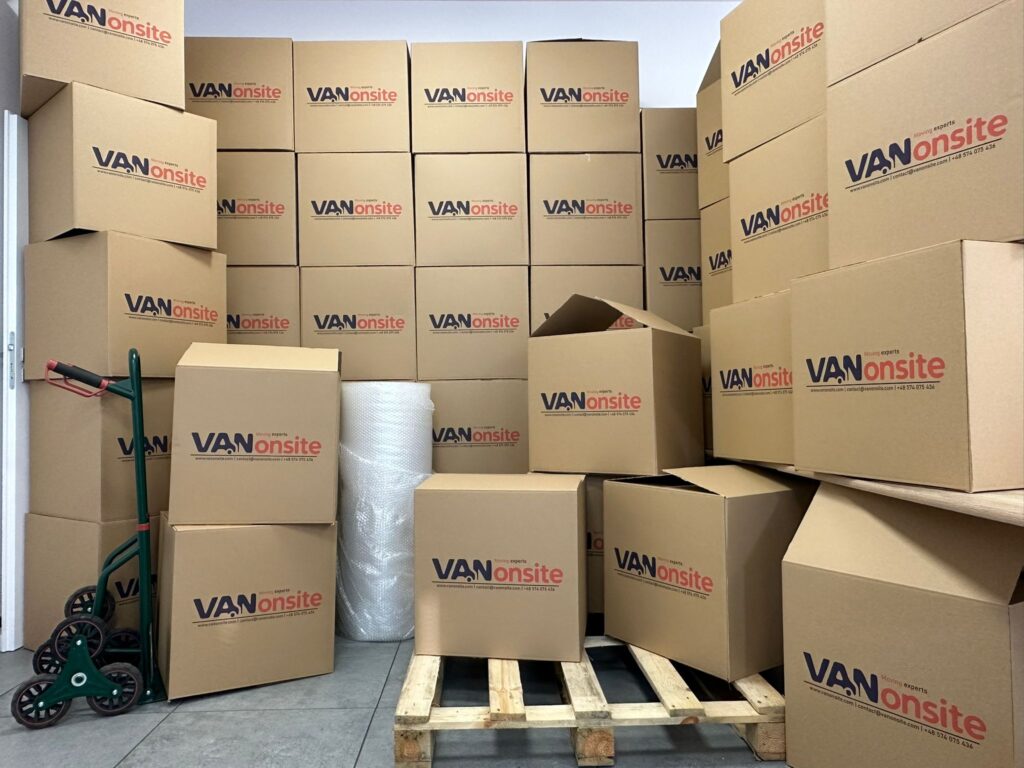
- Packing Service for safer preparation
- White Glove Delivery for delicate or high value items
- Office Removals for company relocation
- Storage for staged moves
- Student Removals for compact university moves
- Office Furniture Installation for workplace setup
If you are planning your move, start with VANonsite removals to Switzerland.
How Much Should You Move?
The right volume depends on your budget, property size and future plans. If you are moving for a 1 year contract, a lighter move may make sense. If you are relocating with family and aiming for permanent residence, bringing familiar furniture can make your new home feel warmer from the first week.
Use this simple guide:
| Situation | Suggested Move Type |
|---|---|
| Short assignment | Boxes and essentials |
| Student relocation | 1m3 to 5m3 |
| Studio flat | 5m3 to 10m3 |
| One bedroom flat | 10m3 to 15m3 |
| Family apartment | 15m3 to 30m3 |
| Full house | 30m3 to 90m3 |
| Office relocation | Based on desks, chairs, files and IT equipment |
Before booking, divide your belongings into 3 groups:
- Must move
- Useful to move
- Better to replace in Switzerland
This simple filter reduces clutter and prevents you from paying to transport things you no longer need.
Documents for Moving to Switzerland
The right documents make your relocation smoother and support your long term plan. Requirements depend on your nationality, permit type, canton and personal situation, but many movers need a similar core file.
Prepare:
- Passport or national ID
- Visa documents if applicable
- Work contract or study confirmation
- Rental agreement
- Proof of financial means where relevant
- Health insurance documents
- Marriage certificate if applicable
- Birth certificates for children if applicable
- School documents
- Customs inventory
- Household effects declaration
- Vehicle papers if importing a vehicle
- Pet documents if moving with animals
- Moving company documents
Official moving guidance is available on ch.ch moving to Switzerland.
Keep these documents accessible throughout the journey. Do not bury them in boxes. Your first days in Switzerland will be easier if every essential paper is close to hand.
FAQ
How do you get citizenship in Switzerland?
You usually need legal residence, a qualifying residence history, the right permit, integration, language ability and approval through the relevant naturalisation process. For ordinary naturalisation, official Swiss guidance generally refers to 10 years of residence and a C permit.
How to get a citizenship in Switzerland if I am moving from Europe?
Start with the correct residence or work basis, register after arrival, organise health insurance and keep all documents. You should also check canton specific requirements early. A secure move with VANonsite can help you begin with less stress.
Can I use a man and van service for moving to Switzerland?
Yes. A man and van service can work well for small and medium relocations. VANonsite offers vehicle options from 1m3 to 90m3, so the move can be matched to your belongings.
Can I bring used furniture to Switzerland?
Often, yes. Used household effects may be imported under Swiss relocation rules if official conditions are met. Check Swiss customs guidance before moving.
Does moving to Switzerland automatically lead to citizenship?
No. Moving is only the beginning. Citizenship depends on residence, integration, eligibility, documentation and approval by Swiss authorities.
Is Swiss citizenship difficult to get?
It is demanding, but it is not mysterious. Switzerland expects patience, clean records, language ability, local integration and respect for its rules.
Final Thoughts
Learning how to gain citizenship in switzerland is really learning how to build a Swiss life from the ground up.
The passport may be the dream, but the journey starts earlier: with the right permit, a registered address, careful documents, a clean move, a language plan and the daily discipline of becoming part of your new community.
VANonsite cannot shorten the citizenship timeline. No mover can. But it can make the first step safer, calmer and better organised.
With GPS tracked transport, professional handling and vehicle options from 1m3 to 90m3, VANonsite helps you move your belongings to Switzerland with confidence. When your furniture arrives safely, your documents are ready and your new home feels prepared, the long road toward Swiss citizenship begins on firmer ground.
Start your relocation here: VANonsite removals to Switzerland.