
Moving to Switzerland can feel like opening the door to a sharper, calmer version of life. The country is known for stable cities, strong salaries, safe streets, efficient transport and landscapes that make even an ordinary Tuesday feel cinematic. Yet the dream becomes real only when the practical pieces fit together: visa rules, residence permits, housing, customs, insurance, registration and the physical move itself.
This guide explains how to immigrate to Switzerland in a clear, practical way. You will learn how to prepare documents, understand different immigration routes, move furniture and personal belongings, choose the right vehicle size and avoid the mistakes that make international relocation painful.
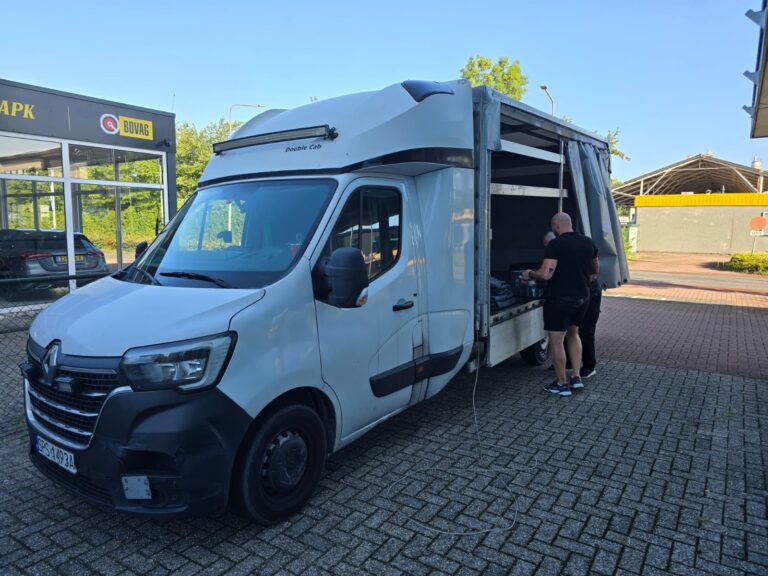
If your move is already taking shape, plan your transport early with VANonsite removals to Switzerland. VANonsite supports European relocations with secure transport, GPS tracking for every load and flexible man and van options for small moves, family homes, student relocations and office transfers.
TL;DR: How to Immigrate to Switzerland in 7 Key Points
- Check your nationality first, because EU and EFTA citizens follow different rules than non EU and non EFTA citizens.
- Confirm your reason for moving, such as work, study, family, retirement, business or living without gainful employment.
- Prepare documents early, including passport, permit papers, proof of accommodation, work or study documents and customs inventory.
- Plan at least 8 to 16 weeks for a structured relocation, although jobs, visas and housing may take longer.
- Use official Swiss sources for visas, residence permits, work rules and customs before booking irreversible dates.
- Build your moving plan around volume, weight, access, customs and delivery timing, not guesswork.
- Choose a trusted mover such as VANonsite for GPS tracked European removals, packing support and professional man and van transport.




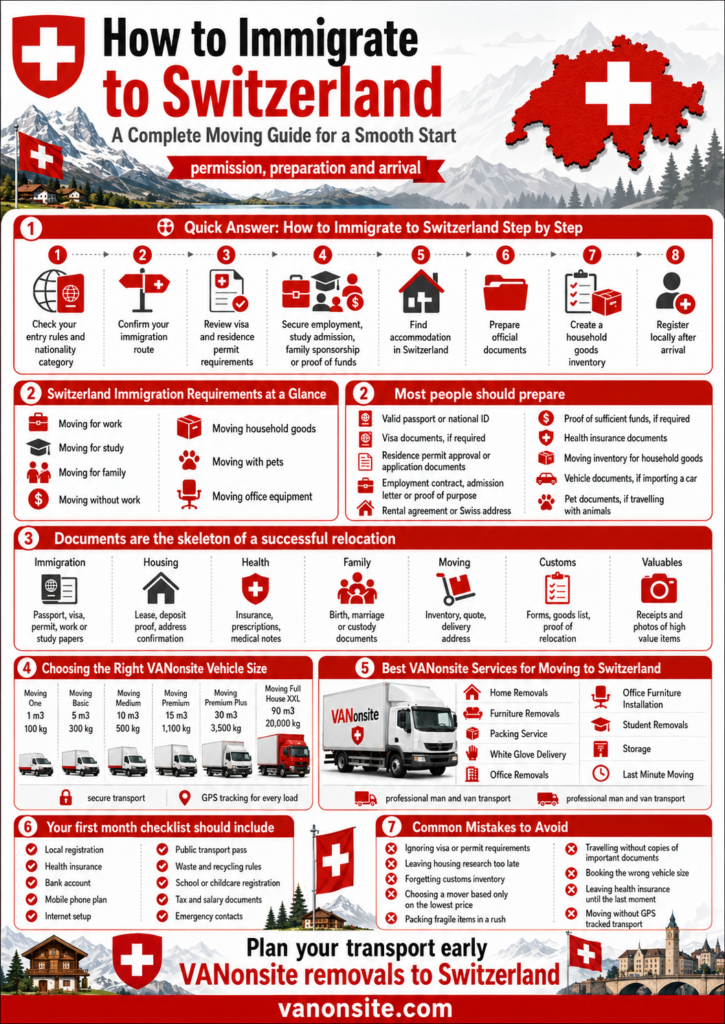
Quick Answer: How to Immigrate to Switzerland Step by Step
The simplest way to understand how to immigrate to Switzerland is to divide the process into three parts: permission, preparation and arrival.
First, check whether you need a visa or residence permit. Then confirm why you are moving. Work, study, family reunification and retirement all involve different requirements. After that, gather documents, secure housing, prepare customs paperwork and book your removals.
A practical relocation sequence looks like this:
- Check your entry rules and nationality category.
- Confirm your immigration route.
- Review visa and residence permit requirements.
- Secure employment, study admission, family sponsorship or proof of funds.
- Find accommodation in Switzerland.
- Prepare official documents.
- Create a household goods inventory.
- Book professional removals to Switzerland.
- Travel with essential documents and valuables.
- Register locally after arrival.
- Arrange health insurance, banking and daily life essentials.
This may look demanding, but it becomes manageable when each task has a deadline. VANonsite helps with the physical move, which is often the most emotional part. Your sofa, books, tools, office chair, kitchenware and family keepsakes are not just objects. They are the bridge between your old life and your new Swiss address.
Who Can Immigrate to Switzerland?
People searching for how to immigrate to Switzerland often expect one universal answer. In reality, the route depends on nationality, purpose of stay and length of stay. Switzerland is precise, and its immigration system reflects that precision.
EU and EFTA Citizens
EU and EFTA citizens usually have a more straightforward route under freedom of movement rules. However, longer stays still require the correct registration and permit process. If you plan to work, you normally need an employment contract and must apply for the appropriate residence permit through the local authority in your commune.
For current official guidance, use the State Secretariat for Migration page on EU and EFTA citizens living and working in Switzerland.
EU and EFTA citizens should usually prepare:
- Valid passport or national identity card
- Employment contract, if moving for work
- University admission letter, if moving for study
- Rental agreement or confirmed address
- Health insurance arrangements
- Civil status documents, if relevant
- Inventory of personal belongings for customs
Non EU and Non EFTA Citizens
For non EU and non EFTA citizens, the process is usually stricter. Work based immigration often depends on employer support, labour market rules and proof that the applicant is suitably qualified. Many people need approval before arrival, so timing is critical.
Check the SEM page on residence permits for non EU and non EFTA nationals and the SEM guidance on working in Switzerland as a non EU or non EFTA national.
You may need:
- Entry visa, if required
- Work permit or residence approval
- Signed employment contract
- Proof of qualifications or professional experience
- Proof of accommodation
- Financial documents
- Health insurance documents
- Family documents, if dependants are moving too
Do not book a final moving date before your immigration route is stable. At the same time, do not leave removals until the last week. The best approach is to discuss options early, then confirm dates when your paperwork becomes reliable.
Students, Families and Retirees
Students usually need proof of admission, funds and insurance. Families may need proof of relationship, suitable accommodation and sponsor documents. Retirees and financially independent people may need to prove sufficient resources and health insurance.
For people moving without employment, the official ch.ch page on living in Switzerland without gainful employment is a useful starting point.
Switzerland Immigration Requirements at a Glance
The table below gives a quick overview for anyone planning how to immigrate to Switzerland.
| Situation | Typical requirement | First action |
|---|---|---|
| Moving for work | Contract, permit or employer supported process | Confirm work eligibility |
| Moving for study | Admission letter, funds and insurance | Contact the university and canton |
| Moving for family | Relationship proof and sponsor details | Review family reunification rules |
| Moving without work | Sufficient funds and insurance | Check cantonal conditions |
| Moving household goods | Customs inventory and proof of relocation | Prepare item list early |
| Moving with pets | Veterinary and entry documents | Check animal import rules |
| Moving office equipment | Inventory and delivery plan | Coordinate timing and access |
Switzerland is not only one national administration. Cantons and communes matter. A move to Zurich may involve different local steps than a move to Geneva, Basel, Bern, Lausanne, Zug or Lugano. For that reason, always check the requirements for your exact destination.
What Documents Do You Need to Immigrate to Switzerland?
Documents are the skeleton of a successful relocation. Without them, the whole plan can collapse. If you want to know how to immigrate to Switzerland without last minute panic, start building your document folder before you pack the first box.
For visa and entry information, use the FDFA page on entry and stay in Switzerland. For permit information, use the official ch.ch guide to Swiss residence permits.
Most people should prepare:
- Valid passport or national ID
- Visa documents, if required
- Residence permit approval or application documents
- Employment contract, admission letter or proof of purpose
- Rental agreement or Swiss address
- Birth certificate or marriage certificate, if relevant
- Proof of sufficient funds, if required
- Health insurance documents
- Passport photos, if requested
- Professional qualifications, if needed
- Moving inventory for household goods
- Vehicle documents, if importing a car
- Pet documents, if travelling with animals
Keep both digital and paper copies. Your phone may fail, your battery may die and border questions can arrive at the most inconvenient moment. A clean folder can save hours.
It is also smart to divide documents into categories:
| Folder | What to include |
|---|---|
| Immigration | Passport, visa, permit, work or study papers |
| Housing | Lease, deposit proof, address confirmation |
| Health | Insurance, prescriptions, medical notes |
| Family | Birth, marriage or custody documents |
| Moving | Inventory, quote, delivery address |
| Customs | Forms, goods list, proof of relocation |
| Valuables | Receipts and photos of high value items |
Before VANonsite collects your belongings, prepare your moving inventory and destination details. This helps the team plan loading, route timing, customs support and delivery access with fewer surprises.
Moving Your Belongings to Switzerland
Immigration papers let you enter or stay. Customs preparation helps your belongings cross the border properly. Both deserve attention.
The official ch.ch page on moving to Switzerland explains formalities for bringing furniture and personal belongings into the country. If you are moving sensitive goods, animals, vehicles or special items, check Swiss customs guidance before transport.
Prepare the following before moving day:
- A complete inventory of boxes and furniture
- Estimated value of household goods
- Pickup and delivery addresses
- Passport or ID copy
- Residence or entry documents, if available
- Proof that the items are personal belongings
- Details of fragile, oversized or high value items
- Pet or vehicle documents, if applicable
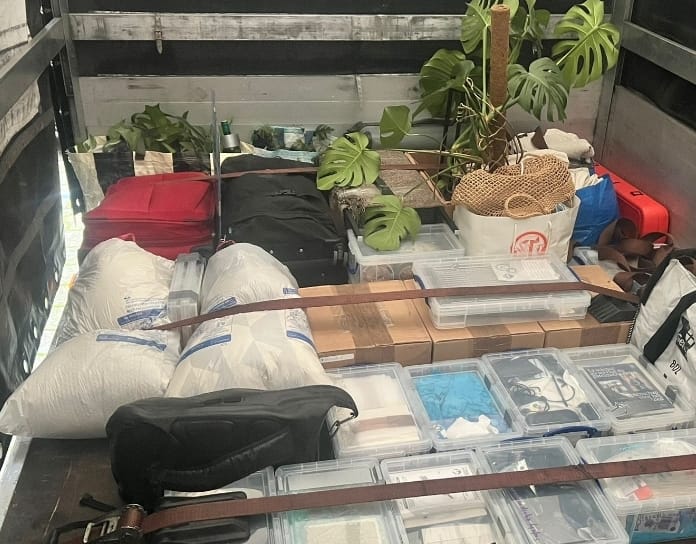
The inventory should be clear rather than poetic. “10 boxes of kitchenware, 1 dining table, 4 chairs, 1 mattress, 1 bicycle and 6 boxes of books” is better than “miscellaneous home items”.
This is where a professional moving company becomes more than convenient. VANonsite provides GPS tracking for every load, so you can follow your belongings during the journey. For an international move, that visibility is priceless. It reduces uncertainty and gives you a stronger sense of control.
Choosing the Right VANonsite Vehicle Size
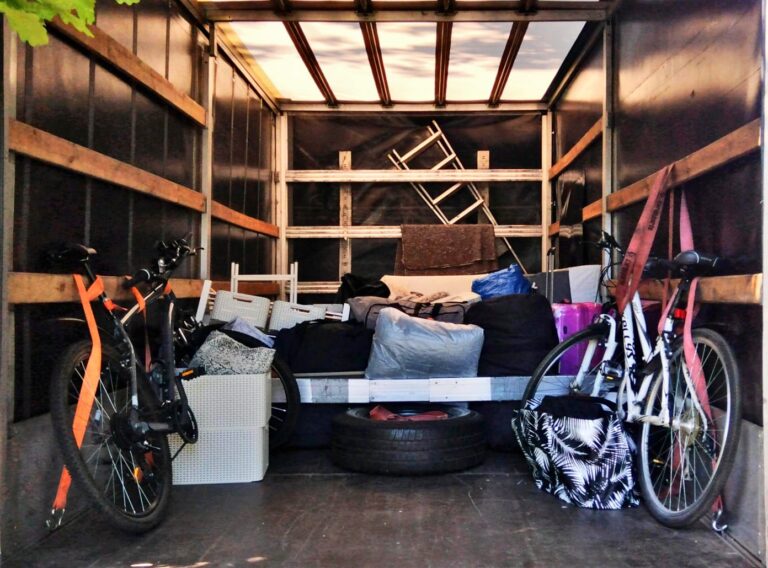
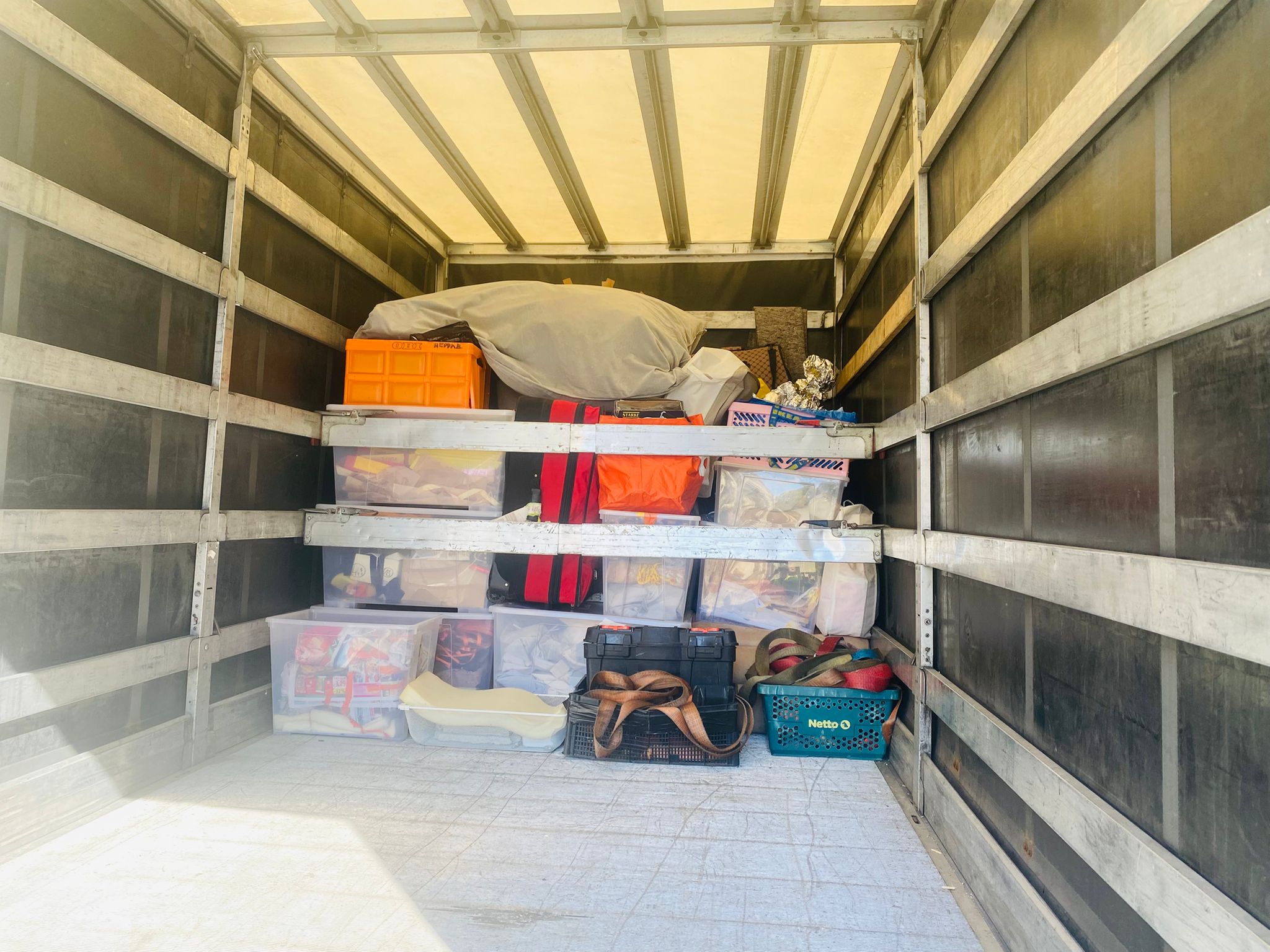
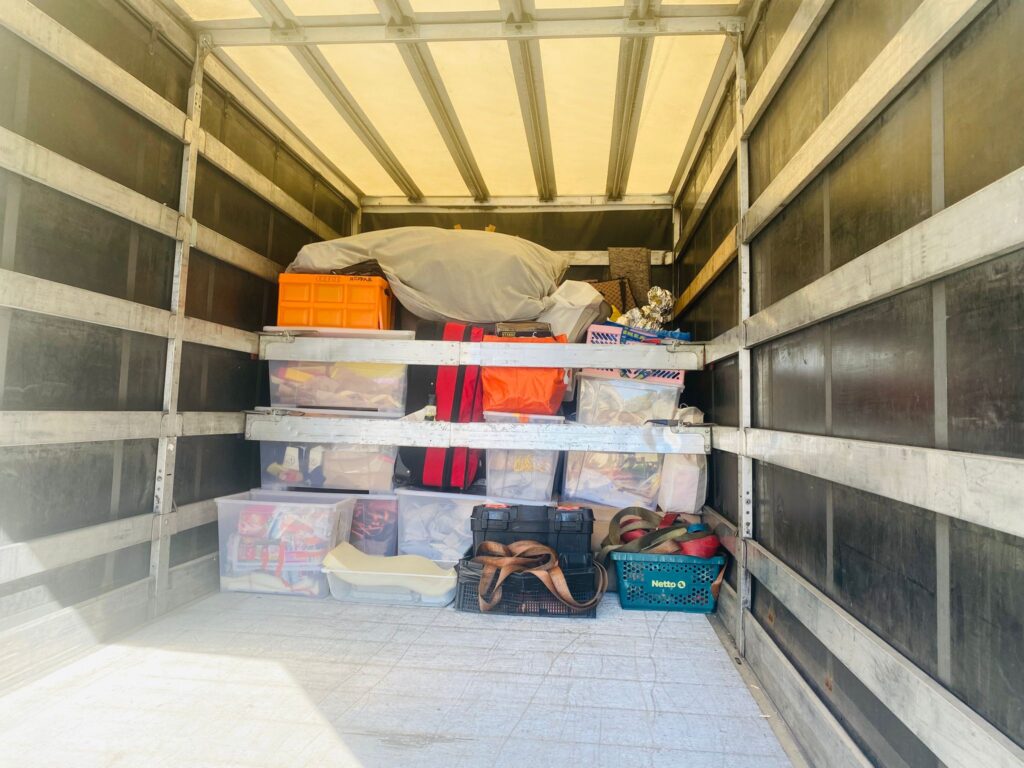
A poor vehicle choice can turn a well planned move into a costly puzzle. Too small, and you may need extra trips or painful decisions at the curb. Too large, and you pay for empty space. VANonsite offers several vehicle sizes, from compact man and van moves to full house removals.
| VANonsite option | Capacity | Weight limit | Best for |
|---|---|---|---|
| Moving One | 1 m3 | 100 kg | Suitcases, small boxes, single item delivery |
| Moving Basic | 5 m3 | 300 kg | Studio essentials or light furniture |
| Moving Medium | 10 m3 | 500 kg | Small flat or selected furniture |
| Moving Premium | 15 m3 | 1,100 kg | One bedroom flat or compact home move |
| Moving Premium Plus | 30 m3 | 3,500 kg | Larger apartment or office items |
| Moving Full House XXL | 90 m3 | 20,000 kg | Full house relocation or major European move |
For small relocations, man and van transport can be agile, fast and cost controlled. For families, premium furniture, office equipment or full household moves, a larger option is usually safer and more efficient.
A good rule is to list items by room: bedroom, kitchen, living room, office, hallway, storage and balcony. Add approximate box counts and mark fragile or heavy pieces. This gives VANonsite a practical basis for recommending the right vehicle.

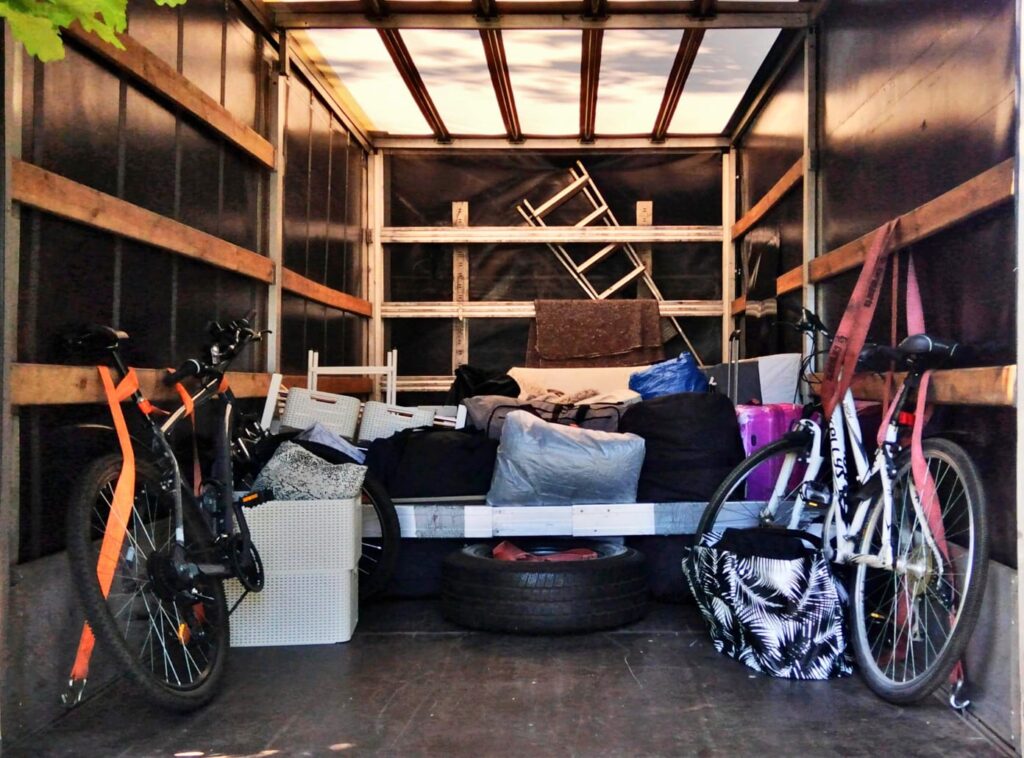
Best VANonsite Services for Moving to Switzerland
Different relocations need different levels of support. A student moving to Lausanne with 12 boxes does not need the same plan as a family moving a four bedroom home to Zurich or a company relocating office furniture to Basel.
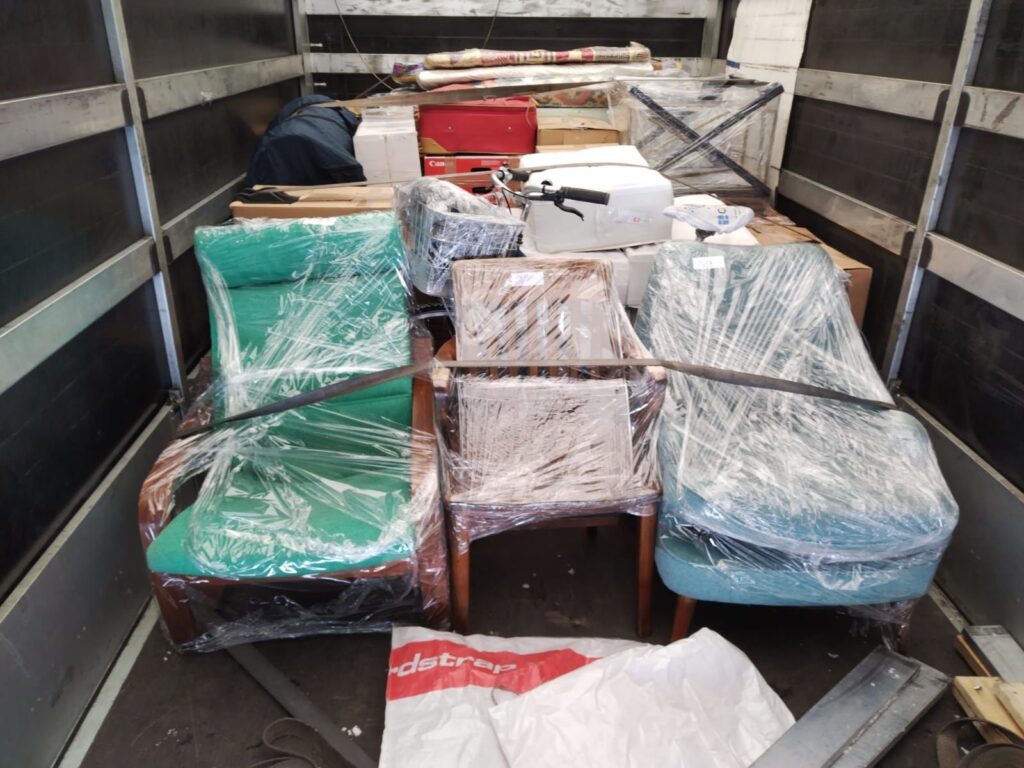
For household moves, Home Removals are ideal when you need to transport furniture, boxes and everyday essentials together. For sofas, beds, wardrobes, tables and bulky pieces, Furniture Removals give heavier items the care they deserve.
If you want fewer broken glasses and scratched surfaces, Packing Service can make a major difference. Fragile items often fail because of rushed packing, not poor luck. For delicate, premium or high value belongings, White Glove Delivery provides a higher level of handling.
Businesses can use Office Removals for desks, chairs, IT equipment, files and workplace essentials. If the new space needs to be ready quickly, Office Furniture Installation helps reduce downtime. Students can use Student Removals for compact, practical moves without the misery of dragging luggage through stations and airports.
VANonsite also offers Storage and Last Minute Moving, which can help when housing dates, work starts or family plans change unexpectedly.
Cost Factors When You Immigrate to Switzerland
People often budget for rent, deposit and travel first. Then transport appears, and the numbers suddenly feel real. Moving costs depend on more than distance. Volume, weight, access, packing, timing and customs can all shape the final price.
Key cost factors include:
- Distance from pickup location to Swiss destination
- Total volume in cubic metres
- Total weight
- Vehicle size
- Packing materials and labour
- Fragile or high value items
- White glove handling
- Storage needs
- Stairs, lifts and parking access
- Customs complexity
- Urgent or last minute booking
- Number of pickup or delivery points
The cheapest option is not always the least expensive one. Damage, delay and poor communication can cost more than a careful quote. VANonsite builds trust through professional planning, secure transport and GPS tracked removals, giving customers clearer control over an important life transition.
Where Should You Live in Switzerland?
Choosing a Swiss city is part career decision, part lifestyle decision and part budget reality. Each destination has its own rhythm.
| Destination | Best for | Moving note |
|---|---|---|
| Zurich | Finance, tech and global careers | Housing demand is high |
| Geneva | NGOs, diplomacy and finance | International moves are common |
| Basel | Pharma, science and cross border work | Good for Germany and France connected moves |
| Bern | Government, families and calmer living | Strong choice for structured home moves |
| Lausanne | Students and French speaking careers | Compact student moves are common |
| Zug | Business and executive relocations | Premium moves may need white glove care |
| Lugano | Italian speaking lifestyle | Longer routes need careful timing |
Before choosing, compare rent, salary, commute, language, schools, taxes and registration rules. If you already know your canton, your removals plan becomes more accurate too. Parking permits, lift access, narrow streets and building restrictions can all affect delivery.
Registration, Health Insurance and First Month Essentials
After arrival, registration is one of the first serious steps. Many newcomers must register with the local commune or cantonal authority within a short deadline after arrival. Check the exact rule for your nationality, permit type and canton through official Swiss sources.
Keep these documents accessible:
- Passport or ID
- Visa or residence documents
- Employment contract or study admission
- Rental agreement
- Health insurance details
- Civil status documents, if relevant
- Passport photos, if requested
Do not pack these deep inside the moving load. Keep them with you.
Your first month checklist should include:
- Local registration
- Health insurance
- Bank account
- Mobile phone plan
- Internet setup
- Public transport pass
- Waste and recycling rules
- School or childcare registration
- Tax and salary documents
- Emergency contacts
Switzerland rewards preparation. Once you understand the system, daily life can feel wonderfully efficient. During the first weeks, however, structure is your best friend.
Common Mistakes to Avoid
Many relocation problems are predictable, which means they are avoidable. The biggest mistake is booking transport, housing or travel before understanding the immigration route. Another common mistake is assuming Swiss rules are identical everywhere. Cantons matter, and local administration can shape your first weeks.
Avoid these errors:
- Ignoring visa or permit requirements.
- Leaving housing research too late.
- Forgetting customs inventory.
- Choosing a mover based only on the lowest price.
- Failing to measure furniture, doors, stairs and lifts.
- Packing fragile items in a rush.
- Travelling without copies of important documents.
- Booking the wrong vehicle size.
- Leaving health insurance until the last moment.
- Moving without GPS tracked transport.
If you want to understand how to immigrate to Switzerland with fewer shocks, make every hidden risk visible. Write dates down. Count boxes. Photograph valuables. Check rules. Confirm access. Choose a mover that communicates clearly.
How VANonsite Makes Moving to Switzerland Easier
A relocation is not only paperwork. It is your mattress on the first night, your desk before the first remote meeting, your child’s favourite blanket, your kitchenware, your clothes and the chair that makes a new apartment feel like home.
VANonsite is built for this sensitive part of the journey. The company offers European removals, flexible man and van solutions, packing support, furniture removals, white glove delivery, office removals, student removals, storage and last minute moving. Every load can be tracked by GPS, which gives customers reassurance during cross border transport.
The vehicle range also makes planning more precise. VANonsite can support anything from a 1 m3, 100 kg small shipment to a 90 m3, 20,000 kg full house XXL move. That flexibility matters when you are trying to control cost without sacrificing safety.
If you are ready to move, start with VANonsite removals to Switzerland and build your relocation around professional, visible, carefully managed transport.
Final Checklist: How to Immigrate to Switzerland
Use this checklist to keep your move organised:
- Confirm your nationality based immigration route.
- Check visa, permit and work rules on official Swiss websites.
- Prepare passport, housing, work, study, family and insurance documents.
- Research your canton and commune.
- Create a realistic budget for rent, deposit, transport and first month costs.
- Build a full inventory of belongings.
- Choose the right VANonsite vehicle size.
- Book packing, furniture removals or white glove delivery if needed.
- Keep essential documents and valuables with you during travel.
- Register locally after arrival.
- Set up health insurance, bank account, phone and internet.
- Unpack essentials first and settle step by step.
Learning how to immigrate to Switzerland can feel like standing at the foot of a mountain. At first, the route looks steep. Then you divide it into steps, and the climb becomes possible.
The paperwork opens the door. The move brings your life through it. With VANonsite, your belongings can travel across Europe with professional care, GPS tracked reassurance and a service level matched to your real needs. From compact man and van moves to full house removals, your Swiss start can feel calmer, safer and far more controlled.