
Living in France vs Switzerland is one of the most practical and emotional decisions for anyone planning a move near the French Swiss border. Both countries offer a high standard of life, beautiful landscapes, strong public services and access to some of the most attractive cities in Europe. Yet the daily experience can feel completely different.
France often wins on space, food culture, rent and a softer rhythm of life. Switzerland usually wins on salaries, safety, infrastructure, public transport and career opportunity. That is why many people do not simply choose one country over the other. They look for balance.
For professionals, living in France working in Switzerland can be especially tempting. It may allow you to enjoy lower French living costs while earning a Swiss salary. For families, this setup can mean more space, better housing value and access to strong job markets across the border. However, working in Switzerland living in France also brings extra responsibilities. You need to understand permits, health insurance, tax rules, commuting time, customs documents and the real cost of moving.
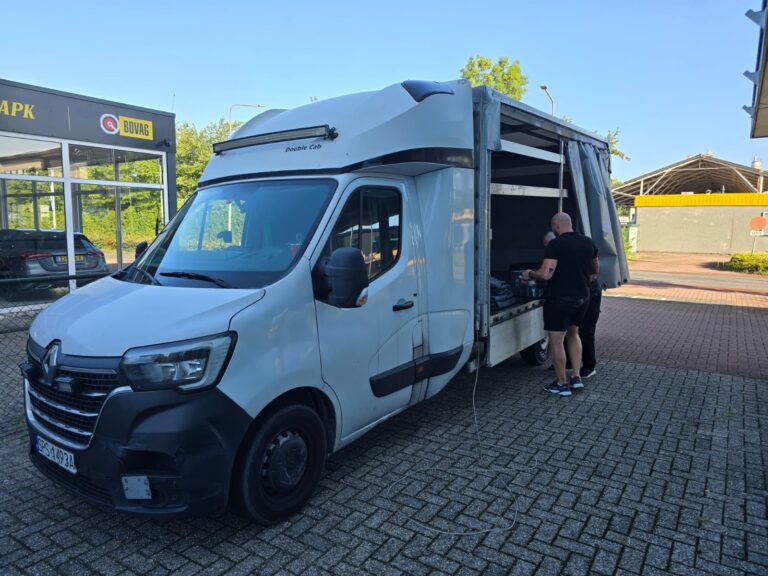
If you are moving household goods to Switzerland, preparation matters even more. Switzerland is not part of the EU customs union, so your relocation needs careful planning, a clear inventory and the right paperwork. VANonsite supports European relocations with dedicated man and van transport, GPS tracking, professional packing, furniture removals, home removals, office removals, student removals, storage and white glove delivery. Whether you are moving a few boxes or a full family home, the right plan can make the difference between a stressful move and a smooth new beginning.
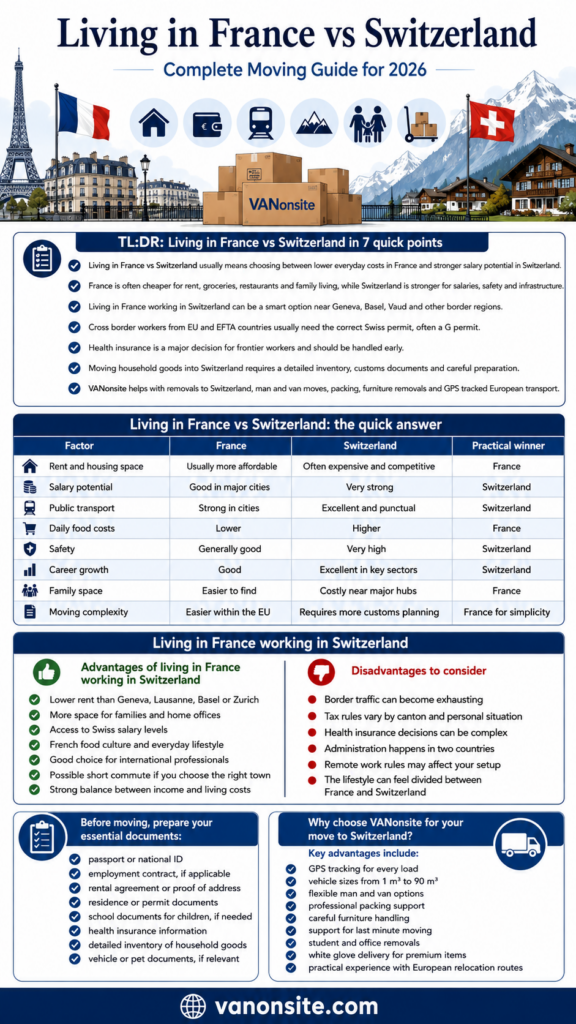
TL:DR: Living in France vs Switzerland in 7 quick points
- Living in France vs Switzerland usually means choosing between lower everyday costs in France and stronger salary potential in Switzerland.
- France is often cheaper for rent, groceries, restaurants and family living, while Switzerland is stronger for salaries, safety and infrastructure.
- Living in France working in Switzerland can be a smart option near Geneva, Basel, Vaud and other border regions.
- Cross border workers from EU and EFTA countries usually need the correct Swiss permit, often a G permit.
- Health insurance is a major decision for frontier workers and should be handled early.
- Moving household goods into Switzerland requires a detailed inventory, customs documents and careful preparation.
- VANonsite helps with removals to Switzerland, man and van moves, packing, furniture removals and GPS tracked European transport.
Living in France vs Switzerland: the quick answer
Living in France vs Switzerland is not only about which country looks better on paper. It is about how your income, housing, family needs and lifestyle fit together.
Switzerland is usually the stronger choice for people who want high salaries, clean cities, excellent public transport, low crime and a stable professional environment. It is especially attractive for careers in finance, pharmaceuticals, healthcare, engineering, IT, logistics and international organisations.
France is often better for people who want more affordable housing, larger living spaces, lower food costs, rich culture and a more relaxed daily rhythm. It can also be a powerful base for people who work across the border in Switzerland.
| Factor | France | Switzerland | Practical winner |
|---|---|---|---|
| Rent and housing space | Usually more affordable | Often expensive and competitive | France |
| Salary potential | Good in major cities | Very strong | Switzerland |
| Public transport | Strong in cities | Excellent and punctual | Switzerland |
| Daily food costs | Lower | Higher | France |
| Safety | Generally good | Very high | Switzerland |
| Career growth | Good | Excellent in key sectors | Switzerland |
| Family space | Easier to find | Costly near major hubs | France |
| Moving complexity | Easier within the EU | Requires more customs planning | France for simplicity |
The most attractive option for many people is not purely France or purely Switzerland. It is living in France and working in Switzerland. This can create a strong financial balance, but only if the commute, tax situation and health insurance setup are realistic.
Cost of living in France vs Switzerland
Cost is one of the biggest reasons people compare living in France vs Switzerland. In most daily categories, France is cheaper. Rent, groceries, restaurants, childcare and local services usually place less pressure on the monthly budget.
Switzerland is expensive, but it also offers much higher salary potential. The Swiss Federal Statistical Office reported a gross median monthly wage of CHF 7,024 for 2024, which shows why Switzerland remains so attractive despite higher living costs. A Swiss salary can make the higher prices easier to manage, especially for skilled professionals.
The real question is not whether Switzerland is expensive. It is whether your income is strong enough to make Swiss life comfortable.
| Monthly cost category | France estimate | Switzerland estimate | What it means |
|---|---|---|---|
| 1 bedroom apartment outside city centre | €650 to €1,100 | CHF 1,400 to CHF 2,200 | Swiss rent can be 60% to 100% higher |
| Groceries for one person | €280 to €450 | CHF 450 to CHF 750 | Food costs rise quickly |
| Public transport pass | €40 to €90 | CHF 70 to CHF 120 | Switzerland costs more, but quality is excellent |
| Basic lunch | €12 to €20 | CHF 20 to CHF 35 | Eating out is much more expensive |
| Family essentials | Lower pressure | Higher pressure | Salary level is crucial |
| Moving costs | Depends on volume | Depends on customs and access | Planning reduces risk |
If you earn in France and live in Switzerland, the cost gap can feel severe. If you earn in Switzerland and live in France, the numbers can become much more attractive. This is why working in Switzerland living in France is so popular in border regions.
Living in France working in Switzerland
Living in France working in Switzerland is common around Geneva, Basel, Lausanne and other border areas. Many people live in French towns such as Annemasse, Saint Julien en Genevois, Ferney Voltaire, Divonne les Bains, Saint Louis, Gex or Thonon les Bains while working for Swiss employers.
The attraction is clear. French housing can be more affordable and spacious, while Swiss salaries can be much stronger. For families, this can mean a larger home, more room for children and access to Swiss career opportunities.
However, living in France and working in Switzerland is not a shortcut. You are dealing with two systems. Your home may be in France, your employer may be in Switzerland, your commute may cross a border every day and your tax or health insurance situation may depend on your exact location.
Advantages of living in France working in Switzerland
- Lower rent than Geneva, Lausanne, Basel or Zurich
- More space for families and home offices
- Access to Swiss salary levels
- French food culture and everyday lifestyle
- Good choice for international professionals
- Possible short commute if you choose the right town
- Strong balance between income and living costs
Disadvantages to consider
- Border traffic can become exhausting
- Tax rules vary by canton and personal situation
- Health insurance decisions can be complex
- Administration happens in two countries
- Remote work rules may affect your setup
- The lifestyle can feel divided between France and Switzerland
Working in Switzerland living in France works best for people who are organised, realistic and comfortable with cross border administration. It is less suitable for people who hate commuting or want a simple one country setup.
Permits and residence rules
Permit rules are a key part of living in France vs Switzerland. The correct process depends on your nationality, job, residence address and whether you are moving to Switzerland or only commuting there for work.
If you move to Switzerland and plan to stay longer than a short visit, you normally need to register and apply for the correct residence permit. EU and EFTA citizens usually have an easier route than non EU and non EFTA nationals, but the process still needs to be handled properly.
Official Swiss information about residence permits is available through ch.ch.
If you live in France and work in Switzerland, you may need a Swiss G permit for cross border commuters. EU and EFTA cross border workers can usually live in the EU or EFTA area and work in Switzerland if they meet the relevant conditions. Official information about the G permit is available from the State Secretariat for Migration.
Before moving, prepare your essential documents:
- passport or national ID
- employment contract, if applicable
- rental agreement or proof of address
- residence or permit documents
- school documents for children, if needed
- health insurance information
- detailed inventory of household goods
- vehicle or pet documents, if relevant
Non EU and non EFTA nationals should check the rules carefully before signing a lease or booking a move. Their work and residence conditions are usually stricter.
Health insurance for cross border workers
Health insurance can have a major impact on the real cost of living in France vs Switzerland. This is especially true for frontier workers.
If you are living in France working in Switzerland, you generally need to choose between the French health insurance route and Swiss health insurance. This choice can affect your monthly costs, family members and access to treatment.
French Urssaf guidance states that cross border workers in Switzerland generally have a limited period from the start of Swiss employment to make their health insurance choice. Swiss guidance also explains health insurance rules for cross border commuters. You can check official information from Urssaf and the Swiss Federal Office of Public Health.
| Option | What it means | Good for | Watch out for |
|---|---|---|---|
| Swiss LAMal | Swiss health insurance route | People who want Swiss system access | Premiums and family impact |
| French CPAM | French health insurance route | People settled in France | Contributions and paperwork |
| Family setup | Depends on household situation | Families with children | Wrong assumptions can be costly |
Do not leave this decision until moving week. If you have a spouse, children or mixed income sources, professional advice can prevent expensive mistakes.
Taxes when working in Switzerland living in France
Taxes are another serious part of living in France vs Switzerland. The rules can depend on where you live, where you work, which Swiss canton employs you and whether you work remotely.
French official tax guidance explains that the tax treatment of cross border workers depends on the canton of employment and the relevant agreements between France and Switzerland. You can check official information through impots.gouv.fr.
Before accepting a Swiss job while living in France, check:
- Which Swiss canton your employer is based in.
- Whether your salary is taxed in France, Switzerland or under a special arrangement.
- How remote work affects your position.
- Whether your employer supports frontier worker payroll.
- How social security and health insurance fit together.
- Whether your family situation changes your tax result.
Taxes should never be guessed. A small misunderstanding can change your net income by hundreds of euros or francs per month.
Housing: rent in France or Switzerland?
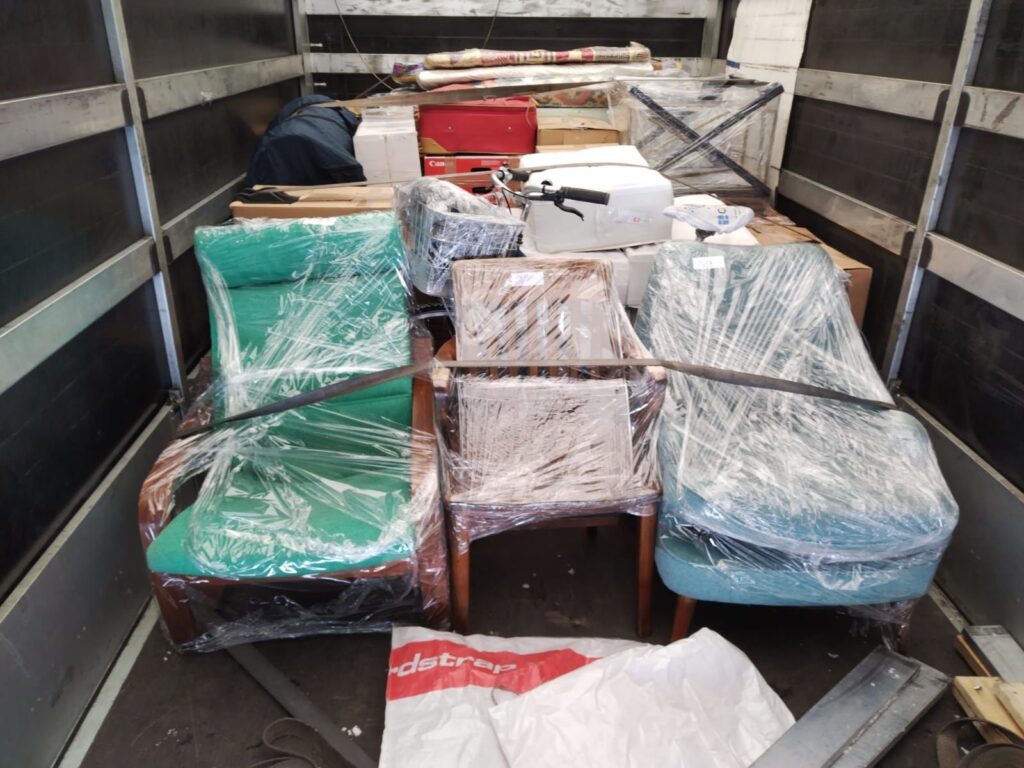
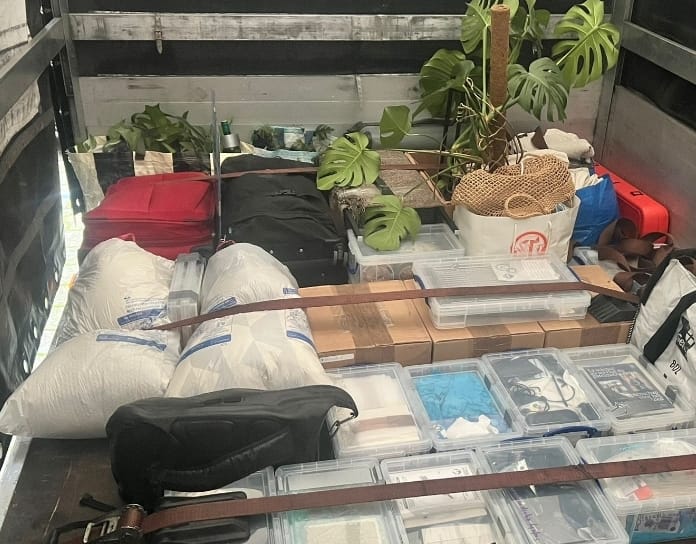
Housing often decides the living in France vs Switzerland debate. Swiss cities such as Geneva, Zurich, Lausanne and Basel can be expensive and competitive. Good apartments may disappear quickly, and deposits can be high.
France usually offers more space for the same budget. This is why many families choose the French side of the border. A larger apartment, garden, parking space or extra bedroom can make daily life more comfortable.
| French base | Swiss work hub | Why people choose it |
|---|---|---|
| Annemasse | Geneva | Close, practical and popular |
| Saint Julien en Genevois | Geneva | Good for families |
| Ferney Voltaire | Geneva | International feel near the border |
| Divonne les Bains | Geneva and Vaud | Premium lifestyle and calm surroundings |
| Saint Louis | Basel | Useful for Basel commuters |
| Thonon les Bains | Geneva area | Lake lifestyle with longer travel |
| Gex | Geneva | Space, scenery and family appeal |
Living directly in Switzerland can still be the better option if you value short commutes, cleaner systems and less cross border administration.
| Swiss area | Best for | Lifestyle feel |
|---|---|---|
| Geneva | International careers | Global, expensive and energetic |
| Lausanne | Families and professionals | Lakeside, elegant and active |
| Basel | Pharma and science | Practical and international |
| Zurich | Finance and IT | Powerful, polished and costly |
| Bern | Stability and public sector | Calm and refined |
| Zug | Business and high earners | Premium and compact |
A cheaper French home is not always better if it creates a painful commute. Test the route during rush hour before making a final decision.
Moving to Switzerland from France or another European country
Moving to Switzerland requires more preparation than a standard EU move. Switzerland is not part of the EU customs union, so household goods may need customs documents, a detailed inventory and proof of relocation.
Swiss customs provides official information about moving household effects to Switzerland through the Federal Office for Customs and Border Security. The official relocation import procedure is also available on the Swiss customs website.
In many cases, personal household goods can qualify for relief if they were used personally before the move and are being imported as part of a genuine relocation. The inventory must be clear and accurate.
Prepare these items before moving day:
- passport or national ID
- proof of new residence in Switzerland
- employment contract, if applicable
- rental agreement or property document
- detailed inventory of household goods
- Swiss customs form 18.44 for household effects
- vehicle documents, if importing a car
- pet documents, if moving with animals
- proof that goods were used personally before the move
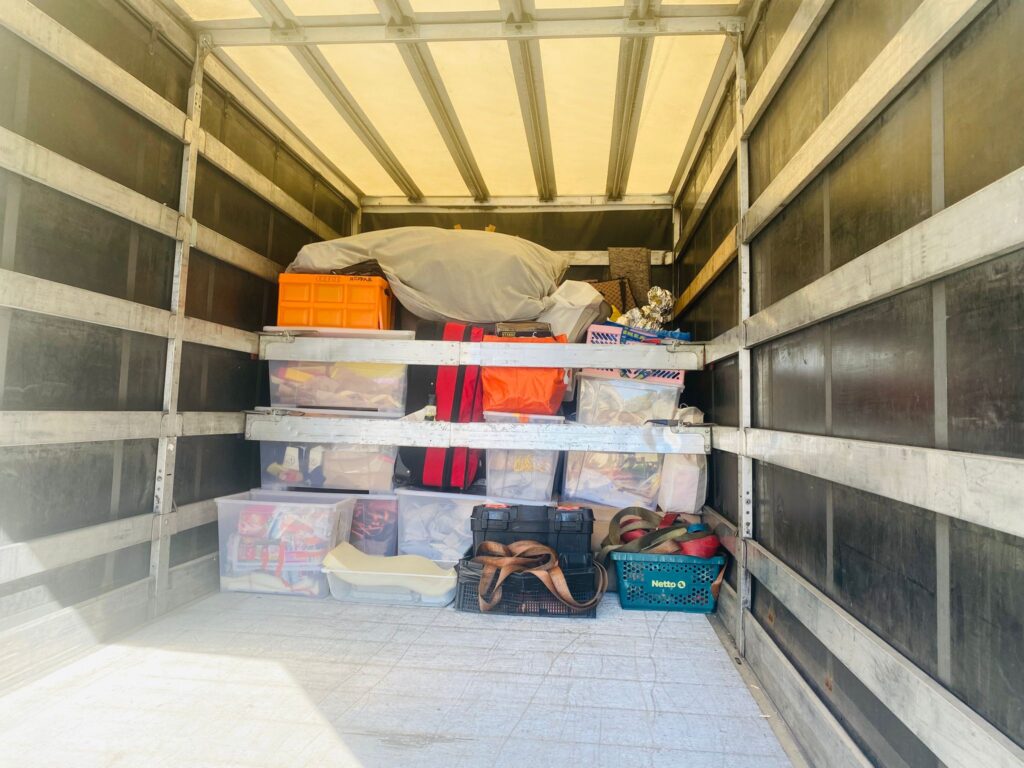
A clear inventory protects your move. Label boxes by room and category, such as kitchen, bedroom, clothing, books, electronics and fragile items. If you are moving furniture, take photos and measurements before loading.
VANonsite moving services for Switzerland relocations
A move to Switzerland should be organised, safe and predictable. VANonsite supports European relocations with flexible transport options, man and van services, GPS tracking and professional handling for small and large moves.
Whether you are moving from France to Switzerland, relocating from another European country or planning a cross border lifestyle, VANonsite can match the transport to your real volume.
| VANonsite option | Capacity | Best for |
|---|---|---|
| Moving One | 1 m³, 100 kg | Boxes, student items and small man and van moves |
| Moving Basic | 5 m³, 300 kg | Studio moves and compact relocations |
| Moving Medium | 10 m³, 500 kg | Small apartments |
| Moving Premium | 15 m³, 1,100 kg | Larger apartments and furniture |
| Moving Premium Plus | 30 m³, 3,500 kg | Family relocations |
| Moving Full House XXL | 90 m³, 20,000 kg | Full homes and major European moves |
VANonsite can support:
- Furniture Removals for sofas, beds, wardrobes, tables and fragile pieces
- Home Removals for full household relocation
- Packing Service for safer boxes, wrapping and preparation
- White Glove Delivery for premium or delicate items
- Office Removals for business moves
- Student Removals for compact and budget conscious relocations
- Office Furniture Installation for desks, workstations and office setups
If you need removals to Switzerland, a tailored moving plan can reduce stress, delays and hidden costs.
France vs Switzerland for families
For families, living in France vs Switzerland is about more than money. It is about school routines, bedrooms, childcare, safety, parks, language and the feeling of home.
France can offer more space and lower monthly pressure. Many families choose the French side of the border because they can rent a larger home, keep food costs lower and enjoy a more relaxed rhythm.
Switzerland offers exceptional safety, clean public spaces, reliable transport and extraordinary outdoor life. Lakes, mountains, hiking routes, ski areas and tidy cities can make family weekends feel rich and active.
| Family priority | France | Switzerland |
|---|---|---|
| Larger home | Stronger | More expensive |
| Lower daily costs | Stronger | Weaker |
| Safety | Good | Excellent |
| Outdoor lifestyle | Excellent | Exceptional |
| School options | Strong near major areas | Very strong in international hubs |
| Public order | Good | Excellent |
| Career power | Moderate to strong | Very strong |
Children remember the first days in a new country. A calm, well planned move helps the new home feel safe faster. For families moving beds, toys, bikes, books, clothes and fragile items, professional support can bring real peace of mind.
France vs Switzerland for students and young professionals
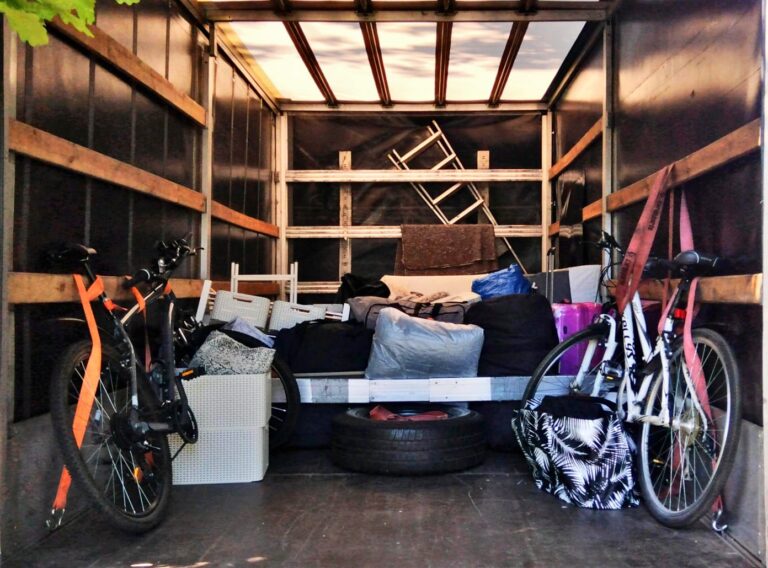
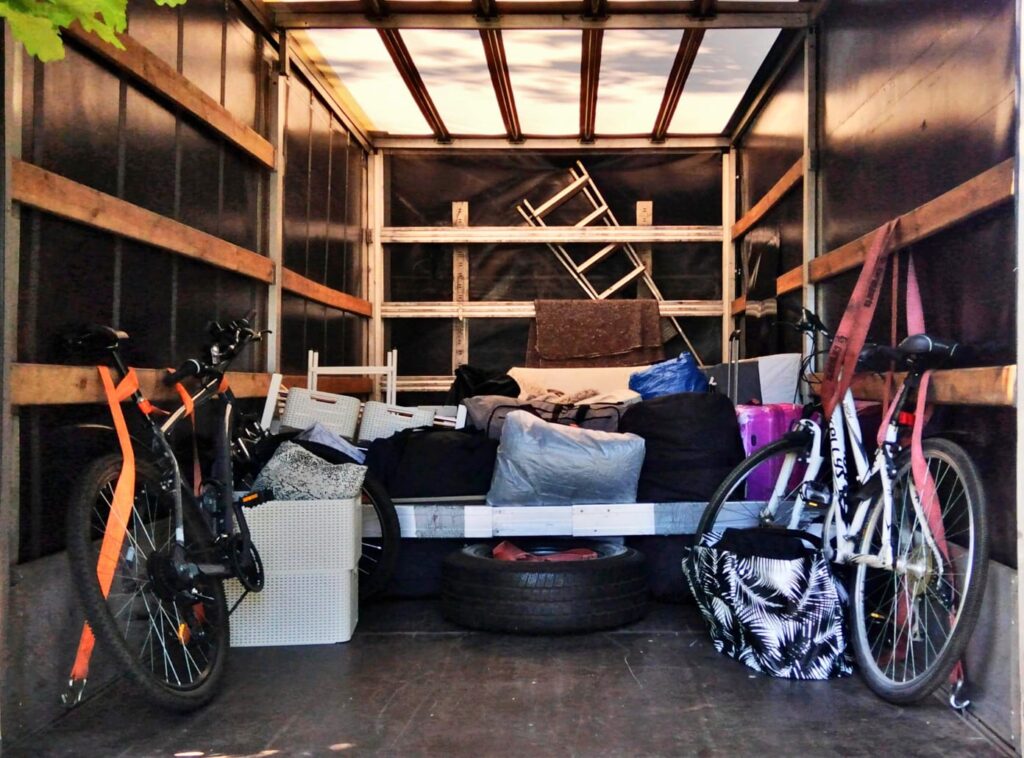
Students and young professionals often need a lighter move. They may only have boxes, clothes, books, a bicycle, a desk, a monitor and a few personal items. A compact man and van service can be ideal.
France is often easier for students on a tighter budget. Switzerland can be more expensive, but it can also be a powerful launchpad for careers, internships and specialist roles.
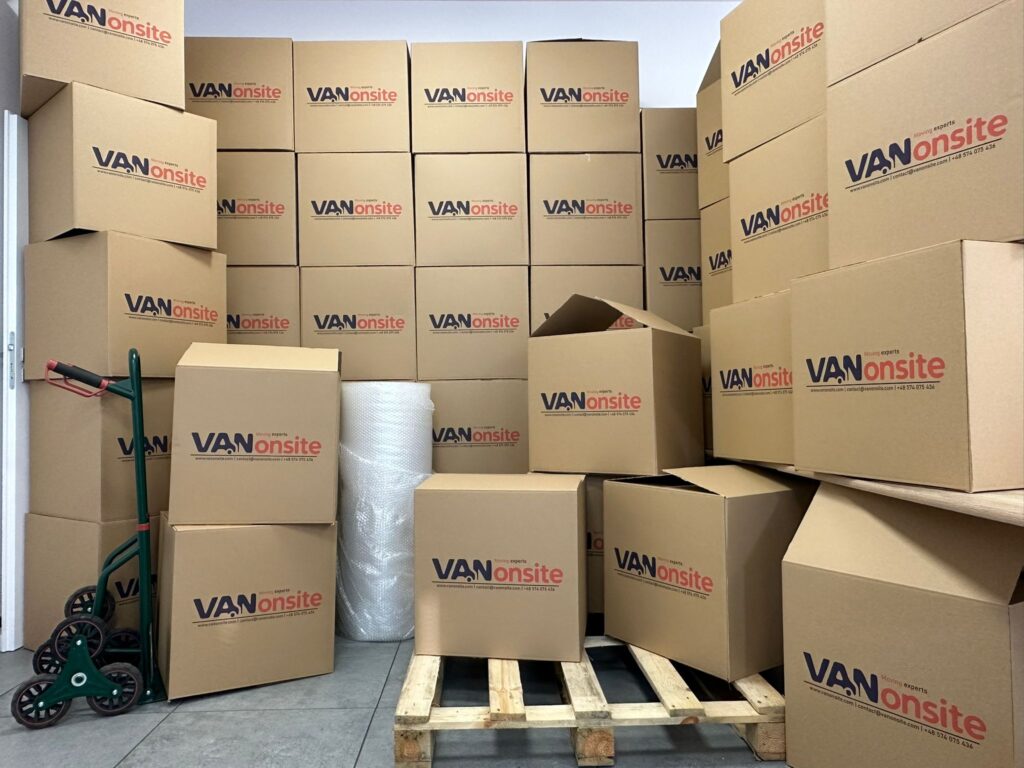
VANonsite Moving One at 1 m³ and Moving Basic at 5 m³ are practical options for small removals, student moves and first professional relocations. You only pay for the scale you need, while still getting organised transport and GPS tracking.

Lifestyle differences between France and Switzerland
Living in France vs Switzerland is also about personality.
France feels expressive, layered and full of flavour. Markets, bakeries, long meals and local traditions shape everyday life. It can be slower, warmer and sometimes less predictable.
Switzerland feels clean, calm and precise. The streets are tidy, trains are punctual and the mountains feel close. Systems work well, but rules matter.
Choose France if you value:
- more affordable housing
- food culture and local markets
- relaxed social rhythm
- larger homes for the budget
- familiar EU administration
- warm town and village life
Choose Switzerland if you value:
- high salary potential
- excellent safety
- clean infrastructure
- strong public transport
- career credibility
- mountain and lake access
- order, calm and reliability
Some people feel freer in France. Others feel safer and more focused in Switzerland. Many find their best answer through living in France and working in Switzerland.
Common mistakes when choosing between France and Switzerland
The biggest mistake is comparing salary without comparing real life. A Swiss salary may look impressive, but rent, insurance, taxes, food and commuting can reduce the advantage.
The second mistake is underestimating the commute. A route that looks easy online can feel exhausting during peak traffic. Test it before signing a long lease.
Another mistake is ignoring health insurance deadlines. Cross border workers should make this decision early, especially if family members are involved.
Many movers also treat Switzerland like a standard EU relocation. That can create problems. Household goods need customs preparation, and valuable items should be listed clearly.
Finally, do not choose a mover only because the quote is low. Damaged furniture, poor timing or weak documentation can become more expensive than choosing a professional service from the beginning.
Step by step moving checklist for Switzerland
A good move starts before the van arrives. Use this checklist to stay organised.
8 to 12 weeks before moving
- Compare living in France vs Switzerland based on salary, rent and commute.
- Decide whether you will live in Switzerland or live in France and work in Switzerland.
- Check permit requirements.
- Review tax and health insurance implications.
- Start decluttering.
- Create a rough inventory.
- Request a moving quote from VANonsite.
4 to 8 weeks before moving
- Confirm your new address.
- Prepare customs documents.
- Book your moving date.
- Decide whether you need packing support.
- Measure large furniture.
- Check parking and access at both addresses.
- Arrange storage if lease dates do not match.
1 to 2 weeks before moving
- Label boxes clearly.
- Separate fragile items.
- Pack documents separately.
- Confirm pickup and delivery details.
- Prepare a final inventory.
- Keep essentials for the first 48 hours in one bag.
Moving day
- Walk through the property with the movers.
- Point out fragile or valuable items.
- Keep customs documents accessible.
- Take photos of important furniture.
- Stay available by phone.
- Use GPS tracking for reassurance during transport.
Is living in France vs Switzerland worth it?
Living in France vs Switzerland is worth serious thought because both options can be excellent. Switzerland is stronger for salaries, safety, public transport, career growth and infrastructure. France is stronger for affordability, space, food culture and everyday comfort.
For many professionals, living in France working in Switzerland creates the most attractive balance. You may earn in Switzerland while enjoying more affordable housing in France. For others, the commute, health insurance decisions and tax complexity make full Swiss residence more appealing.
There is no universal winner. The right choice depends on your income, job location, family needs, tolerance for commuting and long term plans.
Why choose VANonsite for your move to Switzerland?
A move to Switzerland deserves precision. It is not just about loading boxes into a van. It is about timing, access, paperwork, safe handling and trust.
VANonsite helps customers move across Europe with dedicated transport, GPS tracking and flexible moving options. Whether you need a small man and van service, furniture removals, student removals, full home removals, office relocation, packing or white glove delivery, VANonsite can shape the move around your needs.
Key advantages include:
- GPS tracking for every load
- vehicle sizes from 1 m³ to 90 m³
- flexible man and van options
- professional packing support
- careful furniture handling
- support for last minute moving
- student and office removals
- white glove delivery for premium items
- practical experience with European relocation routes
If you are planning removals to Switzerland, do not leave transport until the end. A strong moving plan protects your belongings, your time and your first impression of the new country.
FAQs about living in France vs Switzerland
Is it cheaper to live in France or Switzerland?
France is usually cheaper for rent, groceries, restaurants, childcare and daily services. Switzerland is more expensive, but salaries are often much higher. The best choice depends on your income, housing needs and commute.
Is living in France working in Switzerland a good idea?
Yes, living in France working in Switzerland can be a smart option near Geneva, Basel or Vaud. It can combine lower French living costs with Swiss salary potential. However, permits, taxes, health insurance and commuting time must be checked carefully.
Can I live in France and work in Switzerland?
Yes, many people live in France and work in Switzerland. EU and EFTA cross border workers usually use the Swiss G permit route, depending on their situation. Always confirm the latest official rules before moving.
Is Switzerland better than France for work?
Switzerland is often better for salary potential, career growth and high value sectors such as finance, pharmaceuticals, healthcare, engineering and IT. France can still be strong, especially if you value affordability and a wider cultural lifestyle.
What documents do I need when moving to Switzerland?
You may need a passport or ID, proof of residence, employment contract, rental agreement, detailed inventory, Swiss customs form 18.44 for household goods and documents for vehicles or pets if relevant.
Does VANonsite offer man and van removals to Switzerland?
Yes. VANonsite offers man and van options for small moves, student relocations, furniture transport and larger household removals to Switzerland.
What is the safest way to move furniture to Switzerland?
The safest option is to use a professional removals company with experience in European routes and Swiss customs preparation. VANonsite offers furniture removals, packing services, GPS tracked transport and careful loading for fragile or valuable items.
Final thoughts
Living in France vs Switzerland is not a simple contest. It is a choice between two powerful lifestyles. France can give you space, flavour and lower daily pressure. Switzerland can give you salary strength, safety, clean systems and exceptional career opportunity.
The smartest move is based on real numbers and real routines. Compare rent. Test the commute. Check your permit route. Understand health insurance. Prepare your customs documents. Then choose a moving partner that treats your belongings with care.
If Switzerland is part of your plan, VANonsite can help you move with clarity and confidence. From compact man and van transport to full house removals, professional packing and GPS tracked delivery, your relocation can start with less chaos and more control.