
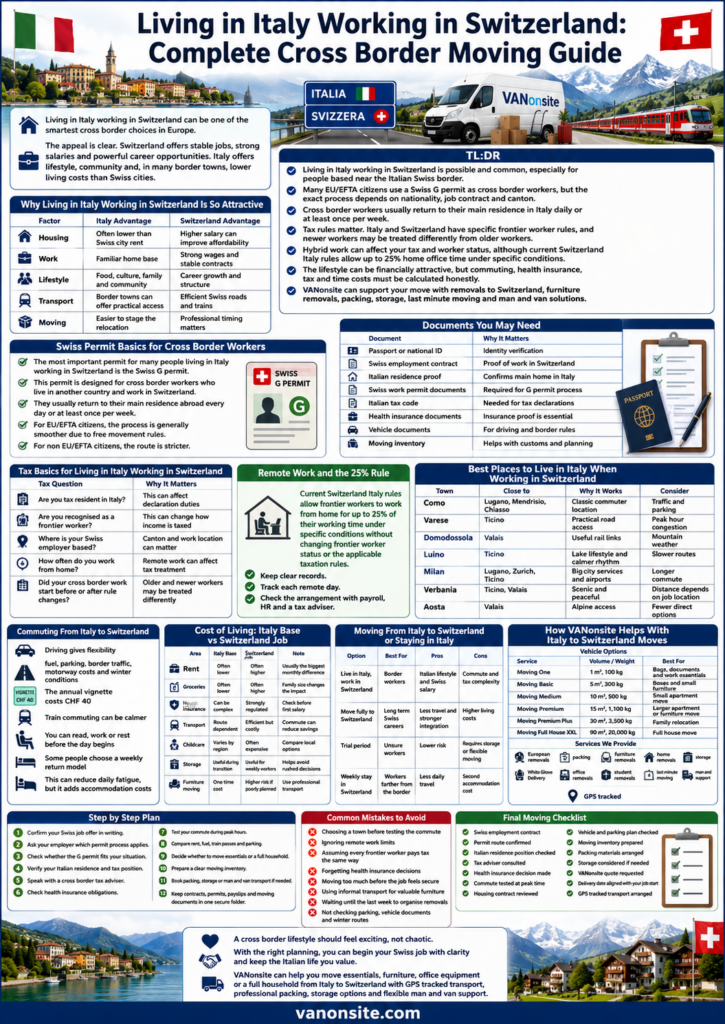
Living in Italy working in Switzerland can be one of the smartest cross border choices in Europe. You keep the beauty, food, family rhythm and familiar comfort of Italy, while earning in one of the strongest labour markets on the continent. For many people in Como, Varese, Milan, Domodossola, Luino, Aosta and other northern Italian areas, this lifestyle is not unusual. It is a practical strategy.
The appeal is clear. Switzerland offers stable jobs, strong salaries and powerful career opportunities. Italy offers lifestyle, community and, in many border towns, lower living costs than Swiss cities. When the numbers work, the combination can feel exceptional.
However, living in Italy working in Switzerland is not just about crossing a border in the morning. You need to understand permits, tax rules, health insurance, commuting, remote work limits and moving logistics. A good plan can make this lifestyle smooth. A rushed plan can turn it into daily stress.
This guide explains how living in Italy working in Switzerland works, who it suits, what documents you may need, how to compare costs and when a full move to Switzerland may make more sense. It also shows how VANonsite can help with secure European removals, packing, storage, furniture transport, GPS tracked loads and flexible man and van options.
TL:DR
- Living in Italy working in Switzerland is possible and common, especially for people based near the Italian Swiss border.
- Many EU/EFTA citizens use a Swiss G permit as cross border workers, but the exact process depends on nationality, job contract and canton.
- Cross border workers usually return to their main residence in Italy daily or at least once per week.
- Tax rules matter. Italy and Switzerland have specific frontier worker rules, and newer workers may be treated differently from older workers.
- Hybrid work can affect your tax and worker status, although current Switzerland Italy rules allow up to 25% home office time under specific conditions.
- The lifestyle can be financially attractive, but commuting, health insurance, tax and time costs must be calculated honestly.
- VANonsite can support your move with removals to Switzerland, furniture removals, packing, storage, last minute moving and man and van solutions.




Can You Live in Italy and Work in Switzerland?
Yes, you can live in Italy and work in Switzerland, provided that your work permit, residence position and tax status are arranged correctly. The most common setup is cross border work. You live in Italy, work for a Swiss employer and return to your Italian home regularly.
For EU/EFTA citizens, the process is usually more accessible than for non EU/EFTA citizens. Many cross border workers use a Swiss G permit, also known as a cross border commuter permit. This is designed for people who live outside Switzerland but work inside Switzerland.
In practice, living in Italy working in Switzerland can mean several things:
- You commute daily from Italy to Switzerland.
- You stay in Switzerland during the week and return to Italy at weekends.
- You start as a cross border worker and later move fully to Switzerland.
- You move only essential items first, then relocate furniture or a full household later.
The right choice depends on your job location, family situation, income, housing costs and commute. Someone living in Como and working in Lugano may have a very different life from someone living in Milan and working in Zurich.
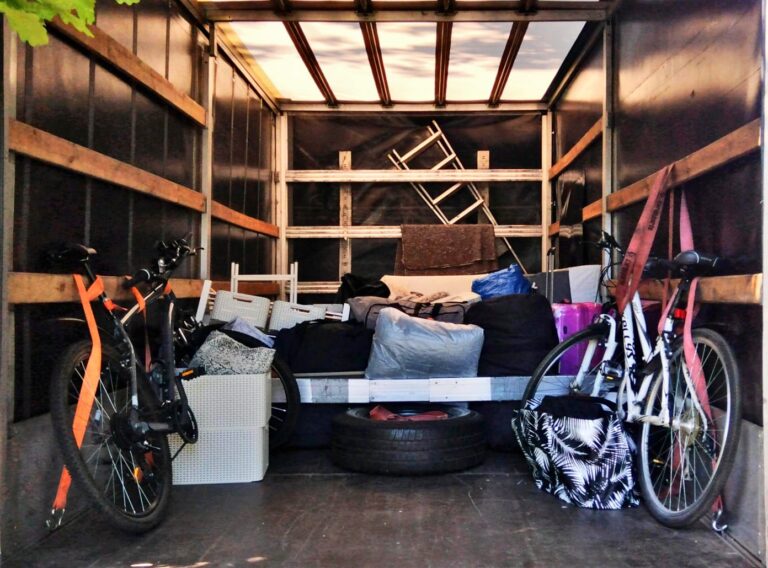
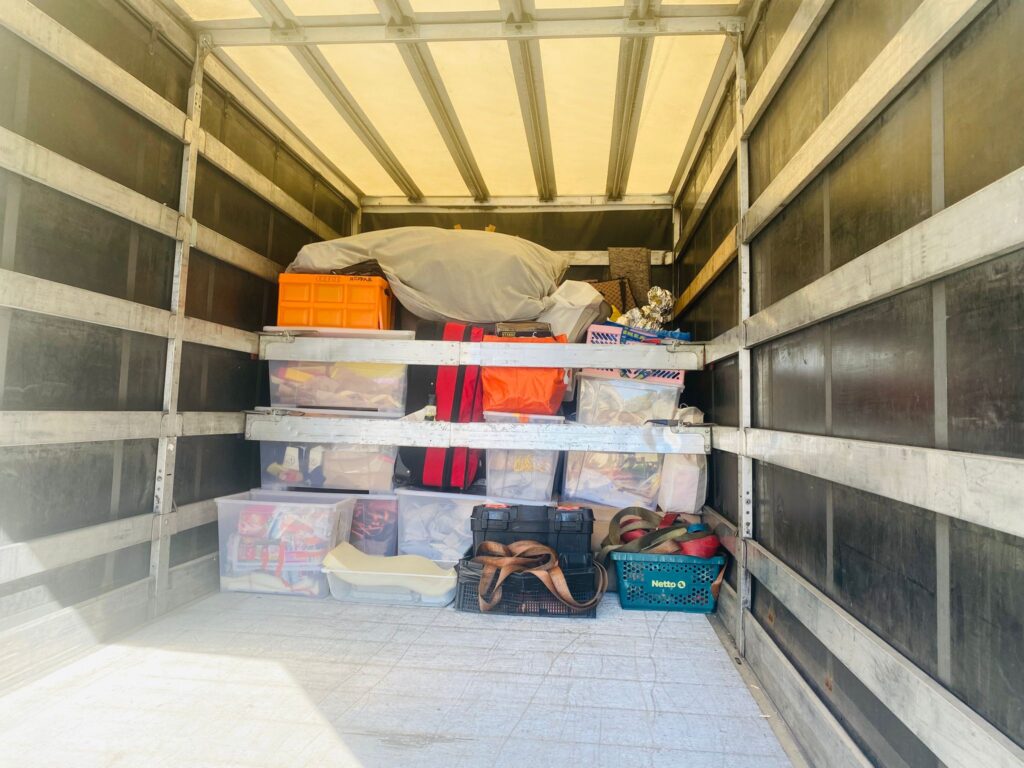
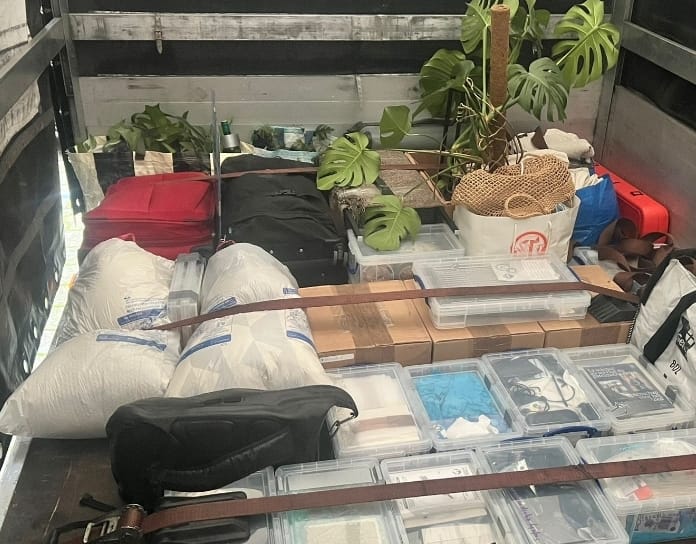
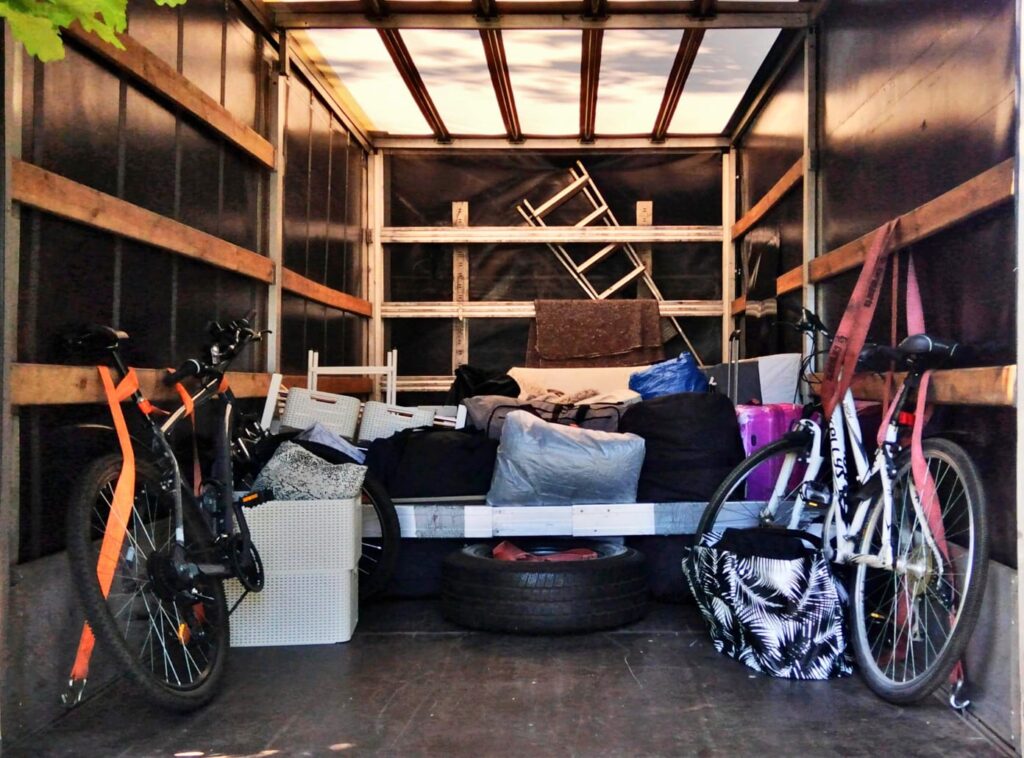
This is also why moving logistics matter. You may not want a full home removal at the start. A compact man and van move can be enough for the first month. Later, once your job and routine feel secure, you can move furniture, office items or the rest of your household.
Why Living in Italy Working in Switzerland Is So Attractive
The attraction is simple: Swiss income and Italian life. Switzerland is known for strong salaries, efficient systems and high quality employment. Italy offers emotional warmth, food culture, family ties and often lower everyday costs in border regions.
For many people, living in Italy working in Switzerland creates a stronger financial position without forcing a complete life reset. You can increase your earning power while keeping your home base close to family, school, community and the Italian lifestyle you already know.
This setup can be especially attractive for workers in healthcare, construction, engineering, finance, hospitality, logistics, technology, pharma and specialist trades. Swiss employers often look for reliable workers, and Italian border regions offer a large pool of experienced professionals.
| Factor | Italy Advantage | Switzerland Advantage |
|---|---|---|
| Housing | Often lower than Swiss city rent | Higher salary can improve affordability |
| Work | Familiar home base | Strong wages and stable contracts |
| Lifestyle | Food, culture, family and community | Career growth and structure |
| Transport | Border towns can offer practical access | Efficient Swiss roads and trains |
| Moving | Easier to stage the relocation | Professional timing matters |
However, the lifestyle is not automatically profitable. A Swiss salary can look impressive, but commuting, parking, health insurance, taxes and lost time can reduce the advantage. That is why living in Italy working in Switzerland should be planned with numbers, not just excitement.
Swiss Permit Basics for Cross Border Workers
The most important permit for many people living in Italy working in Switzerland is the Swiss G permit. This permit is designed for cross border workers who live in another country and work in Switzerland.
EU/EFTA cross border commuters generally live in an EU/EFTA country and work in Switzerland. They usually return to their main residence abroad every day or at least once per week. You can check the official Swiss information on the SEM page about the G permit for EU/EFTA citizens.
For broader official guidance, the Swiss government portal also explains rules for working in Switzerland as a foreign national.
For EU/EFTA citizens, the process is generally smoother due to free movement rules. Still, you need a valid employment situation, and your employer or canton may require specific documents. Contract length can also influence the permit duration.
For non EU/EFTA citizens, the route is stricter. Switzerland may require stronger proof of residence rights in a neighbouring country and additional labour market conditions. If you are not an EU/EFTA citizen, do not make major financial decisions before checking eligibility with your employer and the relevant Swiss canton.
Documents You May Need
Documents are the quiet backbone of living in Italy working in Switzerland. Without them, even a strong job offer can become stressful.
Before your first working month, prepare both digital and printed copies of key papers. Store them in a safe folder and keep backup scans in cloud storage.
| Document | Why It Matters | Where To Check |
|---|---|---|
| Passport or national ID | Identification and border crossing | Swiss and Italian authorities |
| Swiss employment contract | Permit, payroll and proof of work | Employer and canton |
| Italian residence proof | Confirms your home base in Italy | Local Comune |
| Swiss work permit documents | Needed for legal work | Swiss canton or SEM |
| Italian tax code | Important for tax declarations | Agenzia delle Entrate |
| Health insurance documents | Cross border workers may face specific choices | Swiss and Italian authorities |
| Vehicle documents | Useful if you commute by car | Transport authorities |
| Moving inventory | Helps with transport planning and insurance | VANonsite moving team |
You can also review official Swiss information on permits for living in Switzerland and Italian guidance on tax residence for cross border workers.
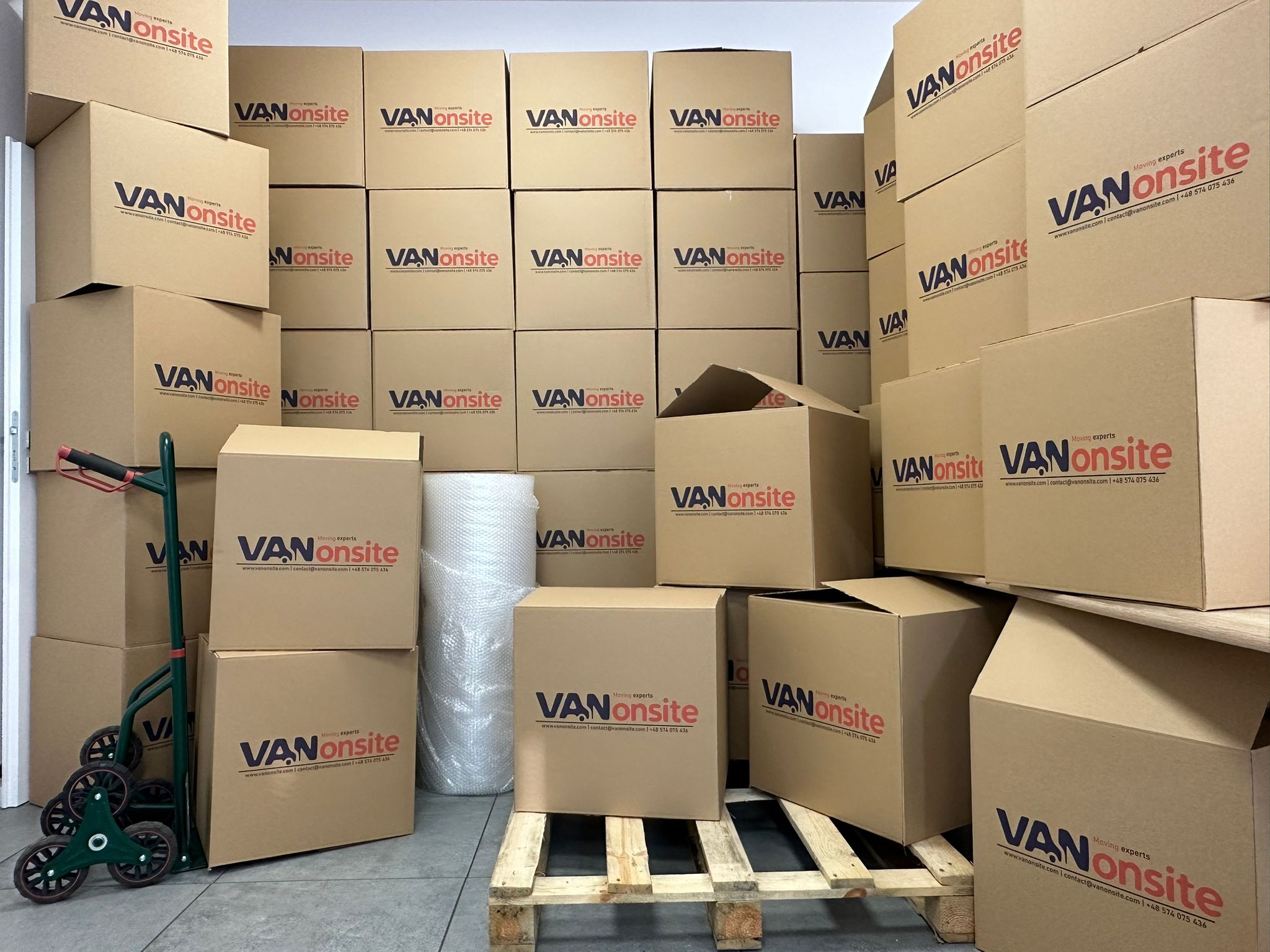
A moving inventory may sound minor, but it is useful. List your boxes, furniture, electronics, work equipment and fragile items. If you use VANonsite, this helps the team recommend the right vehicle, loading plan, packing support and delivery date.
Tax Basics for Living in Italy Working in Switzerland
Tax is one of the most important parts of living in Italy working in Switzerland. It can also be one of the most confusing.
You may earn your salary in Switzerland, but your home and tax residence in Italy can still matter. Italy and Switzerland have specific frontier worker rules, and newer workers may be treated differently from older workers. The exact answer depends on your residence, work location, start date, contract and personal situation.
Italian tax residence rules can consider where you are registered, where your main personal and economic interests are and how long you spend in Italy during the year. The 183 day threshold is often important, although the full test can be more nuanced.
Before signing a long term contract or changing your residence, speak to a qualified cross border tax adviser. This is not an area for guesswork. One wrong assumption can become expensive later.
| Tax Question | Why It Matters |
|---|---|
| Are you tax resident in Italy? | This can affect declaration duties |
| Are you recognised as a frontier worker? | This can change how income is taxed |
| Where is your Swiss employer based? | Canton and work location can matter |
| How often do you work from home? | Remote work can affect tax treatment |
| Did your cross border work start before or after rule changes? | Older and newer workers may be treated differently |
Living in Italy working in Switzerland can be financially rewarding, but only when the full picture is calculated. Salary, taxes, commuting, insurance, parking, food and time all belong in the same budget.
Remote Work and the 25% Rule
Hybrid work sounds perfect. You live in Italy, work for a Swiss company and spend part of the week working from home. It feels flexible and modern. Still, for cross border workers, remote work is not just a comfort benefit. It can affect tax and worker status.
Current Switzerland Italy rules allow frontier workers to work from home for up to 25% of their working time under specific conditions without changing frontier worker status or the applicable taxation rules. This limit matters because small weekly habits become big annual totals.
If you work from home, keep clear records. Ask your employer for written rules. Track each remote day. Check the arrangement with payroll, HR and a tax adviser.
A smart routine protects you. A casual routine can create problems. Living in Italy working in Switzerland works best when every part of the work pattern is transparent.
Best Places to Live in Italy When Working in Switzerland
The best Italian base depends on your Swiss workplace, budget and commute tolerance. A beautiful town is not enough. You need a route that works at 7:00 in the morning, during rain, traffic and winter pressure.
| Italian Base | Swiss Work Area | Why It Works | Watch Out For |
|---|---|---|---|
| Como | Lugano, Mendrisio, Chiasso | Classic commuter location | Traffic and parking |
| Varese | Ticino | Practical road access | Peak hour congestion |
| Domodossola | Valais | Useful rail links | Mountain weather |
| Luino | Ticino | Lake lifestyle and calmer rhythm | Slower routes |
| Milan | Lugano, Zurich, Ticino | Big city services and airports | Longer commute |
| Verbania | Ticino, Valais | Scenic and peaceful | Distance depends on job location |
| Aosta | Valais | Alpine access | Fewer direct options |
For many people, the best strategy is to avoid moving everything at once. Start with essentials. Test your commute. Understand your work schedule. Then decide whether to move furniture, office equipment or a full household.
VANonsite can support this staged approach with man and van services, storage, packing and larger European removals when your plan becomes permanent.
Commuting From Italy to Switzerland
Commuting is the daily engine of living in Italy working in Switzerland. If it is realistic, the lifestyle can feel smooth. If it is too long, it can drain your energy fast.
Driving gives flexibility, especially if your workplace is outside a city centre. However, you need to calculate fuel, parking, border traffic, motorway costs and winter conditions. Switzerland requires a motorway vignette for many roads. The annual vignette costs CHF 40, which is small but important for regular drivers.
Before choosing a home, test the route during peak time. A 35 minute drive on Sunday can become 70 minutes on Monday morning.
Train commuting can be calmer. You can read, work or rest before the day begins. It may be useful around routes connected to Lugano, Chiasso, Bellinzona and Milan. The disadvantage is reduced flexibility, especially for late shifts or workplaces far from stations.
Some people choose a weekly return model. They stay in Switzerland during the working week and return to Italy at weekends. This can reduce daily fatigue, but it adds accommodation costs. It can also create a need for compact furniture, duplicate essentials and storage.
Cost of Living: Italy Base vs Switzerland Job
The financial strength of living in Italy working in Switzerland depends on the gap between Swiss income and Italian costs. Housing is often the biggest difference, but it is not the only one.
| Cost Category | Italy Border Area | Switzerland | Practical Note |
|---|---|---|---|
| Rent | Often lower | Often higher | Usually the biggest monthly difference |
| Groceries | Often lower | Often higher | Family size changes the impact |
| Health insurance | Can be complex | Strongly regulated | Check before first salary |
| Transport | Route dependent | Efficient but costly | Commute can reduce savings |
| Childcare | Varies by region | Often expensive | Compare local options |
| Storage | Useful during transition | Useful for weekly workers | Helps avoid rushed decisions |
| Furniture moving | One time cost | Higher risk if poorly planned | Use professional transport |
A simple example helps. If living in Italy reduces your housing cost by 20% compared with a Swiss city, the saving can be meaningful. But if commuting, parking, insurance and tax reduce that gain, the advantage becomes smaller.
This is why you should create a monthly budget before moving. Include rent, utilities, fuel, train passes, food, insurance, parking, phone, childcare, savings and emergency costs. The best version of living in Italy working in Switzerland is not built on hope. It is built on clear numbers.
Moving From Italy to Switzerland or Staying in Italy
Some workers start in Italy and later move fully to Switzerland. Others remain long term cross border commuters. Both choices can be right.
| Option | Best For | Pros | Cons |
|---|---|---|---|
| Live in Italy, work in Switzerland | Border workers | Italian lifestyle and Swiss salary | Commute and tax complexity |
| Move fully to Switzerland | Long term Swiss careers | Less travel and stronger integration | Higher living costs |
| Trial period | Unsure workers | Lower risk | Requires storage or flexible moving |
| Weekly stay in Switzerland | Workers farther from the border | Less daily travel | Second accommodation cost |
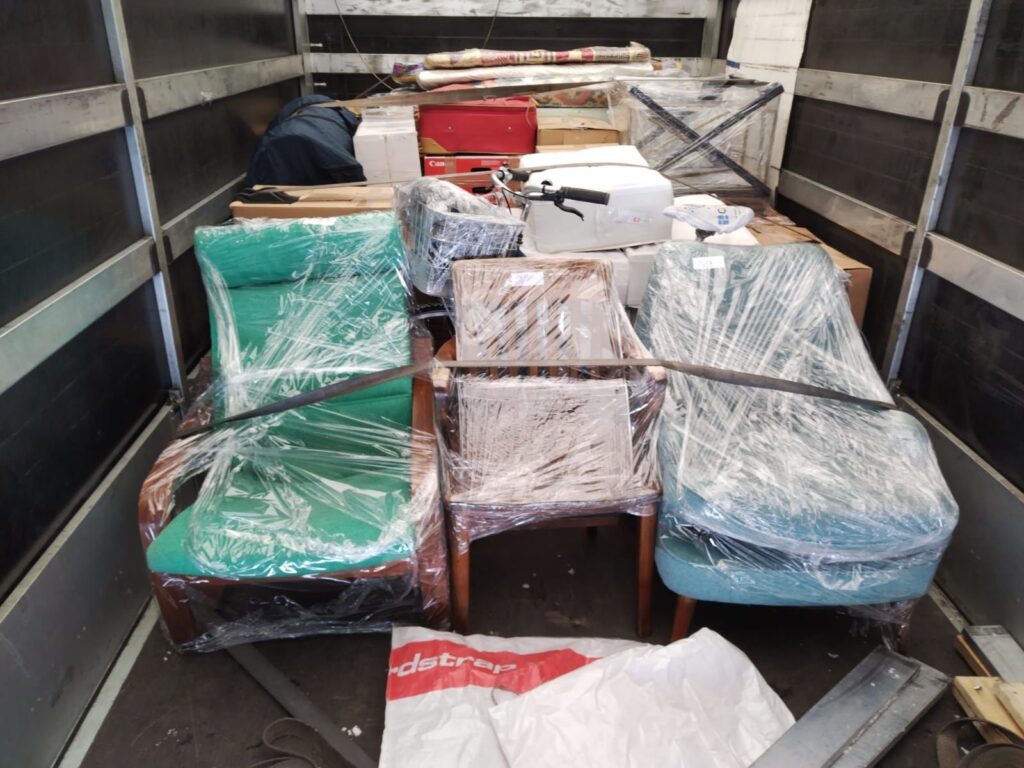
If you decide to relocate fully, VANonsite offers professional removals to Switzerland with secure transport, careful handling and GPS tracking. This can be useful for furniture, fragile items, office equipment, family belongings or a full home move.

How VANonsite Helps With Italy to Switzerland Moves
At some point, the plan becomes physical. Clothes, laptops, desks, mattresses, tools, documents, boxes, decorations and furniture all need to move safely.
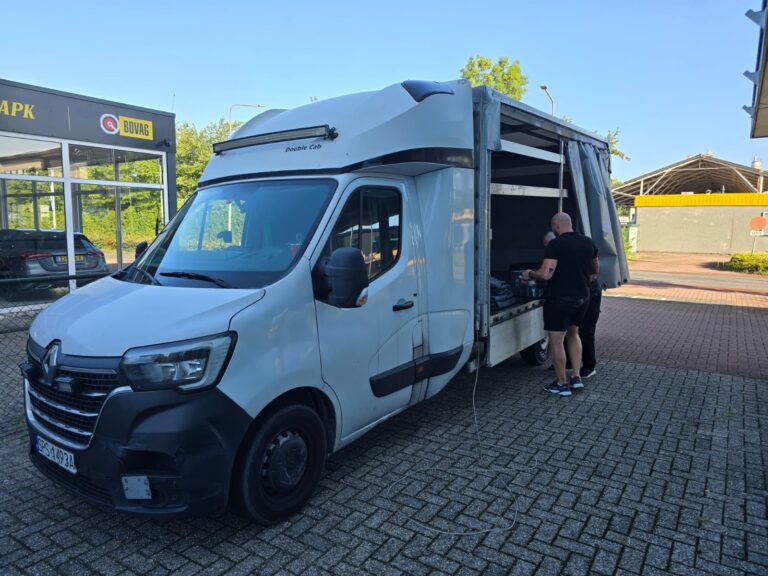
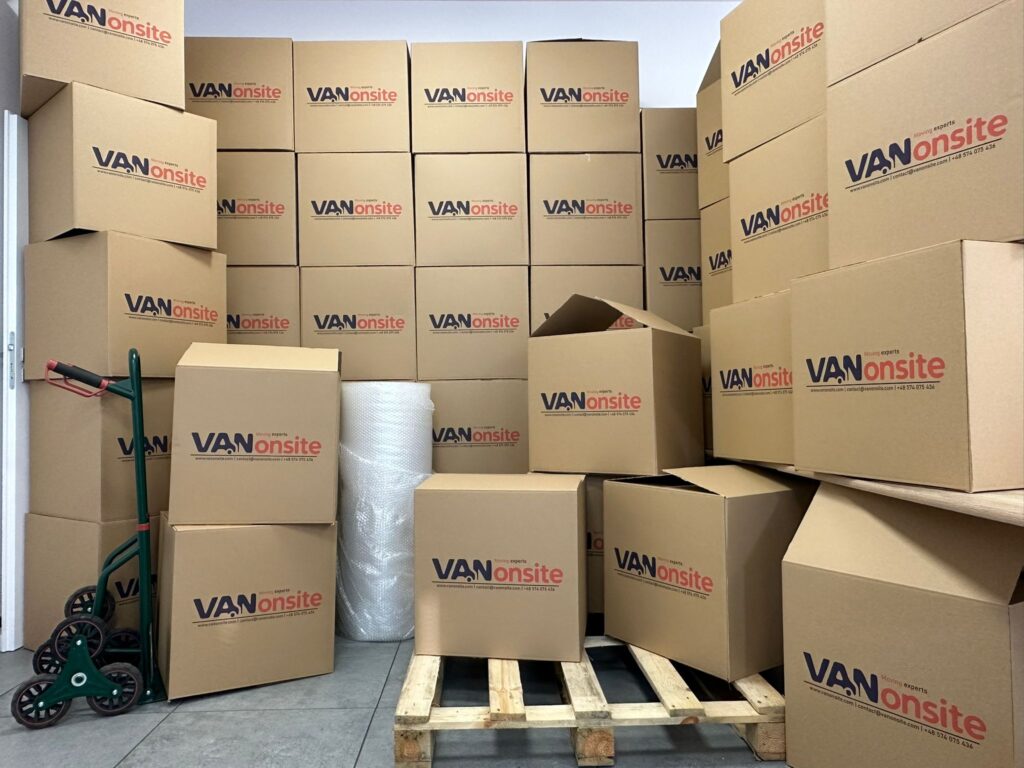
VANonsite helps make the process controlled and calm. The company offers European removals, packing, furniture removals, home removals, storage, White Glove Delivery, office removals, student removals, last minute moving and man and van support. Each load can be GPS tracked, which gives you better visibility during the move.
| VANonsite Option | Capacity | Best For |
|---|---|---|
| Moving One | 1 m3, 100 kg | Bags, documents and work essentials |
| Moving Basic | 5 m3, 300 kg | Boxes and small furniture |
| Moving Medium | 10 m3, 500 kg | Small apartment move |
| Moving Premium | 15 m3, 1,100 kg | Larger apartment or furniture move |
| Moving Premium Plus | 30 m3, 3,500 kg | Family relocation |
| Moving Full House XXL | 90 m3, 20,000 kg | Full house move |
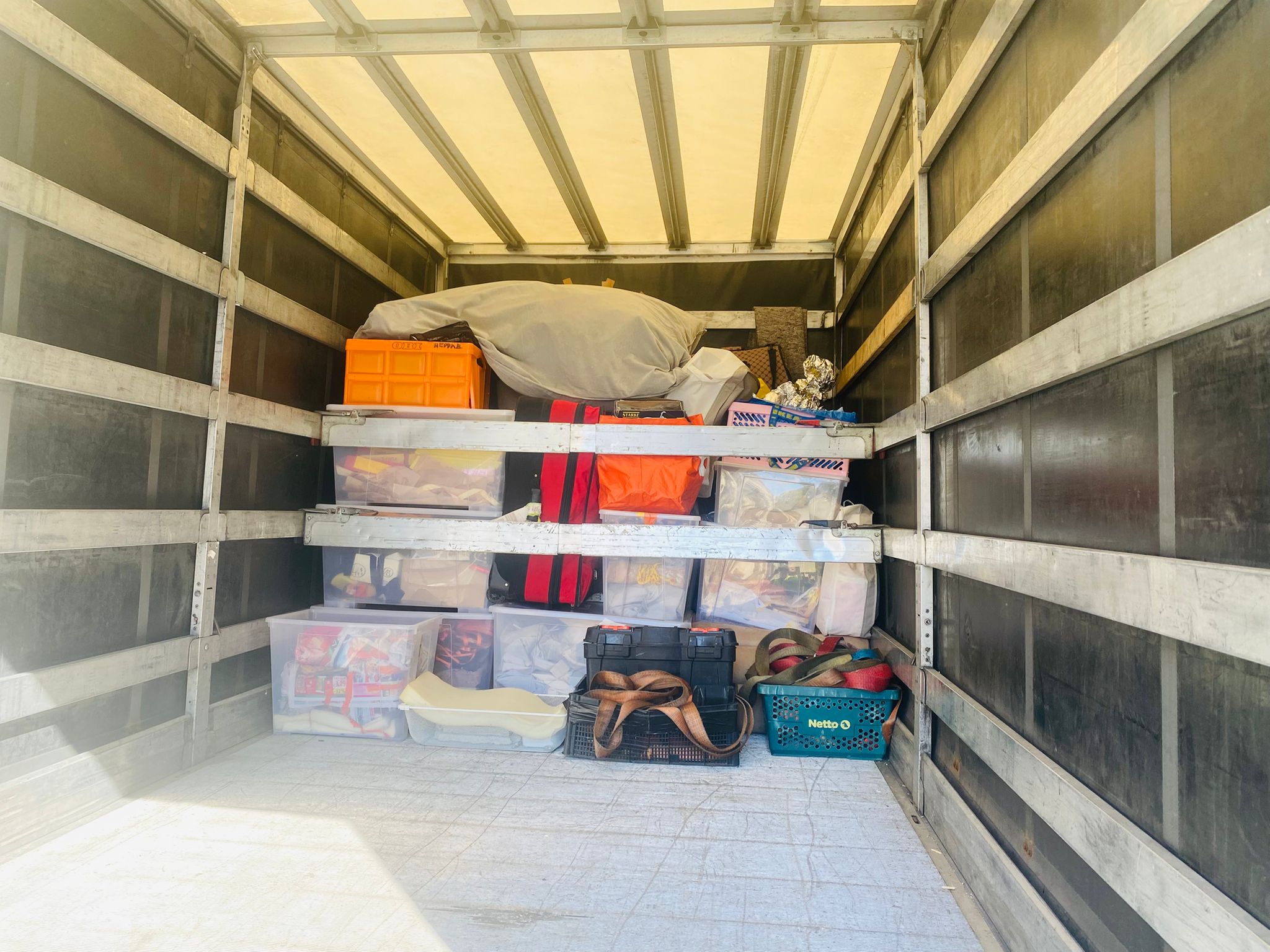
For cross border workers, flexibility is precious. You may only need essentials in month one. Later, once your job feels stable, you can move furniture or arrange storage. VANonsite gives you that control without pressure.
Step by Step Plan
Use this sequence before your first Swiss working month.
- Confirm your Swiss job offer in writing.
- Ask your employer which permit process applies.
- Check whether the G permit fits your situation.
- Verify your Italian residence and tax position.
- Speak with a cross border tax adviser.
- Check health insurance obligations.
- Test your commute during peak hours.
- Compare rent, fuel, train passes and parking.
- Decide whether to move essentials or a full household.
- Prepare a clear moving inventory.
- Book packing, storage or man and van transport if needed.
- Keep contracts, permits, payslips and moving documents in one secure folder.
Living in Italy working in Switzerland rewards preparation. The more you arrange before your first working week, the easier life feels afterward.
Common Mistakes to Avoid
The biggest mistake is assuming a Swiss salary solves everything. It helps, but it does not remove paperwork, commuting fatigue, insurance choices or tax complexity.
Avoid these mistakes:
- Choosing a town before testing the commute
- Ignoring remote work limits
- Assuming every frontier worker pays tax the same way
- Forgetting health insurance decisions
- Moving too much before the job feels secure
- Using informal transport for valuable furniture
- Waiting until the last week to organise removals
- Not checking parking, vehicle documents and winter routes
Living in Italy working in Switzerland can be a brilliant life upgrade. It simply needs discipline. The strongest setup is practical, legal, well calculated and supported by reliable transport.
Is Living in Italy Working in Switzerland Worth It?
For many people, yes. Living in Italy working in Switzerland can offer a rare balance of higher income, career growth and Italian lifestyle. It can help families improve their financial position without leaving their home country completely.
It is worth it when your salary increase is strong, your commute is realistic, your tax position is clear and your employer understands cross border rules. It is also worth it when your family benefits from staying in Italy and you can organise the move without panic.
It may not be worth it if the commute is too long, the tax setup is uncertain or the job requires more Swiss presence than expected.
A staged approach is often best. Start with the job. Move essentials first. Test your routine for 2 or 3 months. Then decide whether to stay cross border, move fully to Switzerland or adjust your Italian base.
Final Moving Checklist
Before you start living in Italy working in Switzerland, make sure these items are ready:
- Swiss employment contract
- Permit route confirmed
- Italian residence position checked
- Tax adviser consulted
- Health insurance decision made
- Commute tested at peak time
- Housing contract reviewed
- Vehicle and parking plan checked
- Moving inventory prepared
- Packing materials arranged
- Storage considered if needed
- VANonsite quote requested
- Delivery date aligned with your job start
- GPS tracked transport arranged
A cross border lifestyle should feel exciting, not chaotic. With the right planning, you can begin your Swiss job with clarity and keep the Italian life you value.
FAQ
Can I live in Italy and work in Switzerland?
Yes. Living in Italy working in Switzerland is possible for many people, especially cross border workers based near the Italian Swiss border. Your exact route depends on nationality, job contract, permit status, tax residence and how often you return to Italy.
What permit do I need for living in Italy working in Switzerland?
Many cross border workers use a Swiss G permit. EU/EFTA citizens usually have a simpler route, while non EU/EFTA citizens face stricter requirements. Always check with the Swiss canton and your employer.
Do I pay tax in Italy or Switzerland?
It depends on your residence, work location, start date and frontier worker status. Italy and Switzerland have specific cross border worker rules, so professional tax advice is strongly recommended.
How often must I return to Italy?
Cross border workers generally return to their main residence abroad daily or at least once per week. This is one of the key ideas behind the cross border worker model.
Can I work from home in Italy for a Swiss employer?
Yes, but only within specific limits if you want to preserve frontier worker treatment. Current Switzerland Italy rules allow up to 25% home office time under specific conditions. Confirm this with your employer and tax adviser.
Is it cheaper to live in Italy and work in Switzerland?
Often, yes. Living in Italy can reduce housing and daily living costs compared with Switzerland. However, commuting, tax, health insurance, parking and time costs must be included in the calculation.
Can VANonsite help with my Italy to Switzerland move?
Yes. VANonsite provides European removals, furniture removals, home removals, packing, storage, White Glove Delivery, office removals, student removals and man and van solutions with GPS tracked transport.
Ready to Move With Confidence?
Living in Italy working in Switzerland can open the door to stronger income, sharper career growth and a lifestyle that still feels close to home. But the move needs control. Your belongings should arrive safely. Your timing should fit your job start. Your first week should feel exciting, not frantic.
VANonsite can help you move essentials, furniture, office equipment or a full household from Italy to Switzerland with GPS tracked transport, professional packing, storage options and flexible man and van support.
Request your VANonsite quote and make your cross border move feel lighter from day one.