
Moving furniture to Switzerland can feel like a serious step. One moment you are looking at a sofa, wardrobe or dining table in your home. The next, you are thinking about customs, Swiss paperwork, long-distance transport, narrow staircases and whether your favourite pieces will arrive without damage.
The good news is simple: moving furniture to Switzerland can be smooth, secure and well organised when the process is planned properly. Switzerland has clear rules for household goods, and used furniture may often be imported as part of a genuine relocation when the right conditions are met. Still, details matter. You need a clear inventory, careful packing, the right vehicle size and a removals team that understands European routes and Swiss border procedures.
VANonsite helps customers with moving furniture to Switzerland through dedicated vans, flexible man and van options, professional packing, careful loading and GPS tracking for every load. Whether you are moving one cherished armchair, a student room, a compact apartment, a family home or office furniture, the goal is the same: protect your belongings, save your time and make the whole move feel calm from collection to delivery.
TL:DR
- Moving furniture to Switzerland is easier when you prepare an inventory, measure large items and check delivery access before booking.
- Switzerland has customs rules for household goods because it is outside the EU customs area, so paperwork matters.
- Used furniture may often qualify as household effects when it is part of a genuine relocation and meets Swiss customs conditions.
- VANonsite offers GPS tracked furniture removals to Switzerland, from single pieces to full house loads.
- A dedicated van is usually the safest option for fragile, valuable, bulky or urgent furniture.
- Man and van services are ideal for smaller furniture moves, student relocations and compact apartment loads.
- Choosing the right vehicle size can reduce delays, damage risks and unexpected costs.




Is Moving Furniture to Switzerland Complicated?
Moving furniture to Switzerland is not necessarily complicated, but it is more structured than a move between two EU countries. Switzerland has its own customs procedures, and border officers may need to see documents that prove your furniture is part of a genuine household move.
That is why preparation is powerful. A clear inventory, proper packing and good route planning can prevent most stressful surprises. In many cases, problems happen not because the move itself is impossible, but because important details are left too late.
The most common pressure points include missing customs documents, vague inventories, poor packing, booking a vehicle that is too small, unclear delivery access or last minute planning without enough time for border preparation. A large wardrobe, sofa or dining table can also become difficult if no one has checked lifts, staircases, doors or parking restrictions at the Swiss address.
Official Swiss guidance explains that people moving to Switzerland can bring furniture and personal belongings across the border, with formalities designed to help these items pass through customs correctly when conditions are met. You can find official information on moving to Switzerland at ch.ch.
For customers, this means one thing: the smoother the paperwork and planning, the smoother the move.
Why Moving Furniture to Switzerland Needs Careful Planning
Furniture is different from boxes. Boxes stack neatly. Furniture has corners, weight, awkward shapes and emotional value. A sofa can be too wide for a hallway. A wardrobe can be too tall for a lift. A polished table can be damaged by one careless strap.
When moving furniture to Switzerland, you are also adding distance, border checks and sometimes challenging delivery locations. Swiss cities are beautifully organised, but many apartment buildings have limited loading zones, strict parking rules and compact access points.
Before the van arrives, you should already know which furniture will be dismantled, which items need blanket wrapping, which pieces are fragile, which items need two-person handling and whether the Swiss building has lift restrictions. These details make the difference between a rushed moving day and a controlled, professional relocation.
VANonsite builds furniture removals around these practical details. With GPS tracking, careful loading and flexible van sizes, customers get a move that feels measured, not chaotic.
Moving Furniture to Switzerland with VANonsite
When moving furniture to Switzerland, control is everything. You want to know where your belongings are, who is handling them and when they will arrive. VANonsite gives customers that sense of control through dedicated European removals, GPS tracked transport and tailored vehicle options.
The service is suitable for many types of moves, including single furniture items, student room furniture, studio apartment furniture, full home removals, office furniture moves, premium deliveries, fragile items and urgent last minute furniture transport.
VANonsite can support customers with Furniture Removals, Home Removals, Packing Service, White Glove Delivery, Office Removals, Storage, Student Removals and Office Furniture Installation.
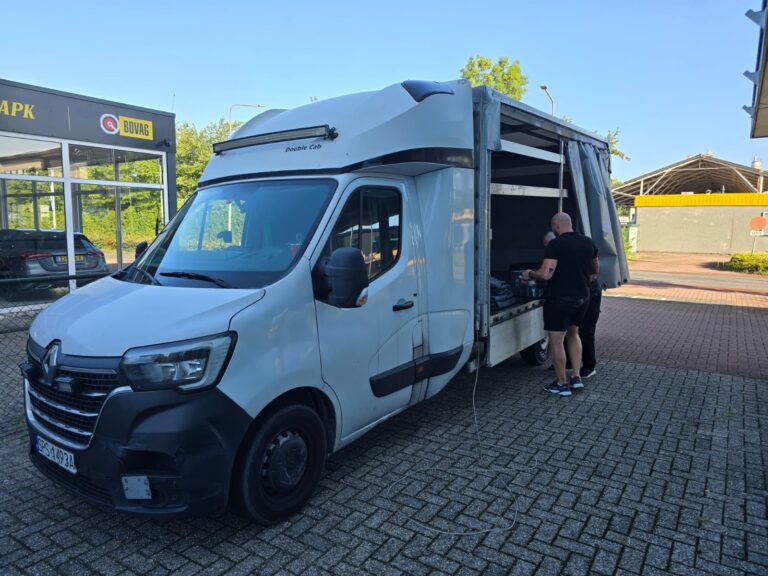
A man and van option can be ideal for smaller loads, especially when you need flexible transport for a sofa, bed, desk, wardrobe or compact apartment move. For larger relocations, a dedicated van gives more space, stronger route control and fewer handling points.
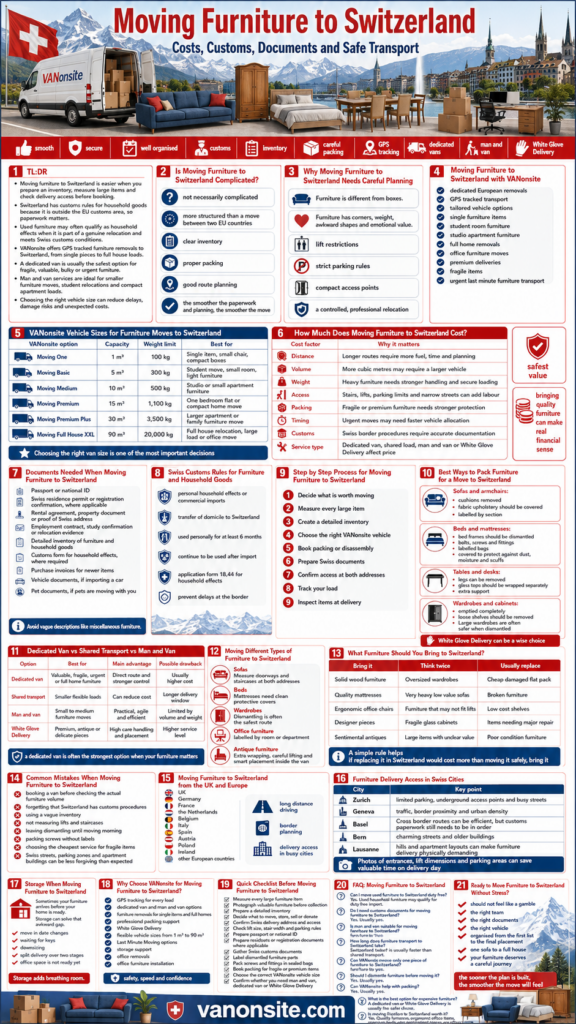
VANonsite Vehicle Sizes for Furniture Moves to Switzerland
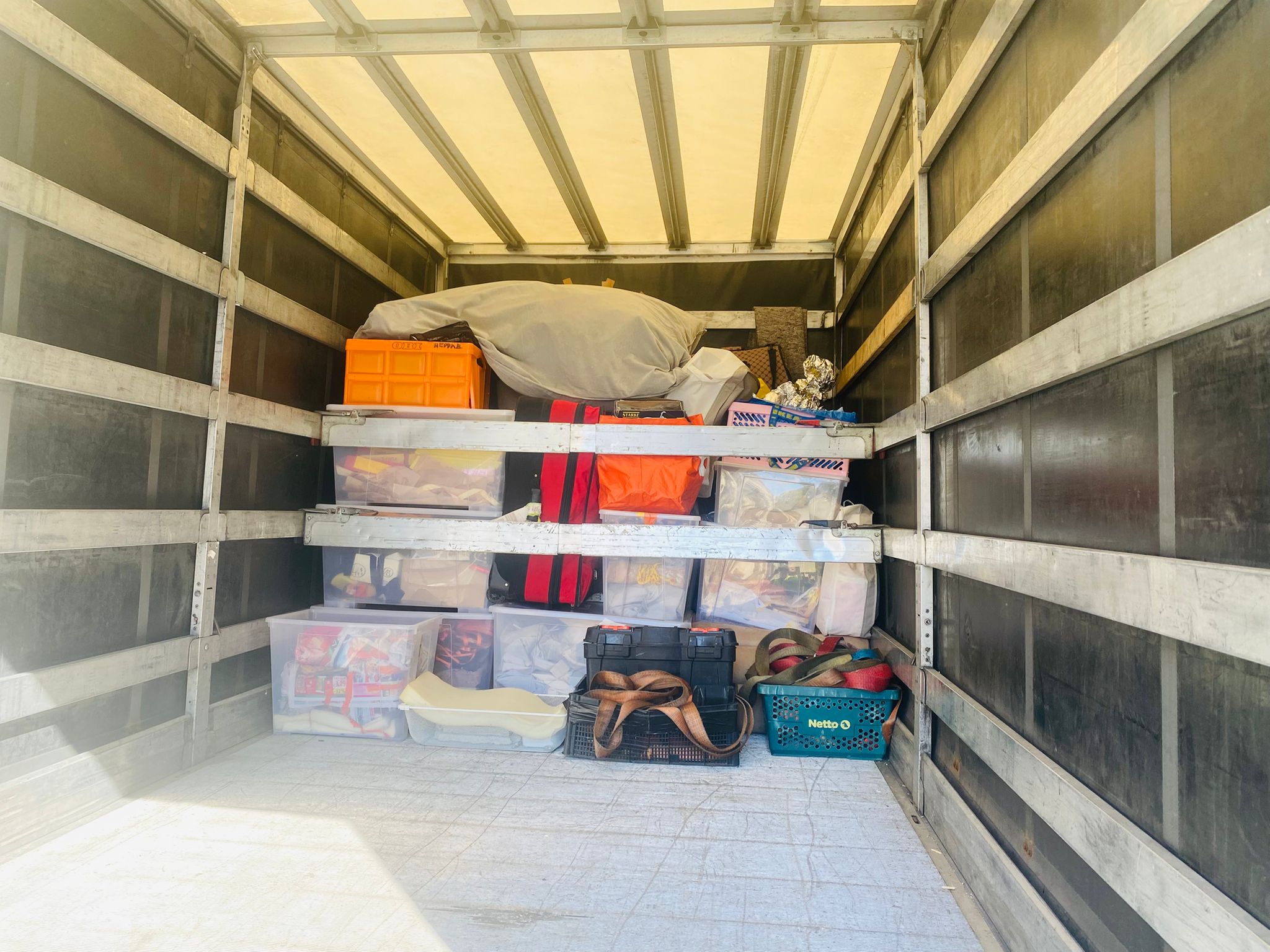
Choosing the right van size is one of the most important decisions when moving furniture to Switzerland. A vehicle that is too small can cause rushed loading, wasted time and extra costs. A vehicle that is properly matched to your load gives the team room to protect, organise and secure each item correctly.
| VANonsite option | Capacity | Weight limit | Best for |
|---|---|---|---|
| Moving One | 1 m³ | 100 kg | Single item, small chair, compact boxes |
| Moving Basic | 5 m³ | 300 kg | Student move, small room, light furniture |
| Moving Medium | 10 m³ | 500 kg | Studio or small apartment furniture |
| Moving Premium | 15 m³ | 1,100 kg | One bedroom flat or compact home move |
| Moving Premium Plus | 30 m³ | 3,500 kg | Larger apartment or family furniture move |
| Moving Full House XXL | 90 m³ | 20,000 kg | Full house relocation, large load or office move |
If you are unsure which option fits, start with a furniture list. Include large items first: sofa, bed, wardrobe, dining table, chairs, cabinets, desks and appliances. Then add boxes and smaller pieces. VANonsite can help match the list to the right vehicle so you do not pay for space you do not need, and you do not risk choosing too little space for a safe move.
How Much Does Moving Furniture to Switzerland Cost?
The cost of moving furniture to Switzerland depends on distance, volume, weight, service level and timing. There is no honest single price because a sofa from Germany to Zurich is completely different from a full house move from the UK to Geneva.
Still, most quotes are shaped by clear factors.
| Cost factor | Why it matters |
|---|---|
| Distance | Longer routes require more fuel, time and planning |
| Volume | More cubic metres may require a larger vehicle |
| Weight | Heavy furniture needs stronger handling and secure loading |
| Access | Stairs, lifts, parking limits and narrow streets can add labour |
| Packing | Fragile or premium furniture needs stronger protection |
| Timing | Urgent moves may need faster vehicle allocation |
| Customs | Swiss border procedures require accurate documentation |
| Service type | Dedicated van, shared load, man and van or White Glove Delivery affect price |
For many customers, the smartest decision is not simply choosing the cheapest option. It is choosing the safest value. If your furniture is high quality, sentimental, antique or expensive to replace in Switzerland, careful transport may save far more than it costs.
Switzerland is known for high living costs, so bringing quality furniture can make real financial sense. A solid wood dining table, ergonomic office chair or premium mattress may be worth moving. On the other hand, cheap damaged flat pack furniture may cost more to transport than to replace.

Documents Needed When Moving Furniture to Switzerland
Documents are a central part of moving furniture to Switzerland. The exact paperwork depends on your nationality, residence status, route, goods and reason for moving. However, most household moves need a clear set of documents that show who you are, where you are moving and what you are importing.
You may need:
- Passport or national ID.
- Swiss residence permit or registration confirmation, where applicable.
- Rental agreement, property document or proof of Swiss address.
- Employment contract, study confirmation or relocation evidence.
- Detailed inventory of furniture and household goods.
- Customs form for household effects, where required.
- Purchase invoices for newer items.
- Vehicle documents, if importing a car.
- Pet documents, if pets are moving with you.
Swiss official guidance says foreign nationals who remain in Switzerland for more than three months must obtain a permit, and the application process is handled through cantonal or local authorities. You can check official residence permit information at ch.ch.
Swiss customs guidance also explains that household effects can qualify for duty free import when the person transfers domicile to Switzerland, the goods have been personally used for at least 6 months and they will continue to be used after import. Details are available from the Federal Office for Customs and Border Security at bazg.admin.ch.
This is why your inventory should be accurate. Avoid vague descriptions like “miscellaneous furniture.” Use clear wording such as “one used oak dining table,” “six used dining chairs,” “one used double bed frame” or “two used office desks.”
Swiss Customs Rules for Furniture and Household Goods
Customs rules are one of the biggest reasons people feel nervous about moving furniture to Switzerland. Yet the principle is quite understandable: Switzerland wants to know whether your goods are personal household effects or commercial imports.
Used furniture from your home is often treated differently from new furniture bought for resale or delivery. A used sofa, wardrobe, bed, desk and dining table can usually fit the logic of household effects when they are part of your relocation. A brand new designer sofa in factory packaging may raise more questions.
Swiss customs states that transfer of domicile to Switzerland is the key requirement for importing household goods duty free, and imported articles must generally have been used personally for at least 6 months and continue to be used after import. For the procedure, Swiss customs guidance refers to application form 18.44 for household effects, presented at the customs office of importation. More information is available at bazg.admin.ch.
A strong customs file usually includes a complete inventory, proof of moving to Switzerland, proof of Swiss address, personal identification, any requested customs form, invoices for newer items and clear separation between used household goods and new purchases.
The goal is not to make the move more complicated. The goal is to prevent delays at the border.
Step by Step Process for Moving Furniture to Switzerland
A smooth move is built one step at a time. Here is a practical process for moving furniture to Switzerland without unnecessary panic.
- Decide what is worth moving
Start with value, condition and emotional importance. Keep the pieces that are useful, expensive to replace or genuinely meaningful. Be honest with items that are broken, low quality or unlikely to fit your new home. - Measure every large item
Measure height, width and depth. For sofas, measure the diagonal depth too. For wardrobes and beds, check whether they can be dismantled. These numbers help with van planning and Swiss delivery access. - Create a detailed inventory
Your inventory should include furniture type, approximate quantity, condition and estimated value. This helps with customs, quoting and loading strategy. - Choose the right VANonsite vehicle
Match your inventory to the correct vehicle size. Moving One may work for a single item, while Moving Premium Plus or Full House XXL may be better for family furniture or a large home relocation. - Book packing or disassembly
Large furniture often moves better when dismantled. Wardrobes, bed frames, tables and modular sofas should be taken apart carefully, with screws and fittings packed in labelled bags. - Prepare Swiss documents
Gather your ID, proof of Swiss address, residence or registration documents where applicable, inventory and customs paperwork. Do not leave this until moving day. - Confirm access at both addresses
Check parking, stairs, lift size, floor level, building rules and loading times. If possible, take photos of entrances and share them with the removals team. - Track your load
VANonsite offers GPS tracking, so customers can follow their shipment and stay informed during the journey. - Inspect items at delivery
Before reassembly, check furniture condition, confirm all parts arrived and guide the team on placement.
Best Ways to Pack Furniture for a Move to Switzerland
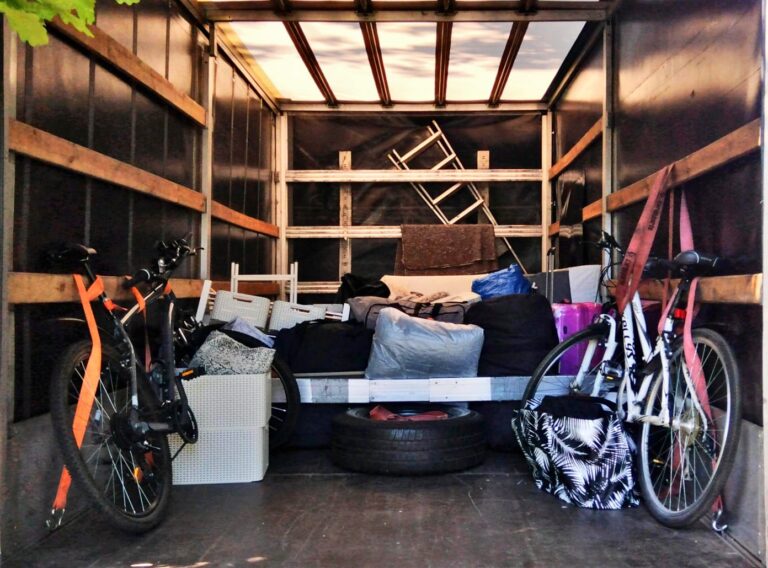
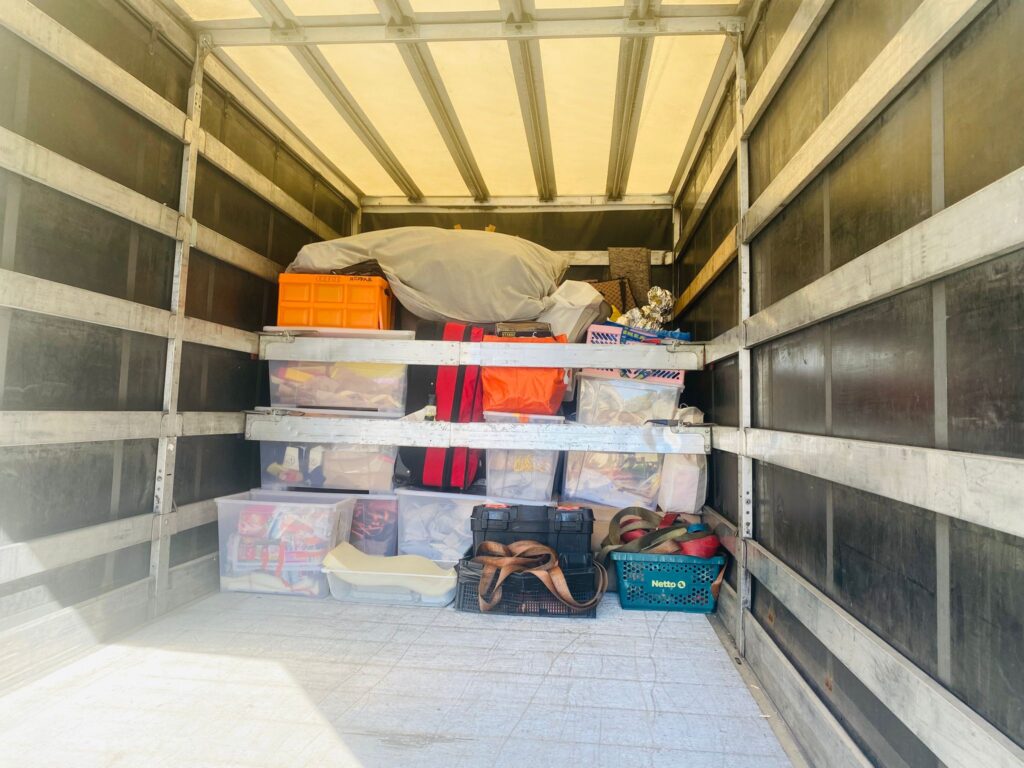
Packing is not just about wrapping items. It is about understanding how furniture behaves in motion. Long distance transport creates vibration, pressure and movement. Corners need protection. Polished surfaces need separation. Fabric needs clean coverage. Glass needs rigid support.
When moving furniture to Switzerland, better packing can protect both your belongings and your budget.
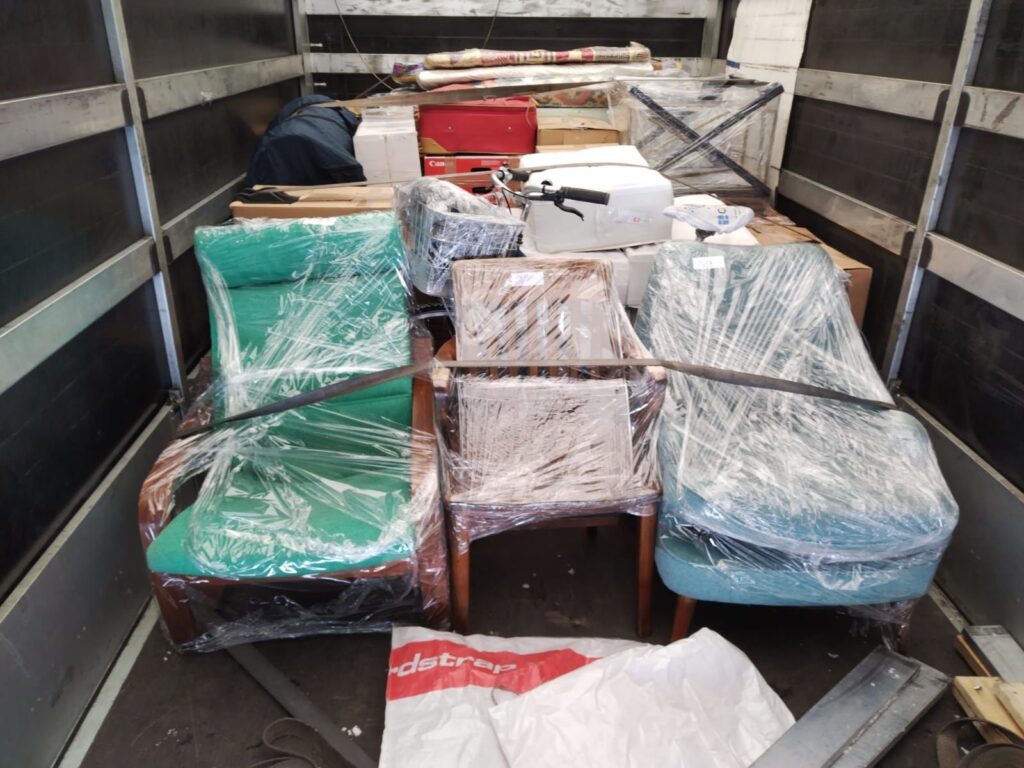
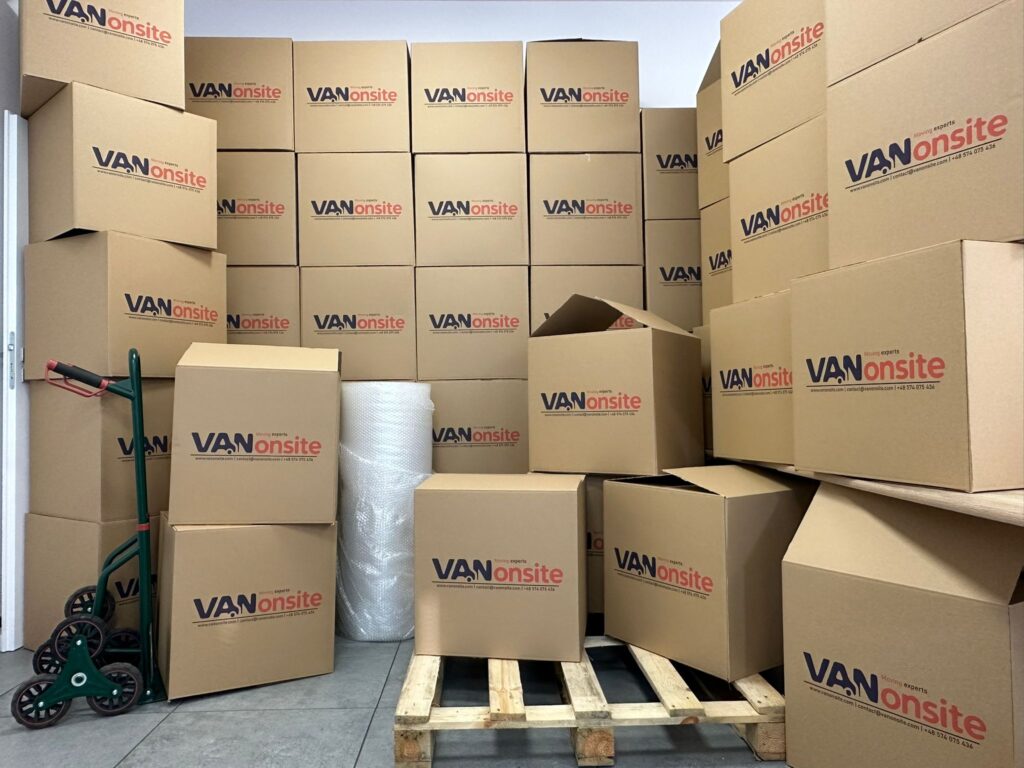
Sofas and armchairs should have cushions removed and packed separately where possible. Wooden legs, metal details and exposed corners need protection. Fabric upholstery should be covered, and modular sofas should be labelled by section to make delivery faster.
Beds and mattresses also need care. Bed frames should be dismantled, while bolts, screws and fittings should go into labelled bags. Mattresses should be covered to protect against dust, moisture and scuffs.
Tables and desks should be assessed before moving. If legs can be removed, this often makes transport safer. Glass tops should be wrapped separately and transported with extra support. Heavy items should never be placed directly on delicate tabletops.
Wardrobes and cabinets should be emptied completely. Loose shelves should be removed, and doors should be secured without damaging the surface. Large wardrobes are often safer when dismantled, especially if Swiss delivery access is tight.
Antique, designer and high value furniture deserves extra care. For these pieces, White Glove Delivery can be a wise choice because it focuses on careful handling, protection, placement and a premium delivery experience.
Dedicated Van vs Shared Transport vs Man and Van
There are several ways to move furniture to Switzerland. The right option depends on your priorities: price, speed, flexibility, control and item value.
| Option | Best for | Main advantage | Possible drawback |
|---|---|---|---|
| Dedicated van | Valuable, fragile, urgent or full home furniture | Direct route and stronger control | Usually higher cost |
| Shared transport | Smaller flexible loads | Can reduce cost | Longer delivery window |
| Man and van | Small to medium furniture moves | Practical, agile and efficient | Limited by volume and weight |
| White Glove Delivery | Premium, antique or delicate pieces | High care handling and placement | Higher service level |
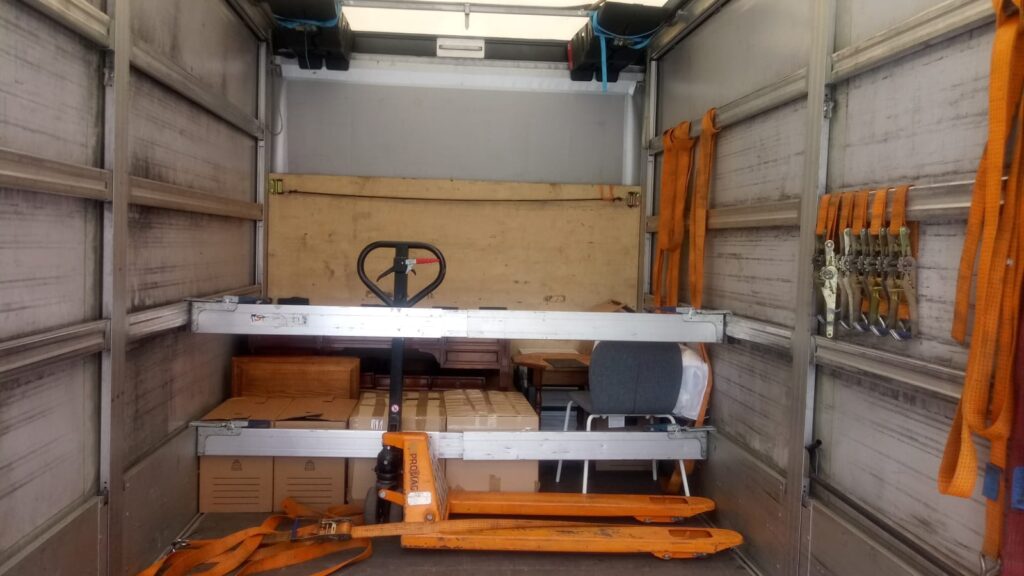
For moving furniture to Switzerland, a dedicated van is often the strongest option when your furniture matters. There are fewer handling points, better timing control and a clearer chain of responsibility.
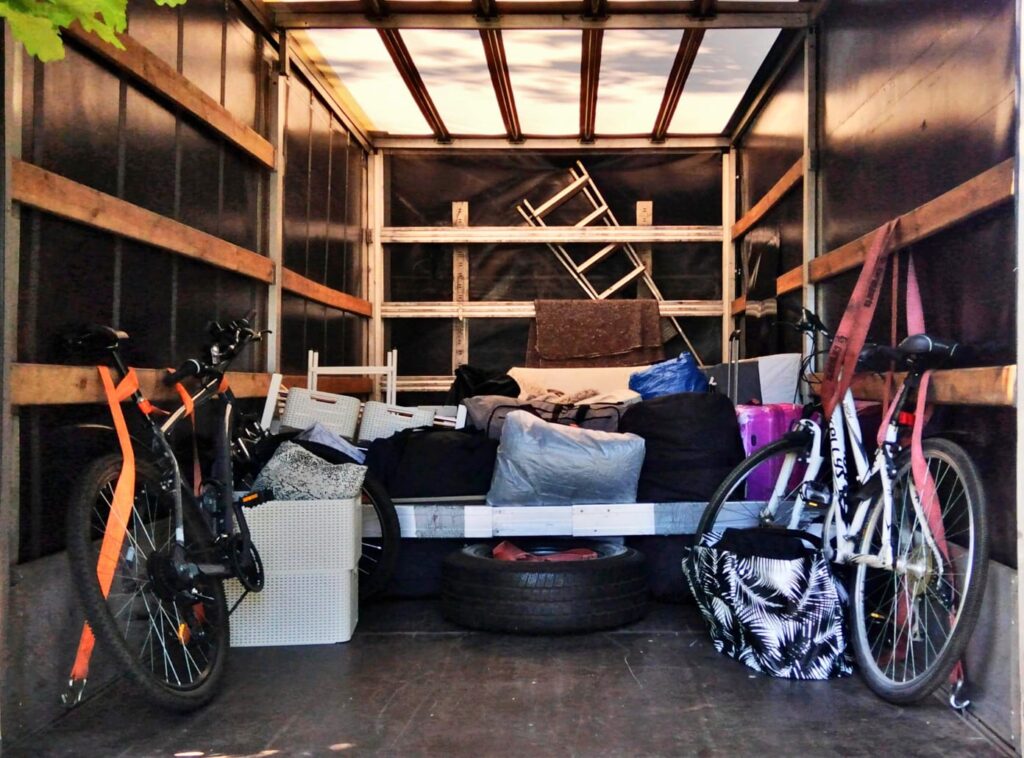
A man and van service can be the smarter choice for compact moves. If you are moving a sofa, bed, desk, dining set or student room, it gives you flexibility without making the move feel oversized.
Moving Different Types of Furniture to Switzerland
Different furniture needs different handling. Treating everything the same is where damage begins.
Sofas are bulky, soft and often difficult to manoeuvre. Before moving, check whether the arms, legs or sections can be removed. Measure doorways and staircases at both addresses. If the sofa is valuable or light coloured, ask about stronger protection.
Beds are usually easier to move when dismantled. Mattresses need clean protective covers, especially for long journeys. If you are moving to a Swiss apartment, check whether a large mattress fits the stairwell or lift.
Wardrobes are among the most awkward furniture items to move. They are tall, heavy and easy to damage if handled badly. Dismantling is often the safest route, especially for large bedroom furniture.
Office furniture requires speed and order. Desks, ergonomic chairs, filing cabinets and meeting tables should be labelled by room or department. VANonsite can also support office furniture installation, which helps businesses restart faster after delivery.
Antique furniture needs calm hands. Extra wrapping, careful lifting and smart placement inside the van can reduce risk. Photographs before collection are also useful for high value pieces.
What Furniture Should You Bring to Switzerland?
Not every item deserves a place in the van. A smart move starts with honest decisions.
| Bring it | Think twice | Usually replace |
|---|---|---|
| Solid wood furniture | Oversized wardrobes | Cheap damaged flat pack |
| Quality mattresses | Very heavy low value sofas | Broken furniture |
| Ergonomic office chairs | Furniture that may not fit lifts | Low cost shelves |
| Designer pieces | Fragile glass cabinets | Items needing major repair |
| Sentimental antiques | Large items with unclear value | Poor condition furniture |
Moving furniture to Switzerland makes sense when the item is valuable, useful, hard to replace or emotionally important. It makes less sense when the item is bulky, fragile, low value and already near the end of its life.
A simple rule helps: if replacing it in Switzerland would cost more than moving it safely, bring it. If moving it costs more than its real value, let it go.

Common Mistakes When Moving Furniture to Switzerland
Many moving problems are avoidable. The trouble is that people often notice them too late.
The most common mistakes include booking a van before checking the actual furniture volume, forgetting that Switzerland has customs procedures, using a vague inventory, not measuring lifts and staircases, leaving dismantling until moving morning, packing screws without labels and choosing the cheapest service for fragile items.
Other issues come from delivery access. Swiss streets, parking zones and apartment buildings can be less forgiving than expected. A full-size sofa, large table or heavy wardrobe needs space, timing and a clear route into the property.
The best moves feel calm because the hard decisions have already been made. No panic. No mystery. No frantic calls at the border. Just a clear plan, careful loading and steady progress.
Moving Furniture to Switzerland from the UK and Europe
VANonsite supports furniture removals to Switzerland from across Europe, including the UK, Germany, France, the Netherlands, Belgium, Italy, Spain, Austria, Poland, Ireland and other European countries.
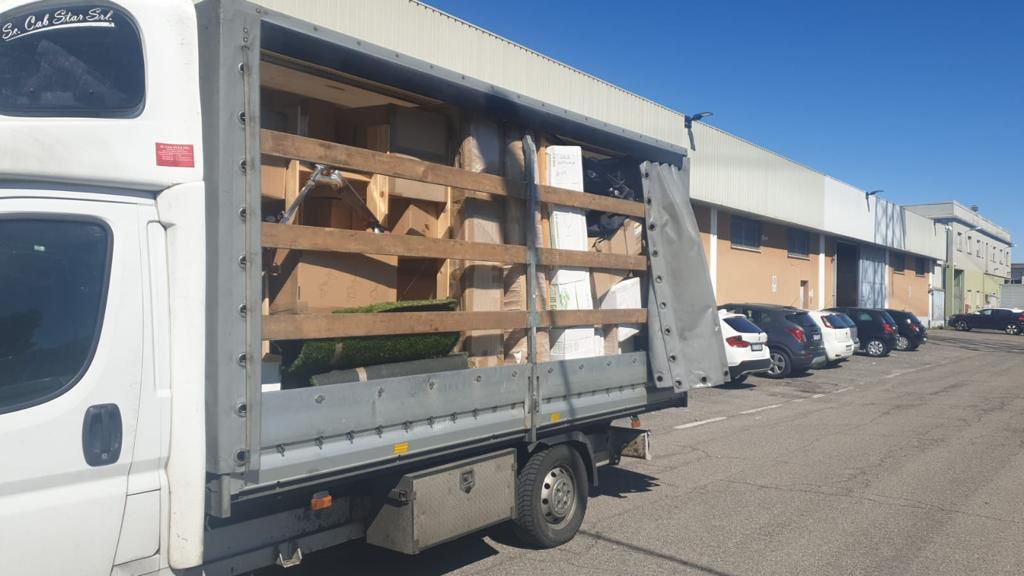
Routes into Switzerland often involve long distance driving, border planning and delivery access in busy cities. A professional removals team can help coordinate those details while protecting your furniture from avoidable damage.
If you are planning a wider relocation, you can also explore VANonsite’s dedicated removals to Switzerland service for broader moving support.
Furniture Delivery Access in Swiss Cities
Swiss delivery addresses can be wonderfully organised, but not always easy for furniture removals. Access should be checked early, especially in city centres.
In Zurich, apartment buildings can have limited parking, underground access points and busy streets. Large furniture may need careful timing, especially in dense residential districts.
Geneva is a major international relocation destination. Because of traffic, border proximity and urban density, delivery planning matters. Parking and building access should be confirmed before arrival.
Basel often connects moves from Germany and France. Cross border routes can be efficient, but customs paperwork still needs to be in order.
Bern has charming streets and older buildings in some areas. That charm can become a challenge when moving large wardrobes, sofas or dining tables.
Lausanne’s hills and apartment layouts can make furniture delivery physically demanding. A clear access plan helps protect both the team and your belongings.
Wherever you are moving, send access information before collection. Photos of entrances, lift dimensions and parking areas can save valuable time on delivery day.
Storage When Moving Furniture to Switzerland
Sometimes your furniture arrives before your home is ready. Perhaps your rental contract starts later. Perhaps renovation work is delayed. Perhaps you need time to decide what belongs where.
Storage can solve that awkward gap. VANonsite storage options can be useful when your Swiss move in date changes, you are waiting for keys, you are downsizing, you need to split delivery over two stages or your office space is not ready yet.
Storage adds breathing room. Instead of forcing everything into the wrong place on the wrong day, you can keep your furniture secure until the timing works.
Why Choose VANonsite for Moving Furniture to Switzerland?
Moving furniture to Switzerland is not only about transport. It is about trust. Your furniture may hold family memories, professional value or the comfort of home. It deserves more than rough handling and vague updates.
VANonsite brings together the practical elements that matter most: GPS tracking for every load, dedicated van and man and van options, furniture removals for single items and full homes, professional packing support, White Glove Delivery, flexible vehicle sizes from 1 m³ to 90 m³, Last Minute Moving options, storage support, office removals and office furniture installation.
The result is a service built around safety, speed and confidence. Not noisy promises. Just careful planning, professional handling and clear communication.
Quick Checklist Before Moving Furniture to Switzerland
Before your moving day, work through this checklist:
- Measure every large furniture item.
- Photograph valuable furniture before collection.
- Prepare a detailed inventory.
- Decide what to move, store, sell or donate.
- Confirm Swiss delivery address and access.
- Check lift size, stair width and parking rules.
- Prepare passport or national ID.
- Prepare residence or registration documents where applicable.
- Gather Swiss customs documents.
- Label dismantled furniture parts.
- Pack screws and fittings in sealed bags.
- Book packing for fragile or premium items.
- Choose the correct VANonsite vehicle size.
- Confirm whether you need man and van, dedicated van or White Glove Delivery.
Swiss guidance also notes that people moving within Switzerland are generally expected to register with the new commune of residence within 14 days of moving, so local registration should be part of your wider relocation planning. Official information is available at ch.ch.
FAQ: Moving Furniture to Switzerland
Can I move used furniture to Switzerland duty free?
Used household furniture may qualify for duty free import when it is part of a genuine transfer of domicile and meets Swiss customs conditions. Swiss customs guidance says imported articles must generally have been used personally for at least 6 months and continue to be used after import.
Do I need customs documents for moving furniture to Switzerland?
Yes, in most relocation cases you should prepare customs documents, a clear inventory and proof of your move. Swiss customs guidance refers to form 18.44 for household effects during the import procedure.
Is man and van suitable for moving furniture to Switzerland?
Yes. Man and van services can be ideal for smaller furniture moves, student relocations, single item transport and compact apartment loads. For larger or more valuable moves, a dedicated van may offer stronger control.
How long does furniture transport to Switzerland take?
Timing depends on the pickup country, route, load size, customs process, access conditions and service type. Dedicated transport is usually faster than shared transport because the route is more direct.
Can VANonsite move only one piece of furniture to Switzerland?
Yes. VANonsite offers flexible vehicle sizes, including Moving One for small loads and single items. This can be useful for a sofa, chair, desk, cabinet or other individual piece.
Should I dismantle furniture before moving it?
Usually yes for beds, wardrobes, large tables, modular sofas and office desks. Dismantling can reduce damage risk, save space and make delivery easier in Swiss buildings.
Can VANonsite help with packing?
Yes. VANonsite offers packing support and White Glove Delivery for fragile, premium, antique or high value furniture.
What is the best option for expensive furniture?
For valuable pieces, a dedicated van or White Glove Delivery is usually the safer choice. Fewer handling points, better protection and careful placement can make a major difference.
Is moving furniture to Switzerland worth it?
It depends on the value, condition and size of the furniture. Quality furniture, ergonomic office items, premium beds and sentimental pieces are often worth moving. Cheap or damaged bulky furniture may be better replaced.
Ready to Move Furniture to Switzerland Without Stress?
Moving furniture to Switzerland should not feel like a gamble. With the right team, the right documents and the right vehicle, your move can feel organised from the first list to the final placement.
VANonsite helps customers move furniture across Europe with secure handling, GPS tracking, flexible vehicle sizes and practical support for homes, offices, students and last minute relocations. From one sofa to a full house, your furniture deserves a careful journey.
If you are planning on moving furniture to Switzerland, start with a clear inventory and ask VANonsite for a tailored quote. The sooner the plan is built, the smoother the move will feel.