
TL:DR
- Pick your service level early: man and van for smaller loads, dedicated transport for fixed dates, part load for savings, full removals for households.
- Measure access on both ends: parking, carry distance, lifts, stair turns, and door widths.
- Choose a van with breathing room, because tight loads create scratches, pressure, and chaos.
- Protect fragile items like they are irreplaceable, or upgrade to packing and white glove handling.
- Build a simple Spain admin folder and keep originals with you, not in the load.
- Share photos or a short street to door video for faster quotes and smoother planning.
- Use GPS tracking to stay calm, then unpack essentials first so Spain feels like home on day one.
If you searched for removals to Portugal from Spain, you are already thinking like a planner. You know the Iberian Peninsula is close on the map, but a move can still feel like your life is being poured into boxes.
Now here is the curveball many people do not expect.
Plenty of moves that start as “Spain to Portugal” conversations end in Spain. A job offer in Barcelona. A family home near the Costa del Sol. A fresh start that suddenly feels more Spanish than Portuguese.
So this guide is built for one clear outcome: a complete, practical, confidence boosting plan for moving to Spain.
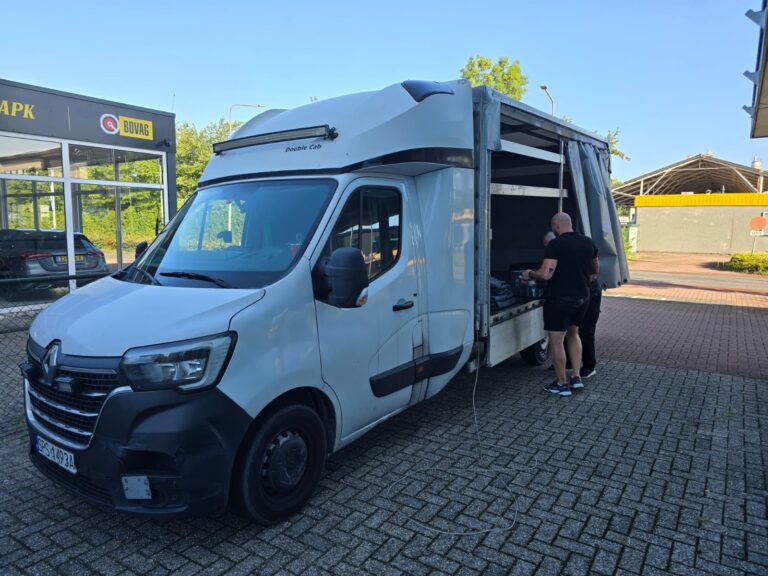
You will also see the fastest way to book transport that actually feels premium. With VANonsite, every load includes GPS tracking, so you can follow the journey instead of chasing updates. Choose a nimble man and van for a smaller move, or scale up to full removals with packing and white glove handling.
Start with the main route hub here:




Why a Spain move feels bigger than the distance
On paper, Spain is close. In real life, it can feel like a thousand tiny decisions. Not big dramatic decisions either. The small, draining ones that nibble at your energy while you are trying to work, sleep, and keep life moving.
You start asking questions like:
- What happens to the sofa
- Who packs the fragile stuff
- Can the van stop outside
- Will your load arrive when you need it
Then the emotional part sneaks in, quietly and insistently.
Your favourite mug. The lamp you hate but somehow cannot throw away. The box of photos you wrap like it is made of glass, because in a way it is.
A strong removals plan does one magical thing. It protects your energy. You arrive in Spain ready to live, not just recover.
The four friction points that make moves feel heavy
Most moving stress is not random. It comes from the same repeat offenders.
- Access: stairs, narrow landings, lifts that fit people but not furniture.
- Timing: key handovers, concierge rules, delivery windows.
- Protection: fragile items that need space, padding, and careful stacking.
- Decision fatigue: too many choices made too late.
If you handle these early, the move becomes surprisingly clean.
A tiny ritual that makes Spain feel real on day one
Pack one box like you are packing peace.
- kettle or coffee maker
- mugs and a small set of cutlery
- a towel and basic toiletries
- chargers, adapters, and a power strip
- bed linen
When that box is easy to find, your first night in Spain feels like a landing, not a scramble.
Spain vs Portugal logistics, what is similar and what changes
If you are moving within the EU, Spain and Portugal relocations share a big advantage: the move is often straightforward. You are not crossing an ocean. You are not juggling endless borders. That helps.
Still, Spain can hit you with very specific realities that change the removals plan, especially in cities and coastal areas.
- Big cities like Barcelona can have strict parking and access rules.
- Coastal towns can be beautiful and tight, with narrow streets and steep approaches.
- Some buildings have a lift, but not a furniture friendly lift.
What stays similar across Iberia
A lot of the fundamentals are shared, so you can reuse your planning framework.
- Distance is manageable, so timing can be predictable with the right service.
- Routes are well travelled, so dedicated transport can be efficient.
- A smaller move often fits perfectly into a man and van setup.
What changes when Spain is the destination
Spain often demands more attention to access and timing. The difference is not always the kilometres. It is the last 50 metres.
- City centres can mean tighter stopping zones.
- Apartment buildings can mean stair turns and lift limits.
- Coastal areas can mean steep streets and awkward parking.
If you want city specific planning, these pages help:
- Barcelona logistics: Removals to Barcelona
- Costa del Sol reality check: Removals in Mijas, Spain
The access checklist that prevents last minute chaos
Do this at pickup and delivery. It turns unknowns into decisions.
- Can the van stop legally, and how long is the carry?
- Are there stairs, and how tight are the turns?
- Is there a lift, and what is the lift door width?
- Are there building rules, bookings, or quiet hours?
One simple trick: record a quick phone video from street to front door at both places. It answers more questions than endless messages.
Choose the right service for your move
The right service is not about being fancy. It is about being smart.
Ask yourself one question:
Do you need savings, speed, or certainty?
Option A: Man and van
A man and van move is small in size, not in quality. It is perfect for:
- Studios, rooms, and smaller flats
- Student moves
- Staged relocations, essentials first, the rest later
- Tight streets where a bigger vehicle becomes a headache
If your plan is “arrive first, settle, then bring the rest,” this is often the cleanest way.
Option B: Part load
Part load means you share space with other loads. It can reduce cost, but your delivery window is usually wider.
Choose it when:
- You are flexible on dates
- You are shipping a moderate load
- You want value, not a fixed hour delivery
Avoid it if your building allows moves only on one specific day.
Option C: Dedicated transport
Dedicated transport gives you control. Fewer stops. Fewer touch points. Less handling.
Choose it when:
- You have a fixed key handover date
- You are moving premium, fragile, or sentimental items
- You want a sharper delivery window
Option D: Full removals
Full removals is for households and furniture heavy moves. It feels structured, protective, and calm.
Pair it with services that remove the heaviest stress:
Quick comparison table
| Option | Best for | Why it feels good | What to plan |
|---|---|---|---|
| Man and van | Smaller or staged moves | Fast, flexible, human | Access details and inventory |
| Part load | Lower cost, flexible schedules | Budget friendly | Wider delivery window |
| Dedicated transport | Fixed timing, premium items | High control | Higher cost, smoother day |
| Full removals | Homes and larger relocations | End to end structure | Packing level, access rules |
If you are moving as a student, this route is built for you:
If the move is mostly furniture, start here:
Vehicle sizes, pick the right one without regret
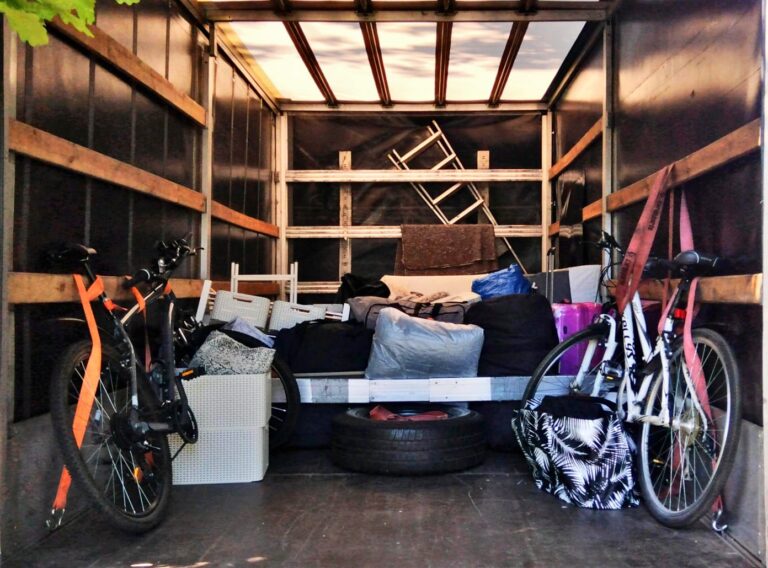
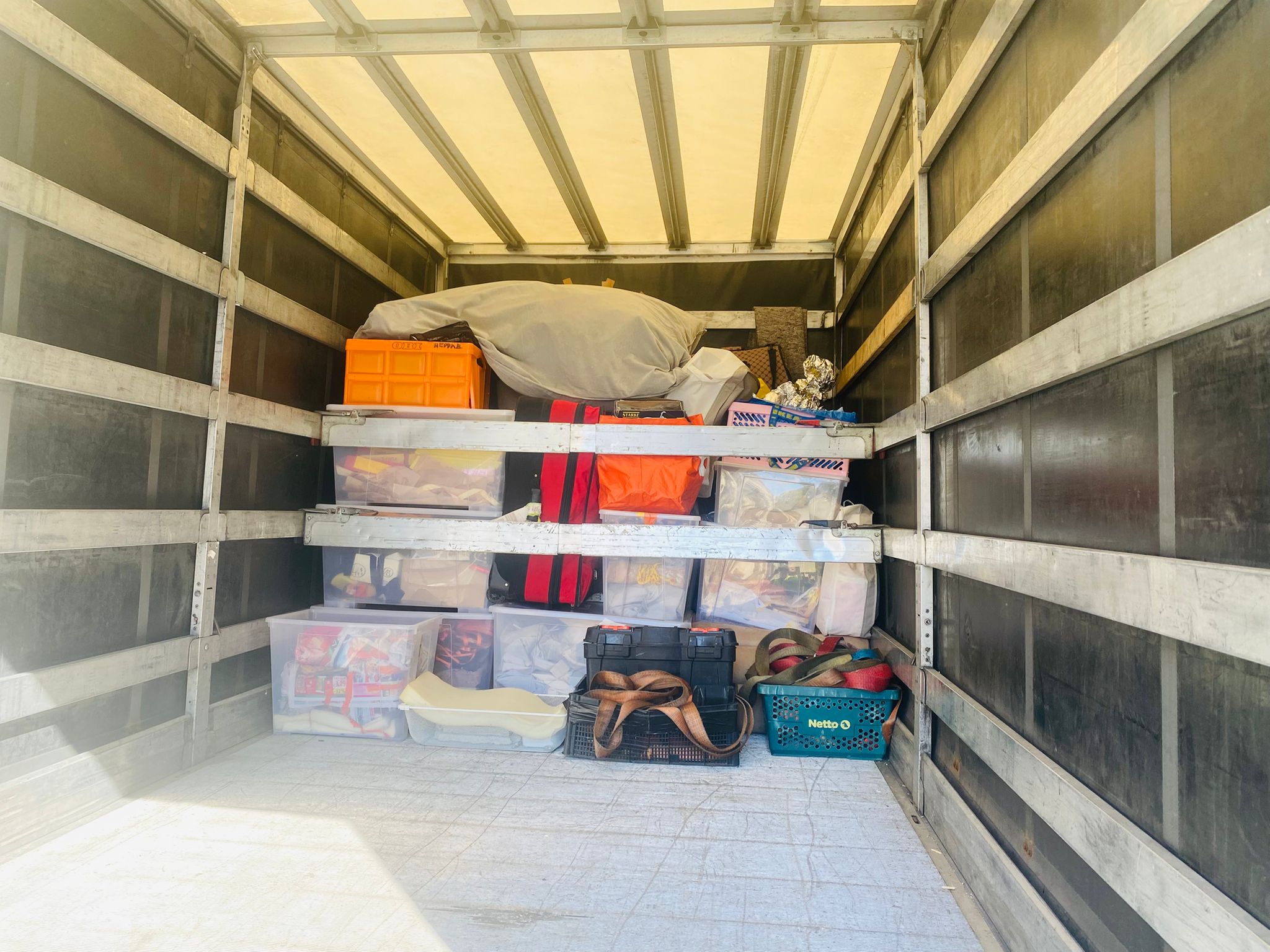
Choosing a van that is too small is the fastest way to create damage. Tight loads cause pressure. Pressure causes scratches. Scratches cause anger.
Choose breathing room. It is not waste. It is protection.
VANonsite vehicle options
| Vehicle option | Volume | Max load | Best for |
|---|---|---|---|
| Moving Basic | 5m3 | 300kg | A few boxes and small items |
| Moving Medium | 10m3 | 600kg | Studio moves, light furniture |
| Moving Premium | 15m3 | 1000kg | 1 bedroom core items |
| Moving Premium Plus | 30m3 | 3500kg | 2 to 3 bedrooms |
| Moving Full House XXL | 90m3 | 20000kg | Large homes and heavy loads |
The simple sizing rule
If your first thought is “we can squeeze it,” size up.
Do two checks:
- Count your boxes honestly, then add 20 percent.
- List your biggest items and flag awkward shapes, like an L shaped sofa or a tall wardrobe.
Packing that protects what you love
Most moving damage happens before the van moves. Packing is where moves are won or lost. When you pack with intention, the whole relocation feels lighter, because you are not gambling with the things that make your home feel like yours.
If you want the calm version of moving, upgrade protection for:
- mirrors and glass
- artwork
- TVs and monitors
- stone or marble surfaces
- designer furniture with delicate finishes
Before you touch a single box, do one quick decision that saves hours later. Choose a label system. Keep it simple and relentless.
- Room name
- Priority: 1, 2, 3
- Two to three key contents
Example: Kitchen, Priority 1, kettle and mugs.
What to buy before you pack
If you start packing without proper materials, you end up improvising. Improvisation is where scratches and breakages are born.
- double wall boxes in two sizes, standard and heavy
- strong packing tape and a tape gun
- bubble wrap, packing paper, and soft blankets
- stretch wrap for drawers, doors, and loose parts
- corner protectors for frames and mirrors
- zip bags for screws and fittings
- thick marker pens
A small detail that feels oddly luxurious: coloured labels by room. Unpacking becomes faster, and you stop opening random boxes like a tired detective.
The protect first packing sequence
This is the cleanest order for an Iberian move. It keeps heavy items safe and fragile items separated.
- Pack non essentials room by room.
- Wrap fragile pieces and label them on two sides.
- Disassemble bulky furniture, then tape the fittings bag to the item.
- Pack heavy items in small boxes, never big ones.
- Pack your First Hour box last, so it comes out first.
How to pack the tricky items
Some items do not break because they are fragile. They break because they rub for hours.
| Item type | How to pack it | Small pro tip |
|---|---|---|
| Mirrors and framed art | wrap the surface, protect corners, keep upright | mark arrows that show which side stays up |
| TV and monitors | use original box if possible, add padding around edges | remove the stand and tape screws to the back |
| Glass tables and shelves | separate pieces, wrap each, keep vertical | never stack weight on top of glass |
| Wardrobes and chests | empty drawers, wrap doors, protect corners | stretch wrap stops drawers sliding mid route |
| Sofas and upholstered pieces | cover and wrap, protect legs and corners | blanket first, then stretch wrap for breathability |
Packing rules that actually work
These are boring rules. They also save expensive mistakes.
- Wrap corners first. Corners take the hits.
- Keep glass upright, never flat under pressure.
- Bag screws and fittings, label them, tape them to the item.
- Do not overfill boxes. Heavy boxes cause accidents.
- Pack by room, not by category. Unpacking becomes quicker.
When to upgrade to professional packing or white glove handling
If you are short on time, emotionally drained, or moving items you cannot replace easily, professional help is not a luxury. It is a shortcut to a safe arrival.
Packing service is ideal when you want fewer breakages and faster loading. White glove is the premium choice when you want careful placement, delicate handling, and extra protection for finishes and floors.
Documents you may need for moving to Spain
If you are moving within the EU, removals are often straightforward. Still, settling in Spain has its own admin rhythm. The biggest win is not knowing every form. The biggest win is having your essentials ready when you need them.
Keep one folder, digital and printed. Originals stay with you, not in the load.
Your essentials folder
- passport or national ID
- proof of address in Spain (rental contract, deed, or accommodation confirmation)
- proof of address in your current country (useful for closing accounts)
- employment or study confirmation, if relevant
- removals booking confirmation and contact numbers
- a simple inventory of what you are moving
Keep these with you, not in the van
You only need one delay to understand why this matters.
| Keep with you | Why it matters |
|---|---|
| IDs and key documents | you may need them immediately for appointments |
| keys and contracts | you cannot unpack without access |
| medication and essentials | a delay should not ruin your first days |
| laptop and chargers | work and life do not pause |
| bank cards and emergency cash | moving days can be unpredictable |
Official resources that cover common steps
Start with official sources, then follow what applies to your situation.
- NIE assignment information, Spain National Police: https://sede.policia.gob.es/portalCiudadano/_en/tramites_extranjeria_tramite_asignacion_nie.php
- Appointments system (cita previa) for many immigration procedures: https://sede.administracionespublicas.gob.es/icpplustiej/icpplus/citar?locale=es
- Spain Ministry of Foreign Affairs, consular and visa guidance: https://www.exteriores.gob.es/en/ServiciosAlCiudadano/Paginas/Servicios-consulares.aspx
If you are moving from outside the EU and customs may apply, start with Spain’s official Tax Agency guidance:
- Transfer of residence relief, Agencia Tributaria: https://sede.agenciatributaria.gob.es/Sede/en_gb/no-residentes/exenciones-viajeros-embajadas-otros/traslado-actividad-empresarial-residencia-otros/traslado-residencia-franquicias-exencion-impuestos.html
Barcelona specific padrón guidance:
- Empadronamiento in Barcelona: https://ajuntament.barcelona.cat/novaciutadania/es/empadronamiento
For social security and related services, the official portal is a reliable starting point:
- Spain Social Security: https://www.seg-social.es/
A simple admin checklist for your first two weeks in Spain
Do not try to do everything in one day. Do it in the right order.
- Secure proof of address in Spain.
- Book appointments early if you need NIE related steps.
- Register locally where required, for example padrón in your municipality.
- Set up essential services, then handle the nice to have items later.
Important note: requirements depend on your nationality and situation. Always confirm using official government sources.


A timeline that keeps your move sharp
A moving timeline is not about perfection. It is about removing last minute panic. When your calendar is calm, your move feels calm. You stop sprinting. You start steering.
Think of this as a simple ladder. Each step removes a layer of stress.
8 to 10 weeks before
This is where you buy yourself breathing room.
- Choose a date window, not one fragile day
- Decide your move style: man and van for smaller loads, part load for savings, dedicated for fixed dates, full removals for households
- Declutter heavy, low value items before they steal space and budget
- Start a rough inventory, even if it is messy at first
6 to 8 weeks before
Now you turn guesses into real facts.
- Measure doorways, lifts, and tight stair turns
- Do the street reality check: where can the van stop, and how long is the carry?
- Collect photos of bulky items and fragile pieces for a cleaner quote
- If you are renting, confirm key handover times and building rules
3 to 6 weeks before
This is the sweet spot for booking. Not too early, not too late.
- Book your route and confirm access details
- Create your label system and keep it consistent
- Book packing or white glove handling if you have fragile items
- Plan your essentials travel bag so you never lose the important stuff
2 weeks before
At this point, you want steady progress. No drama.
- Pack non essentials by room
- Disassemble bulky furniture that needs it, then tape fittings to the item
- Confirm where the van can stop legally at both addresses
- Prepare a first night kit that stays with you
7 days before
This week is about protecting your energy.
- Pack your kitchen down to daily essentials only
- Empty and defrost the fridge if you are moving appliances
- Confirm lift bookings, concierge timing, and delivery window
- Print your inventory and keep a digital copy on your phone
48 hours before
This is where you take control of the small, powerful details.
- Protect furniture corners
- Separate documents, valuables, chargers, medication
- Pack a “First Hour” box and load it last
Arrival day in Spain
Do not try to be heroic. Be strategic.
- Make the bed first
- Set up bathroom essentials
- Create a small kitchen corner for water, coffee, and a quick meal
- Unpack Priority 1 boxes only, then rest
A small truth: the best moves do not feel rushed. They feel inevitable.
What affects the cost and how to keep it smart
A good quote is built on details, not hope. Price is rarely about kilometres alone. It is about time, handling, and how precise your plan needs to be.
Main cost drivers
- Distance and route
- Volume and weight
- Access time, stairs, lifts, long carries
- Packing and fragile handling level
- Timing, weekends, peak season
- Storage if keys do not line up
The hidden cost drivers people forget
These are the ones that can turn a simple move into a longer day.
- Long carry distance from legal parking to the door
- Narrow stair turns that slow down loading
- Lift bookings or strict building time windows
- Disassembly and reassembly needs
- Premium items that require extra protection and space
- Waiting time for keys, concierge access, or delayed handover
How to lower the price without lowering safety
You can absolutely save money. Just do it with levers that do not invite damage.
- Declutter early, especially bulky low value items.
- Share accurate access info, including stairs, lift door width, and carry distance.
- Choose the right vehicle size, tight loads are a false economy.
- Group small items into sturdy boxes and keep heavy items in small boxes.
- Be flexible on dates if you can, even a few days can change the quote.
- Disassemble simple furniture in advance if you can do it safely.
- Keep fragile items protected and separated, or upgrade to packing support.
Cost drivers and the smartest way to respond
| Cost driver | What it changes | Smart way to keep it efficient |
|---|---|---|
| Volume and weight | vehicle size, loading time | declutter, give an honest inventory |
| Access and carry distance | labour time, risk of damage | share photos and street to door video |
| Fixed delivery deadlines | scheduling and routing | choose dedicated transport when timing is strict |
| Fragile and premium items | handling time and protection | pack properly or add white glove handling |
| Weekends and peak periods | availability and pricing | choose a weekday window if possible |
| Storage gaps | extra handling and logistics | confirm keys early, plan a staged move if needed |
What to send for a quote that feels accurate
If you want a quote that feels clean, send one message with:
- pickup and delivery postcodes
- floor level and lift or stairs details
- rough box count and list of large items
- photos of bulky or fragile pieces
- your date window
- access notes, parking rules, narrow streets, long carry
If you add one extra thing, make it a short video from street to front door at both addresses. It turns uncertainty into clarity, fast.
Where in Spain you are going changes the whole move
Spain is not one moving environment. It is a mosaic of different realities. The same van can feel effortless in one place, then feel like a logistical chess match in another.
A Barcelona move is different from a Costa del Sol move, and both are different from a rural village delivery. The difference is not just traffic. It is access rules, building styles, and how much of the move happens in the street.
A fast destination reality check
| Destination type | Examples | What it often means | Best fit options |
|---|---|---|---|
| Big city intensity | Barcelona, Madrid | tighter access, stricter stopping zones, sharper timing | dedicated transport, man and van for smaller loads |
| Coastal lifestyle | Mijas, Costa del Sol | narrow streets, hills, seasonal pressure | dedicated or carefully planned part load |
| Smaller cities | Valencia, Malaga | often easier access, still needs planning | dedicated, part load, full removals |
| Rural calm | villages and countryside | easier parking, longer driveways, uneven roads | full removals, dedicated transport |
Big cities: Barcelona and Madrid
Cities are thrilling. They are also unforgiving on moving day.
What usually matters most:
- Legal stopping and time limits
- Loading speed
- Lift bookings and building rules
- Narrow stair turns in older buildings
If you are moving into Barcelona, treat access like a serious part of the plan, not a footnote. It is one of the quickest ways to avoid a move that drags on for hours.
- Barcelona planning: Removals to Barcelona
Coastal Spain: Costa del Sol, Mijas, and the beautiful complications
The coast feels like a postcard. The streets can feel like a ribbon.
Common coastal challenges:
- steep approaches and tight corners
- limited parking and long carries
- holiday seasons that compress availability
- gated communities with delivery rules
This is where a calm, precise removals plan shines. When the street is tight, you want fewer surprises, fewer touch points, and a team that moves with care.
- Costa del Sol specifics: Removals in Mijas, Spain
Smaller cities: Valencia and Malaga
These can be a sweet spot. You often get better access than the biggest cities, while still enjoying the energy of a real Spanish city.
Even here, the smart move is the same: share access details early. If the van can stop close, the whole day becomes simpler.
Rural Spain: villages, fincas, and long driveways
Rural moves look easy until you arrive.
- long driveways and uneven ground
- narrow lanes
- bigger furniture loads
- more “awkward items” like garden furniture, tools, and bulky storage
Rural moves often benefit from full removals or dedicated transport, because you want structure and fewer stops.
Two micro questions that change the plan instantly
Ask these for any destination, then your quote becomes more accurate.
- Can the van stop within 20 metres of the door?
- Is there a lift, and does furniture fit inside it?
If the answer to either is “no,” the move is still possible. It just needs the right service level and the right timing.
If you are comparing city routes, these guides help:
10) Why VANonsite is the calm choice for Spain removals
You are not only paying for transport. You are paying for care, timing, and trust. You are paying to arrive with your items intact and your nerves still in one piece.
With VANonsite you get:
- GPS tracking for every load, so you stay in control
- Flexible options from man and van to full removals
- Professional packing when you want fewer breakages
- White glove delivery for premium, fragile, or awkward access
- Storage when your keys do not line up
What “premium” actually means on moving day
Premium service is not a marketing word. It is what your move feels like.
- Your fragile items are protected, not squeezed into gaps.
- Your furniture arrives without mystery scratches.
- Your timeline is respected, not treated like a suggestion.
- Your communication feels steady and human.
And the quiet superpower is visibility. GPS tracking turns hours of anxious waiting into a simple glance.
Choose the right VANonsite service for your Spain move
| Your situation | Best match | Why it helps |
|---|---|---|
| A smaller move or staged relocation | man and van | flexible, fast, ideal for tight access |
| Fixed key handover date | dedicated transport | fewer touch points, sharper timeline |
| You want savings and flexible timing | part load | value without sacrificing care |
| A full home and furniture heavy move | home removals | structure and end to end handling |
| Premium furniture, fragile pieces, or luxury finishes | white glove delivery | careful placement and extra protection |
| You are exhausted and short on time | packing service | fewer breakages, faster loading |
Explore services:
Related routes and planning pages
If Spain is your base and you are also planning other European moves, these route pages can help you compare options. They are useful when you are planning a multi step life change, not just one move.
- Removals London to Spain
- Shipping furniture to Spain
- Removals Spain to France
- Removals to Belgium from Spain
- Removals to Germany from Spain
FAQ
Is a man and van enough for a Spain move?
Yes, if you are moving light, moving in phases, or moving into a place with tricky access. A man and van move is often the fastest way to land softly.
It is also a brilliant option when you want to move essentials first, then bring the rest once you know your new place. If you are unsure, the easiest rule is this: if your load is mostly boxes and a few key pieces, start with a man and van.
How long does a Spain move usually take?
It depends on distance, access, and whether your route is dedicated or shared. The real time killer is rarely the road. It is the last stretch from van to door.
If you want a tighter delivery window, dedicated transport usually feels calmer than a shared schedule.
Do I need customs paperwork?
If your move is within the EU, customs is usually not the headline. If you are moving from outside the EU, customs may apply. Use Spain’s official Tax Agency guidance here:
If you are unsure which category you fall into, start with official sources first, then plan transport around the timeline you realistically have.
Can I track my load during transport?
Yes. VANonsite provides GPS tracking for every load, so you can follow progress without guesswork. It is the difference between anxious waiting and quiet certainty.
What should I do if my street is narrow or parking is limited?
Tell us early, then the plan gets smarter.
- Share a short street to door video.
- Mention double yellow lines, gates, or concierge rules.
- Confirm if the building needs a booked lift.
This is exactly where a man and van can shine, because smaller vehicles can handle awkward access more easily.
Do you handle packing and fragile items?
Yes. If you want fewer breakages and a faster loading day, add a packing service:
If your items are premium, sentimental, or simply difficult to move without risk, white glove delivery adds another layer of protection:
I am moving mostly furniture. What is the best option?
If your move is furniture heavy, choose a service that is built for it. It protects finishes, reduces handling, and keeps the load stable.
For full household moves, this is the best starting point:
Can you do storage if my keys do not line up?
Yes. Storage can save a move that would otherwise feel rushed. It is especially useful when your rental ends before your new keys are ready.
What is the biggest mistake people make?
Underestimating access. A narrow stair turn or a strict parking zone can change timing fast. Share lift details, stairs, and where the van can stop, and the move becomes predictable.
The second biggest mistake is underestimating volume. Tight loads are a false economy. They create pressure, and pressure creates damage.
Ready to move to Spain with confidence?
If you want a quote that feels clean and accurate, send one message with:
- Pickup and delivery postcodes
- Floor level and lift or stairs details
- Rough box count and list of large items
- Photos of bulky or fragile pieces
- Your date window
- Any access notes, narrow streets, parking limits, long carry
If you want the fastest, most accurate planning, add a short video from street to front door at both addresses. It turns uncertainty into clarity.
Then we will match you with the right vehicle size, the right service level, and a calm plan from pickup to placement.
Start here:
If you are also mapping out Spain routes, these pages can help you compare options quickly: