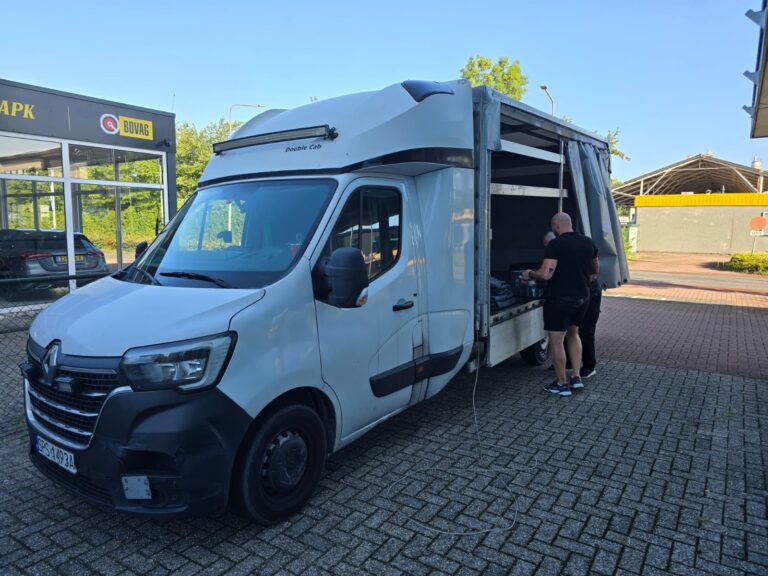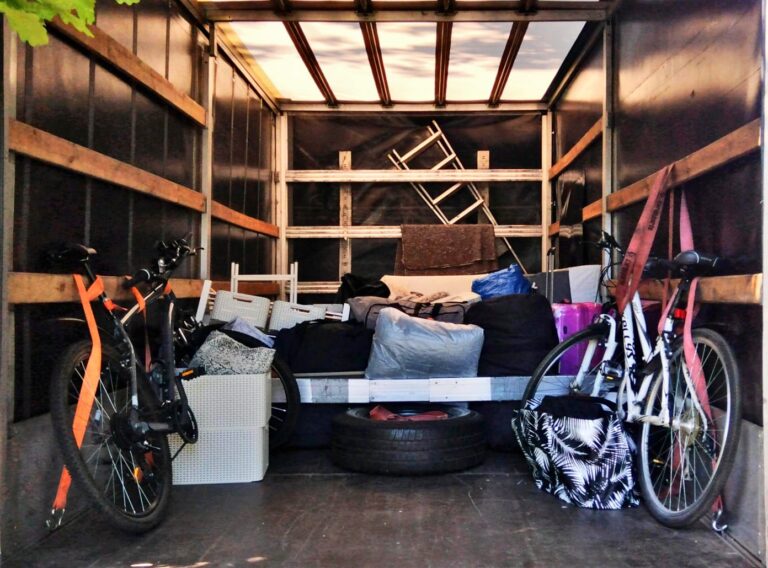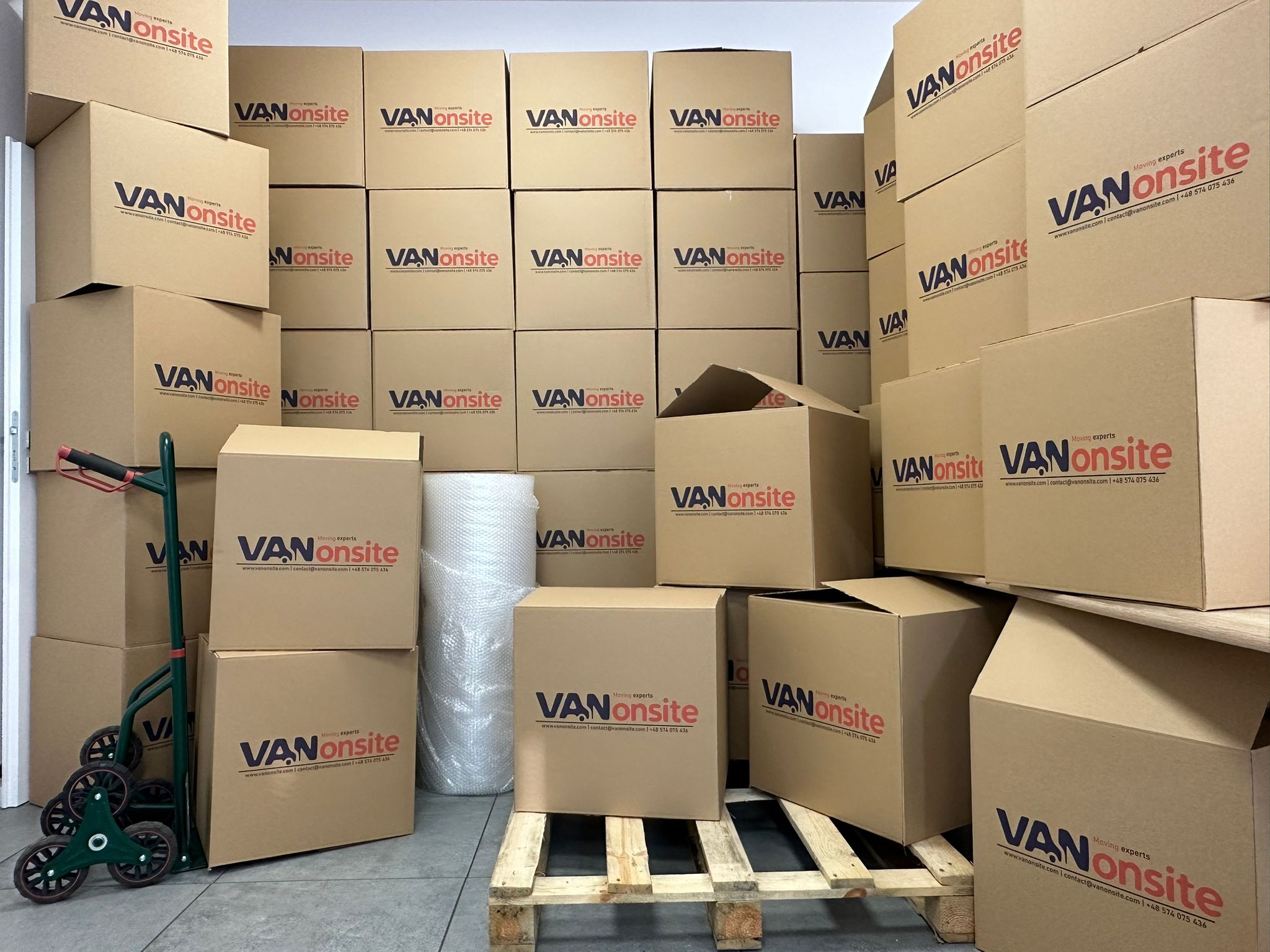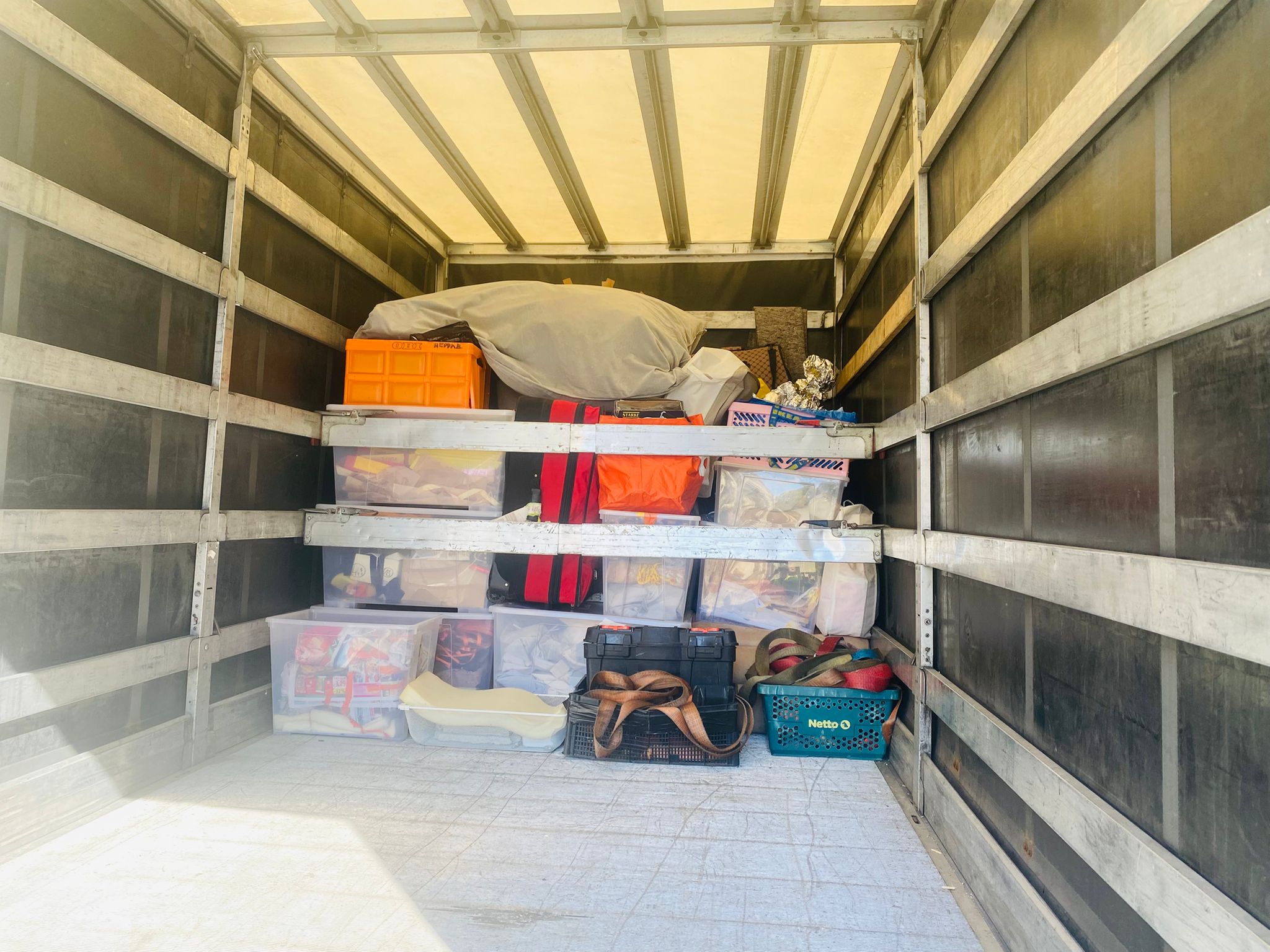

Removals from England to Spain are exciting on paper, yet intense in real life. One day you are sorting cupboards, the next you are thinking about customs, keys, and whether your sofa will survive a thousand miles of motorway. This guide gives you a clean plan with real numbers, realistic timelines, and a checklist you can actually use. You will also see when a dedicated man and van is worth it, when a part load saves money, and how VANonsite keeps every load visible with GPS tracking.
TL:DR
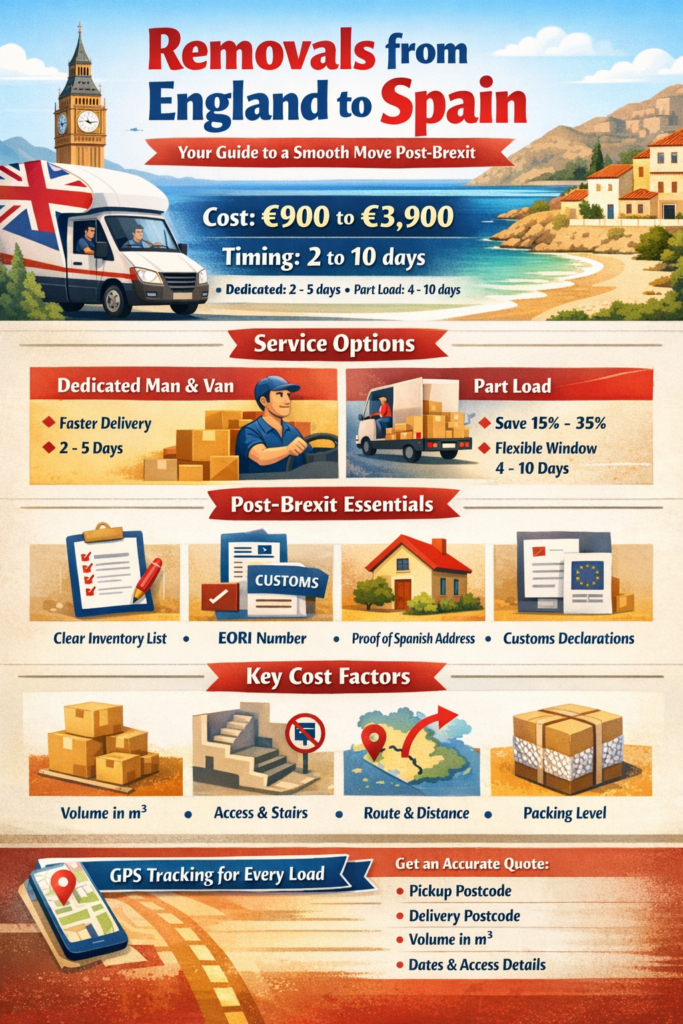
- Typical cost for removals from England to Spain is often €900 to €3,900, driven mainly by volume, route, and delivery speed
- Dedicated man and van removals usually deliver in 2 to 5 days, part load often takes 4 to 10 days
- Part load can save 15% to 35% if your dates are flexible, while dedicated buys you certainty and fewer handling touchpoints
- Post Brexit moves need strong paperwork and a clear inventory, because delays can add cost fast
- Access details matter: stairs, long carries, parking rules, and lift bookings can change the quote
- The biggest mistakes are wrong volume estimates, no inventory, and a delivery window that is too tight
- Quickest way to get an accurate quote: send pickup postcode, delivery postcode, your m3 estimate, floor levels, parking notes, and preferred dates




Quick answer section
How much do removals from England to Spain cost
Give the reader a fast number, then show exactly what moves it.
Typical price bands by volume and service
| Your load (m3) | Best fit | Typical price band | Best for |
|---|---|---|---|
| 1 to 3 m3 | Moving One or shared space | €900 to €1,400 | boxes, essentials, small man and van style moves |
| 4 to 8 m3 | Moving Basic or Medium | €1,200 to €2,200 | student move, studio, a few furniture pieces |
| 9 to 15 m3 | Moving Medium or Premium | €1,900 to €3,200 | studio to 1 bed, furniture included |
| 16 to 30 m3 | Moving Premium Plus | €3,000 to €4,900 | 2 to 3 bed, heavier items |
Add a short clarifier under the table:
- Dedicated removals usually cost more, but they buy speed, schedule certainty, and fewer handling touchpoints.
- Part load is usually cheaper because you share transport costs.
Part load savings, and the tradeoff
- Typical saving with part load: 15% to 35%
- Typical tradeoff: longer delivery window and less control over exact arrival hour
Whant to know more?:
- For a tailored route quote, link to https://vanonsite.com/removals-to-spain/
How long does it take
Give clear ranges, then explain why two moves can differ by days.
Typical delivery times
- Dedicated vehicle: usually 2 to 5 days door to door
- Part load: usually 4 to 10 days, sometimes longer if consolidation is needed
What can add 12 to 48 hours
- Customs steps and document checks when paperwork is incomplete
- Waiting for keys, lift slots, or building access at either end
- City access restrictions, especially tight streets and limited loading zones
- Long carries and stairs when parking is far from the entrance
- Weather disruption and route re planning
Add one sentence that keeps it actionable:
- The fastest way to protect your timeline is simple: share postcodes, floor levels, lift availability, and parking notes upfront.
Table: price drivers at a glance
This is the section that makes your quote feel predictable. Use it like a control panel. Change the right lever and the price moves without you sacrificing safety.
| Driver | Why it matters | Typical impact | How to reduce cost |
|---|---|---|---|
| Volume in m3 | space is the price anchor, even 2 m3 changes the quote | often 5% to 20% swing | declutter hard, measure honestly, use uniform boxes |
| Route and pickup city | northern vs southern England changes distance and routing | often 5% to 15% | flexible pickup window, choose efficient collection points |
| Service type | dedicated costs more, part load shares costs | often 15% to 35% difference | choose part load if flexible, choose dedicated for deadlines |
| Delivery window | fixed day delivery locks the route | often 5% to 15% | offer a 2 to 4 day window if you can |
| Access and handling | stairs, long carries, permits add time on site | can add 1 to 4 hours on site | book lifts, reserve parking, share door codes and restrictions |
| Packing level | protection prevents damage and wasted space | often 5% to 20% | use packing service for fragile loads, label and stack smart |
| Customs and paperwork | missing docs cause delays and added handling time | can add 12 to 48 hours | prepare inventory, keep paperwork ready, follow official guidance |
| Restricted and sensitive items | some items need extra checks or cannot travel | delays or refusal risk | confirm what you ship early, avoid prohibited items |
| High value items | higher value often means more protection and documentation | low to medium | list high value items clearly, consider white glove handling |
| Storage needs | date mismatches can force storage and redelivery | medium to high | plan key handovers, add a buffer day, use storage only when needed |
Post Brexit reality check
UK to Spain moves changed because the border now treats your belongings like international goods. That does not need to feel scary. It just means the move rewards preparation.
What changed in plain English
- You may need customs steps that did not exist before, which can add a buffer of 12 to 48 hours if paperwork is missing.
- An itemised inventory matters more. It is the difference between smooth clearance and a frustrating pause.
- Your timeline benefits from planning a wider window, especially for part load.
The essential paperwork set
Keep it simple. Most smooth removals start with these basics.
- An EORI number may be needed for moving goods between Great Britain and other countries. Official UK guidance: https://www.gov.uk/eori. (gov.uk)
- Check how declarations work for personal goods leaving or entering the UK: https://www.gov.uk/guidance/check-how-to-declare-personal-goods-you-bring-into-or-take-out-of-the-uk. (gov.uk)
- For broader export steps from the UK, use this official overview: https://www.gov.uk/export-goods. (gov.uk)
- If you need to check whether a customs declaration is required, start here: https://www.gov.uk/check-customs-declaration. (gov.uk)
On the Spain side, if you are transferring your usual residence to Spain, there can be customs and tax relief on importing personal property if conditions are met. Start with the Spanish Tax Agency guidance here: https://sede.agenciatributaria.gob.es/Sede/en_gb/no-residentes/exenciones-viajeros-embajadas-otros/traslado-actividad-empresarial-residencia-otros/traslado-residencia-franquicias-exencion-impuestos.html. (sede.agenciatributaria.gob.es)
A practical customs ready checklist
Use this list to avoid the delays that create extra costs.
- Inventory list with clear descriptions and estimated values
- Proof of address in Spain, such as a rental contract or completion document
- Proof you are moving residence, where relevant
- A clear delivery contact and access notes for Spain
Dedicated vs part load after Brexit
Dedicated and part load both work. The right choice depends on how much certainty you need.
Dedicated is usually best when:
- You have fixed keys and a tight move in date
- You are moving fragile furniture and want fewer handling touchpoints
- You want a cleaner customs plan with one straight route
Part load still makes sense when:
- You can accept a delivery window, not a fixed hour
- Your load is smaller and you want the strongest value
- You are happy to trade speed for savings of 15% to 35%
Related artices:
- https://vanonsite.com/spain-removals/how-much-money-do-i-need-to-move-to-spain-after-brexit/
- https://vanonsite.com/spain-removals/how-long-can-british-stay-in-spain/
What affects the price the most
This is the part that helps readers stop guessing. Most quotes are not random. They react to a few core variables, and you can influence more of them than you think.
1) Volume in m3 is the anchor
If distance is the road, volume is the fuel. Space is what you are really buying. Even a small drop in volume can move the quote because it changes van tier, routing options, and how efficiently the load can be stacked.
Quick volume rules of thumb
Use these as planning shortcuts when you do not have time for measurements.
- 10 to 15 medium boxes often sit around 1 m3
- A sofa often takes 1.5 to 3 m3 once wrapped and protected
- A mattress can take 1 to 2 m3 depending on size
- A wardrobe can take 1.5 to 4 m3 depending on whether it dismantles
- A washing machine often sits around 0.3 to 0.6 m3 but adds weight fast
Why 2 m3 less can reduce the quote
2 m3 is not just two extra boxes. It can be the difference between:
- A smaller van tier versus an upgrade.
- A cleaner stack versus wasted gaps.
- A part load fit versus needing extra space.
A realistic declutter target is 10% to 25% of your total volume. It sounds brutal, yet it is common once people remove duplicates, old furniture, and items that cost more to ship than to replace.
Micro checklist to cut volume without regret
- Ship what you love and use weekly.
- Sell bulky low value furniture that is easy to replace in Spain.
- Keep sentimental items, but pack them tighter and smarter.
- Use uniform boxes where possible, because tidy stacking reduces dead space by 5% to 10%.
2) Access and handling
Access is where time leaks out. Time is money. The same 10 m3 can take 60 minutes to load at one property and three hours at another.
Common access multipliers:
- Stairs with no lift
- Long carry distance from door to van
- Tight streets with limited stopping time
- Parking permits or loading bay bookings
- Narrow stairwells that force dismantling
London flat vs suburban house
- London flat, 3rd floor, no lift, restricted parking: loading is slower, carrying is longer, and permits may be needed.
- Suburban house with driveway: direct access, faster loading, fewer risks, often a lower quote.
A small detail like a lift booking can decide whether the job runs smoothly or becomes a stressful time trap.
3) Timing and seasonality
Moving demand has peaks. When demand is high, routes are tighter and quotes can rise.
High pressure periods usually include:
- End of month and weekends
- Summer holiday weeks
- Student start periods
If you can widen your pickup window to 2 to 4 days, you often unlock better routing and a calmer price.
4) Route and crossings
England to Spain is not one route. It is a family of routes. Your pickup city matters because it changes total mileage, driving hours, and which crossings make sense.
Crossing styles, without the brand names
- Train shuttle crossing: often faster and more direct, usually a clean option for tight timelines.
- Ferry crossing: can be cost effective and practical for some lanes, but schedules and waiting can add time.
Why your pickup city in England matters
A pickup in the South East can shorten the route compared to a pickup in the North West, even when delivery is the same Spanish city. That difference influences:
- Fuel and driving hours
- Whether a dedicated man and van can hit a tighter delivery promise
- How viable part load consolidation is


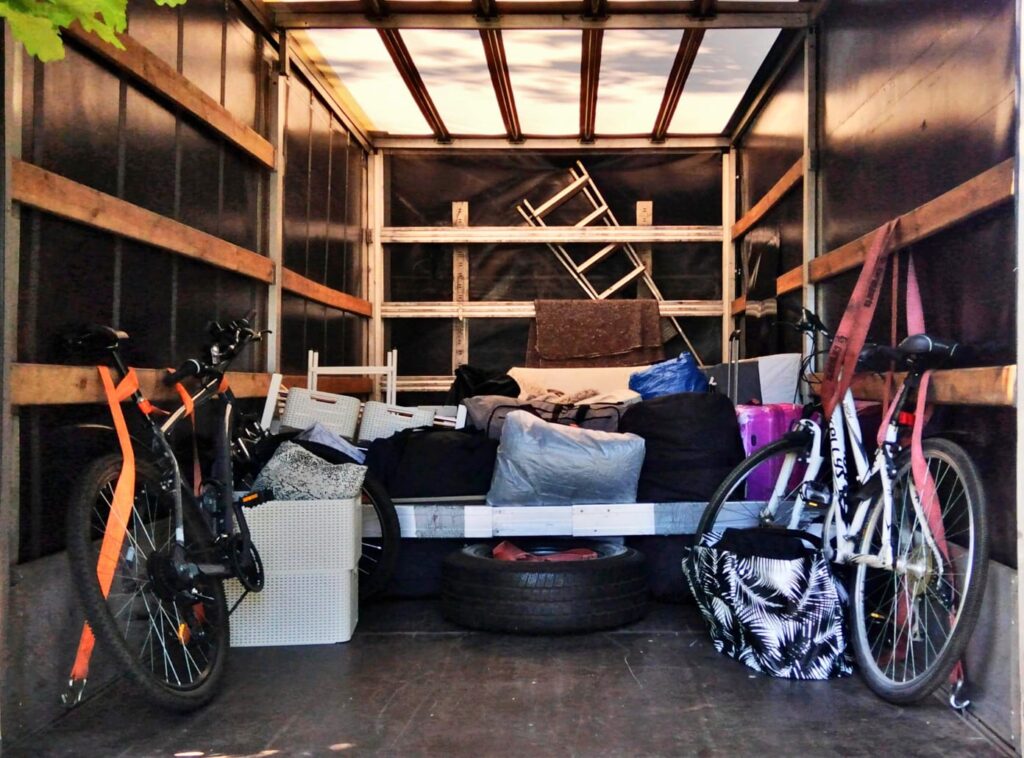
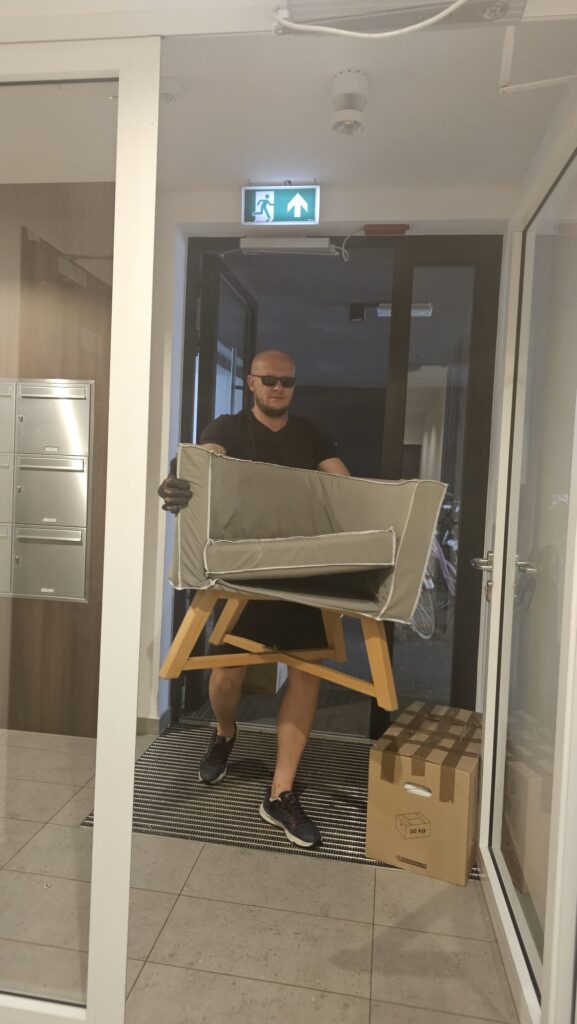
Dedicated man and van vs part load
This decision typically shapes both price and peace of mind more than anything else. One buys certainty. The other buys savings.
Dedicated vehicle
Dedicated means the van is yours. The route is built around your dates, your addresses, and your delivery window.
Best for:
- Fixed keys and strict move in deadlines
- Fragile furniture and high value items
- Families and full room moves where predictability matters
Benefits:
- Fewer handling touchpoints
- Faster delivery, often 2 to 5 days
- Cleaner schedule with fewer surprises
Part load
Part load means you share space with other customers on a planned route. It is the value option when you can wait.
Best for:
- Flexible dates and smaller loads
- Students, boxes, and selected furniture pieces
- Anyone happy with a delivery window rather than a fixed hour
Benefits:
- Typically 15% to 35% savings
- Efficient use of vehicle space
- Great for compact moves when the timeline is not urgent
Comparison table
| Feature | Dedicated man and van | Part load |
|---|---|---|
| Typical cost | Higher | Lower |
| Delivery speed | Faster, often 2 to 5 days | Slower, often 4 to 10 days |
| Flexibility needed | Low | Medium to high |
| Handling moments | Fewer | More |
| Best for | deadlines, fragile furniture, full room moves | flexible dates, smaller loads, budget focus |
Decision cheat sheet
Choose dedicated if:
- Your keys are fixed.
- You cannot risk delays.
- You have items that would hurt to replace.
Choose part load if:
- You can wait.
- Your load is compact.
- You want the lowest total price.
Want to transport only few items?
Choose your vehicle size
Picking the right van is one of the fastest ways to keep your quote fair. Too small and you risk a last minute upgrade. Too big and you pay for space you never use. Aim for a tier that gives you a little breathing room without buying air.
Table: VANonsite vehicle tiers
| Vehicle tier | Capacity | Max payload | Best for |
|---|---|---|---|
| Moving One | 1 m3 | 100 kg | a few boxes, urgent essentials, suitcase level moves |
| Moving Basic | 5 m3 | 300 kg | student moves, small studios, boxes plus a couple of items |
| Moving Medium | 10 m3 | 600 kg | studio to 1 bed, light furniture, tidy stacking |
| Moving Premium | 15 m3 | 1,000 kg | 1 bed with furniture, more certainty and fewer compromises |
| Moving Premium Plus | 30 m3 | 3,500 kg | 2 to 3 bed, heavier items, bulky furniture |
| Moving Full House XXL | 90 m3 | 20,000 kg | full household relocation, staged loading, large inventories |
What fits what
Use these as quick planning anchors. They are not perfect, but they are accurate enough to avoid underbooking.
- Moving One (1 m3): 10 to 15 medium boxes, or just the essentials for a fast move
- Moving Basic (5 m3): 40 to 60 boxes, or a student move with a desk and chair
- Moving Medium (10 m3): studio move with a bed, small sofa, and boxes
- Moving Premium (15 m3): 1 bed home with furniture, including a wardrobe and dining set
- Moving Premium Plus (30 m3): 2 to 3 bed home, heavier items, bigger furniture sets
- Full House XXL (90 m3): full home relocation, multiple rooms and large furniture pieces
Quick volume estimator
If you want a faster, more accurate quote, collect two numbers.
- Your box count
- A list of your biggest items
Then use these quick rules:
- 10 to 15 medium boxes often sit around 1 m3
- A sofa often takes 1.5 to 3 m3 once wrapped
- A mattress often takes 1 to 2 m3
Most people underestimate by 10% to 20%. Adding a small buffer usually prevents upgrades.
Services that upgrade the move
These upgrades are where a UK to Spain move starts feeling premium. They protect your belongings, reduce delays, and can actually lower overall costs by preventing damage, waiting time, and re delivery.
Packing service
Packing is not just neatness. It is speed and protection.
Benefits you can feel:
- 5% to 12% less wasted space through tighter stacking
- Faster loading, which matters when streets have strict stopping rules
- Lower breakage risk for glass, ceramics, and electronics
Packing is worth it when:
- You have fragile items or mixed box sizes.
- You are moving furniture that scratches easily.
- You have fixed keys and want fewer moving parts.
Link: https://vanonsite.com/packing-services/
Furniture removals
Furniture is where long distance moves either feel effortless or painful. Bulk, sharp corners, and flat pack joints punish rushed handling.
Ideal for:
- Sofas, wardrobes, beds, dining sets
- Flat pack that needs careful dismantling and secure loading
- Moves where damage would be expensive or heartbreaking
Link: https://vanonsite.com/furniture-removals/
White glove delivery
White glove delivery is for the items you do not want to compromise on. It adds calm handling, careful placement, and a smoother first night.
Best for:
- Designer furniture, art, instruments, premium electronics
- Room of choice placement and setup focused delivery
Link: https://vanonsite.com/white-glove-delivery-service/
Home removals, office removals, student removals
Choose the move type that matches your life stage, because it changes the plan and the pace.
- Home removals: https://vanonsite.com/home-removals/
- Office removals: https://vanonsite.com/office-removals/
- Student removals: https://vanonsite.com/student-removals/
A fast decision cue:
- Home removals for mixed loads and calmer sequencing
- Office removals for speed and minimal downtime
- Student removals for compact, budget focused moves
Storage and last minute moving
These services protect you when real life refuses to stay on schedule.
Storage saves money when:
- Your move out date and move in date do not align
- Keys are delayed and you want to avoid re delivery fees
Last minute moving saves money when:
- You need pickup within 48 to 72 hours and cannot risk losing your slot
- A plan changed and you want a clean reset rather than patching chaos
Short truth: storage buys you time, last minute moving buys you speed.
Documents checklist for moving to Spain
Paperwork is what separates a smooth arrival from a stressful pause at the worst possible moment. If you keep your documents ready, your removals from England to Spain move becomes simple. The van can move. You can breathe.
UK side
Start with the UK government overview for living in Spain. It helps you align your move with visas, residency, healthcare, and practical steps.
- Official UK guidance: https://www.gov.uk/guidance/living-in-spain
If your move involves exporting goods and customs steps, keep these official pages bookmarked too:
- EORI number (if needed): https://www.gov.uk/eori
- Declaring personal goods: https://www.gov.uk/guidance/check-how-to-declare-personal-goods-you-bring-into-or-take-out-of-the-uk
Spain side
For Spain, use official government portals first. They keep you away from outdated blog advice.
- General public administration portal: https://administracion.gob.es/
- Ministry of Foreign Affairs: https://www.exteriores.gob.es/
If you are handling residency and admin steps, the Practical relocation guide makes the flow clearer and keeps your move focused:
Quick document pack
Keep these in your personal bag, not in the load. Even on a dedicated man and van move, you want zero risk.
- Passport and copies
- Proof of address in Spain (rental contract, purchase completion, or official confirmation)
- Proof of work or study, or proof of funds
- Inventory list for your shipment, with estimated values
- Insurance documents and a simple photo record of high value items
Table: documents by situation
| Situation | Key docs to prepare | Where to start | Common mistakes |
|---|---|---|---|
| EU citizen moving to Spain | passport or ID, proof of address, proof of income or funds | UK overview + Spain portals | arriving without proof of address, underestimating appointment lead times |
| UK citizen after Brexit | passport, proof of residence plan, inventory list, customs ready paperwork | UK living in Spain guidance + EORI and declarations pages | no itemised inventory, missing customs steps, delivery window too tight |
| Student | passport, admission letter, proof of accommodation, proof of funds | UK guidance + school guidance + Spain portals | shipping too much, not planning part load timelines, packing fragile items poorly |
| Family move | passports, marriage certificate, birth certificates, school documents, proof of address | UK guidance + Spain portals | leaving key documents in boxes, not planning access at delivery property |
| Employed or self employed | work contract or client proof, proof of income, address proof, insurance docs | UK guidance + Spain portals | unclear income proof, rushing paperwork, forgetting to keep originals with you |
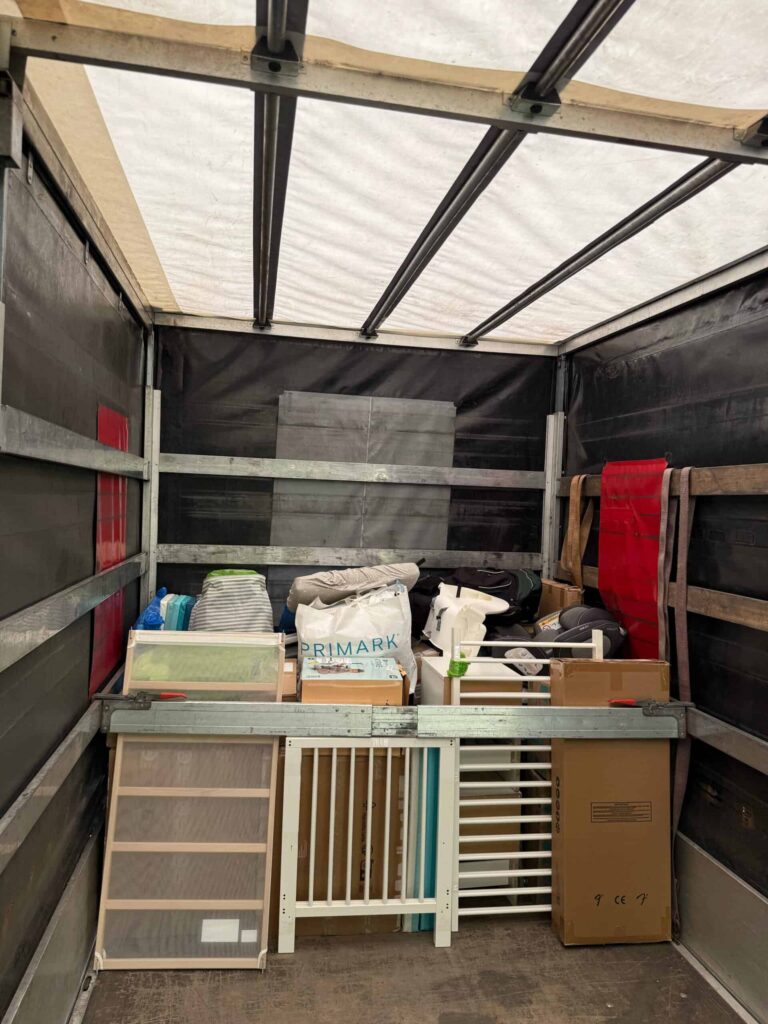
How to avoid the biggest mistakes
This is where most money is quietly lost. Not because the move is hard, but because tiny oversights snowball into delays, re delivery, or upgrades.
The 6 mistakes that cost the most
- Wrong volume estimate
Underestimating by 10% to 20% is common. It can force a van upgrade or create stacking chaos. - No itemised inventory
A vague list slows customs checks. A clean inventory keeps the route moving. - A delivery window that is too tight
Fixed hour delivery adds routing pressure. A wider window often protects both price and timeline. - Access not planned
No parking plan, no lift booking, no door codes. That turns minutes into hours. - Fragile items packed like normal items
Glass and electronics need protection. Packing service can reduce wasted space by 5% to 12% and lower breakage risk. - Critical documents packed in the load
Keep passports, contracts, and inventories with you, always.
A quick prevention checklist
- Confirm floor level, lift availability, and parking at both properties
- Prepare an inventory list with values
- Keep a 2 to 4 day window if you choose part load
- Make an essentials box for the first 48 hours in Spain
Internal deep dive:
Step by step timeline
A UK to Spain move feels lighter when each week has one clear job. Use this timeline and you will avoid the costly scramble.
8 to 6 weeks before
Start with decisions that shape the whole quote.
- Choose dedicated man and van vs part load based on your deadlines
- Declutter with intent, aim to cut 10% to 25% of volume
- Make a simple inventory list, room by room, and photograph high value items
- Check access rules at both addresses, parking restrictions, lift bookings, and quiet hours
- Confirm what you are not shipping, aerosols, certain batteries, and restricted items
5 to 3 weeks before
Now you turn your plan into a schedule.
- Confirm pickup and delivery windows, add a buffer day if possible
- Decide on packing level, DIY, packing service, or white glove delivery for key items
- Book permits or reserved loading space if your street needs it
- If you are renting, align your key handovers so you do not pay for storage
- Collect your documents into one folder, passport copies, address proof, inventory
14 to 7 days before
This is the week that prevents breakages.
- Start boxing non essentials, label by room and priority
- Keep box weight sensible, aim for 15 to 20 kg
- Dismantle bulky furniture early and bag screws in labelled zip bags
- Protect fragile items with double wrap and rigid corners
- Prepare a first night kit for Spain, bedding, toiletries, chargers, kettle, basic tools
72 to 24 hours before
This is your stress shield.
- Reconfirm parking, lift slot, and door codes for both addresses
- Final volume check, update the item list if anything changed
- Keep passports and critical paperwork with you, never in the load
- Clear a loading path from door to van, time saved here is money saved
- If you have pets or children, arrange a calm handover plan for moving day
Moving week
Stay focused on speed and control.
- Be present for loading, or have one trusted person as the named contact
- Load priority items last so they arrive first, essentials box, bedding, kitchen basics
- Check your inventory as boxes and furniture go in
- Use GPS tracking updates to stay calm and informed
- On arrival, verify key items first, then let the rest be unpacked with less pressure
A simple rule: protect time, protect paperwork, protect the fragile items.
Realistic cost examples
These scenarios make the numbers feel real. They are guide prices, yet they reflect how quotes shift with volume, dates, and service type.
5 scenarios with route, volume, service, and price band
| Scenario | Example route | Volume | Service type | Typical delivery | Price band |
|---|---|---|---|---|---|
| Essentials move | London to Madrid | 3 m3 | Part load | 5 to 10 days | €900 to €1,300 |
| Student plus a few items | Manchester to Valencia | 5 m3 | Part load | 5 to 10 days | €1,200 to €1,800 |
| Studio with deadlines | Bristol to Barcelona | 10 m3 | Dedicated man and van | 2 to 5 days | €2,200 to €3,000 |
| 1 bed home | Birmingham to Malaga | 15 m3 | Dedicated man and van | 3 to 6 days | €2,800 to €3,700 |
| 2 bed family move | London to Alicante | 30 m3 | Dedicated + packing | 3 to 7 days | €3,800 to €4,900 |
What to learn from these examples
- If your dates are flexible, part load usually saves 15% to 35%.
- If your keys are fixed, dedicated removals reduce risk because the route is built around you.
- Packing often looks like an upgrade, yet it can prevent damage and delays, especially for furniture and fragile items.
If you want a fast quote that matches your reality, send pickup postcode, delivery postcode, volume in m3, floor levels, parking notes, and your preferred dates.
Why VANonsite
A long distance move is not just logistics. It is trust. You are handing over the pieces of your daily life and you want them to arrive intact, on time, and without silence in the middle.
VANonsite is built for cross Europe moves where speed and care both matter.
What you get, in practical terms
| Benefit | What it means for you | Why it matters on England to Spain routes |
|---|---|---|
| GPS tracking for every load | you can follow progress and stay informed | fewer anxious check ins, clearer arrival planning |
| Safety first handling | careful loading, secure stacking, protection for furniture | fewer scratches, fewer breakages, calmer delivery |
| Fast response and clean scheduling | quick quotes, clear pickup windows, predictable updates | easier planning around keys, flights, and work |
| Flexible service options | dedicated man and van or part load, plus packing and white glove | you pay for what you need, not what you do not |
The small details that make the move feel premium
- A plan that respects your delivery reality, keys, lifts, restricted streets, and time slots
- Smarter loading order so essentials arrive first
- Clear guidance on volume so you avoid last minute upgrades
Ready to move?
To get an accurate quote quickly, share:
- Pickup postcode in England
- Delivery postcode in Spain
- Estimated volume in m3, or a simple item list
- Floor level, lift availability, and parking notes
- Preferred dates and how flexible you can be
Start here:
FAQ
How much does a man and van cost from England to Spain
Most dedicated man and van moves land within €900 to €3,900, depending mainly on volume, route, access, and how fixed your delivery date is. Small essentials moves sit at the lower end. A 1 bed with furniture sits higher.
Is part load safe
Yes, when packed properly. Part load is a shared route, so safety comes from strong packing, clear labelling, and secure stacking. It is ideal for boxes and compact loads. It can also cut costs by 15% to 35% if your dates are flexible.
How long does customs take
When documents are clean, customs steps can be smooth. When paperwork is missing, delays of 12 to 48 hours are common. A clear inventory list and proof of address in Spain protect your timeline.
What if my keys are delayed
This happens more than people admit. The smartest fix is a delivery window that includes a buffer day, or storage if the gap is longer. Storage can prevent expensive re delivery and waiting time.
Can you move a sofa only
Yes. A single sofa move is common and often fits a small man and van solution. Protect it with wrap, corner guards, and a clean loading plan so it arrives without scuffs.
Summary
Removals from England to Spain feel simple until the details show up: volume in m3, access, deadlines, and post Brexit paperwork. The good news is that once you control a few key levers, the move becomes predictable.
Here is what matters most:
- Cost is usually driven by volume, route, delivery window, and access. Most moves land around €900 to €3,900.
- Time depends on service type. Dedicated man and van removals typically take 2 to 5 days, while part load often takes 4 to 10 days.
- Savings come from flexibility. Part load can reduce the total by 15% to 35% if you can accept a wider delivery window.
- Delays are usually avoidable. Missing paperwork can add 12 to 48 hours, while poor access planning can add hours on site.
- Safety improves when handling is tighter. Packing can reduce wasted space by 5% to 12% and lower breakage risk.
If you want the move to feel calm, not chaotic, plan access early, measure volume honestly, keep critical documents with you, and choose the service type that matches your deadlines. With VANonsite, you also get GPS tracking for every load, so you are not left guessing where your belongings are mid journey.
Final thoughts
Ready to move to Spain without the stress spiral. Send these details and you will get a quote that is clear, realistic, and built around your schedule.
- Pickup postcode in England
- Delivery postcode in Spain
- Estimated volume in m3, or a short item list
- Floor levels, lift availability, and parking notes
- Preferred dates and how flexible you can be
Start here:
If you want extra guidance before you book, these are worth reading: