
Introduction
Choosing a mover is not just a practical decision. It is emotional. You are handing over the pieces of your life that make a house feel like home. The mug you reach for every morning. The sofa that knows your Sunday naps. The boxes filled with photos, paperwork, and small memories you cannot replace.
That is why picking the right uk to france removals company matters more than the price tag. You want steady hands, a clear plan, and updates you can trust. You want a move that feels controlled, not chaotic.
This guide gives you a fast, answer focused way to choose the right mover and plan your UK to France relocation. You will learn what to ask before you book, how to avoid the most common customs delays after Brexit, how to pack to reduce damage, and how to pick the right vehicle size, from man and van to full household transport. You will also see what “good” looks like: safety first handling, realistic delivery windows, and GPS visibility so your shipment never feels lost.
TL:DR
- Most UK to France moves take 1 to 3 days once loaded, with customs and access as the biggest variables
- Costs depend on volume, access, and packing level, and decluttering 20% can reduce both price and stress
- Customs is smoother with proof of French address plus an itemised inventory with realistic values in euros
- Direct transport is usually more predictable, shared transport can be cheaper but adds waiting and handling
- Pack for stability: keep boxes under 20 kg, label two sides, protect corners, strap items to stop movement
- Choose the right van size with 10% to 15% breathing space to prevent tight stacking and damage
- A strong mover offers clear communication and GPS tracking, so you always know where your load is
Quick answers first
If you are searching for a uk to france removals company, you want quick certainty. Here are the answers that unlock the rest of the guide.
How long does it take?
Once the van is loaded, most UK to France moves land in 1 to 3 days. The real variables are customs processing, route choice, and destination access. Tight stairs, long carry distances, and city rules can add 30% to 60% more handling time.
What causes delays most often?
Two things.
- Inventory quality: vague lists slow customs. A clean, itemised inventory with values in euros speeds everything up.
- Access surprises: parking far from the entrance, narrow stair turns, no lift, and strict unloading rules.
Is man and van enough?
A man and van move is often perfect when:
- You are moving a smaller load
- You want direct transport with minimal handling
- You have a tight delivery window
If your move includes multiple wardrobes, bulky sofas, appliances, or a full family home, a bigger vehicle usually feels safer and faster because the load is stable and easier to strap.
A quick rule: if you think it will be a tight fit, size up. Leaving 10% to 15% breathing space reduces scuffs and last minute chaos.
Useful internal pages for France moves
- Removals to France
- Moving to France from UK
- Removals to France from UK
- International removals UK to France
What a UK to France removals company should handle for you
A great uk to france removals company does not just drive. It plans, protects, and communicates. It makes the move feel predictable.
Planning and route management
A proper mover should:
- Confirm pickup access, parking distance, stairs, lift size, and tight turns
- Recommend the right vehicle size based on your real volume and weight
- Suggest the best crossing for your schedule, Eurotunnel for speed, ferry for flexibility
- Give you a realistic pickup window and delivery window
Customs support and inventory requirements
After Brexit, your goods are treated as a declared shipment. A strong mover should be comfortable with:
- Explaining what documents you need
- Helping you understand inventory expectations
- Flagging common mistakes that cause border delays
The key requirement is clarity: proof of French address plus an itemised inventory with realistic values in euros.
Protection and loading strategy
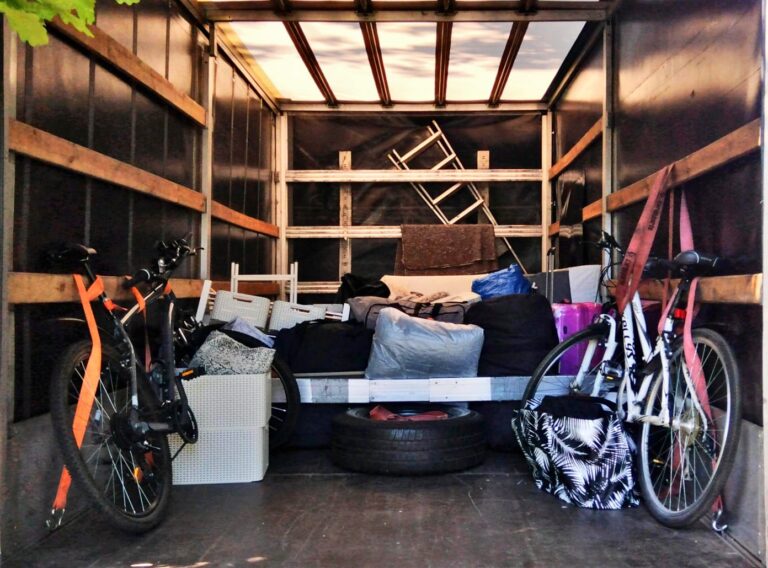
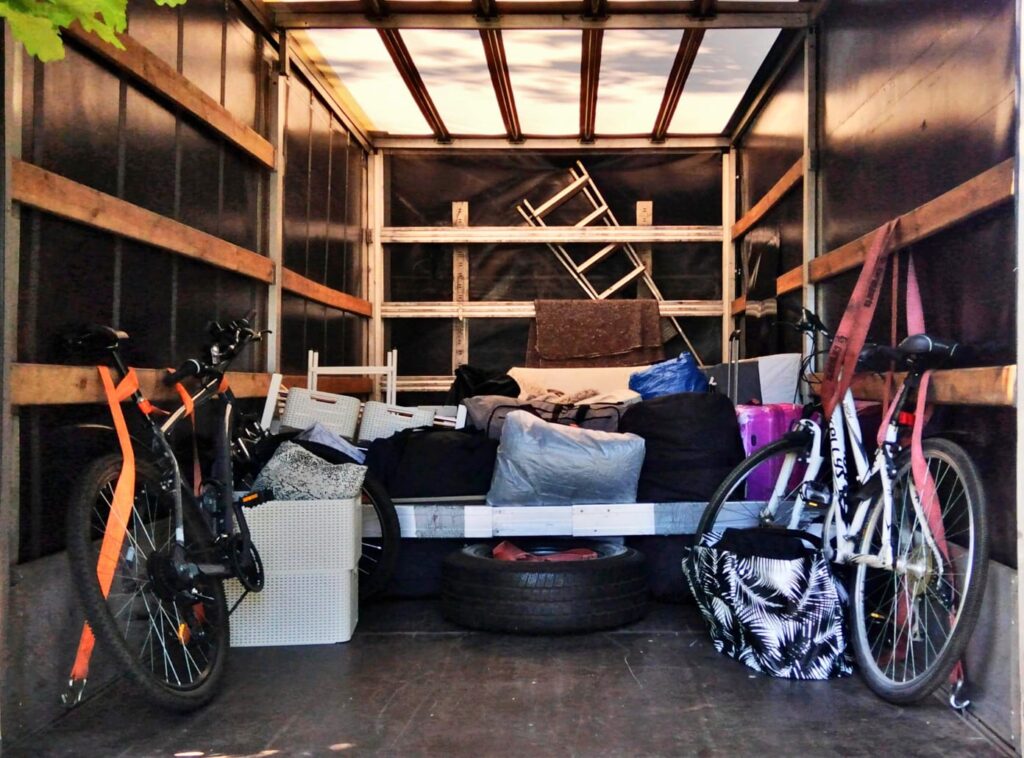
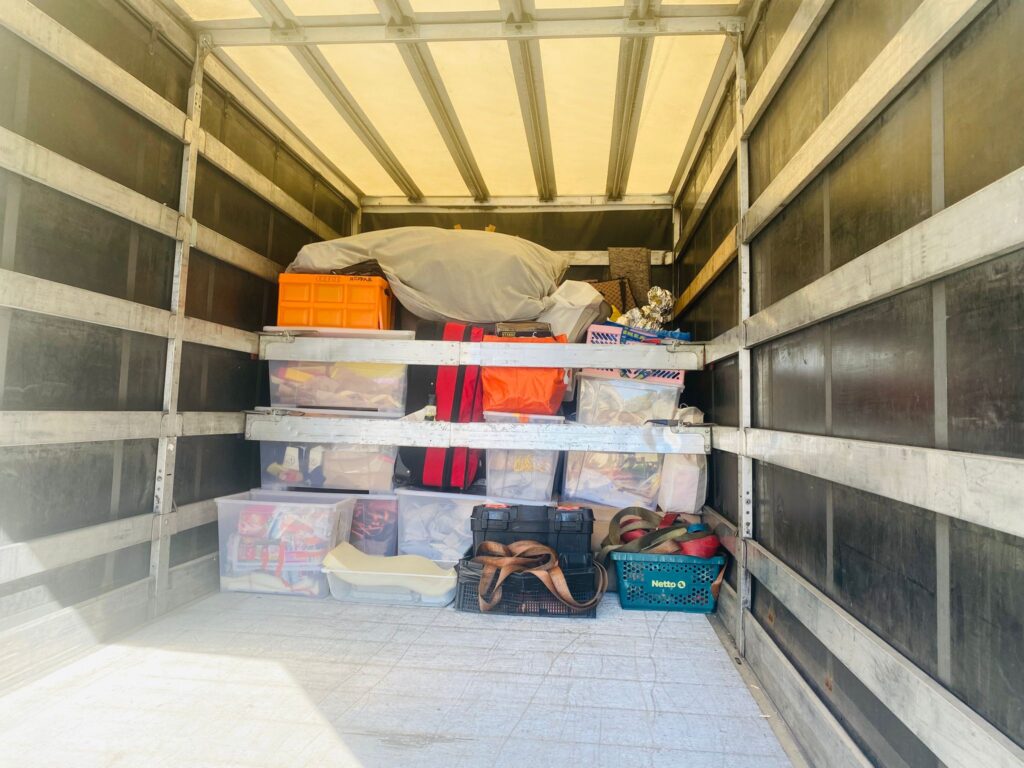
Loading is where quality shows. A good mover uses a system:
- Boxes stacked by weight and fragility
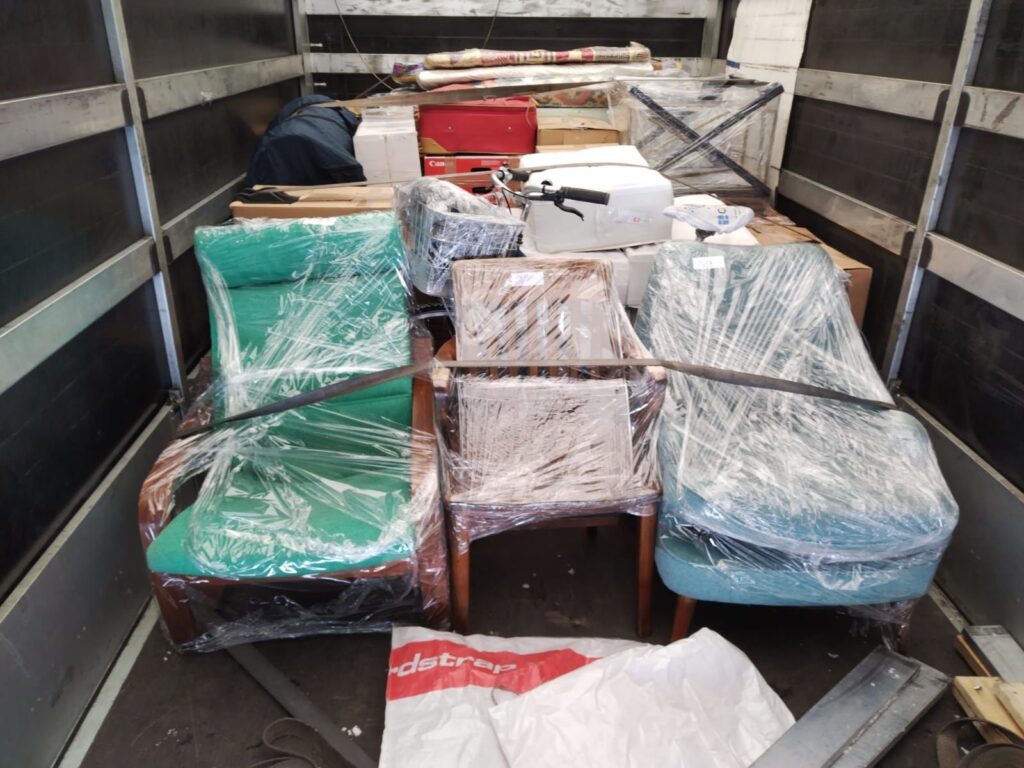
- Furniture protected with blankets, corner guards, and stretch film
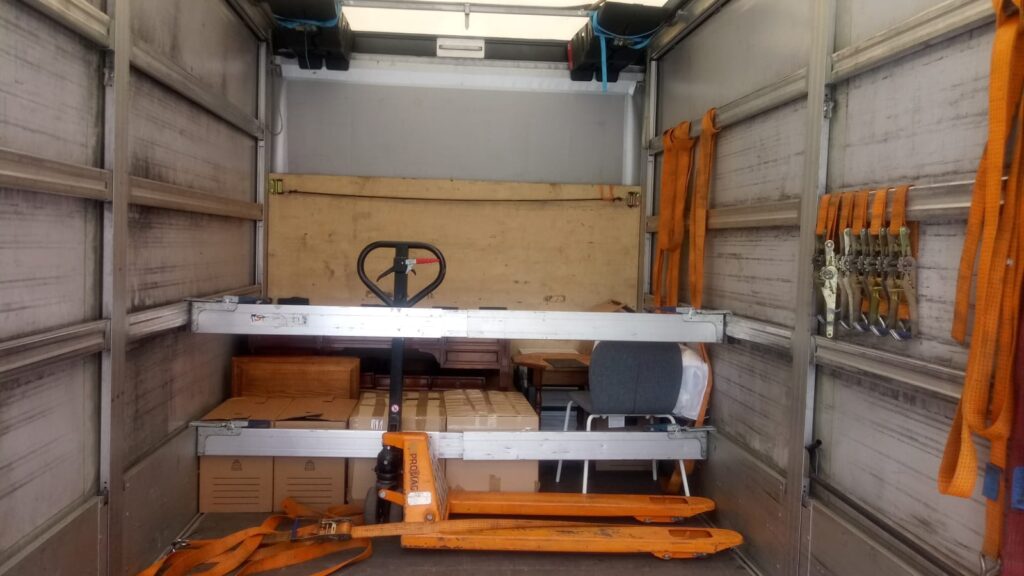
- Straps to stop movement during braking
- Clear unloading plan so the van is not a puzzle at delivery
Clear delivery window and communication
You should never feel like your move vanished.
A reliable uk to france removals company provides:
- A clear delivery window
- A primary contact
- Progress updates that match reality
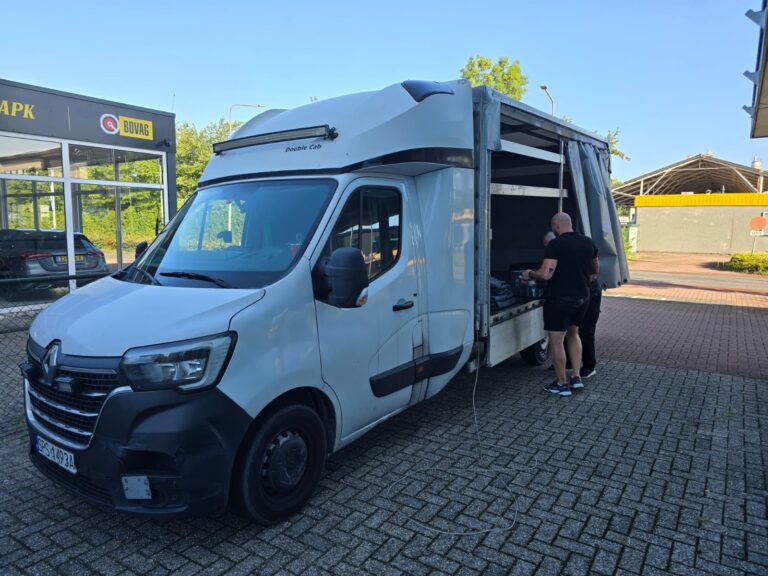
VANonsite adds GPS tracking on every load, so you can see movement and plan key handovers without guesswork.
Optional services that can save your week
Optional services are not fluff. They are pressure relief.
- Packing support: Packing Service
- High value handling and careful placement: White Glove Delivery
- Full household moves: Home Removals
- Furniture heavy moves: Furniture Removals
How to choose a UK to France removals company
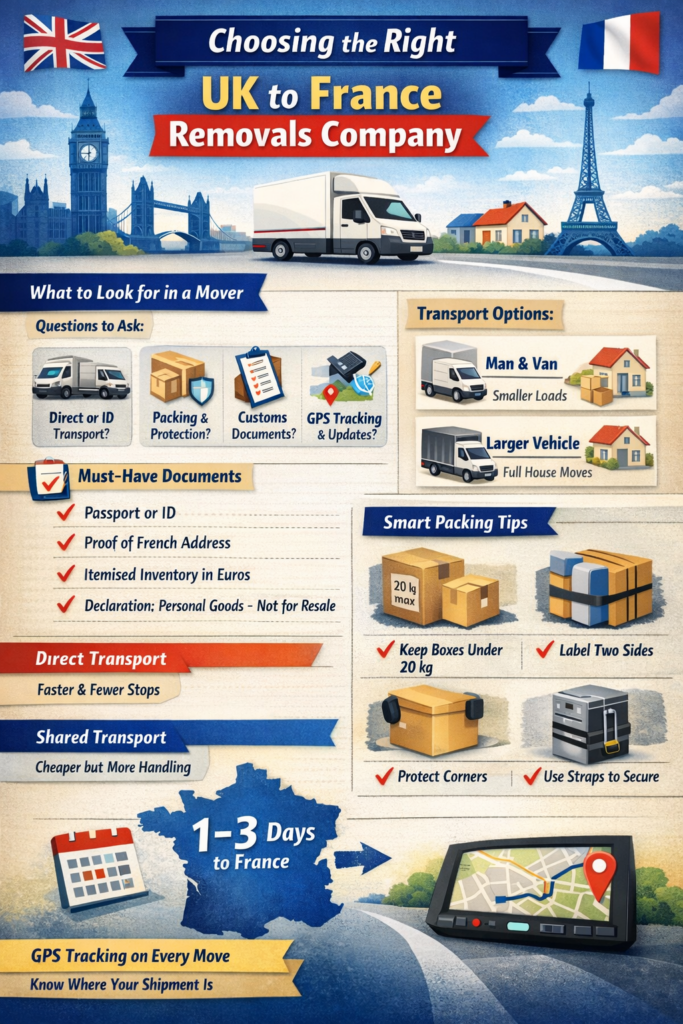
Choosing a uk to france removals company is easier when you ask the right questions. This checklist separates confident pros from vague promises. It also protects you from the two biggest moving regrets: paying twice and dealing with damage.
The 10 point checklist
- Is the transport direct or shared
- What is included in protection, blankets, corner guards, straps
- Do you provide packing support and how is it priced
- What documents are required for customs
- Will you review my inventory for clarity
- What is the pickup window and delivery window
- How do you handle difficult access, stairs, no lift, long carry
- What is the vehicle size recommendation and why
- How will you provide updates, and do you offer GPS tracking
- What happens if dates shift last minute
The five questions most people forget to ask
These questions are not polite. They are protective.
- What is excluded from the quote
- How do you handle delays at customs
- What happens if the destination has no parking on arrival
- How do you document condition before and after transport
- Who is responsible for disassembly and reassembly
Green flags and red flags
Green flags:
- They ask detailed questions about access and load
- They recommend breathing space, not tight stacking
- They explain customs requirements clearly
- They offer realistic delivery windows
- They confirm what is included in protection and strapping
Red flags:
- They quote without asking about access or inventory
- They promise exact arrival times without caveats
- They dodge questions about customs documents
- They rely on vague phrases like “should be fine”
- They push a one size fits all vehicle plan
Direct vs shared transport
Direct transport is often the calm option.
- Fewer touch points
- Lower damage risk
- More predictable delivery window
- Easier planning for key handovers
Shared transport can reduce cost, but it can add waiting windows and additional handling. That added handling is where small scuffs and dents usually appear.
Insurance and handling standards
A good uk to france removals company should be able to explain, clearly:
- What protection is included by default
- What “fragile” handling means in practice
- How claims are handled if something goes wrong
Even if you never need it, this conversation is a trust test.
Questions to ask table
| Question | Why it matters |
|---|---|
| Direct or shared | Predictability vs price |
| What protection is included | Damage risk control |
| What documents are needed | Border delays prevention |
| How do you handle stairs and access | Time and labour accuracy |
| How will I get updates | Stress reduction and planning |
| What is excluded | Stops surprise costs |
| Do you photograph condition | Protects you if damage occurs |
| Who disassembles furniture | Prevents last minute chaos |
A simple scoring method
If you are comparing several quotes, score each mover from 1 to 5 on these:
- Clarity of answers
- Protection standards
- Inventory support and customs confidence
- Delivery window realism
- Communication and tracking
The cheapest quote rarely wins when stress is part of the price.
UK to France removals company costs
Prices vary because moves vary. Still, you can plan with realistic bands and avoid the most common pricing trap: underestimating access and packing time.
Indicative price bands
| Load profile | Typical fit | Indicative range |
|---|---|---|
| Small move | man and van or Moving Medium | £900 to £2,000 |
| 1 bed move | Moving Premium | £1,700 to £3,300 |
| 2 to 3 bed home | Moving Premium Plus | £2,900 to £5,900 |
| Large family move | Full House XXL | Quote based |
What a quote should include
A strong quote from a uk to france removals company should clearly state:
- Direct or shared transport
- Pickup and delivery windows
- Protection included, blankets, straps, corner guards
- Customs paperwork expectations
- Any stairs, carry distance, or access assumptions
If any of these are missing, you are not comparing like for like.
What changes the price most
- Volume and vehicle size
- Access at both ends
- Packing level
- Direct vs shared transport
- Season and day, midweek is often calmer
- Special items, heavy or fragile
The hidden cost drivers
These are the details that quietly push costs up:
- Long carry distances, especially above 15 metres
- Narrow stairs that force slower handling or disassembly
- City centre restrictions and limited stopping time
- Loads that are “just a bit more” than the vehicle size allows
Safe savings
- Declutter by 20%
- Choose midweek pickup when possible
- Provide accurate access photos and details
- Build your inventory early to avoid last minute labour changes
Quick budget examples
| Scenario | What it looks like | Typical fit |
|---|---|---|
| Compact relocation | 15 to 25 boxes, small furniture | man and van or Moving Medium |
| Flat move | 30 to 50 boxes, bed, wardrobe, sofa | Moving Premium |
| Family move | 60 plus boxes, bulky furniture, appliances | Moving Premium Plus or larger |
What to share for accurate pricing
Send these details and your quote becomes sharper and more honest:
- Pickup postcode and destination town
- Floor number and lift details at both ends
- Parking distance and any restrictions
- Box count estimate plus your five biggest items
- Heavy items, books, tools, gym equipment


Timeline: a simple plan that prevents delays
A good uk to france removals company can move fast, but your preparation decides whether the move feels smooth or frantic. This timeline keeps paperwork, packing, and logistics in the right order.
6 weeks before
Focus: reduce volume, start paperwork, remove uncertainty.
- Start your master inventory and update it weekly
- Declutter room by room, aim for 20% less volume
- Confirm key dates and a realistic delivery window
- Note special items, antiques, instruments, artwork, fragile electronics
- Check access at both ends, stairs, lift size, parking distance
Mini checklist:
- Inventory started and saved in one file
- Declutter plan set
- Access notes collected
3 weeks before
Focus: lock the plan.
- Secure proof of French address and keep it in your document folder
- Decide on packing help and book it if needed
- Confirm direct vs shared transport
- Confirm route preference, Eurotunnel for speed, ferry for flexibility
- Start collecting receipts for any new items you plan to move
Mini checklist:
- Address proof secured
- Transport type confirmed
- Packing plan chosen
10 days before
Focus: make customs easy.
- Finalise inventory values in euros and keep them realistic
- Separate new items and keep receipts in one folder
- Prepare a 72 hour essentials kit
- Label furniture parts and keep fixings in a taped bag on the item
Mini checklist:
- Inventory readable and itemised
- Receipts sorted
- Essentials kit ready
5 to 7 days before
Focus: calm the last week.
- Finish packing non essentials
- Label boxes on two sides, room plus box number
- Clear hallways and protect door frames in high traffic areas
- Confirm who will be on site for handovers and keys
Mini checklist:
- Labels consistent
- Paths cleared
- Handover plan confirmed
48 hours before
Focus: protect moving day.
- Defrost appliances and drain anything that holds water
- Print documents and save digital copies on your phone
- Clear hallways and protect floors near entrances
- Charge phones and keep chargers accessible
Mini checklist:
- Appliances prepped
- Documents printed and saved
- Access route clear
Moving day
Focus: smooth loading and zero surprises.
- Keep passports, documents, keys, medication with you
- Do a final sweep of cupboards, loft, shed, and hidden corners
- Photograph condition if renting or selling
- Confirm delivery contact details and the update method
Mini checklist:
- Documents on you
- Final sweep complete
- Contacts confirmed
First 72 hours in France
Focus: make the new place functional.
- Set up utilities and internet to avoid a 7 to 14 day gap
- Organise proof of address folder, paper and digital
- Unpack essentials first, then make one room fully functional
- Create one “admin station” for documents, chargers, and keys
Mini checklist:
- Utilities started
- Essentials unpacked
- Admin station set
First week in France
Focus: turn the address into daily life.
- Phone plan or local SIM for verification codes
- Banking updates and direct debits if needed
- Healthcare steps and any urgent registrations
- Learn local waste rules and collection days

Documents and customs after Brexit
For a uk to france removals company to move you smoothly, customs paperwork must be clear. After Brexit, your belongings are treated as a declared shipment. That sounds intimidating, but it is usually straightforward when your documents tell one consistent story.
The document pack you actually need
Keep this pack printed and saved digitally:
- Passport or ID
- Proof of French address
- Itemised inventory with values in euros
- Declaration goods are personal and not for resale
Helpful official sources:
- French Customs: residence transfer relief
- Service-Public: customs relief guide
- HMRC: personal goods guidance
Inventory standards that prevent delays
Your inventory is your border passport. Make it boring and specific.
Rules that work:
- Group items by room
- Add box numbers
- Include quantities
- Use realistic second hand values in euros
- Avoid vague categories like “misc” or “various”
- Separate brand new items and keep receipts
Inventory example:
| Room | Box no. | Item | Qty | Value EUR |
|---|---|---|---|---|
| Kitchen | 1 | Plates and bowls | 1 box | 60 |
| Living room | 2 | Sofa, 2 seater | 1 | 450 |
| Bedroom | 3 | Wardrobe | 1 | 300 |
| Office | 4 | Monitor | 2 | 260 |
The three most common paperwork mistakes
- Inventory too vague, missing quantities and values
- Missing proof of French address
- Names or address formatting differs across documents
A quick fix: use one exact address format everywhere and keep everything in one folder.
Restricted items to keep out of the van
To avoid inspections and delays, do not pack:
- Aerosols
- Paint, solvents, flammables
- Gas canisters and fuel containers
- Certain plants, soil, untreated wood
If you are unsure about an item, ask before you seal the box.
Visa and stay basics for moving to France
If you are hiring a uk to france removals company, align your move date with your stay status. Customs and delivery are one side of the puzzle. The right to stay is the other. When those two timelines match, the whole move feels calmer.
Short stays, the 90 day rule
Short stays in France usually follow the 90 days in any 180 day period rule for the Schengen area. If your plan is longer than 90 days, treat that as an early warning sign. You will likely need a long stay visa route.
Practical tip: keep a simple record of entry and exit dates. It prevents accidental overstays, especially if you are travelling back and forth during your move.
Longer stays, long stay visas
If you are relocating properly, a long stay visa is often the foundation that makes everything else easier, rentals, banking, phone plans, and admin steps on arrival.
Official links:
- France-Visas: long stay visa
- Service-Public: long stay visa overview
- GOV.UK: France entry requirements
Real world note: some long stay visas are VLS-TS, meaning you must validate them after arrival within a set timeframe. Service-Public explains the principle and where to start.
A quick decision guide
Use this as a reality check before you lock dates with your mover.
| Your plan | What to focus on | Why it matters |
|---|---|---|
| Under 90 days | Schengen day count and travel dates | avoids accidental overstay |
| Over 90 days | long stay visa route and application timing | admin becomes easier once your status is aligned |
| Multiple trips during the move | entry and exit record keeping | border stamps and dates can get messy |
Timing tip that saves stress
If you are moving in stages, first trip, then deliveries, then final handover, make one simple timeline that includes:
- your planned arrival date
- your planned return trips
- your move date and delivery window
That one page keeps your uk to france removals company schedule and your stay schedule aligned.
Packing and protection standards
Packing is where the move becomes either smooth or stressful. Long distance transport rewards stability. If nothing shifts, most damage disappears.
The non negotiables
For a safer move with your uk to france removals company, follow these four rules:
- Keep boxes under 20 kg so they stack safely and carry cleanly
- Label two sides with room name plus box number
- Protect furniture corners and edges before anything goes through doorways
- Strap items so nothing slides during braking
The protection stack that works
If you want fewer scuffs and less heartbreak, use this simple stack:
- Blankets for soft protection
- Corner guards for impact points
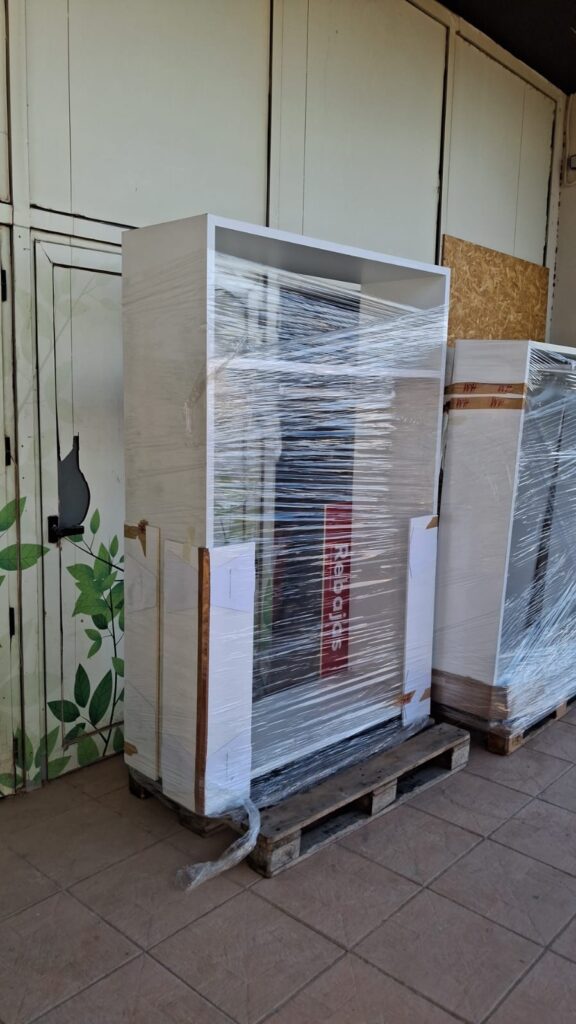
- Stretch film to lock doors and drawers
- Straps to stop movement
A simple labelling system
This saves time on delivery day:
- Room name on two sides
- Box number, for example Kitchen 07
- Priority tag
- P1 open first
- P2 open within 48 hours
- P3 can wait
Optional upgrade: add the destination floor, for example Bedroom 2nd floor. It reduces back and forth carrying.
Packing materials checklist
| Material | Why it matters | Best for |
|---|---|---|
| Double wall boxes | prevents box collapse | books, kitchen, fragile |
| Packing paper | reduces scratches | plates, glass, ornaments |
| Bubble wrap | absorbs impact | lamps, frames, electronics |
| Stretch film | locks moving parts | wardrobes, drawers, cabinets |
| Furniture blankets | prevents scuffs | sofas, tables, wood furniture |
| Corner guards | protects edges | wardrobes, tables, bed frames |
| Straps | prevents shifting | furniture, appliances |
What not to pack
Avoid anything that can trigger inspections or safety issues:
- Aerosols
- Paint and solvents
- Flammables
- Gas canisters
If you are unsure about an item, ask before you seal the box. One restricted item can slow the whole move.
What to keep with you
For a cross border move, keep these on you, not in the van:
- passport or ID
- proof of French address
- inventory, printed and saved on your phone
- medication
- chargers, keys, one change of clothes
Optional add ons
If you want less pressure, add packing support. If you have high value pieces, white glove handling can be the calm choice.
Vehicle size guide
Choosing the right vehicle is one of the quiet superpowers of a smooth move. Too small and you get tight stacking, more shifting, and higher damage risk. Too big and you pay for air. The sweet spot is a stable load with 10% to 15% breathing space for blankets, corner guards, and safe spacing.
If you are torn between two sizes, go up. That extra margin often costs less than a second trip, rushed packing, or a cracked corner on delivery.
VANonsite options
| Option | Volume | Payload | Best for |
|---|---|---|---|
| Moving One | 1 m3 | 100 kg | suitcase move and a few boxes |
| Moving Basic | 5 m3 | 300 kg | student room or small studio |
| Moving Medium | 10 m3 | 500 kg | compact flat, light furniture and boxes |
| Moving Premium | 15 m3 | 1,100 kg | 1 to 2 bed home |
| Moving Premium Plus | 30 m3 | 3,500 kg | 2 to 3 bed home, bulky pieces |
| Moving Full House XXL | 90 m3 | 20,000 kg | full family house |
Quick fit guide
- Small move: man and van or Moving Medium
- Typical flat move: Moving Premium
- Family move: Moving Premium Plus
- Full household: Moving Full House XXL
Two fast checks before you book
- Volume check: count boxes and list your five biggest items.
- Weight check: books, tools, records, and gym equipment hit payload limits fast.
Helpful rule of thumb:
- A medium box is roughly 0.05 m3.
- Forty medium boxes is about 2 m3 before any furniture.
Routes and delivery access in France
Route choice affects timing. Access planning affects everything. A perfect crossing means nothing if you arrive to a street with nowhere to stop or a stairwell that turns like a corkscrew.
Eurotunnel vs ferry
| Option | Best when | Watch outs |
|---|---|---|
| Eurotunnel | your schedule is tight and you want speed | strict check in timing |
| Ferry | you want flexibility and a wider arrival window | weather and peak queues |
The access checklist that prevents delays
Before delivery day, confirm:
- Parking distance from the van to the entrance, ideally under 15 metres
- Floor number, lift size, and tight turns
- Any building rules, concierge, or quiet hours
- City centre restrictions and stop time limits
A simple trick: send two photos. One from the street showing where the van can stop. One of the stairwell or hallway. It turns guessing into a plan.
City rules
If you are delivering into a low emission zone, check official guidance early.
Arrival in France: first week essentials
Arrival is where the move stops being logistics and becomes real life. The fastest way to feel settled is to win the basics early: proof of address, utilities, internet, and a simple routine that makes the new place feel safe.
Admin overview:
First 72 hours
Keep it tight and practical.
- Set up electricity, water, and internet to avoid a 7 to 14 day gap
- Create one “admin station” for documents, chargers, keys, and receipts
- Unpack essentials first, then make one room fully functional
- Save proof of address documents in one folder, paper and digital
- Locate your nearest pharmacy and supermarket
Essentials to keep separate:
- chargers and an extension lead
- bedding and towels
- kettle, mugs, basic cutlery
- medication and basic first aid
First week plan
Turn your address into a working life.
- Phone plan or local SIM for verification codes and deliveries
- Banking updates and direct debits if needed
- Healthcare steps and any urgent registrations
- Local routine, waste rules, and any school or work onboarding
First week priorities table
| Priority | Task | Why it matters |
|---|---|---|
| Must do | Proof of address folder | unlocks admin and contracts |
| Must do | Internet setup | work, banking, appointments |
| Should do | Phone plan or SIM | verification and delivery codes |
| Should do | Banking setup | payments and direct debits |
| Should do | Healthcare steps | peace of mind and access |
| Nice to do | Neighbourhood basics | reduces daily friction |
Why VANonsite is a strong UK to France removals company
A strong uk to france removals company does two things well: it protects your belongings and it protects your headspace. VANonsite is built for that.
What makes the difference
| What you want | Why it matters | How VANonsite supports it |
|---|---|---|
| Predictable timing | protects handovers and arrival plans | realistic windows and clear scheduling |
| Lower damage risk | fewer scuffs and breakages | protection first loading and secure strapping |
| Visibility | reduces stress | GPS tracking on every load |
| Flexibility | plans change fast | scalable vehicle sizes plus add ons |
Choose the service that fits your move
If you want the move to feel lighter, add packing support or white glove handling for delicate items:
FAQs
How long does a UK to France move take?
Most moves take 1 to 3 days once loaded. The biggest variables are customs processing, route choice, and access at the destination. If you have tight stairs or a long carry distance, handling time can increase by 30% to 60%.
What paperwork is required?
A reliable uk to france removals company will ask for a clean document pack:
- Passport or ID
- Proof of French address
- Itemised inventory with realistic values in euros
- A declaration that goods are personal and not for resale
Official guidance:
- French Customs residence transfer relief: https://www.douane.gouv.fr/demarche/vous-souhaitez-connaitre-les-franchises-applicables-lors-du-transfert-de-votre-residence
- Service-Public customs relief guide: https://sites.service-information-publique.fr/vias/guide-particuliers/F492.html
- HMRC personal goods guidance: https://www.gov.uk/guidance/check-how-to-declare-personal-goods-you-bring-into-or-take-out-of-the-uk
How detailed should my inventory be?
Detailed enough that a stranger can understand it without guessing. Use room groups, box numbers, quantities, and clear item names. Avoid vague lines like “misc”. If you have high value items, list them separately.
Is man and van enough?
Yes, a man and van is often ideal for a compact move, a few key furniture pieces plus boxes, student moves, or a small flat. For full households, a larger vehicle is usually safer and faster because the load is more stable and easier to strap.
How do I reduce cost safely?
Three safe savings that do not increase damage risk:
- Declutter by 20% to reduce volume and handling time
- Choose a midweek pickup, availability can be calmer by 10% to 20%
- Plan access properly, parking distance and stairs affect labour time
What causes delays most often?
Two repeat offenders:
- Vague paperwork, especially a weak inventory or missing proof of French address
- Access surprises, no lift, narrow stair turns, city centre restrictions, long carry distance
Fix both early with a clear inventory and two photos at the destination, street entrance and stairwell.
Direct vs shared transport, which is better?
Direct transport is usually the calm choice for a UK to France move. It reduces touch points and makes delivery timing more predictable. Shared transport can be cheaper, but it can add waiting windows and extra handling.
How do I get a quote that matches reality?
Send these four details and your quote becomes far more accurate:
- Pickup postcode and destination town
- Floor number, lift details, and parking distance at both ends
- Box count estimate plus your five biggest items
- Heavy items, books, tools, records, gym gear
Summary
A smart UK to France move comes down to three pillars: documents, capacity, and timing.
Start with documents. Build one folder with your ID, proof of French address, and a clear, itemised inventory with realistic values in euros. Keep names and address formatting consistent across every page. That one habit removes most border stress.
Next, match capacity to reality. Choose a vehicle with 10% to 15% breathing space for blankets and safe spacing. A man and van can be perfect for compact moves, while full households usually feel calmer in a bigger vehicle because everything loads more securely.
Finally, protect timing. Confirm access at both ends, choose the crossing that fits your delivery window, and avoid last minute packing by following a simple timeline.
If you want a calmer move, choose a uk to france removals company that communicates clearly and keeps your shipment visible. VANonsite adds GPS tracking on every load, flexible vehicle sizes, and add ons like packing support and white glove handling when you want the move to feel precise and protected.