
Dublin is energetic, international and full of opportunity. It is also the most expensive city in Ireland, mainly because of housing. For many newcomers, rent becomes the largest monthly expense and may absorb more than half of take-home pay.
A single person renting a room may need around €1,800 to €2,400 per month. Someone renting a private one-bedroom apartment should prepare for a total closer to €2,900 to €3,700. A couple may need between €3,300 and €4,600, while a family of four can spend €5,900 to €8,500, especially when childcare is included.
The final cost of living in Dublin, Ireland depends on your neighbourhood, household size, commuting needs and accommodation type. Sharing a property can reduce monthly costs considerably. Renting alone in central Dublin creates a much heavier financial commitment.
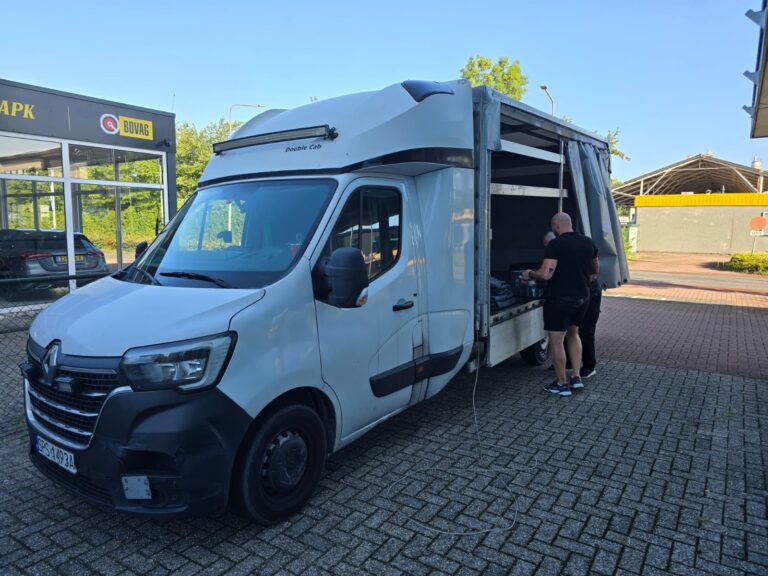
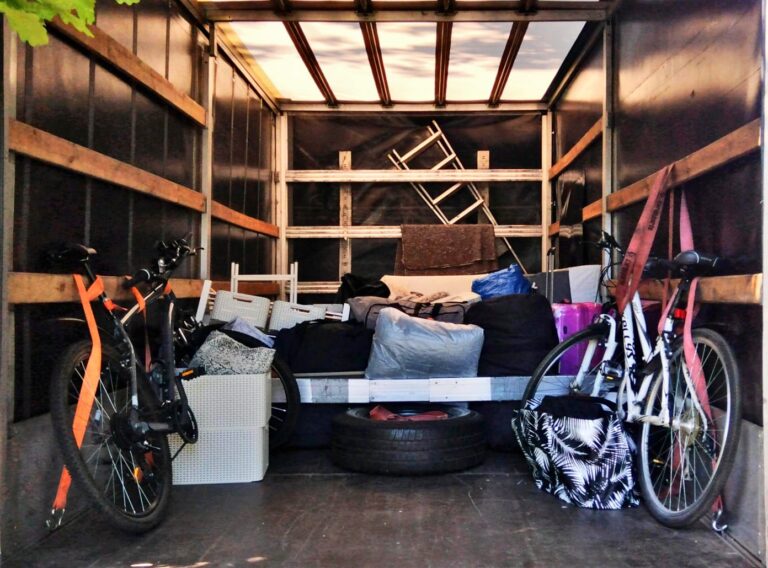
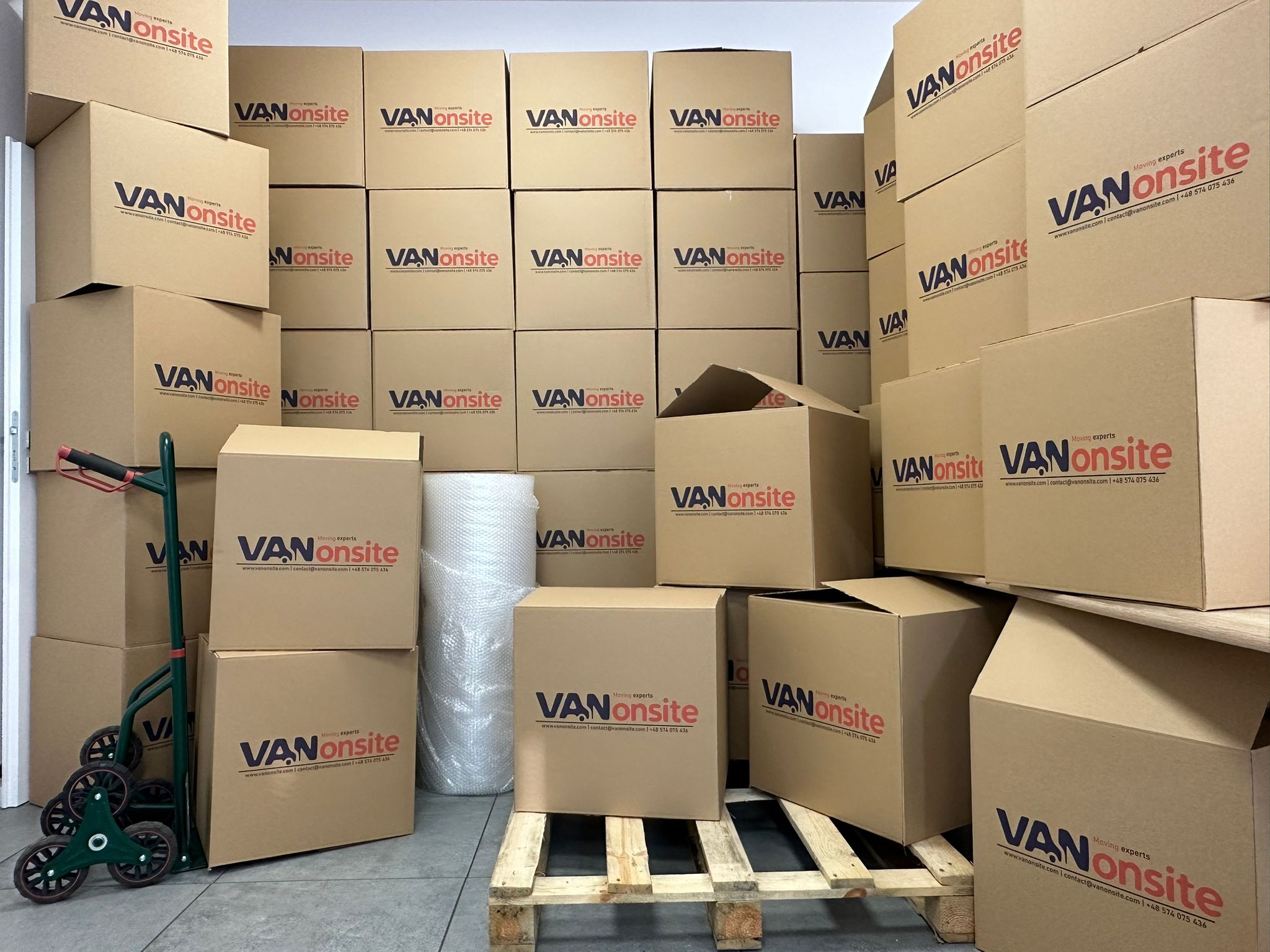
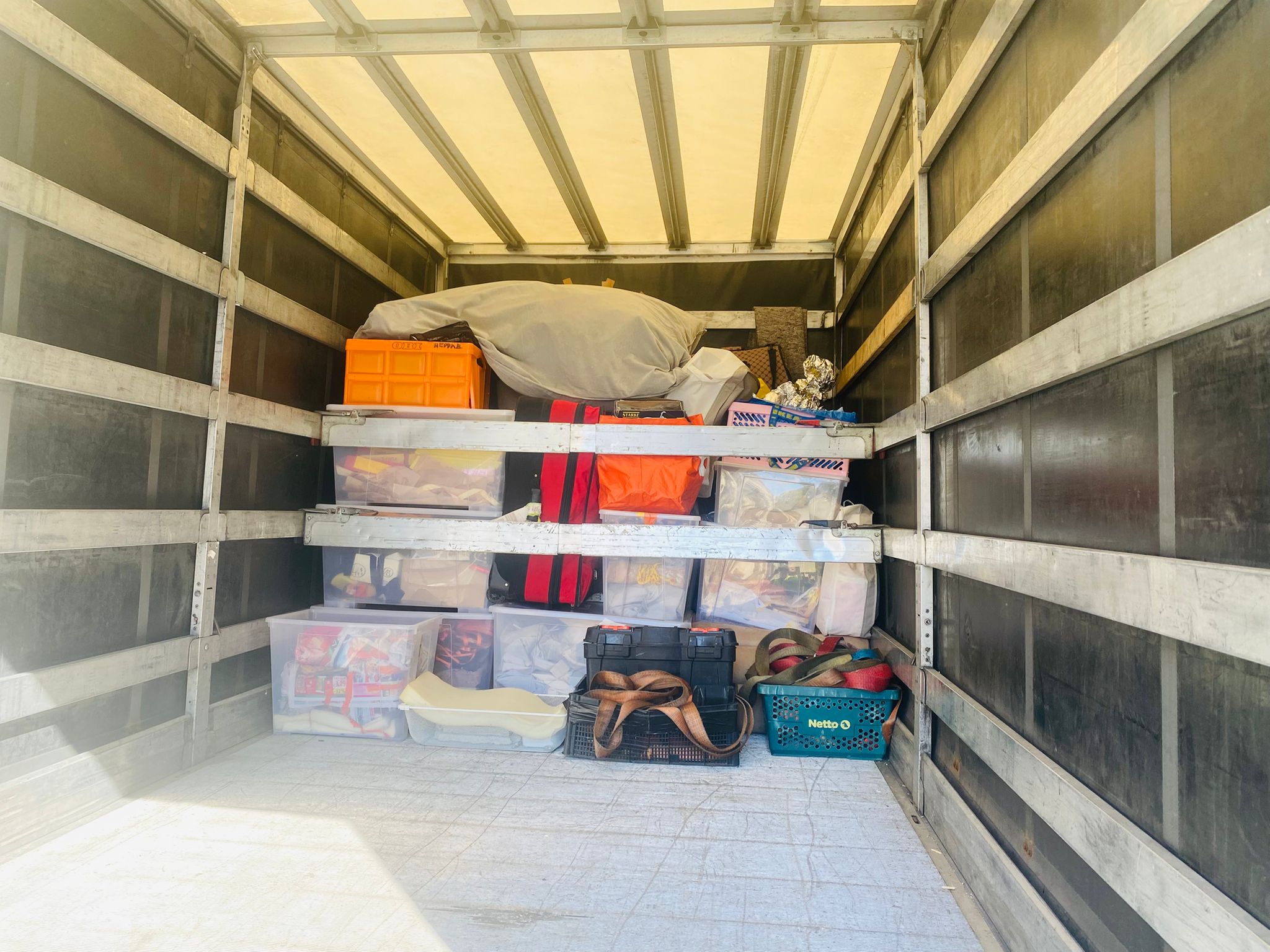
Your relocation budget should include more than rent and groceries. Deposits, temporary accommodation, utilities, household equipment and international moving costs all matter. Professional removals to Ireland can simplify the physical move. VANonsite offers flexible vehicle sizes, secure transport, professional packing and GPS tracking for every load.
TL:DR: Cost of Living in Dublin, Ireland
- A single person renting a room may need about €1,800 to €2,400 per month.
- Renting a private one-bedroom apartment can increase the budget to €2,900 to €3,700.
- A couple should usually prepare for combined monthly expenses of €3,300 to €4,600.
- A family of four may need €5,900 to €8,500, depending on rent and childcare.
- A one-bedroom apartment may cost about €1,880 outside the centre and more than €2,150 centrally.
- Utilities, broadband and mobile services can add €250 to €450 per month.
- New residents should ideally have enough savings for the deposit, first month’s rent, moving costs and two or three months of essential expenses.




What Is the Cost of Living in Dublin, Ireland?
What is the cost of living in Dublin, Ireland in practical terms? The answer depends mainly on whether you share accommodation or rent an entire property.
A student or young professional in a shared home may keep monthly spending below €2,000. A person renting a one-bedroom apartment alone will usually spend much more. Families face the highest costs because they need larger homes and may also pay for childcare, school transport and insurance.
| Household type | Monthly expenses excluding rent | Estimated rent | Total monthly budget |
|---|---|---|---|
| Student renting a room | €650 to €900 | €800 to €1,200 | €1,450 to €2,100 |
| Single professional sharing | €850 to €1,100 | €900 to €1,300 | €1,750 to €2,400 |
| Single professional renting alone | €950 to €1,200 | €1,850 to €2,500 | €2,800 to €3,700 |
| Couple | €1,500 to €2,000 | €1,850 to €2,600 | €3,350 to €4,600 |
| Family of four | €3,200 to €4,000 | €2,700 to €4,500 | €5,900 to €8,500 |
These figures are planning ranges, not fixed prices. Dublin’s rental market moves quickly, so prepare documents, references and deposit funds before beginning the search.
Average Cost of Living in Dublin, Ireland by Household Type
The average cost of living in Dublin, Ireland changes sharply by household structure. Shared bills create savings, while living alone makes every category more expensive.
Student Budget
Students usually reduce costs by renting a room, using public transport discounts and cooking at home.
| Expense | Estimated monthly cost |
|---|---|
| Room in shared accommodation | €800 to €1,200 |
| Groceries | €250 to €350 |
| Public transport | €48 to €100 |
| Mobile phone | €12 to €25 |
| Study materials and leisure | €130 to €330 |
| Personal expenses | €80 to €150 |
| Estimated total | €1,320 to €2,155 |
Purpose-built student accommodation may cost more, although included bills and internet can make spending easier to predict.
Single Person and Couple
A single professional renting a room may keep the total below €2,400 per month. Renting alone is far more demanding. A one-bedroom apartment may cost around €2,160 in central Dublin or about €1,880 outside the centre.
Couples benefit from sharing rent, utilities and groceries. Outside central Dublin, their combined monthly budget may reach €3,050 to €4,400.
Family of Four
For families, housing and childcare dominate living expenses in Ireland, Dublin. A three-bedroom apartment may cost around €3,000 outside the centre and considerably more in premium districts. Private full-day childcare can add more than €1,000 per child each month before available support.
A family with one child in full-time childcare may need €6,000 to €8,000 per month.
Rent and Housing Costs in Dublin
Rent is the decisive factor behind the high cost of living in Dublin, Ireland. Groceries and transport matter, but accommodation determines whether the monthly budget feels stable or strained.
| Property type | Typical monthly rent |
|---|---|
| Room in a shared home | €800 to €1,300 |
| Studio apartment | €1,500 to €2,100 |
| One-bedroom apartment in the centre | Around €2,160 |
| One-bedroom apartment outside the centre | Around €1,880 |
| Three-bedroom apartment in the centre | Around €3,780 |
| Three-bedroom apartment outside the centre | Around €3,000 |
Prices depend on condition, location, transport access and energy efficiency. Newly built apartments near business districts often cost more.
Upfront Rental Costs
Before receiving the keys, you may need money for:
- A security deposit
- The first month’s rent
- Temporary accommodation
- Moving and transport costs
- Basic furniture and household goods
- Utility activation
- Travel to property viewings
A person renting a €2,000 apartment may need at least €4,000 before moving in. This does not include hotels, furniture or international removals. Never transfer a deposit before confirming that the property exists and that the person offering it is authorised to rent it.
Utility Bills
Utility costs change with the season. Heating type, insulation and the property’s Building Energy Rating can make a major difference.
| Household service | Typical monthly cost |
|---|---|
| Electricity and heating | €150 to €300 |
| Broadband | €40 to €70 |
| Mobile phone | €12 to €25 per person |
| Streaming services | €10 to €50 |
| Waste collection if separate | €20 to €35 |
| Typical combined total | €220 to €400 |
Ask the landlord for previous energy bills where possible. A cheaper apartment with poor insulation may generate severe winter bills and remove any saving on rent.
Grocery and Food Costs
One person cooking most meals at home may spend €250 to €400 per month. A couple may need €500 to €750, while a family of four may spend €850 to €1,200.
| Product | Typical price |
|---|---|
| Milk, 1 litre | €1.40 to €1.60 |
| Bread, 500 g | €1.80 to €2.50 |
| Eggs, 12 | €3.50 to €4.50 |
| Chicken fillets, 1 kg | €9.50 to €12.00 |
| Beef, 1 kg | €13.00 to €17.00 |
| Apples, 1 kg | €2.30 to €3.20 |
| Potatoes, 1 kg | €1.30 to €2.00 |
Meal planning can reduce living expenses in Ireland, Dublin by €100 or more per month. Supermarket brands, packed lunches and fewer takeaway orders make a visible difference.
Eating out is considerably more expensive. An inexpensive restaurant meal may cost around €20, a fast-food meal about €12 and a cappuccino about €4.30. A dinner for two at a mid-range restaurant can cost approximately €90.
Transport Costs in Dublin
Dublin Bus, Luas, DART and commuter rail connect the main residential and employment areas. A Leap Card reduces fares and makes transfers easier.
| Transport option | Typical cost |
|---|---|
| Local single journey | Around €2 |
| Zone 1 monthly travel | Around €96 |
| Zones 1 and 2 monthly travel | Around €140 |
| Taxi starting fare | Around €4.40 |
| Petrol, 1 litre | Around €1.85 |
Owning a car can increase the cost of living in Dublin, Ireland quickly. Drivers must budget for insurance, fuel, motor tax, parking, maintenance and tolls. For many residents, public transport combined with occasional taxis is more affordable.
Healthcare, Childcare and Education
Ireland has a mixed public and private healthcare system. Many residents pay for GP visits, prescriptions, dental care and private insurance.
| Healthcare expense | Typical cost |
|---|---|
| GP appointment | €50 to €70 |
| Out-of-hours GP | €60 to €80 |
| Prescription item | €10 to €30 |
| Emergency department without referral | Around €100 |
| Routine dental check-up | €50 to €80 |
Private health insurance is not compulsory for most residents, but some people buy it for faster access to private hospitals and specialists. The European Health Insurance Card supports necessary public healthcare during temporary stays. It does not replace long-term healthcare arrangements.
Childcare can dramatically increase the average cost of living in Dublin, Ireland. Private full-day care may cost more than €1,000 per child each month before available support.
Public primary and secondary education does not usually involve tuition fees, but uniforms, books, meals, transport and after-school care still add to the budget.
Salaries Versus Living Costs
A higher Dublin salary can offset expensive housing, but rent may still consume a large share of net income. A person earning €3,500 net and paying €2,160 for a one-bedroom apartment spends more than 60% of take-home pay on rent alone.
| Living arrangement | Suggested gross annual income |
|---|---|
| Single person renting a room | €38,000 to €48,000 |
| Single person renting alone | €55,000 to €70,000 |
| Couple sharing costs | €70,000 to €95,000 combined |
| Family with one child | €90,000 to €120,000 combined |
| Family with two children in childcare | €110,000 or more combined |
These are planning ranges. Low rent and no car may reduce the required income, while two childcare places may increase it sharply.
Always budget using net income. Employees may pay Income Tax, Universal Social Charge, Pay Related Social Insurance, pension contributions and other workplace deductions. Register employment with Revenue promptly to avoid emergency tax. Current information is available through Irish Revenue.
Documents Needed to Move to Dublin
Document requirements depend on nationality, employment and length of stay.
EU, EEA and Swiss citizens should prepare a valid passport or identity card, an employment contract, proof of accommodation, bank statements where required, health insurance documents and family records. Official residence information is available through Citizens Information.
Non-EU citizens may need a passport, visa, employment permit, employment contract, proof of accommodation, evidence of funds, medical insurance and Irish Residence Permit registration. Use the official Irish Immigration Service and Employment Permits websites for current requirements.
Getting a PPS Number
A Personal Public Service Number is used for employment, taxation and access to many public services. Applicants normally need proof of identity, proof of address and evidence explaining why the number is required.
Proof of address may include a utility bill, bank statement, tenancy agreement or official correspondence. Apply through the official PPS Number service.


Moving Household Goods to Dublin
International moving costs are separate from the monthly living cost in Dublin, Ireland, but they should be included in the relocation fund.
The final price depends on the collection country, distance, ferry route, shipment volume, weight, property access, packing requirements, delivery date and storage needs.
People moving from outside the EU may qualify for relief from Customs Duty and VAT when transferring normal residence. Supporting documents may be required before the goods arrive. Check Irish Revenue transfer of residence guidance.
VANonsite Moving Options for Dublin
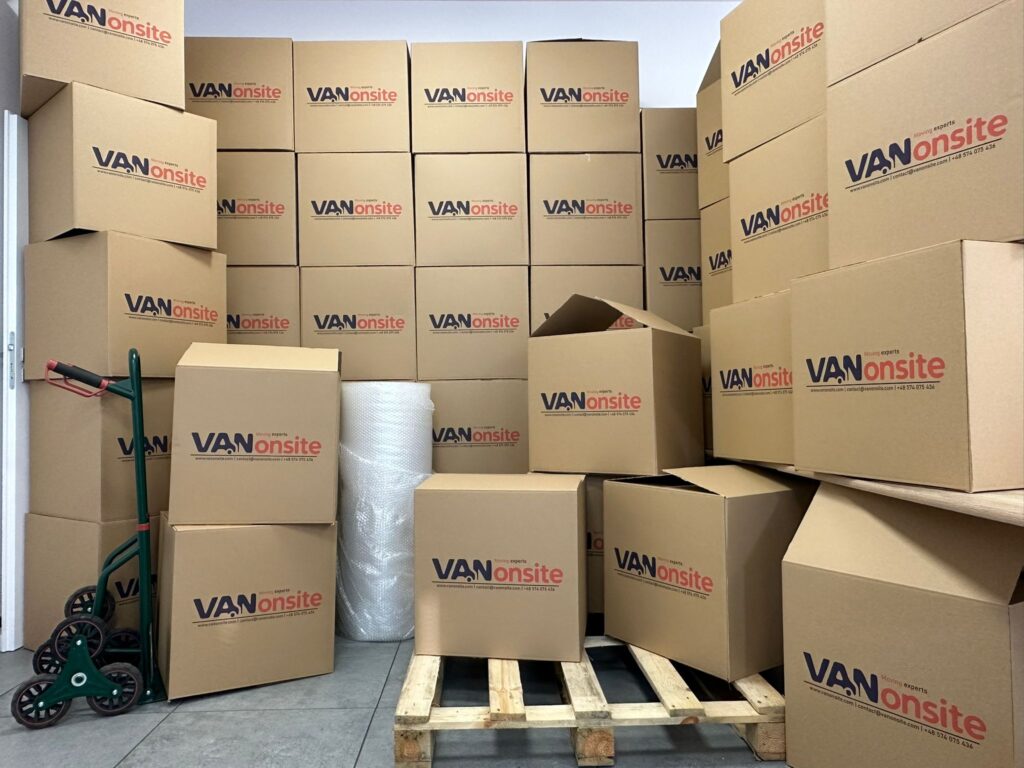
VANonsite provides vehicle sizes for student moves, furniture transport, full home relocations and commercial projects.
| Moving option | Capacity | Maximum weight | Suitable for |
|---|---|---|---|
| Moving One | 1 m³ | 100 kg | Boxes, luggage and personal items |
| Moving Basic | 5 m³ | 300 kg | Student moves and single rooms |
| Moving Medium | 10 m³ | 500 kg | Small apartments and part loads |
| Moving Premium | 15 m³ | 1,100 kg | Apartments and furniture moves |
| Moving Premium Plus | 30 m³ | 3,500 kg | Family relocations |
| Moving Full House XXL | 90 m³ | 20,000 kg | Full homes and commercial moves |
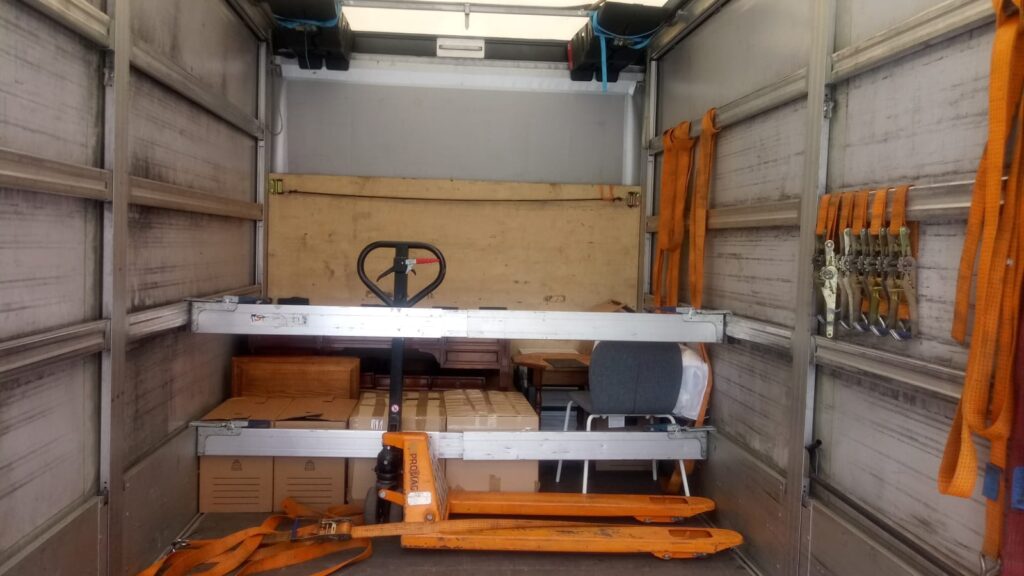
Every load can be monitored through GPS tracking. Customers can also request packing, home removals, furniture removals, student removals, office removals, storage, white glove delivery and office furniture installation.
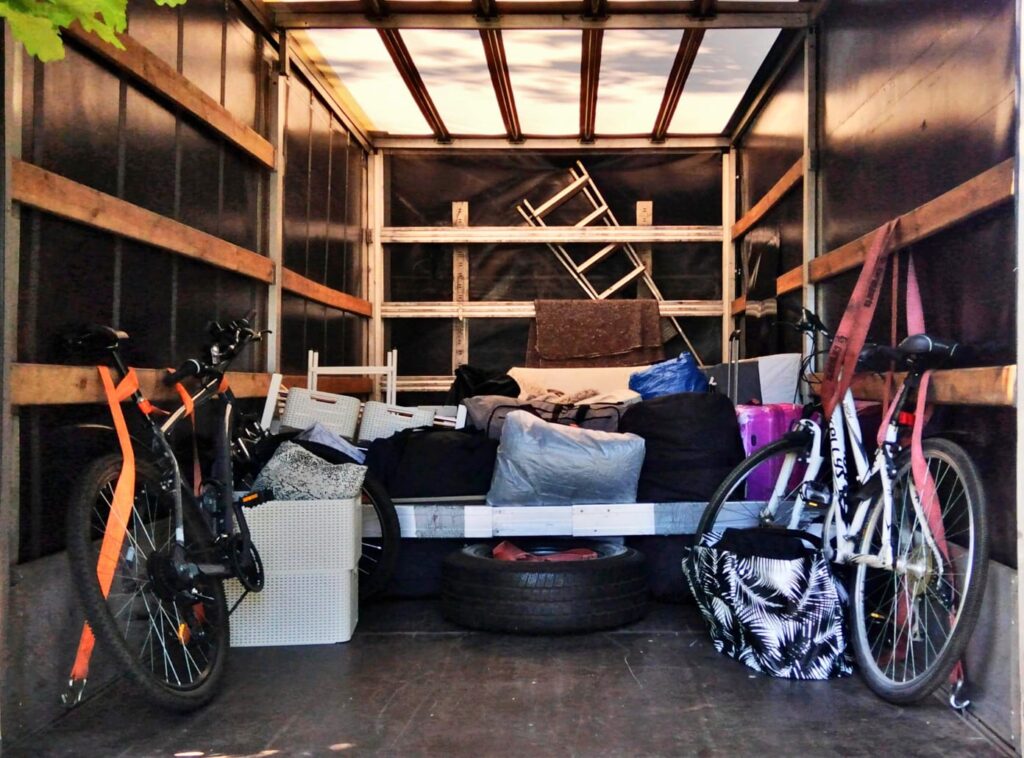
A flexible man and van service may suit smaller relocations. Dedicated transport gives more control over collection and delivery dates.
How to Reduce Moving Costs
Transporting possessions you no longer need wastes space and money. Before requesting a quote, prepare an accurate inventory and separate essential belongings from items that can be sold, donated or recycled.
- Declutter before measuring shipment volume
- Sell bulky, low-value furniture
- Compare replacement and transport costs
- Pack non-fragile items yourself
- Use professional packing for valuable items
- Provide accurate dimensions and weights
- Confirm stairs, lifts and parking access
- Consider part-load transport for smaller shipments
- Avoid unnecessary last-minute changes
A clear inventory helps VANonsite choose the correct vehicle and prepare a transparent quote.
How Much Money Should You Save Before Moving?
| Household | Suggested starting fund |
|---|---|
| Student | €4,000 to €7,000 |
| Single person renting a room | €5,000 to €8,000 |
| Single person renting alone | €8,000 to €12,000 |
| Couple | €10,000 to €16,000 |
| Family of four | €18,000 to €30,000 |
This fund may need to cover the deposit, first month’s rent, temporary accommodation, international removals, food, local transport, household purchases and emergency expenses.
Ideally, keep an emergency reserve equal to two or three months of essential spending after paying for the move.
Practical Dublin Relocation Timeline
Start planning 8 to 12 weeks before the move. Research neighbourhoods, calculate the cost of living in Dublin, Ireland, gather documents and request removal quotes. During the final month, confirm accommodation, collection access, customs requirements and delivery details. After arrival, register employment with Revenue, apply for a PPS Number when eligible, arrange healthcare and review actual spending.
Common Relocation Mistakes
Newcomers often underestimate the average cost of living in Dublin, Ireland because they focus only on rent. Avoid arriving without temporary accommodation, paying an unverified deposit, budgeting from gross salary, ignoring winter bills or choosing a distant suburb without testing the commute.
Other expensive mistakes include shipping furniture that will not fit, failing to prepare customs documents, booking the wrong vehicle and leaving the move until the final week.
Is Dublin Expensive to Live In?
Yes. The cost of living in Dublin, Ireland is high, especially for private renters. Housing is the main challenge, followed by childcare, groceries, utilities and transport.
However, Dublin also offers an international labour market, major employers, universities, cultural attractions and strong air connections. Sharing accommodation, using public transport and living outside central districts can make the city more manageable.
Frequently Asked Questions
What is the cost of living in Dublin, Ireland for one person?
A single person renting a room may need approximately €1,800 to €2,400 per month. Renting a private one-bedroom apartment can raise the total to €2,900 to €3,700.
What is the average cost of living in Dublin, Ireland without rent?
A single person may spend around €900 to €1,200 per month excluding rent. A family of four may need approximately €3,200 to €4,000 before accommodation.
How much does rent cost in Dublin?
A room may cost €800 to €1,300. A one-bedroom apartment may cost around €1,880 outside the centre and more than €2,150 centrally.
What salary do you need to live comfortably in Dublin?
A single person sharing accommodation may live comfortably on a gross salary of €40,000 to €50,000. Renting alone may require €55,000 to €70,000.
How can I reduce my living cost in Dublin, Ireland?
Share accommodation, compare commuter areas, use public transport, cook at home, avoid unnecessary car ownership and choose an energy-efficient property.
How much should I save before moving to Dublin?
A single person should ideally have €5,000 to €12,000, depending on the accommodation type. Families may need €18,000 or more.
How much does it cost to move belongings to Dublin?
The price depends on the collection country, route, volume, weight, access, service level and delivery schedule. A detailed inventory is required for an accurate quote.
Summary
The cost of living in Dublin, Ireland is high but manageable with a realistic salary, careful accommodation choice and disciplined planning. A single person renting a room may spend €1,800 to €2,400 per month. Renting alone can push the total beyond €3,000, while families may need €6,000 or more.
Before relocating, calculate three separate budgets:
- Regular monthly living expenses
- Upfront housing and administrative costs
- International moving expenses
VANonsite can manage the physical move with secure European transport, professional packing, flexible man and van options and GPS tracking for every load. With the logistics organised, you can focus on finding the right home, controlling your budget and starting a new chapter in Dublin with confidence.