
The cost of living in Ireland for students usually ranges from approximately €1,200 to more than €2,500 per month, excluding tuition fees. Dublin is normally the most expensive option, while Cork, Galway, Limerick and smaller university towns may offer more manageable living costs.
Accommodation will usually consume the largest part of a student budget. However, rent is only one element of the total. Students must also plan for food, utilities, public transport, study materials, health insurance, immigration fees, social activities and moving expenses.
University College Dublin estimates that monthly student spending in Dublin can range from €1,735 to €4,035. Its median estimate is €2,445 per month. Trinity College Dublin places annual living costs for international undergraduate students at approximately €19,937 to €28,300, excluding tuition.
The final student cost of living in Ireland depends on the city, type of accommodation, distance from university and personal lifestyle. A student sharing a house and cooking at home may spend significantly less than someone renting a private studio and regularly eating out.
This guide explains the realistic cost of living in Ireland for students, including rent, food, transport, visa requirements and one-time relocation expenses. It also includes practical budgeting tips and a complete checklist for moving to Ireland.
TL:DR: Cost of Living in Ireland for Students
- The cost of living in Ireland for students is usually between €1,200 and €2,500 per month, excluding tuition fees.
- A realistic monthly student budget in Dublin is approximately €2,445.
- Accommodation can account for 40% to 60% of total monthly spending.
- Students in Cork may spend approximately €1,181 to €2,923 per month, depending on accommodation.
- International students on longer courses may need to prove access to at least €10,000.
- Eligible Stamp 2 students may work 20 hours per week during term time.
- Booking accommodation and transport early can significantly reduce relocation expenses.




How Much Is the Cost of Living in Ireland for Students?
There is no single amount that applies to every student. The cost of living in Ireland for students changes considerably depending on accommodation, location and daily habits.
A student living in a shared house outside Dublin city centre may have a manageable budget. Someone renting a modern private studio near campus may spend twice as much.
According to University College Dublin, a careful monthly budget can begin at approximately €1,735. A more realistic median budget is around €2,445. Students choosing premium accommodation and maintaining a more active lifestyle may spend more than €4,000 per month.
Estimated Monthly Student Budget in Dublin
| Expense | Careful budget | Realistic budget | Higher budget |
|---|---|---|---|
| Accommodation | €830 | €1,200 | €2,250 |
| Utilities | €85 | €135 | €205 |
| Food | €350 | €490 | €670 |
| Local transport | €60 | €75 | €120 |
| Books and printing | €100 | €120 | €190 |
| Clothing and hygiene | €100 | €150 | €200 |
| Internet and mobile | €30 | €45 | €50 |
| Personal and social spending | €80 | €120 | €200 |
| Unexpected expenses | €100 | €110 | €150 |
| Estimated total | €1,735 | €2,445 | €4,035 |
Tuition fees are not included in these figures. Students should therefore prepare separate budgets for education and everyday living expenses.
The biggest difference between a careful and higher budget comes from accommodation. Choosing a shared room, university residence or private studio can transform the final monthly amount.
Student Cost of Living in Ireland by City
Ireland has several popular university cities. Each offers a different combination of accommodation costs, transport options, employment opportunities and lifestyle.
Cost of Living for Students in Dublin
Dublin has the largest number of universities, employers and entertainment options in Ireland. It also has the highest rental costs.
A realistic student budget in Dublin is approximately €2,445 per month. This includes around €1,200 for accommodation, €490 for food, €135 for utilities and €75 for transport.
Trinity College Dublin estimates that international undergraduate students may need between €19,937 and €28,300 per academic year for living expenses. International postgraduate students may need between €21,050 and €27,050.
Private studios and modern purpose-built residences can increase the cost of living in Ireland for students dramatically. Sharing a house, choosing accommodation outside the centre and living near a direct transport route can help control spending.
Dublin may still be a strong choice for students who want access to more part-time jobs, international companies and cultural opportunities. However, accommodation should be arranged as early as possible.
Cost of Living for Students in Cork
Cork offers a lively student atmosphere and may provide better value than Dublin. However, prices still depend heavily on the type and location of accommodation.
University College Cork provides the following estimates:
| Expense | Estimated monthly cost |
|---|---|
| On-campus accommodation | €800 to €1,030 |
| Private student complex | €800 to €2,222 |
| Room in a shared house | €700 to €900 |
| Utilities | Around €120 |
| Food | €120 to €240 |
| Public transport | €26 to €30 |
| Mobile phone | Around €20 |
| Personal and social spending | €200 to €300 |
| Estimated total | €1,181 to €2,923 |
A shared house can offer a good balance between independence and affordability. Students should always check whether electricity, heating, internet and waste collection are included in the rent.
Living as a Student in Galway
Galway is known for its strong student community, cultural life and compact city centre. Many students can walk or cycle to university, which may reduce transport costs.
However, accommodation availability can be limited. A lower rental price outside the city centre may come with higher transport expenses and a longer daily commute.
For anyone considering living as student in Ireland, Galway can offer an engaging and friendly environment. The key is to begin the accommodation search several months before the academic year starts.
Student Living Costs in Limerick
Limerick may offer lower accommodation costs than Dublin, particularly near university campuses. Shared houses are widely available, and everyday social spending can be more manageable.
Students should still calculate the full monthly cost before accepting a property. Rent should be considered together with:
- Utilities
- Internet
- Transport
- Laundry
- Service charges
- Travel time
A cheaper room is not always a better financial decision if daily commuting becomes expensive or exhausting.
Smaller Irish University Towns
Smaller towns may offer lower rent and a quieter lifestyle. However, they can also provide fewer public transport connections, supermarkets and part-time employment opportunities.
A room costing €600 per month may look attractive, but regular taxi journeys or a long commute can quickly erase the savings. Students should always calculate the total monthly cost rather than focusing only on rent.
Accommodation Costs for Students in Ireland
Accommodation is the most important part of the student cost of living in Ireland. It can consume more than half of the monthly budget.
Demand usually increases before the academic year begins. Students who postpone their search may face higher prices, limited choice or expensive temporary accommodation.
University Accommodation
University residences can offer convenience, security and a ready-made social environment. Some packages include:
- electricity
- heating
- internet
- maintenance
- communal areas
- security
- laundry facilities
The main disadvantage is limited availability. Application deadlines may also be several months before the start of the academic year.
Deposits are another important expense. UCD lists a residence deposit of €750. In the private rental market, students may need to pay one month’s rent as a deposit, followed by the first month’s rent in advance.
Private Student Accommodation
Purpose-built student accommodation often provides modern facilities and organised support. It may include furnished rooms, broadband, shared kitchens and communal study areas.
However, private student residences can be significantly more expensive than shared houses. Students should compare the full contract price, included services and payment schedule.
Shared House or Private Studio?
| Accommodation type | Main advantage | Main disadvantage | Best for |
|---|---|---|---|
| Shared bedroom | Lowest potential cost | Limited privacy | Students with very tight budgets |
| Room in a shared house | Good value and independence | Shared bills and responsibilities | Most full-time students |
| University residence | Convenient and social | Limited availability | First-year students |
| Private student complex | Modern and organised | Often expensive | Students seeking convenience |
| Private studio | Maximum privacy | Highest monthly cost | Postgraduates or couples |
| Host family | Supportive environment | Less independence | First-time international students |
A room in a shared house is usually one of the most effective ways to reduce the cost of living in Ireland for students. Before signing an agreement, students should confirm which bills are included.
Avoiding Rental Fraud
International students searching remotely can be vulnerable to fraudulent listings. A suspiciously low price combined with pressure to transfer money immediately should be treated as a warning.
Before paying a deposit:
- verify the full property address
- request a live video viewing
- confirm the identity of the landlord or agent
- ask for a written rental agreement
- check exactly what the deposit covers
- avoid paying through untraceable methods
- save all communication and receipts
Photographs alone do not prove that a property exists or that the advertiser has permission to rent it.
Food Costs for Students in Ireland
Food is another major part of the cost of living in Ireland for students. UCD estimates monthly food expenses in Dublin at between €350 and €670, with a realistic median of approximately €490.
Students can reduce food spending by planning meals, shopping with a list and preparing lunches at home.
A practical strategy includes:
- Setting a weekly grocery budget.
- Using discount supermarkets.
- Cooking several portions at once.
- Sharing household products with flatmates.
- Freezing additional meals.
- Using student canteens selectively.
- Limiting takeaway orders.
Small daily purchases can quickly become expensive. A €5 coffee and snack bought five times per week costs more than €100 per month. Two weekly takeaway meals may add another €100 or more.
Living as a student in Ireland does not require avoiding restaurants and social outings completely. However, these expenses should have a fixed place in the budget.
Transport Costs for Students
Transport costs depend on the distance between accommodation and university.
Students living close to campus may walk or cycle, keeping monthly travel costs low. Those living further away may rely on buses, trains, the Dublin Luas or commuter services.
UCD estimates monthly transport costs in Dublin at €60 to €120. Its realistic median is around €75. In Cork, student bus travel may cost approximately €26 to €30 per month.
Before renting accommodation, students should check:
- number of transport connections
- travel time to campus
- first and last services
- weekend timetables
- distance from the nearest stop
- cost of occasional taxis
- safety after evening classes
Saving €150 on rent may not be worthwhile if transport costs increase by €80 and the student loses several hours every week.
Utilities, Internet and Mobile Phone Costs
Utilities may be included in university accommodation and private student residences. In shared houses, they are often charged separately.
Common costs include:
- electricity
- heating
- gas
- waste collection
- broadband
- mobile phone
- laundry
UCD estimates utilities at between €85 and €205 per month. Internet and mobile services may cost an additional €30 to €50.
Heating costs can rise during winter. Students moving into private accommodation should ask about insulation, heating systems and previous bills before signing the contract.
Living Expenses in Ireland for a Student Visa
The official living expenses in Ireland for student visa purposes should not be confused with a complete real-world budget.
The financial requirement shows that a student has access to a minimum level of funds. It does not guarantee that the amount will comfortably cover every expense.
For courses lasting more than eight months, international students may need to demonstrate immediate access to €10,000. For shorter courses, the requirement may be €833 per month, up to a maximum of €6,665.
Students should always verify the latest requirements using the official Irish Immigration information on student finances.
Visa, Registration and Insurance Costs
| Requirement | Indicative amount |
|---|---|
| Single-entry visa | €60 |
| Multiple-entry visa | €100 |
| Irish Residence Permit | €300 |
| Health insurance | Up to approximately €690 per year |
| Financial access for a course over eight months | €10,000 |
Additional submission or consular fees may apply depending on the country of application.
Students planning to stay in Ireland for more than three months may need to register their immigration permission. Private medical insurance may also be required.
Documents Students May Need
Students applying for a long-term study visa should consult the official Irish Immigration study visa guide.
Documents may include:
- valid passport
- passport photographs
- university acceptance letter
- proof of tuition payment
- evidence of sufficient funds
- private medical insurance
- academic certificates
- evidence of English or Irish language ability
- application letter
- accommodation information
- certified translations
Applications may be submitted up to three months before the planned travel date. Immigration authorities may request additional documents.
Tuition Fees and Living Costs
Tuition fees are separate from the cost of living in Ireland for students.
The final tuition amount depends on:
- EU or non-EU status
- university
- course level
- subject
- programme duration
- laboratory requirements
- professional placements
- additional university charges
Students should prepare two separate financial plans:
- Tuition and academic fees.
- Accommodation and everyday living expenses.
Keeping these budgets separate provides a clearer picture of how much money is required before arriving in Ireland.
Can International Students Work in Ireland?
Eligible non-EEA students with Stamp 2 permission may work up to 20 hours per week during term time.
They may work up to 40 hours per week during:
- June
- July
- August
- September
- 15 December to 15 January
Students with Stamp 2A permission cannot normally work.
The Irish minimum wage for workers aged 20 and over is €14.15 per hour in 2026. At 20 hours per week, this may generate approximately €1,226 gross per month before tax and deductions.
Part-time employment can reduce the living cost in Ireland for international students, but it should not be the foundation of the entire budget. Finding work can take time, and academic responsibilities may limit availability.
International students must also demonstrate that they can support themselves without relying entirely on casual employment.


One-Time Costs of Moving to Ireland
Monthly budgets do not include the significant expenses that appear before the first lecture.
Students should plan for:
- flights or ferry tickets
- accommodation deposit
- first month’s rent
- health insurance
- visa fees
- temporary accommodation
- bedding
- kitchen equipment
- study materials
- luggage charges
- local transport
- moving services
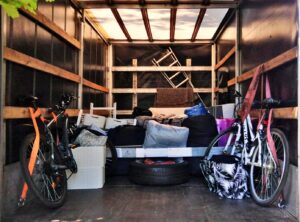
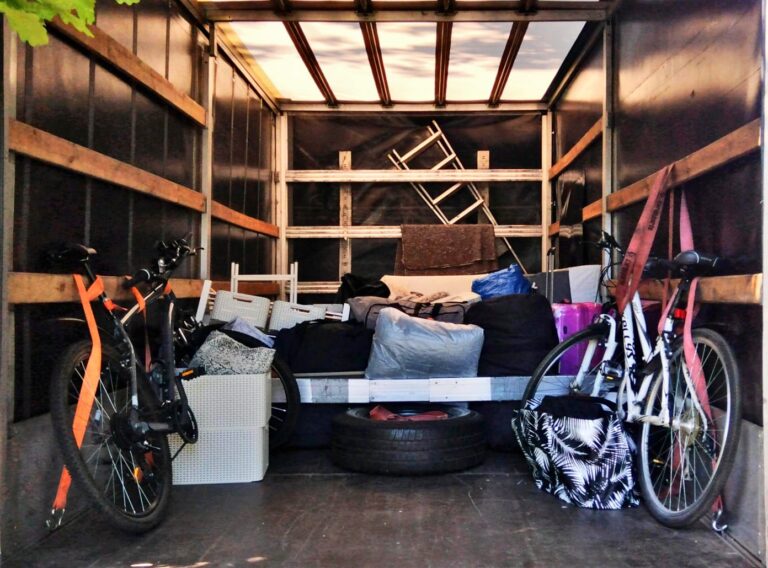
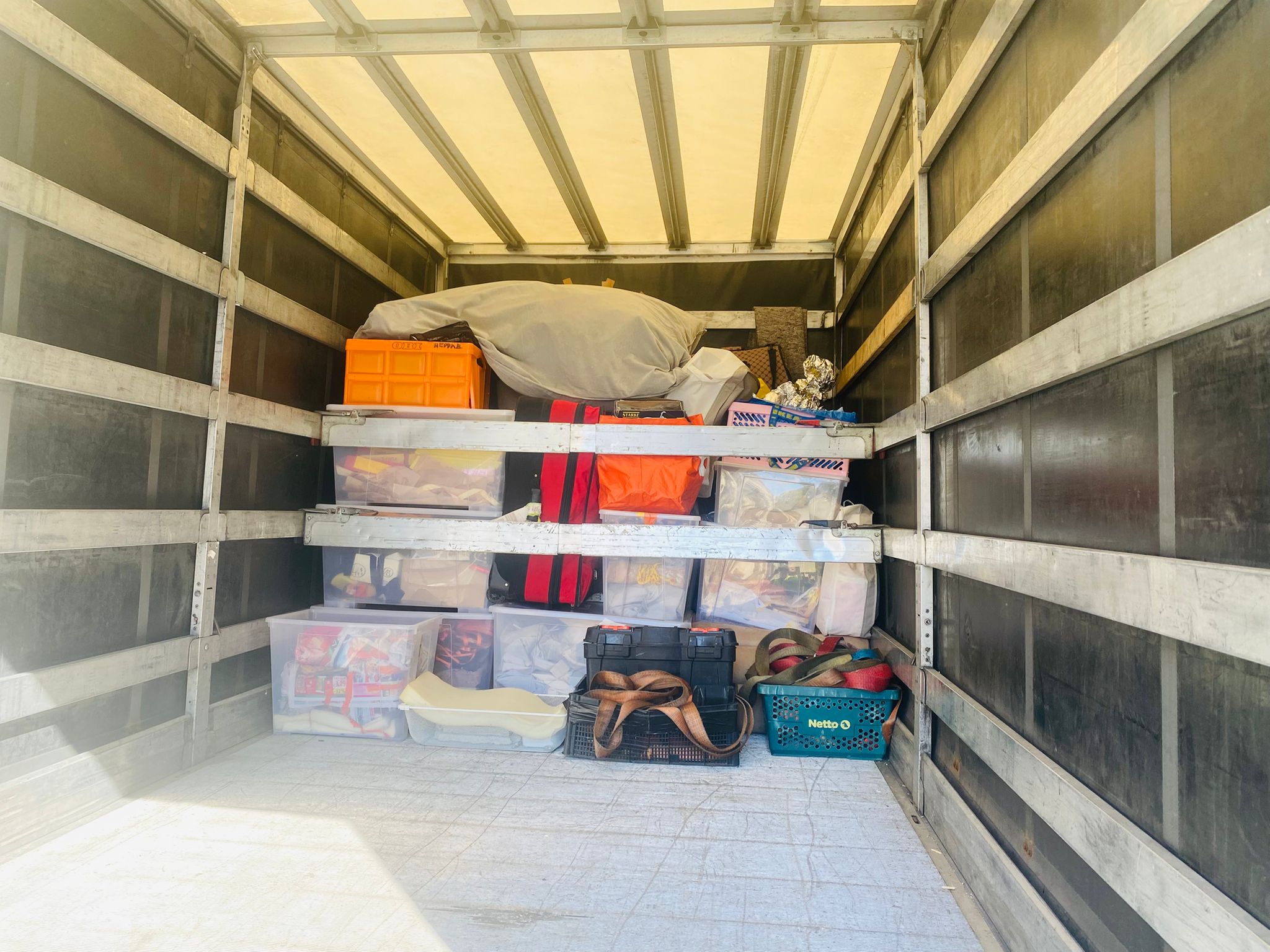
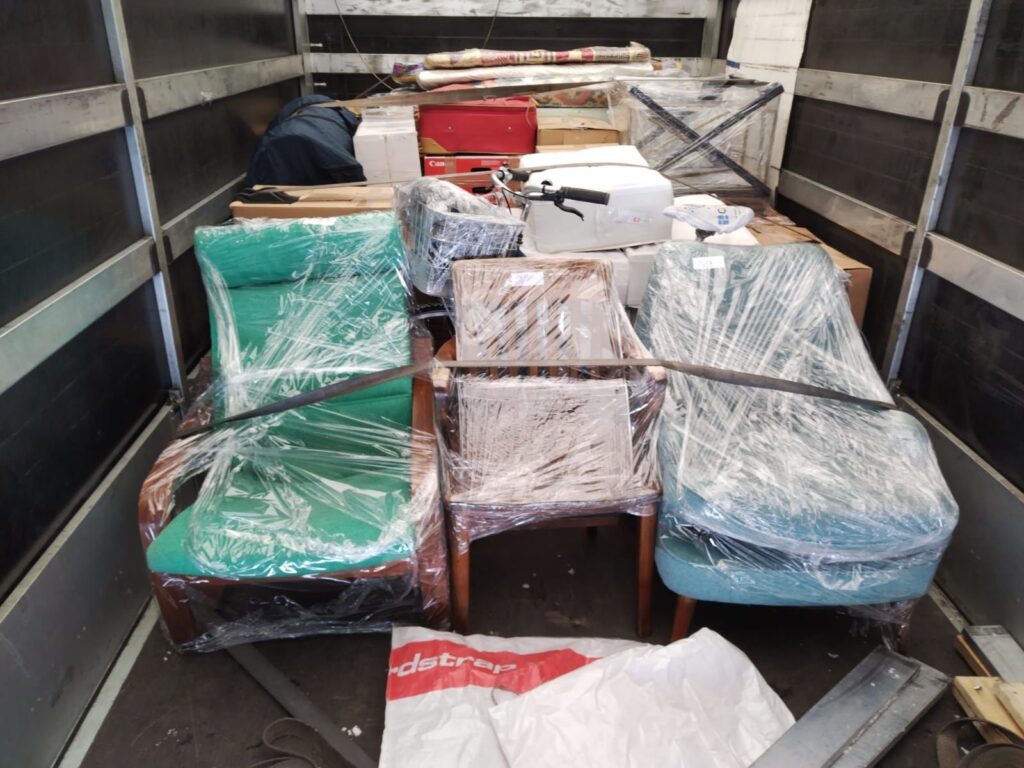
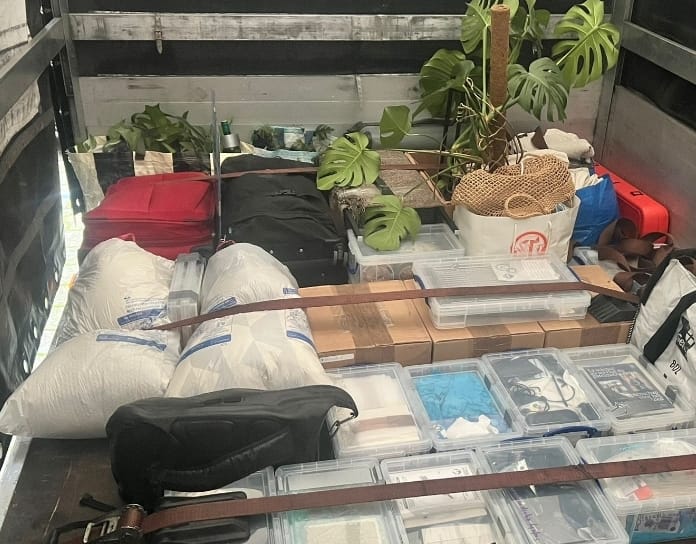
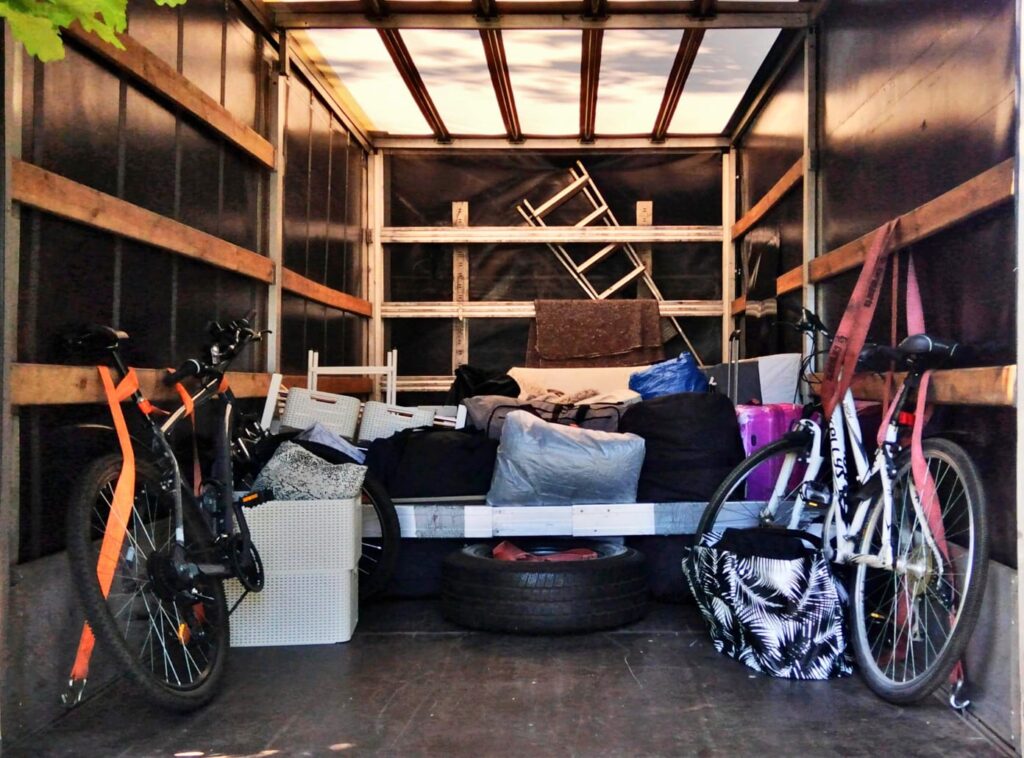
Students travelling with several boxes, books, a computer, a bicycle or small furniture may find airline baggage restrictive and expensive.
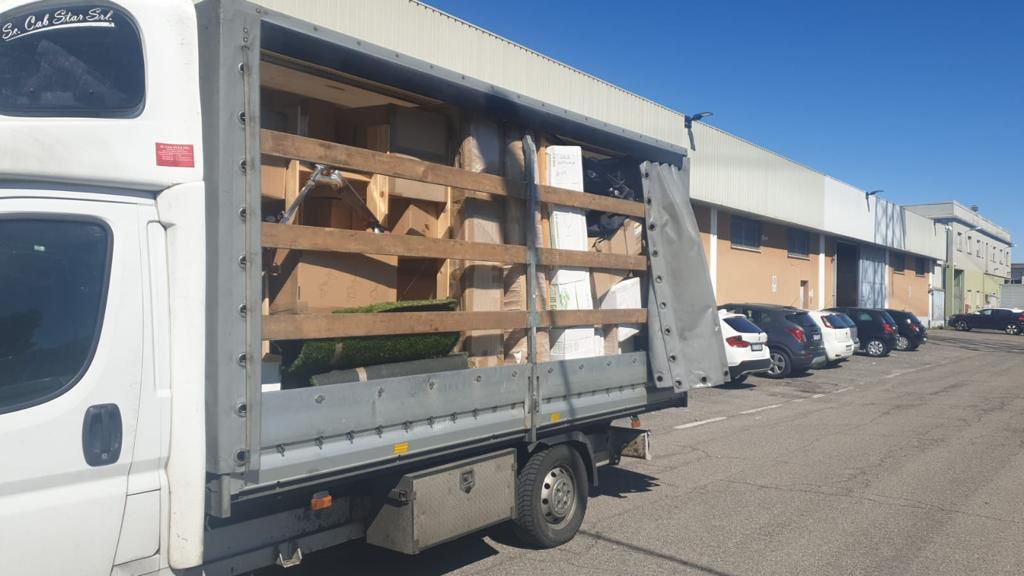
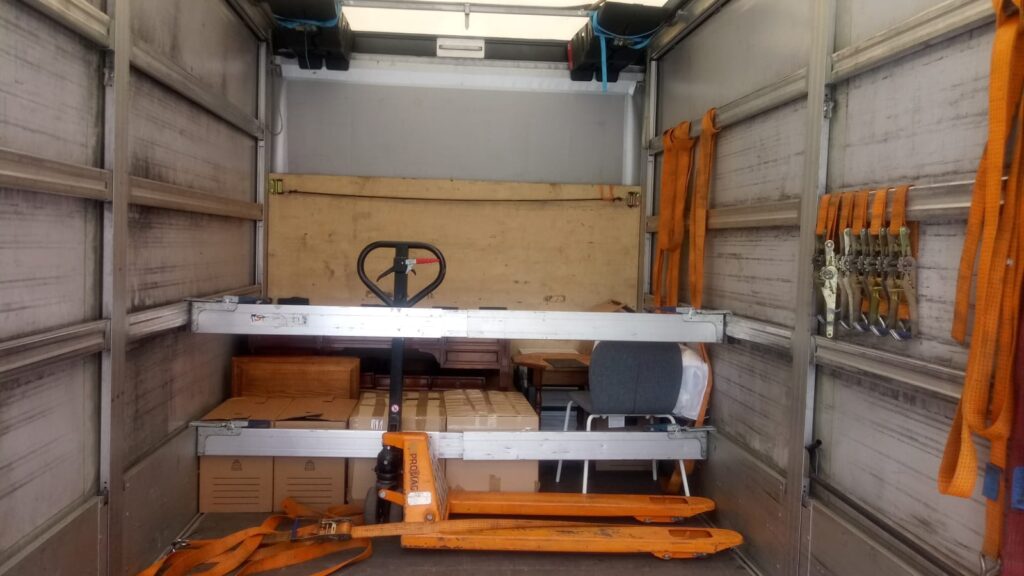
A professional removals to Ireland service can provide more capacity and fewer limitations.
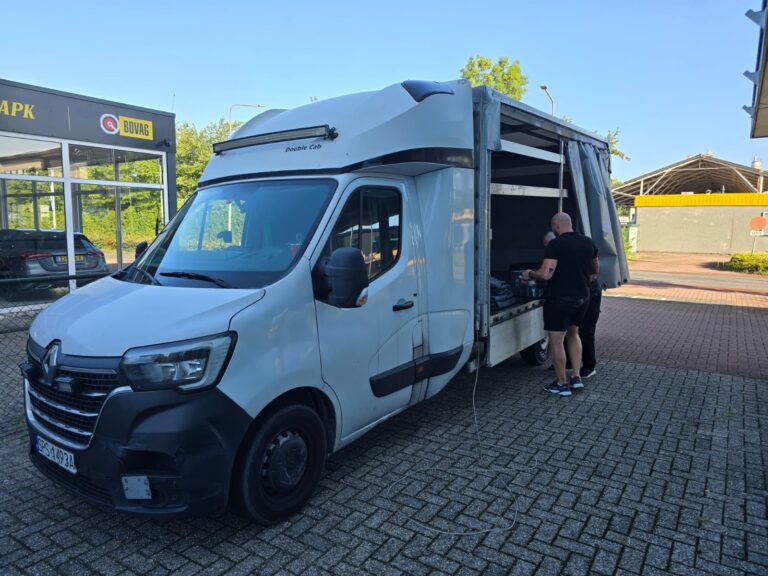
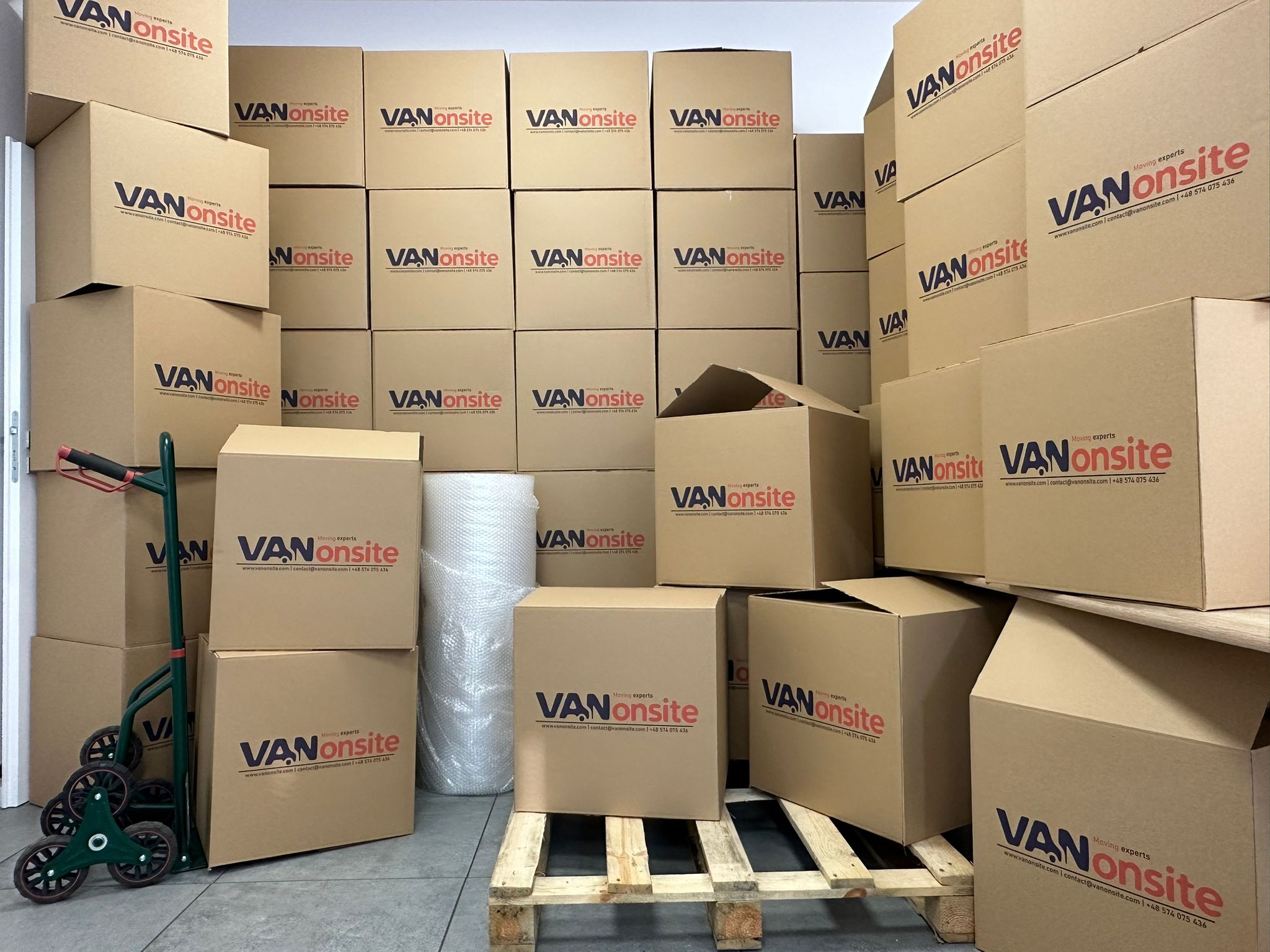
VANonsite supports student relocations with GPS tracking for every load, insured transport and flexible collection options. Available services include:
- Student Removals
- Packing Services
- Furniture Removals
- storage
- last-minute moving
- part-load transport
- dedicated transport
- man and van services
VANonsite Vehicle Options
| Moving option | Capacity | Maximum weight | Suitable for |
|---|---|---|---|
| Moving One | 1 m³ | 100 kg | Boxes, luggage and personal items |
| Moving Basic | 5 m³ | 300 kg | Student room or small studio |
| Moving Medium | 10 m³ | 500 kg | Larger studio or compact apartment |
| Moving Premium | 15 m³ | 1,100 kg | One-bedroom apartment |
| Moving Premium Plus | 30 m³ | 3,500 kg | Multi-room household |
| Moving Full House XXL | 90 m³ | 20,000 kg | Large household relocation |
Choosing the correct vehicle size helps avoid paying for unnecessary capacity. A part-load or man and van option can be particularly effective for smaller student moves.
Example Monthly Student Budgets
Careful Budget
| Category | Monthly amount |
|---|---|
| Shared accommodation | €850 |
| Utilities | €100 |
| Food | €320 |
| Transport | €50 |
| Internet and mobile | €35 |
| Study materials | €100 |
| Personal spending | €145 |
| Emergency reserve | €100 |
| Total | €1,700 |
This budget requires shared accommodation, regular home cooking and controlled social spending.
Realistic Dublin Budget
| Category | Monthly amount |
|---|---|
| Accommodation | €1,200 |
| Utilities | €135 |
| Food | €490 |
| Transport | €75 |
| Books and printing | €120 |
| Clothing and hygiene | €150 |
| Internet and mobile | €45 |
| Social spending | €120 |
| Unexpected expenses | €110 |
| Total | €2,445 |
This provides a practical benchmark for students preparing to live independently in Dublin.
Comfortable Budget
Students choosing premium accommodation, frequent restaurant meals and regular travel may spend more than €3,000 per month.
A private studio alone can push the budget significantly above the national student average.
How to Reduce the Student Cost of Living in Ireland
Students can reduce expenses without sacrificing their entire social life.
- Apply for accommodation early.
- Compare rent together with utilities and transport.
- Choose a shared house instead of a private studio.
- Cook most meals at home.
- Use student transport discounts.
- Buy second-hand books and furniture.
- Use university libraries and campus facilities.
- Set a weekly entertainment limit.
- Keep an emergency fund of at least €500.
- Avoid relying completely on future part-time income.
- Compare professional removals with airline baggage costs.
- Bring essential items instead of replacing everything after arrival.
Saving €50 per week creates annual savings of €2,600. Small and consistent decisions can therefore have a powerful impact on the overall cost of living in Ireland for students.
Student Moving Checklist for Ireland
Three to Six Months Before Moving
- confirm university admission
- calculate tuition and living costs
- check visa requirements
- begin searching for accommodation
- prepare proof of funds
- compare moving services
- investigate scholarships
- build an emergency reserve
One to Two Months Before Moving
- arrange health insurance
- confirm accommodation
- book travel
- organise student removals
- prepare immigration documents
- decide what to pack
- arrange certified translations
- sell or donate unnecessary items
Final Week Before Departure
- confirm the collection address
- label every box
- photograph valuable items
- keep documents in hand luggage
- prepare medication
- confirm accommodation access
- save emergency contacts
After Arriving in Ireland
- complete immigration registration
- collect the university student card
- arrange a mobile phone number
- open a bank account if required
- register with a doctor
- obtain a travel card
- create a monthly spending tracker
- inspect the accommodation
Why Students Choose VANonsite for Moving to Ireland
Moving abroad can feel exciting and overwhelming. Students often have fixed course dates, limited budgets and strict accommodation schedules.
VANonsite supports student moves with:
- GPS tracking for every load
- insured European transport
- flexible vehicle sizes
- packing and unpacking assistance
- furniture dismantling and assembly
- storage options
- dedicated transport
- part-load services
- last-minute moving
- multilingual support
- clear quotations
Smaller moves do not require oversized vehicles. Moving One and Moving Basic can transport boxes, luggage, books, computers and essential room equipment.
A professional student removals or man and van service can also reduce stress. Instead of struggling with multiple suitcases, students can focus on documents, accommodation and the first days of university life.
Frequently Asked Questions
What is the average cost of living in Ireland for students?
The cost of living in Ireland for students is usually between €1,200 and €2,500 per month. In Dublin, a realistic budget may be approximately €2,445, excluding tuition.
Is €1,000 per month enough for a student in Ireland?
€1,000 is unlikely to cover independent student life in Dublin unless accommodation is already paid for. It may be possible in limited situations in smaller towns, but the budget would offer very little protection against unexpected costs.
How much money is required for an Irish student visa?
Students on courses lasting more than eight months may need to prove access to €10,000. Shorter courses may require €833 per month.
Is Dublin expensive for international students?
Yes. Dublin usually has the highest living cost in Ireland for international students, mainly because of rent.
Can international students work while studying?
Eligible Stamp 2 students may work 20 hours per week during term time and 40 hours during specified holiday periods.
How much does student accommodation cost in Ireland?
In Dublin, student accommodation may range from approximately €830 to more than €2,250 per month. In Cork, a room in a shared house may cost around €700 to €900, excluding some bills.
What is the cheapest way to move to Ireland as a student?
Airline baggage may be suitable for a few suitcases. For boxes, books, computers or furniture, part-load removals or a small man and van service may offer better value and fewer restrictions.
Final Thoughts on the Cost of Living in Ireland for Students
The cost of living in Ireland for students is manageable with realistic planning, but accommodation can quickly transform the final budget.
A student in Dublin should usually prepare for at least €1,735 per month. A more practical target is approximately €2,445, excluding tuition. Students living in Cork, Galway, Limerick or smaller towns may spend less, although rental availability remains a major challenge.
International students must also prepare for visa fees, proof of funds, health insurance and immigration registration. These costs should be calculated separately from monthly living expenses.
The strongest strategy is to begin early. Secure accommodation before demand peaks, create an emergency reserve and avoid depending entirely on part-time employment.
A carefully planned relocation can also reduce unexpected costs. VANonsite provides flexible vehicle sizes, professional packing, insured transport and GPS tracking for every load, helping students move to Ireland with greater confidence and control.