Moving to Switzerland is exciting, but it is not the kind of move you should treat casually. Switzerland is beautiful, polished and famously efficient, yet it is also a country where paperwork matters, deadlines matter and details can save you money. A smooth relocation begins long before the van arrives at your door.
The best tips for moving to Switzerland are practical rather than poetic. You need to know what documents to prepare, how customs work, when to register, how to choose the right vehicle size and how to protect your belongings during a cross border journey. You also need to think about your first week after arrival, because a move does not end when the last box is unloaded.
This guide gives you a clear, complete and answer focused plan for moving to Switzerland. It covers household goods, customs, residence documents, health insurance, pets, students, families, office moves, storage, vehicle size and cost saving decisions. It also explains how a reliable man and van service can make the process faster, safer and easier to control.
VANonsite supports European moves with professional transport, careful handling, GPS tracking for every load and flexible vehicle options from a few boxes to a full house relocation. For a dedicated Swiss route, visit VANonsite removals to Switzerland.
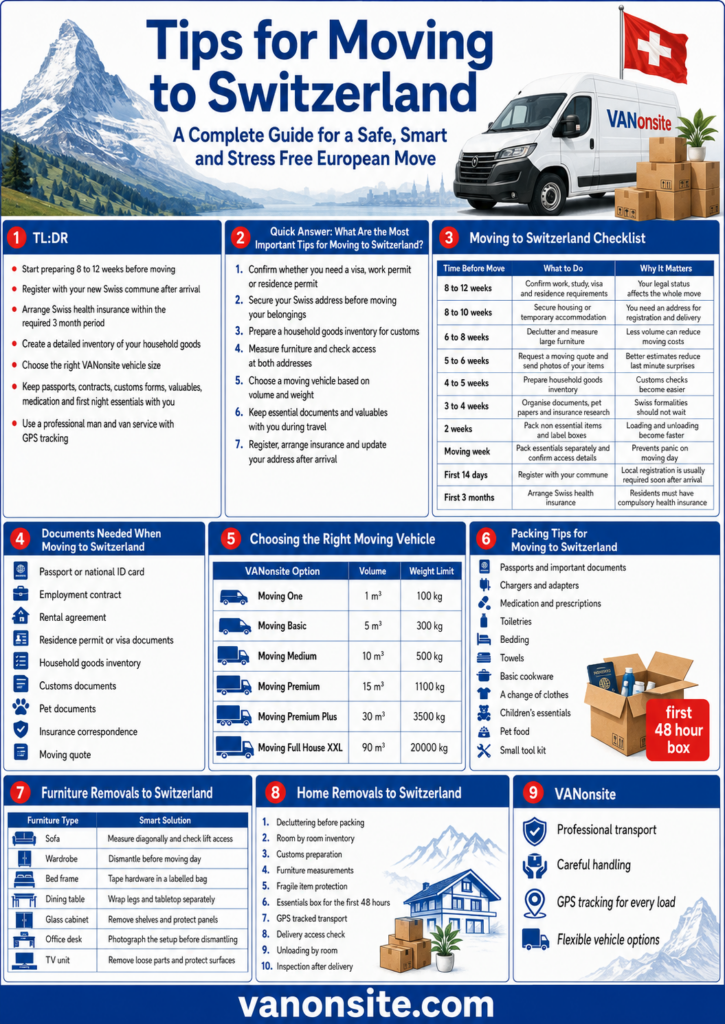
TL:DR
- Start preparing 8 to 12 weeks before moving, especially if you need permits, school documents, work papers or customs declarations.
- Check official Swiss requirements for residence permits, registration, household goods, health insurance and pets before booking transport.
- Register with your new Swiss commune after arrival, usually within 14 days, and arrange Swiss health insurance within the required 3 month period.
- Create a detailed inventory of your household goods, with items grouped by room, category and approximate value.
- Choose the right VANonsite vehicle size, from Moving One at 1 m3 and 100 kg to Moving Full House XXL at 90 m3 and 20000 kg.
- Keep passports, contracts, customs forms, valuables, medication and first night essentials with you, not inside the moving load.
- Use a professional man and van service with GPS tracking if you want a safer, faster and more transparent move to Switzerland.




Quick Answer: What Are the Most Important Tips for Moving to Switzerland?
The most important tips for moving to Switzerland are simple: confirm your legal status, prepare your paperwork, create a clear inventory, choose the correct moving vehicle, protect fragile items and register properly after arrival. Switzerland rewards preparation. It does not reward guesswork.
If you want a smooth move, start with these seven actions:
- Confirm whether you need a visa, work permit or residence permit.
- Secure your Swiss address before moving your belongings.
- Prepare a household goods inventory for customs.
- Measure furniture and check access at both addresses.
- Choose a moving vehicle based on volume and weight.
- Keep essential documents and valuables with you during travel.
- Register, arrange insurance and update your address after arrival.
A move to Switzerland can feel overwhelming because several systems meet at once: housing, immigration, customs, healthcare, banking, transport and local administration. The secret is to separate the move into manageable stages. Do not try to solve everything in one weekend. Build a timeline, give each task a date and treat the relocation like a serious project.
That is where a professional moving partner becomes valuable. VANonsite helps customers move across Europe with secure transport, flexible booking options and GPS tracking for every load. When your whole life is travelling through several countries, knowing where your belongings are is more than convenient. It is calming.
Why Moving to Switzerland Needs Careful Planning
Switzerland has a reputation for precision, and that reputation is deserved. Trains are punctual, public services are structured and official processes are usually clear. However, clear does not always mean simple. Many steps depend on your nationality, canton, work situation, family status and the goods you bring with you.
This is why general relocation advice is not enough. The most useful tips for moving to Switzerland focus on the points where people often make mistakes: customs, registration, insurance, vehicle size, furniture access and documentation.
A successful move should answer these questions before loading day:
- Can you legally live, work or study in Switzerland?
- Do you need a residence permit or work authorisation?
- Have you prepared the correct customs paperwork for household goods?
- Is your new address accessible for unloading?
- Do your large items fit through doors, staircases and lifts?
- Have you selected a vehicle with enough space and weight capacity?
- Do you have a plan for the first 48 hours after arrival?
Switzerland is not part of the European Union, and it is not part of the EU customs union. That makes the customs side of your move especially important. Even if you are moving from another European country, you should not assume that household goods can simply cross the border without preparation.
A well planned move gives you control. A rushed move gives you surprises. And when those surprises happen at a border, in a new city or outside an apartment building with no parking, they become expensive very quickly.
Moving to Switzerland Checklist
A good checklist turns a complicated relocation into a sequence of clear decisions. Use the timeline below as a practical structure for your move.
| Time Before Move | What to Do | Why It Matters |
|---|---|---|
| 8 to 12 weeks | Confirm work, study, visa and residence requirements | Your legal status affects the whole move |
| 8 to 10 weeks | Secure housing or temporary accommodation | You need an address for registration and delivery |
| 6 to 8 weeks | Declutter and measure large furniture | Less volume can reduce moving costs |
| 5 to 6 weeks | Request a moving quote and send photos of your items | Better estimates reduce last minute surprises |
| 4 to 5 weeks | Prepare household goods inventory | Customs checks become easier |
| 3 to 4 weeks | Organise documents, pet papers and insurance research | Swiss formalities should not wait |
| 2 weeks | Pack non essential items and label boxes | Loading and unloading become faster |
| Moving week | Pack essentials separately and confirm access details | Prevents panic on moving day |
| First 14 days | Register with your commune | Local registration is usually required soon after arrival |
| First 3 months | Arrange Swiss health insurance | Residents must have compulsory health insurance |
One of the most practical tips for moving to Switzerland is to create a digital moving folder. Store scanned copies of your passport, ID card, employment contract, rental agreement, customs documents, inventory, pet documents, insurance correspondence and moving quote. Keep the folder available offline, because roaming, battery problems and weak signal can appear at the worst possible moment.
Also prepare a printed folder. Digital documents are useful, but border staff, landlords, commune offices or service providers may still ask for paper copies. A slim folder can prevent a large headache.
Documents Needed When Moving to Switzerland
Documents are the quiet foundation of a successful Swiss relocation. Without them, even a perfectly packed van and a spotless inventory can lose momentum. Your exact documents depend on your nationality, work situation and canton, so always check official Swiss sources.
Useful official pages include:
| Topic | Official Source |
|---|---|
| Moving to Switzerland overview | ch.ch: Moving to Switzerland |
| Residence permits | ch.ch: Permits for living in Switzerland |
| EU and EFTA citizens | SEM: EU/EFTA citizens living and working in Switzerland |
| Customs and household effects | FOCBS: Moving household effects |
| Registration after arrival | ch.ch: Notification of departure and registration |
| Health insurance | FOPH: Health insurance for people resident in Switzerland |
| Pets | FSVO: Dogs, cats and ferrets |
In most cases, you should prepare:
- Valid passport or national ID card
- Employment contract, study confirmation or proof of financial means
- Rental agreement or written address confirmation
- Marriage certificate, if relevant
- Birth certificates for children, if relevant
- Household goods inventory
- Customs documents for personal effects
- Vehicle documents, if importing a car
- Pet passport or official veterinary certificate, if moving with pets
- Microchip and rabies vaccination proof for pets, if applicable
- Health insurance documents after arrival
- Driving licence documents, if you plan to exchange your licence
A powerful habit is to separate documents into three groups. First, documents you need while travelling. Second, documents you need for Swiss authorities. Third, documents you need for housing, schools, banks and daily life. This avoids the classic mistake of packing vital papers into a box at the back of the van.
These tips for moving to Switzerland may sound simple, but they prevent some of the most frustrating delays. Keep originals close. Keep copies ready. Keep digital backups available. Treat your documents like high value cargo.
Customs Tips for Moving to Switzerland
Customs is one of the biggest differences between moving to Switzerland and moving within many EU countries. Switzerland has its own customs rules, and household goods should be declared correctly. If you are relocating your normal used household effects, you may be able to bring them under specific relocation rules, but the process still requires accurate paperwork.
Start with a clear inventory. Do not create a chaotic list at midnight before moving day. Build it room by room.
A practical inventory can look like this:
| Room or Category | Example Items | Notes |
|---|---|---|
| Bedroom | Bed, mattress, wardrobe, lamps, bedding | Mark mirrors and glass panels as fragile |
| Kitchen | Plates, pans, coffee machine, toaster, small appliances | Separate high value appliances |
| Living room | Sofa, TV, coffee table, shelves, artwork | Protect screens and framed items |
| Office | Desk, chair, monitor, printer, files | Separate personal and business equipment |
| Children’s room | Toys, books, clothes, cot, small furniture | Keep school documents outside the load |
| Storage | Tools, sports equipment, seasonal items | Check restricted goods before packing |
| Clothing | Boxes or suitcases of clothes and shoes | Note approximate number of boxes |
Your inventory should not be a novel. It should be clear, structured and honest. Group similar low value items together, but list valuable items separately. If you have expensive electronics, artwork, antiques or designer furniture, describe them more carefully.
One of the best tips for moving to Switzerland is to separate new purchases from used household goods. If you recently bought expensive furniture, electronics or appliances, check whether customs duties or taxes may apply. Do not hide new items among used belongings. That can create problems and slow everything down.
Also avoid packing prohibited or restricted goods without checking the rules. Food, alcohol, plants, weapons, medicines, commercial goods and certain animal products can involve restrictions. If in doubt, check official customs guidance before packing.
Professional transport helps here because a mover experienced in European routes understands that border preparation is part of the job. VANonsite supports Swiss removals with a practical, transport focused approach and GPS tracking, giving customers more visibility during the journey.
Choosing the Right Moving Vehicle
Choosing the wrong vehicle is one of the easiest ways to make a move more expensive. Too small, and you may need extra trips. Too large, and you pay for space you do not need. Too weak, and weight becomes a safety issue. The right vehicle protects time, money and belongings.
VANonsite offers several vehicle sizes for different move types:
| VANonsite Option | Volume | Weight Limit | Best For |
|---|---|---|---|
| Moving One | 1 m3 | 100 kg | A few boxes, documents, light student items |
| Moving Basic | 5 m3 | 300 kg | Small man and van moves, compact rooms |
| Moving Medium | 10 m3 | 500 kg | Studio flats and small apartment essentials |
| Moving Premium | 15 m3 | 1100 kg | One bedroom moves, furniture plus boxes |
| Moving Premium Plus | 30 m3 | 3500 kg | Larger flats, partial house moves, furniture removals |
| Moving Full House XXL | 90 m3 | 20000 kg | Full house moves, large family relocations, office removals |
To estimate your size, take photos of every room. Open wardrobes, cupboards, storage areas, balcony storage, basement rooms and garage spaces. Hidden belongings often add 20% to 30% more volume than people expect. A single storage room can turn a small move into a medium move.
For small relocations, a man and van service can be the ideal solution. It is flexible, efficient and often better suited to city apartments, student moves and partial loads. For larger households, VANonsite options such as Moving Premium Plus or Moving Full House XXL offer the capacity needed for furniture, boxes, appliances and bulky items.
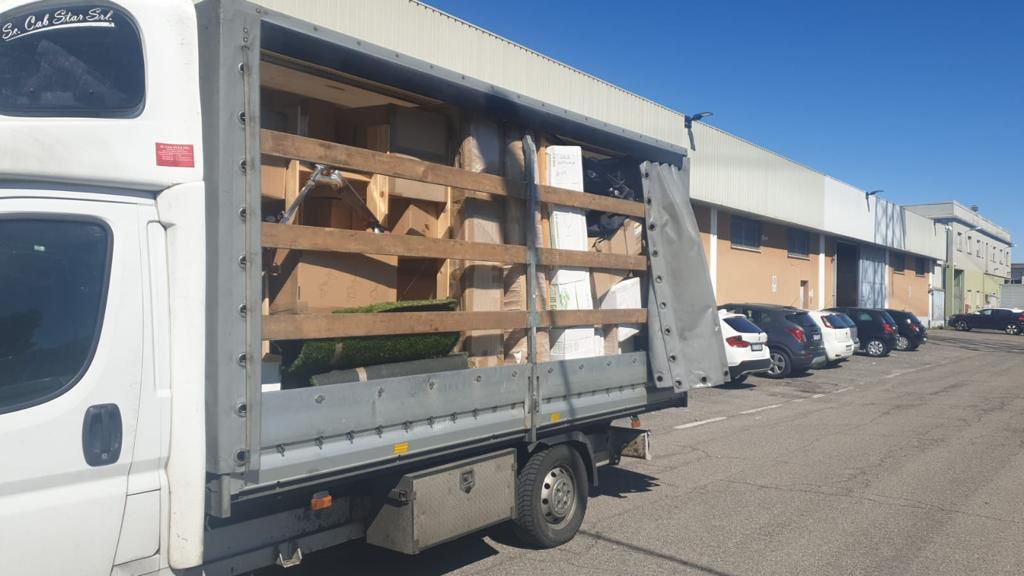
Vehicle choice should also consider access. Swiss city centres can have limited parking, narrow streets and strict loading rules. Mountain addresses may involve steep roads or weather related challenges. Apartment buildings may have small lifts or tight staircases. A good moving plan looks not only at what you own, but also where it needs to go.
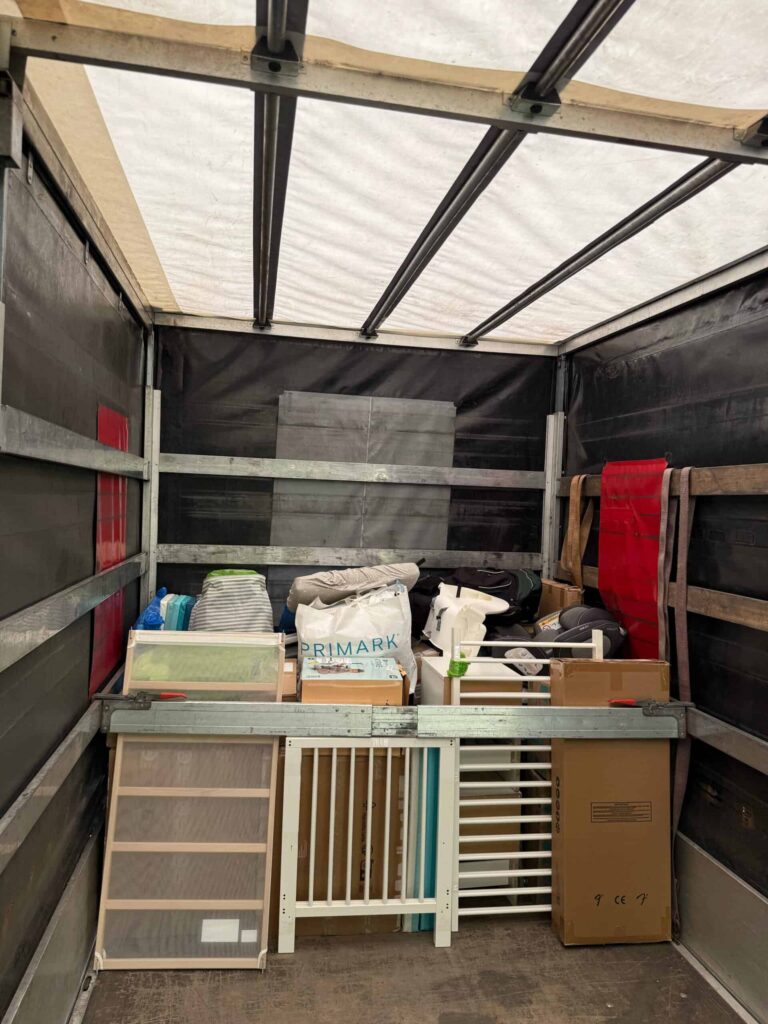
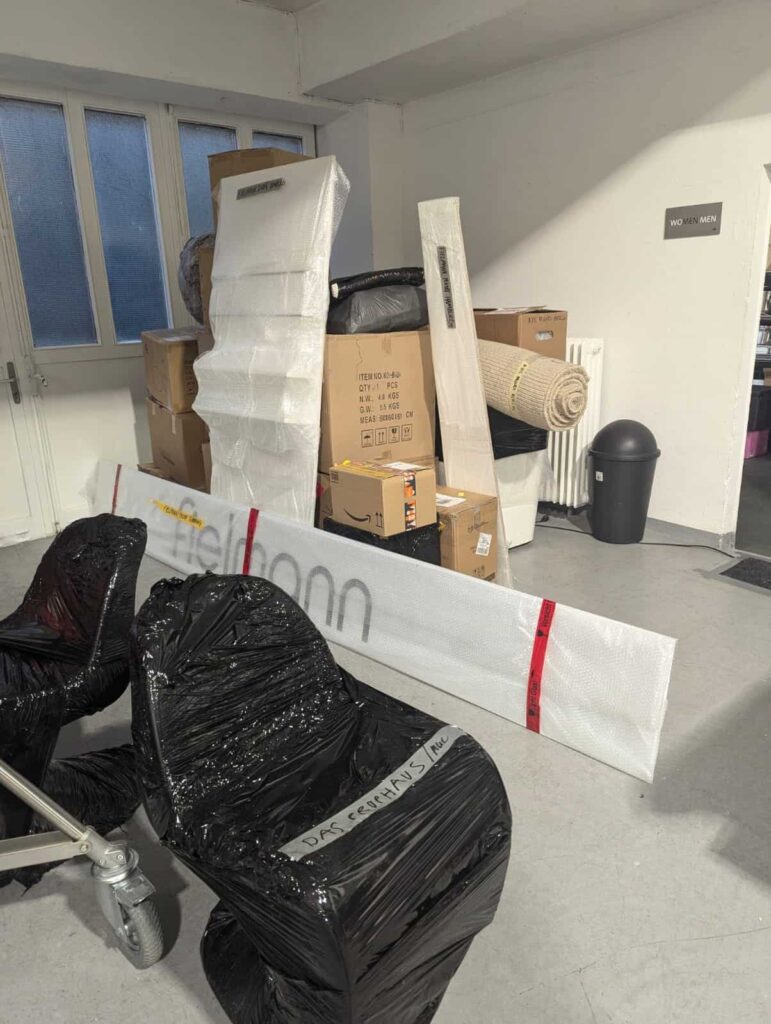
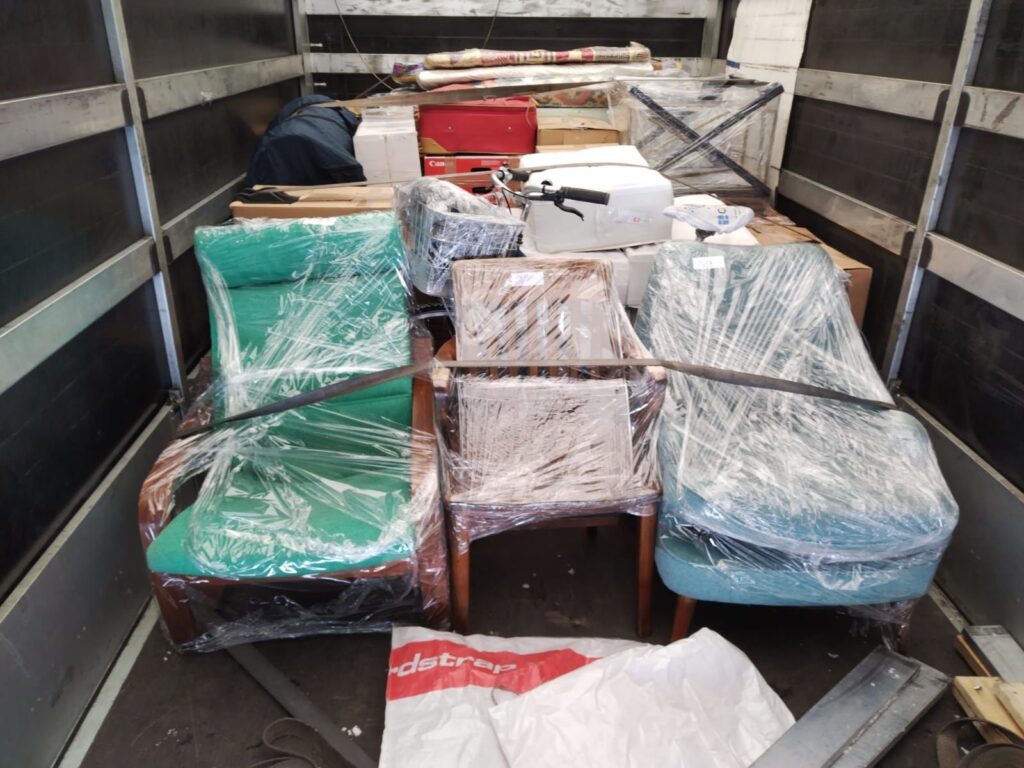
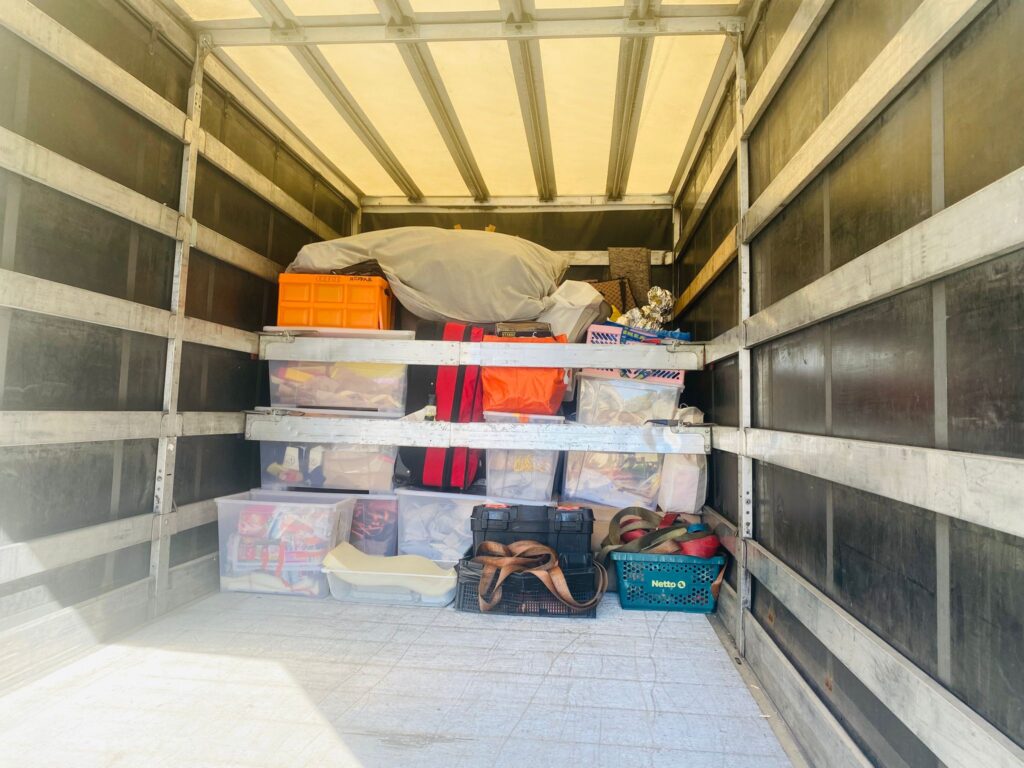
Packing Tips for Moving to Switzerland
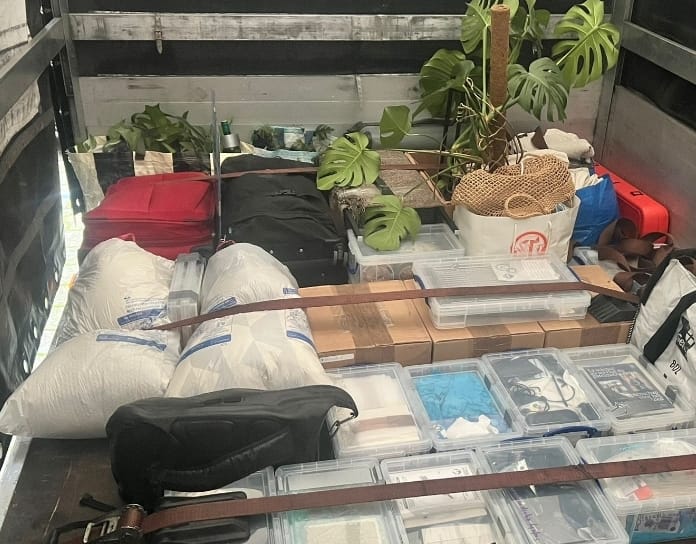
Packing is where the emotional and practical sides of moving collide. It is easy to underestimate the time it takes. A kitchen alone can take several hours because every plate, glass, pan and appliance needs attention. Multiply that by a whole home, and packing becomes a serious project.
Start with the first 48 hour box. This box should not go deep inside the van. It should travel with you or be unloaded first.
Pack these essentials:
- Passports and important documents
- Chargers and adapters
- Medication and prescriptions
- Toiletries
- Bedding
- Towels
- Basic cookware
- Coffee, tea or breakfast items
- A change of clothes
- Children’s essentials, if relevant
- Pet food, if relevant
- Small tool kit
- Phone numbers and address details
Then pack room by room. Use labels that tell you where each box belongs and how urgently it is needed. For example:
- Kitchen urgent
- Bedroom bedding
- Bathroom essentials
- Office fragile
- Living room books
- Children’s room toys
- Documents do not load
Do not write vague labels such as “miscellaneous.” Miscellaneous becomes a monster after arrival. Every unclear box steals time when you are tired, hungry and standing in a new apartment surrounded by cardboard.
One of the strongest tips for moving to Switzerland is to pack for unloading, not only for loading. Think about the person who will stand in your new hallway asking where each box goes. Clear labels make unloading faster and reduce the risk of fragile items being placed under heavy boxes.
VANonsite offers Packing Service support for customers who want more protection and less pressure. This can be especially valuable for fragile kitchens, artwork, electronics, mirrors, antiques and valuable personal items. For premium pieces, White Glove Delivery is the stronger option because delicate belongings need more than speed. They need care.
Furniture Removals to Switzerland
Furniture removals need a separate plan because furniture creates the most physical risk during a move. Sofas, wardrobes, beds, dining tables, office desks, bookcases and fragile cabinets can be heavy, awkward and vulnerable to scratches.
Before moving furniture to Switzerland, measure everything that could cause trouble:
- Sofa width and depth
- Wardrobe height and weight
- Dining table length
- Bed frame dimensions
- Doorway width at both addresses
- Staircase turns
- Lift height and capacity
- Hallway corners
- Parking distance from entrance
A sofa that fits beautifully in your current home may become a stubborn problem in a Swiss stairwell. Older Swiss buildings can be charming, but charm often comes with narrow stairs, tight corners and limited lift space.
Use this furniture planning table:
| Furniture Type | Common Risk | Smart Solution |
|---|---|---|
| Sofa | Too wide for stairs or doors | Measure diagonally and check lift access |
| Wardrobe | Too heavy or too tall | Dismantle before moving day |
| Bed frame | Lost screws or parts | Tape hardware in a labelled bag |
| Dining table | Scratched corners | Wrap legs and tabletop separately |
| Glass cabinet | Breakage | Remove shelves and protect panels |
| Office desk | Cable confusion | Photograph the setup before dismantling |
| TV unit | Glass and screen damage | Remove loose parts and protect surfaces |
Do not leave dismantling until the morning of the move. It adds stress and delays loading. If possible, dismantle large furniture 1 or 2 days before collection. Keep screws, bolts and fittings in labelled bags attached to the relevant item.
Professional furniture removals can prevent damage because experienced movers understand balance, wrapping, weight distribution and vehicle loading. VANonsite offers Furniture Removals for customers moving heavy, bulky or delicate items to Switzerland.
These tips for moving to Switzerland are especially important if you are relocating to Zurich, Geneva, Basel, Lausanne or Bern, where building access and parking can be more restrictive.
Home Removals to Switzerland
A home removal is not just the transport of objects. It is the relocation of your daily life. Your mattress, mugs, books, children’s toys, office chair, winter coats and favourite lamp all carry small pieces of normality. After a long journey, those familiar things help a new country feel less foreign.
For home removals to Switzerland, the best plan combines logistics and comfort.
A complete home moving plan should include:
- Decluttering before packing
- Room by room inventory
- Customs preparation
- Furniture measurements
- Fragile item protection
- Essentials box for the first 48 hours
- GPS tracked transport
- Delivery access check
- Unloading by room
- Inspection after delivery
Start with decluttering. Most households own more than they think. Clothes that no longer fit, unused kitchen gadgets, old cables, duplicate tools, tired furniture and forgotten decorations can quietly consume space. Reducing your load by 15% to 25% before booking transport can make the move lighter and more cost effective.
Then think about arrival. Ask yourself what must be usable on the first night. Usually, the answer is beds, bathroom basics, chargers, simple food and clean clothes. Do not aim to finish everything on day one. Aim to sleep well and start unpacking with a clear head.
VANonsite supports Home Removals with flexible vehicle options and GPS tracking for every load. That visibility matters during international moves. You do not have to spend the journey wondering where your belongings are. You can focus on travel, keys, arrival time and settling in.
Student Removals to Switzerland
Student removals are usually smaller, but they still deserve careful planning. Moving to Switzerland for university, exchange studies, an internship or postgraduate research can be thrilling. It can also feel intense, especially when you are managing housing, documents and budget at the same time.
For many students, a compact man and van move is enough. Moving One or Moving Basic may suit a light student relocation with clothes, books, bedding, small electronics and a few personal boxes. Moving Medium may be better if you are bringing a desk chair, monitor, kitchen equipment or more seasonal clothing.
Students should check:
- Dormitory or flat move in date
- Access time and building rules
- Whether furniture is already provided
- Lift availability
- Local registration requirements
- University documents
- Health insurance requirements
- Internet and phone setup
- Public transport pass options
The smartest student tips for moving to Switzerland are practical and slightly ruthless. Do not pay to move low value bulky items that can be bought cheaply after arrival. Bring what is essential, valuable or emotionally important. Protect your laptop and documents. Pack clothing for the actual Swiss season, not the season you wish it were.
A student move should be lean, quick and well labelled. Keep one backpack with documents, laptop, chargers, toiletries, medication and one change of clothes. If the moving load is delayed by weather, traffic or access issues, you will still have what you need.
VANonsite Student Removals can help students avoid the mess of oversized transport or chaotic luggage only moves. A focused service gives more control, especially when moving between European cities.


Office Removals to Switzerland
Office removals require discipline because business disruption can become expensive quickly. A home move may be emotional, but an office move is operational. Every misplaced cable, delayed desk, lost monitor or unlabelled chair can slow down the team.
The main goal is continuity. The new office should be ready for work as quickly as possible.
Plan office removals by zone:
| Office Area | What to Move | Best Practice |
|---|---|---|
| Workstations | Monitors, chairs, keyboards, desk equipment | Label by employee or department |
| Meeting rooms | Screens, tables, chairs, speakers | Photograph cable layouts |
| IT equipment | Routers, printers, servers, accessories | Pack separately and mark high priority |
| Reception | Furniture, displays, branded materials | Protect visible client facing items |
| Storage | Files, archive boxes, supplies | Separate confidential material |
| Kitchen area | Coffee machines, dishes, appliances | Pack liquids and fragile items carefully |
Before moving, create a floor plan for the new office. Mark where departments, meeting rooms, storage areas and workstations should go. This reduces unloading confusion and helps the team return to work faster.
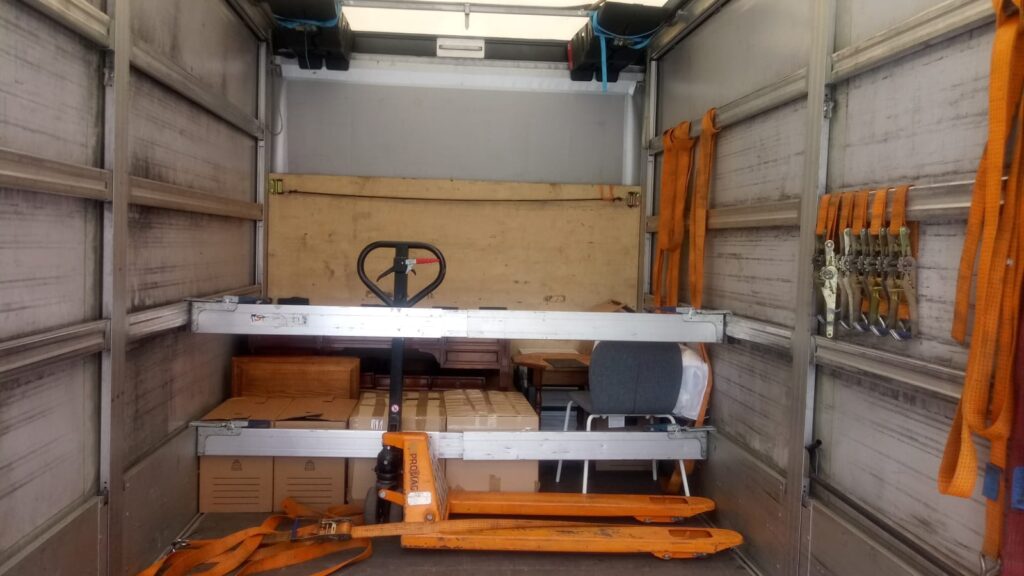
VANonsite offers Office Removals and Office Furniture Installation, which is valuable when a business needs more than basic transport. Furniture may need dismantling, delivery, placement and installation. Office moves can also benefit from larger vehicle options, especially Moving Premium Plus and Moving Full House XXL.
One of the most important tips for moving to Switzerland as a business is to plan downtime honestly. If you need to be operational by Monday morning, do not schedule a risky, overloaded move too late. Build in a buffer. A 12 hour delay can feel small on paper and brutal in business reality.
Last Minute Moving to Switzerland
Not every move begins with 12 weeks of calm planning. Sometimes a job offer arrives quickly. A tenancy date changes. A family situation shifts. A company needs urgent transport. Life does not always give you a perfect calendar.
Last Minute Moving to Switzerland is possible, but it requires focus. When time is short, priorities matter more than perfection.
Start with these essentials:
- Passport or ID
- Work, study or residence documents
- Rental address
- Customs inventory
- Essential clothing
- Medication
- Electronics
- Valuables
- Furniture measurements
- Access details
- Moving vehicle size
In urgent moves, decluttering becomes even more important. Do not waste time packing things you do not want, need or value. If an item is cheap, heavy and unloved, it may not deserve space in the van.
A professional man and van option can be particularly useful for urgent relocations because it is focused and flexible. VANonsite Last Minute Moving helps customers move quickly while still protecting the basics: safe loading, suitable vehicle choice and tracked transport.
The key tip is this: move the essentials well, rather than everything badly. A rushed move should still be organised. Clear labels, a basic inventory and separated documents can prevent chaos even under pressure.
Moving with Pets to Switzerland
Pets feel relocation stress too. They may not understand customs forms or commune registration, but they understand changing smells, long journeys and unfamiliar rooms. Moving with pets to Switzerland needs both official preparation and emotional care.
For official requirements, check the Swiss veterinary authority: FSVO: Dogs, cats and ferrets.
Depending on your situation, you may need:
- Pet passport or official veterinary certificate
- Microchip details
- Rabies vaccination proof
- Compliance with entry rules based on country of departure
- Approved travel crate or restraint
- Medication, if prescribed
- Vet records
- Food and water for the journey
Do not leave pet paperwork until the final week. Vaccination timing and document validity can matter. If anything is missing, travel may become stressful or impossible.
For comfort, keep your pet’s routine as stable as possible. Use familiar bedding. Bring the same food. Keep a favourite toy close. Do not wash every blanket before travel, because familiar scent can be soothing. On arrival, set up one calm room first with water, bedding and familiar items. Let your pet discover the new home slowly.
These tips for moving to Switzerland with pets are not only practical. They are kind. A calmer animal means a calmer household.
Moving to Switzerland with Children
Moving with children adds another layer of emotion. Adults may focus on permits, customs and transport. Children often focus on whether their bed, toys, books and routines will still exist. A child does not need a perfect relocation strategy. A child needs reassurance.
Prepare a child focused moving plan:
- Keep favourite toys and comfort items close.
- Pack a small personal box together.
- Explain the move in simple, positive terms.
- Show photos of the new home or area, if possible.
- Keep school records and health documents ready.
- Pack first week clothing separately.
- Bring familiar snacks for the journey.
- Prepare bedding quickly after arrival.
A good family move protects rhythm. Try to set up children’s sleeping spaces early. Even if the rest of the home is still full of boxes, a familiar blanket and soft light can make the first night easier.
School documents may be needed depending on your child’s age and canton. Prepare previous school records, vaccination documents, birth certificates and any language support information. Switzerland has different cantonal education systems, so check local requirements before arrival.
For families, the best tips for moving to Switzerland are about reducing emotional friction. Children settle faster when parents are not drowning in avoidable chaos. A reliable mover, clear labels and proper planning give the whole family more room to breathe.
Moving a Car to Switzerland
Importing a car is not the same as moving household boxes. Vehicles may involve customs, registration, insurance, technical inspection and driving licence questions. Before deciding, compare the cost and effort with the convenience of keeping your current vehicle.
Check:
- Vehicle ownership documents
- Registration certificate
- Insurance validity
- Customs rules
- Technical inspection requirements
- Emissions standards
- Swiss road tax and local rules
- Driving licence exchange requirements
- Parking availability at your new address
In many Swiss cities, public transport is excellent. Some newcomers discover they need a car less than expected. In rural areas, mountain villages or family situations, keeping a car may be more practical.
One of the most overlooked tips for moving to Switzerland is to think about parking before importing a vehicle. Swiss parking can be expensive, limited and heavily regulated. A car that feels essential in your current country may become unnecessary in Zurich, Basel, Geneva or Lausanne.
If you do bring a car, keep all vehicle documents separate from the moving load. Store copies digitally and physically.
Storage When Moving to Switzerland
Storage can be the bridge between two imperfect dates. Your old lease may end before the new Swiss apartment is ready. Your temporary housing may be smaller than expected. Your office may need to move in stages. Or you may simply need time to decide what belongs in your new life.
Storage is useful when:
- Delivery dates do not match.
- You are waiting for permanent accommodation.
- You are downsizing.
- You are relocating in phases.
- You want to keep seasonal items safe.
- You need temporary space during renovation.
- Your office move must happen gradually.
Before using storage, divide belongings into three groups:
| Category | Examples | Action |
|---|---|---|
| Immediate use | Documents, clothes, bedding, work equipment | Keep with you or deliver first |
| Short term use | Seasonal clothing, extra kitchen items, books | Store only if not needed quickly |
| Long term or uncertain | Spare furniture, decorations, archive items | Store separately and label clearly |
Storage becomes frustrating when people store the wrong things. Do not bury winter coats if you arrive in January. Do not store office equipment the team needs in week one. Do not place important documents in long term storage.
VANonsite offers Storage support as part of a broader moving plan. This can help customers manage gaps between collection and delivery without making rushed decisions.
Cost Smart Tips for Moving to Switzerland
Moving costs depend on distance, volume, weight, access, timing, packing needs, fragile items and special handling. You cannot control everything, but you can control more than you think.
To reduce costs without risking quality:
- Declutter before requesting a quote.
- Send clear photos of each room.
- Measure large furniture.
- Choose the right vehicle size.
- Pack non fragile items yourself.
- Use professional packing for delicate items.
- Avoid peak moving dates if possible.
- Confirm access at both addresses.
- Prepare customs documents early.
- Keep inventory clear and realistic.
Decluttering is the fastest cost reducer. Many households can cut 15% to 25% of their load by removing unused items. That may reduce packing time, loading time and required vehicle size.
However, do not choose a mover based only on the lowest price. Cheap transport can become expensive if it leads to damage, delay, poor communication or extra trips. Value matters more than a tempting number. A strong moving service gives you safe handling, suitable vehicle capacity, reliable timing and transparency.
GPS tracking is especially valuable for international removals. VANonsite offers GPS tracking for every load, which helps reduce uncertainty while your belongings travel across Europe. That kind of visibility can be worth far more than a small saving from an unknown provider.
First Week After Moving to Switzerland
The first week after arrival is not just unpacking. It is the moment when your new life begins to take shape. You need to handle administration, inspect your belongings, set up daily essentials and create enough comfort to function.
Focus on these tasks:
| Task | Why It Matters |
|---|---|
| Register with your commune | Local registration is a key official step |
| Start health insurance process | Swiss residents must arrange compulsory coverage |
| Check delivered items | Report any transport issues quickly |
| Set up phone and internet | Daily admin becomes easier |
| Update your address | Banks, employer, schools and services need accuracy |
| Learn local transport | Trains, trams and buses can save time |
| Locate supermarket and pharmacy | Practical comfort matters immediately |
| Set up sleeping areas | Rest makes every task easier |
Do not try to unpack the whole home in one night. Start with bedrooms, bathroom essentials and basic kitchen items. A made bed can feel like a small miracle after a long move.
Walk around your neighbourhood. Find the closest grocery store, pharmacy, bus stop, train station and recycling point. Switzerland has strong recycling rules, so learn your local system early. It will save confusion and possible fines.
The best tips for moving to Switzerland after arrival are about stability. Build your first week around sleep, documents, food, internet and registration. Everything else can follow.
Common Mistakes When Moving to Switzerland
Many moving problems are avoidable. They usually begin with a small assumption: the van will fit, the paperwork will be easy, the sofa will pass through the door, the boxes will be obvious, the documents will be somewhere.
Avoid these common mistakes:
- Booking transport before estimating real volume.
- Forgetting that Switzerland has its own customs rules.
- Packing documents into the moving load.
- Leaving residence or work permit questions too late.
- Ignoring commune registration requirements.
- Waiting too long to arrange health insurance.
- Moving furniture without measuring access.
- Choosing a mover without GPS tracking.
- Underestimating parking restrictions.
- Forgetting pet paperwork.
- Mixing new purchases with used household goods without checking customs.
- Labelling boxes vaguely.
- Not preparing first night essentials.
- Moving items that should have been sold, donated or recycled.
A simple rule helps: every item should earn its place in the move. If it is heavy, low value, easy to replace and not emotionally important, think twice before paying to move it.
These practical tips for moving to Switzerland protect your budget, your patience and your belongings.
Why Choose VANonsite for Moving to Switzerland?
VANonsite offers high quality European transport for people who want their move handled with speed, care and visibility. Moving to Switzerland requires more than a vehicle. It requires planning, safe loading, smart vehicle selection and reliable communication.
VANonsite offers services for many relocation needs, including:
- Last Minute Moving
- Furniture Removals
- Home Removals
- Packing Service
- White Glove Delivery
- Office Removals
- Storage
- Student Removals
- Office Furniture Installation
- Man and van relocations across Europe
The range of vehicle sizes makes the service flexible. A few boxes do not need the same solution as a family home. A student move does not need the same capacity as office furniture installation. A full house relocation needs room, strength and structure.
VANonsite vehicle options include:
- Moving One: 1 m3, 100 kg
- Moving Basic: 5 m3, 300 kg
- Moving Medium: 10 m3, 500 kg
- Moving Premium: 15 m3, 1100 kg
- Moving Premium Plus: 30 m3, 3500 kg
- Moving Full House XXL: 90 m3, 20000 kg
GPS tracking for every load gives customers more control during the journey. You can follow the movement of your belongings instead of relying on guesswork. For international removals, that visibility builds trust.
VANonsite is a strong option for customers who want professional transport without unnecessary drama. The service fits small moves, large moves, urgent moves, delicate deliveries, student relocations and office projects. For a dedicated Swiss service page, visit VANonsite removals to Switzerland.
FAQ: Tips for Moving to Switzerland
What should I do first when moving to Switzerland?
First, check your legal right to live, work or study in Switzerland. Then secure housing, prepare your inventory and review customs requirements. Transport should be booked after you understand your volume, access needs and moving date.
How early should I plan a move to Switzerland?
The ideal planning window is 8 to 12 weeks. This gives you enough time to organise documents, declutter, compare vehicle sizes, prepare customs paperwork and book a reliable man and van or full removals service.
Do I need to register after moving to Switzerland?
Yes. New residents generally need to register with their local commune soon after arrival. The common deadline is 14 days, but you should check the exact process for your municipality and canton.
Do I need Swiss health insurance?
Yes, residents in Switzerland must arrange compulsory health insurance within the required period, commonly 3 months after taking up residence. Check the Federal Office of Public Health guidance for your situation.
Can I bring household goods to Switzerland?
Yes, many people bring used household goods as part of their relocation. You should prepare a detailed inventory and check Swiss customs rules before moving. New purchases, commercial goods or restricted items may need special attention.
Is man and van suitable for moving to Switzerland?
Yes, a man and van service can be ideal for student moves, small apartments, urgent relocations and partial furniture moves. Larger homes may need bigger vehicle options such as Moving Premium Plus or Moving Full House XXL.
How do I know what vehicle size I need?
Start by listing all furniture and counting boxes. Then send photos of every room and storage area for a better estimate. VANonsite offers vehicle options from 1 m3 to 90 m3, so the service can match different move sizes.
Can I move furniture to Switzerland?
Yes, but measure large items before moving day. Check doorways, stairs, lifts, hallways and parking access. Dismantle large furniture early and keep screws in labelled bags.
What should I keep with me during the move?
Keep passports, IDs, contracts, rental documents, customs forms, valuables, medication, chargers, basic toiletries, pet documents and first night essentials with you. Do not pack these inside the moving load.
Can VANonsite track my belongings?
Yes. VANonsite offers GPS tracking for every load, giving customers better visibility while belongings travel across Europe.
Final Thoughts: Make Switzerland Feel Like Home Faster
Moving to Switzerland is more than a change of address. It is a leap into a new rhythm: cleaner mornings, quieter streets, precise systems, dramatic landscapes and a different kind of everyday order. The move can feel intense, but it does not have to feel chaotic.
The strongest tips for moving to Switzerland are not complicated. Start early. Prepare documents. Build a clear inventory. Measure furniture. Choose the right vehicle. Protect fragile items. Keep essentials close. Register after arrival. Arrange insurance on time. Work with movers who understand European transport and take your belongings seriously.
VANonsite helps turn a demanding international move into a more controlled journey. With flexible vehicle sizes, professional moving services, man and van options, Packing Service, White Glove Delivery and GPS tracking for every load, your relocation can feel safer from the first box to the final delivery.
Switzerland may be precise, but your move can be peaceful. Plan well, move smart and give yourself the best possible start in your new home.