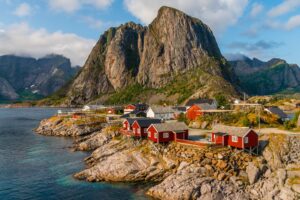

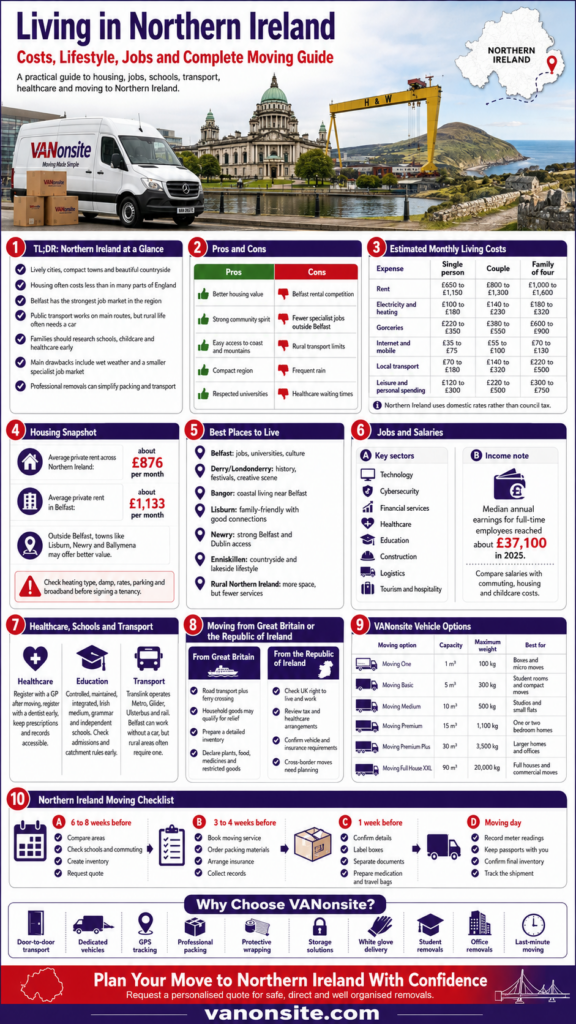
Living in Northern Ireland can offer something increasingly difficult to find elsewhere in the UK: manageable living costs, short travel distances, dramatic landscapes and communities where people still know their neighbours.
Belfast provides universities, restaurants, nightlife and a growing business environment. Meanwhile, the Causeway Coast, Mourne Mountains and Fermanagh Lakelands make it easy to escape into nature. In many places, you can finish work in the city and reach a beach, forest or mountain trail within an hour.
However, moving successfully requires more than choosing an attractive town on a map. Housing availability, salaries, school places, healthcare access and public transport can significantly affect your experience. Belfast may be practical for employment, but it is also the region’s most expensive rental market. A rural village may offer more space and tranquillity, yet make owning a car almost essential.
This guide explains what living in Northern Ireland is like, including housing costs, employment, healthcare, education, transport, culture and the practical process of moving your belongings. It also provides an honest overview of the main benefits and disadvantages of living in Northern Ireland.
TL:DR: Living in Northern Ireland at a Glance
- Northern Ireland combines lively cities, compact towns, rugged coastlines and peaceful rural communities.
- Housing can be more affordable than in many parts of England, although Belfast rents have increased.
- Belfast offers the broadest employment market, particularly in technology, healthcare, finance and professional services.
- Public transport works well on major routes, but many rural residents depend on a car.
- Families should research school places, childcare, commuting and healthcare before choosing a property.
- Wet weather and a smaller specialist job market are among the main disadvantages of living in Northern Ireland.
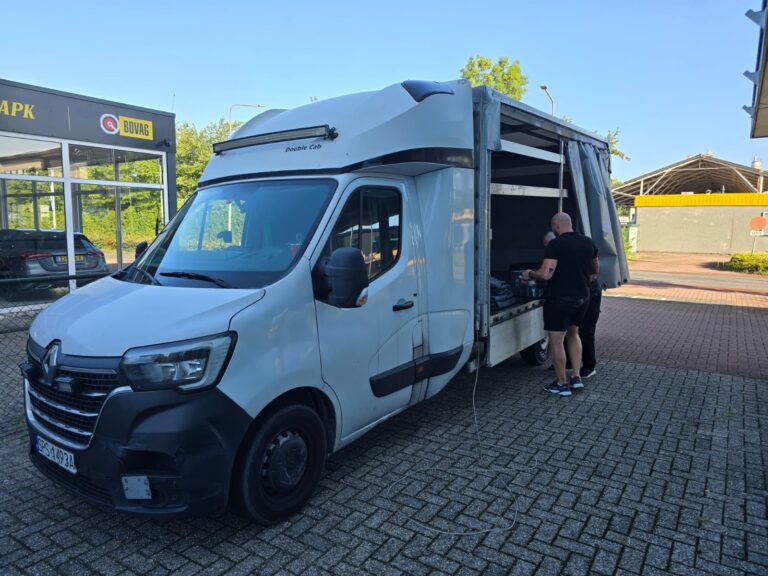
- A professional man and van or dedicated removal service can simplify transport, packing and delivery.




What Is Living in Northern Ireland Like?
So, what is living in Northern Ireland like on a daily basis?
For many residents, life feels more compact and less frantic than in London, Manchester or Birmingham. Belfast is energetic and increasingly international, yet it remains small enough to navigate without spending several hours crossing the city.
Derry/Londonderry offers history, festivals, education and a strong creative identity. Bangor provides coastal living close to Belfast, while Enniskillen gives residents access to lakes, quiet roads and spectacular countryside.
Community remains important. People often build strong social connections through schools, workplaces, local sports clubs, music venues and neighbourhood organisations. In smaller towns, local shops and cafés quickly become familiar.
The weather is mild but unpredictable. Rain can arrive after a bright morning, particularly near the coast and mountains. Waterproof clothing is useful throughout the year. However, that same climate creates lush green landscapes and some of the most striking scenery in the UK.
It is also important to understand that Northern Ireland is part of the United Kingdom. It is separate from the Republic of Ireland, although both jurisdictions share a land border and extensive economic, cultural and family connections.
This distinction affects immigration, employment, taxation, healthcare and the transport of certain goods.
Living in Northern Ireland Pros and Cons
A balanced review of living in Northern Ireland pros and cons can help you decide whether the region matches your lifestyle, career and financial expectations.
| Area | Main advantages | Possible disadvantages |
|---|---|---|
| Housing | Better value than many major UK cities | High competition in popular Belfast districts |
| Employment | Growing technology, healthcare and finance sectors | Fewer specialist positions outside Belfast |
| Lifestyle | Easy access to countryside, mountains and coast | Limited entertainment in some smaller towns |
| Transport | Useful rail and bus links between key locations | Rural services may be infrequent |
| Healthcare | Access to publicly funded health services | Waiting times and dental availability can be challenging |
| Education | Strong schools, colleges and universities | Popular schools may receive more applications than places |
| Community | Strong local identity and social networks | Newcomers may need time to understand local traditions |
| Climate | Mild temperatures for much of the year | Frequent rain, wind and short winter days |
The right choice depends on your priorities. Living in Northern Ireland may be ideal if you want community, outdoor access and a calmer pace of life. It may be less suitable if your career depends on a narrow specialist sector or you plan to live rurally without a car.
Benefits of Living in Northern Ireland
More Affordable Housing
One of the most significant benefits of living in Northern Ireland is the potential to secure more space for your money.
Average private rent across Northern Ireland was approximately £876 per month in March 2026, while the Belfast average was around £1,133. Actual prices vary according to property size, condition and location.
People relocating from London, Bristol, Oxford or other expensive areas of Great Britain may find that the same monthly budget provides an additional bedroom, private parking or a garden.
Outside Belfast, towns such as Lisburn, Newry, Ballymena, Antrim and Enniskillen may provide better value. However, lower rent should always be compared with commuting costs, heating expenses and transport availability.
Exceptional Natural Scenery
Northern Ireland’s natural environment is one of its strongest attractions.
Residents can explore:
- The Causeway Coast
- The Mourne Mountains
- Fermanagh Lakelands
- Glenariff Forest Park
- Strangford Lough
- Tollymore Forest Park
- Coastal walking routes
- Quiet beaches and rural trails
Outdoor activities do not always require a major expedition. A mountain walk, forest visit or coastal drive can become an ordinary weekend activity rather than an annual holiday.
Strong Community Spirit
Many newcomers value the sense of connection found in smaller cities, towns and residential neighbourhoods.
Local sports, school events, independent businesses and community organisations create opportunities to meet people. This can be particularly valuable for families, students and professionals relocating without an existing social network.
Naturally, every neighbourhood is different. A city centre apartment will offer a different experience from a rural County Down village. However, the possibility of building genuine local relationships remains one of the strongest benefits of living in Northern Ireland.
A Compact Region
Northern Ireland is relatively small, which makes many journeys manageable.
You may work in Belfast, live in a quieter commuter area and spend the weekend beside the sea. This creates an attractive balance between professional opportunities and personal space.
Shorter travel distances can also simplify family visits, business meetings and leisure activities.
Access to Public Services and Education
Eligible residents can access Northern Ireland’s Health and Social Care services. Families can also use state funded education, further education colleges and local community facilities.
Queen’s University Belfast and Ulster University attract students from across the UK and overseas. Their presence supports research, innovation, nightlife and graduate employment.
Disadvantages of Living in Northern Ireland
A useful guide must also address the disadvantages of living in Northern Ireland.
A Smaller Employment Market
Northern Ireland has respected employers, but its job market is smaller than those of London, Manchester or Dublin.
People working in highly specialised fields may find fewer vacancies within a reasonable commuting distance. Belfast offers the widest range of opportunities, while options become more limited in rural areas.
Securing employment before relocating can reduce financial uncertainty.
Lower Salaries in Some Sectors
Median annual earnings for full time employees in Northern Ireland reached approximately £37,100 in 2025. This was below the overall UK median.
Lower housing costs may offset part of this difference. However, groceries, vehicles, energy and imported products are not always proportionally cheaper.
Compare your expected net salary with a complete monthly budget rather than focusing only on rent.
Rural Transport Limitations
Public transport connects Belfast with many towns and cities, but frequency varies significantly.
In rural locations, residents may need a car for:
- Commuting
- Shopping
- School journeys
- Healthcare appointments
- Social activities
- Airport and ferry connections
An inexpensive rural property can become less affordable once fuel, insurance and vehicle maintenance are included.
Wet and Changeable Weather
Rain, wind and cloudy conditions are common. Winter days can also feel short, particularly for people accustomed to warmer climates.
Older properties may require additional heating. During viewings, check windows, ventilation, insulation and signs of damp or mould.
Healthcare Waiting Times
Access to publicly funded healthcare is a major benefit, but waiting times can be challenging. Registering with a GP and dentist should be completed soon after moving.
Dental availability can be particularly limited, as not every practice accepts new Health Service patients.
Cost of Living in Northern Ireland
The cost of living in Northern Ireland depends on location, household size, property type and lifestyle.
Belfast is generally the most expensive rental market. One bedroom flats and shared homes can provide more affordable options, while larger family properties in popular districts may attract significant competition.
The following figures provide a practical monthly planning range.
| Monthly expense | Single person | Couple | Family of four |
|---|---|---|---|
| Rent | £650 to £1,150 | £800 to £1,300 | £1,000 to £1,600 |
| Electricity and heating | £100 to £180 | £140 to £230 | £180 to £320 |
| Groceries | £220 to £350 | £380 to £550 | £600 to £900 |
| Internet and mobile | £35 to £75 | £55 to £100 | £70 to £130 |
| Local transport | £70 to £180 | £140 to £320 | £220 to £500 |
| Leisure and personal spending | £120 to £300 | £220 to £500 | £300 to £750 |
These figures are estimates. Actual spending depends on energy efficiency, transport habits, childcare and personal choices.
Families should pay particular attention to childcare. Monthly costs can exceed £500 per child, especially during the first years of life.
Northern Ireland uses domestic rates rather than the council tax system found in Great Britain. Before renting, confirm whether rates are included in the monthly payment or charged separately.
Best Places to Live in Northern Ireland
Belfast
Belfast is the strongest choice for employment, universities, restaurants and cultural events.
South Belfast attracts professionals, students and families. East Belfast offers popular residential areas and convenient access to the city centre. Other districts may provide better value, although transport and local amenities should be checked carefully.
Rental properties can move quickly, so prepare identification, references and proof of income before arranging viewings.
Derry/Londonderry
The main city in the north-west combines historic architecture, festivals, education and creative industries.
It offers urban amenities on a smaller scale than Belfast and may appeal to people seeking a strong cultural atmosphere without capital city prices.
Both Derry and Londonderry are widely used names. Following local and organisational preferences respectfully is the best approach.
Bangor
Bangor offers coastal living within commuting distance of Belfast. It is popular with people who want sea views, coastal walks and access to the capital.
Lisburn
Lisburn provides shops, schools, residential areas and transport connections to Belfast. It can suit families and professionals who prefer living outside the capital.
Newry
Newry is strategically located between Belfast and Dublin. It can be attractive for people with cross-border work, clients or family connections.
Anyone working in one jurisdiction while living in another should review taxation, healthcare and employment arrangements.
Enniskillen
Enniskillen offers access to the Fermanagh countryside and beautiful waterways. It suits people seeking a quieter lifestyle, although employment and public transport options are more limited than in Belfast.
Rural Northern Ireland
Rural living can provide silence, space and outstanding scenery. However, it may also involve longer journeys, fewer rental properties and reduced access to services.
Visit the area during poor weather and after dark before making a final decision.
Housing and Renting
Before signing a tenancy agreement, calculate the complete cost of living in Northern Ireland.
Rent is only one part of the budget. Heating type, rates, parking, broadband and commuting can significantly affect your monthly expenses.
When viewing a property:
- Check for damp, condensation and mould.
- Ask how the property is heated.
- Test the windows and water pressure.
- Confirm who pays domestic rates.
- Check mobile and broadband coverage.
- Ask how the deposit will be protected.
- Photograph the condition before moving in.
- Read the tenancy agreement carefully.
Be cautious of rental scams. Do not transfer a deposit before confirming that the property exists and that the person advertising it has the legal right to rent it.
When moving, notify electricity and gas suppliers and record meter readings at both properties.
Jobs and Salaries
Living in Northern Ireland is easier when employment is secured before relocation.
Belfast has developed strong business clusters in:
- Software development
- Cybersecurity
- Financial services
- Healthcare
- Public administration
- Professional services
- Advanced manufacturing
- Education
- Construction
- Logistics
- Tourism and hospitality
| Sector | Common opportunities |
|---|---|
| Technology | Developers, analysts, cybersecurity specialists and technical support |
| Healthcare | Nurses, carers, administrators, pharmacists and allied health roles |
| Finance | Accountants, compliance professionals, advisers and insurance specialists |
| Construction | Engineers, tradespeople, surveyors and project managers |
| Education | Teachers, lecturers, researchers and support staff |
| Logistics | Drivers, planners, warehouse teams and operations managers |
| Hospitality | Hotel staff, chefs, managers and event professionals |
Compare advertised salaries with commuting and housing costs. A higher salary in Belfast may not improve your finances if it requires expensive parking, daily fuel and a second vehicle.
Remote and hybrid employment can make smaller towns and rural areas more practical.
Healthcare in Northern Ireland
Northern Ireland’s public system is known as Health and Social Care.
After securing an address, register with a GP practice that covers your area and is accepting new patients. Official information is available through nidirect healthcare guidance.
You should also:
- Transfer important medical records
- Locate the nearest pharmacy
- Register with a dentist
- Keep prescriptions accessible
- Confirm your eligibility for treatment
- Consider private cover for faster specialist access
Visitors and new arrivals may not automatically qualify for every service without charge. Eligibility depends on residence and individual circumstances.
Education and Schools
Families considering living in Northern Ireland should investigate education before selecting a neighbourhood.
Children are entitled to a school place, but admission to a preferred school is not guaranteed. Popular schools may receive more applications than they can accept.
Northern Ireland includes:
- Controlled schools
- Maintained schools
- Integrated schools
- Irish medium schools
- Grammar schools
- Independent schools
- Further education colleges
Parents should check application deadlines, admissions criteria, transport arrangements and special educational support.
Official information is available through the Northern Ireland school admissions guidance.
Do not assume that living close to a school guarantees admission.
Transport and Getting Around
Translink operates most public transport services in Northern Ireland, including Metro, Glider, Ulsterbus, Goldliner and rail connections.
Belfast residents may be able to live without a car, particularly near frequent bus, Glider or rail routes. Outside major cities and towns, driving often becomes more important.
Before choosing a property, check:
- First and last bus times
- Sunday services
- Distance to the nearest station
- School transport
- Parking restrictions
- Rush hour travel times
- Airport and ferry connections
Northern Ireland has three main passenger airports:
- Belfast International Airport
- George Best Belfast City Airport
- City of Derry Airport
Ferry routes connect Northern Ireland with Great Britain and are particularly useful when moving vehicles, furniture and household goods.
Living in Northern Ireland With a Family
Families often value the combination of space, outdoor activities and community life.
Children can grow up close to beaches, forests and open countryside while maintaining access to schools, healthcare and city services.
Before moving, research:
- School availability
- Childcare costs
- Local healthcare
- Commuting times
- Neighbourhood safety
- Parks and activities
- Public transport
- Family support networks
Keep essential documents, medication and children’s favourite items separate from the main shipment. This can make the first days in your new home considerably less stressful.
Living in Northern Ireland as a Student
Belfast and Derry/Londonderry attract students from across the UK and overseas.
Accommodation options include university halls, private student housing and shared rental properties. Costs vary according to location and property standard.
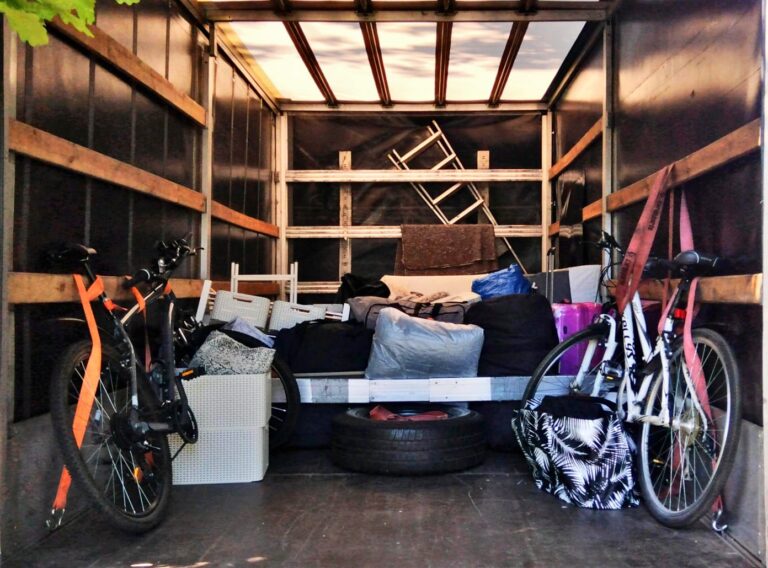
Students may move fewer belongings than a family, but computers, bicycles, musical instruments and books can be expensive to replace.
VANonsite provides Student Removals for boxes, bedroom furniture, study equipment and personal belongings. A flexible man and van service can be ideal for halls, shared accommodation and smaller relocations.
Moving From Great Britain to Northern Ireland
Moving from England, Scotland or Wales normally involves road transport and a ferry crossing.
Government guidance states that relief from customs charges may be available when moving personal belongings from Great Britain to Northern Ireland. When using a removal company, information about the goods and their movement may still be required.
Review the current UK government guidance for moving to Northern Ireland.
Prepare a detailed inventory and identify any:
- Alcohol or tobacco
- Plants
- Food products
- Medicines
- Animals
- Commercial stock
- Hazardous materials
- Restricted goods
Private household goods and commercial consignments may be treated differently.
Moving From the Republic of Ireland
Moving across the land border may appear straightforward, but Northern Ireland and the Republic of Ireland operate under different legal, tax and healthcare systems.
Before relocating, review:
- Your right to live and work in the UK
- Employment and taxation arrangements
- Vehicle registration and insurance
- Healthcare access
- Banking and currency
- School applications
- The movement of commercial goods
For transport services involving the Republic of Ireland, explore VANonsite’s guide to removals to Ireland.
Documents Needed When Moving
The documents required depend on your nationality, residence status, employment and country of origin.
Prepare:
- Passport or accepted identification
- Visa or immigration permission
- Access to your eVisa
- Employment contract
- Proof of address
- Tenancy or purchase documents
- Driving licence
- Insurance certificates
- School records
- Medical records
- Household inventory
- Removal booking confirmation
People who are not British or Irish citizens may require a visa or immigration permission. Use the official UK visa checker before making permanent arrangements.
Further information about bringing personal belongings into the UK is available through the UK government moving guidance.

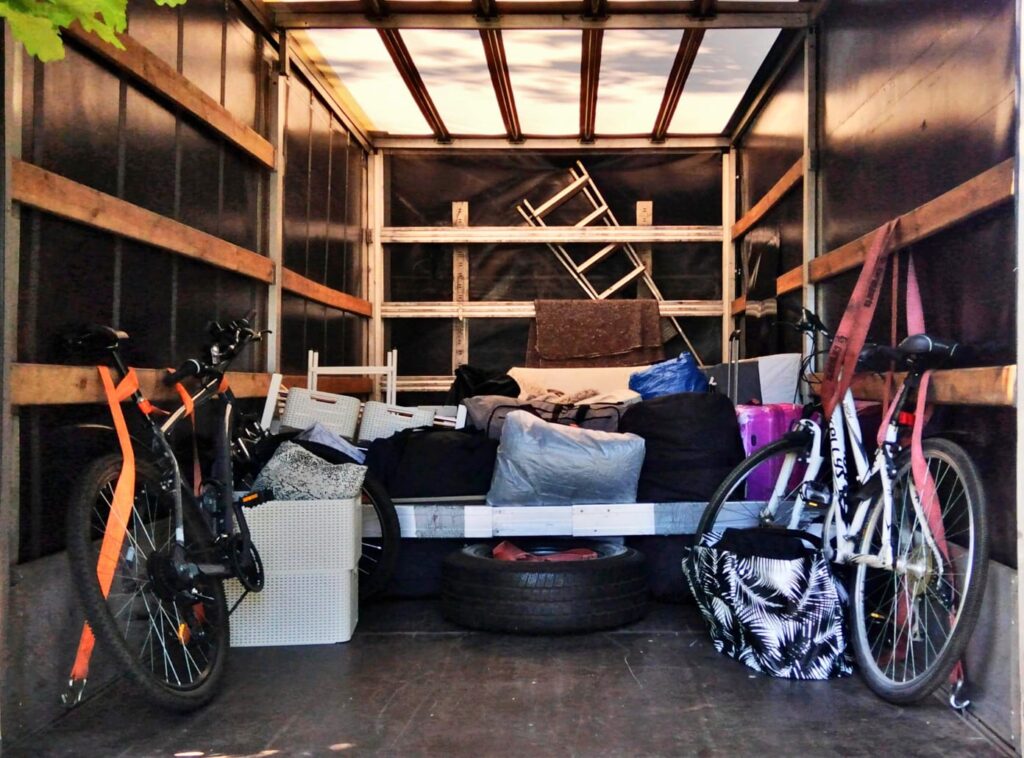
Choosing the Right Moving Service
The correct service depends on volume, weight, access and timing.
A man and van service can suit students, small flats, boxes and individual furniture items. Larger households usually require a dedicated vehicle, structured packing and detailed inventory control.
VANonsite services include:
- Furniture Removals
- Home Removals
- Packing Services
- White Glove Delivery
- Office Removals
- Office Furniture Installation
- Storage
- Last Minute Moving
- Student Removals
Shared transport may reduce costs but can involve wider delivery windows. A dedicated vehicle provides greater control, fewer transfers and a clearer schedule.
VANonsite Vehicle Options
Choosing the correct capacity prevents overpaying for empty space or discovering that your belongings will not fit.
| Moving option | Capacity | Maximum weight | Best for |
|---|---|---|---|
| Moving One | 1 m³ | 100 kg | Boxes, luggage and very small moves |
| Moving Basic | 5 m³ | 300 kg | Student rooms and compact man and van moves |
| Moving Medium | 10 m³ | 500 kg | Studios, small flats and furniture |
| Moving Premium | 15 m³ | 1,100 kg | One or two bedroom properties |
| Moving Premium Plus | 30 m³ | 3,500 kg | Larger homes and office relocations |
| Moving Full House XXL | 90 m³ | 20,000 kg | Complete homes and major commercial moves |
Volume is not the only factor. Books, appliances, stone furniture and machinery can reach the weight limit before the vehicle is full.
Why Choose VANonsite?
Moving should begin with excitement, not uncertainty about missing boxes or delivery times.
VANonsite supports small man and van relocations, student moves, furniture deliveries, office projects and complete household removals across Europe.
Depending on the selected service, customers can benefit from:
- Door to door collection and delivery
- Dedicated vehicles
- GPS tracking for every shipment
- Professional packing
- Protective wrapping
- Furniture handling
- Flexible collection dates
- Storage solutions
- White glove delivery
- Last minute moving
- Office furniture installation
GPS tracking provides greater visibility while belongings are in transit. Clear communication is also valuable when ferries, access restrictions or several countries are involved.
Northern Ireland Moving Checklist
Six to Eight Weeks Before Moving
- Confirm your destination and moving date.
- Compare neighbourhoods and commuting times.
- Check school and childcare availability.
- Create a household inventory.
- Request a removal quote.
- Review immigration and customs requirements.
Three to Four Weeks Before Moving
- Book your moving service.
- Order packing materials.
- Notify your landlord or solicitor.
- Arrange insurance.
- Donate or sell unwanted items.
- Collect medical and school records.
One Week Before Moving
- Confirm collection and delivery details.
- Label every box by room.
- Separate essential documents.
- Photograph valuable items.
- Prepare medication and travel bags.
- Check ferry and weather information.
Moving Day
- Record meter readings.
- Keep passports and contracts with you.
- Check cupboards and storage areas.
- Confirm the final inventory.
- Lock windows and doors.
- Follow your shipment through GPS tracking.
Frequently Asked Questions
Is Northern Ireland a good place to live?
Yes. Living in Northern Ireland can be rewarding for people who value nature, community and manageable travel distances. The best location depends on employment, housing and transport requirements.
Is living in Northern Ireland expensive?
It can be more affordable than living in many major UK cities. However, Belfast rents have increased, and rural living may require additional spending on a car.
What are the main benefits of living in Northern Ireland?
The main benefits include natural scenery, strong communities, respected universities, short travel distances and potentially better housing value.
What are the disadvantages of living in Northern Ireland?
The main disadvantages of living in Northern Ireland include wet weather, limited rural transport, healthcare waiting times and fewer specialist employment opportunities.
Do I need a car?
A car may not be necessary in central Belfast or near reliable public transport. In rural locations, it can be essential.
Can I move to Northern Ireland from England?
Yes. Northern Ireland is part of the UK, although specific procedures may apply when transporting household goods from Great Britain.
How much does moving to Northern Ireland cost?
The final price depends on distance, volume, weight, ferry routes, access, packing requirements and the selected vehicle.
Is Northern Ireland suitable for families?
Yes. Many families value the schools, green spaces and community atmosphere. Childcare, school places and transport should be researched before moving.
Is Living in Northern Ireland Right for You?
Living in Northern Ireland can provide an uncommon balance between professional opportunities, natural beauty and community life.
You can build a career in Belfast, live near the coast and reach the countryside without spending an entire day travelling. Housing may offer more space than in many major UK cities, while smaller communities can create a strong sense of belonging.
There are genuine challenges. Rental competition in Belfast is growing. Salaries can be lower than in other parts of the UK. Rural transport requires careful planning, and the weather rewards anyone with dependable waterproof clothing.
However, for people seeking space, scenery and a more grounded pace of life, living in Northern Ireland can be an excellent choice.
VANonsite can support your relocation with a small man and van service, furniture transport, student removals or a complete full house move. With door to door delivery, professional handling and GPS tracking, your belongings remain protected and visible throughout the journey.