
Moving to Northern Ireland can open the door to a more balanced lifestyle, striking landscapes, compact cities and strong local communities. However, a successful relocation requires more than booking a van and packing a few boxes. Most moves from England, Scotland or Wales include a ferry crossing, so transport, access, timing and documentation must work together.
Northern Ireland is part of the United Kingdom. British and Irish citizens can generally relocate without applying for a visa, although people of other nationalities should confirm their immigration and right-to-work status before making permanent arrangements.
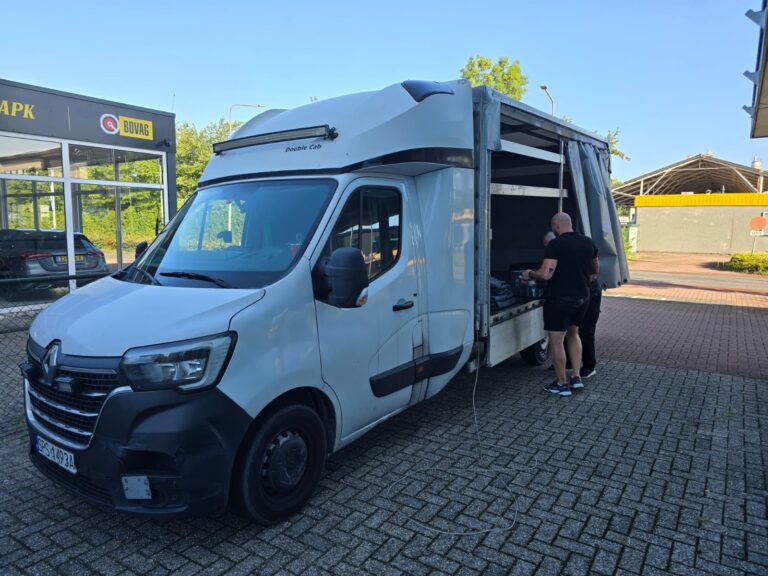
A professional removal service can simplify the entire journey. VANonsite provides dedicated door-to-door transport, GPS tracking, packing support, storage and flexible man and van solutions. Vehicle capacities range from 1 m³ for a light student move to 90 m³ for a large household or business relocation.
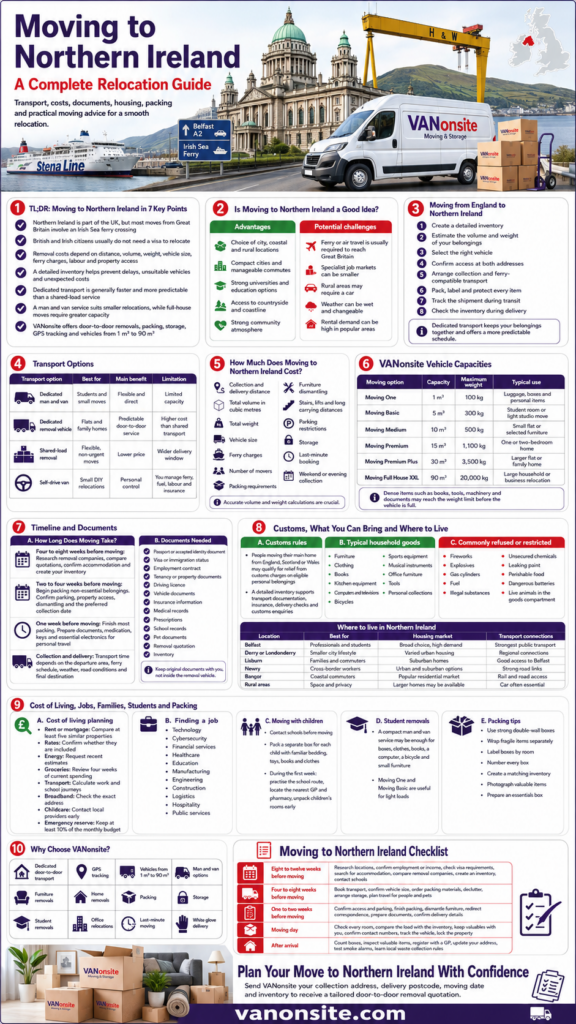
TL:DR: Moving to Northern Ireland in 7 Key Points
- Northern Ireland is part of the UK, but most moves from Great Britain involve an Irish Sea ferry crossing.
- British and Irish citizens usually do not need a visa to relocate.
- Removal costs depend on distance, volume, weight, vehicle size, ferry charges, labour and property access.
- A detailed inventory helps prevent delays, unsuitable vehicles and unexpected costs.
- Dedicated transport is generally faster and more predictable than a shared-load service.
- A man and van service suits smaller relocations, while full-house moves require greater capacity.
- VANonsite offers door-to-door removals, packing, storage, GPS tracking and vehicles from 1 m³ to 90 m³.
Planning early gives you more control over your moving date, vehicle choice and budget. It also gives you time to deal with housing, schools, employment and healthcare before your belongings arrive.




Is Moving to Northern Ireland a Good Idea?
For many people, moving to Northern Ireland offers a refreshing alternative to life in a larger and more expensive part of the UK.
Belfast combines career opportunities, universities, culture and nightlife with relatively manageable commuting distances. Smaller towns and coastal areas offer a slower pace, while rural locations provide dramatic scenery and more space.
The region may appeal to families, students, remote workers, returning residents and professionals seeking a different quality of life. Yet every move should be based on careful research rather than a short visit.
| Advantages | Potential challenges |
|---|---|
| Choice of city, coastal and rural locations | Ferry or air travel is usually required to reach Great Britain |
| Compact cities and manageable commutes | Specialist job markets can be smaller |
| Strong universities and education options | Rural areas may require a car |
| Access to countryside and coastline | Weather can be wet and changeable |
| Strong community atmosphere | Rental demand can be high in popular areas |
Moving to Northern Ireland is often a good choice for people who value access to nature, community life and smaller urban centres. However, employment, transport and housing should be checked before committing to a location.
Moving to Northern Ireland from UK: What Does It Mean?
The phrase moving to Northern Ireland from UK is commonly used, even though Northern Ireland is already part of the United Kingdom.
In most cases, the person means moving from England, Scotland or Wales. These three countries form Great Britain, while the United Kingdom includes Great Britain and Northern Ireland.
The practical process depends on where the move begins:
- A move within Northern Ireland normally takes place entirely by road.
- A move from England, Scotland or Wales usually involves road transport and a ferry crossing.
- A move from the Republic of Ireland may involve different residency and customs considerations.
- A move from an EU country can require UK immigration and customs documents.
- A move from outside Europe may require additional import procedures.
Northern Ireland should not be confused with the Republic of Ireland, which is a separate country and a member of the European Union. Customers relocating to the Republic can review the VANonsite guide to removals to Ireland.
Moving from England to Northern Ireland
Moving from England to Northern Ireland usually involves collection from your current property, transport to a ferry port, an Irish Sea crossing and final delivery by road.
The process can be divided into eight practical stages:
- Create a detailed inventory.
- Estimate the volume and weight of your belongings.
- Select the right vehicle.
- Confirm access at both addresses.
- Arrange collection and ferry-compatible transport.
- Pack, label and protect every item.
- Track the shipment during transit.
- Check the inventory during delivery.
Common departure areas include London, Birmingham, Manchester, Liverpool, Leeds, Bristol and Newcastle. Popular arrival locations include Belfast, Lisburn, Bangor, Newry, Ballymena, Coleraine and Derry or Londonderry.
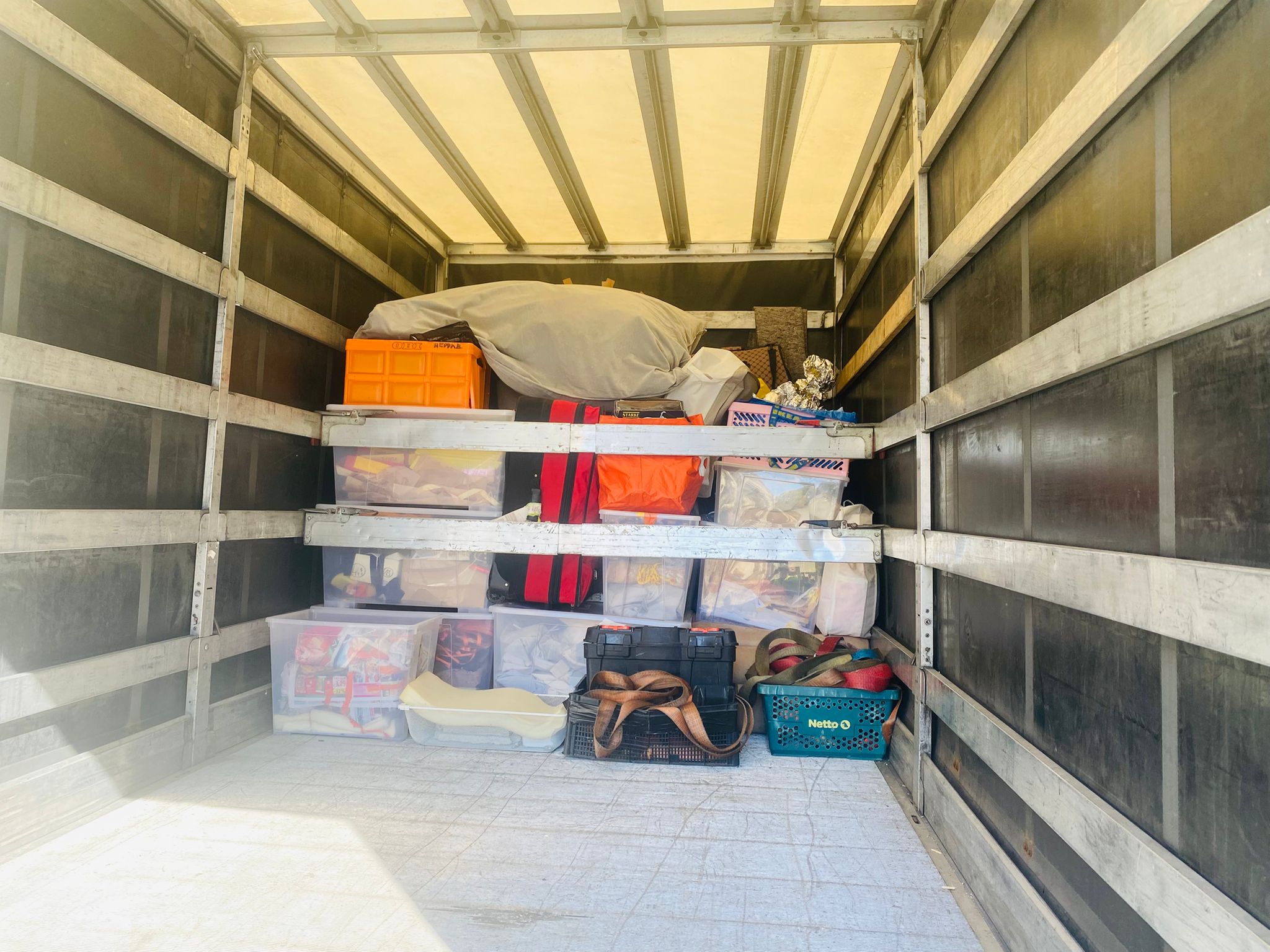
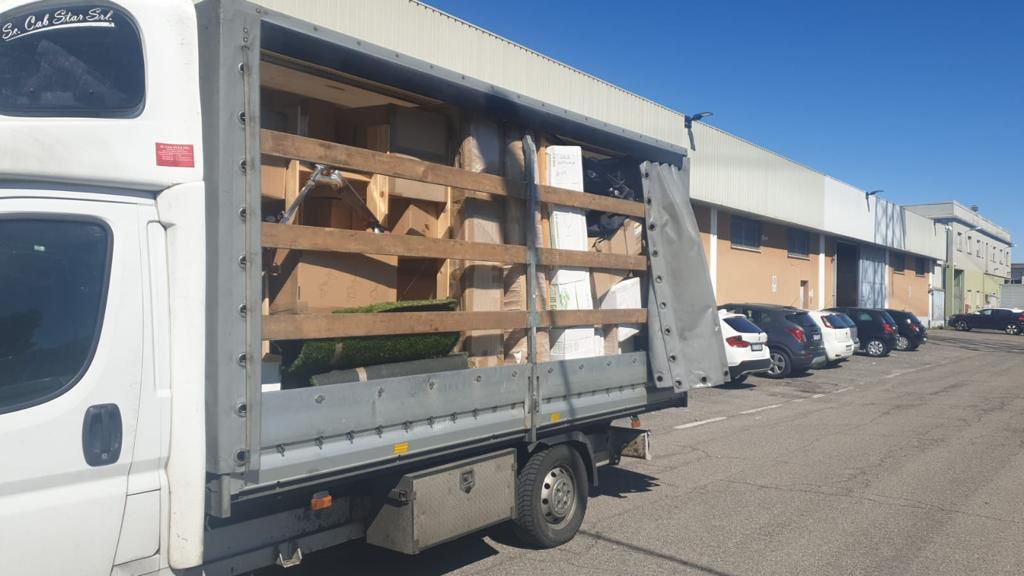
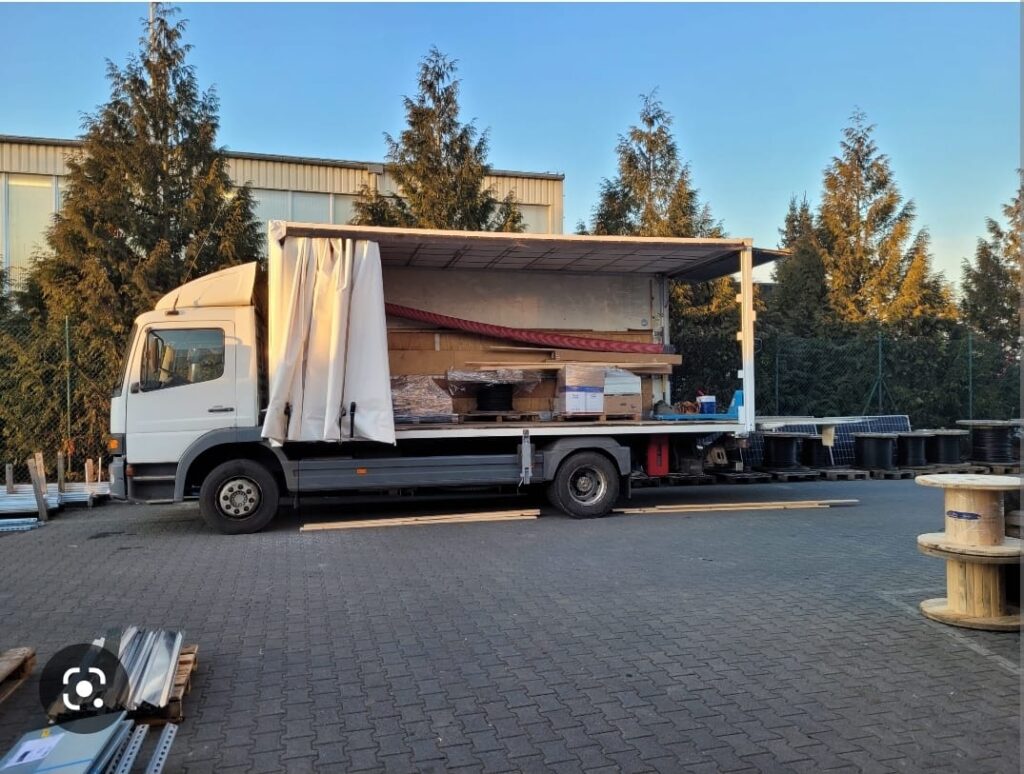
A dedicated removal vehicle is often the most convenient option when moving to Northern Ireland from England. Your belongings stay together, and the transport schedule is not dependent on unrelated customer collections.
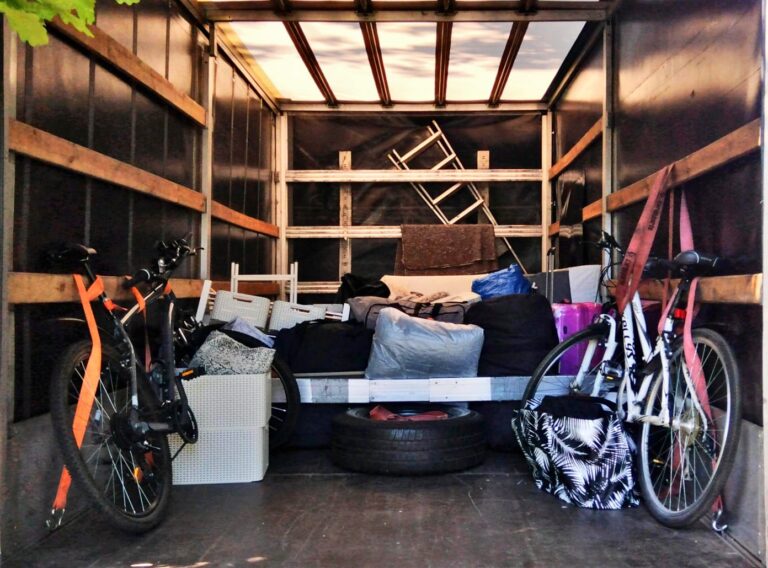
A man and van service may be suitable for a studio flat, student room, small furniture shipment or selected household items. Larger moves usually require a vehicle with greater volume and weight capacity.
Moving to Northern Ireland from England by Ferry
Most household goods travelling from England to Northern Ireland are transported by road and ferry.
The overall schedule includes more than the crossing itself. It must account for:
- Loading time
- Travel to the ferry port
- Port check-in
- Ferry availability
- Weather conditions
- Driver rest requirements
- Road traffic
- Final delivery access
- Unloading time
Dedicated transport usually offers a more predictable delivery window. Shared-load services may be cheaper, but customers often need to accept a wider timeframe because the vehicle is serving several clients.
| Transport option | Best for | Main benefit | Limitation |
|---|---|---|---|
| Dedicated man and van | Students and small moves | Flexible and direct | Limited capacity |
| Dedicated removal vehicle | Flats and family homes | Predictable door-to-door service | Higher cost than shared transport |
| Shared-load removal | Flexible, non-urgent moves | Lower price | Wider delivery window |
| Self-drive van | Small DIY relocations | Personal control | You manage ferry, fuel, labour and insurance |
For most customers, door-to-door transport is the simplest solution. The removal company manages the vehicle, route and ferry logistics, while the customer can focus on travel and preparing the new home.
How Much Does Moving to Northern Ireland Cost?
There is no single price for moving to Northern Ireland. The final quotation depends on the size, weight, route and complexity of the move.
The main cost factors include:
- Collection and delivery distance
- Total volume in cubic metres
- Total weight
- Vehicle size
- Ferry charges
- Number of movers
- Packing requirements
- Furniture dismantling
- Stairs, lifts and long carrying distances
- Parking restrictions
- Storage
- Last-minute booking
- Weekend or evening collection
Accurate volume and weight calculations are crucial. A vehicle that is too small may require a second journey, while an oversized vehicle may increase the price unnecessarily.
VANonsite Vehicle Capacities
| Moving option | Capacity | Maximum weight | Typical use |
|---|---|---|---|
| Moving One | 1 m³ | 100 kg | Luggage, boxes and personal items |
| Moving Basic | 5 m³ | 300 kg | Student room or light studio move |
| Moving Medium | 10 m³ | 500 kg | Small flat or selected furniture |
| Moving Premium | 15 m³ | 1,100 kg | One or two-bedroom home |
| Moving Premium Plus | 30 m³ | 3,500 kg | Larger flat or family home |
| Moving Full House XXL | 90 m³ | 20,000 kg | Large household or business relocation |
Dense items such as books, tools, machinery and documents may reach the weight limit before the vehicle is full.
Allow approximately 10% extra space when estimating your load. Lamps, bedding, garden tools and awkward furniture can add more volume than expected.
For an accurate quotation, provide:
- Collection and delivery postcodes
- Preferred moving date
- Floor level
- Lift availability
- Parking details
- Full inventory
- Photographs of large items
- Details of fragile or valuable belongings
A detailed quotation protects you from unclear pricing and sudden changes on collection day.
How Long Does Moving to Northern Ireland Take?
The transport stage may only take a few days, but the full relocation process should usually be planned several weeks in advance.
A smaller move can be organised quickly. A full-house relocation may require four to eight weeks of preparation, especially during busy periods.
Four to eight weeks before moving
Research removal companies, compare quotations, confirm accommodation and create your inventory.
Two to four weeks before moving
Begin packing non-essential belongings. Confirm parking, property access, dismantling and the preferred collection date.
One week before moving
Finish most packing. Prepare documents, medication, keys and essential electronics for personal travel.
Collection and delivery
Transport time depends on the departure area, ferry schedule, weather, road conditions and final destination.
Dedicated services are normally easier to coordinate because the vehicle is not delayed by other customers. However, it is still wise to leave flexibility around your arrival date.
Documents Needed When Moving to Northern Ireland
Document requirements depend on your nationality, immigration status and point of departure.
British and Irish citizens generally do not need a UK visa. Other nationalities should use the official GOV.UK visa checker before moving.
Prepare a folder containing:
- Passport or accepted identity document
- Visa or immigration status
- Employment contract
- Tenancy or property documents
- Driving licence
- Vehicle documents
- Insurance information
- Medical records
- Prescriptions
- School records
- Pet documents
- Removal quotation
- Inventory
Keep original documents with you. Do not place them inside the removal vehicle.
People moving from abroad should also confirm their right to work and any professional registration requirements before accepting employment.
Customs Rules for Household Goods
Moves from Great Britain to Northern Ireland have specific rules, even though both areas are within the UK.
People moving their main home from England, Scotland or Wales may qualify for relief from customs charges on eligible personal belongings. The exact procedure depends on the goods and the circumstances.
Before collection, check the current GOV.UK guidance for moving your home to Northern Ireland.
A detailed inventory remains valuable because it supports:
- Transport documentation
- Identification of restricted items
- Insurance
- Delivery checks
- Customs enquiries
- Damage claims
Items that may require additional attention include alcohol, tobacco, plants, food, medicines, weapons, commercial equipment, high-value art and fuel-powered machinery.
Business goods and stock may be treated differently from ordinary household possessions. Tell the removal company if any item is connected to commercial activity.
What Can You Bring?
Most normal household possessions can be transported when they are legal, secure and properly packed.
Typical loads include:
- Furniture
- Clothing
- Books
- Kitchen equipment
- Computers and televisions
- Bicycles
- Sports equipment
- Musical instruments
- Office furniture
- Tools
- Personal collections
Some goods are commonly refused or restricted:
- Fireworks
- Explosives
- Gas cylinders
- Fuel
- Illegal substances
- Unsecured chemicals
- Leaking paint
- Perishable food
- Dangerous batteries
- Live animals in the goods compartment
Clean bicycles, garden furniture and outdoor tools before packing. Moisture and soil can damage other belongings during transport.
Where to Live in Northern Ireland
The best location depends on your budget, work, family needs and preferred lifestyle.
Belfast
Belfast is the main choice for professionals, students and people who want access to universities, culture, restaurants and public transport.
Rental demand can be high, so begin searching early.
Derry or Londonderry
Derry or Londonderry offers a smaller urban environment, strong cultural identity and access to the north-west.
Lisburn
Lisburn is popular with commuters and families who want convenient access to Belfast without living in the city centre.
Newry
Newry is well positioned for people travelling between Belfast and Dublin. It can suit cross-border workers and businesses.
Bangor
Bangor combines coastal living with road and rail connections to Belfast.
Rural areas
Rural Northern Ireland offers space, scenery and a quieter lifestyle. However, a car may be essential, and lower housing costs can be offset by fuel and maintenance.
| Location | Best for | Housing profile | Transport |
|---|---|---|---|
| Belfast | Professionals and students | Broad choice, high demand | Strongest public transport |
| Derry or Londonderry | Smaller city lifestyle | Varied urban housing | Regional connections |
| Lisburn | Families and commuters | Suburban homes | Good access to Belfast |
| Newry | Cross-border workers | Urban and suburban options | Strong road links |
| Bangor | Coastal commuters | Popular residential market | Rail and road access |
| Rural areas | Space and privacy | Larger homes may be available | Car often essential |
Visit the area on a weekday and at the weekend before signing a long-term tenancy.
Cost of Living
Housing, energy and transport usually have the greatest impact on a household budget.
Instead of relying on a general average, calculate costs for your chosen area.
| Expense | Recommended planning method |
|---|---|
| Rent or mortgage | Compare at least five similar properties |
| Rates | Confirm whether they are included |
| Energy | Request recent estimates |
| Groceries | Review four weeks of current spending |
| Transport | Calculate work and school journeys |
| Broadband | Check the exact address |
| Childcare | Contact local providers early |
| Emergency reserve | Keep at least 10% of the monthly budget |
A cheaper rural home may require two cars, longer commutes and higher fuel spending. A more expensive property near work or public transport can sometimes cost less overall.
Prepare three budgets:
- Your expected monthly spending
- A higher-cost version with 15% added
- An emergency version based on reduced income
This gives you a more realistic view of affordability.
Finding a Job
Research employment before choosing a property.
Key sectors include:
- Technology
- Cybersecurity
- Financial services
- Healthcare
- Education
- Manufacturing
- Engineering
- Construction
- Logistics
- Hospitality
- Public services
Prepare a concise UK-style CV, references and evidence of qualifications.
Remote workers should check broadband speed, mobile coverage, home-office space, employer permission and travel expectations. Do not assume that every rural property has a reliable connection for video calls or cloud systems.
Renting or Buying a Home
Renting
A landlord or agent may request:
- Proof of identity
- Proof of income
- Employment references
- Previous landlord references
- Deposit
- Rent in advance
- Guarantor details
Photograph the property and record existing damage on the first day.
Confirm responsibility for rates, electricity, heating, internet, repairs and garden maintenance.
Buying
Buying a home may involve mortgage approval, surveys, legal work and property searches. Completion dates can change.
Avoid booking a non-flexible removal date until the transaction is secure. Storage can provide a useful buffer when move-out and move-in dates do not match.
Healthcare After Moving
Register with a local GP practice after moving to Northern Ireland.
Prepare:
- Medical history
- Prescription details
- Vaccination records
- Specialist letters
- Dental records
- Children’s medical documents
Keep essential medication with you during the journey. Carry enough for several days in case delivery is delayed.
People arriving from outside the UK should check healthcare eligibility before relying on routine services.
Moving with Children
A family relocation should support both practical and emotional needs.
Contact schools before moving. Some popular schools may have limited places, so early communication is important.
Prepare:
- School reports
- Proof of address
- Identification
- Medical information
- Special educational needs documents
- Uniform details
- Transport plans
Pack a separate box for each child containing familiar bedding, toys, books and clothes.
During the first week:
- Practise the school route
- Locate the nearest GP and pharmacy
- Unpack children’s rooms early
- Maintain familiar routines
- Explore one enjoyable local attraction
Student Removals
Students often need less capacity than a household move.
A compact man and van service may be enough for boxes, clothes, books, a computer, a bicycle and small furniture.
Before booking, check what the accommodation already provides. Measure staircases, lifts, doors and bedroom space.
VANonsite student removals can support moves to halls, private flats and shared houses. Moving One and Moving Basic are useful for light loads.
Keep passports, laptops, medication, chargers and university documents with you.

Office and Business Relocations
A commercial move must protect equipment and reduce downtime.
Prepare a plan for:
- IT equipment
- Office furniture
- Confidential records
- Stock
- Machinery
- Employee responsibilities
- Internet installation
- Delivery sequence
Label items by room, department or employee.
VANonsite provides office removals and office furniture installation. A phased relocation can keep part of the business operational while the move is completed.
Packing for Moving to Northern Ireland
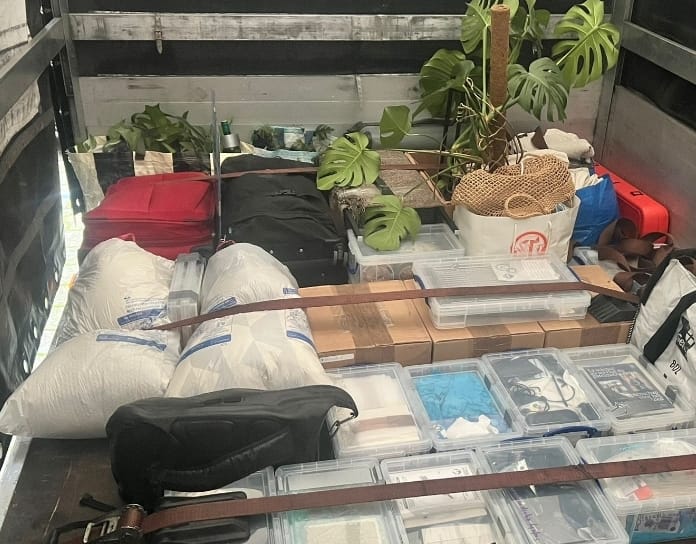
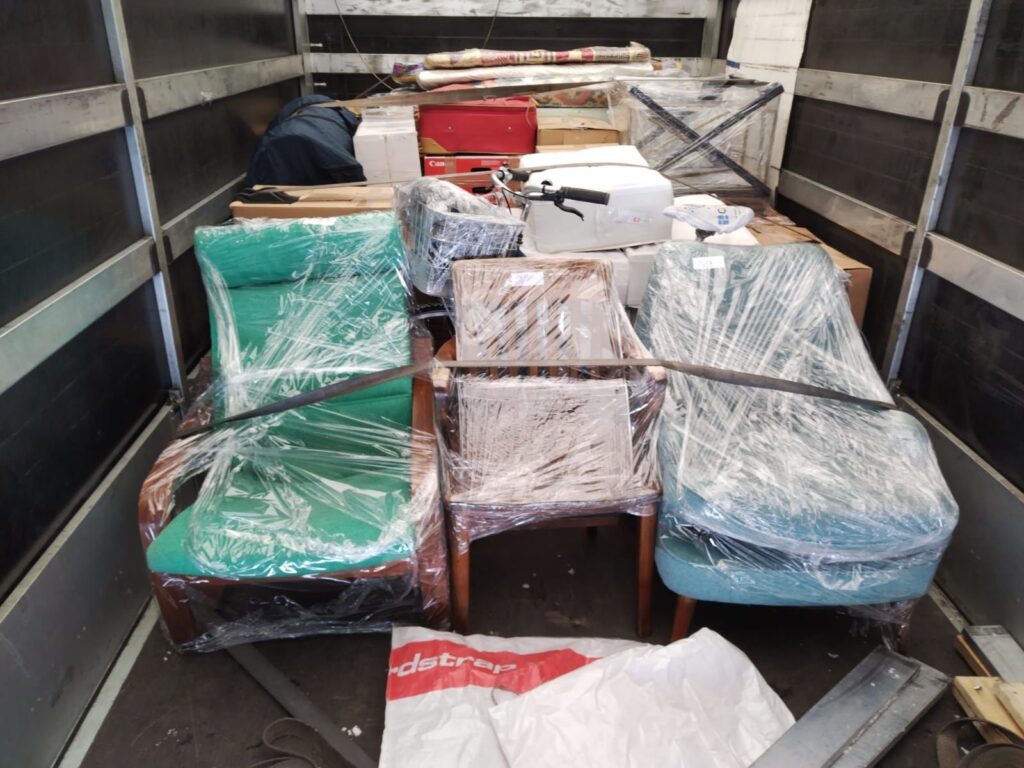
Secure packing protects belongings during loading, road transport, port handling, ferry travel and delivery.
Follow these steps:
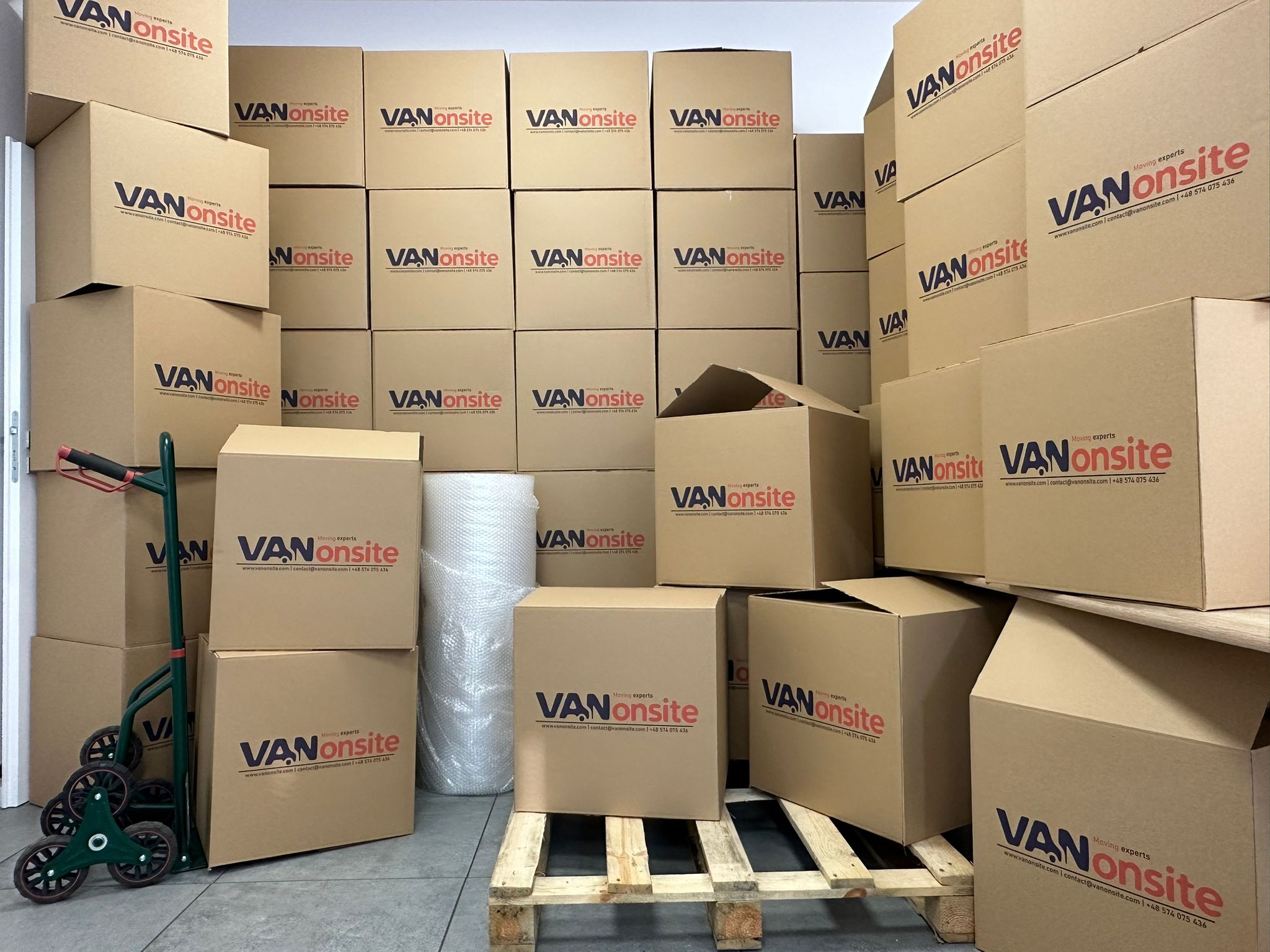
- Use strong double-wall boxes.
- Place heavy items at the bottom.
- Keep every box manageable.
- Wrap fragile items separately.
- Fill empty spaces.
- Protect furniture corners.
- Label boxes by room.
- Number every box.
- Create a matching inventory.
- Photograph valuable items.
Prepare an essentials box with toiletries, bedding, towels, chargers, tools, cleaning products and a change of clothes.
A professional packing service can reduce preparation time and improve protection for furniture, electronics and fragile items.
Should You Use a Man and Van?
A man and van service can be ideal for smaller loads and restricted access.
It may be suitable when:
- The load is below 15 m³
- You are moving from a room or studio
- Only selected furniture is included
- A dedicated vehicle is preferred
- Collection access is difficult
- The move is time-sensitive
A larger removal vehicle is usually better for full-house moves, several bedrooms, heavy furniture, office equipment or large storage contents.
Choose the vehicle based on volume and weight, not only on the number of rooms.
Why Choose VANonsite?
VANonsite provides flexible European removal services for students, families, professionals and businesses.
Services include:
- Dedicated door-to-door transport
- GPS tracking
- Vehicles from 1 m³ to 90 m³
- Man and van options
- Furniture removals
- Home removals
- Packing
- Storage
- Student removals
- Office relocations
- Last-minute moving
- White glove delivery
GPS tracking gives customers greater visibility throughout the journey. The wide vehicle range also helps match the service to the real size of the move.
For a personalised quotation, provide the collection address, delivery postcode, preferred date, property access details and inventory.
Moving to Northern Ireland Checklist
Eight to twelve weeks before moving
- Research locations
- Confirm employment or income
- Check visa requirements
- Search for accommodation
- Compare removal companies
- Create an inventory
- Contact schools
Four to eight weeks before moving
- Book transport
- Confirm vehicle size
- Order packing materials
- Declutter
- Arrange storage
- Plan travel for people and pets
One to two weeks before moving
- Confirm access and parking
- Finish packing
- Dismantle furniture
- Redirect correspondence
- Prepare documents
- Confirm delivery details
Moving day
- Check every room
- Compare the load with the inventory
- Keep valuables with you
- Confirm contact numbers
- Track the vehicle
- Lock the property
After arrival
- Count boxes
- Inspect valuable items
- Register with a GP
- Update your address
- Test smoke alarms
- Learn local waste collection rules
Frequently Asked Questions
Can I move to Northern Ireland from England?
Yes. The journey usually combines road transport and a ferry crossing. British citizens do not need a visa for an internal UK move.
Do I need a visa?
British and Irish citizens generally do not. Other nationalities should check their status using official GOV.UK guidance.
How much does the move cost?
The price depends on distance, volume, weight, ferry charges, vehicle size, labour, packing and access.
Can I use a man and van?
Yes. A man and van service can suit students, studio flats, partial moves and selected furniture.
Can I track my belongings?
Yes. VANonsite provides GPS tracking for every load.
Does VANonsite handle full-house moves?
Yes. Vehicle capacities reach 90 m³ and 20,000 kg.
Can VANonsite pack my belongings?
Yes. Packing support is available for furniture, household goods, office equipment and fragile items.
Is storage available?
Storage can be arranged when property dates, renovation work or travel plans do not align.
Final Thoughts
Moving to Northern Ireland can be a rewarding new chapter, but careful preparation is essential.
Research your destination, calculate your budget, confirm your documents and prepare an accurate inventory. Choose a vehicle based on real volume and weight. Keep medication and important documents with you, and leave flexibility for ferry or road delays.
A reliable removal company can turn a complicated journey into a clear, controlled process. Dedicated transport, professional packing and GPS tracking provide greater security and peace of mind.
Planning on moving to Northern Ireland? Send VANonsite your collection address, delivery postcode, moving date and inventory to receive a tailored door-to-door removal quotation.