
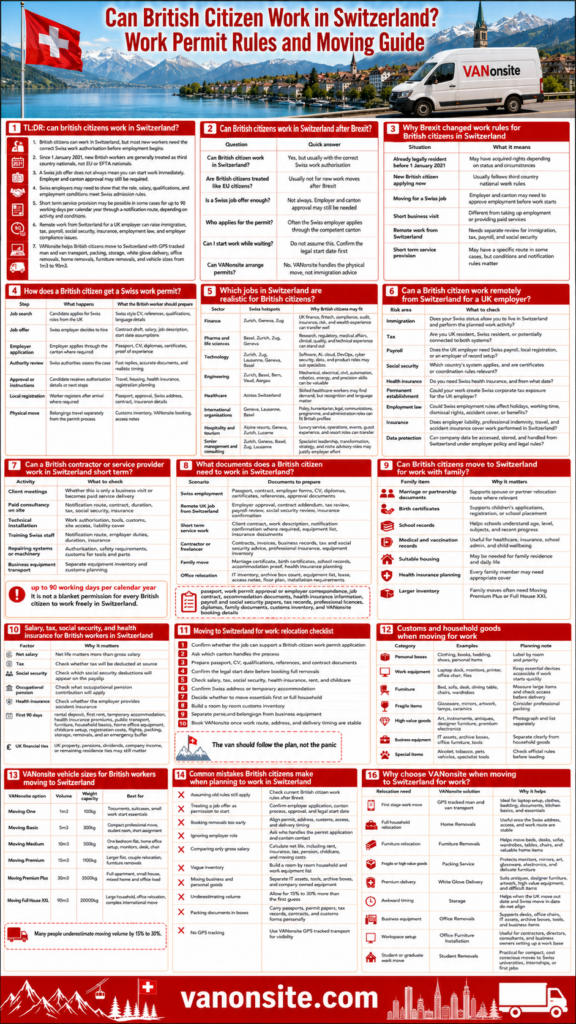
Can British citizen work in Switzerland? The quick answer
A British citizen can work in Switzerland, but usually not automatically. Since Brexit, most new British citizens moving to Switzerland for work are treated as third country nationals. In plain terms, a British passport does not create an automatic right to take up Swiss employment. A Swiss employer may need to apply for authorisation through the competent cantonal labour market and immigration authorities before the worker can legally start.
So, can British citizen work in Switzerland? Yes, but the route must be correct. The answer depends on the job, employer, canton, salary, qualifications, contract length, work location, and legal basis for staying in Switzerland. A job offer is a powerful step, but it is not always the same as permission to work.
For most British workers, the safest path is simple:
- Secure the Swiss offer.
- Ask the employer which permit route applies.
- Confirm the canton and expected timeline.
- Prepare documents quickly and accurately.
- Wait for the correct approval or instructions.
- Confirm housing, insurance, registration, and customs needs.
- Plan the physical move when the timing is stable.
Switzerland still offers excellent opportunities for skilled British workers. Finance in Zurich, pharmaceuticals in Basel, international organisations in Geneva, engineering across several cantons, technology around Zurich and Zug, research in Lausanne, hospitality in Alpine regions, healthcare, logistics, compliance, consulting, and senior specialist roles can all be realistic for the right profile.
However, Swiss employers tend to value precision. Clear qualifications, measurable results, strong references, relevant sector experience, and a serious reason to support a British hire can make a real difference.
There are several working routes people often confuse. A British citizen moving to Switzerland for a Swiss job is not in the same position as a British employee working remotely from Switzerland for a UK employer. A British contractor delivering short term services may face different rules again. Someone already legally resident in Switzerland before 1 January 2021 may also have a different position from a new mover applying now.
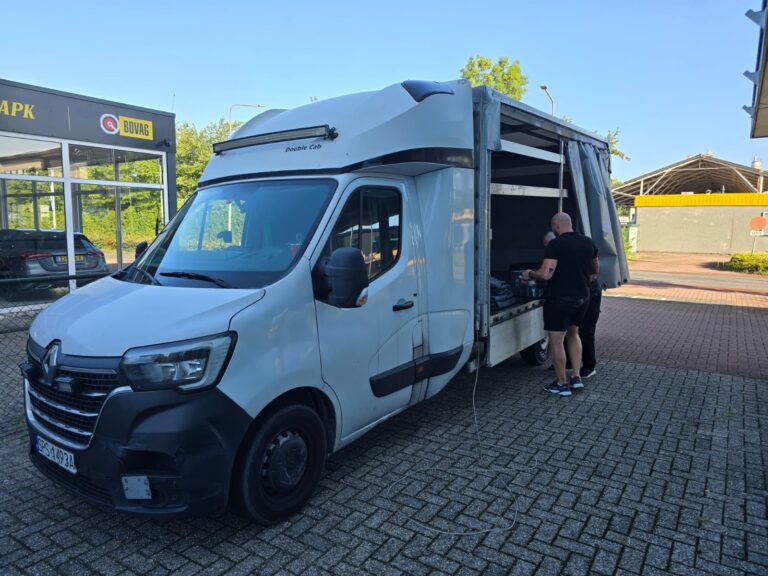
VANonsite supports the physical side of the relocation with GPS tracked man and van services, full home removals, packing, storage, white glove delivery, office removals, student removals, furniture removals, and vehicle options from 1m3 to 90m3. For UK to Switzerland moving support, see VANonsite removals to Switzerland.
TL:DR: can british citizens work in Switzerland?
- British citizens can work in Switzerland, but most new workers need the correct Swiss work authorisation before employment begins.
- Since 1 January 2021, new British workers are generally treated as third country nationals, not EU or EFTA nationals.
- A Swiss job offer does not always mean you can start work immediately. Employer and canton approval may still be required.
- Swiss employers may need to show that the role, salary, qualifications, and employment conditions meet Swiss admission rules.
- Short term service provision may be possible in some cases for up to 90 working days per calendar year through a notification route, depending on activity and conditions.
- Remote work from Switzerland for a UK employer can raise immigration, tax, payroll, social security, insurance, employment law, and employer compliance issues.
- VANonsite helps British citizens move to Switzerland with GPS tracked man and van transport, packing, storage, white glove delivery, office removals, home removals, furniture removals, and vehicle sizes from 1m3 to 90m3.




Can British citizens work in Switzerland after Brexit?
Yes, British citizens can work in Switzerland after Brexit, but work is not automatic for most new movers. The key change is that UK nationals coming to Switzerland for work from 1 January 2021 are generally treated as third country nationals. That makes the process more structured than many people remember from before Brexit.
Most foreign nationals need a permit to work in Switzerland. For British citizens, this usually means the correct authorisation must be in place before employment starts. In many cases, the Swiss employer plays a central role because the employer may need to apply through the competent canton and show that the job, salary, working conditions, and candidate profile meet Swiss requirements.
This does not mean Switzerland is closed to British workers. It means the move needs preparation. A strong British candidate with specialist skills, recognised qualifications, seniority, niche experience, or strong sector value may still be attractive to Swiss employers.
People who were already legally resident in Switzerland before 1 January 2021 may have acquired rights and a different position. Advice from someone who moved in 2018 may not apply to a British citizen applying today.
For a new move, check current official guidance before making decisions:
- Swiss SEM: UK nationals coming to Switzerland to work from 1 January 2021
- Swiss SEM: United Kingdom information
- Working in Switzerland as a foreign national
- GOV.UK Living in Switzerland
| Question | Quick answer |
|---|---|
| Can British citizen work in Switzerland? | Yes, but usually with the correct Swiss work authorisation |
| Are British citizens treated like EU citizens? | Usually not for new work moves after Brexit |
| Is a Swiss job offer enough? | Not always. Employer and canton approval may still be needed |
| Who applies for the permit? | Often the Swiss employer applies through the competent canton |
| Can I start work while waiting? | Do not assume this. Confirm the legal start date first |
| Can VANonsite arrange permits? | No. VANonsite handles the physical move, not immigration advice |
Before resigning from a UK job, signing a Swiss lease, or booking full removals, ask the employer direct questions: can this role support a work permit application for a British citizen, which canton will handle the process, who manages the application, what documents are needed, what timeline is expected, when you can legally start, and what happens if approval is delayed.
Why Brexit changed work rules for British citizens in Switzerland
Brexit changed the legal starting point for many British workers. Before Brexit, British citizens had a different position under the wider free movement framework that shaped access to the Swiss labour market. Switzerland is not an EU member, but its agreements with the EU affected UK nationals before the UK left that framework.
For fresh moves after 1 January 2021, British citizens usually need to meet Swiss admission rules for third country nationals. In plain English, Switzerland looks more closely at the job, the employer, the salary, the worker’s qualifications, and whether the employment fits the rules.
The main mistake is using old advice. A friend who moved to Switzerland in 2018 may have had a very different route from someone applying now. A forum thread from before Brexit may sound confident but be completely wrong for a new British applicant.
| Situation | What it means |
|---|---|
| Already legally resident before 1 January 2021 | May have acquired rights depending on status and circumstances |
| New British citizen applying now | Usually follows third country national work rules |
| Moving for a Swiss job | Employer and canton may need to approve employment before work starts |
| Short business visit | Different from taking up employment or providing paid services |
| Remote work from Switzerland | Needs separate review for immigration, tax, payroll, and social security |
| Short term service provision | May have a specific route in some cases, but conditions and notification rules matter |
The rule change affects more than paperwork. It affects timing, housing, resignations, moving dates, and cash flow. If the employer process takes longer than expected, a British worker who has already booked a full household removal or signed a lease may feel trapped between two countries. This is why staged relocation can be safer. A compact man and van move can bring essentials first, while larger furniture, household goods, or business equipment can follow once the work route and Swiss address are stable.
How does a British citizen get a Swiss work permit?
For most British citizens moving to Switzerland for long term employment, the Swiss work permit route usually starts with the employer. A British worker cannot normally just arrive, show a passport, and begin work. The employer may need to apply through the competent cantonal authority and show that the role, salary, working conditions, and candidate profile fit Swiss admission rules.
Swiss authorities often focus on whether the employment makes sense. Qualifications, seniority, specialist skills, salary level, professional experience, employer need, and Switzerland’s economic interest can all matter. In many cases, admission is aimed at managers, specialists, and qualified workers. That does not mean every applicant must be a board level executive. It means the application should show real value.
| Step | What happens | What the British worker should prepare |
|---|---|---|
| Job search | Candidate applies for Swiss roles from the UK | Swiss style CV, references, qualifications, language details |
| Job offer | Swiss employer decides to hire | Contract draft, salary, job description, start date assumptions |
| Employer application | Employer applies through the canton where required | Passport, CV, diplomas, certificates, proof of experience |
| Authority review | Swiss authorities assess the case | Fast replies, accurate documents, and realistic timing |
| Approval or instructions | Candidate receives authorisation details or next steps | Travel, housing, health insurance, registration planning |
| Local registration | Worker registers after arrival where required | Passport, approval, Swiss address, contract, insurance details |
| Physical move | Belongings travel separately from the permit process | Customs inventory, VANonsite booking, access notes |
Useful employer evidence may include the job title, role description, salary, employment conditions, workplace location, candidate qualifications, business need, specialist skills, seniority, start date, and contract duration.
A strong document file can save time. Prepare a valid British passport, Swiss style CV, contract draft, job description, salary details, diplomas, training records, professional qualifications, licences for regulated roles, references, proof of specialist experience, language certificates where useful, family documents if dependants move, and accommodation details where available.
Keep digital copies and paper copies. Do not pack these documents into the moving load. Your passport, permit correspondence, contract, qualifications, insurance papers, tax documents, customs forms, and VANonsite booking details should travel with you personally.
Before booking full removals, check whether the employer has confirmed the permit route, which canton is handling the application, whether approval is submitted or received, when you can legally start work, whether your Swiss address is confirmed, and whether you need a first stage move instead of a full household move.
VANonsite does not arrange Swiss work permits, but it can support the physical move around the permit timeline. If the employer process is still moving, storage can protect belongings. If the worker needs to start quickly, a smaller man and van load can carry essentials. GPS tracking gives visibility while the worker handles registration, insurance, keys, banking, and first week work pressure.
Which jobs in Switzerland are realistic for British citizens?
The most realistic jobs in Switzerland for British citizens are usually roles where the candidate brings clear specialist value. Swiss employers tend to be selective, especially when hiring a third country national. A strong application shows measurable results, relevant qualifications, sector experience, language awareness, and a clear reason why the employer should support a British hire.
British citizens can be competitive in sectors where UK experience transfers well: finance, banking, compliance, pharmaceuticals, technology, engineering, research, logistics, international organisations, luxury hospitality, healthcare, and specialist consulting.
Language can make a major difference. English is common in some international teams, especially in finance, pharma, technology, research, and global headquarters. However, German, French, or Italian can widen options dramatically. Zurich and Zug often reward German. Geneva and Lausanne often reward French. Ticino often rewards Italian. For healthcare, hospitality, local services, public facing roles, and regulated professions, local language can be essential.
| Sector | Swiss hotspots | Why British citizens may fit |
|---|---|---|
| Finance | Zurich, Geneva, Zug | UK finance, fintech, compliance, audit, insurance, risk, and wealth experience can transfer well |
| Pharma and life sciences | Basel, Zurich, Zug, Geneva | Research, regulatory, medical affairs, clinical, quality, and technical experience can stand out |
| Technology | Zurich, Zug, Lausanne, Geneva, Basel | Software, AI, cloud, DevOps, cyber security, data, and product roles may suit specialists |
| Engineering | Zurich, Basel, Bern, Vaud, Aargau | Mechanical, electrical, civil, automation, robotics, energy, and precision skills can be valuable |
| Healthcare | Across Switzerland | Skilled healthcare workers may find demand, but recognition and language matter |
| International organisations | Geneva, Lausanne, Basel | Policy, humanitarian, legal, communications, programme, and administration roles can fit British profiles |
| Hospitality and tourism | Alpine resorts, Geneva, Zurich, Lucerne | Luxury service, operations, events, guest experience, and resort roles can transfer |
| Senior management and consulting | Zurich, Geneva, Basel, Zug, Lausanne | Specialist leadership, transformation, strategy, and niche advisory roles may justify employer effort |
Swiss employers often respond well to evidence. Replace vague claims with numbers and outcomes. “Managed compliance projects” is weaker than “led a compliance remediation project across 4 markets, reducing audit findings by 32% in 9 months.” Swiss hiring often rewards detail because detail is easier to trust.
The job search should shape the move. A short term hospitality role in an Alpine resort may require a compact move. A permanent finance role in Zurich may justify moving a full apartment once the address is stable. A Basel pharma role with hybrid work may require home office equipment from day one. VANonsite can help match the physical move to the job reality, from compact man and van transport to full home removals, packing, white glove delivery, office removals, and furniture installation.
Can a British citizen work remotely from Switzerland for a UK employer?
A British citizen can sometimes work remotely from Switzerland for a UK employer, but it should never be treated as automatic. A UK contract does not, by itself, create a valid Swiss residence route or a safe work arrangement. Even if the employer says yes, the arrangement may still raise immigration, tax, payroll, social security, insurance, employment law, permanent establishment, and data protection questions.
Remote work feels light because the laptop is light. But the legal and financial footprint can be heavy. If you sit in a Swiss apartment and perform your UK job from Switzerland, the place where the work is physically carried out may matter.
| Risk area | What to check |
|---|---|
| Immigration | Does your Swiss status allow you to live in Switzerland and perform the planned work activity? |
| Tax | Are you UK resident, Swiss resident, or potentially connected to both systems? |
| Payroll | Does the UK employer need Swiss payroll, local registration, or an employer of record setup? |
| Social security | Which country’s system applies, and are certificates or coordination rules relevant? |
| Health insurance | Do you need Swiss health insurance, and from what date? |
| Permanent establishment | Could your work create Swiss corporate tax exposure for the UK employer? |
| Employment law | Could Swiss employment rules affect holidays, working time, dismissal rights, accident cover, or benefits? |
| Insurance | Does employer liability, professional indemnity, travel, and accident insurance cover work performed in Switzerland? |
| Data protection | Can company data be accessed, stored, and handled from Switzerland under employer policy and legal rules? |
Before moving, ask the employer for written confirmation covering whether remote work from Switzerland is approved, whether the approval is temporary or permanent, how many days you may work from Switzerland, whether payroll will remain in the UK or change, whether social security has been reviewed, whether insurance covers work in Switzerland, whether data security rules allow the arrangement, and what happens if the approval is withdrawn.
The risk rises as the arrangement becomes longer, more regular, or more business critical. A 1 to 2 week temporary stay is usually lower risk, but still needs employer approval and travel or insurance checks. A 1 to 3 month trial should trigger immigration, payroll, tax, social security, and health insurance review. Long term Swiss residence with UK payroll should be reviewed by specialists.
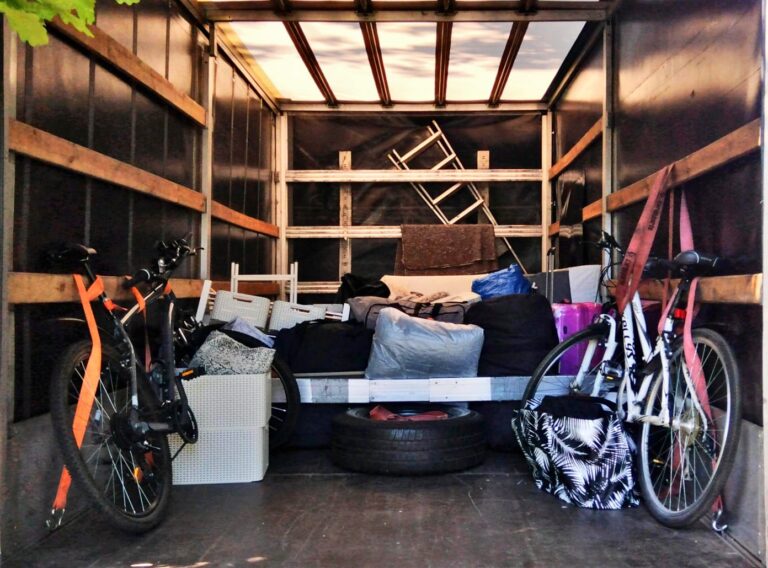
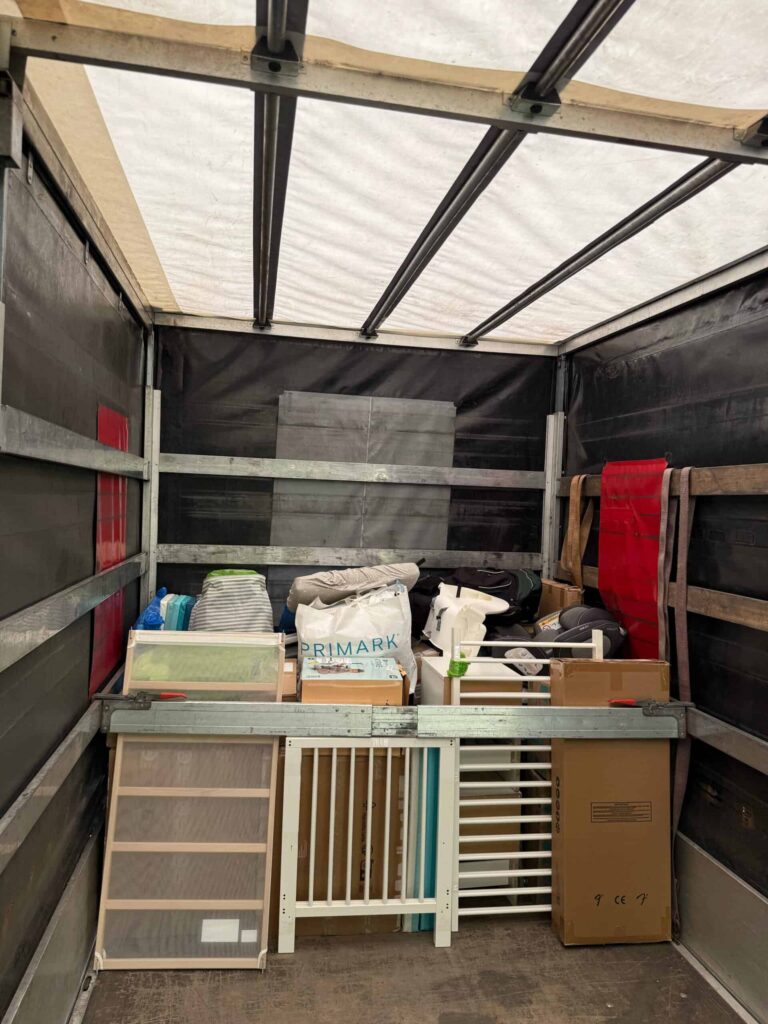
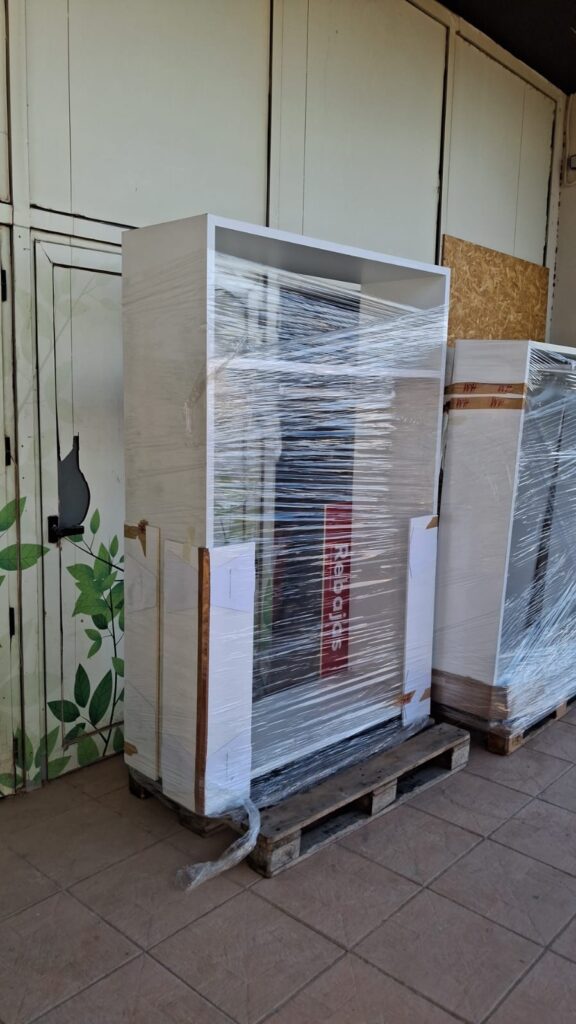
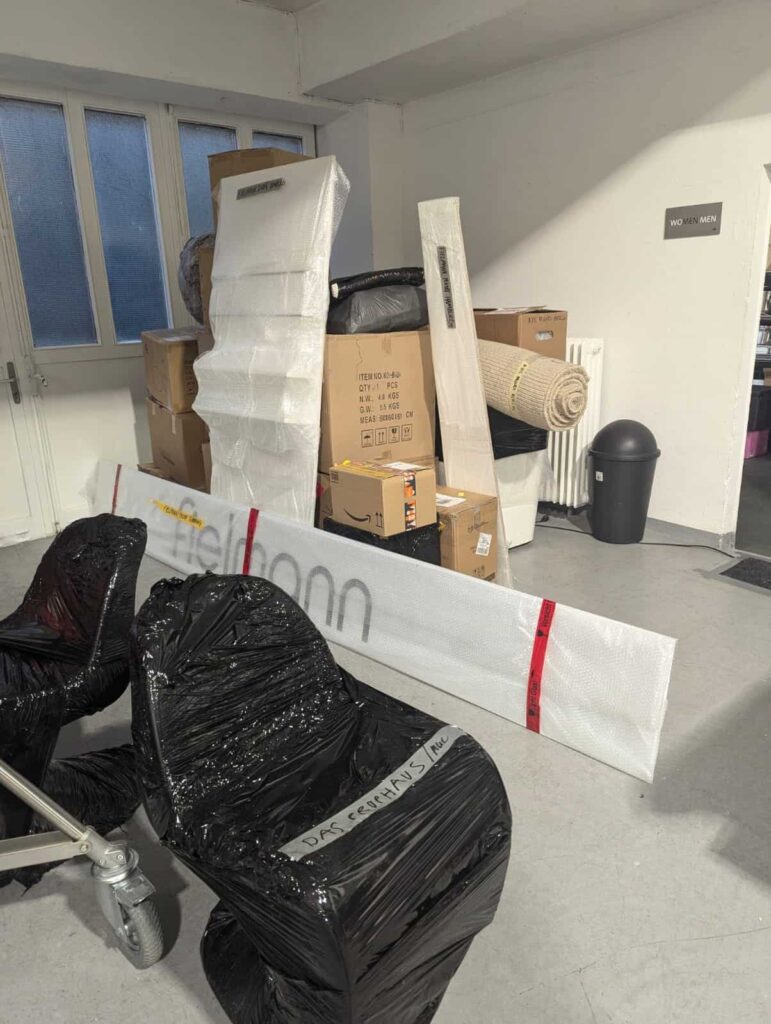
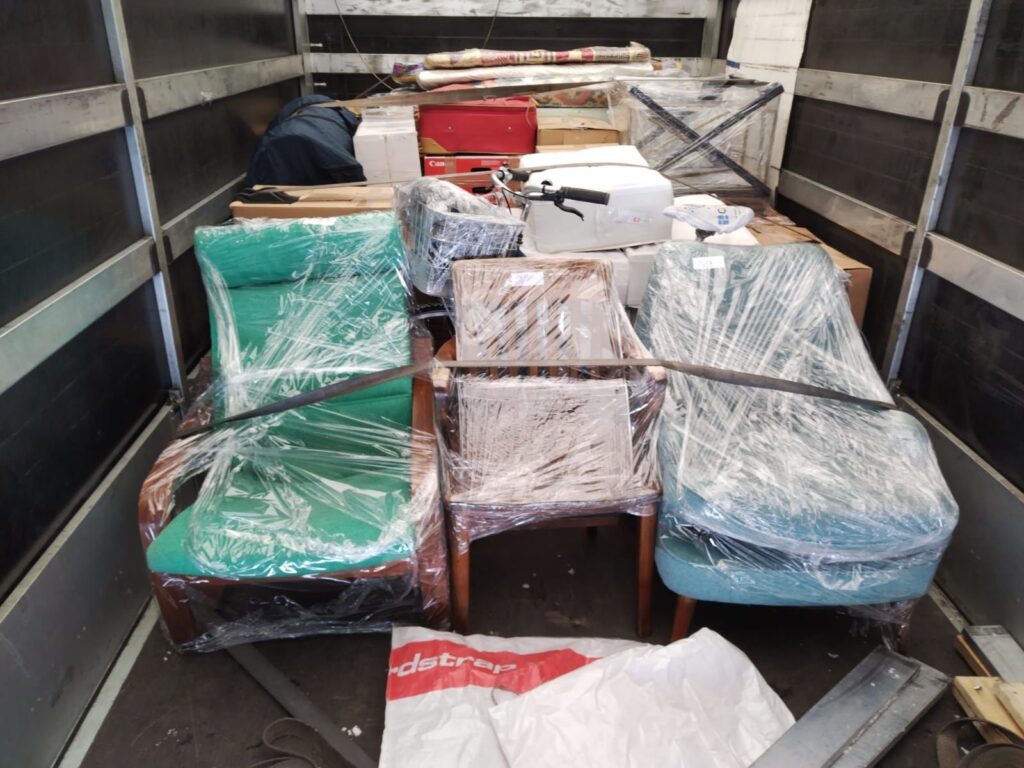
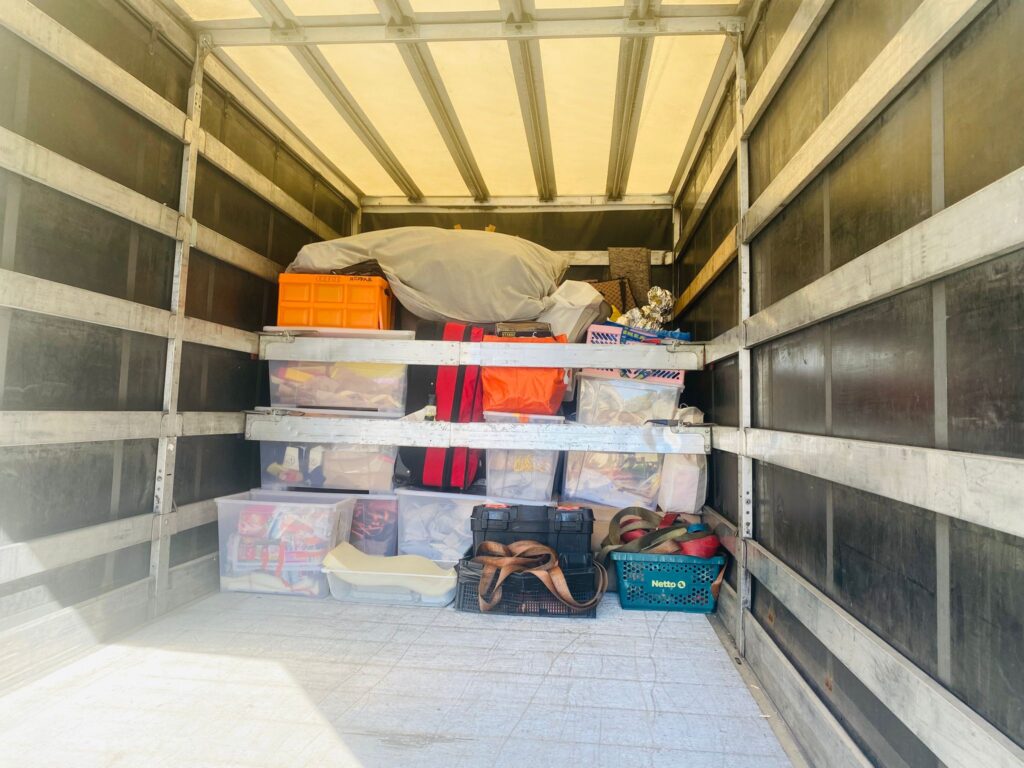
For remote work, the safest relocation plan is often staged. A compact man and van move can bring the essentials first: laptop setup, monitors, office chair, clothes, bedding, kitchen basics, and a few key household items. The full household can follow once the legal and payroll position is stable.

Can a British contractor or service provider work in Switzerland short term?
A British contractor or service provider may be able to work in Switzerland short term in some cases, but the 90 working day point must be understood carefully. It is not a blanket permission for every British citizen to work freely in Switzerland.
Under the Switzerland UK Services Mobility Agreement, some UK service providers may be able to provide cross border services in Switzerland for up to 90 working days per calendar year using the online notification procedure, depending on the activity, conditions, contract, and applicable rules. Services beyond the 90 day threshold usually need a work permit, and there is no automatic entitlement.
Official sources to check:
- Swiss SEM: UK nationals coming to Switzerland to work from 1 January 2021
- Swiss SEM notification procedure for short term work
| Activity | What to check |
|---|---|
| Client meetings | Whether this is only a business visit or becomes paid service delivery |
| Paid consultancy on site | Notification route, contract, duration, tax, social security, insurance |
| Technical installation | Work authorisation, tools, customs, site access, liability cover |
| Training Swiss staff | Notification route, employer duties, duration, insurance |
| Repairing systems or machinery | Authorisation, safety requirements, customs for tools and parts |
| Business equipment transport | Separate equipment inventory and customs planning |
Before relying on a short term route, check what exact work will be performed, who the Swiss client is, how many working days will be spent in Switzerland, whether online notification is required, whether the activity falls within the permitted service route, which social security system applies, whether tools or parts are entering Switzerland, and whether the client requires proof of notification or authorisation before site access.
Short term service work often involves equipment: laptops, screens, tools, parts, demonstration materials, samples, archive boxes, or office installation items. Prepare a business equipment file with the client contract, work description, dates, Swiss work location, tool and equipment list, insurance confirmation, notification or authorisation documents where required, and Swiss site contact.
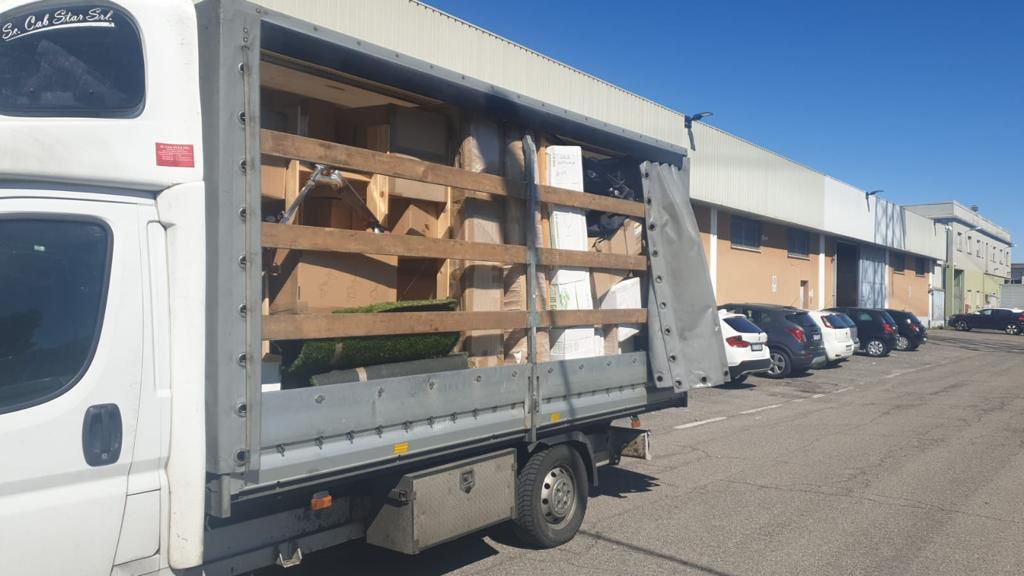
VANonsite can help move project equipment, desks, monitors, chairs, archive boxes, and office items separately from household goods. For short assignments, a compact man and van load may be enough. If the project grows into a longer Swiss setup, storage, office removals, or office furniture installation can make the next stage smoother.
What documents does a British citizen need to work in Switzerland?
Documents can make or break the speed of a Swiss work move. For a British citizen, paperwork supports the employer’s permit application, residence registration, payroll setup, health insurance, housing search, customs clearance, and physical relocation.
Before making decisions, check official guidance:
| Scenario | Documents to prepare |
|---|---|
| Swiss employment | Passport, contract, employer forms, CV, diplomas, certificates, references, approval documents |
| Remote UK job from Switzerland | Employer approval, contract addendum, tax review, payroll review, social security review, insurance confirmation |
| Short term service work | Client contract, work description, notification confirmation where required, equipment list, insurance documents |
| Contractor or freelancer | Contracts, invoices, business records, tax and social security advice, professional insurance, equipment inventory |
| Family move | Marriage certificate, birth certificates, school records, accommodation proof, health insurance planning |
| Office relocation | IT inventory, archive box count, equipment list, lease, access notes, floor plan, installation requirements |
Keep the most important documents in your hand luggage or personal bag: passport, work permit approval or employer correspondence, job contract, employer contact details, accommodation documents, health insurance information, payroll and social security papers, tax records, professional licences, diplomas, family documents, customs inventory, and VANonsite booking details.
For the moving inventory, list items clearly by room and category. Avoid vague labels such as “miscellaneous goods”. A customs ready inventory should show what is personal, what is work related, and what may need special handling.
Can British citizens move to Switzerland for work with family?
Yes, British citizens can move to Switzerland for work with family, but the family side should be planned early. A job move for one person can quickly become a household relocation involving residence documents, school timing, childcare, health insurance, suitable housing, family records, customs planning, and a much larger moving inventory.
Family members may need linked residence documents or separate applications depending on the worker’s status, the family relationship, nationality, canton, income, accommodation, and insurance position. The exact route should be checked with official guidance or the employer’s relocation team before moving.
| Family item | Why it matters |
|---|---|
| Marriage or partnership documents | Supports spouse or partner relocation route where relevant |
| Birth certificates | Supports children’s applications, registration, or school placement |
| School records | Helps schools understand age, level, subjects, and recent progress |
| Medical and vaccination records | Useful for healthcare, insurance, school admin, and child wellbeing |
| Suitable housing | May be needed for family residence and daily life |
| Health insurance planning | Every family member may need appropriate cover |
| Larger inventory | Family moves often need Moving Premium Plus or Full House XXL |
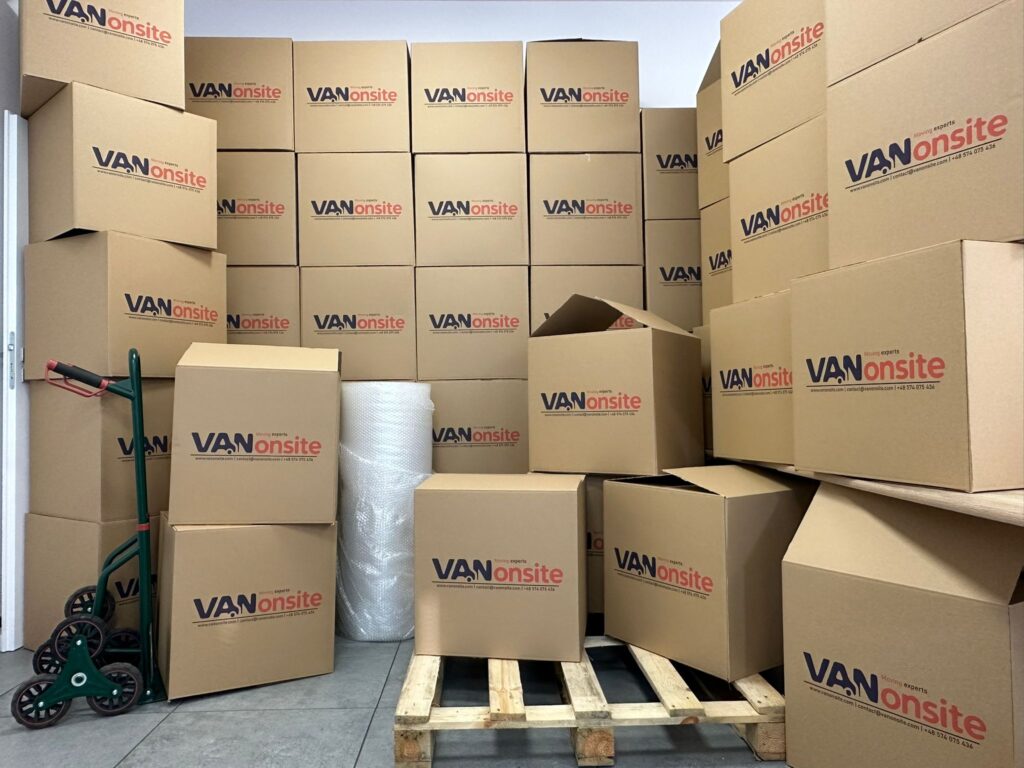
Family moves grow quickly. Children’s books, toys, bikes, desks, seasonal clothing, sports equipment, bedding, kitchen items, school supplies, prams, cots, and sentimental belongings can add serious volume. A move that looks like a small apartment on paper may need a larger vehicle once the real inventory appears.
A family move may also benefit from Packing Service for fragile items, storage if dates do not align, White Glove Delivery for premium furniture, Furniture Removals for beds and wardrobes, and GPS tracking while the family travels separately. A staged move can help too: one parent may move first with work essentials, while the rest of the family follows once housing, schooling, and delivery access are clearer.


Salary, tax, social security, and health insurance for British workers in Switzerland
Swiss salaries can look dazzling from the UK. A role in Zurich, Geneva, Basel, Zug, or Lausanne may offer a headline number that feels like a serious leap. But British workers should compare net life, not gross salary. The real question is not only “How much will I earn?” It is “What will I keep, what will I spend, and what will the first 90 days cost?”
Switzerland has federal, cantonal, and communal taxes. This means the canton and commune where you live can affect your tax position. Employees may also pay Swiss social security and occupational pension contributions. Health insurance is usually a visible monthly premium, not a hidden background cost. Meanwhile, UK tax may still matter if you keep UK property, pensions, dividends, company income, director duties, or strong UK residence ties.
Official links:
- GOV.UK Tax if you leave the UK to live abroad
- GOV.UK Tax on your UK income if you live abroad
- Swiss taxes on ch.ch
| Cost or deduction | Why British workers should check it |
|---|---|
| Swiss income tax | Varies by canton, commune, family status, and income |
| Social security | Swiss deductions differ from UK National Insurance |
| Occupational pension | Can reduce monthly take home pay while building long term value |
| Health insurance | Usually a visible monthly cost in Switzerland |
| Rent | Zurich, Geneva, Zug, Basel, and Lausanne can be expensive |
| Childcare | Can be a major cost for families and should be checked early |
| Moving costs | Poor vehicle choice or duplicate furniture purchases can hurt first year cash flow |
| UK financial ties | UK property, pensions, dividends, company income, or remaining residence ties may still matter |
Ask payroll for an estimated net salary before you move. Check whether tax will be deducted at source, which social security deductions will appear on the payslip, what occupational pension contribution will apply, whether the employer provides accident insurance, and whether relocation allowances are taxable or reimbursed separately.
Moving to Switzerland does not automatically close every UK tax connection. A British citizen may still have UK rental income, pensions, dividends, company income, director duties, self assessment obligations, or UK workdays. Remote workers and company directors should be especially careful.
The first 90 days can be the most expensive part of a Swiss work move. Budget for rental deposit, first rent, temporary accommodation, health insurance premiums, public transport, furniture, household basics, home office equipment, childcare setup, registration costs, flights, packing, storage, removals, and an emergency buffer.
Should you move furniture or buy in Switzerland? Move what protects comfort, productivity, value, or family stability. Cheap worn furniture may not deserve space in the van. Good beds, office chairs, desks, kitchen equipment, bikes, mirrors, art, and quality furniture can be expensive to replace after arrival.
Moving to Switzerland for work: relocation checklist
Moving to Switzerland for work is not only about loading boxes. It is a sequence of legal, financial, practical, and emotional decisions. For British citizens, the work route should lead the move. The physical relocation should follow once the permit route, Swiss address, and delivery timing are stable.
| Step | What to do | Why it matters |
|---|---|---|
| 1 | Confirm whether the job can support a British citizen work permit application | A Swiss job offer is not always permission to start work |
| 2 | Ask which canton handles the process | Cantonal process and timing can affect the move |
| 3 | Prepare passport, CV, qualifications, references, and contract documents | Fast, accurate documents help the employer process |
| 4 | Confirm the legal start date before booking full removals | Moving too early can create cost and stress |
| 5 | Check salary, tax, social security, health insurance, rent, and childcare | Net life matters more than gross salary |
| 6 | Confirm Swiss address or temporary accommodation | Delivery, registration, insurance, and access planning depend on location |
| 7 | Decide whether to move essentials first or full household | A staged man and van move can reduce risk |
| 8 | Build a room by room customs inventory | Customs, vehicle size, packing, storage, and insurance all depend on inventory |
| 9 | Separate personal belongings from business equipment | IT assets, tools, archive boxes, and office items may need separate handling |
| 10 | Book VANonsite once work route, address, and delivery timing are stable | The van should follow the plan, not the panic |
Before booking a full move, check whether the Swiss address is confirmed, keys are available on delivery day, parking or loading space exists, the property has stairs or a lift, building rules apply, furniture needs disassembly, fragile items need Packing Service, and storage is needed between UK collection and Swiss delivery.
If the Swiss job starts before permanent housing is ready, the first load should protect work, sleep, hygiene, food, and basic comfort. A first stage man and van load may include work clothing, laptop equipment, monitors, office chair, bedding, towels, toiletries, medication, basic kitchen items, winter clothing, and a few personal items that make temporary housing feel human.
Customs and household goods when moving for work
Work authorisation and customs clearance are separate. A Swiss employer may help with the permit route, but that does not automatically clear your furniture, boxes, monitors, tools, or personal belongings through Swiss customs. Your work papers and your household goods paperwork are two different parts of the move.
For British citizens moving to Switzerland for work, customs planning should start early. Used household effects may qualify for favourable treatment if Swiss customs conditions are met, but this depends on the circumstances and paperwork. New goods, commercial stock, business equipment, vehicles, alcohol, tobacco, pets, specialist tools, and restricted items can need extra checks.
Official customs links:
| Category | Examples | Planning note |
|---|---|---|
| Personal boxes | Clothing, books, bedding, shoes, personal items | Label by room and priority |
| Work equipment | Laptop dock, monitors, printer, office chair, files | Keep essential devices accessible if work starts quickly |
| Furniture | Bed, sofa, desk, dining table, chairs, wardrobes | Measure large items and check access before delivery |
| Fragile items | Glassware, mirrors, artwork, lamps, ceramics | Consider professional packing |
| High value goods | Art, instruments, antiques, designer furniture, premium electronics | Photograph and list separately |
| Business equipment | IT assets, archive boxes, office furniture, tools | Separate clearly from household goods |
| Special items | Alcohol, tobacco, pets, vehicles, specialist tools | Check official rules before loading |
Business equipment should be listed separately from household goods, especially for contractors, consultants, directors, IT specialists, technicians, and remote workers. Separate laptops, monitors, docks, printers, office chairs, desks, tools, samples, archive boxes, company owned equipment, stock, and commercial goods.
Carry personally: passport, work permit approval, Swiss job contract, health insurance information, tax records, professional licences, family documents, prescription medication, critical laptop if needed immediately, customs inventory, VANonsite booking details, tracking information, and delivery contacts.
VANonsite cannot replace official customs guidance, but it can help make the physical move more organised with clear inventory planning, correct vehicle size, careful packing, safe loading, reliable timing, storage, office removals, white glove delivery, and GPS tracked transport.
VANonsite vehicle sizes for British workers moving to Switzerland
Choosing the right vehicle is one of the most practical decisions in a UK to Switzerland work move. Too small, and the move becomes stressful, cramped, or split into extra trips. Too large, and the budget may stretch unnecessarily. Many people underestimate moving volume by 15% to 30%.
| VANonsite option | Volume | Weight capacity | Best for |
|---|---|---|---|
| Moving One | 1m3 | 100kg | Documents, suitcases, small work start essentials |
| Moving Basic | 5m3 | 300kg | Compact professional move, student room, short assignment |
| Moving Medium | 10m3 | 500kg | One bedroom flat, home office setup, monitors, desk, chair |
| Moving Premium | 15m3 | 1100kg | Larger flat, couple relocation, furniture removals |
| Moving Premium Plus | 30m3 | 3500kg | Full apartment, small house, mixed home and office load |
| Moving Full House XXL | 90m3 | 20000kg | Large household, office relocation, complex international move |
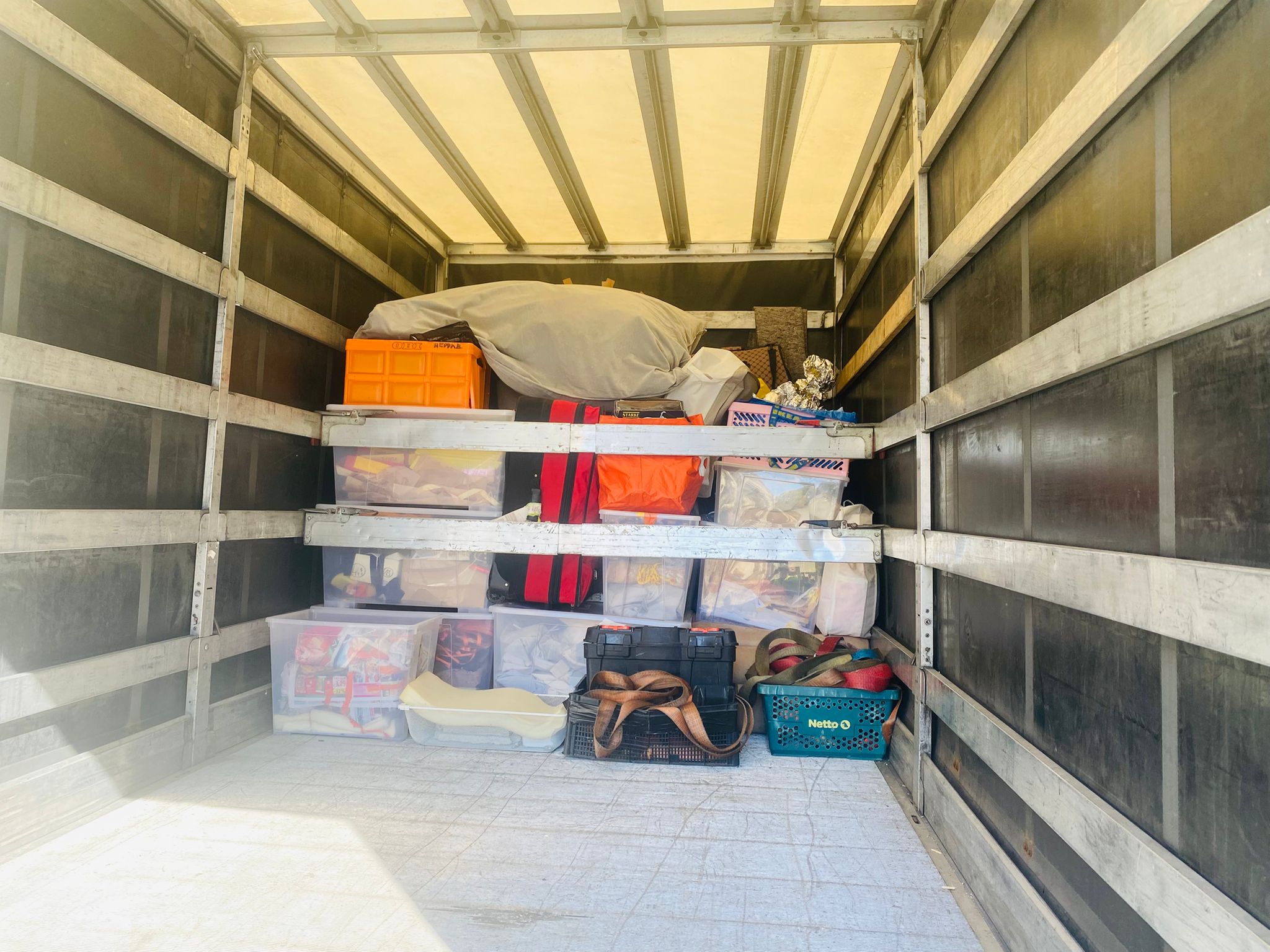
A first work start load may include 2 to 6 suitcases or labelled boxes, work clothing, laptop, docking station, keyboard, mouse, cables, 1 or 2 monitors, compact desk or office chair, bedding, towels, toiletries, medication, basic kitchen items, winter clothing, and small personal items.
Choose a larger vehicle when your Swiss address is confirmed, your work route is stable, you own furniture worth keeping, you need a proper home office from week one, you are moving with a partner or family, or you have business equipment, tools, or archive boxes. Before choosing a vehicle, create a room by room inventory, count boxes honestly, measure furniture, photograph awkward items, and check stairs, lift access, parking restrictions, quiet hours, or narrow entrances.
12 week work and relocation timeline
A British citizen’s move to Switzerland should not begin on moving day. It begins weeks earlier, when the job route, employer process, documents, housing, customs, and removals plan start to line up.
| Timeframe | Work and permit tasks | Moving tasks |
|---|---|---|
| 12 to 10 weeks | Target Swiss roles, check British citizen work permit rules, speak to employers, ask whether the role can support a permit application | Start inventory, ask VANonsite for a quote, estimate vehicle size, decide whether storage may be needed |
| 9 to 6 weeks | Interview, gather documents, discuss permit sponsorship, check salary, social security, tax, and health insurance | Declutter, photograph valuable items, separate personal goods from business equipment, plan packing or storage |
| 5 to 3 weeks | Confirm offer, employer application, approval status, legal start date, Swiss address, registration steps | Finalise inventory, prepare customs forms, confirm access details, check lift size, stairs, parking, and delivery rules |
| Final 14 days | Print passport copies, permit papers, contract, tax records, insurance documents, employer contacts | Label boxes, separate documents, confirm VANonsite collection, prepare essentials bag, keep customs paperwork ready |
| Moving day | Carry passport, job papers, permit correspondence, customs forms, devices, medication, and key family documents | Track the load with VANonsite GPS, keep delivery contacts ready, stay reachable for access or customs questions |
If your job starts sooner, compress the steps, but keep the order: work route first, documents second, inventory third, vehicle choice fourth, delivery only when the landing place is ready.
Common mistakes British citizens make when planning to work in Switzerland
Most problems happen before the move, not during it. They begin with a wrong assumption, old advice, a rushed booking, or a missing document.
| Mistake | Smarter approach |
|---|---|
| Assuming old rules still apply | Check current British citizen work rules after Brexit |
| Treating a job offer as permission to start | Confirm employer application, canton process, approval, and legal start date |
| Booking removals too early | Align permit, address, customs, access, and delivery timing |
| Ignoring employer role | Ask who handles the permit application and canton contact |
| Comparing only gross salary | Calculate net life, including rent, insurance, tax, pension, childcare, and moving costs |
| Vague inventory | Build a room by room household and work equipment list |
| Mixing business and personal goods | Separate IT assets, tools, archive boxes, and company owned equipment |
| Underestimating volume | Allow for 15% to 30% more than the first guess |
| Packing documents in boxes | Carry passports, permit papers, tax records, contracts, and customs forms personally |
| No GPS tracking | Use VANonsite GPS tracked transport for visibility |
A successful Swiss work move is rarely about one heroic decision. It is a chain of careful decisions made in the right order.
Why choose VANonsite when moving to Switzerland for work?
A move to Switzerland for work is not just a transport job. It is a high pressure life change with paperwork, timing, money, housing, customs, employer onboarding, and family logistics all moving at once. While you handle the legal and employer process, VANonsite helps make the physical move calm, visible, and controlled.
VANonsite gives you flexibility. You can move essentials first with a compact man and van service, store items between addresses, protect fragile belongings with professional packing, or plan a full home removal once the Swiss address is stable. With GPS tracking for every load, you are not left guessing where your belongings are while you deal with registration, onboarding, insurance, housing, banking, or the first week of work.
| Relocation need | VANonsite solution | Why it helps |
|---|---|---|
| First stage work move | GPS tracked man and van transport | Ideal for laptop setup, clothes, bedding, documents, kitchen basics, and essentials |
| Full household relocation | Home Removals | Useful once the Swiss address, access, and work route are stable |
| Furniture relocation | Furniture Removals | Helps move beds, desks, sofas, wardrobes, tables, chairs, and valuable home items |
| Fragile or high value goods | Packing Service | Protects monitors, mirrors, art, glassware, electronics, and delicate furniture |
| Premium delivery | White Glove Delivery | Suits antiques, designer furniture, artwork, high value equipment, and difficult items |
| Awkward timing | Storage | Helps when the UK move out date and Swiss move in date do not align |
| Business equipment | Office Removals | Supports desks, office chairs, IT assets, archive boxes, tools, and business items |
| Workspace setup | Office Furniture Installation | Useful for contractors, directors, consultants, and business owners setting up a work base |
| Student or graduate work move | Student Removals | Practical for compact, cost conscious moves to Swiss universities, internships, or first jobs |
Before contacting VANonsite, prepare your UK collection address or postcode, Swiss delivery city or canton, preferred dates, box count by room, furniture list, home office equipment list, photos of fragile or high value items, and access details at both addresses. If you are still waiting for permit approval or housing confirmation, say so. VANonsite can help you think in stages rather than forcing one large move too early.
Plan the physical side of your move with VANonsite removals to Switzerland. If your career later points back to Britain, see VANonsite removals to UK.
FAQ: can british citizen work in Switzerland
Can British citizen work in Switzerland?
Yes. A British citizen can work in Switzerland, but usually only with the correct Swiss work authorisation. Since Brexit, most new British workers are treated as third country nationals, which means a Swiss employer and the relevant canton may need to approve the work route before employment starts.
Can British citizens work in Switzerland after Brexit?
Yes, British citizens can work in Switzerland after Brexit, but the process is more structured than it was before. New British workers generally need to follow third country admission rules for new employment. A Swiss job offer can be the start of the process, but it is not always permission to begin work immediately.
Does a British citizen need a work permit for Switzerland?
In most employment cases, yes. Most foreign nationals require a permit to work in Switzerland, and the procedure depends on nationality, employer, canton, duration, role, salary, and employment type. British citizens should confirm the legal start date before resigning, booking full removals, or signing long term housing.
Can a British citizen work remotely from Switzerland for a UK company?
Not automatically. Remote work from Switzerland for a UK employer can raise immigration, tax, payroll, social security, insurance, employment law, permanent establishment, and employer compliance questions. Written employer approval is useful, but long term remote work should be reviewed properly before you move.
Can British contractors work in Switzerland for up to 90 days?
Some British service providers may be able to provide cross border services in Switzerland for up to 90 working days per calendar year under specific conditions and notification rules. This is not blanket permission for every British citizen or every type of work.
What documents do British citizens need to work in Switzerland?
Common documents include a valid British passport, Swiss job offer or contract, employer forms, CV, qualifications, references, professional licences where needed, permit correspondence, accommodation details, payroll and social security papers, health insurance planning, and a customs inventory for household goods.
Can my family move with me to Switzerland for work?
In many cases, family relocation may be possible, but the route depends on status, relationship, nationality, income, accommodation, insurance, and canton requirements. Families should prepare passports, marriage or partnership documents, birth certificates, school records, medical records, housing evidence, and health insurance planning early.
Should I move everything at once?
Not always. If the permit route, Swiss address, payroll, or family timing is still settling, a staged move can reduce risk. A first man and van load can bring essentials, work equipment, bedding, clothing, and basic kitchen items. The full household can follow once the address and delivery access are stable.
Can VANonsite help me move for a Swiss job?
Yes. VANonsite can handle the physical move with GPS tracked man and van transport, packing, storage, white glove delivery, office removals, student removals, home removals, furniture removals, office furniture installation, and vehicle options from 1m3 to 90m3.
Summary
Can British citizen work in Switzerland? Yes, but after Brexit the answer comes with structure. A British passport, job offer, UK contract, or remote work plan does not automatically create the right to work from Switzerland. The exact route depends on the employer, canton, duration, role, salary, qualifications, and work arrangement.
The safest approach is simple. Define the work scenario first. Confirm the permit route. Prepare documents early. Check salary, tax, social security, health insurance, rent, and first 90 day costs. Build a customs ready inventory. Separate personal belongings from business equipment. Then move when the timing is stable.
VANonsite supports the physical relocation with GPS tracked transport, flexible man and van moves, packing, storage, white glove delivery, office removals, student removals, furniture removals, home removals, office furniture installation, and vehicle sizes from 1m3 to 90m3. Whether you need a compact first work load or a full household move, the journey can be planned with visibility and control.
Plan your UK to Switzerland work move with VANonsite removals to Switzerland.