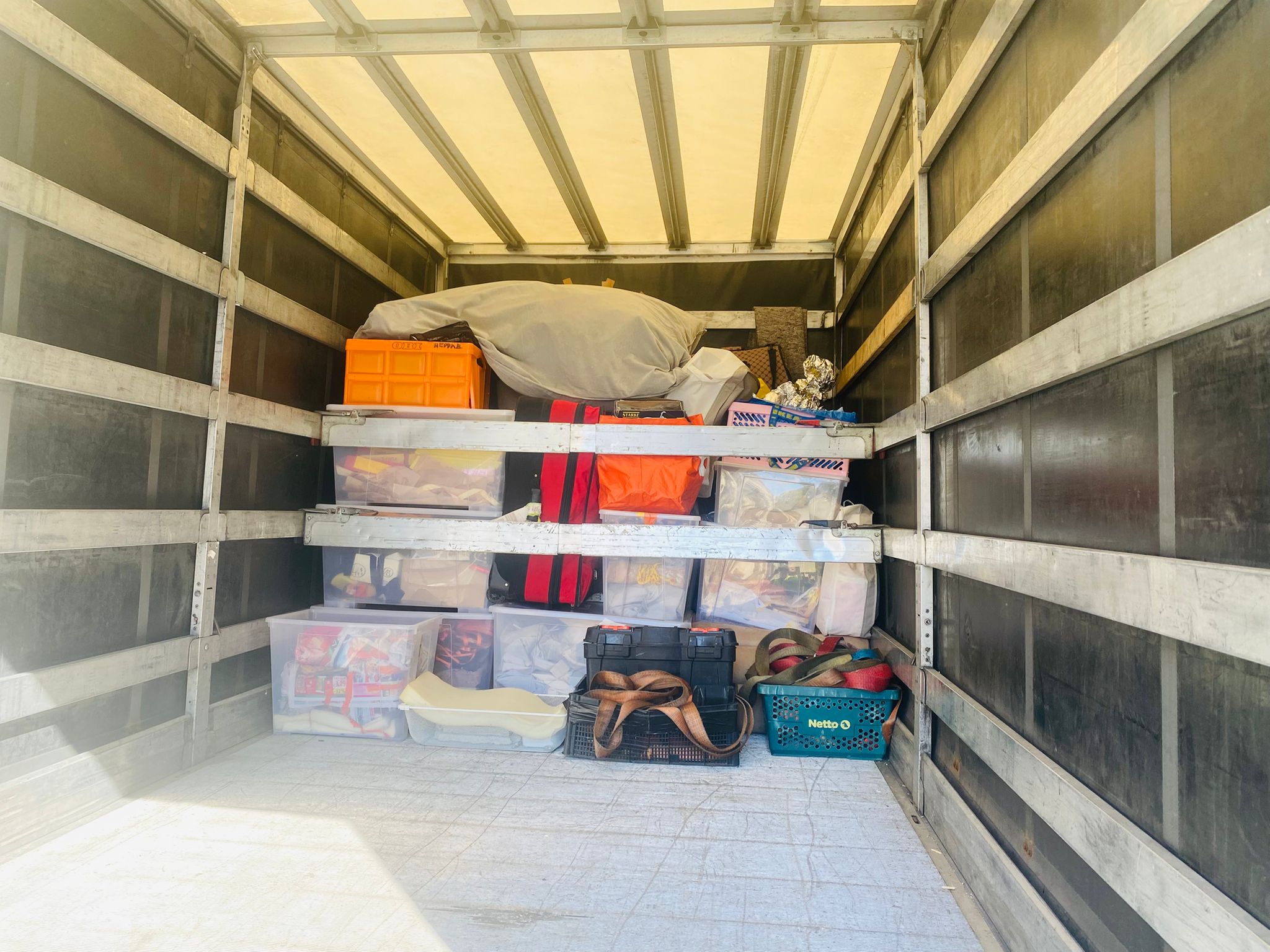

Choosing between Austria and Switzerland can feel like choosing between two polished versions of European life. Both countries are safe, scenic, well organised and full of opportunity. Both offer strong public services, clean cities, mountain landscapes and a lifestyle that can feel almost cinematic. Yet the difference becomes clear once you look at money, housing, work, healthcare and the practical reality of moving.
The question of living in Austria vs Switzerland is not only about which country looks better on a postcard. It is about what your monthly budget can handle, how much you expect to earn, how fast you want your career to grow and how much pressure you are willing to accept. Switzerland often wins on salaries, infrastructure and international career potential. Austria often wins on affordability, culture and a more relaxed day to day rhythm.
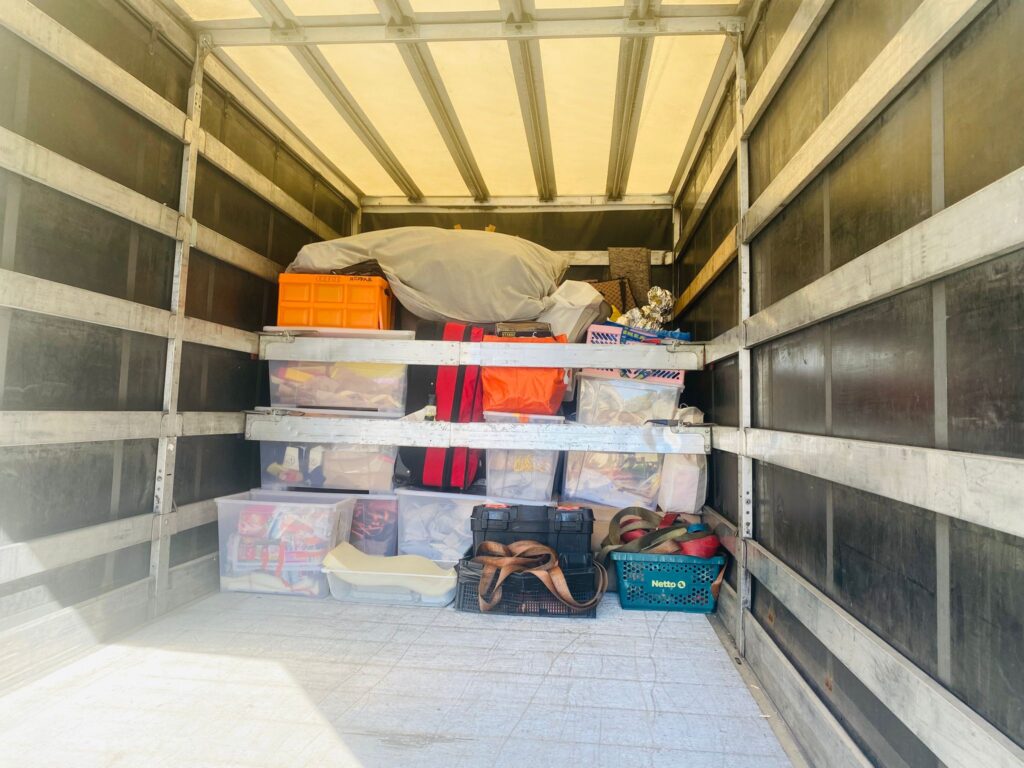
If you are planning a relocation, the comparison becomes practical very quickly. You need to think about rent, permits, insurance, furniture, customs, moving dates and the safe transport of your belongings. VANonsite supports European moves with GPS tracked transport, man and van options, professional packing, storage and flexible vehicle sizes from 1 m³ to 90 m³. That makes a move to Switzerland feel less risky and much more controlled.
TL:DR
- Austria is usually cheaper than Switzerland for rent, food, restaurants and everyday expenses.
- Switzerland is more expensive, but salaries can be much higher, especially in finance, pharma, tech, engineering and international business.
- Austria can be better for students, families and people who want a softer monthly budget.
- Switzerland can be better for professionals with a strong job offer and long term income goals.
- Housing is one of the biggest differences, with Swiss city rents often putting serious pressure on newcomers.
- EU and EFTA citizens can move to both countries, but Switzerland uses a more specific permit and registration system.
- If you choose Switzerland, VANonsite can support your move with GPS tracking, man and van transport, packing, storage and safe European removals.




Living in Austria vs Switzerland: Quick Comparison
The fastest answer is simple. Austria is usually more affordable. Switzerland is usually more profitable. That does not mean one country is automatically better. It means your decision should depend on your income, job sector, family situation, lifestyle expectations and appetite for high living costs.
When people compare living in Austria vs Switzerland, they often start with rent and salaries. That makes sense, because these two numbers shape nearly everything. A Swiss salary can look impressive, but rent, health insurance, groceries and childcare can reduce the advantage quickly. Austria offers lower costs, especially outside Vienna and Salzburg, but wages are usually lower too.
| Category | Austria | Switzerland | Practical Meaning |
|---|---|---|---|
| Monthly costs for one person, excluding rent | about €1,050 to €1,100 | about CHF 1,350 to CHF 1,400 | Austria is lighter for everyday spending. |
| Monthly costs for a family of four, excluding rent | about €3,600 to €3,800 | about CHF 5,000 to CHF 5,100 | Switzerland needs a stronger family budget. |
| 1 bedroom city centre rent | about €850 to €950 | about CHF 1,600 to CHF 1,750 | Swiss rent can feel painfully high. |
| 3 bedroom city centre rent | about €1,500 to €1,700 | about CHF 2,800 to CHF 3,000 | Family housing is a major Swiss pressure point. |
| Average net monthly salary | about €2,600 | about CHF 5,900 | Switzerland can offer much higher income. |
| Inexpensive restaurant meal | about €16 | about CHF 25 | Austria is easier for social eating. |
| Overall lifestyle | cultural, stable, relaxed | efficient, premium, career focused | The right choice depends on your priorities. |
This table shows the core tension. Austria gives you a gentler financial landing. Switzerland gives you sharper earning power. If you already have a strong Swiss job offer, Switzerland may be the more powerful move. If you are still job hunting, studying, freelancing or relocating with children, Austria can feel more forgiving.
Cost of Living in Austria vs Switzerland
Cost of living is where the comparison becomes very real. A beautiful country can lose its charm if every supermarket visit feels like a small financial ambush. In the debate around living in Austria vs Switzerland, Switzerland almost always comes out as the more expensive country.
The difference is not only visible in rent. It appears in restaurant bills, coffee, meat, dairy products, public transport, insurance and services. Austria is not cheap by European standards, especially in Vienna, Salzburg and Innsbruck. Still, compared with Switzerland, it usually feels more manageable.
| Monthly Expense | Austria Estimate | Switzerland Estimate | What It Means |
|---|---|---|---|
| Single person, excluding rent | about €1,059 | about CHF 1,377 | Switzerland is around 30% higher before rent. |
| Family of four, excluding rent | about €3,668 | about CHF 5,065 | Families need a larger financial cushion in Switzerland. |
| 1 bedroom apartment in city centre | about €876 | about CHF 1,656 | Swiss city rent can be almost double. |
| 3 bedroom apartment in city centre | about €1,560 | about CHF 2,879 | Larger homes are much harder on the Swiss budget. |
| Inexpensive restaurant meal | about €16 | about CHF 25 | Eating out is clearly cheaper in Austria. |
| Cappuccino | about €4.10 | about CHF 5.00 | Small daily habits become noticeable in Switzerland. |
| Basic groceries | lower overall | higher overall | Meat, dairy and fresh produce often cost more in Switzerland. |
| Net monthly salary | about €2,631 | about CHF 5,926 | Switzerland can still win if income is strong. |
These numbers should be treated as planning estimates, not fixed promises. Prices vary between cities, neighbourhoods and personal habits. Zurich is not the same as St. Gallen. Vienna is not the same as Graz. Geneva is not the same as Lugano. Still, the pattern is clear: Switzerland costs more, while Austria gives more breathing room.
Food and Basic Everyday Needs
Groceries are one of the first things newcomers notice. In Austria, supermarket spending can feel predictable. In Switzerland, the same basket can feel sharper, especially when it includes meat, cheese, eggs, fresh fruit, coffee, cleaning products and toiletries.
This matters because the emotional side of relocation is often hidden in tiny expenses. A higher salary feels wonderful, but not when every casual purchase makes you pause. That is why living in Austria vs Switzerland should be judged by net comfort, not only by gross income.
In Austria, many people use supermarkets such as Spar, Billa, Hofer and Lidl. In Switzerland, Migros, Coop, Aldi and Lidl are common choices. Shopping at discount chains, cooking at home and planning weekly meals can reduce the pressure in both countries, but the savings are more important in Switzerland.
For a single person, the difference may be manageable. For a family, it can be dramatic. A household with children will usually feel the Swiss price level faster because snacks, school lunches, hygiene products and weekend food shopping repeat every week.
Rent and Housing Pressure
Rent is often the biggest financial shock in Switzerland. The country is safe, clean and well organised, but the housing market in Zurich, Geneva, Lausanne, Basel and Zug can be fiercely competitive. Apartments can disappear quickly. Landlords may request proof of income, references, residence status and documents before they consider an application.
Austria is not effortless, especially in Vienna and Salzburg, but the market is usually less intense. Vienna in particular has a long tradition of rental housing and public transport friendly neighbourhoods, which can make daily life easier for newcomers.
If you are comparing living in Austria vs Switzerland, do not only compare monthly rent. Compare the full first month cost. You may need a deposit, first rent payment, temporary accommodation, insurance, transport, parking permits and storage if your new home is not ready.
Before moving, prepare:
- passport or national ID,
- employment contract,
- proof of income,
- rental references, if available,
- temporary address,
- inventory list for transported goods,
- storage backup if your move in date changes.
This is where professional planning matters. VANonsite can help with staged delivery, Storage and flexible transport dates, which is especially useful if your Swiss apartment is not available on the same day your previous home must be emptied.
Salaries and Job Opportunities
Switzerland is one of Europe’s strongest countries for earning potential. This is the main reason many people accept the higher costs. Salaries in finance, pharma, biotech, engineering, IT, cybersecurity and international business can be powerful enough to change a person’s long term financial future.
Austria also has a stable labour market, but it is usually less spectacular on salary. Vienna, Graz, Linz, Salzburg and Innsbruck offer good opportunities in tourism, manufacturing, education, research, energy, public services, creative industries and IT. The work culture often feels more balanced, less intense and more connected to everyday comfort.
Switzerland is often stronger for:
- banking and finance,
- pharmaceuticals and biotech,
- engineering and precision manufacturing,
- IT, software and cybersecurity,
- international organisations,
- luxury, logistics and high value trade,
- senior corporate roles.
Austria is often attractive for:
- tourism and hospitality,
- education and research,
- manufacturing and industrial work,
- public sector jobs,
- renewable energy,
- creative industries,
- students and early career professionals.
The real question is not simply which country pays more. The better question is this: after rent, insurance, food, transport and taxes, which country leaves you with more peace? For someone earning a strong Swiss salary, Switzerland can feel extraordinary. For someone starting from scratch, Austria may feel safer.
Quality of Life: Calm Austria or High Performance Switzerland?
Austria has a graceful rhythm. Vienna gives you music, museums, cafés, wide boulevards and public transport that makes the city feel generous. Salzburg feels cinematic. Innsbruck brings the mountains close enough to shape your week. Graz is lively, youthful and creative. Even ordinary days can feel textured.
Switzerland feels different. It is polished, precise and almost unnervingly organised. Trains run with remarkable discipline. Streets are clean. Nature looks freshly painted. Lakes, mountains and cities sit together in a way that feels luxurious without shouting. For people who value safety, order and efficiency, Switzerland can be magnetic.
But high performance has a price. Switzerland can feel less forgiving if you are disorganised. Miss a registration step, underestimate insurance or delay your apartment search, and the move can become stressful quickly.
Choose Austria if you want culture, comfort, lower costs and a softer lifestyle. Choose Switzerland if you want higher earning power, stronger infrastructure and exceptional career momentum. Compare both carefully if you are moving with children, pets, furniture, office equipment or a full household.
That is why living in Austria vs Switzerland is a lifestyle question as much as a financial one.
Moving to Switzerland from Austria or Another European Country
Many people who search for living in Austria vs Switzerland are not just curious. They are planning. Maybe they already have a job offer in Zurich. Maybe they are leaving Vienna for Basel. Maybe they are relocating from Germany, France, the Netherlands, Belgium or the UK and Switzerland is the final destination.
A move to Switzerland needs more care than a standard EU relocation. Switzerland is not an EU member, even though it has agreements with the EU and EFTA. That means customs, permits and household goods documentation matter more than many people expect.
If Switzerland is your choice, start with a structured moving plan. VANonsite offers dedicated support for removals to Switzerland, including GPS tracked transport, man and van solutions, professional packing and flexible vehicle sizes.
VANonsite Moving Options for Switzerland
Not every relocation needs a huge truck. Some people move with 10 boxes and a desk. Others need to relocate a family home, office furniture or delicate items. VANonsite offers several vehicle sizes, so customers can choose a solution that fits the load rather than paying for unnecessary space.
| VANonsite Option | Capacity | Best For |
|---|---|---|
| Moving One | 1 m³, up to 100 kg | Boxes, student items, small personal loads |
| Moving Basic | 5 m³, up to 300 kg | Studio move, compact apartment, small man and van transport |
| Moving Medium | 10 m³, up to 500 kg | Small flat, furniture and boxes |
| Moving Premium | 15 m³, up to 1,100 kg | Larger apartment, mixed household items |
| Moving Premium Plus | 30 m³, up to 3,500 kg | Family move, larger furniture load |
| Moving Full House XXL | 90 m³, up to 20,000 kg | Full house relocation, large inventory or complex move |
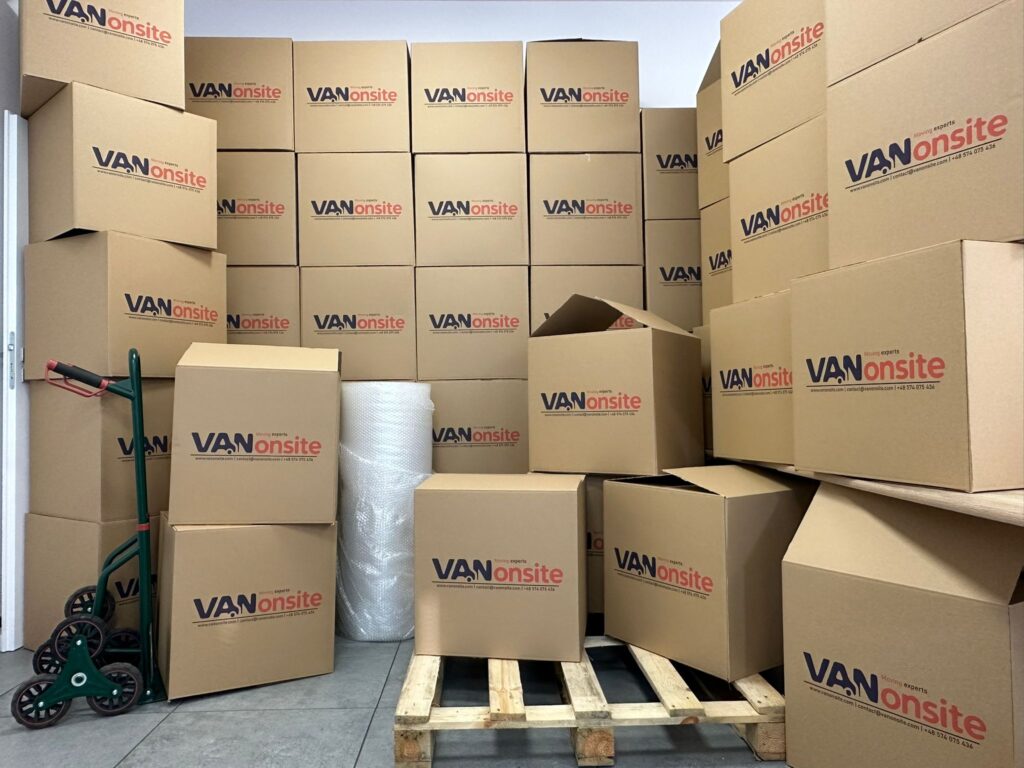
VANonsite can support European moves with Furniture Removals, Home Removals, Packing Service, White Glove Delivery, Office Removals, Storage, Student Removals and Office Furniture Installation. For customers moving to Switzerland, GPS tracking adds something valuable: calm. You know where your belongings are, instead of refreshing your phone and hoping for an update.
Required Documents for Switzerland
Documents matter in Switzerland. EU and EFTA citizens have a structured route under the Agreement on the Free Movement of Persons, but residence still depends on why you are staying. Work, study, family reunification, self employment and living from private means all have different requirements.
For current official rules, check the Swiss State Secretariat for Migration page on EU and EFTA citizens living and working in Switzerland.
A practical document checklist may include:
- valid passport or national ID card,
- employment contract or proof of self employment,
- proof of financial means, if not working,
- health and accident insurance documents,
- rental agreement or Swiss address confirmation,
- birth or marriage certificates, if moving with family,
- inventory list for household goods,
- vehicle documents, if importing a car.
Swiss permits can include an L permit for shorter stays, a B permit for residence, a G permit for cross border commuters and a C permit for settlement after qualifying residence. The exact route depends on nationality, employment status, contract length and canton.
If you are moving household goods, prepare your inventory early. Good documentation can prevent delays, confusion and avoidable stress at the border.
Austria Documents and Registration
Austria is an EU member, which makes life simpler for EU citizens in many cases. Still, registration rules apply. EU citizens and Swiss nationals who stay in Austria for longer than three months generally need to apply for a registration certificate within the required deadline.
For official details, use the Austrian government page on registration certificates for EU citizens and Swiss nationals.
A useful Austria checklist may include:
- valid passport or national ID card,
- employment confirmation,
- proof of self employment, if relevant,
- proof of sufficient funds, if not working,
- comprehensive health insurance,
- school or university confirmation, if studying,
- local address registration.
Austria may feel administratively softer than Switzerland, but you should still treat registration seriously. Late paperwork can create unnecessary trouble.

Healthcare and Insurance
Healthcare is excellent in both countries, but the systems feel different.
In Austria, employees are usually covered through the social insurance system. Contributions are linked to employment, and many people experience the system as integrated into working life. Private options exist, but everyday healthcare access often feels more familiar to EU movers.
Switzerland is different. Residents generally need compulsory health insurance from an approved provider. Premiums vary by canton, provider, deductible and personal circumstances. This can be one of the biggest surprises for newcomers. A person may expect rent to be expensive, but health insurance can still land like a cold splash of water.
This is another reason living in Austria vs Switzerland should be planned using real monthly budgets. Do not compare salary alone. Compare salary after rent, insurance, food, transport and recurring bills.
Transport and Commuting
Austria has strong public transport, especially in Vienna. The city is famous for its affordable, extensive network, which makes life easier without a car. Rail connections between Austrian cities are good, and the country is well placed for travel across Central Europe.
Switzerland is world class for public transport. Trains, buses, boats and mountain routes connect with impressive precision. This system is not cheap, but it is reliable, clean and deeply woven into everyday life. For commuters, that can be priceless.
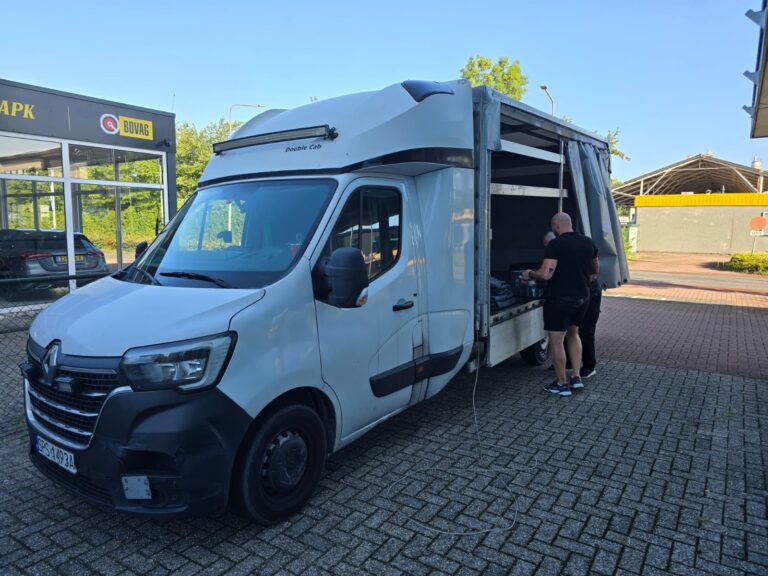
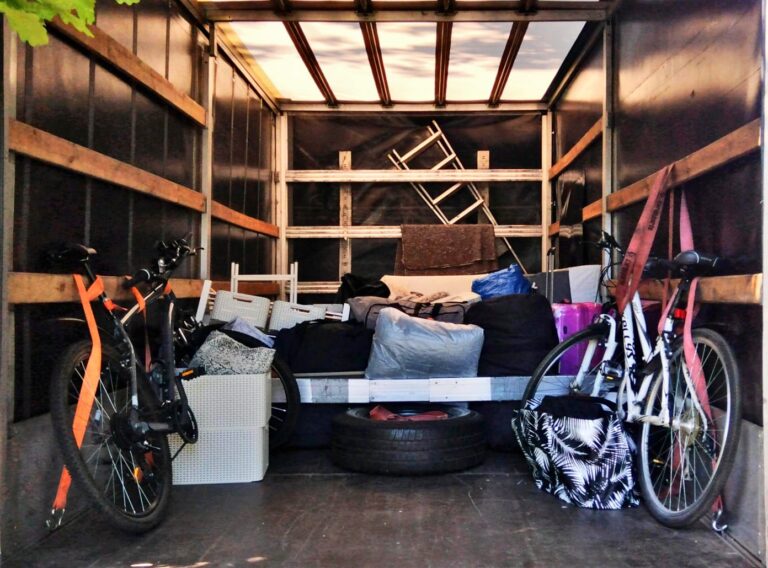
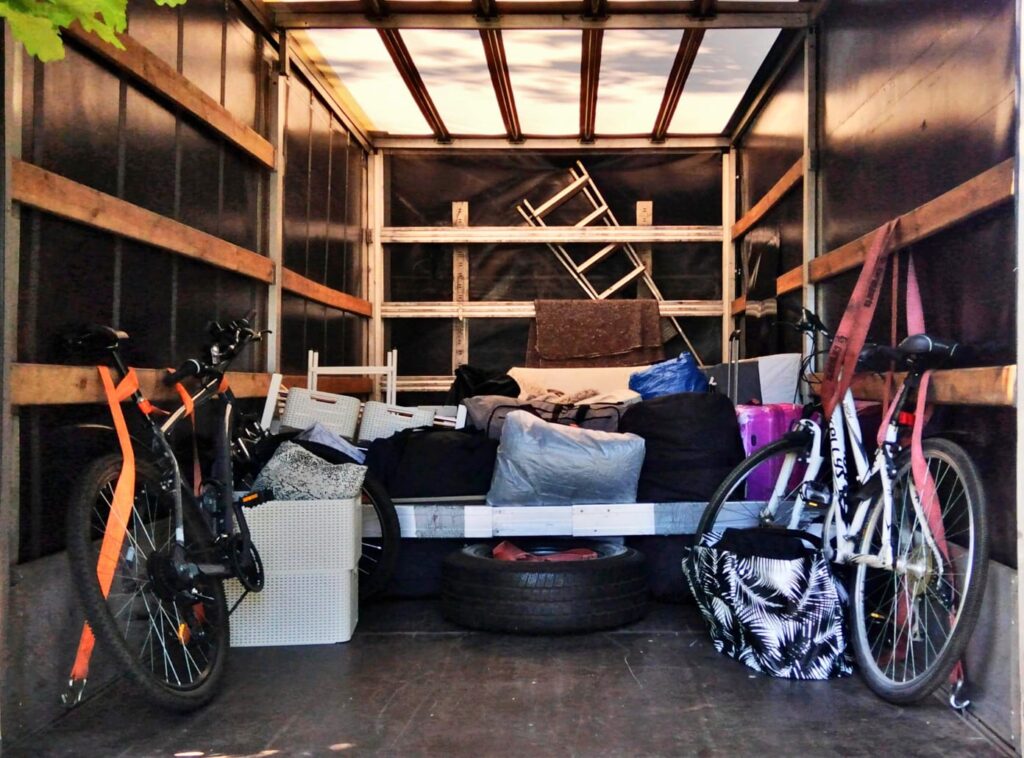
If you live in Switzerland, you may not need a car in many urban areas. However, moving furniture, boxes and personal belongings is a different story. For that, a professional man and van service or dedicated removal van is far safer than trying to stitch the move together through multiple small trips.
Moving With Family
For families, the choice becomes more emotional. Children need schools, routines, space, safety and stability. Parents need budgets that do not shake every month.
Switzerland is exceptional for safety, nature and infrastructure. It can be a brilliant place to raise children if the income is strong. Outdoor life is magnificent. Cities are clean. Public spaces feel secure. Weekend trips can include lakes, mountains and postcard villages.
Austria can feel warmer financially. Housing is generally more accessible, food is cheaper and cultural life is rich. Vienna, in particular, can be attractive for families because it combines public transport, parks, schools, healthcare and city life in a comfortable way.
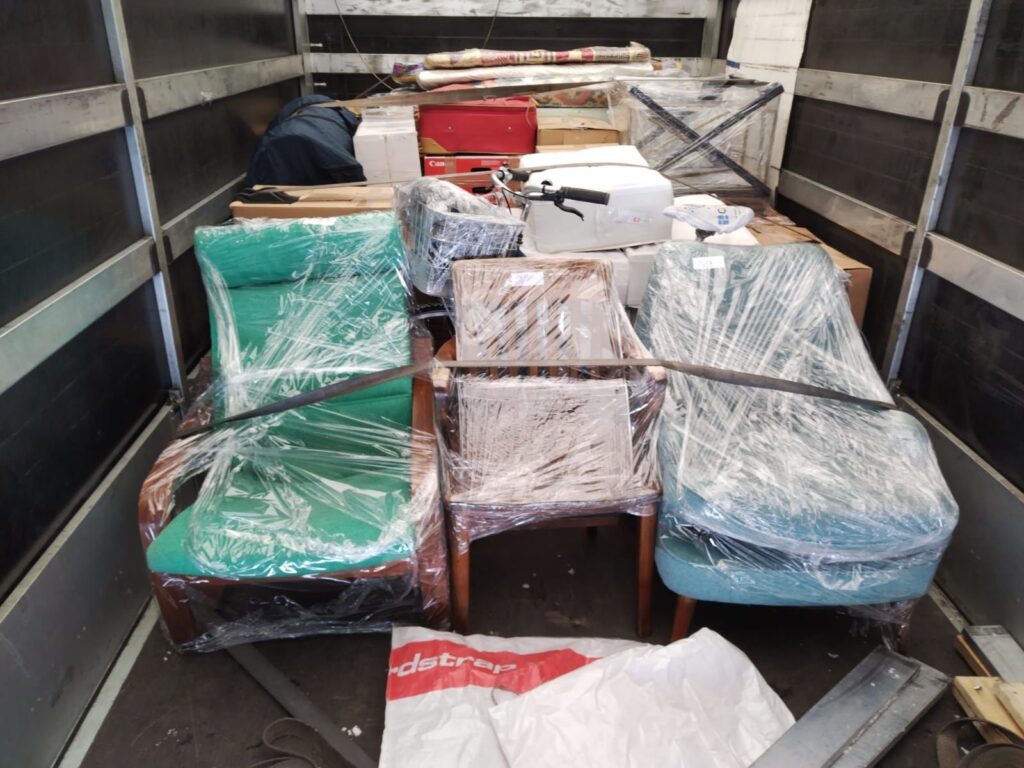
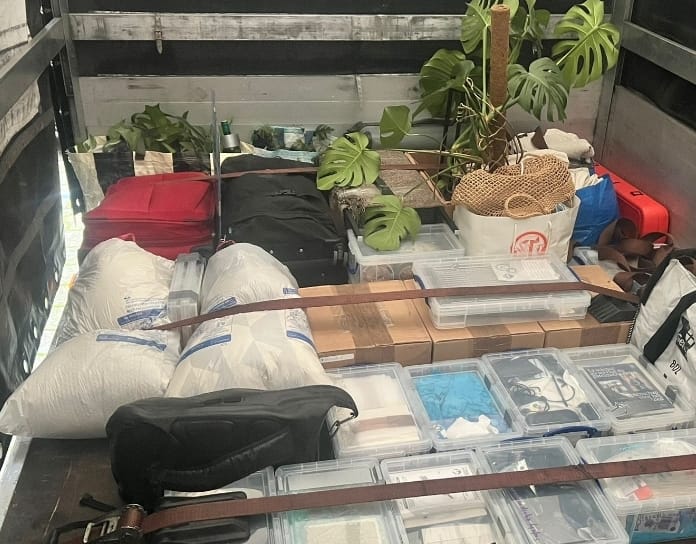
When moving with children, logistics become more delicate. You may need temporary storage, careful packing, precise delivery timing and help with larger furniture. VANonsite Packing Service and Storage can make the transition smoother, especially when school dates, rental contracts and moving days do not align perfectly.
Moving Furniture, Fragile Items or Office Equipment
A cross border move is not just a drive from one address to another. It is a chain of small risks: building access, parking restrictions, customs timing, weather, fragile furniture, lift availability, narrow staircases and delivery windows.
This is where experienced transport matters. VANonsite offers services designed for different needs:
- Furniture Removals for sofas, wardrobes, beds, tables and large items.
- Home Removals for full apartment or house moves.
- Packing Service for safer protection before transport.
- White Glove Delivery for delicate, premium or high value items.
- Office Removals for business relocations.
- Office Furniture Installation for desks, chairs, workstations and office setups.
- Student Removals for compact, affordable moves.
- Last Minute Moving when plans change suddenly.
Every load can be GPS tracked, which gives customers a stronger sense of control. That matters during an international move, because uncertainty is often the most exhausting part.
Pros and Cons of Living in Austria vs Switzerland
No country is perfect. The right choice depends on your income, ambition, family needs and lifestyle.
| Country | Pros | Cons |
|---|---|---|
| Austria | Lower costs, strong culture, good public transport, excellent for students and families, relaxed lifestyle | Lower salaries than Switzerland, bureaucracy can be slow, German matters, fewer very high salary roles |
| Switzerland | Very high salaries, premium infrastructure, exceptional safety, strong job market, stunning nature | High rent, expensive health insurance, competitive housing, stricter planning, higher everyday costs |
If you are moving for career growth, Switzerland can be electrifying. If you are moving for balance, comfort and culture, Austria may feel more natural.
Who Should Choose Austria?
Austria may be the better choice if you want a beautiful European life without the heaviest Swiss price tag. It is especially attractive if your income is moderate, you are moving as a student, you work remotely or you are relocating with family and want more predictable monthly costs.
Choose Austria if you:
- want lower rent than Switzerland,
- prefer a calmer financial landing,
- value culture, cafés, music, museums and public life,
- want strong city transport without huge daily costs,
- are still building your career,
- want EU based simplicity,
- prefer balance over maximum salary.
Austria does not feel like a compromise. It feels like a different kind of win. Less glitter, more warmth. Less pressure, more room to breathe.
Who Should Choose Switzerland?
Switzerland may be the better choice if you have a strong job offer, work in a high paying sector or want to use relocation as a serious career upgrade. It is also excellent for people who value order, safety, cleanliness, nature and precise systems.
Choose Switzerland if you:
- have a secure job offer,
- work in finance, pharma, tech, engineering or international business,
- want higher salary potential,
- can handle high upfront costs,
- value premium infrastructure,
- are ready for strict planning,
- want a long term move with strong financial upside.
For this type of relocation, professional moving support is not a luxury. It is protection. A reliable European removal company helps reduce risk, delays and damage, especially when crossing into Switzerland with household goods.
Final Verdict: Is Austria or Switzerland Better?
The honest answer is this: Austria is usually better for affordability, cultural comfort and a softer lifestyle. Switzerland is usually better for salaries, infrastructure, safety and long term earning power.
If your income is average, Austria may give you more freedom month by month. If your income is strong, Switzerland can offer a dazzling level of quality, order and opportunity. The question is not only where life looks better online. The question is where your life will work after rent, insurance, groceries, work hours and moving costs.
When comparing living in Austria vs Switzerland, look beyond the headline numbers. Ask yourself what you want your weekdays to feel like. Ask what kind of pressure you can tolerate. Ask whether your salary truly matches the country you are choosing.
And if Switzerland is your next step, plan the move carefully. VANonsite offers GPS tracked European removals, man and van transport, packing services, storage options and flexible vehicle sizes from 1 m³ to 90 m³. With the right moving partner, your relocation does not have to feel like a gamble. It can feel organised, secure and quietly exciting.
FAQ
Is living in Austria vs Switzerland cheaper?
Austria is usually cheaper than Switzerland for rent, groceries, restaurants and everyday expenses. Switzerland has higher salaries, but the cost of living is also much higher.
Is Switzerland worth the higher cost of living?
Switzerland can be worth it if you have a strong job offer or work in a high paying sector such as finance, pharmaceuticals, engineering, IT or international business. Without a strong income, the high costs can feel heavy.
Is Austria better for families than Switzerland?
Austria can be easier for families on a moderate budget because rent, food and daily costs are usually lower. Switzerland offers outstanding safety and infrastructure, but family housing, childcare and insurance can be expensive.
Can EU citizens move to Switzerland easily?
EU and EFTA citizens have a structured route to live and work in Switzerland, but they must still follow Swiss residence, registration and permit rules. The requirements depend on the reason for staying.
What is the biggest mistake when moving to Switzerland?
The biggest mistake is underestimating paperwork, customs, housing timelines, insurance and the first three months of costs. Switzerland rewards careful planning.
Can VANonsite help with a small move to Switzerland?
Yes. VANonsite offers small man and van options such as Moving One and Moving Basic, as well as larger solutions for apartments, homes, offices and full house relocations.
Does VANonsite offer GPS tracking?
Yes. VANonsite offers GPS tracking for loads, helping customers follow their belongings during an international move and feel more secure throughout the process.