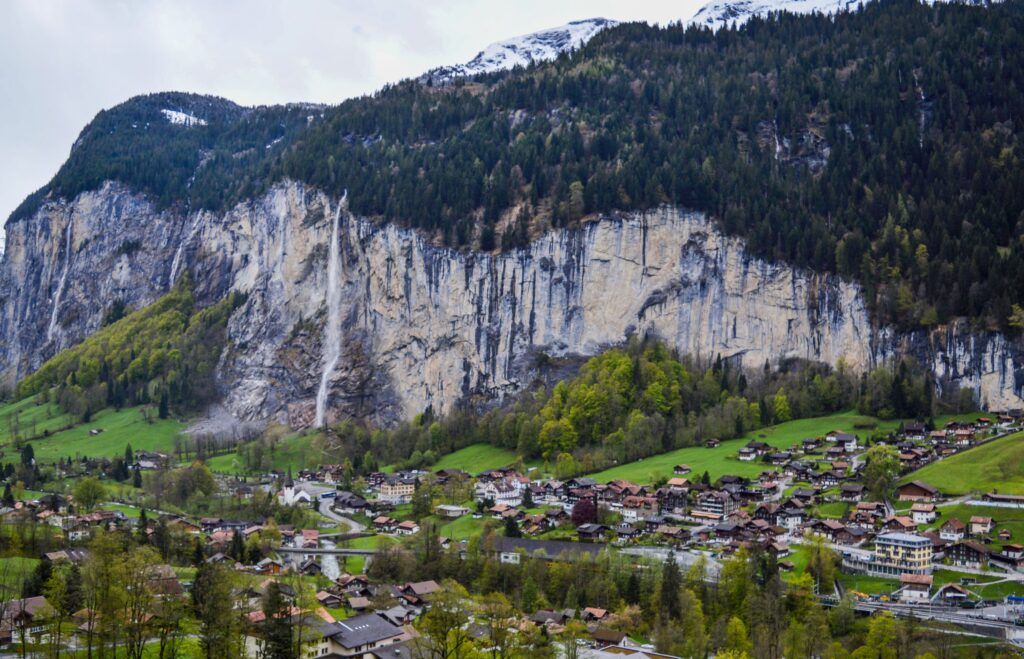
The cost of living in Lauterbrunnen Switzerland is high, but for the right person, the value can feel exceptional. This is not an ordinary village. Lauterbrunnen sits in one of the most dramatic valleys in Europe, surrounded by cliffs, waterfalls, mountain railways and postcard views that look almost unreal on a quiet morning. Life here is clean, safe, peaceful and deeply connected to nature.
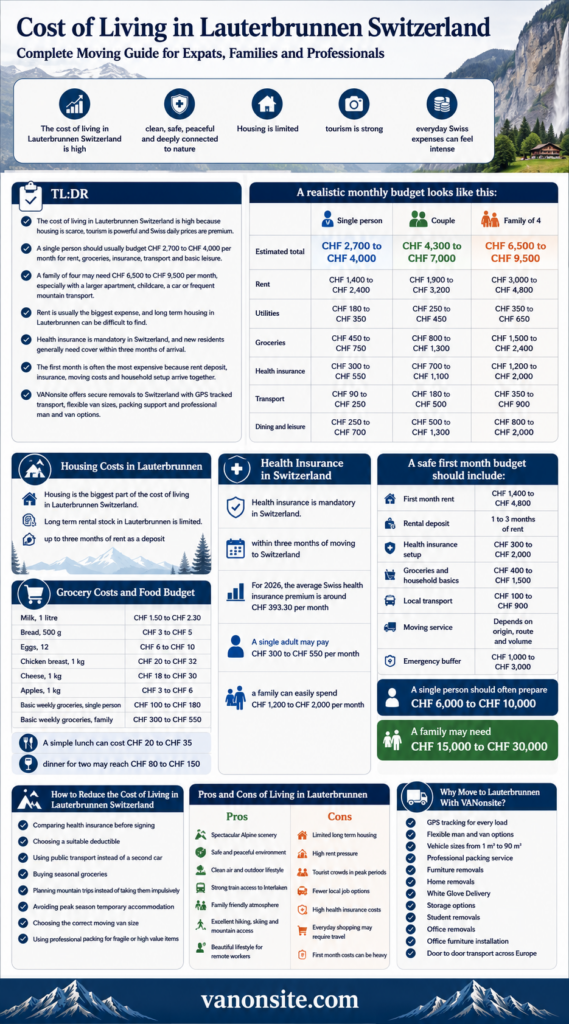
However, beauty has a price. Housing is limited, tourism is strong and everyday Swiss expenses can feel intense if you are moving from a lower cost country. A single person should usually budget around CHF 2,700 to CHF 4,000 per month. A couple may need CHF 4,300 to CHF 7,000, while a family of four should often plan for CHF 6,500 to CHF 9,500 depending on rent, health insurance, transport, food habits and lifestyle.
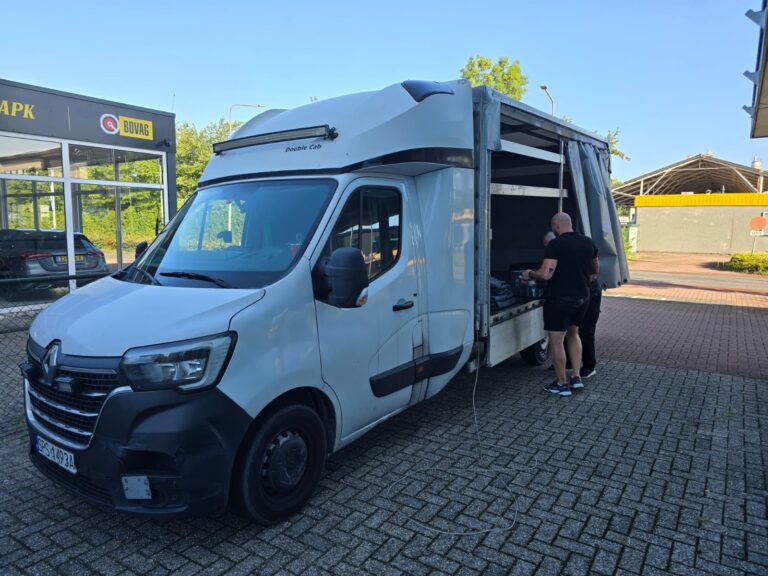
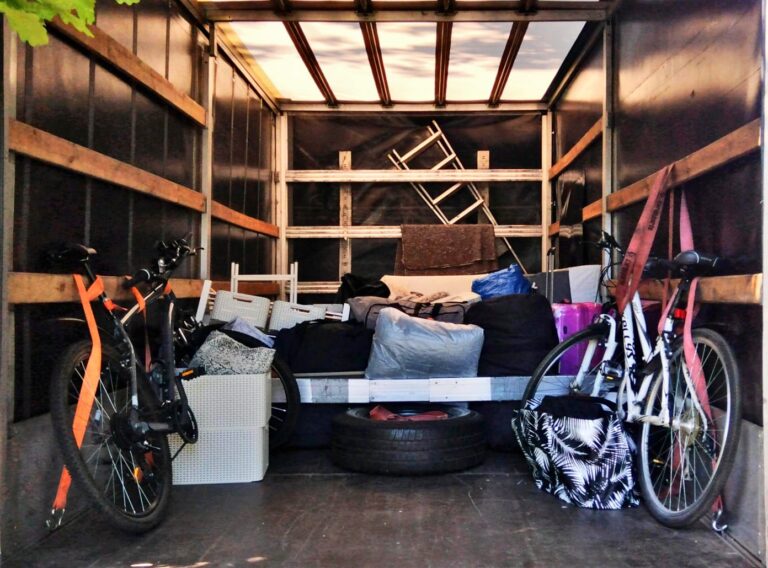
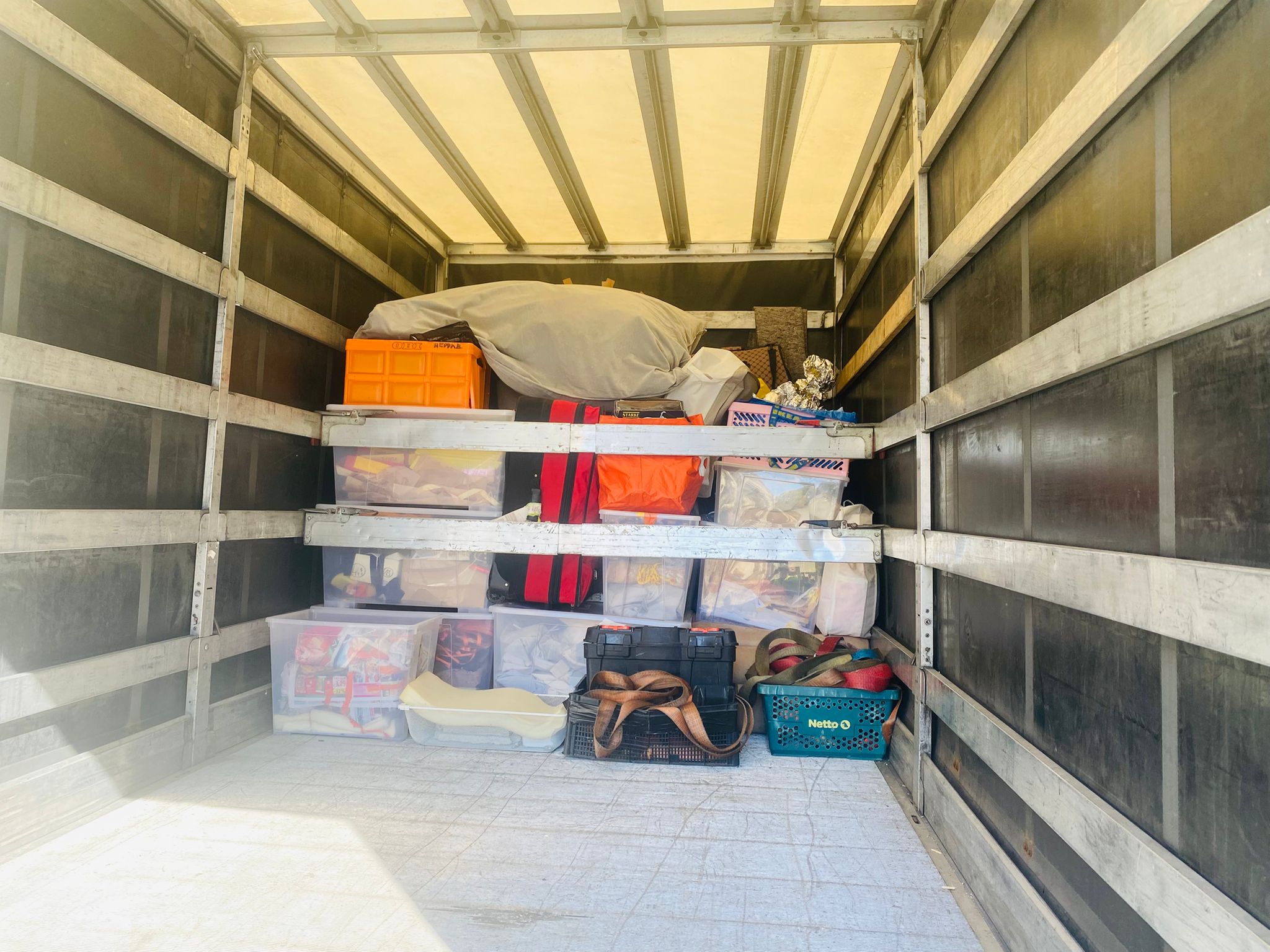
The good news is that the cost of living in Lauterbrunnen Switzerland becomes easier to manage when you plan early. If you secure housing, compare health insurance, control grocery spending and organise your relocation properly, the move can feel far less overwhelming. For people bringing furniture, boxes, ski gear, office equipment or fragile items, a trusted man and van service such as VANonsite can make the journey into Switzerland safer, faster and more predictable.
TL:DR
- The cost of living in Lauterbrunnen Switzerland is high because housing is scarce, tourism is powerful and Swiss daily prices are premium.
- A single person should usually budget CHF 2,700 to CHF 4,000 per month for rent, groceries, insurance, transport and basic leisure.
- A family of four may need CHF 6,500 to CHF 9,500 per month, especially with a larger apartment, childcare, a car or frequent mountain transport.
- Rent is usually the biggest expense, and long term housing in Lauterbrunnen can be difficult to find.
- Health insurance is mandatory in Switzerland, and new residents generally need cover within three months of arrival.
- The first month is often the most expensive because rent deposit, insurance, moving costs and household setup arrive together.
- VANonsite offers secure removals to Switzerland with GPS tracked transport, flexible van sizes, packing support and professional man and van options.




How Expensive Is Lauterbrunnen?
The cost of living in Lauterbrunnen Switzerland is shaped by three main forces: limited housing, Alpine tourism and Swiss level services. Lauterbrunnen is not expensive because it is a major financial centre like Zurich or Geneva. It is expensive because demand is high and space is limited.
People move here for the waterfalls, the clean air, the safe streets and the extraordinary mountain access. Tourists come for the same reasons. This creates pressure on housing, restaurants, short term accommodation and seasonal services. As a result, day to day life can feel more expensive than expected for a village of this size.
A realistic monthly budget looks like this:
| Expense category | Single person | Couple | Family of 4 |
|---|---|---|---|
| Rent | CHF 1,400 to CHF 2,400 | CHF 1,900 to CHF 3,200 | CHF 3,000 to CHF 4,800 |
| Utilities | CHF 180 to CHF 350 | CHF 250 to CHF 450 | CHF 350 to CHF 650 |
| Groceries | CHF 450 to CHF 750 | CHF 800 to CHF 1,300 | CHF 1,500 to CHF 2,400 |
| Health insurance | CHF 300 to CHF 550 | CHF 700 to CHF 1,100 | CHF 1,200 to CHF 2,000 |
| Transport | CHF 90 to CHF 250 | CHF 180 to CHF 500 | CHF 350 to CHF 900 |
| Dining and leisure | CHF 250 to CHF 700 | CHF 500 to CHF 1,300 | CHF 800 to CHF 2,000 |
| Estimated total | CHF 2,700 to CHF 4,000 | CHF 4,300 to CHF 7,000 | CHF 6,500 to CHF 9,500 |
These numbers are practical planning ranges. Your real cost of living in Lauterbrunnen Switzerland depends on where you rent, whether you own a car, how often you eat out and how much you travel in the Jungfrau region.
Housing Costs in Lauterbrunnen
Housing is the biggest part of the cost of living in Lauterbrunnen Switzerland. If you find a fair rental price, the whole budget becomes easier. If rent is too high, even a strong Swiss income can feel squeezed.
Long term rental stock in Lauterbrunnen is limited. This is a small Alpine village, not a large urban market with hundreds of new listings every week. Rental platforms often show only a small number of homes in the area, and many people widen their search to nearby places such as Interlaken, Unterseen, Wilderswil, Wengen, Mürren or Grindelwald.
A single person may find a small apartment from around CHF 1,400 to CHF 2,400 per month, although cheaper options can disappear quickly. Couples often need CHF 1,900 to CHF 3,200, while families may pay CHF 3,000 to CHF 4,800 for larger homes.
You should also prepare for the rental deposit. In Switzerland, landlords commonly request up to three months of rent as a deposit. For example, if your rent is CHF 2,000 per month, the first stage of the move may require CHF 4,000 to CHF 8,000 before furniture, transport and household setup are even included.
To improve your chances, prepare before you start applying:
- Valid ID or passport
- Employment contract or proof of income
- Residence permit documents if available
- Previous landlord reference if possible
- Short personal introduction
- Proof that you can cover rent and deposit
Housing is competitive, so speed matters. If a good property appears, hesitation can cost you the opportunity.
Cost of Living in Lauterbrunnen Switzerland Compared With Other Swiss Cities
The cost of living in Lauterbrunnen Switzerland is not always higher than Zurich or Geneva, but it can feel surprisingly intense because there are fewer choices. Large cities offer more housing options, more supermarkets and wider job markets. Lauterbrunnen offers beauty, peace and mountain access, but daily flexibility can be lower.
| Location | Estimated monthly cost for one person | Cost profile | Best for |
|---|---|---|---|
| Lauterbrunnen | CHF 2,700 to CHF 4,000 | Small market, high rent pressure, tourist area pricing | Nature lovers, remote workers, hospitality staff |
| Interlaken | CHF 2,800 to CHF 4,200 | Larger regional hub with more services | Commuters, families, tourism jobs |
| Bern | CHF 2,600 to CHF 3,900 | More stable city market | Professionals and families |
| Basel | CHF 2,800 to CHF 4,200 | Strong jobs and cross border access | Professionals |
| Geneva | CHF 3,400 to CHF 5,200 | Expensive international market | Finance, NGOs, global careers |
| Zurich | CHF 3,600 to CHF 5,500 | Highest demand and strong salaries | Corporate professionals |
Lauterbrunnen is not a budget alternative to Swiss city life. It is a premium lifestyle choice. You may spend less than in Zurich if you find good rent, but you may pay more for convenience, limited housing and tourism area services.
Grocery Costs and Food Budget
Food is another major part of the cost of living in Lauterbrunnen Switzerland. Swiss grocery prices are high compared with many European countries, especially if you move from Poland, Spain, Portugal, Italy or parts of Germany.
A single person who cooks most meals at home can often manage with CHF 450 to CHF 750 per month. A couple may spend CHF 800 to CHF 1,300, while a family can reach CHF 1,500 to CHF 2,400, especially with children, school lunches, snacks and weekend meals.
| Grocery item | Typical cost range |
|---|---|
| Milk, 1 litre | CHF 1.50 to CHF 2.30 |
| Bread, 500 g | CHF 3 to CHF 5 |
| Eggs, 12 | CHF 6 to CHF 10 |
| Chicken breast, 1 kg | CHF 20 to CHF 32 |
| Cheese, 1 kg | CHF 18 to CHF 30 |
| Apples, 1 kg | CHF 3 to CHF 6 |
| Basic weekly groceries, single person | CHF 100 to CHF 180 |
| Basic weekly groceries, family | CHF 300 to CHF 550 |
The smartest way to control food costs is to shop beyond the most tourist focused areas. Interlaken gives access to larger supermarkets and more price variety. Compare Coop, Migros, Aldi, Lidl and Denner where possible. Cook at home during the week and treat restaurants as planned leisure, not a daily habit.
Eating out adds up quickly. A simple lunch can cost CHF 20 to CHF 35, while dinner for two may reach CHF 80 to CHF 150. In a place with constant visitor demand, restaurant pricing often feels closer to a holiday destination than a normal village.
Transport Costs and Daily Mobility
Transport is one of the better parts of living in Lauterbrunnen. Swiss public transport is reliable, clean and practical. The train connection to Interlaken is especially important because Interlaken is the regional hub for larger shops, appointments, onward travel and more services.
A single person may spend CHF 90 to CHF 250 per month on local transport, depending on travel habits and passes. Couples may spend CHF 180 to CHF 500, while families should budget more if they travel often or use mountain transport regularly.
Car ownership gives freedom, especially for families or people living outside the centre. However, it can increase the cost of living in Lauterbrunnen Switzerland significantly. A car adds fuel, insurance, parking, maintenance, winter tyres, vehicle tax and possible import costs.
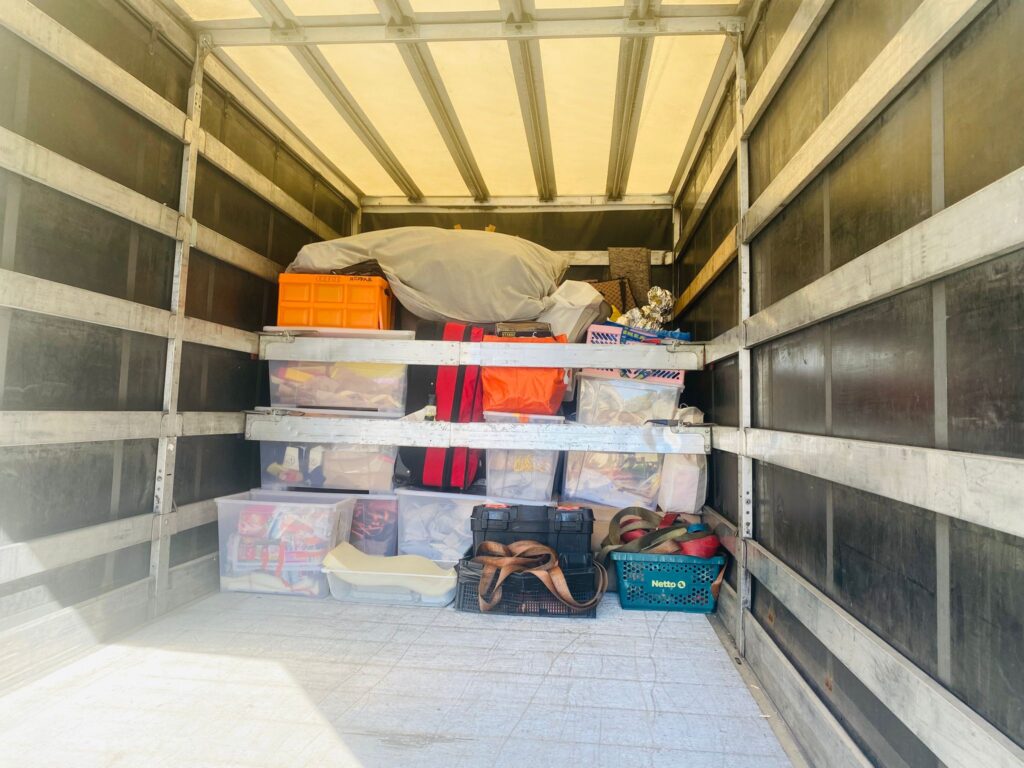
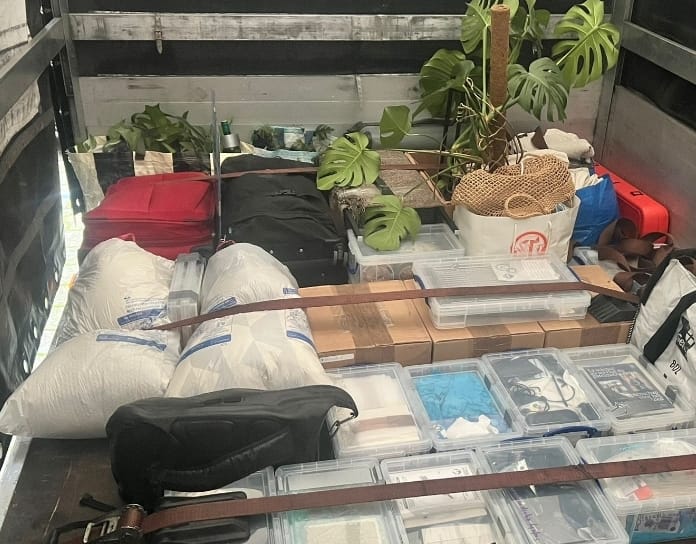
If you are moving with many belongings, self driving a rental van into Switzerland can also be stressful. Border procedures, mountain roads, timing and access all matter. A professional man and van service is often a smarter solution, especially when your furniture, boxes and fragile items need careful handling.
Health Insurance in Switzerland
Health insurance is mandatory in Switzerland. It is not optional, and it should be included in your budget from the beginning. According to the Swiss Federal Office of Public Health, residents must generally take out basic health insurance within three months of moving to Switzerland. Each family member needs individual cover. You can check official information on the Federal Office of Public Health website.
For 2026, the average Swiss health insurance premium is around CHF 393.30 per month, although your real premium depends on age, canton, deductible, insurer and insurance model. A single adult may pay CHF 300 to CHF 550 per month, while a family can easily spend CHF 1,200 to CHF 2,000 per month.
This is why the cost of living in Lauterbrunnen Switzerland can surprise new arrivals. Rent is obvious, but health insurance becomes the second heavy pillar of the budget. Before choosing cover, compare premiums using the official Swiss premium calculator Priminfo.
Required Documents for Moving to Switzerland
Moving to Switzerland requires organisation. The country is efficient, but it expects residents to follow official procedures. If you plan to stay longer than a short visit, you usually need to register and obtain the correct residence status.
For official residence and permit information, use the Swiss government portal ch.ch and the State Secretariat for Migration. Requirements can vary depending on your nationality, employment status and reason for moving.
Prepare these documents before your relocation:
- Valid passport or national ID
- Employment contract, study confirmation or proof of sufficient funds
- Rental agreement or address confirmation
- Birth certificates for children
- Marriage certificate if relevant
- Health insurance confirmation
- Permit paperwork
- Household inventory list
- Customs documents for personal effects
- Vehicle documents if importing a car
- Pet documents if moving with animals
Customs rules matter if you bring household goods into Switzerland. The Federal Office for Customs and Border Security provides guidance on moving household effects to Switzerland. In many cases, personal belongings can be imported as removal goods if they have been used personally before the move and will continue to be used after arrival. Check the official customs guidance on BAZG.
A relocation partner cannot replace official paperwork, but an experienced man and van team can make the physical move cleaner, safer and easier to coordinate.
Moving Costs to Lauterbrunnen
The cost of living in Lauterbrunnen Switzerland is your monthly reality, but moving costs are a separate first stage expense. This is where many newcomers underestimate the real budget. Your first month can include rent deposit, first rent payment, temporary accommodation, insurance, transport, furniture, groceries and relocation costs.
A safe first month budget should include:
| First month cost | Estimated amount |
|---|---|
| First month rent | CHF 1,400 to CHF 4,800 |
| Rental deposit | 1 to 3 months of rent |
| Health insurance setup | CHF 300 to CHF 2,000 |
| Groceries and household basics | CHF 400 to CHF 1,500 |
| Local transport | CHF 100 to CHF 900 |
| Moving service | Depends on origin, route and volume |
| Emergency buffer | CHF 1,000 to CHF 3,000 |
A single person should often prepare CHF 6,000 to CHF 10,000 for the first stage of moving. A family may need CHF 15,000 to CHF 30,000, especially if rent deposit, larger transport, school costs and new furniture are involved.
VANonsite helps reduce relocation stress with secure European transport, GPS tracking and flexible vehicle sizes. This is especially useful when moving to Switzerland, where timing, access and border planning can make a big difference.
| VANonsite option | Capacity | Weight | Best for |
|---|---|---|---|
| Moving One | 1 m³ | 100 kg | Boxes, essentials, student items |
| Moving Basic | 5 m³ | 300 kg | Small studio or light move |
| Moving Medium | 10 m³ | 500 kg | Small apartment |
| Moving Premium | 15 m³ | 1,100 kg | Larger apartment or furniture move |
| Moving Premium Plus | 30 m³ | 3,500 kg | Family relocation |
| Moving Full House XXL | 90 m³ | 20,000 kg | Full house relocation |
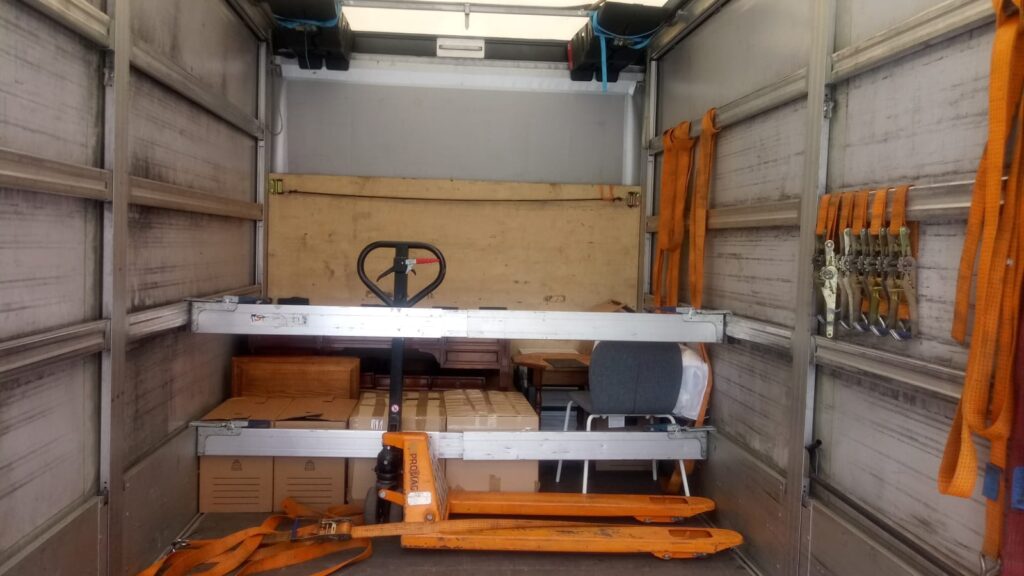
For a small move, Moving One or Moving Basic may be enough. For a family home, Moving Premium Plus or Moving Full House XXL may be more suitable. The advantage is simple: you choose the setup that matches your inventory rather than paying for unnecessary space.

How to Reduce the Cost of Living in Lauterbrunnen Switzerland
You cannot make Lauterbrunnen cheap, but you can make it manageable. Small decisions can save hundreds of francs per month.
Start with housing. If Lauterbrunnen village is too expensive or too limited, compare nearby areas. Interlaken, Wilderswil, Unterseen and Matten may offer more choice. The commute can be worth it if rent is lower and services are easier to reach.
Next, control food spending. Cook at home, shop with a list and use larger supermarkets when possible. Restaurant meals are enjoyable, but they should be part of your leisure budget, not your survival plan.
You can also reduce costs by:
- Comparing health insurance before signing
- Choosing a suitable deductible
- Using public transport instead of a second car
- Buying seasonal groceries
- Planning mountain trips instead of taking them impulsively
- Avoiding peak season temporary accommodation
- Choosing the correct moving van size
- Using professional packing for fragile or high value items
The last point is important. Damaged furniture, broken electronics or delayed delivery can cost more than careful preparation. A reliable man and van relocation is not only about transport. It protects the value of what you already own.
Pros and Cons of Living in Lauterbrunnen
Lauterbrunnen can feel magical, but it is not perfect for everyone. Before moving, look at the lifestyle honestly.
| Pros | Cons |
|---|---|
| Spectacular Alpine scenery | Limited long term housing |
| Safe and peaceful environment | High rent pressure |
| Clean air and outdoor lifestyle | Tourist crowds in peak periods |
| Strong train access to Interlaken | Fewer local job options |
| Family friendly atmosphere | High health insurance costs |
| Excellent hiking, skiing and mountain access | Everyday shopping may require travel |
| Beautiful lifestyle for remote workers | First month costs can be heavy |
If you want nightlife, broad job options and a large social scene, Zurich, Bern or Basel may suit you better. If you want waterfalls, silence, safety and mountain life, Lauterbrunnen can be unforgettable.
Who Should Move to Lauterbrunnen?
The cost of living in Lauterbrunnen Switzerland makes the most sense for people who know exactly why they want to live there. This is not a random move. It is a lifestyle decision.
Lauterbrunnen is a strong fit for:
- Remote professionals with stable income
- Tourism and hospitality workers
- Outdoor lovers
- Families who value safety and nature
- Retirees with reliable pension income or savings
- Expats who prefer peace over big city speed
- People who want mountain access all year
It may be less suitable for:
- People looking for cheap rent
- Job seekers without a clear income plan
- Families needing broad school choice nearby
- People who dislike tourist traffic
- Anyone who wants big city entertainment every week
The best strategy is to visit outside peak season before making a final decision. A summer week in Lauterbrunnen is spectacular. A normal winter month with bills, routines and darker evenings gives a more realistic picture.
Why Move to Lauterbrunnen With VANonsite?
Moving to Switzerland is not just a transport job. It is a serious relocation involving timing, documents, customs rules, fragile belongings and emotional pressure. When you are already planning the cost of living in Lauterbrunnen Switzerland, the physical move should be calm and controlled.
VANonsite supports European relocations with:
- GPS tracking for every load
- Flexible man and van options
- Vehicle sizes from 1 m³ to 90 m³
- Professional packing service
- Furniture removals
- Home removals
- White Glove Delivery
- Storage options
- Student removals
- Office removals
- Office furniture installation
- Door to door transport across Europe
This flexibility matters because every move is different. One person may need a compact van for boxes, clothes and a desk. A family may need packing, furniture protection, storage and a larger vehicle. VANonsite helps match the move to the real size of your inventory.
If you are planning removals to Switzerland, choosing a GPS tracked man and van service can turn a complicated relocation into a smoother, safer arrival.
Final Verdict: Is Lauterbrunnen Worth the Cost?
The cost of living in Lauterbrunnen Switzerland is high, but the return can be remarkable. You are paying for safety, order, mountain scenery, clean air and one of the most distinctive lifestyles in Europe. For the right person, that can be worth every franc.
Still, Lauterbrunnen does not reward poor planning. Rent, deposits, health insurance and moving costs can hit hard at the beginning. The smartest approach is to build a realistic budget, compare nearby housing, prepare official documents and choose a relocation service that protects your belongings from door to door.
With early planning and a trusted man and van partner such as VANonsite, moving to Lauterbrunnen can feel less like a stressful leap and more like a confident new chapter in the Swiss Alps.
FAQ
Is Lauterbrunnen expensive to live in?
Yes. Lauterbrunnen is expensive because housing is limited, tourism demand is high and Swiss prices apply to food, insurance, transport and services. The cost of living in Lauterbrunnen Switzerland is best suited to people with stable income.
How much money do you need to live in Lauterbrunnen?
A single person should usually budget CHF 2,700 to CHF 4,000 per month. A couple may need CHF 4,300 to CHF 7,000, while a family of four may need CHF 6,500 to CHF 9,500.
Is Lauterbrunnen cheaper than Zurich?
Lauterbrunnen can be cheaper than Zurich if you find reasonable rent, but it has fewer housing options and more tourist area pricing. Zurich is usually more expensive overall, but it offers stronger salaries and a larger job market.
Can you live in Lauterbrunnen without a car?
Yes. Many residents can live without a car because Lauterbrunnen has reliable rail links to Interlaken. However, families or people living outside the centre may still find a car useful.
What is the biggest monthly cost in Lauterbrunnen?
Rent is usually the biggest monthly cost, followed by health insurance, groceries and transport. For families, childcare and mountain transport can also become major expenses.
Do I need health insurance in Switzerland?
Yes. Residents in Switzerland generally need basic health insurance within three months of arrival. Each family member needs individual cover.
What documents do I need when moving to Switzerland?
You usually need valid ID, proof of residence, employment or financial proof, health insurance documents, permit paperwork and customs documents for household goods.
Does VANonsite offer removals to Switzerland?
Yes. VANonsite provides European removals to Switzerland with GPS tracked transport, professional packing support, flexible vehicle sizes and reliable man and van relocation options.