
Switzerland has a rare kind of pull. Clean cities, punctual trains, mountain air, strong salaries, safe streets, and a sense of order that makes daily life feel carefully designed. It is a country where everything seems to work with quiet confidence. Yet there is one question almost every future expat asks before packing: what is the cost of living in Switzerland compared to world averages?
The answer is clear: Switzerland is one of the most expensive countries in the world. Rent is high, groceries are premium, restaurants can feel startling, childcare is costly, and everyday services often sit far above European averages. At the same time, Switzerland also offers unusually strong purchasing power, high wages, efficient public transport, excellent infrastructure, and a quality of life that many people consider worth the price.
So the real question is not only whether Switzerland is expensive. It is whether you can plan your move well enough to make the numbers work.
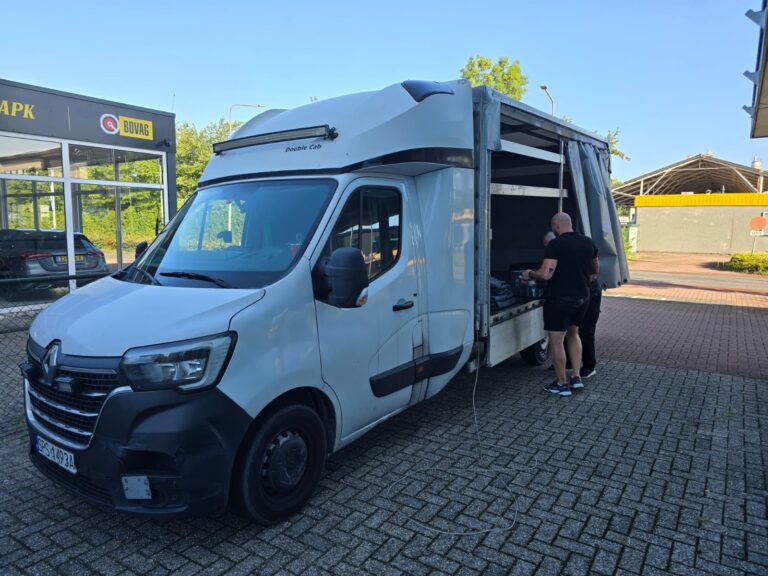
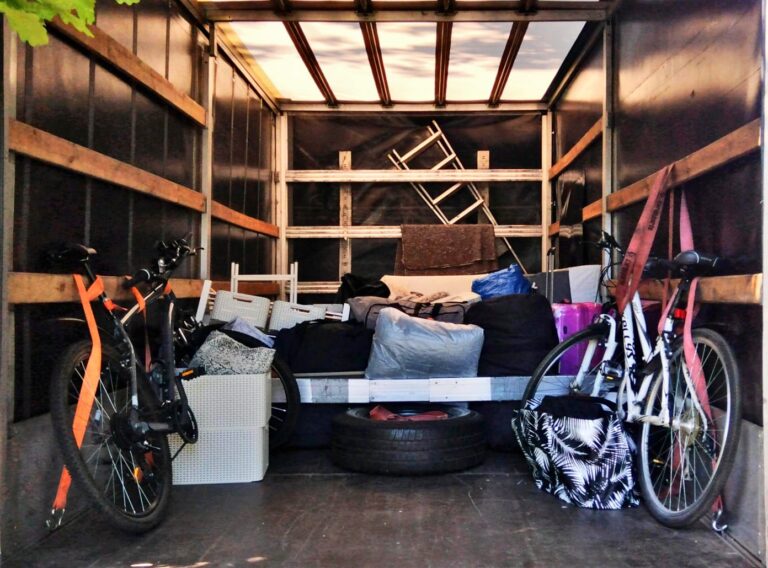
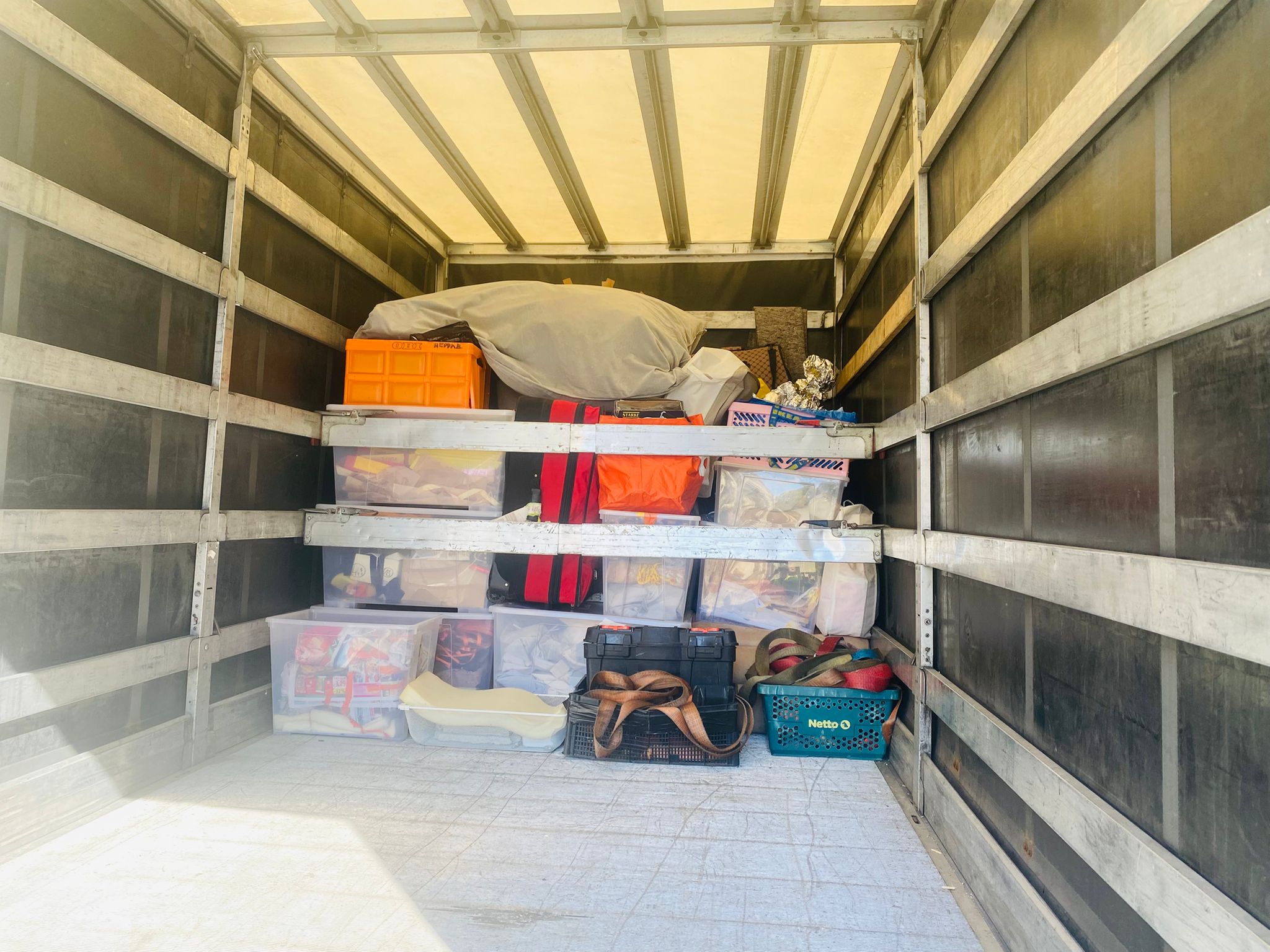
If you are relocating from another European country, preparation matters. Your first month may include rent deposit, health insurance, transport, food, basic furniture, permits, and moving costs. A smart relocation plan can protect thousands of francs and remove a huge amount of stress. VANonsite supports secure removals to Switzerland, including man and van services, home removals, furniture removals, student removals, office removals, packing service, white glove delivery, storage, last minute moving, and GPS tracked transport across Europe.
TL:DR
- The cost of living in Switzerland compared to world averages is very high, especially for rent, groceries, restaurants, childcare, and personal services.
- A single person may need around CHF 1,378 per month before rent, while a family of four may need around CHF 5,068 before rent.
- Switzerland is significantly more expensive than Germany, France, Italy, Spain, Portugal, Poland, and many other popular European relocation countries.
- High Swiss salaries can balance the cost, but only if your housing, health insurance, and first month budget are planned carefully.
- Rent is often the biggest pressure point, with a 1 bedroom city centre apartment averaging around CHF 1,646 per month.
- Moving quality furniture to Switzerland can be cheaper than replacing everything locally, especially with the right man and van service.
- VANonsite offers secure European removals to Switzerland with flexible vehicle sizes from 1 m3 to 90 m3, GPS tracking, packing support, and careful handling.




Cost of Living in Switzerland Compared to World: The Fast Answer
The cost of living in Switzerland compared to world averages is among the highest globally. In 2026, Switzerland has a cost of living index of around 110.7, with grocery prices around 109.7, restaurant prices around 111.3, and strong local purchasing power at around 170.6. These figures show why Switzerland feels expensive from the first supermarket visit.
However, Switzerland is not simply expensive in a random way. It is a premium country with premium systems. You pay more for housing, food, services, and leisure, but you also gain access to clean infrastructure, reliable transport, safe neighbourhoods, strong employment opportunities, and exceptional public order.
For anyone moving to Switzerland, the first financial rule is simple: do not improvise. A rushed relocation can become painfully expensive. The cost of living in Switzerland compared to world standards means that every wrong decision, from choosing the wrong van size to buying furniture in panic after arrival, can cost more than expected.
| Quick question | Practical answer |
|---|---|
| Is Switzerland expensive compared with the world? | Yes. Switzerland is one of the most expensive countries globally. |
| What costs the most? | Rent, groceries, health insurance, childcare, restaurants, and services. |
| Average monthly cost for one person before rent | Around CHF 1,378. |
| Average monthly cost for a family of four before rent | Around CHF 5,068. |
| Is Switzerland more expensive than Germany? | Yes. Everyday costs and rent are significantly higher. |
| Is moving furniture worth it? | Often yes, because replacing quality furniture in Switzerland can be costly. |
| Best relocation option for smaller loads | A flexible man and van service with GPS tracked transport. |
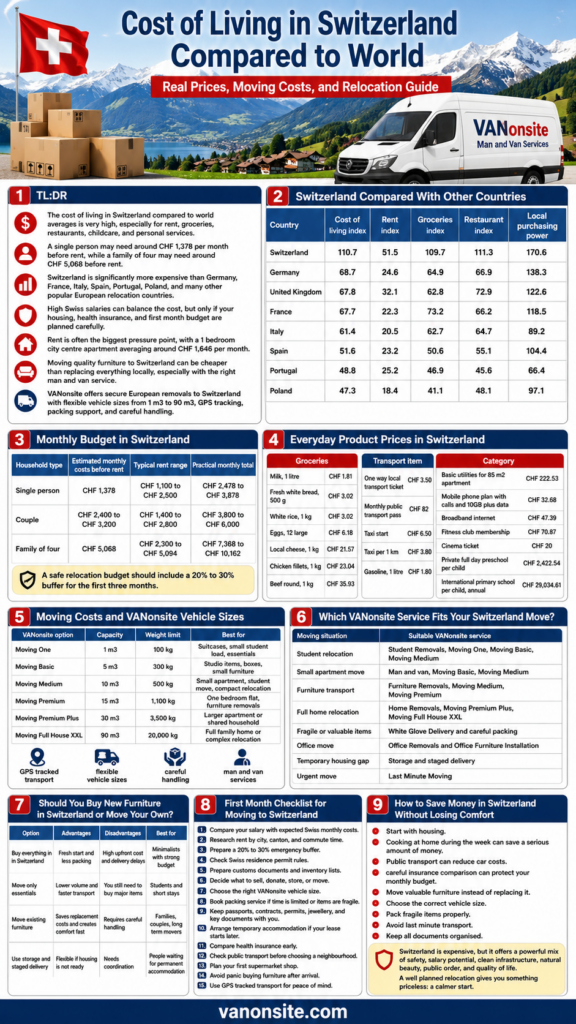
Switzerland Compared With Other Countries
The cost of living in Switzerland compared to world and European averages becomes clearer when placed next to countries many people relocate from. Germany, France, Italy, Spain, Portugal, Poland, the Netherlands, and the United Kingdom are all cheaper in several everyday categories.
The difference is especially visible in groceries, rent, restaurants, and childcare. Still, Swiss purchasing power is also one of the strongest in Europe. This means that someone earning a Swiss salary may feel the pressure less than someone arriving with savings from a lower income country.
| Country | Cost of living index | Rent index | Groceries index | Restaurant index | Local purchasing power |
|---|---|---|---|---|---|
| Switzerland | 110.7 | 51.5 | 109.7 | 111.3 | 170.6 |
| Norway | 83.7 | 29.2 | 85.4 | 88.6 | 124.7 |
| Netherlands | 73.4 | 38.7 | 66.9 | 81.6 | 131.9 |
| Germany | 68.7 | 24.6 | 64.9 | 66.9 | 138.3 |
| United Kingdom | 67.8 | 32.1 | 62.8 | 72.9 | 122.6 |
| France | 67.7 | 22.3 | 73.2 | 66.2 | 118.5 |
| Italy | 61.4 | 20.5 | 62.7 | 64.7 | 89.2 |
| Spain | 51.6 | 23.2 | 50.6 | 55.1 | 104.4 |
| Portugal | 48.8 | 25.2 | 46.9 | 45.6 | 66.4 |
| Poland | 47.3 | 18.4 | 41.1 | 48.1 | 97.1 |
This table explains why the cost of living in Switzerland compared to world averages can feel intense. A person moving from Warsaw, Madrid, Lisbon, Rome, or even Berlin may need time to adjust. Food prices rise. Rent rises. A casual coffee, a taxi, or a restaurant lunch may suddenly feel like a planned expense.
Yet Switzerland can still be financially attractive. The key is income. If your salary is Swiss level, your budget can breathe. If your income is not yet stable, you need a stronger emergency fund before arrival.
Monthly Budget in Switzerland
A realistic monthly budget depends on city, canton, lifestyle, rent, health insurance, family size, and transport choices. Still, average estimates help create a safe starting point.
The cost of living in Switzerland compared to world averages becomes most visible when rent is added. Before rent, Switzerland is already expensive. After rent, the monthly total can climb quickly.
| Household type | Estimated monthly costs before rent | Typical rent range | Practical monthly total |
|---|---|---|---|
| Single person | CHF 1,378 | CHF 1,100 to CHF 2,500 | CHF 2,478 to CHF 3,878 |
| Couple | CHF 2,400 to CHF 3,200 | CHF 1,400 to CHF 2,800 | CHF 3,800 to CHF 6,000 |
| Family of four | CHF 5,068 | CHF 2,300 to CHF 5,094 | CHF 7,368 to CHF 10,162 |
A safe relocation budget should include a 20% to 30% buffer for the first three months. If your expected monthly cost is CHF 4,000, keep an extra CHF 800 to CHF 1,200 available. For a family with an expected monthly budget of CHF 8,000, a practical buffer may be CHF 1,600 to CHF 2,400.
That buffer is not a luxury. It is a safety net. It can cover a delayed salary, a rental deposit, temporary housing, missing furniture, insurance setup, extra transport, or a customs related delay. In Switzerland, small mistakes can become expensive quickly.
Everyday Product Prices in Switzerland
Daily prices tell the story better than any ranking. A loaf of bread, a dozen eggs, a cappuccino, and a public transport ticket show how the cost of living in Switzerland compared to world averages feels in real life.
| Grocery item | Average price in Switzerland |
|---|---|
| Milk, 1 litre | CHF 1.81 |
| Fresh white bread, 500 g | CHF 3.02 |
| White rice, 1 kg | CHF 3.02 |
| Eggs, 12 large | CHF 6.18 |
| Local cheese, 1 kg | CHF 21.57 |
| Chicken fillets, 1 kg | CHF 23.04 |
| Beef round, 1 kg | CHF 35.93 |
| Apples, 1 kg | CHF 3.02 |
| Bananas, 1 kg | CHF 1.80 |
| Tomatoes, 1 kg | CHF 4.22 |
| Potatoes, 1 kg | CHF 1.67 |
| Bottled water, 1.5 litre | CHF 1.15 |
A supermarket basket in Switzerland often feels fresh, clean, and expensive. Meat, cheese, eggs, and produce are the categories where many newcomers notice the biggest leap. If you are moving from Poland, Portugal, Spain, or Italy, the price difference can feel dramatic during the first few weeks.
The best way to control grocery costs is to plan meals before shopping. Use discount supermarkets, cook at home, avoid impulse purchases, and reduce food waste. Switzerland rewards discipline. A casual approach to daily spending can quietly drain hundreds of francs each month.
Restaurants, Coffee, and Social Life
Eating out is one of the most emotional parts of the cost of living in Switzerland compared to world averages. In many countries, a restaurant lunch is casual. In Switzerland, it often becomes a conscious decision.
| Restaurant or cafe item | Average price |
|---|---|
| Meal at an inexpensive restaurant | CHF 25 |
| Meal for two at a mid range restaurant | CHF 100 |
| Fast food combo meal | CHF 15 |
| Cappuccino | CHF 5.07 |
| Soft drink, 0.33 litre | CHF 4.50 |
| Bottled water, 0.33 litre | CHF 4.03 |
This does not mean social life disappears. It simply needs structure. Cook during the week, reserve restaurants for planned evenings, and keep a monthly social budget. The result is healthier spending and fewer unpleasant surprises.
Switzerland can still offer a wonderful lifestyle. A walk by Lake Geneva, a mountain train journey, a clean city park, or a weekend hike may deliver more joy than a rushed restaurant meal. The country is expensive, but not every beautiful Swiss experience needs to be costly.
Rent in Switzerland
Rent is usually the largest monthly cost. Zurich, Geneva, Zug, Lausanne, Basel, Bern, and Lucerne are especially demanding, while smaller towns may offer more manageable prices. Still, cheaper rent must be balanced with commute time, job location, taxes, and public transport access.
| Property type | Average monthly rent |
|---|---|
| 1 bedroom apartment in city centre | CHF 1,645.91 |
| 1 bedroom apartment outside city centre | CHF 1,323.98 |
| 3 bedroom apartment in city centre | CHF 2,860.78 |
| 3 bedroom apartment outside city centre | CHF 2,318.87 |
The cost of living in Switzerland compared to world averages becomes very real during the apartment search. In competitive cities, landlords may request documents quickly, and deposits can put heavy pressure on newcomers.
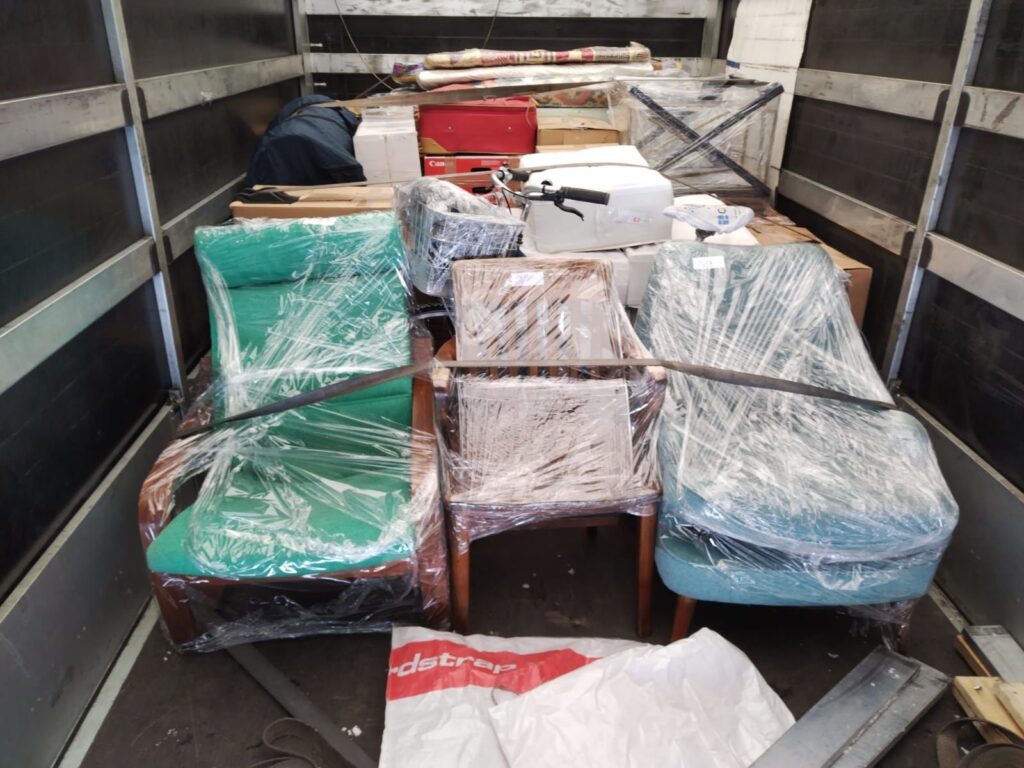
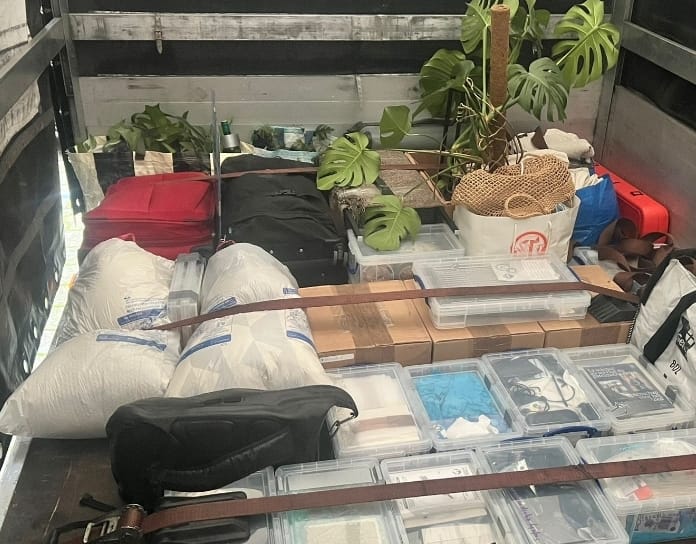
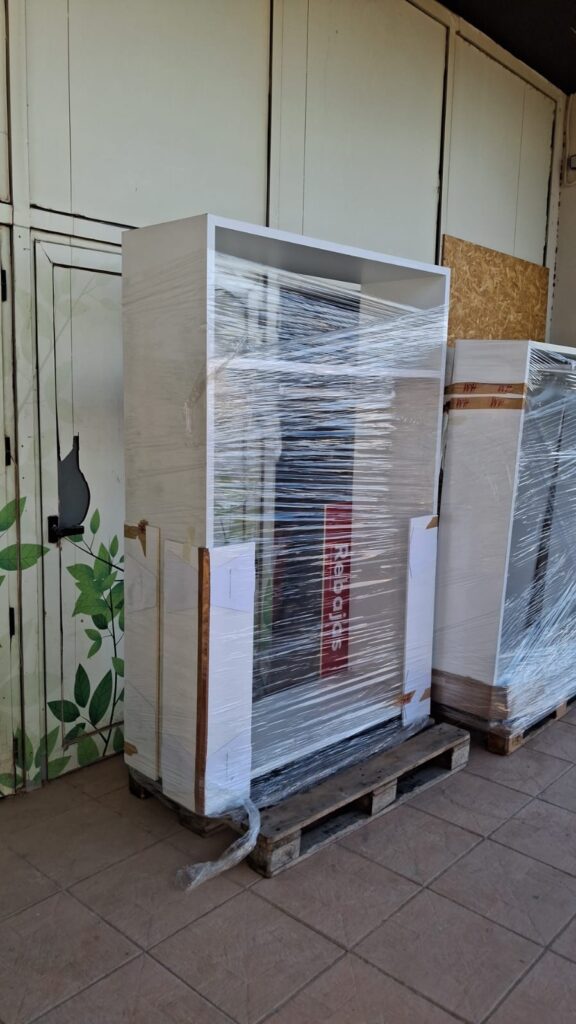
This is also where moving strategy matters. Buying everything again in Switzerland may sound simple, but replacement costs can be high. A sofa, bed, desk, wardrobe, dining table, office chair, and children’s furniture can create a large first month bill. If you already own quality items, moving them with a secure man and van service may be the smarter choice.
Transport Costs in Switzerland
Swiss transport is famous for a reason. Trains, trams, and buses are clean, frequent, and reliable. Many people can live comfortably without a car, especially in larger cities. However, transport still needs to be included in the budget.
| Transport item | Average price |
|---|---|
| One way local transport ticket | CHF 3.50 |
| Monthly public transport pass | CHF 82 |
| Taxi start | CHF 6.50 |
| Taxi per 1 km | CHF 3.80 |
| Taxi waiting time, 1 hour | CHF 70.20 |
| Gasoline, 1 litre | CHF 1.80 |
Public transport can reduce costs, but taxis and car ownership can become expensive. Before choosing a neighbourhood, check commute time and local transport connections. A slightly cheaper apartment may become less attractive if daily travel is long or costly.
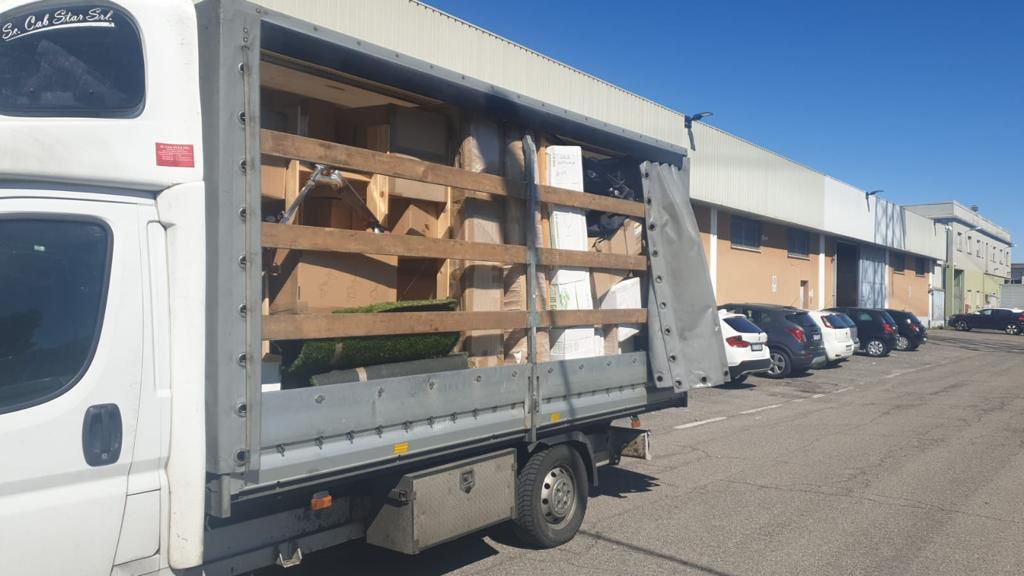
For relocation transport, the priority is different. A move to Switzerland is a cross border operation. Your belongings may travel hundreds or thousands of kilometres. VANonsite uses GPS tracked transport, flexible vehicle sizes, and careful handling, which helps make the journey smoother and more predictable.
Utilities, Internet, Phone, Childcare, and Leisure
Services are another reason the cost of living in Switzerland compared to world averages feels high. Utilities, internet, mobile plans, childcare, fitness, and leisure can all increase monthly spending.
| Category | Average price |
|---|---|
| Basic utilities for 85 m2 apartment | CHF 222.53 |
| Mobile phone plan with calls and 10GB plus data | CHF 32.68 |
| Broadband internet | CHF 47.39 |
| Fitness club membership | CHF 70.87 |
| Cinema ticket | CHF 20 |
| Private full day preschool per child | CHF 2,422.54 |
| International primary school per child, annual | CHF 29,034.61 |
For families, childcare can be the biggest surprise. Even strong salaries may feel stretched when preschool or private school costs enter the picture. Families moving to Switzerland should calculate childcare before signing a rental contract, not after arrival.
For singles and couples, leisure spending is easier to adjust. Gym memberships, cinema, cafes, short trips, and subscriptions can be reduced if needed. The safest approach is to divide spending into three groups: essential, flexible, and luxury.
Moving From Europe to Switzerland
The cost of living in Switzerland compared to world standards affects everyone, but the shock depends heavily on your country of origin.
Moving from Germany to Switzerland
Germany is already structured and relatively expensive, but Switzerland is still a clear step up. Rent, groceries, services, and restaurants are higher. Skilled professionals may balance this through stronger Swiss salaries, but first month costs still need careful planning.
A man and van to Switzerland can be practical for people moving from Berlin, Munich, Hamburg, Frankfurt, Cologne, Stuttgart, or Freiburg. It can cover apartment furniture, office equipment, personal boxes, and family essentials.
Moving from France to Switzerland
Moving from France may feel culturally smoother, especially into French speaking cantons such as Geneva, Vaud, Neuchatel, and Jura. Yet the price jump can still be sharp. Rent near Geneva or Lausanne can be intense, and restaurants are usually more expensive than in many French cities.
If you already own quality furniture in France, moving it to Switzerland can reduce pressure during the first weeks.
Moving from Italy to Switzerland
Italy is much cheaper in many daily categories. Moving from Milan, Turin, Bologna, Rome, Florence, or Verona to Switzerland can make rent, restaurants, and groceries feel particularly high. Ticino may feel familiar in language and culture, but the prices remain Swiss.
Furniture removals can be especially useful for Italian households that want to avoid replacing everything after arrival.
Moving from Poland to Switzerland
For people moving from Warsaw, Krakow, Wroclaw, Gdansk, Poznan, Katowice, or Lodz, the cost of living in Switzerland compared to world and Polish prices can be a major jump. Rent, food, childcare, restaurants, and services are all much higher.
This does not make the move unrealistic. It simply means the budget must be sharp. A GPS tracked man and van service can make the transport side calmer, while bringing essential furniture may reduce first month spending.
Moving from the United Kingdom to Switzerland
The United Kingdom already has high housing costs in some regions, especially London and the South East. Switzerland can still feel more expensive for groceries, restaurants, services, and health related costs.
UK movers should pay special attention to customs, permits, inventory lists, and timing. A well organised European removals partner can protect time, money, and nerves.
Documents Required When Moving to Switzerland
Paperwork is not the exciting part of relocation, but it can decide whether the move feels smooth or stressful. Switzerland rewards preparation, so organise documents before transport begins.
If you plan to stay in Switzerland for more than three months or work there, check residence requirements through the official State Secretariat for Migration: SEM residence information.
For household goods, review the Swiss customs guidance from the Federal Office for Customs and Border Security: moving household effects to Switzerland. In many cases, personal household effects can be imported duty free when you transfer your domicile to Switzerland and meet the required conditions.
Prepare these documents before moving:
- Passport or national identity card.
- Residence permit documents, where required.
- Employment contract or proof of purpose of stay.
- Rental agreement or proof of Swiss address, if available.
- Detailed inventory list of household goods.
- Customs forms for household effects, where required.
- Proof of transfer of domicile.
- Vehicle documents, if importing a car.
- Pet documents, if moving with animals.
- Insurance and health insurance documents.
The cost of living in Switzerland compared to world averages is already high. Avoid adding storage fees, customs issues, or delays caused by missing documents. A clean inventory and professional transport plan can save time and money.
Moving Costs and VANonsite Vehicle Sizes
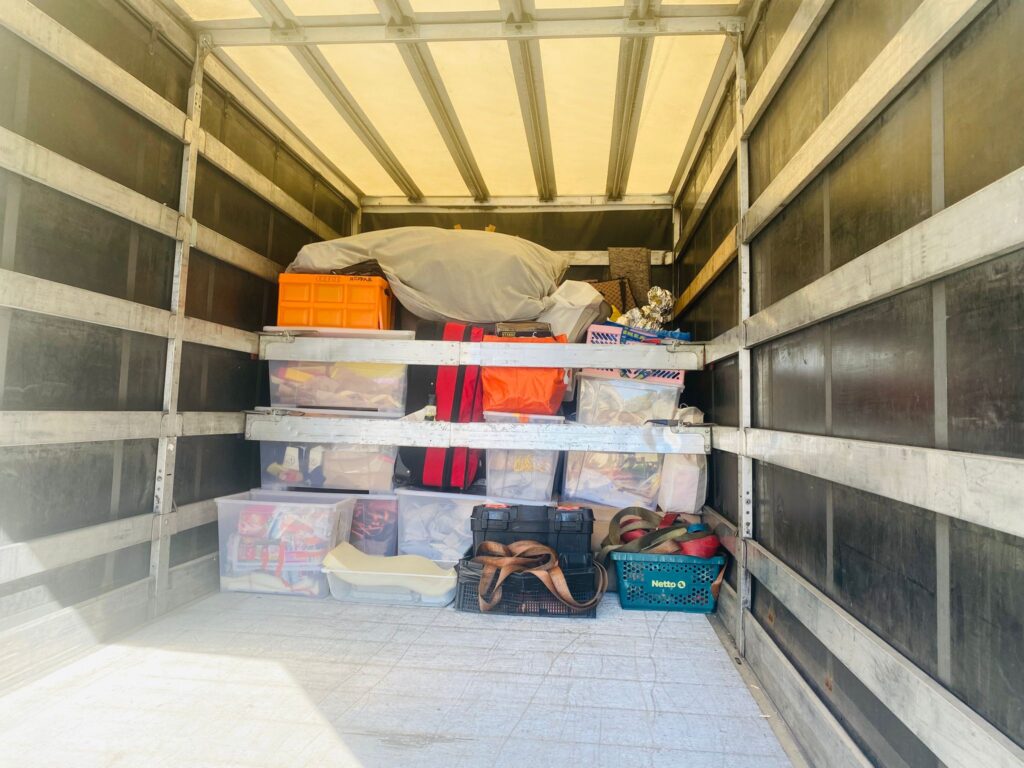
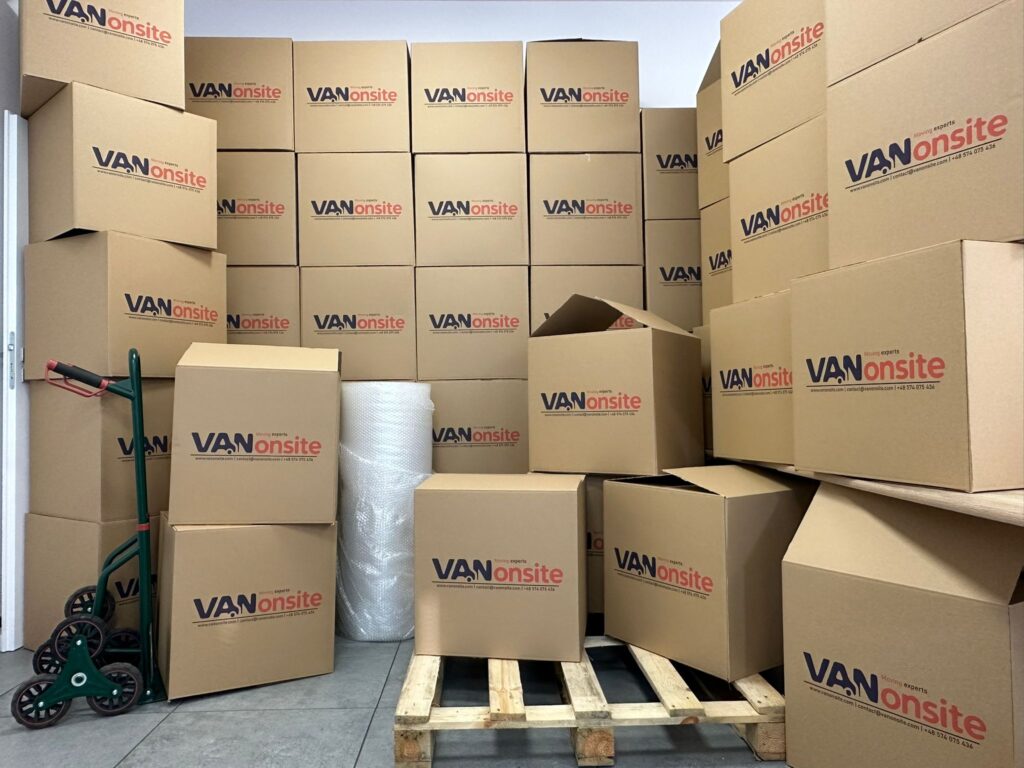
Your moving cost is part of your Switzerland budget. It should be planned with the same care as rent and insurance. Guessing the load size can lead to expensive problems: too much vehicle space, too little vehicle space, extra trips, rushed packing, or damaged items.
VANonsite offers several vehicle options for different relocation sizes.
| VANonsite option | Capacity | Weight limit | Best for |
|---|---|---|---|
| Moving One | 1 m3 | 100 kg | Suitcases, small student load, essentials |
| Moving Basic | 5 m3 | 300 kg | Studio items, boxes, small furniture |
| Moving Medium | 10 m3 | 500 kg | Small apartment, student move, compact relocation |
| Moving Premium | 15 m3 | 1,100 kg | One bedroom flat, furniture removals |
| Moving Premium Plus | 30 m3 | 3,500 kg | Larger apartment or shared household |
| Moving Full House XXL | 90 m3 | 20,000 kg | Full family home or complex relocation |
This flexibility matters because the cost of living in Switzerland compared to world averages makes waste more painful. Paying for too large a vehicle hurts. Choosing too small a vehicle creates stress. Matching the move to the right capacity helps keep the process efficient.
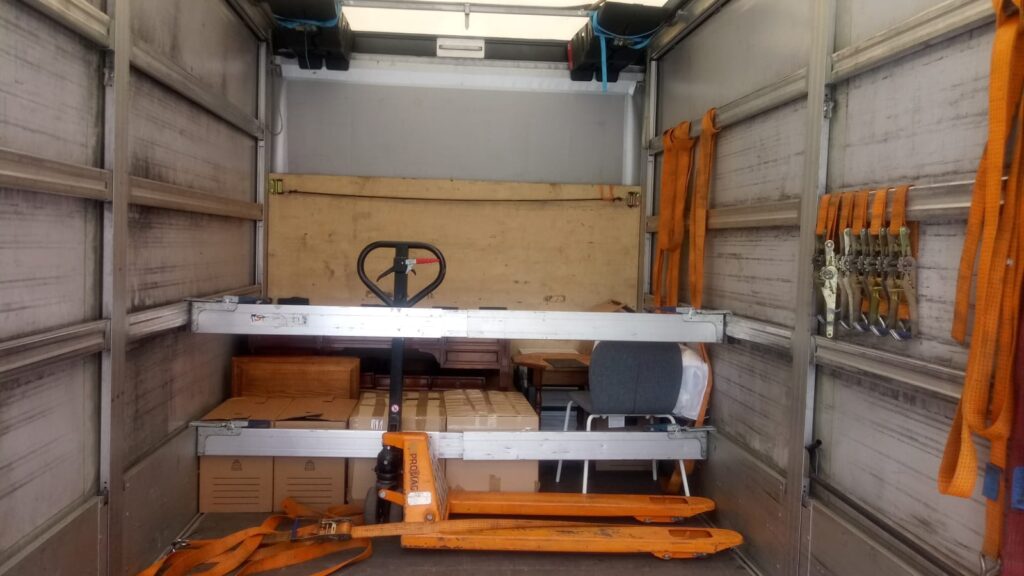
GPS tracking adds another layer of confidence. When your belongings cross Europe, knowing where they are can turn uncertainty into calm. For students, professionals, families, and businesses, that visibility is valuable.

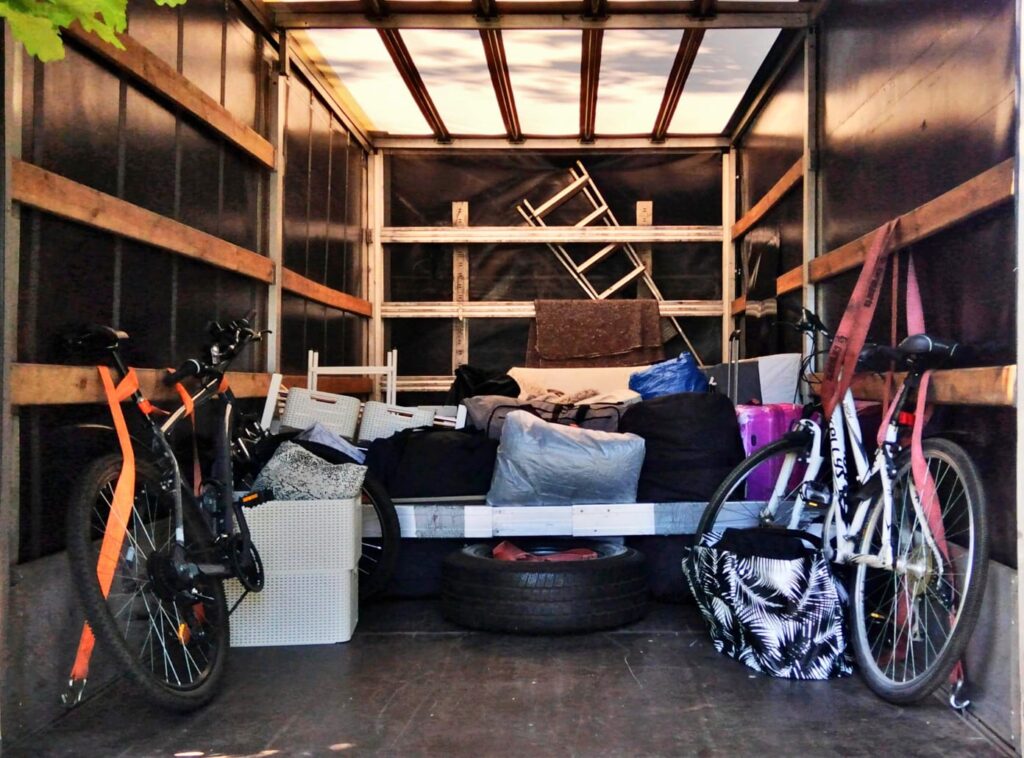

Which VANonsite Service Fits Your Switzerland Move?
Different moves need different solutions. A student with a few boxes does not need the same vehicle as a family moving a full home. A company relocating office equipment has different priorities from someone transporting fragile designer furniture.
| Moving situation | Suitable VANonsite service |
|---|---|
| Student relocation | Student Removals, Moving One, Moving Basic, Moving Medium |
| Small apartment move | Man and van, Moving Basic, Moving Medium |
| Furniture transport | Furniture Removals, Moving Medium, Moving Premium |
| Full home relocation | Home Removals, Moving Premium Plus, Moving Full House XXL |
| Fragile or valuable items | White Glove Delivery and careful packing |
| Office move | Office Removals and Office Furniture Installation |
| Temporary housing gap | Storage and staged delivery |
| Urgent move | Last Minute Moving |
A Switzerland relocation is not only about moving objects. It is about protecting the life inside those boxes: work equipment, family furniture, books, clothes, photographs, children’s items, fragile pieces, and the practical details that make a new place feel like home.
That is why a professional man and van service can be so effective. It gives flexibility without turning the move into a gamble. VANonsite combines practical planning, careful handling, GPS tracking, and European transport experience, helping the journey feel controlled from collection to delivery.
Should You Buy New Furniture in Switzerland or Move Your Own?
Because the cost of living in Switzerland compared to world averages is high, furniture decisions should be practical, not emotional. Buying everything again may sound easy, but the bill can grow quickly.
| Option | Advantages | Disadvantages | Best for |
|---|---|---|---|
| Buy everything in Switzerland | Fresh start and less packing | High upfront cost and delivery delays | Minimalists with strong budget |
| Move only essentials | Lower volume and faster transport | You still need to buy major items | Students and short stays |
| Move existing furniture | Saves replacement costs and creates comfort fast | Requires careful handling | Families, couples, long term movers |
| Use storage and staged delivery | Flexible if housing is not ready | Needs coordination | People waiting for permanent accommodation |
If you already own good furniture, moving it can be the smarter financial decision. A quality bed, desk, sofa, wardrobe, dining table, office chair, or child’s bed may cost far more to replace in Switzerland than to transport safely.
For many people, the best solution is balanced: sell what is cheap or worn, move what is valuable, and avoid buying everything in the first week. A well sized man and van move can support that strategy perfectly.
First Month Checklist for Moving to Switzerland
The first month in Switzerland can be exciting, intense, and expensive. A clear checklist helps you stay calm.
- Compare your salary with expected Swiss monthly costs.
- Research rent by city, canton, and commute time.
- Prepare a 20% to 30% emergency buffer.
- Check Swiss residence permit rules.
- Prepare customs documents and inventory lists.
- Decide what to sell, donate, store, or move.
- Choose the right VANonsite vehicle size.
- Book packing service if time is limited or items are fragile.
- Keep passports, contracts, permits, jewellery, and key documents with you.
- Arrange temporary accommodation if your lease starts later.
- Compare health insurance early.
- Check public transport before choosing a neighbourhood.
- Plan your first supermarket shop.
- Avoid panic buying furniture after arrival.
- Use GPS tracked transport for peace of mind.
The cost of living in Switzerland compared to world averages makes early mistakes more expensive. A wrong van size, missing customs document, rushed apartment choice, or damaged item can create unnecessary costs. Careful planning is powerful because it protects both your budget and your energy.
How to Save Money in Switzerland Without Losing Comfort
Saving money in Switzerland does not mean living poorly. It means removing waste and making sharper decisions.
Start with housing. A slightly smaller apartment in a well connected town may be better than an expensive city centre flat. Then look at food. Cooking at home during the week can save a serious amount of money. Public transport can reduce car costs, while careful insurance comparison can protect your monthly budget.
Relocation decisions also matter. Move valuable furniture instead of replacing it. Choose the correct vehicle size. Pack fragile items properly. Avoid last minute transport. Keep all documents organised. These simple steps can save hundreds or thousands of francs.
The cost of living in Switzerland compared to world averages is high, but it does not have to feel chaotic. With discipline, the right support, and a clear plan, you can build a comfortable life without wasting money.
Is Switzerland Worth the Cost?
For many people, yes. Switzerland is expensive, but it offers a powerful mix of safety, salary potential, clean infrastructure, natural beauty, public order, and quality of life. It is not the cheapest place to start again, but it can be one of the most rewarding places to start again carefully.
The cost of living in Switzerland compared to world averages should not scare you away. It should sharpen your plan. If your income is realistic, your documents are ready, your budget includes a buffer, and your move is handled professionally, Switzerland becomes much less intimidating.
A well planned relocation gives you something priceless: a calmer start. Your belongings arrive safely. Your furniture makes the new place feel familiar. Your documents are in order. Your budget is clear. Instead of spending the first weeks fighting chaos, you can focus on work, family, and building your new Swiss life.
Plan Your Move to Switzerland with VANonsite
Moving to Switzerland deserves more than a rushed booking and a hopeful guess. VANonsite offers secure European removals, flexible man and van options, careful packing, GPS tracked transport, and vehicle sizes for everything from a 1 m3 student move to a 90 m3 full house relocation.
Whether you are moving a few essentials, a studio flat, a family home, premium furniture, or office equipment, VANonsite helps make the journey structured, protected, and calm.
Start your Switzerland relocation with a team built for speed, safety, and trust.
Get a quote for removals to Switzerland
FAQ
What is the cost of living in Switzerland compared to world averages?
The cost of living in Switzerland compared to world averages is very high. Switzerland ranks among the most expensive countries globally, especially for rent, groceries, restaurants, childcare, services, and household costs.
How much does one person need per month in Switzerland?
A single person may need around CHF 1,378 per month before rent. After rent, a practical monthly budget can often reach CHF 2,500 to CHF 3,900, depending on city, housing, lifestyle, health insurance, and transport.
Is Switzerland more expensive than Germany?
Yes. Switzerland is significantly more expensive than Germany for rent, groceries, restaurants, and many daily services. However, Swiss salaries and purchasing power can help balance the difference for people earning locally.
Is Switzerland more expensive than the UK?
In many daily categories, yes. The UK can be expensive, especially for housing in London, but Switzerland usually feels more expensive for groceries, restaurants, childcare, services, and health related costs.
Is it cheaper to buy furniture in Switzerland or move my own?
If you already own good quality furniture, moving it may be cheaper than replacing everything in Switzerland. A professional man and van service can be especially useful for beds, desks, wardrobes, tables, sofas, office chairs, and fragile items.
What documents do I need when moving to Switzerland?
You may need a passport or ID card, residence documents, employment contract, rental proof, inventory list, customs forms for household goods, proof of transfer of domicile, vehicle documents, and pet documents where relevant. Always check official Swiss guidance before moving.
Does VANonsite offer removals to Switzerland?
Yes. VANonsite offers removals to Switzerland, including man and van services, furniture removals, home removals, student removals, office removals, packing service, white glove delivery, storage, last minute moving, and office furniture installation.
Why use GPS tracked transport for a Switzerland move?
GPS tracking adds visibility and confidence. When belongings cross European borders, tracking helps you know where your shipment is and reduces uncertainty during the most sensitive part of the move.
What VANonsite vehicle size should I choose?
For small loads, Moving One or Moving Basic may be enough. For a studio or compact flat, Moving Medium can work well. For furniture removals or a one bedroom move, Moving Premium may be better. Larger households may need Moving Premium Plus or Moving Full House XXL.
How can I reduce the cost of moving to Switzerland?
Move only what has real value, choose the right vehicle size, prepare documents early, pack carefully, avoid last minute decisions, and compare the cost of replacing furniture in Switzerland with transporting it safely through VANonsite.