
Moving to Switzerland can feel like stepping into a postcard with a calculator in your hand. The mountains look cinematic. The trains arrive with almost surgical precision. The streets feel clean, calm and beautifully organised. Then you check your first rental listing, buy a simple lunch, compare health insurance premiums and realise one thing fast: Switzerland rewards people who prepare.
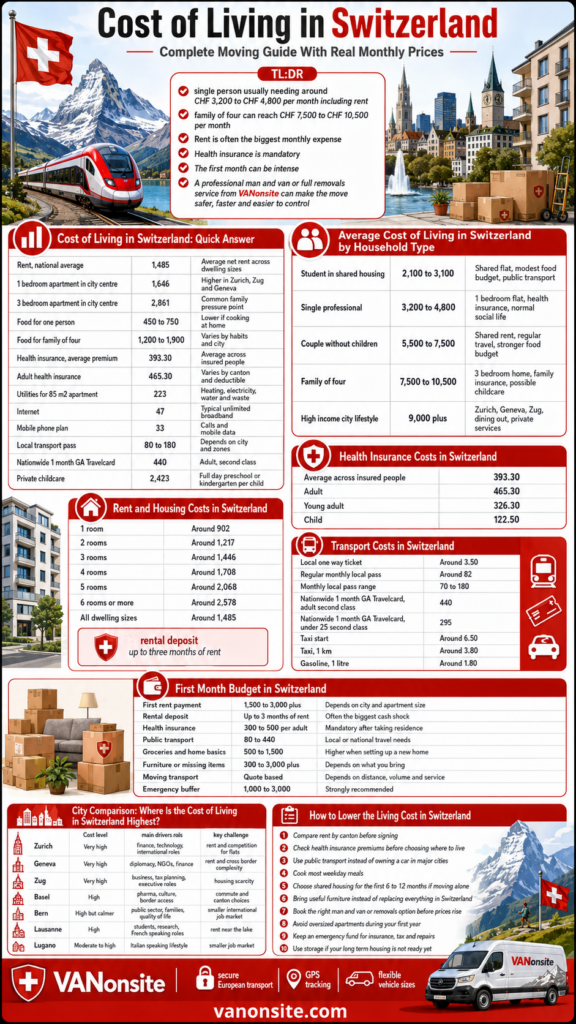
The cost of living in Switzerland is high, but it is not impossible to manage. For a single person, a realistic monthly budget is usually around CHF 3,200 to CHF 4,800 including rent, food, health insurance, utilities and local transport. A family of four may need around CHF 7,500 to CHF 10,500 per month, especially if childcare, a larger apartment or city centre living is part of the plan.
This guide gives a clear answer to what is the cost of living in Switzerland, how the average cost of living in Switzerland changes by lifestyle and what to prepare before moving. It also covers documents, customs rules, first month expenses and practical relocation options.
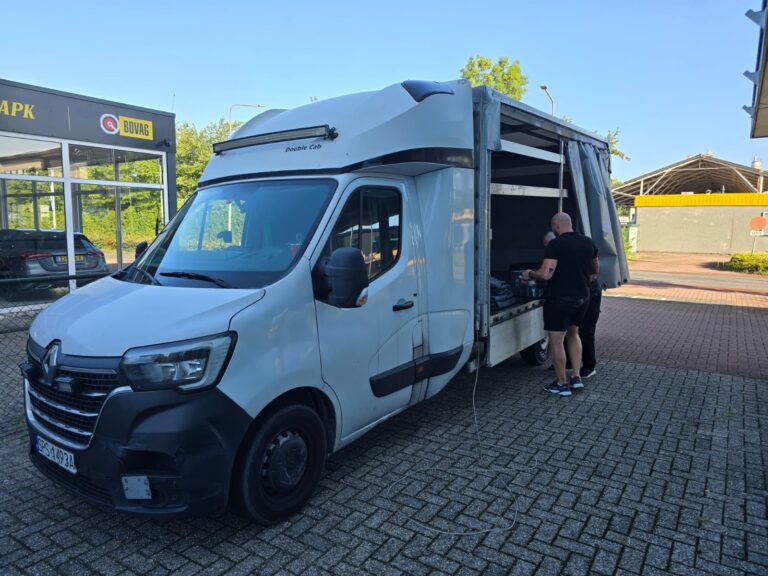
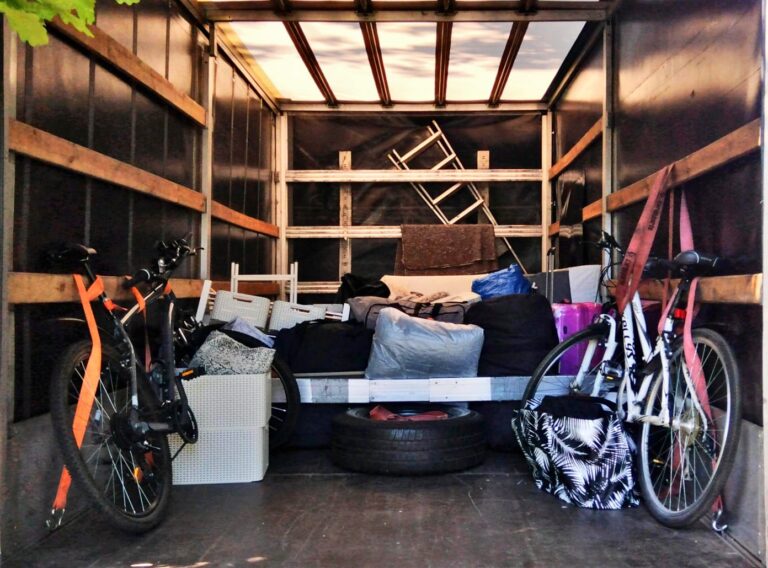
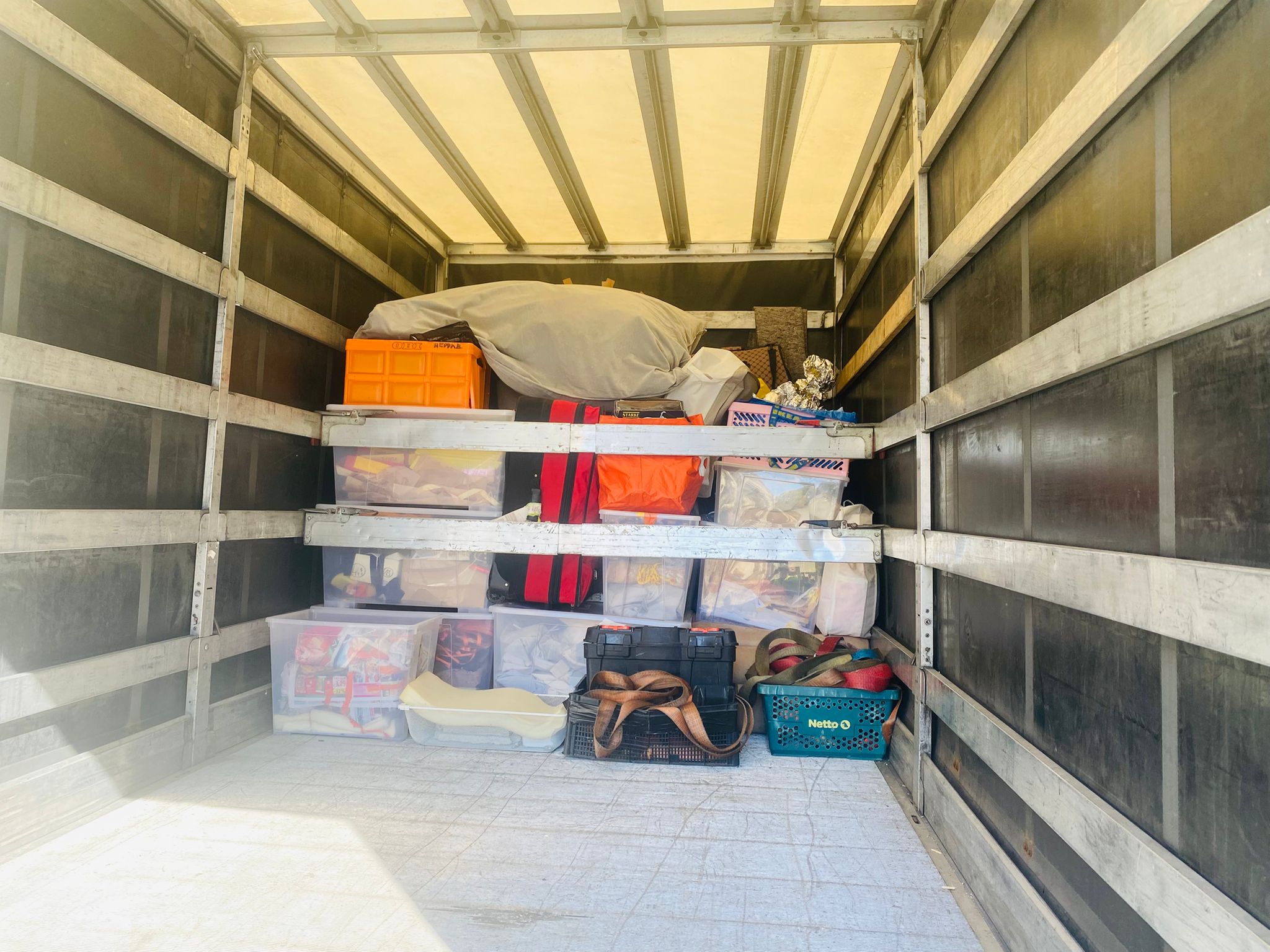
If you are planning the move itself, VANonsite can support your relocation with secure European transport, GPS tracking for every load, flexible vehicle sizes and tailored removals to Switzerland. Whether you need a compact man and van move, furniture removals, packing support or full home removals, the right moving plan can save time, stress and money.
TL:DR
- The cost of living in Switzerland is high, with a single person usually needing around CHF 3,200 to CHF 4,800 per month including rent.
- The average cost of living in Switzerland for a family of four can reach CHF 7,500 to CHF 10,500 per month, depending on housing, childcare and lifestyle.
- Rent is often the biggest monthly expense, with the national average net rent at around CHF 1,485.
- Health insurance is mandatory, and the average monthly premium in 2026 is CHF 393.30.
- Groceries, restaurants and personal services are expensive, so cooking at home can reduce your living cost in Switzerland by hundreds of francs per month.
- The first month can be intense because rent deposit, insurance, moving costs, public transport and home setup expenses often arrive together.
- A professional man and van or full removals service from VANonsite can make the move safer, faster and easier to control.




Cost of Living in Switzerland: Quick Answer
So, what is the cost of living in Switzerland in practical terms? For most people, the answer depends on four major expenses: rent, health insurance, food and transport. Taxes, childcare and moving costs can then change the final number dramatically.
A single professional living outside the most expensive districts may manage on CHF 3,200 to CHF 4,000 per month. In Zurich, Geneva or Zug, the same lifestyle can move closer to CHF 4,500 or CHF 5,000. A couple can often share rent and utilities, which helps. A family, however, needs more careful planning because childcare and larger housing can turn a strong salary into a tight budget.
Here is a realistic monthly snapshot.
| Expense category | Typical monthly cost in CHF | Notes |
|---|---|---|
| Rent, national average | 1,485 | Average net rent across dwelling sizes |
| 1 bedroom apartment in city centre | 1,646 | Higher in Zurich, Zug and Geneva |
| 3 bedroom apartment in city centre | 2,861 | Common family pressure point |
| Food for one person | 450 to 750 | Lower if cooking at home |
| Food for family of four | 1,200 to 1,900 | Varies by habits and city |
| Health insurance, average premium | 393.30 | Average across insured people |
| Adult health insurance | 465.30 | Varies by canton and deductible |
| Utilities for 85 m2 apartment | 223 | Heating, electricity, water and waste |
| Internet | 47 | Typical unlimited broadband |
| Mobile phone plan | 33 | Calls and mobile data |
| Local transport pass | 80 to 180 | Depends on city and zones |
| Nationwide 1 month GA Travelcard | 440 | Adult, second class |
| Private childcare | 2,423 | Full day preschool or kindergarten per child |
The cost of living in Switzerland can look severe at first glance. Yet Swiss salaries are also strong. The real question is not only how much things cost. The sharper question is how much remains after rent, insurance, transport, tax and savings.
Why Switzerland Feels Expensive
Switzerland feels expensive because the high prices are visible in everyday life. Rent is high. Restaurants are high. Meat, cheese, childcare, transport and repairs all demand respect from your wallet. Even small habits, like a weekday cafe lunch, can quietly burn CHF 400 to CHF 600 per month.
However, the country also gives something back. Public transport is exceptional. Cities are safe and efficient. Services are reliable. Salaries are powerful compared with many European markets. Infrastructure feels polished. For many newcomers, the shock fades once income and budget start working together.
The cost of living in Switzerland becomes easier to handle when you stop guessing and start building a clear monthly plan. Think of it like packing a van. If you throw everything in at random, things break. If you measure the load, protect fragile items and choose the right vehicle, the whole move feels calmer.
The same logic applies to money.
Average Cost of Living in Switzerland by Household Type
The average cost of living in Switzerland changes sharply by household type. A student in shared housing does not live the same financial life as a family with two children in Geneva. A remote worker in Valais may have a very different budget from a finance professional in Zurich.
Use these figures as planning ranges, not promises.
| Household type | Realistic monthly budget in CHF | Best fit |
|---|---|---|
| Student in shared housing | 2,100 to 3,100 | Shared flat, modest food budget, public transport |
| Single professional | 3,200 to 4,800 | 1 bedroom flat, health insurance, normal social life |
| Couple without children | 5,500 to 7,500 | Shared rent, regular travel, stronger food budget |
| Family of four | 7,500 to 10,500 | 3 bedroom home, family insurance, possible childcare |
| High income city lifestyle | 9,000 plus | Zurich, Geneva, Zug, dining out, private services |
The living cost in Switzerland is most sensitive to rent. That is the first lever to check. A CHF 600 difference in monthly rent equals CHF 7,200 per year. That can cover flights home, moving costs, new furniture or a serious emergency fund.
If your job allows flexibility, compare cantons before choosing a home. Zurich may offer more jobs. Zug may offer tax advantages. Bern may feel calmer. Smaller towns can unlock better value, especially when train connections are strong.
Rent and Housing Costs in Switzerland
Rent is usually the biggest part of the cost of living in Switzerland. Even people with strong salaries can feel squeezed if they choose the wrong apartment too quickly.
The national average net rent is around CHF 1,485 per month. Smaller dwellings can sit below that, while larger family homes, central apartments and premium locations can rise fast. Zurich, Zug, Schwyz and Geneva are among the more expensive areas. Jura, Neuchatel and Uri are usually more affordable.
| Dwelling size | Average monthly net rent in CHF |
|---|---|
| 1 room | Around 902 |
| 2 rooms | Around 1,217 |
| 3 rooms | Around 1,446 |
| 4 rooms | Around 1,708 |
| 5 rooms | Around 2,068 |
| 6 rooms or more | Around 2,578 |
| All dwelling sizes | Around 1,485 |
A new arrival should also plan for the rental deposit. In Switzerland, this can reach up to three months of rent. That means a CHF 2,200 apartment can require CHF 6,600 as a deposit, before the first monthly rent, furniture and moving costs.
That first month can feel like a financial ambush.
Before signing a lease, calculate:
- Monthly rent.
- Rental deposit.
- Utilities and building charges.
- Commute cost.
- Distance from shops, school or work.
- Whether you need to buy furniture.
- Whether a man and van move is enough or a larger home removal is safer.
VANonsite can help you plan the transport side before you commit to furniture purchases. Sometimes shipping the right furniture is cheaper than replacing everything in Switzerland.
Grocery Prices in Switzerland
Food is where many newcomers feel the cost of living in Switzerland every single day. A normal grocery basket can look strangely luxurious, even when it contains bread, milk, eggs and vegetables.
Average prices vary by city and store, but these examples give a useful baseline.
| Item | Average price in CHF |
|---|---|
| Milk, 1 litre | 1.81 |
| White bread, 500 g | 3.02 |
| Rice, 1 kg | 3.02 |
| Eggs, 12 | 6.18 |
| Local cheese, 1 kg | 21.57 |
| Chicken fillets, 1 kg | 23.04 |
| Beef, 1 kg | 35.93 |
| Apples, 1 kg | 3.02 |
| Tomatoes, 1 kg | 4.22 |
| Potatoes, 1 kg | 1.67 |
| Bottled water, 1.5 litre | 1.15 |
| Cappuccino | 5.07 |
| Inexpensive restaurant meal | 25.00 |
| Meal for two in a mid range restaurant | 100.00 |
The fastest way to reduce your living cost in Switzerland is not extreme sacrifice. It is routine. Cook during the week. Use Aldi, Lidl, Migros Budget and Coop Prix Garantie. Keep restaurants for moments that matter. Buy seasonal products. Bring your own lunch more often than you think you need to.
A single person who eats out frequently can easily spend CHF 900 or more per month on food and casual dining. The same person cooking most meals may stay closer to CHF 500 or CHF 650. That difference can pay for a monthly transport pass, an insurance gap or part of a moving quote.
Health Insurance Costs in Switzerland
Health insurance is mandatory in Switzerland. It is also one of the expenses that newcomers sometimes underestimate because it is not always taken directly from salary.
Anyone settling in Switzerland must arrange compulsory health insurance within three months. The average monthly premium in 2026 is CHF 393.30. Adults pay around CHF 465.30 on average. Young adults and children pay less, although exact prices depend on canton, insurer, deductible and insurance model.
| Person type | 2026 average monthly premium in CHF |
|---|---|
| Average across insured people | 393.30 |
| Adult | 465.30 |
| Young adult | 326.30 |
| Child | 122.50 |
The cost of living in Switzerland becomes more predictable when you compare health insurance before choosing where to live. Premiums vary by canton. A cheaper apartment is not always cheaper overall if insurance, commute and local taxes are higher.
Your premium can change depending on:
- canton
- age
- deductible
- insurance model
- insurer
- accident cover
- eligibility for premium reductions
For official information, use the Swiss Federal Office of Public Health page on health insurance for people resident in Switzerland.
Transport Costs in Switzerland
Swiss public transport is clean, punctual and beautifully connected. It also has to be part of any serious budget. If you live close to work, your transport costs may stay modest. If you commute between cantons, they can rise quickly.
| Transport item | Typical cost in CHF |
|---|---|
| Local one way ticket | Around 3.50 |
| Regular monthly local pass | Around 82 |
| Monthly local pass range | 70 to 180 |
| Nationwide 1 month GA Travelcard, adult second class | 440 |
| Nationwide 1 month GA Travelcard, under 25 second class | 295 |
| Taxi start | Around 6.50 |
| Taxi, 1 km | Around 3.80 |
| Gasoline, 1 litre | Around 1.80 |
A car can be useful in rural areas, but it can also become a quiet luxury. Parking, insurance, maintenance, fuel, motorway vignette and winter equipment all add up. In Zurich, Basel, Geneva, Bern and Lausanne, many people live well without a car.
Before importing a vehicle, check the rules and paperwork carefully. The Swiss customs page on moving household effects explains the broader import conditions for household goods and vehicles.
Salary Reality: Can Swiss Wages Cover Swiss Prices?
Swiss prices are high, but Swiss wages are also strong. The median gross monthly wage for a full time employee was CHF 7,024 in 2024. That helps explain why the cost of living in Switzerland is not the full story.
Still, gross salary can be seductive. What matters is net reality.
Before accepting a job offer, calculate:
- Gross salary.
- Estimated net salary.
- Rent and deposit.
- Health insurance.
- Pension and social deductions.
- Estimated taxes.
- Commuting cost.
- Childcare, if relevant.
- Moving costs.
- Emergency fund for the first 90 days.
A CHF 7,000 gross salary can feel very different depending on canton, family status and housing choice. A couple with two incomes may feel comfortable. A single parent paying childcare may feel pressure. A student in a shared flat may survive well with discipline, while someone eating out daily can lose control fast.
The cost of living in Switzerland is not only about income. It is about rhythm. The people who settle best often choose practical housing, cook often, compare insurance and avoid expensive chaos during the move.
Documents Needed When Moving to Switzerland
Switzerland is not in the EU customs union, so paperwork matters. If you are moving household goods into Switzerland, do not treat the border like a casual delivery stop. A missing form can create delays, stress and extra costs.
Official guidance is available on the Swiss authorities page about moving to Switzerland and on the Federal Office for Customs and Border Security page for moving household effects.
You will usually need:
- passport or national identity card
- residence permit or proof that you are transferring residence
- employment contract or lease, if used as proof
- full inventory list of imported goods
- completed customs form for household effects
- proof of departure from your country of origin, where required
- vehicle documents, if importing a car
- proof of accommodation purchase or rental
- health insurance registration after arrival
Your household goods may usually be imported duty free if you transfer your residence to Switzerland, used the belongings personally for at least six months and continue using them after import. Students have specific rules, so they should check official customs guidance before moving.
If you hire a moving company, prepare the document folder before loading day. VANonsite can help you align your transport plan with customs requirements, which is especially useful for long distance man and van moves, home removals and furniture removals into Switzerland.


Moving Household Goods to Switzerland Without Chaos
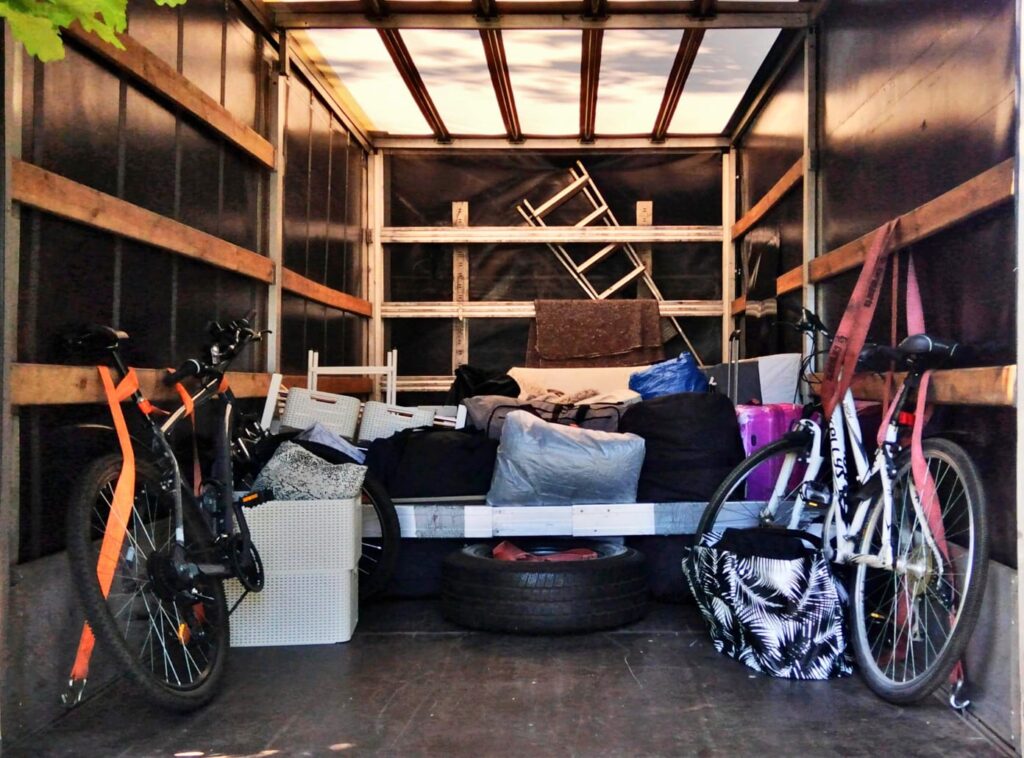
The move itself is part of the cost of living in Switzerland because arrival mistakes are expensive. Broken furniture, poor packing, missing documents, wrong vehicle size and border delays can all turn a simple relocation into a costly drama.
VANonsite offers European moving services designed for speed, safety and control. Every load can be GPS tracked, which means your belongings are not just somewhere on the road. You know where they are. That peace of mind matters when your life is packed into boxes.
VANonsite services include:
- Last Minute Moving
- Furniture Removals
- Home Removals
- Packing Service
- White Glove Delivery
- Office Removals
- Storage
- Student Removals
- Office Furniture Installation
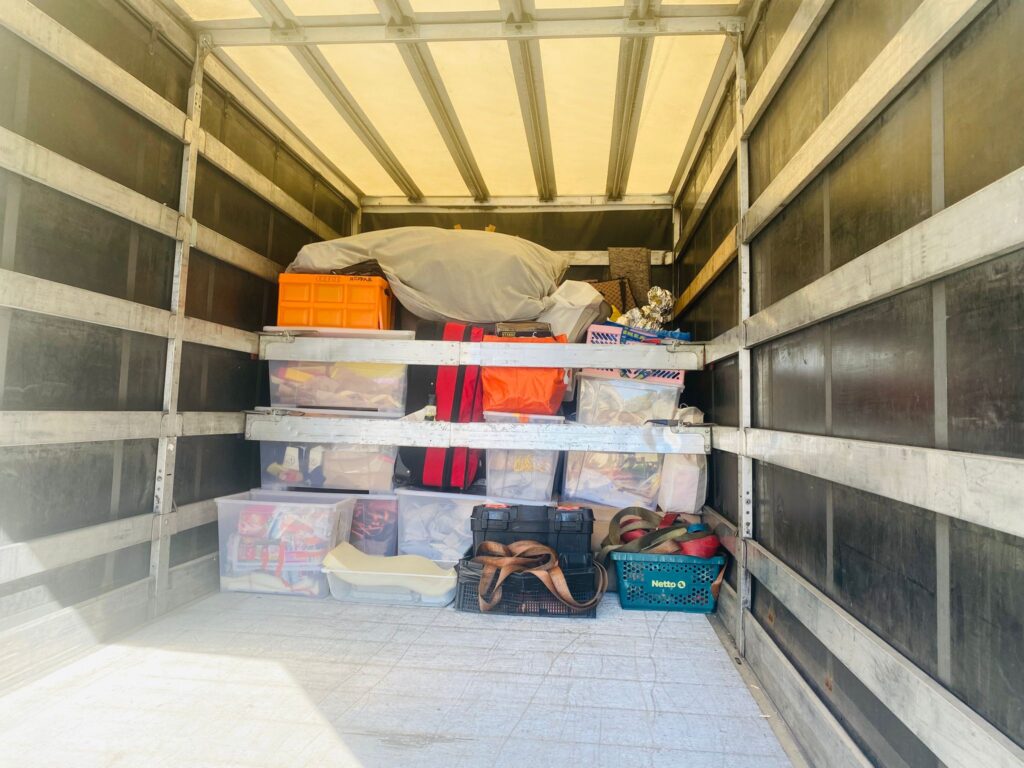
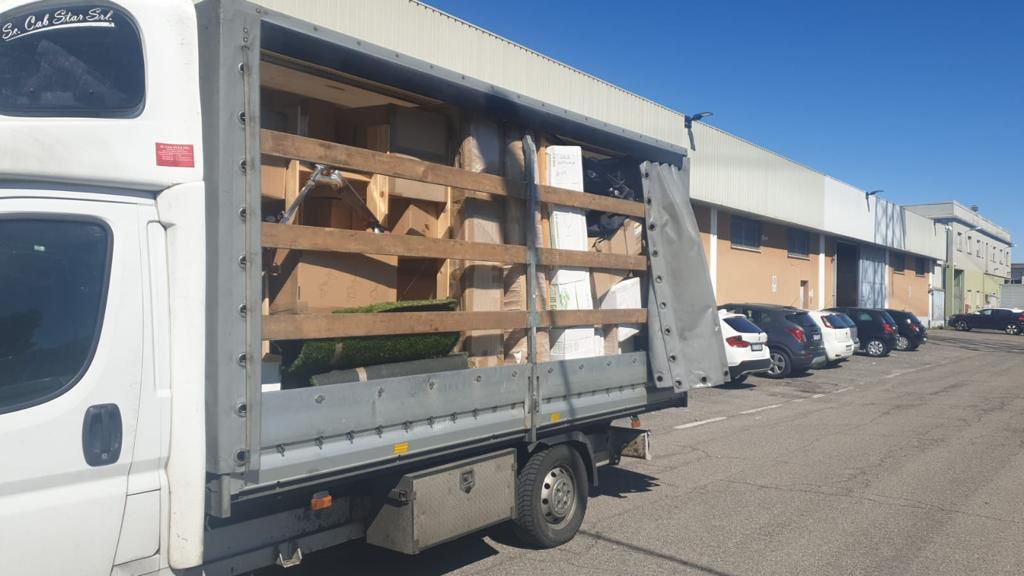
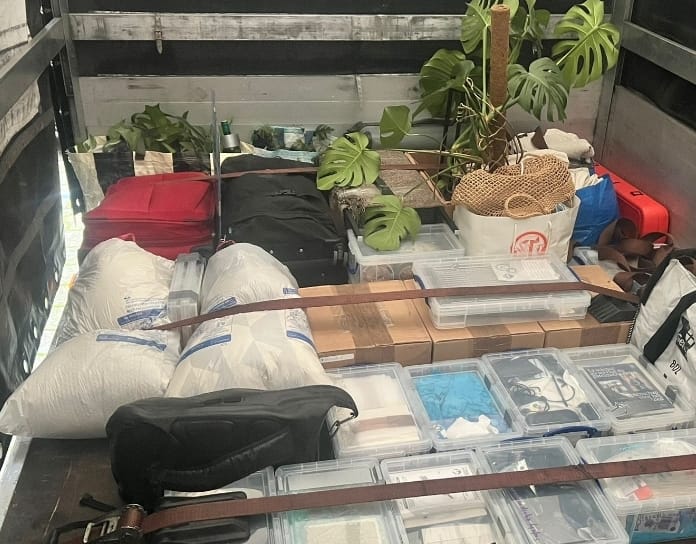
A man and van service can be ideal for small Swiss relocations, student moves, urgent deliveries or partial household moves. Larger apartments, family homes and fragile items may need more space, packing support or white glove handling.
| Move type | VANonsite option | Volume | Weight limit | Best for |
|---|---|---|---|---|
| Micro move | Moving One | 1 m3 | 100 kg | boxes, personal items, student essentials |
| Small move | Moving Basic | 5 m3 | 300 kg | studio items, small furniture, boxes |
| Medium move | Moving Medium | 10 m3 | 500 kg | one bedroom flat, mixed furniture |
| Large flat move | Moving Premium | 15 m3 | 1,100 kg | larger apartment, furniture removals |
| Bigger household | Moving Premium Plus | 30 m3 | 3,500 kg | family move, bulky items |
| Full house move | Moving Full House XXL | 90 m3 | 20,000 kg | full household or office relocation |
Choosing the right vehicle is not a small detail. Too little space means stress and extra trips. Too much space means wasted budget. A well matched man and van service or full removals plan keeps the move lean, protected and efficient.
First Month Budget in Switzerland
Your first month in Switzerland is rarely normal. It is often the most expensive phase of the entire relocation. Even if your regular monthly budget later drops, arrival month can feel intense because several costs land together.
| First month cost | Typical amount in CHF | Why it matters |
|---|---|---|
| First rent payment | 1,500 to 3,000 plus | Depends on city and apartment size |
| Rental deposit | Up to 3 months of rent | Often the biggest cash shock |
| Health insurance | 300 to 500 per adult | Mandatory after taking residence |
| Public transport | 80 to 440 | Local or national travel needs |
| Groceries and home basics | 500 to 1,500 | Higher when setting up a new home |
| Furniture or missing items | 300 to 3,000 plus | Depends on what you bring |
| Moving transport | Quote based | Depends on distance, volume and service |
| Emergency buffer | 1,000 to 3,000 | Strongly recommended |
This is why planning your relocation early matters. A professional moving quote helps you decide whether to ship furniture, buy locally or use storage. It also helps you avoid last minute decisions when prices feel sharper.
The cost of living in Switzerland is manageable when the arrival month is under control. Without planning, even a good salary can feel fragile.
City Comparison: Where Is the Cost of Living in Switzerland Highest?
The cost of living in Switzerland is not the same everywhere. Zurich, Geneva and Zug are often among the most expensive choices, especially for rent and restaurants. Basel, Bern and Lausanne can also be costly, but may offer a better balance depending on job sector, commute and lifestyle.
| City or area | Cost level | Best for | Watch out for |
|---|---|---|---|
| Zurich | Very high | finance, technology, international roles | rent and competition for flats |
| Geneva | Very high | diplomacy, NGOs, finance | rent and cross border complexity |
| Zug | Very high | business, tax planning, executive roles | housing scarcity |
| Basel | High | pharma, culture, border access | commute and canton choices |
| Bern | High but calmer | public sector, families, quality of life | smaller international job market |
| Lausanne | High | students, research, French speaking roles | rent near the lake |
| Lugano | Moderate to high | Italian speaking lifestyle | smaller job market |
If you can choose freely, do not pick a city only because it sounds famous. Compare the full living cost in Switzerland by location. Rent, taxes, health insurance and commute can change the true cost by thousands of francs each year.
How to Lower the Living Cost in Switzerland
Lowering the cost of living in Switzerland is not about living without joy. It is about refusing expensive mistakes.
Start with the big decisions first. Housing, insurance, commute and moving costs matter more than small supermarket savings. Then refine your daily habits.
Practical ways to lower costs:
- Compare rent by canton before signing.
- Check health insurance premiums before choosing where to live.
- Use public transport instead of owning a car in major cities.
- Cook most weekday meals.
- Choose shared housing for the first 6 to 12 months if moving alone.
- Bring useful furniture instead of replacing everything in Switzerland.
- Book the right man and van or removals option before prices rise.
- Avoid oversized apartments during your first year.
- Keep an emergency fund for insurance, tax and repairs.
- Use storage if your long term housing is not ready yet.
One smart move can save more than months of tiny sacrifices. For example, choosing a smaller apartment near a train station may reduce rent, car costs and commute fatigue at the same time.
Moving to Switzerland With VANonsite
A good move gives you something rare during relocation: calm. VANonsite helps people move across Europe with secure transport, fast coordination and GPS tracked loads. For Switzerland, that combination is especially valuable because timing, paperwork and route planning matter.
Whether you are moving a few boxes, a student room, valuable furniture, a full home or office equipment, VANonsite can match the vehicle and service to your situation. The man and van option works beautifully for compact moves. Larger moves can be handled with bigger vehicles, packing support, storage or white glove delivery.
The result is simple: fewer surprises, safer belongings and a smoother start in Switzerland.
If you are calculating the cost of living in Switzerland, include the cost of moving properly. The cheapest move is not always the lowest quote. It is the one that protects your belongings, avoids delays and gets you settled without needless damage.
Plan your relocation here: removals to Switzerland
FAQ: Cost of Living in Switzerland
What is the cost of living in Switzerland for one person?
The cost of living in Switzerland for one person is usually around CHF 3,200 to CHF 4,800 per month including rent, health insurance, food, utilities and transport. Zurich, Geneva and Zug can push this higher.
What is the average cost of living in Switzerland for a family?
The average cost of living in Switzerland for a family of four is often around CHF 7,500 to CHF 10,500 per month. Childcare, rent and city choice are the biggest factors.
Is Switzerland more expensive than other European countries?
Yes. Switzerland is one of Europe’s most expensive countries. However, salaries are also high, so the real budget depends on income after rent, insurance, taxes and commuting.
How much is rent in Switzerland?
The average net rent across Switzerland is around CHF 1,485 per month. A 1 bedroom city centre apartment may cost around CHF 1,646, while a 3 bedroom city centre apartment may cost around CHF 2,861.
Is health insurance mandatory in Switzerland?
Yes. People settling in Switzerland must arrange compulsory health insurance within three months after taking residence.
Can I move household goods to Switzerland duty free?
In many cases, yes. You generally need to transfer your residence, prove the move, provide an inventory and show that the goods were used personally for at least six months before import.
Is a man and van service enough for moving to Switzerland?
A man and van service is often enough for students, small apartments, urgent moves or partial relocations. Larger homes, offices and fragile furniture may need a bigger vehicle, packing service or white glove delivery.
How much money should I bring for the first month?
Many newcomers should prepare several thousand francs beyond normal monthly costs. Rent deposit alone can reach up to three months of rent, and you may also need insurance, transport, furniture, groceries and moving services.
Final Thoughts
The cost of living in Switzerland is high, but it becomes far less frightening when the numbers are visible. Rent, health insurance, food and transport form the core of the budget. The first month needs extra care. The city you choose can change everything.
A move to Switzerland should feel exciting, not chaotic. With a realistic budget, official documents prepared early and the right removals partner, you can begin your Swiss chapter with more confidence and fewer costly surprises.
VANonsite helps make that first step smoother, from compact man and van moves to full household relocations across Europe. Plan well, pack wisely and let your new life in Switzerland start with calm momentum.