
Switzerland can look like a finished painting. Clean lakes, mountain air, punctual trains, safe streets and salaries that make people across Europe look twice. For many newcomers, moving there feels like a bold upgrade.
Then the first bills arrive.
A rental deposit can drain your savings before you unpack. Health insurance is compulsory. Customs paperwork has to be accurate. Apartment rules can feel strict. Even a simple furniture delivery may need planned parking, building access and a careful inventory. This is why understanding the real relocation drawbacks matters before the van doors close.
The good news is simple. Most problems are predictable. And predictable problems can be planned for. With a clear budget, the right documents and a reliable man and van moving partner, your relocation can feel less like a leap into the unknown and more like a controlled landing.
VANonsite helps people move across Europe to Switzerland with safe transport, GPS tracking for every load, flexible vehicle sizes and services for homes, students, offices, furniture, storage and premium deliveries. If Switzerland is your next chapter, start with professional removals to Switzerland and arrive with fewer surprises.
TL:DR
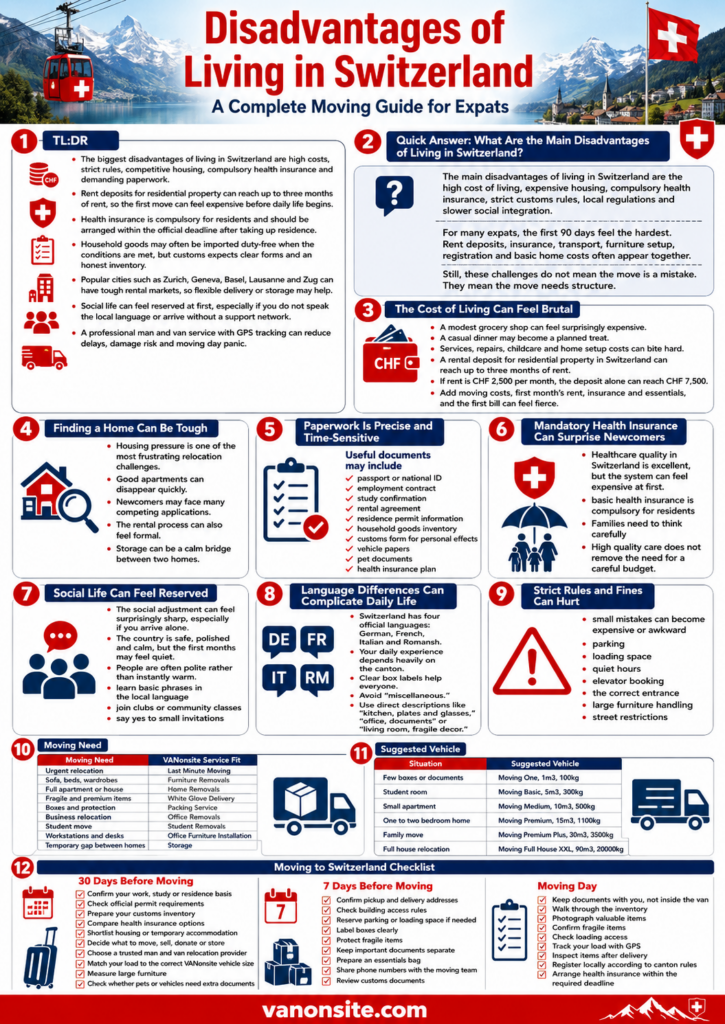
- The biggest disadvantages of living in Switzerland are high costs, strict rules, competitive housing, compulsory health insurance and demanding paperwork.
- Rent deposits for residential property can reach up to three months of rent, so the first move can feel expensive before daily life begins.
- Health insurance is compulsory for residents and should be arranged within the official deadline after taking up residence.
- Household goods may often be imported duty free when the conditions are met, but customs expects clear forms and an honest inventory.
- Popular cities such as Zurich, Geneva, Basel, Lausanne and Zug can have tough rental markets, so flexible delivery or storage may help.
- Social life can feel reserved at first, especially if you do not speak the local language or arrive without a support network.
- A professional man and van service with GPS tracking can reduce delays, damage risk and moving day panic.




Quick Answer: What Are the Main Disadvantages of Living in Switzerland?
The main disadvantages of living in Switzerland are the high cost of living, expensive housing, compulsory health insurance, strict customs rules, local regulations and slower social integration.
For many expats, the first 90 days feel the hardest. Rent deposits, insurance, transport, furniture setup, registration and basic home costs often appear together. This creates pressure even for people with strong salaries.
Still, these challenges do not mean the move is a mistake. They mean the move needs structure. A reliable moving plan can protect your budget, your belongings and your peace of mind.
Switzerland at a Glance: Beautiful, Efficient and Demanding
Switzerland is not difficult because it is chaotic. It is difficult because it is precise. The country runs on planning, punctuality, rules and responsibility. That order creates safety, comfort and reliability, but it also creates pressure. Many of the country’s drawbacks come from this same pattern: high standards, high costs and little room for improvisation.
The Cost of Living Can Feel Brutal
One of the most painful drawbacks is how quickly ordinary expenses multiply. A modest grocery shop can feel surprisingly expensive. A casual dinner may become a planned treat. Services, repairs, childcare and home setup costs can bite hard.
High salaries help, but they do not erase the shock. What matters is the full monthly picture: rent, health insurance, transport, food, taxes, childcare, utilities, home setup and savings for the first three months.
A rental deposit for residential property in Switzerland can reach up to three months of rent. If rent is CHF 2,500 per month, the deposit alone can reach CHF 7,500. Add moving costs, first month’s rent, insurance and essentials, and the first bill can feel fierce.
This is where efficient transport matters. A poorly planned move can mean duplicate trips, damaged furniture, emergency storage and last minute premium costs.
| VANonsite Vehicle | Capacity | Best For |
|---|---|---|
| Moving One | 1m3, 100kg | Boxes, documents, small student move |
| Moving Basic | 5m3, 300kg | Studio essentials and light furniture |
| Moving Medium | 10m3, 500kg | One bedroom apartment move |
| Moving Premium | 15m3, 1100kg | Larger flat or partial home move |
| Moving Premium Plus | 30m3, 3500kg | Family relocation |
| Moving Full House XXL | 90m3, 20000kg | Full house or major office move |
The smartest relocation is not always the biggest one. It is the one that fits. VANonsite helps customers choose a vehicle that protects both belongings and budget.
Finding a Home Can Be Tough
Housing pressure is one of the most frustrating relocation challenges. In Zurich, Geneva, Basel, Lausanne, Zug and Bern, good apartments can disappear quickly. Newcomers may face many competing applications, especially in central areas close to work, schools or public transport.
The rental process can also feel formal. Landlords may ask for identity documents, proof of income, employment details, references, permit information and sometimes additional local paperwork.
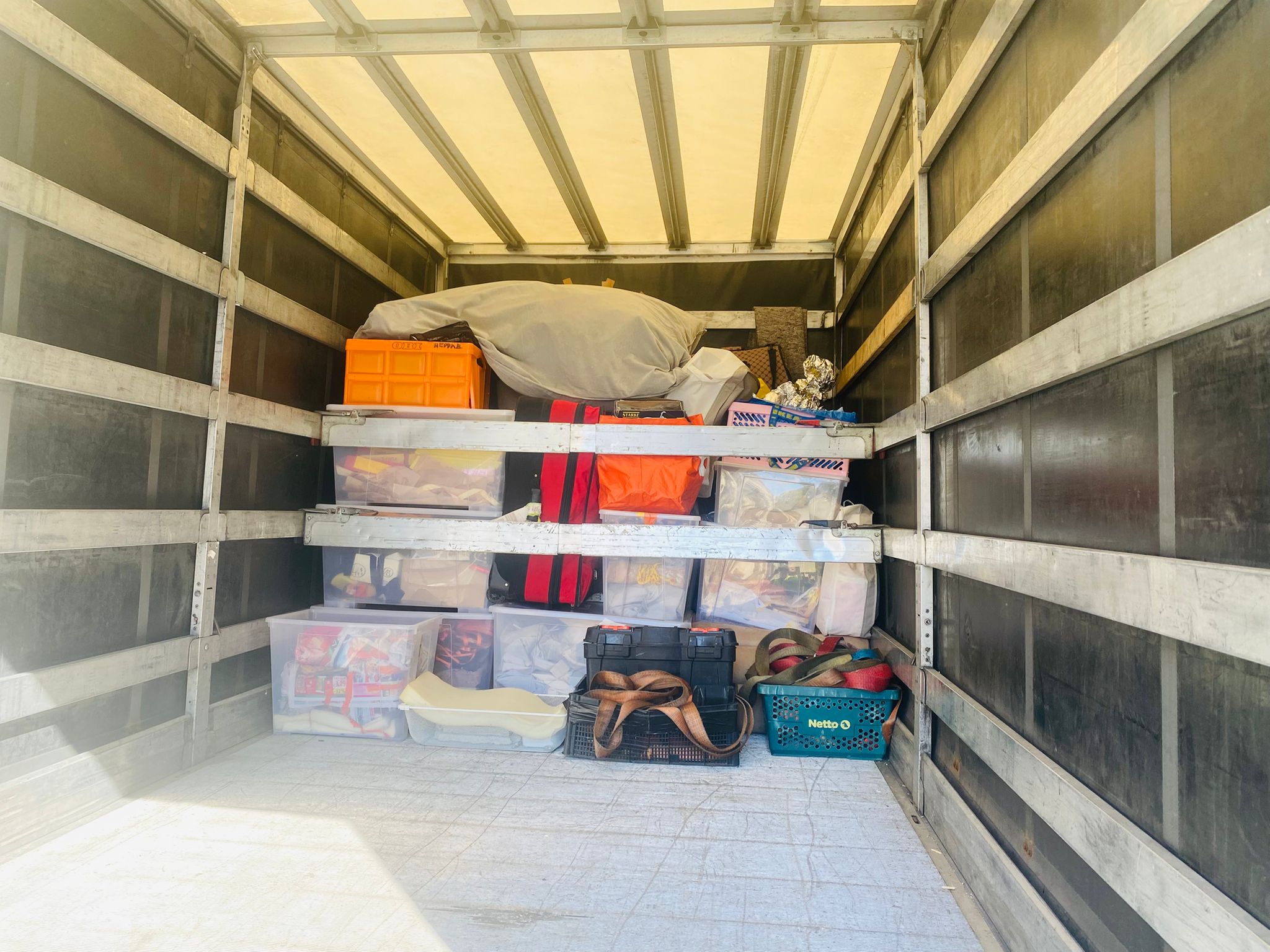
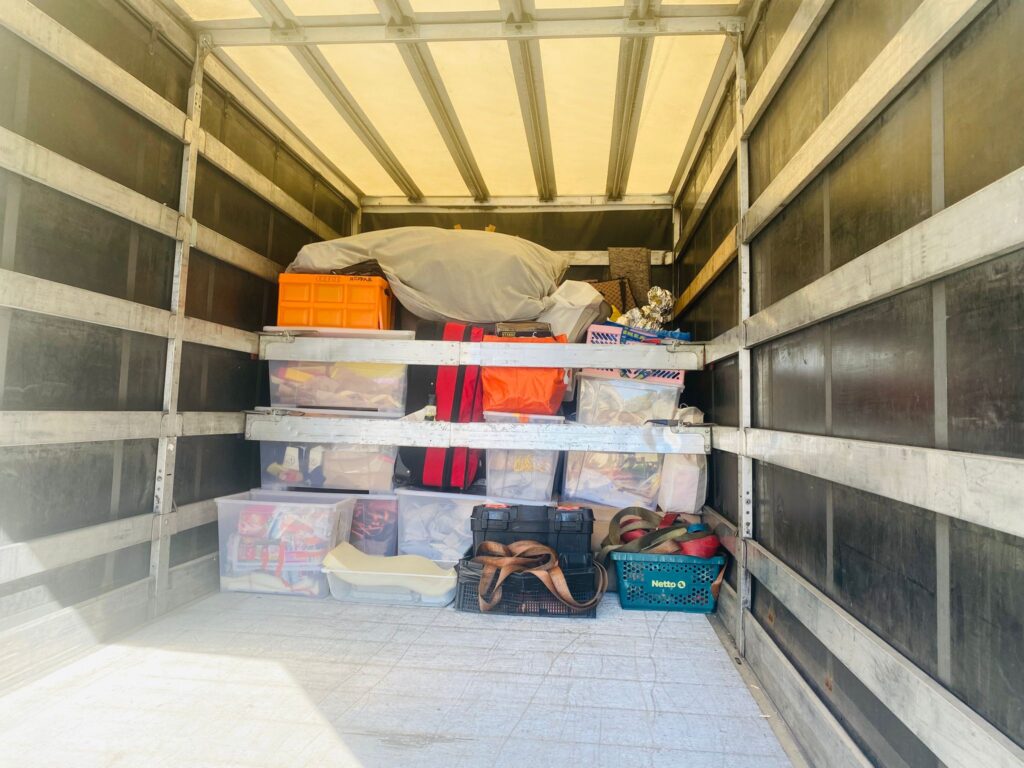
There is also a practical moving risk. Your belongings may arrive before your permanent apartment is ready, or your new home may be smaller than expected. That large wardrobe or soft corner sofa may not fit an older building, narrow staircase or compact lift.
Before moving furniture to Switzerland, prepare:
- A realistic rental budget
- Temporary accommodation
- Digital copies of key documents
- A measured furniture list
- Items to sell, donate or store
- Flexible delivery dates
- Clear contact details for pickup and drop off
Storage can be a calm bridge between two homes. It prevents rushed decisions and protects belongings while you find the right place.
Paperwork Is Precise and Time Sensitive
Paperwork is one of the quieter relocation drawbacks. It does not look dramatic until something is missing. Then one form can delay customs, registration or delivery.
Swiss administration is efficient, but it expects accuracy. Before moving, check official Swiss sources:
- EU/EFTA citizens living and working in Switzerland
- Swiss residence permits overview
- Moving household effects to Switzerland
- Procedure for importing household effects
- Health insurance for people resident in Switzerland
Useful documents may include passport or national ID, employment contract, study confirmation, rental agreement, residence permit information, household goods inventory, customs form for personal effects, vehicle papers, pet documents, health insurance plan and contact details for pickup and delivery.
Used household effects may often be imported duty free when the conditions are met, but the inventory must be clear. “Kitchen items, 6 boxes” is better than “random stuff.” Honest, simple descriptions make the process smoother.
VANonsite cannot replace official authorities, but careful planning, route coordination, secure handling and GPS tracking help remove unnecessary stress from the journey.
Customs Can Delay a Poorly Planned Move
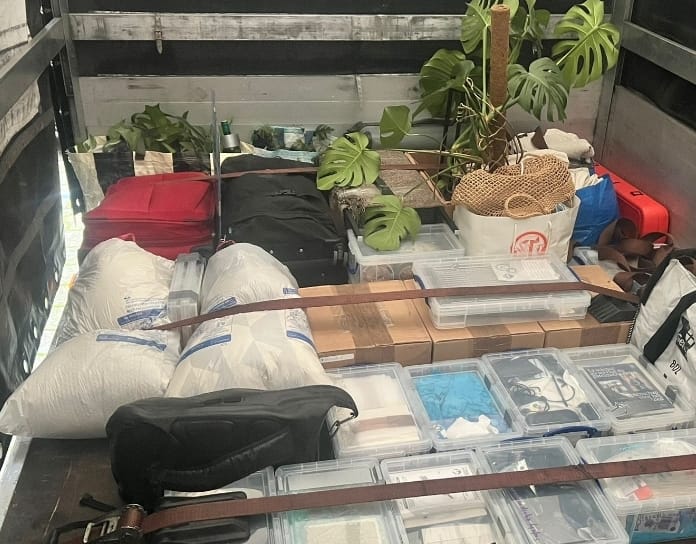
Customs is where many rushed relocations lose momentum. The border is not the place to discover that your forms are incomplete, your inventory is vague or your new purchases require extra attention.
Among the common relocation problems, customs pressure is one of the easiest to reduce. Prepare early. Label clearly. Keep documents with you, not hidden inside a box.
| Item Type | Risk Level | What to Do |
|---|---|---|
| Used clothes and books | Low | List by category |
| Kitchenware | Low to medium | Estimate boxes clearly |
| Furniture | Medium | List major pieces |
| Electronics | Medium | Add quantity and type |
| New purchases | Higher | Keep receipts ready |
| Pets | Higher | Check official import rules early |
| Vehicle | Higher | Prepare separate vehicle documents |
A good moving inventory should be simple and complete. Instead of writing “miscellaneous,” use labels like “kitchen, plates and pans” or “office, documents and monitor.” Last minute moving is possible, but urgent does not mean careless. VANonsite Last Minute Moving can help when time is tight, provided addresses, access, inventory and documents are ready.
Mandatory Health Insurance Can Surprise Newcomers
Healthcare quality in Switzerland is excellent, but the system can feel expensive at first. This catches people off guard because basic health insurance is compulsory for residents.
Anyone settling in Switzerland generally needs to arrange health insurance within the official deadline after taking up residence. Families need to think carefully because every adult and child must be insured individually.
Before moving, budget for:
- Monthly premiums
- Deductibles
- Co payments
- Insurance for every family member
- Possible supplementary insurance
- Medical documents needed during the transition
Insurance costs may appear while rent deposits, furniture transport, home setup and registration costs are still fresh. This is why your moving budget should cover the first 90 days, not just moving day. A well sized man and van service helps avoid wasted capacity, repeat trips and unnecessary delays.
Social Life Can Feel Reserved
Not every disadvantage is financial. Some are emotional.
The social adjustment can feel surprisingly sharp, especially if you arrive alone. The country is safe, polished and calm, but the first months may feel quiet. People are often polite rather than instantly warm.
To settle faster:
- Learn basic phrases in the local language
- Join clubs or community classes
- Say yes to small invitations
- Choose housing near daily life
- Introduce yourself to neighbours politely
- Bring familiar items that make the new place feel personal
A favourite chair, a stack of books, family photos or your own kitchen items can make the first apartment feel less temporary. VANonsite Packing Service helps protect those small emotional anchors. Because home is not only an address. It is also the first mug you unpack on a cold morning.
Language Differences Can Complicate Daily Life
Language is one of the practical difficulties because it appears everywhere: rental forms, school messages, parking signs, recycling rules, medical letters and delivery instructions.
Switzerland has four official languages: German, French, Italian and Romansh. Your daily experience depends heavily on the canton. Zurich feels different from Geneva. Ticino has another rhythm. Even strong German skills may feel shaken by Swiss German in daily conversation.
For moving, language can affect building access instructions, parking permits, waste disposal rules, elevator reservations, customs descriptions and landlord communication. Clear box labels help everyone. Avoid “miscellaneous.” Use direct descriptions like “kitchen, plates and glasses,” “office, documents” or “living room, fragile decor.”
Strict Rules and Fines Can Hurt
Switzerland rewards discipline. It also punishes carelessness.
One of the disadvantages of living in Switzerland is that small mistakes can become expensive or awkward. A moving van parked in the wrong place, loud Sunday drilling, poor recycling habits or ignored building rules can create problems before you even unpack.
Before moving day, confirm:
- Parking rules
- Loading space
- Quiet hours
- Elevator booking
- The correct entrance
- Large furniture handling
- Contact people at both addresses
- Street restrictions
Moving is not only about kilometres. It is about access. A simple unloading job can become expensive if the van cannot park nearby.
VANonsite reduces that risk with planning, communication and GPS tracking for every load. When your belongings are crossing Europe, visibility brings real peace of mind.

Moving Furniture to Switzerland Can Be More Complex Than Expected
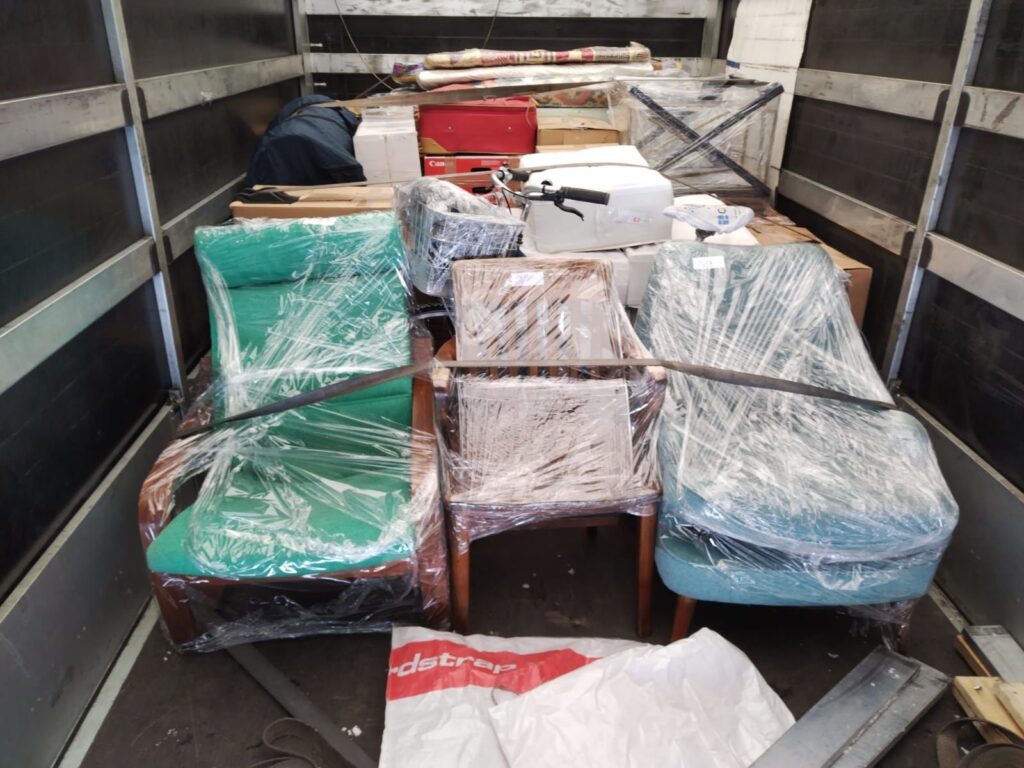
Furniture has a talent for becoming dramatic at the worst moment. A sofa that looked normal in London, Berlin, Amsterdam or Warsaw may suddenly feel huge in a Swiss stairwell. A wardrobe may not fit the lift. A glass table may need premium protection. Designer furniture should never travel on hope alone.
This is one of the disadvantages of living in Switzerland that becomes painfully real on moving day. Streets can be narrow, buildings can be strict, mountain areas can affect timing and delivery windows may be limited.
| Moving Need | VANonsite Service Fit |
|---|---|
| Urgent relocation | Last Minute Moving |
| Sofa, beds, wardrobes | Furniture Removals |
| Full apartment or house | Home Removals |
| Fragile and premium items | White Glove Delivery |
| Boxes and protection | Packing Service |
| Business relocation | Office Removals |
| Student move | Student Removals |
| Workstations and desks | Office Furniture Installation |
| Temporary gap between homes | Storage |
A man and van option is often ideal for smaller or medium loads. For larger moves, VANonsite can match the customer with stronger capacity, including Moving Premium Plus or Moving Full House XXL.
Families and Students Need Different Plans
Families often feel the disadvantages of living in Switzerland more strongly than single professionals. Every cost multiplies: insurance, housing, food, furniture, childcare and transport. A family may also need more storage, careful packing and a larger vehicle.
Students face a different pressure. Rooms can be small, budgets are tight and semester dates are fixed. A compact man and van option may be enough for boxes, books, clothes, a desk chair and essentials.
| Situation | Suggested Vehicle | Why It Works |
|---|---|---|
| Few boxes or documents | Moving One, 1m3, 100kg | Compact and efficient |
| Student room | Moving Basic, 5m3, 300kg | Ideal for essentials |
| Small apartment | Moving Medium, 10m3, 500kg | Balanced capacity |
| One to two bedroom home | Moving Premium, 15m3, 1100kg | Strong for furniture |
| Family move | Moving Premium Plus, 30m3, 3500kg | Better for larger loads |
| Full house relocation | Moving Full House XXL, 90m3, 20000kg | Built for major moves |
The goal is simple. Bring what matters, protect what matters and avoid paying for chaos.
Moving to Switzerland Checklist
A good checklist turns anxiety into action. Use it before the boxes take over your living room.
30 Days Before Moving
- Confirm your work, study or residence basis
- Check official permit requirements
- Prepare your customs inventory
- Compare health insurance options
- Shortlist housing or temporary accommodation
- Decide what to move, sell, donate or store
- Choose a trusted man and van relocation provider
- Match your load to the correct VANonsite vehicle size
- Measure large furniture
- Check whether pets or vehicles need extra documents
7 Days Before Moving
- Confirm pickup and delivery addresses
- Check building access rules
- Reserve parking or loading space if needed
- Label boxes clearly
- Protect fragile items
- Keep important documents separate
- Prepare an essentials bag
- Share phone numbers with the moving team
- Review customs documents
Moving Day
- Keep documents with you, not inside the van
- Walk through the inventory
- Photograph valuable items
- Confirm fragile items
- Check loading access
- Track your load with GPS
- Inspect items after delivery
- Register locally according to canton rules
- Arrange health insurance within the required deadline
This checklist will not remove every challenge, but it will make the disadvantages of living in Switzerland feel less like a storm and more like a sequence of manageable steps.
Is Moving to Switzerland Still Worth It?
Yes, for many people, Switzerland is absolutely worth it.
The disadvantages of living in Switzerland are real, but they stand beside powerful advantages: safety, clean cities, strong salaries, excellent public transport, beautiful nature, reliable infrastructure, high education standards and a stable economy.
The key is to avoid fantasy planning. Move with a budget, documents, insurance awareness, measured furniture and a professional transport plan.
Switzerland can feel demanding at first. But for prepared newcomers, that same discipline becomes part of the reward.
FAQ About the Disadvantages of Living in Switzerland
What is the biggest disadvantage of living in Switzerland?
The biggest disadvantage is the high cost of living. Rent, health insurance, groceries, childcare and services can all feel expensive. The first 90 days are often the hardest because deposits, setup costs and moving expenses arrive close together.
Are the disadvantages of living in Switzerland worse for families?
Yes, they can be. Families often need larger homes, more insurance policies, school planning, childcare budgets and bigger moving capacity. A structured relocation plan can prevent unnecessary costs and last minute stress.
Is Switzerland hard to move to from Europe?
It is manageable, but it requires preparation. EU and EFTA citizens have specific residence and work rules, while non EU citizens may face stricter requirements. Customs paperwork, housing and health insurance should be checked before arrival.
Do I need a professional moving company for Switzerland?
You can move alone, but professional support is often safer for cross border relocations. A man and van service with GPS tracking helps protect timing, furniture and peace of mind.
Can I bring furniture to Switzerland duty free?
Used household goods may often be imported duty free if the conditions are met. Prepare a clear inventory and check the official customs rules before travelling.
Conclusion: Move to Switzerland With Clear Eyes and a Calm Plan
The disadvantages of living in Switzerland are not imaginary. High prices, strict rules, paperwork, customs steps, housing pressure and cultural adjustment can feel heavy at first. Yet they are also predictable.
That is good news. You can budget for rent deposits, prepare documents, label boxes, choose the right vehicle, use storage if your apartment is not ready and work with a relocation team that understands European moves.
VANonsite helps make that first step safer and calmer with flexible man and van options, Home Removals, Furniture Removals, Packing Service, Storage, Office Removals, Student Removals, White Glove Delivery and GPS tracking for every load.
If Switzerland is your next chapter, do not arrive in chaos. Arrive prepared.
Start with VANonsite removals to Switzerland and turn a complicated relocation into a confident arrival.