
Planning a factory relocation Switzerland project is not like booking a simple business delivery. It is a high-stakes operation where machines, tools, stock, office furniture, documents, IT equipment, customs paperwork and staff schedules all have to move with precision. A factory is not only a building full of assets. It is a living system. Every cable, pallet, workbench and labelled part has a job to do.
When that system has to move across borders into Switzerland, even a small mistake can create an expensive delay. A missing machine part can stop production. A poorly packed control panel can damage an entire production line. A customs issue can turn a tight delivery plan into a long, stressful wait.
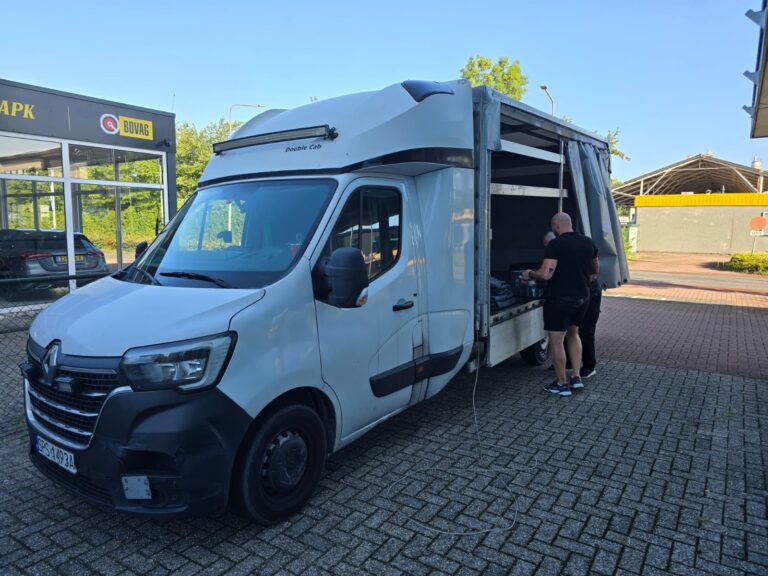
That is why a successful factory relocation Switzerland move starts before the vehicle arrives. It begins with a clear inventory, a realistic timeline, careful packing, correct documents, the right van size and a delivery plan that protects your business from chaos. For companies moving from another European country, VANonsite offers flexible transport, GPS tracking for every load, careful handling and practical man and van options for smaller, urgent or staged factory moves.
For a wider country-specific overview, you can also read VANonsite’s guide to removals to Switzerland.
TL:DR
- A factory relocation Switzerland project should begin with a complete inventory of machinery, tools, office furniture, stock, IT equipment and priority restart items.
- Switzerland has its own customs rules, so business goods may require invoices, packing lists, import declarations and clear separation from personal belongings.
- Small factory moves can often use a man and van service, while larger factory relocations may need 30m3, 90m3 or staged transport.
- Downtime is the hidden cost. A delay of 24 to 72 hours can disrupt orders, cash flow, production schedules and customer promises.
- GPS tracking helps your team follow the shipment, prepare unloading crews and coordinate installation at the Swiss destination.
- Professional packing reduces the risk of damage to machinery, electronics, furniture, stock and fragile factory components.
- VANonsite supports factory relocation Switzerland projects with European transport, multiple vehicle sizes, last minute moving, packing, office removals, storage and careful handling.




What Does Factory Relocation Switzerland Really Include?
A factory relocation Switzerland project includes far more than loading machines into a van. It is a controlled transfer of business continuity. The goal is not only to move things from one address to another. The goal is to help the company restart quickly, safely and with as little disruption as possible.
A factory move may include:
- Production machinery
- Industrial tools
- Spare parts
- Maintenance kits
- Palletised stock
- Finished goods
- Raw materials
- Workshop benches
- Racking and shelving
- Office furniture
- Filing cabinets
- Computers and monitors
- Printers and routers
- Servers and network equipment
- Confidential business documents
- Packaging materials
- Staff belongings
- Specialist equipment
- Fragile components
- High-value control panels
The challenge is not only physical transport. The real challenge is sequence. In a normal home move, boxes can often be unpacked gradually. In a factory relocation, the order matters. If production tools arrive before the benches, the team cannot work properly. If the machinery arrives before essential cables, installation slows down. If IT equipment is buried behind non-essential furniture, administration and order processing may freeze.
That is why factory relocation Switzerland should be planned around restart priorities. The question is not only, “What needs to be moved?” The sharper question is, “What must be available first for the business to work again?”
VANonsite can support both compact business moves and larger factory projects. For urgent tools, sample stock, documents or IT equipment, a man and van service may be enough. For larger moves involving machinery, furniture and stock, bigger vehicles and staged transport may be more efficient.
Why Factory Relocation Switzerland Needs a Different Approach
Switzerland is a strong business location, but moving factory assets there requires preparation. Unlike a local move, a factory relocation Switzerland project often includes customs considerations, border procedures, delivery access planning, business documentation and sometimes staff relocation requirements.
A factory is also usually more sensitive than a warehouse. Many assets are not easy to replace quickly. A damaged office chair is inconvenient. A damaged measuring instrument, machine controller or production component can be business-critical.
Common risks include:
- Production stoppage
- Damaged machinery
- Lost components
- Customs delays
- Incorrect paperwork
- Poor packing
- Vehicle capacity problems
- Delivery access restrictions
- Unclear responsibility between teams
- Staff arriving before equipment is ready
- Equipment arriving before the Swiss site is prepared
A strong factory relocation Switzerland plan reduces these risks by bringing order to the move. It divides the job into manageable stages: audit, documentation, packing, loading, transport, customs, delivery, unloading and restart.
This structure matters because stress grows quickly during a business move. When everyone is asking where things are, who packed them, which van they are in and whether they have crossed the border, the move becomes noisy and expensive. GPS tracking, clear labels and a good inventory bring calm back into the process.
Quick Factory Relocation Switzerland Checklist
Before you book transport, create a practical checklist. This helps you avoid last-minute surprises and gives your moving partner the information needed to recommend the right vehicle, packing support and timing.
- Create a complete inventory of factory assets.
- Separate machines, tools, stock, office items and personal belongings.
- Measure large items and estimate total weight where possible.
- Photograph valuable machinery before dismantling.
- Label cables, hoses, accessories and removable parts.
- Decide which items are needed in the first 24 hours after delivery.
- Prepare packing lists and commercial documents.
- Check Swiss customs guidance for company imports.
- Confirm whether any personal relocation goods are included.
- Confirm pickup access and loading conditions.
- Confirm Swiss delivery access and unloading restrictions.
- Choose the right vehicle size.
- Plan whether the move should happen in one trip or several stages.
- Arrange professional packing for fragile or high-value items.
- Use GPS tracked transport for better visibility.
- Keep a document folder with invoices, inventories, permits and contact details.
- Assign one person to manage communication on moving day.
A factory relocation Switzerland move becomes far easier when every item has a clear identity and destination. The best plans are not dramatic. They are precise, practical and calm.
Factory Relocation Switzerland Timeline
The timeline for factory relocation Switzerland depends on the size of the business, the distance, the type of goods, the level of dismantling required and the customs situation. A small workshop move may be arranged quickly, especially when a man and van service is enough. Larger factory relocations need more time because several departments, machines and delivery stages may be involved.
| Timeline | What to do | Why it matters |
|---|---|---|
| 8 to 12 weeks before moving | Audit machinery, tools, stock, office items and IT equipment | Prevents missing items and gives time to choose the right vehicle |
| 6 to 8 weeks before moving | Check customs requirements and company import rules | Reduces the risk of border delays |
| 4 to 6 weeks before moving | Confirm volume, weight, access and vehicle size | Helps build a realistic transport plan |
| 3 to 4 weeks before moving | Decide whether the relocation should be staged | Keeps essential operations running for longer |
| 2 to 3 weeks before moving | Pack non-essential stock, documents and office items | Reduces pressure close to moving day |
| 7 to 10 days before moving | Label machine parts, cables and critical tools | Speeds up reassembly and restart |
| 3 to 5 days before moving | Prepare priority restart kits | Ensures the first working day in Switzerland is smoother |
| Moving day | Load by weight, fragility and unloading order | Protects goods and prevents confusion |
| First 24 hours after delivery | Unpack Priority 1 items and test critical systems | Helps the company regain operational control |
| First 72 hours after delivery | Rebuild production flow and office workflow | Reduces downtime and internal disruption |
The key is not to treat moving day as the main event. Moving day is only the visible part of the project. The real work happens before the first box is loaded.
A staged factory relocation Switzerland plan can be especially useful. For example, you may send office documents, laptops and essential tools first. Then machinery and stock can follow in a larger vehicle. This gives your team a head start and helps the Swiss destination prepare before the main load arrives.
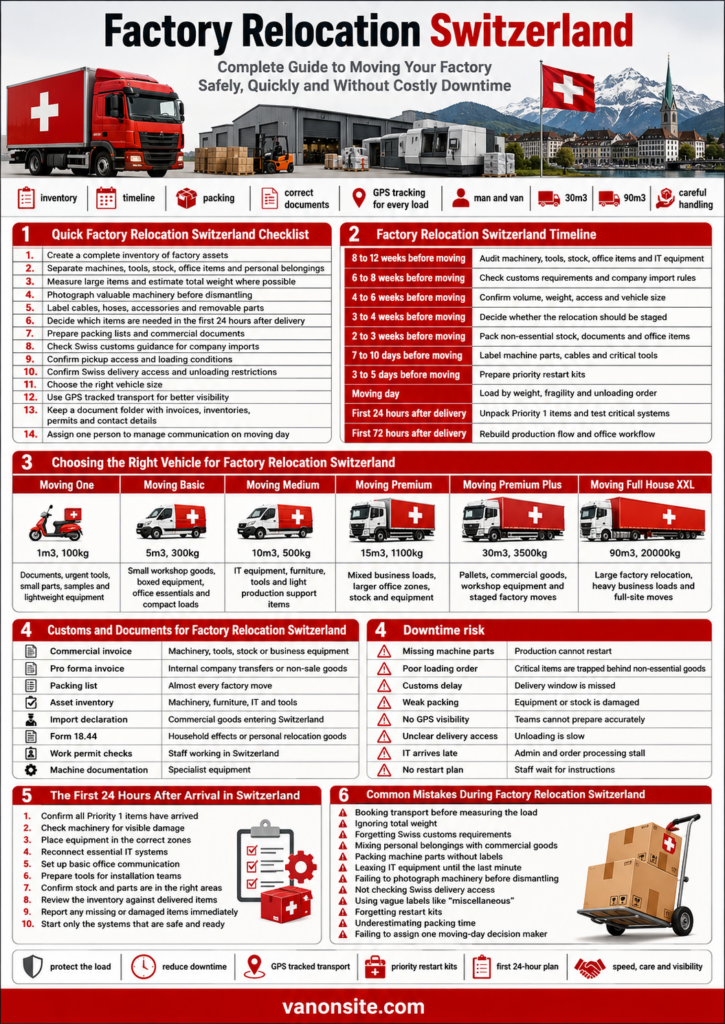
Choosing the Right Vehicle for Factory Relocation Switzerland
Vehicle size has a direct impact on cost, safety and efficiency. A vehicle that is too small can create extra trips. A vehicle that is too large may be unnecessary or difficult to position at the delivery site. The right choice depends on volume, weight, item shape, fragility, access and urgency.
VANonsite offers different vehicle sizes for different moving needs:
| VANonsite option | Capacity | Best for factory relocation Switzerland |
|---|---|---|
| Moving One | 1m3, 100kg | Documents, urgent tools, small parts, samples and lightweight equipment |
| Moving Basic | 5m3, 300kg | Small workshop goods, boxed equipment, office essentials and compact loads |
| Moving Medium | 10m3, 500kg | IT equipment, furniture, tools and light production support items |
| Moving Premium | 15m3, 1100kg | Mixed business loads, larger office zones, stock and equipment |
| Moving Premium Plus | 30m3, 3500kg | Pallets, commercial goods, workshop equipment and staged factory moves |
| Moving Full House XXL | 90m3, 20000kg | Large factory relocation, heavy business loads and full-site moves |
Volume is important, but weight can change everything. A compact machine can weigh hundreds of kilograms. A large box filled with foam may look huge but weigh very little. That is why a professional factory relocation Switzerland plan should consider both m3 and kg.
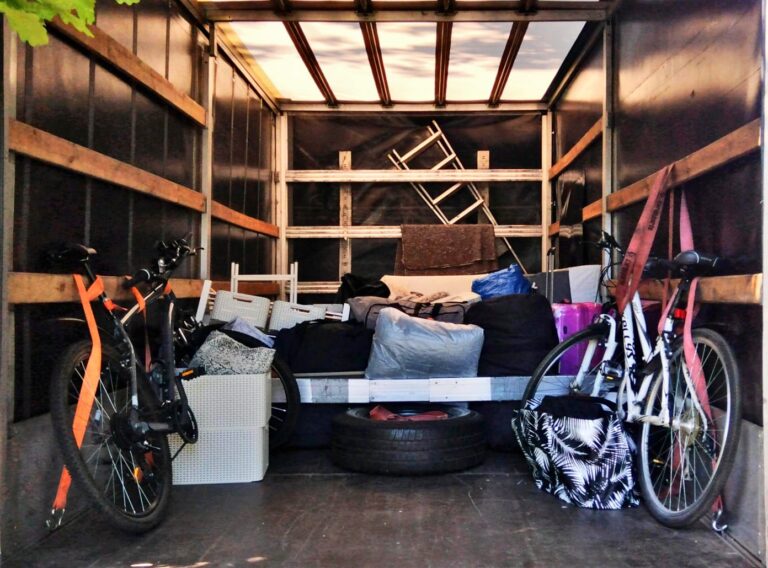
For small, urgent or high-priority loads, man and van transport can be a smart choice. It gives businesses speed without waiting for a full relocation schedule. A man and van move may be ideal for tools, stock samples, urgent spare parts, documents, laptops, testing equipment or first-day restart kits.
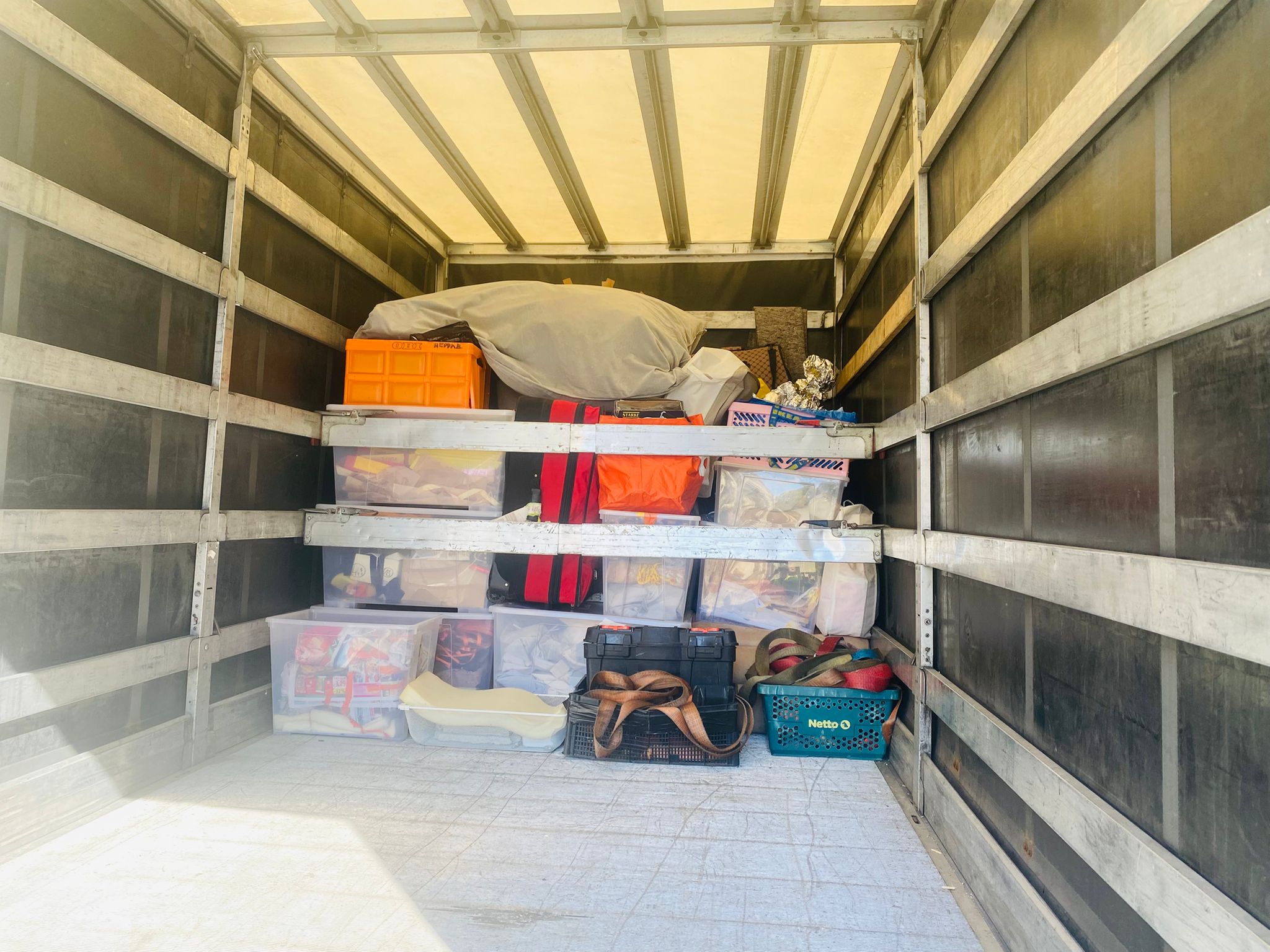
For larger moves, the 30m3 and 90m3 vehicle options can help reduce trips and create a more controlled delivery flow.

Customs and Documents for Factory Relocation Switzerland
Customs preparation is one of the most important parts of factory relocation Switzerland planning. Switzerland is not part of the EU customs union, so moving business goods into the country can involve formal import procedures.
For official guidance, check the following Swiss government resources:
- Swiss Customs importation for companies
- Swiss Customs importation checklist for companies
- Moving household effects into Switzerland
- Moving to Switzerland procedure
- Form 18.44 for household effects
- Working in Switzerland, SEM
Business goods, personal belongings and household effects should be treated as different categories. This matters because they may require different documents and customs treatment.
| Document or check | When it may be needed | Practical note |
|---|---|---|
| Commercial invoice | Machinery, tools, stock or business equipment | Helps identify value, origin and purpose |
| Pro forma invoice | Internal company transfers or non-sale goods | Useful when goods are not being sold |
| Packing list | Almost every factory move | Should match boxes, pallets and labels |
| Asset inventory | Machinery, furniture, IT and tools | Useful for customs, insurance and unloading |
| Import declaration | Commercial goods entering Switzerland | Check official Swiss Customs guidance |
| Form 18.44 | Household effects or personal relocation goods | Relevant to personal belongings, not standard business stock |
| Work permit checks | Staff working in Switzerland | Rules depend on nationality, role and duration |
| Machine documentation | Specialist equipment | Manuals, serial numbers and certificates may help identification |
The practical rule is simple: do not mix commercial factory goods with private belongings in an unclear way. If staff belongings are moving with the factory, label them separately. If commercial stock is moving, document it separately. If machinery is moving as company property, include it in the asset inventory.
Poor separation can create confusion at the border. Clean documentation helps keep the move controlled.
A strong factory relocation Switzerland document pack usually includes:
- Company details
- Pickup address
- Swiss delivery address
- Contact person
- Inventory
- Packing list
- Vehicle details
- Commercial invoice or pro forma invoice
- Description of goods
- Estimated values
- Serial numbers for valuable equipment
- Any relevant permits or supporting documents
The goal is not to drown the move in paperwork. The goal is to make the shipment easy to understand.
Commercial Goods, Personal Belongings and Household Effects
One common problem in factory relocation Switzerland projects is category confusion. A business may move factory equipment, office furniture and staff belongings in the same period. These items can look similar when boxed, but they are not the same for planning purposes.
Commercial goods may include:
- Machinery
- Stock
- Tools
- Spare parts
- Workstations
- Office equipment owned by the company
- Business documents
- Packaging materials
- Production accessories
Personal belongings may include:
- Clothes
- Household items
- Personal electronics
- Student items
- Employee relocation goods
Household effects may be eligible for specific relocation procedures when the person is transferring domicile to Switzerland and meets official conditions. This is different from moving company stock or commercial equipment.
During a factory relocation Switzerland move, keep these categories physically and administratively separate. Use different labels. Keep separate inventories. Do not pack a worker’s household goods into the same unlabelled pallet as company tools.
This sounds simple, but it can save hours of stress.
How to Prepare Machinery Before Transport
Machinery is often the heart of a factory relocation Switzerland project. A machine can represent years of investment, customer deadlines, production capacity and specialist knowledge. It deserves more than quick wrapping and hope.
Before transport, prepare machinery carefully:
- Clean machines where practical and safe.
- Remove loose parts, trays, covers and guards.
- Secure cables, hoses and control panels.
- Drain fluids only where required and safe.
- Photograph machine settings and connection points.
- Label removable parts by machine name and position.
- Pack small components in sealed, labelled containers.
- Protect sensitive surfaces with suitable material.
- Keep manuals and machine documents accessible.
- Create a restart kit for each critical machine.
A restart kit may include:
- Cables
- Fixings
- Control accessories
- Manuals
- Spare parts
- Setup notes
- Cleaning cloths
- Protective gloves
- Basic tools
- Calibration information
For example, if one machine has 16 removable parts and 8 cables, treat those parts as one machine family. Label them together. Store them together. Photograph them together. That way, reassembly in Switzerland becomes a process instead of a treasure hunt.
Good preparation protects the move from invisible damage. A machine may arrive without scratches but still be difficult to restart if key parts are missing. A smart factory relocation Switzerland plan protects both the equipment and the workflow.
Packing Strategy for Factory Relocation Switzerland
Packing is not decoration. In a business move, packing is risk control. Every box should tell the moving team what is inside, where it goes and how important it is.
For factory relocation Switzerland, divide your packing into clear categories:
- Machinery and machine parts
- Tools
- Spare parts
- Stock
- Office equipment
- IT equipment
- Documents
- Fragile items
- Heavy items
- Priority restart items
- Staff belongings
Then use priority labels.
| Label | Meaning | Example |
|---|---|---|
| Priority 1 | Needed in the first 24 hours | Laptops, routers, key tools, power cables |
| Priority 2 | Needed in the first week | Spare stock, files, non-critical tools |
| Production | Factory floor equipment | Machine parts, tools, accessories |
| Admin | Office documents and business files | Contracts, HR files, finance records |
| IT | Digital equipment | Computers, servers, printers, monitors |
| Fragile | Requires extra care | Screens, sensors, measuring devices |
| Heavy | Requires safe lifting | Dense tools, metal parts, machine components |
| Install first | Must be unloaded early | Benches, cables, machinery bases |
Professional packing can make a major difference. VANonsite’s Packing Service can help when goods are fragile, valuable, awkward or time-sensitive. For a factory relocation Switzerland project, strong packing can reduce damage, speed up unloading and make restart easier.
Avoid vague labels like “miscellaneous” or “factory stuff.” Those labels become useless during delivery. Use labels that help people make fast decisions.
Better labels include:
- CNC Machine A, cables
- Packing Line 2, spare parts
- Accounts office, Priority 1
- IT room, router and switches
- Workshop tools, maintenance team
- Reception furniture, install second
- Stock, batch 2026, shelf zone B
A good label is a small act of leadership. It turns a box into information.
Reducing Downtime During Factory Relocation Switzerland
Downtime is the most dangerous hidden cost in factory relocation Switzerland. Transport has a visible price. Downtime often does not, until it hurts.
If a production line restarts 48 hours late, the impact may include:
- Missed orders
- Overtime costs
- Delayed customer deliveries
- Staff idle time
- Supplier disruption
- Cash flow pressure
- Reputation damage
- Internal stress
The goal is not only to move safely. The goal is to restart intelligently.
| Downtime risk | Possible impact | Prevention |
|---|---|---|
| Missing machine parts | Production cannot restart | Label parts by machine and function |
| Poor loading order | Critical items are trapped behind non-essential goods | Load according to unloading priority |
| Customs delay | Delivery window is missed | Prepare documents early |
| Weak packing | Equipment or stock is damaged | Use protective packing and experienced handling |
| No GPS visibility | Teams cannot prepare accurately | Use GPS tracked transport |
| Unclear delivery access | Unloading is slow | Confirm site conditions before transport |
| IT arrives late | Admin and order processing stall | Move IT as Priority 1 |
| No restart plan | Staff wait for instructions | Create a first 24-hour unpacking plan |
VANonsite offers GPS tracking for every load, which can reduce uncertainty during a high-pressure move. Your team can see where the shipment is, prepare the unloading area and coordinate staff more confidently.
For critical items, consider sending a small man and van load first. This first load can include the tools, documents, laptops and basic equipment needed to start work before the main factory assets arrive.
The First 24 Hours After Arrival in Switzerland
The first day after delivery is crucial. A factory relocation Switzerland project can be packed beautifully and transported safely, but still become messy if the first 24 hours are not planned.
Your first-day priorities should include:
- Confirm all Priority 1 items have arrived.
- Check machinery for visible damage.
- Place equipment in the correct zones.
- Reconnect essential IT systems.
- Set up basic office communication.
- Prepare tools for installation teams.
- Confirm stock and parts are in the right areas.
- Review the inventory against delivered items.
- Report any missing or damaged items immediately.
- Start only the systems that are safe and ready.
Do not try to unpack everything at once. That creates noise. Instead, focus on the items that bring the business back to life.
A practical first-day sequence might be:
- IT and communications
- Priority tools
- Machine restart kits
- Workbenches
- Critical stock
- Production equipment
- Office administration
- Non-essential furniture
- Archive boxes
- Decorative items
This sequence is not universal, but the principle is powerful. First, restore control. Then restore comfort.
Factory Relocation Switzerland for Small Workshops
A small workshop move may look easy, but it can still carry high value. Small does not mean simple. A compact workshop can contain specialist tools, measuring equipment, spare parts, workbenches, boxed stock and office equipment.
For small factory relocation Switzerland projects, a man and van service may be ideal. It can be fast, flexible and efficient, especially when the load is compact and urgent.
Typical small workshop items include:
- Toolboxes
- Small machines
- Benches
- Shelving
- Monitors
- Printers
- Stock boxes
- Sample products
- Technical documents
- Customer files
- Maintenance equipment
A small move should still have a packing list. The most common mistake is assuming that because there are fewer items, planning is less important. In reality, a small workshop may depend on a handful of essential tools. If those tools are missing, the whole business slows down.
A factory relocation Switzerland plan for a small workshop should focus on speed, careful labelling and priority delivery.
Factory Relocation Switzerland for Medium Production Units
Medium production units often need a more layered plan. They may have multiple work areas, several machines, stock zones, offices and storage rooms. A single vehicle may be enough, but the loading sequence becomes more important.
A staged medium factory relocation Switzerland plan may look like this:
- Send documents, IT and urgent office items.
- Move maintenance tools and restart kits.
- Move machine accessories and spare parts.
- Move machinery and larger equipment.
- Move stock, furniture and non-essential items.
- Complete office furniture installation.
- Finalise storage and archive boxes.
For many medium moves, VANonsite’s Moving Premium or Moving Premium Plus options can work well, depending on weight and volume. The 15m3 option offers 1100kg capacity, while the 30m3 option offers 3500kg capacity.
The main goal is to prevent everything from arriving as one overwhelming pile. A clean delivery order saves time and protects the team from confusion.
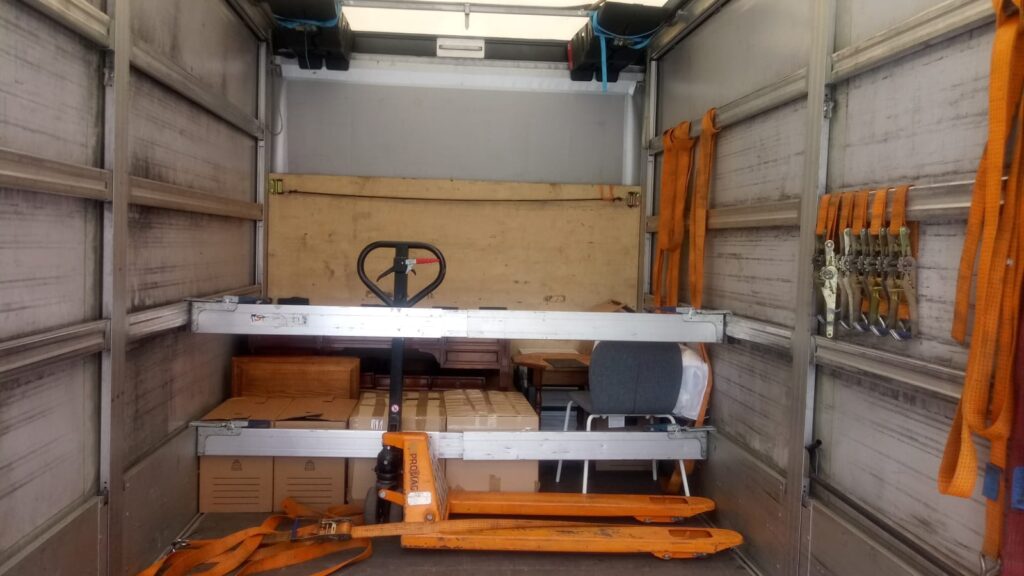


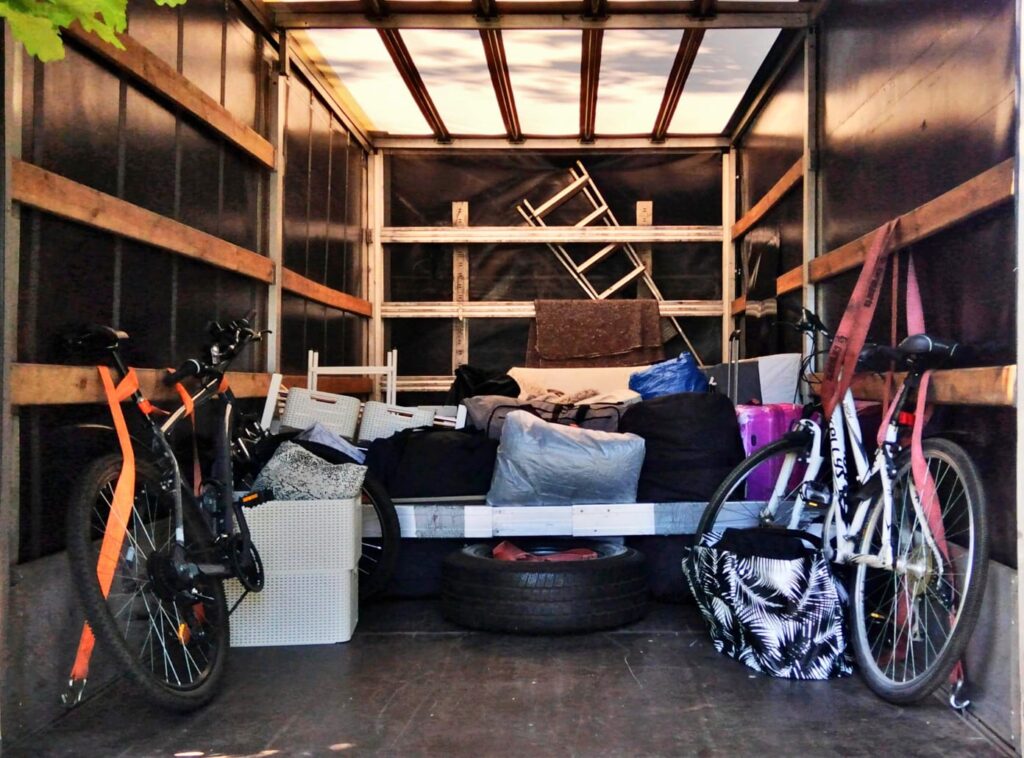
Factory Relocation Switzerland for Large Factory Moves
Large factory moves need serious coordination. They may involve multiple departments, heavy equipment, several vehicles, customs preparation, storage, office removals and specialist installation schedules.
A large factory relocation Switzerland project should include:
- A full asset register
- Machinery preparation plans
- Department-level inventories
- Customs document checks
- Packing strategy
- Vehicle allocation
- Loading maps
- Delivery access reviews
- Swiss site floor plans
- Restart priorities
- Insurance considerations
- Staff communication plan
- Emergency contact list
For heavy or high-volume loads, VANonsite’s Moving Full House XXL option offers 90m3 and 20000kg capacity. This can support demanding business moves where both space and weight matter.
Large factory moves should rarely be treated as one giant action. They work better as phases. Each phase should have a purpose. For example:
- Phase 1: documents and IT
- Phase 2: office furniture
- Phase 3: tools and spare parts
- Phase 4: machinery
- Phase 5: stock and storage
- Phase 6: final checks and leftover items
A large factory relocation Switzerland move feels less frightening when it becomes a sequence of controlled actions.
Moving Factory Offices, Furniture and IT Equipment
The production floor often gets the most attention, but the factory office is just as important. Orders, invoices, payroll, supplier communication, HR documents and customer updates often run from the office. If office systems fail, the factory can feel blind.
During factory relocation Switzerland, office assets may include:
- Desks
- Chairs
- Meeting tables
- Filing cabinets
- Reception furniture
- Computers
- Monitors
- Printers
- Routers
- Servers
- Phones
- Archive boxes
- Confidential files
VANonsite can support the office side of the move through:
The office should not be packed as an afterthought. Separate IT equipment from heavy tools. Keep confidential documents secure. Label desks and chairs by department or floor plan. Mark routers, switches and essential computers as Priority 1.
If the Swiss office must look professional immediately, white glove delivery and furniture installation can help create a polished result faster.
IT Equipment in a Factory Relocation Switzerland Project
IT equipment can be deceptively fragile. It may not be heavy, but it is often mission-critical. During factory relocation Switzerland, computers, servers, printers, routers and network devices should be handled separately from machinery and workshop equipment.
Before moving IT items:
- Back up important data.
- Photograph cable connections.
- Label cables and ports.
- Pack screens with protection.
- Keep routers and key devices accessible.
- Separate laptops from heavy boxes.
- Keep passwords and setup information secure.
- Mark critical IT boxes as Priority 1.
- Assign one person to check IT on arrival.
A factory without IT can struggle to process orders, print labels, contact suppliers, access schedules or communicate with customers. For this reason, IT should often move early, sometimes in a separate man and van delivery.
This small decision can save a large amount of stress. When your office systems are working, the rest of the move feels more manageable.
Swiss Delivery Access and Site Planning
Even the best-packed load can slow down if delivery access is poor. Switzerland has modern infrastructure, but every site is different. A factory in an industrial zone may be easy to access. A city office or mixed-use building may require more planning.
Before your factory relocation Switzerland delivery, confirm:
- Exact Swiss address
- Canton
- On-site contact person
- Loading bay availability
- Vehicle access route
- Door width and height
- Floor level
- Elevator dimensions
- Elevator weight limits
- Parking rules
- Delivery time windows
- Forklift availability
- Pallet truck availability
- Floor protection requirements
- Weather risks
- Site security procedures
- Any permits required for loading or unloading
Access planning saves time because it removes guesswork. The delivery team should not arrive and then discover there is no place to park, no person to open the loading bay or no lift suitable for heavy items.
A strong factory relocation Switzerland plan gives the moving team clear instructions before arrival.
Staff Relocation and Work Permit Considerations
Some factory relocations involve people as well as equipment. Managers, engineers, installers, technicians or production staff may need to travel to Switzerland during the move. This adds a human layer to the logistics plan.
For official guidance, check:
- Working in Switzerland, SEM
- EU/EFTA nationals in Switzerland
- Non-EU/EFTA nationals working in Switzerland
Work and residence rules depend on nationality, employment status, duration and purpose of stay. A short installation visit may have different requirements from a long-term transfer. Always check official guidance or speak with a qualified adviser before making staff arrangements.
From a moving perspective, the key is timing. If your specialists must be in Switzerland to install or test equipment, their travel and paperwork should match the delivery schedule. If people arrive before machines, time is wasted. If machines arrive before key staff, restart slows down.
A complete factory relocation Switzerland plan connects transport, people and production.
Why GPS Tracking Matters in Factory Relocation Switzerland
When your factory assets are on the road, uncertainty feels expensive. You do not want to wonder where the load is. You want visibility. You want to know when to prepare the unloading area, when to call installation teams and when to update internal stakeholders.
GPS tracking is valuable because it helps you:
- Follow the shipment
- Reduce anxiety
- Coordinate unloading teams
- Prepare the Swiss destination
- Adjust schedules if needed
- Inform managers and staff
- Protect customer communication
- Stay in control during the journey
VANonsite tracks every load. For a factory relocation Switzerland project, this visibility can be a serious advantage. A factory shipment is not just cargo. It may represent production continuity, customer deadlines and the next chapter of the business.
GPS tracking also supports staged moves. If one man and van load contains urgent IT equipment and another vehicle carries stock or furniture, tracking helps teams coordinate each arrival.
Common Mistakes During Factory Relocation Switzerland
Many expensive moving problems begin as small planning mistakes. The good news is that most of them are avoidable.
Avoid these common mistakes:
- Booking transport before measuring the load.
- Ignoring total weight.
- Forgetting Swiss customs requirements.
- Mixing personal belongings with commercial goods.
- Packing machine parts without labels.
- Leaving IT equipment until the last minute.
- Failing to photograph machinery before dismantling.
- Moving all items in one chaotic wave.
- Not checking Swiss delivery access.
- Choosing the cheapest option instead of the safest plan.
- Using vague labels like “miscellaneous.”
- Forgetting restart kits.
- Underestimating packing time.
- Assuming staff can work in Switzerland without checks.
- Failing to assign one moving-day decision maker.
The cheapest move can become expensive if it causes downtime. In factory relocation Switzerland, value comes from control, protection and reliability.
Last Minute Factory Relocation Switzerland
Not every factory move is planned months ahead. Sometimes a lease changes, a production site becomes available, a machine must move quickly or a customer requirement creates urgency. In these moments, speed matters.
VANonsite’s Last Minute Moving support can help when a business needs urgent European transport. A last-minute factory relocation Switzerland project still needs structure, even if time is tight.
Focus first on essentials:
- What must move now?
- What can wait?
- Which items are critical for production?
- Which documents are required?
- What vehicle size is realistic?
- Is a man and van option enough?
- Is the Swiss delivery site ready?
- Who will receive the load?
For urgent smaller shipments, a man and van service can be especially useful. It can move essential tools, documents, spare parts or IT equipment quickly while the larger relocation plan continues in the background.
Fast does not have to mean careless. A sharp last-minute move still protects the load.
Storage During Factory Relocation Switzerland
Sometimes the Swiss destination is not fully ready on delivery day. Renovations may take longer. Installation may be delayed. Office areas may not be prepared. Stock may need to wait before entering the new site.
In these cases, storage can be part of a smart factory relocation Switzerland strategy.
Storage may help when:
- Old and new lease dates do not overlap
- The Swiss site is still being prepared
- Machinery must arrive after floor works
- Office furniture cannot be installed immediately
- Stock needs temporary holding
- The company wants to move in stages
- Delivery access is limited
- The team needs more time to organise the new layout
Storage can prevent rushed decisions. Instead of forcing everything into a half-ready site, you can move items in a more controlled sequence.
This is especially useful for companies with mixed loads. Machinery may need one schedule. Office furniture may need another. Archive boxes may not be urgent at all.
Insurance, Damage Checks and Accountability
A factory relocation Switzerland project should include a clear process for checking goods before and after transport. Damage prevention starts with packing, but accountability starts with documentation.
Before loading:
- Photograph machinery
- Photograph fragile items
- Record serial numbers
- Note existing damage
- Check packing quality
- Confirm item counts
- Keep copies of inventories
After delivery:
- Check visible condition
- Compare delivered items with the inventory
- Report missing items quickly
- Photograph any damage immediately
- Keep documents and communication records
- Test critical equipment before full restart
This process protects both the business and the moving plan. It removes confusion and gives everyone a clearer view of what happened.
A well-documented factory relocation Switzerland move is easier to manage because facts replace assumptions.
Cost Factors in Factory Relocation Switzerland
The cost of factory relocation Switzerland depends on much more than distance. Two companies may move from similar locations to Switzerland and still receive very different quotes because the load, access, urgency and handling needs are different.
Main cost factors include:
- Total volume in m3
- Total weight in kg
- Distance
- Vehicle size
- Number of movers
- Packing materials
- Professional packing
- Loading difficulty
- Unloading difficulty
- Customs preparation
- Storage
- Urgency
- Fragile items
- High-value equipment
- Number of delivery stages
- Special handling needs
As a practical planning rule, packing, access and customs preparation can influence cost as much as distance. A clean, well-labelled 15m3 move may be smoother than a rushed 5m3 move with unclear items and missing documents.
To get a better estimate, prepare an inventory before asking for a quote. Include:
- Item name
- Quantity
- Approximate dimensions
- Estimated weight
- Fragility
- Priority level
- Pickup location
- Delivery zone
- Special handling notes
The more accurate your information, the more accurate the transport plan.
Practical Inventory Template for Factory Relocation Switzerland
Use a simple inventory to control the move. It does not need to be beautiful. It needs to be useful.
| Item category | Example | Quantity | Priority | Notes |
|---|---|---|---|---|
| Machinery | CNC unit, compressor, packaging machine | 1 to 10 | Priority 1 | Add size, weight and serial numbers |
| Tools | Toolboxes, drills, measuring tools | 10 to 100 plus | Priority 1 | Label by team or department |
| Stock | Pallets, cartons, finished goods | Variable | Priority 2 | Add SKU or batch details |
| IT | Computers, monitors, routers | 5 to 50 plus | Priority 1 | Pack separately from tools |
| Furniture | Desks, chairs, cabinets | Variable | Priority 2 | Match to office layout |
| Documents | Manuals, contracts, HR files | Variable | Priority 1 | Keep secure and labelled |
| Fragile items | Screens, sensors, control panels | Variable | Priority 1 | Add protective packing |
| Personal belongings | Staff relocation items | Variable | Separate | Do not mix with commercial goods |
This inventory helps VANonsite recommend whether your factory relocation Switzerland project needs a compact man and van vehicle, a 15m3 van, a 30m3 option or a larger 90m3 solution.
How VANonsite Supports Factory Relocation Switzerland
VANonsite supports European moves where speed, care and communication matter. For factory relocation Switzerland, that combination is especially useful because business moves carry more pressure than ordinary deliveries.
VANonsite can help with:
- Small man and van moves
- Larger factory relocation projects
- GPS tracked transport
- Packing services
- Furniture removals
- Home removals for staff relocation
- Office removals
- White glove delivery
- Storage
- Office furniture installation
- Last minute moving
The range of vehicle sizes gives businesses flexibility. A small urgent load does not need to be treated like a full factory move. A large relocation does not need to be squeezed into an unsuitable vehicle.
VANonsite offers:
- Moving One: 1m3, 100kg
- Moving Basic: 5m3, 300kg
- Moving Medium: 10m3, 500kg
- Moving Premium: 15m3, 1100kg
- Moving Premium Plus: 30m3, 3500kg
- Moving Full House XXL: 90m3, 20000kg
The result is a more tailored approach. Whether you need urgent tools moved by man and van or a large factory relocation Switzerland plan with machinery, furniture, stock and IT equipment, VANonsite can help shape the move around the real needs of the business.
Final Pre-Move Checklist
Before the moving team arrives, run one final check. This is the moment to catch small issues before they become costly.
- Is the inventory complete?
- Are all Priority 1 items clearly marked?
- Are customs documents ready?
- Are commercial goods separated from personal items?
- Are machines photographed?
- Are cables and parts labelled?
- Is the correct vehicle confirmed?
- Is the Swiss delivery address accurate?
- Is unloading access confirmed?
- Is there a named contact at pickup and delivery?
- Are IT items packed separately?
- Are fragile items protected?
- Is GPS tracking confirmed?
- Is the restart team ready?
- Is the first 24-hour plan clear?
A strong factory relocation Switzerland project does not rely on luck. It relies on preparation.
Factory Relocation Switzerland FAQ
How long does factory relocation Switzerland take?
A small man and van move may be completed quickly, depending on distance, access and customs requirements. A larger factory relocation Switzerland project may need several weeks of preparation because machinery, documents, packing, loading sequence and Swiss delivery access must be planned together.
What documents are needed for factory relocation Switzerland?
Business goods may require a commercial invoice or pro forma invoice, packing list, asset inventory and import declaration. Personal relocation goods may require different documents, including Form 18.44 where household effects rules apply. Always check official Swiss Customs guidance before moving.
Can VANonsite move machinery to Switzerland?
Yes. VANonsite can support factory relocation Switzerland projects involving tools, machinery, office furniture, stock, documents, IT equipment and business assets. The right vehicle depends on size, weight, urgency and handling needs.
Is man and van suitable for factory relocation Switzerland?
Yes. A man and van service can be suitable for smaller factory loads, urgent tools, spare parts, IT equipment, sample stock, documents or staged deliveries. Larger relocations may need bigger vehicles or multiple phases.
Does VANonsite provide GPS tracking?
Yes. VANonsite provides GPS tracking for every load, helping businesses follow the shipment and coordinate unloading with more confidence.
What is the largest VANonsite vehicle option?
The Moving Full House XXL option offers 90m3 and 20000kg capacity, making it suitable for larger and more demanding business relocation projects.
Should a factory move to Switzerland happen in one trip?
Not always. Many businesses benefit from staged relocation. Priority tools, IT equipment and restart kits can move first, while machinery, stock and furniture follow in a planned sequence.
Can VANonsite help with packing?
Yes. VANonsite offers packing support, which can be valuable for fragile, high-value or complex business assets.
What is the biggest risk in factory relocation Switzerland?
The biggest risk is downtime caused by poor planning. Missing parts, customs delays, weak packing, wrong loading order or unclear site access can all slow down the restart.
How can I reduce downtime during factory relocation Switzerland?
Create an inventory, label priority items, prepare customs documents early, use GPS tracked transport, pack critical items separately and create a first 24-hour restart plan.
Move Your Factory to Switzerland With More Control
A factory relocation Switzerland project should not feel like a leap into the unknown. With the right inventory, documents, packing strategy, vehicle size and GPS tracked transport, your business can move with clarity instead of fear.
The safest factory moves are not the loudest or the fastest on paper. They are the ones where every item has a destination, every document has a purpose and every stage supports the restart. That is how you protect machinery, reduce downtime and keep people confident during a demanding transition.
VANonsite helps businesses move across Europe with speed, care and visibility. Whether you need a compact man and van delivery for urgent tools or a larger factory move with machinery, stock, office furniture and IT equipment, the goal stays the same: protect the load, reduce disruption and help your business begin its next chapter in Switzerland with confidence.
If your company is preparing a factory relocation Switzerland move, start with the essentials today. Build your inventory, mark your priorities, check your documents and choose a transport partner that treats your factory assets like the future of your business.