
Moving to Switzerland can feel like stepping into a sharper, cleaner and more deliberate way of life. The trains are punctual. The lakes look unreal. The cities feel safe. The mountains sit on the horizon like a promise. Yet behind the postcard beauty, Switzerland is also expensive, organised and serious about rules.
That is why the most useful facts about living in Switzerland are not just about chocolate, watches or alpine views. They are practical. You need to know how registration works, what documents may be required, how health insurance is arranged, what customs rules apply and how to move your belongings safely across the border.
This guide gives you a clear, structured answer. It is written for people planning a real relocation, not just researching a dream. You will find essential facts about living in Switzerland, moving steps, official links, cost insights, housing advice and practical transport guidance.
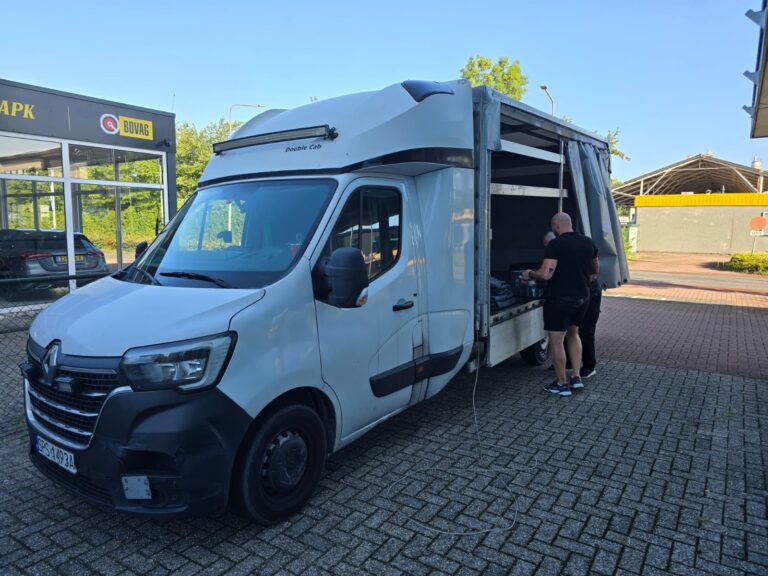
If you are preparing your move, VANonsite can support your relocation with professional European transport, GPS tracked loads, flexible van sizes, packing service, furniture removals, home removals, student moves, office removals, white glove delivery and last minute moving. For a dedicated Switzerland service, visit Removals to Switzerland.
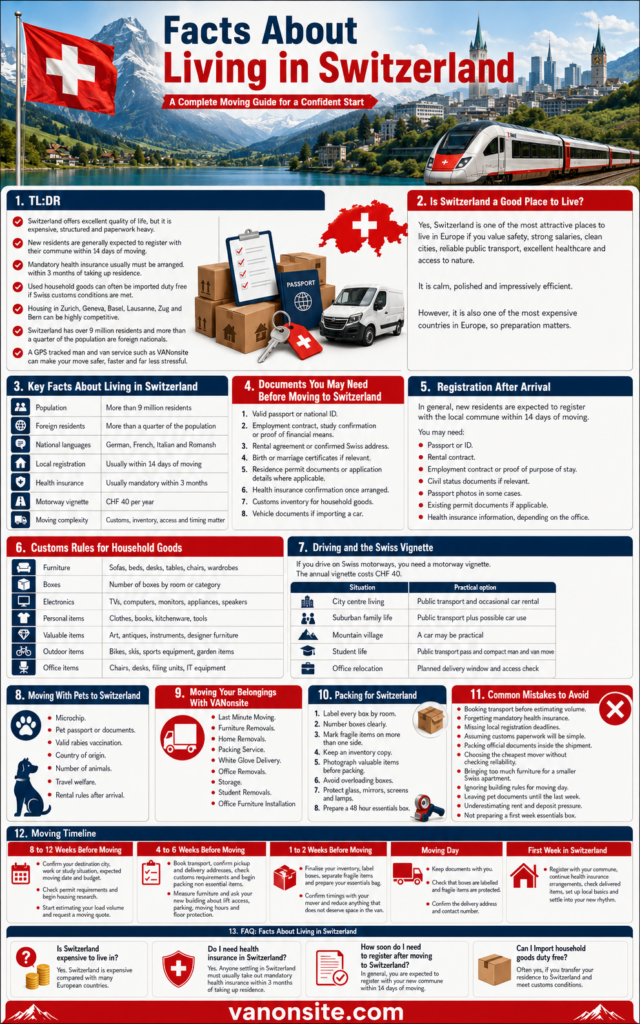
TL:DR
- Switzerland offers excellent quality of life, but it is expensive, structured and paperwork heavy.
- New residents are generally expected to register with their commune within 14 days of moving.
- Mandatory health insurance usually must be arranged within 3 months of taking up residence.
- Used household goods can often be imported duty free if Swiss customs conditions are met.
- Housing in Zurich, Geneva, Basel, Lausanne, Zug and Bern can be highly competitive.
- Switzerland has over 9 million residents and more than a quarter of the population are foreign nationals.
- A GPS tracked man and van service such as VANonsite can make your move safer, faster and far less stressful.




Is Switzerland a Good Place to Live?
Yes, Switzerland is one of the most attractive places to live in Europe if you value safety, strong salaries, clean cities, reliable public transport, excellent healthcare and access to nature. It is calm, polished and impressively efficient. However, it is also one of the most expensive countries in Europe, so preparation matters.
The best facts about living in Switzerland are balanced. On one side, you get outstanding infrastructure, low levels of everyday disorder, beautiful scenery and a strong sense of stability. On the other side, rent can be high, health insurance is paid privately, housing applications can be competitive and official deadlines should not be ignored.
| Area | What to Expect |
|---|---|
| Population | More than 9 million residents |
| Foreign residents | More than a quarter of the population |
| National languages | German, French, Italian and Romansh |
| Local registration | Usually within 14 days of moving |
| Health insurance | Usually mandatory within 3 months |
| Motorway vignette | CHF 40 per year |
| Moving complexity | Customs, inventory, access and timing matter |
A smooth relocation starts before moving day. It starts with checking the rules, preparing documents, measuring your belongings and choosing the right transport option. With a professional man and van service, your move can feel controlled instead of chaotic.
Switzerland Is Beautiful, Efficient and Rule Driven
One of the first facts about living in Switzerland is that daily life runs on order and trust. People respect quiet hours. Recycling is taken seriously. Public transport is impressively reliable. Appointments start on time. Contracts are read carefully.
For many newcomers, this is refreshing. It feels safe and predictable. For others, it can feel strict at first. Switzerland is not the kind of place where you can casually arrive, drop your boxes and work out the details later. You need a plan.
Before you move, prepare:
- A clear moving inventory.
- Your passport or national ID.
- Rental agreement or address confirmation.
- Work, study or residence documents.
- Customs paperwork for household goods.
- Pet documents if moving with animals.
- A first week essentials box.
- A realistic transport plan.
This is where professional transport becomes more than a vehicle. VANonsite gives every load GPS tracking, which brings real peace of mind during a cross border move. When your furniture, clothes, work equipment and personal memories are on the road, visibility matters.
Documents You May Need Before Moving to Switzerland
Paperwork is one of the most important facts about living in Switzerland because requirements depend on nationality, reason for moving, work status, study plans, family situation and length of stay.
EU and EFTA citizens often follow different procedures than non EU nationals. Workers, students, self employed people and family members may also need different documents. Always check official Swiss guidance before making final decisions.
Useful official pages include:
- EU and EFTA citizens living and working in Switzerland
- Swiss permits for living in Switzerland
- Moving to Switzerland official overview
- Working in Switzerland
In many cases, you should prepare:
- Valid passport or national ID.
- Employment contract, study confirmation or proof of financial means.
- Rental agreement or confirmed Swiss address.
- Birth or marriage certificates if relevant.
- Residence permit documents or application details where applicable.
- Health insurance confirmation once arranged.
- Customs inventory for household goods.
- Vehicle documents if importing a car.
Keep these documents with you during the move. Do not pack them into the van. A relocation can become stressful very quickly if your passport, rental agreement or customs form is inside a sealed box under your kitchenware.
Registration After Arrival
One of the clearest facts about living in Switzerland is that registration matters. In general, new residents are expected to register with the local commune within 14 days of moving.
Official guidance is available here: Notification of departure and registration.
You usually register with the local residents’ office, municipality or commune. Exact requirements vary by canton and location, so check your local office before arrival.
You may need:
- Passport or ID.
- Rental contract.
- Employment contract or proof of purpose of stay.
- Civil status documents if relevant.
- Passport photos in some cases.
- Existing permit documents if applicable.
- Health insurance information, depending on the office.
Registration connects to your permit, taxes, official letters, healthcare, schooling and local services. It is not a symbolic step. It is part of settling into Swiss life properly.
If you are moving with VANonsite, it is worth planning delivery timing around your arrival week. You want time to unpack essentials, visit the commune and begin insurance arrangements without chasing delayed furniture or missing boxes.
Customs Rules for Household Goods
Customs is one of the most practical facts about living in Switzerland for anyone bringing furniture, boxes, bicycles, tools, office equipment or personal belongings from another country.
In many cases, personal household effects can be imported duty free when you transfer your residence to Switzerland and meet official conditions. Goods are usually expected to be used personally and intended for continued use after import.
Check the official customs guidance here:
A strong inventory should include:
| Item type | What to list |
|---|---|
| Furniture | Sofas, beds, desks, tables, chairs, wardrobes |
| Boxes | Number of boxes by room or category |
| Electronics | TVs, computers, monitors, appliances, speakers |
| Personal items | Clothes, books, kitchenware, tools |
| Valuable items | Art, antiques, instruments, designer furniture |
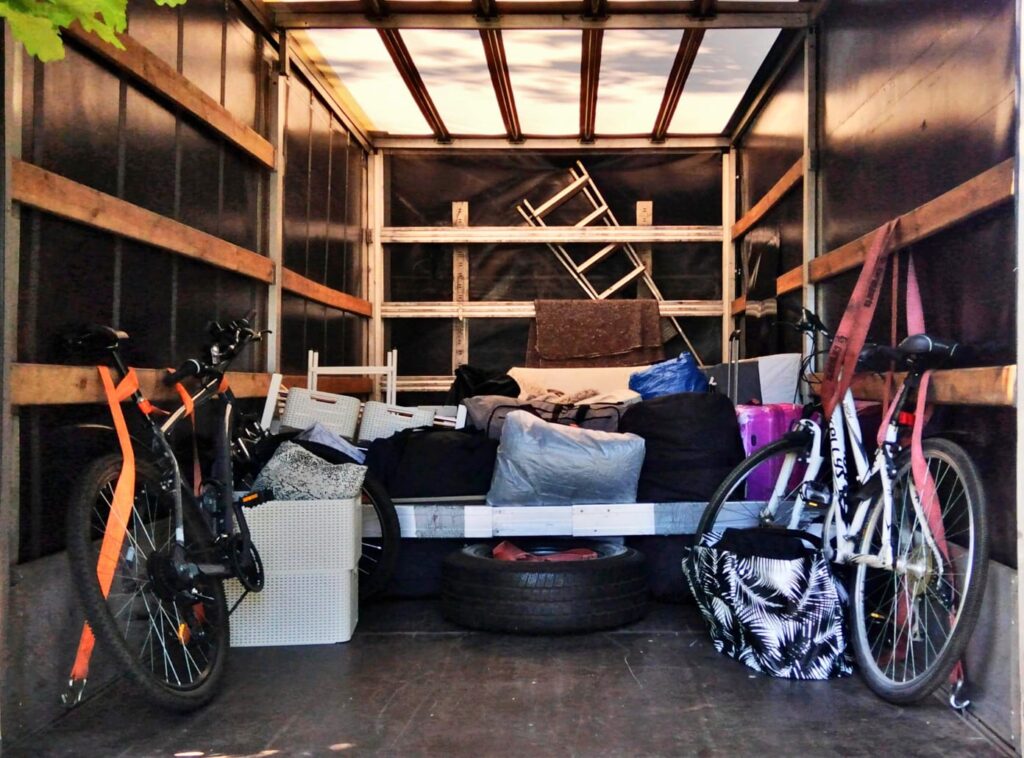
| Outdoor items | Bikes, skis, sports equipment, garden items |
| Office items | Chairs, desks, filing units, IT equipment |
Do not treat the inventory as a dull formality. It protects you. It helps customs. It helps your mover choose the right vehicle size. It also makes unloading faster and more organised.
VANonsite supports European moves where route planning, safe loading and cargo visibility matter. GPS tracked transport means you can follow your shipment instead of wondering where it is.
Cost of Living in Switzerland
The cost of living is one of the most searched facts about living in Switzerland. The country can be wonderfully comfortable, but it is not cheap.
Housing usually takes the largest part of the budget. Health insurance is mandatory and paid privately. Eating out can be expensive. Everyday services such as cleaning, repairs, haircuts, taxis and childcare often cost more than newcomers expect.
However, salaries can be strong, infrastructure is excellent and quality of life can be exceptional. The real question is not only whether Switzerland is expensive. It is whether your income, canton, housing choice and lifestyle make the numbers work.
| Budget area | Newcomer reality |
|---|---|
| Rent | Often the largest monthly cost |
| Health insurance | Mandatory, with individual premiums |
| Groceries | Higher than in many European countries |
| Restaurants | Premium priced, especially in city centres |
| Transport | Excellent, but travel cards need planning |
| Childcare | Can be a major family expense |
| Moving | Depends on volume, distance, urgency and access |
A sensible relocation budget should include the first rent payment, rental deposit, health insurance premiums, public transport or vehicle costs, moving transport, packing materials and an emergency buffer for the first 30 to 60 days.
The less organised the move, the more expensive it can become. Last minute vehicle changes, missing customs papers or poor packing may create avoidable costs. A professional man and van service helps reduce those risks.
Choosing Where to Live in Switzerland
Location is one of the most life shaping facts about living in Switzerland. The country is compact, but the lifestyle changes dramatically between cantons and cities.
Zurich feels energetic, international and business focused. Geneva is diplomatic, global and elegant. Basel is practical, cultural and strong in science and pharma. Lausanne feels younger, scenic and lively. Bern is calmer, historic and balanced. Zug is compact, wealthy and attractive to business professionals. Lugano offers Italian speaking warmth and lake side charm.
| Place | Best for | Lifestyle feel |
|---|---|---|
| Zurich | Finance, tech, international careers | Fast, polished, expensive |
| Geneva | NGOs, diplomacy, global companies | International, refined, costly |
| Basel | Pharma, science, cross border living | Practical, cultural, connected |
| Lausanne | Students, sport, lake lifestyle | Young, scenic, energetic |
| Bern | Families, government, stable routines | Calm, historic, balanced |
| Zug | Executives, business, premium living | Compact, polished, wealthy |
| Lugano | Italian speaking lifestyle | Sunny, elegant, relaxed |
When choosing a city, think beyond salary. Consider commute time, dominant language, rent, childcare, schools, healthcare, public transport and building access.
That final point is often forgotten. In Swiss cities, narrow streets, strict unloading times and apartment staircases can turn moving day into a puzzle. For smaller apartments or partial loads, a flexible man and van option can be more practical than a large truck.
Housing in Switzerland
Housing is one of the tougher facts about living in Switzerland for newcomers. In popular cities, good apartments can attract many applicants. Landlords may expect clean documents, reliable income and quick communication.
Prepare before viewings. A strong application may include:
- Passport or ID copy.
- Employment contract or salary confirmation.
- Residence permit or proof of application where applicable.
- Previous landlord reference if available.
- Debt register extract where requested.
- Short personal introduction.
- Preferred move in date.
Once you secure a home, think carefully about moving logistics. Swiss buildings may have rules for lifts, parking, moving times, noise and floor protection. Ask the landlord or building manager before moving day.
For larger apartment moves, Home Removals can be a strong choice. For sofas, wardrobes, beds, tables or bulky single items, Furniture Removals can simplify the process. If plans change suddenly, Last Minute Moving can become a rescue option.
Health Insurance in Switzerland
Healthcare is one of the essential facts about living in Switzerland because it works differently from many countries. Anyone settling in Switzerland must usually take out mandatory health insurance within 3 months of taking up residence.
Official information is available here: Health insurance for people resident in Switzerland.
Important points:
- Basic health insurance is mandatory.
- Each family member needs individual insurance.
- Premiums vary by provider, canton, age and deductible.
- Basic cover is regulated.
- Supplementary insurance is optional.
- Delays can create retroactive costs.
A simple arrival order works well:
- Move into your address.
- Register with your commune.
- Arrange health insurance.
- Keep confirmation letters.
- Save copies digitally.
- Add premiums to your monthly budget.
This is not the glamorous part of moving to Switzerland. It is the part that gives you stability.
Languages and Daily Communication
Language is one of the most distinctive facts about living in Switzerland. The country has four national languages: German, French, Italian and Romansh. German is dominant in many regions, French in the west, Italian in Ticino and parts of Graubünden, while Romansh is spoken by a smaller population mainly in Graubünden.
English is common in international business hubs, but daily life is easier when you learn the local language. Housing offices, doctors, schools, neighbours and official letters may not always operate in English.
Practical tips:
- Learn the dominant language of your canton.
- In Zurich, prepare for Swiss German in daily life.
- In Geneva and Lausanne, French is extremely useful.
- In Lugano, Italian will help you settle faster.
- Keep translation support ready for contracts and official letters.
Language affects more than paperwork. It shapes your social life. Switzerland can be polite but reserved, and even basic local phrases can make everyday interactions warmer.
Swiss Culture and Everyday Rules
Some facts about living in Switzerland are not written on official forms. They appear in everyday life.
People often value privacy. Noise rules are respected. Shared laundry rooms may have schedules. Recycling can be detailed. Appointments matter. Communication is usually polite, direct and restrained.
Expect:
- Quiet hours in many residential buildings.
- Serious recycling rules.
- Clean streets and public spaces.
- Less casual small talk with strangers.
- Strong punctuality.
- Respect for personal space.
- Clear building rules.
When moving in, respect the building from day one. Protect floors, avoid late evening noise, manage packaging waste properly and do not block entrances longer than necessary. Professional movers can help you make a calm first impression.
Public Transport, Driving and the Swiss Vignette
Transport is one of the easiest facts about living in Switzerland to appreciate. Trains, trams, buses and boats are clean, frequent and well connected. Many residents live comfortably without a car, especially in larger cities.
If you drive on Swiss motorways, you need a motorway vignette. The annual vignette costs CHF 40.
Official information is available here: Swiss motorway vignette.
Before moving, think about your transport lifestyle:
| Situation | Practical option |
|---|---|
| City centre living | Public transport and occasional car rental |
| Suburban family life | Public transport plus possible car use |
| Mountain village | A car may be practical |
| Student life | Public transport pass and compact man and van move |
| Office relocation | Planned delivery window and access check |
For the move itself, confirm whether a van can park near the entrance. In older streets or dense city areas, a smaller man and van vehicle may be more useful than a large truck.

Moving With Pets to Switzerland
Pets are part of the family, but pet relocation needs planning. One of the practical facts about living in Switzerland is that animals must meet entry rules, and requirements may depend on species and country of origin.
Official information is available here: Travelling with pets to Switzerland.
Check rules for:
- Microchip.
- Pet passport or documents.
- Valid rabies vaccination.
- Country of origin.
- Number of animals.
- Travel welfare.
- Rental rules after arrival.
On moving day, keep pets away from open doors, heavy lifting and crowded corridors. Prepare food, medication, bowls, bedding, documents and familiar toys in a separate bag.
Moving Your Belongings With VANonsite
One of the most overlooked facts about living in Switzerland is that the move itself can shape your first month. If your boxes are late, damaged, badly labelled or delayed by poor planning, your Swiss start becomes harder than it needs to be.
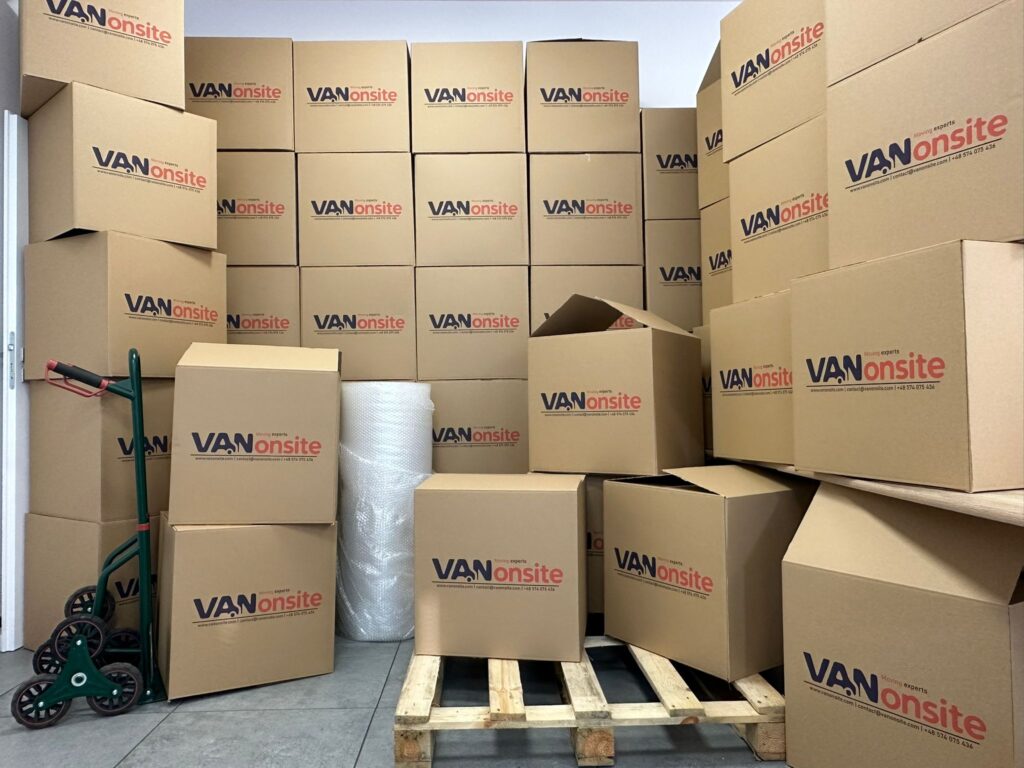
VANonsite supports European relocations where safety, speed and visibility matter. GPS tracked transport means your belongings stay visible during the journey. This is especially valuable for cross border removals to Switzerland.
VANonsite services include:
- Last Minute Moving.
- Furniture Removals.
- Home Removals.
- Packing Service.
- White Glove Delivery.
- Office Removals.
- Storage.
- Student Removals.
- Office Furniture Installation.
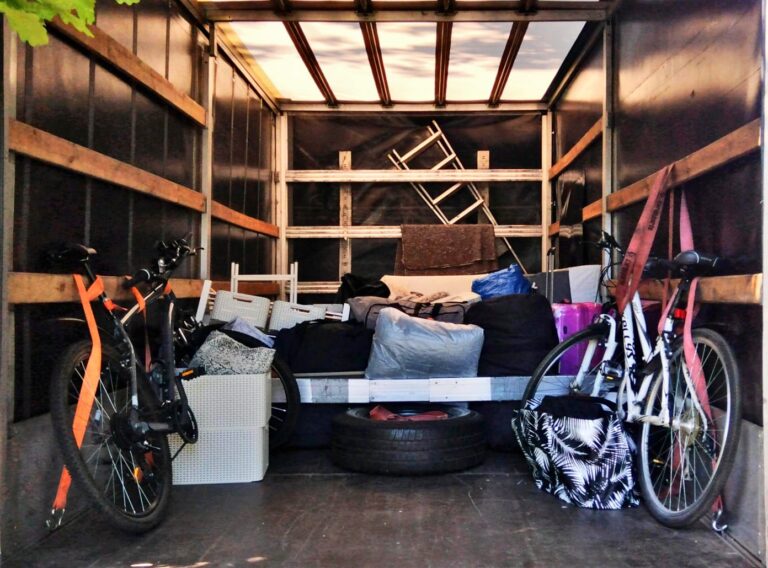
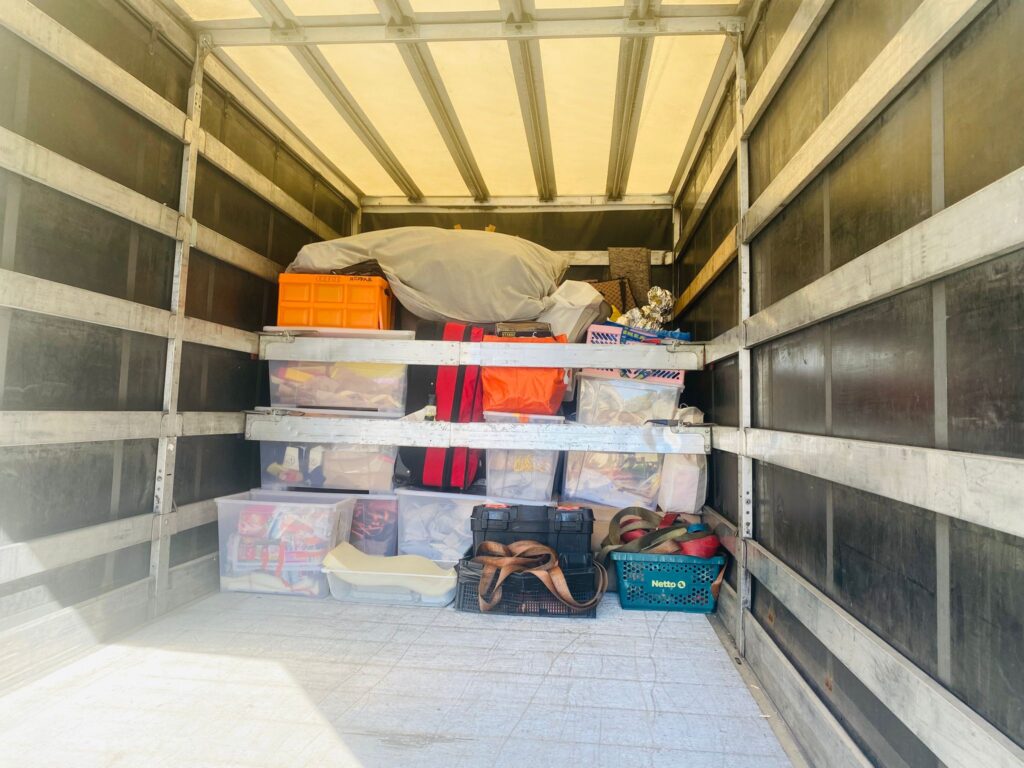
A professional man and van service works especially well for students, studio apartments, partial loads, furniture deliveries, small office moves and urgent relocations. Larger homes may need bigger vehicle options.
| VANonsite vehicle option | Capacity | Best for |
|---|---|---|
| Moving One | 1 m3, 100 kg | A few boxes, essentials, small student items |
| Moving Basic | 5 m3, 300 kg | Studio move, compact man and van relocation |
| Moving Medium | 10 m3, 500 kg | One room, light furniture, small apartment |
| Moving Premium | 15 m3, 1100 kg | Larger apartment with furniture and boxes |
| Moving Premium Plus | 30 m3, 3500 kg | Family relocation or heavier household move |
| Moving Full House XXL | 90 m3, 20000 kg | Full house, large office, complex relocation |
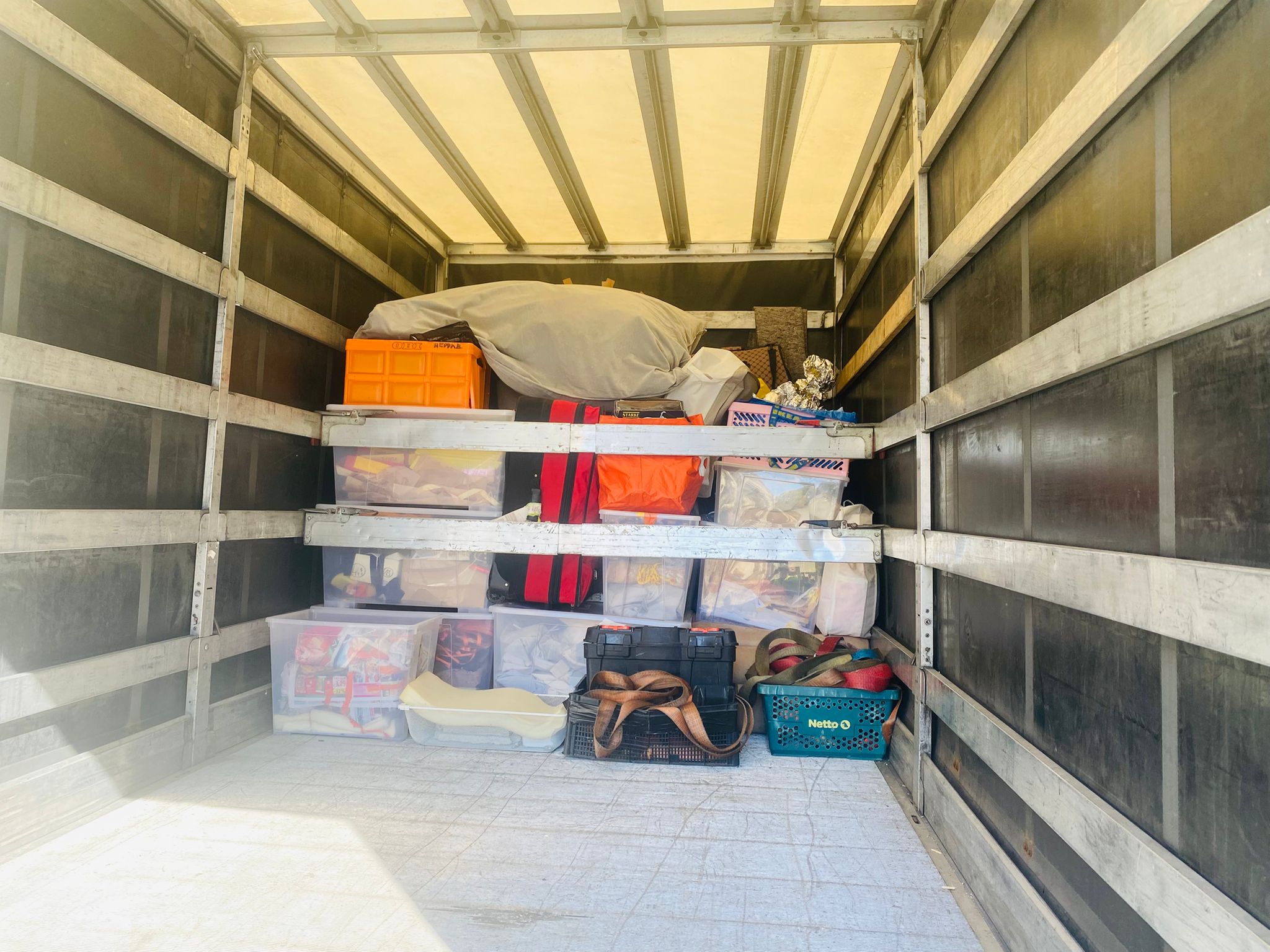
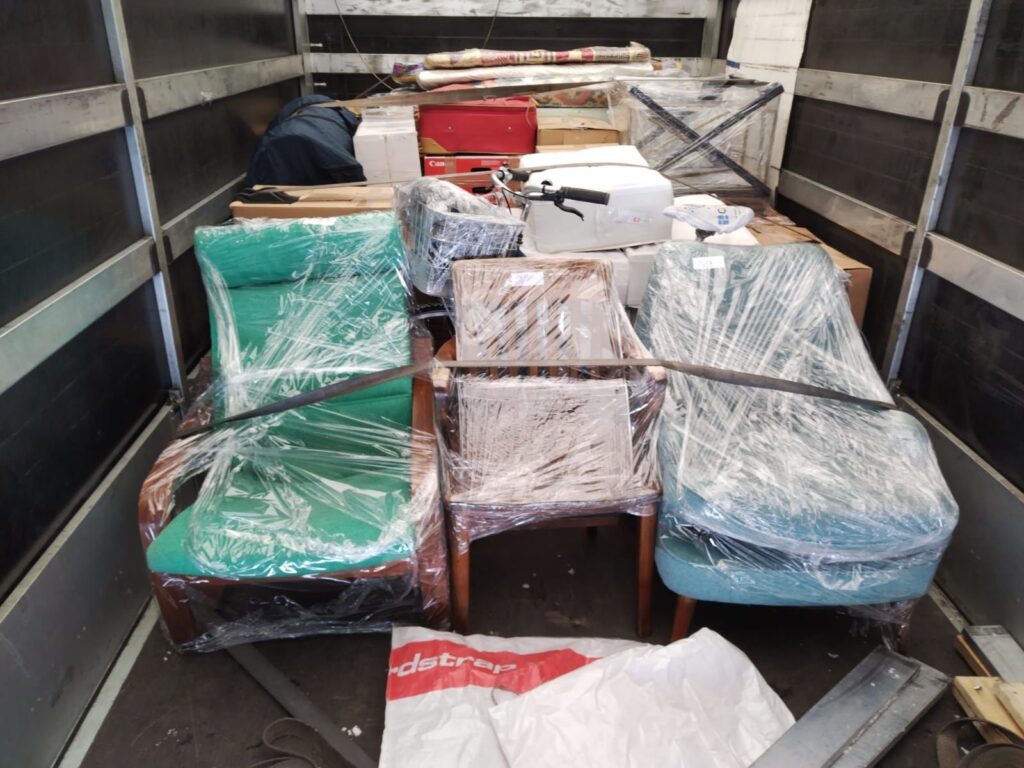
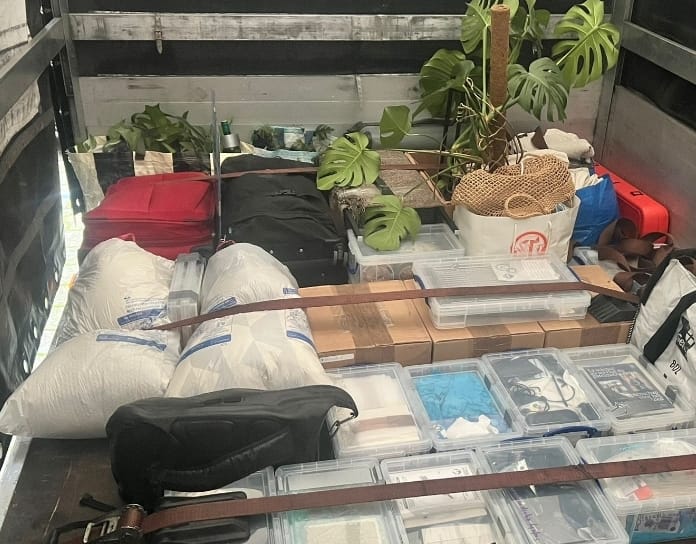
The safest move is not always the biggest. It is the best matched. Too small creates pressure. Too large wastes budget. The right vehicle gives your relocation breathing room.
Packing for Switzerland
Packing may seem ordinary, but it is one of the facts about living in Switzerland that becomes important during a cross border move. Your belongings may go through loading, driving, border procedures, unloading, building access and sometimes storage.
Use a clear room based packing system:
- Label every box by room.
- Number boxes clearly.
- Mark fragile items on more than one side.
- Keep an inventory copy.
- Photograph valuable items before packing.
- Avoid overloading boxes.
- Protect glass, mirrors, screens and lamps.
- Prepare a 48 hour essentials box.
Your essentials box should include chargers, toiletries, medicine, documents, basic clothing, snacks, bedding, towels, cleaning cloths, tools and pet supplies if needed.
For delicate items, White Glove Delivery is a strong option. For full home preparation, Packing Service can reduce damage risk and save valuable time.
Students, Families and Offices
Different moves need different plans. A student moving to Lausanne with 8 boxes and a monitor does not need the same vehicle as a family relocating to Zurich with beds, wardrobes and bicycles.
For students, a man and van service is often ideal. It keeps the move compact, affordable and direct. VANonsite Student Removals can help with boxes, clothes, books, bedding, small desks, chairs and personal items.
For families, the focus is stability. You need room by room packing, careful timing, larger capacity and a plan for the first few days after arrival. VANonsite Home Removals and Packing Service can make the process feel calmer.
For office moves, speed and precision matter. Desks, chairs, monitors, files and meeting furniture must arrive safely and in order. VANonsite Office Removals and Office Furniture Installation help reduce downtime and confusion.
Common Mistakes to Avoid
Some mistakes are small. Others become expensive fast. These facts about living in Switzerland can save money, time and nerves.
Avoid:
- Booking transport before estimating volume.
- Forgetting mandatory health insurance.
- Missing local registration deadlines.
- Assuming customs paperwork will be simple.
- Packing official documents inside the shipment.
- Choosing the cheapest mover without checking reliability.
- Bringing too much furniture for a smaller Swiss apartment.
- Ignoring building rules for moving day.
- Leaving pet documents until the last week.
- Underestimating rent and deposit pressure.
- Not preparing a first week essentials box.
A Switzerland move rewards precision. That does not mean it has to feel cold or complicated. It means every detail should have a place.
Moving Timeline
8 to 12 Weeks Before Moving
Confirm your destination city, work or study situation, expected moving date and budget. Check permit requirements and begin housing research. Start estimating your load volume and request a moving quote.
4 to 6 Weeks Before Moving
Book transport, confirm pickup and delivery addresses, check customs requirements and begin packing non essential items. Measure furniture and ask your new building about lift access, parking, moving hours and floor protection.
1 to 2 Weeks Before Moving
Finalise your inventory, label boxes, separate fragile items and prepare your essentials bag. Confirm timings with your mover and reduce anything that does not deserve space in the van.
Moving Day
Keep documents with you. Check that boxes are labelled and fragile items are protected. Confirm the delivery address and contact number. With VANonsite GPS tracking, you can follow your load during the journey.
First Week in Switzerland
Register with your commune, continue health insurance arrangements, check delivered items, set up local basics and settle into your new rhythm.
FAQ: Facts About Living in Switzerland
Is Switzerland expensive to live in?
Yes. Switzerland is expensive compared with many European countries. Rent, health insurance, groceries, restaurants, childcare and services can all be costly. However, salaries, public services, safety and lifestyle quality can be excellent.
Do I need health insurance in Switzerland?
Yes. Anyone settling in Switzerland must usually take out mandatory health insurance within 3 months of taking up residence. Each family member needs individual insurance.
How soon do I need to register after moving to Switzerland?
In general, you are expected to register with your new commune within 14 days of moving. Local requirements can vary, so check the rules in your commune.
Can I import household goods duty free?
Often yes, if you transfer your residence to Switzerland and meet customs conditions. Your belongings should generally be personal, used and intended for continued use. A clear inventory is essential.
Is a man and van service enough for moving to Switzerland?
Yes, for many smaller moves. A man and van service is practical for students, studio apartments, partial loads, furniture removals and urgent relocations. Larger homes may need a bigger vehicle or full removals option.
What size van do I need?
It depends on volume and weight. A few boxes may need only 1 m3, while a full family home may require 30 m3 to 90 m3. VANonsite offers options from Moving One to Moving Full House XXL.
Move to Switzerland With Control, Not Chaos
The most important facts about living in Switzerland are simple but powerful. The country is beautiful, safe, efficient and full of opportunity. It is also expensive, structured and serious about rules. A successful relocation needs more than excitement. It needs timing, documents, packing, customs awareness and reliable transport.
VANonsite gives you a safer route into Switzerland. Whether you are moving a student room, a city apartment, a family home, fragile furniture or an office, you can choose GPS tracked transport, flexible vehicle sizes, packing support and professional European moving experience.
Start with a plan. Choose the right vehicle. Keep your documents ready. Protect your belongings. Then let Switzerland become what it should be: a cleaner, calmer and more confident place to begin again.
Plan your move here: Removals to Switzerland